
Explore the complexities driving the Energy Cybersecurity market growth. Understand the factors influencing decisions and the importance of advanced technologies.
Investment in the Energy Cybersecurity market is on the rise, but misinterpretations overshadow its dynamics. Many stakeholders emphasize growth figures without comprehending the underlying factors driving this expansion. A thorough understanding of these elements is crucial for informed decision-making.
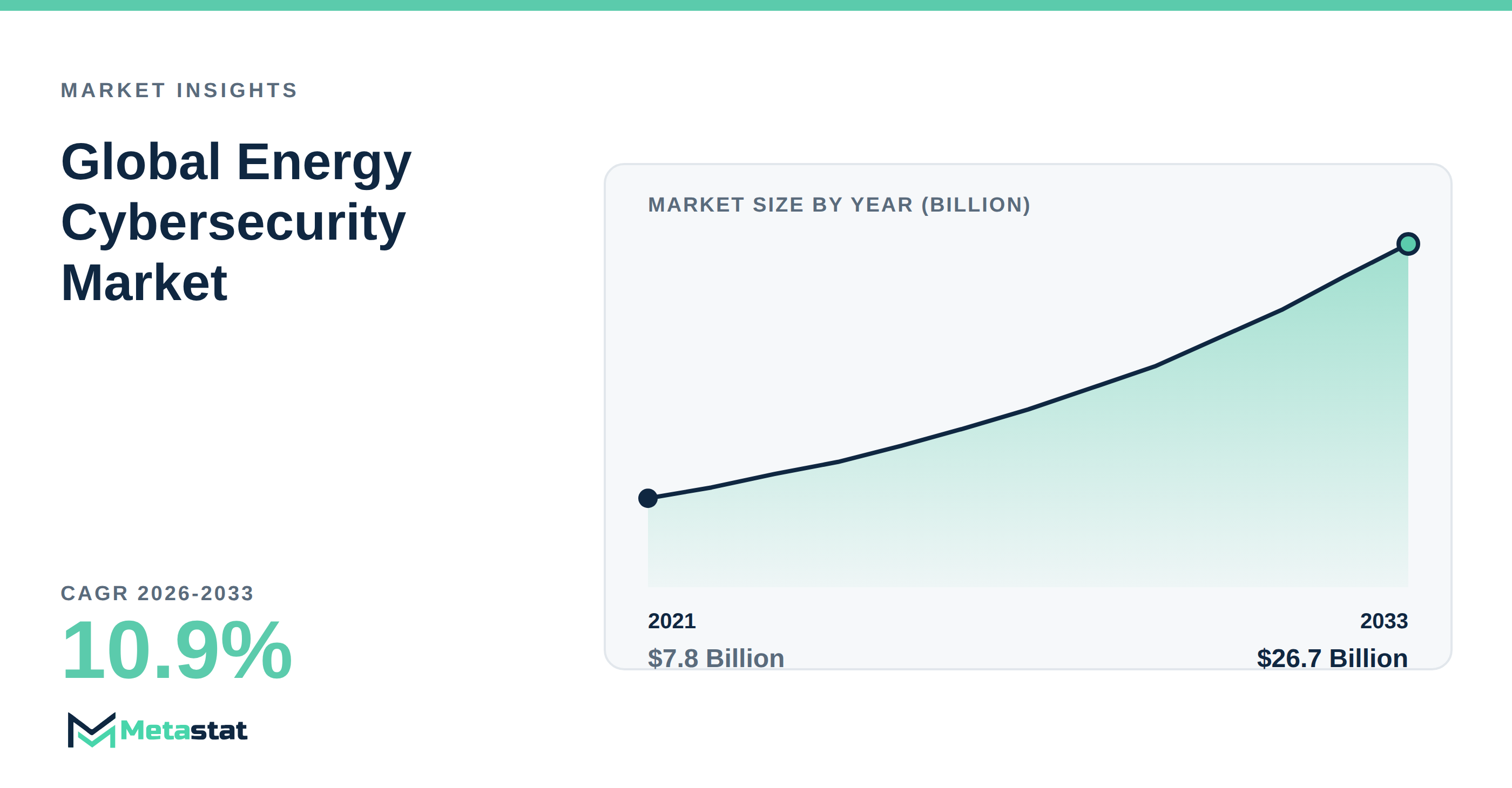
The Energy Cybersecurity market is projected to reach USD 26.7 billion by 2033, expanding at a compound annual growth rate of 10.9%. This growth is fueled by escalating cyber threats targeting power grids and energy networks, necessitating increased investment in protective measures. It is essential to recognize that this growth reflects the urgency of addressing rising risks rather than simply boosting budgets.
A common misconception is that higher investments automatically lead to stronger security. In reality, the effectiveness of cybersecurity measures hinges on the deployment of advanced technologies including artificial intelligence and machine learning. These innovations enhance the ability to identify emerging threats and improve the overall security framework. Organizations prioritize the implementation of these technologies to establish robust defenses against sophisticated cyberattacks.
The adoption of zero trust principles into energy cybersecurity architecture exemplifies this shift. While many companies acknowledge the necessity of continuous verification, the degree of adoption varies significantly. Organizations should embrace this security model to ensure that all access points undergo rigorous verification, which mitigates potential breaches and fortifies the overall security posture.
Compounding the challenges are the unique cybersecurity vulnerabilities arising from the transition towards renewable energy sources. The rapid adoption of renewables introduces new risks that demand specialized protective measures. Organizations recognize that securing distributed energy resources is because critical because safeguarding traditional infrastructure. Neglecting to address these specific needs could lead to severe consequences, including service disruptions and compromised safety.
Regulatory compliance introduces another layer of complexity in the Energy Cybersecurity market. Compliance with frameworks including NERC CIP necessitates significant investment in security measures. Companies are compelled to implement these requirements, which not only ensures regulatory adherence but promotes a culture of security awareness within their organizations. While this commitment to compliance helps drive market growth, it simultaneously increases the operational burden on firms.
Resource constraints and a shortage of skilled cybersecurity professionals present additional challenges. High capital investment for advanced cybersecurity technologies creates hurdles for smaller firms, restricting their competitive capabilities. This talent shortage further complicates the landscape, inhibiting organizations' capacity to implement and maintain necessary security measures.
In response to these challenges, the demand for managed security services is rising. By outsourcing security functions to specialized providers, organizations leverage expertise and resources to bolster their defenses. This trend signifies a strategic shift within the market, where collaboration is crucial to addressing cybersecurity challenges effectively.
Investment in cybersecurity should focus not only on immediate threats but on fostering long-term resilience against future challenges. Organizations increasingly acknowledge the significance of comprehensive cybersecurity strategies that incorporate innovative solutions tailored to their operational needs.
The dynamics of the Energy Cybersecurity market reveal a multifaceted landscape driven by increasing threats, regulatory demands, and technological advancements. Stakeholders delve deeper than surface-level investment figures to grasp the intricacies of this evolving market. By aligning investments with effective security practices and innovative technologies, organizations ensure they remain secure against the backdrop of rising cyber threats.
For more detailed insights, the complete analysis is found in the Global Energy Cybersecurity Market.
Tags
About the Authors

LEAD ANALYST
Utkarsh Khirodkar is a Lead Market Research Analyst at MetaStat Insight, specializing in market intelligence, technology sector assessments, and competitive strategy.

PRINCIPAL CONSULTANT - ENTERPRISE AI & EMERGING TECHNOLOGIES
Banking & Finance · Electronics and Semiconductor · Energy and Power · Healthcare IT · Information & Technology · Professional Services
Vijay Gunti is a Principal Consultant at MetaStat Insight, bringing over two decades of experience across enterprise digital transformation, technology strategy, and intelligent systems.

ENERGY & INFRASTRUCTURE INDUSTRY CONSULTANT
Automotive and Transportation · Electronics and Semiconductor · Energy and Power · Machinery & Equipment
Saurabh Vasant Ganvir consults for Energy & Infrastructure Industry at MetaStat Insight, specializing in renewable energy, solar EPC, and electric vehicle (EV) infrastructure markets.