
LEAD ANALYST
Utkarsh Khirodkar is a Lead Market Research Analyst at MetaStat Insight, specializing in market intelligence, technology sector assessments, and competitive strategy.

Global Energy Cybersecurity Market Size, Share, By Offering Type (Security Solutions and Professional Services), By Solution Type (Asset Discovery & Visibility, Network Security & Segmentation, Endpoint & Device Security, Identity & Access Management, Vulnerability & Exposure Management, Threat Detection & Response, Secure Remote Access, Data & Application Security, Cloud Security, Security Analytics, SIEM & SOAR), By Deployment Model (On-Premises, Cloud-Based and Hybrid), By End-user Industry (Oil & Gas, Conventional Power Generation, Renewable Energy, Nuclear Power, Electricity Transmission & Distribution, Energy Storage, Energy Trading & Retail, Coal & Mining, Bioenergy & Waste-to-Energy and Others (Hydrogen, District Energy)), Industry Analysis, Growth, Trends, and Forecast, 2026-2033
Report ID
MSI-5342
Published
September, 2026
Pages
282 Pages
Format
Historical
Base year
Forecast
Forecast period
Report Details
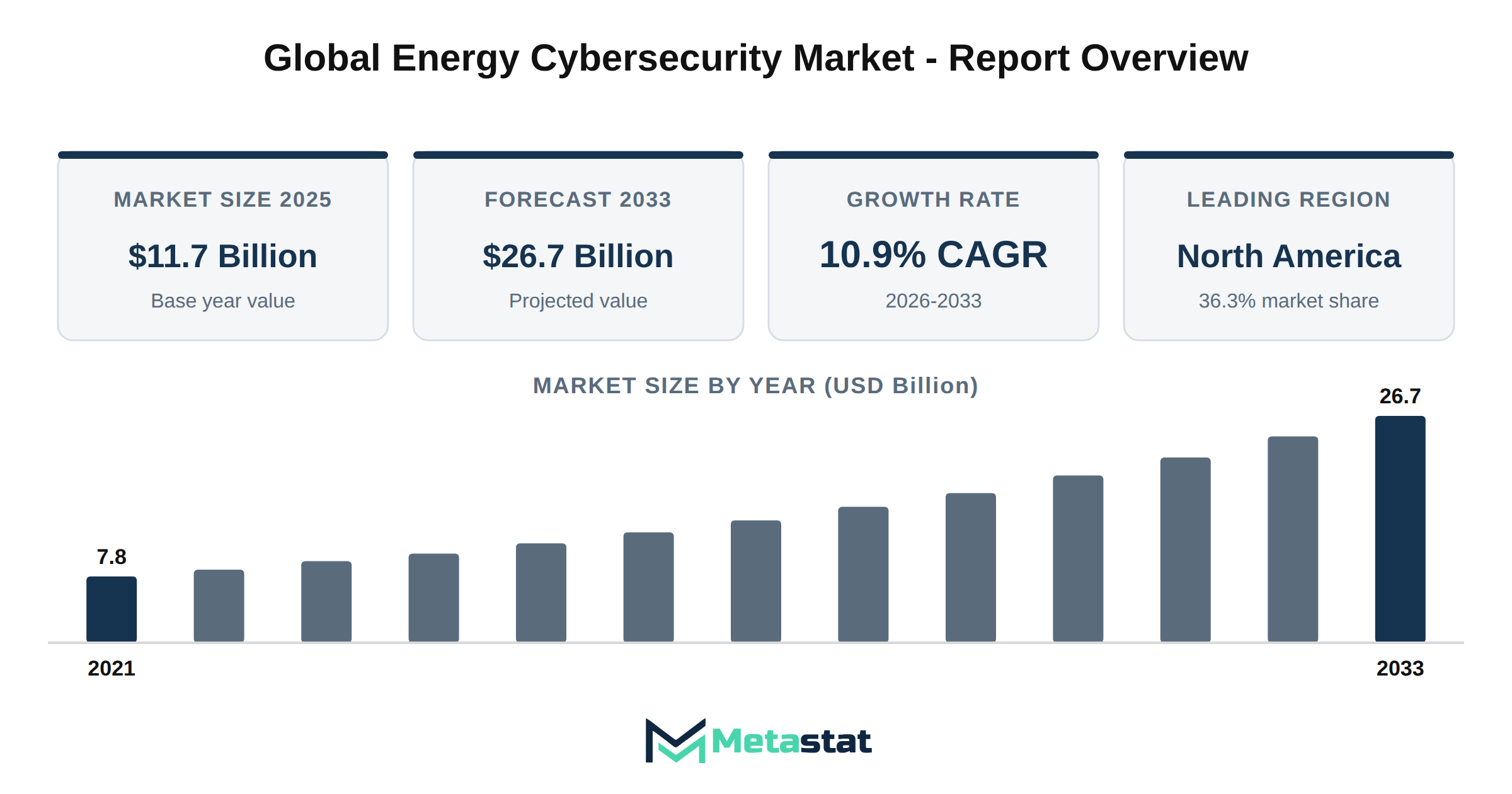
Market Valuation: Valued at $11.7 Billion in 2025, projected to reach $26.7 Billion by 2033 at a 10.9% CAGR.
Dominant Segment: The Security Solutions segment leads the market, driven by increasing concerns over cybersecurity threats and the need for advanced protective measures across critical infrastructure.
Geographic Lead: North America is the leading region, propelled by significant investments in cybersecurity solutions and a growing focus on securing energy infrastructure against evolving threats.
What's Inside: This report provides a comprehensive analysis of the Energy Cybersecurity market, including detailed segmentation by offering type, solution type, deployment model, and end-user industry, along with competitive coverage and forecasts through 2033.
Emerging Technologies: The integration of artificial intelligence and machine learning is driving growth in the Energy Cybersecurity market, enhancing threat detection and response capabilities essential for safeguarding critical infrastructure.
Regulatory Compliance: Stringent regulatory compliance requirements are shaping market dynamics, compelling organizations to allocate resources towards meeting cybersecurity standards while managing operational costs.
Choose Your License
Global Energy Cybersecurity Market
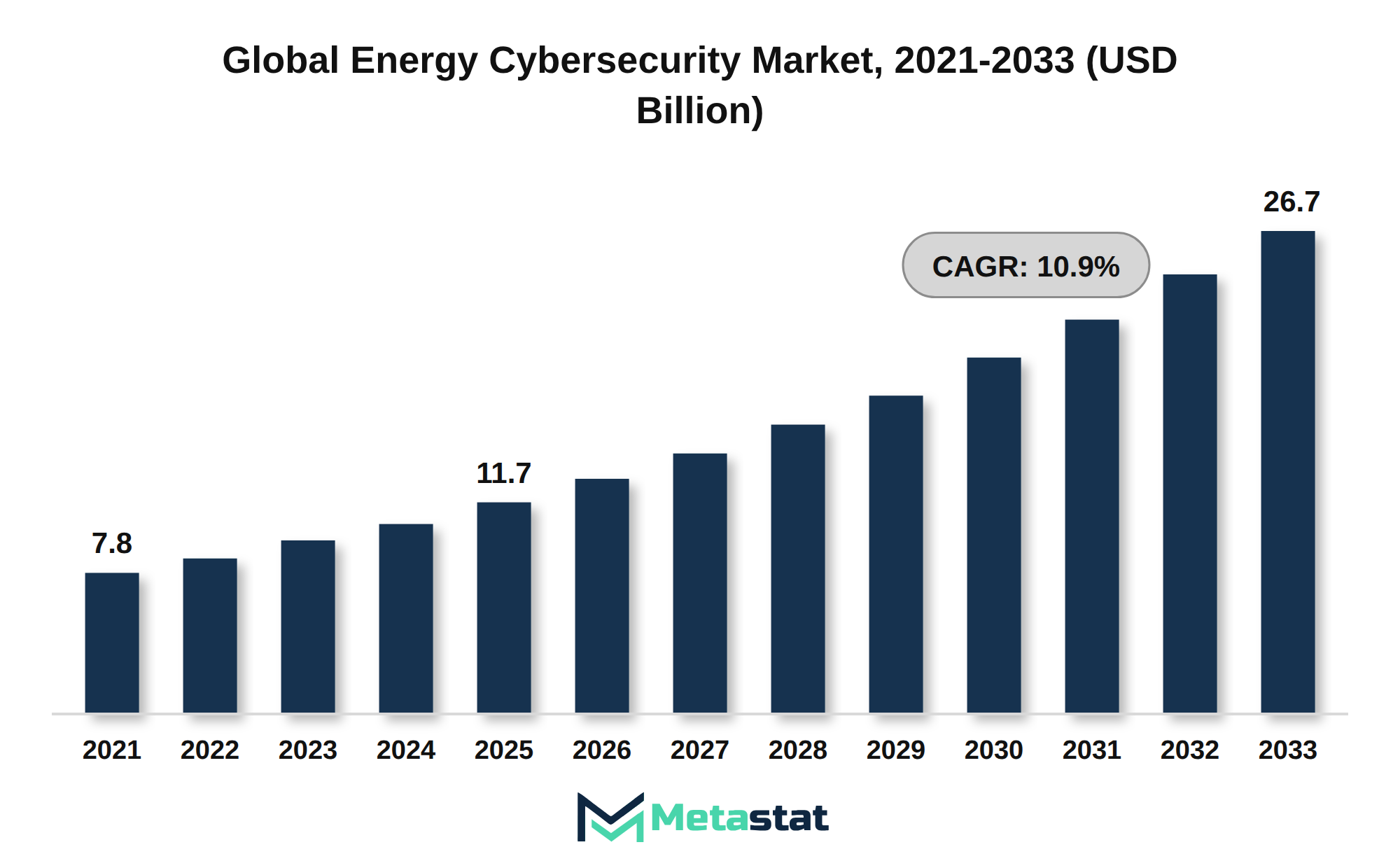
The global Energy Cybersecurity market was valued at USD 11.7 billion in 2025 and is projected to reach USD 26.7 billion by 2033, growing at a CAGR of 10.9% over the forecast period.
The Energy Cybersecurity market continues to expand rapidly, driven by increasing cyber threats affecting power grids and energy networks. The rise in sophisticated cyberattacks necessitates robust protection measures across critical infrastructure. Organizations strive to secure their operations, and investments in cybersecurity solutions have surged, reflecting the urgent need for enhanced defense mechanisms.
Demand for operational technology (OT) and industrial control systems (ICS) security remains high across the energy sector. Organizations prioritize securing these critical systems against potential breaches, leading to a significant increase in investments and the implementation of advanced security measures. The integration of zero trust principles into energy cybersecurity architecture further enhances protection by ensuring that all access points are continuously verified.
Artificial intelligence-driven threat detection solutions play a crucial role in safeguarding energy infrastructure. These technologies enable faster identification of potential threats, allowing organizations to respond proactively to cyber incidents. The increasing complexity of cybersecurity risks in smart grids and digital utilities highlights the necessity for advanced protective measures to secure interconnected systems.
The transition towards renewable energy sources introduces unique cybersecurity challenges, particularly concerning distributed energy resource protection. Organizations adopt cloud-based solutions for energy operations, and the focus on cloud security has intensified, ensuring that sensitive data remains protected in a dynamic digital environment. Secure remote access solutions have become essential for industrial energy systems, allowing authorized personnel to monitor and manage operations securely.
Investment in energy cybersecurity remains a top priority, with spending directed towards innovative solutions that address emerging threats. Regulatory compliance pressures contribute to the urgency of adopting stringent cybersecurity measures. Compliance with regulations, including NERC CIP, drives organizations to strengthen their cybersecurity posture to meet critical infrastructure requirements.
The ongoing threat of ransomware and advanced persistent threats poses significant risks to the energy sector. Oil and gas operational technology requires particular attention, given the critical nature of these systems. Power generation cybersecurity and plant security modernization efforts receive heightened focus, ensuring that physical and digital assets remain secure against evolving threats.
Grid modernization initiatives contribute to increased demand for cybersecurity solutions, driven by utilities seeking to enhance their infrastructure's resilience. Managed security services adoption within the energy sector has risen, offering organizations access to specialized expertise and resources for threat prevention and response. Competition among energy cybersecurity vendors intensifies, leading to potential platform consolidation because firms strive to deliver comprehensive solutions.
The convergence of information technology (IT) and operational technology (OT) security within energy enterprises creates opportunities for more integrated cybersecurity approaches. Addressing cybersecurity challenges in energy storage and battery infrastructure remains critical, given the growing reliance on these technologies. Supply chain cyber risks across energy technology ecosystems require vigilance, because vulnerabilities in one area have widespread implications.
Identity and access management solutions are essential for protecting energy infrastructure, ensuring that only authorized personnel have access to sensitive systems. Vulnerability management across legacy energy systems demands attention, because outdated technologies present potential attack vectors. North America presents significant growth opportunities within the energy cybersecurity market, while Asia Pacific experiences notable adoption and investment trends, reflecting a global commitment to strengthening cybersecurity measures.
Future growth opportunities in energy cybersecurity solutions are evident, driven by the need for enhanced protection against evolving threats and regulatory pressures. Organizations are expected to continue prioritizing investments in advanced cybersecurity measures to safeguard critical energy infrastructure.
Energy cybersecurity faces heightened attention due to rising cyber threats across power grids and energy networks. The increasing sophistication of cyber attacks targets critical assets, necessitating robust protective measures. Energy infrastructure operators prioritize investments in cybersecurity to safeguard against potential breaches, which could disrupt services and compromise safety.
Demand for operational technology (OT) and industrial control system (ICS) security has surged within the energy sector. Protection of these systems is crucial given their role in managing essential processes. This trend drives the market towards solutions that enhance security and resilience against cyber threats.
Zero Trust architecture adoption emerges because a significant trend in energy cybersecurity. This approach emphasizes rigorous identity verification and access controls, addressing vulnerabilities in network security. Organizations integrating Zero Trust principles enhance their defenses against unauthorized access and potential breaches.
The integration of artificial intelligence (AI) for threat detection within energy infrastructure is gaining momentum. AI-driven solutions enhance the ability to identify and respond to emerging threats in real-time. This technological advancement supports more proactive security measures, critical in a dynamic threat environment.
Cybersecurity risks in smart grids and digital utilities present ongoing challenges for energy providers. The complexity of interconnected systems increases vulnerability to attacks, necessitating comprehensive cybersecurity strategies. Investment in advanced security measures becomes essential to protect these evolving infrastructures.
Renewable energy cybersecurity and distributed energy resource protection are vital in the energy landscape. The proliferation of decentralized energy systems introduces unique security challenges. Ensuring these systems are secure against cyber threats is essential for maintaining reliability and public confidence in renewable energy technologies.
Cloud security adoption across energy operations reflects a broader trend towards digital transformation. Cloud solutions enhance operational efficiency, but they introduce new vulnerabilities that require careful management. Energy companies focus on implementing robust cloud security frameworks to protect sensitive information and maintain compliance.
Secure remote access for industrial energy systems is increasingly important in a landscape where remote work and access are common. Ensuring secure connections for remote users protects critical infrastructure from potential threats. This emphasis on secure access aligns with evolving work practices across the sector.
Investment priorities in energy cybersecurity reflect a growing recognition of the need for enhanced protection measures. Companies allocate resources towards developing comprehensive cybersecurity strategies that address both current and emerging threats. This proactive investment approach influences market dynamics and shapes competitive positioning.
Regulatory compliance drives energy cybersecurity adoption, with frameworks including NERC CIP establishing critical infrastructure protection requirements. Compliance with these regulations ensures that organizations implement necessary security controls to protect against cyber threats. Meeting these standards promotes a culture of security awareness within the industry.
The risks associated with ransomware and advanced persistent threats in energy highlight the need for robust cybersecurity measures. Energy companies prioritize investments in technologies that mitigate these risks, ensuring business continuity and operational integrity. This emphasis on risk management strengthens the overall security posture of the market.
Cybersecurity for oil and gas operational technology is essential in safeguarding critical assets from potential breaches. Enhanced security measures protect production facilities, pipelines, and other vital infrastructure. This sector's unique vulnerabilities require tailored cybersecurity strategies to address specific threats.
Power generation cybersecurity and plant security modernization efforts reflect a commitment to enhancing protective measures. Energy providers invest in advanced technologies and practices to secure generation assets against cyber threats. This modernization ensures operational resilience and compliance with industry standards.
Grid modernization initiatives significantly influence cybersecurity demand growth. Upgrading aging infrastructure involves integrating advanced technologies, which introduces new security challenges. Ensuring that modernization efforts include robust cybersecurity measures is critical for maintaining reliable and secure energy delivery.
Managed security services adoption within the energy sector supports organizations in addressing cybersecurity challenges. Outsourcing security functions to specialized providers allows companies to leverage expertise and resources, enhancing their security posture. This trend reflects a strategic shift towards collaboration in managing cybersecurity risks.
The competitive environment within the energy cybersecurity market sees increased vendor competition and platform consolidation. Companies strive to differentiate themselves through innovative solutions and comprehensive service offerings. This competitive environment drives continuous improvement and advancements in cybersecurity technologies.
The convergence of IT and OT security across energy enterprises encourages a unified approach to cybersecurity. This integration enhances visibility and control over both IT and OT environments, reducing vulnerabilities. Organizations adopting this comprehensive perspective improve their overall security resilience.
Cybersecurity challenges in energy storage and battery infrastructure require focused attention. The growing reliance on energy storage systems presents unique security risks that are addressed. Ensuring that these systems are secure against cyber threats protects critical energy resources and infrastructure.
Supply chain cyber risk across energy technology ecosystems highlights the importance of comprehensive security measures. Companies assess and mitigate risks associated with third-party vendors and partners. This proactive approach strengthens the overall cybersecurity framework within the energy sector.
Identity and access management for energy infrastructure is essential in protecting sensitive information and systems. Implementing robust identity verification processes ensures that only authorized personnel access critical resources. This emphasis on identity management enhances overall security and mitigates potential risks.
Vulnerability management across legacy energy systems remains a priority for organizations seeking to enhance their cybersecurity posture. Addressing vulnerabilities in older systems prevents potential exploitation and enhances overall resilience. This proactive approach safeguards critical energy infrastructure.
Growth opportunities in North America for energy cybersecurity are significant, driven by increasing investments in infrastructure protection. Companies recognize the importance of robust cybersecurity measures in safeguarding critical assets. This focus on protection fosters a favorable market environment for innovation and growth.
Asia Pacific energy cybersecurity adoption and investment trends reflect an evolving landscape. Countries in this region prioritize cybersecurity initiatives to protect their growing energy sectors. This emphasis on security supports the market's expansion and development of innovative solutions.
Future growth opportunities in energy cybersecurity solutions center around emerging technologies and evolving threat environments. Companies investing in advanced technologies position themselves competitively within the market. This forward-looking approach drives continuous improvement and innovation in cybersecurity practices.
The accelerating pace of digital transformation significantly impacts the Energy Cybersecurity market, particularly driven by organizations implementing advanced technologies to enhance operational efficiency. Investments in automation, artificial intelligence, and software solutions facilitate the digitization of legacy processes, resulting in improved security measures and lower vulnerabilities to cyber-attacks. This growing reliance on digital infrastructures necessitates robust cybersecurity frameworks to protect sensitive data and critical assets.
Industries including oil and gas, renewable energy, and conventional power generation prioritize cybersecurity solutions to address the potential risks associated with digital technologies. This trend reflects a broader shift towards integrated systems that enhance productivity while ensuring safety and compliance. Operational landscapes evolve, and organizations recognize that cybersecurity is integral to the digital transformation journey, leading to substantial investments in security solutions and services.
Growth in the Energy Cybersecurity market aligns with the increasing urgency to secure digital environments. Organizations that embrace digital transformation initiatives demonstrate a proactive approach to risk management, ultimately driving demand for innovative cybersecurity solutions tailored to the unique challenges posed by modern technologies.
Growing investment in infrastructure development significantly influences the Energy Cybersecurity market. Governments and private entities prioritize modernization of both physical and digital capacities, which includes upgrading existing facilities and enhancing network capabilities. This trend arises from addressing aging infrastructure, improving operational efficiency, and mitigating vulnerabilities to cyber threats.
Increased capital investment environments, including venture funding and public-private partnerships, support this infrastructure expansion. While organizations commit financial resources to strengthen their cybersecurity frameworks, demand for advanced security solutions intensifies. Consequently, this investment not only enhances protective measures but drives the adoption of new technologies, contributing to market growth.
Specific sectors, including oil and gas and renewable energy, seek robust cybersecurity solutions to protect critical assets from emerging threats. With infrastructure development being a focal point, the Energy Cybersecurity market is expected to expand owing to organizations prioritizing securing their operations and maintaining compliance with evolving safety standards.
The Energy Cybersecurity market encounters significant obstacles due to stringent regulatory compliance requirements and resource constraints. Regulatory frameworks demand adherence to specific cybersecurity measures, pushing organizations to allocate substantial resources toward compliance efforts. Companies face the challenge of navigating these complex regulations while managing operational costs, which detracts from investments in innovative cybersecurity solutions.
High capital investment requirements for advanced cybersecurity technologies create hurdles for smaller firms, limiting their ability to compete effectively. Escalating operating costs, driven by inflationary pressures and supply chain disruptions, further compound these challenges. Organizations balance compliance with the need for robust cybersecurity measures, resulting in struggles to allocate resources effectively.
The Energy Cybersecurity market confronts issues related to skilled labor deficiencies and talent gaps. A shortage of qualified cybersecurity professionals hampers the capacity of businesses to implement and maintain necessary security measures. This talent shortage leads to increased workforce overhead, inhibiting growth and innovation within the sector.
Geopolitical instability and market fragmentation introduce additional complexity. Organizations operating in diverse regions navigate varying regulatory landscapes, creating inconsistencies in compliance and operational strategies. The combination of these factors results in a challenging environment for the Energy Cybersecurity market, impacting growth and adoption rates.
Geopolitical fragmentation significantly challenges the Energy Cybersecurity market by disrupting international partnerships and trade agreements. The escalation of trade deficits and tariff frictions results in increased costs for technology components and service offerings, leading to heightened financial pressures on suppliers and end-users. These dynamics contribute to an environment where technology adoption slows due to uncertainty in supply chains, affecting the timely delivery of critical cybersecurity solutions.
The volatility in feedstock and component availability further complicates the landscape. This volatility is exacerbated by logistical disruptions, which undermine the stable flow of goods required for implementing robust cybersecurity measures. While organizations navigate these supply chain instabilities, prioritizing cybersecurity becomes difficult, impacting overall market growth.
Rising input costs, coupled with pricing compression, exert pressure on profit margins, making it challenging for companies to maintain competitive pricing while investing in necessary security solutions. These economic factors create a precarious balance for businesses operating in the market, where the need for advanced cybersecurity measures coexists with financial constraints.
The Energy Cybersecurity market faces hurdles from skill gaps in the workforce, particularly in terms of expertise needed to deploy and manage advanced security systems. Talent retention pressures further exacerbate these gaps, because companies struggle to attract and retain skilled professionals amid competitive labor markets. This shortage impacts the ability of firms to implement and sustain effective cybersecurity postures.
Overall, geopolitical fragmentation, rising costs, and skill shortages significantly challenge the Energy Cybersecurity market, creating an environment where securing energy infrastructure becomes increasingly complex and resource-intensive.
The integration of emerging technologies significantly enhances the Energy Cybersecurity market, responding to the increasing sophistication of cyber threats in the energy sector. Innovations including artificial intelligence, machine learning, and blockchain provide advanced capabilities for threat detection and response, enabling organizations to protect critical infrastructure more efficiently. The rapid adoption of these technologies improves resilience against cyber attacks, appealing to energy companies prioritizing asset and operational security.
Geographical expansion into regions with developing energy infrastructures presents noteworthy opportunities for market participants. Countries in Asia Pacific and South America exhibit rising energy demands, necessitating robust cybersecurity measures to safeguard new investments in generation and distribution. These regions increasingly prioritize cybersecurity solutions, creating fertile ground for market growth and attracting investments in technology and infrastructure.
The shift towards green transformations and sustainability imperatives drives organizations to implement integrated cybersecurity measures. Companies pursuing environmental, social, and governance (ESG) goals seek solutions that align with their sustainability strategies while ensuring operational security. This alignment influences purchasing decisions, driving demand for comprehensive cybersecurity offerings tailored to the evolving needs of the energy sector.
Strategic consolidation efforts among market players enhance competitive positioning and broaden service offerings. Mergers and acquisitions enable companies to expand their technological capabilities and customer bases, strengthening their market presence. This consolidation trend among key players in the Energy Cybersecurity market enhances innovation and improves the overall value proposition for end users.
The evolving buying behaviors of energy companies reflect a transition towards digital procurement shifts and commercial model transitions. Organizations increasingly prioritize flexibility and scalability in their cybersecurity investments, opting for solutions that adapt to changing operational landscapes. This shift influences supplier strategies and encourages the development of innovative solutions tailored to meet diverse customer requirements, positioning the market for sustained growth.
The Global Energy Cybersecurity market is segmented based on Offering Type, Solution Type, Deployment Model, and End-user Industry.
Increasing concerns surrounding cybersecurity threats significantly drive demand for Security Solutions within the Energy Cybersecurity market. Organizations across various sectors prioritize the protection of critical infrastructure and sensitive data, leading to significant investment in advanced cybersecurity measures. This segment is valued at USD 7.1 billion in 2026 and is projected to reach USD 13.9 billion by 2033, reflecting a compound annual growth rate (CAGR) of 10.1% during the forecast period.
Technological maturation contributes to the expansion of the Security Solutions segment. Innovations in threat detection, response capabilities, and identity management enhance the effectiveness of cybersecurity measures. Next-generation upgrades enable firms to adopt more robust security frameworks, addressing the evolving nature of cyber threats.
Demand for Security Solutions is influenced by regulatory compliance standards that require organizations to implement stringent cybersecurity measures. Various industries, including oil and gas, renewable energy, and nuclear power, face pressure to align with these standards, prompting increased investments in security solutions. The market's growth aligns with the necessity for compliance and risk management in an increasingly regulated environment.
Challenges including pricing volatility and margin pressures impact the overall landscape of the Security Solutions segment. Companies invest in optimizing their cost structures while ensuring that they provide effective solutions. This balance is crucial for maintaining competitiveness in the Energy Cybersecurity market.
The outlook for capital investment in this segment appears promising. Organizations recognize the strategic opportunity windows created by escalating cyber threats, leading to a proactive approach toward enhancing cybersecurity infrastructures. This proactive investment behavior drives growth within the Security Solutions segment and supports the overall expansion of the Energy Cybersecurity market.
Strong demand for specialized cybersecurity expertise drives the Professional Services segment within the Energy Cybersecurity market. Organizations face increasing pressure to secure their assets against evolving cyber threats, driving the need for consulting, implementation, and managed services. These services facilitate compliance with stringent regulatory requirements, enabling businesses to navigate complex cybersecurity protocols effectively.
The Professional Services segment is expected to reach USD 6.1 billion by 2033, at a CAGR of 10.1% during the forecast period. Increased investments in technology upgrades and robust cybersecurity frameworks further support market expansion. Clients increasingly seek tailored solutions that address specific vulnerabilities, enhancing the demand for professional services in securing energy assets.
While organizations transition to advanced operational technologies, the need for continuous monitoring and response services becomes critical. The landscape of threats continues to evolve, necessitating the adoption of next-generation security practices. This dynamic environment creates opportunities for service providers to deliver innovative solutions and strengthen their market position.
Regulatory compliance standards exert significant influence on service demand. Companies face pressure to adhere to evolving regulations, stimulating a preference for professional services that offer expertise in risk management and compliance. Consequently, service providers that enhance their offerings capture a larger share of the market.
Growing concerns regarding cyber threats in the energy sector have spurred demand for Managed Security Services, a critical component of the Energy Cybersecurity market. Organizations increasingly recognize the necessity of safeguarding their infrastructure against potential breaches, contributing to the segment's growth. Cyberattacks targeting energy systems occur with greater frequency, prompting firms in sectors including oil and gas, conventional power generation, and renewable energy to prioritize investments in security services to maintain operational integrity.
The Managed Security Services segment is expected to reach USD 6.7 billion by 2033. This growth results from technological maturation and the continual evolution of security solutions designed to address sophisticated threats. Organizations adopting next-gen upgrades and innovative service models will likely see continued demand for managed services, allowing companies to focus on core operations while leveraging specialized expertise in cybersecurity.
Cost structures within the market reflect the need for robust security measures. Increasing regulatory compliance standards influence investment priorities, compelling organizations to allocate resources toward managed security offerings. Regulatory frameworks require adherence to stringent security practices, driving the adoption of these services across the energy sector. While firms navigate pricing volatility and margin pressures, Managed Security Services present strategic opportunities that enhance overall resilience against disruptions.
Within the Energy Cybersecurity market, the Asset Discovery & Visibility segment is valued at USD 1.6 billion in 2026 and is projected to reach USD 3.2 billion by 2033, at a CAGR of 10.2% during the forecast period. Increasing awareness around the importance of asset visibility and management contributes significantly to this growth. Stakeholders in the energy sector recognize the need for robust systems that provide insight into their operational technology environments, ensuring comprehensive protection against potential cyber threats.
Technological advancements act because key drivers for demand in this segment. Emerging solutions focus on enhancing the speed and accuracy of asset discovery processes, enabling organizations to identify vulnerabilities rapidly. While energy infrastructure evolves, the integration of next-generation technologies facilitates improved visibility into networked assets, aligning with the market's upward trajectory.
Adoption of regulatory compliance standards further influences market dynamics. Organizations aim to align with frameworks that mandate comprehensive visibility of assets, which directly impacts their operational strategies. This compliance push encourages investments in advanced solutions that enhance security postures and mitigate risks associated with cyber threats.
Continuous evolution in the operational landscape of the energy sector leads to shifts in consumption patterns. The drive for digital transformation results in an increased focus on integrating asset discovery capabilities into existing frameworks, enhancing overall cybersecurity measures. Suppliers that innovate and offer comprehensive visibility solutions position themselves favorably within this competitive market.
Strategic investments in the Asset Discovery & Visibility segment reflect organizations' commitment to strengthening their cybersecurity measures. The anticipated growth highlights the segment's critical role in the broader Energy Cybersecurity market, with companies prioritizing the development of advanced technologies and solutions that address current and emerging threats.
Investment in Network Security & Segmentation remains critical due to organizations seeking robust defenses against evolving cyber threats. Regulatory compliance standards increasingly emphasize the necessity for enhanced security measures, driving adoption across various sectors within the Energy Cybersecurity market. This segment is estimated to reach USD 4.5 billion by 2033, at a CAGR of 9.6% during the forecast period. The integration of advanced threat detection technologies facilitates proactive security management, aligning with industry advancements and consumer expectations for comprehensive security solutions.
Increased digital interconnectivity within operational technology systems increases the focus on network security. End-user industries, particularly those in oil and gas, renewable energy, and conventional power generation, prioritize investments in segmentation strategies to mitigate risks associated with cyber intrusions. Such shifts reflect a commitment to maintaining operational integrity and safeguarding sensitive data from cyber threats.
The scarcity of skilled cybersecurity professionals presents challenges to market growth, creating opportunities for technology providers to develop user-friendly and automated security solutions. These innovations support organizations in streamlining compliance and enhancing their security postures without extensive workforce expansion. The need for robust cybersecurity measures intensifies, positioning the Energy Cybersecurity market for significant evolution and growth.
Rising awareness around the necessity for robust endpoint protection significantly influences the Endpoint & Device Security segment within the Energy Cybersecurity market. This segment is projected to reach USD 2.9 billion by 2033, reflecting a strong emphasis on safeguarding various devices against cyber threats. Technological advancements drive product evolution, enhancing the efficacy of solutions that secure endpoints and devices across the energy sector. Demand for these solutions stems from the increasing prevalence of connected devices, which expands the attack surface for potential cyber threats.
Regulatory compliance standards impose stringent requirements on organizations operating in the energy sector, necessitating investments in endpoint and device security measures. This regulatory landscape compels firms to adopt solutions that address immediate security concerns while aligning with long-term compliance objectives. Strong growth in this segment results from heightened awareness of the risks associated with insecure devices, leading to increased capital investment in advanced security technologies.
The evolution of threat landscapes further compels organizations to implement next-generation upgrades that incorporate innovative security features, including artificial intelligence and machine learning. These technologies enhance threat detection and response capabilities, enabling organizations to proactively defend against emerging cyber risks. Consequently, firms operating in the energy sector prioritize investments in endpoint security solutions, recognizing their critical role in safeguarding infrastructure and ensuring operational resilience.
Investment in Identity & Access Management serves because a vital component in the Energy Cybersecurity market, driven by increasing regulatory compliance standards and the need for enhanced security protocols across various sectors. Organizations prioritize the safeguarding of sensitive data and critical infrastructure, leading to significant demand for solutions that manage user identities and access controls effectively.
The Identity & Access Management segment is projected to grow at a CAGR of 10.1% during the forecast period. This growth stems from the rising complexities associated with managing access across diverse systems and devices, highlighting the necessity for next-generation upgrades and solutions. Organizations recognize the importance of implementing robust identity management practices to mitigate potential cyber threats, which increases market adoption.
The evolution of technology fuels advancements in Identity & Access Management solutions, enabling features including biometric authentication, single sign-on, and multi-factor authentication. These innovations enhance user experience while ensuring stringent security measures are in place. Downstream applications across industries, including oil and gas, renewable energy, and nuclear power, demand these sophisticated solutions to address unique security challenges.
Regulatory frameworks continue to influence the market, requiring compliance with standards that mandate strict identity verification processes. Organizations face pressure to adhere to these regulations, driving further investment in Identity & Access Management. The market encounters ongoing pricing volatility and margin pressures, which compel providers to innovate while maintaining competitive pricing structures.
Strategic opportunity windows arise because organizations seek resilient supply chains and robust cybersecurity measures. The need for effective identity management is crucial in mitigating risks associated with unauthorized access and data breaches. Investment in this segment remains critical to ensuring operational continuity and safeguarding critical infrastructure in the Energy Cybersecurity market.
Emerging priorities in cybersecurity drive the need for effective Vulnerability & Exposure Management solutions within the Energy Cybersecurity market. Organizations face escalating regulatory requirements that mandate robust risk assessment and management strategies, compelling a shift towards security frameworks focused on vulnerabilities and exposures. Regulatory compliance standards necessitate the implementation of comprehensive vulnerability management programs, increasing demand across various sectors.
Technological maturation across industries enhances the capability of organizations to adopt advanced vulnerability management tools. The integration of automation and machine learning in vulnerability assessment streamlines processes, allowing for real-time monitoring and reporting. Such advancements create opportunities for organizations to improve their security posture while reducing potential risks associated with cybersecurity threats.
Investment in next-generation upgrades reflects a strategic response to the evolving threat landscape. Organizations increasingly recognize the importance of proactive vulnerability assessments, which contribute to long-term operational resilience. These upgrades not only enhance security frameworks but create a competitive edge in an environment marked by rapid technological changes.
Internal consumption shifts highlight a growing emphasis on continuous monitoring and assessment of vulnerabilities. End-user dynamics further influence this trend, with industries including oil and gas, renewable energy, and nuclear power prioritizing advanced exposure management practices. Effective vulnerability management offers organizations a pathway to mitigate risks associated with cyber threats, enhancing overall operational efficiency.
Strategic opportunities arise for vendors supplying Vulnerability & Exposure Management solutions, driven by heightened demand for expertise and resources in the Energy Cybersecurity market. Collaboration with industry stakeholders enables the development of tailored solutions that address specific vulnerability concerns, ensuring that organizations comply with regulatory requirements while maintaining a robust security posture.
Investment in Threat Detection & Response capabilities within the Energy Cybersecurity market shows significant growth potential due to the increasing sophistication of cyber threats targeting energy infrastructure. The demand for advanced detection and response solutions arises from mitigating risks associated with system vulnerabilities and safeguarding critical assets against evolving cyberattacks.
Technological maturation significantly influences segment expansion. Innovations in threat intelligence, machine learning, and automation enhance the effectiveness of detection and response systems, enabling organizations to identify and neutralize threats more efficiently. These advancements align with the energy sector's transition towards digital transformation, where interconnected systems require robust cybersecurity measures.
Regulatory compliance standards increasingly dictate the implementation of stringent security protocols, driving investments in Threat Detection & Response solutions. Organizations within the energy sector face pressure to adhere to evolving regulations that mandate increased vigilance against cyber threats. This compliance affects operational strategies and influences budgeting for cybersecurity investments.
Cost structures relating to cybersecurity expenditures require careful consideration. Organizations prioritize investments in solutions that offer a favorable balance between cost and effectiveness. Pricing volatility in the cybersecurity landscape influences budget decisions, pushing energy companies to identify high-value offerings that align with their security objectives.
Strategic opportunity windows arise from growing awareness of cybersecurity risks within the energy sector. Companies recognize the necessity for proactive measures to protect their operations against potential disruptions caused by cyber incidents. This mindset shift encourages firms to enhance their cybersecurity posture through investments in Threat Detection & Response technologies.
Consumption shifts reflect a growing reliance on integrated cybersecurity solutions that encompass both detection and response capabilities. Energy companies increasingly seek comprehensive approaches that address various aspects of cybersecurity, ensuring their systems remain resilient in the face of potential threats. This trend highlights the importance of adaptive strategies in the evolving threat landscape.
Capital investment outlook remains favorable, with organizations committing resources to strengthen their cybersecurity frameworks. The integration of Threat Detection & Response solutions represents a strategic focus for many in the energy sector, reinforcing the commitment to safeguarding critical infrastructure while building confidence among stakeholders in the Energy Cybersecurity market.
Secure Remote Access functions because a crucial aspect of the Energy Cybersecurity market, providing organizations with the ability to access critical systems and data remotely while maintaining stringent security protocols. Increasing reliance on remote work and digital infrastructure drives demand for secure access solutions, because energy companies seek to protect their assets from cyber threats. Regulatory compliance requirements further stimulate interest in secure remote access, compelling organizations to adopt advanced security measures to safeguard sensitive information and maintain operational integrity.
Technological maturation in cybersecurity tools enhances the effectiveness of secure remote access solutions, leading to more robust authentication methods and encryption technologies. Integration of next-generation upgrades is essential to address evolving threats, allowing organizations to stay ahead of cybercriminal tactics. The ongoing product evolution in secure remote access keeps pace with user demands for effective integration and user-friendly interfaces while ensuring high levels of security.
Downstream applications of secure remote access extend across various energy sectors, including oil and gas, renewable energy, and conventional power generation. These sectors increasingly recognize the importance of secure connections for remote monitoring, control, and maintenance of critical infrastructure. Shifts in consumption patterns, driven by digital transformation, further highlight the significance of secure remote access in safeguarding operational resilience.
Investment in secure remote access aligns with broader capital investment outlooks within the Energy Cybersecurity market, because organizations allocate resources to enhance their cybersecurity posture. Strategic opportunity windows emerge because companies seek to differentiate themselves through superior security offerings. Overall, secure remote access remains a key component for enhancing security measures across the energy sector, reflecting the increasing importance of cybersecurity in maintaining operational continuity and trust.
Investment in Data & Application Security directly addresses the increasing complexity of cyber threats impacting the energy sector, requiring advanced safeguards to protect sensitive information and critical infrastructure. The urgency stems from rising incidents of cyberattacks, resulting in heightened scrutiny from regulatory bodies demanding robust compliance frameworks. Enhanced data protection measures fulfill compliance mandates and build trust among stakeholders, enabling smoother operational integration.
Technological maturation plays a crucial role in shaping priorities within the Energy Cybersecurity market. The rapid evolution of cloud-based solutions and mobile applications introduces new vulnerabilities, prompting organizations to adopt dynamic security measures. Increased investment in next-generation upgrades ensures that security protocols evolve in tandem with emerging threats, reinforcing organizational resilience.
Downstream application dynamics heavily influence the growth trajectory of this segment. Industries including Oil & Gas and Renewable Energy experience specific requirements for data protection due to the sensitive nature of their operations. This leads to tailored solutions designed to mitigate risks while enhancing operational efficiency, proving essential amid a competitive environment.
Regulatory compliance standards drive significant investment in Data & Application Security, compelling organizations to adopt comprehensive cybersecurity strategies. Meeting these standards creates strategic opportunity windows, encouraging partnerships between technology providers and energy firms. Strong demand for solutions addressing regulatory frameworks positions this segment for substantial growth within the market.
The relationship between cost structures and pricing volatility significantly impacts investment decisions. Organizations face challenges balancing budget constraints with the necessity for comprehensive security measures. Strategic prioritization of essential investments mitigates margin pressures, creating pathways for sustained growth in the Data & Application Security segment.
Demand for Cloud Security within the Energy Cybersecurity market arises from an increasing reliance on cloud-based solutions among energy companies. Organizations recognize that transitioning to cloud infrastructure enhances operational efficiency while reducing overhead costs. This shift contributes to heightened investment in advanced security measures to protect sensitive data and critical infrastructure from cyber threats.
Technological maturation plays a critical role in shaping the Cloud Security segment. Innovations in encryption, identity management, and threat detection enhance the ability of organizations to safeguard their digital assets effectively. Companies adopting these next-generation technologies experience improved resilience against evolving cyber threats, increasing trust among stakeholders and clients.
Regulatory compliance standards exert significant influence on the energy sector's cybersecurity strategies. Organizations align their cloud security protocols with industry regulations, driving the adoption of robust security frameworks. This alignment not only reduces the risk of penalties but strengthens overall cybersecurity posture, reinforcing stakeholder confidence.
Pricing volatility within the broader cybersecurity landscape affects the Cloud Security segment. Fluctuations in costs associated with cybersecurity technologies impact budgeting and investment decisions for energy companies. Efficient cost management strategies prove essential for organizations seeking to maintain security effectiveness while optimizing their financial resources.
Strategic opportunity windows emerge due to energy companies looking to integrate cloud security solutions into their operations. By identifying vulnerabilities and addressing them proactively, organizations capitalize on the growing demand for comprehensive cybersecurity measures. This proactive stance enhances market positioning and competitiveness, driving further investment in innovative cloud security solutions.
The Energy Cybersecurity market reflects a clear trend toward increased prioritization of cloud security measures. Companies that successfully navigate this evolving landscape expect to strengthen their defenses against cyber threats while reinforcing their market positions through strategic investments in innovative technologies.
Emerging technologies drive interest in Security Analytics, SIEM & SOAR solutions. Organizations increasingly rely on these tools to improve their ability to detect, investigate, and respond to cybersecurity incidents efficiently. The rise in sophisticated cyber threats necessitates investments in advanced analytics, which provide real-time insights into security events and vulnerabilities.
Growing regulatory requirements and compliance standards compel companies to adopt robust security solutions. Industries prioritize risk management, and compliance with policies increases the demand for effective monitoring and reporting capabilities. Integration of Security Analytics into existing cybersecurity frameworks supports effective threat detection, enabling organizations to maintain operational continuity.
Next-generation upgrades facilitate the evolution of these solutions, with innovations enhancing automation and machine learning capabilities. These advancements improve efficiency, allowing security teams to focus on strategic initiatives rather than routine tasks. Organizations benefit from a more proactive security posture, significantly reducing potential operational disruptions and financial losses.
With increasing adoption across various energy sectors, the market experiences heightened interest from end-users seeking comprehensive security measures. The need for visibility into network activities and threat landscapes highlights the importance of these solutions. While organizations align their cybersecurity strategies with business objectives, the Energy Cybersecurity market experiences a shift toward integrated and intelligent security frameworks.
Valued at USD 6.5 billion in 2026, the On-Premises segment is projected to reach USD 10.9 billion by 2033, at a CAGR of 7.7% during the forecast period. A heightened focus on data protection within organizations drives the demand for On-Premises cybersecurity solutions, providing businesses with control over their security measures and compliance with regulatory requirements. Companies in the energy sector increasingly recognize the importance of having secure, localized systems that mitigate risks associated with cyber threats.
Investment in On-Premises solutions reflects a strategic approach to managing cybersecurity risks. Organizations prefer this deployment model for its potential to improve control over security operations and align with internal IT policies. Evolving threats necessitate continuous updates and enhancements in On-Premises cybersecurity technologies, supporting the segment’s growth.
Adoption in this segment arises from the protect sensitive energy infrastructure, which has become a primary target for cyber adversaries. The energy sector's reliance on legacy systems increases the urgency for effective cybersecurity measures, focusing on integrating next-generation upgrades to existing infrastructure. This results in ongoing investments in compatible solutions that reinforce defenses while ensuring operational continuity.
Increased regulatory compliance standards further drive growth within the On-Premises segment. Companies face pressure to meet stringent security requirements, compelling them to enhance their cybersecurity frameworks. This influences purchasing decisions, with organizations prioritizing systems capable of fulfilling these obligations while safeguarding critical assets in the Energy Cybersecurity market.
Significant investment in agile solutions drives the Cloud-Based deployment model within the Energy Cybersecurity market. Organizations increasingly adopt this model to enhance scalability and flexibility while addressing the complexities of cybersecurity threats. While digital transformation accelerates across various end-user industries, the demand for cloud-enabled solutions experiences strong growth.
Consumer preferences shift toward solutions that offer on-demand access to cybersecurity tools and resources. This trend creates an environment ripe for innovation, leading to the evolution of advanced cybersecurity technologies tailored for cloud infrastructure. Market participants respond to these shifts by developing tailored offerings that align with customer needs, enhancing market penetration and revenue potential.
Cloud-Based segment is estimated to reach USD 7.4 billion by 2033, at a CAGR of 15% during the forecast period. This expansion reflects heightened awareness of the necessity for comprehensive cybersecurity measures in a digital landscape. Emerging regulatory compliance standards further motivate organizations to invest in cloud solutions, ensuring adherence to industry best practices.
Competition intensifies because new entrants explore opportunities within the market. Established players leverage their expertise to deliver innovative solutions that cater to evolving consumer demands, strengthening their market positions. This dynamic creates an environment conducive to strategic alliances and partnerships, enabling companies to enhance their service offerings and respond effectively to the complexities of cloud security.
Rapid advancements in cybersecurity threats drive demand for hybrid deployment models within the Energy Cybersecurity market. Organizations increasingly seek solutions that blend on-premises and cloud-based infrastructures, ensuring flexibility and resilience against evolving cyber risks. A notable surge in hybrid solutions aligns with growing concerns around data protection, regulatory compliance, and cost-effectiveness.
The hybrid segment is expected to reach USD 8.4 billion by 2033. Factors contributing to this growth include the rising complexity of cyber threats and the necessity for organizations to adapt their strategies. Enhanced collaboration between technology providers and end-users ensures that hybrid solutions effectively address unique security challenges while optimizing resource allocation.
In addition, the increasing need for real-time threat detection and response capabilities influences the adoption of hybrid deployment models. Organizations within various sectors recognize the advantages of integrating cloud capabilities with existing on-premises systems, facilitating a comprehensive approach to cybersecurity. This strategic alignment enables firms to safeguard critical assets while encouraging innovation throughout the Energy Cybersecurity market.
Investment in the Oil & Gas sector reflects a growing recognition of the importance of cybersecurity solutions. This segment is valued at USD 3.2 billion in 2026 and is projected to reach USD 5.7 billion by 2033, at a CAGR of 8.8% during the forecast period. Increasing regulatory compliance standards drive the demand for enhanced cybersecurity measures, ensuring organizations protect critical infrastructure from cybersecurity threats.
Technological maturation influences the adoption of next-generation upgrades in cybersecurity solutions. The implementation of advanced technologies in the sector enhances the capacity to address vulnerabilities, thereby supporting operational resilience. Rising automation and interconnected systems within the Oil & Gas industry intensify the necessity for robust cybersecurity solutions.
Consumption shifts toward digital transformation initiatives further accelerate growth within the Oil & Gas segment. Companies invest in comprehensive cybersecurity strategies to safeguard data and maintain operational continuity. These activities align with strategic opportunity windows where significant capital investments become essential for upgrading existing systems and deploying innovative solutions.
Pricing volatility and margin pressures specific to the Oil & Gas sector influence procurement strategies for cybersecurity solutions. Organizations prioritize investments that deliver both immediate security benefits and long-term cost savings. The increasing complexity of cyber threats necessitates a shift in focus toward proactive measures, enhancing overall market dynamics in the Energy Cybersecurity market.
Investment in cybersecurity solutions for the Conventional Power Generation sector aligns with ongoing digital transformation efforts. Increased reliance on digital technologies increases vulnerability to cyber threats, necessitating advanced protective measures. Regulatory compliance standards drive the adoption of cybersecurity solutions, particularly in light of heightened scrutiny on data protection and operational integrity within the industry.
The Conventional Power Generation segment is estimated to reach USD 3.9 billion by 2033, at a CAGR of 8.5% during the forecast period. This growth reflects an ongoing trend toward integrating sophisticated security measures to protect critical infrastructure. Enhanced focus on product evolution and next-gen upgrades supports the industry's shift toward more resilient energy systems.
Technological maturation within the cybersecurity landscape enhances operational capabilities and reduces the risk of disruptions. Market players strategically invest in innovations to address evolving threats, contributing to stronger defense mechanisms. The demand for robust cybersecurity solutions directly correlates with the need for secure energy production and distribution processes, positioning the sector for sustained growth in the Energy Cybersecurity market.
Investment in the Renewable Energy sector reflects a commitment to secure emerging technologies and protect vital infrastructure. The increasing integration of renewable energy sources, including wind and solar, into power grids raises concerns regarding cybersecurity vulnerabilities. Organizations in this sector face unique challenges, including the need for robust cybersecurity measures that ensure the reliability and safety of energy distribution. Regulatory compliance standards further influence investments in cybersecurity, because companies aim to meet stringent requirements related to data protection and operational integrity.
With technology maturation driving the development of advanced cybersecurity solutions, organizations increasingly prioritize offerings related to vulnerability management and threat detection. This focus aligns with a broader trend within the Energy Cybersecurity market, where innovative solutions address evolving threats. The Renewable Energy segment is expected to reach USD 4.8 billion by 2033. While adoption rates accelerate, organizations seek to implement next-generation upgrades that improve system resilience and mitigate risks associated with cyberattacks.
Demand for robust cybersecurity solutions within the Nuclear Power sector arises from increasing regulatory compliance standards and heightened awareness of security threats. This segment experiences projected growth at a CAGR of 11.5% during the forecast period, indicating strong investment in cybersecurity measures. Rising cyber threats targeting critical infrastructure necessitate advanced defense mechanisms, prompting significant expenditure on security technologies.
Regulatory frameworks impose rigorous cybersecurity requirements, compelling operators in the Nuclear Power industry to enhance their security posture. Compliance with evolving standards drives investment in security solutions, creating a more resilient operational environment. Enhanced security measures protect against cyber threats and ensure operational continuity and safety, aligning with industry best practices.
Investment in advanced cybersecurity technologies, including threat detection and response systems, reflects the urgency to safeguard sensitive information and operational systems. With ongoing advancements in cyber threats, organizations prioritize comprehensive strategies encompassing identity and access management, endpoint security, and vulnerability management. The integration of next-generation technologies enables operators to address emerging vulnerabilities effectively, strengthening their defensive capabilities.
Growing interest in innovative cybersecurity solutions supports the overall expansion of the Energy Cybersecurity market. Industry stakeholders recognize the necessity of investing in comprehensive security measures to mitigate risks associated with cyberattacks. By prioritizing cybersecurity, organizations in the Nuclear Power segment enhance resilience, ensuring the safety and reliability of their operations in an increasingly hostile cyber environment.
Investment in cybersecurity for Electricity Transmission & Distribution reflects the sector's critical role in delivering reliable power. Heightened awareness of cyber threats has prompted utilities to enhance their defense strategies, focusing on protecting sensitive infrastructure from attacks that could disrupt service. Regulatory compliance serves because a primary driver, pushing companies to adopt robust cybersecurity measures to align with evolving standards and policies.
The need for improved asset visibility and network segmentation significantly influences adoption rates. Enhanced visibility tools enable operators to identify vulnerabilities and monitor network traffic effectively, thus allowing for proactive responses to potential threats. This shift leads to increased investment in advanced security solutions, driving growth within the Energy Cybersecurity market.
Emerging technologies including artificial intelligence and machine learning are transforming cybersecurity practices in this segment. These innovations enable real-time threat detection and response capabilities, which are essential in addressing advanced persistent threats. The market's evolution towards integrating next-generation security solutions aligns with broader trends in digital transformation across the energy sector.
Cost structures play a crucial role in shaping investment strategies. Vendors face pressure to offer scalable solutions that fit within diverse budgets while delivering high efficacy. This environment drives competition among providers, leading to more innovative and cost-effective offerings that enhance the overall security posture of electricity transmission and distribution systems.
Overall, the combination of regulatory pressures, technological advancements, and the need for resilient infrastructure shapes the market for cybersecurity in Electricity Transmission & Distribution. Strategic investments in these areas position utilities to better withstand the complexities of modern cyber threats. The outlook for growth in this part of the market remains strong, driven by ongoing demand for enhanced security measures across critical energy infrastructures.
Growing emphasis on renewable energy sources drives demand for cybersecurity solutions within the Energy Storage sector. The integration of energy storage systems in renewable energy projects enhances grid stability and efficiency, creating a pressing need for effective cybersecurity measures. Advancements in energy storage technologies attract investment, prompting stakeholders to prioritize cybersecurity in system design and implementation.
Regulatory compliance standards significantly shape the security requirements for energy storage systems. Governments implement strict policies to protect critical infrastructure, leading companies to adopt cybersecurity measures that align with these standards. This regulatory environment creates a competitive landscape, compelling firms to enhance their cybersecurity capabilities to meet compliance and safeguard operations.
Technological maturation within energy storage solutions influences market dynamics. Increased adoption of advanced storage technologies, including lithium-ion batteries and flow batteries, necessitates enhanced cybersecurity strategies to address emerging vulnerabilities. The market's focus on next-generation upgrades drives the need for innovative security solutions that adapt to evolving threats.
Investment in energy storage systems leads to shifts in consumption patterns, with a growing reliance on distributed energy resources. This transition requires robust cybersecurity frameworks to protect interconnected systems from potential cyber threats. Expanding energy storage deployment ensures that system resilience against cyberattacks becomes crucial for maintaining operational integrity.
Strategic opportunity windows arise for cybersecurity providers specializing in the energy sector. By understanding the unique challenges and risks associated with energy storage, these firms tailor their offerings to meet specific end-user requirements. This alignment enhances market competitiveness and contributes to the overall growth of the energy cybersecurity market.
Investment in cybersecurity solutions designed for Energy Trading & Retail addresses the complexities of managing data integrity and operational resilience in this dynamic environment. Regulatory compliance standards demand stringent measures to protect sensitive customer information and transaction data, driving the necessity for robust cybersecurity frameworks. Increasing sophistication of cyber threats forces companies in this sector to adopt next-generation upgrades and innovative solutions that enhance their security posture.
Technological maturation plays a critical role in shaping the market. Companies pursue advanced asset discovery and visibility solutions to streamline operations. Product evolution within this sector accelerates the demand for integrated threat detection and response capabilities, essential for maintaining competitive advantages. Consumption shifts reflect a growing emphasis on secure remote access, ensuring that energy trading platforms remain operational while safeguarding against potential vulnerabilities.
Strategic opportunity windows arise from the increasing investment in digital infrastructure, enabling companies to capitalize on advancements in cybersecurity technologies. Supply chain resilience remains a focal point, where organizations prioritize partnerships with cybersecurity providers to enhance their defense mechanisms against emerging threats. Overall, the Energy Cybersecurity market adapts in response to evolving challenges and opportunities in the Energy Trading & Retail segment.
Investment in cybersecurity solutions for the Coal & Mining sector addresses specific challenges related to the sector's unique operational environment. Regulatory compliance standards play a crucial role in shaping demand, driven by companies adhering to stringent safety and security regulations. Enhanced investments in technology support the need for advanced monitoring and threat detection systems, ensuring protection against evolving cyber threats.
There is a notable expansion in the adoption of next-generation upgrades, with organizations seeking to integrate innovative solutions that improve overall security posture. Increased focus on product evolution drives the development of tailored cybersecurity offerings that align with the sector's risk profile. The transition towards more sophisticated technologies creates strategic opportunity windows, enabling companies to enhance their defenses against potential cyberattacks.
Downstream applications within the Coal & Mining industry highlight the importance of cybersecurity solutions in protecting critical infrastructure. Consumption shifts towards more resilient and secure operational frameworks highlight the need for robust security measures. These dynamics contribute to the overall growth of the Energy Cybersecurity market, because organizations strive to safeguard their assets and maintain compliance with industry standards.
Investment in bioenergy and waste-to-energy solutions reflects a commitment to sustainable practices and circular economy principles. Regulatory compliance standards increasingly emphasize the importance of efficient waste management and renewable energy generation, driving organizations to adopt advanced cybersecurity measures. The transition toward renewable energy sources fuels demand for technologies that safeguard against evolving digital threats.
Technological maturation within the industry supports the integration of advanced cybersecurity solutions. Innovations in asset discovery and visibility, network security, and identity management enhance the resilience of bioenergy and waste-to-energy systems. The adoption of next-generation upgrades ensures that organizations remain secure against potential cyber threats, strengthening the energy cybersecurity market.
End-use dynamics highlight the significance of cybersecurity within bioenergy operations. Organizations face consumption shifts that prioritize resilience against cyberattacks while optimizing operational efficiency. Strategic opportunity windows arise from increasing investments in enhancing cybersecurity infrastructure, ensuring a secure supply chain for bioenergy resources.
Cost structures within the bioenergy sector increasingly incorporate cybersecurity expenditures. Pricing volatility in raw materials heightens the need for comprehensive risk management strategies, including robust cybersecurity frameworks. Maintaining supply chain resilience against cyber threats contributes to the overall stability of the market.
Investment in hydrogen technologies and district energy systems signals a shift within the Energy Cybersecurity market. Rising focus on sustainable energy sources drives the need for secure and resilient infrastructure. Technological maturation encourages stakeholders to adopt advanced cybersecurity measures, enhancing the protection of critical assets against evolving threats.
Adoption of cybersecurity solutions aligns with regulatory compliance standards, which increasingly emphasize the need for robust security frameworks. Stakeholders recognize the importance of protecting sensitive data and ensuring operational integrity in hydrogen and district energy applications. This heightened awareness leads to increased capital investments in cybersecurity, creating an environment that supports innovation and strategic opportunity windows.
Collaboration among industry players enhances supply chain resilience, addressing vulnerabilities in logistics and raw material sourcing. The emphasis on cybersecurity solutions tailored for hydrogen and district energy applications positions stakeholders to mitigate risks associated with technological obsolescence. The market continues to evolve, reflecting the dynamic nature of energy systems and their interconnected security needs.
Based on geography, the Global Energy Cybersecurity market is divided into North America, Europe, Asia-Pacific, South America, Middle East, and Africa.
Strong growth characterizes the Energy Cybersecurity market in North America, projected to expand at a CAGR of 10.9% within the forecast period, reaching a market size of USD 9.3 billion by the end of 2033. The region holds a share of the global market, accounting for 36.3% in 2025, driven by increasing investments in cybersecurity resulting from rising threats in critical infrastructure sectors.
The United States, Canada, and Mexico serve because key players in this regional market, with organizations investing in comprehensive cybersecurity solutions to safeguard their energy infrastructure. An emphasis on modernization in energy systems and heightened regulatory requirements support the proliferation of advanced cybersecurity measures across various sectors, including oil and gas, renewable energy, and conventional power generation.
Emerging technologies and rising awareness of cybersecurity risks stimulate demand across different solution types including asset discovery, network security, and identity management. Domestic market leaders, including established players, consolidate their offerings to enhance competitive positioning, aiming to capture the growing opportunities within the market.
Infrastructure readiness influences the region, with investments directed toward enhancing energy grid resiliency. The evolving landscape of localized procurement dynamics and cultural nuances affects B2B buying behavior, ensuring that decisions align with regional compliance mandates and trade policies. Such factors contribute to a robust environment for growth within the Energy Cybersecurity market.
Europe accounts for 25.7% of the global Energy Cybersecurity market in 2025. Countries including Germany, France, the UK, Italy, and Spain exhibit strong demand driven by increasing regulatory compliance and heightened awareness of cybersecurity risks. The necessity for robust cybersecurity measures in critical infrastructure sectors underpins growth, especially amid the region's ambitious energy transition initiatives.
The focus on infrastructure modernization fuels investment in advanced cybersecurity solutions. Emerging technologies in the renewable energy sector, particularly in Germany and the UK, enhance the need for security measures to protect against evolving cyber threats. The rising integration of digital technologies within traditional energy sectors prompts an urgent requirement for enhanced cybersecurity frameworks.
Challenges including geopolitical fragmentation and localized procurement dynamics influence the competitive landscape in Europe. Regional players strive to adapt to changing market conditions and consumer preferences, which encourages vendor consolidation trends and partnerships to enhance service offerings. Domestic market participants leverage localized manufacturing densities to optimize supply chains and respond swiftly to market needs.
Overall, the Energy Cybersecurity market in Europe is poised for growth, driven by strategic investments in technology and infrastructure. Increased focus on compliance mandates and the pursuit of energy resilience further reinforce the market's expansion trajectory, creating opportunities for both established and emerging players.
In 2025, the Asia-Pacific region holds an estimated share of the global Energy Cybersecurity market at 25.0%. Rapid industrialization and increasing digitalization across countries including China, India, and Japan create heightened vulnerabilities, driving demand for comprehensive cybersecurity solutions. The region's commitment to modernizing critical energy infrastructure has led to substantial investments in cybersecurity, particularly in sectors including renewable energy and conventional power generation.
Countries within the region, including South Korea and Australia, prioritize energy grid resiliency, further propelling the adoption of advanced cybersecurity measures. Southeast Asia displays an emerging market dynamic, where the focus on local compliance mandates and regulatory frameworks influences procurement decisions. This evolving landscape creates opportunities for domestic market participants to strengthen their position through partnerships and localized service offerings.
Incremental growth vectors arise from high-value replacement cycles, allowing existing players to penetrate underdeveloped territories within the market. The competitive landscape features a mix of domestic and international vendors vying for market share, emphasizing strategic entry barriers and foreign direct investment flows. The Asia-Pacific region's unique cultural nuances and B2B buying behaviors play a crucial role in shaping procurement strategies, ensuring that cybersecurity solutions meet the specific needs of various industries.
The Energy Cybersecurity market in South America shows significant growth potential driven by increasing investments in cybersecurity measures across various energy sectors. Brazil and Argentina, because the leading economies in the region, display a growing awareness of the importance of securing energy infrastructure against cyber threats. The combined share of South America in the global market is projected at 5.9% in 2025, reflecting the region's emerging role in the energy landscape.
Infrastructure modernization is essential in advancing the adoption of cybersecurity solutions in South America. Many energy companies prioritize the integration of advanced technologies to enhance their operational resilience. The region's underpenetrated territories present opportunities for vendors to introduce innovative solutions, particularly in remote energy operations where security measures have been historically limited.
Local compliance mandates and regional regulatory frameworks drive the demand for effective cybersecurity solutions. Governments and regulatory bodies emphasize the necessity of robust cybersecurity protocols within energy companies, ensuring the protection of critical infrastructure. These developments create a competitive environment where domestic market leaders enhance their service offerings to align with regulatory expectations.
Investment in localized manufacturing and supply chain regionalization supports the Energy Cybersecurity market's growth trajectory in South America. Foreign direct investment (FDI) flows into the region contribute to the establishment of local cybersecurity firms, which better understand the unique challenges and requirements of the energy sector. This localized approach enhances procurement dynamics and creates tailored solutions for energy companies.
The evolving geopolitical landscape and regional market dynamics influence the Energy Cybersecurity market in South America. Cross-border trade corridors facilitate the exchange of cybersecurity expertise and best practices among neighboring countries. The interaction between local firms and international players contributes to the adoption of innovative solutions that address the region's specific cybersecurity challenges.
In the Middle East and Africa, the Energy Cybersecurity market experiences distinctive growth dynamics driven by emerging demands in various energy sectors. Investment in cybersecurity solutions gains traction, particularly in Saudi Arabia and the UAE, where rapid infrastructure modernization efforts are underway. The oil and gas industry, along with renewable energy projects, significantly influences these developments, creating demand for advanced cybersecurity measures.
South Africa serves because another critical player within this region, where increasing regulatory requirements and local compliance mandates drive the need for efficient cybersecurity systems. Companies operating in the market focus on establishing localized procurement dynamics, which enhances their competitiveness while addressing regional challenges. Cross-border trade corridors and geopolitical factors shape market strategies, influencing investment flows and vendor consolidation trends.
The Energy Cybersecurity market in the region expands because domestic players enhance their digital capabilities and engage in strategic partnerships. Growth opportunities arise from underpenetrated territories, where high-value replacement cycles and modernization efforts present incremental growth vectors. Enhanced energy grid resiliency and local infrastructure readiness facilitate further market development in the Middle East and Africa.
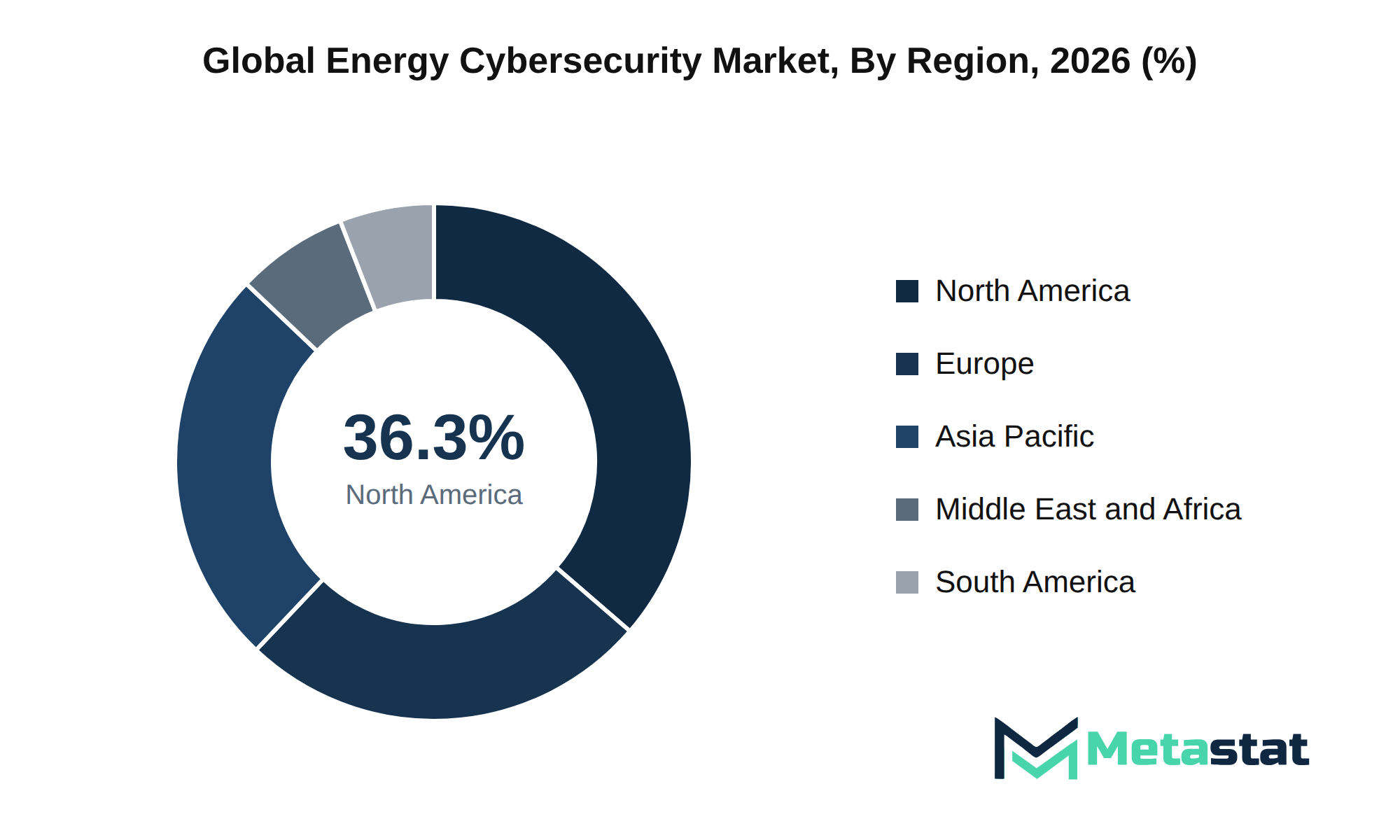
Competitive positioning in the Energy Cybersecurity market reflects a blend of strategic behaviors among key players. Firms including Siemens Energy AG, Schneider Electric SE, and Honeywell International Inc. employ mergers and acquisitions to enhance their market foothold and broaden their service offerings. This approach creates comprehensive solutions that address evolving cybersecurity challenges within the energy sector.
Other notable players, including Cisco Systems, Inc. and Fortinet, Inc., emphasize product differentiation through robust R&D pipelines and proprietary technologies. Investments in innovation lead to advanced cybersecurity solutions tailored for specific energy industry needs. Strategic alliances and partnerships across the technology and energy sectors further strengthen their competitive positioning, enhancing customer retention and brand equity.
The threat of new entrants remains a crucial factor, with established players leveraging their intellectual property and technological capabilities to maintain market dominance. Companies like Microsoft Corporation and Palo Alto Networks, Inc. focus on developing extensive IP portfolios that create barriers to entry for potential disruptors in the Energy Cybersecurity market. The landscape reflects a dynamic interaction of established firms and emerging startups, shaping the future competitive outlook.
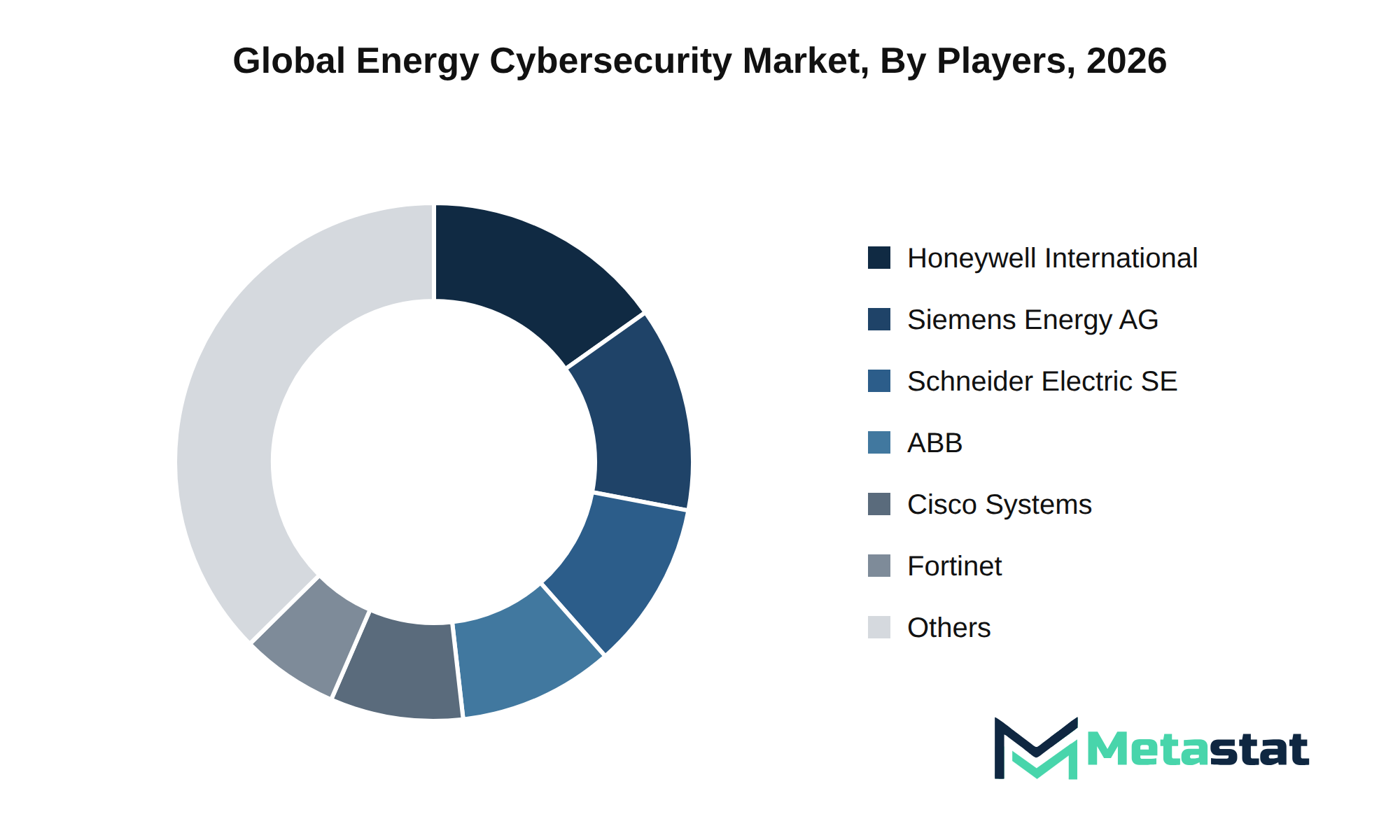
Market size is forecast to rise from USD 11.7 billion in 2025 to over USD 26.7 billion by 2033. This growth trajectory reflects a compound annual growth rate (CAGR) of 10.9%, driven by various macroeconomic factors and structural shifts within the industry.
The base case projects steady demand from traditional energy sectors, alongside increased investments in cybersecurity solutions to counteract evolving threats. A bull case envisions accelerated growth owing to emerging technologies and next-generation integrations gaining traction, resulting in heightened spending on comprehensive cybersecurity measures across all energy subsectors. Conversely, a bear case anticipates potential disruptions stemming from geopolitical tensions and regulatory changes that could impede market expansion, leading to slower adoption rates and cautious capital allocation strategies.
Strategic investments in research and development will shape the future landscape, enhancing product life cycles and meeting imminent regulatory compliance milestones. Evolving trade corridors and global supply chain shifts will influence the Energy Cybersecurity market's dynamics, creating opportunities for firms that adapt quickly to these changes.
Overall, the market's future outlook hinges on businesses' ability to navigate these complexities, address unmet enterprise needs, and explore high-growth pockets. Future growth recommendations emphasize the importance of defensibility roadmaps that align with executive-level strategic imperatives, ensuring that organizations remain resilient in an increasingly interconnected and risk-prone environment.
The report strategically identifies and profiles the key market players and analyses their core competencies in each sub-segment of the Energy Cybersecurity market.
Report Attributes | Details |
Study Period | 2021-2033 |
Base Year | 2025 |
Estimated Year | 2026 |
Forecast Period | 2026-2033 |
Historical Period | 2021-2025 |
Growth Rate | CAGR 10.9% from 2026 to 2033 |
Revenue Unit | USD billion |
Segmentation | By Offering Type, Solution Type, Deployment Model, End-user Industry, and Region |
By Region | North America (By Offering Type, Solution Type, Deployment Model, End-user Industry, and Country)
|
Europe (By Offering Type, Solution Type, Deployment Model, End-user Industry, and Country)
| |
Asia Pacific (By Offering Type, Solution Type, Deployment Model, End-user Industry, and Country)
| |
South America (By Offering Type, Solution Type, Deployment Model, End-user Industry, and Country)
| |
Middle East and Africa (By Offering Type, Solution Type, Deployment Model, End-user Industry, and Country)
|
Find answers to common questions about this report
The Energy Cybersecurity market size was valued at USD 11.7 billion in 2025, according to the Metastat Insights study.
The Energy Cybersecurity market is projected to grow at a CAGR of 10.9% during the forecast period from 2026 to 2033.
The North America Energy Cybersecurity market size is estimated to reach USD 9.3 billion by 2033.
The leading segment in the Energy Cybersecurity market is Security Solutions, projected to reach USD 13.9 billion by 2033. This segment demonstrates significant growth potential compared to other segments.
Key drivers for the Energy Cybersecurity market include the accelerating pace of digital transformation and increasing investments in infrastructure development. Organizations prioritize robust cybersecurity frameworks to protect critical assets from emerging threats, reflecting a proactive approach to risk management amid evolving regulatory compliance requirements.
North America holds the dominant share of the Energy Cybersecurity market, with a projected value of USD 9.3 billion in 2033, representing 36.3 percent of the total market.
The Energy Cybersecurity market growth faces significant restraints from stringent regulatory compliance requirements and resource constraints. Organizations allocate substantial resources to meet complex regulations while managing operational costs, which detracts from investments in innovative cybersecurity solutions. a shortage of qualified cybersecurity professionals hampers businesses' capacity to implement necessary security measures effectively.
Growing investment in infrastructure development and the increasing urgency to secure digital environments favor product adoption in the Energy Cybersecurity market. Organizations prioritize robust cybersecurity solutions to protect critical assets from emerging threats, driving demand for innovative technologies tailored to modern challenges.
The Energy Cybersecurity market is estimated to reach a valuation of USD 26.7 billion by 2033.
Key players in the Energy Cybersecurity market include Siemens Energy AG, Schneider Electric SE, Honeywell International Inc., ABB Ltd., Rockwell Automation, Inc., and Cisco Systems, Inc. These companies are recognized for their contributions to enhancing cybersecurity measures within the energy sector.
The analysts below cover Energy and Power research at Metastat Insights.
LEAD ANALYST
Utkarsh Khirodkar is a Lead Market Research Analyst at MetaStat Insight, specializing in market intelligence, technology sector assessments, and competitive strategy.

PRINCIPAL CONSULTANT - ENTERPRISE AI & EMERGING TECHNOLOGIES
Banking & Finance · Electronics and Semiconductor · Energy and Power · Healthcare IT · Information & Technology · Professional Services
Vijay Gunti is a Principal Consultant at MetaStat Insight, bringing over two decades of experience across enterprise digital transformation, technology strategy, and intelligent systems.

ENERGY & INFRASTRUCTURE INDUSTRY CONSULTANT
Automotive and Transportation · Electronics and Semiconductor · Energy and Power · Machinery & Equipment
Saurabh Vasant Ganvir consults for Energy & Infrastructure Industry at MetaStat Insight, specializing in renewable energy, solar EPC, and electric vehicle (EV) infrastructure markets.
Enterprise zero-trust network rollouts are often slowed down by multi-cloud transit latency and proprietary hardware retirement schedules. This study provided realistic total cost of ownership models comparing cloud-delivered security edge solutions against traditional hardware refreshes. The analysis of contract renewal lengths and software maintenance fees gave us clear visibility into enterprise replacement cycles over the next three to five years.
Scaling antibody-drug conjugate manufacturing hinges on contract manufacturing availability for high-potency active ingredients. The MetaStat Insight analysis looked closely at global cleanroom slot constraints, bioconjugation batch failure rates, and supply chain redundancies between the US, Europe, and India. The supplier capability matrix proved genuinely useful for our team when mapping secondary source options across our clinical pipeline.
Floating offshore wind feasibility relies heavily on specialized installation vessel availability and port crane limits, which most broad renewable energy forecasts ignore. The report delivered a thorough analysis of dry dock capacity, mooring chain supply constraints, and raw material pricing trends for deepwater anchor installations. It served as a solid independent sanity check for our offshore project capital expenditure assumptions.
Explore related market intelligence reports worth reading alongside this one.
Starting from
$2950