
Explore the regional demand differences for UK Aesthetic Combination Therapy. Discover factors influencing urban and rural preferences in aesthetic treatments.
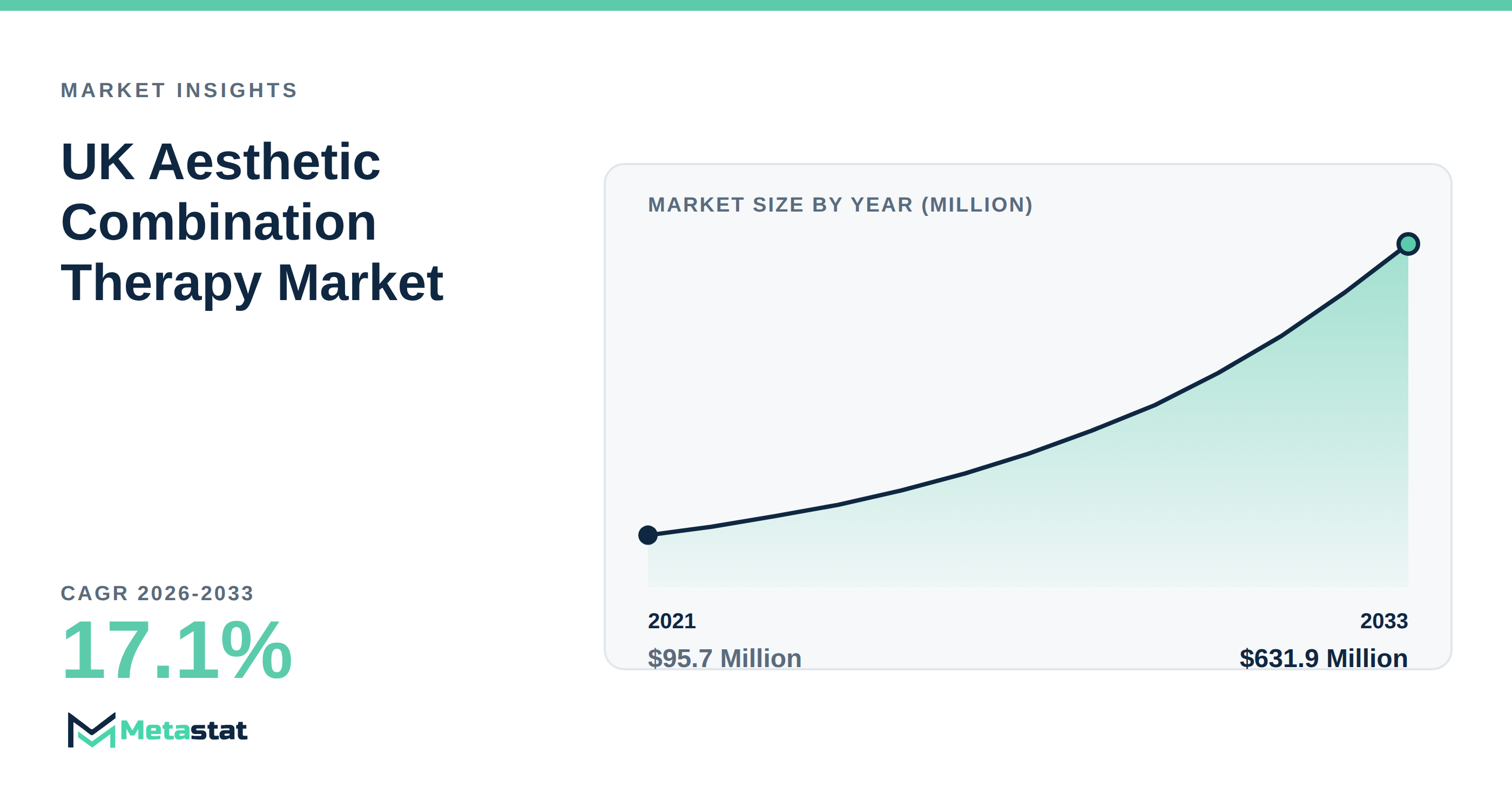
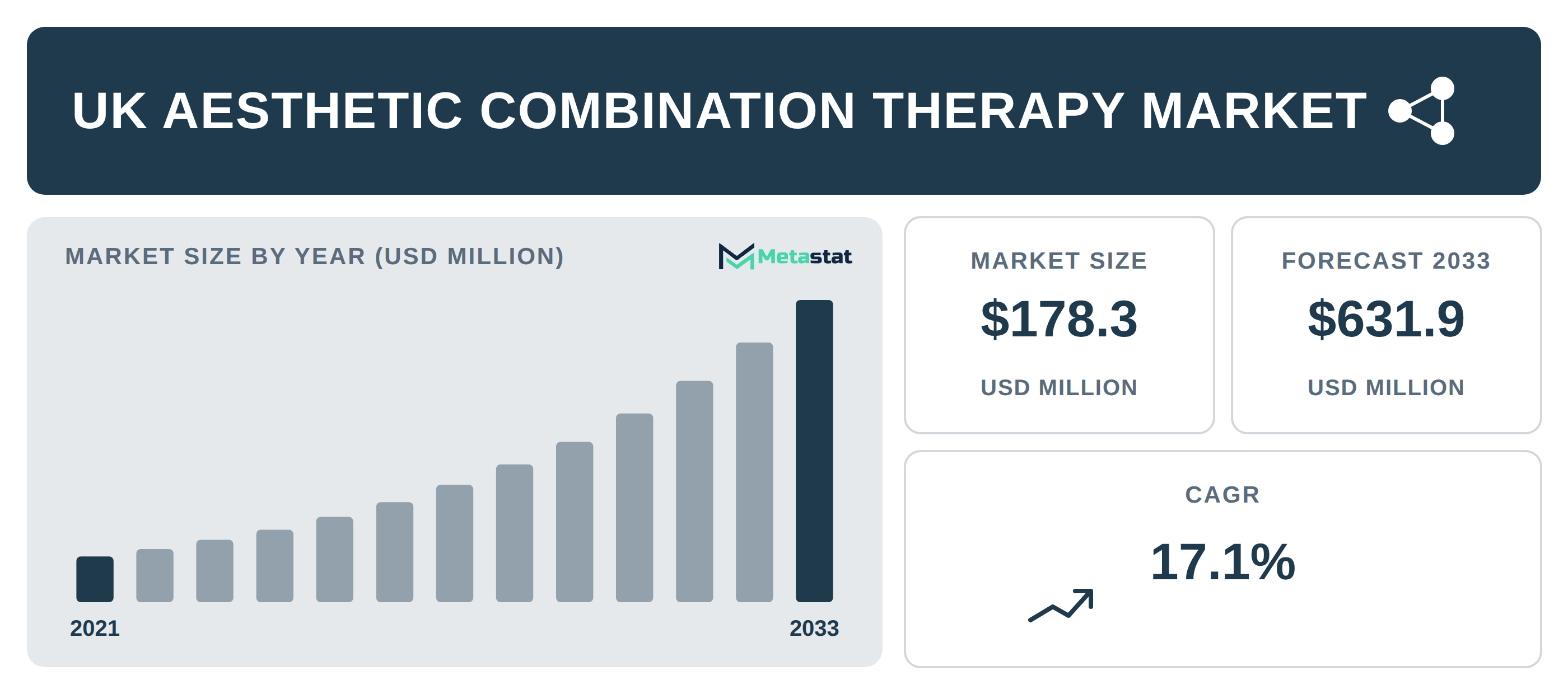
The demand for UK Aesthetic Combination Therapy varies significantly based on geographic regions, with notable differences in consumer preferences, treatment availability, and provider concentration. Understanding these regional dynamics is essential for both practitioners and consumers navigating this evolving landscape. UK Aesthetic Combination Therapy market size and forecast report
Which regions lead in aesthetic combination therapies?
In the UK, the demand for aesthetic combination therapies is significantly higher in urban areas compared to rural regions. Major cities like London and Manchester have a robust network of medical aesthetic clinics and dermatology practices, offering a wider array of services and innovative treatment options. The concentration of healthcare professionals specializing in aesthetic treatments directly influences the availability and appeal of these therapies in metropolitan areas.
What accounts for the differences in demand?
Several factors contribute to the disparities in demand across different regions. Urban populations typically exhibit greater awareness and acceptance of aesthetic treatments, driven by higher disposable incomes and lifestyle priorities that emphasize personal aesthetics. Effective marketing strategies and the influence of social media within urban environments play a critical role in shaping consumer perceptions and driving demand. Conversely, rural areas often lack the same level of accessibility and awareness, resulting in lower engagement with aesthetic combination therapies.
How does demographic variation impact regional preferences?
Demographics significantly shape preferences for aesthetic combination therapies across regions. Younger consumers, particularly those aged 25-34, are more prevalent in urban settings, where they actively seek treatments aimed at skin rejuvenation and anti-aging. This age group shows a strong inclination towards non-invasive solutions, contributing to the surge in demand for injectable and device combination therapies. Meanwhile, older demographics in rural areas prioritize different treatment modalities, influenced by varying beauty standards and access to services.
What role does technological advancement play?
Technological advancements in aesthetic procedures enhance the appeal of combination therapies, particularly in urban centers where clinics are more likely to adopt innovative treatments. The integration of new technologies, including advanced laser systems and AI-driven consultation platforms, facilitates more effective and personalized treatments. This leads to higher patient satisfaction rates and greater willingness to invest in these services. In contrast, rural clinics lag in adopting such technologies, thus impacting their competitiveness and service offerings.
How do providers adjust to regional demand variations?
Aesthetic practitioners and clinics recognize and adapt to the unique demands of their regional markets. Urban providers capitalize on the growing trend towards advanced combination therapies by continuously upgrading their service portfolios and incorporating the latest technologies. Rural clinics, on the other hand, should focus on enhancing awareness and accessibility of aesthetic treatments, potentially through promotional packages or collaborations with local influencers to improve their presence. Understanding local consumer preferences and tailoring offerings accordingly will be essential in capturing a broader clientele across regions.
The regional demand for UK Aesthetic Combination Therapy highlights significant variations influenced by demographics, technological adoption, and urban-rural divides. While the industry continues to evolve, staying attuned to these dynamics remains crucial for both providers and consumers seeking effective aesthetic solutions.
Tags
About the Authors

LEAD ANALYST
Utkarsh Khirodkar is a Lead Market Research Analyst at MetaStat Insight, specializing in market intelligence, technology sector assessments, and competitive strategy.

LEAD PRINCIPAL ANALYST, PHARMA AND HEALTHCARE
Food and Beverages · Healthcare · Healthcare IT · Medical Devices
Ajay Devgire is the Lead Healthcare Analyst at MetaStat Insight, leading strategic research and market intelligence initiatives across the global healthcare domain.

SENIOR RESEARCH ANALYST
Biotechnology · Food and Beverages · Medical Devices · Packaging
Snehal Pasalkar is a Research Analyst at MetaStat Insight, operating at the intersection of life sciences research, competitive strategy, and market intelligence.