
RFID technology is leading retail loss prevention solutions with improved inventory accuracy and efficiency. Discover the factors behind its growth.
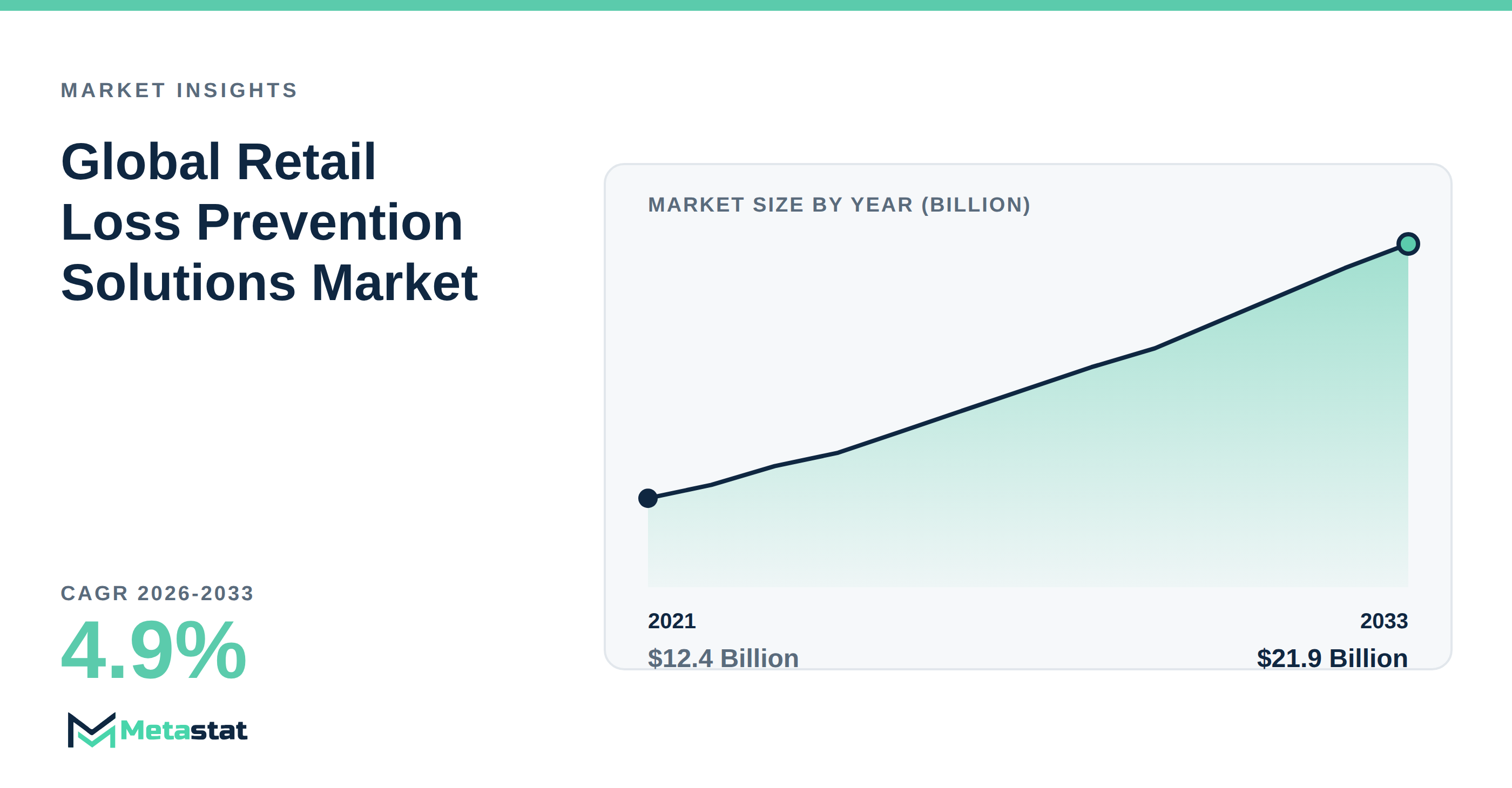
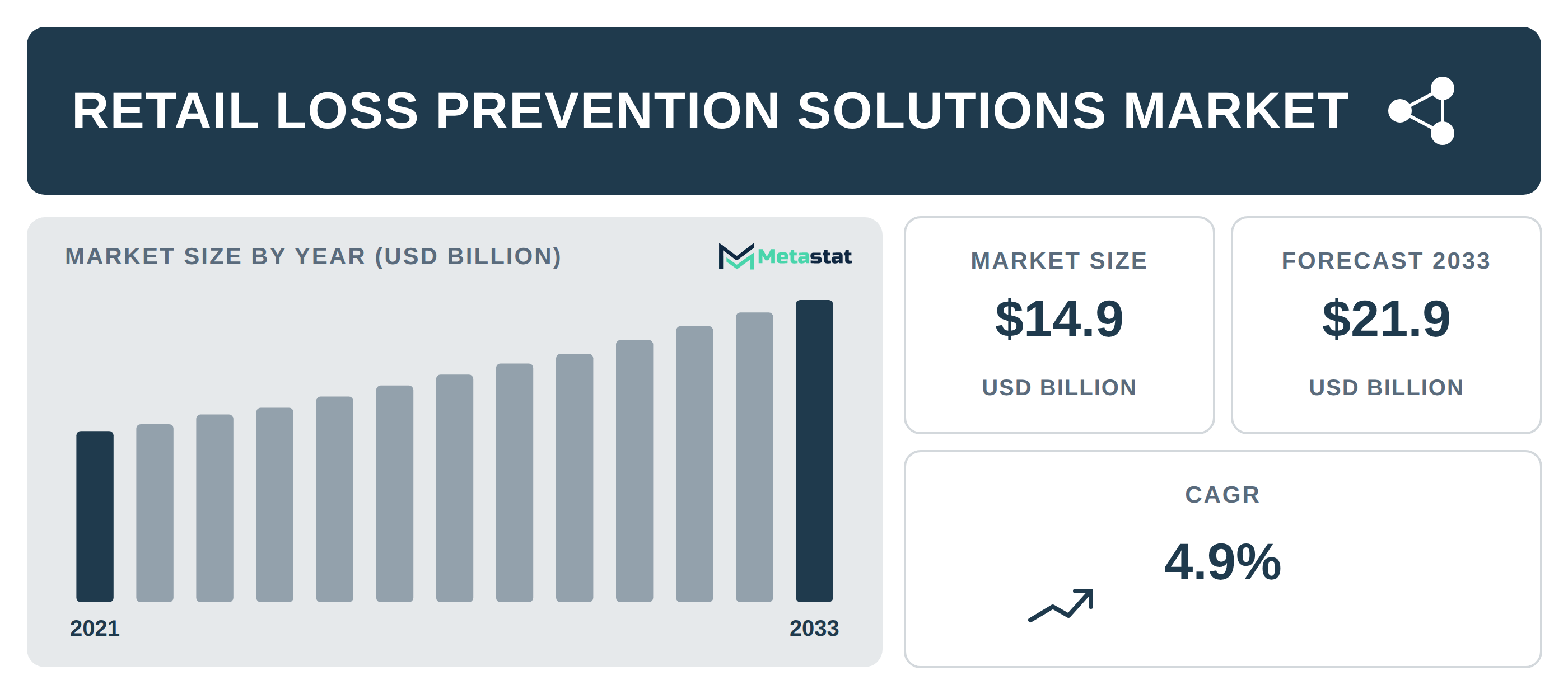
RFID inventory tracking is emerging as the frontrunner in the market for Retail Loss Prevention Solutions, significantly impacting retail operations through enhanced efficiency and precision in inventory management. This segment is expected to reach USD 3.9 billion by 2033, illustrating the increasing recognition among retailers of the necessity for robust loss prevention strategies. The full figures are in our Retail Loss Prevention Solutions market size and forecast report.
The complexities in retail environments, coupled with a rise in theft rates, have intensified the reliance on advanced technologies. Retailers are facing distinct challenges regarding stock management, where discrepancies result in significant financial losses. RFID technology addresses these issues by improving traceability throughout retail operations, allowing businesses to monitor stock movements precisely. Through RFID, retailers quickly identify discrepancies and respond to inventory challenges effectively.
What drives the demand for RFID technology?
Several factors contribute to the growing adoption of RFID technology in retail loss prevention. First, the need for accurate and real-time data on inventory levels has become crucial, especially in competitive markets. Retailers are required to maintain precise stock levels to satisfy customer demands and minimize losses from shrinkage.
The visibility provided by RFID systems allows retailers to optimize their supply chains, ultimately leading to improved operational efficiency. Enhanced inventory accuracy translates to increased customer satisfaction as products are more readily available when required. This capability is particularly vital in sectors like apparel and electronics, where inventory turnover is rapid, and the costs linked to lost sales are substantial.
How does RFID compare to other loss prevention solutions?
While other loss prevention solutions, including video surveillance and electronic article surveillance, remain essential, RFID technology is gaining momentum due to its specific advantages. Video surveillance systems are valuable for monitoring behaviors and providing visual documentation of incidents; however, they do not directly address inventory management challenges.
In contrast, RFID tracking offers a more proactive approach to loss prevention by equipping retailers with meaningful insights into their inventory. This differentiation allows RFID to not only reduce shrinkage but streamline inventory processes, enabling retailers to operate more efficiently in a climate of increasing operational costs.
The role of cloud-based solutions in advancing RFID adoption
The trend toward cloud-based solutions significantly accelerates the demand for RFID technology. Retailers increasingly favor these systems for their scalability and flexibility, allowing businesses to leverage real-time analytics for better decision-making. Cloud solutions frequently integrate smoothly with RFID systems, providing retailers with an accessible framework for data management and analytics.
This shift toward digital transformation reflects broader retail trends, showcasing a strong interest in innovative technologies that enhance operational efficiency. The ability to access data and insights remotely allows retailers to respond promptly to potential security breaches and inventory discrepancies, underscoring the strategic significance of RFID in loss prevention.
Conclusion: Adapting to the future of retail
The competitive retail environment necessitates an unwavering focus on effective loss prevention strategies. The increasing emphasis on RFID inventory tracking not only illustrates the technology’s potential for reducing shrinkage but highlights retailers' commitment to adopting solutions that improve operational efficiency.
As RFID technology continues to advance, retailers investing in this area demonstrate their determination to maintain a competitive edge in a challenging marketplace, ensuring they are equipped to meet customer demands while protecting their revenue streams. The ongoing integration of advanced technologies into retail loss prevention will likely shape the future of the industry.
Tags
About the Author

LEAD ANALYST
Utkarsh Khirodkar is a Lead Market Research Analyst at MetaStat Insight, specializing in market intelligence, technology sector assessments, and competitive strategy.