
The shift towards LED solutions in Architectural Lighting is driven by energy efficiency, aesthetics, and regulatory factors. Understanding these dynamics helps stakeholders navigate market changes.
The shift towards LED lighting solutions in the market for Architectural Lighting has created a notable gap between this segment and others. Understanding the drivers behind this shift offers important insights for buyers and industry stakeholders. The full figures are in our Architectural Lighting market size and forecast report.
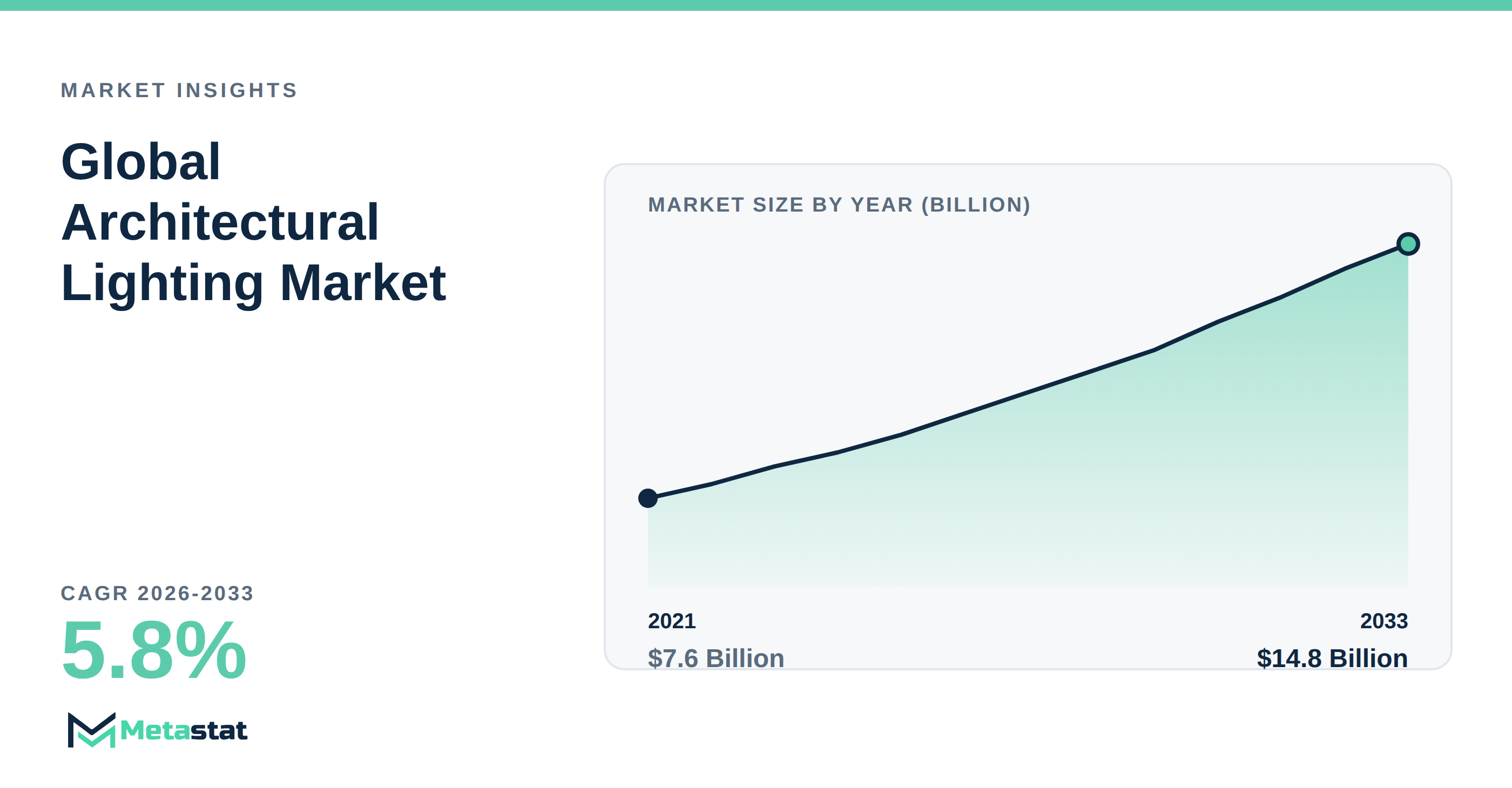
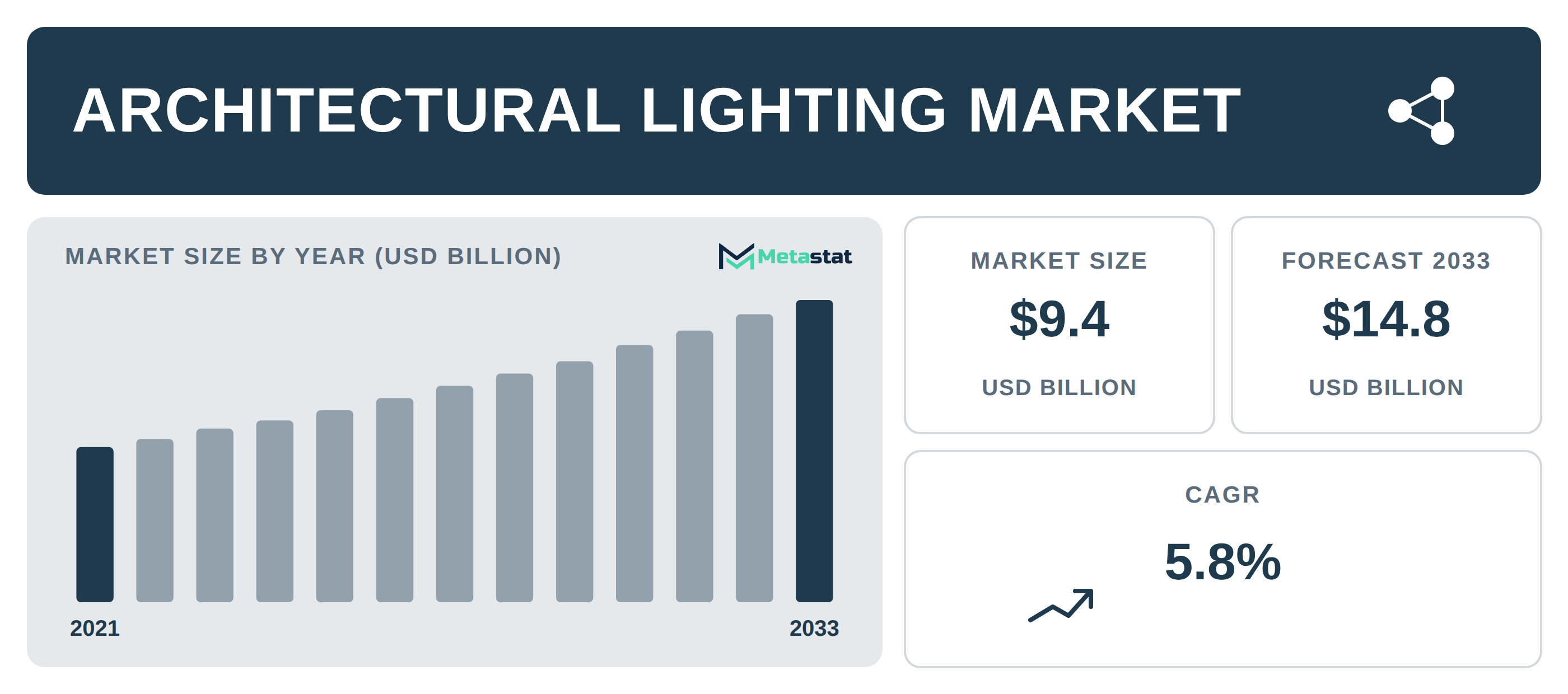
Focusing on energy efficiency, LED lighting has transformed how architectural spaces are lit. In 2026, the LED segment is expected to reach a value of USD 7.4 billion, with expectations to grow to USD 12.7 billion by 2033. This growth corresponds to a compound annual growth rate of 7.9%, which is significantly higher compared to other lighting technologies, including fluorescent and incandescent options, that continue to see declining demand.
Several factors contribute to the increasing preference for LED solutions. First, the pursuit of cost-effective and energy-efficient technologies drives buyers toward LEDs, which substantially lower operational costs over time. Rising energy prices intensify the urgency to adopt more efficient lighting options for both commercial and residential sectors.
Advancements in LED technology further enhance their appeal. Improvements in performance, including increased lumen output and superior color rendering, attract buyers seeking effective lighting solutions. These innovations allow for integration with smart technology, enhancing user experience and energy management capabilities. The long lifespan and reduced maintenance costs of LEDs position them as a practical choice for buyers aiming to optimize resource allocation.
In addition to technological advancements, evolving consumer preferences significantly influence Architectural Lighting demand. A growing focus on aesthetics and functional design in both residential and commercial spaces encourages the adoption of innovative lighting solutions. Architecture and design professionals increasingly favor LED products for their versatility in design and ability to create unique atmospheres.
Interestingly, while other lighting technologies, including High-Intensity Discharge and traditional incandescent options, struggle to keep pace, the LED segment flourishes. For example, the High-Intensity Discharge segment is projected to yield only USD 0.6 billion by 2033, highlighting the stark contrast in growth trajectories.
The global regulatory landscape supports the transition to energy-efficient lighting. Many regions have implemented regulations and incentives aimed at reducing energy consumption, which significantly impacts market dynamics. The alignment of LED technology with sustainability initiatives makes it a compelling choice for buyers aiming for compliance with emerging regulations.
Architectural Lighting demand is increasingly shaped by the dominance of the LED segment. Buyers benefit from the dual advantages of energy efficiency and aesthetic appeal, making LEDs the preferred choice for modern lighting solutions. This trend reflects a fundamental shift toward sustainable practices within the industry.
Understanding the factors driving the demand for LED lighting within the Architectural Lighting landscape empowers stakeholders to make well-informed decisions. This knowledge enables better alignment with market trends and consumer preferences, positioning buyers to maximize both aesthetic and operational benefits. While the market evolves, those embracing LED technology stand to benefit from the ongoing transformation toward energy-efficient solutions.
Tags
About the Authors

LEAD ANALYST
Utkarsh Khirodkar is a Lead Market Research Analyst at MetaStat Insight, specializing in market intelligence, technology sector assessments, and competitive strategy.

PRINCIPAL CONSULTANT - ENTERPRISE AI & EMERGING TECHNOLOGIES
Banking & Finance · Electronics and Semiconductor · Energy and Power · Healthcare IT · Information & Technology · Professional Services
Vijay Gunti is a Principal Consultant at MetaStat Insight, bringing over two decades of experience across enterprise digital transformation, technology strategy, and intelligent systems.

PRINCIPAL CONSULTANT - QUALITY SYSTEMS & COMPLIANCE
Electronics and Semiconductor · Machinery & Equipment · Professional Services
Omkar Phadtare is an Industry Consultant at MetaStat Insight, specializing in quality systems, regulatory compliance, and standards benchmarking to drive data-driven market intelligence and strategic industry research.

ENERGY & INFRASTRUCTURE INDUSTRY CONSULTANT
Automotive and Transportation · Electronics and Semiconductor · Energy and Power · Machinery & Equipment
Saurabh Vasant Ganvir consults for Energy & Infrastructure Industry at MetaStat Insight, specializing in renewable energy, solar EPC, and electric vehicle (EV) infrastructure markets.

LEAD CONSULTANT - COMMUNICATION, TELECOM, AND IT
Electronics and Semiconductor · Information & Technology · Machinery & Equipment · Professional Services
Ravindra Sathe Consultants for Communication, Telecom, and IT at MetaStat Insight. He leads the firm's industry research initiatives across telecommunications infrastructure, digital connectivity, enterprise networking, and emerging information technology domains.