
Explore the leading segment in In-Space Manufacturing, Servicing and Transportation demand, focusing on orbital transportation and its growth factors.
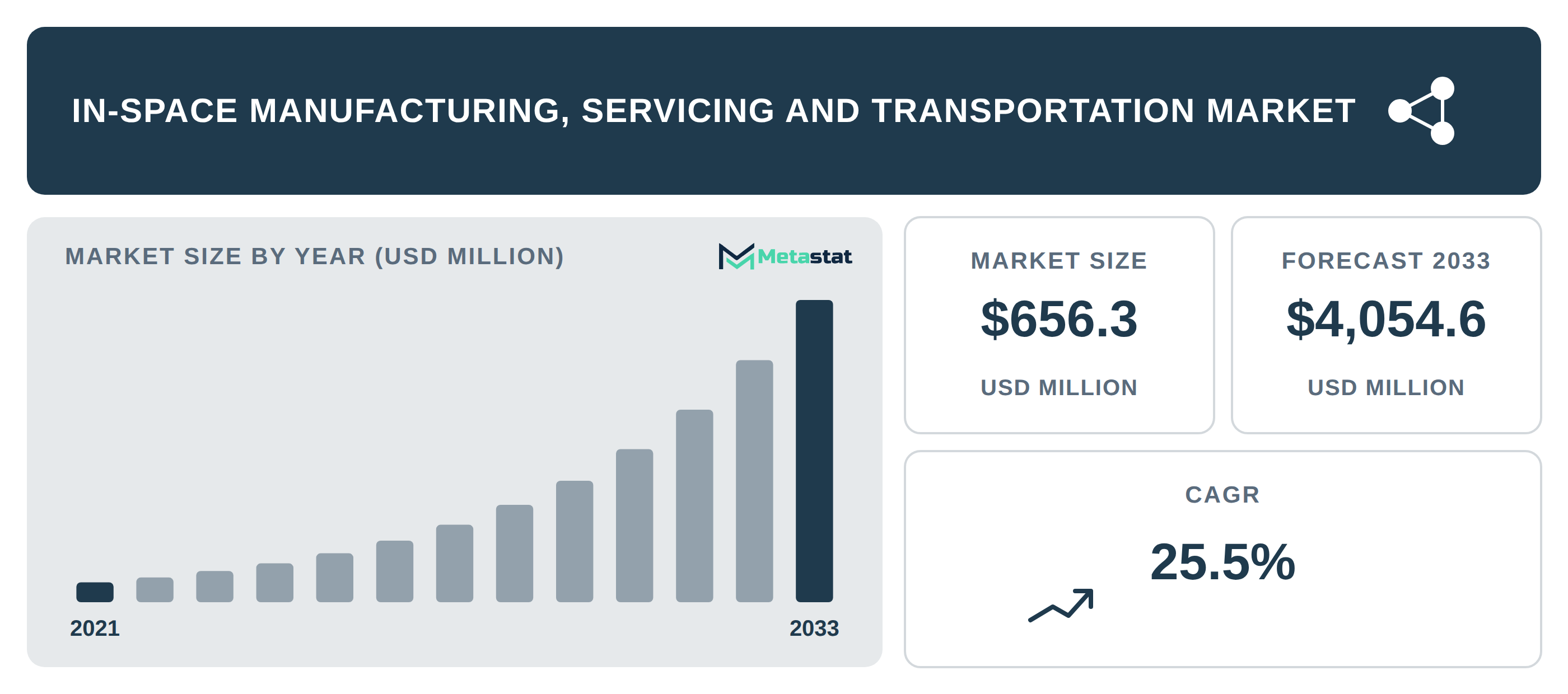
The segment focused on orbital transportation currently leads demand in the market for In-Space Manufacturing, Servicing and Transportation. This trend signals noteworthy investments in technologies that improve the effectiveness and dependability of satellite deployment and logistics. Understanding the elements driving this demand is essential for stakeholders aiming to optimize their operations. The full figures are in our In-Space Manufacturing, Servicing and Transportation market size and forecast report.
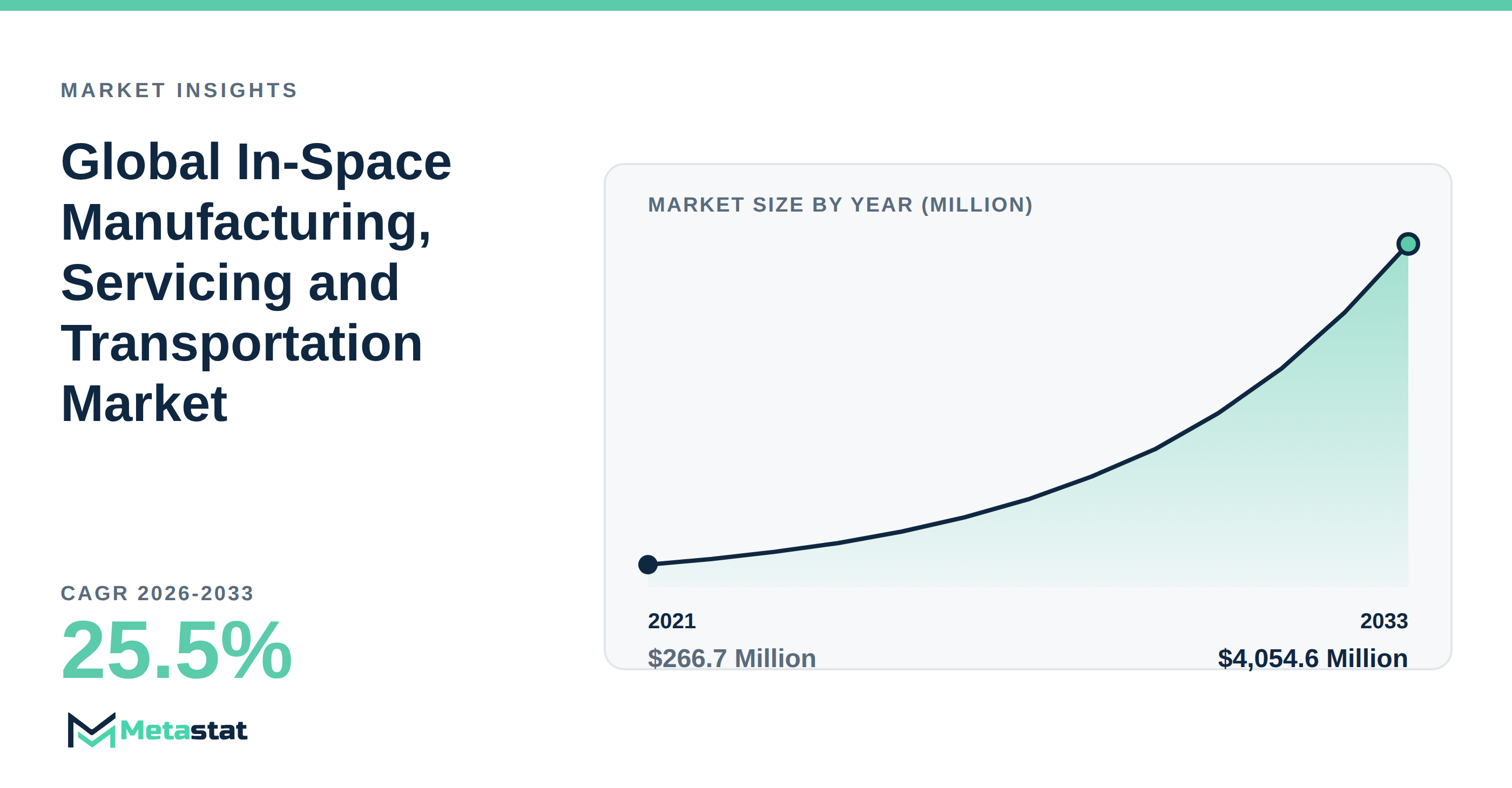
Orbital transfer vehicles (OTVs) significantly contribute to the growth of this segment. They simplify logistics associated with satellite launches, enabling seamless transport of payloads between various orbital positions. The expected increase in the value of orbital transportation and payload deployment, which is projected to grow from USD 267.6 million in 2026 to USD 1,197.7 million by 2033, stems from a compound annual growth rate of 23.9%. This growth is primarily driven by rising demand for satellite services, especially among commercial satellite operators and civil space agencies.
The advancement of OTV technology has become crucial for commercial satellite operators who seek dependable systems for launching and sustaining satellite constellations. Companies investing in OTV technology realize operational cost savings and enhanced payload capacities, gaining a competitive advantage. Such strategic investments increase overall operational efficiency, equipping firms to address the escalating need for satellite-based services effectively.
What is driving demand for orbital transportation?
Orbital transportation's growing appeal is linked to the escalating reliance on satellites for a variety of functions, including communication, navigation, and scientific research. The continuous rise in satellite launches correlates directly with the need for robust logistical support in space. This relationship underscores the connection between the growth of commercial space initiatives and governmental research endeavors.
As commercial satellite operators heavily invest in in-space manufacturing and servicing solutions, this segment is expected to achieve a value of USD 1,201 million by 2033, driven by the ongoing quest to optimize investments. Civil space agencies react to these market dynamics by concentrating on operational improvements to enhance their satellite fleets.
How is innovation influencing this segment?
Technological innovations, particularly in robotics and automation, markedly enhance operational efficiency within the orbital transportation segment. For example, improvements in robotic systems streamline satellite servicing, maintenance, and assembly tasks. This evolution minimizes reliance on extensive human involvement, driving down operational costs and enabling a more comprehensive range of services in orbital environments.
Integrating artificial intelligence and machine learning within operational processes boosts decision-making capabilities, empowering companies to manage resources more effectively. This technological progress attracts investment from both traditional aerospace firms and innovative startups. As operational costs and time associated with space missions decline, the conditions become favorable for growth in orbital transportation.
What challenges do companies face?
Despite the optimistic outlook, price sensitivity among commercial satellite operators remains a challenge, influencing their purchasing decisions. High costs related to in-space manufacturing and servicing technologies lead to slower adoption rates and smaller order sizes. Many operators navigate budget constraints, frequently choosing lower-cost options over advanced systems, which diminish overall investment levels.
Suppliers operating in this sector encounter margin compression due to escalating operational costs driven by inflation and rising technology expenses. Companies strive to remain profitable while addressing pressure for competitive pricing from clients. Thus, obtaining economies of scale and prioritizing cost management without compromising service quality is crucial for sustaining growth.
Where is the future of orbital transportation headed?
The outlook for orbital transportation appears promising, characterized by ongoing investment in innovative technologies that enhance operational capabilities and streamline logistics processes. This segment is expected to retain its leadership position, driven by increasing demand for efficient satellite operations and aspirations to extend the functionality of existing assets.
As stakeholders work through challenges and embrace opportunities, a focus on advanced logistics solutions will remain essential. Collaborations between governmental efforts and commercial enterprises are likely to energize this segment, ensuring that the demand for In-Space Manufacturing, Servicing and Transportation continues to evolve and grow.
Tags
About the Author

LEAD ANALYST
Utkarsh Khirodkar is a Lead Market Research Analyst at MetaStat Insight, specializing in market intelligence, technology sector assessments, and competitive strategy.