
Explore the key trends shaping the Cell Therapy Biomanufacturing outlook. Understand the impact of technology, pricing, and capacity challenges in this evolving market.
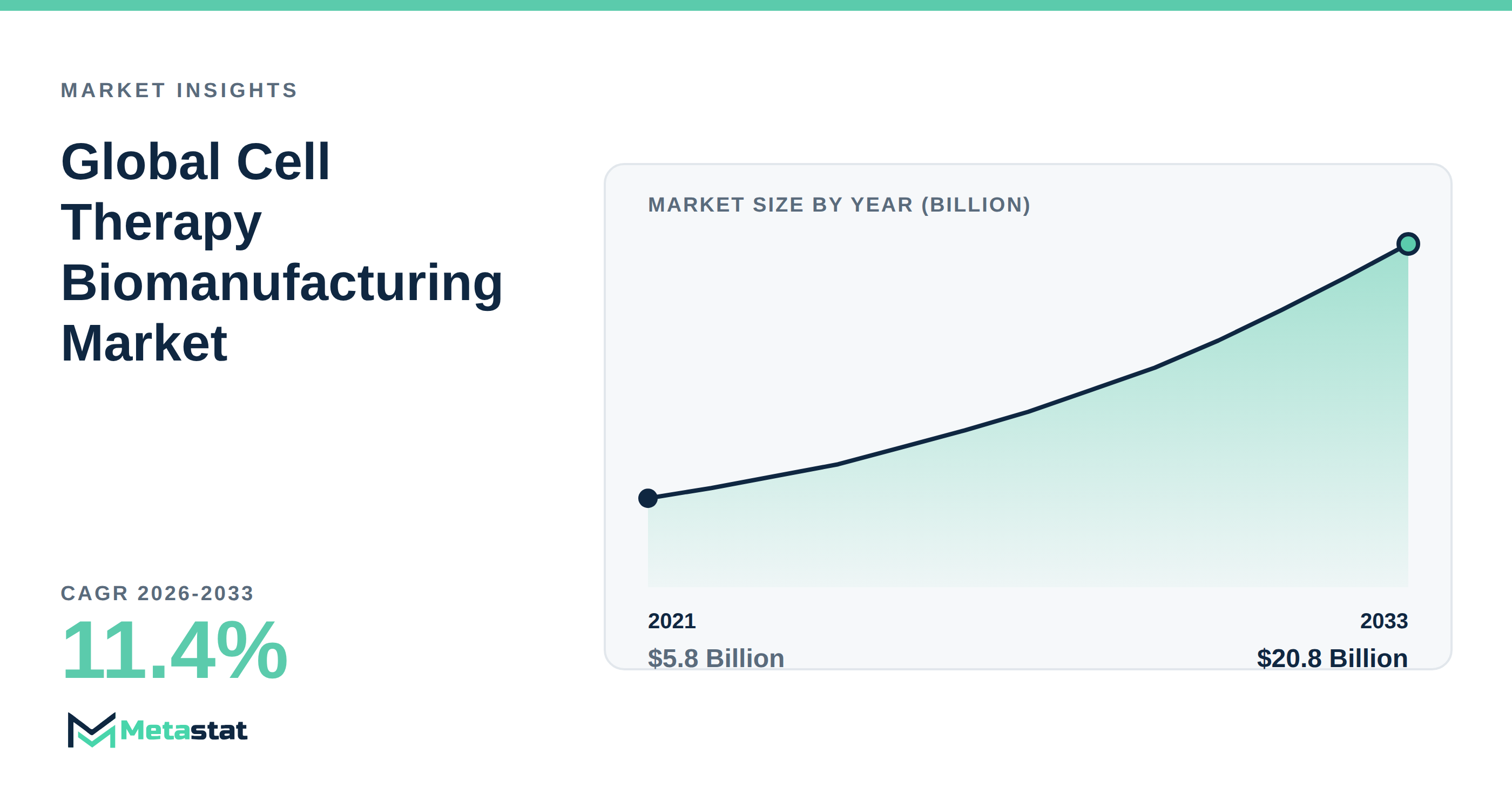
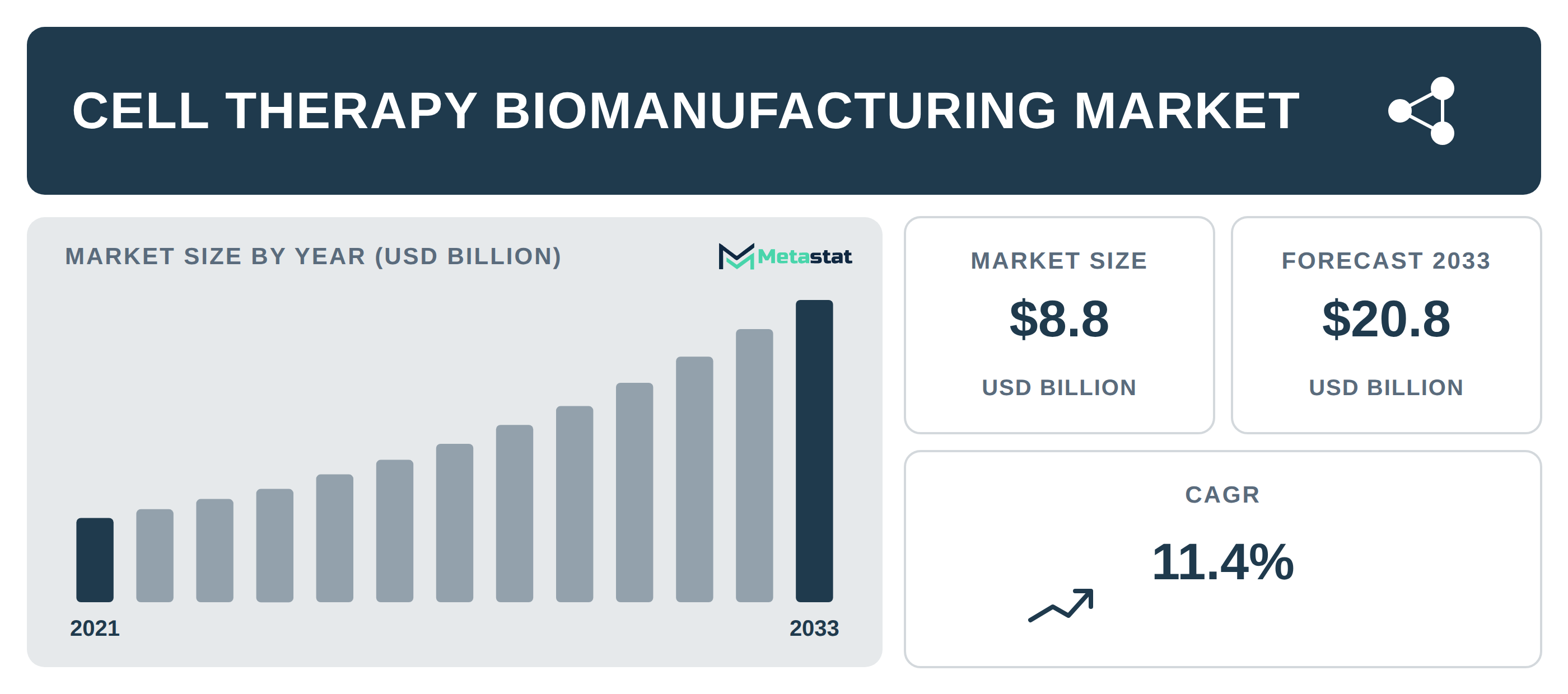
The outlook for Cell Therapy Biomanufacturing is poised for significant shifts as it progresses toward 2033. Technological advancements and evolving buyer expectations will drive notable changes in this sector. Stakeholders remain alert to several critical trends that are likely to influence the dynamics of this marketplace in the coming years. The full figures are in our Cell Therapy Biomanufacturing market size and forecast report.
What is driving the growth of cell therapies?
Investment from pharmaceutical firms is fueling innovation in cell therapies designed to meet specific patient requirements. A deeper understanding of cellular mechanisms prompts a heightened focus on personalized medicine, facilitating expanded clinical trials and broader application of cell therapies. T-Cell therapies are particularly significant contributors, supported by increasing cancer diagnoses and the acknowledged effectiveness of immunotherapy. The commitment to ongoing research and development reflects an earnest effort to improve patient outcomes through pioneering solutions.
How are technological advancements modifying manufacturing processes?
The rise of closed, automated platforms is modifying production methods within the sector. These systems enhance manufacturing efficiency, reduce contamination risks, and streamline complex processes. The consumables and reagents segment clearly illustrates this transformation, with an anticipated increase from USD 3.4 billion in 2026 to USD 6.6 billion by 2033. Such a transition toward automation not only enhances workflow optimization but aligns with stringent regulatory requirements, encouraging organizations to invest in these technologies to secure a competitive edge.
How will pricing and contract models influence adoption rates?
Strategic pricing and contract models are vital in the commercial landscape of cell therapies. The intricate nature of these therapies, combined with elevated development costs, demands adaptable pricing mechanisms that respond to market trends. Organizations are increasingly collaborating with Contract Development and Manufacturing Organizations (CDMOs) to facilitate smooth transitions from clinical trials to commercial-scale production. With the segment focused on contracts expected to rise to USD 6.8 billion by 2033, an emphasis on performance-based contracts will likely enhance collaboration, offering more stable revenue streams and improved access to advanced therapies.
What role does digital traceability play in production?
The integration of digital traceability systems and single-use systems is becoming crucial in Cell Therapy Biomanufacturing, addressing growing demands for operational efficiency and compliance with regulations. The process development stage is projected to reach USD 1.4 billion by 2026, emphasizing the importance of reliable tracking systems for enhanced visibility throughout the supply chain. Such advancements are essential in managing the complexities of production requirements while maintaining product integrity, ultimately leading to greater operational efficiency and cost reductions for manufacturers.
What are the capacity challenges facing the sector?
Despite the promising outlook, capacity limitations within biomanufacturing present serious challenges that impact supply chain efficiency and production schedules. The anticipated growth in T-Cell therapies amplifies the urgency for organizations to scale their operations swiftly to meet rising demand. Addressing these capacity constraints necessitates significant investments in scalable solutions focused on process development and cell isolation. Companies that prioritize expanding their manufacturing capabilities will be better positioned to seize opportunities as demand escalates.
The evolving landscape of Cell Therapy Biomanufacturing calls for vigilance among key players, urging them to adapt strategically to these changes. Understanding regulatory frameworks, technological innovations, and cost structures will equip organizations to navigate the complexities of this dynamic sector effectively. Through continuous advancements, stakeholders are well-positioned to enhance patient care and deliver effective cell therapy solutions.
Tags
About the Authors

LEAD ANALYST
Utkarsh Khirodkar is a Lead Market Research Analyst at MetaStat Insight, specializing in market intelligence, technology sector assessments, and competitive strategy.

SENIOR RESEARCH ANALYST
Biotechnology · Food and Beverages · Medical Devices · Packaging
Snehal Pasalkar is a Research Analyst at MetaStat Insight, operating at the intersection of life sciences research, competitive strategy, and market intelligence.