
Explore key trends shaping the HVAC Systems outlook. Discover the importance of energy efficiency, technology advancements, and market dynamics affecting decision-making.
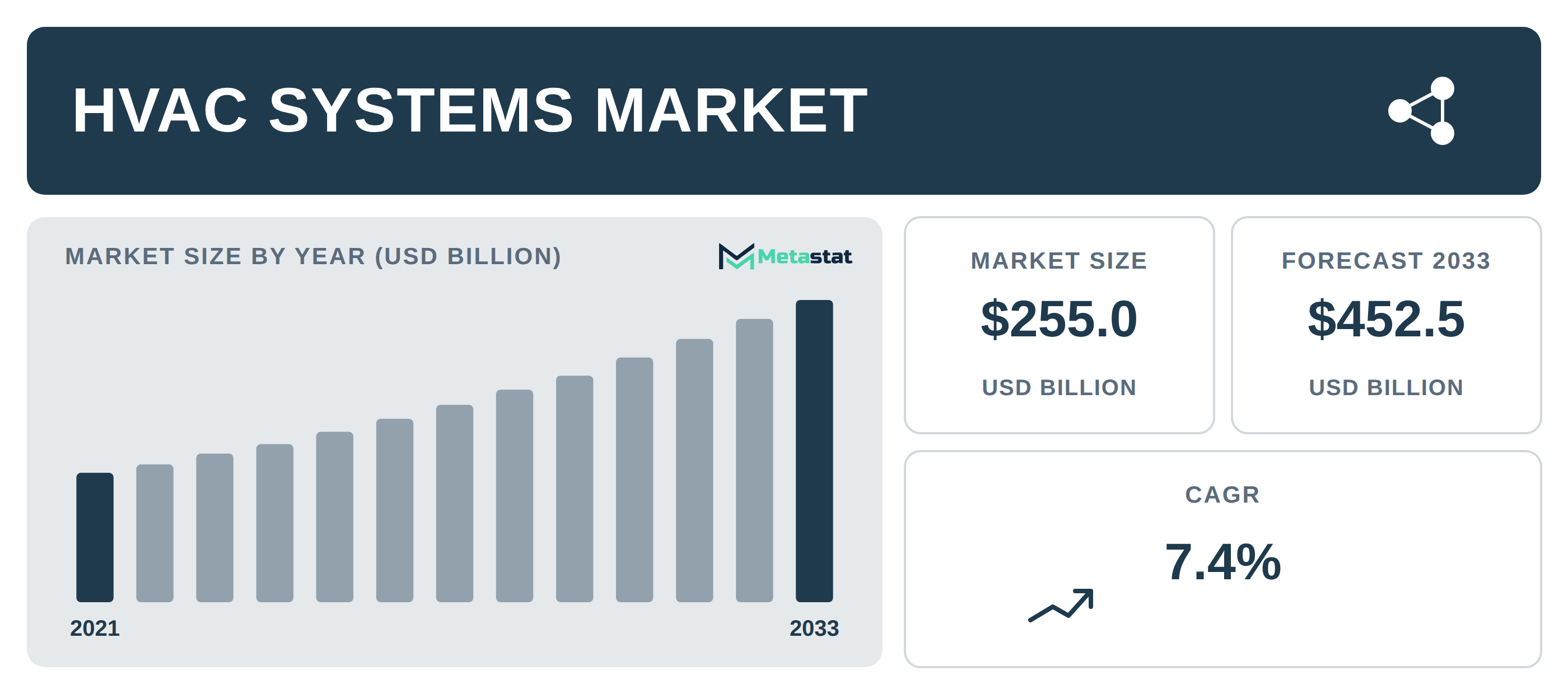
The landscape for HVAC Systems is experiencing significant changes. While the market for HVAC Systems projects a valuation of USD 452.5 billion by 2033, understanding the implications of this growth proves essential for stakeholders. Key trends including energy efficiency, innovative technologies, and shifting consumer demands will be pivotal in shaping the future of climate control systems. The full figures are in our HVAC Systems market size and forecast report.
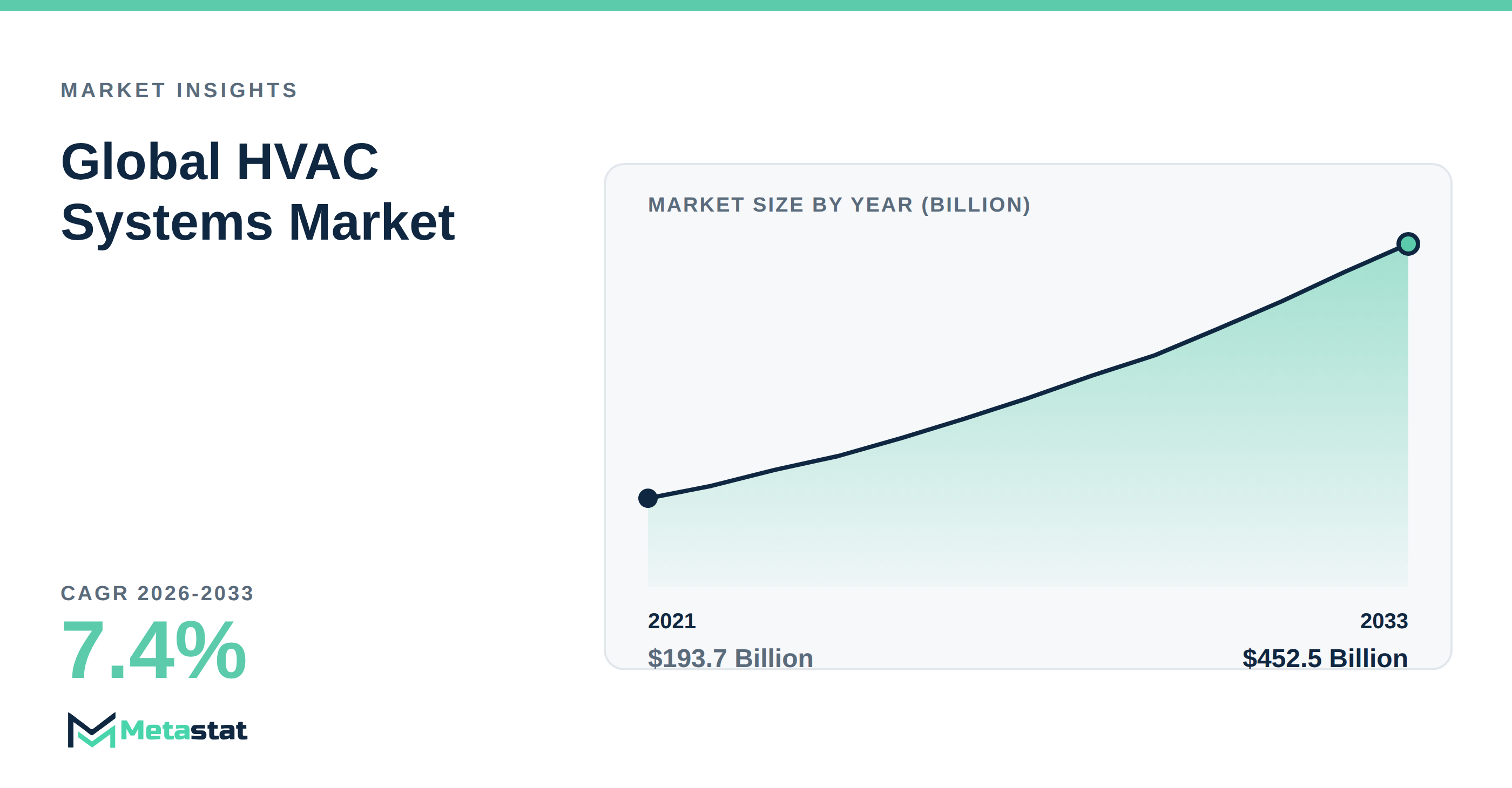
A primary focus in the HVAC Systems outlook centers on the heightened emphasis on energy efficiency. Rising energy costs and stringent regulatory standards propel residential and commercial buyers to pursue efficient solutions. This transition aligns with a broader movement toward sustainability, where consumers increasingly demand systems that lower both operational expenses and environmental impact. While more buyers gravitate toward energy-efficient HVAC technologies, suppliers will innovate continuously to meet these expectations.
Innovations in HVAC equipment are at the center of this transformation. The adoption of variable refrigerant flow (VRF) systems and heat pumps significantly reshapes equipment demand. These technologies provide superior climate control while minimizing energy consumption. The growing trend among residential and commercial sectors toward these advanced systems signals a strong preference for eco-friendly solutions that adapt to diverse climate conditions.
Another crucial component of the HVAC Systems outlook is the profound influence of data centers and green buildings on purchasing decisions. These sectors prioritize energy efficiency and sustainability, thereby driving demand for advanced HVAC technologies. Substantial investments in systems that comply with rigorous energy regulations and sustainability objectives are emerging. Buyers are entering into long-term contracts and implementing performance-based pricing models, fostering a beneficial environment for suppliers that emphasize efficiency.
Moving forward, the adoption of connected HVAC controls and predictive maintenance will be vital in enhancing performance and reducing operational costs. Building owners increasingly emphasize these technologies to improve energy efficiency and ensure smooth operations. Integrating smart technology into HVAC systems facilitates better monitoring and management, resulting in notable energy savings. This trend is expected to remain influential in guiding decision-making around upgrades and new installations.
While the market for HVAC Systems continues to expand, awareness of the high costs associated with advanced equipment remains critical. The initial investment needed for sophisticated systems often poses a barrier for homeowners and smaller businesses. Although long-term savings from energy-efficient solutions are recognized, the upfront financial burden hinders adoption rates. Companies that offer flexible financing options and actively work to reduce these barriers will gain a competitive edge in the evolving landscape.
Overall, the HVAC Systems outlook suggests a promising future driven by energy efficiency, technological advancements, and changing consumer preferences. Both buyers and suppliers should remain vigilant regarding these trends, tailoring their strategies to align with the dynamic climate control sector. By concentrating on innovation and sustainability, stakeholders capitalize on the opportunities presented in this evolving space.
Tags
About the Authors

LEAD ANALYST
Utkarsh Khirodkar is a Lead Market Research Analyst at MetaStat Insight, specializing in market intelligence, technology sector assessments, and competitive strategy.

INDUSTRY CONSULTANT - CHEMICALS & ADVANCED MATERIALS
Chemicals and Materials · Machinery & Equipment · Packaging
Amit Gadhekar Consultant for Chemicals and Materials at MetaStat Insight, directing sector-specific intelligence, research, and strategic consulting across global chemical and processing markets.

PRINCIPAL CONSULTANT - QUALITY SYSTEMS & COMPLIANCE
Electronics and Semiconductor · Machinery & Equipment · Professional Services
Omkar Phadtare is an Industry Consultant at MetaStat Insight, specializing in quality systems, regulatory compliance, and standards benchmarking to drive data-driven market intelligence and strategic industry research.

ENERGY & INFRASTRUCTURE INDUSTRY CONSULTANT
Automotive and Transportation · Electronics and Semiconductor · Energy and Power · Machinery & Equipment
Saurabh Vasant Ganvir consults for Energy & Infrastructure Industry at MetaStat Insight, specializing in renewable energy, solar EPC, and electric vehicle (EV) infrastructure markets.

LEAD CONSULTANT - COMMUNICATION, TELECOM, AND IT
Electronics and Semiconductor · Information & Technology · Machinery & Equipment · Professional Services
Ravindra Sathe Consultants for Communication, Telecom, and IT at MetaStat Insight. He leads the firm's industry research initiatives across telecommunications infrastructure, digital connectivity, enterprise networking, and emerging information technology domains.