
Direct procurement is rapidly growing, driven by efficiency, technology, and sustainability. Learn what factors are propelling this segment forward.
Direct procurement is emerging because the leader within the Retail Sourcing & Procurement market, demonstrating substantial growth compared to other segments. This segment is expected to rise from a value of USD 5.7 billion in 2026 to USD 16.3 billion by 2033, reflecting a compound annual growth rate (CAGR) of 16.3%. This trajectory indicates a fundamental shift in procurement strategies due to the increasing focus on optimizing sourcing processes.
A myriad of factors contribute to the acceleration of the direct procurement segment. First, organizations are prioritizing efficient and cost-effective sourcing solutions to enhance supply chain agility. The complexity of global supply chains drives the need for a direct procurement approach, allowing companies to better manage supplier relationships and streamline their operations.
Technological advancements play a crucial role in shaping this growth. Companies are actively integrating artificial intelligence (AI) and automation solutions into their procurement processes. These innovations streamline workflows, reduce manual errors, and enhance decision-making capabilities. The capacity to analyze data for improved supplier management and cost-saving opportunities positions direct procurement because an essential component of an organization’s overall strategy.
Evolving consumer preferences place an increasing emphasis on sustainability and ethical sourcing. Businesses are adapting their procurement strategies to align with these expectations, which encourages an uptick in direct procurement practices that focus on responsible sourcing. This shift allows companies to appeal to their environmentally conscious customer base, ultimately leading to competitive advantages in the market.
The direct procurement segment benefits from improved visibility and control over supply chain processes. Organizations are investing in advanced data analytics tools to achieve greater transparency, which enables them to respond swiftly to market fluctuations. This capability supports risk management by allowing firms to identify potential disruptions and implement proactive measures to mitigate risks.
However, while direct procurement experiences significant growth, it is essential to acknowledge the challenges accompanying it. Pricing volatility and margin pressures persist, impacting procurement activities. Companies are compelled to navigate these risks by renegotiating supplier contracts and employing cost-control measures. Such adjustments are critical to maintaining profitability and operational efficiency within a competitive environment.
In contrast, indirect procurement is exhibiting promise, with a forecasted growth rate of 17.2%, anticipated to reach USD 9.5 billion by 2033. Organizations increasingly recognize the importance of optimizing their non-direct purchases, which contribute significantly to overall operational efficiencies. This segment reflects the influence of strategic sourcing initiatives focusing on managing supplier relationships and compliance with regulatory standards.
Despite this potential, the direct procurement segment's rapid advancement is outpacing that of indirect procurement, indicating a notable shift in priorities among stakeholders. Companies striving to enhance procurement capabilities find integration of innovative solutions to be essential.
The competitive landscape within the Retail Sourcing & Procurement market is characterized by high fragmentation. A diverse array of players, including Cegid, Epicor Software Corporation, GEP, Infor, IBM, Ivalua Inc., and many others, contribute to an environment that encourages innovation. Companies differentiate themselves by offering specialized services tailored to the unique needs of various sectors, thereby meeting the diverse requirements of their clients.
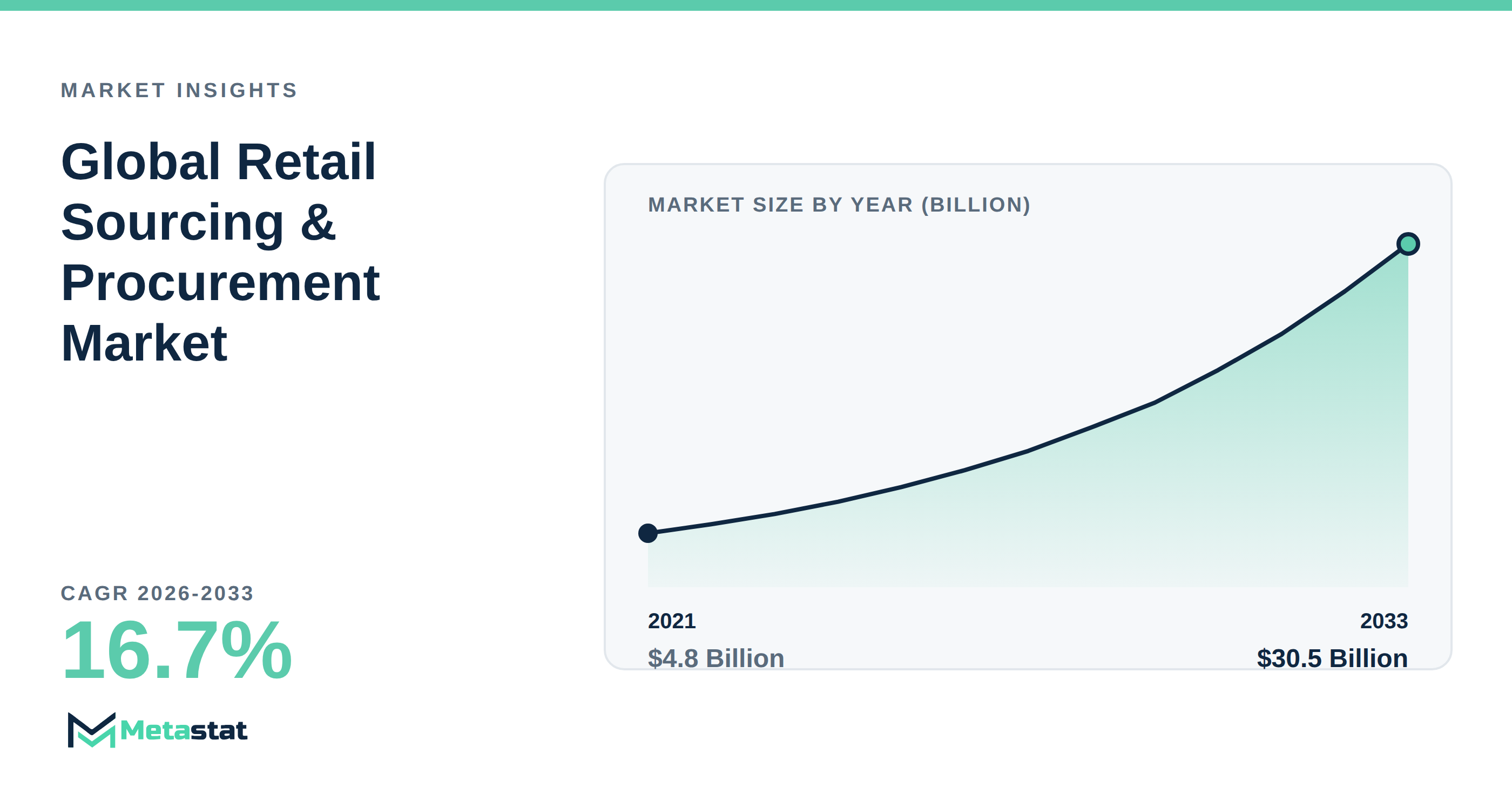
Ultimately, the direct procurement segment is well-positioned for sustained growth within the Retail Sourcing & Procurement market. Organizations that concentrate on optimizing their sourcing strategies, invest in technology, and respond to changing consumer demands are likely to benefit from this upward trend. With a projected market value reaching USD 30.5 billion by 2033, businesses prioritizing direct procurement practices have the potential to enhance their operational efficiency and secure sustainable competitive advantages in an evolving landscape.
For further insights into the sector, refer to the Global Retail Sourcing & Procurement Market.
Tags
About the Author

LEAD ANALYST
Utkarsh Khirodkar is a Lead Market Research Analyst at MetaStat Insight, specializing in market intelligence, technology sector assessments, and competitive strategy.