
LEAD ANALYST
Utkarsh Khirodkar is a Lead Market Research Analyst at MetaStat Insight, specializing in market intelligence, technology sector assessments, and competitive strategy.

Global Retail Sourcing & Procurement Market Size, Share, By Procurement Type (Direct Procurement, Indirect Procurement and Services Procurement), By Solution Type (Strategic Sourcing, Supplier Management, Contract Management, Procure-to-Pay, Spend Analytics and Others), By Deployment Model (Cloud, On-Premise and Hybrid), By End User (Supermarkets & Hypermarkets, Department Stores, Specialty Stores, Online Retailers, Convenience & Discount Stores and Others), Industry Analysis, Growth, Trends, and Forecast, 2026-2033
Report ID
MSI-5036
Published
August, 2026
Pages
263 Pages
Format
Historical
Base year
Forecast
Forecast period
Report Details
Choose Your License
Global Retail Sourcing & Procurement Market
The global Retail Sourcing & Procurement market was valued at USD 8.9 billion in 2025 and is projected to reach USD 30.5 billion by 2033, growing at a CAGR of 16.7% over the forecast period.
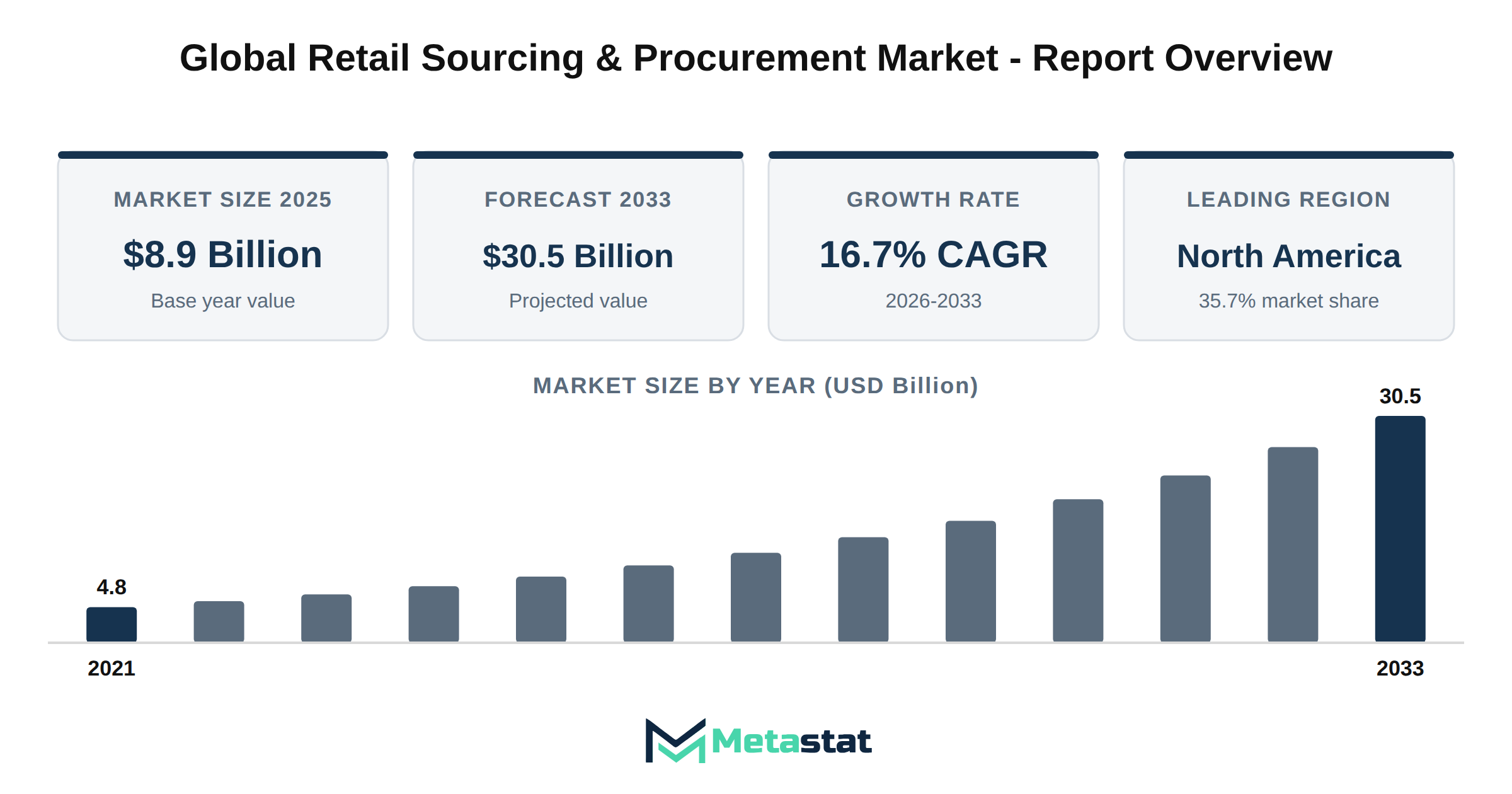
The Retail Sourcing & Procurement market reached a value of USD 8.9 billion in 2025, reflecting an increase from USD 4.8 billion in 2021. This growth trajectory continues, with the market projected to achieve USD 30.5 billion by 2033, indicating a compound annual growth rate (CAGR) of 16.7% during the forecast period from 2026 to 2033. The market experiences consistent growth, moving from USD 10.4 billion in 2026 to USD 19.3 billion by 2030, ultimately reaching USD 30.5 billion by 2033.
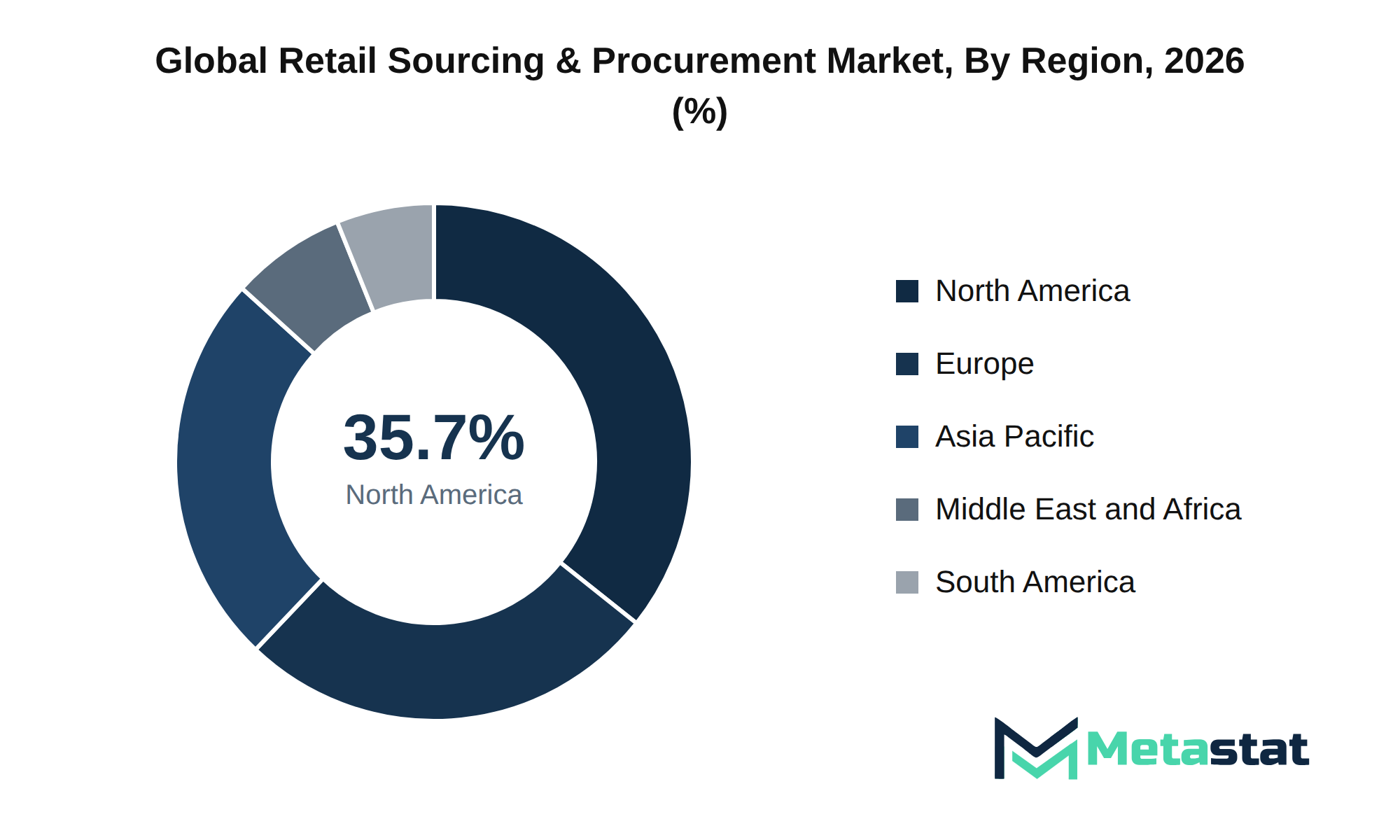
Regional dynamics show that North America dominates the market with a share of 35.7%, followed by Europe at 26.4% and Asia Pacific at 24.6%. The North American region is anticipated to generate a market value of USD 11.6 billion by 2033, maintaining a CAGR of 16.7%. The Retail Sourcing & Procurement market encompasses various segments, including direct procurement, indirect procurement, and services procurement, with each segment exhibiting distinct growth patterns and opportunities.
Direct procurement is projected to increase from USD 5.7 billion in 2026 to USD 16.3 billion by 2033, signifying a CAGR of 16.3%. In contrast, indirect procurement is expected to reach USD 9.5 billion by 2033 with a CAGR of 17.2%. Services procurement, while smaller in scale, contributes to the market's overall growth, further highlighting the diverse needs of businesses across various sectors.
Market fragmentation is evident due to the presence of numerous players, including Cegid, Epicor Software Corporation, GEP, Infor, IBM, Ivalua Inc., Blue Yonder Group, Inc., Oracle, SAP SE, Coupa Software Incorporated, and others. This competitive environment drives innovation and enhances value propositions across the market. The ongoing emphasis on digital transformation and technology integration within procurement processes supports the expansion and efficiency of sourcing strategies, benefiting organizations that adapt to these emerging trends. The market's growth reflects the increasing importance of effective sourcing and procurement strategies in driving organizational success.
Regulatory compliance influences the Retail Sourcing & Procurement market. Stakeholders face increasing pressure to adhere to various standards and frameworks imposed by governments and industry bodies. This compliance influences procurement strategies and operational practices across different sectors, ensuring that companies operate within legal boundaries while maintaining ethical standards. Navigating these regulations requires investment in training and technology, impacting overall operational costs and limiting resource allocation for other initiatives.
Disruption within the supply chain has become a significant concern for stakeholders in the market. Geopolitical tensions, pandemics, and natural disasters expose vulnerabilities, prompting companies to reassess their sourcing strategies. To mitigate risks, organizations invest in diversifying suppliers and enhancing supply chain resilience. This shift influences procurement processes, ensuring continuity in operations while addressing the evolving landscape of global trade, ultimately strengthening long-term demand.
Next-generation innovations drive transformation in the Retail Sourcing & Procurement market. Companies leverage advancements in artificial intelligence, machine learning, and data analytics to enhance procurement efficiency. These technologies streamline processes, improve supplier relationships, and optimize inventory management. The implementation of innovative solutions creates competitive advantages, enabling organizations to respond swiftly to market demands and increasing compliance with industry standards.
Sustainable transformation and decarbonization initiatives significantly shape procurement strategies. Businesses increasingly prioritize environmentally friendly practices, focusing on reducing carbon footprints and embracing circular economy dynamics. This shift requires investment in sustainable materials and processes, influencing supplier selection and product offerings. Companies adopting these practices position themselves favorably within the market, appealing to environmentally conscious consumers and enhancing brand loyalty.
Market fragmentation impacts competition in the Retail Sourcing & Procurement market. A diverse range of players, from established enterprises to emerging startups, creates a dynamic environment. This fragmentation leads to varied approaches in procurement solutions, driving innovation and enhancing service offerings. Companies differentiate themselves through specialized services, catering to the unique needs of various sectors and expanding their addressable base.
Macroeconomic headwinds, including inflationary pressures and currency volatility, pose challenges for stakeholders in the market. Rising costs of raw materials and logistical expenses impact profit margins, necessitating strategic adjustments in procurement practices. Organizations adapt by implementing cost-control measures and renegotiating supplier contracts to maintain profitability in a fluctuating economic environment, reinforcing the segment's position.
The future strategic outlook for the Retail Sourcing & Procurement market remains optimistic. Ongoing investments in infrastructure and technology position companies to capitalize on emerging opportunities. Stakeholders focus on enhancing procurement functions to drive efficiency and reduce costs. This proactive approach enables organizations to navigate challenges and seize growth opportunities in an evolving landscape, increasing investment across the value chain.
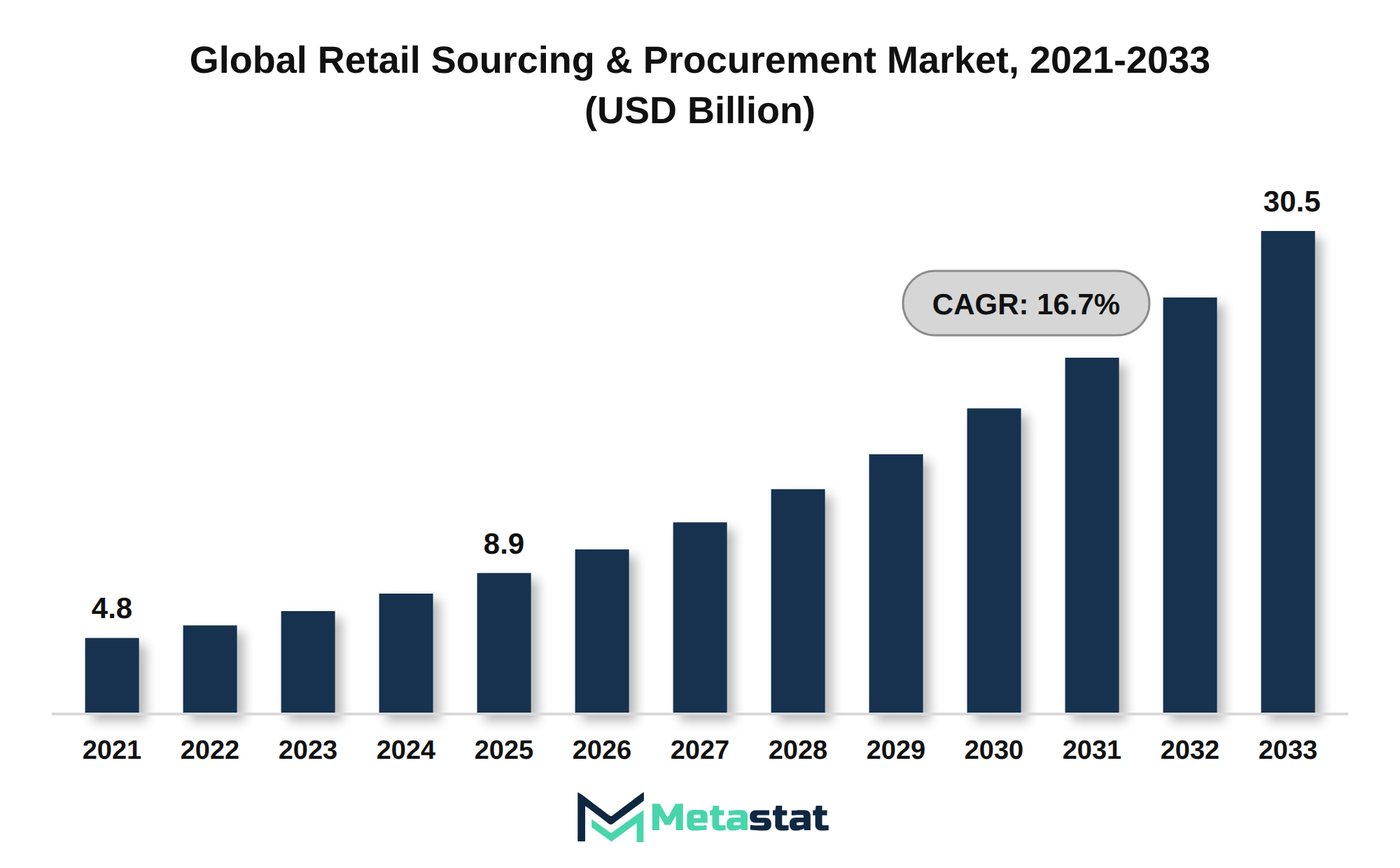
Digital transformation significantly influences the Retail Sourcing & Procurement market, leading to enhanced operational efficiency and greater strategic alignment within organizations. The integration of advanced technologies, including automation and artificial intelligence, streamlines processes, reduces manual errors, and enables faster decision-making. Organizations increasingly adopt software solutions that digitize legacy systems, enabling real-time data access and analytics. This shift enhances transparency and facilitates agility in responding to market changes.
Investment in digital platforms supports improved procurement practices across various sectors, including supermarkets, department stores, and online retailers. The focus on efficient resource allocation and data-driven decision-making increases competitiveness, allowing businesses to optimize supply chain management. Enhanced procurement efficiency contributes to overall cost reductions while maintaining service quality, thereby strengthening growth prospects within the market.
The growing emphasis on digital tools and solutions enables organizations to refine sourcing strategies, ultimately leading to better supplier relationships and improved contract management. Such advancements position the Retail Sourcing & Procurement market for substantial growth, with a projected value of USD 30.5 billion by 2033, reflecting a compound annual growth rate of 16.7 percent.
The Retail Sourcing & Procurement market experiences accelerated growth driven by investments in automation technologies. Companies prioritize automation to streamline processes, reduce operational costs, and enhance efficiency in sourcing and procurement activities. Increasing competition and the need for responsive supply chains influence businesses to adopt automated solutions to optimize procurement workflows.
Investment in technologies including artificial intelligence (AI) and machine learning enables firms to analyze vast quantities of data, allowing for better decision-making and supplier management. These technologies facilitate the identification of cost-saving opportunities and streamline contract management, ensuring improved compliance with procurement policies.
With the global trend towards digital transformation, organizations focus on integrating automated systems to digitize legacy processes. Such integration promotes collaboration between procurement teams and suppliers, enhancing overall market competitiveness. While businesses continue to invest in automation, the Retail Sourcing & Procurement market is projected to expand significantly through 2033.
Regulatory tightening and compliance hurdles present significant challenges within the Retail Sourcing & Procurement market. Stricter regulations create complexities that increase operational costs and prolong the procurement process, limiting market agility. Suppliers and buyers face mounting pressure to adhere to evolving standards, leading to resource allocation toward compliance rather than innovation.
Macroeconomic headwinds, including inflationary pressures and geopolitical instability, disrupt supply chains and create uncertainties that affect procurement strategies. Rising costs associated with materials and services hinder profitability and compel stakeholders to reevaluate their sourcing approaches. These conditions curtail investment in new technologies and solutions that streamline operations.
Infrastructure gaps and connectivity deficits complicate market dynamics. Many regions experience inadequate technological support, leading to deployment bottlenecks in procurement solutions and diminishing overall efficiency. This lack of infrastructure deters investment and delays the adoption of advanced procurement technologies.
Talent gaps and deficiencies in skilled labor limit the ability of organizations to implement effective procurement strategies. The challenge of attracting and retaining skilled professionals in this sector affects operational capacity and innovation. Data security vulnerabilities and concerns surrounding privacy and intellectual property present barriers that organizations navigate, complicating decision-making within the market.
Cultural barriers and regional adoption resistors impede the growth of the Retail Sourcing & Procurement market, particularly in diverse global markets. These factors create inconsistencies in procurement practices and hinder the establishment of standardized processes. Collectively, these challenges contribute to market fragmentation, slowing growth prospects and limiting the overall potential of the sector.
Geopolitical fragmentation significantly complicates decision-making processes within the Retail Sourcing & Procurement market. Trade tensions and tariff frictions among nations disrupt supply chains and create uncertainties for businesses, leading to increased procurement costs. Companies navigate a situation where sourcing strategies require adaptability to fluctuating regulatory environments across various regions.
These dynamics result in heightened logistical challenges and contribute to supply chain instability, impacting the timely availability of goods. Volatility in feedstock and component prices places additional pressure on procurement budgets, compelling firms to reassess their supplier relationships and sourcing strategies. This environment creates a competitive atmosphere where organizations prioritize resilience and risk management in their procurement frameworks.
Technological disruptions necessitate continuous investments in R&D and talent development to maintain operational efficiency. This situation increases pressure on companies to balance costs while enhancing procurement capabilities. While market saturation intensifies, businesses within the Retail Sourcing & Procurement market confront ongoing pressures from evolving downstream demands and substitution vectors, requiring agile responses to shifting consumer preferences and competitive offerings.
The Retail Sourcing & Procurement market experiences significant opportunities through emerging technological innovations. The integration of advanced technologies including artificial intelligence, machine learning, and blockchain enhances procurement processes, enabling businesses to streamline operations, reduce costs, and improve decision-making. These advancements facilitate the analysis of vast data sets, providing insights that help companies optimize their sourcing strategies.
Geographical expansion plays a critical role in shaping market dynamics. Rapid economic development in regions including Asia Pacific fuels demand for efficient procurement solutions. Countries in this region invest in infrastructure modernization and digital transformation initiatives, creating a conducive environment for the adoption of innovative sourcing practices.
Next-generation innovations drive further market growth. Businesses pursue automation and digital procurement shifts. Organizations increasingly adopt cloud-based procurement solutions, enhancing accessibility and collaboration among stakeholders. This shift supports strategic consolidation in procurement functions, allowing companies to achieve economies of scale and improve overall efficiency.
Sustainability imperatives gain traction within the market, with growing emphasis on environmentally friendly practices. Companies align procurement strategies with environmental, social, and governance (ESG) criteria, integrating sustainability into sourcing decisions. This alignment promotes green transformations across supply chains, attracting consumers who prioritize eco-friendly products.
Downstream market diversification presents additional opportunities. Organizations explore niche applications of procurement technologies to cater to specific industry needs, driving product integration and value creation. The ongoing evolution of buying behaviors highlights the importance of adaptive procurement strategies that address changing consumer preferences and enhance competitive advantage.
Overall, the Retail Sourcing & Procurement market stands poised for significant growth, driven by technological advancements, geographical expansion, and a commitment to sustainability. The combination of these factors positions businesses to capitalize on emerging opportunities while navigating the complexities of modern procurement environments.
The Global Retail Sourcing & Procurement market is segmented based on Procurement Type, Solution Type, Deployment Model, and End User.
Growth in the Direct Procurement segment results from increasing demand for efficient and cost-effective sourcing solutions. Companies focus on optimizing their procurement processes to enhance supply chain performance and reduce operational costs. The segment is valued at USD 5.7 billion in 2026 and is projected to reach USD 16.3 billion by 2033, at a CAGR of 16.3% during the forecast period.
Technological advancements drive significant changes in procurement practices, with organizations adopting innovative solutions including artificial intelligence and automation. These technologies streamline procurement operations, enabling businesses to better manage supplier relationships and improve contract management. The emphasis on data-driven decision-making enhances transparency throughout the supply chain, further fueling growth in the Direct Procurement segment.
Consumer preferences shift towards sustainability and ethical sourcing, influencing procurement strategies across various sectors. Companies align their procurement practices with these trends to meet customer expectations and regulatory requirements. This alignment creates opportunities for growth within the market, driven by businesses seeking to adopt sustainable sourcing practices that connect with environmentally-conscious consumers.
Investment in digital transformation enhances procurement capabilities, promoting the development of next-generation procurement solutions. Companies leverage cloud-based platforms to facilitate collaboration with suppliers and optimize procurement processes. This investment landscape supports increased adoption of direct procurement strategies, positioning businesses for success in a competitive marketplace.
Market dynamics present critical challenges, including pricing volatility and margin pressures that directly impact procurement strategies. Organizations prioritize managing these risks to sustain profitability and operational efficiency. The Direct Procurement segment continues to evolve, shaped by an ongoing need for resilience in supply chains and a focus on innovative sourcing solutions.
Growth in the indirect procurement segment reflects a shift towards more efficient sourcing of non-direct goods and services. Businesses increasingly recognize the value of optimizing indirect purchases to drive operational efficiencies and cost savings. The adoption of innovative procurement technologies, including artificial intelligence and data analytics, significantly enhances decision-making processes and supplier management capabilities.
Indirect Procurement segment is estimated to reach USD 9.5 billion by 2033, at a CAGR of 17.2% during the forecast period. This expansion aligns with the growing importance of strategic sourcing and supplier relationship management in enhancing overall procurement effectiveness. Companies across various industries, particularly in retail, are actively seeking solutions that improve visibility and control over indirect spend categories.
Heightened focus on compliance and sustainability further influences the indirect procurement landscape. Organizations increasingly prioritize suppliers who align with ethical standards and sustainability practices. Regulatory pressures drive firms to adopt comprehensive procurement strategies that mitigate risks associated with non-compliance and ensure responsible sourcing. This shift benefits the market, resulting from businesses investing in solutions that support these objectives.
Continued investment in procurement technologies and strategic initiatives positions the indirect procurement segment for significant growth. Companies are likely to explore next-generation upgrades that enhance automation and streamline processes. The interaction of evolving market dynamics and technological advancements fuels demand for innovative solutions, reinforcing the indirect procurement segment's integral role within the broader Retail Sourcing & Procurement market.
Significant growth in the Services Procurement segment reflects changing dynamics in the Retail Sourcing & Procurement market. Shifts in consumption patterns drive demand for services that enhance operational efficiency and cost-effectiveness. Retailers increasingly focus on outsourcing non-core activities, leading to a rise in reliance on services procurement for tasks including logistics, IT, and marketing.
Technological maturation drives innovation in the services sector, encouraging the adoption of advanced procurement solutions. Artificial intelligence and automation streamline processes, allowing companies to optimize spending and enhance supplier relationships. This evolution supports a rapid increase in services procurement, with a projected value of USD 4.7 billion by 2033.
Investment in services procurement aligns with broader efforts to improve supply chain resilience and mitigate risks associated with market volatility. Retailers prioritize strategic partnerships with service providers to navigate disruptions and maintain competitive advantages. Enhanced collaboration among stakeholders leads to more efficient procurement processes, reinforcing growth in the market.
Cost pressures and pricing volatility in the retail sector highlight the importance of effective services procurement strategies. Retailers leverage services procurement to achieve better pricing models and gain insights into market trends. This focus on value creation positions the segment for sustained expansion through 2033.
Strategic sourcing serves because a critical component within the Retail Sourcing & Procurement market, facilitating organizations in optimizing their procurement processes. This segment relies on various demand drivers, including the need for enhanced efficiency and cost reduction. Companies increasingly prioritize strategic sourcing to manage their supply chains effectively, aligning procurement practices with broader organizational goals. Supply chain resilience becomes crucial in this context, because businesses navigate disruptions and seek to improve their operational robustness.
Technological maturation significantly influences the evolution of strategic sourcing. Advancements in data analytics, artificial intelligence, and machine learning enable organizations to make data-driven decisions, enhancing supplier selection and relationship management. Next-generation upgrades in procurement technologies streamline processes, allowing firms to respond swiftly to market changes and adapt to consumer preferences.
End-use dynamics affect strategic sourcing practices, because industries including retail, manufacturing, and healthcare adopt tailored approaches to procurement. Consumption shifts towards sustainability result in increased demand for responsible sourcing strategies. Regulatory compliance standards and certifications shape procurement practices, compelling organizations to adopt ethical sourcing practices and align with global sustainability goals.
Pricing volatility and margin pressures present challenges in strategic sourcing, requiring firms to implement agile procurement strategies. Companies face ongoing pressure to manage costs effectively while delivering quality products and services. Strategic opportunity windows emerge because organizations leverage innovative solutions to address market demands, driving growth and competitiveness within the market.
The competitive landscape encourages investment in strategic sourcing capabilities. Companies increasingly allocate resources towards technology and process enhancements to maintain an edge over competitors. While the market evolves, the focus on strategic sourcing remains integral to achieving long-term success and sustainability within the Retail Sourcing & Procurement market.
Growing emphasis on supplier management reflects the increasing complexity of supply chains within the Retail Sourcing & Procurement market. Companies seek to strengthen relationships with suppliers to enhance operational efficiency and ensure consistent quality. Effective supplier management strategies contribute to risk mitigation, improving supply chain resilience in a volatile market environment.
Technological advancements drive the evolution of supplier management solutions, facilitating improved communication and collaboration across the supply chain. Integration of artificial intelligence and data analytics enhances supplier performance evaluation, enabling organizations to make informed decisions regarding supplier selection and retention. This evolution supports businesses in achieving greater transparency and accountability among supply chain partners.
Increasing consumer demand for sustainable and ethical sourcing practices influences supplier management strategies. Organizations prioritize suppliers demonstrating compliance with regulatory standards and ethical considerations. This shift aligns with consumer expectations and enhances brand reputation, creating a competitive advantage in the Retail Sourcing & Procurement market.
Investment in next-generation supplier management tools represents a strategic opportunity for market players. Companies adopting innovative solutions position themselves to address emerging challenges while optimizing procurement processes. This proactive approach leads to improved cost structures and mitigates pricing volatility, contributing to enhanced profit margins.
While organizations strive for operational excellence, the focus on supplier management intensifies. Firms seek to streamline procurement processes and leverage technological innovations to enhance supplier collaboration. This strategic focus supports the overall growth trajectory of the Retail Sourcing & Procurement market, driving demand for effective supplier management solutions.
Effective contract management serves because a vital component within the Retail Sourcing & Procurement market. Companies increasingly recognize its significance in ensuring compliance with contractual obligations and in optimizing supplier relationships. While businesses grow and expand, the complexity of managing contracts escalates, creating demand for robust contract management solutions. Organizations focus on minimizing risks associated with contractual agreements, prompting investment in advanced contract management tools that enhance visibility and streamline processes.
The evolution of technology in contract management drives market expansion, with next-generation upgrades emphasizing automation and artificial intelligence. These advancements facilitate quicker contract approvals, better compliance tracking, and enhanced analytics capabilities. Demand for innovative features, including e-signatures and centralized document repositories, drives organizations to seek modern solutions that improve efficiency and reduce the time spent on manual tasks.
Downstream application of effective contract management processes significantly influences the end-user dynamics within industries including retail and wholesale. Retailers, including supermarkets, online retailers, and specialty stores, benefit from efficient contract management by ensuring favorable terms with suppliers, which leads to improved profit margins. Regulatory compliance standards play a crucial role in shaping contract management strategies, necessitating that companies adhere to industry regulations and contractual obligations.
In the context of cost structures and pricing volatility, effective contract management establishes a framework for negotiating favorable agreements and pricing terms. These measures enhance profitability and create strategic opportunity windows for businesses in the market. Rapidly changing market conditions prompt organizations to reassess their contract management approaches, which encourages a proactive stance toward risk mitigation and supplier engagement.
Investment in contract management solutions reflects a commitment to supply chain resilience and operational efficiency. By leveraging advanced technologies, companies fortify their contract management capabilities, ensuring adaptability to market fluctuations and regulatory changes. Overall, the focus on improving contract management processes aligns with broader trends within the Retail Sourcing & Procurement market, creating opportunities for growth and enhanced competitive positioning.
Adoption of Procure-to-Pay solutions increasingly aligns with the growing demand for process efficiency and cost reduction across the Retail Sourcing & Procurement market. Organizations prioritize streamlined purchase processes, which enhances financial control and visibility. This trend influences various end users, including supermarkets, department stores, and online retailers, all aiming to optimize their procurement functions.
Technological maturation contributes significantly to the segment's evolution. The integration of advanced analytics, artificial intelligence, and automation into Procure-to-Pay solutions enhances decision-making capabilities and operational efficiency. These technological advancements create strategic opportunity windows, allowing businesses to leverage data for better supplier management and contract compliance.
End-use dynamics reflect a shift toward greater adoption of digital tools. Retailers recognize the importance of agile procurement processes and invest in Procure-to-Pay technologies that facilitate real-time tracking and reporting. This shift leads to improved supply chain resilience and adaptation to market fluctuations.
Consumption shifts are evident owing to businesses prioritizing digital transformation initiatives. The increased focus on sustainability and ethical sourcing influences purchasing decisions, prompting a demand for solutions that provide visibility into supply chain practices. Regulatory compliance standards drive the integration of Procure-to-Pay solutions, ensuring that organizations adhere to relevant laws and guidelines.
Cost structures in the procurement space face pressures from fluctuating prices and margin constraints. These factors push organizations to adopt Procure-to-Pay solutions that enhance operational efficiency and reduce unnecessary expenditures. The rise of disruptive alternatives and technological obsolescence stresses the importance of continuous upgrades to procurement tools, ensuring organizations remain competitive in the market.
Overall, the Procure-to-Pay segment stands out within the Retail Sourcing & Procurement market, driven by various demand drivers and competitive pressures. The proactive approach to technology adoption and process optimization suggests a positive outlook for this sub-segment, positioning organizations to meet evolving market requirements effectively.
Growing demand for data-driven decision-making increases the relevance of spend analytics in the Retail Sourcing & Procurement market. Organizations increasingly seek to optimize procurement processes through enhanced visibility into spending patterns and supplier performance. With the rise of big data and advanced analytical tools, firms utilize these insights to identify areas for cost reduction and efficiency improvements.
Technological maturation of analytics solutions facilitates adoption across various sectors. Enhanced capabilities in artificial intelligence and machine learning enable predictive insights, allowing organizations to anticipate market shifts and adjust strategies proactively. Integration of spend analytics with procurement systems creates a unified approach, enhancing operational efficiency and improving supplier collaboration.
End-use dynamics experience a transformation, with retailers and procurement teams prioritizing strategic insights over traditional methods. The shift towards data-centric approaches aligns with broader trends in digital transformation, affecting how firms evaluate supplier relationships and negotiate contracts. Increased competition in the market necessitates that businesses utilize analytics to maintain a competitive edge.
Investment in next-gen upgrades continues owing to organizations seeking to improve their analytics capabilities. Cloud-based solutions provide scalable options that cater to businesses of all sizes, ensuring broad accessibility and facilitating continuous updates. This flexibility supports evolving business needs and enhances the overall effectiveness of procurement strategies.
Cost structures face pressure from rising expectations for increased transparency and accountability in procurement processes. Firms encounter challenges related to pricing volatility and margin pressures, highlighting the importance of effective spend analytics in navigating these complexities. By adopting robust analytical frameworks, organizations better manage their procurement budgets while maximizing returns.
Strategic opportunity windows emerge owing to firms prioritizing spend analytics to adapt to fluctuating market conditions. Enhanced visibility into spending enables organizations to quickly pivot strategies based on real-time data, allowing for timely responses to regulatory changes or shifts in consumer demand. This adaptability contributes to the long-term resilience of supply chains within the Retail Sourcing & Procurement market.
Investment in procurement planning, risk management, and AI and automation technologies enhances operational efficiencies within the Retail Sourcing & Procurement market. Companies increasingly prioritize these solutions to streamline processes, mitigate risks, and leverage data-driven decision-making. The integration of AI and automation improves efficiency and accuracy, enabling businesses to respond rapidly to market changes and customer demands.
Technological maturation drives the adoption of these advanced solutions, enabling companies to optimize their supply chains and reduce costs. Enhanced procurement planning allows firms to forecast demand more accurately, ensuring that inventory levels align with market needs. The growing emphasis on risk management strategies supports organizations in navigating uncertainties, thereby strengthening supply chain resilience.
Product evolution in this sub-segment reflects ongoing advancements in analytical tools and technology platforms. Companies employing robust procurement planning tools gain insights into spending patterns, supplier performance, and market trends, leading to more informed decision-making. This trend highlights the importance of strategic opportunity windows for organizations aiming to enhance their procurement processes.
End-use dynamics further influence the demand for procurement planning and risk management solutions. Retailers across various sectors recognize the necessity of integrating these technologies to remain competitive in a rapidly changing market. The Retail Sourcing & Procurement market continues to adapt to evolving consumer preferences, regulatory requirements, and operational challenges, emphasizing the critical need for investment in innovative procurement solutions.
Adoption of cloud solutions within the Retail Sourcing & Procurement market aligns with increasing demand for flexibility, scalability, and cost efficiency. Organizations seek to streamline their procurement processes, driven by the need for real-time data access and enhanced collaboration across supply chains. This shift towards cloud deployment facilitates integration with existing systems, allowing businesses to optimize their sourcing activities. Emerging technologies including artificial intelligence and machine learning enhance the capabilities of cloud solutions, providing advanced analytics and insights that support decision-making processes.
Investment in next-generation upgrades significantly influences cloud adoption, owing to firms transitioning from legacy systems to modern platforms. This evolution enhances user experience and operational efficiency, attracting more businesses to cloud-based procurement solutions. Downstream application trends, including the rise of e-commerce and omnichannel retailing, necessitate agile procurement strategies, further driving the demand for cloud solutions. Regulatory compliance standards increasingly require enhanced data security measures, pushing organizations towards cloud providers that offer robust security features and compliance certifications.
Cost structures related to traditional on-premise solutions often lead to higher operational expenditures. In contrast, cloud solutions typically reduce upfront costs and provide predictable subscription-based pricing models, enhancing budget management for procurement departments. The market experiences ongoing pricing volatility due to fluctuating demand, requiring firms to adapt their procurement strategies dynamically. Strategic opportunity windows emerge for cloud solution providers, offering innovative products that cater to evolving customer needs while addressing margin pressures in a competitive environment.
Technological obsolescence poses risks for firms relying on outdated procurement systems, highlighting the urgency for organizations to upgrade to cloud solutions. Supply chain resilience, enhanced by cloud deployment, improves firms' abilities to respond to disruptions and maintain operational continuity. Increased focus on raw material sourcing and logistics vulnerabilities highlights the importance of real-time insights provided by cloud-based procurement systems. Disruptive alternatives in the market prompt procurement leaders to evaluate their technology investments actively, positioning cloud solutions because a strategic priority in enhancing procurement effectiveness.
Demand for On-Premise deployment models within the Retail Sourcing & Procurement market reflects a growing preference among enterprises for enhanced control over their procurement processes. This model addresses concerns related to data security and regulatory compliance, making it appealing to organizations operating in heavily regulated industries. Companies recognize the importance of maintaining sensitive data in-house, which drives investment in on-premise solutions.
Technological maturation supports the adoption of On-Premise solutions. Advanced software capabilities enable organizations to customize their procurement systems according to specific requirements and industry standards. This flexibility encourages innovation, leading to improved operational efficiency and streamlined workflows.
End-user dynamics further influence the On-Premise segment. Entities including supermarkets, department stores, and specialty retailers favor this deployment model due to its perceived reliability and control over procurement activities. The ability to align procurement processes closely with organizational goals boosts overall performance and encourages growth in this sector.
Cost structures associated with On-Premise solutions present unique challenges and opportunities. While initial investments are significant, the long-term benefits often justify the expenditure. Organizations experience reduced operational costs over time by minimizing external dependencies and enhancing supply chain resilience.
The Retail Sourcing & Procurement market is on track for substantial growth, with On-Premise deployment strategies shaping competitive dynamics. Strategic opportunity windows arise owing to companies seeking to leverage technological advancements while addressing evolving consumer demands.
Hybrid deployment models in the Retail Sourcing & Procurement market represent a significant trend driven by the need for flexibility in procurement processes. Organizations increasingly recognize the advantages of combining cloud and on-premise solutions, allowing for tailored strategies that meet specific operational requirements. This approach facilitates enhanced collaboration among stakeholders, leading to improved procurement efficiency.
Several factors contribute to the adoption of hybrid models, including the desire for greater control over sensitive data and the ability to leverage existing infrastructure investments. Organizations benefit from the balance of scalability associated with cloud solutions and the security features provided by on-premise systems. Such hybrid strategies enable firms to optimize their procurement functions, ensuring alignment with evolving market demands.
Technological maturation drives the segment’s expansion, with advancements in cloud computing and data analytics driving the development of integrated procurement solutions. Next-gen upgrades enhance the capability of hybrid models, allowing organizations to respond swiftly to market changes. Consequently, firms adopting hybrid solutions maintain competitive advantages through increased agility and responsiveness.
End-use dynamics within various sectors, including retail, manufacturing, and services, further fuel the hybrid segment's growth. Companies leveraging hybrid solutions tailor their procurement processes according to specific industry requirements, enhancing operational efficiency and cost-effectiveness. Strategic opportunity windows arise due to organizations seeking to innovate their procurement strategies while managing costs effectively.
Investment in hybrid deployment models aligns with ongoing shifts in consumption patterns, where businesses prioritize digital transformation. The Retail Sourcing & Procurement market sees a growing emphasis on flexibility and adaptability, positioning hybrid approaches because essential to meeting current and future demands. Such developments suggest strong growth potential, positioning the segment because a focal point for procurement innovation.
Retail Sourcing & Procurement market dynamics in the Supermarkets & Hypermarkets sub-segment illustrate evolving consumer preferences and increasing competition among retailers. The rising demand for convenience, driven by busy lifestyles, encourages supermarkets and hypermarkets to adopt innovative sourcing strategies. Retailers focus on enhancing their procurement processes to ensure product availability, minimize costs, and improve customer satisfaction. This shift has led to greater investment in technology and automation, which streamline sourcing and procurement operations, allowing for more efficient inventory management.
Technological maturation significantly shapes procurement practices within this sub-segment. The integration of advanced analytics and artificial intelligence enables retailers to make data-driven decisions regarding inventory sourcing and supplier management. Enhanced visibility into supply chain dynamics supports risk mitigation strategies, addressing disruptions and fluctuations in demand. Retailers increasingly leverage these technologies to optimize their procurement processes, ultimately driving growth in the market.
Adoption of sustainable sourcing practices emerges because a significant trend among supermarkets and hypermarkets. Growing consumer awareness regarding environmental impact encourages retailers to procure products from ethically responsible suppliers. Regulatory compliance standards further emphasize the necessity for sustainable practices, compelling retailers to adopt sourcing strategies that align with consumer expectations. This shift enhances brand reputation and positions retailers competitively within the retail landscape.
End-use dynamics reflect a strong push towards personalized shopping experiences, prompting supermarkets and hypermarkets to adapt their sourcing strategies. Retailers focus on catering to diverse consumer needs by sourcing a broad range of products, including local and organic options. This trend highlights the importance of agility in procurement processes, enabling retailers to respond swiftly to changing consumer preferences and market conditions. While competition intensifies, effective procurement strategies become essential for sustaining growth and profitability within the market.
Pricing volatility influences margin pressures specific to the Supermarkets & Hypermarkets segment. Fluctuations in raw material costs necessitate careful management of procurement budgets. Retailers strike a balance between maintaining competitive pricing and ensuring profitability, prompting a reevaluation of sourcing strategies. Strategic partnerships with suppliers become critical in negotiating favorable terms, enhancing supply chain resilience and maintaining consistent product availability.
Department stores increasingly focus on enhancing customer experience through strategic investments in procurement practices. Rising consumer expectations drive retailers to adopt efficient sourcing and procurement strategies, facilitating competitive advantage in a saturated market. Investment in technology, particularly in supplier management and contract management solutions, improves operational efficiency and promotes better negotiation outcomes.
Technological maturation shapes the operational landscape for department stores. The integration of advanced analytics and data-driven decision-making enables retailers to optimize their procurement processes. Innovations in automated procurement systems streamline workflows, reduce manual errors, and enhance the speed of transactions, contributing to overall market efficiency.
Changes in consumer behavior, including the shift towards e-commerce and omnichannel retailing, influence sourcing strategies within the department store segment. Retailers adapt by leveraging scalable solutions that accommodate both online and in-store needs, ensuring alignment with evolving shopping trends. This flexibility supports sustained growth in the retail sourcing and procurement market.
Regulatory compliance and standards impact procurement strategies significantly, compelling department stores to adopt practices that align with environmental and social governance (ESG) criteria. Meeting these standards mitigates risks and enhances brand reputation among increasingly conscious consumers. Maintaining compliance requires continuous investment in training and technology, presenting a strategic opportunity for companies within the market.
Cost structures and pricing volatility remain critical considerations for department stores. Fluctuations in raw material prices and supply chain disruptions necessitate resilient sourcing strategies that safeguard profit margins. Retailers assess supplier relationships and diversify their sourcing to mitigate risks associated with market volatility.
Overall, the department store segment experiences dynamic growth prospects driven by technological advancements, changing consumption patterns, and regulatory pressures. Retailers that effectively navigate these factors position themselves advantageously within the competitive environment of the retail sourcing and procurement market.
Adoption of advanced sourcing practices in specialty stores reflects a response to evolving consumer preferences and competitive pressures. The demand for unique, high-quality products necessitates precise procurement strategies that align with brand positioning and customer expectations. Emphasis on product curation strengthens supplier relationships, enhancing the overall customer experience. In the retail sourcing and procurement market, specialty stores increasingly seek innovative solutions to streamline their procurement processes, enabling agility in responding to market trends.
Technological maturation drives the integration of next-generation upgrades in procurement platforms. Enhanced analytics and automation capabilities facilitate better inventory management and demand forecasting. These advancements allow specialty stores to optimize their supply chains by reducing excess inventory and minimizing stockouts. With a focus on efficiency, specialty retailers increasingly invest in strategic sourcing initiatives that leverage data-driven insights to inform procurement decisions.
Consumption shifts towards personalized shopping experiences create opportunities for specialty stores to expand their product offerings and diversify their supply chains. Partnerships with niche suppliers and local artisans enable retailers to differentiate themselves in the market while catering to consumer desires for unique, locally sourced products. This strategic approach enhances brand loyalty and attracts a broader customer base.
Regulatory compliance standards increasingly influence procurement strategies. Specialty stores navigate a complex landscape of certifications and policy requirements, ensuring that sourced products meet environmental and quality standards. This focus on compliance mitigates risk and builds consumer trust, aligning with the growing trend of responsible sourcing within the retail sourcing and procurement market.
Cost structures and pricing volatility present challenges for specialty retailers. Fluctuations in raw material costs and transportation expenses necessitate ongoing evaluation of procurement strategies. Through agile sourcing approaches and strategic supplier negotiations, specialty stores maintain profitability while adapting to market conditions. This strategic opportunity emphasizes the need for robust procurement planning to sustain competitive advantage.
Online retailers play a significant role in the Retail Sourcing & Procurement market, driven by the rapid growth of e-commerce and changing consumer behaviors. Increasing consumer preference for online shopping necessitates enhanced procurement strategies that address the unique challenges of this segment. The demand for efficient sourcing and procurement solutions directly correlates with the need for streamlined operations in online retailing, emphasizing cost efficiency and speed to market.
Technological advancements drive the growth of this segment, with innovations in automation and data analytics enhancing procurement efficiency. These technologies support online retailers in managing supplier relationships more effectively, optimizing inventory levels, and improving supply chain resilience. The ongoing evolution of digital marketplaces further influences procurement practices, demanding solutions that adapt to fluctuating market conditions.
Adoption of integrated procurement solutions aids online retailers in navigating the complexities of a diverse supplier base while ensuring compliance with regulatory standards. The increasing focus on sustainability and ethical sourcing influences procurement strategies, pushing online retailers to align with consumer expectations regarding social responsibility. This shift creates strategic opportunity windows for suppliers offering innovative, compliant solutions tailored to the unique requirements of online retailing.
Pricing volatility and margin pressures pose challenges specific to online retailers, requiring agile procurement practices that react to market changes swiftly. Comprehensive spend analytics and strategic sourcing solutions enable retailers to make informed decisions that optimize costs while maintaining quality. The environment for online retailers continues to evolve, with adaptability and technological integration becoming essential for long-term success in the retail sourcing and procurement domain.
Consumer preferences increasingly shift toward convenience and affordability, driving demand within the Retail Sourcing & Procurement market. This segment reflects heightened competition among suppliers to deliver cost-effective solutions and enhance customer experiences. The rise of discount stores and convenience outlets creates a need for efficient sourcing practices that optimize inventory management and reduce operational expenses.
Technological advancements play a critical role in enhancing procurement processes for convenience and discount stores. Innovations in automation and data analytics enable retailers to streamline their purchasing strategies, resulting in quicker response times to market fluctuations. The integration of next-generation upgrades is essential for companies aiming to maintain a competitive edge and respond effectively to consumer demands.
The segment faces specific challenges related to pricing volatility and margin pressures, stemming from fluctuating supplier costs and changing market dynamics. Retailers in this space prioritize strategic sourcing initiatives to mitigate financial risks associated with these pressures, ensuring better cost management while maintaining product availability.
Regulatory compliance standards require retailers to adapt their sourcing strategies to align with evolving requirements, promoting sustainability and ethical sourcing practices. Addressing these compliance issues enhances brand reputation and builds consumer trust, contributing to long-term success in the market.
Strategic opportunity windows emerge due to retailers seeking to capitalize on changing consumption patterns. Adopting agile sourcing practices allows convenience and discount stores to respond effectively to consumer trends while maximizing their reach within the Retail Sourcing & Procurement market. Investment in technology and supplier relationships strengthens resilience in the supply chain, ensuring continuity during potential disruptions.
Growth in the Others (Drugstores & Pharmacies, Cash & Carry, Travel Retail) sub-segment reflects changing consumer behaviors and increased focus on convenience. Retailers in this segment adapt to evolving preferences by emphasizing accessibility and enhancing the shopping experience. Innovations in product offerings and service delivery further enhance the segment's appeal, strengthening customer loyalty.
Investment in technology-driven solutions supports operational efficiency and enhances customer engagement. Retailers leverage data analytics to better understand purchasing patterns, enabling tailored marketing strategies that connect with consumers. Regulatory compliance in this sector remains critical, driving the need for robust procurement processes that align with industry standards.
The Retail Sourcing & Procurement market sees strategic opportunities in this segment, with a heightened emphasis on supply chain resilience. Retailers prioritize reliable sourcing and logistics systems to mitigate risks associated with disruptions. The evolving landscape encourages retailers to explore disruptive alternatives and innovative procurement practices that align with shifting consumer expectations.
Competition among retailers intensifies due to companies seeking to optimize cost structures while maintaining product quality. Pricing volatility across various categories influences procurement strategies, compelling retailers to adopt agile approaches. The effectiveness of these strategies directly impacts margins and overall financial performance in the market.
Based on geography, the Global Retail Sourcing & Procurement market is divided into North America, Europe, Asia-Pacific, South America, Middle East, and Africa.
North America represents a significant portion of the Retail Sourcing & Procurement market, holding a share of 35.7% in 2025. The market is expected to expand at a CAGR of 16.7% during the forecast period, reaching a market size (TAM) of USD 11.6 billion by the end of 2033. Major demand drivers include the increasing focus on strategic sourcing and improved supplier management practices among businesses in the United States, Canada, and Mexico.
The region benefits from advanced technological infrastructure, which supports the adoption of various procurement solutions. Companies invest in cloud-based procurement platforms to enhance efficiency and streamline operations. This aligns with the growing trend of digital transformation in retail. Localized procurement dynamics have become prominent, with businesses prioritizing suppliers within geographic proximity to reduce lead times and enhance supply chain responsiveness.
Emerging market participants in North America leverage innovative approaches to manage procurement processes effectively. A strong emphasis on compliance with local regulations and trade policies ensures businesses navigate the complexities of the procurement landscape. The presence of mature market dynamics contributes to high-value replacement cycles. This drives ongoing investments in upgrading procurement technologies.
Cross-border trade corridors facilitate collaboration between retailers and suppliers across North America, enhancing market competitiveness. Nearshoring initiatives enable businesses to relocate supply chains closer to end consumers, leading to lower operational costs and improved service levels. The Retail Sourcing & Procurement market in North America is projected to experience significant growth driven by these interconnected factors.
The Retail Sourcing & Procurement market in Europe shows strong growth potential, driven by increasing digitalization and efficient sourcing strategies among retailers. Countries including Germany, France, the UK, Italy, Spain, and Russia lead the region in adopting advanced procurement solutions. The focus on enhancing supplier relationships and optimizing costs motivates many organizations in these nations to invest in innovative procurement technologies.
Mature market dynamics characterize the European market, with established players implementing high-value replacement cycles to modernize their systems. Vendors continuously innovate to improve service offerings, ensuring competitiveness in a market that emphasizes efficiency and strategic sourcing. Localized procurement dynamics influence purchasing behaviors, aligning with regional compliance mandates and local market nuances that shape the overall procurement strategies.
The ongoing emphasis on sustainability and responsible sourcing further enhances the market's appeal. European retailers prioritize environmentally friendly practices and seek suppliers that align with their sustainability goals, creating a demand for procurement solutions that support these initiatives. Consequently, the Retail Sourcing & Procurement market will see sustained growth driven by organizations adapting to regulatory frameworks and evolving consumer expectations.
The Asia-Pacific region demonstrates significant potential within the Retail Sourcing & Procurement market, driven by rapid economic growth and an expanding retail sector. Countries including China, Japan, and India exhibit strong demand for advanced procurement solutions, particularly in direct procurement, where a focus on efficiency and cost reduction enhances competitive advantages. The region's diverse retail landscape influences varying adoption rates of procurement technologies across different countries.
Infrastructure modernization forms a crucial element of growth, with investments aimed at enhancing supply chain efficiencies. Localized manufacturing densities and nearshoring initiatives streamline operations while capitalizing on regional strengths. Countries like South Korea and Australia benefit from robust infrastructure frameworks that support procurement activities, thus increasing overall market efficiency.
Emerging market front-runners including India and Southeast Asia drive the need for tailored procurement solutions, reflecting localized cultural nuances and B2B buying behaviors. These regions experience underpenetrated markets that present opportunities for strategic development. The Retail Sourcing & Procurement market in Asia-Pacific is projected to grow significantly, supported by a combination of incremental growth vectors and high-value replacement cycles. Businesses seek to enhance procurement processes to improve operational efficiency and reduce costs.
Competitive dynamics in this region showcase a mix of domestic market participants and international vendors vying for market share. Vendor consolidation trends contribute to heightened competition, pushing firms to innovate and adapt to evolving consumer preferences. Regulatory frameworks and compliance mandates influence procurement strategies, compelling companies to align with local policies while navigating geopolitical fragmentation.
South America, comprising Brazil, Argentina, and the Rest of South America, plays a notable role in the global Retail Sourcing & Procurement market in 2025. Adoption of retail sourcing solutions in this region is influenced by the growing demand for local procurement practices and the need for cost-efficient strategies.
Brazil stands out because a prominent player within the market, driven by a large retail sector and increasing investments in technology to enhance procurement processes. Government initiatives aimed at improving infrastructure and local manufacturing capabilities further support market growth in the country.
Argentina presents unique challenges and opportunities within the market, with fluctuating economic conditions impacting procurement strategies. Local businesses focus on optimizing supply chains and enhancing collaboration with suppliers to navigate these uncertainties.
Overall, the Retail Sourcing & Procurement market in South America demonstrates potential for growth, driven by regional compliance mandates, localized procurement dynamics, and emerging market front-runners. Enhanced investment in technology and infrastructure modernization continues to shape procurement strategies across the region.
The Retail Sourcing & Procurement market in the Middle East and Africa demonstrates potential for growth driven by regional demand dynamics and evolving procurement practices. Increased urbanization and a growing retail sector in countries like Saudi Arabia and the UAE contribute significantly to market expansion. Emerging markets within this region undergo digital transformation, enhancing supplier management and contract management processes.
Regulatory frameworks and compliance mandates vary across the region, influencing procurement strategies for businesses. Geopolitical factors and localized manufacturing initiatives further shape the competitive landscape, enabling companies to adapt to changing market conditions. Domestic players strengthen their positions, capitalizing on high-value replacement cycles and incremental growth vectors.
Cross-border trade corridors facilitate supply chain regionalization, allowing businesses in South Africa and neighboring countries to optimize logistics and sourcing strategies. Cultural nuances and regional B2B buying behaviors impact procurement decisions, requiring tailored approaches to meet diverse customer needs. Overall, the Retail Sourcing & Procurement market in the Middle East and Africa is projected to experience significant growth, supported by strategic investments and a focus on localized solutions.
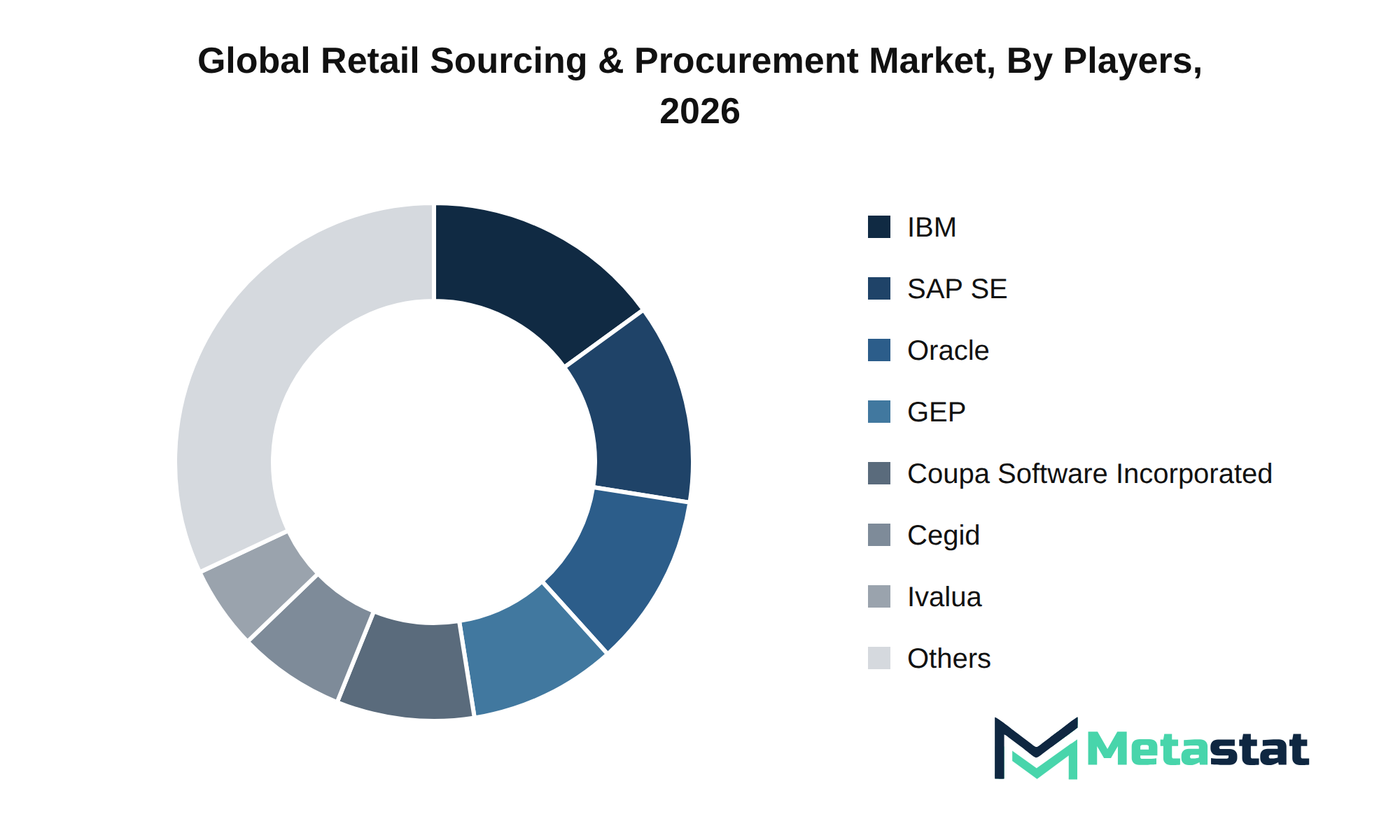
The competitive landscape in the Retail Sourcing & Procurement market features a dynamic interaction of established players and innovative entrants. Major companies engage in strategic consolidation and partnerships to enhance their market offerings and expand their customer bases. This consolidation often includes mergers and acquisitions, allowing firms to leverage complementary technologies and capabilities, which strengthens their competitive position.
Companies including IBM, Oracle, and SAP SE invest significantly in research and development to differentiate their products and create proprietary technology moats. This focus on innovation enhances their value propositions and builds customer loyalty. Firms like Coupa Software Incorporated and GEP emphasize go-to-market strategies that include strategic alliances, enabling them to tap into cross-industry partnership ecosystems and maximize their reach.
Barriers to entry in the Retail Sourcing & Procurement market remain high due to the established brand equity of key players and their extensive intellectual property portfolios. The threat of new entrants persists, but these companies face challenges in disrupting the dominance of established firms with significant procurement leverage and customer retention strategies. The competitive outlook suggests ongoing developments in product differentiation and value chain integration, which are expected to shape market dynamics.
Market size is forecast to rise from USD 8.9 billion in 2025 to over USD 30.5 billion by 2033. The base case indicates a steady growth trajectory, translating to a compound annual growth rate (CAGR) of 16.7%. This growth is driven by several macroeconomic factors, including the maturation of core industries, shifts in consumer behavior, and the integration of next-generation technologies.
Strategic capital allocation and infrastructure commitments shape the Retail Sourcing & Procurement market. Organizations focus on optimizing supply chains and enhancing operational efficiencies. These initiatives align with evolving regulatory landscapes and compliance milestones, particularly in the context of sustainability and ethical sourcing practices.
Emerging white-space opportunities present avenues for growth, addressing unmet needs within enterprises. High-growth pockets arise from sectors requiring innovative procurement solutions, including advanced analytics and artificial intelligence applications. Companies prioritizing executive-level strategic imperatives and defensibility roadmaps position themselves favorably within the competitive environment.
Geopolitical realignments and evolving trade corridors influence market dynamics. Global supply chain shifts necessitate adaptive strategies to navigate challenges and capitalize on opportunities, reinforcing the importance of agile procurement practices. Industry participants anticipate that these trends will shape the Retail Sourcing & Procurement market, driving future growth and competitive differentiation.
The report strategically identifies and profiles the key market players and analyses their core competencies in each sub-segment of the Retail Sourcing & Procurement market.
Report Attributes | Details |
Study Period | 2021-2033 |
Base Year | 2025 |
Estimated Year | 2026 |
Forecast Period | 2026-2033 |
Historical Period | 2021-2025 |
Growth Rate | CAGR 16.7% from 2026 to 2033 |
Revenue Unit | USD billion |
Segmentation | By Procurement Type, Solution Type, Deployment Model, End User, and Region |
By Region | North America (By Procurement Type, Solution Type, Deployment Model, End User, and Country)
|
Europe (By Procurement Type, Solution Type, Deployment Model, End User, and Country)
| |
Asia Pacific (By Procurement Type, Solution Type, Deployment Model, End User, and Country)
| |
South America (By Procurement Type, Solution Type, Deployment Model, End User, and Country)
| |
Middle East and Africa (By Procurement Type, Solution Type, Deployment Model, End User, and Country)
|
Find answers to common questions about this report
The Retail Sourcing & Procurement market size was valued at USD 8.9 billion in 2025, according to the Metastat Insights study.
The Retail Sourcing & Procurement market is projected to grow at a CAGR of 16.7% during the forecast period from 2026 to 2033.
The North America Retail Sourcing & Procurement market size is estimated to reach USD 11.6 billion by 2033.
Direct Procurement leads the Retail Sourcing & Procurement market, with a projected value of USD 16.3 billion by 2033. This segment shows significant growth potential, driven by a compound annual growth rate of 16.3%.
Key drivers for the Retail Sourcing & Procurement market include investments in automation technologies and digital transformation. These advancements enhance operational efficiency, streamline procurement processes, and improve decision-making, ultimately increasing competitiveness and supporting substantial market growth projected at USD 30.5 billion by 2033.
North America holds the dominant share of the Retail Sourcing & Procurement market, with a value of USD 11.6 billion projected for 2033, representing 35.7 percent of the total market.
Regulatory tightening and compliance hurdles increase operational costs and prolong the procurement process, limiting market agility. Macroeconomic headwinds, including inflation and geopolitical instability, disrupt supply chains and create uncertainties, while infrastructure gaps and talent shortages further complicate the implementation of effective procurement strategies.
Investment in automation technologies and digital transformation significantly favors product adoption in the Retail Sourcing & Procurement market. Enhanced operational efficiency, improved data-driven decision-making, and better supplier relationships contribute to increased competitiveness and growth prospects within the sector.
The Retail Sourcing & Procurement market is estimated to reach a valuation of USD 30.5 billion by 2033.
Key players in the Retail Sourcing & Procurement market include Cegid, Epicor Software Corporation, GEP, Infor, IBM, Ivalua Inc., and Oracle.
The analysts below cover Consumer Goods research at Metastat Insights.
LEAD ANALYST
Utkarsh Khirodkar is a Lead Market Research Analyst at MetaStat Insight, specializing in market intelligence, technology sector assessments, and competitive strategy.
Tracking capacity expansion in single-use bioprocessing requires dependable data on raw material availability and cleanroom-grade polymer supply chains. The competitive landscape chapter gave a grounded evaluation of secondary component suppliers across North America and Asia-Pacific rather than simply reprinting press releases. Having that level of supplier benchmarking helped clarify dual-sourcing considerations for our clinical pipeline planning.
When evaluating distributed energy resource management systems, standard research summaries tend to gloss over the operational differences between front-of-the-meter utility deployments and behind-the-meter industrial sites. The MetaStat Insight report addressed those distinctions directly, especially regarding software interoperability standards and grid interconnection backlogs. The five-year market sizing across regional transmission organizations provided actionable context for our grid modernization strategy.
Most industry reports on warehouse automation bundle autonomous mobile robots and fixed conveyor installations into the same top-level numbers, which complicates advisory work. This study split the market cleanly by payload tiers, navigation technology, and fleet management software layers. The regional forecast for Western Europe gave our team defensible adoption benchmarks when evaluating capital allocation for logistics clients, saving us days of secondary data scrubbing.
Explore related market intelligence reports worth reading alongside this one.