
Discover how Exchange-Traded Funds (ETFs) are reshaping the Asset Allocation landscape, their advantages, and what this means for investors.
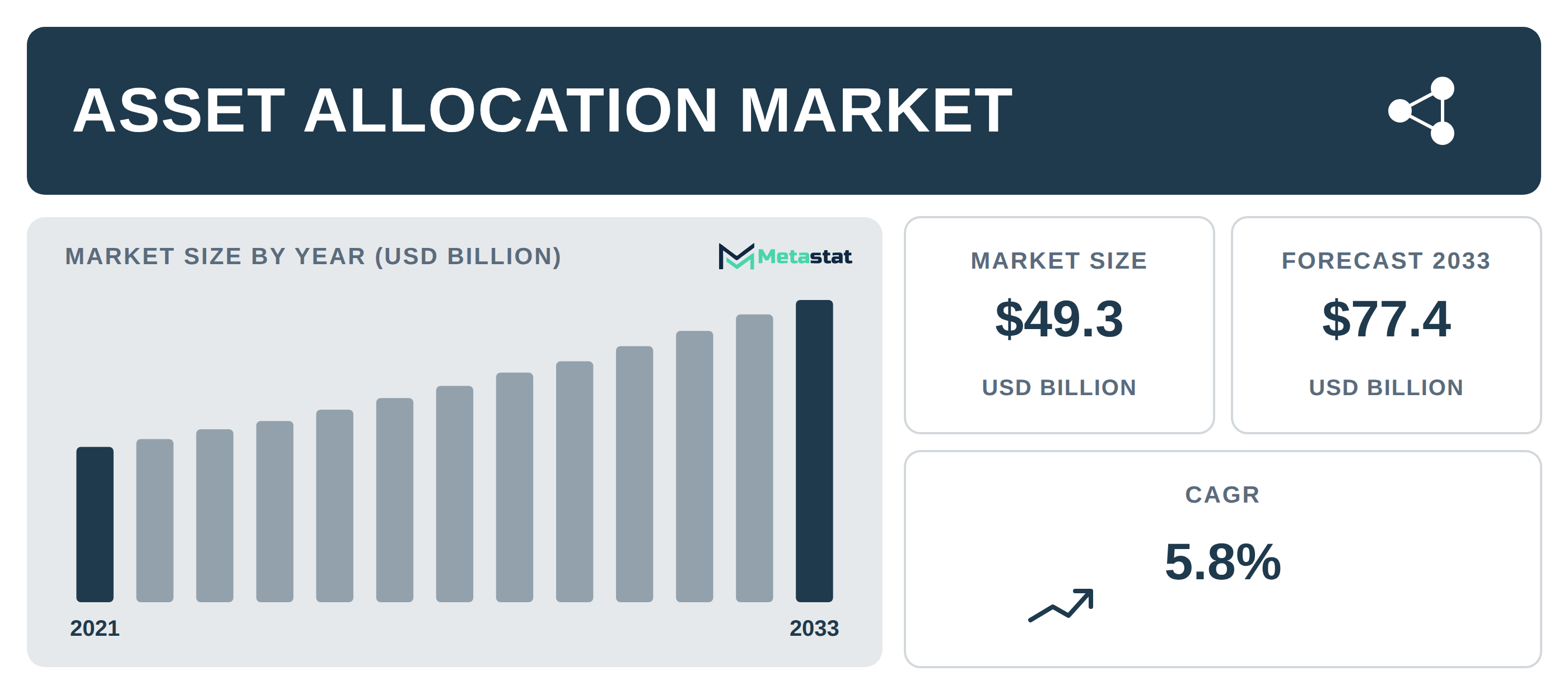
Exchange-Traded Funds (ETFs) are significantly reshaping Asset Allocation demand. Valued at USD 9.9 billion by 2033, the ETF segment is anticipated to grow at an annual rate of 10.4%. This surge stems from the increasing preference for cost-effective and liquid investment options among both individual and institutional investors. The full figures are in our Asset Allocation market size and forecast report.
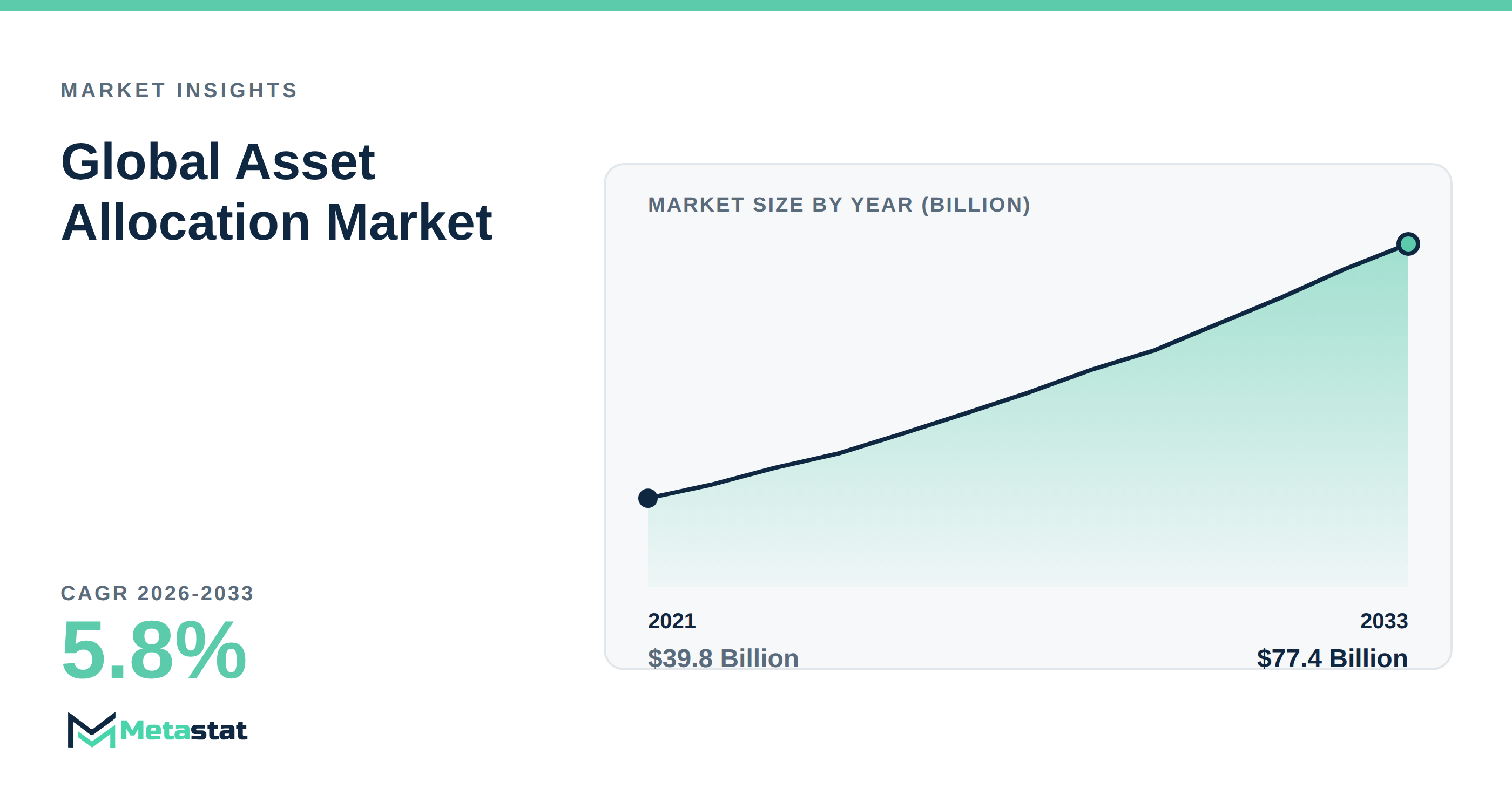
Investors increasingly seek streamlined investment solutions that align with their financial goals. ETFs offer a flexible pathway to achieve diversified portfolios with lower fees compared to traditional investment vehicles. This shift toward ETFs highlights a broader trend in which investors prioritize efficiency and accessibility in their investment strategies, enhancing overall market activity.
What drives the rise of ETFs in Asset Allocation?
The growing demand for ETFs arises from several key factors. Firstly, the simplicity of trading these funds has attracted a wider audience. Unlike mutual funds, which involve more complex management structures, ETFs are bought and sold easily on the stock exchange throughout the trading day. This liquidity appeals particularly to individual investors looking for responsiveness in their portfolio adjustments.
The trend towards passive management strategies plays a significant role in the growth of ETFs. As investors become more cost-conscious, they increasingly favor investment options that minimize management fees. ETFs typically have lower expense ratios compared to actively managed mutual funds, making them an attractive choice for those who wish to optimize their investment returns.
How do ETFs compare with traditional products?
When evaluating the performance of ETFs against traditional products like mutual funds, the differences become clear. While Asset Allocation Mutual Funds and Unit Trusts are projected to grow at a modest annual rate of 4%, ETFs are making significant strides. The dynamic nature of ETFs allows them to adapt swiftly to market changes, presenting investors with timely opportunities to capitalize on fluctuating market conditions.
This adaptability is crucial, especially in an environment characterized by rapid economic shifts and evolving investor preferences. The ability to reallocate investments quickly without incurring significant transaction costs gives ETFs an advantage over more traditional investment methods.
What does the data suggest for future investors?
The projected growth for ETFs suggests that investors should consider incorporating these instruments into their portfolios. The increasing participation of individual investors in the ETF space indicates a broader acceptance of these products as viable investment solutions. As digital investment platforms expand, ETF accessibility is likely to increase, enabling more individuals to engage in sophisticated asset allocation strategies.
Ultimately, the compelling demand for ETFs reflects a significant shift in how investors approach asset allocation. The combination of lower fees, enhanced liquidity, and the ability to navigate market fluctuations positions ETFs as a key component in modern investment strategies. While market conditions evolve, investors leveraging the benefits of ETFs are better equipped to achieve their financial objectives.
Tags
About the Authors

LEAD ANALYST
Utkarsh Khirodkar is a Lead Market Research Analyst at MetaStat Insight, specializing in market intelligence, technology sector assessments, and competitive strategy.

PRINCIPAL CONSULTANT - ENTERPRISE AI & EMERGING TECHNOLOGIES
Banking & Finance · Electronics and Semiconductor · Energy and Power · Healthcare IT · Information & Technology · Professional Services
Vijay Gunti is a Principal Consultant at MetaStat Insight, bringing over two decades of experience across enterprise digital transformation, technology strategy, and intelligent systems.