
Kraft paper is emerging as a key player in the flexible packaging barrier paper sector, driven by consumer demand for sustainable solutions.
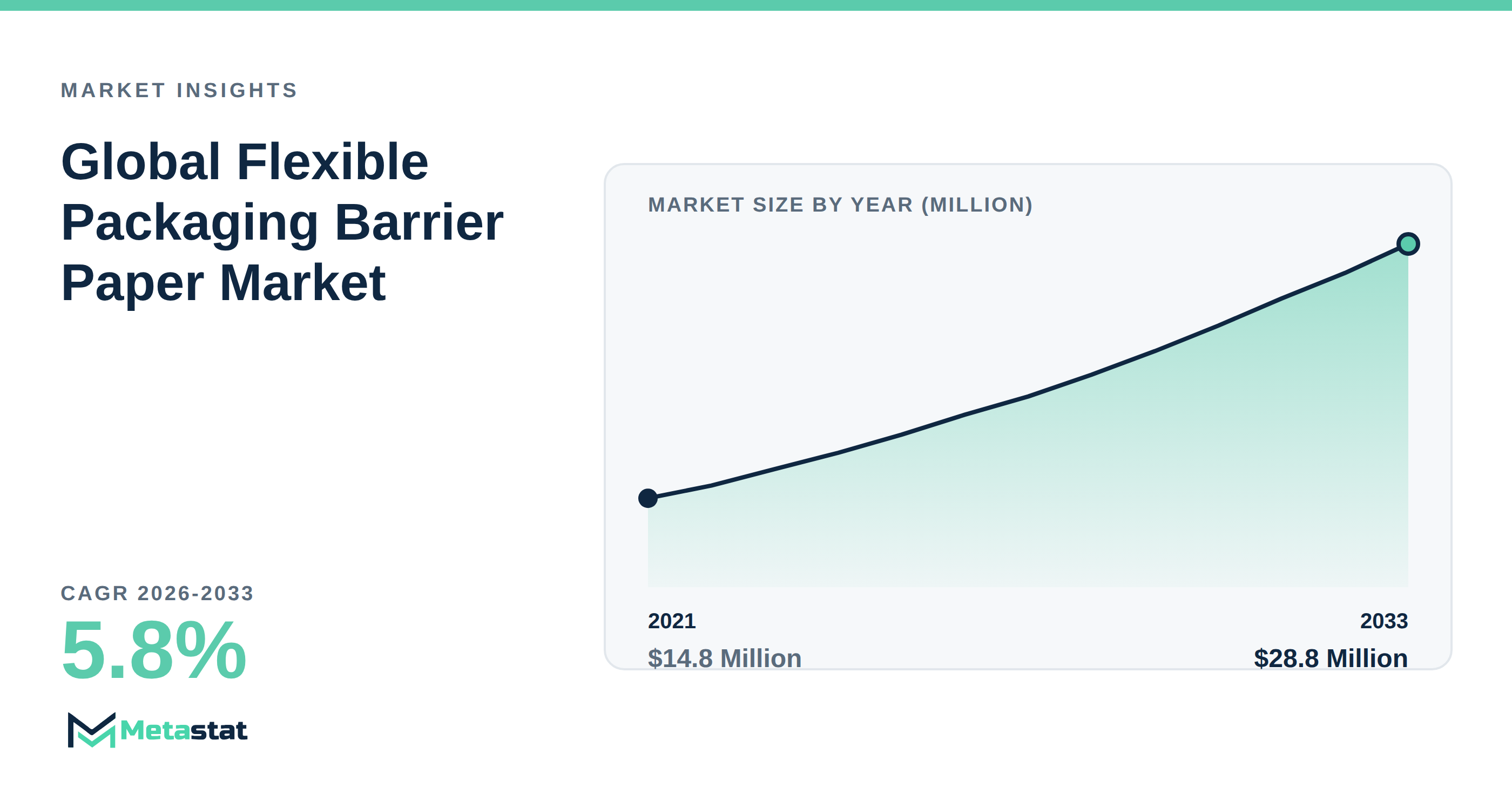
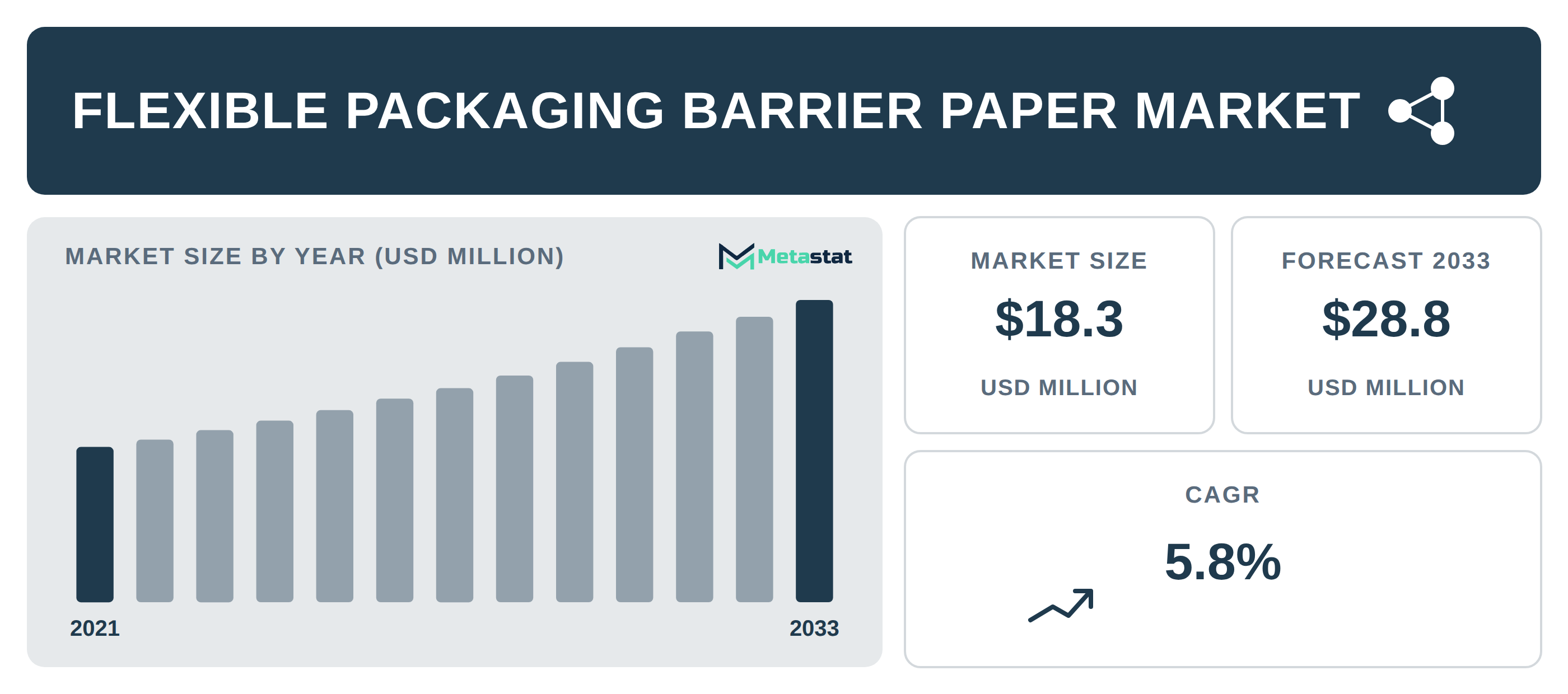
The kraft paper segment is emerging as the frontrunner in the market for Flexible Packaging Barrier Paper, significantly outpacing other paper types. In 2025, the value of kraft paper is projected at USD 7.4 million, with expectations to grow to USD 11.2 million by 2033, reflecting a sustained compound annual growth rate of 6.1%. This growth indicates a shift in consumer preferences and growing sustainability demands. The full figures are in our Flexible Packaging Barrier Paper market size and forecast report.
Manufacturers are increasingly investing in kraft paper due to its robustness and versatility, which makes it suitable for various applications across industries including food, beverages, personal care, and retail. This versatility is particularly appealing to brands aiming for eco-friendliness while ensuring product integrity. The kraft paper segment’s strength lies in its ability to provide an effective barrier against moisture, grease, and other external factors that compromise product quality, thereby ensuring longevity and freshness.
Why is kraft paper gaining popularity?
Growing awareness of environmental issues has intensified consumer purchasing behavior. Both consumers and businesses are moving towards sustainable packaging options, with kraft paper emerging as a favorite due to its recyclable nature and biodegradability. This preference is especially pronounced in the food and beverage sector, where packaging safety and product integrity are crucial.
The demand for sustainable and efficient packaging solutions is driving buyers to prioritize kraft paper. In particular, the food and beverage industry is experiencing a rise in demand as consumers increasingly seek products that not only meet their needs but align with their environmental values. By transitioning to kraft paper, brands effectively enhance their appeal and advance their sustainability goals, fostering loyalty among eco-conscious consumers.
What regulatory factors influence kraft paper demand?
Regulatory pressures related to recyclability and the reduction of harmful substances have created a supportive environment for the growth of the kraft paper segment. Increased scrutiny over single-use plastics has prompted industries to adopt more sustainable practices. Consequently, kraft paper is a viable alternative to plastic films, aligning with regulatory standards while fulfilling consumer expectations for responsible packaging.
While the food and beverage sector aims to comply with stringent regulations, the shift towards kraft paper reflects a broader commitment to sustainability. Projected growth in this sector from USD 8.7 million in 2026 to USD 13.3 million by 2033 demonstrates how regulatory changes drive kraft paper adoption. By opting for kraft, companies not only meet compliance requirements but gain a competitive edge in a market influenced by environmental performance.
How does innovation impact kraft paper's competitive edge?
Technological advancements in barrier technology further enhance the appeal of kraft paper. Manufacturers are investing in advanced materials and coatings that enhance resistance to moisture, oxygen, and grease without compromising sustainability. These developments allow producers to extend product shelf life, thereby reducing waste and increasing customer satisfaction.
With the focus on changing consumer demands, businesses that adapt their offerings to include innovative kraft paper solutions are more likely to capture a significant portion of the demand. This adaptability is essential in a competitive environment where the emphasis on performance and sustainability is ever-present. The desire for effective and eco-friendly packaging solutions drives investment and development within the kraft paper segment, positioning it favorably compared to other alternatives.
What does the future hold for kraft paper in flexible packaging?
The future of kraft paper within the flexible packaging barrier paper landscape looks promising. With growing consumer preference for biodegradable and recyclable materials, alongside ongoing regulatory shifts towards sustainability, the segment is poised for significant growth. Businesses focusing on this paper type stand to benefit from evolving market dynamics, enhancing their offerings while aligning with consumer values.
The anticipated growth trajectory of kraft paper underscores its crucial role in the shift toward more sustainable packaging solutions. By integrating kraft into their product lines, companies not only satisfy current consumer demands but position themselves favorably for future developments in the market for flexible packaging barrier paper.
Tags
About the Authors

LEAD ANALYST
Utkarsh Khirodkar is a Lead Market Research Analyst at MetaStat Insight, specializing in market intelligence, technology sector assessments, and competitive strategy.

SENIOR RESEARCH ANALYST
Biotechnology · Food and Beverages · Medical Devices · Packaging
Snehal Pasalkar is a Research Analyst at MetaStat Insight, operating at the intersection of life sciences research, competitive strategy, and market intelligence.

INDUSTRY CONSULTANT - CHEMICALS & ADVANCED MATERIALS
Chemicals and Materials · Machinery & Equipment · Packaging
Amit Gadhekar Consultant for Chemicals and Materials at MetaStat Insight, directing sector-specific intelligence, research, and strategic consulting across global chemical and processing markets.