
Subcutaneous Immunoglobulin (SCIG) is leading demand in Germany's immunoglobulin market due to its convenience and patient adherence. Explore the factors influencing this trend.
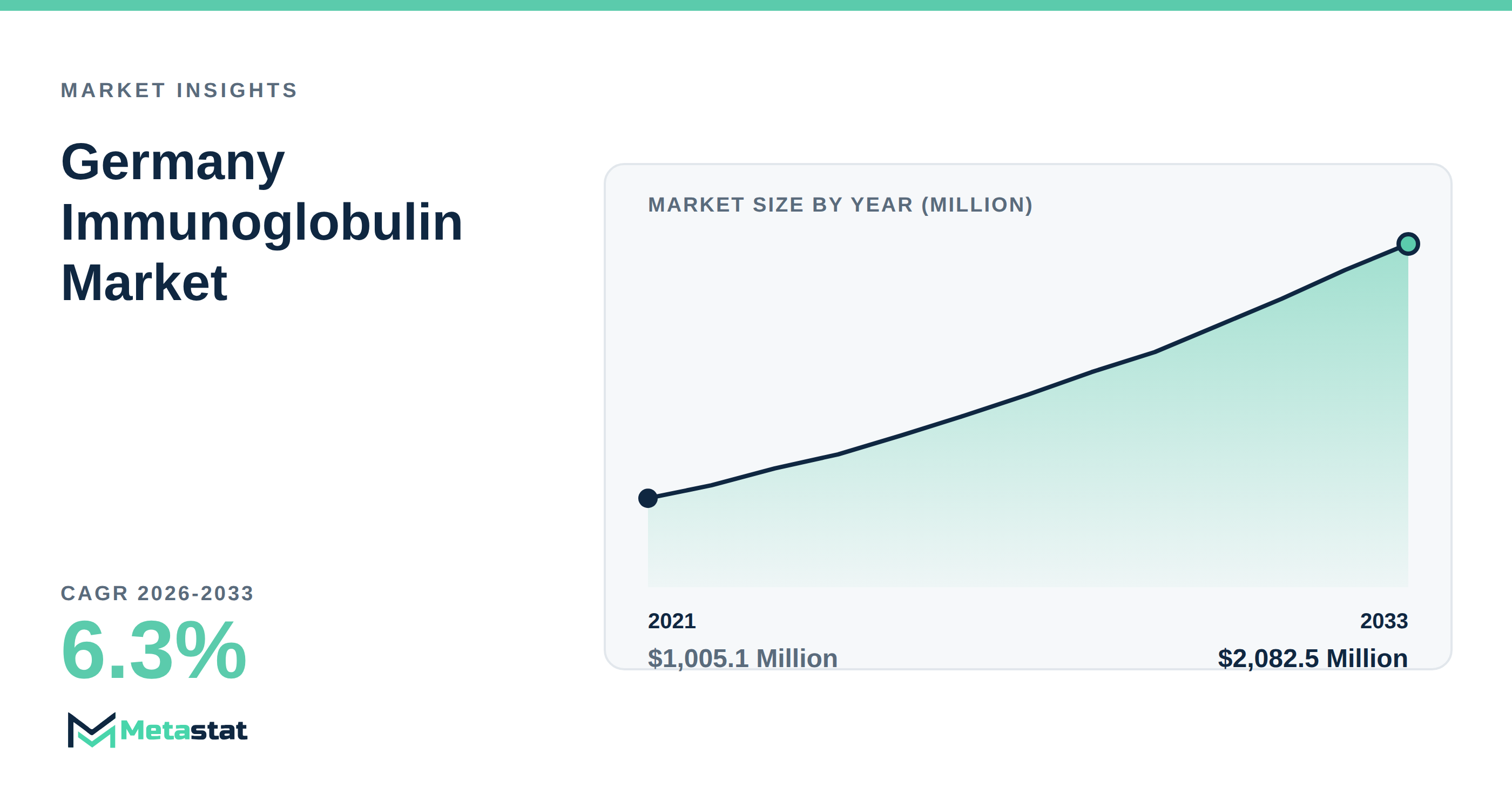
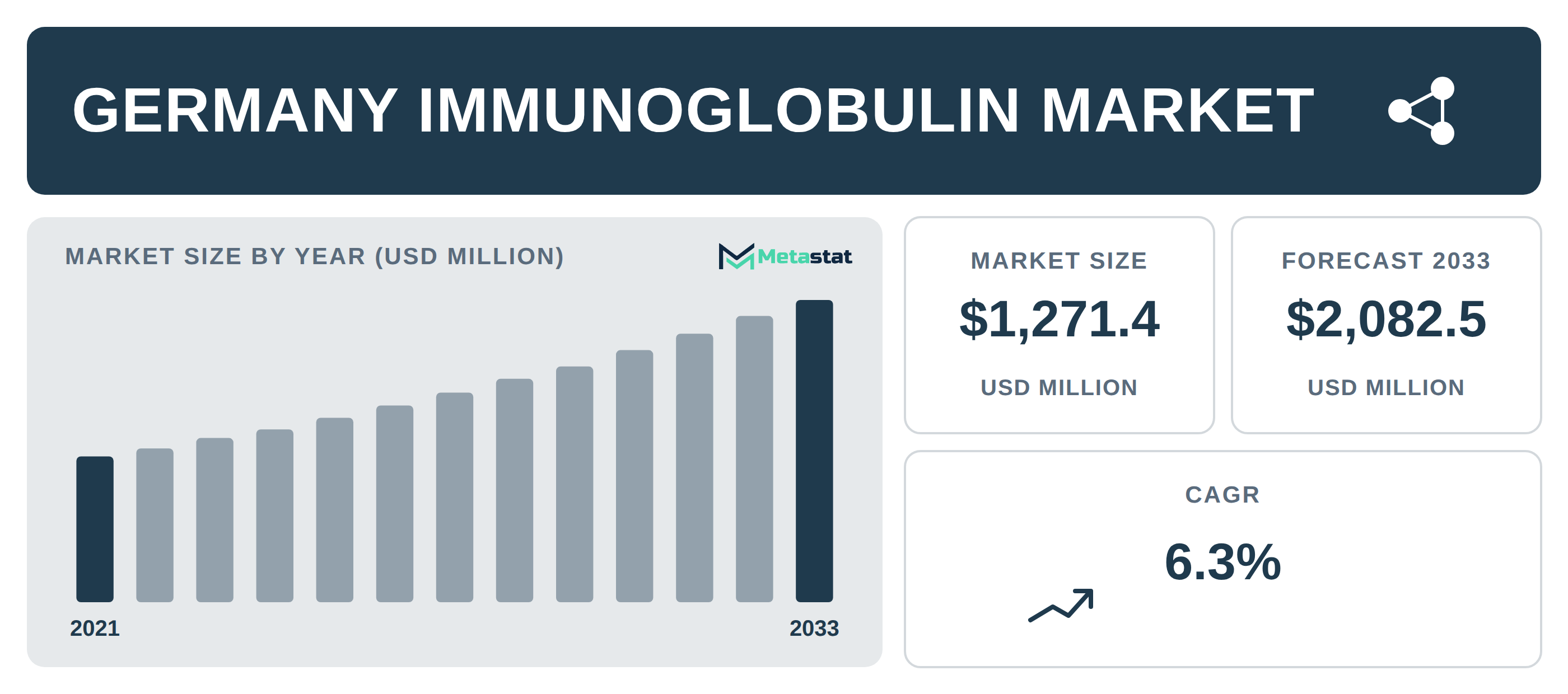
Subcutaneous Immunoglobulin (SCIG) is becoming the preferred treatment for immunodeficiencies in Germany. With its anticipated revenue reaching USD 1,025.8 million by 2033, SCIG is outpacing other treatments in this sector. Understanding the driving forces behind this notable shift provides crucial insights for healthcare providers and stakeholders. The full figures are in our Germany Immunoglobulin market size and forecast report.
What factors are driving the demand for SCIG?
Several factors contribute to the rapid rise of SCIG in Germany. Key among them is the convenience it offers patients, allowing them to self-administer therapy in comfortable home settings. Unlike Intravenous Immunoglobulin (IVIG), which necessitates frequent visits to healthcare facilities, SCIG is administered less often, promoting better adherence to treatment regimens. This alignment with patient preferences enhances the attractiveness of SCIG as a treatment option.
The healthcare landscape is shifting towards patient-centered care models, where the convenience of treatment is crucial. This trend is further supported by advancements in infusion technologies that facilitate easier SCIG administration. Patients increasingly favor treatments that allow them to manage their health more independently, making SCIG a preferred choice.
How does patient adherence influence demand?
Improved patient adherence significantly boosts the demand for SCIG therapies. The ability to administer the treatment at home enables patients to integrate it more seamlessly into their daily lives. This flexibility reduces the burden of frequent hospital visits, enhancing the overall quality of life for individuals with chronic conditions requiring immunoglobulin therapy.
As awareness of SCIG benefits increases among healthcare providers, more patients receive recommendations for this treatment. This growing recognition correlates with the rising prevalence of primary immunodeficiency diseases, driving demand for effective and convenient therapies. The projected growth in this segment aligns with a broader trend towards personalized healthcare solutions, where treatments are tailored to fit individual lifestyles.
What role do healthcare providers play in this shift?
Healthcare providers are essential in facilitating the transition towards SCIG. Their increasing awareness of the advantages associated with this therapy impacts prescribing patterns. Providers are more likely to recommend SCIG based on its efficacy and positive patient feedback regarding convenience and comfort.
Investment in education and training for healthcare professionals to properly guide patients on SCIG administration is vital. The more that providers understand the benefits and nuances of SCIG, the more they advocate for its use, further reinforcing its position in the treatment landscape for immunodeficiencies.
What challenges exist in the transition to SCIG?
Despite the strong growth potential for SCIG, challenges remain. Pricing pressures influence the availability of SCIG therapies and impact overall adoption rates. Healthcare providers face budget constraints that limit their ability to adopt newer treatment modalities like SCIG, especially in independent outpatient practices. Collaborations between manufacturers and healthcare institutions to negotiate pricing could mitigate some of these barriers and enhance accessibility.
The dynamics of reimbursement policies from insurance companies play a crucial role. Favorable reimbursement structures for SCIG are vital to support its growth. As policies evolve, they either enhance or limit patient access to these therapies, influencing overall demand in the market.
Conclusion: What does the future hold for SCIG in Germany?
The increasing demand for Subcutaneous Immunoglobulin reflects a significant shift in how immunodeficiency treatments are perceived and administered. While the market adapts to prioritize patient-centered care, SCIG is well-positioned to lead the way. Continuous advancements in treatment technologies and a growing awareness among healthcare providers and patients will further drive this segment's growth, promoting wider adoption and improved patient outcomes.
This evolution in the treatment landscape emphasizes the importance of understanding patient needs and preferences in shaping effective therapeutic strategies. Stakeholders in the healthcare ecosystem remains agile to capitalize on this trend, ensuring that they meet the changing demands of patients and embrace innovations in immunoglobulin therapy.
Tags
About the Authors

LEAD ANALYST
Utkarsh Khirodkar is a Lead Market Research Analyst at MetaStat Insight, specializing in market intelligence, technology sector assessments, and competitive strategy.

LEAD PRINCIPAL ANALYST, PHARMA AND HEALTHCARE
Food and Beverages · Healthcare · Healthcare IT · Medical Devices
Ajay Devgire is the Lead Healthcare Analyst at MetaStat Insight, leading strategic research and market intelligence initiatives across the global healthcare domain.