
The compliance segment is rapidly advancing in the Carbon Credit market, driven by regulatory pressures and corporate sustainability efforts. This post explores the factors behind its dominance.
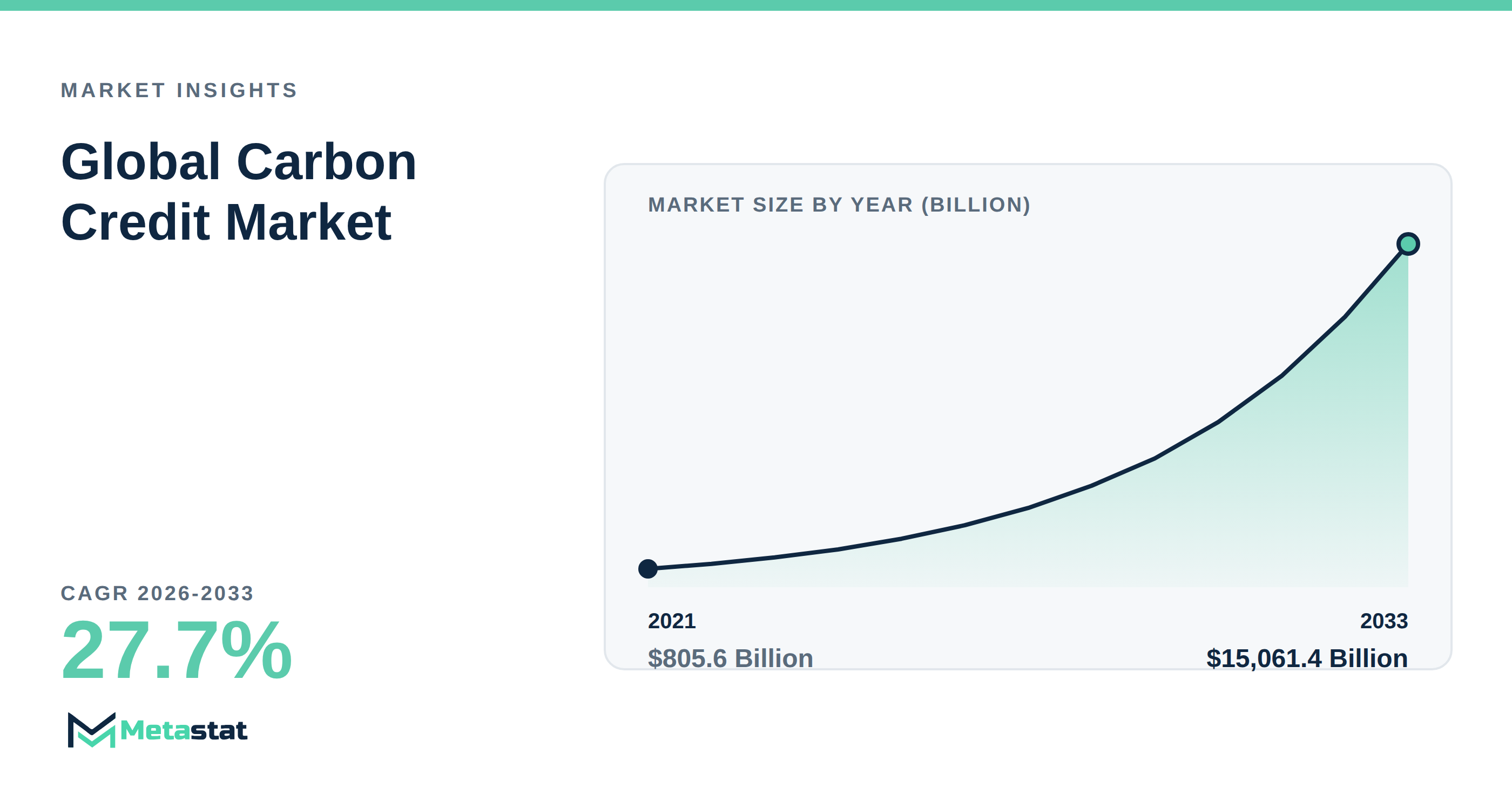
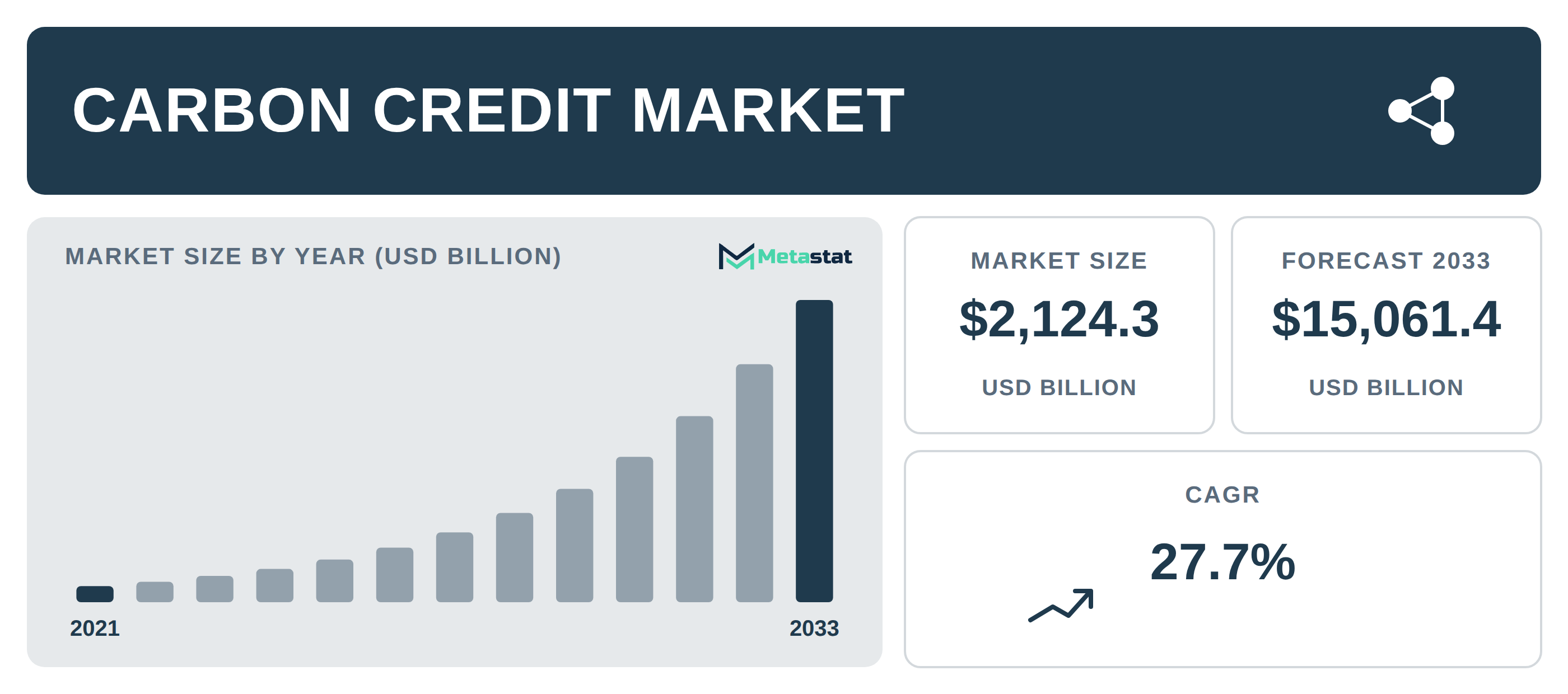
The compliance segment within the market for Carbon Credit is rapidly outpacing other segments, driven by increasing regulatory pressures and evolving corporate sustainability initiatives. Companies across various industries seek to comply with stringent environmental regulations while meeting their corporate social responsibility goals. This dynamic shift indicates a growing recognition of the importance of reliable emissions reductions and demonstrates how businesses are adapting to a greener economy. The full figures are in our Carbon Credit market size and forecast report.
Why is compliance leading Carbon Credit demand?
The compliance segment holds a significant position in the market due to regulatory frameworks that mandate emissions reductions. By 2033, this segment's value is anticipated to grow substantially, reflecting a robust compound annual growth rate. The urgency of regulatory compliance compels companies to actively purchase credits, thus driving demand. Regulatory bodies worldwide are tightening emission limits, compelling entities to offset their carbon footprints or face penalties.
How corporate sustainability initiatives influence buying behavior
Corporate entities increasingly prioritize sustainability, leading to a surge in Carbon Credit demand. This shift underscores a commitment to environmental responsibility, often resulting in substantial investments in compliance credits. Organizations adopting comprehensive sustainability plans are more likely to invest in Carbon Credits, reflecting a broader commitment to reducing their overall carbon footprint and fulfilling regulatory obligations.
What role do nature-based and engineered solutions play?
Integrating nature-based removal and engineered solutions significantly enhances purchasing preferences within the compliance segment. Nature-based projects are appealing due to their dual benefits of carbon sequestration and ecosystem restoration. Buyers prefer to invest in projects that provide verifiable and long-term carbon capture. This trend indicates a growing inclination toward solutions that align with corporate sustainability objectives while ensuring compliance with stricter regulations.
What are the risks and challenges shaping Carbon Credit procurement?
Despite the strong demand, several risks and challenges impact procurement strategies in the Carbon Credit space. Price fluctuations and delivery risks complicate purchasing decisions for companies. Higher prices deter smaller enterprises from participating fully in the market for Carbon Credit, potentially slowing overall adoption. Regulatory uncertainty regarding future compliance requirements creates hesitance among buyers, influencing their willingness to invest in credits. Companies adopt flexible and informed procurement strategies to navigate these challenges effectively.
The emergence of technology-driven solutions, including data analytics and blockchain, is expected to enhance transparency and improve price discovery mechanisms, thereby mitigating some of these risks. These innovations allow buyers to make more informed decisions, further driving engagement in the compliance segment.
Conclusion: The future of Carbon Credit demand
Overall, the compliance segment is positioned as a leader in the market for Carbon Credit, driven by regulatory pressures and corporate sustainability initiatives. The significant growth projected for compliance credits reflects a broader commitment to achieving environmental goals. While companies adapt to evolving regulations and market dynamics, they are expected to increase their reliance on Carbon Credits to ensure compliance, manage corporate responsibility, and contribute positively to global efforts to combat climate change.
Tags
About the Authors

LEAD ANALYST
Utkarsh Khirodkar is a Lead Market Research Analyst at MetaStat Insight, specializing in market intelligence, technology sector assessments, and competitive strategy.

PRINCIPAL CONSULTANT - ENTERPRISE AI & EMERGING TECHNOLOGIES
Banking & Finance · Electronics and Semiconductor · Energy and Power · Healthcare IT · Information & Technology · Professional Services
Vijay Gunti is a Principal Consultant at MetaStat Insight, bringing over two decades of experience across enterprise digital transformation, technology strategy, and intelligent systems.

ENERGY & INFRASTRUCTURE INDUSTRY CONSULTANT
Automotive and Transportation · Electronics and Semiconductor · Energy and Power · Machinery & Equipment
Saurabh Vasant Ganvir consults for Energy & Infrastructure Industry at MetaStat Insight, specializing in renewable energy, solar EPC, and electric vehicle (EV) infrastructure markets.