
Freestanding mezzanines are gaining traction in Europe, driven by their adaptability and efficiency in optimizing space in warehouses and industrial settings.
Freestanding support structures have emerged as a crucial component of the demand for Europe Industrial Mezzanines, significantly influencing overall trends in this sector. This segment distinguishes itself from others due to its adaptability, ease of installation, and effectiveness in optimizing available space. With the growing pressure on businesses to improve operational efficiency and manage increasing inventory levels, the appeal of freestanding mezzanines becomes increasingly apparent.
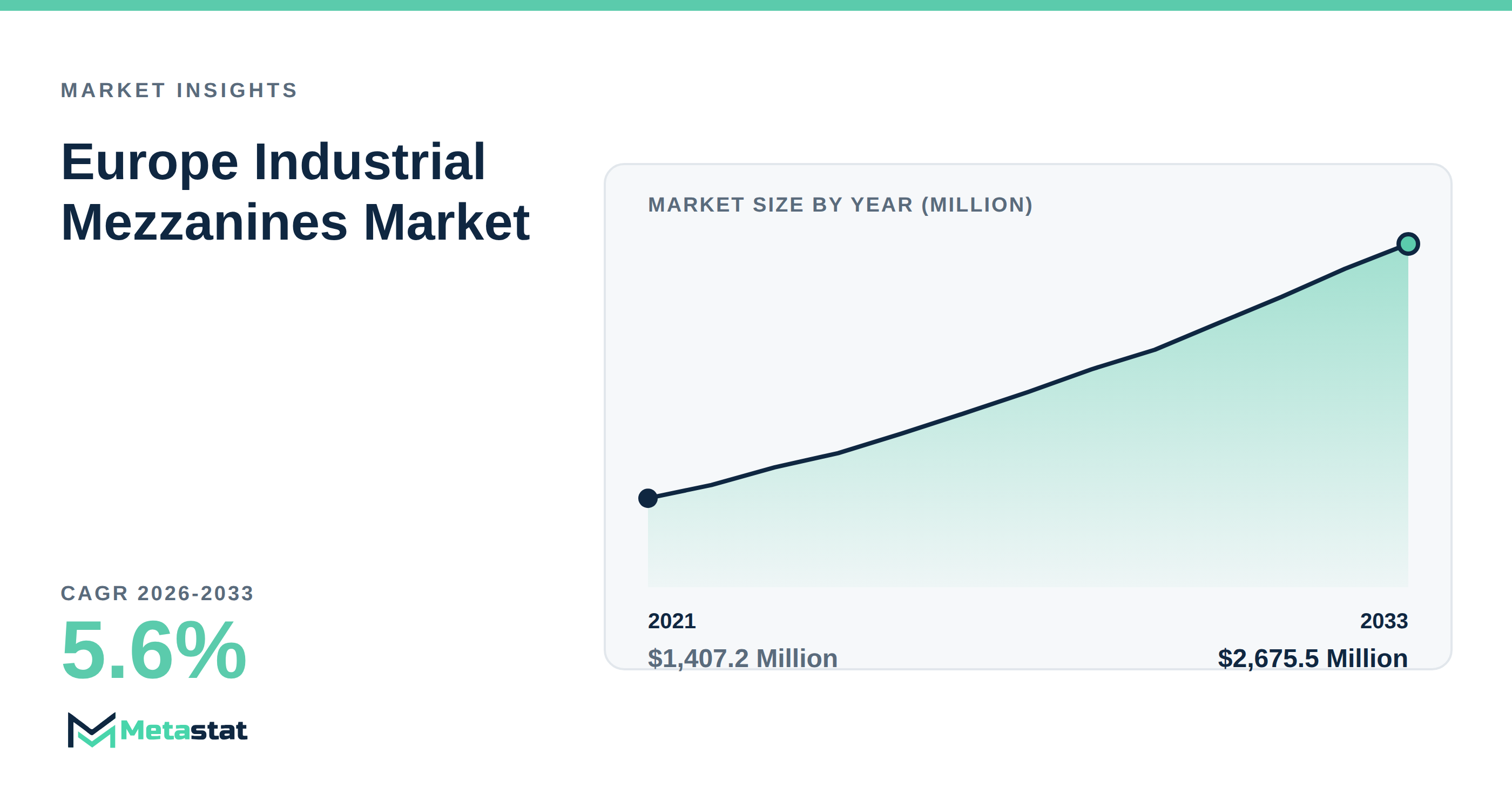
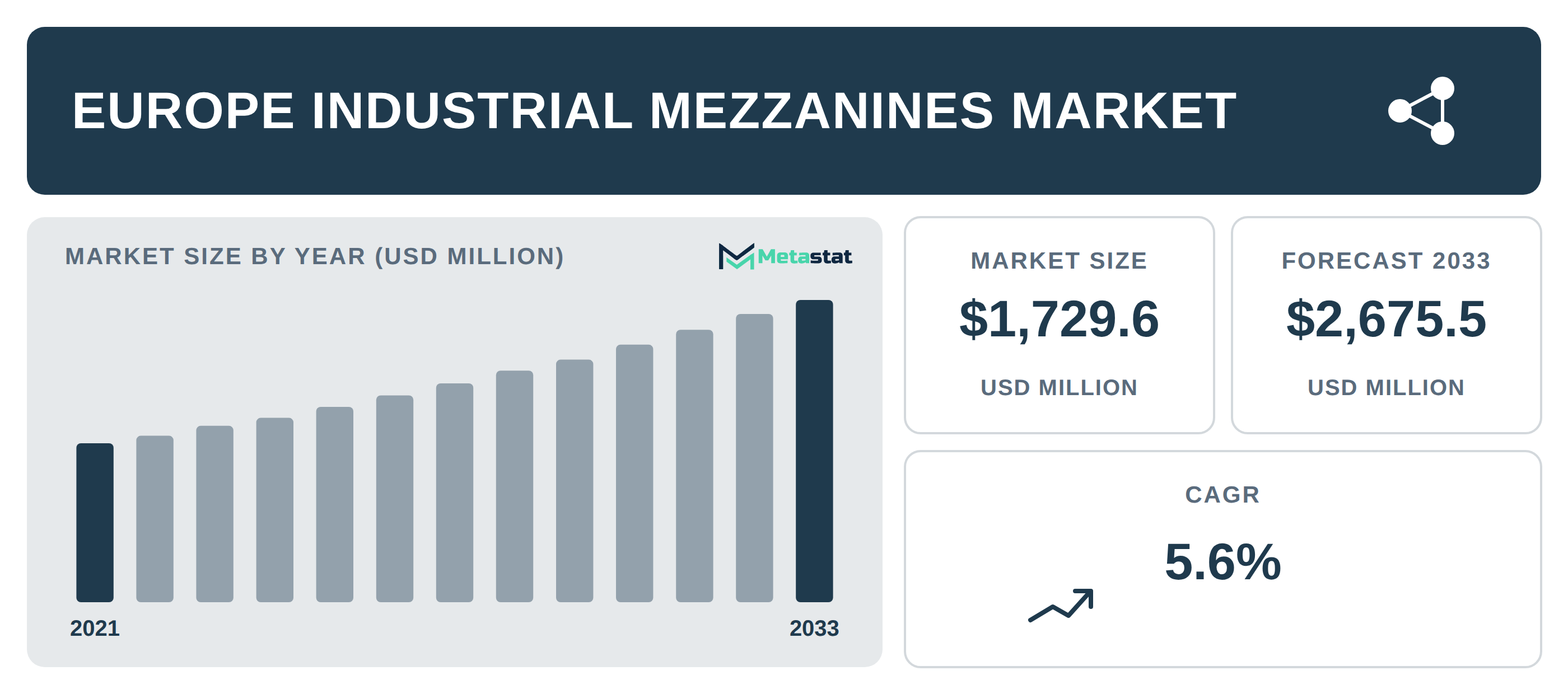
The Europe Industrial Mezzanines market size and forecast report indicates that the freestanding segment is projected to experience substantial growth, underscoring its importance in modern industrial applications. Companies are focusing on effective space utilization to enhance workflow and efficiency, and freestanding support structures provide a unique solution that fulfills these demands.
What drives the popularity of freestanding systems?
Freestanding support structures are triggering a notable shift in demand due to their inherent design flexibility and straightforward installation process. These systems support a customizable warehouse layout, which is essential as businesses adapt to dynamically changing inventory demands. The ability to efficiently modify storage space without extensive renovations serves sectors including logistics, manufacturing, and retail, all of which require effective storage solutions.
The continuous expansion of e-commerce influences the growing recognition of freestanding mezzanines. These structures facilitate enhanced utilization of vertical space, offering significant storage capacity while minimizing the operational footprint. Their versatility ensures that they cater to various operational needs, appealing to a wide spectrum of industries.
How does automation shape the demand for freestanding structures?
The rise of warehouse automation has significantly influenced the demand for freestanding support structures. Advanced automated systems necessitate robust designs that bear heavier loads due to the integration of machinery and storage capabilities. The freestanding segment is expected to increase from approximately USD 897.6 million in 2026 to around USD 1,273.8 million by 2033, reflecting a compound annual growth rate of 5.1%.
This evolution indicates that as businesses integrate automation technologies, they require more resilient and adaptable mezzanine solutions to effectively manage complex operations. Manufacturers are responding to these new requirements by improving product designs that align with current demands. Facilities investing in automated solutions are likely to find that freestanding mezzanines play an essential role in maximizing productivity and optimizing space.
What benefits do freestanding mezzanines offer businesses?
Investing in freestanding mezzanines presents businesses with numerous advantages, particularly regarding operational efficiency and cost savings. These structures enhance inventory management by expanding usable storage space, enabling organizations to adapt quickly to market fluctuations. Their installation is generally quicker and less disruptive compared to other types, resulting in reduced downtime during the setup phase.
Freestanding mezzanines facilitate future scalability, accommodating growing inventory levels without the necessity for extensive renovations. While companies expand, these systems are adapted or relocated to meet new operational requirements. This adaptability increases their long-term value, making them a preferred choice among buyers seeking innovative solutions for their warehousing challenges.
What challenges do buyers face in adopting freestanding mezzanines?
Despite the numerous advantages, businesses considering freestanding support structures encounter challenges related to initial investment costs. The higher expenses for installation deters many companies from opting for these solutions. Although the long-term benefits are clear, the immediate financial implications often dissuade organizations from making the investment.
To address this challenge, effective financial planning and flexible financing options become essential. Buyers should carefully assess their operational needs alongside the potential return on investment to ensure that they make strategic decisions. By taking these considerations into account, businesses overcome initial cost barriers while positioning themselves to capitalize on the many advantages that freestanding mezzanines offer.
The increasing demand for freestanding support structures illustrates a significant change in how companies optimize their industrial operations. As e-commerce expands and automation trends reshape the industry, businesses that prioritize flexible and efficient storage solutions are likely to reap the greatest benefits. The prominence of the freestanding segment in the Europe Industrial Mezzanines landscape is expected to persist as it aligns with contemporary operational requirements and business objectives.
Tags
About the Authors

LEAD ANALYST
Utkarsh Khirodkar is a Lead Market Research Analyst at MetaStat Insight, specializing in market intelligence, technology sector assessments, and competitive strategy.

INDUSTRY CONSULTANT - CHEMICALS & ADVANCED MATERIALS
Chemicals and Materials · Machinery & Equipment · Packaging
Amit Gadhekar Consultant for Chemicals and Materials at MetaStat Insight, directing sector-specific intelligence, research, and strategic consulting across global chemical and processing markets.

PRINCIPAL CONSULTANT - QUALITY SYSTEMS & COMPLIANCE
Electronics and Semiconductor · Machinery & Equipment · Professional Services
Omkar Phadtare is an Industry Consultant at MetaStat Insight, specializing in quality systems, regulatory compliance, and standards benchmarking to drive data-driven market intelligence and strategic industry research.

ENERGY & INFRASTRUCTURE INDUSTRY CONSULTANT
Automotive and Transportation · Electronics and Semiconductor · Energy and Power · Machinery & Equipment
Saurabh Vasant Ganvir consults for Energy & Infrastructure Industry at MetaStat Insight, specializing in renewable energy, solar EPC, and electric vehicle (EV) infrastructure markets.

LEAD CONSULTANT - COMMUNICATION, TELECOM, AND IT
Electronics and Semiconductor · Information & Technology · Machinery & Equipment · Professional Services
Ravindra Sathe Consultants for Communication, Telecom, and IT at MetaStat Insight. He leads the firm's industry research initiatives across telecommunications infrastructure, digital connectivity, enterprise networking, and emerging information technology domains.