
Mechanical switches drive the demand for Gaming Wireless Keyboards, driven by performance, customization, and ergonomic design.
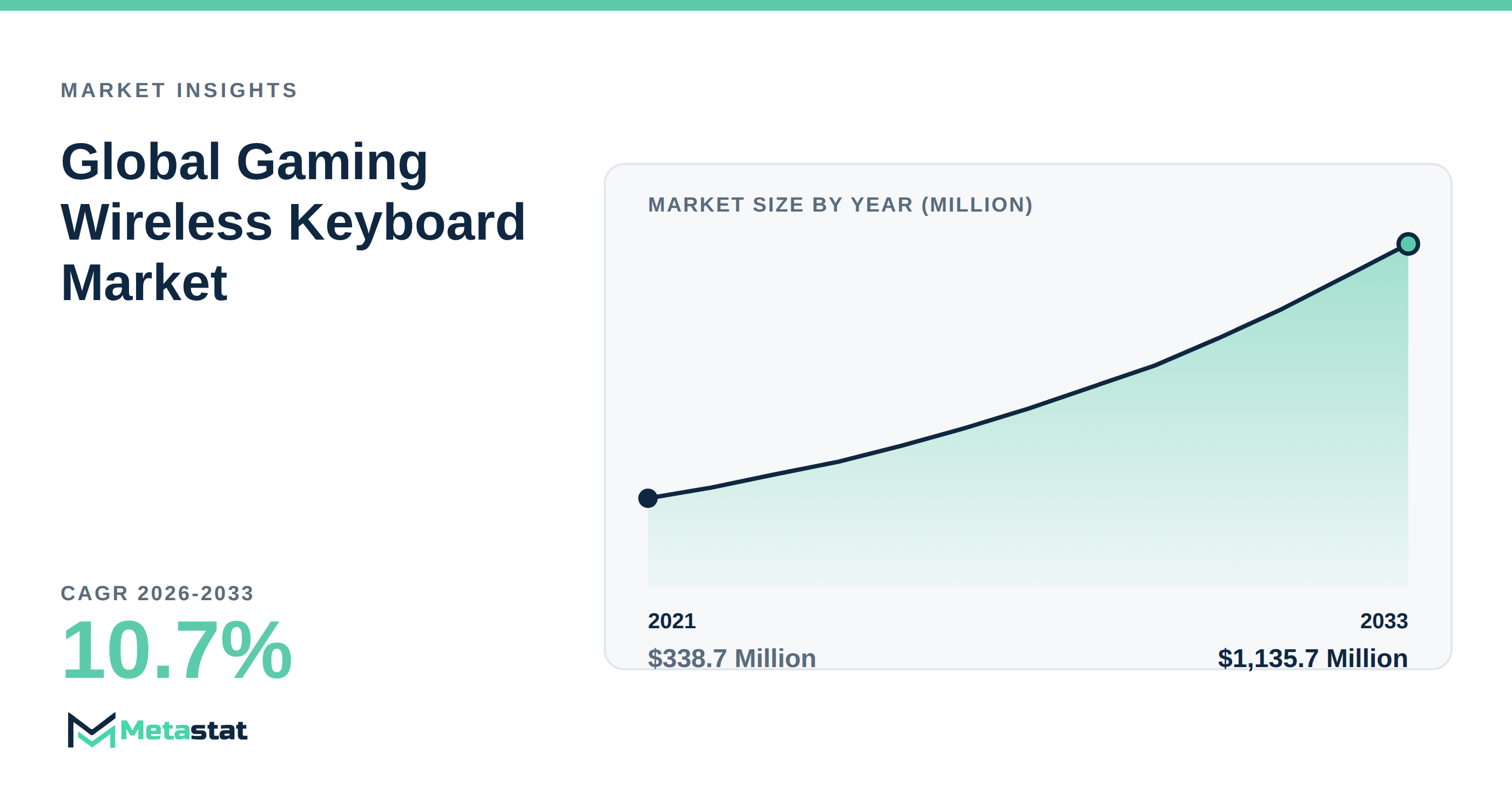
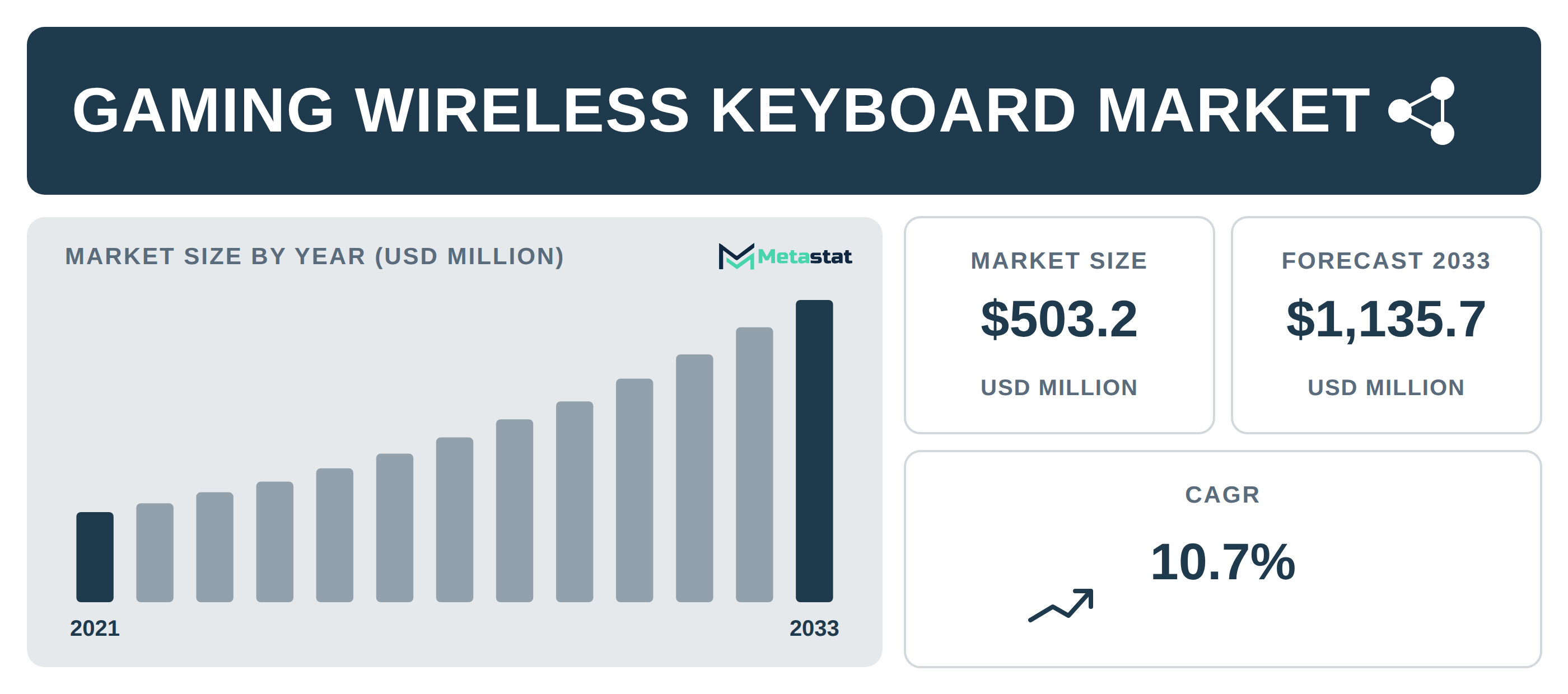
The segment of mechanical switches is significantly leading the demand for Gaming Wireless Keyboards. By 2033, this segment is projected to generate USD 597.5 million, showcasing an impressive growth trajectory of 9.3%. This trend emphasizes the preference among gamers for keyboards that offer enhanced tactile feedback and durability, making mechanical switches the preferred choice for both casual and competitive gamers. The full figures are in our Gaming Wireless Keyboard market size and forecast report.
Several factors contribute to the increasing interest in mechanical switches. These switches provide a level of responsiveness and customization that resonates with gamers, especially in competitive settings where performance determines outcomes. Gamers tend to prioritize tactile response, and mechanical keyboards deliver the needed feedback for precise gameplay. This responsiveness fosters a deeper engagement with the game, enhancing overall performance.
Another crucial element involves advancements in switch technology. Manufacturers are continuously innovating, integrating features that cater to the evolving needs of gamers. The mechanical switch segment benefits from these technological developments, including improved durability and faster actuation speeds. Companies like Logitech International S.A. and Razer Inc. have successfully leveraged these innovations to promote their products, which showcase superior mechanical switches highly regarded by gamers.
As gaming culture expands, the investment in quality peripherals rises. The increasing popularity of esports and gaming as mainstream entertainment drives consumers to seek high-performance equipment. Recognizing that investing in quality gear correlates with enhanced in-game performance, gamers are increasingly drawn to mechanical switches, which are often associated with premium gaming experiences.
This evolution in consumer preferences signifies a transition from conventional membrane keyboards to mechanical options. The appeal of mechanical switches extends beyond mere performance; it includes customization. Gamers favor the ability to modify their keyboards with various key types and switch options, tailoring their gear to suit specific gaming styles. This level of personalization forges a connection between the user and their equipment, reinforcing the mechanical switch's prominent role in the sector.
In addition to performance and customization, a growing trend towards wireless connectivity is evident in the market. Integrating low-latency technology into mechanical keyboards significantly enhances the gaming experience, enabling gameplay without the encumbrance of wires. This adaptability is crucial in competitive gaming, where even the slightest delay impacts performance. Gamers increasingly prefer wireless mechanical keyboards that provide the freedom of movement alongside rapid responsiveness.
An expanding number of manufacturers are emphasizing ergonomic designs that enhance comfort and support during prolonged gaming sessions. Mechanical keyboards are favored for their comfort, helping to reduce strain during extended use. This ergonomic focus is vital for hardcore gamers who often engage in lengthy gaming marathons, thereby further propelling the growth of the mechanical switch segment.
The competitive dynamics among manufacturers play a key role in the success of this segment. Brands that emphasize mechanical switches in their product lines are likely to capture a larger share of the demand. For example, Corsair Gaming, Inc. and HyperX are well-regarded for their high-quality mechanical keyboards, targeting a loyal customer base that values performance and reliability. This competition among brands leads to improved product offerings and innovative features, ultimately benefiting consumers.
In conclusion, the mechanical switch segment stands out as the primary driver of demand within the Gaming Wireless Keyboard sector. Factors including the emphasis on performance, customization, ergonomic design, and ongoing technological advancements reinforce its position. While the gaming community continues to grow, the demand for mechanical keyboards is expected to rise, offering opportunities for manufacturers to innovate and address this evolving market.
Tags
About the Authors

LEAD ANALYST
Utkarsh Khirodkar is a Lead Market Research Analyst at MetaStat Insight, specializing in market intelligence, technology sector assessments, and competitive strategy.

PRINCIPAL CONSULTANT - ENTERPRISE AI & EMERGING TECHNOLOGIES
Banking & Finance · Electronics and Semiconductor · Energy and Power · Healthcare IT · Information & Technology · Professional Services
Vijay Gunti is a Principal Consultant at MetaStat Insight, bringing over two decades of experience across enterprise digital transformation, technology strategy, and intelligent systems.

PRINCIPAL CONSULTANT - QUALITY SYSTEMS & COMPLIANCE
Electronics and Semiconductor · Machinery & Equipment · Professional Services
Omkar Phadtare is an Industry Consultant at MetaStat Insight, specializing in quality systems, regulatory compliance, and standards benchmarking to drive data-driven market intelligence and strategic industry research.

ENERGY & INFRASTRUCTURE INDUSTRY CONSULTANT
Automotive and Transportation · Electronics and Semiconductor · Energy and Power · Machinery & Equipment
Saurabh Vasant Ganvir consults for Energy & Infrastructure Industry at MetaStat Insight, specializing in renewable energy, solar EPC, and electric vehicle (EV) infrastructure markets.

LEAD CONSULTANT - COMMUNICATION, TELECOM, AND IT
Electronics and Semiconductor · Information & Technology · Machinery & Equipment · Professional Services
Ravindra Sathe Consultants for Communication, Telecom, and IT at MetaStat Insight. He leads the firm's industry research initiatives across telecommunications infrastructure, digital connectivity, enterprise networking, and emerging information technology domains.