
The multifamily residential segment is dominating the Austria Commercial Real Estate Investment and Leasing market, driven by urbanization, regulatory support, and changing demographics.
The Austria Commercial Real Estate Investment and Leasing market exhibits a distinct trend where multifamily residential investment properties are carving out a leading position. Holding a substantial market share of 32.1%, this segment significantly outpaces others, including office properties at 26.7% and retail properties at 7.9%. Understanding the underlying factors driving this momentum is essential for investors and stakeholders looking to navigate the evolving landscape.
What factors are driving the growth of multifamily properties?
Demographic shifts significantly impact the multifamily segment. Rising urbanization, coupled with changes in family structures and an increasing population, generates demand for varied housing options. Investors recognize the potential for steady rental income and capital appreciation in multifamily properties, which are increasingly viewed because stable, long-term investments.
Regulatory frameworks that support sustainable building practices enhance the allure of multifamily developments. Compliance with energy efficiency requirements and green certifications attracts environmentally conscious consumers, further encouraging investment in modern residential properties. These factors collectively contribute to heightened demand, leading to improved occupancy rates and increased returns on investment for multifamily assets.
How does favorable market sentiment influence the multifamily segment?
Positive macroeconomic conditions significantly shape the Austria Commercial Real Estate Investment and Leasing market. Sustained GDP growth bolsters capital investment, establishing a favorable climate for real estate transactions. Increasing disposable incomes enhance consumer purchasing power, which elevates demand for various property types, particularly in urban centers. This dynamic draws a wide array of investor types, including real estate funds and asset managers, thereby increasing market liquidity.
Investor confidence is further supported by declining vacancy rates, a clear indicator of robust leasing demand. Properties located in prime urban areas are particularly sought after, prompting competitive bidding among investors. The favorable financing environment encourages new developments and acquisitions, allowing multifamily properties to capitalize on this momentum.
What challenges does the multifamily segment face?
Despite its strong trajectory, the multifamily segment encounters several challenges. Regulatory compliance remains a significant concern, with evolving legal mandates creating barriers for developers and investors. The necessity for substantial investments in legal advisory resources diverts funds away from project development. Macroeconomic pressures, including rising inflation and supply chain disruptions, can strain profitability and operational viability.
Geopolitical uncertainties complicate the investment landscape, inducing fluctuations in capital flows and potentially discouraging foreign investments. Stakeholders navigate these challenges while maintaining a focus on strategic opportunities and innovative solutions to enhance asset value.
How is technology influencing multifamily investments?
Technological advancements significantly shape the multifamily landscape. The adoption of smart home technologies and digital platforms enhances tenant engagement, streamlining communication between property managers and residents. Improved property management solutions contribute to greater operational efficiency, making multifamily properties more attractive to prospective investors.
While technology continues to reshape operational frameworks, investors remain vigilant and adaptable. The integration of advanced analytics and automated processes boosts productivity, ultimately driving investor interest. This shift emphasizes the importance of aligning property attributes with contemporary market expectations.
What lies ahead for multifamily properties in Austria?
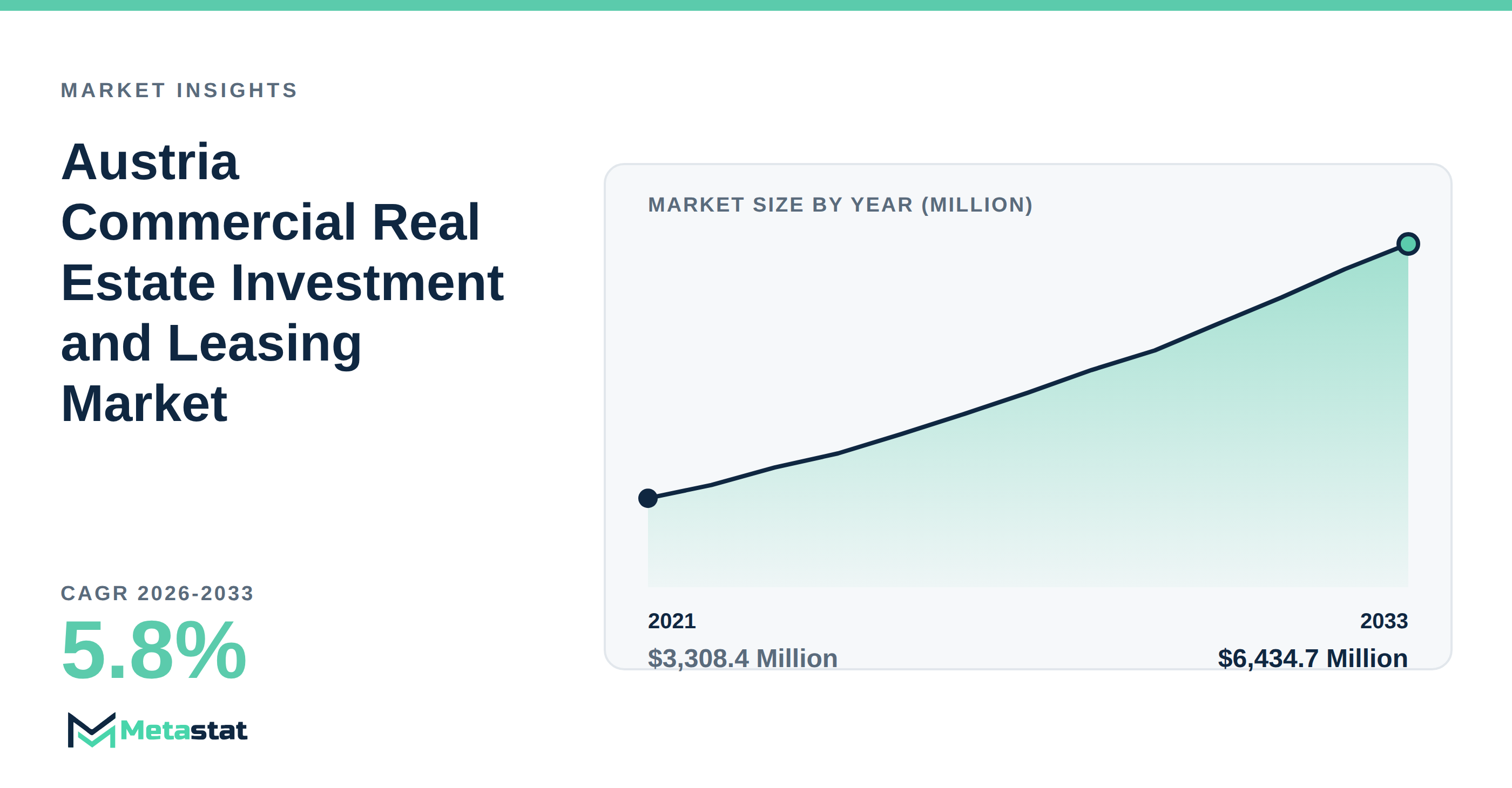
The future of the multifamily residential sector in the Austria Commercial Real Estate Investment and Leasing market appears promising. Given its substantial market share and the factors driving its growth, continued investment in this area is anticipated. A projected compound annual growth rate (CAGR) of 5.8% from 2026 to 2033 indicates a robust outlook for multifamily properties.
With urbanization trends persisting and consumer preferences evolving, the multifamily segment is expected to adapt and thrive. Investors concentrating on quality developments that meet sustainability standards will likely capture significant opportunities in this dynamic environment. For a detailed analysis of the market's trends and dynamics, explore the Austria Commercial Real Estate Investment and Leasing Market.
Tags
About the Authors

LEAD ANALYST
Utkarsh Khirodkar is a Lead Market Research Analyst at MetaStat Insight, specializing in market intelligence, technology sector assessments, and competitive strategy.

PRINCIPAL CONSULTANT - ENTERPRISE AI & EMERGING TECHNOLOGIES
Banking & Finance · Electronics and Semiconductor · Energy and Power · Healthcare IT · Information & Technology · Professional Services
Vijay Gunti is a Principal Consultant at MetaStat Insight, bringing over two decades of experience across enterprise digital transformation, technology strategy, and intelligent systems.