
Non-woven wallpaper is rapidly gaining market share due to its durability, ease of installation, and growing consumer preference for stylish designs.
Non-woven wallpaper is gaining significant traction, establishing a leading position within the global wallpaper market. This segment is projected to grow from USD 2,251.8 million in 2025 to USD 3,328 million by 2033, reflecting a compound annual growth rate (CAGR) of 5.0%. The increasing consumer interest in user-friendly and aesthetically pleasing wall coverings serves because a primary driver for this trend.
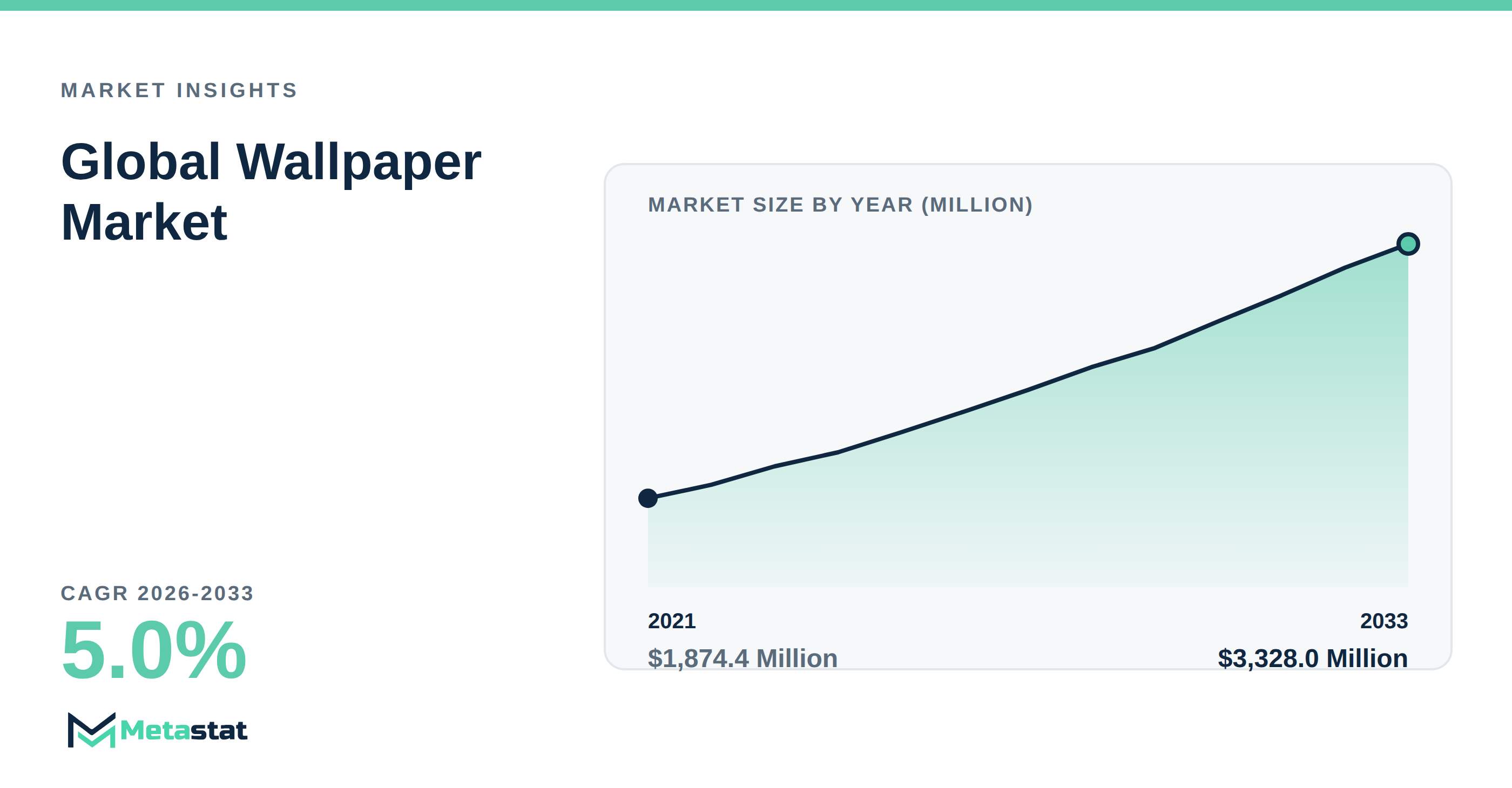
The projected value of the non-woven segment is anticipated to reach USD 845.6 million by 2033, demonstrating a considerable CAGR of 6.2% throughout the forecast period. This growth results from the material's durability and ease of installation, which attracts both residential and commercial customers. Unlike traditional wallpaper, non-woven options are designed for easy installation and removal without damaging walls, making them ideal for the growing DIY market.
Consumer preferences indicate a strong desire for design flexibility. Non-woven wallpaper offers versatility across styles, textures, and patterns, aligning well with contemporary interior design trends. Homeowners pursuing renovations increasingly prioritize aesthetics, which elevates demand for these materials. The appeal of non-woven products is not solely aesthetic; many consumers looking to enhance their living spaces value the practical advantages these materials provide.
The rise of digital inkjet printing technology has significantly impacted wallpaper production. This innovation enables manufacturers to create intricate designs more efficiently, meeting the increasing demand for personalized wall coverings. While consumers seek unique designs that reflect their individual styles, the capacity to customize wallpapers becomes an essential factor influencing their purchasing decisions.
Environmental considerations further enhance non-woven wallpaper's popularity. Heightened awareness of sustainability encourages consumers to seek eco-friendly options. Non-woven wallpapers typically align with these green criteria, appealing to environmentally conscious buyers. The industry's move towards sustainable and PVC-free practices allows manufacturers to tap into a niche market focused on responsible sourcing.
The hospitality sector plays a crucial role in propelling the demand for decorative wallcoverings, significantly influencing the rise of non-woven wallpaper. Hotels and restaurants increasingly prioritize stylish interiors to enrich guest experiences. Non-woven products combine durability with aesthetic appeal, making them suitable for high-traffic areas, thus prompting continuous product innovation and investment in diverse, attractive designs.
Commercial spaces, including corporate offices and retail environments, are adopting non-woven wallpaper within their interior design strategies. Establishing inviting atmospheres that reflect brand identities is vital for these sectors. Non-woven materials support this objective by offering a wide variety of styles while remaining easy to maintain, thereby strengthening the segment's position within the wallpaper market.
The growth of e-commerce is reshaping wallpaper distribution channels, further contributing to the momentum of non-woven wallpaper. Online platforms allow consumers to explore a broader selection of products from the comfort of their homes. Direct-to-consumer brands are thriving within this trend, achieving significant growth in online sales. While non-woven wallpapers become more accessible, consumer interest in this segment is anticipated to continue rising.
In conclusion, non-woven wallpaper's strong position within the wallpaper market stems from its combination of aesthetic appeal, practicality, sustainability, and flexibility. Manufacturers focusing on innovation, customization, and eco-friendly practices are well-positioned to leverage this growing trend, establishing non-woven options because a compelling choice for consumers seeking stylish and functional wall coverings. For deeper insights into the dynamics and trends influencing the wallpaper market, readers refer to the Global Wallpaper Market report.
Tags
About the Authors

LEAD ANALYST
Utkarsh Khirodkar is a Lead Market Research Analyst at MetaStat Insight, specializing in market intelligence, technology sector assessments, and competitive strategy.

INDUSTRY CONSULTANT - CHEMICALS & ADVANCED MATERIALS
Chemicals and Materials · Machinery & Equipment · Packaging
Amit Gadhekar Consultant for Chemicals and Materials at MetaStat Insight, directing sector-specific intelligence, research, and strategic consulting across global chemical and processing markets.