
LEAD ANALYST
Utkarsh Khirodkar is a Lead Market Research Analyst at MetaStat Insight, specializing in market intelligence, technology sector assessments, and competitive strategy.

Global Wallpaper Market Size, Share, By Material (Vinyl / PVC, Non-Woven, Paper, Textile / Fabric, Plant-Fiber Wallcoverings (Grasscloth, Sisal, Jute, Raffia), Fiberglass, Metallic / Foil and Others (Wood Veneer, Mylar, Specialty Composites)), By Printing Technology (Digital Inkjet Printing, Gravure Printing, Screen Printing, Flexographic Printing, Surface Printing and Block / Hand Printing), By End-Use Sector (Residential, Hospitality, Corporate & Office, Retail, Healthcare, Education, Cruise & Marine and Others (Government Buildings, Entertainment Venues, Transportation Hubs)), By Distribution Channel (Direct Manufacturer / Contract Sales, Specialty Wallpaper & Wallcovering Retailers, Home Improvement & DIY Stores, Interior Design Trade Showrooms, Direct-to-Consumer E-commerce and Online Marketplaces), Industry Analysis, Growth, Trends, and Forecast, 2026-2033
Report ID
MSI-5377
Published
September, 2026
Pages
295 Pages
Format
Historical
Base year
Forecast
Forecast period
Report Details
Market Valuation: Valued at $2,251.8 Million in 2025, projected to reach $3,328 Million by 2033 at a 5.0% CAGR.
Dominant Segment: Vinyl wallpaper leads the market due to its durability and versatility, making it the preferred choice for both residential and commercial interiors. This segment's strength is driven by its ability to withstand high-traffic areas while offering a wide range of design options.
Geographic Lead: The Asia Pacific region is poised for substantial growth, fueled by urbanization and increasing disposable incomes. This trend positions manufacturers to cater to a rising demand for diverse wallpaper options tailored to regional preferences.
What's Inside: The report provides a comprehensive analysis of the global wallpaper market, including competitive coverage, market segmentation by material and printing technology, and detailed forecasts from 2026 to 2033. It also explores key trends, consumer behavior, and emerging opportunities.
Rising Residential Renovation Demand: The growing trend of residential renovations is significantly boosting wallpaper demand as homeowners seek aesthetic improvements. This shift leads to a diverse array of wallpaper styles that cater to varying consumer preferences.
Sustainable and PVC-Free Wallpaper Innov: There is a notable shift towards sustainable and PVC-free wallpaper options, driven by increasing consumer awareness of environmental impacts. This trend positions eco-friendly products as a key segment within the market.
Choose Your License
Global Wallpaper Market
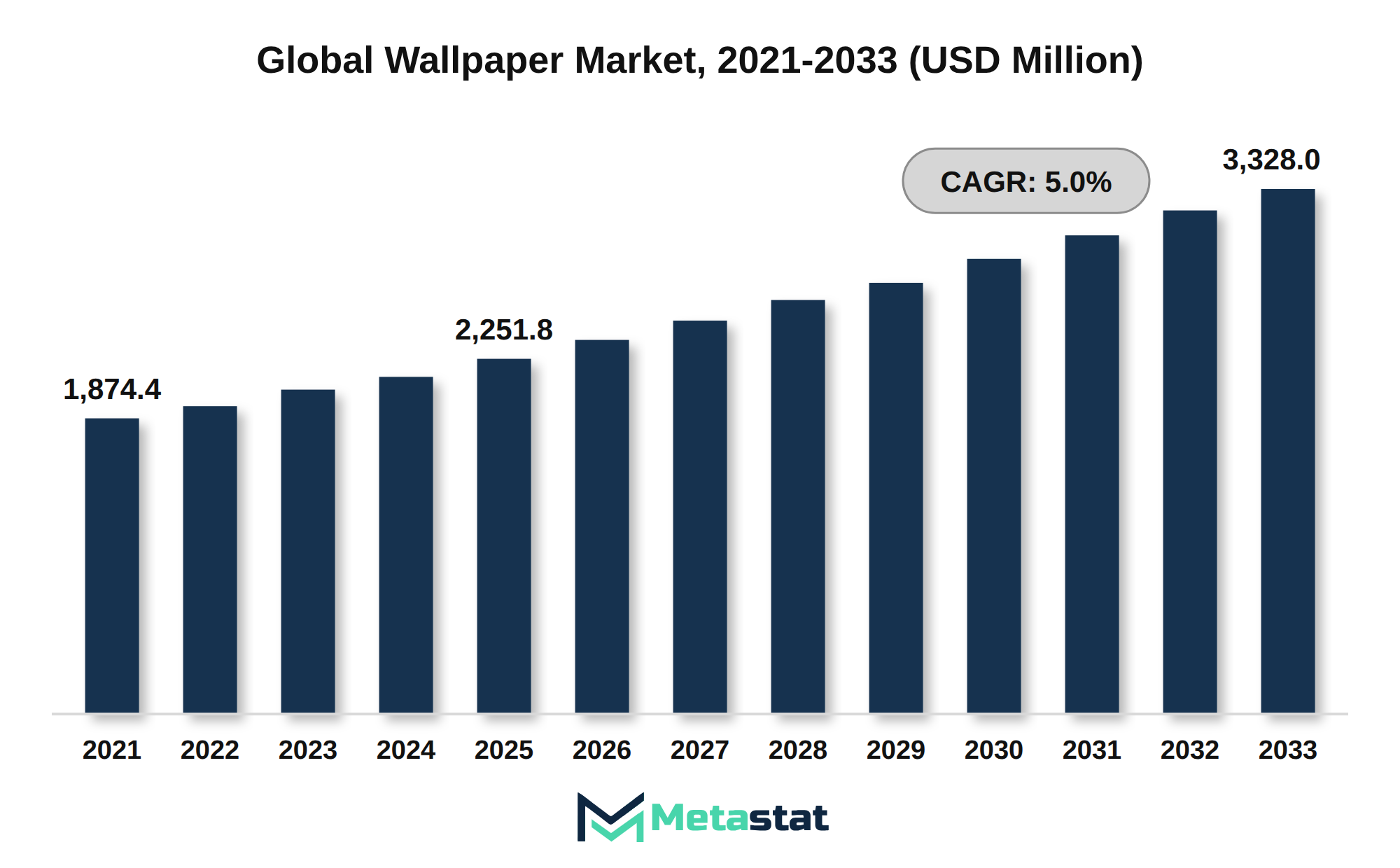
The global Wallpaper market was valued at USD 2,251.8 million in 2025 and is projected to reach USD 3,328 million by 2033, growing at a CAGR of 5.0% over the forecast period.
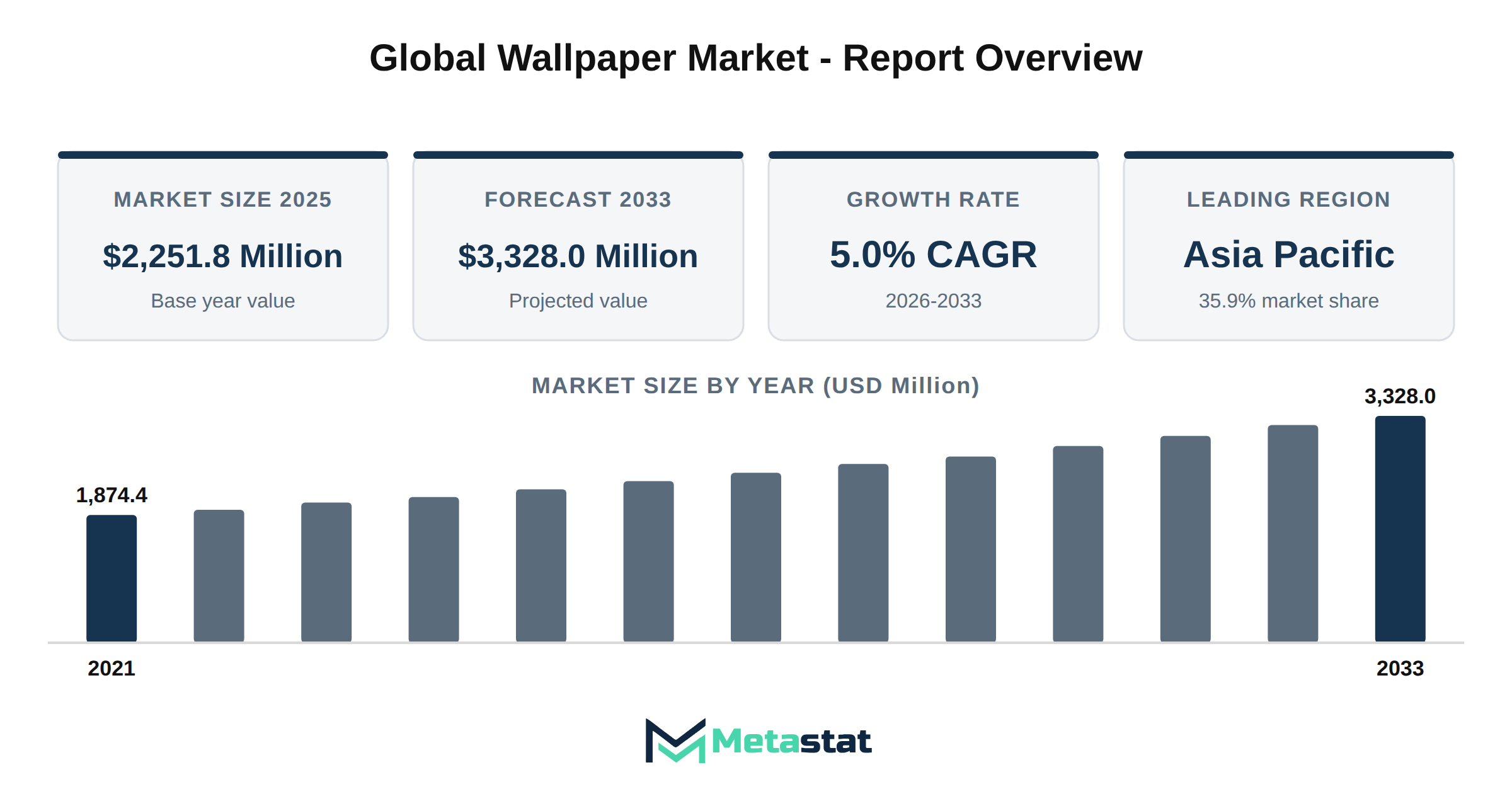
The Wallpaper market demonstrates a strong growth trajectory, with a base value of USD 2,251.8 million in 2025 and an anticipated increase to USD 3,328 million by 2033, reflecting a compound annual growth rate (CAGR) of 5 percent. The market's expansion is driven by various trends that shape global demand, particularly in residential renovations, where homeowners increasingly seek aesthetic improvements through wallpaper applications.
Demand for non-woven wallpaper is expected to experience significant growth, attributed to its ease of installation and versatility in design. This segment is gaining traction among consumers who favor stylish and practical wall coverings. Vinyl wallpaper continues to dominate both residential and commercial interiors owing to its durability and wide-ranging design options, reinforcing its status because a preferred material choice.
Digital inkjet printing is transforming wallpaper production, enabling manufacturers to create customized designs with greater efficiency. This technology supports a growing consumer preference for personalized wall coverings and murals, catering to the unique tastes of individual buyers. The market recognizes a rising demand for sustainable and PVC-free wallpaper innovations, reflecting a broader trend towards eco-friendly materials in interior design.
The premium and designer wallpaper market is expanding, driven by increasing consumer interest in high-quality, exclusive designs. The hospitality sector demonstrates strong demand for decorative wallcoverings, because hotels and restaurants seek to enhance guest experiences through stylish interiors. Commercial spaces, including offices and retail environments, are adopting wallpaper solutions to create inviting atmospheres and brand-focused designs.
In healthcare and education interiors, wallpaper demand is rising, with emphasis on creating calming and inspiring environments. The growth of e-commerce is reshaping wallpaper distribution, allowing consumers to access a wider range of products online. Direct-to-consumer wallpaper brands are capitalizing on this trend, achieving notable online sales growth.
Wallpaper pricing trends and raw material cost dynamics significantly influence market performance. Manufacturers navigate fluctuations in raw material prices while maintaining competitive pricing strategies. Ongoing developments in the wallpaper supply chain and manufacturing processes enhance production efficiency and address evolving consumer preferences.
Trends towards low-VOC and eco-friendly wallpaper materials align with increasing consumer awareness of environmental impacts. Fire-rated and performance wallpaper requirements further influence product offerings, particularly in sectors like hospitality and healthcare. The demand for grasscloth and natural fiber wallcoverings reflects a shift towards organic materials that enhance interior aesthetics.
Peel-and-stick and easy-installation wallpaper trends cater to the growing number of DIY enthusiasts seeking convenient home improvement solutions. Competitive strategies among global wallpaper manufacturers encompass designer collaborations and licensed wallpaper collections, expanding product portfolios and attracting diverse customer segments. Smart manufacturing and digitalization are becoming integral to wallpaper production, enhancing operational efficiency and responsiveness to market demands.
The Asia Pacific wallpaper market presents substantial growth opportunities, driven by urbanization and rising disposable incomes. North America exhibits strong wallpaper demand, particularly influenced by ongoing renovation trends. In Europe, design innovation and sustainability trends significantly impact the market, because consumers prioritize eco-friendly options. Emerging wallpaper market opportunities in South America reflect increasing interest in home decoration and interior design solutions.
The Middle East and Africa region experiences growing wallpaper demand, particularly in hospitality projects, where aesthetic appeal is important. Luxury hotels and cruise interiors prioritize high-quality wallpaper selections to create memorable guest experiences. Interior design trends are influencing wallpaper adoption, creating future growth opportunities in the global wallpaper market.
The Wallpaper market experiences significant trends that shape global demand. The increasing focus on residential renovations fuels a heightened interest in wallpaper, with homeowners seeking aesthetic enhancements and personalized designs for their living spaces. This trend results in a shift towards versatile and customizable options that align with individual tastes.
Rising residential renovation activities contribute to the growing wallpaper demand. Homeowners prioritize interior aesthetics during renovations, creating opportunities for various wallpaper styles and designs. This trend leads to diverse offerings, including traditional, modern, and artistic designs, which cater to different consumer preferences.
The market anticipates increased adoption of non-woven wallpaper due to its ease of installation and removal. This material provides a practical solution for consumers who desire design flexibility without compromising quality. The convenience associated with non-woven wallpaper encourages its use in various settings, particularly in residential applications.
Vinyl wallpaper continues to dominate both residential and commercial interiors, driven by its durability and ease of maintenance. The material's versatility allows it to withstand high-traffic areas, making it a preferred choice for commercial spaces. This dynamic positions vinyl wallpaper because a staple in diverse applications, contributing to overall market growth.
Advancements in digital inkjet printing technology significantly impact wallpaper production, enabling manufacturers to produce intricate designs and custom patterns with reduced lead times. This innovation allows for short runs and personalized orders, meeting consumer demand for unique and tailored wall coverings. The shift towards digital printing enhances efficiency and design possibilities in the market.
The desire for custom wallpaper and personalized murals reflects a broader trend towards individual expression in interior design. Consumers increasingly seek unique designs that reflect their personalities, leading to a rise in bespoke offerings from manufacturers. This trend encourages creative collaborations with artists and designers, further enriching the market landscape.
Growing environmental awareness drives innovation in sustainable and PVC-free wallpaper options. Consumers increasingly prefer eco-friendly materials that minimize environmental impact, prompting manufacturers to develop sustainable alternatives. This shift towards responsible sourcing and production practices positions eco-friendly wallpaper because a key segment within the market.
The premium and designer wallpaper segment witnesses considerable expansion, driven by affluent consumers seeking luxurious and high-quality options. This trend reflects a broader inclination towards sophisticated interior design, with consumers willing to invest in premium products that enhance their living spaces. The market benefits from collaborations with renowned designers, increasing the appeal of high-end wallpaper collections.
The hospitality sector significantly influences wallpaper demand, with hotels and resorts opting for decorative wallcoverings to enhance guest experiences. Unique and aesthetically pleasing designs contribute to brand identity and ambiance, making wallpaper a critical element in interior design. This trend drives continuous innovation and variety in wallpaper offerings tailored for hospitality environments.
Commercial spaces increasingly adopt wallpaper within their interior design strategies, focusing on creating inviting and visually appealing environments. Offices and retail spaces use wallpaper to establish brand identity and enhance customer experiences. This trend highlights the importance of aesthetics in commercial settings and drives demand for diverse wallpaper options.
Healthcare and education sectors show a rising demand for wallpaper that promotes positive environments. Decorative wall coverings in hospitals and schools contribute to a welcoming atmosphere, aiding in patient recovery and student engagement. This trend encourages manufacturers to develop materials that meet specific functional and aesthetic requirements for these sectors.
The growth of e-commerce reshapes wallpaper distribution channels, providing consumers with greater access to a variety of designs and options. Online platforms facilitate direct engagement between manufacturers and consumers, enabling a more streamlined purchasing process. This trend enhances market reach and allows for personalized shopping experiences.
Direct-to-consumer wallpaper brands experience significant growth, leveraging online sales channels to reach targeted audiences. This approach allows brands to establish direct relationships with consumers, building loyalty and enabling customized offerings. The rise of online sales contributes to the overall expansion of the market, enhancing brand visibility and accessibility.
Pricing trends in the wallpaper market reflect fluctuations in raw material costs. Manufacturers navigate varying input prices while maintaining competitive pricing strategies. This dynamic influences consumer purchasing decisions and impacts overall market growth because manufacturers adapt to cost changes.
Advancements in supply chain and manufacturing processes enhance efficiency in wallpaper production. Improved logistics and streamlined operations contribute to reduced lead times and increased output. This progress supports manufacturers in meeting growing consumer demand and maintaining market competitiveness.
Low-VOC and eco-friendly wallpaper materials gain traction due to increasing health and environmental consciousness among consumers. Manufacturers respond by developing products that prioritize indoor air quality and sustainability. This trend aligns with broader consumer preferences for healthier living spaces and eco-friendly materials.
Performance requirements, including fire-rated wallpaper, influence product development in the market. Commercial spaces often necessitate compliance with safety regulations, driving demand for wallpapers that meet specific performance standards. This trend emphasizes the importance of safety in design considerations across various applications.
Grasscloth and natural fiber wallcoverings witness growing consumer interest due to their unique textures and organic appeal. These materials provide an authentic and sophisticated aesthetic, making them popular choices for upscale interiors. The demand for natural and sustainable materials supports this segment's growth within the market.
Peel-and-stick wallpaper trends highlight consumer preferences for convenience and ease of installation. This product category appeals to renters and homeowners seeking temporary design solutions without the commitment of traditional wallpaper. Consequently, peel-and-stick options gain popularity, contributing to overall market diversification.
Global wallpaper manufacturers increasingly adopt competitive strategies to enhance market positioning. Collaboration with designers, investment in innovative production technologies, and expansion of product lines contribute to differentiation. These strategies enable manufacturers to capture diverse consumer segments and respond effectively to evolving market demands.
Collaborations with designers and the introduction of licensed wallpaper collections enrich the market landscape. These partnerships allow manufacturers to leverage established brand recognition and artistic talent, resulting in unique product offerings. This trend enhances consumer engagement and drives interest in exclusive designs.
Smart manufacturing and digitalization play crucial roles in enhancing the operational efficiency of wallpaper production. Integration of advanced technologies facilitates data-driven decision-making and automation, resulting in improved productivity. This trend positions manufacturers to respond swiftly to market changes and consumer preferences.
The Asia Pacific region presents substantial growth opportunities for the wallpaper market, driven by urbanization and rising disposable incomes. Increasing interest in interior design and home improvement fuels demand for diverse wallpaper options. Manufacturers are well-positioned to capitalize on this growth by tailoring products to regional preferences.
North America experiences significant wallpaper demand, particularly within the context of home renovations. Homeowners prioritize aesthetic enhancements, driving interest in various wallpaper styles. This trend supports market growth because manufacturers respond to the evolving preferences of North American consumers.
Europe showcases a strong focus on design innovation and sustainability in the wallpaper market. Consumers increasingly favor products that reflect contemporary aesthetics and environmental responsibility. This trend motivates manufacturers to invest in sustainable materials and innovative designs that appeal to European consumers.
South America presents emerging opportunities in the wallpaper market, driven by changing consumer preferences and economic development. Increased investment in interior design and renovation projects supports demand for wallpaper, allowing manufacturers to explore new market segments and expand their reach.
Demand for wallpaper in the Middle East and Africa is shaped by hospitality projects seeking to enhance guest experiences. Hotels and resorts use wallpaper to create inviting environments that reflect local culture and design aesthetics. This trend supports market growth because manufacturers tailor products for the hospitality sector.
Luxury hotels and cruise interiors increasingly emphasize wallpaper because a key design element, aiming to create memorable experiences for guests. Unique and high-quality wallpaper options enhance brand identity and contribute to the overall ambiance. This trend highlights the importance of aesthetics in the luxury hospitality market.
Current interior design trends significantly influence wallpaper adoption, with consumers seeking styles that align with contemporary aesthetics. The integration of wallpaper into various design schemes enhances versatility and personalization. This trend supports market growth because consumers embrace innovative wallpaper solutions.
Future growth opportunities in the global wallpaper market arise from evolving consumer preferences and technological advancements. Manufacturers that prioritize innovation and sustainability are well-positioned to capture emerging trends and meet the demands of a diverse consumer base. This strategic focus supports long-term market expansion.
Adoption of custom wallcoverings and murals reflects a growing consumer interest in personalized design elements. This trend motivates manufacturers to explore creative collaborations and unique offerings that cater to individual tastes. The market benefits from the increasing demand for bespoke solutions that enhance interior aesthetics.
Specification trends within the hospitality and cruise sectors emphasize the importance of unique and functional wallpaper designs. Manufacturers respond by developing products that meet specific aesthetic and performance requirements. This trend creates market opportunities because companies seek to differentiate their offerings in competitive environments.
Innovation in PVC-free and low-VOC materials continues to shape consumer preferences in the wallpaper market. Manufacturers that prioritize eco-friendly solutions align with the growing demand for healthier living environments. This trend supports market growth because consumers seek sustainable options that minimize environmental impact.
Compliance with fire-rating and IMO requirements influences wallpaper development for commercial applications. Manufacturers focus on producing materials that meet stringent safety standards, particularly in the hospitality and maritime sectors. This trend emphasizes the importance of safety in product design and market positioning.
Bespoke artwork and design collaborations play significant roles in enhancing the wallpaper market's creative landscape. Collaborations with artists and designers lead to unique product offerings that appeal to consumers. This trend promotes innovation and enriches the market with diverse design options.
Cost and lead-time dynamics in digital printing influence wallpaper production strategies. Manufacturers seek to balance efficiency and quality while responding to consumer demand for personalized designs. This trend encourages ongoing investment in digital technologies to enhance production capabilities.
Development of sustainable substrates and inks reflects the growing emphasis on eco-friendly practices in wallpaper manufacturing. Manufacturers prioritize environmentally responsible materials to align with consumer preferences for sustainable products. This trend supports the market's transition towards greener options and responsible sourcing.
Shifts in consumer behavior significantly influence the wallpaper market. The growing preference for personalized and aesthetically pleasing interior designs drives demand across residential and commercial sectors. Urbanization trends have led to an increasing number of homeowners seeking unique decorating options to enhance living spaces. Interest in home improvement projects remains high, fueling the demand for wallpaper products that cater to modern tastes.
The aging population exhibits changing lifestyle preferences, favoring easier maintenance and installation methods, which enhances the appeal of wallpaper. This demographic shift contributes to the overall growth of the market, driven by older consumers who seek durable and attractive options that align with their evolving needs. Younger generations, particularly millennials and Gen Z, express interest in home decoration, valuing creative expression and personalization. This trend encourages further innovation in wallpaper design and technology.
Overall, these consumer behavior dynamics create substantial opportunities for market players to innovate and diversify their product offerings. Adapting to evolving buying preferences directly impacts market growth, positioning the wallpaper market for long-term success.
Investment in infrastructure development significantly impacts the wallpaper market by enhancing the construction and renovation sectors. Increased government and private sector spending on upgrading physical and digital capacities drives demand for aesthetics and functional features in residential and commercial spaces. This trend reflects urbanization and population growth, driving the need for more housing and commercial facilities.
Public and private projects focused on modernizing facilities and commercial establishments drive the demand for interior design enhancements, including wallpaper. The market benefits from a rise in construction activities, which correlates with economic growth and a positive capital investment environment. Investments in infrastructure lead to expanded opportunities for wallpaper suppliers, translating into increased revenue and market penetration.
The correlation between capital projects and wallpaper consumption highlights an opportunity for manufacturers to diversify product offerings aligned with modern design trends. The wallpaper market is expected to grow from innovations in materials and printing technologies, which cater to evolving consumer preferences and design aesthetics. Improved infrastructure and modernization initiatives support the market, facilitating competitive advantage and increased market share for suppliers.
Regulatory challenges significantly impact the wallpaper market by creating compliance hurdles for manufacturers. The increasing emphasis on environmental sustainability leads to stringent regulations affecting raw materials and production processes. Compliance with these regulations raises operational costs, making it difficult for manufacturers to maintain competitive pricing and profitability.
Macroeconomic headwinds including inflation and supply chain disruptions further complicate the market landscape. Rising material costs influence pricing strategies, while geopolitical instability creates uncertainty in sourcing and distribution channels. This instability delays product launches and limits market penetration for wallpaper manufacturers.
Resource scarcity poses additional challenges, particularly regarding the availability of specific raw materials needed for high-quality wallpaper production. Manufacturers face increased pressure to identify alternative materials or sustainable practices, which involve significant investment and time. These challenges directly affect market competitiveness and growth potential.
Technological obsolescence presents a further restraint, driven by rapid advancements in printing technology that require continuous investment in new equipment and techniques. Companies operating in the wallpaper market remain agile to keep pace with innovation while managing escalating operating costs associated with modernization efforts.
Market fragmentation and cultural barriers hinder adoption rates in specific regions. Diverse consumer preferences and varying levels of acceptance for wallpaper because a design choice complicate marketing strategies and reduce overall market demand. Addressing these cultural differences requires targeted approaches that strain resources.
The combination of these factors creates a complex environment for wallpaper manufacturers. While opportunities exist for growth, navigating regulatory challenges and macroeconomic pressures is crucial for stakeholders aiming to thrive in this dynamic market.
Geopolitical fragmentation presents significant challenges to the Wallpaper market, impacting trade relationships and creating uncertainties in supply chains. Fluctuations in international relations and trade deficits lead to tariff friction, raising costs for manufacturers and distributors. Consequently, these increased costs dampen competitiveness and affect pricing strategies across various end-use sectors.
The ongoing volatility in feedstock and component sourcing due to geopolitical tensions exacerbates supply chain instability. Manufacturers face difficulties in securing high-quality materials, leading to potential delays in production schedules and increased operational costs. This instability hinders the ability of businesses to respond swiftly to market demands. Lost revenue opportunities arise because a result.
Technological disruptions, along with complex research and development integrations, further complicate the environment. Companies striving to innovate and adopt advanced manufacturing processes encounter significant hurdles in talent acquisition and retention, impairing their ability to keep pace with evolving market requirements. In the Wallpaper market, a skills gap among the workforce delays the implementation of new technologies critical for maintaining competitive advantages.
Pricing compression becomes increasingly prevalent because manufacturers navigate these challenges, with margin pressures affecting profitability. Rising input costs, coupled with compliance overhead from tightening global regulatory standards, place additional strain on operational finances. Businesses in the market balance these pressures while striving to meet sustainability demands and decarbonization mandates, necessitating investments in eco-friendly practices.
The combination of these factors creates a challenging environment for the Wallpaper market, where companies adapt to shifting dynamics while maintaining operational efficiency. Competition intensifies, and the ability to mitigate risks associated with geopolitical fragmentation and supply chain disruptions will be crucial for long-term growth and stability.
Advancements in digital printing technologies significantly influence the wallpaper market. The adoption of digital inkjet printing allows for intricate designs and customization options, catering to the growing consumer preference for personalization in home decor. This technology streamlines the production process, resulting in reduced lead times and lower costs. Manufacturers and retailers benefit from these efficiencies, enhancing their competitive positioning.
Sustainable practices in the wallpaper industry gain traction, driven by increasing environmental awareness among consumers. Eco-friendly materials, including plant-fiber wallcoverings and recycled content, become integral to product offerings. Companies aligning their products with sustainability imperatives attract eco-conscious buyers, enhancing market penetration and fostering brand loyalty.
Geographical expansion into emerging markets provides another growth avenue for the wallpaper market. Regions including Asia Pacific exhibit rising urbanization and growing disposable incomes, leading to increased home renovation activities and demand for decorative wall coverings. Manufacturers targeting these areas experience substantial revenue growth through tailored strategies addressing local preferences and enhancing product accessibility.
Finally, the evolution of buying behaviors, particularly the shift towards digital procurement, presents opportunities for enhanced market engagement. E-commerce platforms enable broader consumer reach and offer convenience in purchasing wallpaper products. By embracing digital transformation, companies optimize their distribution channels, maximizing operational efficiency and expanding their customer base in a competitive landscape.
The Global Wallpaper market is segmented based on Material, Printing Technology, End-Use Sector, and Distribution Channel.
Valued at USD 964.9 million in 2026, the Vinyl / PVC segment is projected to reach USD 1,262 million by 2033, reflecting a CAGR of 3.9% during the forecast period. Demand primarily stems from the material's durability, ease of maintenance, and versatility, appealing to residential and commercial buyers seeking long-lasting and aesthetically pleasing wall coverings. The increasing emphasis on interior design trends drives demand for vinyl products, which offer a wide range of colors and patterns.
Adoption of vinyl wallpapers continues to expand, particularly in urban areas where space optimization is essential. Technological maturation in manufacturing processes enhances production efficiency, reduces costs, and enables higher quality standards. End-use dynamics demonstrate a notable preference for vinyl in sectors including hospitality and retail, where aesthetics and durability hold significant importance.
Consumption shifts towards eco-friendly and sustainable options prompt manufacturers to explore biodegradable alternatives and recycling methods for vinyl materials. Regulatory compliance standards around environmental impacts influence product development, necessitating innovation in formulations and sustainability practices. Price volatility in raw materials, particularly linked to petroleum-based products, affects pricing strategies and profit margins across the market.
Strategic opportunity windows arise from increased investment in home renovation and interior design projects, driving demand for vinyl wallpapers. Market players focus on enhancing their product portfolios through next-gen upgrades, incorporating smart technologies including moisture resistance and antimicrobial features. Overall, the Vinyl / PVC segment is positioned for growth within the wallpaper market, driven by evolving consumer preferences and robust application across various sectors.
Growth in the Non-Woven segment aligns with increasing consumer preference for sustainable and environmentally friendly materials. This trend drives demand in the Wallpaper market, particularly because more consumers seek eco-conscious options for home decor. Non-Woven wallpapers offer advantages in durability and ease of application, appealing to both residential and commercial sectors. Technological maturation in production processes enhances quality, enabling manufacturers to meet rising consumer expectations for aesthetics and performance.
The Non-Woven segment is projected to reach USD 845.6 million by 2033, at a CAGR of 6.2% during the forecast period. The hospitality and residential end-use sectors particularly benefit from the shift towards Non-Woven applications, because designers and homeowners prioritize versatile and stylish wall coverings that facilitate easy maintenance. Increased consumption of Non-Woven wallpapers is influenced by ongoing innovations in design patterns and textures, allowing for greater customization.
Cost structures in the Non-Woven segment reflect the premium associated with higher-quality materials, further driving margins for producers. Pricing volatility in raw material sourcing remains a consideration, yet technological advancements in production processes contribute to stabilizing costs over time. A strategic opportunity window exists for manufacturers willing to invest in sustainable practices, because consumer demand for environmentally friendly products continues to rise.
Growth in the Paper segment of the Wallpaper market is driven by increasing consumer preferences for eco-friendly and sustainable materials. The shift towards environmentally conscious choices influences demand, particularly in residential applications where homeowners seek natural aesthetics. Paper wallpapers offer a versatile range of designs, appealing to various segments, including hospitality and retail. The market for Paper wallpaper is projected to reach USD 422 million by 2033, reflecting a steady upward trend.
Technological advancements enhance the appeal of paper wallpapers, enabling manufacturers to introduce innovative designs and textures. The integration of digital printing techniques facilitates customization, further attracting consumers interested in unique interior designs. Such technological maturation supports the segment's growth potential while addressing consumer demands for personalization and aesthetic enhancement.
Cost structures within the Paper segment influence pricing strategies, with manufacturers balancing raw material costs against competitive pricing. The segment enjoys an advantage in production costs compared to other materials, which allows for increased margin opportunities. Fluctuations in material sourcing for paper affect pricing volatility; however, strategic partnerships with suppliers strengthen supply chain resilience.
Regulatory compliance regarding sustainability standards impacts operational practices in the Paper segment. Certifications related to environmental impact enhance consumer trust and drive further adoption. While regulations become more stringent, manufacturers in the market prioritize sustainable practices, positioning themselves favorably among environmentally conscious consumers.
Overall, the Paper segment reflects a dynamic component of the Wallpaper market, characterized by evolving consumer preferences, technological advancements, and regulatory influences that collectively shape its growth trajectory.
Growth in the Textile / Fabric segment aligns with increasing consumer demand for sustainable and aesthetically pleasing interior design solutions. This demand results from a shift towards personalization in home environments, with consumers seeking unique and high-quality materials that enhance visual appeal. The segment is projected to grow at a CAGR of 5.6% during the forecast period.
Technological advancements in textile manufacturing processes contribute to the segment's expansion. Innovations in fabric treatments and finishes improve durability and ease of maintenance, appealing to consumers who prioritize practicality alongside design. The market benefits from a diverse range of textiles, including natural fibers including cotton and linen, and synthetic options that offer versatility in design and performance.
End-use dynamics significantly influence market trajectories. The residential sector's increasing focus on interior aesthetics drives demand for Textile / Fabric wallpaper, because homeowners invest in decorative solutions that reflect their personal style. The hospitality industry recognizes the importance of creating inviting environments, leading to heightened interest in fabric wallpaper for hotels and restaurants.
Regulatory compliance standards concerning sustainability and environmental impact influence sourcing decisions within the market. Manufacturers face pressure to adopt eco-friendly practices, motivating investments in sustainable materials and production processes. These efforts not only meet regulatory requirements but align with consumer preferences for environmentally responsible products.
Market players actively explore strategic opportunities through capital investments in innovative technologies. These investments support the development of next-generation textile wallpaper options that enhance design flexibility and performance characteristics. The growing emphasis on customization and unique design elements positions the Textile / Fabric segment favorably within the broader Wallpaper market, driving future growth and market penetration.
Consumer interest in sustainable and eco-friendly materials drives demand for Plant-Fiber Wallcoverings, which include Grasscloth, Sisal, Jute, and Raffia. These materials offer unique aesthetic qualities and a tactile experience that appeal to homeowners and designers focused on natural elements in interior design. Rising awareness of environmental impacts influences buyers to seek products that align with sustainable practices.
Growth in the market stems from increasing applications in residential and commercial spaces, particularly in areas requiring natural and organic design aesthetics. Designers incorporate these materials into various projects, enhancing the appeal of living spaces and commercial interiors. The shift toward biophilic design emphasizes the connection between nature and interiors and supports consumption trends that favor plant-fiber wallcoverings.
Technological advancements in manufacturing processes facilitate the development of high-quality, durable plant-fiber wallcoverings. This progression enhances product longevity and improves performance characteristics, including moisture resistance and ease of maintenance. Innovations in color-fastness and print techniques expand design options available to consumers, making these wallcoverings an attractive choice in the market.
Regulatory standards regarding sustainable sourcing and eco-friendly production processes impact the growth of this sub-segment. Compliance with certifications endorsing sustainability strengthens buyer confidence and promotes sales in the wallpaper market. While consumers increasingly prioritize environmentally responsible products, adherence to these regulations positions manufacturers favorably within the market.
Supply chain dynamics influence raw material sourcing for Plant-Fiber Wallcoverings, with manufacturers seeking reliable suppliers to ensure consistent quality. The increasing popularity of these materials highlights the importance of strategic partnerships within the supply chain. Addressing potential substitution risks through innovation and diversification of product offerings enhances resilience against market fluctuations.
Investment in plant-fiber wallcoverings aligns with the broader trend toward sustainability in the wallpaper market. Capital allocated for research and development of natural materials drives innovation and product evolution. This strategic focus not only enhances market offerings but secures a dedicated consumer base interested in environmentally friendly design solutions.
Interest in fiberglass for wallpaper arises from its unique properties, including durability, resistance to moisture, and fire-retardant capabilities. These characteristics position fiberglass because an appealing choice for various applications, particularly in environments requiring stringent compliance with safety regulations. The market has observed a trend toward increased adoption of fiberglass wallpaper in sectors including healthcare and hospitality, where sanitation and aesthetic appeal are crucial.
Product evolution drives innovation in this segment, with manufacturers exploring advanced designs and textures that enhance visual appeal while maintaining performance standards. This evolution aligns with a broader consumption shift toward sustainable and environmentally friendly materials, with fiberglass offering a viable alternative to traditional wall coverings.
Technological maturation supports the development of fiberglass wallpaper, enabling manufacturers to introduce next-generation products that meet changing consumer preferences. Supply chain resilience facilitates steady access to raw materials, while ongoing investment into production technologies enhances market competitiveness.
Strategic opportunities exist for players in the market, particularly in expanding product lines that cater to niche applications or enhance customization options. This expansion, coupled with rising end-use demand, positions fiberglass because a significant contributor to overall market growth within the global wallpaper sector.
Shifts in design preferences significantly drive interest in the Metallic / Foil sub-segment of the Wallpaper market. Aesthetic appeal and versatility influence consumer choices, with metallic finishes offering a unique blend of elegance and modernity. Demand for products that enhance interior spaces influences adoption across various end-use sectors, including residential and hospitality.
Technological advancements in printing processes enhance the quality and durability of metallic wallpapers. Innovations in digitization allow for more intricate designs and a broader range of textures, attracting consumers seeking customization in their living environments. The adaptability of metallic materials contributes to their increasing popularity among designers and homeowners aiming to create distinctive decor.
End-use dynamics indicate a surge in demand for luxurious finishes in both residential and commercial applications. The hospitality sector, in particular, shows a pronounced preference for the glamour that metallic wallpapers provide, enhancing the overall ambiance of hotels and restaurants. This trend aligns with consumer expectations for sophisticated and upscale designs in public spaces.
Price volatility remains a concern for manufacturers, impacting profit margins within the sub-segment. Fluctuations in raw material costs, particularly for high-quality metallic inks and substrates, exert pressure on pricing strategies. Effective supply chain management is crucial to mitigate these risks while maintaining competitive pricing in the market.
Strategic opportunities exist for companies focusing on sustainable sourcing practices. Consumers increasingly prioritize environmentally friendly materials, prompting manufacturers to explore alternatives that reduce environmental impact. Emphasizing eco-conscious production methods enhances brand reputation and attracts a broader consumer base in the wallpaper market.
Demand for wood veneer, Mylar, and specialty composites in the wallpaper market reflects evolving consumer preferences for high-quality and aesthetically pleasing materials. The adoption of these materials is fueled by the increasing emphasis on interior design and customization, driving demand for unique wall coverings that enhance the visual appeal of various spaces.
Technological maturation supports the development of innovative designs and finishes for wood veneer, Mylar, and specialty composites. This evolution opens new avenues for product differentiation and allows manufacturers to capitalize on niche markets, catering to customers seeking distinct options for residential and commercial applications.
End-use dynamics highlight a growing interest from the hospitality and retail sectors, where the demand for high-end and visually striking wallpaper remains strong. This trend creates opportunities for manufacturers to introduce premium products that align with the luxury segment of the market.
Consumption shifts indicate a preference for sustainable and environmentally friendly materials, with consumers increasingly prioritizing products that reduce environmental impact. This preference influences sourcing strategies, prompting manufacturers to seek raw materials that meet consumer expectations for sustainability while delivering aesthetic value.
Market participants face regulatory compliance standards that require adherence to environmental and safety regulations. Compliance with these standards ensures that products remain marketable and competitive, ultimately supporting long-term growth prospects within the market.
Strategic opportunity windows emerge because manufacturers explore collaborations and partnerships to enhance product offerings and market reach. By leveraging shared resources and expertise, manufacturers strengthen their positions and respond effectively to changing market demands within the wallpaper market.
Strong growth in the Digital Inkjet Printing segment emerges from its capacity to deliver customized, high-quality designs that meet diverse consumer preferences. Valued at USD 617.3 million in 2026, this segment is projected to reach USD 1,023 million by 2033, at a CAGR of 7.5% during the forecast period. Demand for intricate patterns and personalized wallpaper designs drives adoption across various end-use sectors, particularly in residential and hospitality applications.
The ability to produce short runs without significant setup costs enhances market appeal for smaller businesses and individual consumers. Technological advancements, including improvements in print quality and speed, serve because catalysts for segment expansion. These innovations contribute to the evolving wallpaper market, enabling more efficient workflows and reducing waste.
Consumption shifts towards eco-friendly and sustainable materials influence the Digital Inkjet Printing segment, with manufacturers increasingly incorporating biodegradable inks and materials. Regulatory compliance and certification standards related to environmental impact further shape product offerings, ensuring alignment with consumer expectations for sustainability.
Strategic investment in next-generation upgrades positions key players to capitalize on emerging market opportunities. While competition intensifies, firms focus on differentiating their product lines through innovative designs and sustainable practices to enhance their market presence.
Increasing demand for high-quality wallpaper products drives growth in the Gravure Printing segment. This printing technology produces intricate designs and clear colors, appealing to residential and commercial consumers. The segment is estimated to reach USD 978.8 million by 2033, at a CAGR of 3.9% during the forecast period.
Technological advancements in gravure printing have improved efficiency and reduced production costs. Enhanced capabilities enable manufacturers to produce complex patterns and textures that meet evolving consumer preferences. The segment benefits from a strong position in high-end applications, where quality and detail are critical.
End-use dynamics in the wallpaper market show a growing interest in customized designs across various sectors, including hospitality and residential spaces. Gravure printing meets this demand by offering flexibility in design options and print runs, which increases adoption among designers and architects.
Pricing volatility presents challenges within the segment, particularly from raw material sourcing and energy costs. Manufacturers actively seek strategies to mitigate these pressures, including optimizing supply chain management. Overall, the Gravure Printing segment's resilience and adaptability position it favorably within the market, supporting continued growth and relevance in a competitive environment.
Significant technological advancements drive the development of the Screen Printing segment within the Wallpaper market. This sub-segment is expected to reach USD 493.2 million by 2033. Increasing demand for intricate designs and high-quality patterns fuels investment in innovative printing techniques, enhancing production capabilities. End-use sectors, particularly residential and hospitality, increasingly seek customization and personalized aesthetics, which support screen printing applications. Growth of the market hinges on consumer preference for unique, visually appealing wall coverings that traditional printing methods cannot achieve.
Pricing volatility affects the market, with fluctuations in raw material costs impacting profit margins. The segment benefits from a resilient supply chain, enabling manufacturers to maintain steady production levels despite external pressures. Technological maturation within screen printing enhances operational efficiency, reducing overall production time while improving output quality. Continued investment in next-generation upgrades positions manufacturers to capitalize on new materials and techniques, ultimately expanding market share.
Flexographic Printing supports the evolution of the wallpaper market through its cost-effective, high-speed production capabilities. While demand for customization increases, brands prioritize efficient printing methods to meet consumer preferences. The trend strengthens the segment's position, encouraging investment in advanced technologies to enhance print quality and versatility.
Flexographic Printing segment is projected to grow at a CAGR of 4.2% during the forecast period. This growth reflects the increasing application of flexographic processes in various end-use sectors, including residential, hospitality, and corporate environments. The ability to print on diverse substrates allows manufacturers to cater to specific consumer demands, driving expansion across multiple categories.
Technological maturation within this segment drives innovation, enabling producers to enhance production processes while reducing waste. The focus on sustainability aligns with market trends favoring eco-friendly materials, prompting manufacturers to seek out environmentally responsible inks and substrates. This strategic shift positions the segment for significant growth, appealing to environmentally conscious consumers.
The adoption of flexographic printing facilitates faster turnaround times, meeting market demands for quick production cycles. In a competitive environment, this capability enhances supplier responsiveness, allowing for timely delivery of customized products. Cost structures remain favorable, providing opportunities for margin improvement while satisfying diverse consumer preferences.
Recent trends indicate a shift towards Surface Printing within the Wallpaper market due to its unique capabilities in producing intricate designs and patterns. This printing technology attracts manufacturers aiming to improve aesthetic appeal and customization options for consumers. The segment's growth aligns with increased demand for personalized wallpaper solutions, driven by evolving consumer preferences.
Technological advancements play a significant role in the expansion of Surface Printing. Enhanced quality and efficiency in printing processes improve product offerings, allowing for rapid production without compromising design complexity. While consumers seek innovative textures and rich colors, manufacturers invest in next-generation printing techniques that cater to these demands.
In the context of end-use dynamics, Surface Printing finds applications across various sectors, including residential and commercial spaces. The hospitality industry, in particular, leverages this technology to create visually appealing environments, enhancing guest experiences. Such trends highlight the importance of aesthetic differentiation in competitive markets.
Regulatory compliance standards increasingly shape the operational landscape for Surface Printing. Manufacturers strive to meet sustainability certifications, aligning product developments with environmentally friendly practices. This focus on compliance not only boosts brand reputation but drives market growth by appealing to eco-conscious consumers.
Pricing volatility and margin pressures present challenges within the segment. Fluctuations in raw material costs impact production expenses, necessitating strategic pricing models to maintain profitability. Companies actively seek supply chain resilience to mitigate these vulnerabilities, ensuring consistent material availability and competitive pricing in the Wallpaper market.
Overall, Surface Printing represents a dynamic sub-segment that capitalizes on technological innovations and evolving consumer preferences. Continuous investment in product evolution and strategic opportunities positions this segment for sustained growth within the broader Wallpaper market.
Consumer interest in unique designs and craftsmanship significantly drives the demand for Block / Hand Printing within the Wallpaper market. This printing technology allows for intricate patterns and textures, appealing to buyers seeking customization and exclusivity in their interior spaces.
Technological maturation in the printing equipment enhances the capabilities of Block / Hand Printing, resulting in increased efficiency and quality. The emergence of new materials and inks supports the evolution of this segment, enabling varied applications and designs.
End-use dynamics reflect a growing trend toward personalization in residential and commercial sectors. Demand for bespoke wallpaper solutions aligns with the preferences of homeowners and business owners seeking to create distinct environments.
Consumption shifts highlight a preference for artisanal and handcrafted products, with consumers willing to invest in premium quality. Regulatory compliance standards related to eco-friendliness and sustainability influence raw material sourcing, encouraging manufacturers to adopt responsible practices.
Market participants continuously seek strategic opportunities to enhance product offerings, investing in next-generation upgrades and disruptive alternatives. Competition intensifies, making it critical to maintain cost structures and manage pricing volatility to sustain margins in the market.
Residential demand in the Wallpaper market experiences noticeable growth, driven by changing consumer preferences for personalized and aesthetically pleasing living spaces. Valued at USD 1,276.8 million in 2026, this segment is projected to reach USD 1,724.6 million by 2033, at a CAGR of 4.4% during the forecast period. A surge in home renovation activities correlates with increased expenditures on interior decoration, further fueling demand for wallpaper solutions.
The segment benefits from the rising trend of home improvement and the growing popularity of DIY projects. Homeowners seek unique wall coverings to enhance their interiors. Innovative designs and eco-friendly materials attract consumer interest, aligning with the broader trend toward sustainability. The market's expansion reflects a shift in consumer spending toward creating visually appealing and comfortable environments.
Regulatory compliance regarding the use of non-toxic materials supports the adoption of wallpapers in residential applications. Manufacturers focus on producing wallpaper that meets stringent environmental standards, which caters to health-conscious consumers. This trend enhances product appeal and positions companies strategically within the market.
Investment in next-generation technologies enhances product quality and design variety, contributing to the competitive landscape of the market. The ongoing evolution of wallpaper products, including the incorporation of digital printing techniques, expands design possibilities, catering to diverse consumer tastes and preferences. This adaptability plays a crucial role in driving segment growth during the forecast period.
Rapid growth in the hospitality segment reflects an increasing emphasis on aesthetics and ambiance within hotels, resorts, and restaurants. Expanding disposable incomes and a rising trend in luxury travel contribute significantly to this trend, driving demand for bespoke and high-quality wallpaper products that enhance interior spaces. The hospitality segment is estimated to reach USD 451.9 million by 2033, at a CAGR of 6% during the forecast period. This market experiences heightened competition among manufacturers, leading to continuous innovation in design and material quality to meet evolving consumer preferences. Strategic partnerships between wallpaper manufacturers and interior design firms facilitate the introduction of next-generation products that align with emerging hospitality trends. Increased focus on sustainable materials further influences market dynamics, prompting manufacturers to incorporate eco-friendly options that appeal to environmentally conscious consumers. With these developments, the wallpaper market anticipates solid growth, reflecting the ongoing transformation within the hospitality sector.
Growth in the Corporate & Office segment aligns with increasing investments in workplace aesthetics and branding strategies. Organizations recognize the significance of interior design in enhancing employee productivity and creating a positive work environment. This demand drives wallpaper adoption, particularly in corporate offices seeking to differentiate their space and reflect their brand identity.
The Corporate & Office segment is projected to reach USD 304.8 million by 2033. Technological advancements in production techniques contribute to the availability of diverse wallpaper styles and materials, catering to various design preferences. The rise of digital printing technology enhances customization options, allowing firms to tailor wallpaper designs to their specific branding requirements.
Emphasis on sustainability influences purchasing decisions within the Corporate & Office segment. Companies prioritize eco-friendly materials and practices, prompting manufacturers to offer wallpapers made from recycled materials and non-toxic inks. Regulatory compliance standards surrounding environmental impact support this trend, encouraging firms to adopt sustainable options.
Pricing volatility in raw materials, including paper and vinyl, presents challenges for manufacturers in the market. Fluctuations in supply chain costs and sourcing difficulties impact profit margins and pricing strategies. Strategic sourcing and long-term supplier relationships become essential for companies to maintain competitiveness while managing costs effectively.
Investment in innovative technologies and designs represents a strategic opportunity within the Corporate & Office segment. Companies pursuing next-gen upgrades and product evolution enhance their market position by offering unique designs that meet changing consumer preferences. The integration of smart technology within wall coverings could further strengthen demand, because firms seek to create modern, multifaceted working environments.
Increasing interest in home improvement and interior design significantly influences wallpaper consumption in retail environments. Retailers adapt to evolving consumer preferences by offering a diverse range of wallpaper options, including innovative designs and sustainable materials. The retail segment is projected to grow at a CAGR of 4.4% during the forecast period. Heightened competition among retailers drives enhanced product displays and customer engagement strategies, promoting higher sales. The market's evolution involves integrating advanced printing technologies, improving product quality, and expanding design options to meet consumer demands.
Rising disposable income levels contribute to a surge in home renovation projects, further boosting retail wallpaper sales. The market experiences a shift toward e-commerce platforms, allowing consumers to access a wider array of products conveniently. Retailers leverage these platforms to enhance their market reach and cater to a broader audience. Strategic marketing campaigns focused on the benefits of wallpaper, including aesthetic appeal and durability, further increase consumer interest in the wallpaper market.
Growth in the Healthcare sub-segment is driven by the increasing focus on creating healing environments within medical facilities. The emphasis on patient comfort influences design choices for wallpaper, promoting the use of soothing colors and patterns that enhance the overall ambiance. Regulatory compliance standards in healthcare settings, including infection control measures, affect material selection, leading to a demand for washable and durable wallpaper options. Technological advancements in printing technology contribute to innovations in design and production, enabling customization that meets the specific needs of healthcare applications.
Investments in healthcare infrastructure drive segmentation expansion, creating strategic opportunity windows for wallpaper manufacturers. The growing trend towards creating inviting spaces in clinics and hospitals aligns with broader consumption shifts, where aesthetics and functionality coexist. Downstream applications in healthcare facilities increasingly reflect a shift in design philosophy focused on patient-centric environments. Overall, these dynamics provide a strong backdrop for growth within the wallpaper market.
Education institutions increasingly prioritize creating engaging learning environments, driving demand for wallpaper that enhances aesthetics while meeting durability and maintenance standards. Factors influencing adoption within educational settings include the need for cost-effective renovations and the desire to create a stimulating atmosphere for students and staff.
While educational facilities look to create inviting spaces, the market sees a notable push towards innovative designs and materials. Product evolution focuses on sustainable options that align with institutional values. Adoption of wallpapers featuring educational motifs or themed designs enhances the learning experience while contributing to a cohesive aesthetic across campuses.
End-use dynamics reflect a growing preference for wallpapers that enable easy cleaning and maintenance, which becomes essential in environments where hygiene is a priority. Regulatory compliance standards regarding safety and environmental impact further influence product selection, prompting manufacturers to develop compliant wallpaper solutions tailored for the education sector.
Increasing focus on budget-conscious renovations influences pricing structures and margin pressures. Educational institutions often seek products that deliver value without compromising on quality. Strategic opportunity windows arise for manufacturers who balance cost efficiency with innovative design in the wallpaper market.
Overall, the education segment represents a unique intersection of design, functionality, and sustainability, illustrating how wallpaper contributes to creating enriching environments for learning and teaching.
Demand for wallpaper in the Cruise & Marine segment is driven by the growing focus on aesthetics and comfort in marine environments. Shipbuilders and designers increasingly incorporate wallpaper to create inviting and luxurious spaces, enhancing passenger experience. Rising consumer expectations for high-quality interiors on cruise ships and yachts support this trend.
Adoption of sustainable materials and advanced printing technologies supports the segment's expansion. Manufacturers prioritize eco-friendly options, appealing to environmentally conscious customers. Innovations in digital printing facilitate customization and intricate designs, catering to diverse tastes within the cruise and marine industries, which require unique interior solutions.
End-use dynamics indicate a shift towards multifunctional spaces on vessels, where wallpaper serves both decorative and protective roles. This dual functionality enhances the overall value proposition of wallpaper in the market. Increased emphasis on design flexibility allows operators to adapt interiors quickly, supporting varying themes and branding strategies.
Regulatory compliance standards impact material selection and installation processes within the segment. Adherence to safety regulations ensures that wallpaper products meet fire resistance and durability requirements, critical in marine applications. Ongoing developments in certification processes influence market entry for new products, driving competition among suppliers.
Cost structures in the cruise and marine sector reflect the need for high-quality finishes, influencing pricing strategies. Manufacturers balance premium materials with market expectations, facing challenges related to sourcing and logistics. Strategic opportunity windows exist for suppliers capable of providing innovative solutions that address both aesthetic and functional requirements.
Capital investment outlook remains positive, with increased spending on renovations and new builds in the cruise and marine industries. This trend enhances growth potential for wallpaper manufacturers, positioning them to capitalize on emerging opportunities in a dynamic and evolving market.
Increasing investment in government buildings, entertainment venues, and transportation hubs stimulates demand for wallpaper in this sub-segment. Such venues prioritize aesthetics and functionality, creating a heightened need for visually appealing and durable wall coverings. Regulatory compliance standards shape specifications for materials used in these settings, driving manufacturers to innovate while adhering to safety and quality guidelines.
Technological advancements in printing techniques enhance design possibilities, allowing for customized wallpaper solutions tailored to specific environments. This evolution aligns with wider consumption shifts toward unique and engaging interior spaces, prompting architects and interior designers to explore innovative wallpaper options. Expansion in this sector reflects a broader trend of creating immersive experiences in public spaces and propels the wallpaper market.
Strategic partnerships between manufacturers and design firms facilitate the introduction of next-generation wallcoverings. By incorporating sustainable materials and eco-friendly production practices, companies address growing consumer awareness regarding environmental impact. This alignment with sustainability enhances brand reputation and opens strategic opportunity windows in projects emphasizing green building practices.
Investment in infrastructure projects, particularly in urban areas, leads to an increased focus on aesthetic enhancements in public facilities. Such developments require versatile wallpaper solutions that withstand high traffic and maintain visual appeal over time. This demand for resilience and style positions the wallpaper market because a crucial player in enriching the environments within government buildings, entertainment venues, and transportation hubs.
Growth in the Direct Manufacturer / Contract Sales segment reflects increasing demand for specialized wallpaper solutions within the Wallpaper market. Valued at USD 489.6 million in 2026, this segment is projected to reach USD 637.6 million by 2033, at a CAGR of 3.8% during the forecast period. Factors influencing this growth include a strong emphasis on customization and personalization in interior spaces, particularly among commercial clients including office spaces and hospitality venues.
Technological maturation influences the capabilities of direct manufacturers, facilitating the development of innovative products that cater to evolving consumer preferences. Investments in next-generation upgrades and sustainable materials enhance product offerings, further driving adoption within the market. End-use dynamics, particularly in the corporate and hospitality sectors, highlight a shift towards high-quality, aesthetically pleasing designs.
Price volatility in raw materials influences cost structures within the segment, prompting manufacturers to seek efficient sourcing strategies. Margin pressures result from competitive pricing strategies implemented by key players in the market. Regulatory compliance standards regarding material safety and environmental impact necessitate ongoing adaptation, ensuring that manufacturers remain aligned with consumer expectations and legal requirements.
Strategic opportunity windows emerge because manufacturers respond to changing consumption shifts, particularly in the residential and commercial markets. Enhanced supply chain resilience through local sourcing and logistical efficiencies mitigates risks associated with global disruptions. Overall, the Direct Manufacturer / Contract Sales segment demonstrates growth potential within the Wallpaper market, driven by strategic investments and a keen focus on consumer-centric design.
Growing consumer interest in personalized interior spaces significantly impacts the demand for specialty wallpaper and wallcovering retailers. These retailers provide unique and customized wallpaper solutions that cater to the evolving tastes of customers, enhancing the overall appeal of residential and commercial spaces. Clients seek to distinguish their environments, while specialty retailers provide access to diverse designs and high-quality materials, creating strong demand within the market.
The specialty wallpaper and wallcovering retailers segment is estimated to reach USD 662.9 million by 2033, at a CAGR of 3.6% during the forecast period. Customers prioritize aesthetics and quality, leading to increased sales and growth opportunities for retailers. The expansion of e-commerce platforms allows these retailers to reach a broader audience, enhancing market penetration and driving competition among providers.
Strategic collaborations with designers and architects provide specialty wallpaper and wallcovering retailers with an edge, allowing them to offer innovative designs that align with contemporary trends. This alignment with professionals in the design community supports increased visibility and credibility for retailers, ultimately boosting sales in the wallpaper market.
Continuous advancements in printing technology enhance the production capabilities of specialty retailers, enabling them to offer customized solutions that align with customer preferences. This technological maturation ensures that retailers remain competitive, driving innovation and adaptation to changing consumer demands.
Growing consumer preferences for home improvement projects significantly influence the demand for wallpaper within the Home Improvement & DIY Stores segment. Customers increasingly seek diverse designs and textures, enhancing their living spaces and personalizing their homes. Anticipated market growth aligns with the segment reaching USD 572.7 million by 2033. The Wallpaper market benefits from the ongoing shift towards DIY projects, with homeowners actively engaging in renovations and redecorations. This growing enthusiasm for home decor reflects a broader cultural movement towards self-expression through interior design, driving demand across various product categories.
Technological advancements in wallpaper printing techniques contribute to product evolution within the segment. Innovations including digital inkjet printing enable manufacturers to offer customized designs, catering to specific consumer needs and preferences. This adaptability enhances competitiveness in the market, attracting a wider audience. The introduction of eco-friendly materials and sustainable practices within the production process aligns with increasing environmental awareness among consumers, further supporting market growth.
Price volatility in raw materials presents challenges, yet strategic sourcing and production efficiencies allow suppliers to manage costs effectively. The dynamic nature of consumer preferences necessitates agility among manufacturers, ensuring that product offerings align with evolving market demands. While the trend towards personalized home improvement projects continues, the Wallpaper market remains poised for significant expansion, driven by the Home Improvement & DIY Stores segment's rising popularity.
Growing engagement with design professionals and homeowners increases demand for interior design trade showrooms within the Wallpaper market. The trend toward personalized and unique interior environments fuels the need for specialized retail channels that present diverse wallpaper options. Interior design trade showrooms play a crucial role in connecting designers and consumers, offering an array of products that cater to various aesthetic preferences.
The interior design trade showrooms segment is projected to grow at a CAGR of 4% during the forecast period. This growth aligns with increasing consumer awareness of interior design trends and access to high-quality wallpaper selections. The segment benefits from its ability to provide a tactile experience, allowing customers to feel textures and see colors in person before making purchase decisions.
Technological maturation in printing technologies and customization options enhances product offerings within this segment. Digital inkjet printing, for example, enables unique designs and short production runs, appealing to consumers seeking distinct wall coverings. The Wallpaper market reflects a shift toward innovative products that meet evolving consumer demands and preferences.
Collaboration between manufacturers and interior design showrooms expands product visibility and accessibility. By presenting the latest designs and materials, these showrooms attract clientele interested in transforming their spaces with high-end wallpaper solutions. Overall, the segment's growth within the market illustrates a dynamic response to changing consumer tastes and an emphasis on quality and personalization in interior design.
Shifts towards digital shopping experiences significantly influence the Wallpaper market, with increasing consumer preference for convenience and accessibility driving growth in the Direct-to-Consumer E-commerce segment. Online platforms provide consumers with a wider selection of products, enhancing the ability to compare prices and styles efficiently. The ease of browsing for wall coverings online aligns with evolving consumer expectations regarding shopping experiences, promoting a growing adoption of this distribution channel.
Technological advancements in e-commerce platforms facilitate efficient shopping experiences, enabling consumers to visualize wallpaper designs in their spaces through augmented reality tools. These innovations enhance customer engagement and decision-making. The trend towards personalized and custom options further stimulates demand in the market, with consumers seeking unique styles that reflect their individual tastes.
Emerging market players are increasingly taking advantage of digital marketing strategies to capture a broader audience. The rise of social media platforms and influencers contributes to heightened brand awareness and consumer interest. This digital marketing approach integrates lifestyle branding, appealing to consumers' aspirations and enhancing the overall shopping experience.
Investment in logistics and supply chain improvements supports the growth of direct-to-consumer sales channels, allowing for timely delivery and effective inventory management. These operational enhancements lead to increased customer satisfaction and loyalty in the market. The competitive landscape within the Wallpaper market is expected to evolve because new entrants leverage e-commerce strategies to establish their presence and disrupt traditional distribution channels.
Growing reliance on online marketplaces significantly impacts the Wallpaper market, reflecting changes in consumer buying behavior. Increased digital engagement facilitates easier access to diverse wallpaper options, allowing consumers to explore various styles and designs from the comfort of their homes. This shift towards digital platforms aligns with broader trends in e-commerce, enhancing the market's growth prospects.
Enhanced convenience and accessibility drive higher demand among consumers, particularly younger demographics who prefer online shopping. These platforms feature user-friendly interfaces, enabling consumers to browse, compare, and purchase wallpaper products effortlessly. Access to customer reviews and detailed product information influences purchasing decisions, contributing to the growth of the market.
Competitive pricing on online platforms influences price sensitivity among consumers, impacting traditional retail channels. The availability of promotional offers and discounts encourages consumers to explore different options, driving sales through online marketplaces. This dynamic creates strategic opportunities for manufacturers and retailers to optimize their pricing strategies within the Wallpaper market.
Technological advancements in logistics and supply chain management enhance the efficiency of online marketplaces. Improved shipping options and faster delivery times cater to consumer expectations for prompt service, reinforcing loyalty to digital platforms. These developments contribute to increased sales volume and revenue generation for manufacturers participating in the market.
Overall, the integration of online marketplaces into the Wallpaper market aligns with changing consumer preferences and technological advancements, creating a conducive environment for sustained growth and competition. Increased investment in digital marketing strategies and partnerships with online retailers positions businesses to capitalize on these emerging trends.
Growing preference for personalized interior aesthetics drives demand for wholesalers and distributors in the Wallpaper market. These players facilitate the supply of diverse wallpaper styles and materials, catering to varying consumer tastes. Adoption of digital technologies in retail environments enhances product visibility, enabling wholesalers and distributors to reach a broader customer base effectively.
Segment expansion relies on rising interest in home renovation and remodeling projects. Increased collaboration between manufacturers and wholesalers supports a streamlined distribution process, leading to quicker access to new products and innovations. The introduction of eco-friendly wallpaper options aligns with consumer demand for sustainable materials, prompting wholesalers to adapt their offerings.
Changes in consumer behavior towards online shopping create significant opportunities for wholesalers in the market. The ongoing shift to e-commerce platforms enhances product accessibility, allowing wholesalers and distributors to leverage this trend for improved sales performance. Strategic partnerships with interior designers and retailers strengthen distribution networks, providing added value for end-users.
Technological advancements in inventory management and logistics improve supply chain resilience for wholesalers. Enhanced data analytics capabilities enable better forecasting and inventory control, reducing costs associated with excess stock or shortages. Pricing volatility in raw materials, influenced by global supply chain dynamics, presents challenges that wholesalers navigate to maintain margin stability.
Investment in marketing strategies aimed at promoting new product lines and trends strengthens the competitive position of wholesalers and distributors. These players actively engage in market education, demonstrating the benefits of various wallpaper solutions to consumers and industry professionals. Increased awareness of wallpaper's aesthetic and functional benefits drives consumption shifts, contributing to the growth of the Wallpaper market.
Based on geography, the Global Wallpaper market is divided into North America, Europe, Asia-Pacific, South America, Middle East, and Africa.
The North America Wallpaper Market is poised for expansion with a projected CAGR of 5.0%, aiming for a total addressable market size of USD 769.1 million by the end of 2033. This growth is driven by increasing consumer preferences for home decoration and rising demand in the residential segment, which emphasizes aesthetic enhancements in living spaces.
North America accounts for 24.70% of the global market share in 2025. The United States, Canada, and Mexico represent key markets contributing to this growth. A robust real estate sector, alongside ongoing home improvement trends, fuels demand for various wallpaper materials and designs.
Significant growth opportunities exist within the residential and hospitality segments, with consumers seeking diverse styles and sustainable materials. Digital inkjet printing technology enables personalized wallpaper solutions that align with consumer desires.
Regional competitive dynamics include established domestic players leveraging localized production capabilities and strategic sourcing to enhance their market positions. Trends toward nearshoring initiatives and localized manufacturing support the market's resilience against global supply chain disruptions, creating an environment for innovative product offerings.
Overall, the North America Wallpaper Market exhibits substantial growth potential, driven by evolving consumer tastes, technological advancements, and favorable market conditions. The forecast period presents promising prospects for stakeholders to capitalize on emerging trends and expand their reach within this market.
Europe holds a substantial share of the global wallpaper market, accounting for 28.8% in 2025. The region benefits from a rich cultural heritage and a strong inclination towards interior design, fueling demand for various wallpaper styles. Countries like Germany, France, and the UK lead in adoption rates due to their robust economies and higher disposable incomes.
The market experiences steady growth driven by residential and hospitality sectors, where aesthetic appeal is essential. Increasing urbanization and a focus on home beautification contribute to this trend, particularly in metropolitan areas. Italy and Spain show strong preferences for decorative designs, further enhancing market dynamics.
Technological advancements in printing, particularly in digital inkjet printing, enable manufacturers to offer customized and high-quality wallpaper products. This segment shows promising growth potential, especially among younger consumers seeking unique interior solutions. Emerging trends toward eco-friendly materials support expansion within the market, driven by consumers becoming more environmentally conscious.
The competitive landscape in Europe consists of key players including A.S. Création Tapeten AG, Graham & Brown Ltd, and Cole & Son (Wallpapers) Ltd, who continually innovate to capture consumer attention. Localized manufacturing and supply chain strategies enhance efficiency, making the region more attractive for wallpaper production and distribution.
Europe’s wallpaper market demonstrates solid growth potential, underpinned by cultural preferences, technological innovations, and a competitive environment that promotes continuous improvement. This landscape positions the market favorably for sustained growth through the forecast period.
In Asia Pacific, the wallpaper market displays significant growth potential, driven by an expanding middle class and increasing urbanization rates across key economies. Countries like China, Japan, and India lead in market demand, reflecting shifts towards modern home decor and renovation trends. The rise in disposable income among consumers fuels investments in interior aesthetics, stimulating demand for various wallpaper types.
Expansion of the residential sector, especially in urban areas, contributes to market growth. The hospitality industry in countries including South Korea and Australia increasingly adopts wallpaper solutions to enhance guest experiences in hotels and restaurants. The non-woven and vinyl/PVC segments exhibit strong performance, aligning with preferences for easy-to-maintain and visually appealing products.
Regional manufacturing capabilities in Asia Pacific are evolving, with an emphasis on localized production and sourcing. This shift reduces dependency on imports, allowing for quicker turnaround times and cost-effective solutions. The trend towards eco-friendly materials and sustainability influences consumer choices, prompting manufacturers to innovate and adjust their offerings.
Infrastructure development across the region supports market dynamics, with substantial investments in construction projects and real estate. This trend promotes increased use of wallpaper in both residential and commercial buildings. The wallpaper market in Asia Pacific is projected to achieve a significant market share, positioning the region because a critical player in the global market.
The Wallpaper market in South America represents a smaller segment globally, accounting for 5.4% of the total market share in 2025. Brazil and Argentina serve because the primary contributors, with growing urbanization and a rising middle class driving demand for decorative interior solutions. Consumer trends increasingly favor aesthetic enhancements in residential and commercial spaces, spurring interest in innovative wallpaper designs.
Infrastructure modernization in major urban centers creates opportunities for wallpaper adoption, particularly in high-value residential projects and hospitality sectors. Local manufacturers respond to the increasing demand by enhancing production capacities and focusing on sustainable materials. The market experiences incremental growth driven by evolving consumer preferences for customized interior solutions, aligning with global design trends.
Regional competitive dynamics involve domestic players strengthening their market position through strategic partnerships and localized production. Streamlined supply chains support efficient distribution channels, enabling faster delivery and reduced costs. Cultural nuances, including design preferences and regional aesthetics, influence buyer behavior and procurement dynamics, ensuring market responsiveness.
Investments in foreign direct investment (FDI) flow into the regional market, indicating confidence in growth prospects. Increased consumer spending on home improvement projects contributes to this positive outlook, resulting in a favorable environment for wallpaper suppliers. Overall, the Wallpaper market in South America stands poised for growth, driven by increasing urbanization and evolving consumer preferences.
The Wallpaper market in the Middle East and Africa reflects unique dynamics influenced by regional economic growth and cultural trends. Increasing urbanization in countries including Saudi Arabia and the UAE drives demand for innovative interior design solutions, where wallpaper serves an important function. The influence of local aesthetics and preferences shapes consumer choices, leading to diverse product offerings that cater to various tastes and styles.
Expansion in residential and hospitality sectors remains a key growth driver. High-value replacement cycles in existing properties fuel demand for premium wallpaper products, while a growing trend towards luxury living spaces supports increased adoption rates. Infrastructure modernization initiatives, alongside rising disposable incomes, contribute to the market's overall growth potential.
Regional competitive landscapes highlight domestic market leaders that adapt to local preferences. Companies operating in the market focus on localized manufacturing strategies to meet demand more effectively. These strategies enhance supply chain efficiency and promote the availability of diverse product ranges tailored to consumer needs.
The Middle East and Africa stands because an emerging region for wallpaper consumption. While cross-border trade corridors develop, the region is expected to attract foreign direct investment (FDI), further strengthening the market position. Overall, cultural nuances and regional buying behaviours will continue to shape the Wallpaper market in this area.
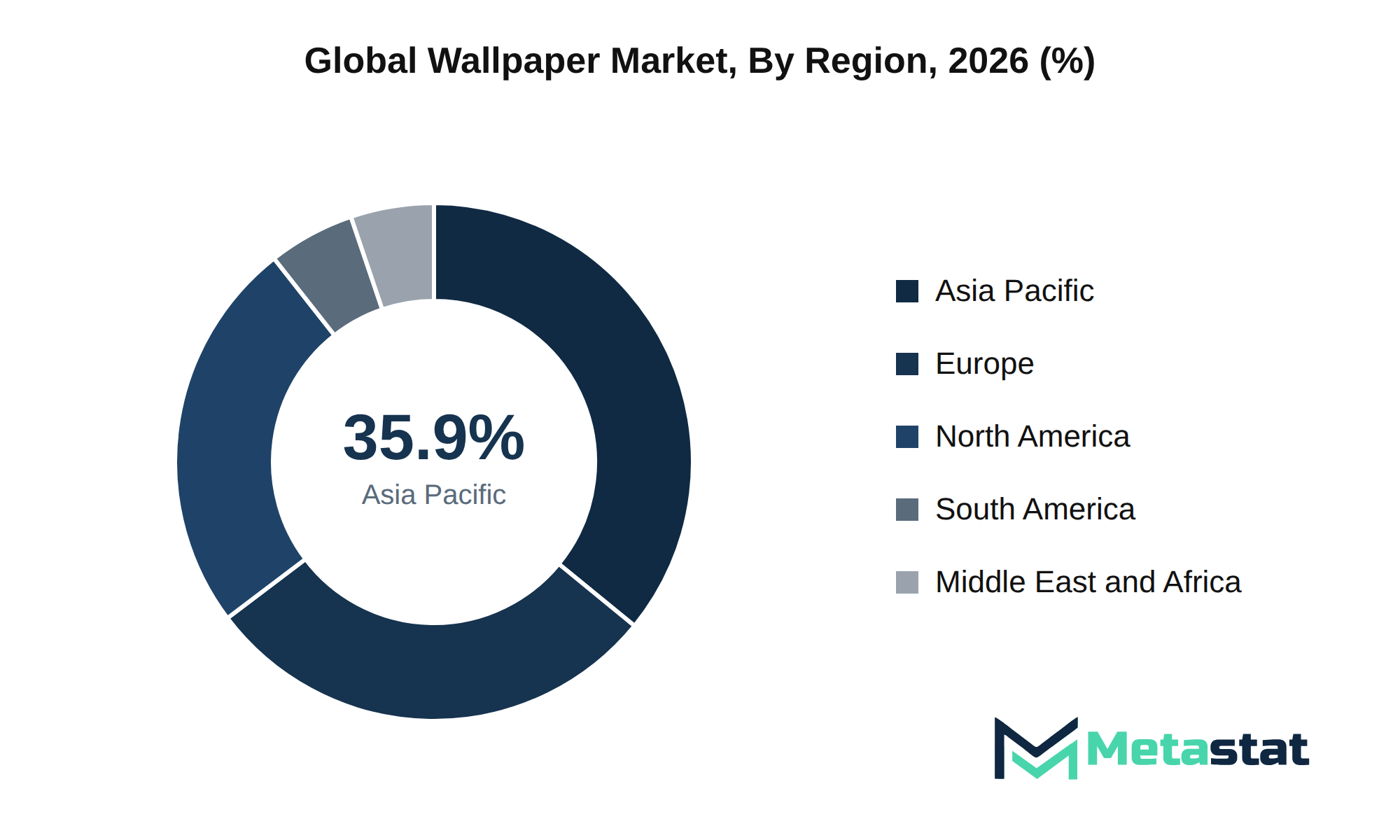
Competitive dynamics within the Wallpaper market reflect a landscape characterized by strategic consolidation and innovation. Key players actively engage in mergers and acquisitions to enhance their market positions and expand product offerings. Collaborations between companies including Asian Paints, Graham & Brown Ltd, and Casamance illustrate the increasing trend toward partnerships that leverage complementary strengths.
Investment in research and development leads to innovative product differentiation among wallpaper manufacturers. Companies like Arte and Élitis focus on unique design aesthetics and sustainable materials, addressing evolving consumer preferences. Competitive pricing strategies among market participants create pressure on margins while enhancing accessibility for a broader customer base.
The Wallpaper market anticipates ongoing competition driven by technological advancements and customer retention strategies. Barriers to entry remain significant due to established brand equity and proprietary technologies held by players including Zambaiti Parati and Phillip Jeffries. Continuous adaptation to consumer trends and preferences shapes the competitive outlook in the coming years.
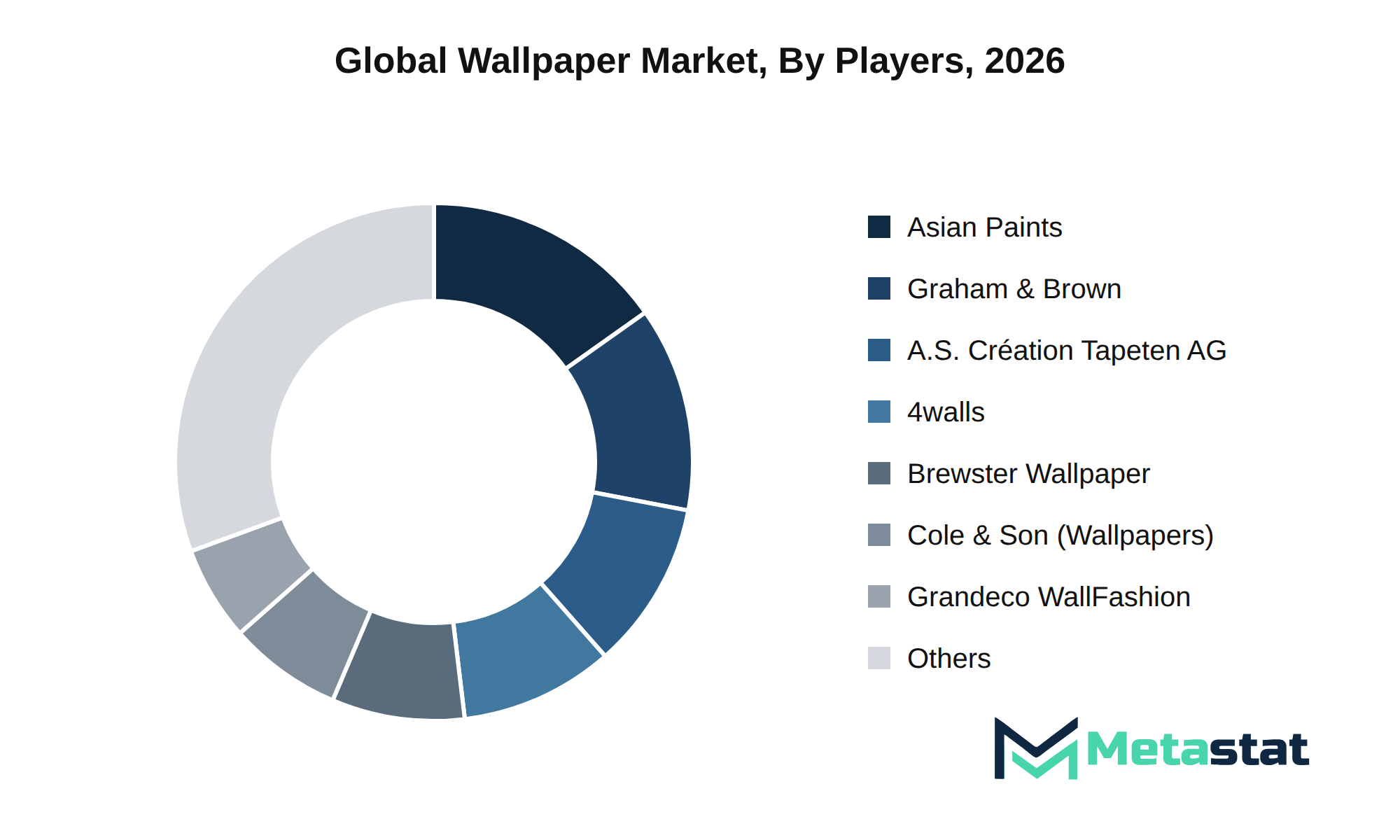
Market size is forecast to rise from USD 2,251.8 million in 2025 to over USD 3,328 million by 2033. The base case projects growth at a 5.0% CAGR, reflecting a robust demand environment driven by a recovery in construction activities and home renovation initiatives across various regions. The wallpaper market experiences a positive trajectory, influenced by increasing consumer preference for aesthetic home design and customization options.
In a bull case scenario, accelerated adoption of next-generation technologies and innovative materials could enhance product appeal, leading to a surge in demand in both residential and commercial sectors. Conversely, the bear case considers potential constraints from economic downturns, which could limit consumer spending on non-essential home improvement products, impacting overall market growth.
Strategic capital allocation will play a vital role in enabling manufacturers to invest in research and development, particularly in response to evolving consumer preferences toward sustainable and environmentally friendly materials. Infrastructure commitments and capital expenditure investments will further support growth opportunities within high-demand segments. The wallpaper market is prepared to adapt to structural consumption shifts, ensuring alignment with emerging consumer trends and regulatory evolution timelines.
The report strategically identifies and profiles the key market players and analyses their core competencies in each sub-segment of the Wallpaper market.
Report Attributes | Details |
Study Period | 2021-2033 |
Base Year | 2025 |
Estimated Year | 2026 |
Forecast Period | 2026-2033 |
Historical Period | 2021-2025 |
Growth Rate | CAGR 5.0% from 2026 to 2033 |
Revenue Unit | USD million |
Segmentation | By Material, Printing Technology, End-Use Sector, Distribution Channel, and Region |
By Region | North America (By Material, Printing Technology, End-Use Sector, Distribution Channel, and Country)
|
Europe (By Material, Printing Technology, End-Use Sector, Distribution Channel, and Country)
| |
Asia Pacific (By Material, Printing Technology, End-Use Sector, Distribution Channel, and Country)
| |
South America (By Material, Printing Technology, End-Use Sector, Distribution Channel, and Country)
| |
Middle East and Africa (By Material, Printing Technology, End-Use Sector, Distribution Channel, and Country)
|
Find answers to common questions about this report
The Wallpaper market size was valued at USD 2,251.8 million in 2025.
The Wallpaper market is projected to grow at a CAGR of 5.0% during the forecast period from 2026 to 2033.
The North America Wallpaper market size is estimated to reach USD 769.1 million by 2033.
The Vinyl / PVC segment leads the Wallpaper market with a value of USD 964.9 million in 2026. This segment's growth trajectory positions it because the largest contributor to market revenue.
Shifts in consumer behavior drive the wallpaper market, with increased demand for personalized and aesthetically pleasing designs in both residential and commercial sectors. Urbanization and a growing interest in home improvement projects enhance the appeal of wallpaper, particularly among younger generations and aging consumers seeking durable, attractive options.
Asia Pacific holds the dominant share of the Wallpaper market, accounting for 35.9 percent in 2025. This region's significant share reflects its strong demand and market presence compared to other regions.
Shifts in consumer behavior favor product adoption in the wallpaper market, driven by a growing preference for personalized and aesthetically pleasing interior designs. Increased interest in home improvement projects, along with the aging population seeking low-maintenance options, enhances the appeal of wallpaper products, creating substantial opportunities for market players to innovate and diversify their offerings.
The Wallpaper market is estimated to reach a valuation of USD 3,328 million by 2033.
Key players in the Wallpaper market include A.S. Création Tapeten AG, Brewster Wallpaper Corporation, Casamance, Graham & Brown Ltd, Sangetsu Corporation, Thibaut, and York Wall Coverings Inc.
The vinyl wallpaper segment is projected to grow from USD 964.9 million in 2026 to USD 1,262 million by 2033, reflecting a CAGR of 3.9%.
The analysts below cover Chemicals and Materials research at Metastat Insights.
LEAD ANALYST
Utkarsh Khirodkar is a Lead Market Research Analyst at MetaStat Insight, specializing in market intelligence, technology sector assessments, and competitive strategy.

INDUSTRY CONSULTANT - CHEMICALS & ADVANCED MATERIALS
Chemicals and Materials · Machinery & Equipment · Packaging
Amit Gadhekar Consultant for Chemicals and Materials at MetaStat Insight, directing sector-specific intelligence, research, and strategic consulting across global chemical and processing markets.
Decarbonizing industrial thermal processes hinges on refrigerant regulations and compressor efficiency limits. Metastat Insights delivered a thorough market analysis that evaluated natural refrigerants like CO2 and hydrocarbons against synthetic low-GWP alternatives. The breakdown of utility incentives and grid capacity constraints across key European manufacturing hubs offered valuable perspective. The follow-up conversation with their sector analysts addressed our specific questions on mechanical vapor recompression systems efficiently.
Assessing 200mm wafer transition schedules and substrate supply bottlenecks requires precise technical intelligence. MetaStat Insight supplied an actionable breakdown comparing planar and trench MOSFET architectures across automotive and industrial drive markets. The regional capacity estimates for Asia-Pacific foundries helped clarify lead-time uncertainties during our strategic planning session. When we needed additional clarification on high-purity raw material sourcing, their analyst team responded with helpful context within twenty-four hours.
Tracking maintenance cycle demand for secondary flight display units and terrain collision avoidance systems across regional jet fleets involves complex aftermarket dynamics. MetaStat Insight provided practical analysis separating airline retrofit programs from OEM forward-fit production schedules in North America and Southeast Asia. The supplier matrix highlighted component obsolescence timelines without resorting to vague generalizations. The dataset served as a dependable reference during our annual program review meetings.
Explore related market intelligence reports worth reading alongside this one.