
Probiotic foods are gaining traction among health-conscious consumers, driven by awareness of gut health and the convenience of on-the-go options.
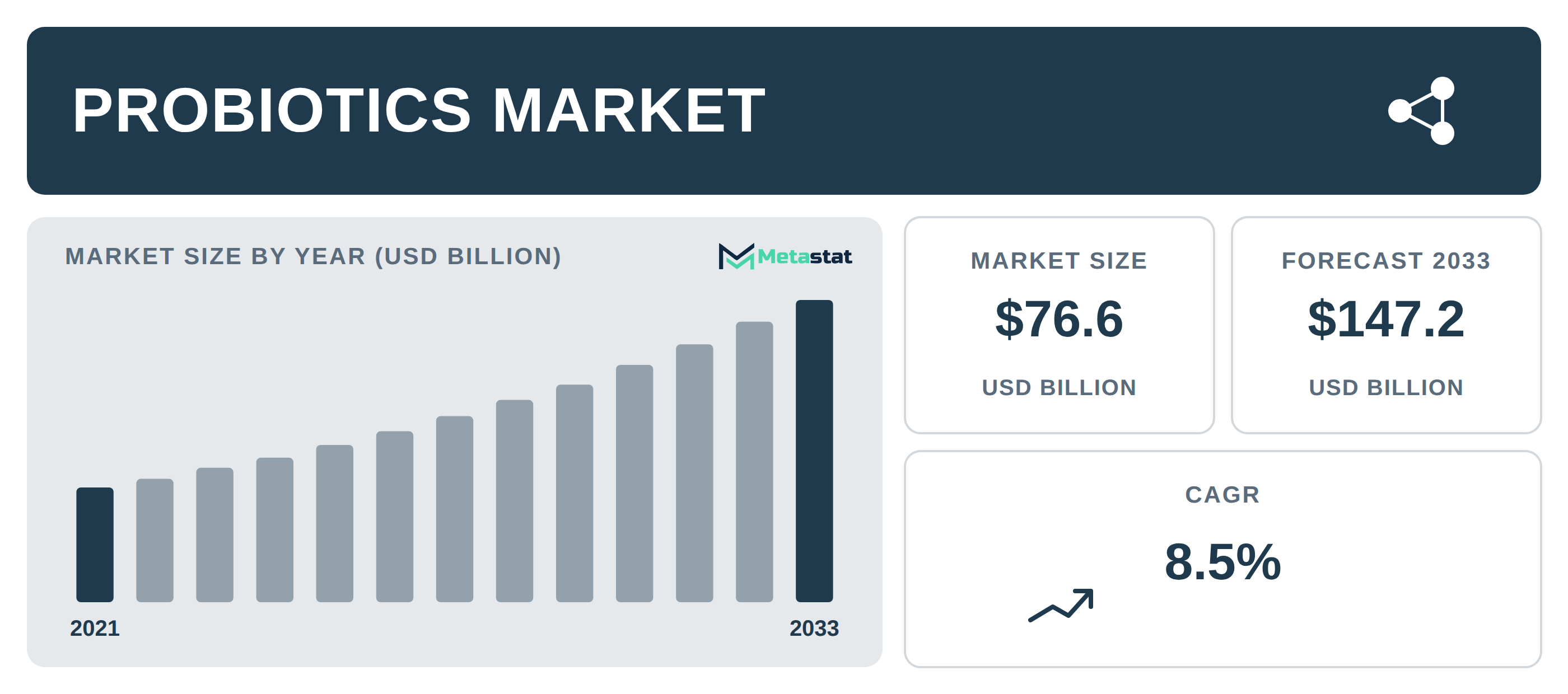
Probiotic foods are experiencing significant demand, outpacing other segments in the health and wellness sector. This surge stems from evolving consumer preferences and a growing focus on preventive healthcare. While interest in the market for Probiotics is notable, the standout performance of probiotic foods highlights broader trends in consumer behavior and health priorities. Probiotics market size and forecast report
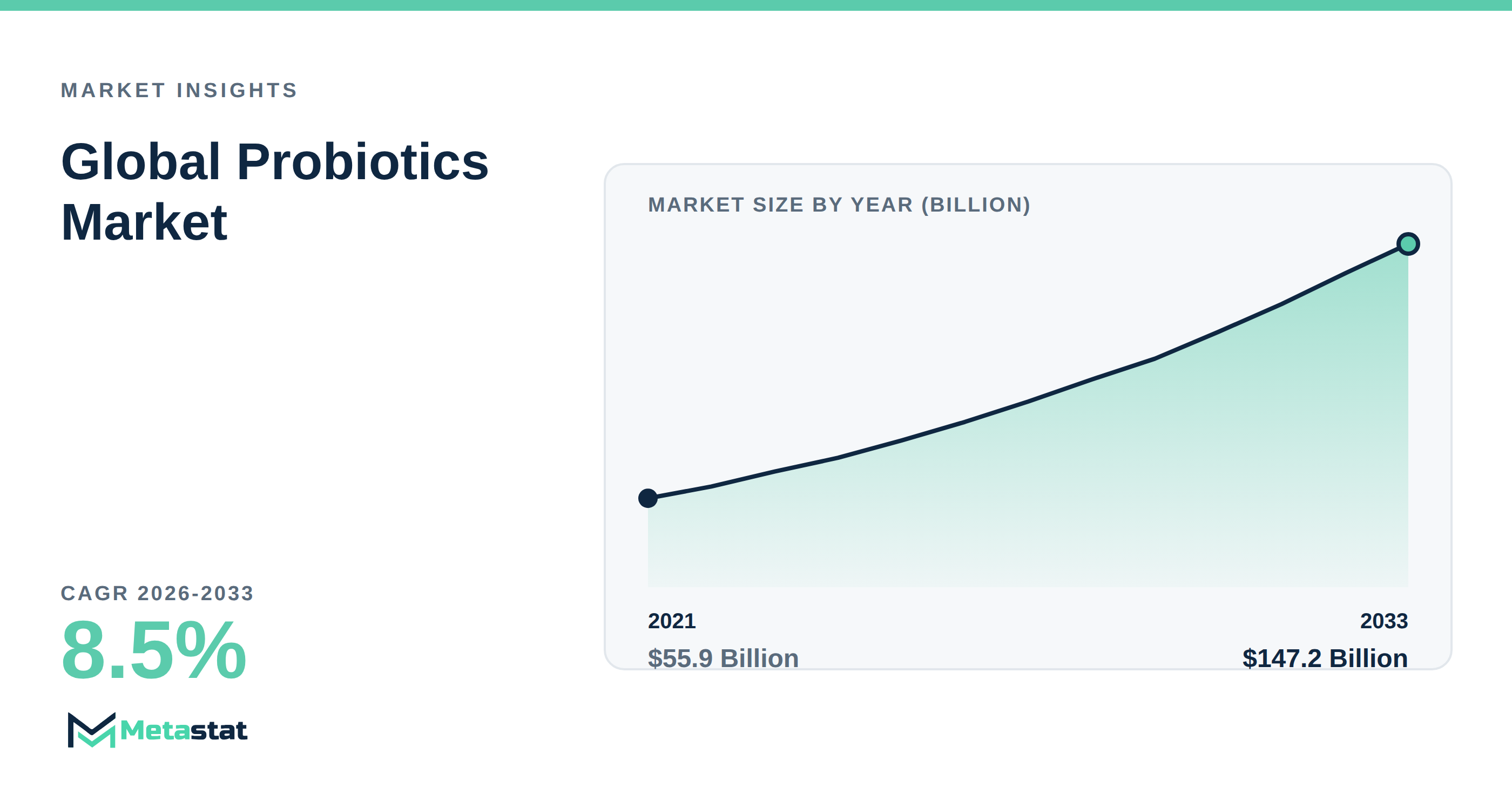
One primary reason for the heightened demand for probiotic foods originates from increased awareness about gut health. People prioritize maintaining digestive wellness, actively seeking products that support their overall health. Probiotic foods, which include yogurt, kefir, sauerkraut, and other fermented items, provide tangible benefits that correspond with this growing health consciousness. With the global focus on preventive measures, consumers increasingly opt for foods that contribute to long-term health, positioning probiotic foods as essential components of their diets.
Financially, probiotic foods are projected to generate approximately USD 54.2 billion by 2033, indicating a robust expansion trajectory. This escalation is driven by various factors, including innovation in food products and the appeal of functional foods. Manufacturers continue to introduce diverse probiotic options, benefiting consumers with increased availability that caters to their health needs.
Convenience further increases the attractiveness of probiotic foods. The ease of on-the-go probiotic snacks and beverages resonates with consumers seeking accessible health solutions. This shift aligns with modern consumption habits, emphasizing products that deliver health benefits while fitting into busy lifestyles.
Marketing strategies have evolved to highlight the health benefits associated with probiotic foods. Effective campaigns that underscore the importance of gut health and its connection to overall wellness have successfully captured consumer attention. By positioning these foods as integral to a balanced diet, brands are effectively driving demand while educating consumers about the advantages of probiotics.
In contrast, while probiotic beverages and dietary supplements remain popular, their growth rates do not match the pace set by probiotic foods. For example, probiotic beverages are anticipated to reach USD 46 billion by 2033, reflecting a slower trajectory compared to foods. This distinction emphasizes that consumers are prioritizing foods providing multiple health benefits and convenience, underscoring how dietary choices impact their overall health.
Increased interest in natural and organic products further drives demand for probiotic foods. Consumers are becoming more discerning regarding ingredient sourcing and product formulations, making probiotic foods that emphasize quality ingredients more appealing. This trend is particularly evident among health-conscious individuals who prefer to avoid artificial additives and seek wholesome, nutrient-rich options.
Ongoing research and development in the probiotic sector contribute to escalating demand. Manufacturers continuously explore ways to enhance the efficacy of probiotic formulations, ensuring products meet the specific health needs of various consumer demographics. This innovation fosters interest and adoption, positioning probiotic foods prominently within health and wellness solutions.
In conclusion, the demand for probiotic foods is on a steep rise, driven by consumer health awareness, convenience, effective marketing, and a growing preference for natural products. This segment stands out amid the crowded field of probiotics, establishing itself as a leader in the industry. While the consumer landscape evolves, companies prioritizing innovation in probiotic food offerings are likely to capture significant opportunities while fulfilling diverse consumer needs.
Tags
About the Authors

LEAD ANALYST
Utkarsh Khirodkar is a Lead Market Research Analyst at MetaStat Insight, specializing in market intelligence, technology sector assessments, and competitive strategy.

LEAD PRINCIPAL ANALYST, PHARMA AND HEALTHCARE
Food and Beverages · Healthcare · Healthcare IT · Medical Devices
Ajay Devgire is the Lead Healthcare Analyst at MetaStat Insight, leading strategic research and market intelligence initiatives across the global healthcare domain.

SENIOR RESEARCH ANALYST
Biotechnology · Food and Beverages · Medical Devices · Packaging
Snehal Pasalkar is a Research Analyst at MetaStat Insight, operating at the intersection of life sciences research, competitive strategy, and market intelligence.