
Explore the varying demands in the US Foodservice sector across regions, highlighting the factors that create divergence and inform strategic decisions.
Regions within the market for US Foodservice are not growing uniformly. Distinct demand trends illustrate how regional preferences and economic factors create divergence in the marketplace. Understanding these trends is crucial for stakeholders aiming to tailor their strategies effectively. US Foodservice market size and forecast report
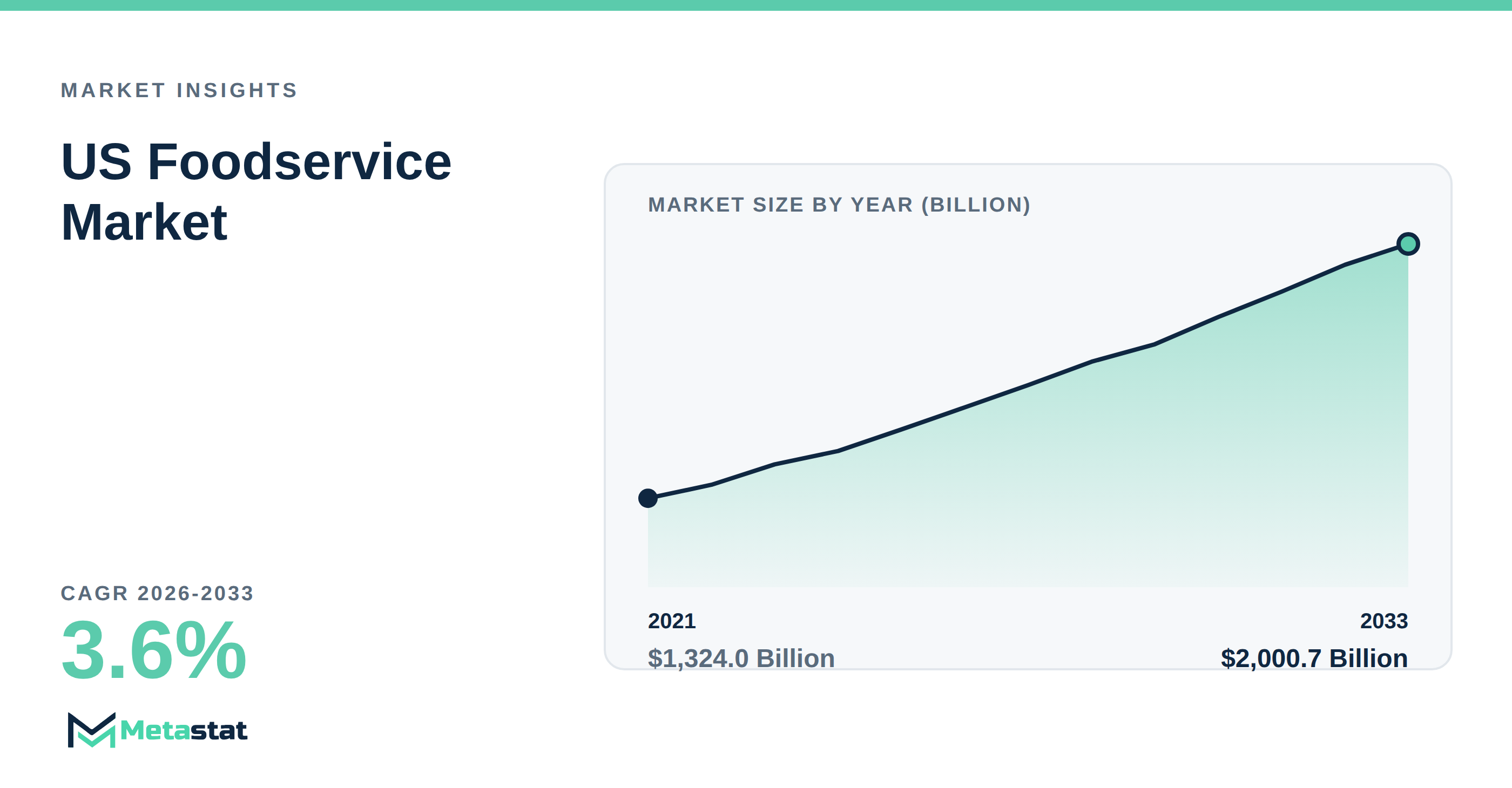
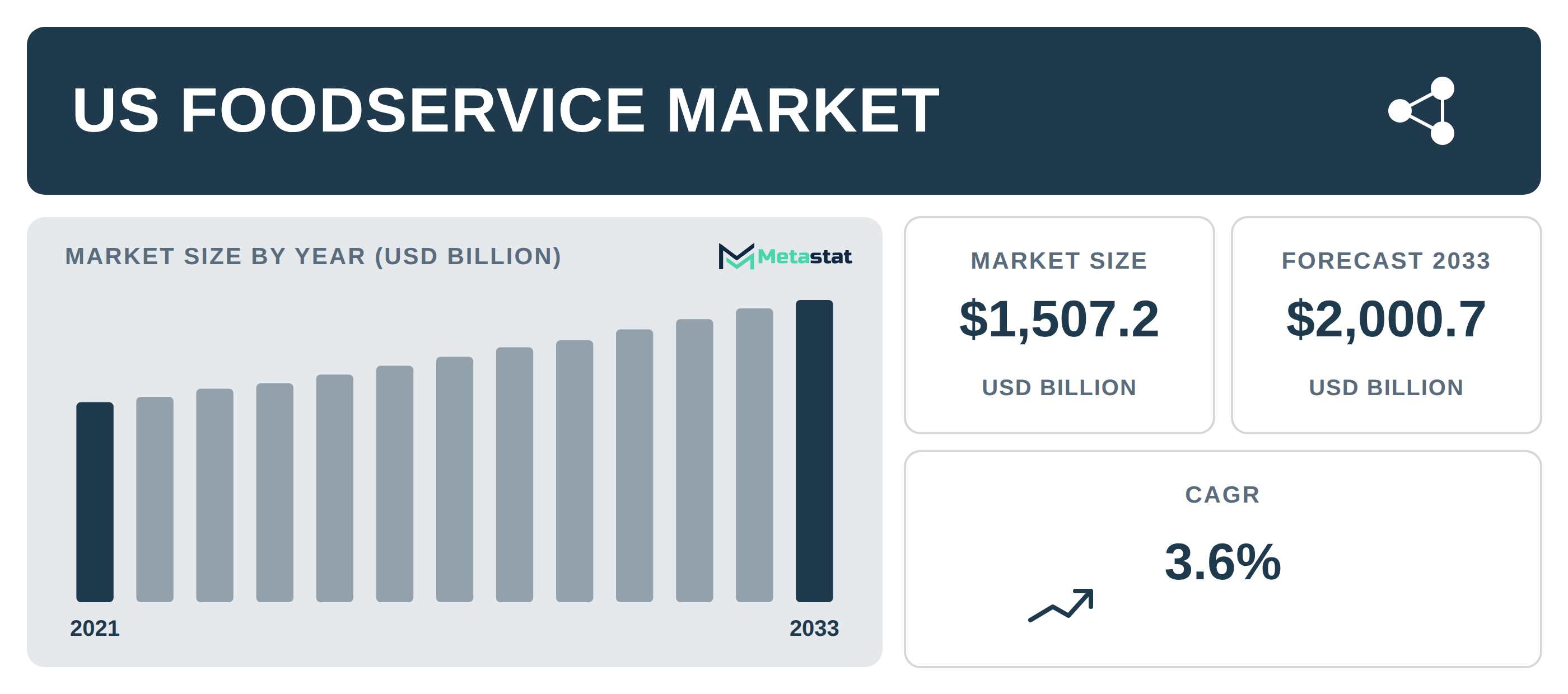
North America demonstrates the largest share of demand, primarily due to a robust consumer base and established infrastructure supporting foodservice operations. High spending levels are driven by preferences for convenience and experiential dining. Conversely, regions including the Midwest lag in growth due to varying socioeconomic factors and shifts in consumer behavior that influence dining trends.
A key driver for regional disparities is the evolving consumer demand for convenience. Busy lifestyles drive consumers towards quick-service options, particularly in urban areas where time constraints are significant. Limited-service restaurants, which provide faster dining solutions, have surged in popularity, especially in regions with higher concentrations of young professionals. In contrast, more rural areas experience slower uptake of these dining formats, reflecting differing lifestyle patterns.
Technological advancements further influence regional demand in the foodservice sector. Digital ordering, delivery services, and the integration of mobile applications have transformed how consumers interact with restaurants. In regions where technology adoption is rapid, foodservice operators benefit from improved customer engagement and streamlined operations. Conversely, areas with slower technological penetration face challenges, as they do not fully capitalize on the conveniences offered by digital platforms.
Labor availability varies across regions, impacting operational capabilities. Regions facing acute labor shortages encounter challenges in maintaining service quality, leading to slower growth. In response, several operators are investing in automation technologies to mitigate reliance on labor and enhance efficiency. This shift creates a competitive edge for businesses in regions where labor costs are consistently rising.
Supply chain risks contribute to regional disparities as well. Fluctuating food prices and availability significantly affect foodservice operators’ strategies. Urban areas tend to have better access to diverse supply chains, allowing for more stable operations compared to rural regions where suppliers are limited. Foodservice businesses in these underserved areas adapt their offerings and pricing strategies to navigate potential supply chain disruptions.
Health-conscious dining preferences are increasingly significant. Regions with a higher awareness of health and wellness trends tend to experience greater demand for healthier dining options and sustainable practices. These preferences impact menu offerings and drive investment in marketing strategies that emphasize local sourcing and nutritional value. However, regions that do not prioritize healthful eating experience stagnant growth, as consumer awareness and demand for healthier options continue to rise.
The differences in regional demand for US Foodservice ultimately highlight the need for operators to adapt their offerings. Catering to local consumer preferences enhances engagement and drives sales. Expanding service channels, optimizing menu offerings, and leveraging technology are critical in aligning with evolving consumer behaviors across different regions.
Ultimately, understanding the factors contributing to regional divergence allows foodservice operators to strategize effectively and capture emerging opportunities. As consumer preferences continue to evolve, those who adapt will thrive in an increasingly competitive environment.
Tags
About the Authors

LEAD ANALYST
Utkarsh Khirodkar is a Lead Market Research Analyst at MetaStat Insight, specializing in market intelligence, technology sector assessments, and competitive strategy.

LEAD PRINCIPAL ANALYST, PHARMA AND HEALTHCARE
Food and Beverages · Healthcare · Healthcare IT · Medical Devices
Ajay Devgire is the Lead Healthcare Analyst at MetaStat Insight, leading strategic research and market intelligence initiatives across the global healthcare domain.

SENIOR RESEARCH ANALYST
Biotechnology · Food and Beverages · Medical Devices · Packaging
Snehal Pasalkar is a Research Analyst at MetaStat Insight, operating at the intersection of life sciences research, competitive strategy, and market intelligence.