
LEAD ANALYST
Utkarsh Khirodkar is a Lead Market Research Analyst at MetaStat Insight, specializing in market intelligence, technology sector assessments, and competitive strategy.

Asia Pacific Immunoassay and Molecular Diagnostics Market Size, Share, By Product Type (Immunoassay Diagnostics and Molecular Diagnostics), By Technology (Enzyme-Linked Immunosorbent Assay (ELISA), Chemiluminescence Immunoassay (CLIA), Electrochemiluminescence Immunoassay (ECLIA), Rapid Lateral Flow and Immunochromatography, Digital PCR, Isothermal Amplification, Next-Generation Sequencing (NGS)), By Application (Infectious Diseases, Oncology, Cardiovascular Diseases, Endocrine and Metabolic Disorders, Autoimmune and Allergy Disorders, Reproductive Health, Genetic and Inherited Disorders, Neurological Disorders), By Region (China, Japan, India, South Korea and Rest of Asia Pacific), Industry Analysis, Growth, Trends, and Forecast, 2026-2033
Report ID
MSI-5005
Published
August, 2026
Pages
304 Pages
Format
Historical
Base year
Forecast
Forecast period
Report Details
Choose Your License
Asia Pacific Immunoassay and Molecular Diagnostics Market
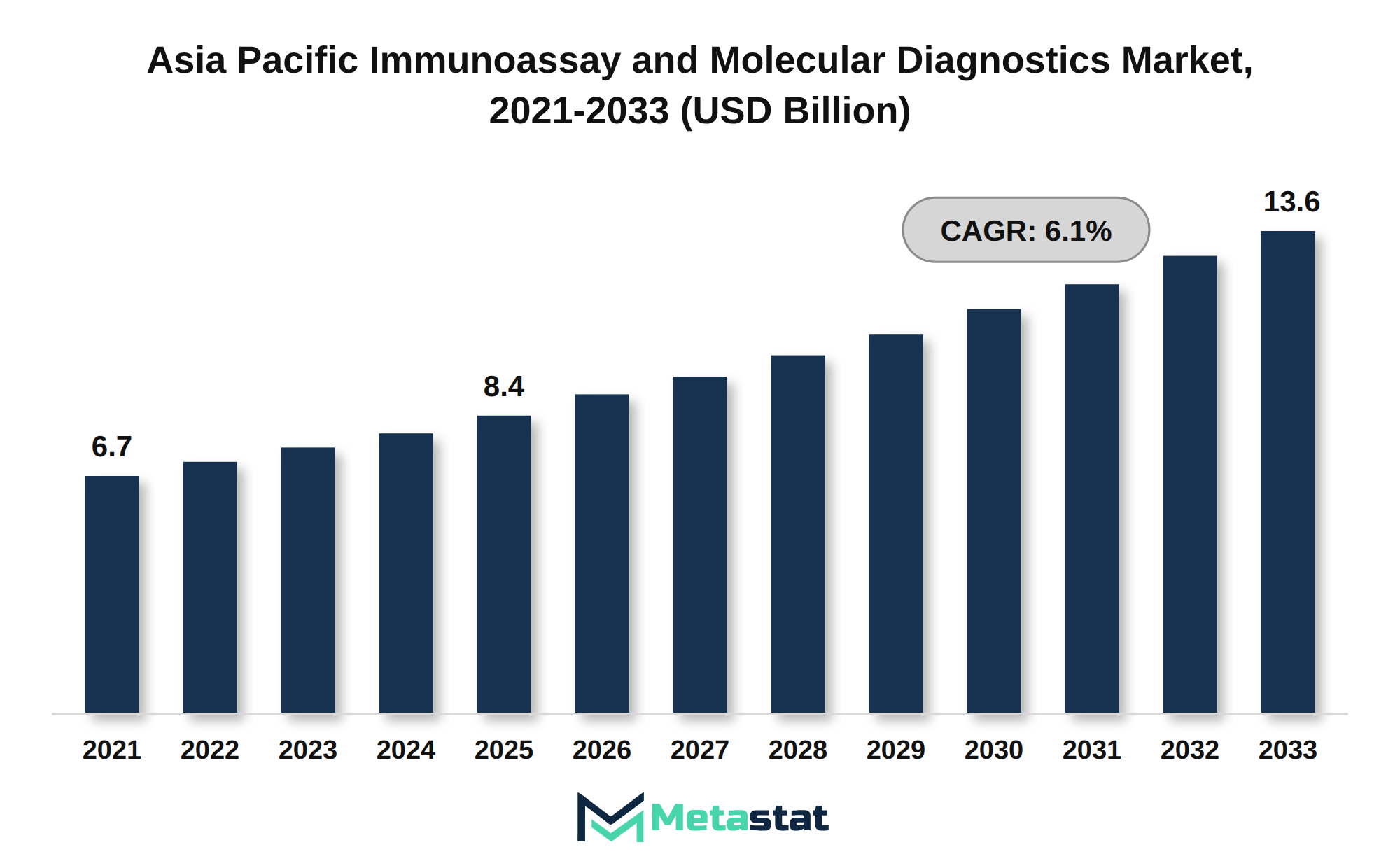
The Asia Pacific Immunoassay and Molecular Diagnostics market was valued at USD 8.4 billion in 2025 and is projected to reach USD 13.6 billion by 2033, growing at a CAGR of 6.1% over the forecast period.
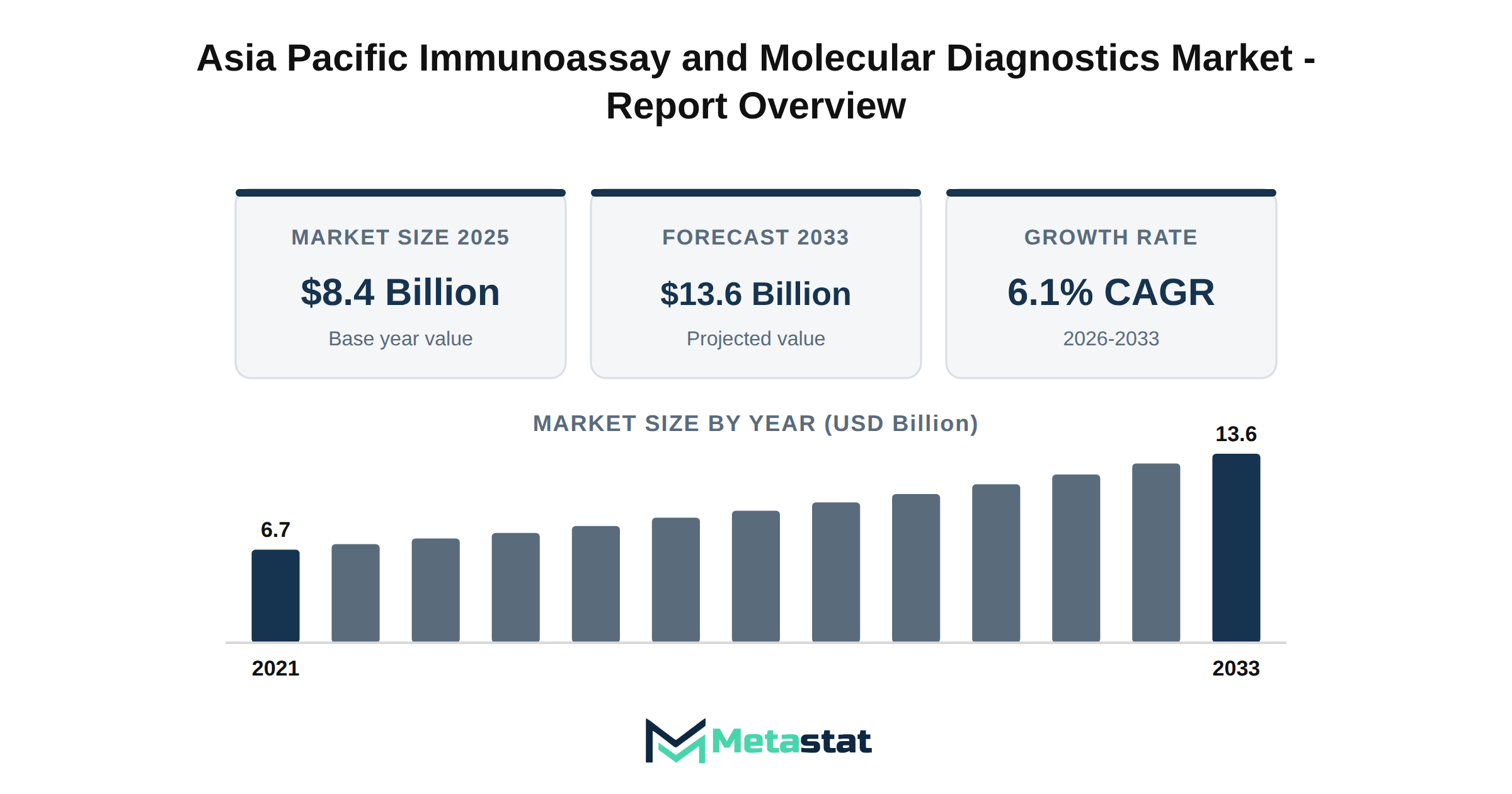
The Asia Pacific Immunoassay and Molecular Diagnostics market experienced a significant growth trajectory, with a base value of USD 8.4 billion in 2025, up from USD 6.7 billion in 2021. This upward trend reflects a compound annual growth rate (CAGR) of 6.1% projected through 2033, where the market is anticipated to reach USD 13.6 billion. The development in this market is driven by increasing demand for rapid and accurate diagnostic tests across various healthcare applications.
Immunoassay diagnostics and molecular diagnostics represent the two primary segments within the market, with immunoassay diagnostics valued at USD 4.8 billion in 2026 and projected to grow to USD 6.5 billion by 2033. This segment is expected to expand at a CAGR of 4.5%. In contrast, molecular diagnostics is projected to achieve a value of USD 7.1 billion by 2033, with a robust CAGR of 7.8%. The increasing prevalence of infectious diseases and the growing focus on personalized medicine significantly contribute to the demand for these diagnostic solutions.
Market players invest in research and development to enhance diagnostic capabilities and improve patient outcomes. Innovations in technology, including next-generation sequencing and digital PCR, reshape the diagnostics field. These advancements enable healthcare providers to deliver more accurate and timely diagnoses, ultimately driving market growth.
Regulatory compliance and standards play a crucial role in shaping the market dynamics. Stringent regulations ensure the safety and efficacy of diagnostic products, influencing market entry and competition. Players operating in this space navigate complex regulatory frameworks to successfully launch their products across various jurisdictions.
The Asia Pacific region is witnessing an increase in infrastructure investments aimed at expanding healthcare facilities and enhancing diagnostic capabilities. This growth in infrastructure supports the adoption of advanced diagnostic technologies, facilitating improved healthcare delivery. Macroeconomic factors, including inflationary pressures and currency volatility, influence the market landscape, impacting pricing strategies and profitability for market participants.
The Asia Pacific Immunoassay and Molecular Diagnostics market is experiencing significant advancements in technology and innovation. Emerging techniques including Enzyme-Linked Immunosorbent Assay (ELISA), Chemiluminescence Immunoassay (CLIA), and Next-Generation Sequencing (NGS) are reshaping diagnostic capabilities. Enhanced sensitivity and specificity are critical for accurate disease detection, particularly in infectious diseases and oncology.
Regulatory compliance continues to influence market dynamics, with governments implementing stringent standards to ensure product safety and efficacy. This regulatory framework builds trust among healthcare providers and patients, driving market adoption. Geopolitical risk frameworks shape investment strategies, impacting supply chain stability and operational efficiencies.
Research and development trajectories focus on next-generation innovations that address unmet clinical needs. Increased investment in sustainable transformation, decarbonization, and circular economy dynamics reflects a commitment to environmentally responsible practices. Such initiatives improve operational resilience and align with global sustainability goals.
The supply chain landscape adapts to challenges posed by inflationary pressures and currency volatility. Companies streamline logistics architecture and sourcing strategies to mitigate disruptions while maintaining cost efficiency. This evolving landscape influences procurement processes and enhances the customer journey and overall user experience.
Market fragmentation presents opportunities for mergers and acquisitions, allowing organizations to consolidate resources and expand their market share. Competitive pressures drive innovations across the value chain, enabling firms to differentiate offerings and enhance profitability. Strategic capital allocation and infrastructure investments support long-term growth objectives, positioning players favorably for future expansion.
Overall, the Asia Pacific Immunoassay and Molecular Diagnostics market is projected to grow, supported by a combination of technological advancements, regulatory frameworks, and evolving market dynamics. Organizations that prioritize innovation and adapt to changing conditions are expected to secure a competitive edge in this expanding landscape.
The Asia Pacific Immunoassay and Molecular Diagnostics market experiences significant advancements driven by digital transformation. Integration of innovative technologies including automation, artificial intelligence, and the adoption of software solutions improves operational efficiency and accuracy in diagnostics processes. Healthcare facilities prioritize these technologies to streamline workflows, reduce turnaround times, and enhance patient outcomes.
Healthcare providers benefit from improved data management and analytics capabilities. Enhanced diagnostics technologies allow for faster detection and monitoring of diseases, aligning with the evolving demand for timely healthcare solutions. Increasing emphasis on precision medicine and personalized treatments further emphasizes the need for sophisticated diagnostic tools, propelling demand within the market.
The ongoing shift towards digitizing legacy processes supports a more robust and resilient healthcare ecosystem. Investments in modern infrastructure and technology facilitate better resource allocation and operational productivity, positively influencing growth in the Asia Pacific Immunoassay and Molecular Diagnostics market. While the sector adapts to consumer behaviors and expectations, the integration of digital solutions serves because a critical driver for future market expansion.
Investment in healthcare infrastructure significantly influences the Asia Pacific Immunoassay and Molecular Diagnostics market. Governments and private sectors increasingly prioritize health system upgrades to accommodate rising demand for diagnostics services. Enhanced healthcare facilities and improved access to advanced diagnostic technologies facilitate the integration of immunoassay and molecular diagnostics in clinical settings. This trend stems from several macroeconomic factors, including GDP growth and venture funding, which enhance public and private spending power in the region.
Increased investments directly translate into better laboratory capacities and more sophisticated diagnostic equipment, resulting in improved diagnostic accuracy and efficiency. The focus on enhancing healthcare capabilities aligns with the growing need for timely and accurate disease detection, particularly in areas of infectious diseases and oncology. Consequently, hospitals and diagnostic laboratories experience improved operational productivity and efficiency through the adoption of modern diagnostic solutions.
The ongoing modernization of healthcare infrastructure supports a competitive environment, driving innovation in product offerings. Companies operating within the Asia Pacific Immunoassay and Molecular Diagnostics market benefit from an expanding range of diagnostic solutions tailored to specific healthcare needs. This investment climate supports the development of advanced technologies, ensuring that market participants remain competitive in diagnostic capabilities and service delivery.
Regulatory compliance presents considerable challenges within the Asia Pacific Immunoassay and Molecular Diagnostics market. Stricter regulations and legal mandates require significant investments in compliance infrastructure, impacting operational budgets. Smaller firms frequently face difficulties in meeting these compliance requirements, resulting in diminished competitiveness against larger players that possess the resources to adapt more readily.
Macroeconomic headwinds, including inflationary pressures, contribute to rising costs for producers. Increased expenses associated with regulatory compliance lead to delayed product launches and reduced innovation, ultimately hindering growth in the market. Investment in new technologies faces constraints owing to the underlying economic environment, limiting opportunities for advancement in diagnostic capabilities.
Technological obsolescence poses additional risks, particularly for companies relying on outdated methodologies. The adoption of newer technologies, including Next-Generation Sequencing, requires companies to allocate resources to upgrade existing systems, creating further financial strain. Coupled with supply chain disruptions and geopolitical instability, these factors compound the operational challenges faced by firms in the market, leading to significant operational difficulties.
Cultural barriers and regional adoption resistors impede the market's growth potential. Differences in healthcare practices and varying levels of acceptance for diagnostic technologies across the region create inconsistency in adoption rates. This fragmentation results in uneven market performance, with several areas progressing rapidly while others lag behind, limiting overall market expansion.
Geopolitical fragmentation and trade deficits present considerable challenges within the Asia Pacific Immunoassay and Molecular Diagnostics market. Heightened tensions among regional economies disrupt supply chains, complicating the procurement of essential components and materials necessary for diagnostic technologies. Multiple countries impose tariffs, influencing costs and availability of imported goods, which further strains resources for manufacturers and suppliers in the market.
Technological disruptions introduce additional complexities, particularly in research and development integrations. Companies encounter difficulties in adopting new technologies due to compatibility issues, resulting in slower innovation cycles. These integration challenges create barriers for market participants striving to enhance diagnostic solutions that meet evolving healthcare demands.
Tight margins and pricing compression exert pressure on companies, compelling them to optimize operational efficiencies while maintaining product quality. Rising input costs, stemming from fluctuating prices in raw materials and logistics disruptions, contribute to financial strain. Organizations within the market address these challenges to sustain profitability and remain competitive.
Talent retention pressures emerge alongside workforce skill gaps, impacting the availability of qualified personnel necessary for advancing diagnostic capabilities. The growing demand for specialized skills in areas including molecular diagnostics increases competition for talent, which hinders overall growth potential in the market.
The Asia Pacific Immunoassay and Molecular Diagnostics market navigates these multifaceted challenges to achieve sustained growth and innovation. Continued commitment to addressing geopolitical and economic factors is critical for companies aiming to thrive in this dynamic environment.
The Asia Pacific Immunoassay and Molecular Diagnostics market exhibits robust potential driven by significant technological disruptions. Innovations including next-generation sequencing and digital PCR enhance diagnostic capabilities, enabling rapid and precise results across various applications, including oncology and infectious diseases. Adoption of these advanced technologies results in improved patient outcomes and operational efficiencies, appealing to healthcare providers seeking to enhance diagnostic performance.
Investment in digital transformation projects optimizes workflow and integrates data management systems, which strengthens the overall diagnostic process. This transition supports healthcare facilities in addressing the increasing demand for efficient and accurate testing solutions, thereby contributing to market growth.
Sustainability imperatives influence market dynamics by promoting eco-friendly practices within manufacturing and waste management processes. Stakeholders increasingly prioritize environmentally responsible innovations, aligning with broader ESG-driven initiatives. This focus on sustainability enhances corporate reputation and attracts investment, further stimulating market growth.
Geographical expansion remains a key driver, with emerging economies in the Asia Pacific region investing in healthcare infrastructure. This expansion facilitates wider access to advanced diagnostic solutions and creates opportunities for local players to capture market share. The increasing demand among healthcare providers for reliable diagnostic tools strengthens the competitive landscape.
Strategic consolidation through cross-industry mergers and acquisitions encourages innovation and product integration, enabling companies to offer comprehensive solutions that meet evolving market needs. This consolidation supports enhanced research and development efforts, ensuring the market remains competitive and responsive to technological advancements.
The Asia Pacific Immunoassay and Molecular Diagnostics market is projected for substantial growth, driven by emerging technological disruptions, sustainability initiatives, and strategic expansions. These factors are expected to play a crucial role in shaping the future of diagnostic practices across the region.
The Asia Pacific Immunoassay and Molecular Diagnostics market is segmented based on Product Type, Technology, Application, and Region.
Valued at USD 4.8 billion in 2026, the Immunoassay Diagnostics segment is projected to reach USD 6.5 billion by 2033, at a CAGR of 4.5% during the forecast period. Factors driving demand include an increase in the prevalence of infectious and chronic diseases, which escalates the need for accurate and rapid diagnostic solutions. Technological advancements enhance the capabilities of immunoassay diagnostics, facilitating improved detection rates and patient outcomes.
Investments in healthcare infrastructure and the proliferation of point-of-care testing support segment growth. Healthcare providers and laboratories adopt these technologies to deliver faster results and enhance patient management strategies. The expanding application of immunoassay diagnostics in oncology and infectious disease testing concentrates demand among healthcare institutions.
Regulatory compliance and quality certifications establish critical benchmarks for product acceptance, influencing the competitive landscape. Manufacturers prioritize meeting these standards to ensure market access, reinforcing the importance of adhering to compliance protocols. Pricing strategies in this segment reflect competitive dynamics, where variations in test complexity and technology impact overall cost structures.
Emerging economies within the Asia Pacific region exhibit increasing investment in healthcare technology and infrastructure, further supporting the immunoassay diagnostics market. This shift indicates a strategic opportunity window for companies to expand their presence and cater to the growing demand across diverse end-use dynamics, including hospitals, diagnostic laboratories, and research institutions.
Molecular diagnostics is essential in disease detection, monitoring, and management, driving demand across various healthcare sectors. The anticipated growth stems from increasing prevalence of infectious diseases and genetic disorders, alongside a rising focus on personalized medicine and targeted therapies. Healthcare providers prioritize rapid and accurate diagnostic solutions, accelerating the adoption of molecular diagnostics technologies.
Factors influencing segment expansion include advancements in technologies including digital PCR and next-generation sequencing, which enhance testing accuracy and speed. The evolution of these products supports broader application in oncology, infectious diseases, and genetic testing, expanding the market reach. Investment in research and development enhances product offerings, positioning molecular diagnostics because a preferred choice among healthcare professionals.
Regulatory compliance and certification processes continue to shape market dynamics, ensuring the safety and reliability of molecular diagnostic products. Compliance with established standards builds trust among end users, while the rising demand for lab testing further emphasizes the segment's importance in the Asia Pacific Immunoassay and Molecular Diagnostics market.
Cost structures and pricing volatility present ongoing challenges within the segment, influencing the competitiveness of molecular diagnostics solutions. Companies focus on optimizing their operational efficiencies and supply chain resilience to mitigate these pressures, ensuring sustained growth and profitability. The segment is estimated to reach USD 7.1 billion by 2033, at a CAGR of 7.8% during the forecast period.
In the Asia Pacific Immunoassay and Molecular Diagnostics market, the Enzyme-Linked Immunosorbent Assay (ELISA) segment gains traction due to its reliability and versatility in detecting various biomolecules. Primary demand drivers include the rising prevalence of infectious diseases and the growing focus on early diagnosis, enhancing patient outcomes. Increasing investments in healthcare infrastructure and advancements in technology support the segment's growth, driving innovation in assay development.
The technological maturation of ELISA enables laboratories to achieve higher throughput and efficiency. Upgrades to next-generation platforms enhance sensitivity and specificity, meeting the needs of diverse applications in clinical diagnostics, research, and pharmaceutical development. Downstream applications extend across multiple therapeutic areas, including oncology, infectious diseases, and autoimmune disorders, reflecting a dynamic shift in consumption patterns toward more precise diagnostic solutions.
Regulatory compliance and certifications play a critical role in the adoption of ELISA products, ensuring quality and safety standards are met. Market players navigate cost structures and pricing volatility, which influence profit margins within the segment. Strategic opportunities arise from the increasing demand for ELISA in personalized medicine and the shift toward point-of-care testing, further expanding the segment's footprint in the Asia Pacific Immunoassay and Molecular Diagnostics market.
Supply chain resilience is essential in maintaining consistent availability of raw materials for ELISA kits. Manufacturers face challenges related to sourcing and logistics vulnerabilities, which impact overall production efficiency. The threat of disruptive alternatives, including other immunoassay technologies and molecular diagnostics, necessitates continuous innovation and investment to address risks associated with technological obsolescence.
Technological advancements drive the adoption of Chemiluminescence Immunoassay (CLIA) within the Asia Pacific Immunoassay and Molecular Diagnostics market. This technology facilitates high sensitivity and specificity in detecting various analytes, making it essential for applications in infectious diseases and oncology. The continuous evolution of CLIA technology enhances its reliability, ensuring high-throughput testing capabilities in clinical laboratories. Such features attract healthcare providers, who prioritize accuracy and efficiency in diagnostics.
End-users increasingly favor Chemiluminescence Immunoassay due to its rapid turnaround times and ease of integration into existing laboratory workflows. The demand for timely diagnostics, particularly in emergency and critical care settings, drives market growth. Regulatory compliance increasingly emphasizes the need for validated and certified testing methods, further supporting the uptake of CLIA.
Strategic investments from leading companies in the Asia Pacific region enhance innovation in this sub-segment. Ongoing research and development activities focus on enhancing the capabilities of CLIA, aiming to address emerging infectious diseases and chronic conditions. These investments contribute to the broadening scope of applications, enabling the technology to meet diverse healthcare needs across the region.
Market dynamics reflect shifts in healthcare priorities, with a growing emphasis on preventative care and early diagnosis. This trend enhances the relevance of Chemiluminescence Immunoassay, driven by healthcare systems adapting to evolving patient care models. Overall, the segment's development aligns with broader market growth strategies, positioning it favorably within the Asia Pacific Immunoassay and Molecular Diagnostics market.
Adoption of Electrochemiluminescence Immunoassay (ECLIA) technology is driven by its high sensitivity and specificity for various analytes, making it a preferred choice for clinical laboratories. The capability to detect low concentrations of biomarkers enhances its application in crucial areas including oncology and infectious diseases, aligning with the growing need for accurate diagnostics in these fields.
Technological maturation underpins the segment's growth, with advancements in ECLIA techniques resulting in faster turnaround times and improved assay performance. Increased investment in research and development supports this evolution, leading to the introduction of next-generation ECLIA platforms that offer enhanced features and capabilities.
Downstream applications of ECLIA span a range of healthcare settings, from hospitals to outpatient facilities, reflecting the expanding utilization of these assays in routine diagnostics. Shifts in consumption patterns toward personalized medicine and point-of-care testing further fuel demand for this technology, driven by healthcare providers seeking more efficient diagnostic solutions.
Compliance with regulatory standards remains critical for ECLIA products, ensuring they meet safety and efficacy requirements. The segment experiences cost pressures related to maintaining quality and compliance, impacting pricing strategies. The ability to deliver reliable results justifies the costs associated with ECLIA testing, supporting its continued adoption across the Asia Pacific Immunoassay and Molecular Diagnostics market.
Rapid lateral flow and immunochromatography technologies play a vital role in the Asia Pacific Immunoassay and Molecular Diagnostics market, particularly for point-of-care testing applications. Increased demand for rapid diagnostic tests, especially in infectious disease detection, drives adoption across healthcare facilities. The segment has expanded due to advancements in assay sensitivity and specificity, enabling quick and reliable results that benefit both patients and healthcare providers.
Technological maturation of rapid lateral flow assays has led to more intuitive designs and user-friendly interfaces, enhancing accessibility for end-users. Constant innovation in product evolution, including multiplex testing capabilities, supports the identification of multiple pathogens simultaneously, catering to the growing need for efficient diagnostics. This evolution aligns with end-use dynamics, where healthcare providers prioritize rapid and accurate testing to manage public health challenges effectively.
Regulatory compliance standards influence product development, ensuring that rapid lateral flow and immunochromatography tests meet safety and performance criteria. Compliance with international certifications builds trust among healthcare professionals and patients, further promoting market growth. Pricing volatility and margin pressures in the segment require manufacturers to adapt strategies to maintain competitiveness while ensuring high-quality outputs.
Strategic opportunity windows emerge through partnerships and collaborations among industry players, enhancing supply chain resilience and raw material sourcing. Such collaborations improve effective logistics management and reduce the risks associated with disruptions. Manufacturers focusing on technological advancements and strategic alignment within the market position themselves favorably to capture growing demand in the Asia Pacific Immunoassay and Molecular Diagnostics market.
Growing interest in precision medicine and personalized healthcare drives the adoption of Digital PCR technology within the Asia Pacific Immunoassay and Molecular Diagnostics market. This technology provides high sensitivity and specificity, essential for detecting low-abundance nucleic acids in various applications, including oncology and infectious disease management.
Rapid advancements in Digital PCR technology enhance its capabilities, leading to increased demand from healthcare providers and research institutions. Innovations, including automation and integration with next-generation sequencing, create more efficient workflows, reducing time and labor costs associated with traditional PCR methods.
Regulatory compliance and the push for standardization in diagnostic testing strengthen the market position for Digital PCR. New certifications and guidelines promote its use in clinical laboratories, ensuring that tests meet rigorous quality standards and improve patient outcomes.
Shifting consumption patterns favor high-throughput technologies, with Digital PCR emerging because a preferred choice for laboratories aiming to increase diagnostic throughput. The growing prevalence of genetic disorders and infectious diseases necessitates advanced diagnostic tools, ensuring sustained demand for this technology.
Investment in research and development accelerates the evolution of Digital PCR products. Companies focus on creating multipurpose platforms that address diverse applications, generating competitive advantages in the market. This strategic direction opens new opportunities for collaboration between technology developers and end-users in various healthcare settings.
Isothermal amplification technology has gained traction within the Asia Pacific Immunoassay and Molecular Diagnostics market due to its efficiency in increasing nucleic acids at constant temperatures. This technology addresses the growing demand for rapid and accurate diagnostics, particularly in infectious disease testing.
Factors driving adoption include the technology's ability to simplify procedures, reduce the need for sophisticated laboratory equipment, and enhance accessibility in resource-limited settings. Healthcare providers increasingly seek point-of-care testing solutions; isothermal amplification offers significant advantages in terms of speed and user-friendliness.
Technological maturation in isothermal amplification techniques contributes to the segment's expansion. Innovations including the development of new reagents and improvements in sensitivity and specificity enhance performance, making these tests more reliable for clinical applications. The evolution of next-generation upgrades ensures that diagnostic tools remain relevant and effective, aligning with emerging healthcare needs.
Downstream applications of isothermal amplification span various fields, including infectious diseases, oncology, and genetic testing. This versatility strengthens its position within the market, attracting interest from diverse end users. Consumption shifts towards more efficient and cost-effective diagnostic solutions further support the segment's growth trajectory.
Regulatory compliance and certifications play an important role in shaping the landscape for isothermal amplification technologies. Adherence to evolving standards ensures that products meet safety and efficacy requirements, building trust among healthcare providers and patients. Capital investment in research and development is expected to drive innovation and facilitate the introduction of refined products into the market.
Investments in Next-Generation Sequencing (NGS) technology reflect a growing emphasis on precision medicine and personalized healthcare solutions. Increasing demand for accurate and rapid diagnostic tools drives the expansion of this segment. The ability of NGS to provide comprehensive genomic insights supports its adoption across various applications including oncology, infectious diseases, and genetic disorders. Integration of NGS into routine diagnostics enhances overall efficiency and effectiveness in disease management strategies. Regulatory compliance and certification processes associated with NGS adoption require adherence to stringent quality standards, influencing market dynamics. Technological maturation enables continual advancements in NGS capabilities, stimulating interest from healthcare providers and researchers. Consumption shifts toward more sophisticated diagnostic approaches drive manufacturers to innovate, ensuring that product evolution aligns with user needs and market expectations. The Asia Pacific Immunoassay and Molecular Diagnostics market includes a diverse landscape that embraces NGS technologies alongside other advanced methodologies.
Innovative technologies within the Others segment, encompassing Multiplex Bead-Based Assays, FISH, and Microarray, significantly contribute to the Asia Pacific Immunoassay and Molecular Diagnostics market. These advanced methodologies enhance the capability to conduct simultaneous testing for multiple targets, increasing efficiency and accuracy in diagnostics. The rising prevalence of genetic disorders and infectious diseases drives demand for these technologies, reflecting their role in precision medicine.
Technological maturation fuels continuous improvements and innovations, resulting in more refined products that cater to evolving market needs. Demand for rapid, reliable results in laboratory settings drives the adoption of these advanced methodologies, which facilitate complex analyses in various applications, including oncology and personalized medicine.
Intensifying competition among industry players accelerates product evolution, leading to more effective solutions that align with clinical requirements and patient needs. Evolving healthcare systems create a critical need for sophisticated diagnostic tools to enhance patient outcomes, influencing end-use dynamics across healthcare facilities. Regulatory compliance standards and certifications play a vital role in validating these technologies, ensuring they meet industry benchmarks.
The global shift towards integrated healthcare systems emphasizes the importance of high-throughput and multiplex capabilities, encouraging further investment in this segment. Strategic opportunity windows arise, prompting companies to explore collaborations and partnerships to enhance product offerings and market reach. This landscape defines the Others segment, highlighting its relevance within the broader Asia Pacific Immunoassay and Molecular Diagnostics market.
Infectious diseases represent a significant focus within the Asia Pacific Immunoassay and Molecular Diagnostics market, driven by a rising prevalence of various pathogens and the continued threat of infectious outbreaks. These factors necessitate the development of advanced diagnostic solutions, enhancing the demand for innovative testing methods.
Technological maturation facilitates adoption, supported by improvements in assay sensitivity and specificity that contribute to more reliable results. The demand for rapid and accurate testing significantly influences segment expansion, with healthcare providers seeking efficient solutions to address emergencies and routine screenings.
Regulatory compliance standards play a critical role in shaping product development, pushing manufacturers to enhance quality and safety in their offerings. Certifications from recognized bodies further increase market confidence and encourage adoption across healthcare settings.
Cost structures and pricing volatility present challenges for suppliers, impacting margins and accessibility of diagnostic tests. Stakeholders continuously seek strategic opportunities to improve supply chain resilience, focusing on raw material sourcing and logistics vulnerabilities to mitigate disruptions.
Consumption shifts towards point-of-care testing reflect changing preferences among end-users, promoting the growth of portable and user-friendly diagnostic tools. These trends highlight the evolving landscape of infectious disease diagnostics in the Asia Pacific region, emphasizing the importance of innovation and adaptability within the market.
Oncology applications within the Asia Pacific Immunoassay and Molecular Diagnostics market experience significant demand driven by the increasing prevalence of cancer across the region. Rising awareness regarding early detection and personalized treatment options contributes to this demand, driving growth in innovative diagnostic solutions. The ongoing evolution of technologies including Next-Generation Sequencing (NGS) and Digital PCR enhances the capabilities of diagnostic tools, enabling more accurate and timely results. Investments in research and development further drive advancements in oncology diagnostics, resulting in a continuous stream of next-generation upgrades that improve efficacy and reduce time to diagnosis. Regulatory compliance standards play an essential role in shaping the market, with stringent guidelines pushing manufacturers to enhance product quality and validation processes. The focus on oncology leads to evolving consumption patterns, with healthcare providers increasingly seeking advanced diagnostic solutions to meet the demands of precision medicine. Strategic opportunities arise from new technologies disrupting traditional methods, shifting the market and creating space for innovative solutions. The combination of rising cancer incidences and technological maturation positions the oncology segment for substantial growth within the Asia Pacific Immunoassay and Molecular Diagnostics market.
Cardiovascular diseases represent a significant health challenge across the Asia Pacific region, prompting intensified focus on diagnostic solutions. Increasing prevalence of lifestyle-related conditions, including hypertension and diabetes, drives demand for effective diagnostic tools. Medical professionals and healthcare institutions seek precise and rapid testing to enhance patient outcomes, influencing market dynamics substantially.
Segment expansion is driven by ongoing advancements in diagnostic technology, particularly immunoassay platforms. Enhanced sensitivity and specificity of assays improve detection rates for cardiovascular conditions, aligning with the shift towards proactive healthcare management. Continuous innovations in product offerings contribute to the evolution of diagnostic capabilities, ensuring alignment with emerging medical needs.
Regulatory compliance standards play an important role in shaping the landscape, compelling manufacturers to adhere to stringent quality benchmarks. These regulations ensure patient safety while enhancing market credibility, influencing purchasing decisions among healthcare providers. The cost structures associated with developing and producing high-quality diagnostics align with industry expectations, maintaining a competitive edge.
Investment in research and development reflects a strategic opportunity window, enabling companies to explore disruptive alternatives that address existing diagnostic gaps. The market continues to experience consumption shifts, with healthcare systems prioritizing rapid, accurate diagnostics that facilitate timely intervention. These trends highlight a resilient supply chain that optimizes raw material sourcing to mitigate logistical vulnerabilities.
The Asia Pacific Immunoassay and Molecular Diagnostics market experiences growth driven by both technological maturation and evolving end-use dynamics. The ongoing commitment to improving diagnostic accuracy positions the market favorably for future expansion.
In recent years, the demand for diagnostic solutions addressing endocrine and metabolic disorders has surged significantly in the Asia Pacific Immunoassay and Molecular Diagnostics market. This increasing demand stems from the rising prevalence of conditions including diabetes, obesity, and thyroid disorders within the region. Growing awareness about early detection and effective management of these diseases drives investment in advanced diagnostic technologies.
Technological maturation in immunoassay and molecular diagnostics drives segment expansion. Innovations in assay technologies and laboratory automation enhance accuracy and efficiency, attracting healthcare providers seeking reliable solutions for patient management. Next-generation upgrades and product evolution continually improve diagnostic capabilities, further stimulating market interest.
End-use dynamics illustrate a shift towards personalized medicine, with healthcare providers increasingly adopting diagnostic tools to tailor treatment plans. Regulatory compliance standards and certifications ensure that diagnostic products meet safety and efficacy requirements, building trust among consumers and healthcare professionals. These factors create strategic opportunity windows for companies operating in this segment, encouraging further investment in research and development.
Cost structures and pricing volatility exert influence on market players, necessitating efficient production processes to maintain profitability. Supply chain resilience enhances the ability to respond to fluctuations in demand and raw material sourcing. Awareness of disruptive alternatives and technological obsolescence informs strategic planning within the market, shaping the competitive environment and encouraging innovation.
The Asia Pacific Immunoassay and Molecular Diagnostics market continues to evolve, driven by critical factors that influence adoption and investment in key applications for endocrine and metabolic disorders. Companies that strategically navigate these challenges are well positioned to capitalize on emerging trends and shifts in healthcare delivery.
Investments in the detection and management of autoimmune and allergy disorders reflect a significant trend within the Asia Pacific Immunoassay and Molecular Diagnostics market. The rising prevalence of allergies and autoimmune conditions increases demand for accurate diagnostic tools. Healthcare providers prioritize early diagnosis and personalized treatment plans, driving advancements in testing technologies. Proficiency in immunoassay and molecular diagnostics enables healthcare professionals to identify specific allergens and autoimmune markers, enhancing treatment efficacy and improving patient outcomes.
Technological maturation significantly influences this segment's expansion. The introduction of high-throughput platforms and multiplex testing capabilities enhances the efficiency of diagnostics, allowing for simultaneous analysis of multiple markers. Regulatory compliance standards ensure the reliability and accuracy of these tests, building trust among healthcare practitioners and patients. Certifications for diagnostic products further enhance market credibility, encouraging adoption across various healthcare settings and supporting long-term growth.
Cost structures and pricing volatility influence market dynamics significantly. Manufacturers navigate challenges related to raw material sourcing and production costs, impacting pricing strategies. Strategic opportunity windows arise from shifting consumption patterns, with increasing awareness surrounding autoimmune and allergy disorders driving investment in innovative diagnostic solutions. The relationship between demand drivers and the competitive landscape shapes the future trajectory of the market, reinforcing the need for manufacturers to adapt to evolving market conditions.
Increasing awareness of reproductive health issues drives demand within the Asia Pacific Immunoassay and Molecular Diagnostics market. Key factors include the rise in sexually transmitted infections (STIs), infertility challenges, and the growing focus on maternal health. Enhanced accessibility to diagnostic tests enables patients and healthcare providers to make informed decisions regarding reproductive health.
Technological maturation and product evolution significantly influence the growth of this segment. Advancements in molecular diagnostics and immunoassays improve accuracy and speed, leading to wider adoption among healthcare facilities. Next-generation upgrades to existing technologies ensure that healthcare providers have access to the latest diagnostic capabilities, which supports effective management of reproductive health conditions.
End-use dynamics reflect a shift towards personalized healthcare solutions, with consumers increasingly seeking targeted diagnostics that address specific reproductive health concerns. Regulatory compliance standards and certifications enhance consumer confidence in these products, facilitating broader acceptance in clinical settings. Strategic opportunity windows arise from ongoing research and development initiatives focusing on reproductive health diagnostics.
Cost structures within this segment depend on technological advancements and raw material sourcing. Pricing volatility in raw materials impacts overall production costs, affecting profit margins for manufacturers. Supply chain resilience strengthens the ability of companies to navigate such challenges, ensuring consistent delivery of essential diagnostic tools.
The Asia Pacific Immunoassay and Molecular Diagnostics market continues to evolve, with reproductive health diagnostics playing a significant role in meeting the needs of a growing population. Strategic investments in research and development, coupled with advancements in technology, position this segment for sustained growth and innovation.
The increasing prevalence of genetic and inherited disorders significantly influences the demand for diagnostic solutions within the Asia Pacific Immunoassay and Molecular Diagnostics market. Enhanced awareness and education surrounding these disorders drive healthcare providers to seek advanced testing options, leading to improved patient outcomes. The emphasis on early detection and personalized treatment strategies creates substantial opportunities for the development of innovative diagnostic products.
Technological maturation in molecular diagnostics drives growth within the segment. Advances in genetic testing technologies, including next-generation sequencing and digital PCR, enable more accurate and efficient identification of genetic disorders. This evolution attracts investment from pharmaceutical and biotech companies, enhancing the competitive landscape and driving innovation in diagnostic solutions.
Regulatory compliance standards play a crucial role in shaping the market dynamics. Stringent guidelines ensure that diagnostic products meet safety and efficacy requirements, enhancing consumer confidence. Companies that successfully navigate these regulations gain a competitive advantage, positioning themselves favorably in the Asia Pacific Immunoassay and Molecular Diagnostics market.
Cost structures and pricing volatility present challenges to market players. Fluctuations in raw material costs and the need for continuous technological upgrades increase operational expenses. Companies adopting strategic pricing models while maintaining product quality improve their profit margins and market share.
Strategic opportunity windows arise from evolving healthcare policies and increased funding for genetic research. Governments and private organizations invest in initiatives aimed at improving genetic health, leading to heightened demand for diagnostic solutions. This trend drives long-term growth and expansion of the genetic and inherited disorders segment within the market.
Interest in neurological disorders within the Asia Pacific Immunoassay and Molecular Diagnostics market arises from an increase in the prevalence of neurodegenerative diseases. The aging population contributes significantly to the rise in conditions including Alzheimer's and Parkinson's disease, necessitating efficient diagnostic solutions. Advances in biomarker discovery drive the development of innovative diagnostic tests, enabling earlier and more accurate detection of neurological disorders.
Technological maturation enhances the capabilities of diagnostic methods. Emerging techniques, particularly in molecular diagnostics, allow for precise and sensitive detection of neurological markers. These advancements improve patient outcomes and appeal to healthcare providers focused on delivering effective treatment plans.
Product evolution within this segment emphasizes the development of next-generation assays that integrate advanced technologies. Efforts to streamline workflows and enhance testing efficiency align with the growing demand for rapid and reliable diagnostics. The market experiences shifts towards personalized medicine approaches, where tailored treatments based on individual patient profiles become increasingly central.
Regulatory compliance standards significantly influence the market landscape. Stricter guidelines ensure that diagnostic products meet quality and safety requirements, building trust among healthcare professionals and patients alike. This regulatory environment encourages manufacturers to invest in innovative solutions, pushing the segment towards continuous improvement.
Cost structures and pricing volatility remain key considerations for stakeholders within the market. Manufacturers aim to balance the affordability of diagnostic tests with the need for high-quality outcomes. Strategic investments in R&D facilitate the development of cost-effective solutions while maintaining competitive pricing.
Supply chain resilience impacts the availability of raw materials essential for diagnostic product development. Disruptive alternatives, including digital health solutions, present challenges and opportunities for traditional diagnostic methods. Capital investment outlook remains positive, with companies recognizing the potential for growth in the neurological disorders segment, creating an environment conducive to innovation and expansion.
Demand for diagnostic solutions targeting transplantation, gastrointestinal, and renal disorders reflects an essential area of focus within the Asia Pacific Immunoassay and Molecular Diagnostics market. Increasing incidences of organ transplants and chronic kidney diseases drive the need for advanced testing methods that guarantee accurate and timely results. The market benefits from technological advancements, particularly in enzyme-linked immunosorbent assay (ELISA) and next-generation sequencing (NGS) technologies, enhancing the effectiveness of diagnostics. Regulatory compliance standards ensure the delivery of high-quality testing, contributing to market expansion.
Consumer awareness regarding the importance of early detection and treatment of gastrointestinal and renal disorders influences adoption rates of innovative diagnostic solutions. This segment sees significant interest from healthcare providers looking to improve patient outcomes through early intervention. Evolving healthcare policies and reimbursement strategies impact accessibility, thereby shaping the dynamics of market growth.
Collaboration among industry players drives innovation and supports the development of next-generation diagnostic products. Competitive pressures drive ongoing research and investment, ensuring a steady pipeline of advancements in technologies specific to transplantation, gastrointestinal, and renal disorder diagnostics. These factors collectively position the segment for substantial growth within the broader Asia Pacific Immunoassay and Molecular Diagnostics market.
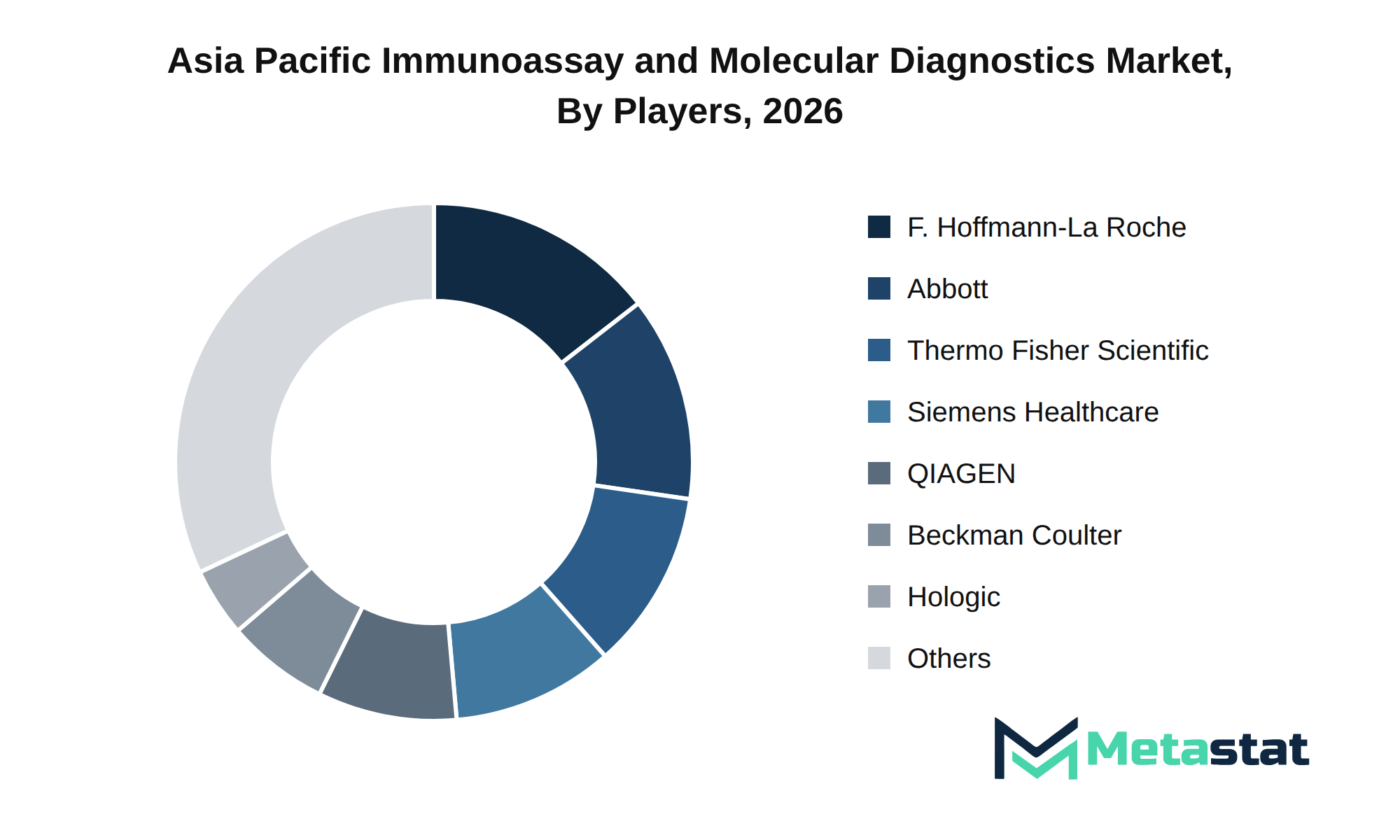
The Asia Pacific Immunoassay and Molecular Diagnostics market features a competitive landscape shaped by various strategic behaviors among key players. Companies including F. Hoffmann-La Roche Ltd, Abbott, and Siemens Healthcare emphasize product differentiation and proprietary technology. These firms invest significantly in research and development, aiming to enhance their product offerings and maintain technological advantages. Strategic alliances and joint ventures appear because common tactics to enhance market reach and innovation capabilities.
Pricing architectures remain a critical factor influencing competitiveness within the market. Companies leverage procurement strategies and customer retention techniques to build brand equity and secure long-term customer relationships. The presence of established players creates significant barriers to entry, impeding new entrants while creating startup disruption dynamics in niche segments. Future competitive outlooks in the Asia Pacific Immunoassay and Molecular Diagnostics market hinge on these companies' ability to respond to evolving market demands and technological advancements.
Market size is forecast to rise from USD 8.4 billion in 2025 to over USD 13.6 billion by 2033. The base case reflects the expected growth trajectory at a compound annual growth rate (CAGR) of 6.1%. This growth arises from advancements in technology integration, increasing demand for rapid diagnostics in infectious diseases, and the expansion of applications in oncology and genetic testing.
In a bullish scenario, heightened research and development (R&D) efforts could accelerate product life cycles and lead to faster market entry of next-generation technologies. This scenario is likely to enhance competition, driving down prices while improving accessibility for healthcare providers. The bearish outlook stems from regulatory challenges and geopolitical tensions that disrupt supply chains, resulting in increased costs for manufacturers and longer timelines for compliance.
Strategic capital allocation represents a critical factor in shaping the future of the Asia Pacific Immunoassay and Molecular Diagnostics market. Companies are expected to prioritize investments in infrastructure and new technologies to meet evolving regulatory standards and consumer needs. This focus will address unmet enterprise needs and identify high-growth pockets within the market.
The macroeconomic scenario indicates a robust environment for the Asia Pacific Immunoassay and Molecular Diagnostics market, with opportunities for strategic imperatives that align with emerging trends in healthcare diagnostics and technological advancements.
The report strategically identifies and profiles the key market players and analyses their core competencies in each sub-segment of the Immunoassay and Molecular Diagnostics market.
Report Attributes | Details |
Study Period | 2021-2033 |
Base Year | 2025 |
Estimated Year | 2026 |
Forecast Period | 2026-2033 |
Historical Period | 2021-2025 |
Growth Rate | CAGR 6.1% from 2026 to 2033 |
Revenue Unit | USD billion |
Segmentation | By Product Type, Technology, Application, and Region |
Find answers to common questions about this report
The Immunoassay and Molecular Diagnostics market size in the Asia Pacific region was valued at USD 8.4 billion in 2025.
The Immunoassay and Molecular Diagnostics market is projected to grow at a CAGR of 6.1% during the forecast period from 2026 to 2033.
Molecular Diagnostics leads the Asia Pacific Immunoassay and Molecular Diagnostics market with a projected value of USD 7.1 billion by 2033, compared to Immunoassay Diagnostics, which is expected to reach USD 6.5 billion in the same year.
Key drivers for the Asia Pacific Immunoassay and Molecular Diagnostics market include the integration of advanced technologies including automation and artificial intelligence, which enhance operational efficiency and diagnostic accuracy. Increased investments in healthcare infrastructure and the emphasis on precision medicine further stimulate demand for sophisticated diagnostic tools.
Regulatory compliance presents significant challenges, requiring substantial investments that impact operational budgets. Smaller firms struggle to meet these requirements, diminishing their competitiveness. macroeconomic headwinds, including inflation and rising input costs, contribute to financial strain and hinder growth in the Asia Pacific Immunoassay and Molecular Diagnostics market.
Increasing emphasis on precision medicine and personalized treatments drives the demand for sophisticated diagnostic tools in the Asia Pacific Immunoassay and Molecular Diagnostics market. Investments in modern infrastructure and technology enhance operational productivity and improve access to advanced diagnostic technologies, further favoring product adoption.
The Immunoassay and Molecular Diagnostics market is estimated to reach a valuation of USD 13.6 billion by 2033.
Key players in the Asia Pacific Immunoassay and Molecular Diagnostics market include F. Hoffmann-La Roche Ltd, Abbott, Siemens Healthcare, Thermo Fisher Scientific Inc., Beckman Coulter, Inc., and QIAGEN.
The Molecular Diagnostics segment is projected to grow at a CAGR of 7.8% from a base value of USD 4.8 billion in 2026 to USD 7.1 billion by 2033.
Prominent application areas include Infectious Diseases, Oncology, and Cardiovascular Diseases, reflecting the increasing demand for precise and timely diagnostic solutions.
The analysts below cover Medical Devices research at Metastat Insights.
LEAD ANALYST
Utkarsh Khirodkar is a Lead Market Research Analyst at MetaStat Insight, specializing in market intelligence, technology sector assessments, and competitive strategy.

LEAD PRINCIPAL ANALYST, PHARMA AND HEALTHCARE
Food and Beverages · Healthcare · Healthcare IT · Medical Devices
Ajay Devgire is the Lead Healthcare Analyst at MetaStat Insight, leading strategic research and market intelligence initiatives across the global healthcare domain.

SENIOR RESEARCH ANALYST
Biotechnology · Food and Beverages · Medical Devices · Packaging
Snehal Pasalkar is a Research Analyst at MetaStat Insight, operating at the intersection of life sciences research, competitive strategy, and market intelligence.
Enterprise zero-trust network rollouts are often slowed down by multi-cloud transit latency and proprietary hardware retirement schedules. This study provided realistic total cost of ownership models comparing cloud-delivered security edge solutions against traditional hardware refreshes. The analysis of contract renewal lengths and software maintenance fees gave us clear visibility into enterprise replacement cycles over the next three to five years.
Scaling antibody-drug conjugate manufacturing hinges on contract manufacturing availability for high-potency active ingredients. The MetaStat Insight analysis looked closely at global cleanroom slot constraints, bioconjugation batch failure rates, and supply chain redundancies between the US, Europe, and India. The supplier capability matrix proved genuinely useful for our team when mapping secondary source options across our clinical pipeline.
Floating offshore wind feasibility relies heavily on specialized installation vessel availability and port crane limits, which most broad renewable energy forecasts ignore. The report delivered a thorough analysis of dry dock capacity, mooring chain supply constraints, and raw material pricing trends for deepwater anchor installations. It served as a solid independent sanity check for our offshore project capital expenditure assumptions.
Explore related market intelligence reports worth reading alongside this one.