
LEAD ANALYST
Utkarsh Khirodkar is a Lead Market Research Analyst at MetaStat Insight, specializing in market intelligence, technology sector assessments, and competitive strategy.

Global Canopy Market Size, Share, By Residential Canopies (Awnings, Gazebos, Patio Umbrellas and Carports), By Commercial Canopies (Entrance Canopies, Walkway Canopies, Restaurant Canopies and Retail Canopies), By Event Canopies (Industrial Canopies, Warehouse Canopies, Fabric Structures, Sports Facility Canopies, Aircraft Hangar Canopies and Agriculture Canopies), By Recreational Canopies (Camping Canopies, Beach Canopies, Picnic Canopies and Park Canopies), Industry Analysis, Growth, Trends, and Forecast, 2026-2033
Report ID
MSI-5160
Published
September, 2026
Pages
289 Pages
Format
Historical
Base year
Forecast
Forecast period
Report Details
Choose Your License
Global Canopy Market
The global Canopy market was valued at USD 2,148.9 million in 2025 and is projected to reach USD 2,830.7 million by 2033, growing at a CAGR of 3.5% over the forecast period.
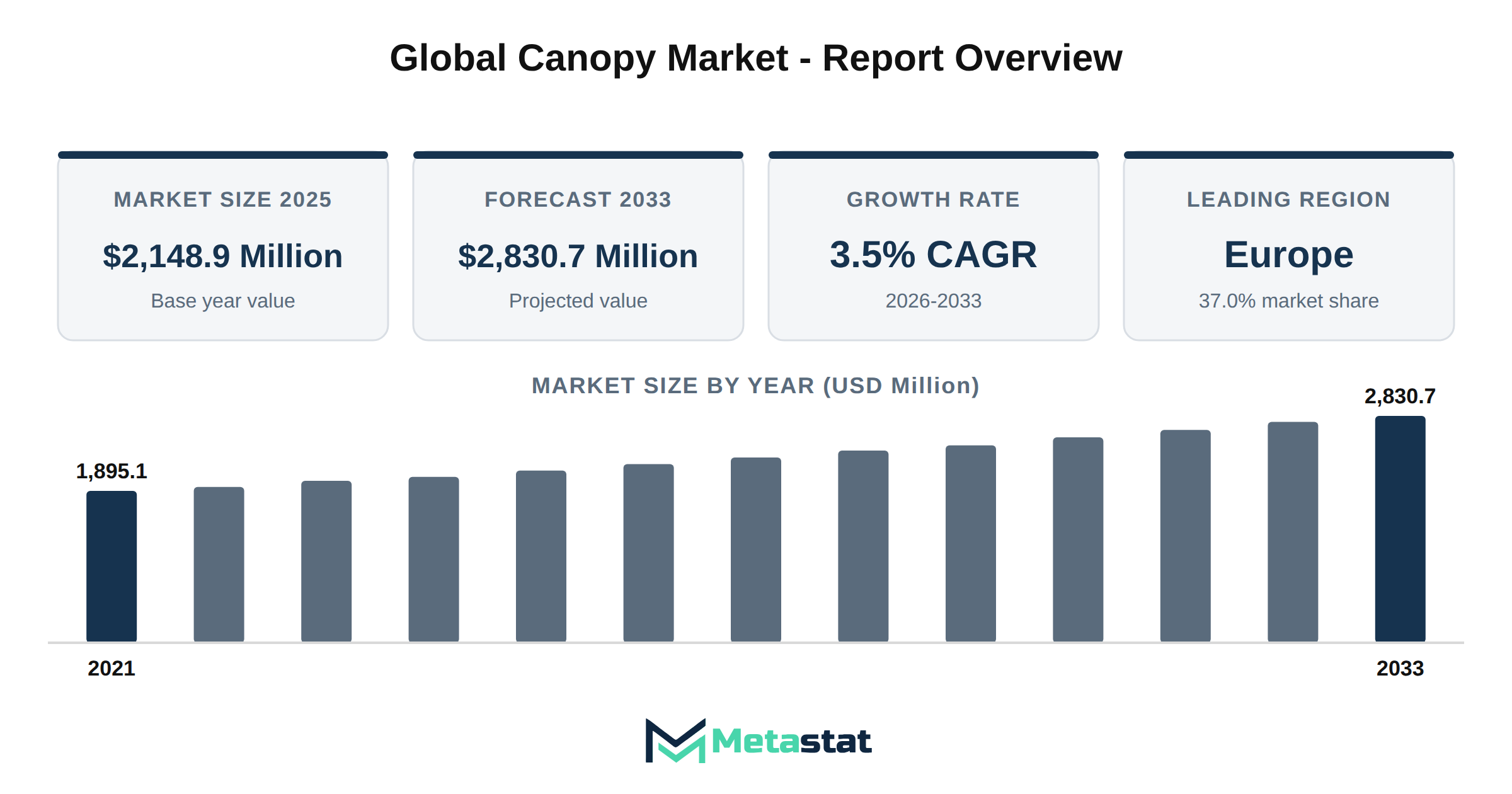
The global Canopy market reached a value of USD 2,148.9 million in 2025, demonstrating growth from USD 1,895.1 million in 2021. A projected increase to USD 2,830.7 million by 2033 indicates a compound annual growth rate (CAGR) of 3.5% during the forecast period from 2026 to 2033. This market encompasses various segments, including residential, commercial, event, and recreational canopies, each contributing to overall market dynamics.
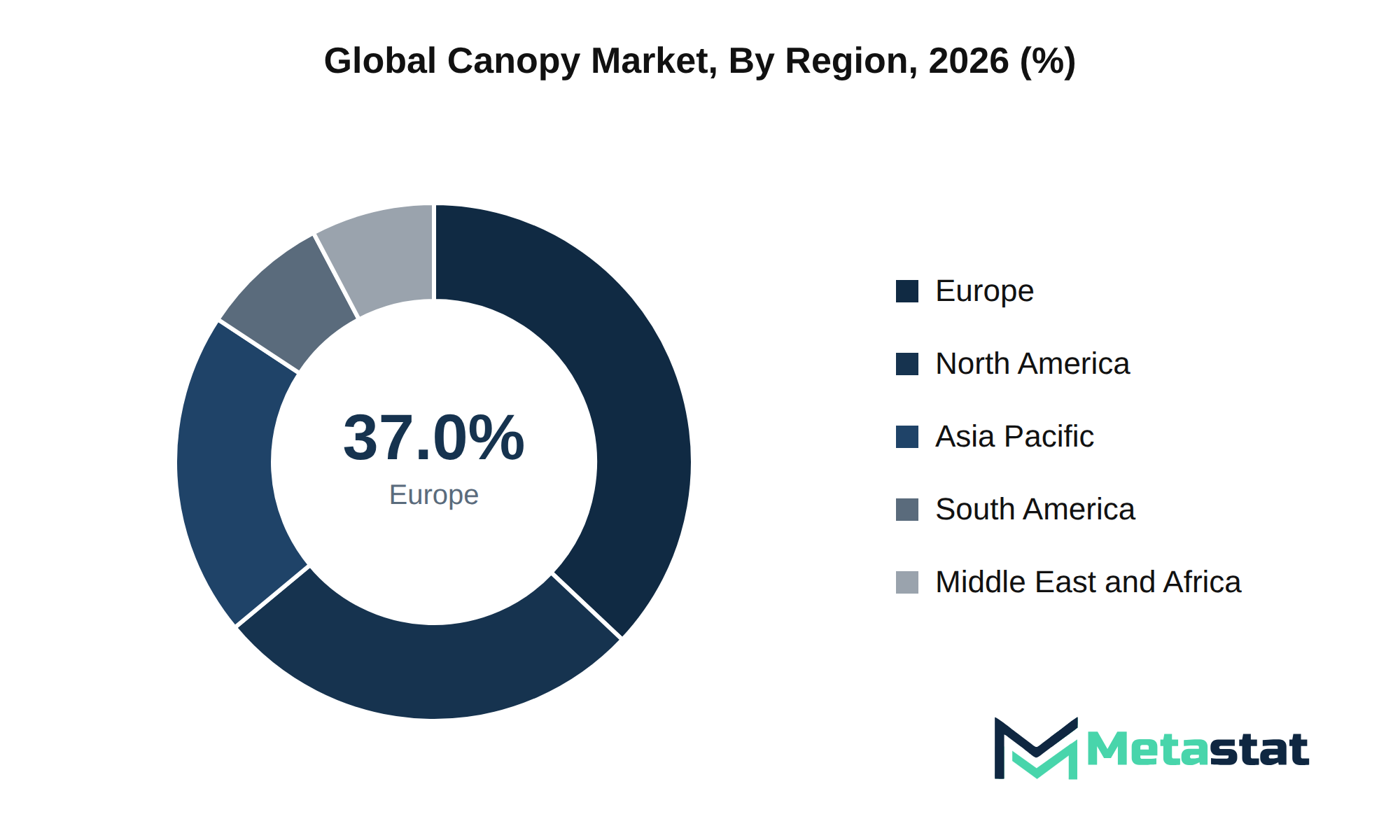
Regional contributions to the market show distinct profiles, with Europe holding the largest share at 37%. North America follows closely, accounting for 26.9% of the market. Asia Pacific represents 20.3%, while South America and the Middle East and Africa contribute 8% and 7.7%, respectively. The diversity in regional shares highlights the varying demand and supply conditions influencing the Canopy market.
Segment analysis shows significant growth potential across different canopy types. Residential canopies, particularly awnings and gazebos, are projected to achieve CAGRs of 2.8% and 3.6%, respectively, through 2033. Commercial canopies, including entrance and walkway canopies, are set to experience CAGRs of 3% and 3.7%. Event canopies, particularly industrial canopies, are anticipated to grow at a CAGR of 4.2%. These trends reflect evolving consumer preferences and increasing utilization of canopy solutions across various applications.
The Canopy market experiences significant shifts driven by various factors. Regulatory compliance and standards play a crucial role in shaping market dynamics, influencing manufacturers to enhance product quality and safety. Adherence to these regulations builds consumer trust and boosts market growth. Evolving regional risk frameworks necessitate businesses to adapt, ensuring resilience against potential disruptions.
R&D trajectories in the canopy sector emphasize innovation and efficiency. Investment in next-generation materials and designs enhances functionality and aesthetic appeal, catering to diverse consumer preferences. Sustainable transformation initiatives gain traction, with companies focusing on eco-friendly materials and production processes. This shift aligns with global decarbonization efforts and the transition towards a circular economy, promoting resource efficiency and reducing waste.
The supply chain landscape remains complex, with logistics architecture evolving to meet increasing demand for efficiency. Strategic sourcing decisions are critical for maintaining competitive pricing and quality. Market fragmentation leads to a diverse range of players, each vying for market share, which influences pricing strategies and product offerings.
Capital allocation towards infrastructure investments is crucial for supporting market expansion. Companies prioritize facilities that enable enhanced production capabilities and distribution networks. This strategic focus positions businesses to respond effectively to growing consumer demand while optimizing operational efficiency.
Future strategic outlooks indicate a positive growth trajectory for the Canopy market, supported by corporate imperatives that emphasize innovation, sustainability, and customer satisfaction. High-value recommendations for stakeholders include investing in advanced technologies and exploring partnerships to enhance market reach and operational capabilities.
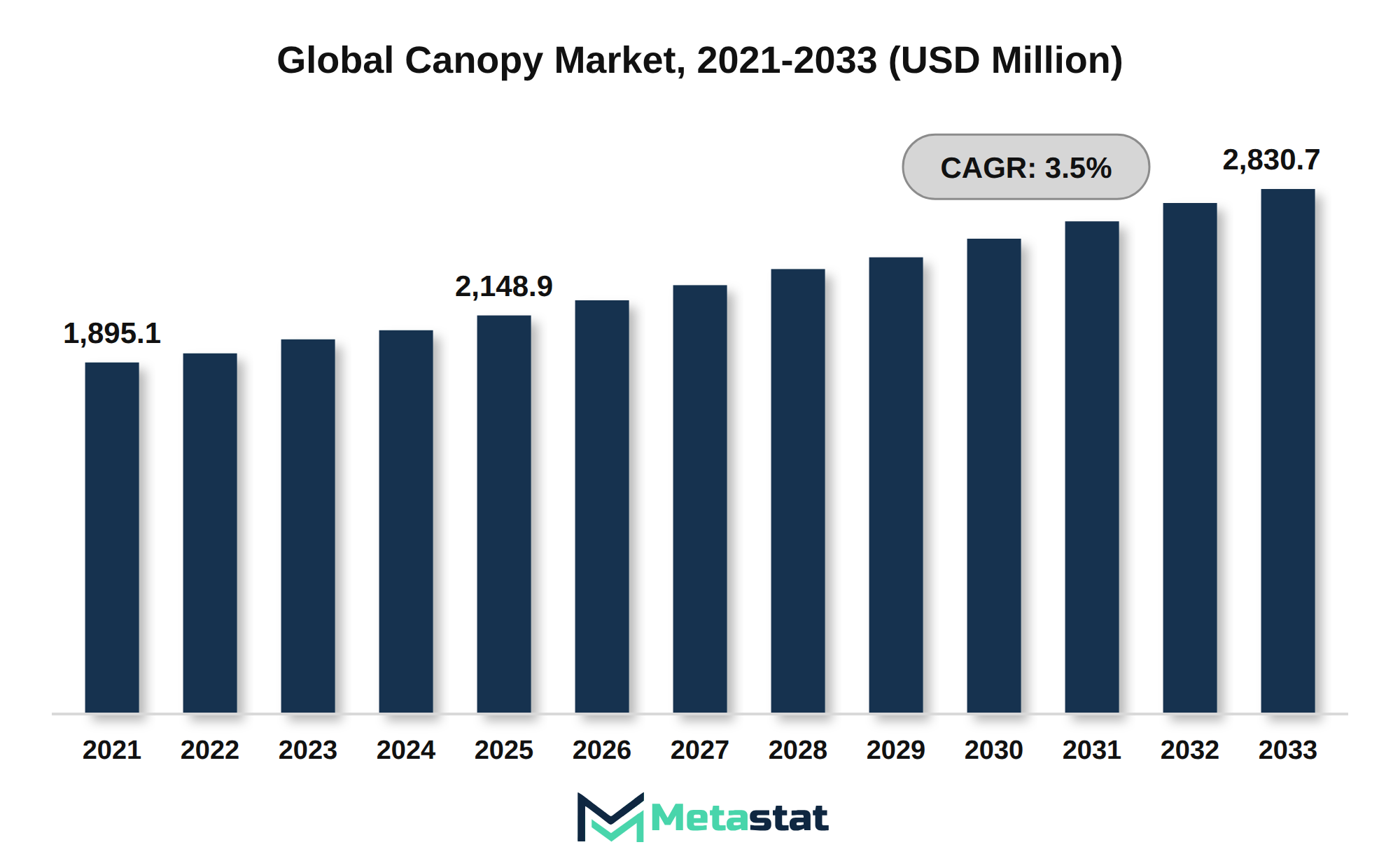
Growth in the residential construction sector drives demand for the Canopy market. Increased consumer spending on home improvement and outdoor living spaces fuels the need for various canopy solutions, including awnings, gazebos, and patio umbrellas. Homeowners increasingly prioritize outdoor aesthetics and utility, leading to higher sales of residential canopies.
Economic expansion, combined with favorable interest rates and increased venture funding, enhances investors' confidence in the construction sector. This positive environment encourages homeowners to invest in enhancements that improve property value and livability. The growing trend of urbanization further drives residential construction, driven by more individuals seeking outdoor solutions for limited space.
Increased demand for residential canopies results in improved market revenue, projected to reach USD 855.7 million by 2033 from USD 705.3 million in 2026. This growth translates into significant opportunities for manufacturers and suppliers, positioning the market favorably for sustained investment. Enhanced product innovation and diversification further strengthen market competitiveness, addressing evolving consumer preferences.
Overall, rising investments in residential construction significantly contribute to the expansion of the Canopy market, promoting a positive environment for stakeholders across the industry.
The Canopy market experiences growth fueled by heightened consumer focus on sustainability. Increasing awareness of environmental issues drives demand for eco-friendly products and solutions, prompting manufacturers to innovate and adopt sustainable practices. Consumers increasingly prefer products that minimize carbon footprints and use sustainable materials, influencing purchase decisions across various segments of the market.
This shift towards environmentally conscious consumer behavior not only promotes the use of recycled materials but encourages energy-efficient designs. Manufacturers that align products with these sustainability trends gain a competitive edge, attracting eco-aware consumers and expanding their market share. The emphasis on sustainability leads to investments in research and development, driving innovation in product offerings and enhancing brand loyalty.
While sustainability becomes a priority for consumers, the market anticipates continued growth fueled by the integration of environmentally responsible practices. The trend influences operational strategies across industries, positioning companies to adapt to evolving consumer preferences. The result is a significant impact on market dynamics, encouraging both established players and new entrants to enhance their sustainability efforts.
The Canopy market faces several challenges stemming from regulatory compliance and market dynamics. Regulatory tightening has led to increased scrutiny and complexity in meeting environmental and safety standards, raising operational costs for manufacturers. Compliance hurdles related to safety certifications and material sourcing affect product availability and increase lead times, impacting commercial and residential projects reliant on timely installations.
Macroeconomic headwinds, including inflationary pressures and capital stagnation, further constrain market growth. Rising costs of raw materials and labor increase overall expenditure for companies, prompting a reassessment of pricing strategies. Economic conditions create reluctance among consumers to invest in new canopy installations, slowing demand within the market.
Supply chain disruptions driven by geopolitical instability and resource scarcity create additional barriers. Fluctuations in material availability and transportation issues directly affect manufacturers' ability to maintain consistent product offerings. This instability leads to increased costs and delays, negatively impacting customer satisfaction and market penetration.
Technological obsolescence presents another challenge for the Canopy market. Rapid advancements in materials and processes create pressure on companies to innovate continuously. Firms that fail to adopt new technologies risk losing competitive advantages, while those that invest in upgrades face high capital investment requirements. Balancing innovation and cost management remains critical for sustained market participation.
Market fragmentation characterized by numerous small players complicates strategic positioning for larger companies. The existence of diverse product offerings with varying quality levels results in consumer confusion and influences purchasing decisions. Cultural barriers and regional adoption resistors impact market expansion, particularly in emerging economies where traditional preferences dominate.
The interaction of these factors leads to a constrained growth environment for the Canopy market. Organizations operating in this space navigate these challenges efficiently to capitalize on opportunities while mitigating risks associated with compliance, economic fluctuations, and technological changes.
The Canopy market encounters significant challenges due to geopolitical fragmentation that disrupts global supply chains. Various trade deficits and tariff friction have led to rising costs for manufacturers, impacting pricing strategies and margins. Companies in the market face heightened compliance overhead and evolving legal liabilities related to international trade, complicating operational planning and forecasting.
Technological disruptions contribute to interoperability friction across different systems and components. This complexity hampers research and development efforts, making it difficult for firms to integrate new technologies efficiently. The market's reliance on various feedstocks and components exposes it to volatility, which further challenges stability and predictability in production.
Logistics disruptions arise from regional conflicts and infrastructure gaps, impeding timely delivery of materials and finished products. Retrofitting barriers present obstacles to market expansion, complicating the implementation of innovative designs or features in existing structures. Increasing environmental sustainability demands and decarbonization mandates create pressures that influence product development and operational practices.
The Canopy market deals with intense pricing compression and margin pressures, driven by increased competition and market saturation. Rising input costs, coupled with workforce skill gaps and talent retention pressures, complicate efforts to maintain competitive advantages. Companies focus on balancing operational efficiency with the need for skilled labor. Ensuring that innovations and customer demands receive adequate attention remains critical.
Intellectual property protection deficits expose firms to risks associated with cybersecurity threats and data vulnerabilities. This situation necessitates strategic investments in safeguarding proprietary technologies, which adds to the overall cost structure. In response to changing downstream demands, the market maintains flexibility to adapt to shifting consumer preferences while navigating these numerous challenges.
The Canopy market experiences distinct opportunities driven by emerging technological advancements. Innovations in materials and production processes enhance product durability, aesthetics, and functionality, leading to increased consumer adoption across various segments. The integration of smart technologies in canopies enables features including automated openings, climate control, and enhanced energy efficiency, appealing to both residential and commercial buyers.
Infrastructure modernization supports the market's growth trajectory. Investments in public spaces, parks, and recreational facilities create demand for canopies that enhance outdoor experiences. This trend aligns with the growing emphasis on creating multifunctional environments, generating a surge in commercial canopies, including walkways and entrance solutions.
Geographical expansion significantly influences market dynamics. Developing regions exhibit increasing urbanization and infrastructure development, resulting in higher demand for canopies that cater to diverse climatic conditions. This regional demand creates opportunities for manufacturers to tailor products to local preferences and regulatory standards, enhancing market penetration.
In addition, sustainability imperatives drive the adoption of eco-friendly materials and production methods. The market experiences a shift towards canopies that incorporate recyclable or sustainable resources, appealing to environmentally conscious consumers. This trend aligns with broader environmental, social, and governance (ESG) considerations, promoting alignment with global sustainability goals.
The market benefits from evolving buying behaviors and digital procurement shifts. Buyers increasingly prefer online platforms for product research and purchasing, prompting manufacturers to enhance their digital presence. This transition influences commercial models, requiring companies to adapt their strategies to capture the growing online segment effectively.
Ultimately, these opportunities present significant potential for growth in the Canopy market. The convergence of technological advancements, regional demands, and sustainability initiatives creates an environment ripe for innovation and strategic investment, positioning the market for substantial expansion in the coming years.
The Global Canopy market is segmented based on Residential Canopies, Commercial Canopies, Event Canopies, and Recreational Canopies.
A significant upward trend characterizes the Awnings segment of the Canopy market, with a valuation of USD 705.3 million anticipated in 2026, projected to reach USD 855.7 million by 2033, reflecting a CAGR of 2.8% throughout the forecast period. This growth derives from increased consumer preference for outdoor living spaces, which drives demand for functional and aesthetic enhancements to residential properties.
Technological advancements support product evolution, enhancing durability, ease of use, and versatility of awnings. Innovations in materials and designs cater to diverse consumer preferences and environmental considerations, promoting greater adoption among homeowners seeking energy efficiency and improved outdoor comfort.
Downstream applications across various sectors, including hospitality and retail, influence demand dynamics. These applications require effective shading solutions, which position awnings because essential assets for enhancing outdoor experiences. The integration of smart technologies in awnings - including automated systems - further attracts tech-savvy consumers, reinforcing segment growth.
Regulatory compliance and certification standards impact product development and market entry strategies. Manufacturers face pressure to align with sustainability initiatives, prompting them to explore eco-friendly materials and production methods. Such efforts not only address regulatory challenges but appeal to environmentally conscious consumers.
Cost structures in the segment remain sensitive to raw material sourcing and pricing volatility. Fluctuations in material costs exert pressure on profit margins, necessitating strategic sourcing and operational efficiencies to maintain competitive pricing. While the market evolves, opportunities for capital investment emerge, particularly in innovative manufacturing processes and sustainable practices that promise to enhance supply chain resilience.
The Awnings segment thus reflects a dynamic interaction of demand drivers, technological maturation, and market forces within the broader Canopy market, positioning itself for sustained growth through 2033.
Growing interest in outdoor living spaces increases demand for gazebos within the canopy market. Increased consumer spending on home improvement projects and an emphasis on enhancing residential aesthetics contribute to this trend. The gazebos segment is projected to reach USD 803.6 million by 2033, at a CAGR of 3.6% during the forecast period.
Market expansion relies on factors including the rising popularity of backyard gatherings, which creates a need for attractive outdoor structures. Manufacturers focus on offering customized designs, appealing to a diverse range of consumer preferences. Increasing awareness regarding the benefits of outdoor leisure activities drives adoption, influencing homeowners to invest in gazebos for relaxation and entertainment.
Technological advancements support product evolution, enabling manufacturers to create durable and weather-resistant structures that require minimal maintenance. Enhanced materials and innovative designs improve consumer experience, ensuring that gazebos serve both functional and aesthetic purposes. The market's growth trajectory aligns with shifting consumer preferences toward versatile outdoor solutions that enhance property value.
Regulatory compliance standards regarding safety and durability impact production processes. Adherence to these standards ensures consumer confidence, building trust in manufacturers' offerings. Market participants face challenges from pricing volatility and margin pressures, necessitating strategic pricing strategies to maintain competitiveness.
Investment in research and development is crucial for staying ahead in the market. Companies focus on exploring strategic opportunity windows to introduce next-generation upgrades and disruptive alternatives. The gazebos segment exemplifies the dynamic nature of the canopy market, driven by evolving consumer needs and technological advancements.
Patio Umbrellas within the Residential Canopies segment displays significant growth potential, with an expected market value of USD 674.3 million by 2033. This growth is driven by increasing outdoor living trends, resulting from consumers seeking to enhance their backyards and outdoor spaces for relaxation and entertainment. The desire for versatile and aesthetic outdoor solutions fuels the demand for these products, appealing to homeowners across various demographics.
Technological advancements contribute to the evolution of Patio Umbrellas, with innovations in materials and design enhancing durability, functionality, and aesthetics. These advancements lead to improved product offerings, catering to changing consumer preferences and promoting higher adoption rates. Retailers emphasize stylish and versatile designs to capture the attention of consumers looking for outdoor solutions that combine functionality with visual appeal.
Market dynamics reflect a shift towards premium products, with consumers willing to invest in high-quality patio solutions. Pricing volatility experienced in raw materials influences the overall cost structures, requiring suppliers to maintain competitive pricing while ensuring quality. Increased competition among manufacturers promotes a focus on differentiating features, appealing to environmentally-conscious consumers who prioritize sustainable materials and production practices.
Investments in marketing and consumer education are crucial to drive awareness about patio solutions and their benefits, further enhancing market growth. The Canopy market benefits from strategic opportunities presented by the ongoing trends in outdoor living, and those who adapt swiftly to evolving consumer needs stand to gain competitive advantages.
Demand for carports in the Canopy market aligns with the ongoing trend toward enhancing residential properties with functional outdoor spaces. This sub-segment is projected to grow at a CAGR of 3.2% during the forecast period. Increasing vehicle ownership, alongside rising concerns about vehicle protection from environmental elements, drives this growth. Homeowners seek durable, versatile solutions that provide shelter for their vehicles while adding aesthetic value to their properties.
Technological advancements contribute to the evolution of carports, with manufacturers focusing on creating lightweight, durable materials that withstand various weather conditions. Innovations in design, including customizable options and integrated features like lighting and storage solutions, attract consumers looking for tailored products. Regulatory compliance and certification standards influence consumer confidence, while awareness of quality and safety continues to rise.
End-use dynamics show a shift toward prefabricated structures that allow for easier installation and reduced labor costs. The growing trend of DIY home improvement projects fuels interest in carports, particularly among homeowners seeking cost-effective solutions. This shift in consumption patterns positions the carports segment favorably within the broader market.
Fluctuations in raw material prices impact overall pricing strategies within the segment. Manufacturers face margin pressures that challenge profitability, necessitating a focus on supply chain resilience and efficient sourcing strategies. Strategic opportunity windows emerge for companies that adapt to evolving consumer preferences while managing production costs effectively.
Capital investment outlook remains positive, with companies keen on expanding their product lines to capture market share. Engaging in targeted marketing efforts to highlight the benefits of carports increases awareness and acceptance among potential buyers. This proactive approach supports sustained growth in the carports segment and reinforces its importance within the larger Canopy market.
Commercial canopies experience steady growth, particularly driven by the increasing demand for entrance canopies in various sectors. Entrance canopies segment is valued at USD 613 million in 2026 and is projected to reach USD 754.9 million by 2033, at a CAGR of 3% during the forecast period. This growth results from heightened awareness of building aesthetics and functionality, with businesses increasingly recognizing the value of these structures in enhancing customer experience and safety. In addition, urbanization and the expansion of commercial spaces contribute to the rising adoption of entrance canopies, driven by their ability to provide shelter and protection for patrons in outdoor environments.
Technological advancements in materials and designs support the development of entrance canopies, allowing for customization and improved durability. Innovations including retractable canopies and weather-resistant materials appeal to a diverse range of end-users, including retail, hospitality, and healthcare sectors. These advancements facilitate the evolution of products, promoting their use in various outdoor settings while meeting regulatory compliance standards. The combination of aesthetic appeal and practical functionality strengthens the position of entrance canopies within the broader canopy market.
The competitive landscape features several key players focused on expanding their offerings in this sub-segment. Companies prioritize strategic investments to enhance product portfolios, catering to evolving consumer preferences and market demands. The ongoing trend towards sustainability influences material sourcing, prompting suppliers to explore eco-friendly options. Overall, the entrance canopies segment demonstrates resilience and a positive growth trajectory within the canopy market.
Demand for Walkway Canopies experiences steady growth within the commercial sector, driven primarily by increased awareness regarding safety and convenience in pedestrian areas. Urbanization and growing infrastructure development further increase the necessity for effective outdoor shelter solutions. Various end-use applications, including public spaces, shopping centers, and educational institutions, significantly contribute to this trend, enhancing the perceived value of these canopies.
Walkway Canopies segment is estimated to reach USD 725.5 million by 2033, at a CAGR of 3.7% during the forecast period. This growth reflects ongoing investments in urban planning and public infrastructure, which prioritize pedestrian comfort and safety. Technological advancements in materials and design improve durability and aesthetic appeal, leading to higher consumer acceptance and adoption.
Regulatory compliance standards related to public safety and environmental sustainability increasingly influence market dynamics. Certifications for materials and structures ensure compliance with safety regulations, encouraging manufacturers to innovate and enhance product offerings. These factors position the segment well for growth, meeting diverse consumer needs while aligning with industry standards.
In terms of competition, the market features several established players who continuously seek strategic opportunities for collaboration and innovation. Supply chain resilience is crucial, because manufacturers navigate raw material sourcing and production logistics while fluctuating market conditions impact operations. The emphasis on sustainability and durability in product offerings aligns with broader consumer trends, enhancing the market's growth potential.
Growth in the Restaurant Canopies segment stems from increasing demand for outdoor dining spaces, driven by consumer preferences for alfresco experiences. Restaurants focusing on enhancing customer satisfaction have resulted in a surge in installations of canopies, providing shelter and comfort to patrons. The segment is projected to reach USD 662.1 million by 2033, reflecting a strong trajectory influenced by architectural trends emphasizing outdoor aesthetics.
Technological advancements in materials and designs support segment expansion, allowing for innovative solutions that blend functionality and style. This evolution attracts restaurant operators seeking to differentiate their establishments through appealing outdoor settings. Compliance with regulatory standards regarding safety and durability heightens the importance of selecting quality canopies, influencing purchasing decisions within the market.
Price volatility in raw materials poses challenges, requiring careful management to maintain profit margins. Manufacturers and suppliers within the segment navigate these pressures by optimizing sourcing strategies and investing in supply chain resilience. The ongoing trend toward outdoor dining experiences is expected to continue driving demand for restaurant canopies, reinforcing their significance in the broader canopy market.
Growth in the retail sector increases demand for Retail Canopies, reflecting an increased focus on enhancing customer experience through outdoor spaces. Retailers create inviting environments, making the adoption of canopies a strategic choice for businesses seeking to attract foot traffic and provide shelter. The segment is projected to grow at a CAGR of 3% during the forecast period.
Technological advancements drive innovation within the Retail Canopies segment, with manufacturers introducing materials that offer improved durability and aesthetics. Enhanced designs cater to diverse consumer preferences, driving market expansion. The overall Retail Canopies market aligns with trends in urbanization, where outdoor shopping areas gain popularity, leading to higher investment in commercial canopy solutions.
Regulatory compliance shapes market dynamics, particularly concerning safety standards and environmental regulations. Compliance with these standards ensures that products meet quality benchmarks, building consumer trust and resulting in increased sales for compliant manufacturers. Price volatility in raw materials influences operational costs, prompting manufacturers to explore alternative sourcing strategies to maintain competitive pricing.
The market anticipates continued growth due to strategic investment opportunities arising in this segment. Retailers recognize the potential of canopies to enhance outdoor experiences, thus driving demand for well-designed and effective shelter solutions. While the Canopy market evolves, adaptability to changing consumer behaviors and regulatory landscapes remains crucial for sustained growth.
Valued at USD 233.4 million in 2026, the Industrial Canopies segment is projected to reach USD 311.9 million by 2033, at a CAGR of 4.2% during the forecast period. Demand for industrial canopies stems from the growing need for temporary and permanent structures in various sectors, including construction, manufacturing, and events. These canopies provide essential shelter for equipment, materials, and personnel, enabling operations regardless of weather conditions.
Technological advancements enhance product offerings, with innovations in materials and design improving durability and ease of installation. This evolution supports the adoption of industrial canopies in diverse applications, including manufacturing facilities and outdoor events. Compliance with regulatory standards regarding safety and environmental impact strengthens demand for high-quality canopies, reflecting increasing scrutiny on construction practices.
Cost structures in this segment are influenced by raw material prices and labor expenses, creating pricing volatility that manufacturers navigate. Strategic investments in supply chain resilience and logistics capabilities mitigate these challenges, ensuring timely delivery and maintaining competitive pricing. Overall, the Industrial Canopies segment addresses specific needs while contributing to market growth.
Growing demand for Warehouse Canopies is driven by the increasing need for efficient storage solutions across various industries. The rise of e-commerce and the need for streamlined logistics operations fuel significant growth in this segment. Warehouse Canopies provide essential protection for stored goods and equipment, ensuring safety and enhancing operational efficiency.
Warehouse Canopies segment is projected to reach USD 729.2 million by 2033, at a CAGR of 3.8% during the forecast period. The market experiences expansion owing to businesses recognizing the advantages of temporary and permanent canopy structures for seasonal operations and outdoor storage needs. Increased investments in warehouse infrastructure enhance the potential for adoption within this segment.
Technological advancements contribute to the evolution of Warehouse Canopies, with innovations in materials and design improving durability and functionality. Manufacturers introduce next-generation canopies that offer enhanced weather resistance and ease of installation, making them appealing to end-users in various sectors.
Regulatory compliance and safety standards influence purchasing decisions, compelling businesses to invest in high-quality canopies that meet industry requirements. This trend drives ongoing growth in the Canopy market, reflecting a broader commitment to operational integrity and worker safety.
Cost structures and pricing volatility remain critical factors impacting the segment. Fluctuations in raw material prices affect profitability, particularly for smaller suppliers. Companies that effectively manage supply chain resilience and leverage competitive pricing strategies ensure sustained growth amid market challenges.
Growth in the Fabric Structures sub-segment reflects increasing demand for temporary and permanent structures across various applications. The versatility of fabric structures appeals to event organizers, outdoor venues, and industries requiring adaptable space solutions, enhancing their attractiveness in the market. Adoption is driven by favorable conditions including advancements in material technology, which improve durability and weather resistance, thereby expanding potential applications.
Valued at USD 233.4 million in 2026, the segment is expected to reach USD 677.4 million by 2033, with a compound annual growth rate of 4.2 percent. The growing trend toward experiential events and outdoor activities contributes to this upward trajectory, driven by fabric structures serving multiple purposes ranging from temporary event spaces to long-term installations for commercial use. Market participants increasingly invest in innovative designs and sustainable materials, aligning with customer preferences for eco-friendly options.
Demand for fabric structures aligns with shifts in consumer behavior, emphasizing outdoor experiences. Events requiring flexibility and quick setup benefit from these structures, allowing organizers to respond rapidly to changing circumstances. The market for fabric structures thrives on the intersection of aesthetic appeal and functional performance, strengthening its position within the broader canopy market.
Investment in sports infrastructure and growing participation in athletic activities drive demand for Sports Facility Canopies within the broader canopy market. Increasing emphasis on outdoor sports and events leads to a rise in the construction of sports facilities, further expanding opportunities for canopy installations. The Sports Facility Canopies segment is projected to grow at a CAGR of 4.1% during the forecast period.
Technological advancements contribute to the evolution of Sports Facility Canopies, enhancing durability, weather resistance, and aesthetic appeal. Innovations in materials and design facilitate the production of canopies that fulfill diverse requirements, accommodating a range of sports activities. Manufacturers increasingly focus on integrating features that improve user experience, including UV protection and ease of installation.
Regulatory compliance standards evolve to ensure safety and reliability in sports facilities. Adhering to these regulations becomes critical for manufacturers, influencing design and production processes. The market’s competitive landscape reflects the need for players to maintain compliance while innovating to meet consumer preferences.
Pricing volatility in raw materials impacts the profit margins of manufacturers. Fluctuations in the cost of fabrics and structural components necessitate strategic sourcing and procurement practices. This scenario presents challenges and opportunities for manufacturers, who optimize operations to enhance efficiency and mitigate cost pressures.
Investment in capital projects related to sports facilities drives significant growth potential within the segment. Stakeholders recognize the value of Sports Facility Canopies because integral components that enhance functionality and usability of outdoor spaces. This recognition leads to strategic partnerships and collaborations among manufacturers, suppliers, and facility developers, driving long-term growth in the market.
Growing interest in air travel and increased investments in aviation infrastructure drive demand for Aircraft Hangar Canopies within the event canopies segment. Expanding airport facilities and the construction of new hangars contribute to the growth of this sub-segment. Regulatory compliance standards regarding safety and durability further influence the design and materials used in manufacturing these canopies. The need for versatile and weather-resistant structures increases, prompting manufacturers to focus on innovative materials and designs to meet specific aviation demands.
Technological maturation plays a role in enhancing the performance and functionality of Aircraft Hangar Canopies, leading to next-gen upgrades that improve their operational efficiency. Downstream applications extend beyond aviation, with industries including military and agricultural sectors recognizing the benefits of these structures. Consumption shifts toward more sustainable materials align with global environmental goals, pushing manufacturers to adapt their offerings to meet evolving customer preferences.
Strategic opportunity windows emerge owing to airports expanding their services and capacities, creating a favorable environment for investment in Aircraft Hangar Canopies. In response, suppliers enhance their product lines to cater to diverse client needs, allowing better adaptability to various operational scenarios. Supply chain resilience becomes essential because raw material sourcing and logistics vulnerabilities impact production timelines, urging manufacturers to streamline their processes. Pricing volatility associated with raw material costs poses challenges, potentially affecting margins in the market.
Continuous innovation and product evolution in the canopy sector support the growth of Aircraft Hangar Canopies, enabling suppliers to compete effectively in the marketplace. Manufacturers leverage technological advancements to create canopies that offer superior protection and functionality, reinforcing their position in the competitive landscape of the canopy market.
Interest in Agriculture Canopies reflects the growing demand for versatile outdoor solutions in farming and agricultural applications. Factors including climate change, which intensifies the need for protective structures, drive adoption among farmers seeking to safeguard crops from adverse weather conditions. Agricultural operations increasingly rely on these canopies for enhanced productivity, creating a significant opportunity for growth in the market.
Technological advancements play a crucial role in product evolution, leading to the development of durable materials and innovative designs that improve performance and longevity. This evolution aligns with the agriculture sector's transition towards more efficient practices, with canopies providing both functionality and aesthetic appeal in outdoor environments.
Compliance with regulatory standards in farming practices influences the adoption of Agriculture Canopies. Farmers increasingly seek certified products that meet environmental and safety guidelines, encouraging manufacturers to innovate in their offerings. This focus on compliance supports the growth of the market, ensuring that consumers find reliable and sustainable solutions.
Cost structures associated with Agriculture Canopies reflect the materials and construction methods employed. Price volatility in raw materials impacts end-user budgets, prompting manufacturers to explore alternative sourcing strategies. Such adjustments enhance supply chain resilience, allowing producers to maintain competitive pricing while meeting increasing demand.
Strategic opportunity windows arise from the expansion of agricultural sectors around the globe. Investments in infrastructure, alongside rising awareness of climate-related challenges, highlight the potential for Agriculture Canopies in diverse applications. Continuous research into disruptive alternatives and next-generation upgrades drives innovation, ensuring that the market remains dynamic and responsive to evolving consumer needs.
Interest in camping activities drives demand for Camping Canopies. Valued at USD 660.2 million in 2026, this segment is projected to reach USD 796.3 million by 2033, at a CAGR of 2.7% during the forecast period. Consumers increasingly seek durable and portable shelter solutions for outdoor excursions, prompting manufacturers to enhance product offerings with lightweight materials and innovative designs.
The rising trend of outdoor recreational activities fuels the market. Increased participation in camping and outdoor events encourages investments in high-quality canopies that provide protection from weather elements. Suppliers focus on integrating advanced features including UV protection and waterproofing, appealing to consumers seeking reliable and versatile camping solutions.
Technological advancements significantly influence product evolution within the segment. Innovations in fabric technology and frame construction improve durability and ease of setup. This progression aligns with consumer expectations for convenience and performance, further enhancing adoption in the broader Canopy market.
Certain regulatory compliance standards, including safety certifications for materials, affect product development strategies among manufacturers. Adhering to these standards ensures that canopies meet consumer safety expectations while enhancing brand reputation. Suppliers navigate cost structures that influence pricing strategies, impacting margins while remaining competitive.
Overall, Camping Canopies represent a dynamic segment within the Canopy market, driven by growing consumer interest in outdoor activities and advancements in product design and technology. Continued investment in this area is essential for capturing emerging opportunities and maintaining market relevance.
Growth in the Beach Canopies segment reflects the increasing popularity of outdoor recreational activities, particularly during the summer months. Families and individuals seeking protection from sun exposure drive demand for these canopies. The segment is expected to reach USD 694.1 million by 2033, at a CAGR of 3.2% during the forecast period. Rising awareness of sun safety encourages consumers to invest in outdoor shade solutions that enhance comfort during outdoor activities. Technological advancements in materials, resulting in lighter and more durable canopies, further support market expansion. Innovative designs and colors attract a broader consumer base, enhancing appeal for various outdoor settings.
Beach canopies serve multiple purposes ranging from personal protection to aesthetic enhancement at beach outings, picnics, and outdoor festivals. The growing trend of outdoor leisure activities, fueled by a shift in consumer preferences toward experiences over material possessions, reinforces their place in the recreational canopy market. Manufacturers evolve their product offerings to meet changing consumer preferences, focusing on portable and easy-to-set-up designs that cater to the needs of holidaymakers and outdoor enthusiasts. The market benefits from strategic collaborations among manufacturers and retailers, enhancing distribution channels and increasing accessibility for consumers.
Increasing outdoor activities and social gatherings drive demand for Picnic Canopies within the Recreational Canopies segment. These canopies provide essential shade and protection, contributing to their popularity among consumers. The market benefits from the growing trend of family picnics, outdoor events, and recreational gatherings. Growth in disposable income levels allows consumers to invest in quality outdoor accessories, enhancing the segment's appeal.
Technological advancements contribute to product evolution in the Picnic Canopies segment, improving material quality and design versatility. Innovations in lightweight and durable materials enable easier transportation and setup, attracting consumers seeking convenient solutions. The market is projected to reach USD 576.3 million by 2033, reflecting strong potential within the overall Canopy market.
Shifts in consumption patterns, particularly the increasing preference for outdoor leisure activities, enhance the demand landscape. Consumers prioritize quality and functionality in their purchasing decisions, driving manufacturers to focus on product features that offer both durability and convenience. While the segment evolves, strategic opportunity windows emerge for brands to innovate and cater to changing consumer preferences.
Growth in the Park Canopies segment reflects increasing interest in outdoor recreational activities and events. Rising disposable incomes and a growing trend towards outdoor living spaces drive demand for park canopies in the market. Consumers seek versatile solutions that offer both functionality and aesthetics, prompting manufacturers to innovate and expand their product offerings. The segment is projected to grow at a CAGR of 4.1% during the forecast period.
Technological advancements in materials and design enhance the appeal of park canopies, making them more durable and easier to install. Innovations in fabric technology, including improved UV resistance and waterproofing, contribute to product evolution. The expansion of public parks and recreational areas further drives demand, encouraging municipalities and outdoor event organizers to invest in quality canopy solutions.
End-use dynamics play a crucial role in shaping the market, with park canopies serving multiple functions, including shade provision and event hosting. Shifts in consumer preferences towards outdoor gatherings and activities create opportunities for growth and increased adoption of these structures. Regulatory compliance standards ensure safety and quality, influencing purchasing decisions among consumers and organizations.
Market participants focus on supply chain resilience and raw material sourcing strategies to mitigate risks associated with pricing volatility and margin pressures. Strategic investments in marketing and distribution channels reinforce market presence, encouraging competitive positioning. Overall, the evolving nature of the Canopy market emphasizes the importance of innovation and adaptation to consumer needs.
Increasing leisure activities significantly influence demand for pool products. The recreational focus on outdoor experiences drives segment expansion, aligning with trends in home improvement and backyard renovations. This increasing interest drives consumers to invest in high-quality, durable pool canopies that enhance outdoor enjoyment while providing essential protection from the elements.
Technological maturation contributes to the evolution of pool designs, featuring improved materials that enhance durability and aesthetics. Innovative features including UV protection, water resistance, and easy installation options appeal to consumers seeking convenience and longevity in their outdoor solutions. Next-generation upgrades focus on integration with smart home technologies, allowing users to manage their outdoor spaces more effectively.
End-use dynamics reflect a shift towards multifunctional outdoor spaces, where consumers seek versatile structures that accommodate various activities, from social gatherings to leisure pursuits. Regulatory compliance standards in materials and safety protocols play an important role in shaping product offerings. Companies in the market prioritize certifications to ensure that products meet industry requirements while attracting environmentally conscious consumers.
Pricing volatility remains a challenge for suppliers, influenced by fluctuations in raw material costs and supply chain dynamics. Strategic opportunity windows exist for manufacturers that invest in sustainable materials and production methods. This approach addresses consumer preferences while aligning with broader environmental goals.
Overall, the pool segment's growth aligns with broader trends in the canopy market, emphasizing the importance of durability, innovation, and consumer satisfaction in the evolving outdoor landscape.
Based on geography, the Global Canopy market is divided into North America, Europe, Asia-Pacific, South America, Middle East, and Africa.
North America exhibits a notable growth trajectory within the Canopy market, set to expand at a CAGR of 3.5% during the forecast period, reaching a market size (TAM) of USD 743.9 million by the end of 2033. The region reflects a 26.9% contribution in 2025. Increasing outdoor living trends, particularly in the United States, Canada, and Mexico, drive demand for various canopy types, including residential and commercial segments.
Factors including modernization of infrastructure and heightened consumer interest in recreational activities support the market. Growing adoption of energy-efficient and sustainable materials influences purchasing decisions, encouraging investment in innovative canopy designs. Emerging market front-runners are expected to capitalize on local manufacturing densities, enhancing regional supply chain efficiencies and supporting nearshoring initiatives.
The regional competitive landscape involves several domestic market participants, whose strategies include vendor consolidation trends to enhance market presence. Cultural nuances shape regional B2B buying behaviors, impacting procurement dynamics. Investment in cross-border trade corridors enhances market accessibility, providing opportunities for expansion and growth.
North America's strategic entry barriers, combined with favorable regulatory frameworks, enable robust market development. The local compliance mandates further support sustainable practices in canopy production, reinforcing the market's growth potential through 2033.
Europe represents a significant portion of the global Canopy market, holding a 37.0% share in 2025. The region's demand stems from robust outdoor living trends, where residential canopies including awnings and gazebos gain traction among consumers seeking enhanced outdoor experiences. Key markets including Germany, France, and the UK drive growth, supported by increasing disposable income and a cultural affinity for outdoor leisure. Investment in local manufacturing and supply chain regionalization enables companies to respond swiftly to consumer preferences, particularly in custom canopy designs that cater to diverse market needs. Steady growth in the market is fueled by the expansion of commercial canopies, especially in hospitality and retail sectors, where demand for entrance and walkway canopies rises alongside urban development projects. Emerging market front-runners, including Spain and Italy, demonstrate a growing interest in event canopies for public gatherings and festivals, further driving market expansion. Localized procurement dynamics encourage partnerships with regional suppliers, enhancing competitive positioning and responsiveness to market changes. Continued investment in infrastructure modernization strengthens the market, positioning it to meet future demands. The relationship between cultural nuances and regional B2B buying behaviors significantly influences purchasing decisions, highlighting the importance of tailored marketing strategies in the canopy sector. Overall, the combination of these factors indicates a resilient and expanding Canopy market across Europe.
Significant growth in the Asia-Pacific region emerges from increasing consumer interest in outdoor living spaces and recreational activities, positioning this area because a critical player in the global Canopy market. The population's expanding disposable income contributes to heightened demand for high-quality canopies, particularly in countries including China and India. Enhanced infrastructure development across urban and suburban areas supports the construction of various canopy types, including residential, commercial, and recreational segments.
The region features a diverse landscape characterized by varying cultural preferences that influence purchasing behavior. For instance, preferences for outdoor gatherings and leisure activities drive the demand for products like patio umbrellas and gazebos. Increased participation in outdoor events stimulates growth in commercial canopies, particularly in Australia and Japan, where events and festivals attract large crowds.
Manufacturers in Asia-Pacific focus on localized production to enhance supply chain efficiency, reducing lead times and costs. This strategic move aligns with growing consumer expectations for rapid delivery and customization. Foreign Direct Investment (FDI) flows into the region signal confidence in its potential, encouraging further expansion among market players. The competitive landscape features several domestic leaders who adapt to changing consumer demands and enhance their market share in the canopy sector.
While the market evolves, technological advancements in materials and manufacturing processes play a vital role in shaping product offerings. Improved durability and functionality of canopies appeal to a broad consumer base, further supporting market growth. The Asia-Pacific region is projected to exhibit significant growth, contributing to the overall expansion of the global Canopy market.
South America represents an underpenetrated territory within the global Canopy market, with a market share of 8.00% projected for 2025. Brazil and Argentina emerge because the primary contributors to market growth, driven by increasing consumer interest in outdoor living spaces and recreational activities. The expansion of residential and commercial segments supports this growth, highlighting a shift toward investing in functional and aesthetic outdoor solutions.
Regional characteristics, including diverse climates and cultural preferences, influence the demand for specific canopy types. The growing popularity of outdoor events and festivities significantly boosts the need for event canopies, because they provide shelter and enhance the experience for attendees. Infrastructure modernization supports expanding the market, with investments in public spaces and recreational areas encouraging the adoption of various canopy solutions.
Localized manufacturing densities and supply chain regionalization contribute to market dynamics by enabling faster delivery and reduced costs. Cross-border trade corridors facilitate the movement of goods, further enhancing market accessibility. Domestic market leaders focus on understanding regional procurement dynamics and cultural nuances to better tailor products to local preferences.
Investment in foreign direct investment (FDI) flows supports geographic expansion, with opportunities emerging for international players seeking to establish a presence in the South American market. The competitive landscape reflects a mix of established companies and new entrants eager to capture market share, leading to vendor consolidation trends because firms seek to enhance their offerings and streamline operations. Overall, these factors collectively shape the future trajectory of the Canopy market in South America, promising continued growth and development.
The Canopy market in the Middle East and Africa presents unique opportunities and challenges, influenced by regional dynamics. Countries including Saudi Arabia, UAE, and South Africa exhibit increasing infrastructure investments, enhancing the demand for various canopy segments. A notable trend involves the modernization of urban spaces, which fuels demand for commercial canopies, particularly entrance and walkway variations. The growing focus on outdoor events and leisure activities promotes the need for recreational canopies across these markets.
Local procurement dynamics significantly influence adoption rates, with manufacturers emphasizing compliance with regional standards and cultural preferences. Increased foreign direct investment (FDI) flows into the region support the establishment of localized manufacturing capabilities, which enhances supply chain resilience. Regional vendors enhance competitive positioning through consolidation strategies and partnerships, allowing them to capture a larger market share.
The Middle East and Africa represent emerging growth potential in the global Canopy market. Incremental growth vectors arise from the demand for high-value replacement cycles of existing canopies, particularly in commercial sectors. The evolving geopolitical landscape necessitates adaptive strategies for cross-border trade, influencing procurement and distribution processes. Overall, the region's unique market characteristics continue to shape the trajectory of the Canopy market.
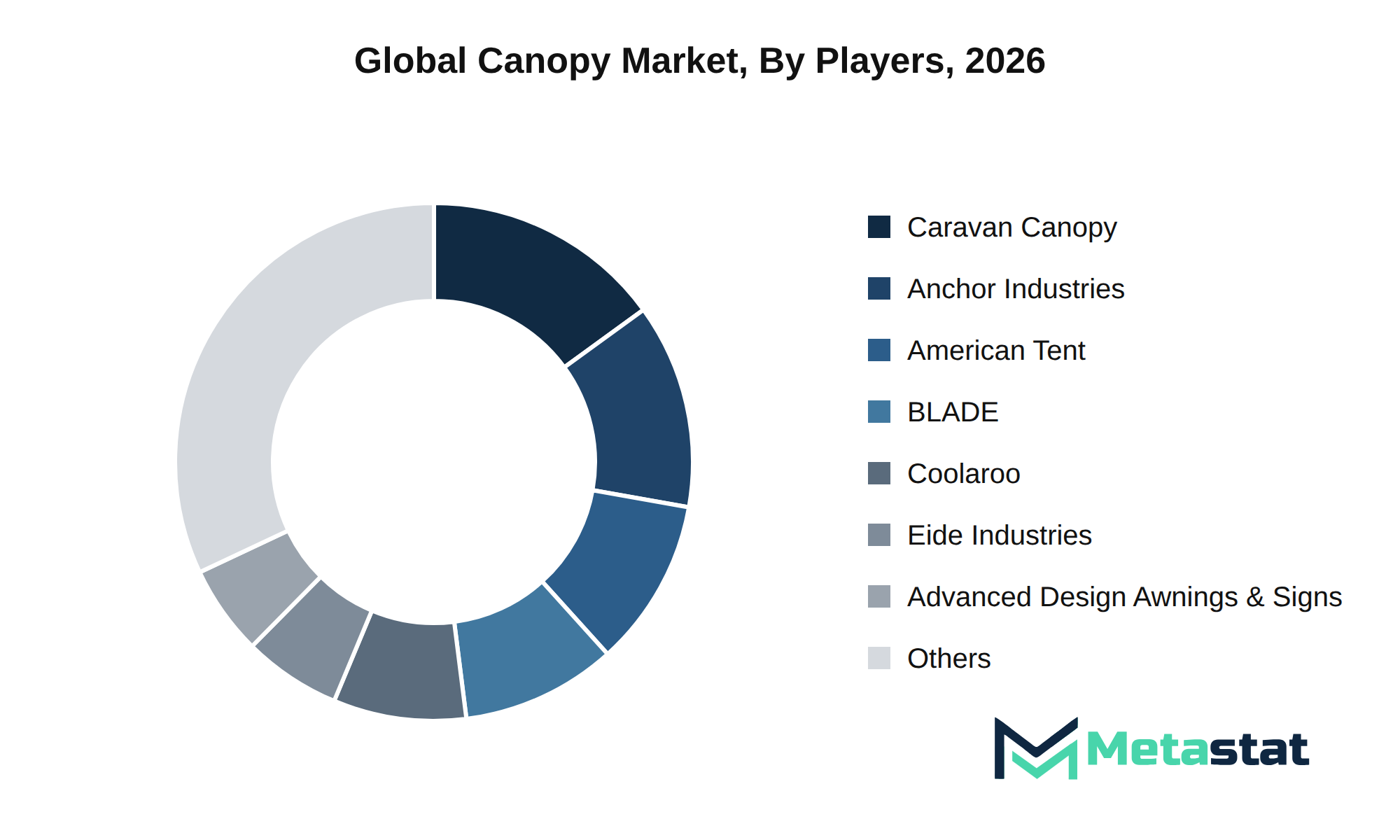
The competitive environment in the canopy market involves significant dynamics driven by mergers, acquisitions, and strategic consolidations. Industry players including Advanced Design Awnings & Signs and AKS Industries, Inc. engage in strategic partnerships to enhance market presence and expand product offerings. The focus on product differentiation is evident, with companies like American Tent and Anchor Industries investing in research and development to create innovative solutions tailored to diverse customer needs.
Go-to-market strategies emphasize customer retention and brand equity, with organizations including BLADE and CAMSS Shelters implementing targeted marketing initiatives. Competitive pricing architectures reflect the need for companies including Canopies UK Ltd. and Caravan Canopy to establish value propositions that connect with consumers.
Barriers to entry remain a consideration, influencing market accessibility for new entrants. Established companies leverage their intellectual property portfolios and technological advancements to maintain market share. The future competitive outlook for the canopy market anticipates continued evolution, with strategic growth vectors focusing on sustainability and expanding product categories.
Market size is forecast to rise from USD 2,148.9 million in 2025 to over USD 2,830.7 million by 2033. The base case projects growth at a 3.5% CAGR over this period. Bull cases envision accelerated growth driven by advancements in next-generation technologies and increasing demand across various sectors. Bear cases anticipate stagnation due to macroeconomic challenges, regulatory hurdles, and geopolitical tensions affecting global supply chains.
The evolving canopy market reflects structural consumption shifts and maturation of core industries. Strategic capital allocation, infrastructure commitments, and CapEx investment vectors will shape growth trajectories. Emerging white-space opportunities indicate significant unmet enterprise needs, particularly in segments including commercial and recreational canopies.
Executive-level strategic imperatives focus on adapting to evolving trade corridors and compliance with imminent regulatory changes. This landscape requires firms to prioritize R&D commercialization timelines and product life-cycle management effectively. Addressing these factors enhances competitive positioning and allows stakeholders in the canopy market to capitalize on high-growth pockets within the industry.
The report strategically identifies and profiles the key market players and analyses their core competencies in each sub-segment of the Canopy market.
Report Attributes | Details |
Study Period | 2021-2033 |
Base Year | 2025 |
Estimated Year | 2026 |
Forecast Period | 2026-2033 |
Historical Period | 2021-2025 |
Growth Rate | CAGR 3.5% from 2026 to 2033 |
Revenue Unit | USD million |
Segmentation | By Residential Canopies, Commercial Canopies, Event Canopies, Recreational Canopies, and Region |
By Region | North America (By Residential Canopies, Commercial Canopies, Event Canopies, Recreational Canopies, and Country)
|
Europe (By Residential Canopies, Commercial Canopies, Event Canopies, Recreational Canopies, and Country)
| |
Asia Pacific (By Residential Canopies, Commercial Canopies, Event Canopies, Recreational Canopies, and Country)
| |
South America (By Residential Canopies, Commercial Canopies, Event Canopies, Recreational Canopies, and Country)
| |
Middle East and Africa (By Residential Canopies, Commercial Canopies, Event Canopies, Recreational Canopies, and Country)
|
Find answers to common questions about this report
The Canopy market size was valued at USD 2,148.9 million in 2025, according to the Metastat Insights study.
The Canopy market is projected to grow at a CAGR of 3.5% during the forecast period from 2026 to 2033.
The North America Canopy market size is estimated to reach USD 743.9 million by 2033.
The Residential Canopies segment leads the Canopy market with a value of USD 705.3 million in 2026. This segment's growth trajectory positions it ahead of other segments in the market.
Growth in the residential construction sector significantly drives demand for the Canopy market, fueled by increased consumer spending on home improvement and outdoor living spaces. heightened consumer focus on sustainability encourages the adoption of eco-friendly products, prompting manufacturers to innovate and align with evolving preferences.
Europe holds the largest share of the Canopy market, accounting for 37% of the total market in 2033. North America follows with a share of 26.9%.
Several factors restrain the Canopy market growth, including regulatory compliance challenges that increase operational costs for manufacturers. Macroeconomic headwinds, including inflationary pressures and rising raw material costs, further limit consumer investment in new canopy installations. Supply chain disruptions driven by geopolitical instability create barriers, affecting product availability and customer satisfaction.
Growth in the residential construction sector drives product adoption in the Canopy market, fueled by increased consumer spending on outdoor living spaces. heightened consumer focus on sustainability encourages the demand for eco-friendly canopy solutions, prompting manufacturers to innovate and align with environmentally conscious preferences.
The Canopy market is estimated to reach a valuation of USD 2,830.7 million by 2033.
Key players operating in the Canopy market include Advanced Design Awnings & Signs, American Tent, Anchor Industries, BLADE, E-Z UP, Gale Pacific Limited, and Losberger De Boer.
The analysts below cover Food and Beverages research at Metastat Insights.
LEAD ANALYST
Utkarsh Khirodkar is a Lead Market Research Analyst at MetaStat Insight, specializing in market intelligence, technology sector assessments, and competitive strategy.

LEAD PRINCIPAL ANALYST, PHARMA AND HEALTHCARE
Food and Beverages · Healthcare · Healthcare IT · Medical Devices
Ajay Devgire is the Lead Healthcare Analyst at MetaStat Insight, leading strategic research and market intelligence initiatives across the global healthcare domain.

SENIOR RESEARCH ANALYST
Biotechnology · Food and Beverages · Medical Devices · Packaging
Snehal Pasalkar is a Research Analyst at MetaStat Insight, operating at the intersection of life sciences research, competitive strategy, and market intelligence.
Integrating zero-trust access controls across legacy electronic health record systems involves complex compliance overhead. Team produced an analysis that clearly separated identity governance and administration tools from privileged access management platforms. Their evaluation of HIPAA and GDPR compliance features across cloud native solutions gave our architecture group clear baseline criteria. The custom data request regarding biometric authentication adoption in hospital networks was returned promptly with clear documentation.
Evaluating calorific value requirements and air permit compliance across municipal waste facilities requires localized data. Metastat Insight structured their analysis around operational throughput capacity and feedstock composition variations in Latin America and Eastern Europe. Their competitive mapping of sorting equipment vendors helped clarify technology differences between optical separators and heavy media systems. The study provided an objective baseline during our capital expenditure reviews.
Decarbonizing industrial thermal processes hinges on refrigerant regulations and compressor efficiency limits. Metastat Insights delivered a thorough market analysis that evaluated natural refrigerants like CO2 and hydrocarbons against synthetic low-GWP alternatives. The breakdown of utility incentives and grid capacity constraints across key European manufacturing hubs offered valuable perspective. The follow-up conversation with their sector analysts addressed our specific questions on mechanical vapor recompression systems efficiently.
Explore related market intelligence reports worth reading alongside this one.
Starting from
$2950