
LEAD ANALYST
Utkarsh Khirodkar is a Lead Market Research Analyst at MetaStat Insight, specializing in market intelligence, technology sector assessments, and competitive strategy.

Central & Eastern Europe (CEE) B2B Office Seating Market Size, Share, By Product Type (Task & Operative Chairs, Executive & Managerial Chairs, Conference & Meeting Chairs, Visitor & Guest Chairs, Training & Multipurpose Chairs, Collaborative & Lounge Office Chairs, Drafting, Counter & Sit-Stand Stools), By End-Use Sector (IT & Telecommunications, Banking, Financial Services & Insurance, Professional & Business Services, Manufacturing & Industrial, Government & Public Administration, Education & Research, Healthcare & Life Sciences, Retail & E-commerce, Flexible Workspace & Coworking Operators), By Primary Sales Channel (Independent Office Furniture Dealers & Resellers, National & Regional Contract Furniture Dealers, Importers & Master Distributors, Interior Fit-Out & Turnkey Workplace Providers, B2B Online & E-Procurement Resellers, Direct Manufacturer & Key-Account Sales), By Region (Czechia, Slovakia, Poland, Hungary, Lithuania, Romania, Bulgaria, Rest of Central & Eastern Europe (CEE)), Industry Analysis, Growth, Trends, and Forecast, 2026-2033
Report ID
MSI-5117
Published
September, 2026
Pages
270 Pages
Format
Historical
Base year
Forecast
Forecast period
Report Details
Choose Your License
Central & Eastern Europe (CEE) B2B Office Seating Market
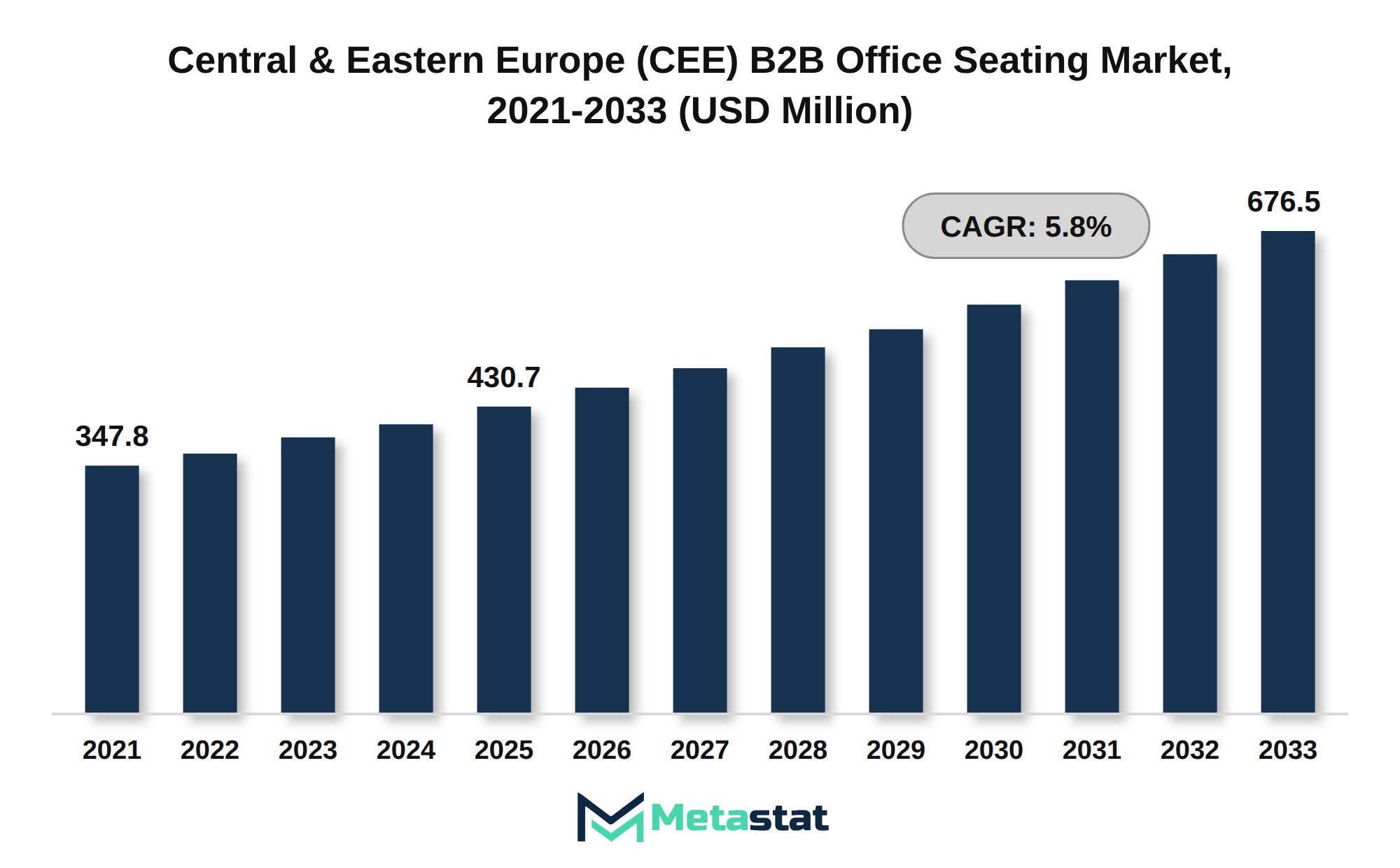
The Central & Eastern Europe (CEE) B2B Office Seating market was valued at USD 430.7 million in 2025 and is projected to reach USD 676.5 million by 2033, growing at a CAGR of 5.8% over the forecast period.
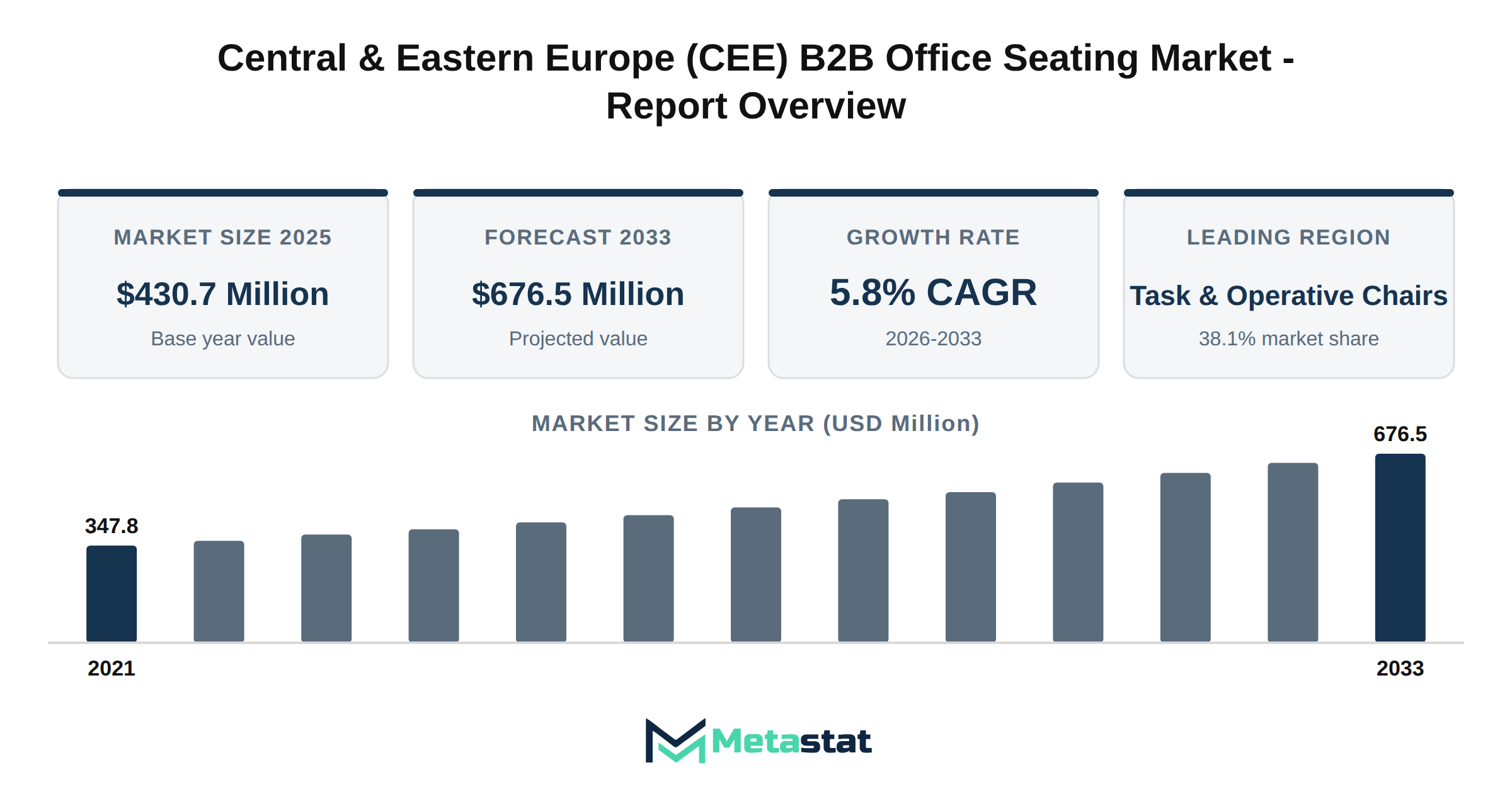
The Central & Eastern Europe (CEE) B2B Office Seating market reached a value of USD 430.7 million in 2025, reflecting a consistent growth trend from USD 347.8 million in 2021. This upward trajectory is projected to continue, with an estimated market value of USD 676.5 million by 2033, resulting in a compound annual growth rate (CAGR) of 5.8% during the forecast period from 2026 to 2033.
Task and operative chairs represent the largest segment within the market, accounting for 38.1% of total sales. The executive and managerial chairs segment holds a 14.9% share, while conference and meeting chairs contribute 14%. Visitor and guest chairs, training and multipurpose chairs, and collaborative and lounge office chairs complete the market landscape, with shares of 9.9%, 7%, and 8.2%, respectively.
Forecasts indicate strong growth across various product types. Task and operative chairs are expected to increase from USD 174.6 million in 2026 to USD 261.9 million by 2033, achieving a CAGR of 6%. Executive and managerial chairs are projected to reach USD 93.4 million in the same year, growing at a CAGR of 4.8%. The conference and meeting chairs segment is anticipated to attain a value of USD 94.2 million by 2033, showing steady demand in professional environments.
The end-use sectors driving market growth include IT and telecommunications, which is projected to see significant expansion. This sector's value is expected to grow from USD 85.5 million in 2026 to USD 130.3 million by 2033, resulting in a CAGR of 6.2%. Banking, financial services, and insurance will contribute to market dynamics, with a projected value of USD 93.4 million by 2033, reflecting a CAGR of 5.2%. Professional and business services are anticipated to reach USD 109.7 million during the same period.
Market characteristics indicate a complex set of factors influencing growth and competition. The Central & Eastern Europe (CEE) B2B Office Seating market experiences fragmentation across various sales channels, including independent office furniture dealers and national contract furniture dealers. The former is expected to grow from USD 126.4 million in 2026 to USD 175.3 million by 2033, while national and regional contract furniture dealers target a value of USD 145.6 million by 2033, demonstrating a CAGR of 6.1%.
The Central & Eastern Europe (CEE) B2B Office Seating market faces a dynamic environment influenced by various factors. Regulatory compliance and adherence to standards are critical for manufacturers and suppliers. Tightening regulations regarding workplace ergonomics and safety drive companies to innovate and enhance product offerings, ensuring they meet the evolving expectations of end-users.
Geopolitical risks play a significant role in shaping market dynamics. Trade policies and international relations impact the availability and pricing of raw materials, prompting companies to adapt their sourcing strategies. These risks necessitate agility in supply chain management, ensuring that disruptions do not adversely affect operational continuity.
Research and development trajectories are steering the market towards next-generation innovation. Companies are increasingly investing in ergonomic designs, smart technologies, and sustainable materials, aligning with the growing demand for environmentally friendly products. This focus on sustainable transformation includes decarbonization efforts and embracing circular economy dynamics, which enhance the overall value proposition for buyers.
The supply chain landscape is undergoing significant changes, with logistics architecture evolving to accommodate new procurement models. The shift towards online sales and direct-to-consumer channels influences how products reach end-users, requiring companies to optimize their distribution strategies to maintain competitiveness in the market. This evolution necessitates a reevaluation of traditional distribution methods.
Market fragmentation remains a challenge, with numerous players competing across various segments. M&A dynamics are becoming evident, driven by companies seeking to consolidate resources and expand their portfolios. This consolidation allows for enhanced capabilities in research, manufacturing, and distribution, positioning firms to better meet consumer demands.
Capital allocation strategies are adapting to meet the current market conditions. Investments in infrastructure, particularly in technology and production facilities, support growth and innovation. Inflationary pressures and currency volatility affect operational costs, compelling companies to reassess pricing strategies and financial planning.
Future strategic outlook suggests continued growth in the Central & Eastern Europe (CEE) B2B Office Seating market. Corporate imperatives focus on enhancing customer journey dynamics, ensuring that buyers experience effective interactions throughout the purchasing process. High-value recommendations include prioritizing investments in sustainable practices and innovative product development to secure a competitive edge in this evolving market.
The Central & Eastern Europe (CEE) B2B Office Seating market benefits from robust capital investment environments characterized by increasing GDP growth and favorable venture funding. The influx of investment enables businesses to modernize their office spaces, driving demand for various seating solutions. Enhanced capital availability allows organizations to prioritize workplace upgrades, focusing on ergonomics and employee comfort, which influences purchasing decisions.
Interest rates remain relatively low, promoting borrowing for office renovations and expansions. Lower financing costs facilitate investments in innovative seating options, aligning with evolving consumer preferences for aesthetic and functional office environments. This dynamic drives competition among suppliers, compelling them to enhance product offerings and adopt advanced technology in design and manufacturing processes.
Public-private spending power strengthens the market by promoting economic stability and encouraging infrastructure development. Increased investment in office infrastructure correlates with heightened demand for office seating solutions, further fueling market expansion. The integration of new technologies into workplaces enhances operational productivity and increases the appeal of modern office designs, making the Central & Eastern Europe (CEE) B2B Office Seating market more attractive to investors.
Infrastructural development across Central & Eastern Europe (CEE) enhances the demand for B2B office seating, driven by economic growth that expands commercial spaces. Increased investments in office buildings, technology hubs, and coworking spaces provide opportunities for office seating solutions. This trend aligns with the rising emphasis on modern workplace environments designed to improve employee productivity and satisfaction, adhering to evolving corporate standards.
Investment in infrastructure stimulates growth in the market through the construction of new office spaces and the modernization of existing facilities. Economic indicators, including GDP growth rates, significantly affect corporate spending on office upgrades, leading to heightened demand for diverse seating options. Companies in sectors including IT, telecommunications, and professional services prioritize ergonomic seating solutions to support workforce productivity in these enhanced environments.
Businesses adapt to contemporary workplace trends, driving a shift towards flexible office layouts that further increase demand for innovative seating solutions. Customizable and modular office furniture becomes essential for creating collaborative spaces that encourage interaction and teamwork, influencing purchasing decisions. The integration of technology, including automation and smart office systems, complements these developments, necessitating modern seating arrangements that cater to evolving user preferences.
Investments in infrastructure support the immediate demand for office seating and lay the groundwork for sustained growth in the Central & Eastern Europe (CEE) B2B Office Seating market. Long-term planning for office environments, coupled with a clear focus on employee wellbeing, ensures that the sector adapts to changing needs, promoting resilience and enabling competitive advantage in the region.
Regulatory challenges negatively impact the Central & Eastern Europe (CEE) B2B Office Seating market, resulting in compliance hurdles that hinder operational efficiency. Manufacturers face strict requirements that complicate the introduction of new products, limiting innovation and market responsiveness. These legal mandates create an environment where companies allocate significant resources to ensure compliance, diverting capital from potential growth opportunities.
Macroeconomic headwinds, including inflationary pressures and geopolitical instability, contribute to uncertainty within the market. Rising operating costs and capital stagnation further constrain investment capacity, making it challenging for firms to expand or upgrade their offerings. Supply chain disruptions restrict access to essential materials and components, delaying production cycles and increasing lead times.
Technological obsolescence poses another restraint within the market. Rapid advancements in seating technology require constant adaptation, yet resource scarcity limits the ability to invest in advanced solutions. Market fragmentation complicates the competitive environment, with numerous players vying for limited market share, creating challenges in brand differentiation.
Overall, these regulatory challenges and external pressures collectively create a cautious investment climate within the Central & Eastern Europe (CEE) B2B Office Seating market, restricting growth and innovation while affecting overall demand levels. Firms navigate these complexities to remain competitive in a landscape marked by evolving consumer preferences and economic uncertainty.
Geopolitical fragmentation poses significant challenges within the Central & Eastern Europe (CEE) B2B Office Seating market. The complexity of navigating diverse political climates leads to trade deficits and tariff friction, creating an unfavorable environment for suppliers. Increased compliance overhead and legal liabilities complicate operations and hinder market access for companies.
Technological disruptions further complicate the market, with firms wrestling with interoperability issues among various seating solutions. Volatility in feedstock and component availability creates additional uncertainties, forcing companies to adapt quickly to shifting supply chain dynamics. These logistical challenges contribute to an unstable market environment, affecting overall growth and investment potential.
Pressure on pricing and profit margins arises from rising input costs, automation displacements, and talent retention pressures. Workforce skill gaps hinder the ability of firms to efficiently adopt emerging technologies, reducing competitiveness. Concurrently, sustainability demands and environmental lifecycle footprints impose further constraints on operational strategies, pushing firms to rethink their approaches.
Overall, the combination of these factors creates a complex and challenging atmosphere for businesses within the Central & Eastern Europe (CEE) B2B Office Seating market. Innovative solutions and strategic adjustments are necessary to navigate the evolving market landscape.
Technological disruptions significantly influence the Central & Eastern Europe (CEE) B2B Office Seating market, enhancing operational efficiencies and driving product innovations. The ongoing digital transformation within various sectors has reshaped consumer expectations, prompting manufacturers to adopt smart and ergonomic solutions that cater to modern workplace needs. This shift in demand aligns with broader trends prioritizing sustainability imperatives, pushing suppliers to develop eco-friendly seating options that comply with environmental standards.
Emerging regional demands, particularly from the IT and telecommunications sector, contribute to market expansion. Projected growth within this sector indicates an increase from USD 85.5 million in 2026 to USD 130.3 million by 2033, representing a compound annual growth rate (CAGR) of 6.2%. This surge highlights the necessity for adaptive office environments that promote employee well-being and productivity, establishing a direct correlation between sector growth and office seating demand.
The market benefits from geographical expansion driven by cross-industry mergers and acquisitions. Strategic consolidation among key players enhances market reach, enabling them to leverage technological advancements while diversifying product offerings. This trend creates a more competitive landscape, compelling companies to innovate continuously and respond effectively to changing consumer preferences.
Digital procurement shifts play a critical role in reshaping buying behaviors across various sectors. The rise of online platforms and e-procurement channels enables companies to access a wider range of products and suppliers, facilitating quicker decision-making. This transformation in purchasing processes encourages greater investment in high-quality office seating solutions that meet evolving workplace requirements.
Overall, the Central & Eastern Europe (CEE) B2B Office Seating market stands poised for significant growth, driven by technological advancements, evolving consumer demands, and strategic industry shifts aligning with contemporary workplace trends. While these factors converge, opportunities for innovation and market penetration will expand, reinforcing the importance of adaptability and responsiveness within the sector.
The Central & Eastern Europe (CEE) B2B Office Seating market is segmented based on Product Type, End-Use Sector, Primary Sales Channel, and Region.
Valued at USD 174.6 million in 2026, the Task & Operative Chairs segment is projected to reach USD 261.9 million by 2033, reflecting a CAGR of 6% during the forecast period. Growing demand for ergonomic and functional office seating drives adoption within various industries, particularly in IT & Telecommunications and Professional & Business Services. These sectors prioritize employee comfort and productivity, encouraging a shift towards task-oriented designs that support long hours of use.
Technological maturation enhances product evolution, driven by manufacturers integrating advanced materials and adjustable features to cater to diverse user preferences. Innovations in design, including improved mobility and modular configurations, respond to the increasing trend of flexible workspace solutions, further propelling the segment's growth. Regulatory compliance standards regarding workplace safety and ergonomics reinforce the demand for high-quality seating solutions, ensuring that organizations meet employee welfare criteria.
Cost structures and pricing volatility emerge due to critical factors influencing the market. Fluctuations in raw material costs affect pricing strategies, impacting end-user adoption rates. Nevertheless, strategic opportunity windows arise for manufacturers willing to invest in sustainable materials and practices, aligning with the growing emphasis on environmental responsibility in office environments.
Supply chain resilience plays an important role in meeting the evolving needs of the market. Disruptive alternatives, including virtual and remote work setups, challenge traditional seating demand; however, the enduring necessity for physical office spaces ensures continued relevance for task and operative chairs. Overall, the Central & Eastern Europe (CEE) B2B Office Seating market will experience sustained growth driven by these multifaceted factors.
Significant growth characterizes the Executive & Managerial Chairs segment within the Central & Eastern Europe (CEE) B2B Office Seating market. A valuation of USD 93.4 million by 2033, at a CAGR of 4.8% during the forecast period, reflects strong demand drivers. Increasing investments in office infrastructure and heightened awareness of ergonomic benefits drive adoption. Corporations shift toward flexible work environments, resulting in a higher preference for executive and managerial seating solutions that promote comfort and productivity.
The segment experiences expansion catalysts through technological maturation and ongoing product evolution. Innovations in materials and design enhance chair functionalities, meeting growing expectations from high-level office personnel. Industry players focus on next-gen upgrades, integrating advanced ergonomic features that address the demands of modern workspaces. This evolution aligns with consumption shifts, where end-users increasingly seek quality and style, significantly impacting purchasing decisions.
Regulatory compliance standards and certifications influence market dynamics, compelling manufacturers to meet safety and sustainability benchmarks. Cost structures in the segment remain impacted by rising material prices, necessitating manufacturers to optimize production processes. Strategic opportunity windows arise from a growing emphasis on health and well-being in workplace environments, positioning executive and managerial chairs because essential investments for organizations prioritizing employee satisfaction and retention.
Market demand for Conference & Meeting Chairs in the Central & Eastern Europe (CEE) B2B Office Seating market stems from the need for flexible and functional seating solutions within collaborative workspaces. Increasing emphasis on professional environments that encourage teamwork and innovation fuels this demand. Organizations prioritize comfort and design aesthetics, enhancing productivity during meetings and conferences.
Growth within this segment benefits from technological advancements that integrate smart seating solutions, allowing for better space utilization and user interaction. Next-generation upgrades include features like adaptability and ergonomic designs, attracting companies focused on employee well-being. These developments align with consumption shifts towards more dynamic office environments, where traditional seating arrangements no longer suffice.
Regulatory compliance regarding workplace ergonomics influences purchasing decisions, prompting companies to invest in compliant seating options to ensure employee safety and comfort. This factor, combined with a heightened focus on employee retention, drives investment in high-quality Conference & Meeting Chairs.
The Conference & Meeting Chairs segment is expected to reach USD 94.2 million by 2033. The competitive landscape involves both local and international players, with a diverse range of products designed to meet varying customer needs across different sectors. Strategic partnerships among manufacturers and suppliers enhance distribution channels, ensuring widespread availability of innovative seating solutions.
Overall, the market outlook for Conference & Meeting Chairs remains positive, supported by ongoing investments in workplace infrastructure, evolving workplace dynamics, and a growing recognition of the importance of tailored seating solutions in enhancing collaborative efforts.
Visitor & Guest Chairs represent a significant segment within the Central & Eastern Europe (CEE) B2B Office Seating market, projected to grow at a CAGR of 4.7% during the forecast period. Demand for these chairs arises from their essential role in enhancing the visitor experience in various settings, including corporate offices and hospitality venues. Companies prioritize comfort and aesthetics, driving the need for ergonomically designed seating solutions that accommodate longer visits without compromising guest comfort.
Health and safety regulations influence the design and materials of Visitor & Guest Chairs, with manufacturers focusing on compliance with stringent standards. Innovations in materials and design enhance comfort and improve durability and maintenance, appealing to cost-conscious businesses. The growing emphasis on creating collaborative workspaces contributes to the demand for flexible seating solutions that align with contemporary office layouts.
Investment in workplace aesthetics fuels the expansion of this segment. Organizations recognize the impact of environment on employee productivity and visitor perceptions. Enhanced marketing efforts by suppliers highlight the benefits of modern seating solutions, encouraging broader adoption across various sectors. The increasing trend toward remote work and hybrid models continues to shape consumer preferences, influencing seating choices due to companies adapting to evolving workplace dynamics.
Valued at USD 430.7 million in 2025, the segment shows strong potential for growth, supported by ongoing investments in commercial real estate and workplace redesigns across the region. This aligns with broader trends in the Central & Eastern Europe (CEE) B2B Office Seating market, where demand for innovative and versatile seating options remains robust.
Consumption trends indicate a growing preference for flexible office solutions, driving demand for Training & Multipurpose Chairs within the Central & Eastern Europe (CEE) B2B Office Seating market. This segment benefits from the rise in collaborative workspaces and the shift toward hybrid working models, where adaptable seating options facilitate varied office layouts and user needs.
Technological advancements contribute to the evolution of Training & Multipurpose Chairs, integrating features that enhance comfort and functionality. Innovations in ergonomic design and materials enhance user experience, supporting broader adoption across diverse sectors. The trend toward healthier work environments emphasizes the importance of seating designed for prolonged use and active sitting.
End-user dynamics play a crucial role in the growth of this segment, particularly within education and corporate training environments. Increased investments in employee wellbeing and productivity drive organizations to prioritize versatile seating solutions. Consequently, the Training & Multipurpose Chairs segment aligns with evolving workplace strategies, assisting organizations in meeting emerging challenges.
Market expansion is influenced by regulatory compliance standards aimed at improving workplace ergonomics and safety. Certifications for ergonomic products enhance consumer trust and incentivize organizations to upgrade their seating solutions. The shift toward compliance with these standards creates a competitive environment, pushing manufacturers to innovate and offer products that meet or exceed these requirements.
In the context of the overall market, Training & Multipurpose Chairs represent a strategic opportunity for manufacturers and suppliers. Addressing the specific needs of businesses adapting to flexible working environments positions this segment for continued relevance and growth. Investment in research and development within this area is vital for capturing the potential of evolving consumer demands and market trends.
Demand for Collaborative & Lounge Office Chairs aligns with a shift towards more flexible and inviting workspaces. Companies increasingly prioritize employee comfort and collaboration, driving adoption in modern office environments. The market experiences strong interest from sectors focusing on employee well-being and innovative workspace designs.
End-user dynamics significantly influence growth within this sub-segment. Organizations recognize the importance of creating spaces that encourage teamwork and creativity. This trend stimulates investments in versatile seating solutions that accommodate various collaborative activities while enhancing aesthetics and functionality.
Regulatory compliance standards contribute to the evolution of product offerings. Manufacturers focus on ensuring that their chairs meet ergonomic guidelines and sustainability criteria, appealing to environmentally conscious organizations. Certifications enhance marketability, reinforcing brand credibility among buyers within the Central & Eastern Europe (CEE) B2B Office Seating market.
Technological maturation presents opportunities for next-generation upgrades. Advancements in materials and design technologies allow for innovative seating solutions that balance style with practicality. Enhancements in upholstery and durability strengthen the appeal of Collaborative & Lounge Office Chairs, attracting a wider customer base.
Investments in this sub-segment signal strategic opportunity windows for suppliers. Companies aiming to enhance workplace environments and promote collaboration seek out high-quality seating solutions. This upward trend positions the Collaborative & Lounge Office Chairs sub-segment because a significant area for growth within the broader market.
Demand for Drafting, Counter & Sit-Stand Stools aligns with shifts in workplace dynamics, emphasizing ergonomic solutions that support health and productivity. Adoption of these seating options responds to the increasing awareness surrounding workplace wellness, prompting businesses to invest in furniture that enhances comfort and adaptability. The segment experiences growth driven by a rising focus on flexible work environments, where employees benefit from adjustable solutions that accommodate various tasks and preferences.
Technological maturation in ergonomic design leads to innovative features within the segment, enabling advancements including adjustable heights and user-friendly mechanisms. Next-gen upgrades enhance functionality, ensuring that these stools remain relevant in modern office spaces. End-use dynamics demonstrate a strong preference from sectors including IT & Telecommunications and Professional & Business Services, where the need for versatile and dynamic seating solutions drives demand.
Consumption shifts toward healthier work environments increase greater interest in products that promote active sitting. Regulatory compliance standards concerning occupational health and safety contribute to the segment's growth, driven by businesses seeking to align with evolving requirements. Investments in Drafting, Counter & Sit-Stand Stools reflect a strategic opportunity window for companies aiming to differentiate their offerings within the competitive landscape of the Central & Eastern Europe (CEE) B2B Office Seating market.
Cost structures and pricing volatility within the raw materials used for these products impact overall profitability. Manufacturers face margin pressures while navigating supply chain resilience, necessitating effective sourcing strategies. Disruptive alternatives introduce further complexity, because companies strive to balance innovation with cost-effectiveness.
While this segment evolves, continuous emphasis on product evolution and strategic opportunities shapes the outlook. Capital investment in R&D remains crucial for companies aiming to bring to market solutions that meet changing workplace needs, ultimately positioning themselves for success in the dynamic Central & Eastern Europe (CEE) B2B Office Seating market.
Demand for Others (24-Hour/Control-Room Chairs, ESD/Antistatic Chairs) stems from specialized applications requiring ergonomic support and durability, particularly in environments with specific regulatory compliance standards. The increasing focus on worker safety and comfort in control rooms and cleanroom environments drives adoption among industries like manufacturing and healthcare. Companies seek solutions that enhance productivity while ensuring compliance with stringent workplace regulations.
Technological maturation plays a role in the evolution of this sub-segment, with innovations focusing on materials that ensure antistatic properties and extended durability. The market responds to shifting consumption patterns, particularly from sectors that prioritize both performance and compliance. Investment in next-generation upgrades, including customizable features and improved ergonomics, enhances product appeal to end users.
Strategic opportunity windows arise from manufacturers exploring partnerships with distributors specializing in niche markets. This collaboration strengthens supply chain resilience and opens avenues for product innovations tailored to specific end-use dynamics. Overall, the Others (24-Hour/Control-Room Chairs, ESD/Antistatic Chairs) segment contributes to the Central & Eastern Europe (CEE) B2B Office Seating market through a unique blend of functionality and compliance-driven design.
Valued at USD 85.5 million in 2026, the IT & Telecommunications segment is projected to reach USD 130.3 million by 2033, at a CAGR of 6.2% during the forecast period. Increased investment in technology and infrastructure drives demand for office seating solutions tailored for IT and telecommunications companies. Continuous upgrades in office environments to enhance employee comfort and productivity contribute to segment growth, with firms prioritizing ergonomically designed seating solutions to accommodate varied work styles.
Technological maturation within the sector facilitates the adoption of advanced seating solutions that integrate with modern workplace dynamics. The rise of remote and hybrid work models influences consumption shifts, prompting organizations to create flexible office layouts that support collaborative and individual work. This shift necessitates an evolution in product offerings, favoring designs that are adaptable and multifunctional.
Regulatory compliance with health and safety standards enhances the demand for high-quality office seating, which promotes well-being in the workplace. Cost structures within the segment influence purchasing decisions, with companies seeking value through durable and aesthetically pleasing options. The competitive landscape of the Central & Eastern Europe (CEE) B2B Office Seating market features several key players that operate in innovation and sustainability, positioning themselves to capitalize on emerging market opportunities.
Investment in this segment reflects strategic opportunity windows driven by the increasing importance of employee experience and workplace satisfaction. Businesses recognize the impact of their workplace environment on productivity and retention, leading to a steady rise in demand for diverse office seating solutions.
Investment in the Banking, Financial Services & Insurance segment drives demand for office seating solutions within the Central & Eastern Europe (CEE) B2B Office Seating market. The segment is projected to reach USD 93.4 million by 2033, at a CAGR of 5.2% during the forecast period. Increasing emphasis on employee well-being and productivity fuels the adoption of ergonomic office seating. Financial institutions prioritize modern and comfortable seating environments to enhance employee satisfaction and operational efficiency.
Technological advancements contribute to product evolution, focusing on innovative designs that cater to the needs of modern workplaces. Organizations within this segment actively seek seating solutions that support collaborative workspaces while maintaining individual comfort. Regulatory compliance standards regarding workplace ergonomics mandate the adoption of higher-quality seating, further driving demand.
Cost structures within the Banking, Financial Services & Insurance sector influence procurement strategies. Budget constraints prompt organizations to evaluate the total cost of ownership when selecting office seating solutions, impacting purchasing decisions. Pricing volatility in raw materials necessitates careful supplier selection to ensure cost-effective solutions while maintaining quality and performance standards.
Strategic investment in next-gen seating technology addresses evolving workplace dynamics, anticipating future requirements. Organizations explore flexible seating options that facilitate adaptability to changing office layouts and enhance overall workplace functionality. This proactive approach positions the segment for sustained growth within the wider Central & Eastern Europe (CEE) B2B Office Seating market.
Increasing investments in office infrastructure within the Professional & Business Services sector drive demand for ergonomic and aesthetically pleasing office seating solutions. The trend towards enhancing employee productivity through improved workplace environments supports this growth. Consequently, organizations prioritize comfort and functionality, actively seeking out high-quality seating options that cater to diverse work styles.
Technological advancements significantly influence product evolution in this segment. Manufacturers introduce innovative designs that incorporate health-focused features, including adjustable height and lumbar support. These upgrades respond to a growing emphasis on employee wellbeing, which aligns with the broader objectives of the Central & Eastern Europe (CEE) B2B Office Seating market.
By 2033, the Professional & Business Services segment is expected to reach USD 109.7 million. This projection reflects a robust demand environment driven by organizations increasingly recognizing the impact of their office layouts on employee satisfaction and performance. Heightened awareness surrounding workplace wellness trends further enhances this segment's growth potential.
Price volatility of raw materials presents challenges within the market, impacting cost structures and operational margins. Companies actively seek ways to mitigate these pressures by streamlining supply chain logistics and enhancing procurement strategies. Strategic partnerships across the industry emerge to strengthen market resilience and ensure product availability, ensuring continuous supply to meet evolving customer needs.
The Professional & Business Services segment plays an important role in shaping the Central & Eastern Europe (CEE) B2B Office Seating market. Prioritization of employee comfort and the adoption of advanced seating solutions signal a dynamic path forward, driven by innovation and strategic investments.
Growth in the Manufacturing & Industrial segment reflects an increased focus on productivity and ergonomics within work environments. Companies recognize that comfortable office seating contributes directly to employee performance, leading to a higher demand for specialized seating solutions. This rise in demand contributes to a projected CAGR of 5% during the forecast period.
The sector's expansion aligns with broader trends in industrial automation and efficiency. Manufacturers invest in upgrading their facilities, thus increasing the need for ergonomic office seating that supports various work functions. This shift enhances productivity and drives investment in B2B office seating solutions.
The influence of health and wellness trends drives the adoption of office seating that promotes better posture and reduces fatigue. Awareness of workplace ergonomics grows, and manufacturers prioritize seating that enhances employee well-being, resulting in increased sales within the Central & Eastern Europe (CEE) B2B Office Seating market.
Pricing structures in this segment face volatility due to fluctuating raw material costs and supply chain dynamics. Strategic partnerships with suppliers mitigate these impacts, allowing businesses to maintain competitive pricing. Sustained investment in product innovation ensures that offerings remain aligned with evolving consumer preferences.
Overall, the Manufacturing & Industrial sector presents strategic opportunity windows for growth, particularly in the context of evolving workplace needs. Investment in ergonomic seating solutions enhances employee satisfaction and positions companies competitively within the Central & Eastern Europe (CEE) B2B Office Seating market.
Increasing focus on ergonomic office environments drives demand within the Government & Public Administration segment of the Central & Eastern Europe (CEE) B2B Office Seating market. Organizations recognize the importance of employee well-being, leading to investments in seating solutions that improve comfort and productivity.
Adoption of modern office furniture reflects a shift towards collaborative working spaces. Government agencies seek versatile furniture that caters to various functions, enhancing adaptability within public sector workplaces. This trend aligns with a broader emphasis on creating dynamic and flexible work environments.
Regulatory compliance standards influence seating choices, requiring adherence to safety and ergonomic guidelines. These regulations promote investments in certified and approved seating products, ensuring operational suitability within government facilities.
Cost structures within the segment impact procurement strategies, necessitating careful budgeting for office furnishing projects. Organizations aim for a balance between quality and affordability, prompting suppliers to implement competitive pricing strategies to capture this market.
Technological advancements in seating design contribute to product evolution. Integrating innovative materials and ergonomic features enables manufacturers to create seating solutions that meet the changing needs of the Government & Public Administration segment. Adapting to these advancements allows suppliers to remain relevant and competitive in the market.
Strategic opportunity windows arise from government initiatives that promote workspace modernization. Investment in public administration projects leads to increased demand for office seating solutions that support emerging work styles, reinforcing the potential for growth in the market.
Overall, the Government & Public Administration segment benefits from evolving consumption patterns and regulatory demands, shaping its trajectory in the Central & Eastern Europe (CEE) B2B Office Seating market. Understanding these factors enhances the competitive positioning of suppliers and optimizes their market strategies.
Interest in the Education & Research segment within the Central & Eastern Europe (CEE) B2B Office Seating market arises from the increasing focus on creating conducive learning environments. Institutions prioritize ergonomic seating solutions that enhance comfort and promote productivity among students and staff. The shift towards flexible learning spaces has accelerated the demand for various chair types that accommodate diverse teaching and learning methods.
Adoption of technology in classrooms influences the design and functionality of office seating products. Modern educational facilities require furniture capable of supporting various learning activities, necessitating innovative seating solutions that adapt to evolving pedagogical approaches. This trend highlights the importance of investing in high-quality, versatile seating that meets the unique needs of educational environments.
Educational institutions face challenges related to budget constraints, which affect purchasing decisions. Long-term benefits associated with ergonomic chair investments, including improved health outcomes and enhanced student performance, often justify these expenditures. Consequently, schools and universities increasingly view seating because an integral component of their infrastructure, contributing to overall institutional effectiveness.
Regulatory compliance regarding health and safety standards shapes purchasing criteria for seating in educational settings. Institutions ensure that their furniture complies with relevant guidelines, which influences their selection process. The market sees a push towards seating options that meet or exceed these standards, leading to greater investment in compliant products.
The sector evolves, creating strategic opportunity windows for suppliers focusing on educational furniture. Collaboration with educational institutions to develop customized solutions that meet specific requirements creates avenues for growth. The market is projected to witness increased emphasis on sustainability and the use of environmentally friendly materials in office seating, reflecting broader societal trends towards eco-consciousness in educational environments.
Growing awareness of ergonomics and comfort drives demand for office seating solutions within the Healthcare & Life Sciences sector. This segment's expansion aligns with increasing investments in healthcare facilities, requiring functional and stylish seating to support both patient and staff needs. The regulatory environment emphasizes compliance with health and safety standards, which influences purchasing decisions for seating products. Manufacturers focus on developing innovative designs that enhance user comfort while adhering to stringent regulations.
Technological advancements facilitate the integration of smart features into seating solutions, catering to a workforce that values efficiency and adaptability. Height-adjustable chairs and collaborative seating arrangements reflect the shift toward flexible work environments, increasing appeal within the Healthcare & Life Sciences sector. Consumer preferences indicate a trend toward sustainable materials, prompting suppliers to consider eco-friendly options in their product offerings.
While healthcare providers prioritize patient experience, seating solutions that enhance comfort and accessibility gain traction. Purchasing patterns reflect a shift toward multifunctional products that serve various needs within medical environments. The importance of aesthetics alongside functionality stands out. Modern healthcare facilities seek to create welcoming atmospheres for patients and staff alike.
Investment in the Healthcare & Life Sciences segment highlights the strategic opportunity windows available to suppliers. With the Central & Eastern Europe (CEE) B2B Office Seating market evolving, stakeholders are keen on capitalizing on these trends to drive growth. Focused marketing strategies and enhanced product offerings will support suppliers in navigating the complexities of this dynamic sector.
Overall, the evolving situation in the Healthcare & Life Sciences sector presents unique challenges and opportunities for B2B office seating providers. Maintaining strong supplier relationships and ensuring product availability will enhance competitive positioning in the market. The integration of technological solutions and sustainable practices will further define the trajectory of growth for seating solutions in this critical sector.
Retail & E-commerce functions because a vital segment within the Central & Eastern Europe (CEE) B2B Office Seating market, influenced by the ongoing digital transformation in retail environments. Increased online shopping trends necessitate adaptable and versatile seating solutions that cater to both customers and employees. The focus on enhancing customer experience in retail settings drives demand for ergonomic and stylish seating options, aligning with contemporary design aesthetics.
Adoption of advanced technologies in retail spaces contributes to the evolution of seating products, integrating features that enhance comfort and functionality. Retailers prioritize creating inviting atmospheres that encourage customer engagement, leading to investments in high-quality seating. Innovations in materials and designs allow retailers to differentiate their spaces, attracting a diverse clientele.
Economic fluctuations impact purchasing decisions within the retail sector, influencing spending on office seating solutions. Retailers continually assess cost structures and pricing strategies to balance budget constraints with the need for quality seating. This analysis informs procurement strategies, ensuring alignment with broader operational goals.
Increased emphasis on sustainability and environmental consciousness shapes purchasing behaviors in retail. Eco-friendly materials and production processes appeal to consumers, prompting retailers to prioritize sustainable seating options. Such developments not only enhance brand image but align with regulatory compliance standards regarding environmental impact.
The Central & Eastern Europe (CEE) B2B Office Seating market anticipates continued growth within the retail segment, fueled by evolving consumer preferences and an emphasis on experience-driven retail strategies. Retailers recognize the importance of investing in seating solutions that enhance both functionality and aesthetic appeal, driving long-term growth in this sector.
Interest from Flexible Workspace & Coworking Operators drives demand for tailored office seating solutions. Companies in this segment require versatile, adaptive seating arrangements to accommodate diverse work styles and collaborative activities. Popularity of open office layouts and shared workspaces fuels a shift towards innovative seating designs that enhance both functionality and aesthetic appeal.
Technological advancements contribute to product evolution, with a focus on ergonomic features and sustainability. Operators seek seating solutions that promote employee wellness while reflecting modern design trends. This focus on ergonomics aligns with a broader industry trend prioritizing health and comfort in office environments.
Enhanced flexibility in workspace configurations influences consumption shifts, driven by more businesses embracing hybrid work models. The segment's growth hinges on the ability to adapt to changing demands for temporary and permanent seating solutions, making it essential for suppliers to remain responsive to client needs.
Regulatory compliance standards regarding workplace safety and employee well-being shape the product offerings within this sector. Certifications related to ergonomics and environmental sustainability serve because significant factors influencing purchasing decisions for operators looking to enhance their workspace quality.
Pricing volatility represents a challenge for operators navigating fluctuating costs of materials and manufacturing. Strategic opportunity windows arise because suppliers innovate to address these pressures, ensuring competitive pricing while maintaining quality. This dynamic environment within the Central & Eastern Europe (CEE) B2B Office Seating market highlights the necessity for operators to establish resilient supply chains capable of adapting to rapid changes.
Capital investment outlook remains optimistic, driven by increasing demand for flexible work environments. Operators recognize the value of investing in high-quality seating solutions that support productivity and employee satisfaction. This investment trend reinforces the Flexible Workspace & Coworking Operators segment because a crucial component of the broader Central & Eastern Europe (CEE) B2B Office Seating market.
Shifts in the Central & Eastern Europe (CEE) B2B Office Seating market reflect growing interest in inclusive and adaptable office designs within the Others segment, which encompasses Hospitality, Transport, Utilities, and Non-Profit Organizations. Demand for office seating solutions in this sub-segment arises from the unique needs of various users, including the necessity for versatile and functional furniture that accommodates different environments and activities.
Factors driving adoption include an emphasis on creating welcoming spaces that enhance the user experience. Organizations in the hospitality and transport sectors require seating solutions that balance style with durability, while non-profit organizations focus on cost-effective options that do not compromise comfort or design. This dynamic reflects a broader trend towards flexible office environments tailored to diverse needs.
Segment expansion is influenced by increasing recognition of the importance of ergonomics and comfort in enhancing productivity. Technological maturation introduces innovative designs and materials that support ergonomic principles, promoting well-being among users. Furniture that integrates advanced technology, including modular designs and sustainable materials, appeals to a wide range of organizations aiming to improve their operational efficiency.
Consumption shifts indicate a preference for adaptable seating that easily transitions between different uses, particularly in multi-functional spaces. Regulatory compliance standards surrounding workplace safety and comfort significantly impact purchasing decisions, compelling organizations to invest in quality seating solutions that align with these requirements.
Overall, the Others segment within the market exhibits promising growth potential driven by evolving end-use dynamics. Strategic opportunities arise from businesses recognizing the value of investing in quality office seating solutions that cater to a variety of functional needs, enhancing the overall workplace environment.
Valued at USD 126.4 million in 2026, the Independent Office Furniture Dealers & Resellers segment is projected to reach USD 175.3 million by 2033, at a CAGR of 4.8% during the forecast period. This segment's growth reflects the increasing demand for a diverse range of office seating solutions, driven by the evolving landscape of workplace environments across various industries. Corporate investments in office design and functionality significantly influence the segment's expansion, resulting from more companies prioritizing employee comfort and productivity.
Technological advancements in seating design continually enhance product offerings, focusing on ergonomics and adaptability. The introduction of next-generation seating solutions supports the market's growth, aligning with changing workplace dynamics, including remote and hybrid work arrangements. Independent Office Furniture Dealers & Resellers play a crucial role in catering to these evolving needs by providing innovative seating options that meet the demands of modern businesses.
Consumer preferences shift towards sustainable and environmentally friendly products, prompting dealers and resellers to adapt their offerings accordingly. Compliance with regulatory standards and certifications enhances product credibility and influences purchasing decisions within the market. Increased competition among dealers drives a focus on superior customer service and product quality, further driving sales in the Independent Office Furniture Dealers & Resellers segment.
The Independent Office Furniture Dealers & Resellers segment contributes significantly to the Central & Eastern Europe (CEE) B2B Office Seating market, supported by ongoing demand for ergonomic, adaptive, and sustainable seating solutions. The segment is poised for continued growth, fueled by strategic investments and evolving consumer preferences.
Growing demand from businesses in the Central & Eastern Europe (CEE) B2B Office Seating market drives the importance of National & Regional Contract Furniture Dealers. This segment is expected to reach USD 145.6 million by 2033, at a CAGR of 6.1% during the forecast period. Factors contributing to this growth include an increasing focus on workplace ergonomics and a rise in remote and hybrid work models, which create a need for flexible office solutions. Investment in office refurbishment and new developments further supports demand for high-quality seating solutions supplied by contract dealers.
The shift towards sustainable and eco-friendly materials influences purchasing decisions across various sectors. National & Regional Contract Furniture Dealers respond to this trend by offering products that meet evolving regulatory compliance standards and certifications. Enhanced product offerings, including customizable solutions tailored to specific client needs, contribute to competitive positioning within the market.
Strategic partnerships with manufacturers improve access to innovative seating technologies and design enhancements. These collaborations enable dealers to provide next-generation upgrades that enhance user experience and meet the demands of modern work environments. This adaptability positions the National & Regional Contract Furniture Dealers segment favorably within the broader Central & Eastern Europe (CEE) B2B Office Seating market.
Sales through Importers & Master Distributors are projected to reach USD 81.4 million by 2033. This segment benefits from increasing demand for a diverse range of office seating solutions, particularly in response to evolving workplace dynamics. A significant factor driving this growth involves the demand for ergonomic and versatile office chairs. Companies seeking to enhance employee comfort and productivity prioritize these products, which expands overall market opportunities.
The ongoing evolution in office layouts, including the rise of collaborative spaces, fuels demand for stylish and functional seating. Importers and distributors play a critical role in meeting the specific needs of businesses across various sectors, including IT and telecommunications, banking, and professional services. Their ability to provide timely access to a broad range of products supports market growth and enhances competition among manufacturers.
Technological advancements in furniture design contribute significantly to product evolution within this segment. Innovations, including adjustable office chairs and sustainable materials, appeal to environmentally-conscious consumers and businesses. These trends highlight the importance of product evolution in the Central & Eastern Europe (CEE) B2B Office Seating market.
Pricing volatility remains a consideration for Importers & Master Distributors, driven by fluctuations in raw material costs that impact margins. Strategic partnerships with manufacturers enable distributors to maintain competitive pricing while offering quality products. The segment reflects resilience and adaptability to changing market conditions.
Growing emphasis on integrated workplace solutions drives growth within the Interior Fit-Out & Turnkey Workplace Providers segment. This segment is projected to grow at a CAGR of 6.7% during the forecast period. Companies increasingly seek comprehensive services that encompass design, installation, and furnishing, enabling smooth transitions to improved work environments. Demand for customized and adaptable office layouts strengthens due to organizations prioritizing employee well-being and productivity in the Central & Eastern Europe (CEE) B2B Office Seating market.
Investment in innovative design and technology enhances service offerings, aligning with trends toward flexible and collaborative workspaces. The demand for sustainable and eco-friendly materials influences purchasing decisions, requiring providers to adapt their sourcing strategies. The growing adoption of hybrid work models further increases the need for dynamic seating solutions that accommodate various working styles and environments, highlighting the segment's importance in the broader market.
Close partnerships with manufacturers and distributors ensure timely access to a diverse product range, contributing to competitive advantage. Increased capital investment in office refurbishments and expansions reflects the ongoing evolution of workspaces across the region, reinforcing the segment's essential role in shaping office environments in the Central & Eastern Europe (CEE) B2B Office Seating market.
Digitization in procurement processes creates significant opportunities for B2B Online & E-Procurement Resellers within the Central & Eastern Europe (CEE) B2B Office Seating market. Enhanced online platforms facilitate efficient purchasing experiences, allowing businesses to streamline their office seating acquisitions. The rise of remote working and hybrid office models increases the demand for flexible and ergonomic seating solutions, increasing reliance on digital purchasing channels.
Technological advancements in e-procurement solutions drive improvements in product offerings and customer engagement. Resellers leverage data analytics to understand buyer preferences, customize offerings, and enhance user experience. Integration of augmented reality (AR) and virtual reality (VR) technologies allows businesses to visualize office seating arrangements before purchase, encouraging greater consumer confidence and satisfaction.
Shifting consumption patterns towards online buying influence traditional purchasing methods. With businesses seeking to optimize costs and enhance convenience, online channels gain traction among various end-use sectors. This trend illustrates a broader shift in purchasing behavior that aligns with evolving workplace dynamics, particularly among IT & Telecommunications and Professional & Business Services sectors, emphasizing the need for innovative seating solutions.
Market players focusing on compliance with regulatory standards and certifications enhance credibility and trust among buyers. Adherence to ergonomic regulations and sustainability certifications aligns product offerings with increasing consumer demand for responsible sourcing and safety in office environments. This positions B2B Online & E-Procurement Resellers because key contributors to the growth of the Central & Eastern Europe (CEE) B2B Office Seating market.
Strategic investments in technology and marketing enable resellers to tap into previously underserved markets, identifying white-space opportunities. By expanding their product lines and improving logistics capabilities, these players enhance their competitive positioning. The forecasted growth trajectory of the market signifies an evolving environment where digital transformation becomes essential for sustained success.
Growth in the Direct Manufacturer & Key-Account Sales channel within the Central & Eastern Europe (CEE) B2B Office Seating market draws attention due to increasing partnerships between manufacturers and large corporate clients. This trend reflects customized solutions that cater to specific business needs, enhancing client satisfaction and loyalty.
Adoption of advanced technologies facilitates efficient production processes and promotes the development of innovative seating solutions. Emerging trends including sustainability and customization influence purchasing decisions within this segment, encouraging manufacturers to align their offerings with evolving client preferences.
Downstream applications span various industries, including IT, telecommunications, and professional services. Tailored office seating solutions enhance work environments and employee productivity. The demand for ergonomic and adaptable furniture reflects a significant shift toward maintaining employee well-being in modern workplaces.
Regulatory compliance and industry certifications create a competitive landscape that influences market dynamics. Manufacturers prioritizing meeting these standards position themselves favorably against competitors, driving growth opportunities within strategic business sectors.
Pricing volatility and margin pressures affect overall profitability within this channel, compelling manufacturers to optimize supply chain resilience and raw material sourcing strategies. The integration of disruptive alternatives, including smart seating solutions, presents both opportunities and challenges driven by manufacturers navigating technological advancements in the market.
Strategic opportunity windows emerge for companies that effectively leverage market insights and consumer behavior trends. Capital investment outlook demonstrates potential for growth, particularly in segments emphasizing sustainability and innovation, driving the evolution of the Central & Eastern Europe (CEE) B2B Office Seating market.
Czechia presents a dynamic market within the Central & Eastern Europe (CEE) B2B Office Seating market, valued at USD 61 million in 2026 and projected to reach USD 85.8 million by 2033, at a CAGR of 5% during the forecast period. This growth is driven by an increasing focus on modern office designs that enhance worker productivity and comfort. Companies seek innovative seating solutions that support ergonomic principles, reflecting the broader shift toward employee well-being in office environments.
The segment experiences strong demand driven by the IT & Telecommunications sector, which requires versatile seating arrangements to accommodate diverse workspace setups. This end-use sector is anticipated to grow from USD 85.5 million in 2026 to USD 130.3 million by 2033, reflecting a CAGR of 6.2%. This trend indicates a broader shift in how businesses in Czechia approach office layouts, emphasizing flexibility and adaptability.
Key players in the region focus on expanding their product offerings to include ergonomic task and operative chairs, which dominate the segment with a projected value increase from USD 174.6 million to USD 261.9 million by 2033. These enhancements cater to the demand for supportive seating solutions that enhance comfort during long working hours. The rise of remote work arrangements influences design trends, prompting suppliers to create adaptable products suitable for both traditional and home office environments.
Regulatory compliance around workplace safety and employee health drives growth in this segment. Certification standards regarding ergonomic design influence purchasing decisions, with businesses prioritizing compliance to enhance workplace morale and reduce potential liabilities. This focus on regulatory standards contributes to strategic opportunities for suppliers, encouraging innovation in product design and functionality.
Czechia's market benefits from a robust supply chain that enables the efficient distribution of office seating solutions. Local manufacturers and national distributors ensure that businesses have access to the latest products without significant delays. This supply chain resilience supports consistent market growth and positions suppliers favorably against disruptive alternatives.
The Czechia segment within the Central & Eastern Europe (CEE) B2B Office Seating market demonstrates a favorable growth trajectory, driven by a combination of ergonomic demand, regulatory compliance, and a strong focus on flexibility in office design. Key industry players are well-positioned to capitalize on these trends, ensuring sustained expansion in this dynamic market environment.
Demand for office seating in Slovakia reflects the broader trends within the Central & Eastern Europe (CEE) B2B Office Seating market. The segment is expected to reach USD 35.2 million by 2033, at a CAGR of 5.1% during the forecast period. Increasing investment in office infrastructure and shifts towards flexible workspaces drive the requirement for diverse seating solutions.
Continued emphasis on ergonomics in workplace design fuels demand for high-quality seating products. The IT & Telecommunications sector, along with Banking and Financial Services, represents key sectors driving this demand. Adoption of ergonomic office solutions enhances employee productivity and comfort, influencing purchasing decisions across various enterprises in Slovakia.
Technological advancements in seating design and materials promote product evolution, with innovative office chairs meeting the needs of modern work environments. Rising awareness of employee wellness leads to higher consumption of ergonomic office chairs, ensuring a progressive shift in market dynamics. Overall, the combination of sector growth, evolving consumer expectations, and continuous product enhancements positions Slovakia for significant opportunities in the office seating market.
Increasing demand for office seating in Poland reflects robust economic growth and a dynamic business environment. The Polish market benefits from a rising emphasis on ergonomic designs that enhance employee comfort and productivity. Companies across various sectors, including IT & Telecommunications, Banking, Financial Services & Insurance, and Professional & Business Services, actively seek innovative seating solutions to support their workforce.
The Poland segment is projected to reach USD 209.5 million by 2033. Strategic investments in office infrastructure and workspace design play a crucial role in driving market expansion. The integration of technology in seating solutions contributes to improved functionality and user experience, aligning with the global trend towards smart office environments. This evolution in product offerings caters to changing consumer preferences and enhances market competitiveness.
While organizations focus on creating adaptable work environments, demand for versatile seating options rises. Factors including increased remote working and hybrid work models drive the need for flexible seating solutions that accommodate diverse workplace scenarios. The Central & Eastern Europe (CEE) B2B Office Seating market captures this trend, with Poland expected to contribute significantly to overall growth.
Projected growth at a CAGR of 5.2% during the forecast period reflects strong interest in the Hungary segment of the Central & Eastern Europe (CEE) B2B Office Seating market. Demand for office seating continues to rise, driven by an expanding workforce and increasing emphasis on ergonomic design in workplace environments. The push for modern and flexible workspaces significantly influences purchasing decisions among businesses across various sectors.
Technological advancements play a critical role in shaping product offerings. Manufacturers introduce next-generation office seating solutions that incorporate innovative materials and designs. These upgrades enhance user comfort and promote productivity, aligning with evolving employee expectations and workplace dynamics.
In Hungary, the office seating market benefits from growth in the IT and telecommunications sector, which increasingly adopts modern office furniture solutions to encourage collaboration and creativity within workspaces. The banking and financial services sector drives demand, reflecting businesses' prioritization of employee well-being and satisfaction through investment in quality office seating.
Pricing pressures exert influence on market dynamics. Fluctuations in raw material costs affect pricing strategies, compelling manufacturers to find cost-effective solutions that maintain quality. Effective supply chain management becomes essential to mitigate these challenges while ensuring timely delivery of products to customers.
The Hungary segment's potential for growth aligns with broader trends in the Central & Eastern Europe (CEE) B2B Office Seating market. Capital investment opportunities emerge because firms seek to expand their offerings and enhance production capabilities. Strategic partnerships with local distributors and retailers support market penetration and brand visibility, positioning key players favorably within the competitive landscape.
Growing interest in ergonomic office seating drives demand in Lithuania. This inclination aligns with the global trend prioritizing employee well-being and productivity, resulting in increased investment in quality seating solutions across various sectors. Particularly, the IT & Telecommunications sector stands out, with businesses recognizing the impact of comfortable seating on employee performance. Enhanced focus on workplace design and functionality fuels innovation in product offerings.
Technological maturation contributes significantly to the evolution of office seating products. Manufacturers in the Central & Eastern Europe (CEE) B2B Office Seating market leverage advancements in materials and design, enabling the development of next-generation seating solutions that enhance comfort and adaptability. These upgrades attract businesses aiming to create versatile workspaces that accommodate different needs, thus expanding the market.
Consumption shifts towards sustainable and environmentally friendly products have emerged, driven by critical catalysts for growth. Increasing awareness regarding ecological impact encourages manufacturers to adopt sustainable practices. This transition not only supports compliance with evolving regulatory standards but aligns with consumer preferences, enhancing brand loyalty and appealing to environmentally conscious businesses.
Pricing volatility poses challenges for businesses in Lithuania, impacting purchasing decisions and budget allocations. Fluctuations in raw material costs lead to margin pressures for manufacturers, pushing them to optimize supply chain processes. Strategic opportunities for collaboration with local suppliers arise, strengthening resilience in sourcing and logistics.
End-use dynamics indicate a strong preference for adaptive and multifunctional office seating solutions. This trend reflects changing work patterns, including increased remote working and collaborative environments. Businesses are inclined to invest in versatile seating options that promote flexibility and accommodate diverse work styles, positioning the market for continued growth.
Strategic opportunity windows exist for companies that effectively address these evolving demands. Continuous innovation in product design and functionality, coupled with a keen understanding of customer needs, will enhance competitiveness in the market. Overall, the Lithuania segment represents a promising area within the Central & Eastern Europe (CEE) B2B Office Seating market, characterized by growth potential and significant trends.
Romania's market in the Central & Eastern Europe (CEE) B2B Office Seating market reflects significant trends in demand driven by several factors. The ongoing growth in key sectors including IT & Telecommunications and Banking, Financial Services & Insurance directly influences the need for ergonomic and functional office seating solutions. Increased focus on employee well-being and productivity creates a strong demand for quality office furniture, which aligns with contemporary workplace design trends.
The expansion of modern office environments throughout Romania acts because a catalyst for the market. New offices and renovations frequently incorporate advanced seating solutions, promoting healthier work environments. This trend aligns with companies aiming to attract and retain talent in a competitive job market.
Technological maturation plays a critical role in product evolution. Innovations in materials and design lead to an influx of next-gen seating options that enhance comfort and adaptability. The incorporation of smart features in office seating, including adjustable and customizable elements, aligns with the dynamic needs of modern workplaces.
Consumption shifts towards more sustainable and eco-friendly products influence purchasing behavior. Romanian companies increasingly prioritize sustainability in their procurement processes, seeking certifications and compliance with environmental standards. This trend reflects a broader global movement toward responsible sourcing practices.
Regulatory compliance standards impact the market landscape. Adhering to local and EU regulations on health and safety in office environments drives demand for certified office seating solutions. Companies investing in compliant furniture not only enhance their workplace ergonomics but mitigate potential legal risks.
Cost structures and pricing volatility affect market dynamics. Fluctuations in raw material prices introduce margin pressures for manufacturers. Despite these challenges, strategic opportunity windows exist for players willing to innovate and optimize their offerings to meet evolving customer demands. The Romanian market offers potential for growth, particularly for suppliers that adapt to these conditions and leverage the rising trend of flexible workspaces.
Several key players are actively involved in the Central & Eastern Europe (CEE) B2B Office Seating market, driving developments in product offerings and market coverage. The competitive atmosphere encourages collaboration and partnerships, enhancing supply chain resilience and addressing emerging consumer preferences.
Market dynamics in Bulgaria reflect a growing interest in ergonomic solutions, driven by an increasing focus on employee well-being and productivity. The demand for innovative office seating options aligns with broader trends of modernization within the workplace. Technological maturation facilitates the integration of smart office solutions, enhancing user experience and comfort.
Strategic expansion within the Bulgaria segment aligns with rising adoption of flexible work environments. Businesses invest in adaptable office layouts, prompting a shift toward multi-functional seating solutions that cater to evolving workplace requirements. This adaptability supports diverse end-use dynamics across various sectors, including IT and telecommunications, which continue to expand in the region.
Pricing volatility poses challenges for suppliers, affecting cost structures and margins. Fluctuations in raw material costs necessitate strategic sourcing and supplier relationships to mitigate risks. Companies focusing on sustainability through environmentally friendly materials encounter higher initial investments but achieve long-term cost savings and enhanced market appeal.
Regulatory compliance standards increasingly influence product offerings, with emphasis on quality certifications and safety regulations. These standards build consumer trust and encourage businesses to prioritize certified solutions. The evolving policy landscape within Bulgaria further shapes market dynamics, highlighting the importance of aligning with industry best practices.
Investment in next-generation upgrades remains critical for maintaining competitive advantages. Companies that innovate and diversify their product lines are better positioned to capture emerging opportunities within the Central & Eastern Europe (CEE) B2B Office Seating market. White-space analysis indicates potential for growth in niche markets, particularly in sectors prioritizing sustainability and employee comfort.
Demand for office seating within the Rest of Central & Eastern Europe (CEE) reflects broader economic conditions across the region. The increasing focus on workplace wellness and ergonomics influences purchasing decisions among companies. While organizations prioritize employee comfort and productivity, the demand for innovative seating solutions rises. This trend is particularly evident in sectors including IT & Telecommunications and Banking, Financial Services & Insurance, where modern work environments require adaptable and supportive seating arrangements. The evolution of product offerings includes ergonomic designs, versatile configurations, and sustainable materials, aligning with the market’s commitment to quality and functionality.
Investment in advanced manufacturing processes and technological enhancements supports the expansion of this segment. Companies actively explore opportunities for next-generation upgrades, integrating smart features and sustainability into their offerings. Regulatory compliance standards regarding workplace safety and health drive manufacturers to innovate, ensuring products meet evolving consumer expectations. Challenges related to pricing volatility and margin pressures are evident, resulting from suppliers navigating raw material costs and supply chain dynamics. Strategic partnerships among manufacturers, distributors, and end-users enhance supply chain resilience, enabling timely responses to market shifts.
Overall, the landscape of the Central & Eastern Europe (CEE) B2B Office Seating market continues to adapt. Awareness of the importance of efficient workspace design influences demand patterns, promoting ongoing investment and innovation. These shifts position the market for steady growth, addressing the diverse needs of businesses throughout the region.
Based on geography, the Central & Eastern Europe (CEE) B2B Office Seating market is divided into North America, Europe, Asia-Pacific, South America, Middle East, and Africa.
The North America B2B Office Seating Market is set to expand at a CAGR of 5.8% within the forecast period, reaching a market size (TAM) of USD million by the end of 2033. The demand for office seating in this region aligns with emerging trends in workplace ergonomics and employee wellbeing. Companies increasingly prioritize innovative seating solutions to enhance productivity and comfort among their workforce. This trend reflects a broader shift towards creating healthier work environments, enhancing employee engagement and retention.
Infrastructure modernization initiatives in North America further support growth in the Central & Eastern Europe (CEE) B2B Office Seating market. Significant investments in office redesign and expansion create demand for office seating that meets evolving workplace standards and preferences. The region's competitive landscape features various domestic market players that drive innovation and consolidation trends, enhancing product availability and customer choice.
Localized procurement dynamics influence purchasing behaviors, driven by firms seeking to source office seating solutions that meet specific regional needs. Cultural nuances shape preferences for particular seating styles and functionalities. The increasing focus on sustainable practices within the office furniture sector further impacts buyer decisions, because environmentally friendly products gain traction in the market.
Supply chain regionalization trends contribute to the growth of the market, enabling firms to deliver office seating solutions more efficiently. Nearshoring initiatives allow businesses to leverage local manufacturing densities, reducing lead times and transportation costs. These factors create favorable conditions for the Central & Eastern Europe (CEE) B2B Office Seating market, increasing competition and investment opportunities.
The Central & Eastern Europe (CEE) B2B Office Seating market experiences significant growth driven by increasing demand for flexible workspaces and the adoption of ergonomic seating solutions. Infrastructure modernization initiatives contribute to expanding office spaces, driving demand for various seating types. Emerging market front-runners, particularly in the IT and telecommunications sectors, significantly influence growth trajectories. Localized manufacturing densities enhance supply chain responsiveness, while nearshoring initiatives optimize production processes and reduce lead times.
Regional competitive landscapes highlight domestic companies that adapt to cultural nuances and regional B2B buying behaviors. These dynamics lead to vendor consolidation trends, enabling companies to strengthen their market positions. Incremental growth vectors, including high-value replacement cycles, support steady demand for updated office seating solutions. Geographic regulatory frameworks and local compliance mandates shape market entry strategies, ensuring that suppliers align with evolving standards across the region.
Resource availability and energy grid resiliency further underpin local infrastructure readiness, allowing businesses to meet the growing demands of the Central & Eastern Europe (CEE) B2B Office Seating market. Strategic entry barriers remain relevant, with foreign direct investment (FDI) flows facilitating geographic expansion windows for established and new players alike. This comprehensive market analysis presents a landscape ripe for continued growth and innovation in office seating solutions.
In the Central & Eastern Europe (CEE) B2B Office Seating market, primary demand drivers originate from a growing emphasis on ergonomic and multifunctional office furniture. Adoption rates reflect increasing awareness of workplace wellness, compelling many businesses to invest in seating solutions that enhance employee comfort and productivity. Segment expansion catalysts include innovation in design and materials, along with a shift towards flexible workspace configurations. Emerging market front-runners prioritize sustainable production practices and customizable offerings, aligning with the evolving expectations of end-users.
Infrastructure modernization significantly influences the market, with investments aimed at upgrading office environments across the region. However, underpenetrated territories continue to present opportunities for growth, especially in segments that cater to specific industries or unique workspace requirements. Mature market dynamics indicate a shift towards high-value replacement cycles, driven by organizations seeking to refresh aging furniture and improve overall workplace aesthetics.
Localized manufacturing densities contribute to more efficient supply chains and nearshoring initiatives, which enhance responsiveness to market demands. Cross-border trade corridors facilitate access to a broader range of products, while geopolitical fragmentation impacts regional sourcing strategies. Geographic regulatory frameworks and local compliance mandates shape market entry approaches, highlighting the importance of understanding specific regional nuances.
In the competitive landscape of the Central & Eastern Europe (CEE) B2B Office Seating market, domestic market participants adapt to rapidly changing buyer behaviors by emphasizing localized procurement dynamics. Cultural nuances play an influential role in shaping B2B purchasing decisions, with businesses increasingly focusing on the reputation and reliability of suppliers. Regional resource availability and energy grid resiliency factor into the strategic planning of companies operating within this space, further driving investment and growth opportunities.
Foreign direct investment (FDI) flows into the region reflect confidence in market potential, with geographic expansion windows opening for new entrants and established players alike. Understanding these dynamics remains crucial for stakeholders aiming to leverage the evolving opportunities within the market.
Demand for office seating in the Central & Eastern Europe (CEE) B2B Office Seating market experiences various influences shaped by cultural and economic factors. Localized procurement dynamics play a significant role in shaping purchasing behaviors. Businesses prioritize suppliers that align with regional expectations and cultural nuances. This preference leads to a competitive landscape that favors domestic vendors, ensuring that offerings meet specific regional requirements.
Infrastructure modernization initiatives contribute to market growth by enhancing the availability of high-quality office seating solutions. Investments in local manufacturing capabilities strengthen supply chains, allowing for faster delivery times and reduced costs. Foreign direct investment (FDI) flows into the region support opportunities for businesses to expand operations and capture new market segments.
Segment expansion catalysts, particularly in the IT and telecommunications sectors, drive demand for task and operative chairs, essential for modern office environments. Emerging market participants focus on providing innovative seating solutions that emphasize ergonomic design and sustainability. An increasing emphasis on health and well-being in workplace design creates incremental growth vectors in the market.
Strategic entry barriers remain relevant in the context of geopolitical fragmentation and shifting trade policies. Understanding local compliance mandates equips businesses to navigate the regulatory landscape effectively, ensuring that products adhere to regional standards. Market participants benefit from a comprehensive awareness of tariff impacts, enabling them to optimize pricing strategies and maintain competitiveness in the Central & Eastern Europe (CEE) B2B Office Seating market.
The Central & Eastern Europe (CEE) B2B Office Seating market benefits from various demand drivers, including a surge in remote and hybrid work arrangements. These changes in work culture prompt businesses to invest in ergonomic and functional office seating solutions, enhancing employee comfort and productivity. Adoption rates across sectors reflect a growing recognition of the importance of workplace environment on employee well-being and performance.
Emerging market front-runners focus on infrastructure modernization, with companies increasingly recognizing the need for updated office layouts and seating arrangements. High-value replacement cycles contribute to market growth, driven by businesses seeking to refresh their office environments with modern design and technology. Localized procurement dynamics involve businesses prioritizing sourcing from regional suppliers to support local economies and streamline supply chains.
Geopolitical fragmentation influences the market, driving companies to adapt to regional dynamics and local compliance mandates. The growing emphasis on energy efficiency and sustainability within office environments aligns with evolving regulatory frameworks. These factors shape the competitive environment, where domestic market participants position themselves to meet the demands of localized procurement and cultural nuances in B2B buying behaviours.
Regional resource availability and infrastructure readiness play significant roles in shaping market strategies. Companies invest in foreign direct investment (FDI) flows to expand geographic footprints and capitalize on emerging opportunities. The Central & Eastern Europe (CEE) B2B Office Seating market reflects this trend, with a focus on strategic entry barriers that facilitate growth and enhance competitive positioning.
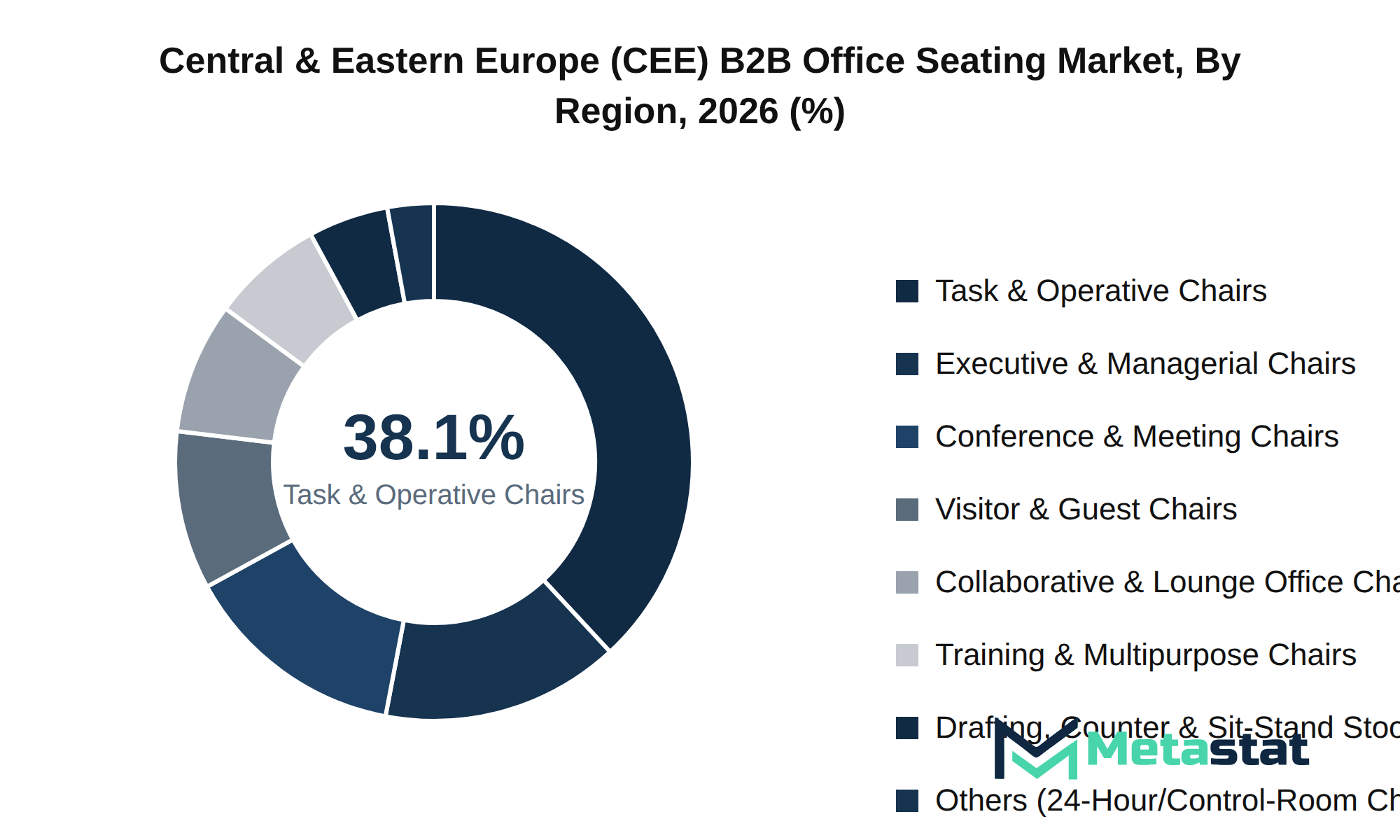
The Central & Eastern Europe (CEE) B2B Office Seating market reflects a diverse and competitive environment characterized by strategic consolidation and product differentiation. Key players including Antares Hungary Kft., Nowy Styl sp. z o.o., and NARBUTAS International UAB establish strong positions through effective go-to-market strategies and innovative product offerings. Strategic alliances and partnerships enhance market reach, allowing for better resource allocation and competitive advantage.
Pricing architectures vary among suppliers, influencing customer retention strategies and brand equity dynamics. For instance, companies like Steelcase Inc. and Haworth, Inc. leverage extensive R&D pipelines to develop proprietary technology moats, providing unique value propositions. The presence of established brands contributes to high switching costs, deterring new entrants in the market.
The future competitive outlook indicates a focus on supply chain dominance and procurement leverage, with firms enhancing value chain integration to streamline operations. The market landscape evolves, driven by ongoing product innovation and strategic growth vectors pursued by key industry players including Flokk AS, Sedus Stoll AG, and Kinnarps AB. Overall, these dynamics shape the competitive environment in the Central & Eastern Europe (CEE) B2B Office Seating market.
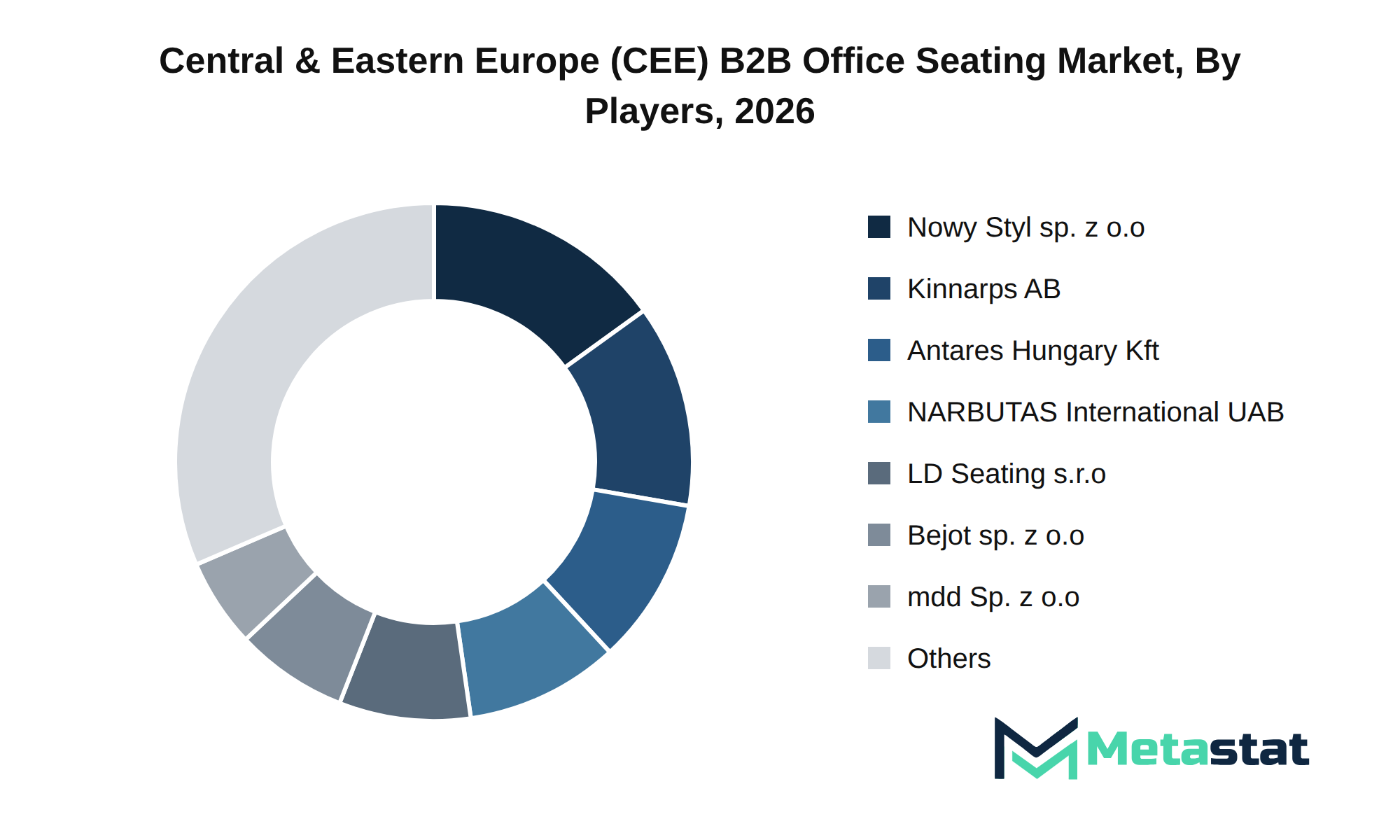
Market size is forecast to rise from USD 430.7 million in 2025 to over USD 676.5 million by 2033. The base case projects growth at a 5.8% CAGR, reflecting a steady recovery and expansion in the Central & Eastern Europe (CEE) B2B Office Seating market. In a bullish scenario, accelerated GDP growth, driven by increased investments in infrastructure and corporate real estate, could lead to stronger demand for office seating solutions. Conversely, in a bearish outlook, economic uncertainties and geopolitical tensions restrain growth, leading to cautious spending from enterprises.
The evolution of technological integration into office environments highlights the importance of next-generation solutions that enhance workspace efficiency and employee well-being. This integration aligns with shifting preferences among enterprises toward ergonomic and multifunctional seating products. Regulatory developments, including compliance milestones related to workplace safety, are expected to drive market changes, influencing product design and functionality.
Emerging white-space opportunities exist within sectors including IT & Telecommunications and Professional & Business Services, where demand for innovative office seating options continues to expand. Strategic capital allocation toward research and development will play a critical role in the market's evolution, enabling manufacturers to adapt to changing consumer needs and preferences.
The Central & Eastern Europe (CEE) B2B Office Seating market is positioned for sustained growth, contingent on macroeconomic conditions, technological advancements, and regulatory landscapes. Active engagement in product development and alignment with market trends will enhance competitive positioning and drive future growth.
The report strategically identifies and profiles the key market players and analyses their core competencies in each sub-segment of the B2B Office Seating market.
Report Attributes | Details |
Study Period | 2021-2033 |
Base Year | 2025 |
Estimated Year | 2026 |
Forecast Period | 2026-2033 |
Historical Period | 2021-2025 |
Growth Rate | CAGR 5.8% from 2026 to 2033 |
Revenue Unit | USD million |
Segmentation | By Product Type, End-Use Sector, Primary Sales Channel, Region, and Region |
Find answers to common questions about this report
The B2B Office Seating market size in Central & Eastern Europe (CEE) was valued at USD 430.7 million in 2025.
The B2B Office Seating market is projected to grow at a CAGR of 5.8% during the forecast period from 2026 to 2033.
Task & Operative Chairs lead the Central & Eastern Europe (CEE) B2B Office Seating market, with a projected value of USD 261.9 million by 2033, representing the largest share among product types.
Key drivers for the Central & Eastern Europe (CEE) B2B Office Seating market include robust capital investment environments, characterized by increasing GDP growth and favorable venture funding. Enhanced capital availability allows organizations to prioritize workplace upgrades, driving demand for ergonomic and innovative seating solutions that align with evolving consumer preferences.
Regulatory challenges hinder the Central & Eastern Europe (CEE) B2B Office Seating market by creating compliance hurdles that limit innovation and market responsiveness. Macroeconomic headwinds, including inflation and geopolitical instability, contribute to uncertainty, while supply chain disruptions and technological obsolescence further constrain growth and investment capacity.
Robust capital investment environments, characterized by increasing GDP growth and favorable venture funding, favor product adoption in the Central & Eastern Europe (CEE) B2B Office Seating market. Enhanced capital availability enables businesses to prioritize workplace upgrades focused on ergonomics and employee comfort, driving demand for innovative seating solutions.
The B2B Office Seating market is estimated to reach a valuation of USD 676.5 million by 2033.
Key players in the Central & Eastern Europe (CEE) B2B Office Seating market include Antares Hungary Kft., Nowy Styl sp. z o.o., NARBUTAS International UAB, LD Seating s.r.o., RIM CZ a.s., and Steelcase Inc.
The Central & Eastern Europe (CEE) B2B Office Seating market is projected to grow at a compound annual growth rate of 5.8% from 2026 to 2033.
The IT & Telecommunications sector demonstrates significant demand for office seating solutions, with a projected increase from USD 85.5 million in 2026 to USD 130.3 million by 2033.
The analysts below cover Professional Services research at Metastat Insights.
LEAD ANALYST
Utkarsh Khirodkar is a Lead Market Research Analyst at MetaStat Insight, specializing in market intelligence, technology sector assessments, and competitive strategy.

PRINCIPAL CONSULTANT - ENTERPRISE AI & EMERGING TECHNOLOGIES
Banking & Finance · Electronics and Semiconductor · Energy and Power · Healthcare IT · Information & Technology · Professional Services
Vijay Gunti is a Principal Consultant at MetaStat Insight, bringing over two decades of experience across enterprise digital transformation, technology strategy, and intelligent systems.

PRINCIPAL CONSULTANT - QUALITY SYSTEMS & COMPLIANCE
Electronics and Semiconductor · Machinery & Equipment · Professional Services
Omkar Phadtare is an Industry Consultant at MetaStat Insight, specializing in quality systems, regulatory compliance, and standards benchmarking to drive data-driven market intelligence and strategic industry research.

LEAD CONSULTANT - COMMUNICATION, TELECOM, AND IT
Electronics and Semiconductor · Information & Technology · Machinery & Equipment · Professional Services
Ravindra Sathe Consultants for Communication, Telecom, and IT at MetaStat Insight. He leads the firm's industry research initiatives across telecommunications infrastructure, digital connectivity, enterprise networking, and emerging information technology domains.
Analyzing the transition from natural gas to green hydrogen in iron ore reduction requires realistic infrastructure timelines. Meta stat insight supplied a detailed regional assessment of DRI plant conversion costs and scrap metal availability in North America and Western Europe. Their report carefully examined pellet quality specs and electrical grid access constraints without making oversimplified market assumptions. The research material served as a practical reference during internal technology roadmap discussions.
Integrating zero-trust access controls across legacy electronic health record systems involves complex compliance overhead. Team produced an analysis that clearly separated identity governance and administration tools from privileged access management platforms. Their evaluation of HIPAA and GDPR compliance features across cloud native solutions gave our architecture group clear baseline criteria. The custom data request regarding biometric authentication adoption in hospital networks was returned promptly with clear documentation.
Evaluating calorific value requirements and air permit compliance across municipal waste facilities requires localized data. Metastat Insight structured their analysis around operational throughput capacity and feedstock composition variations in Latin America and Eastern Europe. Their competitive mapping of sorting equipment vendors helped clarify technology differences between optical separators and heavy media systems. The study provided an objective baseline during our capital expenditure reviews.
Explore related market intelligence reports worth reading alongside this one.