
LEAD ANALYST
Utkarsh Khirodkar is a Lead Market Research Analyst at MetaStat Insight, specializing in market intelligence, technology sector assessments, and competitive strategy.

Global Virtual Tour Market Size, Share, By Offering Type (Virtual Tour Software and Platforms, Turnkey Virtual Tour Capture and Production Services, Managed Hosting, Publishing and Tour Management Services, Spatial Data and Derived Asset Services), By Type (360° Panoramic Virtual Tours, 3D Digital Twin Virtual Tours, Interactive 3D Walkthroughs, 360° Video-Based Tours, VR-Enabled Virtual Tours), By Application (Residential Real Estate, Commercial Real Estate, Hospitality and Tourism, Retail and Showrooms, Education and Training, Healthcare and Healthcare Facilities, Corporate Offices and Workspaces, Others), Industry Analysis, Growth, Trends, and Forecast, 2026-2033
Report ID
MSI-5114
Published
September, 2026
Pages
300 Pages
Format
Historical
Base year
Forecast
Forecast period
Report Details
Choose Your License
Global Virtual Tour Market
The global Virtual Tour market was valued at USD 17.3 billion in 2025 and is projected to reach USD 120.7 billion by 2033, growing at a CAGR of 27.5% over the forecast period.
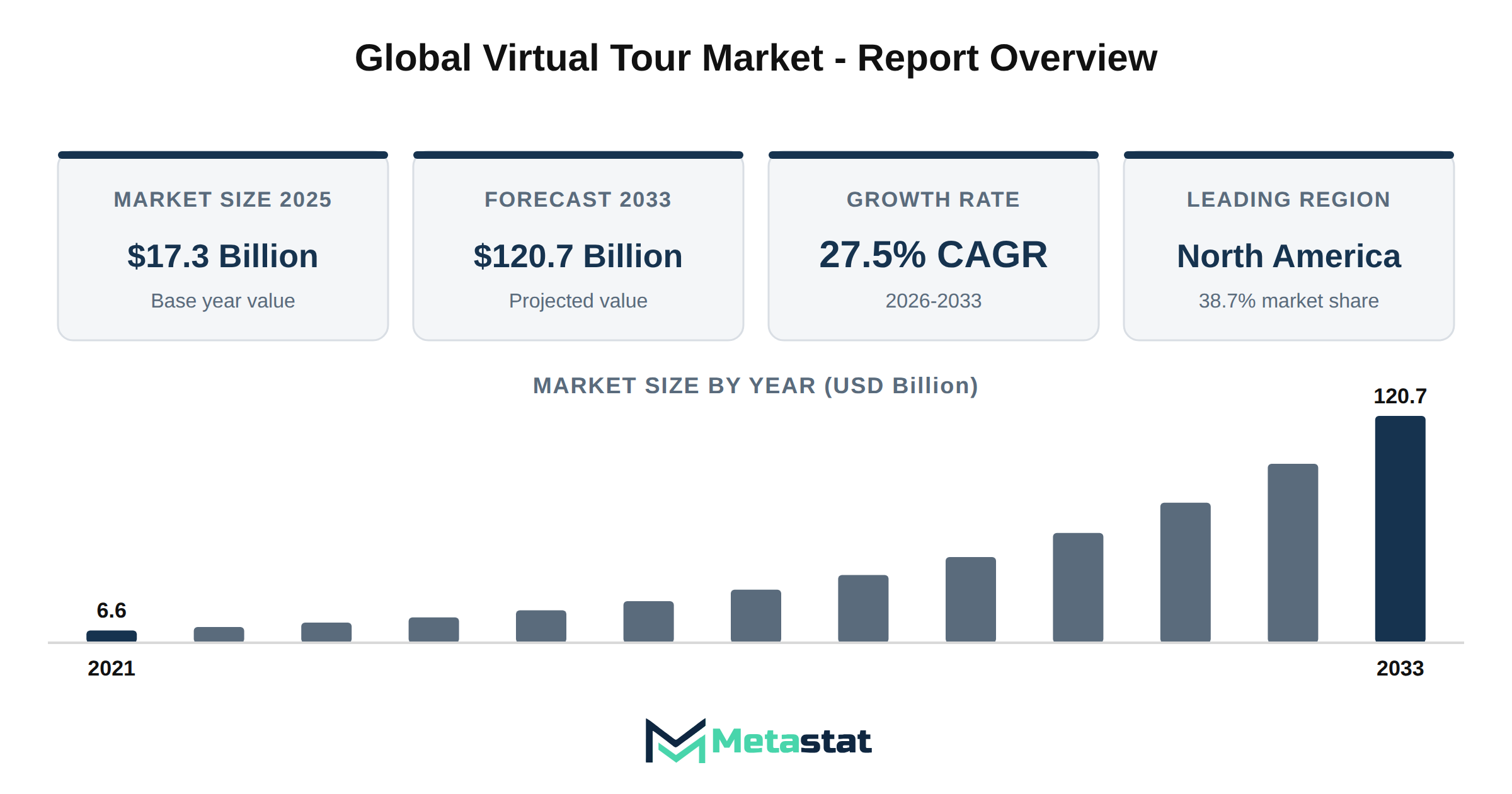
The Virtual Tour market reached a value of USD 17.3 billion in the base year of 2025. This market is projected to grow significantly, with an anticipated value of USD 120.7 billion by 2033, reflecting a compound annual growth rate (CAGR) of 27.5%. Historical data shows a steady increase in market value, starting from USD 6.6 billion in 2021 and reaching USD 13.5 billion in 2024.
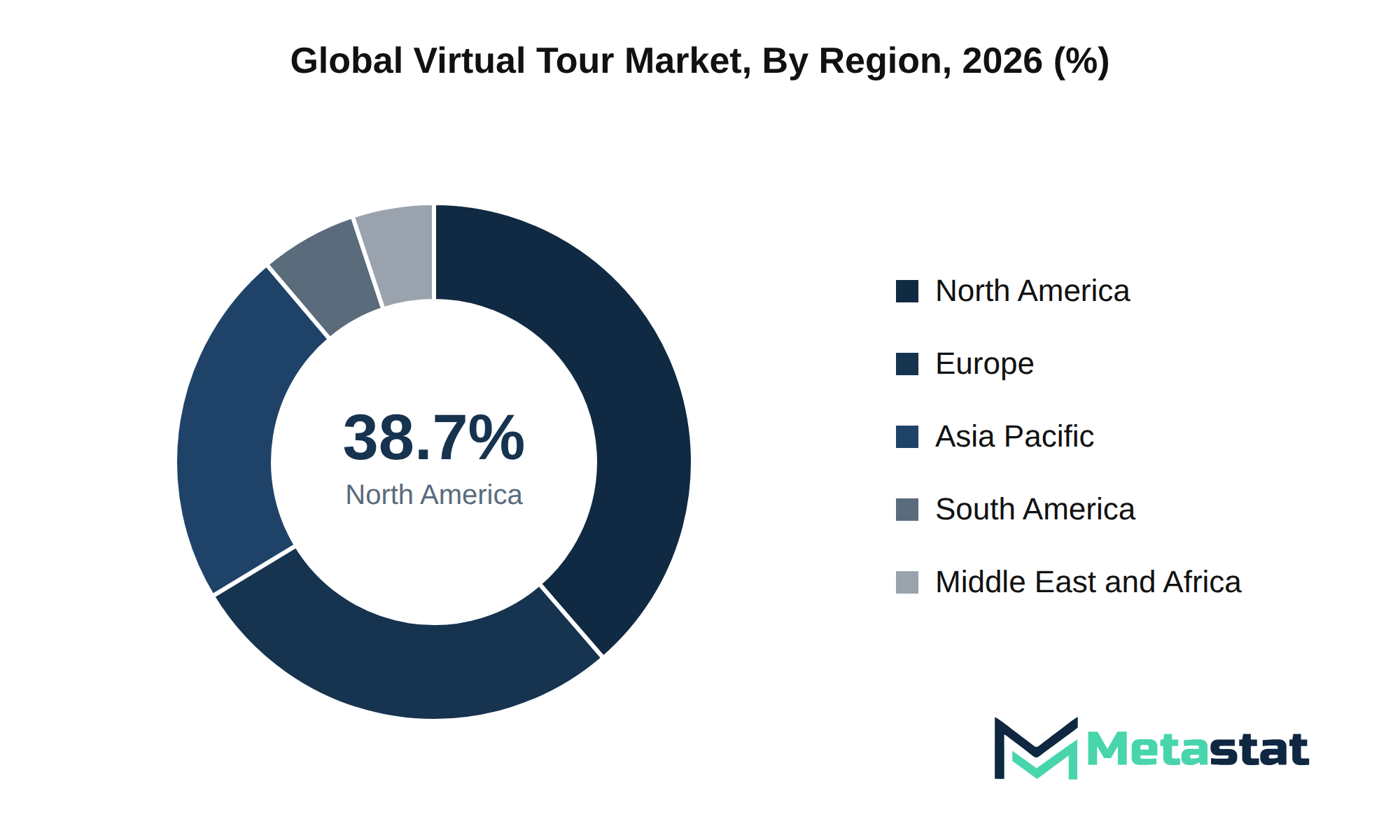
Regional dynamics play a crucial role in shaping the market. North America holds the largest share, accounting for 38.7% of the total market. Europe follows with a share of 27.7%, while the Asia Pacific region represents 22.5%. South America and the Middle East and Africa contribute 6.1% and 5.1%, respectively. By 2033, North America is projected to generate USD 43.4 billion, with a CAGR of 27.5% during the forecast period.
Market segmentation includes diverse offerings, including Virtual Tour Software and Platforms, which is expected to increase from USD 8.3 billion in 2026 to USD 43.4 billion by 2033, demonstrating a CAGR of 26.6%. Turnkey Virtual Tour Capture and Production Services will see growth, reaching USD 33.7 billion by 2033. Managed Hosting, Publishing, and Tour Management Services will experience growth, with a projected value of USD 23 billion by the same year.
Technological advancements drive innovation in the Virtual Tour market, particularly in the area of digital twin technology. The 3D Digital Twin Virtual Tours segment is anticipated to grow significantly, reaching USD 36.2 billion by 2033, with a robust CAGR of 30.1%. The 360° Panoramic Virtual Tours segment, with a CAGR of 24.4%, is expected to increase from USD 8.1 billion in 2026 to USD 37.3 billion by 2033.
The market experiences significant fragmentation due to a diverse range of players, including startups and established companies, each offering varying solutions. This fragmentation intensifies competition, compelling companies to differentiate their offerings while maintaining pricing strategies that appeal to various customer segments.
Next-generation innovation in the Virtual Tour market focuses on enhancing user experience through advanced technologies including augmented reality and artificial intelligence. These innovations drive demand from industries including real estate and tourism, where immersive experiences significantly influence customer engagement and satisfaction.
Regulatory compliance related to data protection and privacy establishes essential frameworks for market participants. Companies in the market adhere to stringent regulations that govern how user data is collected and managed, building consumer trust and safeguarding against potential legal challenges.
Infrastructure investments play a crucial role in the market's expansion, with companies allocating capital toward improving their technological capabilities and service offerings. Investments in high-speed internet and cloud computing infrastructure enable effective virtual experiences, further enhancing the value proposition for customers.
The supply chain within the market involves collaboration among software developers, content creators, and service providers. This collaborative approach ensures that virtual tour offerings remain innovative and responsive to evolving customer needs. Efficient sourcing strategies contribute to cost management and operational effectiveness.
Future strategic outlooks indicate sustained growth in the Virtual Tour market, driven by increasing adoption across various applications including education and healthcare. Companies are expected to prioritize research and development initiatives to explore untapped market opportunities and enhance product offerings.
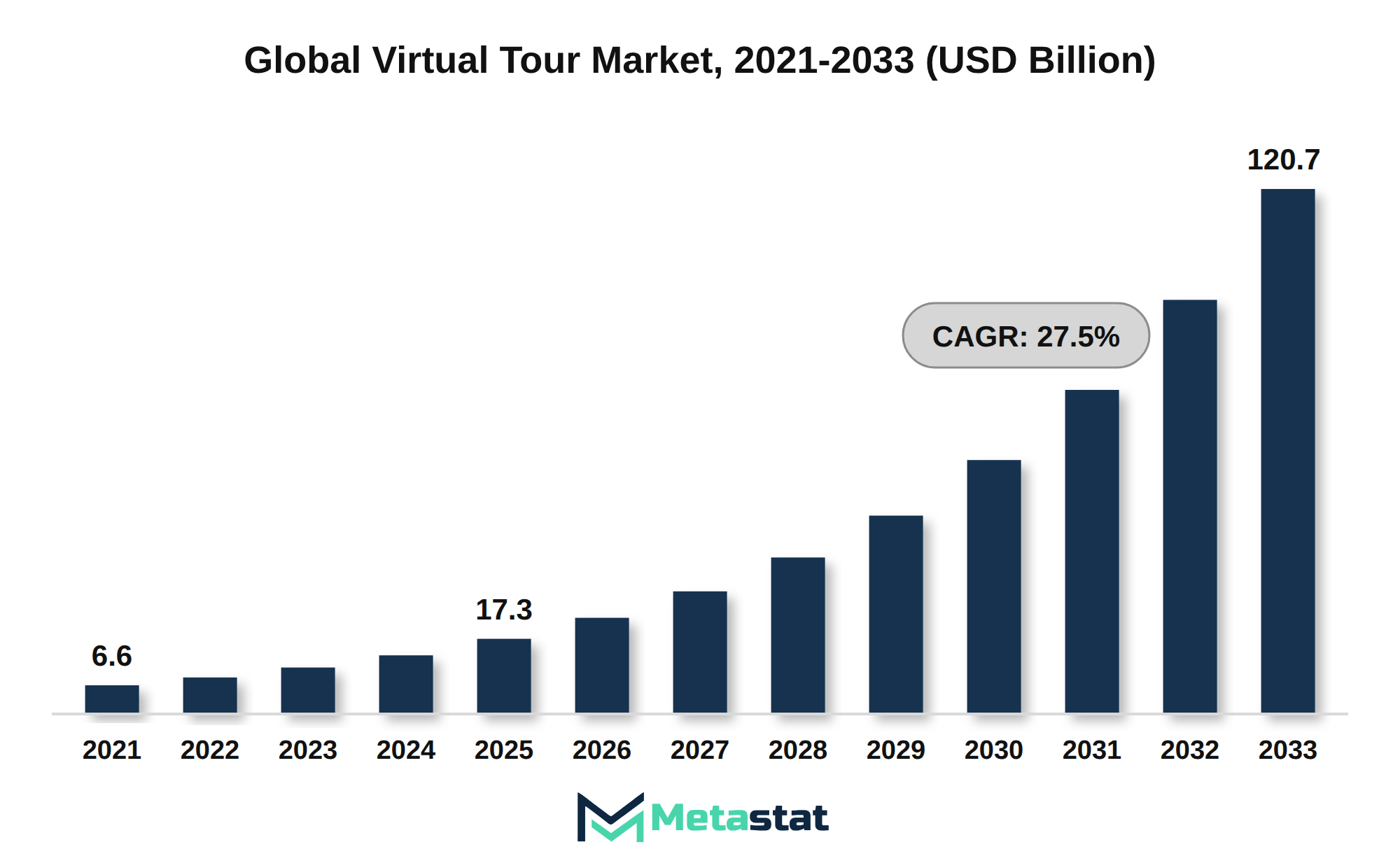
The increasing emphasis on digital transformation significantly influences the virtual tour market. Organizations across various sectors seek innovative ways to engage consumers and enhance user experiences, leading to heightened demand for immersive digital solutions. This trend aligns with broader macro-economic factors, including GDP growth and capital investment environments, which drive businesses toward adopting advanced technologies.
Technological integration plays a critical role in shaping the market. Companies invest in automation, artificial intelligence, and software platforms to digitize legacy processes, facilitating more efficient virtual tour offerings. Automation enhances production capabilities, allowing firms to create high-quality virtual experiences at reduced costs, thus attracting a wider audience.
Changing consumer behaviors, fueled by lifestyle shifts and urbanization, further support market expansion. Consumers increasingly favor online interactions, prompting businesses to incorporate virtual tours into their marketing strategies. This transition enhances operational productivity by providing cost-effective solutions for presenting offerings in real estate, tourism, and retail sectors. The market is projected to experience robust growth over the forecast period, reflecting the ongoing commitment to digital transformation across industries.
Shifting consumer behavior significantly influences the growth of the Virtual Tour market. The aging population increasingly prefers digital solutions that enhance convenience and accessibility, particularly in sectors like real estate and tourism. This demographic trend aligns with urbanization, where a higher concentration of potential buyers seeks immersive experiences without the necessity of physical travel.
Evolving buying preferences reflect a demand for innovative ways to engage with products and services. Consumers prioritize experiences over traditional purchasing methods, steering toward virtual tours that provide interactive and engaging insights into offerings. This transition encourages businesses to invest in virtual tour technology, improving customer engagement and satisfaction.
The demand for virtual tours spans multiple industries, including residential and commercial real estate, hospitality, and retail. In these sectors, companies adopting virtual tour solutions report improved operational productivity and enhanced marketing strategies. Presenting properties through virtual tours reduces time and costs associated with traditional viewings, resulting in increased sales and customer retention.
The combination of demographic changes and evolving consumer expectations creates a robust environment for growth within the market. Companies aligning their offerings with these trends will capitalize on new revenue opportunities, positioning themselves favorably in an increasingly competitive landscape.
The Virtual Tour market encounters significant challenges due to high capital investment requirements, which restrict access for smaller enterprises. Initial setup costs, including software acquisition, hardware procurement, and production services, impose financial barriers that limit market entry. This situation disproportionately affects startups and smaller firms in the industry, which struggle to secure adequate funding to establish a competitive presence.
Escalating operating costs further compound these challenges. Continuous expenses associated with software updates, maintenance, and skilled labor create budgetary pressures that deter ongoing investment. Companies operating in the virtual tour space face the need for a skilled workforce capable of executing advanced production techniques, complicating recruitment efforts in a competitive job market.
Infrastructure gaps and connectivity deficits hinder effective deployment of virtual tour solutions. Inadequate internet access in certain regions restricts the ability of potential customers to experience high-quality virtual tours. This limitation curtails market growth, particularly in emerging economies where connectivity remains a significant barrier. The combination of high capital investment requirements and insufficient infrastructure affects the overall adoption rate and market penetration.
Data security vulnerabilities and privacy concerns create additional apprehension among potential users of virtual tour technology. Businesses hesitate to invest in solutions that expose sensitive information or compromise user privacy. Such concerns lead to a cautious approach to adoption, slowing market growth and limiting the overall potential of the virtual tour market.
The Virtual Tour market encounters significant challenges stemming from geopolitical fragmentation, resulting in trade deficits and tariff friction. These factors disrupt supply chains, leading to increased operational costs and uncertainties in pricing strategies. Companies face heightened risks associated with technological disruptions and interoperability friction, complicating integration efforts across platforms and services.
Trade tensions between key markets contribute to volatility in feedstock and component availability, further straining logistics and supply chain stability. Pricing compression results from rising input costs, impacting profit margins and forcing companies to reassess operational strategies. Workforce skill gaps and talent retention pressures hinder the ability to adapt to evolving market demands, reinforcing competitive disadvantages for businesses in the sector.
Environmental concerns and decarbonization mandates increasingly drive demands for sustainable practices, compelling companies to invest in infrastructure improvements. Retro-fitting barriers and implementation bottlenecks limit the capacity for timely adaptation. Intellectual property protection deficits and cybersecurity risks introduce additional vulnerabilities, undermining confidence in technological advancements within the market. These challenges collectively shape the evolving environment of the Virtual Tour market, necessitating strategic realignments to navigate the complexities of a rapidly changing environment.
The Virtual Tour market benefits from several emerging trends that enhance its growth potential. Increasing digital transformation initiatives across various sectors lead to heightened demand for innovative interaction methods, particularly in real estate, tourism, and education. Infrastructure modernization supports these needs, with advancements in connectivity and technology making virtual experiences more accessible and immersive.
Geographical expansion contributes to market opportunities owing to emerging economies adopting virtual tour solutions to improve customer engagement and operational efficiency. Technological disruptions in augmented reality and 3D modeling facilitate the creation of sophisticated virtual experiences, attracting investments and stimulating market growth.
Next-generation innovations, including AI integration and interactive features, enhance user experience, driving the market forward. Sustainability imperatives influence business strategies, with companies increasingly adopting eco-friendly practices to align with environmental, social, and governance (ESG) criteria. This alignment meets consumer expectations and opens new avenues for investment and collaboration.
Downstream market diversification allows firms to explore niche applications beyond traditional sectors, including healthcare and corporate training, which broadens the market's reach. Strategic consolidation through cross-industry mergers and acquisitions accelerates technological advancements, resulting in robust solutions that improve competitive positioning.
Evolving buying behaviors reflect a shift towards digital procurement, with businesses seeking comprehensive virtual solutions that enhance operational yield. Supply chain localization and import substitution frameworks strengthen market resilience by creating a competitive advantage and reducing dependency on external resources.
Asset life-cycle extensions through retrofitting and maintenance upgrades ensure sustained revenue streams for virtual tour providers. Overall, these factors position the Virtual Tour market for growth, driven by innovation, strategic collaborations, and a commitment to sustainability.
The Global Virtual Tour market is segmented based on Offering Type, Type, and Application.
Virtual Tour Software & Platforms segment is valued at USD 8.3 billion in 2026 and is projected to reach USD 43.4 billion by 2033, growing at a CAGR of 26.6% during the forecast period. A strong demand for user-friendly and efficient virtual tour solutions drives the growth of this segment. The increasing integration of advanced technologies, including artificial intelligence and machine learning, enhances the functionality and interactivity of software platforms, making them more appealing to end users. Adoption spans various industries including real estate, hospitality, education, and tourism, which rely on these tools for engaging presentations and enhanced customer experiences.
Investment in this segment focuses on creating versatile platforms that accommodate diverse applications. Continuous technological maturation supports the development of next-generation upgrades, ensuring software remains competitive and capable of meeting evolving user requirements. The shift toward remote engagement and virtual experiences significantly boosts demand for innovative virtual tour solutions, reinforcing their role in modern marketing strategies. Consequently, businesses prioritize strategic investment opportunities within this segment to enhance service offerings and maintain a competitive edge.
Demand for Turnkey Virtual Tour Capture & Production Services is expected to reach USD 33.7 billion by 2033, at a CAGR of 25.5% during the forecast period. This growth is driven by the increasing need for immersive and engaging experiences across various sectors including real estate, tourism, and retail. The expanding adoption of virtual tours in residential and commercial real estate enhances property marketing strategies, allowing potential buyers to experience listings remotely. Technological advancements in camera equipment and software solutions facilitate high-quality production of virtual tours, further driving market expansion.
End-users increasingly prioritize innovative marketing tools that effectively present properties and services. Evolving consumer expectations prompt businesses to invest in turnkey solutions that provide smooth virtual tour experiences. This trend reflects a broader shift towards digital engagement, influenced by the necessity for enhanced customer interaction in a competitive landscape. Companies providing comprehensive virtual tour services are well-positioned to capture a larger share of the market, responding to heightened demand for visually rich content.
Next-generation upgrades in virtual reality technologies enhance the realism of tours, appealing to a diverse audience. The introduction of features including 360° panoramic views and interactive elements allows businesses to differentiate their offerings. These advancements attract investment in virtual tour solutions, further emphasizing the importance of product evolution in meeting market requirements. While the Virtual Tour market expands, strategic opportunity windows emerge for suppliers offering advanced capture and production services to address evolving consumer preferences and industry standards.
Managed Hosting, Publishing & Tour Management Services experiences significant growth driven by increasing demand for effective virtual experiences across various sectors. Organizations recognize the importance of delivering immersive content that enhances user engagement and improves communication strategies. This segment is expected to reach USD 23 billion by 2033, highlighting its significance in the overall Virtual Tour market.
The technological maturation of virtual tour platforms contributes significantly to the expansion of this segment. Innovations in cloud-based solutions and improved software capabilities enable businesses to manage their virtual tours effectively. Enhanced data analytics and user feedback mechanisms drive the evolution of services, ensuring they meet the diverse needs of end users.
Adoption of managed hosting services is particularly pronounced in real estate and tourism sectors, where high-quality visuals play a critical role in customer decision-making. The integration of these services facilitates a smoother end-user experience, leading to higher conversion rates for businesses implementing virtual tours within their marketing strategy. Increasing reliance on digital marketing and online sales channels drives demand for sophisticated publishing and management solutions.
Pricing volatility in the technology sector impacts the growth trajectory of this segment. Companies face pressures from fluctuating operational costs, including software development and service maintenance. However, strategic investments in advanced technologies provide opportunities for companies to mitigate these pressures and maintain competitive pricing structures.
Overall, the Managed Hosting, Publishing & Tour Management Services segment stands to benefit from ongoing investments in innovation and evolving market demands. This growth trajectory reinforces its integral role in the broader Virtual Tour market.
Investment in Spatial Data & Derived Asset Services reflects the rising demand for precise and relevant data in various sectors. The increasing reliance on data-driven decision-making significantly increases the need for spatial data services, particularly in real estate, urban planning, and logistics. These sectors benefit from enhanced analytical capabilities and improved operational efficiency, promoting stronger integration of virtual tours into their existing frameworks.
This segment is projected to grow at a CAGR of 32.6% during the forecast period, highlighting its vital role in the overall advancement of the Virtual Tour market. Technological maturation in data processing and visualization drives innovation, leading to more sophisticated offerings that attract a broader range of applications. Companies focusing on spatial data leverage next-generation technologies to enhance their service offerings, consequently expanding their market reach.
Adoption of advanced spatial data tools supports various industries by providing insights that enhance customer engagement and operational effectiveness. The evolution of products within this segment emphasizes the importance of integrating spatial data with virtual tours, creating immersive experiences that connect with end-users. This integration promotes deeper engagement, particularly in commercial and residential real estate, where the visualization of properties becomes more critical for prospective buyers.
Regulatory compliance standards associated with data privacy and security influence the market's trajectory. Adhering to these standards provides a competitive edge, ensuring that services align with industry expectations. The resultant focus on compliance not only mitigates risks but enhances the credibility of service providers within the market.
Valued at USD 8.1 billion in 2026, the 360° Panoramic Virtual Tours segment is projected to reach USD 37.3 billion by 2033, demonstrating a CAGR of 24.4% during the forecast period. Increasing adoption across various applications, including real estate marketing and virtual events, drives substantial demand for 360° panoramic tours. Their ability to provide immersive experiences enhances engagement, making them appealing to sectors focusing on customer interaction and visualization. Technological advancements in imaging and capturing techniques enhance the quality and accessibility of these tours, further propelling market growth.
The segment benefits from a shift towards remote engagement, with organizations leveraging virtual tours to present properties, destinations, and products without geographical limitations. Demand from industries including hospitality and real estate emphasizes the need for enhanced visual representation, facilitating consumer decision-making. Consequently, marketers embrace 360° panoramic solutions to provide unique experiences, which improve brand visibility and differentiation in competitive markets.
Investment in innovative technologies, including augmented reality and artificial intelligence, plays a critical role in advancing product evolution within this segment. Companies continuously seek to integrate next-generation features, including interactive elements and data analytics, into their offerings. Such enhancements not only improve user experience but provide valuable insights for businesses regarding consumer preferences and engagement metrics.
Regulatory compliance surrounding data protection and consumer privacy influences market dynamics, requiring firms to implement secure systems and practices resulting from their expanded digital footprints. Cost structures within the segment reflect competitive pricing strategies, which promote accessibility across various market players. By consistently adapting to changing consumer expectations and technological developments, the 360° Panoramic Virtual Tours segment positions itself for sustained growth within the broader virtual tour market.
Demand for 3D Digital Twin Virtual Tours is expected to experience rapid growth driven by advancements in technology and increasing adoption across various sectors. This segment is estimated to reach USD 36.2 billion by 2033, at a CAGR of 30.1% during the forecast period. Key industries including real estate, construction, and healthcare drive this adoption, leveraging the detailed, interactive visualizations provided by digital twins for enhanced decision-making and operational efficiency.
Technological maturation supports segment expansion, with improvements in software capabilities and hardware performance facilitating more sophisticated and accessible solutions. This evolution attracts businesses looking to optimize processes, improve client engagement, and enhance marketing strategies through immersive experiences. The 3D Digital Twin Virtual Tours segment leads digital transformation in various applications, effectively meeting the demand for innovative customer engagement solutions.
Cost structures and pricing volatility remain relevant considerations in the market, with competitive pricing strategies among suppliers influencing adoption rates. Companies invest in R&D to develop next-generation upgrades, ensuring their offerings remain aligned with technological advancements. This focus on innovation creates an environment where businesses seek to invest in high-quality digital twin solutions, ensuring compliance with industry standards and enhancing their market position within the overall Virtual Tour market.
Strategic opportunity windows present themselves owing to industries increasingly recognizing the value of integrating 3D Digital Twin Virtual Tours into their operational frameworks. Supply chain resilience and raw material sourcing strategies become critical because demand for these digital solutions increases. Businesses prioritizing robust partnerships and sustainable practices enhance their market presence and capitalize on the growing interest in immersive digital experiences.
Growing interest in immersive experiences drives substantial demand for Interactive 3D Walkthroughs within the Virtual Tour market. This segment, valued at USD 7.3 billion in 2026, is projected to reach USD 25.2 billion by 2033, reflecting a compound annual growth rate (CAGR) of 25.4%. Enhanced user engagement and the ability to present properties or products in a dynamic manner contribute to this rapid expansion.
Technological advancements play a crucial role in the segment's growth. Innovations in 3D visualization and rendering techniques improve the quality and accessibility of Interactive 3D Walkthroughs. These upgrades facilitate broader adoption across various industries, including residential and commercial real estate, hospitality, and retail. Companies leveraging these technologies enhance their marketing strategies by delivering engaging and informative experiences.
Consumer preferences increasingly shift towards interactive content, with end-users valuing the ability to explore spaces in a virtual environment. This trend drives engagement levels higher, prompting businesses to invest in Interactive 3D Walkthroughs to attract and retain customers. The ability to provide virtual property tours significantly impacts the real estate sector, enhancing the sales process and reducing time on the market.
Regulatory compliance standards related to digital content accessibility further influence the development of Interactive 3D Walkthroughs. Adherence to these standards enables companies to reach a wider audience, expanding their customer base while reinforcing brand credibility. While the market continues to evolve, ongoing investment in technological capabilities positions players to capitalize on emerging opportunities.
The Interactive 3D Walkthroughs segment represents a vital component of the Virtual Tour market, with significant growth projected over the coming years. The combination of technological advancement, shifting consumer behaviors, and adherence to regulatory standards facilitates substantial opportunities for stakeholders involved in this dynamic segment.
Growth in the 360° Video-Based Tours sub-segment relies on increasing consumer engagement and demand for immersive experiences. This trend aligns with the broader shift toward digital content consumption, where high-quality visual content attracts consumers across various sectors. The rising popularity of virtual tours in industries including real estate, hospitality, and education drives this demand. Advancements in camera technology and software enhance the production quality of video-based tours, further appealing to users.
The 360° Video-Based Tours segment is projected to grow at a CAGR of 24.8% during the forecast period. This growth reflects the segment's substantial market potential, particularly within the real estate sector, where virtual tours effectively present properties to prospective buyers. The market benefits from a growing inclination among businesses to adopt innovative marketing strategies that leverage immersive experiences, enabling them to stand out in competitive environments.
Investment in next-generation technologies enhances the capabilities of 360° Video-Based Tours, driving product evolution and increasing market penetration. Strategic collaborations between technology providers and content creators expand the ecosystem, enabling the development of more sophisticated virtual tour offerings. The emphasis on regulatory compliance and certification standards further supports market expansion, ensuring content quality and user trust.
Overall, the dynamics of the Virtual Tour market favor the 360° Video-Based Tours sub-segment, delivering significant opportunities for growth and investment. Stakeholders in this segment experience favorable conditions driven by technological maturation and evolving consumer preferences, positioning them to capitalize on emerging trends and maximize revenue potential.
Consumer interest in immersive experiences drives demand for VR-Enabled Virtual Tours within the market. These tours offer unique and engaging ways for users to explore spaces remotely, a critical factor during and after the pandemic. Industries including real estate, hospitality, and education leverage these capabilities to enhance customer engagement and improve the overall user experience.
Technological advancements significantly impact the evolution of VR-Enabled Virtual Tours. Improved hardware, along with advancements in graphics and processing power, enables higher-quality visualizations. This technical maturation enhances user experiences and encourages broader adoption across diverse sectors.
Next-gen upgrades, including enhanced interactivity and integration with other digital platforms, create additional opportunities for the segment. These features increase the appeal of VR-Enabled Virtual Tours, making them integral tools for marketing and customer interaction in various applications.
End-use dynamics reflect a shift toward virtual solutions, with organizations increasingly prioritizing cost-effectiveness and efficiency. The need for organizations to engage clients remotely drives further adoption of virtual tour technologies, supporting expansion within the market.
With strategic investments in VR-Enabled Virtual Tours, organizations position themselves to capture emerging opportunities. Continuous innovation and responsiveness to evolving consumer preferences will shape the future growth trajectory of this segment.
Residential Real Estate segment is valued at USD 7.3 billion in 2026 and is projected to reach USD 35.6 billion by 2033, growing at a CAGR of 25.4% during the forecast period. Increasing digitalization in property transactions drives demand within the market. Homebuyers and investors increasingly prefer virtual tours for convenience, allowing them to view properties without the need for physical visits. This preference significantly enhances the segment's appeal, particularly following shifts toward online browsing and remote interactions.
Technological advancements in virtual tour software and platforms contribute to segment expansion. Enhanced features including high-resolution imaging, interactive elements, and integration with real estate listings facilitate user engagement and satisfaction. Continuous updates and next-generation upgrades within these technologies further improve user experience, encouraging wider adoption among real estate professionals.
Market participants recognize the differentiated offerings to capture consumer interest. Emerging trends, including the integration of augmented reality (AR) and 3D models, enhance the attractiveness of virtual tours. These innovations improve the user experience and position offerings more competitively, allowing companies to cater to evolving consumer preferences.
Economic conditions and demographic shifts, particularly among millennials and Gen Z, fuel demand. These groups prioritize convenience and technological solutions when seeking properties. Increasing urbanization trends further increase the necessity for efficient property viewing methods, reinforcing the virtual tour's role in real estate marketing strategies.
Overall, the Residential Real Estate segment stands at a crucial moment, with significant growth potential driven by technological advancements, evolving consumer preferences, and strategic investments. The market's trajectory suggests strong development opportunities, positioning stakeholders favorably to capitalize on the growing demand for innovative property viewing solutions.
Growth in the Commercial Real Estate segment of the Virtual Tour market reflects increasing demand for innovative marketing solutions in property sales and leasing. The need for virtual tours arises from the growing preference for remote property viewing, enhancing customer experience and streamlining the buying process. Advanced technologies, including 3D visualization and interactive walkthroughs, support this trend by allowing potential buyers to explore properties without physical visits.
Investment in the Commercial Real Estate segment is projected to drive substantial growth, with the segment estimated to reach USD 26.7 billion by 2033, growing at a CAGR of 27.5% during the forecast period. This growth aligns with a broader trend in real estate toward digitization and the use of virtual solutions for marketing and client engagement. Enhanced visualization tools contribute to the competitive advantage of real estate firms, enabling them to present properties effectively.
Regulatory compliance and certifications related to digital marketing and data privacy play significant roles in shaping market dynamics. Real estate firms increasingly adopt virtual tour technologies to meet client expectations for transparency and accessibility. Advancements in internet connectivity and mobile technology facilitate access to virtual tours, directly influencing consumer behavior and engagement in the market.
Increasing demand for immersive experiences within the hospitality and tourism sector drives significant growth in the Virtual Tour market. This segment is expected to reach USD 20.5 billion by 2033, reflecting a strong shift in consumer preferences towards virtual engagement tools, especially in the context of travel planning and real estate promotions. Factors fueling this growth include the rising need for accessible and engaging content that enhances user experience and aids decision-making processes for travelers.
Technological maturation is essential in expanding the offerings available within this segment. Enhanced virtual reality technologies enable high-quality, interactive tours that allow potential customers to experience destinations or venues remotely. Such innovations support operators in attracting more visitors and enhancing customer satisfaction. Consequently, businesses in hospitality and tourism increasingly recognize the value of integrating Virtual Tours into their marketing strategies.
Consumption shifts towards online platforms further contribute to the segment's expansion. Travelers increasingly rely on digital tools to explore options, making virtual tours an essential part of the consumer journey. This trend highlights the importance of offering comprehensive and visually appealing content that captures the essence of experiences, thereby influencing purchasing decisions.
Strategic opportunity windows emerge because operators look to differentiate themselves in a competitive landscape. By investing in Virtual Tours, hospitality and tourism businesses effectively enhance their visibility and appeal to a broader audience. This approach builds brand loyalty and encourages repeat business, translating into improved revenue over time.
In the Retail and Showrooms segment, demand arises from retailers seeking to enhance customer engagement through immersive shopping experiences. Adoption of virtual tours facilitates a unique way for customers to explore products and store layouts remotely. Retailers recognize the potential to increase sales conversions by providing interactive experiences that allow customers to visualize products in their intended environments, driving growth in this sub-segment.
Technological maturation has played a significant role in the expansion of this segment. Advancements in virtual reality and interactive 3D technologies enable retailers to deliver high-quality, engaging content at scale. Retailers leveraging these technologies create visually stunning virtual showrooms, providing customers with a realistic shopping experience that aligns with modern consumer preferences.
The Retail and Showrooms segment is projected to grow at a CAGR of 29% during the forecast period. This growth reflects an increasing preference for online shopping and the desire for enhanced digital experiences. The segment's expansion will likely be influenced by rising consumer expectations regarding convenience and personalization, compelling retailers to invest in innovative solutions.
Cost structures present both opportunities and challenges within the Retail and Showrooms segment. While the initial investment in virtual tour technology is significant, the long-term benefits of improved customer engagement and higher conversion rates offer a strong return on investment. Retailers that strategically allocate resources toward virtual tours strengthen their competitive position within the market.
Overall, the Retail and Showrooms segment within the Virtual Tour market continues to evolve, driven by changing consumer behaviors and technological advancements. Retailers that embrace these changes effectively position themselves for future growth and sustained success in an increasingly digital environment.
In the Education and Training application of the Virtual Tour market, demand stems from the growing need for innovative educational solutions. Institutions increasingly seek to enhance student engagement through immersive learning experiences, driving adoption of virtual tours in classrooms and training environments. These tools facilitate remote learning and provide interactive content that enhances understanding and retention of complex subjects.
Technological advancements further support segment expansion. The maturation of virtual reality and 3D modeling technologies enables the development of more sophisticated and accessible virtual tours. Educational institutions leverage these innovations to create tailored experiences that cater to diverse learning styles. This evolution supports the integration of virtual tours within curricula, enriching traditional teaching methods.
Shifts in educational consumption patterns significantly influence market dynamics. Increased reliance on online learning platforms and hybrid education models prompts institutions to incorporate virtual tours into their offerings. This integration enhances curriculum delivery and attracts a broader demographic of students seeking flexible learning options.
Regulatory compliance and accreditation standards further shape the Education and Training segment. Institutions adopting advanced technologies, including virtual tours, often meet or exceed these standards, enhancing their credibility and appeal. By aligning with educational regulations, providers position themselves favorably within the competitive landscape.
Investment in this segment reflects a strategic opportunity window. Educational institutions recognize the value of virtual tours in augmenting learning environments, leading to increased funding for technology integration. This proactive approach ensures that institutions remain competitive in the evolving market.
Rapid advancements in healthcare technology drive interest in the adoption of virtual tours within healthcare facilities. Enhanced patient engagement and improved access to services are primary demand drivers influencing this trend. Healthcare providers employ virtual tours to allow potential patients to explore environments remotely, thereby enhancing decision-making processes for treatment options.
Segment expansion reflects the increasing focus on patient-centered care, driven by virtual tours that improve communication between providers and patients. The integration of virtual tours into healthcare marketing strategies results in a competitive edge, attracting patients in a crowded marketplace. Technological maturation plays a critical role in this segment, with continuous enhancements in virtual reality capabilities contributing to higher-quality experiences.
Healthcare facilities employing virtual tours experience benefits in operational efficiency and cost reductions associated with in-person visits. Next-generation upgrades in virtual tour technology, including 3D mapping and interactive features, enhance user engagement and satisfaction. Regulatory compliance remains a priority, with many institutions adhering to standards that promote transparency and accessibility in healthcare services.
Raw material sourcing and supply chain resilience directly impact the availability of advanced virtual tour technologies. Healthcare organizations assess costs and pricing volatility when integrating these solutions into their operations. Strategic opportunity windows arise because the market evolves, encouraging investments in innovative virtual tour applications tailored to specific healthcare needs.
Capital investment in virtual tours supports the development of immersive experiences that enhance patient education. End-use dynamics shift, with healthcare facilities increasingly adopting virtual tours to provide virtual consultations and facility tours. This transformation within the healthcare sector not only improves public perception but aligns with broader trends in digital health innovation.
Shifts in workplace dynamics drive heightened interest in Virtual Tour solutions tailored for Corporate Offices and Workspaces. Organizations increasingly adopt virtual tours to enhance employee engagement and streamline the onboarding process. This trend reflects a broader transformation in workplace design, emphasizing the need for flexible and adaptive environments. Virtual tours enable companies to present their office spaces effectively, appealing to prospective employees and clients.
Technological advancements in virtual tour software support enhanced interactivity and realism, significantly improving user experience. High-quality imaging and immersive features play a crucial role in attracting organizations seeking to highlight their office capabilities. Businesses recognize the potential of virtual tours to facilitate remote collaboration, thereby increasing operational efficiency across dispersed teams.
Integration of virtual tours into corporate environments aligns with the growing emphasis on remote work and flexible arrangements. Companies leverage these technologies to present their office layouts and amenities, addressing the expectations of modern employees. While organizations continue to invest in innovative solutions, the Virtual Tour market is anticipated to experience sustained growth driven by the evolving landscape of workspaces.
Growth within the automotive, sports, and entertainment venues sub-segment of the Virtual Tour market hinges on an increasing emphasis on customer engagement and experiential marketing. Businesses in these sectors employ virtual tours to create interactive and immersive experiences that connect with consumers, enhancing brand loyalty and boosting sales. The integration of advanced technologies, including virtual reality and augmented reality, improves the quality of these tours, offering potential customers a unique perspective that traditional marketing methods cannot achieve.
Strategic partnerships and advancements in content creation drive expansion within this segment. Collaborations with technology providers enable firms to implement innovative solutions, improving the overall quality and appeal of virtual tours. This collaboration creates an environment where businesses display their offerings in new ways, supporting growth in consumer interest and adoption.
Market dynamics reflect a shift towards digital transformation, with an increasing number of stakeholders recognizing the benefits of virtual tours. In the automotive industry, for instance, dealerships provide potential buyers with detailed insights into vehicles without requiring an in-person visit. In sports and entertainment venues, virtual tours enhance audience engagement by offering behind-the-scenes looks and immersive experiences that draw in fans and visitors.
Technological maturation accelerates the usage of virtual tours across these applications, with firms increasingly investing in next-generation upgrades. Continuous improvements in software and hardware contribute to the enhancement of virtual tour experiences, ultimately driving further adoption. The focus on creating realistic and engaging tours positions the segment for future growth within the broader Virtual Tour market.
Valued at USD 22.1 billion in 2026, the segment is projected to reach USD 120.7 billion by 2033, growing at a CAGR of 27.5% during the forecast period. Significant growth factors include increasing demand for comprehensive virtual experiences across various industries. Adoption of advanced technologies, including augmented reality and 3D modeling, supports the transition toward immersive virtual environments. The market benefits from expanded use cases in education, training, and real estate, enhancing user engagement and satisfaction. Rising integration of virtual tours in marketing strategies enhances brand visibility and consumer interaction. While businesses recognize these advantages, the virtual tour market experiences robust expansion, driven by technological advancements and evolving consumer preferences.
Based on geography, the Global Virtual Tour market is divided into North America, Europe, Asia-Pacific, South America, Middle East, and Africa.
The Virtual Tour market in North America is poised for significant growth, anticipated to achieve a market size of USD 43.4 billion by the end of 2033, reflecting a CAGR of 27.5% during the forecast period. This expansion correlates with heightened demand for advanced digital solutions across various sectors, particularly in real estate, tourism, and education.
In the United States, Canada, and Mexico, the market benefits from robust infrastructure and a strong inclination toward technology adoption. Increased investment in virtual tour software and platforms, alongside turnkey virtual tour capture and production services, supports this trend. Cultural acceptance of immersive experiences enhances consumer engagement and drives market adoption.
Residential and commercial real estate sectors exhibit considerable growth potential, with virtual tours providing a competitive edge in property marketing. The hospitality and tourism industry follows closely, where virtual tours facilitate enhanced customer experiences, thus driving demand. Ongoing modernization efforts within these sectors present opportunities for enhanced service offerings.
Regional competitive dynamics highlight domestic players, including Matterport, LLC, and 3DVista, which drive innovation and influence market trends. These companies engage in vendor consolidation strategies to strengthen their positions. Local procurement dynamics, driven by regional B2B buying behaviors, shape the competitive landscape, ensuring tailored solutions for diverse consumer needs.
Strategic entry barriers exist within North America, influenced by local compliance mandates and regulatory frameworks. Foreign Direct Investment (FDI) flows into the region further enhance the market's growth prospects, promoting infrastructure readiness and supporting localized manufacturing initiatives. These factors create a conducive environment for the Virtual Tour market, positioning it for sustained expansion through 2033.
The Virtual Tour market in Europe displays a strong growth trajectory, driven by increasing demand for advanced technologies across various sectors. Countries including Germany, France, the UK, Italy, Spain, and Russia contribute significantly to market expansion, fueled by higher adoption rates of virtual tour solutions in the real estate and tourism industries. European businesses recognize the value of immersive experiences, enhancing consumer engagement and satisfaction.
Market developments in this region benefit from strong infrastructure modernization and an inclination towards innovative solutions. Ongoing digital transformation initiatives across Europe facilitate the adoption of virtual tour technologies. Localized procurement dynamics and cultural nuances influence regional B2B buying behaviors, prompting suppliers to tailor their offerings effectively.
Emerging market front-runners in Europe position themselves strategically by capitalizing on high-value replacement cycles and incremental growth vectors. This trend influences the ongoing evolution of the market, with established players striving to enhance their service delivery and product offerings. A consolidated competitive landscape emerges, where domestic vendors actively participate in shaping market dynamics and customer preferences.
With Europe accounting for 27.7% of the global Virtual Tour market in 2025, the region demonstrates substantial potential for future growth. Resource availability, energy grid resiliency, and local infrastructure readiness enhance the capacity for further market penetration. Overall, Europe presents a promising environment for virtual tour solutions, with continued investment and innovation expected to drive significant advancements in the coming years.
The Asia-Pacific region is a key player in the Virtual Tour market, contributing a 22.5% share of the global market in 2025. Key drivers of demand in this area include growing urbanization and an increasing focus on digital solutions across various sectors. Countries including China and India are experiencing rapid technology adoption, which enhances the market's growth potential. The increasing number of real estate projects in urban centers fuels the demand for Virtual Tour software and platforms, particularly in residential and commercial real estate applications.
Investment in infrastructure modernization across Asia-Pacific countries supports the expansion of the market. Enhanced internet connectivity and advanced technologies in countries like South Korea and Japan promote the adoption of immersive virtual experiences. Rising disposable incomes and changing consumer preferences drive demand for innovative marketing tools in real estate, hospitality, and education sectors.
Emerging market front-runners within the region, including India and Southeast Asia, show significant potential for growth. Local market participants are capitalizing on the increased interest in Virtual Tour solutions, providing tailored services to meet specific regional needs. Cultural nuances influence the localized procurement dynamics, affecting how businesses engage with virtual offerings.
Regional resource availability, including skilled labor and technological resources, supports the development of Virtual Tour solutions. The competitive landscape features various domestic players that offer diverse services, enhancing market dynamics. Cross-border trade corridors and strategic foreign direct investment (FDI) flows assist in establishing a robust supplier ecosystem, encouraging collaboration and innovation within the market.
The forecasted growth trajectory of the market demonstrates substantial potential, driven by both technological advancements and evolving consumer expectations. While the region continues to modernize and embrace digital solutions, the Virtual Tour market is projected to experience growth in the coming years.
The Virtual Tour market in South America reflects a growing interest driven by advancements in technology and increased adoption across various sectors. Countries like Brazil and Argentina play important roles in shaping the market dynamics, supported by infrastructure modernization and a rise in demand for virtual experiences.
Investment in the digital landscape enhances the capacity to create immersive tours, particularly in real estate and tourism. Strong interest in virtual tours fuels competition among domestic providers, encouraging innovation and improved service offerings. This competitive environment benefits consumers, leading to a better selection of services in the market.
Localized procurement dynamics contribute to market growth, ensuring that companies align with regional preferences and buying behaviors. Cultural nuances influence the types of virtual experiences sought by consumers. Preferences shift toward personalized and interactive offerings.
Brazil and Argentina attract foreign direct investment due to their strategic geographic locations and emerging market status. This influx of capital aids in expanding the market's reach and capabilities, resulting in increased availability of virtual tour solutions across South America.
By 2025, South America's share of the global market stands at 6.1%, indicating potential for significant growth in the years to come. The focus on enhancing local infrastructure readiness supports the scalability of virtual tour offerings, positioning the market favorably for future expansion.
The Virtual Tour market in the Middle East and Africa is characterized by unique growth dynamics influenced by infrastructure modernization and underpenetrated territories. Countries including Saudi Arabia and the UAE exhibit increasing investment in digital technologies, facilitating the expansion of immersive solutions. Significant opportunities exist in South Africa, where enterprise adoption of virtual tours gains traction, particularly in sectors like real estate and tourism.
The share of the global market held by this region reached 5.1% in 2025, reflecting an emerging focus on localized procurement dynamics and cultural nuances that drive B2B buying behaviors. Cross-border trade corridors enhance competitive landscapes, enabling domestic market leaders to expand their reach. The presence of foreign direct investment (FDI) flows supports geographic expansion, promoting the localization of services and production.
Emerging trends within the region highlight vendor consolidation, where strategic partnerships among local players enhance service offerings. The growing demand for virtual tours in various applications, including hospitality and real estate, accelerates market development. Overall, the combination of these factors positions the Middle East and Africa because a promising frontier in the Virtual Tour market.
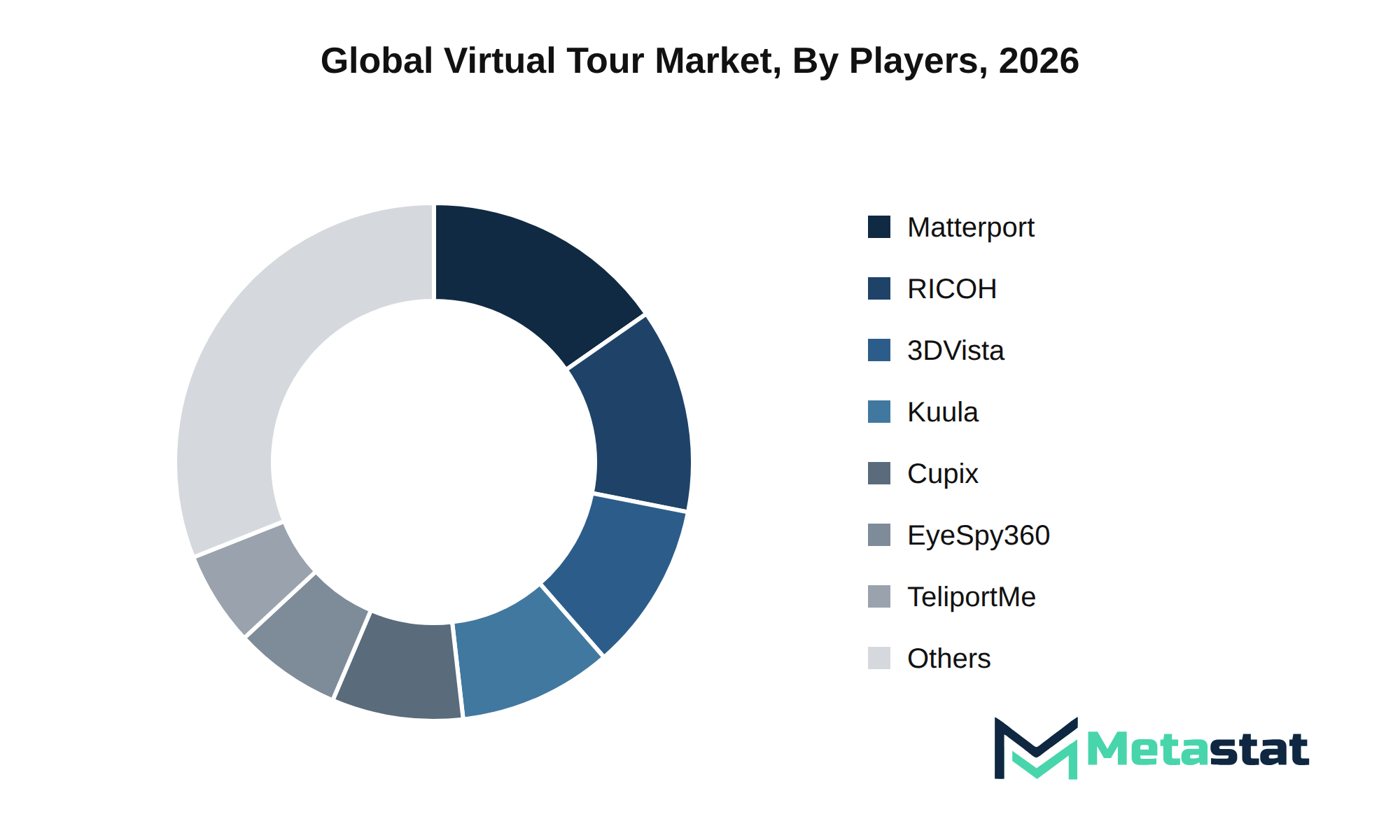
The competitive dynamics within the Virtual Tour market highlight a range of strategic behaviors among leading players. Mergers and acquisitions have emerged because a key tactic for companies seeking to enhance their market positions through consolidation. Players actively pursue collaborations, joint ventures, and partnerships to expand their offerings and strengthen their technological capabilities. Strategic alliances enhance product differentiation while allowing companies to tap into new customer segments.
Companies emphasize innovation through robust R&D pipelines, focusing on proprietary technologies that create barriers to entry for new entrants. This technological defensibility supports existing players in maintaining competitive advantages. Customer retention strategies, including effective pricing architectures and brand equity management, play a crucial role in sustaining market share. Organizations like Matterport, LLC, RICOH, and Zillow Group exemplify successful integration of these strategies, asserting their influence in the evolving landscape of the market.
Overall, the future competitive outlook suggests a continuous evolution driven by technological advancements and strategic growth vectors. Companies equipped with strong intellectual property portfolios and adaptive commercial models are well-positioned to navigate the competitive environment and capitalize on emerging opportunities within the Virtual Tour market.
Market size is forecast to rise from USD 17.3 billion in 2025 to over USD 120.7 billion by 2033. The base case reflects a growth trajectory of 27.5% CAGR, driven by increasing adoption of virtual tour technology across various sectors.
The virtual tour market experiences fluctuations due to macroeconomic conditions and economic cycles, influencing downstream demand. Core industries mature, creating structural consumption shifts attributed to next-generation technologies integrating into existing platforms. R&D timelines for commercialization dictate product life-cycles, impacting market dynamics.
Regulatory evolution introduces compliance milestones and enforces policy horizons that affect operational strategies. Geopolitical realignments and evolving trade corridors reshape global supply chains, influencing cost structures and market access strategies.
Strategic capital allocation directives focus on infrastructure commitments and capital expenditure investment vectors, identifying emerging white-space opportunities. Unmet enterprise needs highlight high-growth pockets, driving demand for innovative solutions. Executive-level strategic imperatives shape defensibility roadmaps and outline future growth recommendations in the market.
The report strategically identifies and profiles the key market players and analyses their core competencies in each sub-segment of the Virtual Tour market.
Report Attributes | Details |
Study Period | 2021-2033 |
Base Year | 2025 |
Estimated Year | 2026 |
Forecast Period | 2026-2033 |
Historical Period | 2021-2025 |
Growth Rate | CAGR 27.5% from 2026 to 2033 |
Revenue Unit | USD billion |
Segmentation | By Offering Type, Type, Application, and Region |
By Region | North America (By Offering Type, Type, Application, and Country)
|
Europe (By Offering Type, Type, Application, and Country)
| |
Asia Pacific (By Offering Type, Type, Application, and Country)
| |
South America (By Offering Type, Type, Application, and Country)
| |
Middle East and Africa (By Offering Type, Type, Application, and Country)
|
Find answers to common questions about this report
The Virtual Tour market size was valued at USD 17.3 billion in 2025, according to the Metastat Insights study.
The Virtual Tour market is projected to grow at a CAGR of 27.5% during the forecast period from 2026 to 2033.
The North America Virtual Tour market size is estimated to reach USD 43.4 billion by 2033.
The leading type segment in the Virtual Tour market is 3D Digital Twin Virtual Tours, projected to reach USD 36.2 billion by 2033. This segment surpasses others in terms of anticipated revenue growth.
The key drivers for the Virtual Tour market include the increasing emphasis on digital transformation across various sectors, which enhances consumer engagement and user experiences. shifting consumer behaviors, particularly among the aging population favoring digital solutions, support the adoption of virtual tours because an effective marketing strategy in industries like real estate and tourism.
North America holds the dominant share of the Virtual Tour market, with a projected value of USD 43.4 billion in 2033, representing 38.7 percent of the total market.
High capital investment requirements and escalating operating costs significantly restrain the Virtual Tour market growth. Smaller enterprises face financial barriers that limit market entry, while inadequate infrastructure and connectivity deficits hinder effective deployment, particularly in emerging economies. data security vulnerabilities and privacy concerns slow adoption rates, further impacting overall market potential.
Factors favoring product adoption in the virtual tour industry include the increasing emphasis on digital transformation, changing consumer behaviors that prioritize immersive experiences, and the aging population's preference for convenient digital solutions. These trends drive businesses to invest in virtual tour technology, enhancing customer engagement and operational productivity across various sectors.
The Virtual Tour market is estimated to reach a valuation of USD 120.7 billion by 2033.
Key players in the Virtual Tour market include Matterport, LLC, 3DVista, RICOH, Kuula Inc., Cupix, and Zillow Group.
The analysts below cover Information & Technology research at Metastat Insights.
LEAD ANALYST
Utkarsh Khirodkar is a Lead Market Research Analyst at MetaStat Insight, specializing in market intelligence, technology sector assessments, and competitive strategy.

PRINCIPAL CONSULTANT - ENTERPRISE AI & EMERGING TECHNOLOGIES
Banking & Finance · Electronics and Semiconductor · Energy and Power · Healthcare IT · Information & Technology · Professional Services
Vijay Gunti is a Principal Consultant at MetaStat Insight, bringing over two decades of experience across enterprise digital transformation, technology strategy, and intelligent systems.

LEAD CONSULTANT - COMMUNICATION, TELECOM, AND IT
Electronics and Semiconductor · Information & Technology · Machinery & Equipment · Professional Services
Ravindra Sathe Consultants for Communication, Telecom, and IT at MetaStat Insight. He leads the firm's industry research initiatives across telecommunications infrastructure, digital connectivity, enterprise networking, and emerging information technology domains.
Tracking capacity expansion in single-use bioprocessing requires dependable data on raw material availability and cleanroom-grade polymer supply chains. The competitive landscape chapter gave a grounded evaluation of secondary component suppliers across North America and Asia-Pacific rather than simply reprinting press releases. Having that level of supplier benchmarking helped clarify dual-sourcing considerations for our clinical pipeline planning.
When evaluating distributed energy resource management systems, standard research summaries tend to gloss over the operational differences between front-of-the-meter utility deployments and behind-the-meter industrial sites. The MetaStat Insight report addressed those distinctions directly, especially regarding software interoperability standards and grid interconnection backlogs. The five-year market sizing across regional transmission organizations provided actionable context for our grid modernization strategy.
Most industry reports on warehouse automation bundle autonomous mobile robots and fixed conveyor installations into the same top-level numbers, which complicates advisory work. This study split the market cleanly by payload tiers, navigation technology, and fleet management software layers. The regional forecast for Western Europe gave our team defensible adoption benchmarks when evaluating capital allocation for logistics clients, saving us days of secondary data scrubbing.
Explore related market intelligence reports worth reading alongside this one.
Starting from
$2950