
LEAD ANALYST
Utkarsh Khirodkar is a Lead Market Research Analyst at MetaStat Insight, specializing in market intelligence, technology sector assessments, and competitive strategy.

Global Caramel Flavored Whiskey Market Size, Share, By Type (5%-20%Vol, 20.1%-40%Vol, and 40.1%-60%Vol), By Application (Hotel, Restaurant, and Others), By Distribution Channel (On-Trade and Off-Trade), Industry Analysis, Growth, Trends, and Forecast, 2026-2033
Report ID
MSI-4711
Published
May, 2026
Pages
315 Pages
Format
Report Details
Choose Your License
Caramel Flavored Whiskey Market
Global Caramel Flavored Whiskey market size is valued at USD 33.1 billion in 2025 and projected to grow at a CAGR of 7.3% during the forecast period, reaching USD 58.2 billion by 2033.
North America holds 39.5% of the market in 2025, with the U.S. leading regional consumption.
5%-20%Vol segment account for a market share of 11.9% in 2025.
Key trends driving growth: Rising consumer preference for flavored alcoholic beverages propels demand for sweeter and easier-to-drink whiskey variants, along with premiumization and product innovation across spirits category support expansion of caramel flavored whiskey offerings.
Opportunities include growing interest in craft spirits and experimental flavor profiles creates room for premium and limited-edition caramel flavored whiskey products.
Key insight: The Global Caramel Flavored Whiskey market is gaining traction owing to flavor innovation, premiumization trends, evolving consumer taste preferences, and strong on-trade demand.
The Global Caramel Flavored Whiskey market within the alcoholic beverages industry is expanding beyond traditional whiskey consumption patterns. Consumers are increasingly seeking approachable flavor profiles that combine classic whiskey depth with smooth caramel notes. This shift is creating broader appeal among first-time whiskey drinkers, casual consumers, and social drinking audiences.
Over the coming years, product development will focus on small-batch releases, premium cask finishes, seasonal variants, and cocktail-friendly formats. Brand owners will emphasize packaging identity, experiential marketing, and digital community engagement to strengthen market visibility and repeat purchases.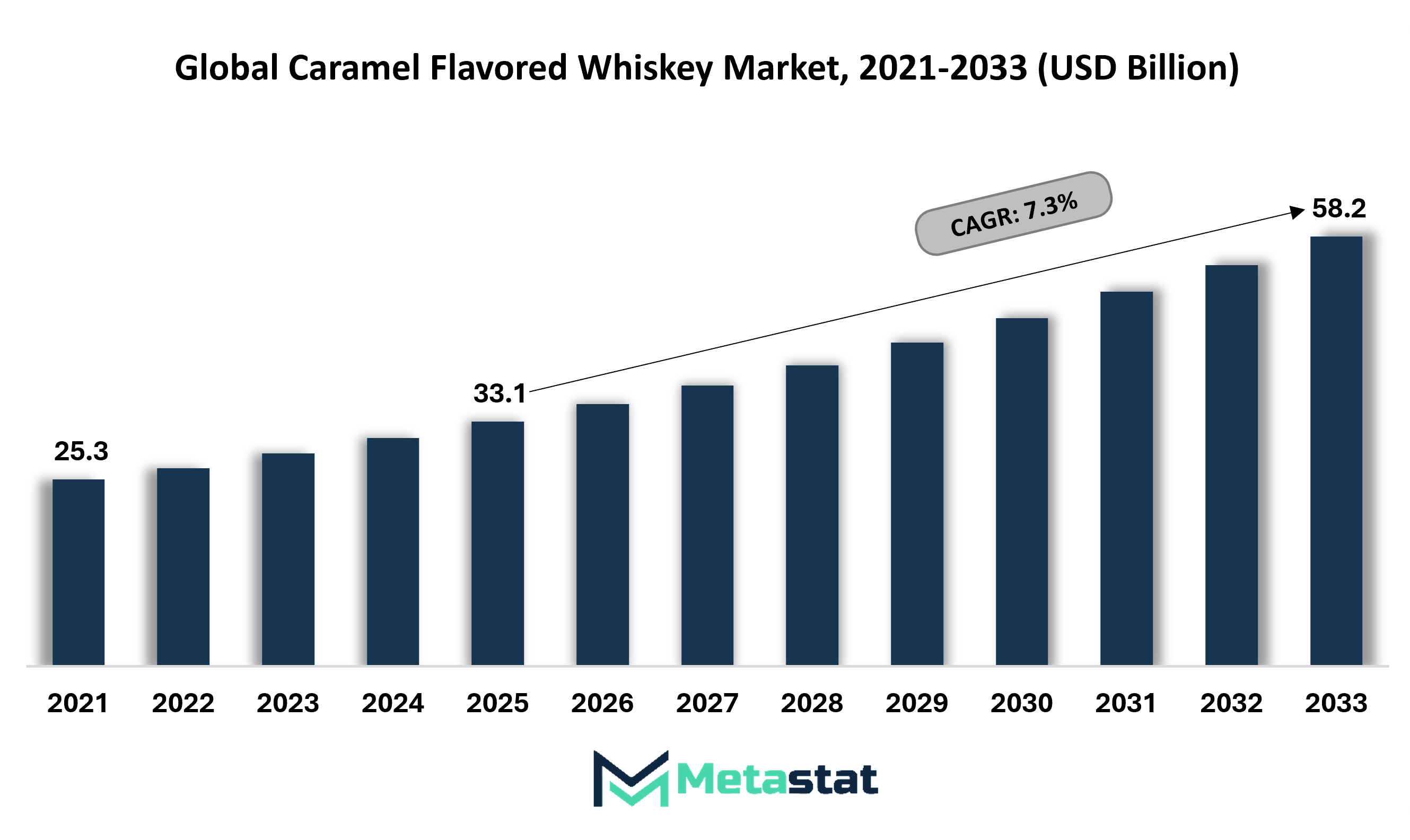
Rising consumer preference for flavored alcoholic beverages propels demand for sweeter and easier-to-drink whiskey variants.
Urban retail channels are witnessing stronger shelf movement for smooth flavor profiles with moderate sweetness. Social gatherings, gifting demand, and beginner-friendly choices are supporting wider acceptance. Future launches with balanced caramel notes, lower burn sensation, and refined packaging will strengthen category visibility across supermarkets, lounges, and travel retail.
Premiumization and product innovation across spirits category support expansion of caramel flavored whiskey offerings.
Premium buyers are seeking richer texture, aged blends, curated bottles, and distinctive finishes. Caramel infusions add indulgent appeal without weakening whiskey identity. Future brand strategies will include barrel finishing, collectible editions, elegant bottle design, and tasting experiences, creating higher margins with stronger placement in premium beverage portfolios.
Stringent alcohol labeling and flavor additive regulations limit product development and cross-market commercialization.
Compliance requirements vary across countries, creating delays in approvals, ingredient review, packaging revisions, and distribution planning. Higher operational costs will affect smaller producers. Future success will depend on clear documentation systems, regional legal expertise, and adaptable packaging formats supporting faster entry into regulated beverage markets.
Traditional whiskey consumers often prefer classic unflavored variants, restricting broader category penetration.
Long-time whiskey buyers value heritage flavor, barrel depth, and distinct grain character. Sweetened expressions will face hesitation among traditional buyer groups. Future marketing will require education-led tasting sessions, heritage storytelling, and careful blending techniques that preserve authentic whiskey notes while introducing mild caramel appeal.
Growing interest in craft spirits and experimental flavor profiles creates room for premium and limited-edition caramel flavored whiskey products.
Independent distillers are gaining space through small-batch releases, seasonal collections, and localized recipes. Enthusiasts seek novelty, rarity, and memorable tasting experiences. Future momentum will rise from festival collaborations, dessert-pairing concepts, direct online sales, and visitor-center exclusives built around premium caramel-inspired whiskey expressions.
The Global Caramel Flavored Whiskey market is classified based on Type, Application, and Distribution Channel.
5%-20%Vol segment is valued at USD 4.2 billion in 2026 and is projected to reach USD 6.0 billion by 2033, at a CAGR of 5.2% during the forecast period.
Lower alcohol variants will attract casual social occasions, brunch menus, festival gatherings, and first-time flavored whiskey buyers. A smoother taste profile will support wider acceptance across urban outlets. Future launches will include ready-to-serve packs, lighter bottles, seasonal flavors, and moderation-led formats targeting metropolitan demand centers.
20.1%-40%Vol segment is valued at USD 22.9 billion in 2026 and is projected to reach USD 38.9 billion by 2033, at a CAGR of 7.8% during the forecast period.
Mid-strength offerings will remain popular among consumers seeking balanced flavor with noticeable whiskey character. Restaurants, lounges, and home gatherings will support stable product movement. Future expansion will come through premium labeling, barrel-note positioning, cocktail pairing promotions, and gift-oriented packaging suited for celebrations and festive purchases.
40.1%-60%Vol segment is valued at USD 8.4 billion in 2026 and is projected to reach USD 13.3 billion by 2033, at a CAGR of 6.8% during the forecast period.
Higher strength products will appeal to experienced buyers valuing a bold finish and richer whiskey presence. Premium bars and collector channels will sustain interest in this segment. Future sales will benefit from limited editions, aged expressions, luxury packaging, and pairing recommendations designed for refined evening consumption occasions.
Hotel segment is projected to reach USD 14.5 billion by 2033, at a CAGR of 7.1% during the forecast period.
Hotel demand will rise through minibar innovation, rooftop experiences, tasting evenings, and destination dining packages. Signature caramel whiskey cocktails will enhance guest spending per visit. Future opportunities will include tourism partnerships, premium room bundles, banquet menus, and curated beverage storytelling for upscale hospitality environments.
Restaurant segment is projected to reach USD 29.8 billion by 2033, at a CAGR of 7.6% during the forecast period.
Restaurant channels will generate volume through pairing menus, dessert cocktails, and weekend promotions. Caramel notes will complement grilled dishes, smoked cuisine, and dessert courses. Future momentum will come from chef collaborations, regional menus, tasting flights, and experiential dining concepts attracting younger consumer groups.
Others segment is projected to reach USD 13.9 billion by 2033, at a CAGR of 6.8% during the forecast period.
Other applications include private events, travel retail, lounges, gifting programs, and celebration occasions. Consumption will increase during festive seasons and corporate events. Future gains will emerge from subscription boxes, customized labels, event catering partnerships, and experiential pop-up formats across major cities.
On-Trade segment is projected to reach USD 20.8 billion by 2033.
On-trade sales will benefit from bartending creativity, premium presentation, and trial-driven purchases. Consumer discovery often begins inside social venues. Future development will come from immersive tastings, themed nights, limited menu collaborations, and smart dispensing systems improving consistency across licensed outlets.
Off-Trade segment is projected to reach USD 37.4 billion by 2033.
Off-trade channels will remain crucial through supermarkets, liquor stores, duty-free counters, and e-commerce platforms. Home consumption trends will support repeat buying. Future acceleration will stem from quick delivery networks, festive bundles, subscription models, and data-led shelf placement improving conversion rates.
Based on geography, the Global Caramel Flavored Whiskey market is divided into North America, Europe, Asia-Pacific, South America, Middle East, and Africa.
North America is witnessing robust flavored whiskey demand owing to an established whiskey culture, strong cocktail consumption, and premium spirit experimentation.
Europe represents a mature yet innovation-led region in the Caramel Flavored Whiskey market, supported by established whiskey consumption culture, premium spirits retailing, cocktail-led hospitality, and strong gifting demand.
Asia-Pacific offers significant opportunities for the Caramel Flavored Whiskey market through rising urban nightlife, premium imports, and expanding middle-income consumer groups.
Across the Middle East, Africa, and South America, the Caramel Flavored Whiskey market is progressing through premium hospitality growth, travel retail channels, and rising awareness of international spirit brands.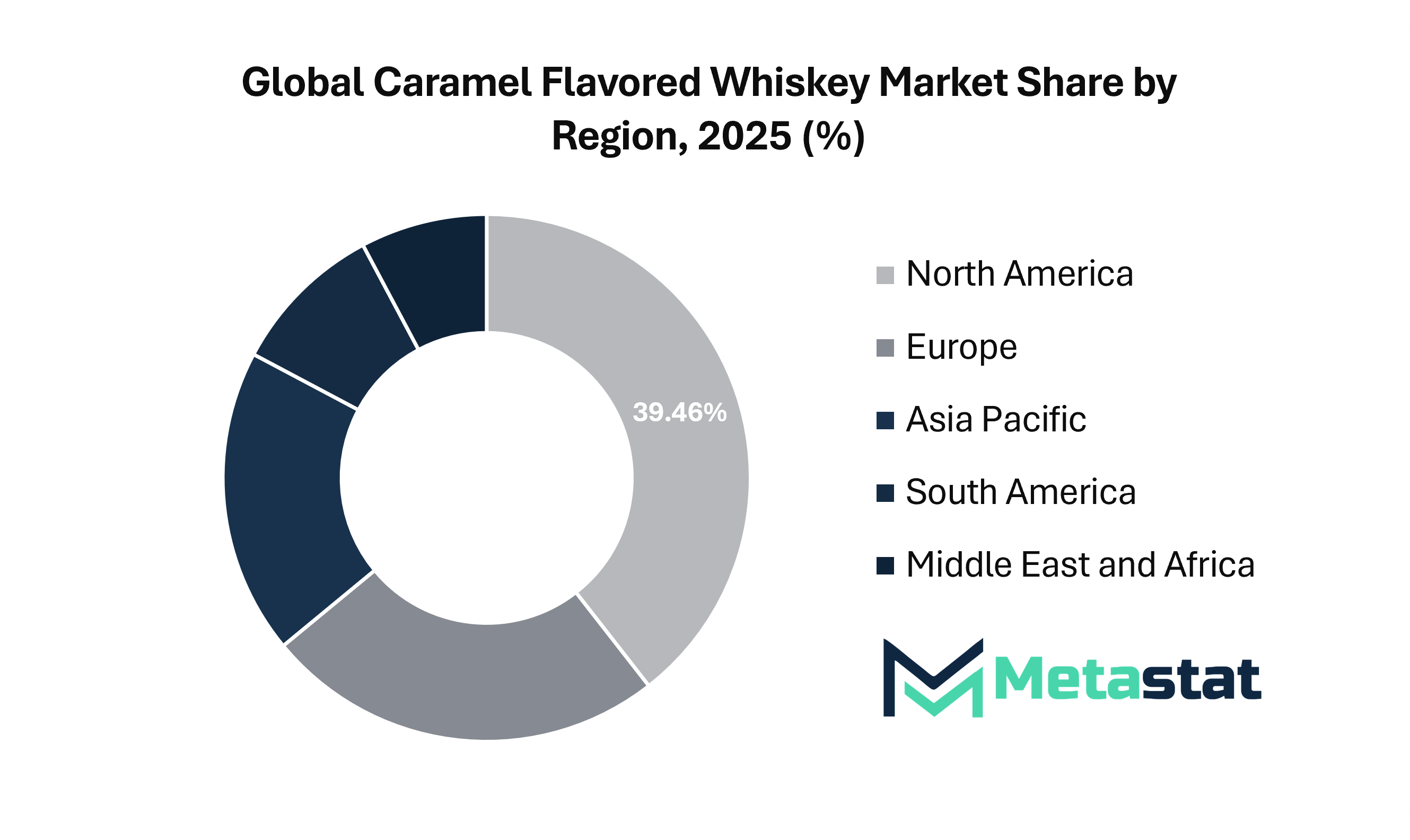
The Global Caramel Flavored Whiskey market continues to attract interest as consumers seek alcoholic beverages that offer familiar sweetness with a mature finish. Large and small producers are responding with recipes that balance caramel notes, grain character, and smooth texture. Many labels also use regional storytelling and craft techniques to build trust with shoppers. Such positioning helps brands stand out across retail stores and online channels where product choices continue to expand.
Ole Smoky Distillery, LLC and Western Spirits Beverage Company have strong visibility and wide reach, while B&M Craft Spirits, LLC and Henebery Spirits, Inc. focus on distinctive taste profiles. Tennessee Shine Company, Tennessee Legend Distillery, and Walton’s Distillery benefit from regional identity that connects with visitors and repeat consumers. Neeley Family Distillery Inc., SanTan Distilling, and West River Whiskey Co. add variety through careful batching and seasonal releases.
Other names such as Ugly Dog Distillery, Copper Mountain Beverage Company, Greenwood Whiskey, and R6 Distillery continue to widen consumer choice. Marcotte Distilling Company, 814 Distillery, Spring House Spirits, and City Gate Spirits show how independent makers can compete through quality and direct engagement. Hazard’s Distillery, Noble Cut Distillery, Bogue Sound Distillery, and Weldon Mills Distillery also add strength through clear packaging and focused branding.
Last Mountain Distillery Ltd., Scapegrace Distillery Co., Ol’Man Albar, Two Trees Distilling Company LLC, City Lights Shine, Shawn Elliot Inc., and Drop Zone Distilling reflect how broad the competitive field has become. Their presence means consumers can choose between premium bottles, casual gifting options, and limited editions. Overall success will depend on consistent flavor control, fair pricing, and smart distribution. Buyers often return when a product tastes consistent and feels worth the price. Brands that respond to feedback, improve labels, and expand retail access will gain stronger positions over the coming years. Tourism tasting rooms and social media sharing will also boost awareness without heavy promotional spending. Sustained demand for flavored spirits will encourage partnerships and new launches across multiple regions.
Market size is forecast to rise from USD 33.1 billion in 2025 to over USD 58.2 billion by 2033.
The Global Caramel Flavored Whiskey market will benefit from premium gifting trends, experiential drinking culture, and flavor-led innovation. Future expansion will come from hybrid products combining whiskey with dessert-inspired notes, coffee infusions, and ready-to-serve cocktail formats.
This research report categorizes the Caramel Flavored Whiskey market based on key segments and regions, forecasts revenue growth, and analyses trends in each submarket. The report analyses the key growth drivers, opportunities, and challenges influencing the Caramel Flavored Whiskey market. Recent market developments and competitive strategies such as expansion, product launch, partnership, merger, and acquisition have been included to draw the competitive landscape in the market.
The report strategically identifies and profiles the key market players and analyses their core competencies in each sub-segment of the Caramel Flavored Whiskey market.
|
Report Attributes |
Details |
|
Study Period |
2021-2033 |
|
Base Year |
2025 |
|
Estimated Year |
2026 |
|
Forecast Period |
2026-2033 |
|
Historical Period |
2021-2025 |
|
Growth Rate |
CAGR 7.3% from 2026 to 2033 |
|
Revenue Unit |
USD billion |
|
Sales Volume Unit |
Thousand Liters |
|
Segmentation |
By Type, Application, Distribution Channel and Region |
|
By Region |
North America (By Type, Application, Distribution Channel, and Country)
|
|
Europe (By Type, Application, Distribution Channel, and Country)
|
|
|
Asia Pacific (By Type, Application, Distribution Channel, and Country)
|
|
|
South America (By Type, Application, Distribution Channel, and Country)
|
|
|
Middle East and Africa (By Type, Application, Distribution Channel, and Country)
|
Find answers to common questions about this report
Top players operating in the Caramel Flavored Whiskey industry include Ole Smoky Distillery, LLC, Western Spirits Beverage Company, B&M Craft Spirits, LLC, Henebery Spirits, Inc., and Tennessee Shine Company.
Global Caramel Flavored Whiskey market is estimated to reach USD 58.2 billion by 2033.
Stringent alcohol labeling and flavor additive regulations limit product development and cross-market commercialization. will hamper the market growth within the forecast period.
North America region dominates the market.
Rising consumer preference for flavored alcoholic beverages propels demand for sweeter and easier-to-drink whiskey variants. and Premiumization and product innovation across spirits category support expansion of caramel flavored whiskey offerings. are key driving factors, boosting the market.
The 20.1%-40%Vol is the leading type segment in the Global market.
The Metastat Insights analysis shows that the North America Caramel Flavored Whiskey market size is estimated to be USD 22.2 billion by 2033.
The Global Caramel Flavored Whiskey market is expected to grow at a CAGR of 7.3% over the forecast period (2026-2033).
The Metastat Insights study shows that the Global Caramel Flavored Whiskey market size was USD 33.1 billion in 2025.
The analysts below cover Food and Beverages research at Metastat Insights.
LEAD ANALYST
Utkarsh Khirodkar is a Lead Market Research Analyst at MetaStat Insight, specializing in market intelligence, technology sector assessments, and competitive strategy.

LEAD PRINCIPAL ANALYST, PHARMA AND HEALTHCARE
Food and Beverages · Healthcare · Healthcare IT · Medical Devices
Ajay Devgire is the Lead Healthcare Analyst at MetaStat Insight, leading strategic research and market intelligence initiatives across the global healthcare domain.

SENIOR RESEARCH ANALYST
Biotechnology · Food and Beverages · Medical Devices · Packaging
Snehal Pasalkar is a Research Analyst at MetaStat Insight, operating at the intersection of life sciences research, competitive strategy, and market intelligence.
Tracking capacity expansion in single-use bioprocessing requires dependable data on raw material availability and cleanroom-grade polymer supply chains. The competitive landscape chapter gave a grounded evaluation of secondary component suppliers across North America and Asia-Pacific rather than simply reprinting press releases. Having that level of supplier benchmarking helped clarify dual-sourcing considerations for our clinical pipeline planning.
When evaluating distributed energy resource management systems, standard research summaries tend to gloss over the operational differences between front-of-the-meter utility deployments and behind-the-meter industrial sites. The MetaStat Insight report addressed those distinctions directly, especially regarding software interoperability standards and grid interconnection backlogs. The five-year market sizing across regional transmission organizations provided actionable context for our grid modernization strategy.
Most industry reports on warehouse automation bundle autonomous mobile robots and fixed conveyor installations into the same top-level numbers, which complicates advisory work. This study split the market cleanly by payload tiers, navigation technology, and fleet management software layers. The regional forecast for Western Europe gave our team defensible adoption benchmarks when evaluating capital allocation for logistics clients, saving us days of secondary data scrubbing.
Explore related market intelligence reports worth reading alongside this one.