
LEAD ANALYST
Utkarsh Khirodkar is a Lead Market Research Analyst at MetaStat Insight, specializing in market intelligence, technology sector assessments, and competitive strategy.

Kazakhstan Frozen Potato Products Market Size, Share, By Product Type (French Fries, Tikkis, Potato Wedges, Potato Bites, Smileys, Mashed Potatoes, Hash Browns, and Others), By Distribution Channel (Business to Business, Supermarkets, Hypermarkets, Convenience Stores, Departmental Stores, Online, and Others), By End Use (Food Services, Retail, Quick Service Restaurants, and Households), Industry Analysis, Growth, Trends, and Forecast, 2026-2033
Report ID
MSI-4799
Published
June, 2026
Pages
307 Pages
Format
Report Details
Choose Your License
Kazakhstan Frozen Potato Products Market
Kazakhstan Frozen Potato Products market size is valued at USD 26.4 million in 2025 and projected to grow at a CAGR of 9.0% during the forecast period, reaching USD 53.0 million by 2033.
French Fries segment account for a market share of 58.35% in 2025.
Key trends driving growth: Expansion of quick-service restaurants and fast-food chains is increasing demand for frozen French fries and potato snacks and growth in cold-chain logistics and organized retail networks is improving product availability across urban regions.
Opportunities include rising consumer interest in healthier and low-fat frozen potato products creates scope for premium product launches and expansion of online grocery platforms and food delivery services offers new distribution opportunities for frozen potato brands.
Key insight: Increasing demand for convenience food products is strengthening frozen potato product consumption across retail and foodservice sectors in Kazakhstan.
The Kazakhstan frozen potato products market is witnessing strong growth owing to rising urbanization, expanding quick-service restaurant chains, and changing food consumption patterns. Consumers across major cities are increasingly selecting convenient and ready-to-cook food products that reduce preparation time while offering consistent taste and quality. Frozen French fries, potato wedges, hash browns, smileys, and potato bites are gaining strong popularity across supermarkets, grocery stores, cafés, restaurants, and foodservice outlets.
The growing presence of global fast-food brands and café chains in Kazakhstan continues to support demand for frozen potato products, particularly frozen French fries used across quick-service restaurants and casual dining outlets. Consumers are also showing increased interest in premium and healthier frozen potato variants with lower fat content, baked preparation options, and improved product quality. Market participants are focusing on product innovation, efficient distribution networks, and packaging improvements to extend shelf life and strengthen consumer appeal. Modern retail channels, including hypermarkets and online grocery platforms, are further supporting sales growth through wider product availability and promotional pricing strategies.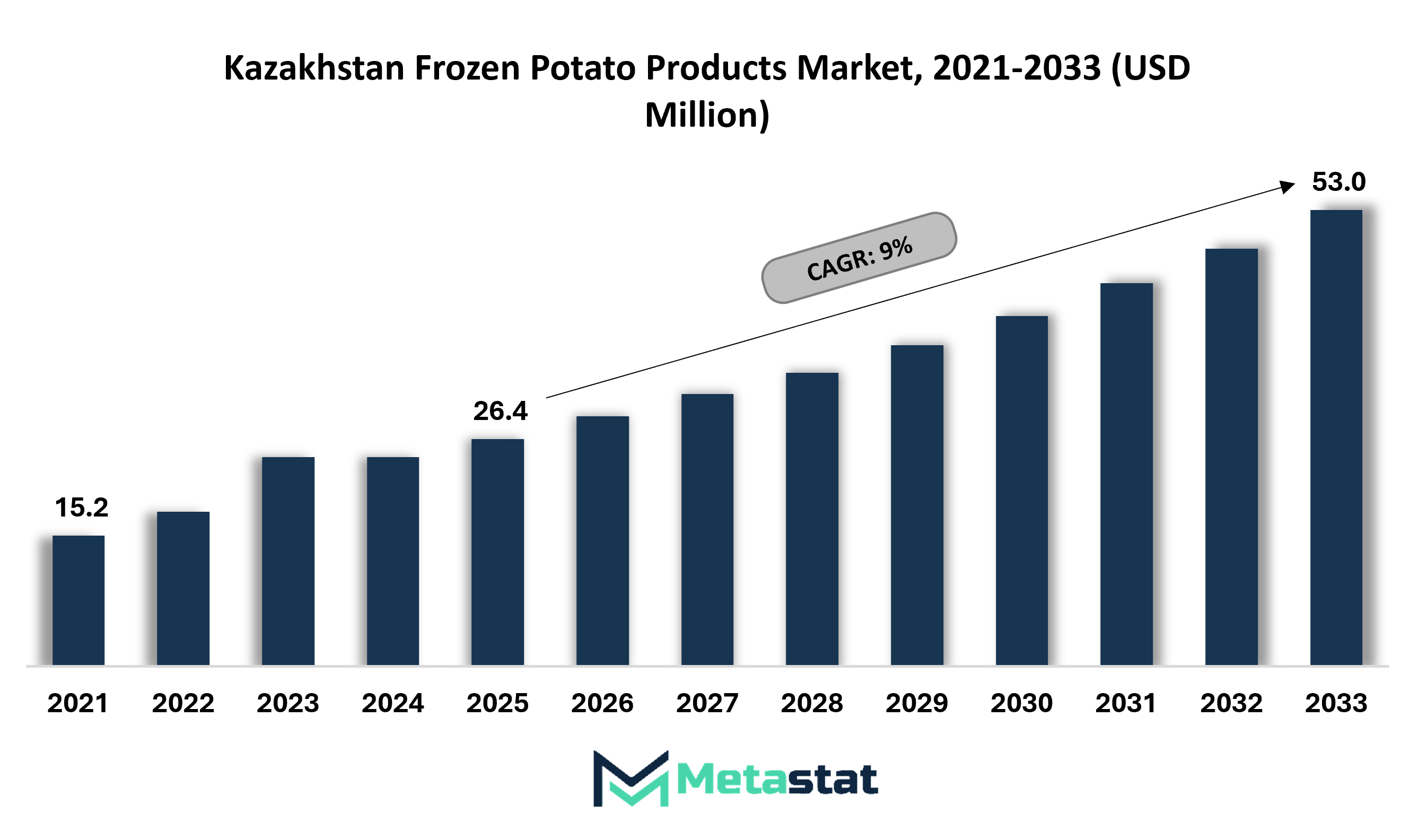
Expansion of quick-service restaurants and fast-food chains is increasing demand for frozen French fries and potato snacks.
Rapid expansion of international food chains, café outlets, street-food vendors, and takeaway kitchens is creating stronger demand for frozen potato products across Kazakhstan. Frozen French fries, wedges, hash browns, and potato bites support faster preparation, consistent taste, and reduced kitchen preparation time. Future market growth will strengthen with rising urban food consumption, increasing youth spending on fast food, and wider penetration of convenience-focused dining formats across major cities.
Growth in cold-chain logistics and organized retail networks is improving product availability across urban regions.
Development of refrigerated transportation systems, temperature-controlled warehouses, supermarket chains, and modern retail stores is improving access to frozen potato products across Kazakhstan. Better cold-storage infrastructure supports product freshness, longer shelf life, and stable distribution across urban centers. Future improvements in logistics investment will support stronger regional market penetration, faster product movement, and wider retail shelf availability.
Seasonal fluctuations in potato production create supply instability and pricing pressure for manufacturers.
Unstable weather conditions, irregular harvest cycles, and changing agricultural output create production uncertainty in the Kazakhstan frozen potato products market. Raw potato shortages during weaker harvest periods increase procurement costs for processing companies and create pressure on pricing structures. Future climate-related disruptions could further affect agricultural productivity, creating operational challenges for manufacturers dependent on stable potato supply volumes.
High dependence on imports increases exposure to freight costs and international trade volatility.
Significant reliance on imported frozen potato products and processing inputs increases exposure to freight costs, currency fluctuations, and cross-border trade disruptions within the Kazakhstan frozen potato products market. Rising transportation costs and geopolitical uncertainties could influence overall product pricing. Future trade policy shifts and global supply chain disruptions will continue creating uncertainty for distributors, retailers, and foodservice operators.
Rising consumer interest in healthier and low-fat frozen potato products creates scope for premium product launches.
Growing health consciousness among urban consumers is encouraging demand for baked, air-fried, reduced-oil, and low-sodium frozen potato products across Kazakhstan. Premium product innovation focused on healthier ingredients, clean-label packaging, and nutritional value will attract health-conscious buyers and higher-income households. Future product diversification could encourage manufacturers to introduce organic variants, vegetable blends, and fortified frozen potato snack options.
The Kazakhstan Frozen Potato Products market is classified based on Product Type, Distribution Channel, and End Use.
French Fries segment is valued at USD 16.9 million in 2026 and is projected to reach USD 31.2 million by 2033, at a CAGR of 9.1% during the forecast period.
The Kazakhstan frozen potato products market indicates strong demand for French fries owing to the fast growth of café chains, cinema food counters, and highway dining outlets. Advanced freezing technology supports longer shelf life and improved texture retention. Growing investment in local potato farming could strengthen domestic supply capacity during the coming years.
Tikkis segment is valued at USD 1.0 million in 2026 and is projected to reach USD 1.7 million by 2033, at a CAGR of 6.9% during the forecast period.
Frozen potato Tikkis are gaining interest across urban food outlets owing to preparation convenience and consistent taste quality. The Kazakhstan frozen potato products market could witness higher sales from school cafeterias, workplace canteens, and catering operators seeking affordable snack alternatives. Product innovation with spicy coatings and vegetable fillings could increase commercial demand.
Potato Wedges segment is valued at USD 4.6 million in 2026 and is projected to reach USD 8.9 million by 2033, at a CAGR of 10% during the forecast period.
Potato wedges continue gaining popularity among younger consumers seeking thicker and crispier snack varieties. The Kazakhstan frozen potato products market could benefit from growing partnerships between frozen food producers and restaurant chains introducing premium side dishes. Demand could develop further through flavored wedge varieties featuring herbs, cheese seasoning, and smoky spice combinations.
Potato Bites segment is valued at USD 2.2 million in 2026 and is projected to reach USD 3.9 million by 2033, at a CAGR of 8.8% during the forecast period.
Potato bites attract interest owing to compact serving sizes suitable for quick snacks, party platters, and takeaway menus. The Kazakhstan frozen potato products market could witness wider adoption across leisure venues and casual dining spaces. Manufacturers could focus on healthier cooking formats compatible with air fryers to align with changing consumer eating habits.
Smileys segment is valued at USD 1.0 million in 2026 and is projected to reach USD 1.5 million by 2033, at a CAGR of 6.5% during the forecast period.
Smileys remain popular among families and children owing to their playful appearance and easy preparation process. The Kazakhstan frozen potato products market could record stronger household penetration through promotional retail campaigns and attractive packaging designs. Rising interest in kid-friendly frozen snacks could encourage producers to introduce fortified ingredients and low-oil preparation options.
Mashed Potatoes segment is valued at USD 1.3 million in 2026 and is projected to reach USD 2.3 million by 2033, at a CAGR of 7.7% during the forecast period.
Frozen mashed potatoes support foodservice operators seeking reduced kitchen preparation time and stable product consistency. The Kazakhstan frozen potato products market could expand through hotel chains, institutional kitchens, and airline catering services. Improved freezing methods could preserve creamy texture more effectively, encouraging wider commercial adoption across hospitality-related sectors.
Hash Browns segment is valued at USD 1.4 million in 2026 and is projected to reach USD 2.8 million by 2033, at a CAGR of 10.2% during the forecast period.
Hash browns continue attracting breakfast chains and quick-dining outlets owing to rising demand for convenient morning meals. The Kazakhstan frozen potato products market could gain momentum from increasing tourism activity and growing café culture across metropolitan areas. Product suppliers could introduce customized portion sizes suitable for restaurants, hotels, and retail consumers.
Others segment is valued at USD 0.5 million in 2026 and is projected to reach USD 0.7 million by 2033, at a CAGR of 4.6% during the forecast period.
Additional frozen potato products, including croquettes, stuffed potato snacks, and seasoned potato cubes, could create fresh growth opportunities. The Kazakhstan frozen potato products market could gain from changing eating patterns linked with convenience-focused lifestyles. Regional flavor experimentation and premium packaging development could support broader product diversification across retail and commercial segments.
Business to Business segment is projected to reach USD 23.5 million by 2033, at a CAGR of 9.2% during the forecast period.
Business-to-business distribution supports large-scale procurement across restaurants, hotels, institutional kitchens, and catering organizations. The Kazakhstan frozen potato products market could strengthen through long-term supply agreements between producers and hospitality operators. Cold-chain improvements across delivery networks could enhance product availability while supporting efficient national business distribution systems.
Supermarkets and Hypermarkets segment is projected to reach USD 13.8 million by 2033, at a CAGR of 8.9% during the forecast period.
Supermarkets and hypermarkets remain important sales channels owing to strong product visibility and established freezer infrastructure. The Kazakhstan frozen potato products market could witness stronger consumer engagement through promotional discounts, bundled offers, and private-label frozen snack categories. Expansion of modern retail infrastructure across urban centers could encourage greater frozen food purchasing activity.
Convenience Stores segment is projected to reach USD 3.5 million by 2033, at a CAGR of 8.4% during the forecast period.
Convenience stores support quick buying behavior among working consumers seeking ready-to-cook food products. The Kazakhstan frozen potato products market could experience increased penetration through smaller pack sizes designed for quick household consumption. Rising urbanization and busy daily schedules will continue supporting frozen snack accessibility through neighborhood retail formats.
Departmental Stores segment is projected to reach USD 6.3 million by 2033, at a CAGR of 8.6% during the forecast period.
Department stores contribute to frozen potato product visibility through dedicated food sections targeting middle-income consumers. The Kazakhstan frozen potato products market could gain additional retail exposure through organized merchandising strategies and seasonal promotional campaigns. Growth of urban shopping complexes could encourage stronger frozen food sales across multi-category retail environments.
Online segment is projected to reach USD 2.8 million by 2033, at a CAGR of 11.2% during the forecast period.
Online distribution channels continue gaining traction owing to digital grocery applications and doorstep delivery convenience. The Kazakhstan frozen potato products market could witness stronger growth from technology-driven retail platforms offering frozen-storage logistics and fast delivery operations. Consumer preference for time-saving shopping methods could support long-term expansion of online frozen food sales.
Others segment is projected to reach USD 3.0 million by 2033, at a CAGR of 7.4% during the forecast period.
Additional distribution channels, including specialty food stores, wholesale markets, and local distributors, could support wider product accessibility. The Kazakhstan frozen potato products market could benefit from localized supply networks serving smaller towns and rural populations. Expansion of refrigerated transportation infrastructure could improve product reach across developing retail locations in the coming years.
Food Services segment is projected to reach USD 20.3 million by 2033.
Foodservice establishments generate considerable demand for frozen potato products owing to operational efficiency and consistent preparation quality. The Kazakhstan frozen potato products market could expand alongside rising café culture, tourism growth, and increasing dining expenditure. Product customization for institutional kitchens could support stronger business partnerships across hospitality and catering sectors.
Retail segment is projected to reach USD 12.5 million by 2033.
Retail consumption continues growing owing to rising household preference for convenient meal preparation solutions. The Kazakhstan frozen potato products market could benefit from increasing freezer ownership across residential areas and wider consumer awareness regarding frozen food safety standards. Attractive packaging innovations and value-based product offerings could strengthen long-term retail purchasing patterns.
Quick Service Restaurants segment is projected to reach USD 13.1 million by 2033.
Quick-service restaurants represent a major consumption category owing to high-volume demand for fries, wedges, and snack items. The Kazakhstan frozen potato products market could witness increased procurement activity through international restaurant chain expansion across urban areas. Faster cooking cycles and standardized product quality could remain critical buying factors among operators.
Households segment is projected to reach USD 7.1 million by 2033.
Household demand for frozen potato products continues increasing owing to changing lifestyles and rising preference for convenient cooking options. The Kazakhstan frozen potato products market could gain support from increasing dual-income households seeking faster meal preparation solutions. Product affordability, extended storage life, and easy cooking compatibility could encourage regular household consumption patterns.
Demand for frozen potato snacks in Kazakhstan has grown steadily owing to changing eating habits, rising urban living, and the expanding presence of quick-service restaurants. Families in major cities prefer food products that save preparation time while offering familiar taste and consistent quality. Retail stores continue expanding frozen food sections, providing easier access to fries, wedges, hash browns, and potato bites. The Kazakhstan frozen potato products market gains support from younger consumers who prefer quick-service meals during social gatherings, leisure activities, and weekend outings. Foodservice chains continue adding potato-based items to menus as they are affordable, filling, and popular across age groups.
Local producers and international brands continue competing through product quality, pricing, packaging, and distribution networks. Imported frozen potato products remain widely available in supermarkets owing to consumer trust in established overseas brands. Companies are focusing on stronger cold-storage systems that preserve product freshness during transportation. Restaurants prefer suppliers capable of offering consistent texture and flavor across every batch. Seasonal tourism and busy work schedules are further increasing sales of convenient frozen food. Many companies are introducing healthier cooking formats through air-fryer-friendly options that require less oil while still delivering the crisp texture expected from potato products.
Key Kazakhstan Frozen Potato Products industry players include Lamb Weston Holdings Inc., McCain Foods Limited, Farm Frites International B.V., Aviko B.V., Simplot Global Food, LLC, Talachin Agro-industrial Company, Ecofrost NV, 4Seasons, Global Fries BV, and HORTINO ZPOW LEŻAJSK Sp. z o.o. These companies continue strengthening distribution channels and building relationships with foodservice operators across Kazakhstan. Several companies are investing in modern processing facilities and logistics systems to reduce delivery delays. Competitive pricing remains critical as consumers compare multiple brands before making purchases. Producers are introducing different seasoning options and packaging sizes to attract households, restaurants, and younger consumers seeking convenient meal solutions.
Future industry growth appears positive as frozen potato products continue aligning with fast-paced urban lifestyles. Rising internet usage has helped food delivery applications expand, increasing demand for ready-to-cook side dishes and snacks. Supermarkets continue introducing promotional discounts that encourage trial purchases among first-time buyers. Many consumers now store frozen products for longer periods to reduce frequent shopping trips. Producers will focus on product variety, consistent quality, and wider retail reach to sustain consumer interest. Growing investment in food processing technology could support higher efficiency, stronger output, and improved product availability across Kazakhstan.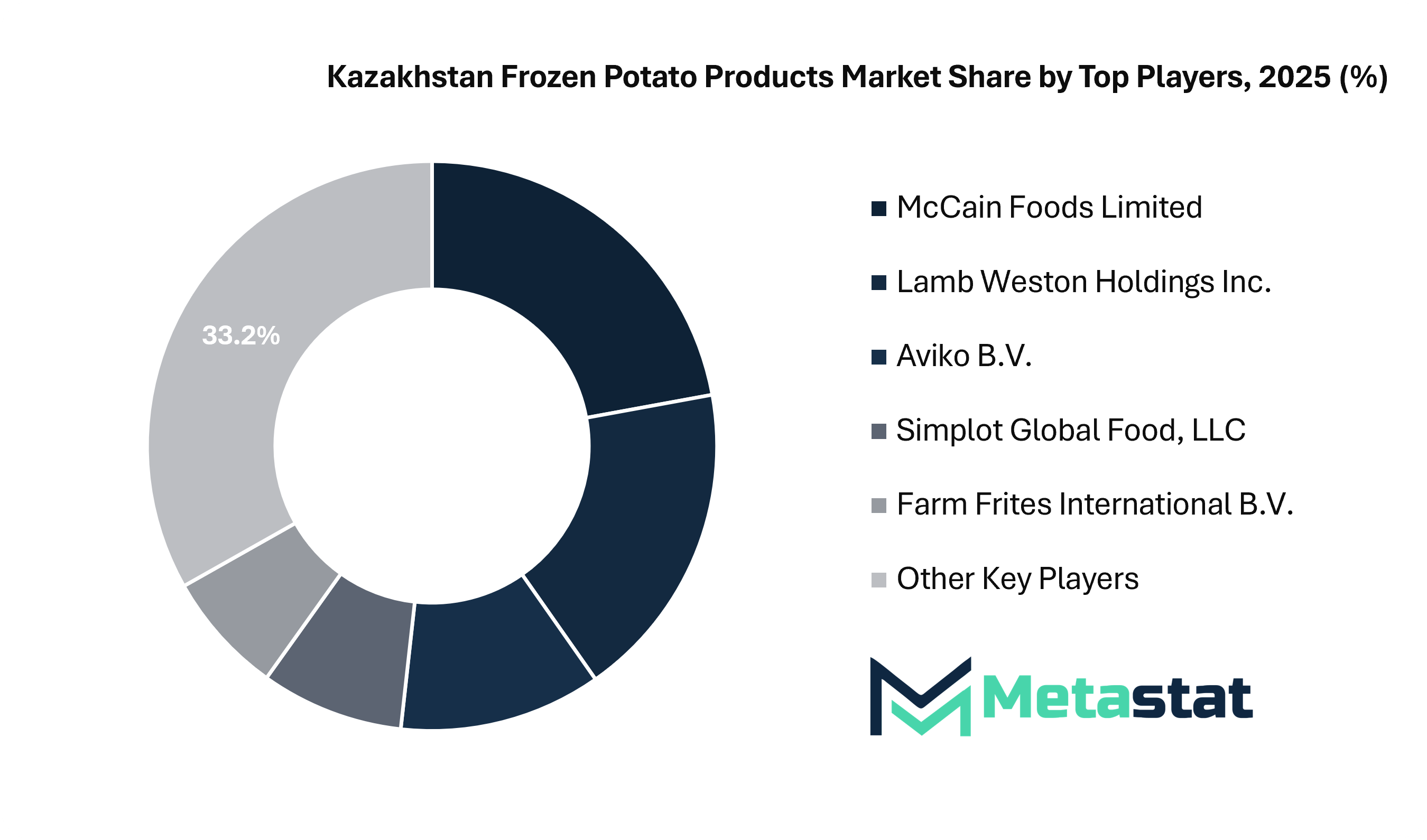
Market size is forecast to rise from USD 26.4 million in 2025 to over USD 53.0 million by 2033.
The future outlook for the Kazakhstan frozen potato products market remains positive owing to increasing disposable income, rising preference for convenience foods, and continued development of cold-storage infrastructure.
This research report categorizes the Kazakhstan frozen potato products market based on key product type, distribution channel, and end-use segments. The report forecasts revenue growth and analyzes trends across each submarket. The report further evaluates key growth drivers, opportunities, and challenges influencing the frozen potato products market. Recent market developments and competitive strategies such as expansions, product launches, partnerships, mergers, and acquisitions have been included to assess the competitive landscape.
The report strategically identifies and profiles key market players and analyzes their core competencies across each sub-segment of the Kazakhstan frozen potato products market.
|
Report Attributes |
Details |
|
Study Period |
2021-2033 |
|
Base Year |
2025 |
|
Estimated Year |
2026 |
|
Forecast Period |
2026-2033 |
|
Historical Period |
2021-2025 |
|
Growth Rate |
CAGR 9.0% from 2026 to 2033 |
|
Revenue Unit |
USD million |
|
Sales Volume Unit |
Kilotons |
|
Segmentation |
By Product Type, Distribution Channel, End Use, and Region |
Find answers to common questions about this report
Kazakhstan Frozen Potato Products market is estimated to reach USD 53.0 million by 2033.
Top players operating in the Kazakhstan Frozen Potato Products industry includes Lamb Weston Holdings Inc., McCain Foods Limited, Farm Frites International B.V., Aviko B.V., Simplot Global Food, LLC, and Talachin Agro-industrial Company (Lovey)
Seasonal fluctuations in potato production create supply instability and pricing pressure for manufacturers will hamper the market growth within the forecast period.
Expansion of quick-service restaurants and fast-food chains is increasing demand for frozen French fries and potato snacks and growth in cold-chain logistics and organized retail networks is improving product availability across urban regions are key driving factors, boosting the market.
The French Fries is the leading type of segment in the Kazakhstan market.
The Metastat Insights study shows that the Kazakhstan Frozen Potato Products market size was USD 26.4 million in 2025.
The Kazakhstan Frozen Potato Products market is expected to grow at a CAGR of 9.0% over the forecast period (2026-2033).
The analysts below cover Food and Beverages research at Metastat Insights.
LEAD ANALYST
Utkarsh Khirodkar is a Lead Market Research Analyst at MetaStat Insight, specializing in market intelligence, technology sector assessments, and competitive strategy.

LEAD PRINCIPAL ANALYST, PHARMA AND HEALTHCARE
Food and Beverages · Healthcare · Healthcare IT · Medical Devices
Ajay Devgire is the Lead Healthcare Analyst at MetaStat Insight, leading strategic research and market intelligence initiatives across the global healthcare domain.

SENIOR RESEARCH ANALYST
Biotechnology · Food and Beverages · Medical Devices · Packaging
Snehal Pasalkar is a Research Analyst at MetaStat Insight, operating at the intersection of life sciences research, competitive strategy, and market intelligence.
Tracking capacity expansion in single-use bioprocessing requires dependable data on raw material availability and cleanroom-grade polymer supply chains. The competitive landscape chapter gave a grounded evaluation of secondary component suppliers across North America and Asia-Pacific rather than simply reprinting press releases. Having that level of supplier benchmarking helped clarify dual-sourcing considerations for our clinical pipeline planning.
When evaluating distributed energy resource management systems, standard research summaries tend to gloss over the operational differences between front-of-the-meter utility deployments and behind-the-meter industrial sites. The MetaStat Insight report addressed those distinctions directly, especially regarding software interoperability standards and grid interconnection backlogs. The five-year market sizing across regional transmission organizations provided actionable context for our grid modernization strategy.
Most industry reports on warehouse automation bundle autonomous mobile robots and fixed conveyor installations into the same top-level numbers, which complicates advisory work. This study split the market cleanly by payload tiers, navigation technology, and fleet management software layers. The regional forecast for Western Europe gave our team defensible adoption benchmarks when evaluating capital allocation for logistics clients, saving us days of secondary data scrubbing.
Explore related market intelligence reports worth reading alongside this one.