
LEAD ANALYST
Utkarsh Khirodkar is a Lead Market Research Analyst at MetaStat Insight, specializing in market intelligence, technology sector assessments, and competitive strategy.

Global Carbon Fiber Hood Market Size, Share, By Vehicle Type (Passenger Cars, SUVs & Crossovers, Sports & Performance Cars, Luxury & Supercars, Pickup Trucks and Electric Vehicles), By Manufacturing Process (Prepreg/Autoclave, RTM, Compression Molding, Wet Lay-Up, Vacuum Infusion and Other Processes), By Application (OEM, Aftermarket Replacement, Performance & Weight Reduction, Motorsport & Racing and Vehicle Customization), By Carbon Fiber Construction (Prepreg Dry Carbon, Wet Carbon, CFRP Sandwich, Carbon Fiber/FRP Hybrid and Carbon Fiber/Metal Hybrid), Industry Analysis, Growth, Trends, and Forecast, 2026-2033
Report ID
MSI-5210
Published
September, 2026
Pages
292 Pages
Format
Historical
Base year
Forecast
Forecast period
Report Details
Choose Your License
Global Carbon Fiber Hood Market
The global Carbon Fiber Hood market was valued at USD 1.6 billion in 2025 and is projected to reach USD 2.9 billion by 2033, growing at a CAGR of 8.3% over the forecast period.
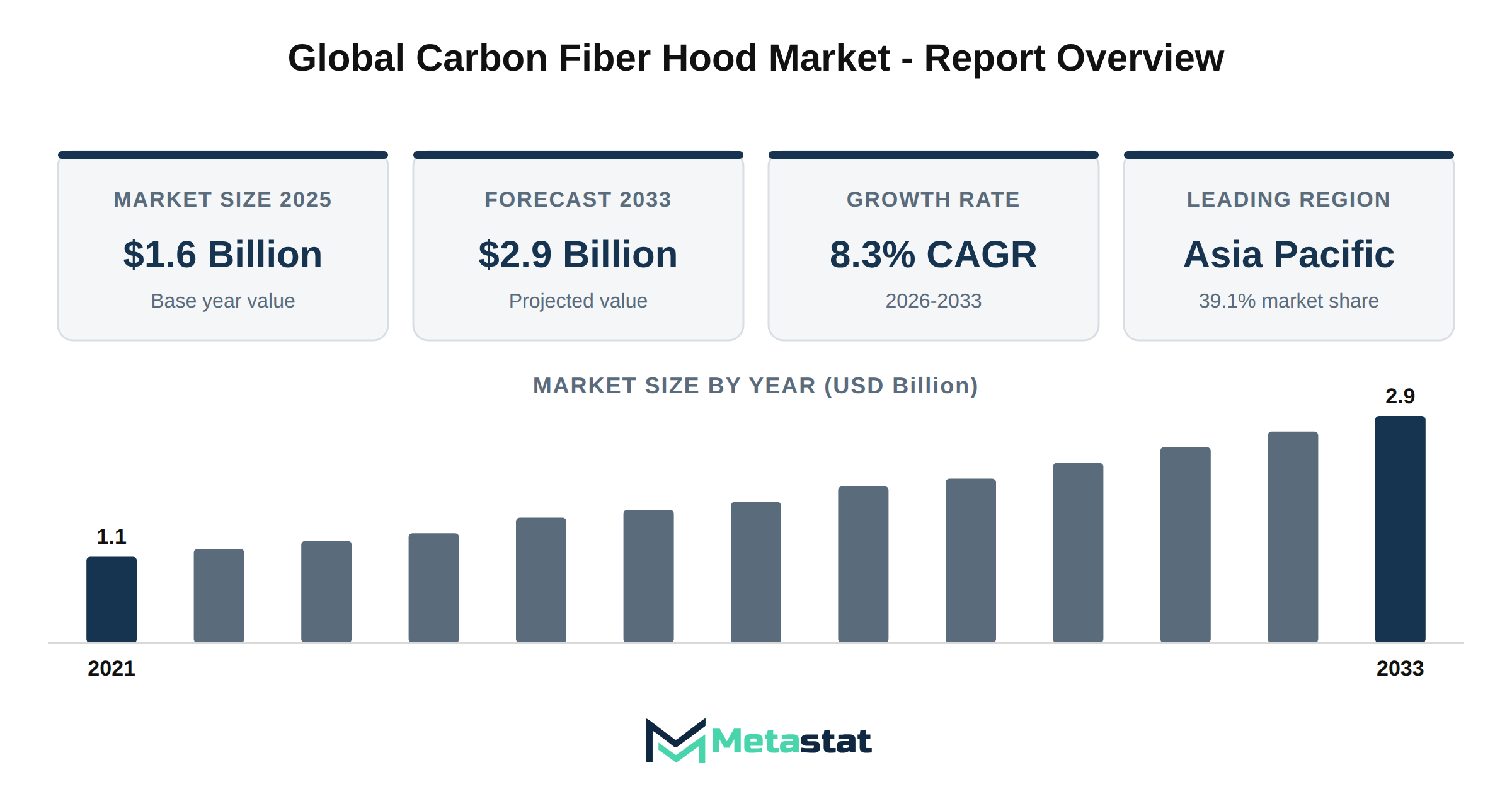
The Carbon Fiber Hood market exhibited a significant valuation of USD 1.6 billion in 2025, with projections indicating growth to USD 2.9 billion by 2033. This expansion reflects a compound annual growth rate (CAGR) of 8.3%. Historical data shows steady growth from USD 1.1 billion in 2021 to USD 1.4 billion in 2024, highlighting the increasing adoption of carbon fiber hoods across various segments.
Trends in the Carbon Fiber Hood market indicate a rising demand driven by the automotive industry's shift towards lightweight materials. Factors including fuel efficiency regulations and consumer preferences for performance enhancement drive the market forward. The automotive sector, particularly in high-performance and luxury vehicles, significantly influences this demand.
Key growth drivers include the ongoing trend of automotive lightweighting and the increasing focus on performance enhancement. Opportunities arise within electric and high-performance vehicle segments, where carbon fiber hoods offer substantial advantages in weight reduction and aerodynamics. Investment in advanced manufacturing technologies supports market expansion.
Carbon fiber hoods contribute to automotive lightweighting efforts, leading to improved fuel efficiency and enhanced vehicle performance. The adoption of these hoods in passenger cars, SUVs, and high-performance vehicles reflects a strategic shift in design and engineering practices. Manufacturers prioritize innovations that leverage carbon fiber's superior strength-to-weight ratio.
The demand for carbon fiber hoods spans various vehicle categories, including passenger cars, racing cars, and luxury vehicles. Increasing consumer awareness regarding vehicle performance and aesthetics drives the popularity of carbon fiber hoods, particularly in the aftermarket segment. This trend highlights the growing interest in vehicle customization and personalization.
The aftermarket for carbon fiber hoods is expected to experience significant growth, fueled by trends in vehicle customization. Enthusiasts seek lightweight and high-performance components to enhance their vehicles. Manufacturers respond to this demand by offering a range of customizable options, further strengthening their presence in the aftermarket sector.
Original Equipment Manufacturers (OEMs) increasingly incorporate carbon fiber hoods in high-performance and premium vehicles. This trend aligns with the automotive industry's emphasis on innovation and performance. By applying advanced materials, OEMs enhance vehicle specifications while meeting regulatory requirements for efficiency and sustainability.
The Carbon Fiber Hood market trends indicate a robust demand driven by the increasing focus on lightweight materials in the automotive sector. This trend aligns with the broader industry movement towards enhancing fuel efficiency and performance characteristics of vehicles. Emerging opportunities within the market revolve around advancements in manufacturing processes and innovative design developments, which support the integration of carbon fiber hoods across diverse vehicle types.
Adoption of carbon fiber hoods for automotive lightweighting and performance enhancement reflects a strategic shift among manufacturers aiming to improve overall vehicle dynamics. The market shows heightened interest in applications within passenger cars, racing cars, and luxury vehicles, where performance benchmarks drive the necessity for lightweight composite solutions. This specific demand contributes to the market's growth trajectory, underpinned by the desire for improved speed and agility in high-performance models.
Aftermarket demand for carbon fiber hoods corresponds with trends in vehicle customization, where enthusiasts seek to enhance aesthetics and performance. This segment presents significant revenue potential, driven by consumers investing in aftermarket modifications to achieve personalized vehicle characteristics. Original Equipment Manufacturer (OEM) adoption of carbon fiber hoods is particularly strong in high-performance and premium vehicles, where manufacturers leverage these materials to differentiate their offerings in competitive markets.
Innovations in manufacturing technologies, including advanced resin transfer molding and compression molding, enhance the efficiency and quality of carbon fiber hoods. The market sees a growing emphasis on product trends, including dry carbon, wet carbon, and hybrid carbon fiber options, catering to varying consumer preferences and performance requirements. These advancements enable the production of superior products that meet the evolving demands of automotive manufacturers.
Supply chain dynamics, including raw material costs and procurement trends, influence pricing strategies within the market. Cost reduction opportunities arise through technological advancements and optimized manufacturing processes, allowing producers to offer competitive pricing while maintaining product quality. Investment in partnerships and capacity expansion further supports market resilience and growth potential.
Product launches and design innovations remain central to the competitive landscape, with manufacturers striving to incorporate aerodynamic developments into their offerings. Safety and certification standards play a critical role in market acceptance, with regulatory compliance shaping the operational framework for producers. The competitive landscape features various strategies employed by manufacturers to capture market share and meet consumer demands effectively.
Distribution trends in the market reflect a balanced approach between online and offline channels, facilitating accessibility for consumers seeking carbon fiber hoods. Regional growth opportunities emerge across North America, Europe, and Asia Pacific, with each region presenting unique market characteristics and demands. The market outlook suggests continued expansion, driven by technological advancements, regulatory evolution, and a shift towards sustainable automotive solutions.
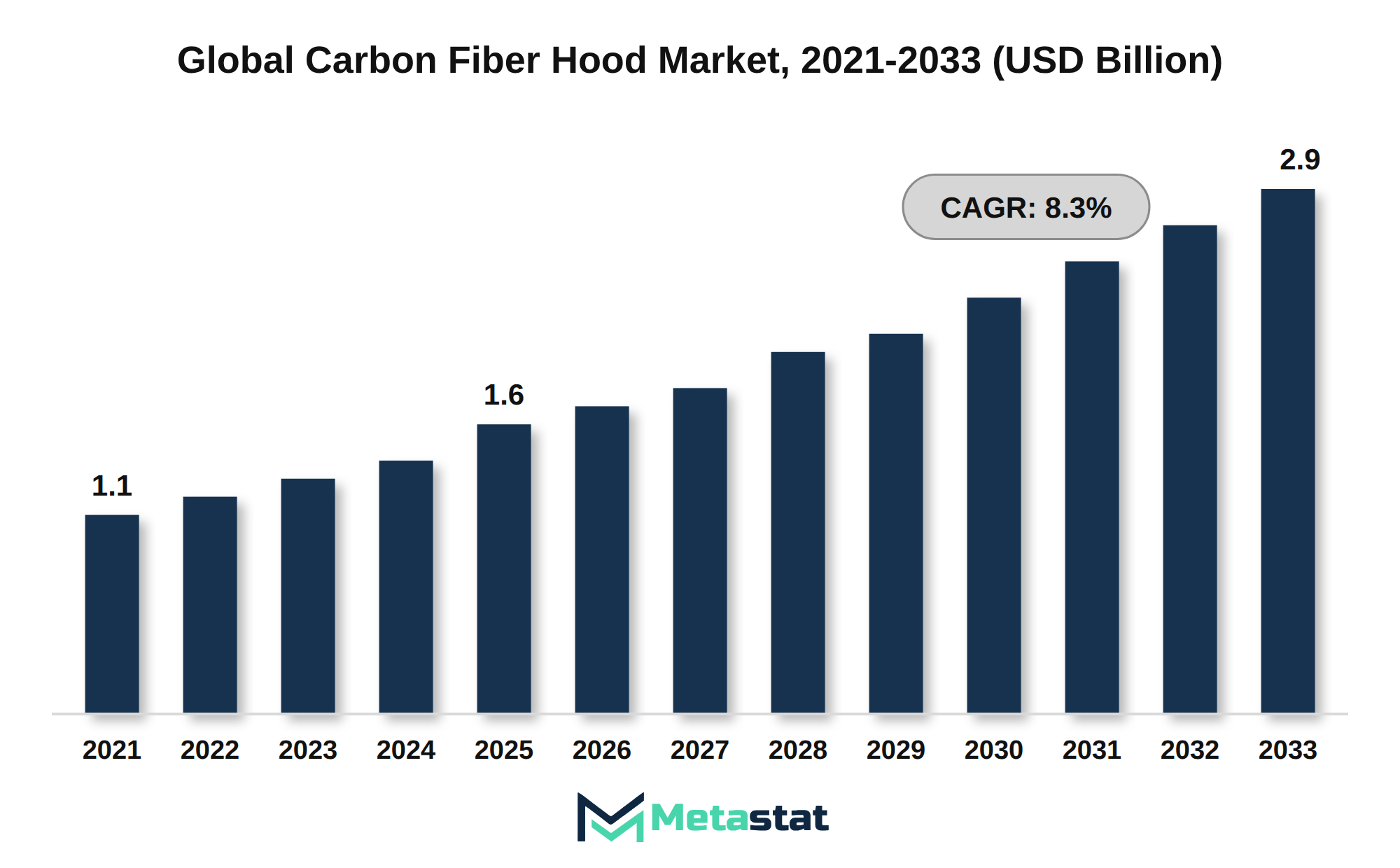
The Carbon Fiber Hood market experiences increased demand due to stringent emission limits imposed by various regions. These regulatory measures encourage automotive manufacturers to adopt lightweight materials, including carbon fiber, to enhance fuel efficiency and reduce carbon footprints. While manufacturers seek innovative solutions to comply with these regulations, investments in carbon fiber technology become essential for maintaining competitiveness.
Automakers targeting reduced emissions and improved performance are likely to drive growth within the market. The transition towards electric vehicles further supports this trend, driven by manufacturers prioritizing lightweight components to maximize battery efficiency and vehicle range. Consequently, the shift in consumer preferences towards sustainable vehicles supports the market's expansion, creating opportunities for growth in carbon fiber hood production.
Investment in high-performance materials significantly impacts the Carbon Fiber Hood market by enhancing product quality and performance. Companies increasingly allocate resources toward research and development, focusing on innovative materials that meet changing consumer preferences for lightweight, durable, and efficient automotive components. This trend aligns with rising consumer awareness regarding vehicle performance and environmental sustainability, compelling manufacturers to adopt advanced lightweight materials including carbon fiber.
Technological integration is essential in this investment landscape. Automation and advanced manufacturing processes streamline production, reduce operational costs, and improve product consistency. These efficiencies encourage manufacturers to produce carbon fiber hoods at competitive prices while maintaining high quality, which enhances market acceptance and expands customer bases across various vehicle segments.
The market benefits from increasing venture funding aimed at startups and firms focused on sustainable technologies. This influx of capital supports the development of innovative carbon fiber solutions, aligning with macro-economic trends emphasizing sustainability and performance. Improved access to funding accelerates the introduction of advanced carbon fiber products, creating a competitive marketplace that drives the evolution of the Carbon Fiber Hood market.
Investment in infrastructure development further strengthens the market. Enhanced manufacturing capabilities, combined with digital transformation efforts, promote the efficient production of carbon fiber hoods. Firms leveraging modern technologies and facilities position themselves favorably in a market that evolves, facilitating growth and adoption of carbon fiber solutions.
The Carbon Fiber Hood market faces challenges from several factors that influence growth trajectories. Regulatory tightening and compliance hurdles contribute to delays in product development and increase operational costs. Manufacturers encounter significant capital investment requirements for new technologies, which restrict funding availability for innovation.
Macroeconomic headwinds including inflationary pressures and resource scarcity impact overall market stability. Increased costs for raw materials and labor place additional strain on profit margins, making it difficult for producers to compete effectively. Supply chain disruption, exacerbated by geopolitical instability, leads to unpredictable delivery timelines and limits inventory availability.
Technological obsolescence poses risks, particularly in an industry striving for advancements in performance and efficiency. The threat of substitution from alternative materials creates competitive pressure, making it crucial for players in the market to continually adapt. Infrastructure gaps further hinder adoption, particularly in regions where investment in modern facilities and technology remains low.
Market fragmentation complicates the competitive landscape, with numerous players vying for market share. This fragmentation leads to varying regional adoption rates, influenced by cultural barriers and differing perceptions of carbon fiber benefits. Slowing downstream demand from the automotive sector, along with industry cycle maturation, creates uncertainties for future growth in the Carbon Fiber Hood market.
The Carbon Fiber Hood market encounters significant challenges stemming from geopolitical tensions and trade instability, which disrupt supply chains and affect pricing structures. Fluctuating trade policies and tariffs introduce uncertainties that complicate the sourcing of raw materials, leading to increased costs for manufacturers. These complexities impede the market’s ability to maintain stable pricing and secure reliable access to essential components.
In the context of technological disruptions, rapid advancements in material science outpace existing production capabilities. Manufacturers face difficulties integrating new technologies into established processes, resulting in inefficiencies that affect competitiveness. The market requires investments in research and development to overcome these integration challenges, adding to overall operational costs.
The volatility in feedstock prices further complicates the market dynamics. Price fluctuations driven by global supply and demand lead to margin pressures for companies involved in the production of carbon fiber hoods. This situation necessitates strategic sourcing and efficient inventory management to mitigate the impact of rising input costs on the overall profitability of the market.
Workforce skill gaps present another challenge, arising from a shortage of trained personnel in advanced manufacturing techniques that hinders operational efficiency and product quality. The need for automation and sophisticated technologies places additional demands on companies to attract and retain skilled workers, thereby increasing human resource costs.
Environmental lifecycle footprints and sustainability demands increasingly influence market behavior. Regulatory expectations regarding decarbonization and sustainable practices push manufacturers to invest in cleaner technologies and processes. This transition, while essential for long-term viability, imposes upfront costs that disrupt financial performance in the short term.
These factors collectively create a challenging environment for the Carbon Fiber Hood market, where careful navigation of geopolitical and economic landscapes is crucial for sustaining growth and ensuring competitiveness in an evolving marketplace.
The Carbon Fiber Hood market presents numerous opportunities driven by emerging regional demands and infrastructure modernization. Rapid industrialization across Asia Pacific, particularly in countries including China and India, generates significant interest in lightweight materials, enhancing vehicle performance and efficiency. This shift aligns with global sustainability imperatives, compelling manufacturers to adopt carbon fiber technologies to meet consumer expectations for eco-friendly solutions.
Technological disruptions play a crucial role in shaping the market landscape. Advancements in manufacturing processes, including prepreg/autoclave and resin transfer molding (RTM), facilitate cost-effective and efficient production of carbon fiber hoods. These innovations enable market participants to meet the growing demand for high-performance components, particularly in sectors focusing on performance and weight reduction.
The market benefits from evolving buying behaviors and digital procurement shifts. Manufacturers prioritize online platforms for sourcing materials, while streamlined purchasing processes enhance market accessibility for new entrants and established players. This transition creates strategic consolidation opportunities, enabling companies to enhance their operational capabilities and expand their market reach.
The market experiences significant potential for downstream diversification through product integration and niche application growth. Industries including motorsport and luxury vehicle manufacturing increasingly incorporate carbon fiber components, capitalizing on the material's strength-to-weight ratio. This trend aligns with the broader movement toward high-performance vehicle customization, further driving demand within the market.
Overall, the combination of regional expansion, technological advancements, and evolving buyer dynamics positions the Carbon Fiber Hood market for sustained growth, creating avenues for investment and innovation during the forecast period.
The Global Carbon Fiber Hood market is segmented based on Vehicle Type, Manufacturing Process, Application, and Carbon Fiber Construction.
Valued at USD 0.8 billion in 2026, the Passenger Cars segment is projected to reach USD 1.2 billion by 2033, reflecting a CAGR of 6.6% during the forecast period. The demand for carbon fiber hoods in passenger vehicles arises primarily from the need for lightweight and durable components that enhance performance and fuel efficiency. Consumers increasingly prioritize these attributes, contributing to a shift in preferences towards high-performance vehicles.
The automotive industry experiences significant expansion in passenger cars equipped with innovative features, driving demand for advanced materials. Manufacturers focus on integrating carbon fiber hoods to achieve desired weight reduction while maintaining structural integrity. The competitive landscape evolves, encouraging investments in research and development to optimize production processes.
Regulatory compliance standards regarding emissions and fuel efficiency further support the adoption of carbon fiber hoods in passenger cars. The need for manufacturers to meet stringent regulations drives the exploration of sustainable materials, leading to greater implementation of carbon fiber solutions. The market responds positively to these shifts, reflecting increased production capacities and technological advancements.
Demand for SUVs and Crossovers in the Carbon Fiber Hood market demonstrates significant growth potential, driven by the increasing popularity of sport utility vehicles and consumer preference for lightweight materials that enhance fuel efficiency and performance. This segment is estimated to reach USD 0.6 billion by 2033, at a CAGR of 9.5% during the forecast period. The shift towards electric vehicles further accelerates the need for lightweight components, positioning carbon fiber hoods because an attractive option for manufacturers aiming to reduce overall vehicle weight and improve energy efficiency.
Technological advancements in manufacturing processes, including resin transfer molding (RTM), have broadened the appeal of carbon fiber hoods in this segment. Innovations in production techniques lead to cost reductions and higher quality outputs, making carbon fiber more accessible to a wider range of vehicle types. End-use dynamics reflect a growing demand for enhanced vehicle customization options, which boosts the aftermarket for carbon fiber hoods, particularly in the performance and weight reduction applications.
Regulatory compliance standards concerning emission reductions compel manufacturers to explore lightweight materials, reinforcing the market's growth trajectory. The increasing emphasis on sustainability and eco-friendly manufacturing practices contributes to a favorable environment for carbon fiber adoption in the automotive sector. Strategic investments in research and development will likely enhance product offerings, strengthening the market's position within the automotive landscape.
Growing interest in lightweight materials drives demand for carbon fiber components in sports and performance cars. The focus on enhancing vehicle performance, fuel efficiency, and overall aesthetics strongly influences buying decisions. High-performance vehicles benefit from reduced weight and increased rigidity, which improves handling and acceleration. The increasing popularity of customization and personalization in the automotive sector fuels growth in this segment.
Technological advancements in carbon fiber manufacturing processes enhance product quality while reducing production costs. Innovations including prepreg techniques and resin transfer molding streamline production processes and promote wider adoption across the industry. Competitive pricing strategies implemented by suppliers support market penetration, allowing manufacturers to offer high-quality products at attractive price points.
The Sports & Performance Cars segment is projected to reach USD 0.4 billion by 2033. This growth aligns with the rising consumer preference for high-performance vehicles, including supercars and high-end sports models. Increased investments in research and development strengthen the segment's trajectory and enable the introduction of next-generation carbon fiber products tailored to meet evolving consumer demands.
Regulatory requirements around emissions and fuel efficiency contribute to increased interest in lightweight materials. Automakers prioritize compliance with stringent regulations while striving to maintain performance standards, making carbon fiber hoods an appealing option. The market's resilience hinges on suppliers' ability to navigate raw material sourcing challenges and logistics vulnerabilities, ensuring consistent product availability to meet rising demand.
Interest in the Luxury & Supercars segment of the Carbon Fiber Hood market reflects a growing appreciation for high-performance vehicles. This segment is projected to grow at a CAGR of 8.7% during the forecast period. Enhanced performance characteristics, including improved aerodynamics and weight reduction, drive demand among manufacturers targeting affluent customers. Technological advancements in carbon fiber production and application methodologies contribute to this growth, leading to innovations that meet the specific needs of high-end vehicle manufacturers.
Consumer preferences increasingly favor lightweight materials that enhance both speed and fuel efficiency, aligning with a broader trend toward sustainability and performance in the automotive industry. The emergence of electric vehicles further increases this demand, driven by manufacturers seeking to offset battery weight with lighter components. The Luxury & Supercars segment benefits from these dynamics, reflecting a strong alignment with evolving consumer expectations.
Cost structures within this segment differ significantly from mainstream vehicle production, given the premium nature of the materials and processes involved. Buyers often face higher price points, justified by the performance benefits and exclusivity associated with luxury vehicles. This pricing strategy influences market dynamics, because manufacturers continue to innovate while balancing material costs and consumer expectations. The market for luxury and supercars will continue to expand, driven by advancements in manufacturing processes and increasing consumer interest in high-performance automotive solutions.
Growing consumer preference for lightweight and fuel-efficient vehicles drives interest in carbon fiber hoods for Pickup Trucks. Increasing awareness of environmental sustainability among manufacturers promotes the adoption of carbon fiber components, contributing to improved fuel economy and reduced emissions.
The market benefits from advancements in manufacturing processes and materials technology. Innovations including Prepreg/Autoclave and RTM (Resin Transfer Molding) processes enhance the quality and performance of carbon fiber hoods, leading to greater acceptance in the automotive sector. These technologies enable efficient production and higher-quality finished products, appealing to both OEM and aftermarket segments.
Downstream applications in various industries, including logistics and construction, support the market's growth. Demand for customizable and durable hoods aligns with broader trends in vehicle personalization and enhanced aerodynamics, increasing the relevance of carbon fiber hoods in Pickup Trucks. Consumer enthusiasm for performance upgrades and weight reduction drives ongoing investment in this segment.
Regulatory compliance standards regarding vehicle emissions and fuel efficiency promote the use of advanced materials like carbon fiber. Manufacturers increasingly turn to carbon fiber solutions for compliance, aligning with policy initiatives aimed at reducing environmental impacts. This regulatory landscape creates strategic opportunity windows for companies focusing on innovation and sustainable practices.
Pricing volatility in raw materials presents challenges for the market. Fluctuations in carbon fiber and resin prices influence overall production costs, affecting profit margins for manufacturers. Companies focusing on supply chain resilience and diversifying their material sources are better positioned to navigate these fluctuations, ensuring stability in the market.
Continued technological maturation and the introduction of next-gen upgrades enhance the attractiveness of carbon fiber hoods. The ongoing evolution of product offerings aligns with changing consumer preferences and performance expectations, creating a dynamic environment for growth in the Carbon Fiber Hood market.
Electric vehicles are driving technological advancements in the automotive industry, propelling the demand for carbon fiber hoods. The increasing focus on sustainability and the drive for enhanced vehicle efficiency significantly influence this segment's growth. Adoption of lightweight materials including carbon fiber improves vehicle performance and range, catering to the specific needs of electric vehicle manufacturers.
Technological maturation in carbon fiber production processes enhances the affordability and accessibility of carbon fiber hoods, driving their integration in electric vehicles. Innovations in manufacturing techniques, including prepreg/autoclave and RTM, facilitate efficient production, thereby supporting expansion across this segment. Downstream applications including performance and weight reduction attract manufacturers targeting competitive advantages in the market.
Regulatory compliance standards shape the carbon fiber hood market, particularly for electric vehicles, driven by governments worldwide implementing stricter emissions regulations. These policies motivate manufacturers to consider lightweight materials that contribute to lower emissions and improved fuel efficiency. The pursuit of certifications for quality and sustainability boosts confidence in carbon fiber hoods, providing strategic opportunities for investment and growth.
In terms of supply chain resilience, sourcing raw materials for carbon fiber remains essential. Ensuring stable access to high-quality carbon fiber is crucial for manufacturers looking to meet growing demand. The market faces challenges related to pricing volatility and margin pressures, influenced by fluctuating raw material costs and competition from alternative materials. Continuous innovation and adaptation to market conditions will be important for players in the carbon fiber hood market to thrive.
Increasing interest in customizations within the automotive sector influences demand for carbon fiber hoods in the Other Commercial & Specialty Vehicles segment. Buyers seek to enhance vehicle performance and aesthetics, driving the adoption of lightweight materials for various applications. This trend aligns with broader industry shifts emphasizing innovation and efficiency.
Market expansion is fueled by advancements in manufacturing processes, particularly those focused on carbon fiber materials. Enhanced techniques improve product quality, reduce production costs, and enable more competitive pricing. Manufacturers prioritize meeting evolving consumer preferences while ensuring compliance with regulatory standards for safety and environmental impact.
Investment in research and development enhances product offerings, leading to next-generation upgrades and greater market differentiation. Companies explore innovative designs, integrating advanced technologies that cater to niche markets within the automotive landscape. This strategic focus positions players to capture emerging opportunities and respond to changing consumer demands.
The market continues to evolve, reflecting shifts in end-use dynamics. Increased emphasis on sustainability and performance optimization drives consumption patterns, necessitating adaptation by manufacturers to meet new market expectations. This flexibility contributes to the overall resilience of the segment and supports long-term growth projections.
Valued at USD 0.6 billion in 2026, the Prepreg/Autoclave segment is projected to reach USD 0.9 billion by 2033, registering a CAGR of 7.2% during the forecast period. Demand for this manufacturing process aligns with increasing requirements for lightweight, durable components in the automotive industry. The automotive sector's shift toward high-performance materials drives adoption, highlighting the need for greater efficiency and strength in vehicle design.
Technological advancements within the Prepreg/Autoclave process enhance product quality and production efficiency. Continuous improvements in resin formulations and curing processes support higher performance specifications, benefiting manufacturers and end-users. Growth in the automotive sector, coupled with the expansion of electric vehicles, creates significant opportunities for this manufacturing method to gain traction within the Carbon Fiber Hood market. This trend is expected to strengthen long-term demand.
End-use dynamics reflect a preference for original equipment manufacturer (OEM) applications and aftermarket replacements, which leverage the strengths of the Prepreg/Autoclave process. Vehicle manufacturers prioritize weight reduction for fuel efficiency and performance, which reinforces this segment's relevance. Regulatory compliance standards focusing on emissions control and vehicle efficiency increasingly favor lightweight materials, driving market demand.
Cost structures associated with the Prepreg/Autoclave method impact pricing strategies across the market. Fluctuations in raw material costs introduce pricing volatility; however, the benefits of enhanced performance often justify these expenses. The segment's growth outlook remains positive, supported by strategic investments in production capacity and continuous technological maturation.
Increasing adoption of RTM (Resin Transfer Molding) technology significantly influences the Carbon Fiber Hood market. This manufacturing process allows for greater design flexibility and the production of complex geometries, making it particularly appealing for high-performance applications. The automotive industry, focusing on lightweight structures to improve fuel efficiency, drives demand. RTM delivers high-quality parts with lower production waste, aligning with sustainability targets across automotive manufacturers.
RTM segment is estimated to reach USD 0.7 billion by 2033, at a CAGR of 9.3% during the forecast period. The growth of this segment reflects advancements in material science and the continuous evolution of production technologies. Manufacturers are investing in next-gen upgrades that enhance cycle times and reduce costs, enabling more competitive pricing structures. Regulatory compliance standards regarding emissions and safety emphasize the need for lightweight materials, further enhancing the value proposition of carbon fiber hoods produced through this method.
End-use dynamics continue to shift toward performance-oriented vehicles, which create increased opportunities for the RTM sub-segment. Consumers’ growing preference for customization and performance upgrades fuels demand for carbon fiber components in automotive applications. Overall, the combination of technological maturation and shifting market preferences positions the RTM manufacturing process because a critical driver within the Carbon Fiber Hood market.
Growing utilization of Compression Molding in the Carbon Fiber Hood market emphasizes the increasing demand for efficient manufacturing processes. This method enables the production of complex shapes with reduced waste, appealing to manufacturers seeking to optimize costs. Compression Molding aligns with the industry's shift towards lightweight materials, enhancing vehicle performance and fuel efficiency.
Compression Molding segment is projected to reach USD 0.6 billion by 2033. The notable growth in this segment stems from rising consumer preferences for customization and performance upgrades, particularly among enthusiasts of high-performance and luxury vehicles. Manufacturers invest in this process to meet evolving consumer expectations, ensuring quality and durability in their products.
Technological advancements support the evolution of Compression Molding. Enhanced material properties and innovative molding techniques improve overall production efficiency, resulting in lower production costs and faster turnaround times. These improvements contribute significantly to the market's expansion, driven by suppliers and manufacturers leveraging these technologies to capture larger market shares.
The segment's growth trajectory reflects broader trends within the automotive sector, including a strong focus on sustainability and environmental responsibility. Compliance with regulatory standards regarding emissions and fuel efficiency reinforces the push for lightweight materials, benefiting the market. Consequently, Compression Molding presents strategic opportunities for growth, investment, and innovation within the Carbon Fiber Hood market.
Growth of the Wet Lay-Up segment reflects the increasing demand for effective manufacturing processes in the Carbon Fiber Hood market. This method offers flexibility and cost-effectiveness, attracting manufacturers seeking to enhance production efficiency. With a projected CAGR of 6.1% during the forecast period, this segment is expected to benefit significantly from ongoing innovations in composite materials and techniques.
Technological advancements support the adoption of the Wet Lay-Up technique, which allows for rapid prototyping and customization. This capability aligns with consumer preferences for personalized vehicles, stimulating demand across various automotive applications. Manufacturers invest in this process to improve performance characteristics while ensuring lower production costs, enhancing competitive positioning.
Increased emphasis on sustainability and lightweight components in automotive design further drives the growth of the Wet Lay-Up segment. Tightening regulations around emissions compel manufacturers to leverage carbon fiber's lightweight properties to create more fuel-efficient vehicles. This shift in consumer preferences toward greener options creates a favorable environment for the Wet Lay-Up method in the Carbon Fiber Hood market.
Vacuum infusion technology presents distinctive advantages within the Carbon Fiber Hood market, primarily attributed to its ability to produce lightweight components with high structural integrity. This method involves infusing resin into a dry fiber layup under vacuum pressure, which effectively enhances the quality of the final product. Adoption of vacuum infusion is gaining traction due to its efficiency in minimizing waste and reducing production times, appealing to manufacturers focused on sustainability and cost-effectiveness.
Growth in the market is significantly driven by the automotive industry's increasing demand for lightweight materials that contribute to fuel efficiency and performance improvements. This technology aligns with stringent regulatory compliance standards aimed at reducing vehicle emissions, reinforcing its importance in modern manufacturing processes. Vacuum infusion supports the production of complex geometries, which broadens the design possibilities for automotive applications.
Investment in research and development related to vacuum infusion methodologies enhances technological maturation, leading to next-generation upgrades that improve production capabilities. Manufacturers leveraging this technology experience strategic opportunities to expand their product offerings and meet the evolving needs of end-users. The market's competitive dynamics encourage continuous innovation, ensuring that vacuum infusion maintains its relevance and appeal in the carbon fiber sector.
Technological advancements within the Carbon Fiber Hood market significantly influence the adoption of various manufacturing processes, including Other Processes. Innovations in production techniques enhance efficiency and reduce operational costs, appealing to manufacturers seeking competitive advantages. The market evolves through the integration of advanced technologies, facilitating the development of novel materials, driving product evolution and improving performance metrics.
Next-generation upgrades in manufacturing processes enhance production capabilities, enabling firms to respond effectively to emerging market demands. These upgrades streamline operations and improve product quality, catering to shifting preferences among consumers and end-users. The shift towards sustainability in automotive manufacturing emphasizes the need for eco-friendly production methods, positioning Other Processes because a critical component in meeting these environmental standards.
End-use dynamics reflect a growing trend towards customization and performance optimization, particularly within the automotive industry. The demand for lightweight and high-performance materials accelerates consumption shifts, prompting manufacturers to explore alternative production processes. Regulatory compliance standards shape the adoption of these innovative manufacturing methods, ensuring that products meet safety and environmental regulations.
Cost structures and pricing volatility remain essential considerations within this segment. Fluctuations in raw material prices impact overall production costs, necessitating strategic planning and procurement strategies. Manufacturers focusing on Other Processes experience pressures from margin constraints, highlighting the importance of operational efficiency to maintain profitability in a competitive market environment.
Strategic opportunity windows arise from ongoing investment in research and development. Continuous improvement in production methodologies leads to enhanced supply chain resilience, enabling firms to adapt to disruptions while maintaining product availability. By exploring disruptive alternatives and raw material sourcing options, manufacturers within the market position themselves for long-term success and sustainability.
Valued at USD 0.7 billion in 2026, the OEM segment is projected to reach USD 1.1 billion by 2033, at a CAGR of 6% during the forecast period. Demand for original equipment manufacturer applications arises from several factors, including the push for lightweight materials in vehicle production. This shift aligns with automotive manufacturers' efforts to improve fuel efficiency and reduce carbon emissions.
Technological maturation in manufacturing processes enhances the OEM segment's growth. Advanced materials including carbon fiber offer benefits in strength-to-weight ratios, improving vehicle performance and safety. Investment in research and development for next-gen upgrades further drives product evolution, with innovative designs appealing to consumers.
End-use dynamics indicate a significant trend toward customization and personalization in the automotive sector, with manufacturers increasingly integrating carbon fiber hoods in their offerings. Regulatory compliance standards surrounding emissions and fuel economy create competitive pressure, pushing manufacturers to adopt advanced materials in their products to meet evolving market demands.
Cost structures play a crucial role in the OEM segment's expansion. The sourcing of carbon fiber affects pricing stability, with fluctuations impacting manufacturing budgets. Strategic opportunity windows emerge because companies seek to mitigate costs through supply chain resilience and raw material sourcing innovations. The Carbon Fiber Hood market evolves, reflecting these dynamics and ensuring continued growth.
With a projected value of USD 1 billion by 2033, the Aftermarket Replacement segment experiences significant growth driven by consumer trends favoring customization and enhanced vehicle performance. This segment benefits from an increasing number of vehicle owners seeking to upgrade their cars with high-quality parts, which enhances aesthetics and reduces weight without sacrificing durability. The growing focus on sustainability further increases demand, attributed to consumers becoming more aware of the benefits of lightweight materials in improving fuel efficiency.
Technological advancements within the carbon fiber hood market facilitate the adoption of lightweight components in aftermarket applications. Manufacturers invest in innovative production methods that enhance the performance and quality of carbon fiber hoods, leading to broader acceptance among vehicle owners. The segment's expansion is supported by strategic initiatives from key players aiming to capture market share through product diversification and improved supply chain efficiency.
Aftermarket Replacement segment is estimated to reach USD 1 billion by 2033, at a CAGR of 9.8% during the forecast period. This growth reflects a shift in consumer behavior toward premium automotive enhancements over standard replacement parts. While awareness of the benefits of carbon fiber grows, the segment's potential increases, positioning it favorably within the broader carbon fiber hood market.
Demand for performance and weight reduction in the carbon fiber hood market stems from the automotive industry's push towards lighter components, which enhance fuel efficiency and vehicle performance. This trend aligns with growing awareness of environmental concerns and regulatory pressure for lower emissions. Lightweight materials improve speed and efficiency while supporting advancements in electric and hybrid vehicles, which typically require weight-saving designs to maximize range.
The performance and weight reduction segment is expected to reach USD 0.3 billion by 2033. Key drivers for this growth include increased investments in research and development focused on next-generation materials and manufacturing processes. Innovations in carbon fiber technologies, including enhanced durability and flexibility, contribute to the segment's appeal across various vehicle types, ranging from passenger cars to high-performance supercars.
Consumer preferences continue to shift towards performance-oriented vehicles, fueling demand for carbon fiber components that reduce overall weight without compromising safety and structural integrity. This segment's expansion is supported by trends in motorsport, where weight reduction offers competitive advantages. The segment benefits from strategic partnerships between manufacturers and automotive brands aiming to incorporate high-performance materials into new vehicle designs, thereby enhancing the overall market outlook.
Demand for high-performance components in motorsport and racing continues to drive expansion within the Carbon Fiber Hood market. This growth stems from the industry's focus on enhancing vehicle performance through weight reduction and improved aerodynamics. The Motorsport & Racing segment is projected to grow at a CAGR of 9.7% during the forecast period. Innovations in carbon fiber manufacturing technologies, including advanced composites and lightweight materials, contribute to the increased adoption of carbon fiber hoods in racing applications. These hoods provide superior strength-to-weight ratios, allowing for enhanced vehicle handling and speed.
While racing teams and manufacturers prioritize performance upgrades, the demand for customized carbon fiber hoods rises. This trend highlights the market's potential in catering to bespoke requirements of racing enthusiasts and professional teams. Regulatory compliance in motorsport events influences the segment, driven by organizations increasingly emphasizing safety and performance standards. Thus, the integration of carbon fiber hoods aligns with the evolving regulations while providing competitive advantages. The combination of technological advancements and shifting consumer preferences underscores the significance of the Motorsport & Racing segment within the broader carbon fiber industry.
Consumer interest in vehicle customization significantly impacts the Carbon Fiber Hood market. The demand for personalized automotive solutions is growing, particularly among enthusiasts seeking to enhance the aesthetics and performance of their vehicles. This trend capitalizes on the unique properties of carbon fiber, which offers lightweight and high-strength characteristics, critical for performance-oriented applications.
Adoption of carbon fiber hoods within the customization segment reflects a shift in consumer preferences towards high-end materials that improve vehicle performance. Customization options allow consumers to express their individuality and achieve specific performance goals, aligning with broader trends in automotive personalization. Factors including social media influence and the rise of automotive shows contribute to the visibility of customized vehicles, driving demand for carbon fiber components.
Technological advancements enhance the appeal of customized carbon fiber hoods. Innovations in manufacturing processes allow for more intricate designs and better integration with existing vehicle models. This evolution supports the expansion of the customization segment, enabling manufacturers to offer tailored solutions that meet the unique requirements of consumers.
Increased focus on performance and weight reduction within the automotive industry drives demand for carbon fiber hoods. Enthusiasts recognize the advantages of weight savings in enhancing vehicle dynamics and fuel efficiency. Rising performance standards lead to greater integration of carbon fiber components in customization projects.
Regulatory compliance standards and certifications further shape the landscape for vehicle customization. Stricter regulations regarding vehicle emissions and safety influence the selection of materials, encouraging the use of lightweight, high-performance options like carbon fiber. This regulatory environment creates opportunities for manufacturers to innovate while meeting consumer expectations for performance, safety, and sustainability.
Valued at USD 0.7 billion in 2026, the Prepreg Dry Carbon segment is projected to reach USD 1.1 billion by 2033, at a CAGR of 7.5% during the forecast period. Demand for lightweight materials in the automotive sector drives growth, with vehicle manufacturers increasingly adopting advanced composites for their performance benefits. This segment benefits from the rising trend of electric vehicles, where weight reduction significantly enhances efficiency and range. Technological maturation within production processes, particularly in automation and quality control, supports consistent product quality, attracting more manufacturers to adopt Prepreg Dry Carbon. The ongoing evolution of vehicle design trends, including sports cars and luxury models, establishes a solid foundation for segment expansion. End-use dynamics reflect a shift toward high-performance applications, including motorsport and aftermarket enhancements, significantly fueling the demand for specialized components within the Carbon Fiber Hood market. Overall, the segment positions itself strategically within the market, aligning with trends that emphasize performance, customization, and efficiency.
Increasing demand for lightweight materials in various automotive applications drives interest in the Wet Carbon segment within the Carbon Fiber Hood market. This segment focuses on enhanced performance and durability, appealing to manufacturers and consumers who prioritize weight reduction without compromising strength. The trend toward electric vehicles and performance-oriented models increases the necessity for advanced materials, leading to increased adoption of wet carbon technology.
The Wet Carbon segment is expected to reach USD 0.5 billion by 2033, at a CAGR of 7% during the forecast period. The automotive industry's shift toward sustainability and efficiency increases the demand for innovative carbon fiber solutions. Regulatory compliance standards encouraging reduced vehicle weight further stimulate growth, pushing manufacturers to explore advanced carbon fiber constructions.
Market players face opportunities to expand their offerings in the Wet Carbon segment by investing in research and development. Developing next-generation products that leverage wet carbon technology enhances competitive advantage while addressing evolving consumer preferences. The ongoing evolution in carbon fiber applications within the automotive sector continues to reshape the market, driving significant growth for manufacturers focused on this segment.
Interest in lightweight materials drives demand for the CFRP Sandwich segment within the Carbon Fiber Hood market. This construction method offers an effective balance of strength and weight, appealing to high-performance automotive applications. The growing focus on fuel efficiency and performance has led manufacturers to explore innovative materials, establishing CFRP Sandwich because a viable option for vehicle design. Increased adoption of CFRP technology is evident in the automotive sector, where manufacturers prioritize advanced materials for competitive advantage.
The segment is projected to reach USD 0.5 billion by 2033, reflecting an annual growth driven by technological advancements and evolving consumer preferences. Regulatory trends toward enhancing vehicle efficiency contribute to the strategic positioning of CFRP Sandwich products. While regulations tighten, manufacturers prioritize lightweight solutions to meet compliance standards without compromising on safety or performance, reinforcing demand within the market.
Investment in research and development enhances the capabilities of CFRP Sandwich construction, driving innovation in design and application. This growth trajectory indicates robust opportunities for manufacturers seeking to capitalize on emerging trends within the Carbon Fiber Hood market. Sustained growth in end-use dynamics, particularly in luxury and performance vehicles, positions the CFRP Sandwich segment favorably in a competitive environment.
Increasing interest in the Carbon Fiber/FRP Hybrid segment of the Carbon Fiber Hood market highlights a shift towards combining the advantages of carbon fiber and fiber-reinforced plastic (FRP). This hybrid approach offers enhanced performance characteristics, making it a preferred choice for manufacturers aiming to achieve optimal strength-to-weight ratios. The projected growth at a CAGR of 9.4% during the forecast period indicates strong market acceptance driven by rising demand for lightweight components in premium vehicles.
Technological advancements further stimulate this segment, enabling better integration of carbon fiber with FRP. Innovations in manufacturing processes enhance the scalability of production, allowing suppliers to meet the increasing demand efficiently. Adoption of these materials in high-performance applications, including motorsport and luxury vehicles, reinforces the segment's growth trajectory. Competition among manufacturers intensifies, driven by their efforts to innovate and refine product offerings to cater to discerning customers.
Regulatory compliance and performance standards play a critical role in shaping the market dynamics. Manufacturers focus on certifications that validate the performance and safety of their products. This focus not only aligns with consumer expectations but enhances the overall market reputation. The Carbon Fiber/FRP Hybrid segment positions itself to capture substantial market share through its unique properties, catering to a diverse range of applications while addressing evolving consumer preferences.
Increasing interest in lightweight materials and superior structural performance enhances the relevance of the Carbon Fiber/Metal Hybrid segment within the Carbon Fiber Hood market. This segment attracts attention owing to its ability to combine the benefits of carbon fiber with the durability of metal, appealing particularly to high-performance automotive applications. Manufacturers focus on advancing hybrid materials, resulting in improved adhesion techniques and production methodologies.
Technological maturation in this segment supports innovation, especially in adhesive technologies and composite layering techniques that enhance performance characteristics. Emerging automotive designs increasingly incorporate hybrid constructions, driving demand for carbon fiber/metal hybrids in both production and aftermarket applications. The blend of materials offers improved strength-to-weight ratios, crucial for performance-oriented vehicles and luxury models.
Demand for customization and personalization in the automotive sector influences the adoption of carbon fiber/metal hybrids. Enthusiasts and drivers prioritize unique aesthetics and performance features, motivating manufacturers to explore this hybrid construction. Regulations regarding weight reduction and fuel efficiency further emphasize the benefits of integrating carbon fiber with metal, promoting growth opportunities in the market.
Supply chain resilience plays a role in the effectiveness of the carbon fiber/metal hybrid segment. Consistent raw material sourcing and strategic partnerships among suppliers ensure a steady flow of essential components. Close collaboration among manufacturers, suppliers, and research institutions enhances innovation and competitive positioning in the market.
Overall, the carbon fiber/metal hybrid segment reflects a dynamic intersection of technology and market demand, with strategic opportunity windows appearing because manufacturers adapt to evolving consumer preferences and regulatory standards. This adaptability positions the segment favorably within the broader carbon fiber hood landscape, highlighting its potential for growth and evolution.
Innovations in composite materials play a significant role in the development of the Other Composite Constructions sub-segment within the Carbon Fiber Hood market. Enhanced performance characteristics, including reduced weight and improved strength, drive adoption across diverse applications, particularly in high-performance and customization sectors. The integration of advanced manufacturing techniques leads to efficient production processes, enabling the creation of unique automotive components that meet specific consumer demands.
The evolution of design trends and the pursuit of aesthetic excellence encourage manufacturers to explore alternative composite solutions. This shift influences the competitive environment, where companies differentiate their offerings through innovative composite blends, contributing to overall market dynamics. The focus on regulatory compliance and certifications shapes product developments, ensuring that offerings adhere to established standards while maximizing performance and safety.
Technological maturation creates new opportunities, enabling manufacturers to leverage advanced materials and processes. Increasing focus on sustainability and environmental impact drives the exploration of bio-based and recycled composites, aligning with consumer preferences for eco-friendly products. Strategic investments in research and development enhance the potential for next-generation upgrades, positioning companies to respond effectively to evolving market demands.
Consumer behavior reflects a growing preference for bespoke solutions in automotive applications. Rising interest in vehicle customization fuels demand for unique composite constructions, prompting industry players to adapt their approaches accordingly. Addressing these shifts requires a keen understanding of end-use dynamics, where the flexibility of composite options allows for tailored solutions that align with specific consumer interests.
Based on geography, the Global Carbon Fiber Hood market is divided into North America, Europe, Asia-Pacific, South America, Middle East, and Africa.
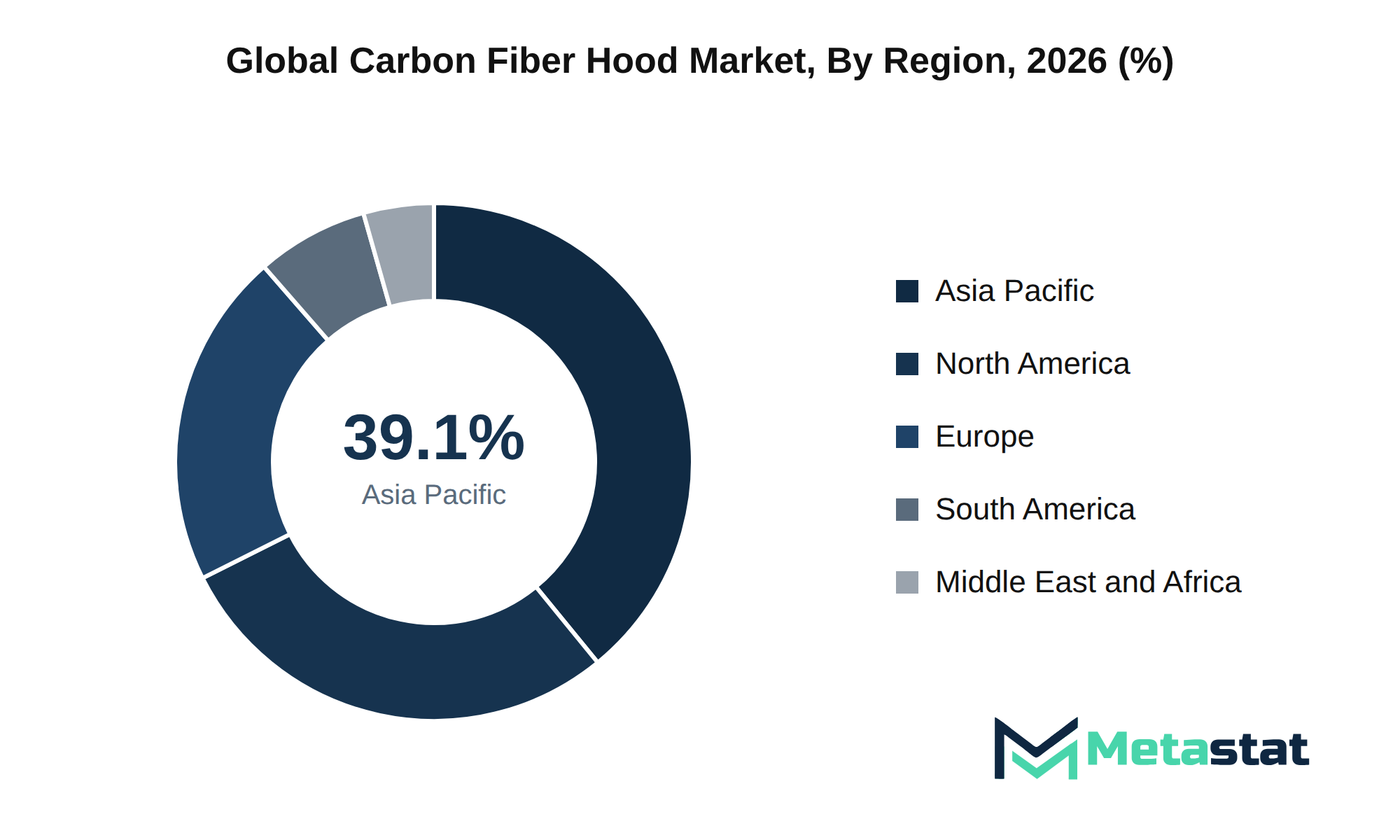
The Carbon Fiber Hood market in North America targets significant growth, expanding at a CAGR of 8.3% within the forecast period, reaching a market size of USD 0.8 billion by the end of 2033. This region holds a share of 28.5% in the global market for 2025, reflecting strong demand driven by the automotive sector's shift towards lightweight and high-performance materials.
Adoption of carbon fiber hoods across various vehicle types, including passenger cars and SUVs, remains a primary growth driver. The trend towards electric vehicles and high-performance cars further stimulates interest in carbon fiber components, enhancing performance and reducing weight. Local manufacturers respond to increasing consumer demands for both OEM and aftermarket solutions, further strengthening North America's share in the market.
Infrastructure modernization plays a critical role in the market's expansion. Investments in local production capabilities streamline supply chains and reduce reliance on imports. The presence of established automotive manufacturers facilitates innovation and enhances competitive dynamics, encouraging new entrants to explore opportunities within the carbon fiber hood segment.
Regional resource availability, particularly in composite materials, supports production capabilities. Domestic vendors leverage localized procurement dynamics to meet the growing demand efficiently. Regulatory frameworks in North America encourage sustainable practices within the automotive industry, aligning with the increasing emphasis on environmental responsibility.
Overall, the North America Carbon Fiber Hood market demonstrates strong fundamentals supported by consumer trends, technological advancements, and regional advantages. This growth trajectory positions the region because a key player in the global market landscape.
The Carbon Fiber Hood market in Europe represents a vital segment with a market share of 21.00% in 2025. Countries including Germany, France, the UK, Italy, Spain, and Russia contribute significantly to this market. The automotive industry in Europe emphasizes lightweight materials to enhance fuel efficiency and performance. This increasing focus arises from stringent environmental regulations and consumer preferences for high-performance vehicles. The region's established manufacturing infrastructure supports localized production, boosting supply chain resilience and reducing lead times.
Emerging market front-runners in Europe focus on the integration of advanced composite materials in vehicle design, leading to incremental growth in segments like SUVs and performance cars. Cultural nuances influence B2B buying behaviors, with a preference for products that align with sustainability goals. Competitive dynamics show a landscape filled with domestic leaders including Seibon Carbon, Anderson Composites, and VIS Racing, creating a robust environment for innovation and vendor consolidation trends.
Regional resource availability influences the market, with ample access to skilled labor and advanced manufacturing technologies. Continued investments in energy grid resiliency and local infrastructure readiness enhance operational efficiencies for manufacturers. The combination of these factors positions the European market for sustained growth in the Carbon Fiber Hood sector, with expectations of increasing demand through 2033.
The Asia-Pacific region accounts for 39.1% of the global Carbon Fiber Hood market in 2025, positioning itself because a key player in the industry. Growth in automotive sectors in countries including China, Japan, and India drives demand for lightweight, high-performance materials, particularly in passenger vehicles and performance cars. The rising consumer preference for SUVs and crossovers further supports market expansion, backed by increasing disposable incomes and evolving lifestyles.
Investment in infrastructure modernization enhances manufacturing capabilities across the region. Nations like South Korea and Australia demonstrate significant advancements in domestic production of carbon fiber components, improving localized manufacturing densities. Emerging markets within Southeast Asia show untapped potential, with growing automotive industries ready to adopt carbon fiber technologies.
High-value replacement cycles contribute to steady demand in mature markets, where vehicle longevity and performance enhancements create opportunities for carbon fiber applications. Domestic market leaders, including various manufacturers, leverage regional resource availability to optimize production processes while navigating localized procurement dynamics effectively.
The competitive landscape features a mix of established players and innovative entrants, each vying for market share in this changing environment. Strategic entry barriers, including foreign direct investment flows, facilitate geographic expansion for international firms seeking to capitalize on the region's growth potential.
The Carbon Fiber Hood market in South America exhibits a unique profile characterized by specific local conditions and preferences. Brazil and Argentina serve because the primary markets within this region, contributing to the overall share of 7.0% in the global market by 2025. Growing automotive industries in these countries drive interest in lightweight materials, which enhance vehicle performance and efficiency.
Investment in localized manufacturing densities and supply chain regionalization has led to increased production capabilities within the region. Domestic market leaders actively explore opportunities to expand their reach through strategic partnerships and collaborations. Emerging trends in vehicle customization and performance enhancements further support market growth, especially within Brazil, where consumer demand for premium automotive products continues to rise.
Infrastructure modernization and improved energy grid resiliency will support the growth of the Carbon Fiber Hood market, facilitating the adoption of advanced manufacturing techniques. The presence of high-value replacement cycles contributes to a steady revenue stream for regional players. Vendors prioritize understanding local procurement dynamics and cultural nuances to effectively engage with buyers and enhance their positioning in the market.
The Carbon Fiber Hood market in the Middle East and Africa, with a share of 4.4% in 2025, reflects the region's evolving automotive landscape. Factors including increasing vehicle ownership and rising disposable income in countries like Saudi Arabia and the UAE contribute to gradual market growth. South Africa, with its established automotive industry, drives demand for lightweight components, particularly in the aftermarket segment.
The region faces challenges, including limited local manufacturing capabilities and a reliance on imports. However, initiatives aimed at enhancing infrastructure and localized manufacturing offer opportunities for growth. Emerging players in the market are positioning themselves to cater to the luxury and performance vehicle segments, which require advanced carbon fiber solutions.
Adoption rates for carbon fiber technology remain moderate, influenced by cost considerations and the availability of alternative materials. Nevertheless, awareness of carbon fiber benefits increases, leading to more manufacturers integrating these materials into their production processes. The Carbon Fiber Hood market stands poised for incremental growth driven by the region's embrace of modernization and increased investment in automotive innovation.
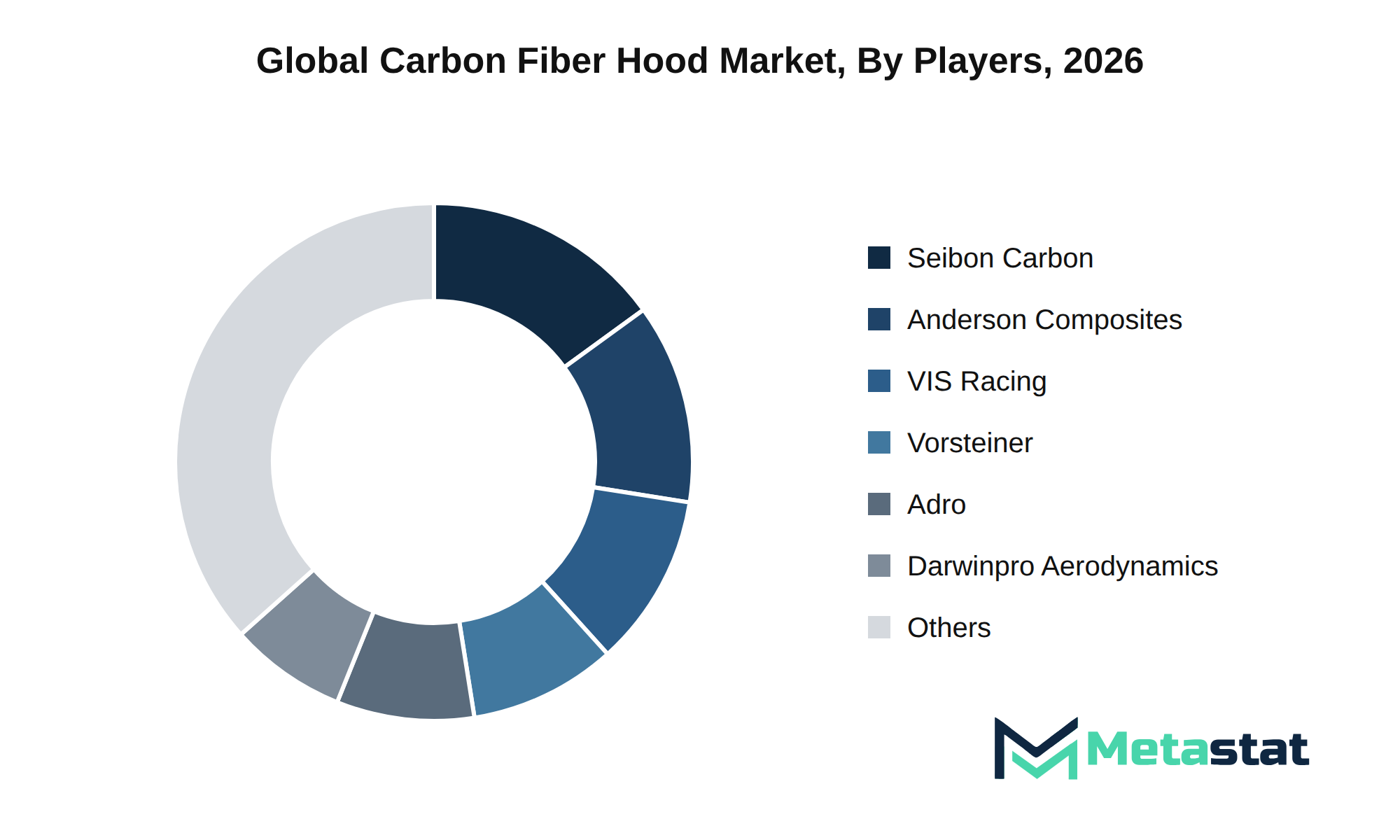
The Carbon Fiber Hood market features a diverse range of players focused on various strategic behaviors to maintain competitive positioning. Companies like Seibon Carbon, Anderson Composites, and VIS Racing emphasize product differentiation through innovative designs and high-performance materials. These strategies enhance brand equity and attract a dedicated customer base, particularly in the aftermarket segment.
Collaborations and partnerships significantly influence market dynamics. Strategic alliances among players including Vorsteiner and RENNtech Inc. enable the sharing of proprietary technologies, promoting innovation. Ongoing investment in research and development by companies like LibertyWalk and MANSORY supports the creation of advanced products, reinforcing their positions in emerging trends within the market.
Barriers to entry present challenges for new entrants in the Carbon Fiber Hood market. Established firms capitalize on customer loyalty, high switching costs, and strong intellectual property portfolios, limiting opportunities for startups. Companies including 1016 Industries and VARIS Co., Ltd. leverage supply chain dominance to streamline operations, enhancing procurement leverage and cost-effectiveness.
While the market evolves, maintaining competitive advantage will depend on effectively navigating these dynamics. Companies will focus on defensive imperatives and strategic growth vectors to adapt to changing consumer preferences and market conditions.
Market size is forecast to rise from USD 1.6 billion in 2025 to over USD 2.9 billion by 2033. This growth reflects an 8.3% CAGR, driven by increasing adoption of carbon fiber hoods across various vehicle segments, particularly in the passenger car and SUV markets.
Economic factors significantly influence market dynamics. Expanding demand from automotive manufacturers, driven by a focus on lightweight materials to enhance fuel efficiency, supports growth. Advancements in manufacturing processes, including RTM and prepreg/autoclave techniques, enable the production of high-quality carbon fiber hoods, enhancing adoption rates.
The competitive landscape evolves due to technological integrations and innovations in carbon fiber materials. R&D commercialization timelines shorten, leading to rapid advancements in product offerings. Regulatory shifts, including compliance with emissions standards, drive manufacturers towards lighter vehicle components, increasing demand for carbon fiber hoods.
Geopolitical realignments and evolving trade corridors impact global supply chains, affecting raw material costs and availability. Strategic capital allocation directives focus on sustainable practices, pushing investments in carbon fiber technologies. Emerging white-space opportunities arise in aftermarket replacements and performance-oriented applications, fulfilling unmet enterprise needs in the automotive sector.
Overall, the Carbon Fiber Hood market demonstrates significant potential for growth, driven by economic and technological shifts. Manufacturers face strategic imperatives including investing in R&D, optimizing production processes, and aligning with evolving regulations to capture high-growth pockets within the industry.
The report strategically identifies and profiles the key market players and analyses their core competencies in each sub-segment of the Carbon Fiber Hood market.
Report Attributes | Details |
Study Period | 2021-2033 |
Base Year | 2025 |
Estimated Year | 2026 |
Forecast Period | 2026-2033 |
Historical Period | 2021-2025 |
Growth Rate | CAGR 8.3% from 2026 to 2033 |
Revenue Unit | USD billion |
Segmentation | By Vehicle Type, Manufacturing Process, Application, Carbon Fiber Construction, and Region |
By Region | North America (By Vehicle Type, Manufacturing Process, Application, Carbon Fiber Construction, and Country)
|
Europe (By Vehicle Type, Manufacturing Process, Application, Carbon Fiber Construction, and Country)
| |
Asia Pacific (By Vehicle Type, Manufacturing Process, Application, Carbon Fiber Construction, and Country)
| |
South America (By Vehicle Type, Manufacturing Process, Application, Carbon Fiber Construction, and Country)
| |
Middle East and Africa (By Vehicle Type, Manufacturing Process, Application, Carbon Fiber Construction, and Country)
|
Find answers to common questions about this report
The Carbon Fiber Hood market size was valued at USD 1.6 billion in 2025, according to the Metastat Insights study.
The Carbon Fiber Hood market is projected to grow at a CAGR of 8.3% during the forecast period from 2026 to 2033.
The North America Carbon Fiber Hood market size is estimated to reach USD 0.8 billion by 2033.
The Passenger Cars segment leads the Carbon Fiber Hood market with a projected value of USD 1.2 billion by 2033. This segment's growth reflects a compound annual growth rate (CAGR) of 6.6% from 2026 to 2033.
Increased demand for carbon fiber hoods stems from stringent emission regulations that drive automotive manufacturers to adopt lightweight materials for enhanced fuel efficiency. The transition towards electric vehicles strengthens this trend, with manufacturers prioritizing lightweight components to maximize battery efficiency and vehicle range. Rising consumer preferences for sustainable vehicles support market expansion.
The Carbon Fiber Hood market faces several restraints, including regulatory tightening and compliance hurdles that increase operational costs and delay product development. Macroeconomic headwinds including inflation and resource scarcity strain profit margins, while supply chain disruptions and geopolitical tensions complicate pricing and sourcing of raw materials.
Increased demand for carbon fiber hoods stems from stringent emission regulations, compelling automotive manufacturers to adopt lightweight materials for enhanced fuel efficiency. The transition toward electric vehicles supports this trend, with manufacturers prioritizing lightweight components to maximize battery efficiency and vehicle range, creating opportunities for growth in carbon fiber hood production.
The Carbon Fiber Hood market is estimated to reach a valuation of USD 2.9 billion by 2033.
Key players in the Carbon Fiber Hood market include Seibon Carbon, Anderson Composites, VIS Racing, Vorsteiner, LibertyWalk, RENNtech Inc., MANSORY, and 1016 Industries.
Demand for carbon fiber hoods is driven by stringent emission limits and the automotive industry's focus on lightweight materials to enhance fuel efficiency. The transition towards electric vehicles further supports this demand, because manufacturers prioritize lightweight components.
The analysts below cover Automotive and Transportation research at Metastat Insights.
LEAD ANALYST
Utkarsh Khirodkar is a Lead Market Research Analyst at MetaStat Insight, specializing in market intelligence, technology sector assessments, and competitive strategy.

ENERGY & INFRASTRUCTURE INDUSTRY CONSULTANT
Automotive and Transportation · Electronics and Semiconductor · Energy and Power · Machinery & Equipment
Saurabh Vasant Ganvir consults for Energy & Infrastructure Industry at MetaStat Insight, specializing in renewable energy, solar EPC, and electric vehicle (EV) infrastructure markets.
Replacing petrochemical surfactants with bio-based alternatives requires realistic timelines on industrial precision fermentation scaling. The market research broke down commercialization timelines, feedstock sugar price sensitivities, and regional cosmetic ingredient regulatory approvals in Europe and East Asia. That supplier readiness mapping gave our formulations team reliable context when comparing renewable chemical sourcing roadmaps.
Tracking ceramic matrix composite adoption in high-bypass aero engines requires strict attention to material qualification cycles and FAA airworthiness testing milestones. The MetaStat Insight team provided a detailed timeline of silicon carbide fiber manufacturing capacity and commercial foundry lead times. Having clear visibility into upstream thermal barrier coating supply helped us stress-test our long-term component procurement strategy.
Transitioning ultra-class mining haul trucks to alternative power requires concrete data on remote hydrogen refueling infrastructure economics. The report evaluated megawatt-scale electrolyzer installation expenses, onsite storage safety mandates, and heavy-duty fuel cell stack degradation under continuous duty cycles. That technical rigor helped our engineers benchmark realistic total operating cost horizons for off-highway fleet decarbonization.
Explore related market intelligence reports worth reading alongside this one.