
LEAD ANALYST
Utkarsh Khirodkar is a Lead Market Research Analyst at MetaStat Insight, specializing in market intelligence, technology sector assessments, and competitive strategy.

Global Complex Injectable Market Size, Share, By Formulation Architecture (Liposomes, Microspheres, Non-Liposomal Nanoparticles and Nanosuspensions, Injectable Emulsions, In-Situ Forming Depots and Injectable Gels, Complex Colloidal and Molecular-Mixture Injectables, Other Complex Formulations), By Route of Administration (Intravenous, Intramuscular, Subcutaneous, Intravitreal and Ocular, Others (Intradermal, Intralesional, Intracavernosal)), By Therapeutic Area (Oncology, Autoimmune Diseases, Infectious Diseases, Metabolic Disorders, Hematological Disorders, Neurological Disorders, Ophthalmology, Others (Dermatology, Cardiovascular and Rare Diseases)), By End User (Hospitals, Specialty Clinics and Physician Offices, Ambulatory Surgical Centers, Home Healthcare, Others (Long-Term Care Facilities and Community Health Centers)), Industry Analysis, Growth, Trends, and Forecast, 2026-2033
Report ID
MSI-5155
Published
September, 2026
Pages
258 Pages
Format
Historical
Base year
Forecast
Forecast period
Report Details
Choose Your License
Global Complex Injectable Market
The global Complex Injectable market was valued at USD 79.2 billion in 2025 and is projected to reach USD 98.9 billion by 2033, growing at a CAGR of 2.8% over the forecast period.
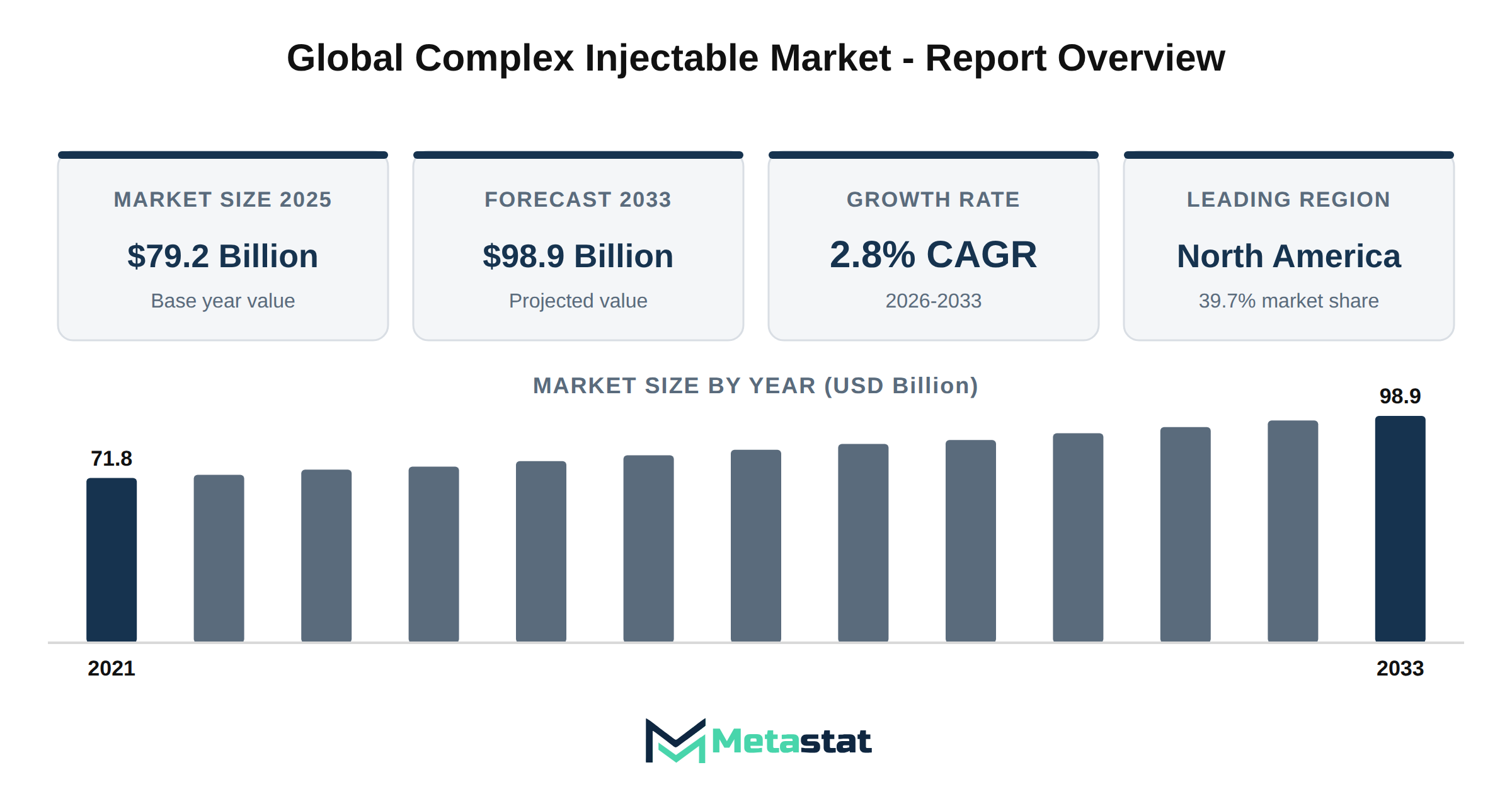
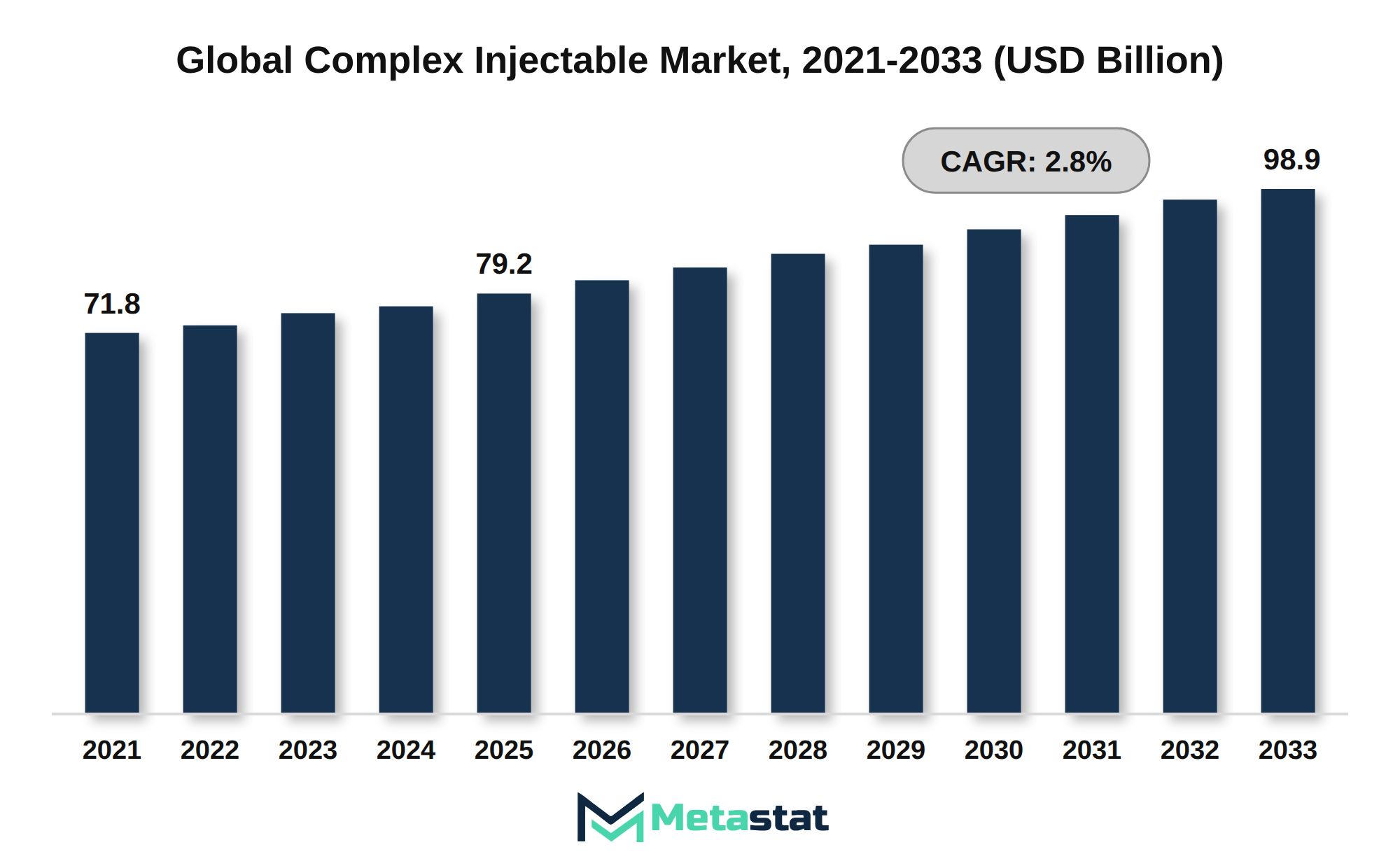
The Complex Injectable market reached USD 79.2 billion in 2025, reflecting growth from USD 71.8 billion in 2021. Forecasts indicate the market expands to USD 98.9 billion by 2033, representing a compound annual growth rate (CAGR) of 2.8%. Historical data shows gradual increases, with values recorded at USD 73.2 billion in 2022 and USD 75.5 billion in 2023. By 2024, the market valuation rose to USD 76.8 billion, followed by a further increase to USD 79.2 billion in 2025.
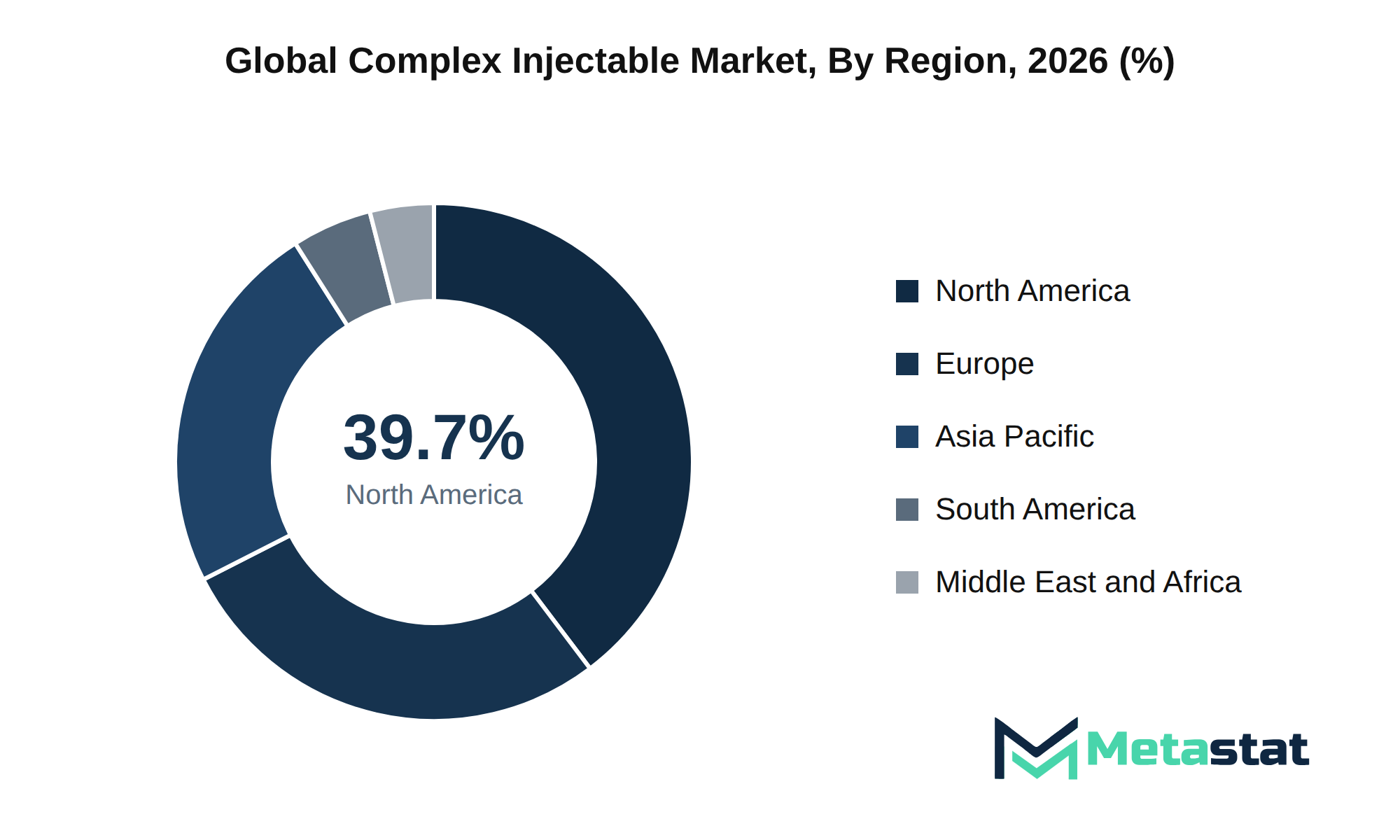
Regional distribution highlights North America holding a 39.7% share, followed by Europe at 27.8% and Asia Pacific at 23.5%. South America accounts for 5%, while the Middle East and Africa contribute 4%. In terms of forecasted values, North America is expected to reach USD 36.6 billion by 2033, sustaining a CAGR of 2.8% throughout the forecast period.
Innovations in formulation significantly drive growth in the Complex Injectable market. Advanced technologies, including long-acting delivery systems, enhance therapeutic efficacy and patient compliance. The ongoing evolution of these technologies supports the expansion of market offerings, particularly in oncology and autoimmune disease treatments. Competitive dynamics reflect an active pipeline, with several players investing in research and development to address unmet medical needs.
Regulatory advancements, including compliance with bioequivalence standards, shape market entry strategies for new products. Partnerships and collaborations facilitate the sharing of resources and expertise, accelerating the introduction of novel therapies. The complex situation of licensing and mergers and acquisitions highlights strategic moves by companies to enhance their market presence and capitalize on emerging opportunities.
The Complex Injectable market is positioned for substantial growth through 2033, with a projected value of USD 98.9 billion. This expansion stems from a combination of advanced formulation innovations and the increasing demand for sophisticated therapeutic solutions. The introduction of long-acting delivery technologies drives a shift in treatment paradigms, enhancing patient compliance and therapeutic efficacy.
Innovation in formulation architecture significantly influences market dynamics. The development of liposomes, microspheres, and non-liposomal nanoparticles facilitates targeted delivery and improved pharmacokinetics. These advancements enhance the therapeutic areas of oncology and autoimmune diseases, where precision in medication administration is crucial.
Long-acting delivery technologies evolve rapidly, reflecting a trend towards sustained therapeutic effects. The market observes a rising preference for injectable emulsions and depot formulations, which extend the duration of action for various medications. This evolution enhances treatment adherence and reduces the frequency of dosing for patients.
Several therapeutic areas exhibit significant white-space opportunities, particularly in autoimmune and infectious diseases. The current pipeline shows promise, with numerous candidates targeting unmet medical needs, which is expected to shape future market growth. Investment in research and development will likely accelerate the introduction of new therapies into the market.
The competitive landscape reflects a diverse array of players actively pursuing pipeline advancements and product launches. Generic entries contribute to market fragmentation, compelling established brands to innovate continuously. This dynamic encourages competitive pricing strategies and enhances accessibility for patients.
Regulatory frameworks evolve to accommodate the complexities of injectable formulations. The emphasis on chemistry, manufacturing, and controls (CMC) ensures product consistency and safety. Enhanced bioequivalence standards drive market confidence, particularly in the context of generic drugs.
Strategic partnerships and licensing agreements become increasingly prominent, allowing firms to leverage complementary strengths. Mergers and acquisitions play a critical role in consolidating resources and enhancing product portfolios. This trend encourages rapid innovation and accelerates market penetration.
Investment in infrastructure and capital allocation toward advanced manufacturing capabilities will define the future strategic landscape. Firms aim to optimize supply chain efficiency and logistics architecture, positioning themselves for sustained competitiveness. Continuous focus on sustainable transformation and decarbonization aligns with global health priorities, supporting future growth in the Complex Injectable market.
Strong economic growth influences healthcare investment, benefiting the Complex Injectable market. Increased gross domestic product (GDP) and favorable capital investment environments encourage public and private sector funding, which supports the development and adoption of complex injectables. Rising spending power among consumers enhances demand for advanced medical treatments addressing various health conditions.
Investment in healthcare infrastructure positively impacts the availability of complex injectables. Enhanced facilities and upgraded technologies facilitate the production and distribution of these advanced therapies, resulting in improved patient access. Regions with robust economic performance demonstrate a greater willingness to invest in the necessary resources for pharmaceutical innovation.
The Complex Injectable market benefits from rising public and private funding initiatives aimed at improving healthcare outcomes. Such investments stimulate research and development, enabling pharmaceutical companies to introduce innovative therapies that meet evolving patient needs. The continued focus on economic expansion and healthcare access supports sustained growth in the market over the forecast period.
The ongoing digital transformation significantly impacts the Complex Injectable market by improving operational efficiency and enabling new business models. Adoption of advanced technologies, including artificial intelligence and automation, streamlines processes, reduces costs and enhances productivity. Increased focus on digitizing legacy systems allows companies to respond swiftly to market demands, driving growth in the sector. Implementing these technologies by healthcare providers and manufacturers results in improved patient outcomes and operational performance.
Investment in digital capabilities reflects broader macro-economic factors, including GDP growth and increasing public-private spending power. Organizations prioritize venture funding to support innovative solutions that address evolving consumer behaviors and demographic shifts. Aging populations and urbanization trends create a pressing need for more efficient healthcare delivery, prompting stakeholders in the Complex Injectable market to leverage digital solutions that align with these changes.
The integration of these technologies enhances supply chain resilience and market access, allowing firms to navigate trade corridors more effectively. By optimizing logistics and production capacities, organizations better meet the demands of an increasingly diverse customer base. This technological advancement positions the market favorably for continued growth and establishes a competitive edge.
The Complex Injectable market faces significant constraints due to complex regulatory compliance requirements. Stringent regulations regarding manufacturing processes and product approvals create hurdles for market entrants and existing players alike. Navigating these regulations increases time-to-market and raises costs, ultimately impacting the overall growth trajectory of the market.
Macroeconomic headwinds, including inflationary pressures, further exacerbate the situation by increasing operational costs for manufacturers. Rising prices for raw materials and labor contribute to the overall expense of producing complex injectables. Consequently, smaller companies find it difficult to maintain competitiveness within the market, resulting in potential market fragmentation.
Infrastructure gaps and connectivity deficits in certain regions impede the effective distribution and administration of complex injectables. These inadequacies hinder access to advanced treatments, particularly in developing markets, where healthcare resources remain limited. The inability to efficiently deploy complex injectables in these areas stifles potential demand and adoption rates.
Escalating capital investment requirements pose additional challenges for companies aiming to innovate and expand their product offerings. The hefty upfront costs associated with research and development, coupled with the need for advanced manufacturing technologies, create a financial barrier. This situation restricts investment opportunities, especially for startups and smaller firms attempting to enter the complex injectable space.
Finally, the presence of alternative therapies further complicates market dynamics. Substitution risks arise due to evolving treatment options competing for market share, making it essential for stakeholders to remain vigilant in addressing the competitive landscape. The Complex Injectable market adapts to these pressures to sustain growth and ensure continued advancements in therapeutic offerings.
The Complex Injectable market faces significant challenges due to geopolitical fragmentation and trade deficits, resulting in tariff friction that affects cross-border transactions. These issues create uncertainty in supply chains and increase operational costs for manufacturers and distributors. Companies engaged in the market experience heightened risks related to logistics disruptions, which affect timely product delivery and inventory management.
The integration of complex research and development processes complicates market dynamics. Companies encounter interoperability friction when attempting to align various systems and technologies, which increases the time and resources required for product development. Pressure from tightening global regulatory standards raises compliance overhead, leading to additional financial burdens for businesses operating in this sector.
Rising input costs and margin pressures contribute to a challenging pricing environment. The volatility of feedstock and component prices forces companies to adapt their pricing strategies, which impacts profitability. Talent retention pressures and skill gaps in the workforce hinder operational efficiency, complicating the ability to innovate and deliver new products in the Complex Injectable market.
Environmental sustainability demands and decarbonization mandates introduce new operational hurdles. Companies invest in retrofitting existing infrastructure to meet evolving environmental standards, which results in implementation bottlenecks. These factors collectively limit growth opportunities and create obstacles for companies striving to maintain competitiveness in the market.
Intellectual property protection deficits expose businesses to cybersecurity risks and data vulnerabilities, compromising proprietary information and undermining market integrity. Changing downstream demands necessitate continuous adaptation, while market saturation and substitution pressures challenge the viability of established products. This multifaceted landscape requires strategic navigation to achieve sustainable growth in the Complex Injectable market.
Emerging regional demands significantly influence the Complex Injectable market, highlighting the need for targeted strategies to address diverse healthcare needs. Increasing healthcare infrastructure investment across regions including Asia Pacific and South America enhances access to advanced therapeutic options, driving demand for complex injectables. This heightened focus on regional healthcare capabilities creates opportunities for companies to expand their market presence and tailor offerings to local patient populations.
Technological disruptions, including advances in formulation architecture and administration routes, facilitate the development of innovative products that meet evolving patient needs. The integration of next-generation innovations, including liposomal formulations and microspheres, supports enhanced therapeutic efficacy and patient experience. These developments encourage investment in research and development, further propelling growth within the market.
The transition toward sustainable practices and eco-friendly compliance emerges because a critical factor in strategic decision-making. Companies actively aligning their operations with sustainability imperatives secure a competitive edge, appealing to environmentally conscious consumers and stakeholders. This alignment not only builds brand loyalty but opens avenues for expanded market reach, particularly in regions prioritizing environmental, social, and governance (ESG) criteria.
Strategic consolidation through mergers and acquisitions provides pathways for firms to diversify their product portfolios and enhance operational efficiencies. By pursuing targeted collaborations, firms optimize resource allocation and accelerate market entry for innovative products. This trend toward consolidation enables organizations to strengthen their market positions while adapting to changing market conditions.
The Global Complex Injectable market is segmented based on Formulation Architecture, Route of Administration, Therapeutic Area, and End User.
Liposomes segment is valued at USD 22.8 billion in 2026 and is projected to reach USD 26.6 billion by 2033, at a CAGR of 2.3% during the forecast period. Demand for liposomes arises from their ability to encapsulate drugs, enhancing therapeutic efficacy while minimizing toxicity. This characteristic drives interest among pharmaceutical companies focused on developing targeted drug delivery systems. Technological maturation in liposome formulation techniques facilitates the production of more effective and stable formulations, further stimulating market expansion.
Innovations in formulation architecture, including the development of novel liposomal structures, contribute to the growing adoption of liposomes in various therapeutic areas, particularly oncology and autoimmune diseases. Increasing awareness of the benefits associated with liposomal drugs encourages healthcare providers to incorporate these treatments into clinical practice. Regulatory compliance standards for drug development continue to evolve, promoting the use of liposomal formulations that meet rigorous safety and efficacy requirements.
Pricing strategies remain critical, driven by fluctuating raw material costs that impact overall profitability. The market for liposomal injectables faces competition from alternative drug delivery systems, necessitating ongoing product evolution to maintain market share. Strategic opportunity windows exist for companies investing in research and development to enhance liposome technology and address unmet medical needs. Overall, the Complex Injectable market anticipates steady growth driven by the increasing demand for liposomal therapeutics.
Demand for the Microspheres segment derives primarily from the increasing focus on targeted drug delivery, which enhances therapeutic efficacy and reduces side effects. This segment is estimated to reach USD 18.3 billion by 2033, at a CAGR of 3.1% during the forecast period. Adoption of microspheres is supported by advancements in formulation technologies, leading to improved stability and bioavailability of drugs. The rising prevalence of chronic diseases necessitates innovative treatment approaches, propelling the demand for complex injectables.
Technological maturation within the sector drives continuous enhancements in microsphere formulations, resulting in next-generation products that cater to specific therapeutic areas. A growing emphasis on personalized medicine encourages the development of tailored microsphere formulations, further driving the segment's expansion. The regulatory environment influences the market, with adherence to compliance standards ensuring product safety and efficacy, encouraging end-users to integrate these solutions into clinical practice.
Cost structures in the microspheres segment exhibit variations influenced by raw material sourcing and manufacturing processes. Pricing volatility presents challenges; however, strategic investments in production capabilities enhance supply chain resilience. With increasing competition, companies operating in the Complex Injectable market explore strategic opportunity windows by investing in research and development, driving innovation, and expanding their product portfolios to capture emerging market demands.
Growth in the Non-Liposomal Nanoparticles & Nanosuspensions segment stems from increasing demand for advanced drug delivery systems that enhance therapeutic efficacy and reduce side effects. Adoption of these formulations has accelerated, driven by technological maturation and ongoing product evolution in the pharmaceutical industry. Enhanced solubility and bioavailability provide significant advantages in oncology and autoimmune disease treatments, boosting interest from manufacturers.
Investment in research and development focused on next-generation upgrades plays a critical role in segment expansion. Manufacturers actively explore innovative formulations to address unmet medical needs, leading to a shift in consumption patterns toward more effective therapeutics. Regulatory compliance standards influence market dynamics, with stringent guidelines necessitating thorough validation processes for new formulations.
Cost structures associated with the production of Non-Liposomal Nanoparticles & Nanosuspensions impact pricing strategies, contributing to pricing volatility in the market. Competitive pressures compel manufacturers to streamline operations, further affecting margins. The segment is projected to reach USD 17.3 billion by 2033, reflecting the increasing importance of these advanced formulations in the broader Complex Injectable market.
Injectable Emulsions represent a significant component of the Complex Injectable market, reflecting a nuanced demand driven by advancements in drug delivery technologies and patient-centric treatment paradigms. This segment is projected to grow at a CAGR of 1.2% during the forecast period, emphasizing the increasing reliance on innovative formulations that enhance bioavailability and therapeutic efficacy. The rising prevalence of chronic diseases, particularly those requiring complex treatment regimens, contributes to the ongoing demand for injectable emulsions.
Technological maturation plays a critical role in segment expansion, with continuous research and development leading to next-generation upgrades. Enhanced formulations focusing on solubility and stability address previous challenges, facilitating broader application across various therapeutic areas. The complexities associated with formulation architecture necessitate a deeper understanding of physicochemical properties, influencing both production efficiency and end-user adoption.
Downstream applications of injectable emulsions span a diverse range of therapeutic areas, including oncology and autoimmune diseases. This versatility supports a rising trend in personalized medicine, increasing uptake among healthcare providers. Regulatory compliance standards further shape the segment, driven by stringent guidelines that ensure product safety and efficacy, ultimately impacting market dynamics and consumer trust.
Pricing volatility remains a critical factor, with fluctuations in raw material costs exerting pressure on profit margins. Strategic opportunity windows arise because manufacturers explore cost-effective sourcing and production methodologies. Continuous investment in R&D enhances supply chain resilience, driving innovation and creating a competitive edge within the market.
Growth in the In-Situ Forming Depots & Injectable Gels sub-segment arises from advancements in formulation technologies and the increasing adoption of personalized medicine. Enhanced product performance and patient compliance drive demand from healthcare providers seeking innovative solutions for drug delivery. The market experiences expansion due to rising investments in R&D and collaborations among key players, which facilitate the development of next-generation solutions. Regulatory compliance standards play a significant role in shaping product offerings, ensuring that safety and efficacy remain critical in development processes.
Emerging applications within oncology and autoimmune diseases significantly influence demand dynamics, highlighting the need for tailored therapeutic approaches. The trend towards home healthcare drives consumption shifts, prompting the adoption of injectable gels for ease of administration and improved patient outcomes. Technological maturation in drug delivery systems enhances the efficiency of In-Situ Forming Depots, reinforcing their value proposition in the complex injectable market.
Market participants face challenges related to cost structures and pricing volatility, impacting profitability and operational margins. Strategic opportunity windows arise from the need for supply chain resilience, emphasizing the importance of raw material sourcing and logistics management. Continuous innovation and product evolution remain essential for sustaining competitive advantage, ensuring that the market adapts to changing healthcare landscapes and consumer preferences.
Complex Colloidal & Molecular-Mixture Injectables play a crucial role in the advancement of the Complex Injectable market. Demand for these injectables stems from their ability to improve drug delivery systems through enhanced bioavailability and targeted therapeutic effects. Adoption aligns with the growing focus on personalized medicine, which emphasizes tailored treatment options for patients, particularly in oncology and autoimmune diseases.
Segment expansion benefits from advancements in formulation technologies and manufacturing processes, leading to the development of innovative products. Regulatory compliance standards increasingly dictate the need for high-quality formulations, driving investment in research and development. This dynamic environment encourages companies to explore strategic opportunities to capitalize on emerging trends in the market.
Consumption shifts toward complex formulations reflect evolving patient preferences for more effective therapies. Increased investment in healthcare infrastructure and a growing emphasis on chronic disease management drive the demand for these injectables. End-user dynamics, particularly among hospitals and specialty clinics, contribute to the segment's growth by prioritizing effective treatment options.
Pricing volatility presents challenges in the Complex Injectable market, particularly for complex formulations requiring advanced technology and resources. Companies navigate margin pressures while maintaining competitive pricing strategies to ensure market relevance. Raw material sourcing remains critical, with suppliers focusing on building resilient supply chains to mitigate potential disruptions.
Technological obsolescence poses risks within the segment, driven by rapid advancements that necessitate continuous innovation. Firms prioritize next-generation upgrades to remain competitive, ensuring their product offerings align with current and future market demands. The ongoing evolution of complex colloidal and molecular-mixture injectables enhances the overall value proposition within the Complex Injectable market, positioning it for growth.
Growing interest in advanced therapeutics fuels the demand for Other Complex Formulations within the Complex Injectable market. This segment benefits from innovative technologies and specialized delivery mechanisms tailored to enhance therapeutic efficacy. Increased adoption of these formulations occurs owing to their ability to improve drug solubility and bioavailability, critical factors in treating complex diseases.
Technological maturation drives segment expansion, with ongoing research and development driving product evolution. Collaborative efforts between pharmaceutical companies and research institutions enhance the development of next-gen upgrades, ensuring a steady flow of innovative formulations that address unmet medical needs. End-use dynamics shift towards personalized medicine, prompting an increase in the use of complex injectables in specific patient populations.
Regulatory compliance standards influence the segment, with stringent guidelines ensuring the safety and efficacy of these advanced formulations. Manufacturers invest heavily in obtaining necessary certifications to meet regulatory requirements, impacting cost structures and pricing strategies. Fluctuations in raw material availability introduce pricing volatility, necessitating strategic sourcing initiatives to enhance supply chain resilience.
Investment in Other Complex Formulations reflects a strategic opportunity window for players in the market. Companies actively seek to capitalize on emerging trends, focusing on developing novel therapies that address chronic and complex conditions. Competition intensifies because firms strive to enhance their portfolios with unique and differentiated products, aligning with the evolving needs of healthcare practitioners and patients.
Valued at USD 34.5 billion in 2026, the Intravenous segment is projected to reach USD 38.4 billion by 2033, at a CAGR of 1.6% during the forecast period. Primary demand drivers for this segment include the increasing prevalence of chronic diseases requiring injectable therapies and advancements in drug formulation technologies. Hospitals, specialty clinics, and home healthcare providers significantly drive growth, emphasizing the need for efficient and effective treatment options.
Segment expansion catalysts include the development of next-generation intravenous formulations that enhance drug delivery, improve patient compliance, and reduce adverse effects. Increased investments in research and development focus on innovative dosing methods and targeted therapies, which facilitate broader adoption of intravenous treatments. Evolving regulatory compliance standards surrounding drug safety and efficacy impact market dynamics and shape product offerings in the Complex Injectable market.
Consumption shifts towards personalized medicine highlight a growing demand for tailored intravenous solutions that address specific patient needs and improve clinical outcomes. Pricing volatility, influenced by raw material costs and regulatory changes, affects profit margins for manufacturers. Strategic opportunities arise through partnerships and collaborations between industry players, enabling them to leverage complementary capabilities and expand their market presence.
Overall, the Intravenous segment demonstrates significant growth potential within the Complex Injectable market, supported by ongoing advancements and increasing healthcare demands.
Growing interest in the Intramuscular segment reflects its potential within the Complex Injectable market. This segment is estimated to reach USD 21.8 billion by 2033, at a CAGR of 1.8% during the forecast period. The increased prevalence of chronic diseases and the rising demand for effective therapeutic options drive significant adoption of intramuscular injectable formulations. Healthcare providers recognize the effectiveness of intramuscular administration for rapid drug absorption and sustained delivery, enhancing patient outcomes.
Technological advancements in formulation and delivery systems support expansion within this segment. Innovations in needle technology and drug formulations contribute to improved patient compliance and safety, reinforcing the appeal of intramuscular injections. Regulatory support for new drug approvals in this administration route encourages investment in research and development. Evolving healthcare systems and the shift towards patient-centered care align with the demand for effective drug delivery methods, driving further growth in this segment of the market.
Subcutaneous administration of complex injectables aligns with the rising patient preference for self-administration and at-home treatment options. This demand arises from patients seeking convenience and reduced healthcare costs, driving adoption within the market. Technological advancements continue to enhance the efficacy and safety of subcutaneous products, improving their integration into therapeutic protocols.
The segment is expected to reach USD 24.7 billion by 2033, reflecting a growing recognition of its benefits in managing chronic conditions including diabetes and autoimmune diseases. Regulatory compliance remains essential, driven by manufacturers navigating stringent guidelines while ensuring product safety and efficacy. This aspect builds trust among end-users, contributing to sustained segment growth.
End-user dynamics indicate significant interest from hospitals and specialty clinics, which prioritize effective treatment modalities. The market shows resilience through supply chain strategies that address potential disruptions and raw material sourcing challenges. Strategic opportunities arise from the evolving landscape of healthcare, prompting investments in innovative delivery systems that enhance patient outcomes.
Growth in the Intravitreal & Ocular segment reflects the increasing prevalence of ocular diseases, driving demand for targeted drug delivery systems. This segment benefits from advancements in formulation technologies, enabling the development of novel therapies for conditions including age-related macular degeneration and diabetic retinopathy. Rising interest from healthcare professionals seeking efficient administration routes minimizes systemic exposure while maximizing therapeutic efficacy.
The Intravitreal & Ocular segment is projected to grow at a CAGR of 4.2% during the forecast period. Innovations in drug formulations and delivery methods contribute to segment expansion, enhancing patient outcomes and treatment adherence. The evolving landscape of ocular therapeutics positions this segment favorably within the broader Complex Injectable market, offering strategic opportunities for industry players to innovate and capture market share.
Regulatory compliance and stringent safety standards play critical roles in shaping product development and market entry strategies. Companies investing in research and development for advanced ocular injectables are likely to benefit from emerging trends and increased acceptance in clinical practice. This proactive approach to innovation and compliance creates a competitive environment, ultimately supporting the segment's growth trajectory.
Interest in the Others (Intradermal, Intralesional, Intracavernosal) sub-segment reflects a growing focus on targeted delivery methods within the Complex Injectable market. This segment benefits from advancements in biomedical technologies, which enhance the precision and efficacy of delivery mechanisms, driven by the increasing prevalence of chronic conditions requiring specialized treatment. Adoption of these administration routes is supported by their ability to reduce systemic exposure while delivering therapeutics directly to affected areas, leading to enhanced patient outcomes.
Expansion within this sub-segment relies on evolving patient needs and preferences for minimally invasive procedures. Healthcare providers emphasize the importance of effective pain management and reduced recovery times, resulting in a shift toward less invasive delivery options. Technological maturation enables the development of innovative formulations and devices, allowing healthcare practitioners to better meet diverse patient requirements.
Regulatory compliance standards play an essential role in shaping the sub-segment's landscape. Ensuring safety and efficacy through rigorous testing and validation reinforces trust among end-users and facilitates smoother market entry for new products. This compliance, combined with strategic opportunities for partnerships within the healthcare ecosystem, positions the sub-segment for sustainable growth.
Consumer expectations shift toward personalized medicine, prompting a demand for tailored therapies that address individual patient conditions. This trend drives the development of unique compounds and delivery methods that cater specifically to intradermal, intralesional, and intracavernosal applications. Market players focusing on innovation and strategic partnerships will capture significant opportunities presented by this evolving landscape.
Oncology represents a significant area within the Complex Injectable market, with the segment valued at USD 24.3 billion in 2026 and projected to reach USD 28 billion by 2033, at a CAGR of 2.1% during the forecast period. The rise in cancer prevalence globally drives substantial demand, compelling pharmaceutical companies to innovate and expand their portfolios in this therapeutic area. New advancements in drug formulation and delivery systems enhance treatment efficacy and patient compliance, supporting market growth. Investments in research and development lead to the introduction of novel therapies targeting specific cancer types, further propelling the segment's expansion.
Regulatory frameworks play an important role in shaping the oncology market, influencing product approval timelines and compliance requirements. Strategic collaborations among biotechnology and pharmaceutical firms facilitate the sharing of resources and expertise, ultimately enhancing product offerings. The increasing focus on personalized medicine and targeted therapies aligns with evolving consumer preferences, driving a shift in treatment paradigms. These dynamics create strategic opportunity windows for market participants seeking to strengthen their positions in the oncology segment.
Autoimmune Diseases represent a significant area within the Complex Injectable market, driven by the rising prevalence of autoimmune disorders and the growing need for effective therapies. Increased awareness and diagnosis of these conditions fuel the demand for complex injectable solutions, providing patients with targeted treatments that enhance therapeutic outcomes. This segment is projected to reach USD 13.9 billion by 2033, with a compound annual growth rate (CAGR) of 3.6% during the forecast period.
This segment expands due to advancements in drug formulation technologies, enabling the development of next-generation biologics and monoclonal antibodies that improve patient outcomes. Enhanced efficacy and safety profiles for injectable treatments contribute to their adoption in clinical practice, positively impacting the market. The complexity of these therapies necessitates specialized administration techniques, influencing healthcare providers to invest in training and infrastructure that align with the evolving landscape.
Regulatory compliance and the need for stringent quality standards play a critical role in shaping the competitive environment. Participants within the market navigate these complexities to ensure product approval and market entry, influencing pricing strategies and margin pressures. While the landscape of autoimmune disorders evolves, strategic opportunity windows emerge for companies focused on innovation and differentiation within their product offerings.
Increasing focus on innovative treatments for infectious diseases drives growth within this sub-segment of the Complex Injectable market. The demand for complex injectables in this area stems from the rising incidence of infectious diseases, particularly in developing regions where access to effective therapies remains limited. Improvements in formulation technologies and the introduction of next-generation biologics enhance therapeutic options, further fueling market expansion.
Regulatory support for new drug approvals and streamlined pathways for complex injectables have increased the confidence of pharmaceutical companies in this space. While the healthcare landscape evolves, investments in research and development are expected to create new treatment paradigms, addressing unmet medical needs for various infectious diseases. This segment is projected to reach USD 10.4 billion by 2033.
End-user dynamics indicate a significant shift towards hospitals and specialty clinics, which increasingly adopt complex injectables for their effectiveness and ease of administration. This transition aligns with healthcare systems' strategies to improve patient outcomes through advanced therapeutic options. The Complex Injectable market benefits from these trends, positioning itself for sustained growth throughout the forecast period.
Growth in the Metabolic Disorders segment reflects heightened awareness surrounding these conditions and ongoing advancements in therapeutic approaches. Increasing obesity rates and sedentary lifestyles contribute to a surge in metabolic disorders, driving demand for innovative treatments. Investments in research and development lead to the introduction of next-generation injectables, enhancing efficacy and patient compliance.
Regulatory frameworks increasingly favor the integration of advanced therapeutics, strengthening the market for complex injectables targeting metabolic disorders. The segment is projected to grow at a CAGR of 4.6% during the forecast period. Rising healthcare expenditures and improved access to healthcare services further support market expansion.
Collaboration among pharmaceutical companies facilitates the development of novel formulations, addressing unmet needs in the treatment of metabolic disorders. Enhanced distribution channels and logistics strategies optimize product delivery, ensuring timely access for patients. Overall, these dynamics contribute to a positive outlook for the metabolic disorders segment within the complex injectable market.
Innovations in treatment options for hematological disorders contribute to a heightened focus within the Complex Injectable market. Demand grows owing to increasing prevalence of blood-related conditions, prompting advancements in injectable therapeutic options that target these diseases effectively. Healthcare providers prioritize treatments that enhance patient outcomes, driving interest in specialized formulations tailored for this segment.
The expansion of research into hematological disorders drives product evolution, particularly in developing next-generation therapeutics. Technological maturation within this area facilitates the introduction of more effective injectable solutions, aligning with clinical needs and regulatory standards. Adoption of new therapies relies on rigorous testing and compliance with evolving regulatory frameworks, maintaining high safety and efficacy standards.
Market dynamics reflect shifts in consumption patterns, with a clear movement towards innovative delivery systems that offer greater patient convenience. This trend highlights the importance of injectable formulations designed to improve the overall experience for patients suffering from hematological disorders. End-user dynamics indicate a rising preference among hospitals and specialty clinics for advanced treatment options, further influencing market growth.
Strategic investments in research and development remain essential for companies operating in this segment, driven by the aim to capitalize on emerging opportunities within the market. The focus on capturing unmet medical needs in hematological disorders presents avenues for expansion and profitability. Enhanced collaboration between pharmaceutical companies and healthcare providers will strengthen the market, driving advancements and improving patient outcomes.
Interest in innovative treatment options for neurological disorders significantly influences the Complex Injectable market. A growing prevalence of neurological conditions, including Alzheimer's disease, Parkinson's disease, and multiple sclerosis, drives demand for advanced therapeutic solutions. Patients increasingly require effective management strategies, leading to heightened investment in research and development for injectable therapies targeting these conditions.
Technological maturation continues to play a critical role in segment expansion. Advances in formulation technologies, including liposomal and nanoparticle-based injectables, enhance drug delivery systems and improve bioavailability for neurological applications. Next-generation upgrades focus on developing long-acting injections that provide sustained therapeutic effects, reducing the frequency of administration and improving patient adherence.
Product evolution in injectable therapies for neurological disorders reflects a shift toward personalized medicine. Tailoring treatments based on genetic and biomarker profiles enhances efficacy and minimizes side effects. This approach not only improves patient outcomes but aligns with regulatory compliance standards emphasizing individualized healthcare solutions.
Downstream application dynamics indicate an increasing reliance on hospitals and specialty clinics because primary end-users for neurological injectables. These settings prioritize access to advanced therapies, promoting collaboration between pharmaceutical companies and healthcare providers to streamline distribution and ensure timely patient access. Consumption shifts towards outpatient settings further highlight the need for effective home healthcare solutions, enabling patients to manage their conditions in a familiar environment.
Regulatory compliance standards exert significant influence on product approvals and market entry strategies. Companies navigate complex approval processes while ensuring adherence to safety and efficacy guidelines, impacting the overall cost structure and pricing strategies within the market. Pricing volatility and margin pressures linked to market competition and reimbursement policies challenge manufacturers to optimize their offerings while maintaining profitability.
Strategic opportunity windows arise from the increasing demand for complex injectables in treating neurological disorders. Investing in research and development positions companies favorably in the market, allowing them to capitalize on emerging trends and unmet patient needs. A strong focus on supply chain resilience, coupled with effective raw material sourcing strategies, reinforces the capacity to meet growing demand for injectable therapeutics in this segment.
Advancements in treatment approaches for ophthalmic disorders drive growth in the ophthalmology sub-segment. Increased prevalence of conditions including age-related macular degeneration, diabetic retinopathy, and glaucoma enhances the demand for effective injectable therapies within this therapeutic area. The focus on developing innovative drug delivery systems facilitates improved patient outcomes and addresses specific needs in ocular health.
Regulatory compliance standards significantly influence product development and market entry strategies in this segment. Manufacturers prioritize obtaining necessary certifications to ensure safety and efficacy, aligning their products with stringent guidelines. The introduction of next-generation therapies reflects ongoing technological maturation, enabling more efficient and targeted treatment options.
Shifts in consumption patterns, particularly in the context of an aging population, prompt healthcare providers to adopt complex injectables that offer better therapeutic benefits. The combination of product evolution and strategic opportunity windows supports market expansion, allowing firms to introduce novel solutions tailored to patient requirements.
Cost structures and pricing volatility present challenges for stakeholders within the ophthalmology sub-segment. Balancing affordability while maintaining high-quality standards remains critical. The resilience of the supply chain strengthens the position of companies involved, ensuring consistent access to raw materials and minimizing disruptions.
In this evolving landscape, strategic partnerships and collaborations among key players in the complex injectable market enhance innovation and market reach. The ophthalmology sub-segment continues to gain prominence, driven by a combination of innovation, regulatory focus, and shifting healthcare dynamics.
Interest in innovative treatment options for dermatology, cardiovascular, and rare diseases influences growth within the Complex Injectable market. The demand for advanced therapies in these areas reflects increasing patient awareness and the need for effective solutions. Regulatory compliance standards and certifications shape product development and market entry, ensuring high-quality standards for safety and efficacy.
Consumption shifts towards personalized medicine drive the evolution of injectables tailored for specific patient populations. Strategic opportunity windows exist for manufacturers focusing on developing next-generation formulations that enhance patient outcomes. Ongoing research and development within the industry emphasize the significance of addressing unmet medical needs, particularly for rare diseases that often lack effective treatment options.
Product evolution in this sub-segment ties closely to technological maturation and the emergence of disruptive alternatives. Companies investing in capital and resources to innovate within the therapeutic area improve their competitive stance in the market. Supply chain resilience remains crucial, ensuring that raw material sourcing and logistics vulnerabilities do not hinder the timely delivery of complex injectables to healthcare providers.
Valued at USD 44.1 billion in 2026, the Hospitals segment is projected to reach USD 49.4 billion by 2033, at a CAGR of 1.6% during the forecast period. Demand for complex injectables in hospitals stems from an increasing patient population requiring advanced therapeutic solutions, particularly for chronic diseases. Hospitals prioritize efficient and effective treatment options, driving adoption of innovative complex injectables that offer enhanced efficacy and patient compliance.
Technological maturation influences the expansion of the Hospitals segment. Advances in formulation technologies, including liposomes and microspheres, improve drug delivery mechanisms, enabling better therapeutic outcomes. Regulatory compliance standards surrounding safety and efficacy further influence market dynamics, compelling hospitals to adopt products that meet stringent quality measures.
End-use dynamics reflect a shift towards more sophisticated treatment options within hospitals. The need for personalized medicine enhances the adoption of complex injectables tailored to individual patient profiles. Growing competition among pharmaceutical companies drives investment in research and development for next-generation products, which is crucial for maintaining market share.
Cost structures impact pricing strategies within the segment. Hospitals often face margin pressures due to rising operational costs, necessitating careful evaluation of procurement processes. Strategic opportunity windows arise for suppliers that offer cost-effective solutions without compromising quality, enhancing their competitive position in the complex injectable market.
Raw material sourcing and supply chain resilience remain critical factors influencing the Hospitals segment. Dependable access to high-quality raw materials ensures the consistent supply of complex injectables. The potential for disruptions in sourcing creates vulnerabilities, prompting hospitals to establish robust supply chain strategies that mitigate risks and ensure uninterrupted patient care.
Growth in the Specialty Clinics & Physician Offices segment reflects the increasing demand for specialized healthcare services. This sector benefits from advancements in treatment methodologies that enhance patient outcomes and satisfaction. The rise in chronic diseases drives patients toward specialty clinics for targeted therapies, influencing growth in the complex injectable market. Innovations in drug formulation and delivery systems improve treatment effectiveness, leading to greater adoption of complex injectables in these facilities.
Primary demand drivers in this segment include the rising incidence of conditions requiring specialized intervention, including autoimmune diseases and metabolic disorders. These factors contribute to a market value of USD 22.7 billion by 2033, at a CAGR of 3.2% during the forecast period. Regulatory standards encourage the adoption of advanced therapies, further propelling segment growth.
Segment expansion catalysts encompass the continuous evolution of injectable formulations, ensuring the availability of effective treatment options. The increasing prevalence of lifestyle-related diseases necessitates improved care pathways, driving investments in specialty clinics. Enhanced patient education and awareness about treatment options lead to a shift in consumption patterns that favor specialized clinics over traditional healthcare settings.
Technological maturation in drug delivery systems allows for better precision and controlled release of medications, catering to specific patient needs. Strategies that highlight drug safety and efficacy play a crucial role in nurturing patient trust and satisfaction. The Specialty Clinics & Physician Offices segment demonstrates potential for growth within the complex injectable market due to these influencing factors.
Growth in Ambulatory Surgical Centers contributes significantly to the overall expansion of the Complex Injectable market. Increasing patient volumes and rising preferences for minimally invasive procedures drive demand for complex injectables in these facilities. Ambulatory Surgical Centers enable rapid patient turnover and enhance treatment accessibility, aligning with healthcare trends that prioritize outpatient care. The emphasis on effective pain management and treatment efficiency further supports this segment's growth.
Technological advancements in drug formulation and delivery systems enhance the efficacy of injectables administered in Ambulatory Surgical Centers. Innovations in formulation architecture, including liposomes and microspheres, create opportunities for improved therapeutic outcomes. These advancements appeal to healthcare providers seeking to optimize treatment protocols and improve patient satisfaction.
Ambulatory Surgical Centers cater to various therapeutic areas, including oncology and autoimmune diseases, broadening the application of complex injectables. The focus on these critical health conditions aligns with market trends emphasizing early intervention and proactive treatment strategies. Increasing awareness among healthcare providers regarding the advantages of complex injectables creates a conducive environment for segment growth.
Regulatory compliance and quality assurance standards play a vital role in shaping practices within Ambulatory Surgical Centers. Meeting stringent regulatory requirements ensures the safety and efficacy of injectable therapies, enhancing confidence among healthcare professionals and patients. This compliance framework underpins ongoing investments in infrastructure and training, reinforcing the segment's position in the market.
The Ambulatory Surgical Centers segment is expected to reach USD 12.4 billion by 2033. This projection highlights the substantial market potential driven by evolving healthcare dynamics and the increasing adoption of complex injectables across various therapeutic areas. The alignment of patient needs, technological innovations, and regulatory standards positions this segment for sustained growth in the coming years.
Increasing demand for Home Healthcare solutions drives growth within the Complex Injectable market. Patients increasingly prefer receiving treatments in the comfort of their homes, enhancing convenience and comfort while reducing the burden on hospital resources. The Home Healthcare segment is projected to grow at a compound annual growth rate (CAGR) of 5.8% during the forecast period. Technological advancements, including the development of portable injectable devices and improved pharmaceutical formulations, facilitate patient adherence and enhance treatment outcomes. The focus on chronic disease management further boosts the demand for injectable therapies administered at home, enabling patients to maintain their quality of life. Regulatory support for remote healthcare solutions encourages investments and innovations in this segment, contributing to its anticipated expansion. The shift towards home-based treatments aligns with broader healthcare trends aimed at enhancing patient accessibility and reducing overall healthcare costs, positively impacting the market.
Growing attention towards Long-Term Care Facilities and Community Health Centers reflects an ongoing shift in the Complex Injectable market. An aging population coupled with increasing chronic disease prevalence drives the demand for complex injectables in these facilities. Enhanced service delivery models in long-term care settings further fuel adoption, allowing for innovative therapeutic interventions that improve patient outcomes.
The focus on personalized medicine and individualized patient care increases the need for complex injectables within these healthcare environments. Regulatory compliance standards and certifications play an important role in shaping product offerings, ensuring safety and efficacy in administration. The emphasis on cost-effective therapeutic solutions contributes to a strategic focus on optimizing treatment options within Long-Term Care Facilities and Community Health Centers.
Investment in technology to facilitate efficient administration and monitoring of complex injectables supports growth within this segment. Improved supply chain resilience and raw material sourcing strategies strengthen the overall market position. Addressing potential substitution risks and disruptive alternatives further enhances the environment for complex injectables in these healthcare facilities, positioning them because essential components in contemporary patient care strategies.
Based on geography, the Global Complex Injectable market is divided into North America, Europe, Asia-Pacific, South America, Middle East, and Africa.
North America represents a critical market for complex injectables, accounting for 39.7% of the global market share in 2025. The region's market is set to expand at a CAGR of 2.8% within the forecast period, reaching a market size (TAM) of USD 36.6 billion by the end of 2033. Key drivers of this growth include rising healthcare expenditure, increasing prevalence of chronic diseases, and innovation in drug formulations.
The United States, Canada, and Mexico illustrate significant adoption rates, supported by well-established healthcare infrastructures and heightened investments in pharmaceutical research and development. These factors enable the introduction of advanced therapeutic solutions, positioning this region because a leader in complex injectable formulations.
Growing demand for specialized treatments in oncology and autoimmune diseases creates market opportunities, urging manufacturers to enhance their portfolios. Regional dynamics, including localized manufacturing and strategic partnerships among domestic players, play a significant role in sustaining competitive advantages in the complex injectable market.
The adoption of innovative delivery methods, including intravenous and subcutaneous routes of administration, aligns with changing patient preferences and clinical needs. The presence of major pharmaceutical companies and robust distribution networks further strengthens the market, driving efficiency and accessibility of complex injectables across North America.
Europe holds a share of 27.8% in the Complex Injectable market in 2025, demonstrating a robust presence within this segment. Countries including Germany, France, and the UK serve because primary markets, contributing substantial revenue through advanced healthcare systems and significant investments in pharmaceutical innovations. The demand for complex injectables in Europe largely stems from a growing focus on addressing chronic diseases, particularly oncology and autoimmune disorders, driven by an increase in healthcare expenditure and the aging population.
Infrastructure modernization across European nations supports increased adoption of innovative injectable therapies. Enhanced regulatory frameworks promote quicker market access for new products, creating a favorable environment for manufacturers. The presence of leading pharmaceutical firms in the region creates a competitive landscape, encouraging collaboration between research institutions and industry players, which further accelerates the development of new therapies.
Emerging market front-runners within Europe are actively pursuing localized manufacturing initiatives, decreasing reliance on external sources while promoting supply chain regionalization. This trend aligns with increasing consumer demand for high-quality, accessible treatment options. The market experiences incremental growth vectors, driven by continuous advancements in formulation technologies and an expanding range of therapeutic areas.
Geopolitical factors influence trade dynamics, impacting cross-border transactions and establishing strategic entry barriers for new entrants. Regulatory compliance and local market understanding become critical for success in this fragmented landscape. Many local vendors are consolidating their positions, enabling them to respond more effectively to evolving consumer preferences and regulatory changes.
Overall, the European Complex Injectable market is poised for steady growth, supported by favorable demographics, technological advancements, and a strong emphasis on healthcare innovation.
Asia-Pacific holds a share of 23.5% in the global Complex Injectable market in 2025. Growth in this region is driven by increasing demand for advanced therapies, particularly in countries including China and India, where healthcare systems undergo rapid modernization. The presence of numerous pharmaceutical companies further enhances competitive dynamics, driving innovation and investment in injectable formulations.
China and India emerge because leading markets, propelled by rising healthcare expenditures and a growing patient base. The increasing prevalence of chronic diseases in South Korea, Japan, and Australia drives the need for complex therapeutic solutions. These countries benefit from well-established healthcare infrastructures, easing access to advanced medical treatments.
Emerging markets in Southeast Asia contribute to the expansion of the Complex Injectable market, supported by improving healthcare standards and government initiatives aimed at enhancing medical access. Regional manufacturers capitalize on localized production to meet rising demand, strengthening supply chain resilience and reducing dependency on imports.
Strategic entry barriers in Asia-Pacific include regulatory complexities that vary across countries. Compliance with local mandates influences market strategies for foreign entities, while domestic players leverage their understanding of regional nuances to enhance market position. This competitive landscape encourages collaboration and consolidation among vendors, aiming to improve service offerings and expand market reach.
South America, comprising Brazil, Argentina, and the Rest of South America, accounts for a 5.00% share of the global Complex Injectable market in 2025. Local demand for complex injectables arises from increasing healthcare needs and a growing focus on advanced treatment methodologies. The presence of emerging market front-runners, particularly in Brazil and Argentina, supports this demand, driven by healthcare infrastructure investments and a shift toward innovative therapeutic solutions.
Healthcare systems in South America are modernizing, with incremental growth vectors driving the expansion of the market. Increased emphasis on localized manufacturing enhances supply chain regionalization and supports nearshoring initiatives. Domestic market participants leverage these trends, enhancing access to complex injectables while addressing localized procurement dynamics and cultural nuances unique to the region.
Competition in South America remains robust, with several domestic and international players actively participating in the market. Regulatory frameworks and compliance mandates shape the operational environment, influencing market entry strategies for foreign entities. With foreign direct investment flows contributing to market expansion, the Complex Injectable market in South America is projected to grow through strategic entry barriers and the ongoing evolution of healthcare delivery.
The Complex Injectable market in the Middle East and Africa is characterized by unique regional dynamics and varying levels of demand across countries including Saudi Arabia, UAE, and South Africa. The market represents a 4.0% share of the global market in 2025, reflecting a growing interest in advanced therapeutic options and targeted drug delivery systems.
Infrastructure modernization is essential for market expansion, driven by government priorities for healthcare improvements. Increased foreign direct investment (FDI) coupled with localized manufacturing initiatives promotes a more resilient supply chain, reducing dependency on imports. Regional market leaders are focusing on strengthening competitive positions through strategic partnerships and vendor consolidation.
Cultural nuances and regional B2B buying behaviors significantly influence procurement decisions. Stakeholders emphasize the importance of compliance with local regulations, impacting the adoption of innovative treatments. Emerging opportunities in underpenetrated territories present significant growth vectors for suppliers in the Complex Injectable market.
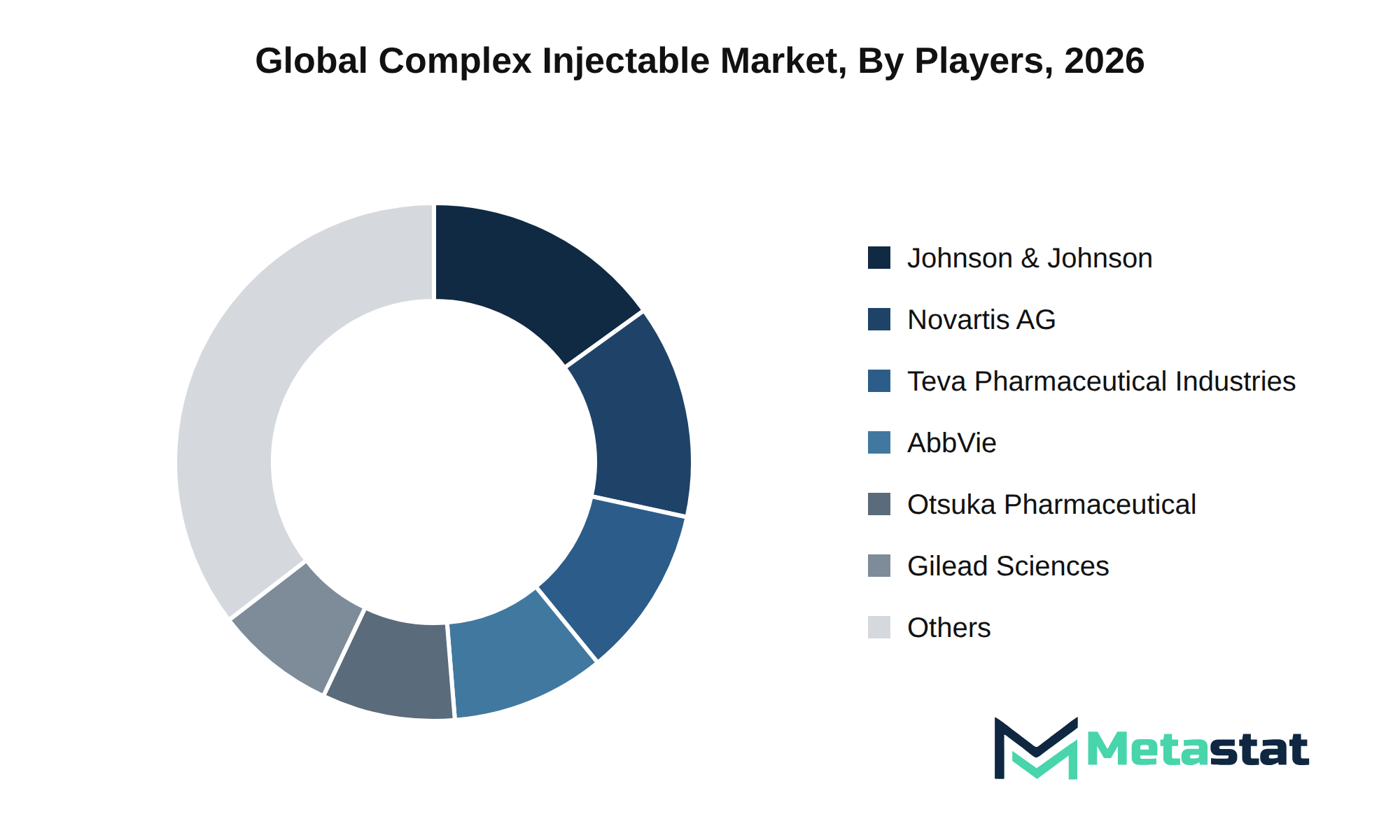
The Complex Injectable market features a variety of strategic behaviors among key players, including mergers, acquisitions, and strategic consolidation. Companies including Johnson & Johnson and Novartis AG pursue diversification strategies to strengthen their market positions and expand their product offerings, enhancing their competitive stance.
Product differentiation remains a crucial factor in the competitive landscape. Firms like Teva Pharmaceutical Industries Ltd. and AbbVie Inc. leverage robust R&D pipelines to develop innovative formulations that cater to emerging therapeutic areas. This focus on innovation enhances their competitive edge and attracts a broader customer base.
Strategic alliances and partnerships play a significant role in the market, facilitating resource sharing and technology exchange. Collaborations between companies including Gilead Sciences, Inc. and Fresenius Kabi AG exemplify this trend, enabling firms to expand their reach and enhance their service offerings.
Barriers to entry in the Complex Injectable market include significant regulatory requirements and the need for advanced technological capabilities. This creates challenges for new entrants while allowing established companies to maintain their market share. Firms like Alkermes plc and Otsuka Pharmaceutical Co., Ltd. invest in their intellectual property portfolios to secure their technological defensibility and mitigate potential threats from emerging competitors.
The future competitive outlook for the market indicates a focus on customer retention strategies, with companies enhancing brand equity dynamics through targeted marketing and superior service delivery. This emphasis on customer loyalty is critical for sustaining growth in a competitive environment.
Market size is forecast to rise from USD 79.2 billion in 2025 to over USD 98.9 billion by 2033. This growth reflects a base case CAGR of 2.8%. Under a bullish scenario, increased investments in next-generation technologies and favorable regulatory changes will drive accelerated demand across various therapeutic areas, particularly in oncology and autoimmune diseases. This acceleration leads to enhanced commercialization timelines for new product developments and a more competitive market landscape.
Conversely, a bearish outlook indicates potential disruptions stemming from geopolitical realignments and evolving trade corridors, which could impact supply chain efficiencies and cost structures. Such disruptions hinder investment levels and slow down innovation within the market. Ongoing shifts in downstream demand driven by consumer preferences and technological advancements will continue to shape the competitive dynamics of the Complex Injectable market.
Strategic capital allocation will play a crucial role, with companies focusing on infrastructure commitments and capital expenditure investments to optimize production capabilities. Assessing emerging white-space opportunities will help identify high-growth pockets within the market, allowing organizations to address unmet enterprise needs effectively. Executive-level strategic imperatives focusing on defensibility roadmaps will enhance long-term growth prospects for stakeholders.
The report strategically identifies and profiles the key market players and analyses their core competencies in each sub-segment of the Complex Injectable market.
Report Attributes | Details |
Study Period | 2021-2033 |
Base Year | 2025 |
Estimated Year | 2026 |
Forecast Period | 2026-2033 |
Historical Period | 2021-2025 |
Growth Rate | CAGR 2.8% from 2026 to 2033 |
Revenue Unit | USD billion |
Segmentation | By Formulation Architecture, Route of Administration, Therapeutic Area, End User, and Region |
By Region | North America (By Formulation Architecture, Route of Administration, Therapeutic Area, End User, and Country)
|
Europe (By Formulation Architecture, Route of Administration, Therapeutic Area, End User, and Country)
| |
Asia Pacific (By Formulation Architecture, Route of Administration, Therapeutic Area, End User, and Country)
| |
South America (By Formulation Architecture, Route of Administration, Therapeutic Area, End User, and Country)
| |
Middle East and Africa (By Formulation Architecture, Route of Administration, Therapeutic Area, End User, and Country)
|
Find answers to common questions about this report
The Complex Injectable market size was valued at USD 79.2 billion in 2025, according to the Metastat Insights study.
The Complex Injectable market is projected to grow at a CAGR of 2.8% during the forecast period from 2026 to 2033.
The North America Complex Injectable market size is estimated to reach USD 36.6 billion by 2033.
The segment leading the Complex Injectable market is Formulation Architecture, with a projected value of USD 26.6 billion by 2033. This segment surpasses others based on its growth trajectory and market share.
Strong economic growth drives investment in healthcare, benefiting the Complex Injectable market through increased public and private funding. Enhanced healthcare infrastructure and digital transformation improve operational efficiency, further supporting market growth by addressing evolving patient needs and expanding access to advanced treatments.
North America holds the dominant share of the Complex Injectable market, with a value of USD 36.6 billion in 2033, representing 39.7 percent of the total market.
The Complex Injectable market faces significant constraints due to stringent regulatory compliance requirements, increasing operational costs, and macroeconomic headwinds including inflation. infrastructure gaps and connectivity deficits in certain regions hinder effective distribution, while rising capital investment requirements pose challenges for innovation and expansion.
Strong economic growth and increased healthcare investment favor product adoption in the Complex Injectable market. Enhanced facilities and upgraded technologies improve production and distribution, while rising public and private funding initiatives stimulate research and development, enabling the introduction of innovative therapies that meet evolving patient needs.
The Complex Injectable market is estimated to reach a valuation of USD 98.9 billion by 2033.
Key players in the Complex Injectable market include Johnson & Johnson, Teva Pharmaceutical Industries Ltd., Alkermes plc, Novartis AG, AbbVie Inc., Gilead Sciences, Inc., and Pfizer Inc.
The analysts below cover Medical Devices research at Metastat Insights.
LEAD ANALYST
Utkarsh Khirodkar is a Lead Market Research Analyst at MetaStat Insight, specializing in market intelligence, technology sector assessments, and competitive strategy.

LEAD PRINCIPAL ANALYST, PHARMA AND HEALTHCARE
Food and Beverages · Healthcare · Healthcare IT · Medical Devices
Ajay Devgire is the Lead Healthcare Analyst at MetaStat Insight, leading strategic research and market intelligence initiatives across the global healthcare domain.

SENIOR RESEARCH ANALYST
Biotechnology · Food and Beverages · Medical Devices · Packaging
Snehal Pasalkar is a Research Analyst at MetaStat Insight, operating at the intersection of life sciences research, competitive strategy, and market intelligence.
In the biological seed treatment space, registration timelines vary drastically between the European Union, Brazil, and North America. The MetaStat Insight research handled these cross-border regulatory barriers with genuine nuance, mapping commercialization pathways alongside historical field adoption rates. The segmentation between microbial strains and biochemical active ingredients was particularly well structured.
Our team was tracking whether regional recycling infrastructure could realistically absorb the growing volume of lithium iron phosphate batteries over the next decade. The report did a solid job separating announced hydrometallurgical plant capacity from active, permitted operational throughput. That distinction made the feedstock availability projections and regional recovery rate models far more credible than standard commercial overviews.
Tracking capacity expansion in single-use bioprocessing requires dependable data on raw material availability and cleanroom-grade polymer supply chains. The competitive landscape chapter gave a grounded evaluation of secondary component suppliers across North America and Asia-Pacific rather than simply reprinting press releases. Having that level of supplier benchmarking helped clarify dual-sourcing considerations for our clinical pipeline planning.
Explore related market intelligence reports worth reading alongside this one.