
LEAD ANALYST
Utkarsh Khirodkar is a Lead Market Research Analyst at MetaStat Insight, specializing in market intelligence, technology sector assessments, and competitive strategy.

Global Fantasy Sports Market Size, Share, By Sports Type (Football, Baseball, Basketball, Hockey, Cricket, and Others), By Platform (Web-Based and Application-Based), By Game Type (Season-Long Fantasy Sports, and Daily Fantasy Sports), By Sport Category (Team Sports and Individual Sports), Industry Analysis, Growth, Trends, and Forecast, 2026-2033
Report ID
MSI-4655
Published
April, 2026
Pages
313 Pages
Format
Report Details
Choose Your License
Fantasy Sports Market
Global Fantasy Sports market size is valued at USD 37.4 billion in 2025 and projected to grow at a CAGR of 13.6% during the forecast period, reaching USD 103.6 billion by 2033.
North America holds a 60.8% market share in 2025, with the U.S. leading the regional market.
The Football segment accounts for 33.5% of the global market in 2025.
Key trends driving growth: Increasing smartphone and high-speed internet penetration, along with rising fan engagement through digital platforms and social media integration.
Opportunities include integration of advanced technologies such as AI, AR, and immersive gaming experiences.
Key insight: Digital sports engagement transforms fan interaction through competitive fantasy platforms supported by data-driven gameplay experiences.
The Global Fantasy Sports market continues to gain momentum as digital sports entertainment platforms transform how fans engage with their favorite sports. Fantasy sports platforms allow users to create virtual teams composed of real-world players and compete based on their statistical performance in live games. The growing integration of sports analytics, live data feeds, and mobile gaming platforms has reshaped the sports engagement ecosystem, encouraging millions of users to participate in fantasy leagues across multiple sports categories.
The rapid expansion of fantasy sports communities, improved internet infrastructure, and the growing popularity of professional sports leagues have strengthened the position of the Global Fantasy Sports market. Major sports tournaments and league partnerships continue to create recurring opportunities for fantasy sports platforms to attract new users. These platforms also benefit from increased adoption of mobile applications that enable real-time team management, score tracking, and social competition among users.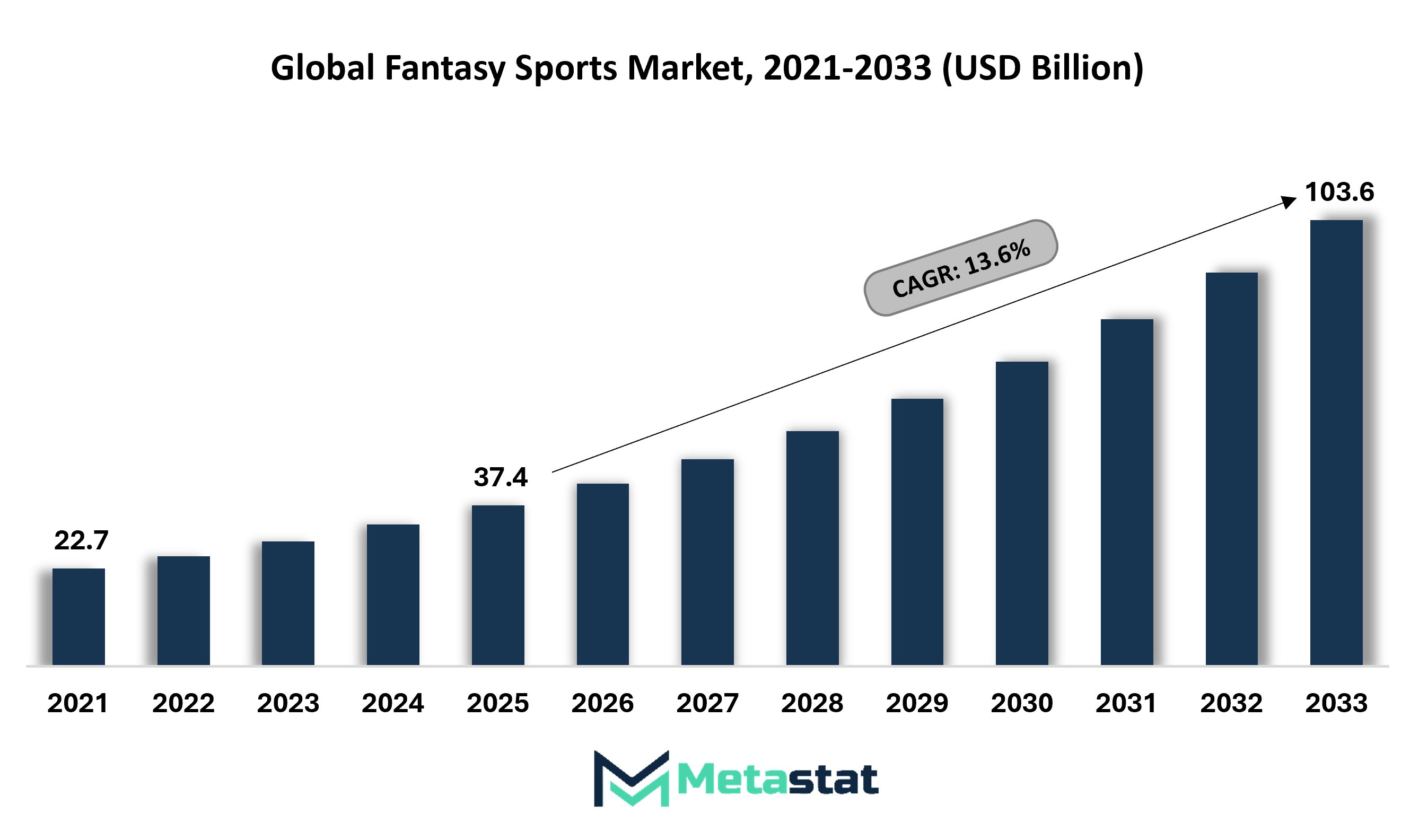
Increasing smartphone and high-speed internet penetration.
Expansion of global internet connectivity and smartphone ownership has significantly increased participation in digital sports platforms. The Global Fantasy Sports market benefits from widespread access to high-speed mobile networks, allowing users to participate in fantasy leagues anytime through mobile applications. Modern fantasy sports platforms offer seamless interfaces, live score integration, and real-time player statistics, making participation more interactive and accessible.
Rising fan engagement through digital platforms and social media integration
Rising fan engagement through digital platforms and social media integration has significantly strengthened participation in fantasy sports. Social media channels, sports content platforms, and live fan communities encourage continuous interaction with players, teams, and tournaments. Fantasy sports platforms benefit from this trend by offering interactive features, live updates, and community-driven experiences that increase user retention and platform activity.
Regulatory uncertainty and legal restrictions across regions
The legal classification of fantasy sports differs widely across countries and states. Some jurisdictions categorize fantasy sports under gaming or betting regulations, while others recognize them as skill-based competitions. These inconsistent regulatory frameworks create operational challenges for companies operating in the Global Fantasy Sports market.
Concerns related to addiction and gambling-like behavior
Concerns related to addiction and gambling-like behavior remain a challenge for the Global Fantasy Sports market. Paid contest formats, repetitive engagement cycles, and monetary rewards have raised concerns among regulators and consumers regarding responsible participation. These issues will create reputational pressure and increase the need for stronger user protection measures across platforms.
Integration of advanced technologies such as AI, AR, and immersive gaming experiences
Emerging technologies create significant opportunities for innovation in the Global Fantasy Sports market. Artificial intelligence enables advanced player performance predictions, personalized team recommendations, and automated lineup optimization for users. These capabilities enhance strategic gameplay, improve decision-making, and strengthen the overall user experience.
The Global Fantasy Sports market is segmented based on Sports Type, Platform, Game Type, and Sport Category.
Football segment is valued at USD 14.2 billion in 2026 and is projected to reach USD 32.0 billion by 2033, at a CAGR of 12.3% during the forecast period.
Football remains the most widely played fantasy sport across major markets. The Global Fantasy Sports market benefits from the popularity of domestic leagues, international tournaments, and continental championships. Fantasy football contests allow participants to build teams using real players and earn points based on performance metrics such as goals, assists, clean sheets, and defensive actions.
Baseball segment is valued at USD 6.3 billion in 2026 and is projected to reach USD 12.6 billion by 2033, at a CAGR of 10.3% during the forecast period.
Fantasy baseball leagues maintain strong participation in North America, supported by the popularity of professional baseball competitions. The Global Fantasy Sports market benefits from the sport’s deep statistical structure, including batting averages, home runs, strikeouts, and pitching performance, which support highly data-driven fantasy scoring systems.
Basketball segment is valued at USD 7.7 billion in 2026 and is projected to reach USD 19.2 billion by 2033, at a CAGR of 14% during the forecast period.
Basketball fantasy contests attract large audiences owing to the fast-paced nature of the sport and the frequency of professional league games. Participants track player metrics such as scoring, rebounds, assists, steals, and blocks, which makes basketball highly suitable for both season-long and daily fantasy formats.
Hockey segment is valued at USD 3.3 billion in 2026 and is projected to reach USD 6.7 billion by 2033, at a CAGR of 10.7% during the forecast period.
Fantasy hockey platforms allow users to assemble teams featuring professional league players and compete using live match statistics. The popularity of ice hockey leagues across North America and Europe continues to support growth of the hockey segment within the Fantasy Sports market.
Cricket segment is valued at USD 6.9 billion in 2026 and is projected to reach USD 22.0 billion by 2033, at a CAGR of 18% during the forecast period.
Fantasy cricket has witnessed rapid growth across South Asia, Australia, and the United Kingdom. Major tournaments, franchise leagues, and international series create strong engagement periods for fantasy cricket contests, contributing significantly to expansion of the Fantasy Sports market.
Others segment is valued at USD 4.0 billion in 2026 and is projected to reach USD 11.1 billion by 2033, at a CAGR of 15.6% during the forecast period.
Other sports categories include motorsports, golf, esports, and mixed-format competitions. These alternatives attract niche yet engaged audiences and provide diversification opportunities for fantasy sports providers operating in the Global Fantasy Sports market.
Web-Based segment is projected to reach USD 27.1 billion by 2033, at a CAGR of 10.1% during the forecast period.
Web-based platforms allow users to access fantasy leagues through desktop browsers. These platforms often offer advanced analytics dashboards, detailed player statistics, and broader contest formats suited for experienced participants.
Application-Based segment is projected to reach USD 76.6 billion by 2033, at a CAGR of 15.1% during the forecast period.
Mobile application platforms dominate participation in the Fantasy Sports market. App-based fantasy sports platforms provide real-time alerts, live match updates, and simplified user interfaces that allow users to manage teams and join contests conveniently through smartphones.
Season-Long Fantasy Sports segment is projected to reach USD 36.6 billion by 2033.
Season-long fantasy sports formats allow participants to manage teams throughout an entire sports season. Users draft players at the beginning of the season and accumulate points based on player performances across multiple matches.
Daily Fantasy Sports segment is projected to reach USD 67.1 billion by 2033.
Daily fantasy sports formats allow users to create teams for single-day contests or short match cycles. Quick outcomes and flexible participation have made daily fantasy sports one of the fastest-growing segments in the Global Fantasy Sports market.
Team Sports segment is projected to grow at a CAGR of 13.2% during the forecast period.
Team sports represent the largest category in the Fantasy Sports market. Football, basketball, baseball, cricket, and hockey attract large user bases owing to their structured leagues, wide fan following, and extensive player statistics.
Individual Sports segment is projected to grow at a CAGR of 16.1% during the forecast period.
Fantasy formats based on individual sports such as golf, motorsports, tennis, and esports are gaining traction. These formats allow participants to select individual competitors and earn points based on performance outcomes during tournaments and competitive events.
Based on geography, the Global Fantasy Sports market is divided into North America, Europe, Asia-Pacific, South America, Middle East, and Africa.
North America remains the leading region owing to mature digital infrastructure, high user awareness, and strong adoption of paid fantasy formats.
Asia-Pacific is emerging as a high-growth regional market, supported by expanding internet penetration, rising smartphone adoption, and increased engagement with cricket and regional sports tournaments.
South America, the Middle East, and Africa are also showing steady potential, supported by improving sports broadcasting ecosystems and growing mobile-first digital engagement.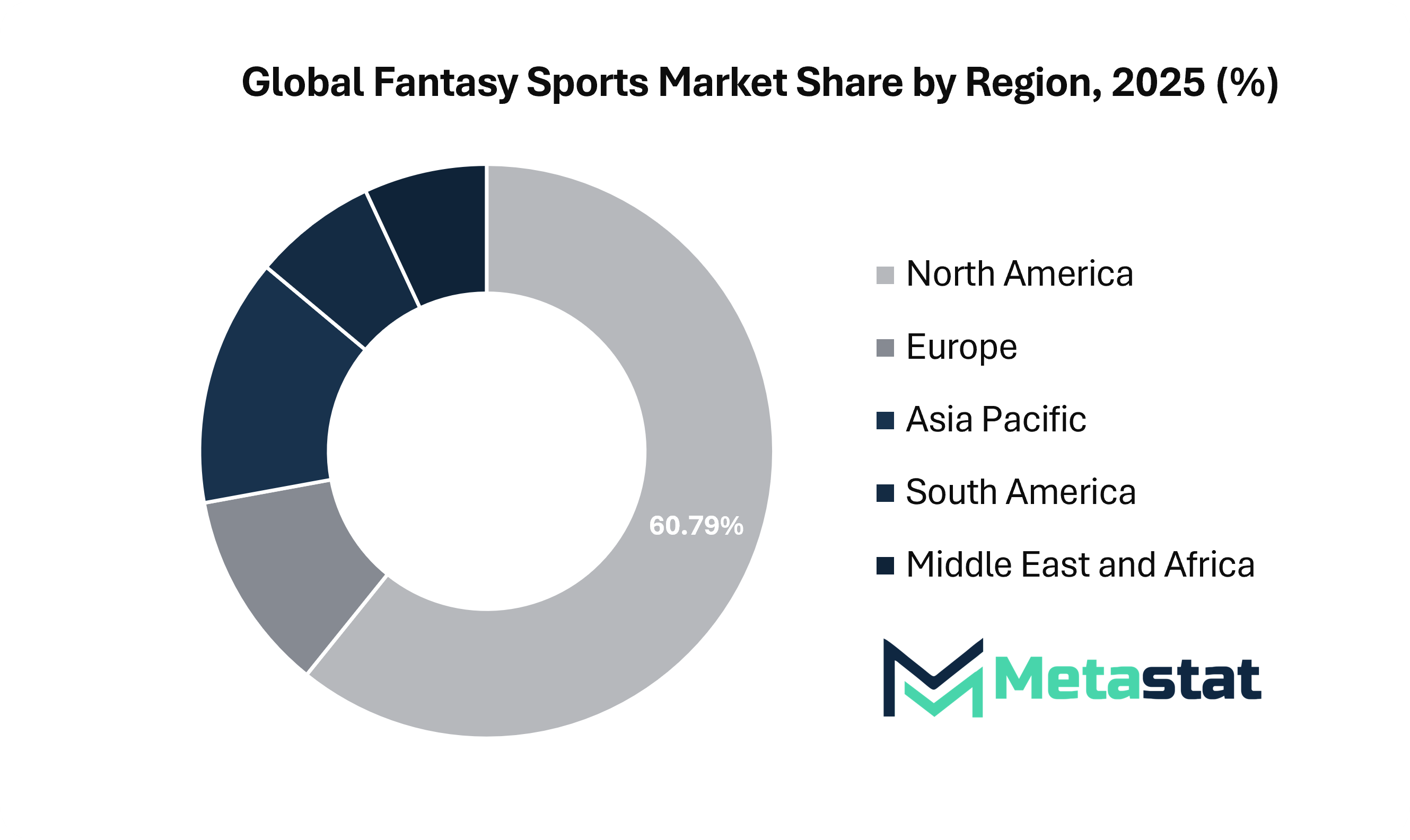
The global fantasy sports market has evolved from a niche online activity into a widely recognized digital sports entertainment category. Millions of sports fans now participate in fantasy leagues where they create virtual teams using real athletes and compete based on real-game performance. The concept combines sports knowledge with strategy, turning passive viewers into active participants. Easy access through mobile applications and websites has made fantasy sports more convenient, allowing users to join contests, track player performance, and manage teams in real time. Growing internet penetration and the rising popularity of professional sports leagues across regions will continue to expand the platform user base.
Fantasy sports platforms operate through multiple formats such as season-long leagues, daily fantasy contests, and prediction-based competitions. Participants select players through draft systems or budget-based models, and points are awarded according to real match data. The competitive structure of these contests attracts both casual fans and serious sports followers who enjoy analyzing statistics, player form, and matchups. The market also benefits from strong engagement during major sporting events such as football leagues, basketball tournaments, cricket series, and motorsport championships. Rising smartphone usage will continue to support improvements in user interfaces, analytics tools, and community features across fantasy sports platforms.
Technology will play a central role in shaping the market over the coming years. Data analytics, real-time information, and personalized recommendations will help users make better decisions while building teams. Many platforms are also integrating social features such as private leagues, chat functions, and friend competitions, adding a strong community element to the user experience. Secure payment systems and digital wallets have made it easier for users to enter paid contests, creating new revenue streams for operators. Partnerships with sports leagues, media companies, and broadcasters will further strengthen the visibility of fantasy sports and attract new audiences.
Several companies contribute to the competitive structure of the global fantasy sports market. Key industry participants include CBS Sports Digital, Blitz Studios, Inc. (Sleeper), Fantrax, RealTime Fantasy Sports, Inc., Dream Sports Group, FantasyPros.com, RotoWire, Sportsguys, LLC, Fantasy Life, Viscus Infotech Ltd, FTN, ESPN, Establish the Run, NBA Media Ventures, LLC, RotoBaller, Formula One, NASCAR Digital Media, LLC, PrizePicks, Underdog Fantasy, Sorare, Superbru, FanTeam, Low6 Limited, OwnersBox, Splash Sports, and Boom Fantasy. These companies offer a wide range of fantasy formats, analytics tools, and interactive features designed to attract sports audiences across multiple leagues and regions. Continued investment in platform development, strategic partnerships, and user engagement initiatives will strengthen the overall growth of the global fantasy sports market.
Market size is forecast to rise from USD 37.4 billion in 2025 to over USD 103.6 billion by 2033.
The Global Fantasy Sports market is projected to expand substantially, supported by rising digital sports engagement and continued technological innovation. Integration of live data analytics, mobile-first gaming interfaces, and personalized user experiences will continue to attract new participants to fantasy sports platforms.
This research report categorizes the Fantasy Sports market based on key segments and regions, forecasts revenue growth, and analyses trends in each submarket. The report analyses the key growth drivers, opportunities, and challenges influencing the Fantasy Sports market. Recent market developments and competitive strategies such as expansion, product launch, partnership, merger, and acquisition have been included to draw the competitive landscape in the market.
The report strategically identifies and profiles the key market players and analyses their core competencies in each sub-segment of the Fantasy Sports market.
|
Report Attributes |
Details |
|
Study Period |
2021-2033 |
|
Base Year |
2025 |
|
Estimated Year |
2026 |
|
Forecast Period |
2026-2033 |
|
Historical Period |
2021-2025 |
|
Growth Rate |
CAGR 13.6% from 2026 to 2033 |
|
Revenue Unit |
USD billion |
|
Segmentation |
By Sports Type, Platform, Game Type, Sport Category, and Region |
|
By Region |
North America (By Sports Type, Platform, Game Type, Sport Category, and Country)
|
|
Europe (By Sports Type, Platform, Game Type, Sport Category, and Country)
|
|
|
Asia Pacific (By Sports Type, Platform, Game Type, Sport Category, and Country)
|
|
|
South America (By Sports Type, Platform, Game Type, Sport Category, and Country)
|
|
|
Middle East and Africa (By Sports Type, Platform, Game Type, Sport Category, and Country)
|
WHAT REPORT PROVIDES
Find answers to common questions about this report
Top players operating in the Fantasy Sports industry include CBS Sports Digital, Blitz Studios, Inc. (Sleeper), Fantrax, RealTime Fantasy Sports, Inc., Dream Sports Group, FantasyPros.com, RotoWire (GDC Media Limited), and Sportsguys.
The Metastat Insights analysis shows that the North America Fantasy Sports market size is estimated to be USD 38.2 billion by 2033.
Global Fantasy Sports market is estimated to reach USD 103.6 billion by 2033.
Regulatory uncertainty and legal restrictions across regions will hamper the market growth within the forecast period.
North America region dominates the market.
Increasing smartphone and high-speed internet penetration and rising fan engagement through digital platforms and social media integration are key driving factors, boosting the market.
The Football is the leading type segment in the Global market.
The Global Fantasy Sports market is expected to grow at a CAGR of 13.6% over the forecast period (2026-2033).
The Metastat Insights study shows that the Global Fantasy Sports market size was USD 37.4 billion in 2025.
The analysts below cover Consumer Goods research at Metastat Insights.
LEAD ANALYST
Utkarsh Khirodkar is a Lead Market Research Analyst at MetaStat Insight, specializing in market intelligence, technology sector assessments, and competitive strategy.
Ambulatory surgical centers have very different purchasing cycles for robotic-assisted surgery platforms than major hospital networks. The MetaStat Insight study focused squarely on capital expenditure depreciation, procedural reimbursement pathways, and surgeon training overhead. That operational clarity made it much simpler to validate multi-year procedure growth forecasts against actual ambulatory center adoption patterns.
When planning edge sensor rollouts across refinery environments, generic IoT reports typically miss the harsh-environment certification bottlenecks. MetaStat Insight gave an objective evaluation of ATEX and Class 1 Division 2 hardware availability, along with realistic five-year maintenance cycle cost projections. The comparison of wireless mesh versus private cellular backhaul helped our team pressure-test network reliability models for remote processing facilities.
In the biological seed treatment space, registration timelines vary drastically between the European Union, Brazil, and North America. The MetaStat Insight research handled these cross-border regulatory barriers with genuine nuance, mapping commercialization pathways alongside historical field adoption rates. The segmentation between microbial strains and biochemical active ingredients was particularly well structured.
Explore related market intelligence reports worth reading alongside this one.