
LEAD ANALYST
Utkarsh Khirodkar is a Lead Market Research Analyst at MetaStat Insight, specializing in market intelligence, technology sector assessments, and competitive strategy.

Global Small Kitchen Appliances Market Size, Share, By Product Type (Food Preparation Appliances, Coffee Machines, Blenders, Juicers, Breakfast Appliances (Toasters and Sandwich Makers), Electric Kettles, Cooking Appliances (Air Fryers, Rice Cookers, Multi-cookers, and Electric Grills), Food Processing Appliances, and Others (Egg Cookers, Yogurt Makers, and Popcorn Makers), By Distribution Channel (Offline Retail and Online Retail), By Price Range (Economy, Mid-Range, and Premium), By End User (Residential, Foodservice & Hospitality, and Institutional & Commercial), Industry Analysis, Growth, Trends, and Forecast, 2026-2033
Report ID
MSI-4860
Published
August, 2026
Pages
308 Pages
Format
Historical
Base year
Forecast
Forecast period
Report Details
Choose Your License
Global Small Kitchen Appliances Market
The global Small Kitchen Appliances market was valued at USD 37.2 billion in 2025 and is projected to reach USD 59.3 billion by 2033, growing at a CAGR of 6.0% over the forecast period.
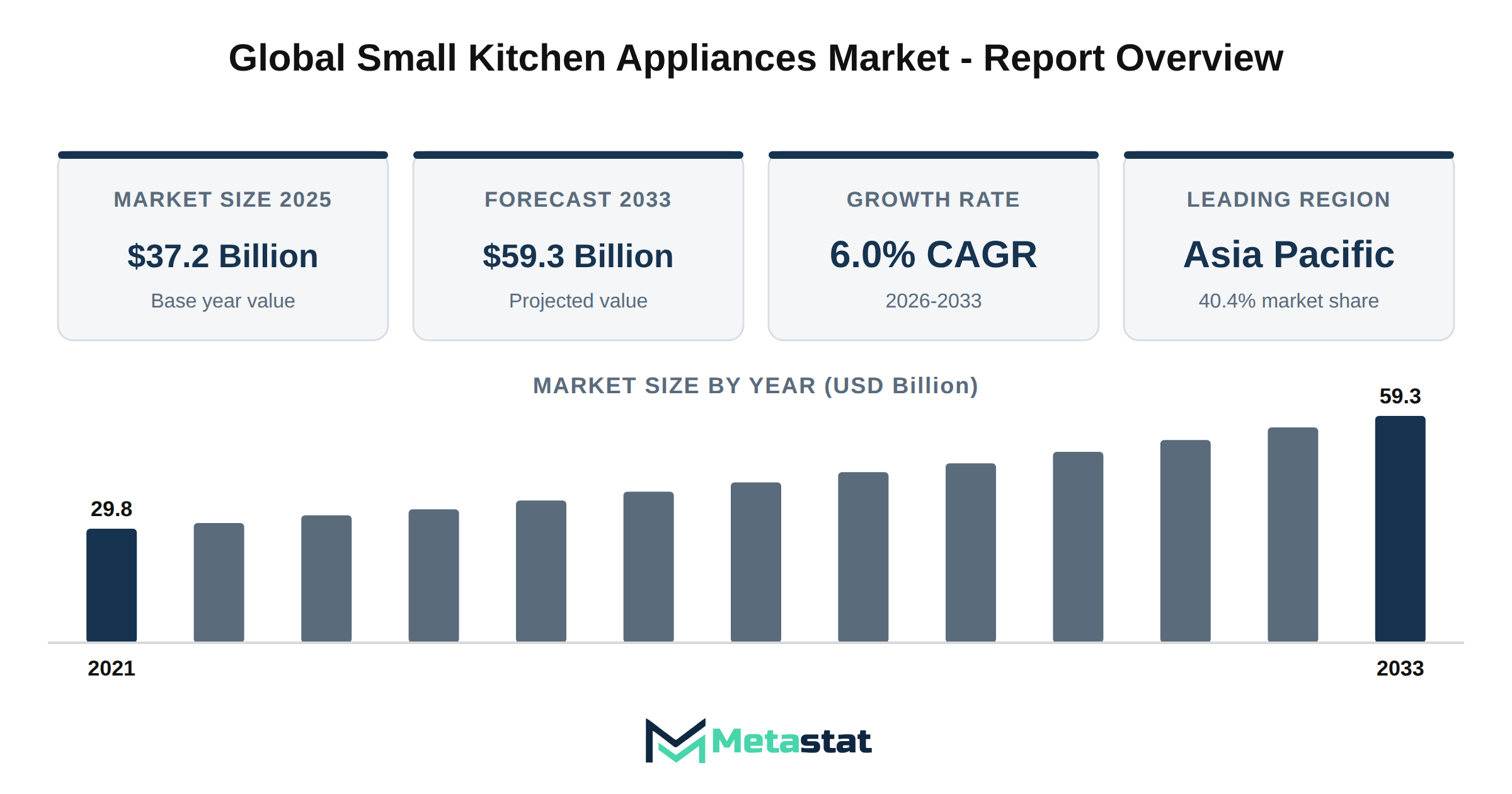
The Small Kitchen Appliances market reached a value of USD 37.2 billion in 2025, with growth projected to USD 59.3 billion by 2033, reflecting a compound annual growth rate (CAGR) of 6%. The market experienced steady growth in the years leading up to 2025, with historical values of USD 29.8 billion in 2021, USD 31.3 billion in 2022, USD 33.3 billion in 2023, and USD 34.9 billion in 2024.
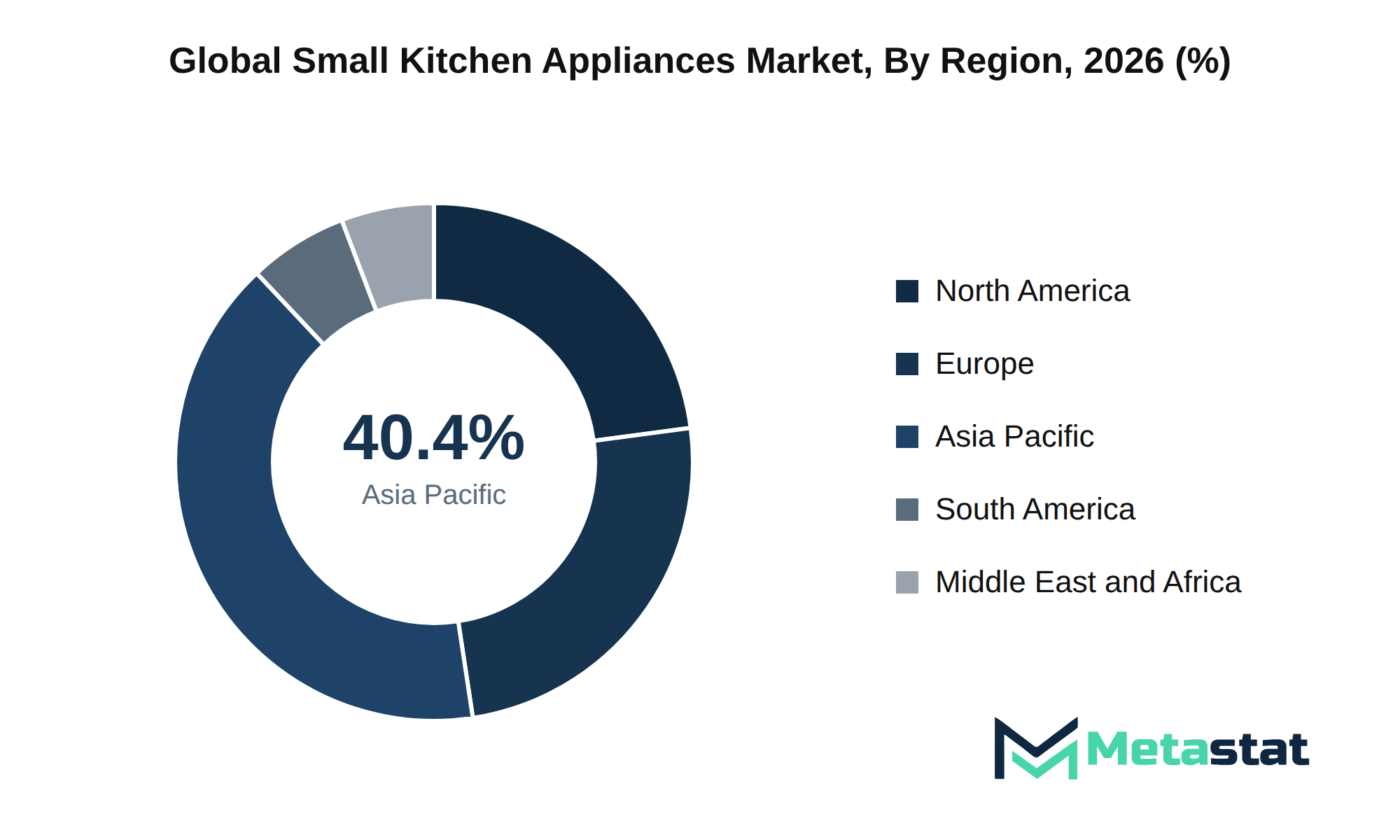
Regional dynamics play a significant role in the Small Kitchen Appliances market, with Asia Pacific leading at 40.4% of the overall share. Europe follows closely at 24.7%, while North America holds a 22.9% share. The remaining share divides between South America at 6.2% and the Middle East and Africa at 5.8%. North America is projected to reach USD 12.6 billion by 2033, maintaining a steady CAGR of 6%.
Product segmentation illustrates diverse consumer preferences, with food preparation appliances anticipated to grow from USD 8.5 billion in 2026 to USD 12.3 billion by 2033, marking a CAGR of 5.3%. Coffee machines are projected to reach a value of USD 9.2 billion by 2033, driven by increasing demand for brewing convenience. Blenders and juicers represent other important segments within the market, contributing to overall growth.
Distribution channels show a clear trend towards online retail, with revenues expected to reach USD 18.1 billion by 2033, achieving a CAGR of 8.7%. Offline retail remains a significant channel, expanding from USD 26.9 billion in 2026 to USD 37.2 billion by 2033, with a CAGR of 4.8%. Direct-to-consumer channels, including brand stores and company-owned e-commerce, gain traction.
The Small Kitchen Appliances market faces various regulatory compliance and standards challenges that influence operational dynamics. Adherence to safety and quality standards ensures product reliability, impacting consumer trust and purchasing decisions. Geopolitical risks further complicate the landscape, affecting supply chains and pricing strategies. Companies navigate these complexities through enhanced risk management frameworks, which strengthen resilience and adaptability.
Research and development trajectories reflect a strong emphasis on next-generation innovation. Manufacturers invest in advanced technologies, leading to the introduction of smart appliances that integrate connectivity features. These innovations enhance user experience, driving demand for technologically advanced products while contributing to market growth.
Sustainable transformation trends reshape the industry, focusing on decarbonization and circular economy dynamics. Brands prioritize eco-friendly materials and energy-efficient designs, catering to environmentally conscious consumers. This shift not only meets regulatory requirements but aligns with changing consumer preferences, presenting growth opportunities for companies committed to sustainability.
The supply chain landscape continues to evolve, influenced by logistics architecture and sourcing strategies. Efficient supply chain management reduces operational costs and enhances product availability. Companies invest in local sourcing initiatives to mitigate supply chain disruptions and ensure timely delivery, reinforcing their competitive position in the market.
Market fragmentation presents both challenges and opportunities. A diverse range of players operates within the Small Kitchen Appliances market, leading to intense competition. Strategic mergers and acquisitions allow companies to consolidate resources, expand market share, and diversify product offerings, enhancing overall value chain efficiency.
Capital allocation remains critical, with companies directing investments toward infrastructure improvements and technology upgrades. These investments support operational efficiency, enabling firms to adapt to changing market demands. Macroeconomic headwinds, including inflationary pressures and currency volatility, impact pricing strategies and profitability, requiring companies to implement effective financial management practices. The ongoing focus on operational efficiency is essential for navigating these challenges.
The future strategic outlook for the Small Kitchen Appliances market emphasizes innovation and sustainability. Corporate imperatives focus on enhancing product offerings while addressing consumer needs for convenience and efficiency. High-value recommendations include leveraging technology for product development and enhancing customer engagement strategies to strengthen loyalty and drive sales growth.
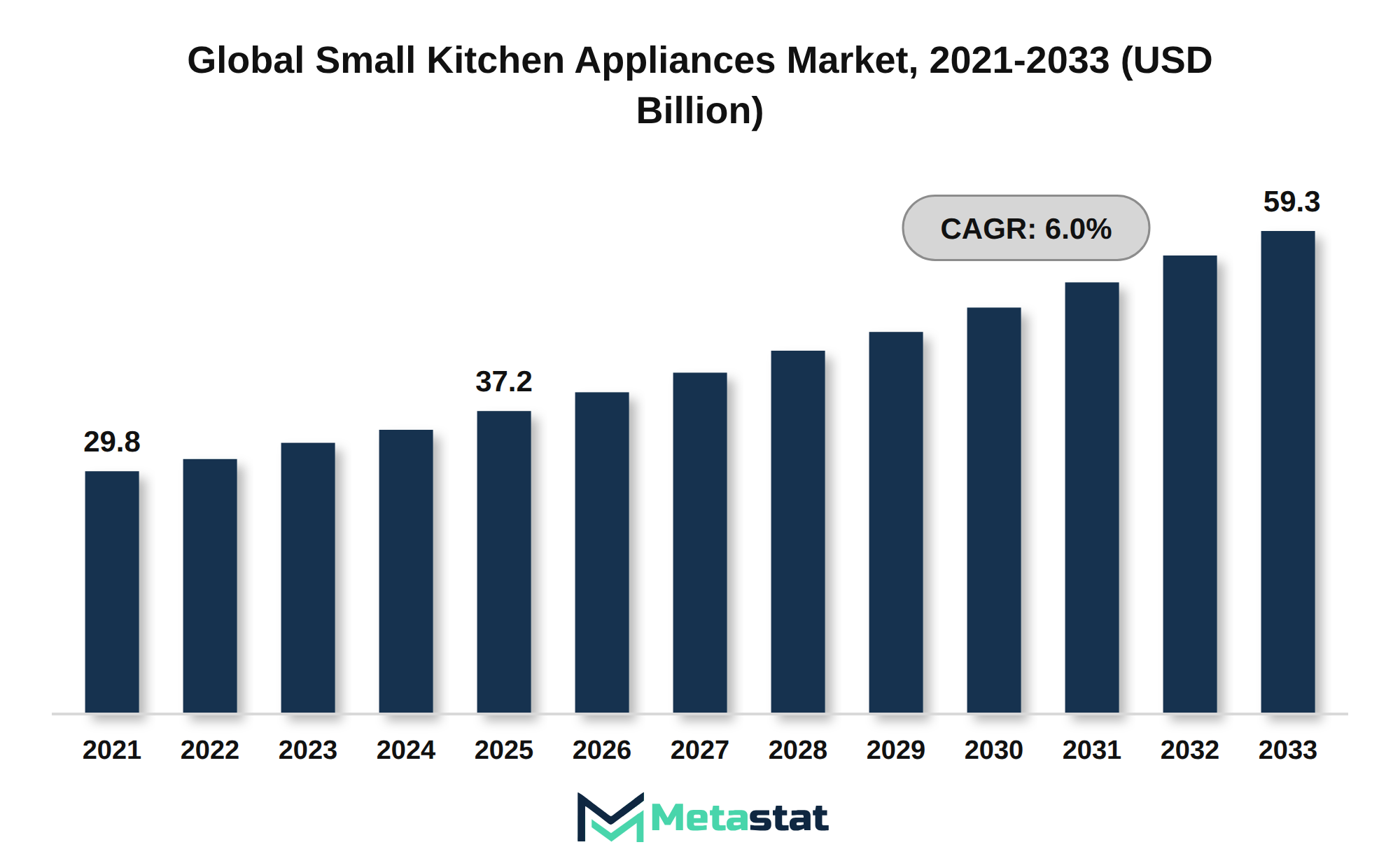
The Small Kitchen Appliances market experiences significant growth driven by advancements in digital transformation. This trend encompasses the integration of automation, artificial intelligence, and software adoption, facilitating the creation of smarter appliances. Increased consumer demand for convenience and efficiency drives manufacturers to innovate, ensuring appliances meet modern household needs.
Technological integration enhances operational productivity, enabling companies to streamline processes and reduce production costs. This shift allows businesses to allocate resources more effectively and invest in research and development, ultimately creating a competitive environment within the market.
Consumer behaviors evolve alongside these technological advancements, with rising preferences for connected devices. Smart kitchen appliances that offer remote control capabilities and user-friendly interfaces attract consumers seeking enhanced functionality. The market is projected to grow from USD 37.2 billion in 2025 to USD 59.3 billion by 2033, reflecting a compound annual growth rate of 6% during this period.
The integration of advanced technology into small kitchen appliances drives significant growth within the Small Kitchen Appliances market. Automation, artificial intelligence, and enhanced software capabilities enable consumers to streamline food preparation processes, improving usability and efficiency. An increasing number of consumers seek appliances equipped with smart features that facilitate remote operation and personalized settings, responding to the growing trend of smart homes.
This shift toward technological integration impacts particularly urbanized populations, where lifestyle changes prioritize convenience. The demand for efficient appliances aligns with the trend of smaller living spaces, with consumers requiring compact and multifunctional devices. Consequently, manufacturers focusing on innovation-led product diversification experience heightened engagement and sales, reinforcing long-term demand.
Investment in research and development strengthens the competitive landscape among key players. Companies implementing advanced technologies in their product offerings differentiate themselves from competitors, enhancing brand loyalty and market share. The market is projected to expand substantially, reaching USD 59.3 billion by 2033, representing a compound annual growth rate of 6% throughout the forecast period.
The Small Kitchen Appliances market encounters significant hurdles due to regulatory compliance demands. Stricter regulations surrounding safety standards and energy efficiency require manufacturers to invest considerably in product modifications and testing processes. This investment impacts operational budgets and limits resources for innovation, constraining competitiveness within the market.
Macroeconomic headwinds, including inflationary pressures, contribute to rising costs for raw materials and components. Manufacturers face increased production expenses, which lead to higher retail prices for consumers. Rising prices suppress demand, particularly in price-sensitive segments of the market, slowing overall growth projections.
Supply chain disruptions have exacerbated challenges in acquiring essential components, leading to production delays. The Small Kitchen Appliances market relies heavily on just-in-time manufacturing practices, making it vulnerable to external shocks. These disruptions hinder timely product availability and negatively affect consumer confidence and purchasing decisions.
Geopolitical instability complicates market conditions, particularly affecting international trade. Tariffs, sanctions, or trade restrictions increase costs and reduce market access for key players. The resulting uncertainty leads to cautious investment strategies, delaying expansion plans across various regions.
High capital investment requirements for advanced technologies and infrastructure development pose significant barriers to new entrants. Established brands dominate the market, making it difficult for smaller firms to compete effectively. This consolidation results in market fragmentation and limits choices for consumers while reducing competitive pressure on incumbent players.
Technological obsolescence and the rapid pace of innovation create challenges for manufacturers to keep up with evolving consumer expectations. Firms that fail to adopt new technologies risk losing market share to competitors who successfully leverage advancements, leading to potential market saturation and reduced growth opportunities.
The Small Kitchen Appliances market faces significant challenges due to geopolitical fragmentation, which disrupts supply chain stability and contributes to trade deficits. This fragmentation leads to increased tariffs and restrictions, causing delays and raising costs for manufacturers and suppliers. Geopolitical tensions often result in uncertainty, influencing sourcing strategies and limiting access to essential components. The complexities arising from these geopolitical dynamics affect operational efficiency, pressuring profit margins across the industry.
Technological disruptions continue to pose challenges in the market. Rapid advancements in technology create pressure for companies to innovate while managing integration complexities. Many manufacturers struggle with interoperability issues, impacting product compatibility and hindering consumer adoption. This situation creates barriers to entry for emerging players and intensifies competition among established brands, ultimately affecting market growth. The impact of these technological challenges is expected to persist, shaping the competitive landscape.
The volatility of feedstock and component prices adds another layer of complexity. Fluctuations in material costs drastically impact production expenses, compelling manufacturers to adjust pricing strategies. Manufacturers navigate these price changes while maintaining product quality and consumer affordability. Such pressures lead to reduced investments in innovation and growth initiatives, affecting the long-term trajectory of the Small Kitchen Appliances market.
Logistics disruptions exacerbate these challenges, resulting from supply chain instability that influences delivery schedules and inventory management. Manufacturers face rising freight costs and delays in shipments, which lead to stock shortages and lost sales opportunities. These logistical barriers strain relationships with retailers and consumers, potentially damaging brand reputation and customer loyalty. The cumulative effect of these disruptions is a significant challenge for the market, necessitating strategic responses from industry players.
The Small Kitchen Appliances market experiences robust opportunities driven by emerging regional demands that require innovative kitchen solutions. Growth in disposable income within developing economies supports increased consumer spending on kitchen appliances, which drives market expansion. Regions including Asia Pacific and South America show significant rising demand for diverse appliance types, including food preparation appliances and coffee machines, which enhances market dynamics.
Infrastructure modernization across various regions contributes to improved access to advanced kitchen technologies. Investments in retail environments and e-commerce platforms facilitate higher penetration of small kitchen appliances, allowing consumers to easily access products. This shift toward modernization increases the market's overall value, enabling brands to reach a larger customer base.
Geographical expansion remains a vital opportunity owing to companies seeking to enter untapped markets. The adaptation of products to meet local tastes and preferences enhances their appeal, driving sales. Strategic partnerships with local distributors streamline the entry process into these markets, providing a competitive advantage.
Technological disruptions continue to change consumer expectations. Innovations including smart appliances that integrate with home automation systems attract tech-savvy consumers and generate market interest. These advancements position products favorably against traditional offerings, enhancing overall market valuation.
Digital transformation impacts purchasing behaviors, with an increasing shift toward online retail. The Small Kitchen Appliances market benefits from this trend, because consumers favor the convenience of e-commerce for purchasing kitchen products. This channel expansion leads to higher visibility and increased sales opportunities for market players.
Sustainability imperatives shape consumer preferences, leading to heightened demand for eco-friendly appliances. Manufacturers that prioritize sustainable practices and align with environmental, social, and governance (ESG) criteria attract a growing segment of environmentally conscious consumers. This trend not only supports brand loyalty but opens new revenue streams within the market.
Strategic consolidation through cross-industry mergers enhances competitive positioning. Companies leverage synergies from mergers to diversify product offerings and optimize their supply chains. This strategy strengthens market presence and enables firms to adapt to evolving consumer needs effectively.
The Small Kitchen Appliances market presents substantial opportunities driven by emerging regional demands, technological innovations, and evolving consumer behaviors. The combination of these factors is expected to drive market growth, reaching an estimated value of USD 59.3 billion by 2033.
The Global Small Kitchen Appliances market is segmented based on Product Type, Distribution Channel, Price Range, and End User.
Valued at USD 8.5 billion in 2026, the Food Preparation Appliances segment is projected to reach USD 12.3 billion by 2033, achieving a CAGR of 5.3% during the forecast period. A growing emphasis on home cooking and culinary experimentation drives demand for food preparation appliances. Consumer preferences increasingly shift towards convenience and efficiency, prompting a rise in the adoption of advanced appliances that simplify food preparation processes. Technological maturation contributes to the development of multifunctional devices that offer various functionalities, further enhancing user experience.
Product evolution plays a significant role in expanding this segment. Innovations including smart appliances and integrated technology attract tech-savvy consumers, leading to increased market penetration. Downstream applications in both residential and commercial sectors, including foodservice industries, significantly influence consumption patterns. Regulatory compliance standards enhance product safety and quality, facilitating consumer trust and driving demand.
Price volatility and margin pressures impact the operational landscape of manufacturers. Fluctuations in raw material costs necessitate agile pricing strategies to maintain competitiveness. Strategic opportunity windows arise from increasing consumer expectations for energy-efficient products, creating prospects for market participants to innovate and differentiate their offerings. The Small Kitchen Appliances market is well-positioned for growth, with substantial investment anticipated in the food preparation appliance segment, reflecting robust consumer interest and industry potential.
Growth in the Coffee Machines segment is driven by increasing consumer preference for home brewing. The rising trend of coffee culture and specialty coffee consumption influences demand across various demographics. Enhanced convenience and the availability of a wide range of coffee machine types cater to diverse consumer preferences and lifestyle choices.
Technological advancements play a crucial role in the evolution of this segment. Innovative features, including smart connectivity and customizable brewing options, enhance the user experience and attract tech-savvy consumers. The segment's expansion is further supported by the increasing number of coffee enthusiasts seeking high-quality beverages at home.
Cost structures remain a significant consideration for manufacturers. Fluctuations in raw material prices impact production costs, leading to potential pricing volatility. Companies focus on optimizing supply chain operations and improving sourcing strategies to maintain competitive pricing and margins. The Coffee Machines segment is projected to reach USD 9.2 billion by 2033, at a CAGR of 5.8% during the forecast period.
Strategic opportunities arise from the growing interest in sustainability and eco-friendly products. Consumers increasingly favor brands that offer energy-efficient machines and environmentally friendly materials. This shift in consumer behavior presents a white-space analysis opportunity for manufacturers to innovate and capture market share.
Overall, the Coffee Machines segment contributes significantly to the Small Kitchen Appliances market, driven by evolving consumer preferences and technological advancements. The competitive landscape involves several key players who continuously adapt to changing market dynamics and consumer demands.
Significant growth in the blenders segment reflects changing consumer preferences towards healthier lifestyles, driving increased demand for smoothies, soups, and other blended food products. Innovations in design and functionality enhance user experience. The introduction of smart technology in blenders stimulates adoption among tech-savvy consumers. The expansion of online retail channels facilitates access to a wider consumer base, allowing manufacturers to reach various demographics effectively. Strong marketing campaigns emphasize the convenience and versatility of blenders, attracting both residential and commercial users.
Regulatory compliance regarding energy efficiency and safety standards influences product offerings in the market, compelling manufacturers to invest in sustainable technologies. This focus on environmental sustainability aligns with rising consumer awareness of eco-friendly products, enhancing brand loyalty. Pricing strategies remain a critical element, with competition among established brands driving a range of price points to attract diverse customer segments. Strategic partnerships with health influencers and culinary professionals promote product visibility, enhancing market penetration.
By 2033, the blenders segment is projected to reach USD 6.8 billion, supported by continuous product evolution and growing interest in nutritional beverages. Enhanced distribution networks ensure availability across various channels, including direct-to-consumer platforms, contributing to sustained revenue growth. The competitive landscape consists of key players including Groupe SEB, Whirlpool Corporation (KitchenAid), and Breville Pty Limited, each serving customers in the market with unique marketing strategies to capture market share. Overall, the segment's resilience and adaptability position it favorably for future expansion within the Small Kitchen Appliances market.
Growth in the juicers segment reflects rising consumer interest in health and wellness, driving demand for fresh juices and nutritious beverages. Increasing consumption of fruits and vegetables, coupled with a shift towards healthier diets, influences buying behaviors. Consumers seek convenience and efficiency, opting for appliances that simplify food preparation, which boosts the adoption of juicers. This segment is projected to grow at a CAGR of 4.5% during the forecast period, reflecting its expanding relevance in the market.
Technological maturation influences segment evolution, with advancements leading to more efficient and user-friendly designs. Manufacturers invest in product development, focusing on features like higher juice extraction rates and easier cleaning processes. This innovation attracts a broader audience, including busy professionals and health-conscious individuals, enhancing the market's growth potential.
Next-gen upgrades in juicers emphasize connectivity and smart features, appealing to tech-savvy consumers. Integration with mobile applications for recipe suggestions and tracking nutritional intake becomes a significant differentiator among brands. Companies that enhance their products with user-friendly technologies capture a competitive advantage, driving revenue growth.
Downstream applications span across residential and commercial sectors. In home settings, juicers cater to individual preferences for fresh beverages, while in foodservice, establishments create menu items that highlight fresh ingredients, thus enhancing their offerings. This trend illustrates the growing importance of juicers in various end-use dynamics.
Market dynamics reflect shifting consumption patterns, with consumers prioritizing health and wellness in their purchases. Regulatory compliance standards regarding food safety and product quality further shape market offerings, ensuring that manufacturers meet consumer expectations. These factors collectively support growth across the juicers segment within the Small Kitchen Appliances market.
Demand for breakfast appliances, including toasters, sandwich makers, and waffle makers, stems from evolving consumer preferences for convenient and quick meal solutions. Increasing urbanization and busy lifestyles drive the need for time-efficient cooking options, particularly for breakfast items. The popularity of home-cooked meals has surged, leading to greater interest in appliances that facilitate meal preparation. Innovative features and designs, including multifunctionality and energy efficiency, enhance the appeal of these products, attracting a wide range of consumers seeking performance and convenience.
Technological advancements play a crucial role in the segment's development. Manufacturers invest in smart technology and advanced materials to improve the functionality and aesthetics of breakfast appliances. Enhanced safety features, including automatic shut-off and cool-touch exteriors, address consumer concerns regarding usability and safety, further increasing adoption rates. These advancements optimize the user experience and align with the growing trend toward smart home integration.
Shifts in consumption patterns indicate a growing preference for home-based breakfast solutions. The increasing emphasis on healthy eating drives demand for appliances that support the preparation of nutritious meals. The rise of home cooking, driven by the COVID-19 pandemic, has shifted consumer behavior, leading to heightened interest in versatile kitchen appliances. This transition impacts various retail channels, with online shopping emerging because a preferred method for purchasing these products owing to convenience and accessibility.
Regulatory compliance standards and certifications influence product development in the segment. Adhering to safety and energy efficiency regulations enhances product reliability and increases consumer trust. Manufacturers focus on meeting these standards to improve market positioning and cater to environmentally conscious consumers seeking sustainable options. This compliance ensures a competitive edge within the broader small kitchen appliances market.
Pricing volatility and margin pressures impact profitability within the segment. Fluctuations in raw material costs necessitate strategic pricing approaches to maintain competitiveness while preserving profit margins. Effective cost management strategies are essential for manufacturers to sustain operations and drive growth. By optimizing supply chain resilience and raw material sourcing, companies navigate these challenges more effectively.
Strategic opportunity windows arise from evolving consumer demands and preferences. Identifying white-space opportunities allows manufacturers to innovate and expand their product offerings. Capital investment in research and development supports product evolution and next-generation upgrades, enabling the segment to adapt to changing market dynamics. Continued focus on consumer trends and technological advancements shapes the future of breakfast appliances within the small kitchen appliances market.
Increasing consumer preference for convenience and speed drives demand for electric kettles. Busy lifestyles and the trend towards home cooking enhance the appeal of this appliance. Adoption rates rise owing to urbanization and the growth of small households, where compact and efficient appliances become essential. Consumer interest shifts towards features including cordless designs, auto shut-off, and temperature control, which improve usability and safety. The integration of innovative technology, including smart connectivity, enhances product offerings and attracts tech-savvy consumers.
Competitive pressure within the Small Kitchen Appliances market drives continuous product evolution. Manufacturers invest in research and development to introduce next-generation electric kettles that offer enhanced performance and energy efficiency. Pricing strategies adjust in response to fluctuating raw material costs, impacting profit margins and competitive positioning. Supply chain resilience is vital in ensuring timely product availability, while sourcing of high-quality materials influences production costs. Disruptive alternatives, including stovetop kettles, present challenges; however, manufacturers focus on differentiating features and technological advancements to capture market share.
Regulatory compliance and certification standards affect electric kettle design and manufacturing processes, necessitating adherence to safety and environmental guidelines. Market players pursue strategic opportunities in emerging regions, particularly in Asia Pacific, where rising disposable incomes and changing consumer habits contribute to market growth. Investments in marketing strategies targeting the residential sector enhance brand recognition and customer loyalty. Overall, the electric kettles segment reflects a dynamic interaction of innovation, consumer behavior, and market forces within the broader Small Kitchen Appliances market.
Consumer preferences increasingly favor cooking appliances that offer convenience and versatility. Rising interest in home cooking and healthy eating fuels demand for air fryers, rice cookers, multi-cookers, and electric grills. These appliances simplify meal preparation, aligning with the busy lifestyles of modern consumers.
Technological advancements support segment growth by enhancing functionality and user experience. Smart cooking appliances incorporate features including app connectivity and programmable settings, appealing to tech-savvy consumers seeking efficiency in meal preparation. This trend aligns with the broader technological maturation within the small kitchen appliances market.
Product evolution focuses on health-oriented features and energy efficiency, addressing consumer desires for healthier cooking options. Air fryers, for example, allow users to prepare fried foods with significantly less oil, appealing to health-conscious individuals. While these appliances improve, the market anticipates expanded adoption across various demographics.
Downstream applications encompass both residential and commercial settings, with foodservice providers increasingly adopting these cooking appliances to streamline operations. Restaurants and cafes employ multi-cookers and electric grills to enhance menu offerings while minimizing preparation time.
Regulatory standards and certifications impact market dynamics, influencing both product design and consumer trust. Compliance with health and safety standards enhances brand credibility, driving consumer preference for established brands in the small kitchen appliances market.
Pricing volatility and margin pressures present challenges for manufacturers, particularly with rising raw material costs. Producers navigate these pressures by optimizing supply chains and exploring alternative materials to maintain competitive pricing without sacrificing quality.
Strategic opportunities arise from increasing consumer interest in eco-friendly appliances. Brands that invest in sustainable materials and energy-efficient technologies position themselves favorably in a market increasingly focused on environmental impact.
Capital investment in research and development remains crucial for companies seeking to innovate within this segment. Investment supports the exploration of next-generation upgrades, ensuring products remain competitive amid evolving consumer expectations.
Demand for food processing appliances within the Small Kitchen Appliances market experiences significant growth driven by evolving consumer preferences for convenience and efficiency in meal preparation. Increasing awareness of health and nutrition increases interest in food processors, blenders, and similar equipment, allowing consumers to control ingredients and create healthier meals at home. This shift toward home cooking, combined with the growing trend of meal prepping, highlights the importance of efficient food processing solutions.
Technological advancements further enhance the capabilities of food processing appliances, enabling users to enjoy next-generation features that simplify cooking tasks. Smart appliances, which connect to mobile applications, provide convenience through recipe suggestions and automated settings, catering to a tech-savvy consumer base. These innovations support market penetration and attract consumers seeking enhanced functionality in their kitchen tools.
Increased participation in the health and wellness movement significantly expands the segment. Consumers prioritize appliances that facilitate the preparation of organic and nutritious meals, leading to a surge in demand for food processing solutions tailored to these preferences. Manufacturers respond with innovative products that emphasize efficiency, versatility, and ease of use, reinforcing market expansion.
Regulatory compliance standards shape product development, particularly concerning safety and environmental impacts. Manufacturers invest in research and development to meet these standards and to enhance sustainability in their operations. Compliance with certifications and environmental regulations encourages brand loyalty and repeat purchases.
Supply chain resilience influences the availability of raw materials necessary for production. Strategic partnerships with suppliers ensure consistent access to quality components, mitigating risks associated with sourcing. However, fluctuations in pricing for raw materials introduce challenges that impact production costs and overall pricing strategies. Keeping costs manageable remains essential for maintaining competitive pricing in the market.
Overall, the market for food processing appliances within the Small Kitchen Appliances sector reflects evolving consumer demands, technological advancements, and regulatory influences that collectively shape the direction of the segment. Opportunities for innovation and market growth remain evident owing to manufacturers adapting to these trends and leveraging them for strategic advantage.
Growth in the Others segment comprising egg cookers, yogurt makers, and popcorn makers is driven by increasing consumer interest in specialized cooking appliances. The rising trend of home cooking, combined with demand for convenience-centric products, supports this growth. Consumers seek appliances that simplify food preparation while offering versatility in meal options. Technological advancements enhance user experience and cooking efficiency, benefiting the segment.
Product evolution in this segment emphasizes the integration of smart features, including app connectivity and programmable settings, allowing users to achieve consistent results. These innovations appeal to tech-savvy consumers who value convenience and precision in their cooking routines. The growing trend of plant-based diets further boosts demand for yogurt makers, driven by consumers looking for healthier alternatives.
Regulatory compliance around food safety and energy efficiency impacts product development, pushing manufacturers to innovate while adhering to standards. Pricing volatility in raw materials, influenced by global supply chain factors, affects pricing strategies within the market. Manufacturers explore cost-effective production methods to maintain competitiveness in this price-sensitive segment.
Supply chain resilience remains critical, particularly in sourcing components and materials necessary for appliance manufacturing. Strategic opportunity windows emerge because consumer preferences shift towards multifunctional appliances that cater to diverse culinary needs. The outlook for the Small Kitchen Appliances market remains positive, with investments in marketing and product development likely to increase, further enhancing growth prospects for this segment.
Valued at USD 26.9 billion in 2026, the Offline Retail segment is projected to reach USD 37.2 billion by 2033, at a CAGR of 4.8% during the forecast period. This growth results from several primary demand drivers, including consumer preferences for hands-on shopping experiences and immediate product availability. The segment benefits from the ability of retailers to offer a diverse range of products, allowing customers to compare features and prices directly, leading to informed purchasing decisions.
Adoption within the market reflects a strong trend towards experiential retailing, where consumers appreciate the tactile elements of purchasing kitchen appliances. Segment expansion catalysts include the introduction of promotional events and in-store demonstrations that enhance product visibility, thereby influencing consumer purchasing behavior. Technological maturation plays a role, with retailers adopting interactive displays and smart technologies to engage customers more effectively. Retailers are increasingly leveraging these advancements to create immersive shopping experiences.
Product evolution within the market signifies a shift towards innovative designs and functionalities in small kitchen appliances. Downstream application demands for energy-efficient and multifunctional products further drive retail strategies, driven by consumers increasingly seeking appliances that provide value and convenience. Consumption shifts towards premium and eco-friendly options create additional opportunities for growth within the Offline Retail segment, with brands adapting their offerings to meet evolving consumer expectations.
Regulatory compliance standards and certifications for product quality promote consumer trust, enhancing sales in physical retail environments. Margin pressures due to fluctuating raw material costs challenge retailers, necessitating strategic pricing approaches. Supply chain resilience and effective logistics management emerge because critical elements for sustaining competitiveness within the Offline Retail segment, ensuring that retailers maintain adequate inventory levels to meet consumer demand.
Strategic opportunity windows emerge because consumer preferences evolve, particularly for appliances that support healthy cooking trends and sustainable practices. The market represents a dynamic environment where capital investment focuses on enhancing the customer experience and integrating next-generation technologies. A diverse array of players, including Groupe SEB, Whirlpool Corporation, and Breville Pty Limited, actively participate in shaping the future of the offline retail space for small kitchen appliances.
Growth in the online retail segment of the Small Kitchen Appliances market is significant, driven by the increasing shift towards e-commerce platforms among consumers. Factors influencing this trend include the convenience of online shopping, wider choices, and competitive pricing. Enhancements in digital payment solutions and logistics have facilitated smoother transactions and faster deliveries, attracting consumers to online shopping channels.
Adoption of online retail channels has gained momentum due to changing consumer behavior, particularly among younger demographics who prioritize technology and convenience. The rising penetration of smartphones and high-speed internet access supports this shift towards digital marketplaces. Consumers' desire for access to a broader range of products, often unavailable in physical stores, reinforces the appeal of online retail.
The online retail segment is estimated to reach USD 18.1 billion by 2033, at a CAGR of 8.7% during the forecast period. This growth is expected to stimulate investments in digital marketing strategies and e-commerce platform enhancements, allowing brands to cater to evolving consumer preferences effectively. Competition among suppliers intensifies, driven by their efforts to optimize online presence and improve customer experience.
The implications for the market extend beyond mere sales figures. By capitalizing on the growing trend of online shopping, businesses enhance their reach and build brand loyalty, ultimately increasing market share. A robust online presence drives sales and creates opportunities for direct engagement with consumers, allowing brands to gather valuable insights into preferences and purchasing behaviors.
Growth in the Direct-to-Consumer (Brand Stores & Company-Owned E-commerce) segment reflects a shift towards more personalized shopping experiences. Increasing consumer preferences for direct brand interaction drive this trend, driven by customers seeking convenience and tailored services. This segment expects to reach USD 4 billion by 2033, supported by the expansion of online platforms and the establishment of brand-owned retail spaces. Enhanced digital marketing strategies and targeted promotions further contribute to segment attraction, allowing brands to connect with consumers effectively.
Technological advancements in e-commerce infrastructure facilitate online shopping experiences that appeal to tech-savvy consumers. The integration of user-friendly interfaces and engaging content enhances customer experience and encourages repeat purchases. Growing awareness of product quality and brand reputation influences consumer choices, prompting a shift from traditional retail channels to direct-to-consumer models. This evolution in shopping behavior creates opportunities for brands to strengthen their market position and optimize profit margins.
Regulatory compliance standards and consumer protection laws shape operational strategies within this segment. Companies prioritize transparency and product authenticity to build trust among consumers. This focus not only supports brand loyalty but aligns with evolving market dynamics that emphasize sustainability and ethical practices. Overall, the Direct-to-Consumer (Brand Stores & Company-Owned E-commerce) segment plays a significant role in the Small Kitchen Appliances market, positioning brands for strategic growth and competitive advantage.
Demand for economy-priced small kitchen appliances reflects the need for affordability among consumers, particularly in developing regions. Rising living costs and economic uncertainty are driving consumers to prioritize cost-effective options, resulting in heightened interest in budget-friendly appliances. This shift towards economy offerings particularly appeals to first-time buyers and lower-income households, where price sensitivity significantly influences purchasing decisions.
Technological advancements contribute to the expansion of the economy segment, enabling manufacturers to produce cost-efficient appliances without compromising functionality. Features including energy efficiency and durability enhance the appeal of these products, facilitating broader adoption. Increased competition among suppliers leads to innovation aimed at improving product quality while maintaining lower price points, ultimately benefiting consumers.
Changing consumer behavior, characterized by a growing desire for value for money, positions the economy segment favorably within the small kitchen appliances market. Retailers increasingly emphasize this segment through targeted marketing strategies, highlighting affordability and essential functionalities. This strategy aligns with the trend towards minimalism in household goods, where consumers seek practical and versatile products for everyday use.
Regulatory compliance standards influence the design and manufacturing of economy appliances. Manufacturers prioritize meeting essential safety and efficiency standards to enhance consumer trust while managing production costs. This balance ensures that economy products remain competitive, addressing consumer needs without imposing excessive financial burdens.
The economy segment within the small kitchen appliances market experiences growth driven by affordability, technological advancements, and changing consumer preferences. The focus on value, combined with strategic marketing and compliance with evolving standards, reinforces its position in the broader market.
Demand for mid-range small kitchen appliances reflects a shift towards quality and performance at accessible price points. Consumers increasingly prioritize value, seeking products that combine durability and advanced features without entering the premium price tier. This segment attracts a diverse customer base, including budget-conscious households and aspiring home chefs looking for reliable appliances that enhance their cooking experience.
Technological maturation influences this segment, with manufacturers implementing innovative features that appeal to modern consumers. Integrating smart technology into mid-range appliances encourages adoption, driven by users embracing connectivity and convenience in their daily routines. Product evolution emphasizes efficiency and versatility, leading to appliances that cater to various cooking styles and preferences.
Downstream application trends indicate that mid-range products are commonly favored in residential settings, supported by a shift towards home cooking and meal preparation. This trend has led to a surge in appliance usage among millennials and Gen Z, who seek user-friendly, compact solutions that fit contemporary lifestyles. Consumption shifts towards multifunctional appliances further increase demand, resulting from their space-saving benefits alongside enhanced functionality.
Regulatory compliance standards continue to shape product development, pushing manufacturers to adopt energy-efficient technologies in mid-range appliances. Meeting these standards enhances market competitiveness and appeal to environmentally conscious consumers. Pricing volatility remains a challenge, influenced by fluctuations in raw material costs and supply chain disruptions. Manufacturers actively monitor these factors to maintain profitability while offering competitive pricing.
Strategic opportunity windows exist for players in the mid-range segment, supported by steady market growth. Capital investment in research and development encourages innovation, allowing companies to introduce next-generation appliances that align with evolving consumer demands. Supply chain resilience becomes essential, particularly in securing raw materials and navigating potential logistics vulnerabilities.
The mid-range small kitchen appliances market serves because a dynamic segment, characterized by evolving consumer preferences, technological advancements, and strategic opportunities for growth. Companies that prioritize innovation and adaptability are well-positioned to succeed in this competitive environment.
Increasing consumer interest in high-quality, feature-rich kitchen appliances drives the Premium segment of the Small Kitchen Appliances market. Consumers seeking advanced functionalities and aesthetics influence demand, particularly in affluent regions. Enhanced performance, energy efficiency, and innovative designs attract buyers willing to invest in premium offerings, contributing to a more upscale kitchen experience.
Technological maturation enhances innovation within this segment. Manufacturers continuously introduce next-generation upgrades, enhancing appliance capabilities with smart technology and connectivity features. These developments connect with tech-savvy consumers desiring convenience and automation in their kitchens.
Product evolution in the Premium segment emphasizes versatility and multifunctionality. With appliances that serve multiple purposes, consumers benefit from greater efficiency and space savings in the kitchen. This trend aligns with changing lifestyles that prioritize convenience and quality, particularly in urban areas where kitchen space is limited.
End-use dynamics highlight a growing focus on residential applications, particularly among millennials and Generation Z who prioritize high-performance kitchen tools. These consumers often seek products that reflect their values, including sustainability and energy efficiency, further supporting growth within the Premium segment.
Consumption shifts indicate a willingness among consumers to invest in premium appliances that offer long-term value. This trend is particularly evident in markets where disposable income levels are rising, allowing more households to allocate budgets for higher-priced kitchen appliances. The Premium segment stands to benefit from this trend owing to consumers increasingly prioritizing quality over cost.
Pricing volatility and margin pressures present challenges unique to the Premium segment. High production costs associated with advanced materials and technology impact pricing strategies. Manufacturers balance competitive pricing while maintaining profitability, often requiring strategic partnerships and supply chain resilience to manage costs effectively.
Regulatory compliance standards influence product design and features, particularly regarding energy efficiency and safety. Adhering to these standards enhances consumer trust and brand reputation, which is vital to sustaining market position in the Premium segment.
Strategic opportunities arise from evolving consumer preferences for premium appliances that incorporate smart technology. While the demand for connected appliances grows, manufacturers are investing in research and development to create innovative products that align with market expectations. This focus positions the Premium segment for sustained growth and competitiveness in the Small Kitchen Appliances market.
Growing consumer interest in home cooking and meal preparation drives significant demand for residential small kitchen appliances. Increased focus on health and wellness leads consumers to seek appliances that enable easy meal preparation, promoting a shift towards healthier eating habits. Technological advancements, including smart appliances and energy-efficient designs, enhance the appeal of these products within the residential market. The ongoing trend of urbanization influences consumer lifestyles, resulting in higher adoption rates of compact kitchen appliances that maximize functionality in limited spaces.
Product evolution continues to shape the market, with innovations in multifunctional appliances catering to diverse culinary needs. The shift towards sustainability encourages consumers to opt for energy-efficient appliances, which aligns with broader environmental goals. This trend reflects growing awareness regarding energy consumption and its impact on household expenses. Manufacturers respond to consumer preferences by integrating advanced features, including app connectivity and voice control, which enhance user experience and convenience.
Changing consumption patterns highlight a preference for online shopping, significantly impacting distribution strategies within the market. The shift towards e-commerce platforms provides consumers with access to a wider range of products, promoting price competitiveness and product differentiation. This transformation influences marketing strategies, with increased emphasis on digital engagement and targeted promotions. Overall, these dynamics result in a more competitive landscape that drives innovation and growth within the residential segment of the Small Kitchen Appliances market.
Growth in the Foodservice & Hospitality segment reflects increasing demand for efficient and versatile kitchen appliances that enhance food preparation and service quality. Operators in restaurants, hotels, and catering services prioritize appliances that streamline cooking processes and improve consistency in food quality. The rise of food delivery services and takeout options drives the need for small kitchen appliances that facilitate quick meal preparation without compromising taste or presentation.
Technological advancements play a significant role in shaping this segment. Innovations in energy-efficient appliances and smart technology integration allow foodservice establishments to optimize operations. These advancements attract investments aimed at upgrading existing kitchen equipment and expanding service offerings, which improves customer satisfaction and operational efficiency.
Shifting consumer preferences towards healthier eating habits prompt foodservice operators to adopt appliances that support fresh food preparation. This trend influences market dynamics, with a greater emphasis on blenders, juicers, and food processors that cater to health-conscious consumers. The push for healthier options, combined with a growing focus on sustainability, drives demand for equipment that minimizes waste and enhances ingredient sourcing.
Regulatory compliance regarding health standards and energy efficiency creates challenges and opportunities for businesses in this segment. Adhering to stringent regulations necessitates investments in certified appliances, ensuring safety and reliability in food preparation. Compliance strains budgets, but meeting these standards often leads to enhanced reputation and customer trust.
Supply chain resilience remains a critical factor influencing the availability of small kitchen appliances in the Foodservice & Hospitality segment. Recent disruptions highlight vulnerabilities in sourcing raw materials and logistics, impacting equipment delivery timelines and costs. Strategic planning in inventory management and supplier relationships is essential for mitigating risks associated with supply chain volatility.
Continued capital investment in this segment supports innovation and product evolution, allowing manufacturers to introduce next-generation appliances tailored to evolving trends. The ongoing development of multifunctional appliances that cater to diverse culinary needs positions businesses to meet varying customer demands while optimizing costs.
Growth in the Institutional & Commercial segment reflects increasing demand from foodservice and hospitality industries, where efficient and reliable kitchen appliances play a critical role in operations. The need for speed and efficiency in meal preparation drives adoption, driven by businesses focusing on enhancing service quality and productivity. Technological advancements, including smart features and energy-efficient designs, support the evolution of products in this segment, aligning with the industry's emphasis on sustainability and cost-effectiveness.
Investment in next-generation appliances, including high-capacity coffee machines and commercial blenders, highlights a shift towards more sophisticated cooking solutions. Regulatory compliance regarding safety and energy standards influences purchasing decisions, compelling suppliers to innovate and adapt their offerings. The competitive environment requires institutions and businesses to evaluate cost structures rigorously, considering pricing volatility and margin pressures while selecting equipment that balances performance and expense.
Supply chain resilience remains crucial for maintaining consistent availability of raw materials, impacting pricing strategies and production timelines. The segment faces substitution risks, where alternative cooking methods or appliances challenge traditional small kitchen equipment. Understanding these dynamics helps stakeholders position themselves strategically within the Small Kitchen Appliances market, seizing opportunities for expansion and growth while navigating operational challenges.
Based on geography, the Global Small Kitchen Appliances market is divided into North America, Europe, Asia-Pacific, South America, Middle East, and Africa.
North America is a key region in the Small Kitchen Appliances market, with a projected market size of USD 12.6 billion by the end of 2033. This growth, at a compound annual growth rate (CAGR) of 6.0% during the forecast period, reflects strong demand for various kitchen appliances that enhance convenience and functionality in residential settings.
The market benefits greatly from increasing consumer interest in home cooking, driven by shifts in lifestyle preferences following the pandemic. Consumers prioritize convenience, efficiency, and multifunctionality, which drives demand for food preparation appliances, coffee machines, and blenders. These preferences lead to an expansion of product offerings across multiple price ranges, including economy, mid-range, and premium segments.
Canada, the United States, and Mexico represent the primary markets within North America. The region's strong infrastructure and robust retail channels facilitate product availability, particularly through online retail platforms, which are expected to grow significantly. The online retail segment anticipates an impressive CAGR of 8.7%, reflecting a shift towards digital shopping experiences.
Local compliance mandates and regulatory frameworks support a well-structured market environment. Manufacturers adapt to these requirements while focusing on product innovation and sustainability. Key players, including Groupe SEB, Whirlpool Corporation, and Breville Pty Limited, invest in localized manufacturing and supply chain regionalization to enhance production efficiency and meet regional consumer demands. This strategy improves responsiveness to market needs.
North America’s share of the global market stands at 22.9% in 2025, highlighting its importance within the international landscape of small kitchen appliances. This substantial share indicates strong competitive dynamics among domestic players, fueling innovation and strategic partnerships aimed at capturing a larger market presence.
Europe holds a share of the global Small Kitchen Appliances market. A blend of high consumer demand and expanding retail channels drives growth in this region. Countries like Germany and France exhibit strong preferences for innovative cooking solutions, while the UK and Italy show increasing adoption of energy-efficient appliances. Spain and Russia contribute to market dynamics through rising disposable incomes and changing culinary habits, which increase the demand for diverse kitchen appliances.
Local manufacturers face the challenge of competing with international brands, leading to increased investment in localized production and supply chain efficiencies. The presence of established players including Groupe SEB and Whirlpool Corporation influences market strategies and product offerings. Growth in e-commerce boosts the reach of various brands, allowing newer entrants to penetrate the market effectively.
Consumer trends reflect a shift towards multifunctional appliances that align with contemporary lifestyles, promoting convenience and efficiency in meal preparation. The shift towards multifunctional appliances supports the expansion of segments including food preparation appliances and coffee machines, which experience robust demand growth. The market for small kitchen appliances in Europe is expected to evolve, driven by innovation and changes in consumer purchasing behavior.
The Asia-Pacific region represents a growing share of the global Small Kitchen Appliances market. Rapid urbanization and increasing disposable incomes in countries including China, India, and Southeast Asia contribute to rising consumer demand for convenient cooking solutions. The region's strong manufacturing capabilities and improving supply chain efficiencies facilitate competitive pricing and product availability, benefiting both consumers and retailers.
Emerging market front-runners including India and China exhibit accelerated adoption rates of innovative kitchen appliances, driven by a growing middle class and lifestyle changes that emphasize home cooking. In contrast, mature markets like Japan and South Korea emphasize high-value replacement cycles, reflecting consumer preferences for premium appliances featuring advanced technology and design.
Infrastructure modernization in the Asia-Pacific region supports expanded retail channels, including online platforms that attract tech-savvy consumers. The growing trend toward digital commerce allows brands to engage with consumers directly, enhancing market penetration efforts. Local compliance mandates and trade policy shifts promote competitive landscapes where domestic leaders thrive alongside multinational suppliers.
Regional resource availability, energy grid resiliency, and local infrastructure readiness position the market for sustained growth. Competitive players including Whirlpool Corporation, Breville, and LG Electronics continue to invest in the region, underlining the importance of localized manufacturing densities and strategic entry barriers. Overall, the Asia-Pacific market for Small Kitchen Appliances demonstrates dynamic growth potential, driven by diverse consumer needs and evolving market conditions.
Brazil and Argentina represent key markets within the South American Small Kitchen Appliances market, contributing significantly to the overall demand. Growth in this region stems from an increasing preference for modern kitchen solutions that enhance cooking efficiency and convenience. Rising urbanization rates and a growing middle-class demographic further accelerate the adoption of small kitchen appliances, particularly in urban centers.
The market benefits from enhanced distribution channels, with online retail gaining traction among consumers seeking convenience and variety. Offline retail maintains a strong presence, driven by traditional shopping habits and the desire for physical product interaction before purchase. Major players in this market include Groupe SEB, Whirlpool Corporation, and Breville Pty Limited, which strengthen their market positions through localized marketing strategies and product offerings tailored to regional tastes.
South America represents a notable portion of the global market, with Brazil and Argentina leading in terms of sales volume. The influx of foreign direct investment in localized manufacturing facilitates supply chain efficiencies, reducing costs and improving product availability. Increasing consumer awareness, competitive pricing, and product innovation position the South American market for steady growth during the forecast period.
The Small Kitchen Appliances market in the Middle East and Africa is projected to achieve a 5.8% share of the global market by 2025. Demand for small kitchen appliances in this region is influenced by evolving consumer preferences towards modern and efficient kitchen technologies. Countries including Saudi Arabia, UAE, and South Africa exhibit strong adoption rates driven by increasing urbanization and rising disposable income levels.
Infrastructure modernization across the region enhances the availability of small kitchen appliances. Retail channels, including both offline and online platforms, expand access to a wider range of products. The online retail segment is expected to grow at a CAGR of 8.7%. This growth reflects shifts in consumer purchasing behaviors that favor convenience and accessibility.
Domestic market participants, including Groupe SEB and Whirlpool Corporation, play a significant role in driving innovation and introducing new product lines tailored to local tastes and preferences. The competitive environment remains dynamic, with an emphasis on localized manufacturing and procurement strategies that cater to regional consumers.
Underpenetrated territories present opportunities for growth within the market. Increased foreign direct investment (FDI) in the region facilitates the establishment of local manufacturing facilities, reducing dependency on imports. This investment climate encourages the introduction of higher-value replacement cycles, particularly in premium appliance segments.
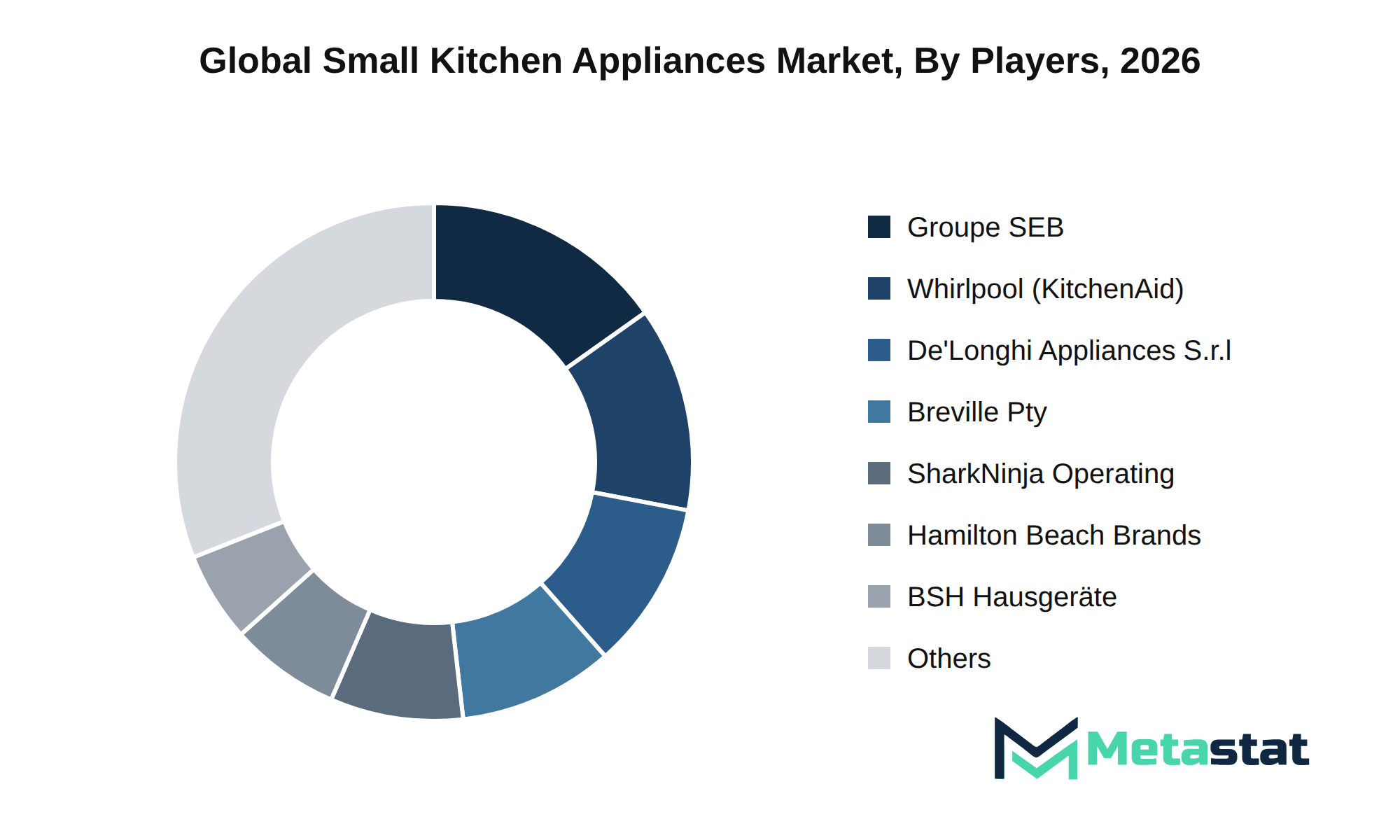
Competition within the Small Kitchen Appliances market intensifies due to strategic consolidation and mergers among key players. Significant players including Groupe SEB, Whirlpool Corporation (KitchenAid), and De'Longhi Appliances S.r.l. actively pursue acquisitions to broaden their product lines and enhance market presence. This trend reflects a critical strategy to address consumer demand for innovative and multifunctional appliances, ultimately driving revenue growth.
Product differentiation plays an important role in maintaining competitive advantage. Companies like Breville Pty Limited and SharkNinja Operating, LLC invest heavily in research and development to introduce unique features that set their products apart. These innovations attract diverse customer segments, including residential and foodservice users, increasing brand loyalty and market share.
Online retail channels experience significant growth, influencing the competitive dynamics in the market. With companies including LG Electronics Inc. and Samsung Electronics Co., Ltd. expanding their e-commerce capabilities, the market sees a shift towards direct-to-consumer models. This change enhances customer engagement and streamlines purchasing processes, leading to improved retention and reduced switching costs.
Intellectual property portfolios and technological defensibility significantly impact competitive positioning. Firms like Koninklijke Philips N.V. and Electrolux leverage patents to protect proprietary technologies, creating barriers to entry for potential competitors. This strategic focus on technological innovation ensures sustained market relevance and profitability in the evolving market of small kitchen appliances.
The future competitive outlook indicates sustained growth across the Small Kitchen Appliances market, driven by increasing consumer preferences for convenience and efficiency. With ongoing investments in product development and strategic partnerships, market players are well positioned to capitalize on emerging trends and changing consumer needs.
Market size is forecast to rise from USD 37.2 billion in 2025 to over USD 59.3 billion by 2033, registering a 6.0% CAGR. This growth trajectory reflects increasing consumer demand driven by changing lifestyles, a greater focus on convenience, and technological advancements in the Small Kitchen Appliances market.
In a bullish scenario, factors including significant investment in research and development, accelerated adoption of innovative technologies, and a robust economic recovery could drive faster-than-expected growth. This scenario could lead to enhanced product offerings and expanded distribution channels, benefiting both manufacturers and consumers.
A bearish scenario arises from economic downturns, rising raw material costs, or regulatory challenges. Such conditions could hinder growth, resulting in slower adoption rates and cautious consumer spending in the market. The momentum seen in the market could face significant headwinds, impacting overall revenue potential.
Strategic capital allocation and infrastructure commitments from major players will play a critical role in shaping the market landscape. Investment in automation, sustainability, and direct-to-consumer channels is likely to create new opportunities and align with evolving consumer preferences.
The forecast period for the Small Kitchen Appliances market presents dynamic shifts influenced by economic cycles, technological advancements, and consumer behavior trends, creating both challenges and opportunities for stakeholders across the industry.
The report strategically identifies and profiles the key market players and analyses their core competencies in each sub-segment of the Small Kitchen Appliances market.
|
Report Attributes |
Details |
|
Study Period |
2021-2033 |
|
Base Year |
2025 |
|
Estimated Year |
2026 |
|
Forecast Period |
2026-2033 |
|
Historical Period |
2021-2025 |
|
Growth Rate |
CAGR 6.0% from 2026 to 2033 |
|
Revenue Unit |
USD billion |
|
Segmentation |
By Product Type, Distribution Channel, Price Range, End User, and Region |
|
By Region |
North America (By Product Type, Distribution Channel, Price Range, End User, and Country)
|
|
Europe (By Product Type, Distribution Channel, Price Range, End User, and Country)
|
|
|
Asia Pacific (By Product Type, Distribution Channel, Price Range, End User, and Country)
|
|
|
South America (By Product Type, Distribution Channel, Price Range, End User, and Country)
|
|
|
Middle East and Africa (By Product Type, Distribution Channel, Price Range, End User, and Country)
|
Find answers to common questions about this report
The Small Kitchen Appliances market size was valued at USD 37.2 billion in 2025.
The Small Kitchen Appliances market is projected to grow at a CAGR of 6.0% during the forecast period from 2026 to 2033.
The North America Small Kitchen Appliances market size is estimated to reach USD 12.6 billion by 2033.
Food Preparation Appliances lead the Small Kitchen Appliances market, with a projected value of USD 12.3 billion by 2033. This segment's growth reflects a compound annual growth rate of 5.3 percent from 2026 to 2033.
The key drivers for the Small Kitchen Appliances market include advancements in digital transformation, automation, and artificial intelligence, which enhance appliance functionality and consumer convenience. Increased consumer demand for smart, efficient devices aligns with lifestyle changes, particularly in urban areas, driving manufacturers to innovate and diversify their product offerings.
The Small Kitchen Appliances market encounters significant challenges due to regulatory compliance demands. Stricter regulations regarding safety standards and energy efficiency require manufacturers to invest heavily in product modifications and testing processes, impacting operational budgets and limiting resources for innovation. Macroeconomic factors, including inflation and supply chain disruptions, contribute to rising production costs, which suppress consumer demand and hinder overall market growth.
Advancements in digital transformation, including automation and artificial intelligence, enhance product adoption in the Small Kitchen Appliances market. Increased consumer demand for convenience and efficiency drives manufacturers to innovate, leading to the creation of smarter appliances that align with modern household needs.
The Small Kitchen Appliances market is estimated to reach a valuation of USD 59.3 billion by 2033.
Key players in the Small Kitchen Appliances market include Groupe SEB, Whirlpool Corporation (KitchenAid), Breville Pty Limited, SharkNinja Operating, LLC, Hamilton Beach Brands, Inc., De'Longhi Appliances S.r.l., and Koninklijke Philips N.V.
The Food Preparation Appliances segment is projected to grow at a compound annual growth rate of 5.3% from USD 8.5 billion in 2026 to USD 12.3 billion by 2033.
The analysts below cover Consumer Goods research at Metastat Insights.
LEAD ANALYST
Utkarsh Khirodkar is a Lead Market Research Analyst at MetaStat Insight, specializing in market intelligence, technology sector assessments, and competitive strategy.
When planning edge sensor rollouts across refinery environments, generic IoT reports typically miss the harsh-environment certification bottlenecks. MetaStat Insight gave an objective evaluation of ATEX and Class 1 Division 2 hardware availability, along with realistic five-year maintenance cycle cost projections. The comparison of wireless mesh versus private cellular backhaul helped our team pressure-test network reliability models for remote processing facilities.
In the biological seed treatment space, registration timelines vary drastically between the European Union, Brazil, and North America. The MetaStat Insight research handled these cross-border regulatory barriers with genuine nuance, mapping commercialization pathways alongside historical field adoption rates. The segmentation between microbial strains and biochemical active ingredients was particularly well structured.
Our team was tracking whether regional recycling infrastructure could realistically absorb the growing volume of lithium iron phosphate batteries over the next decade. The report did a solid job separating announced hydrometallurgical plant capacity from active, permitted operational throughput. That distinction made the feedstock availability projections and regional recovery rate models far more credible than standard commercial overviews.
Explore related market intelligence reports worth reading alongside this one.