
LEAD ANALYST
Utkarsh Khirodkar is a Lead Market Research Analyst at MetaStat Insight, specializing in market intelligence, technology sector assessments, and competitive strategy.

Global Flexitank Market Size, Share, By Layer (Single-Layer Flexitanks and Multi-Layer Flexitanks), By Capacity (Up to 16,000 Liters, 16,001-20,000 Liters, 20,001-24,000 Liters and Above 24,000 Liters), By Material (Polyethylene (PE), Polypropylene (PP) and Multi-Layer Composite), By Application (Edible Oils & Fats, Fruit Juices & Concentrates, Wine & Alcoholic Beverages, Base Oils, Lubricants & Industrial Oils, Pharmaceutical Goods and Others (Dairy Liquids, Potable Water, Liquid Fertilizers)), Industry Analysis, Growth, Trends, and Forecast, 2026-2033
Report ID
MSI-4897
Published
August, 2026
Pages
300 Pages
Format
Historical
Base year
Forecast
Forecast period
Report Details
Choose Your License
Global Flexitank Market
The global Flexitank market was valued at USD 1,652.4 million in 2025 and is projected to reach USD 9,541.1 million by 2033, growing at a CAGR of 24.5% over the forecast period.
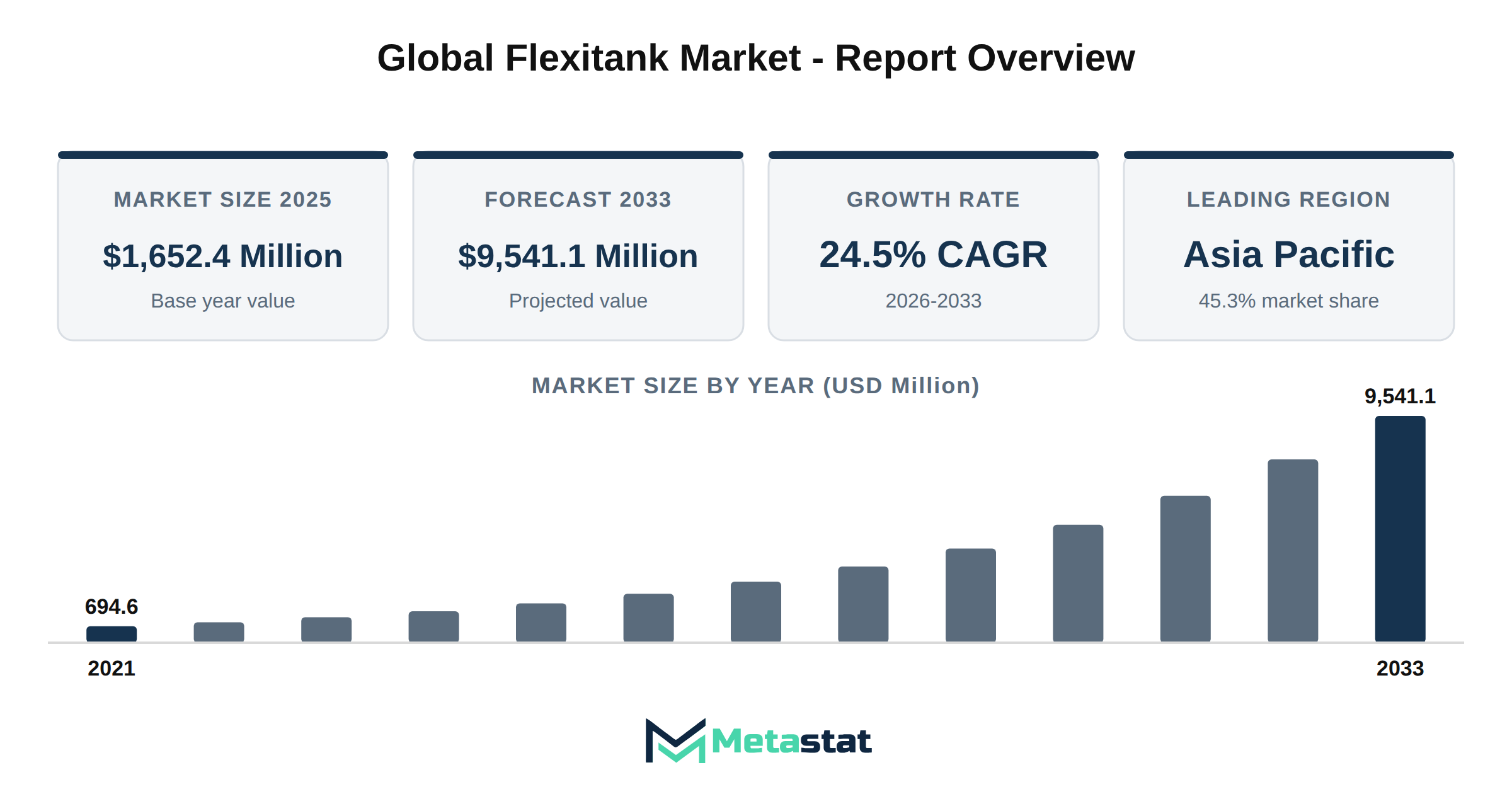
The global Flexitank market reached a value of USD 1,652.4 million in 2025, showing growth from USD 694.6 million in 2021. Projections indicate that the market expands rapidly, with an anticipated value of USD 9,541.1 million by 2033, reflecting a compound annual growth rate (CAGR) of 24.5%. Increasing demand for efficient and cost-effective bulk liquid transportation solutions drives this growth, particularly in food-grade liquid transportation and chemical and oil applications.
Regions including Asia Pacific lead the market, accounting for 45.3% of the total share, followed by Europe at 24.8% and North America at 17.9%. The ongoing shift towards sustainable practices and decarbonization in logistics and transportation further influences market dynamics. Emerging trends in circular economy dynamics and next-gen innovation present opportunities for manufacturers and suppliers within the Flexitank market.
Single-layer and multi-layer flexitanks serve distinct segments within the market. Single-layer flexitanks are expected to grow from USD 550.4 million in 2026 to USD 2,106.7 million by 2033, achieving a CAGR of 21.1%. In contrast, multi-layer flexitanks exhibit a different growth trajectory, projected to reach USD 7,434.4 million by 2033, with a CAGR of 25.6%. This segmentation supports diverse applications, including wine and spirits logistics, which contribute significantly to revenue generation.
Competitive benchmarking among key players including Qingdao LET Flexitank Technology Co., Ltd., DHL Group, and Braid Logistics indicates a fragmented market. Companies pursue strategic collaborations and mergers to enhance their market positioning and address challenges arising from geopolitical risks and regulatory compliance. The overall value chain of the market reflects ongoing investments in infrastructure and capital allocation, facilitating growth and operational efficiency.
The Flexitank market experiences significant growth driven by increasing demand for food-grade liquid transportation, chemical and oil applications, and wine and spirits logistics. The expansion of global trade and the necessity for efficient bulk-liquid transportation solutions contribute to this trend. Single and multi-trip solutions enhance flexibility for logistics providers, catering to diverse industry needs.
Regulatory compliance and adherence to standards remain critical for players in the market. Companies navigate complex geopolitical risk frameworks that impact sourcing and supply chain strategies. Disruption in traditional liquid transportation methods prompts innovation, with research and development trajectories focusing on next-generation solutions. Sustainable transformation, including decarbonization and circular economy dynamics, shapes future developments in the market.
The supply chain landscape evolves, with logistics architecture adapting to new procurement strategies. Capital allocation towards infrastructure investments highlights the importance of capital expenditures and operational expenditures realities in a fluctuating economic environment. Macroeconomic headwinds, including inflationary pressures and currency volatility, challenge market participants while presenting opportunities for strategic positioning.
The future strategic outlook emphasizes corporate imperatives, highlighting the necessity for high-value recommendations that drive profitability and market share. The Flexitank market continues to expand, and continuous adaptation and innovation will determine the success of players in this dynamic environment.
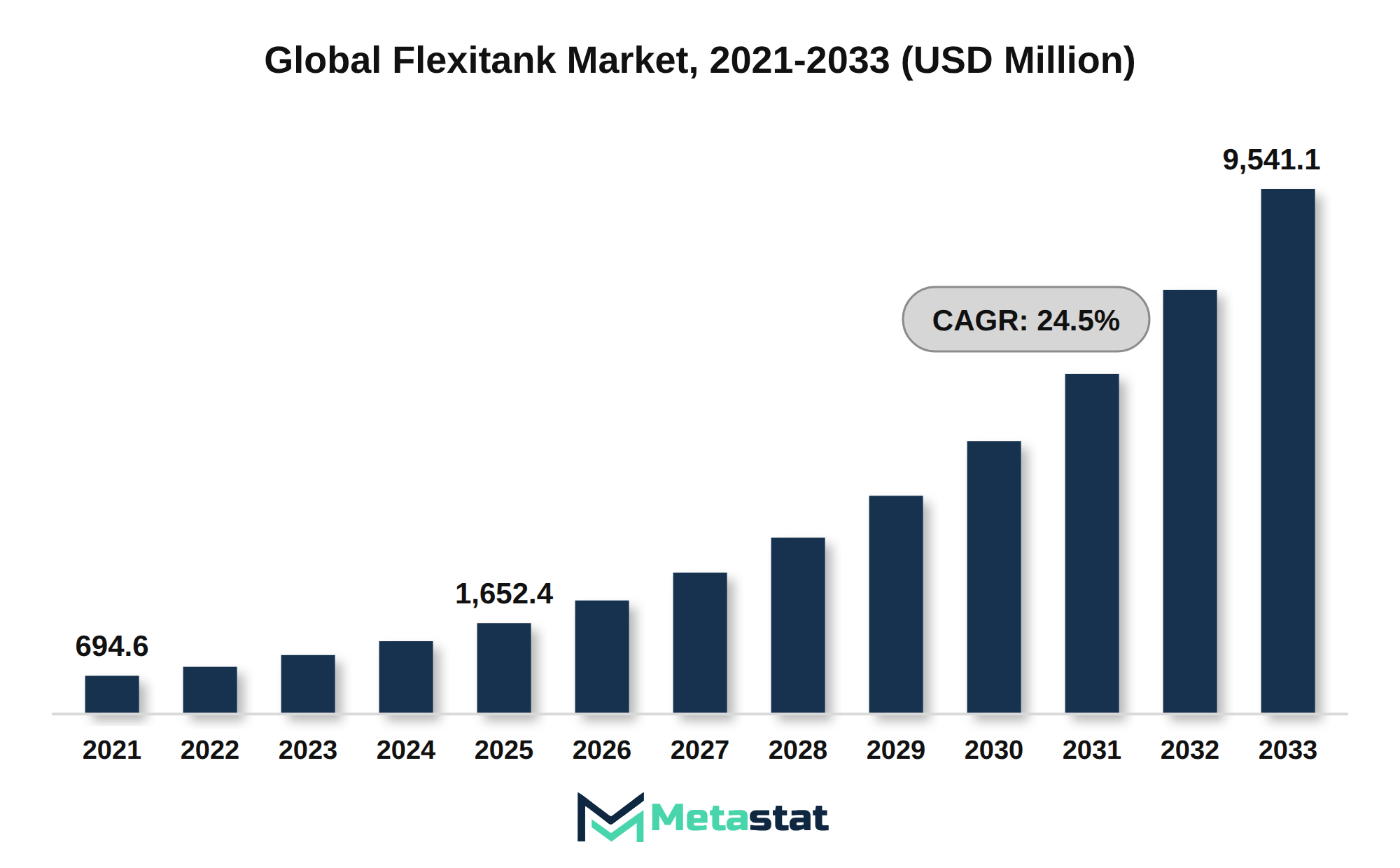
Infrastructure development significantly influences the Flexitank market by enhancing the capabilities of logistics and supply chain operations. Upgrades in physical and digital infrastructure, including transportation networks and storage facilities, facilitate smoother distribution and access to markets. Increased investment in these areas leads to improved efficiency and cost-effectiveness for companies that use flexitank solutions.
Growing demand for efficient logistics solutions in various industries, including food and beverage, pharmaceuticals, and chemicals, accelerates infrastructure improvements. Companies seek ways to optimize their supply chains, and enhanced infrastructure supports this goal by allowing for effective integration of flexitanks into existing operations. This trend results in lower transportation costs and improved delivery times, driving adoption across multiple sectors.
While infrastructure modernizes, the Flexitank market is projected to experience significant growth, with projections indicating a rise from USD 1,652.4 million in 2025 to USD 9,541.1 million by 2033. Investments in infrastructure development provide immediate operational benefits and establish a strong foundation for long-term market sustainability and growth.
The Flexitank market experiences growth driven by changing consumer behaviors that emphasize sustainability and eco-friendly practices. An increasing focus on reducing carbon footprints influences purchasing decisions across various industries, especially those heavily reliant on bulk liquid transportation. This shift results from a growing awareness of climate change and a collective push toward sustainable operational practices.
While demographics shift, consumers gravitate towards brands that demonstrate a commitment to environmental stewardship. Businesses that adopt sustainable packaging solutions, including flexitanks, benefit from increased consumer loyalty and market share. The operational efficiency of flexitanks contributes to reduced waste and lower emissions, aligning with evolving buying preferences that prioritize sustainability.
Investment in eco-friendly technologies and practices strengthens the market position of companies that embrace these changes. The market anticipates significant opportunities for growth resulting from sustainability becoming a central pillar of corporate strategies. This focus on consumer preferences highlights the importance of integrating sustainable practices within the broader context of the flexitank market, ultimately driving demand and creating competitive advantages.
The Flexitank market encounters multiple regulatory challenges that impede growth. Compliance with stringent regulations often requires time-consuming processes and significant financial investment, discouraging new entrants. Industries involved, particularly those dealing with food and pharmaceuticals, face rigorous adherence to safety and quality standards. These requirements lead to increased operational costs, which diminish profit margins for suppliers. The outcome is a slower market expansion resulting from companies allocating resources to meet compliance standards instead of innovating or enhancing operational efficiency.
Macroeconomic headwinds, including inflationary pressures, contribute to rising costs for materials and labor, affecting the overall profitability of players in the market. Such economic factors limit the ability of firms to invest in new technologies or capacity expansions. Consequently, this stagnation slows down the pace of market adaptation and innovation, reducing competitiveness. Economic conditions and regulatory requirements create a challenging environment for sustaining growth in the Flexitank market.
Resource scarcity poses another significant restraint, affecting the supply chain and hindering the availability of necessary materials for production. Disruptions due to geopolitical instability further exacerbate these challenges, leading to unpredictable costs and delays in production schedules. These factors create uncertainty and risk, making it difficult for firms to maintain consistent supply levels, ultimately impacting their ability to meet market demand effectively.
Geopolitical tensions significantly disrupt supply chains within the Flexitank market, leading to instability in sourcing and distribution networks. The ongoing fragmentation of trade policies results in higher tariffs and increased operational complexities. Suppliers face challenges in navigating these trade impediments, which influence material availability and pricing dynamics.
Trade deficits across key regions exacerbate the situation, limiting the flexibility and responsiveness of suppliers in meeting demand fluctuations. This condition forces many manufacturers to adapt quickly to changes within the market, resulting in increased operational costs and reduced profit margins.
Technological disruptions further complicate the landscape, with rapid advancements requiring extensive integration efforts. Companies struggle with interoperability issues between new technologies and existing systems, resulting in bottlenecks and inefficiencies. Integration challenges impede the ability of companies to innovate and respond effectively to market demands.
Competition intensifies due to market saturation, with numerous players vying for limited demand. This saturation pressures pricing, compelling companies to decrease their prices, which adversely affects profitability. Companies operating within the market invest strategically to differentiate themselves and maintain a sustainable competitive edge.
Rising input costs and workforce skill gaps hinder operational efficiency. Companies struggle to retain talent and adapt to automation trends, leading to further challenges in maintaining productivity levels. The combination of these factors creates a complex environment for the Flexitank market, impacting growth trajectories and overall market health.
Growing demand for sustainable packaging solutions drives opportunities within the Flexitank market. Industries increasingly focus on eco-friendly practices, prompting suppliers to embrace innovations that minimize environmental impact. This shift aligns with the broader sustainability imperative prevalent across manufacturing and logistics sectors.
Infrastructure modernization enhances the operational efficiency of the market. Upgrading facilities and transportation networks facilitates the adoption of advanced Flexitank technologies, which support higher capacity and improved safety features. Such modernization meets the needs of various industries, including food and beverage, chemicals, and pharmaceuticals, strengthening long-term demand.
Geographical expansion of Flexitank applications presents significant growth potential. Emerging markets, particularly in Asia Pacific and South America, exhibit increasing demand for flexible bulk transportation solutions, reflecting the region's economic growth. This trend creates a favorable environment for market players to introduce tailored offerings to address local needs, expanding the addressable base.
Technological disruptions contribute to the advancement of the Flexitank market. Innovations in materials and design enhance the durability and versatility of Flexitanks, enabling them to cater to diverse applications, from edible oils to industrial liquids. These advancements create competitive advantages for suppliers while meeting the evolving demands of customers, increasing investment across the value chain.
Digital transformation influences the purchasing behavior within the market. The shift towards digital procurement platforms streamlines the buying process, allowing buyers to access a wider range of products efficiently. Suppliers who leverage these platforms enhance their visibility and improve customer engagement, creating opportunities for growth.
The evolving landscape of the Flexitank market presents a wealth of opportunities driven by sustainability, infrastructure modernization, and technological advancements. Market participants that adapt to these trends position themselves favorably for long-term growth and profitability.
The Global Flexitank market is segmented based on Layer, Capacity, Material, and Application.
Expected value for the Single-Layer Flexitanks segment stands at USD 550.4 million in 2026, with projections indicating growth to USD 2,106.7 million by 2033, reflecting a compound annual growth rate (CAGR) of 21.1% throughout the forecast period. This growth results from increasing demand for efficient bulk liquid transportation, particularly in industries including food and beverages, pharmaceuticals, and chemicals, where stringent quality standards and cost efficiencies drive adoption.
Technological advancements contribute to segment expansion, with innovations in materials and design enhancing the performance characteristics of single-layer flexitanks. These advancements facilitate improved barrier properties, leading to heightened product integrity during transport. Regulatory compliance remains a significant factor, driven by industries adhering to safety and environmental standards, ensuring product safety during transit. This adherence promotes greater acceptance and integration of single-layer flexitanks across diverse applications.
Market dynamics indicate a strong upward trend, with major players investing in research and development to address evolving consumer preferences and sustainability concerns. The strategic focus on developing next-generation upgrades enhances the operational efficiency of products while providing cost-effective solutions for end-users. Companies including Qingdao LET Flexitank Technology Co., Ltd., DHL Group, and Braid Logistics operate in this segment, actively pursuing competitive advantages through innovation and expanded market reach.
Consumption shifts toward sustainable packaging solutions further support growth within the segment. End-users increasingly prioritize environmentally friendly options, leading to a rise in demand for products that minimize waste and reduce carbon footprints. Continuous investment in supply chain resilience and raw material sourcing assures consistent availability of single-layer flexitanks, mitigating potential disruptions and enhancing market stability.
Recent growth in the Multi-Layer Flexitanks segment aligns with increasing demand for efficient bulk liquid transportation solutions. Heightened awareness of sustainability and cost-effectiveness drives adoption among various industries including food and beverage, chemicals, and pharmaceuticals. Regulatory compliance related to packaging safety and environmental standards encourages manufacturers to invest in multi-layer technologies. Enhanced product durability and flexibility further support this trend, allowing for improved transportation methods in diverse applications.
Technological maturation contributes to expanding the scope of multi-layer flexitanks. Advancements in materials science, particularly in multi-layer composite materials, enhance the performance characteristics of these flexitanks, providing better protection for sensitive liquid cargoes. This evolution attracts investments, driven by manufacturers recognizing the potential for higher margins and better market positioning.
By 2033, the Multi-Layer Flexitanks segment is estimated to reach USD 7,434.4 million, at a CAGR of 25.6% during the forecast period. This growth reflects the segment's ability to meet emerging consumer needs and adapt to market shifts effectively. Strategic opportunities arise from expanding applications in sectors demanding high-volume liquid handling, including edible oils, beverages, and pharmaceuticals.
Pricing volatility and cost structures specific to multi-layer flexitanks warrant attention owing to manufacturers navigating raw material sourcing challenges. Fluctuations in material costs impact profit margins, compelling firms to optimize their supply chains and explore alternative sourcing strategies. Sustained growth in the market hinges on the ability to maintain competitive pricing while addressing these pressures.
The market for multi-layer flexitanks is increasingly competitive, with numerous players striving to capture market share. Companies including Qingdao LET Flexitank Technology Co., Ltd. and DHL Group actively contribute to innovation and market expansion. Strategic investments and partnerships drive enhanced product offerings and greater market penetration.
Significant demand for the Up to 16,000 Liters flexitank segment arises from industries that require efficient and cost-effective solutions for transporting bulk liquids. Increased focus on safety and environmental compliance drives adoption within sectors including food and beverage, pharmaceuticals, and chemicals. Supply chain resilience supports growth in this segment, driven by businesses seeking to mitigate disruptions and enhance efficiency.
Technological maturation in flexitank manufacturing enhances product performance and reliability, making these solutions highly attractive for customers. Continuous advancements in materials and design contribute to product evolution, allowing for better storage and transport capabilities. Downstream applications in edible oils, fruit juices, and pharmaceuticals lead to increased consumption shifts favoring flexitank usage.
Cost structures present challenges within the segment, particularly related to raw material sourcing and pricing volatility. Manufacturers face margin pressures due to fluctuating costs of polyethylene and other materials used in flexitank production. Regulatory compliance standards and certifications shape market dynamics, ensuring product safety and quality across various applications.
Strategic opportunity windows arise from the growing need for sustainable packaging solutions. Businesses recognize the advantages of using flexitanks to reduce waste and enhance shipping efficiency. This trend encourages investment in the segment, driving innovation and enhancing competitive positioning within the flexitank market.
Demand for flexitanks in the 16,001-20,000 Liters segment has gained traction owing to the increasing need for bulk transport solutions among manufacturers and distributors. Industries including edible oils, pharmaceuticals, and chemicals drive this demand, because they seek to optimize transportation costs and improve supply chain efficiency. The expanding global trade has intensified the requirement for flexible and cost-effective shipping options.
Technological maturation enhances segment growth, with advancements in materials and production techniques improving flexitank performance and reliability. Innovations in multi-layer composite materials enable superior barrier properties and improved durability, catering to the specific needs of sensitive liquids. This evolution aligns with the broader trend of enhancing sustainability and reducing environmental impact in packaging.
Regulatory compliance and certifications further impact this segment, because adherence to safety and quality standards remains critical for manufacturers. Strict regulations concerning the transport of hazardous materials necessitate reliable solutions, increasing demand for flexitanks that meet these requirements. Companies investing in compliance certification experience a competitive advantage, attracting clients from diverse industries.
Cost structures and pricing volatility directly influence purchasing decisions within the market. Fluctuations in raw material prices affect overall costs, prompting businesses to seek efficient supply chain strategies to mitigate such impacts. Strategic partnerships with raw material suppliers and logistics providers enhance supply chain resilience, ensuring stable product availability and competitive pricing.
Overall, the 16,001-20,000 Liters segment within the flexitank market features a dynamic combination of demand drivers, technological advancements, and regulatory factors, positioning it for sustained growth in the coming years.
Demand for flexitanks in the 20,001-24,000 Liters segment arises from the need for efficient bulk transportation solutions across various industries. Key drivers include rising consumption of liquid products, where larger capacity options facilitate more streamlined logistics. Industries including food and beverage, chemicals, and pharmaceuticals increasingly adopt flexitanks to optimize supply chain operations and enhance product safety during transit.
Expansion catalysts for this segment involve advancements in flexible packaging technology, enabling manufacturers to produce more robust and reliable solutions. Improved material composition and design innovations contribute to enhanced durability and reduced leakage risks, making these flexitanks more appealing to end-users. The market for flexitanks experiences pressure to comply with stringent regulatory standards concerning transportation, safety, and environmental sustainability, further driving demand for specific capacity ranges.
Shifts in consumption patterns toward bulk liquids support growth in this segment. While industries seek cost-effective alternatives to traditional transportation methods, flexitanks present viable solutions. The competitive landscape features several key players, including Qingdao LET Flexitank Technology Co., Ltd. and DHL Group, who invest in product development and market expansion efforts to capture a larger share of the flexitank market.
Challenges related to supply chain resilience and raw material sourcing impact operational costs in this segment. Fluctuations in pricing and margin pressures necessitate strategic planning by suppliers to maintain profitability. Increasing awareness of the benefits of flexitanks in various applications further strengthens their position within overall market dynamics.
Growing demand for flexitanks with capacities above 24,000 liters arises from industries requiring bulk transportation solutions for liquids, particularly in the food and beverage sector, where larger volumes are essential. The expansion of production capacities and a rise in export activities further drive this demand, driven by manufacturers seeking efficient logistics solutions for high-volume shipments.
Technological advancements in flexitank design enhance the appeal of larger capacity options. Improved materials and manufacturing processes contribute to better safety, durability, and compatibility with various liquid types, leading to increased adoption in sectors including pharmaceuticals and industrial liquids. Consumers prioritize reliable and cost-effective transportation methods, propelling the growth of the flexitank market.
Significant investment in infrastructure, including ports and distribution networks, supports the expansion of this segment by facilitating the efficient handling of larger shipments. Regulatory compliance and certification standards, particularly for food-grade and pharmaceutical applications, necessitate rigorous quality controls, influencing purchasing decisions and creating competitive differentiation among suppliers.
Market participants focus on strategic opportunity windows that arise from shifting consumption patterns, particularly in emerging markets with growing economies. Increased focus on sustainability within logistics operations influences manufacturers to seek innovative solutions, with larger flexitanks representing a more eco-friendly alternative to traditional shipping methods, reducing packaging waste and transportation costs.
While margin pressures intensify, companies operating in the flexitank market respond by optimizing their supply chains and raw material sourcing strategies. Addressing logistics vulnerabilities and substitution risks is crucial for maintaining competitiveness and ensuring product availability. The continuous evolution of flexitank technology and the emergence of disruptive alternatives will shape the future of this segment.
Growing interest in sustainable packaging solutions significantly influences demand for polyethylene (PE) within the flexitank market. Industries focusing on environmentally friendly practices increasingly adopt PE due to its recyclable nature and lower carbon footprint compared to traditional packaging materials. The shift towards eco-conscious alternatives aligns with broader sustainability goals, particularly among food and beverage producers. This trend enhances market growth, driven by companies pursuing materials that support their environmental commitments.
Technological advancements play a critical role in enhancing the performance of polyethylene-based products. Innovations in manufacturing processes improve the material's strength and flexibility, enabling manufacturers to create more durable and cost-effective flexitanks. These improvements attract a diverse range of industries, including agriculture, chemicals, and pharmaceuticals, which benefit from enhanced product protection during transportation and storage. Consequently, the market experiences a shift towards higher-quality materials, leading to increased investment in polyethylene technologies.
End-use dynamics highlight the increasing application of PE in diverse sectors. The food and beverage industry drives significant consumption, particularly for liquid products including oils, juices, and alcoholic beverages. Regulatory compliance standards further influence adoption, with stringent requirements on packaging materials pushing manufacturers towards PE solutions that meet safety and quality guidelines. This focus on compliance builds trust among consumers and businesses, enhancing overall market growth.
Cost structures and pricing volatility are critical considerations in the polyethylene segment. Fluctuations in raw material prices impact production costs, influencing market pricing strategies. Manufacturers actively seek ways to mitigate these impacts, including optimizing supply chain efficiency and exploring alternative sourcing options. This approach supports profit margins while maintaining competitive pricing in the flexitank market.
Strategic opportunity windows emerge owing to demand for polyethylene flexitanks continuing to rise. Companies exploring new applications and expanding their geographic reach discover untapped potential in emerging markets. This expansion provides avenues for growth, leading to increased investment in marketing and distribution channels tailored for specific regional demands. The focus on strategic opportunities enables enhanced market penetration and long-term success.
Demand for polypropylene (PP) in the flexitank market arises from its favorable properties, including chemical resistance, lightweight nature, and flexibility. These attributes make PP an ideal material for transporting a wide range of liquids, particularly in industries including food and beverage, pharmaceuticals, and chemicals. The focus on sustainable and efficient logistics drives manufacturers to select materials that enhance product integrity while minimizing environmental impact.
Technological maturation in polymer production has improved the quality and performance of PP, attracting further adoption in the flexitank sector. Innovations in material processing techniques have led to enhanced strength and durability, addressing previous limitations. Manufacturers prioritize PP for its cost-effectiveness and ability to withstand various environmental conditions during transportation.
End-use dynamics reflect a growing preference for flexible packaging solutions that accommodate diverse liquid types, influencing market growth. Regulatory compliance standards promote the use of PP in food-grade applications, ensuring safety and quality. Industries shift towards more sustainable practices, and the demand for PP aligns with evolving customer preferences for eco-friendly solutions.
Pricing volatility in raw material sourcing remains a challenge for manufacturers, impacting cost structures within the market. Fluctuations in oil prices influence PP production costs, creating margin pressures. Companies explore alternative sourcing strategies to mitigate risks associated with price instability.
Supply chain resilience has become a critical focus area, with manufacturers developing strategies to strengthen sourcing and distribution networks. This approach addresses logistics vulnerabilities by ensuring a consistent supply of high-quality PP for flexitank production. The capital investment outlook is positive, driven by increasing demand for flexitanks across various sectors, indicating strong growth potential in the polypropylene segment of the flexitank market.
Growing demand for multi-layer composite materials in the Flexitank market derives from their advantageous properties, including enhanced strength and durability, which are critical for transporting various liquid goods. Industries including food and beverages, pharmaceuticals, and chemicals increasingly recognize the benefits of using these advanced materials, contributing to a shift in adoption patterns among suppliers and end-users. The multi-layer composite construction offers superior barrier properties, ensuring product integrity during transit, which aligns with heightened consumer expectations for quality and safety.
Technological maturation supports the expansion of the multi-layer composite segment. Continuous advancements in material science facilitate the development of cost-effective and efficient manufacturing processes, enabling producers to enhance product offerings. This progression motivates manufacturers to explore next-generation upgrades, resulting in improved product performance and increased competition within the market. Investment in research and development supports the evolution of multi-layer composites, further reinforcing their position in the Flexitank market.
The multi-layer composite segment benefits from growing end-use dynamics, particularly in the edible oils and beverages sectors, where quality and safety are critical. Shifting consumer preferences towards sustainable and safe packaging solutions strengthen the demand for advanced materials. Factors including regulatory compliance and safety certifications influence purchasing decisions, making compliance with industry standards a crucial consideration for manufacturers. Strategic investments in compliance and certifications enhance market competitiveness.
Pricing volatility represents a challenge for the multi-layer composite segment, primarily driven by fluctuations in raw material costs. While manufacturers strive to maintain cost structures, external factors including supply chain vulnerabilities and geopolitical tensions create pressure on margins. Addressing these challenges requires a focus on supply chain resilience and strategic sourcing to mitigate risks associated with raw material procurement.
Opportunities arise from strategic windows within the multi-layer composite segment, particularly for companies focused on innovation and product differentiation. Emerging markets exhibit increasing interest in advanced flexitank solutions, providing a pathway for firms to expand their footprint. Capital investment in new technologies and production capabilities positions players to capitalize on these trends, ultimately leading to enhanced market presence and growth potential.
Demand for edible oils and fats experiences substantial growth, driven by increased consumer preference for healthy and natural ingredients in food products. This shift in consumer behavior encourages manufacturers to explore flexible and efficient packaging solutions, including flexitanks. The segment benefits from significant expansion catalysts, including the rising popularity of plant-based oils and the growing food processing industry.
Technological maturation contributes to the segment's development, enabling manufacturers to adopt advanced flexitank solutions that improve storage and transportation of edible oils. Continuous product evolution aligns with changing consumer preferences, emphasizing the need for more sustainable and environmentally friendly packaging options. End-use dynamics reflect a strong focus on quality, safety, and convenience in the food sector, which further drives demand for flexitanks in this application.
Compliance with regulatory standards related to food safety and quality assurance influences market dynamics. Companies navigate various certifications and policies that govern the transportation of edible oils and fats, impacting their operational strategies. Pricing volatility in raw materials, including vegetable oils, presents challenges and margin pressures for suppliers. This situation prompts suppliers to seek cost-effective logistics solutions.
Supply chain resilience plays a critical role in ensuring the availability of raw materials for the edible oils and fats segment. Strategic opportunities arise from addressing logistics vulnerabilities and substitution risks associated with traditional transportation methods. Companies exploring disruptive alternatives, including flexitanks, position themselves to capture the growing demand for efficient and sustainable packaging solutions within the flexitank market.
Growing interest in health-conscious beverages drives demand for the Flexitank market, particularly in the Fruit Juices & Concentrates segment. Increased consumer awareness regarding nutritional benefits and natural ingredients leads to a shift towards fresh and organic juices, increasing utilization of flexitanks for transportation and storage. This shift aligns with rising production volumes and the need for efficient distribution channels among manufacturers.
Technological advancements in juice extraction and processing enhance product quality, further supporting the segment's evolution. Adoption of innovative preservative techniques and packaging solutions ensures longer shelf life and better flavor retention in juice products. Producers leverage flexitanks for their cost-effectiveness and ability to minimize product spoilage during transit. Improved profit margins result from these efficiencies.
Regulatory compliance regarding food safety and environmental standards influences operational practices in this segment. Companies prioritize certifications that assure quality and safety, which aligns with consumer demands and increases confidence in product sourcing. Stringent regulations create challenges that drive investments in better logistics and supply chain resilience. These factors contribute to higher operational costs.
Pricing volatility in raw materials, particularly fruit commodities, creates margin pressures for juice producers. Fluctuations in supply due to climatic conditions impact sourcing strategies, leading to increased costs for manufacturers. Managing these costs through flexible logistics solutions, including flexitanks, enhances competitive positioning in the market.
Strategic opportunity windows emerge owing to consumer preferences evolving towards unique and exotic fruit blends. Manufacturers focus on product evolution, introducing new flavors and healthier alternatives to cater to this demand. Engaging in market research allows producers to identify white-space opportunities, optimizing their product offerings and enhancing market penetration.
Capital investment outlook remains strong owing to companies seeking to upgrade processing facilities and expand production capacity. Investments in next-gen technologies, including automated systems for filling and sealing, enhance operational efficiency and reduce labor costs. This trend establishes a robust foundation for sustained growth within the Fruit Juices & Concentrates segment of the market.
Demand for flexitanks in the wine and alcoholic beverages segment stems from increasing global consumption of these products. This growth is driven by rising disposable incomes and evolving consumer preferences for premium and diverse alcoholic beverages. Wineries and distilleries seek efficient transportation solutions to maintain product integrity and quality, which enhances the appeal of flexitanks. The need for cost-effective, sustainable packaging significantly influences this sector's adoption of flexitanks.
Regulatory compliance standards for transporting alcoholic beverages vary by region, creating a complex environment for suppliers. Adherence to these regulations influences the choice of packaging. Certifications that ensure safe transportation and preservation of product quality are critical, affecting market entry strategies. Companies providing flexitanks navigate these standards to optimize their product offerings for this application.
Supply chain resilience remains essential for the wine and alcoholic beverages market. Fluctuations in raw material sourcing impact production costs and availability. Strategic partnerships and investments in logistics infrastructure enhance supply chain robustness, ensuring timely delivery and reducing potential disruptions. This focus on supply chain efficiency supports overall market growth.
Technological advancements continue to shape the flexitank market, introducing next-generation upgrades that improve durability and usability. Innovations in materials and design contribute to better performance in transporting sensitive liquids including wine and spirits. Such developments present strategic opportunity windows for manufacturers, enabling them to capture a larger share of the expanding market.
Consumption shifts towards organic and locally sourced alcoholic products influence packaging choices, with an emphasis on sustainable practices. This trend highlights the importance of adapting flexitank offerings to align with evolving consumer expectations. Market players that develop environmentally friendly solutions gain a competitive advantage, positioning themselves favorably in the market.
Overall, the wine and alcoholic beverages segment is significant in the flexitank market. Its growth prospects are supported by evolving consumer preferences, regulatory compliance, and technological innovations that enhance transportation efficiency and product quality.
Demand for base oils, lubricants, and industrial oils influences the Flexitank market significantly, driven by the increasing need for effective transportation solutions within these sectors. The expansion of the automotive and manufacturing industries has heightened the requirement for efficient fluid management and storage, propelling the adoption of flexitanks. Companies seek to optimize logistics and reduce costs, leading to enhanced operational efficiencies. Regulatory compliance concerning hazardous materials and environmentally friendly practices motivates a transition towards flexible and sustainable packaging options.
Technological advancements in materials and production processes drive innovation in the flexitank sector, enabling the introduction of next-generation products that meet evolving customer requirements. Enhanced durability and chemical resistance of materials used in flexitanks support their suitability for transporting various industrial oils. The market experiences consumption shifts resulting from businesses increasingly preferring flexible and lightweight shipping solutions over traditional bulk containers. These traditional containers require more significant capital investment and resources.
Strategic opportunity windows arise from the need for improved supply chain resilience, particularly in response to global disruptions. Companies that actively invest in raw material sourcing and logistics optimization position themselves favorably within the market. Rising pricing volatility associated with raw materials creates margin pressures, prompting organizations to explore competitive pricing strategies and adopt more efficient production methods. Overall, these dynamics create a robust environment for the continued growth of the flexitank market.
Growing relevance of the pharmaceutical sector significantly drives demand for flexitanks, particularly owing to the need for safe and efficient transportation of sensitive goods. Compliance with stringent regulatory standards in the industry necessitates solutions that offer high safety and reliability, enhancing the appeal of flexitanks designed specifically for pharmaceutical applications. Enhanced focus on optimizing supply chain operations influences producers to adopt flexitanks, which provide a cost-effective alternative to traditional packaging methods.
Adoption of innovative technologies significantly shapes this segment, with advancements leading to the development of flexitanks that meet the unique requirements of pharmaceutical goods. These technological improvements facilitate better temperature control, contamination prevention, and overall product integrity during transit. The pharmaceutical industry continues to expand globally, and the demand for efficient logistics solutions becomes more critical, positioning flexitanks because a favorable choice among manufacturers and distributors.
Investment in infrastructure and logistics capabilities further supports the growth of the flexitank market, particularly within the pharmaceutical sector. Increased capital allocation toward modernizing transportation and storage facilities allows for enhanced operational efficiencies. Strategic opportunities arise for companies that focus on developing tailored solutions, addressing the specific needs of pharmaceutical clients while ensuring compliance with health and safety regulations.
Market players investing in research and development for next-generation flexitank products with improved performance metrics position themselves advantageously in an evolving landscape. The pharmaceutical goods segment benefits significantly from these advancements, because companies seek to enhance their competitive edge. Overall, the focus on safety, efficiency, and compliance in the pharmaceutical sector drives continued interest in flexitank solutions.
Demand for flexitanks in dairy liquids, potable water, and liquid fertilizers reflects evolving consumer preferences and environmental considerations. Increasing awareness regarding sustainable packaging spurs adoption in the food and agriculture industries, where the need for safe and efficient transport of perishable and sensitive products is critical. The agricultural sector's focus on efficient fertilizer distribution enhances the relevance of flexitank solutions.
Technological advancements in flexitank design boost operational efficiency, enabling better handling and storage of various liquids. Enhanced durability and compatibility with diverse liquid types position flexitanks because a preferred choice for transporting dairy and liquid fertilizers, which often have specific handling requirements. This evolution aligns with market trends towards maximizing the efficiency of supply chain operations.
Regulatory compliance standards significantly influence the market dynamics. Adherence to food safety regulations and quality assurance requirements drives the demand for certified flexitank solutions. Manufacturers responding to these standards ensure product integrity during transportation, which is particularly crucial in the dairy segment, where freshness and quality are vital.
The growing focus on environmental sustainability enhances the appeal of flexitanks. With increasing restrictions on single-use plastics, industries seek alternative solutions that align with sustainability goals. Flexitanks provide a reusable option, reducing waste and contributing to more sustainable practices in liquid transportation.
Cost structures remain a critical factor. The integration of flexitanks into supply chains reduces logistics costs through improved loading efficiency and decreased freight rates. This economic advantage positions flexitanks favorably against traditional shipping methods, providing a compelling case for industries looking to optimize their operational expenditure.
Strategic opportunities arise from the expanding applications of flexitanks across various sectors. The flexibility of these containers allows for tailored solutions that cater to the unique needs of dairy, potable water, and liquid fertilizers. This versatility drives further market penetration, driving investment and innovation within the sector.
Based on geography, the Global Flexitank market is divided into North America, Europe, Asia-Pacific, South America, Middle East, and Africa.
North America Flexitank Market is set to expand at a CAGR of 24.5% within the forecast period, reaching a market size (TAM) of USD 1,624.9 million by the end of 2033. The region holds a share of the global market, accounting for 17.9% in 2025. Demand for flexitanks largely stems from the growing consumption of packaged goods, particularly in the food and beverage sectors, which emphasize the need for efficient transportation solutions.
The United States, Canada, and Mexico represent key markets within this region, driven by infrastructure modernization and increasing logistics efficiency. Companies are investing in localized manufacturing to meet the rising demand for flexitanks, thus enhancing supply chain agility. This trend influences regional adoption and boosts competitiveness among domestic players.
Emerging market front-runners focus on high-value replacement cycles, addressing the growing need for durable and reliable packaging solutions. Various industries, including pharmaceuticals and food processing, contribute to the overall growth of the market by adopting advanced flexitank technologies. Increased cross-border trade corridors further facilitate the expansion of flexitanks, allowing businesses to explore new markets effectively.
Geopolitical fragmentation and regional compliance mandates influence market dynamics. Companies operating in North America prioritize adherence to local regulations, ensuring safety and quality standards. This focus on compliance enhances consumer confidence and drives demand for flexitanks across multiple applications.
Supply chain regionalization and nearshoring initiatives enhance the attractiveness of North America because a manufacturing hub. The flexibility of flexitanks aligns with the needs of businesses aiming to optimize logistics while minimizing costs. Domestic market participants, including Qingdao LET Flexitank Technology Co., Ltd. and DHL Group, play a crucial role in shaping competitive landscapes through strategic partnerships and innovation.
The North America flexitank market demonstrates significant growth potential, driven by a combination of demand from various industries, infrastructure advancements, and a focus on regulatory compliance. The evolving market landscape positions regional players to capitalize on emerging opportunities while navigating challenges presented by the dynamic global economy.
Europe represents a substantial share of the flexitank market. Demand for flexitanks in this region arises from a combination of factors, including the expansion of industries that support bulk liquid transportation. Countries including Germany, France, the UK, Italy, and Spain exhibit robust industrial activities that generate substantial demand for flexible liquid storage solutions.
Infrastructure modernization and regional compliance requirements drive adoption in Europe. This aligns with the market's shift towards more efficient and sustainable packaging solutions. Emerging markets within Europe, particularly in Eastern territories, exhibit underpenetrated opportunities for flexitank growth, driven by local industries recognizing the operational benefits of these solutions.
Domestic market participants in the region, including established players like DHL Group and Braid Logistics, influence the competitive landscape. Their strategies focus on enhancing service offerings and expanding capacity to meet rising demand. Cross-border trade corridors and localized manufacturing processes further enhance market positioning, allowing European companies to capitalize on regional advantages.
Energy grid resiliency and local infrastructure readiness significantly shape market dynamics. Investment in these areas supports the flexitank market's growth trajectory. The region's high-value replacement cycles and incremental growth vectors continue to present favorable opportunities for both existing and new market participants. Overall, Europe presents a promising environment for flexitank adoption, characterized by structural demand drivers and a competitive environment that encourages innovation.
The Asia-Pacific region holds a substantial share of the global flexitank market. A strong push towards sustainable packaging solutions, alongside the rise of e-commerce, drives demand for flexible bulk containers across various industries. Key markets within the region include China, Japan, India, South Korea, Australia, and Southeast Asia, with each exhibiting unique characteristics influencing growth trajectories.
China leads the region, spurred by rapid industrialization and an expanding logistics sector. Investments in infrastructure modernization enhance the efficiency of supply chains, creating an environment conducive to flexitank adoption. Japan's high value placed on innovative packaging solutions aligns with increasing health-conscious consumer trends, further fueling the market. In India, growing exports of perishables and chemicals stimulate demand, while South Korea’s developed economy supports increased usage across diverse applications.
Australia exhibits a mature market dynamic, with companies seeking to replace traditional bulk transport methods with more efficient alternatives. Southeast Asia benefits from a combination of rising manufacturing capacities and improving trade corridors, enhancing regional supply chain effectiveness. Competitive pressures in these markets prompt local players to innovate, driving advancements that cater to the evolving needs of customers.
Overall, the Asia-Pacific flexitank market is poised for robust growth, driven by a range of factors that include rising demand for environmentally friendly packaging, improvements in logistics infrastructure, and increasing international trade activities. Companies operating in this space focus on expanding their capabilities to meet the anticipated rise in demand, strengthening their positions within this dynamic market.
Brazil and Argentina emerge because key players in the South American flexitank market, contributing significantly to the regional share. The market's growth is driven by increasing demand for flexible packaging solutions in various industries, including food and beverage, pharmaceuticals, and chemicals. Enhanced logistics capabilities and infrastructure modernization play vital roles in facilitating this growth. The rise of localized manufacturing densities in urban centers supports the adoption of flexitanks, streamlining supply chains.
The competitive landscape features several noteworthy companies, including Qingdao LET Flexitank Technology Co., Ltd. and DHL Group, among others. These firms capitalize on cross-border trade corridors that connect South America to global markets. By leveraging local procurement dynamics and adapting to cultural nuances, businesses enhance their operational efficiencies within the flexitank market.
Regional resource availability and energy grid resiliency further strengthen the market's potential. Investments in infrastructure and foreign direct investment flows have created favorable conditions for growth in the region. South America is projected to maintain a share of 7.00% of the global market by 2025, indicating a robust trajectory for expansion in the coming years.
The Middle East and Africa represent a growing segment in the flexitank market, accounting for 5.00% of the global share in 2025. Rising demand for flexible and efficient transportation solutions fuels this growth, particularly in countries like Saudi Arabia, UAE, and South Africa, where industrial activities are expanding. The region's strategic geographical position enhances its role due to a trade corridor, facilitating cross-border transactions and supply chain efficiency.
Infrastructure modernization in the Middle East and Africa supports the adoption of flexitanks. Industries increasingly seek innovative logistics solutions. The emergence of local manufacturers and suppliers contributes to the market's expansion, allowing businesses to respond to regional demands effectively. Local compliance mandates and regulatory frameworks influence market dynamics, shaping procurement strategies and operational standards.
The market experiences high-value replacement cycles driven by the need for advanced and efficient packaging solutions. Companies operating in the region focus on improving product offerings to meet evolving customer preferences. Investment in localized production capabilities and nearshoring initiatives enhances the competitive landscape, enabling businesses to optimize supply chains and reduce costs.
Cultural nuances play a significant role in B2B buying behaviors, influencing procurement patterns and decision-making processes. Understanding local market dynamics proves essential for suppliers aiming to establish a foothold in the region. Overall, the Middle East and Africa present significant opportunities for growth in the flexitank market, driven by a combination of industrial demand, regulatory frameworks, and evolving consumer preferences.
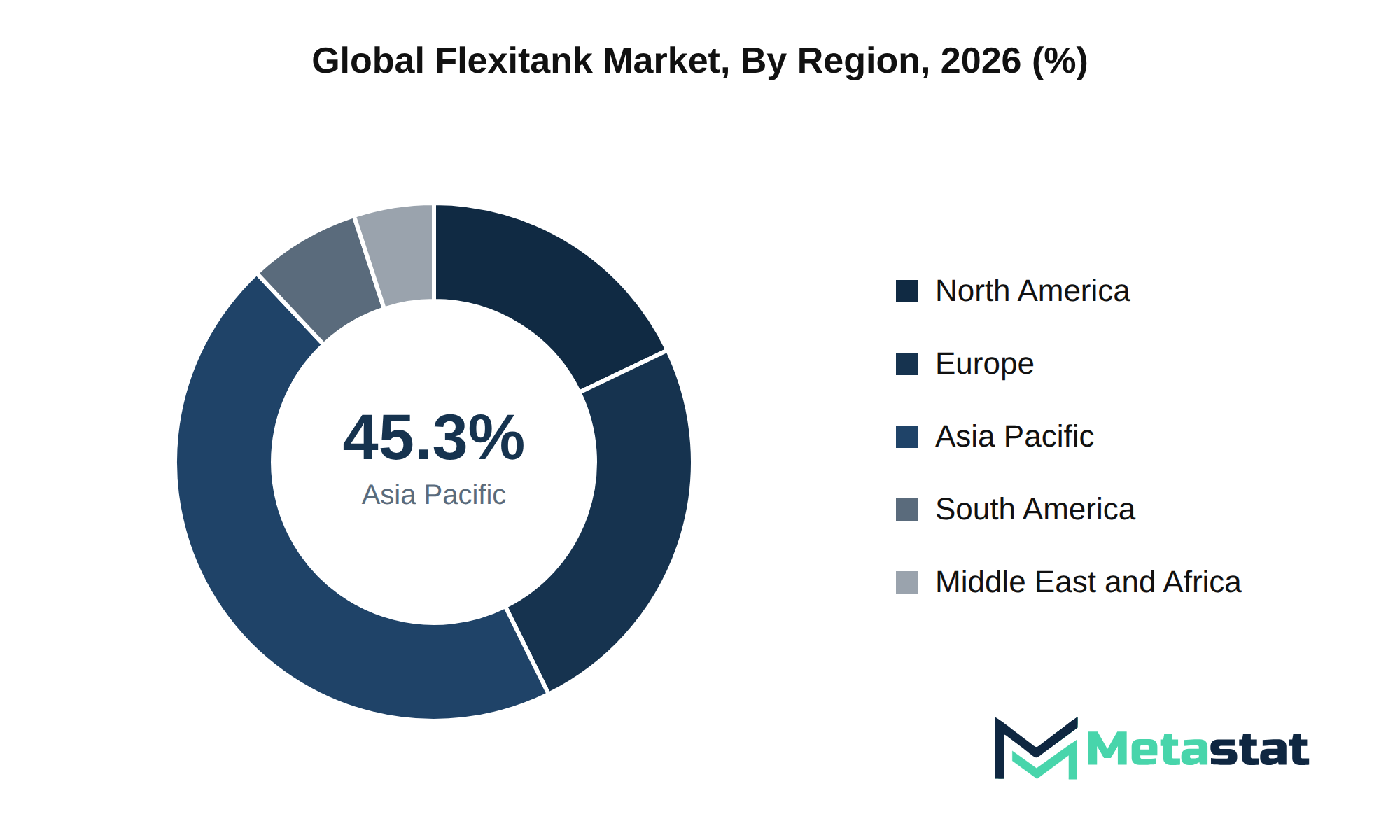
The Flexitank market experiences dynamic competition driven by mergers, acquisitions, and strategic consolidation among key players. Companies focus on establishing robust go-to-market strategies and enhancing commercial models to increase their market presence. Notable participants including Qingdao LET Flexitank Technology Co., Ltd., DHL Group, and SIA Flexitanks Ltd. actively pursue innovative pricing architectures and product differentiation to capture customer interest.
Barriers to entry and threats from new entrants shape the competitive environment. Established firms leverage their intellectual property portfolios to maintain technological defensibility while integrating value chains for supply chain dominance. Strategic alliances, joint ventures, and cross-industry partnerships enhance procurement leverage and improve customer retention strategies. Companies like Braid Logistics and Büscherhoff Packaging Solutions GmbH exemplify successful collaborations that strengthen their market positions.
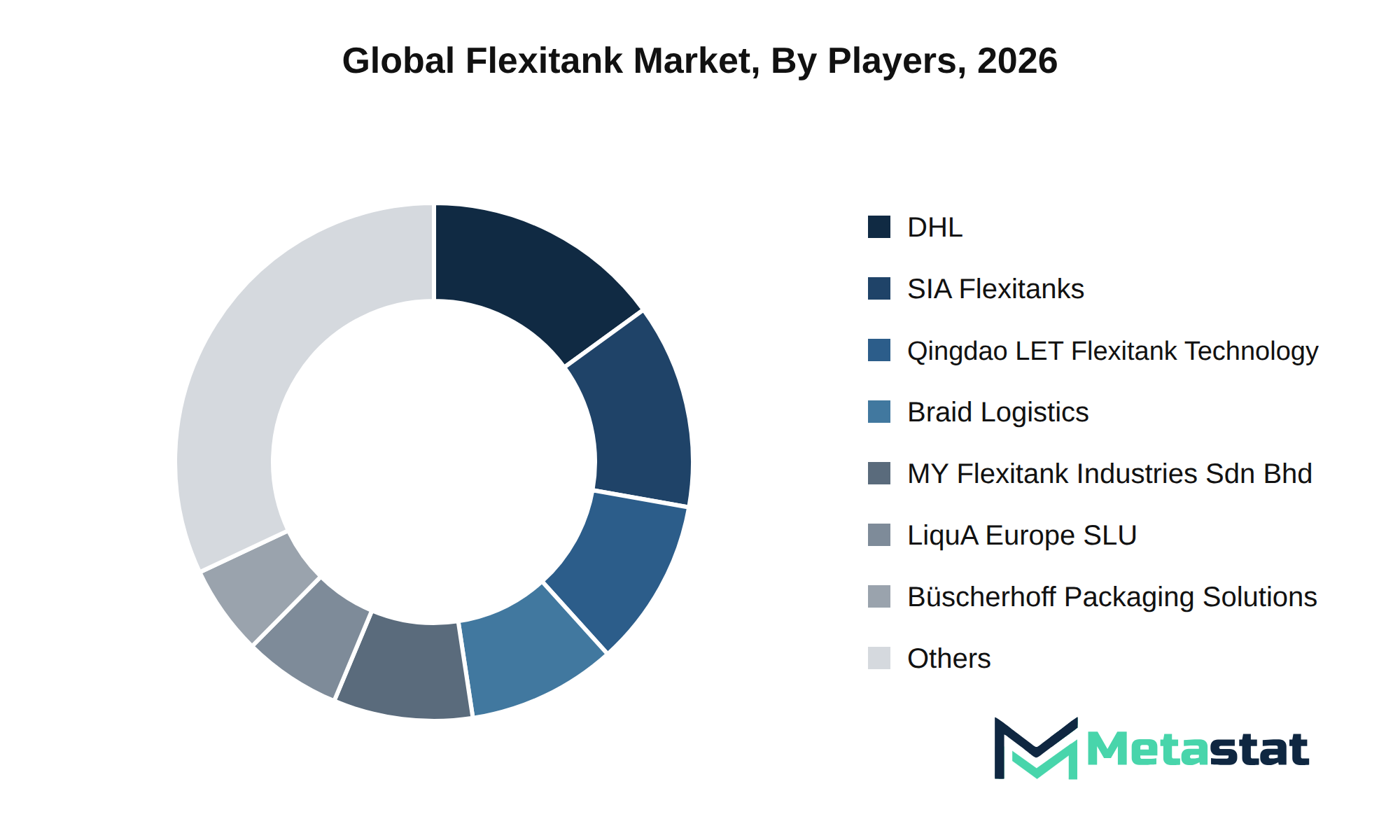
The Flexitank market size is forecast to rise from USD 1,652.4 million in 2025 to over USD 9,541.1 million by 2033, reflecting a compound annual growth rate (CAGR) of 24.5%. This growth is driven by increased demand for cost-effective bulk liquid transportation solutions across industries including food and beverage, chemicals, and pharmaceuticals. Advancements in technology and materials used in flexitank production enhance the product's appeal, further driving demand.
The base case presents a strong outlook for the market, while the bull case anticipates accelerated demand driven by significant infrastructure investments and emerging trade corridors. Conversely, the bear case indicates potential challenges from regulatory pressures and geopolitical tensions, which could slow market growth. Overall, the Flexitank market remains positioned for expansion, influenced by evolving industry needs and economic conditions.
The report strategically identifies and profiles the key market players and analyses their core competencies in each sub-segment of the Flexitank market.
Report Attributes | Details |
Study Period | 2021-2033 |
Base Year | 2025 |
Estimated Year | 2026 |
Forecast Period | 2026-2033 |
Historical Period | 2021-2025 |
Growth Rate | CAGR 24.5% from 2026 to 2033 |
Revenue Unit | USD million |
Segmentation | By Layer, Capacity, Material, Application, and Region |
By Region | North America (By Layer, Capacity, Material, Application, and Country)
|
Europe (By Layer, Capacity, Material, Application, and Country)
| |
Asia Pacific (By Layer, Capacity, Material, Application, and Country)
| |
South America (By Layer, Capacity, Material, Application, and Country)
| |
Middle East and Africa (By Layer, Capacity, Material, Application, and Country)
|
Find answers to common questions about this report
The Flexitank market size was valued at USD 1,652.4 million in 2025, according to the Metastat Insights study.
The Flexitank market is projected to grow at a CAGR of 24.5% during the forecast period from 2026 to 2033.
The North America Flexitank market size is estimated to reach USD 1,624.9 million by 2033.
Multi-Layer Flexitanks lead the Flexitank market, with a projected value of USD 7,434.4 million by 2033. This segment outpaces Single-Layer Flexitanks, which are expected to reach USD 2,106.7 million in the same year.
Infrastructure development and a growing emphasis on sustainability are key drivers for the Flexitank market. Enhanced logistics capabilities improve efficiency and reduce costs, while consumer preferences for eco-friendly solutions boost demand for sustainable packaging options like flexitanks.
Asia Pacific holds the dominant share of the Flexitank market, accounting for 45.3% of the total market. This position reflects the region's significant demand and operational capacity compared to other regions.
The Flexitank market experiences growth restraints due to regulatory challenges, rising material and labor costs, resource scarcity, and geopolitical tensions. Compliance with stringent regulations increases operational costs, while economic factors limit investment in new technologies. These conditions create uncertainty and hinder the market's ability to adapt and innovate effectively.
Infrastructure development and a growing emphasis on sustainability significantly influence product adoption in the Flexitank market. Enhanced logistics capabilities and eco-friendly practices drive operational efficiency, reduce costs, and align with consumer preferences, ultimately supporting market growth.
The Flexitank market is estimated to reach a valuation of USD 9,541.1 million by 2033.
Key players operating in the Flexitank market include Qingdao LET Flexitank Technology Co., Ltd., DHL Group, Braid Logistics, Büscherhoff Packaging Solutions GmbH, SIA Flexitanks Ltd., LiquA Europe SLU, and Full-Pak Bulk Containers.
The analysts below cover Packaging research at Metastat Insights.
LEAD ANALYST
Utkarsh Khirodkar is a Lead Market Research Analyst at MetaStat Insight, specializing in market intelligence, technology sector assessments, and competitive strategy.

SENIOR RESEARCH ANALYST
Biotechnology · Food and Beverages · Medical Devices · Packaging
Snehal Pasalkar is a Research Analyst at MetaStat Insight, operating at the intersection of life sciences research, competitive strategy, and market intelligence.

INDUSTRY CONSULTANT - CHEMICALS & ADVANCED MATERIALS
Chemicals and Materials · Machinery & Equipment · Packaging
Amit Gadhekar Consultant for Chemicals and Materials at MetaStat Insight, directing sector-specific intelligence, research, and strategic consulting across global chemical and processing markets.
Enterprise zero-trust network rollouts are often slowed down by multi-cloud transit latency and proprietary hardware retirement schedules. This study provided realistic total cost of ownership models comparing cloud-delivered security edge solutions against traditional hardware refreshes. The analysis of contract renewal lengths and software maintenance fees gave us clear visibility into enterprise replacement cycles over the next three to five years.
Scaling antibody-drug conjugate manufacturing hinges on contract manufacturing availability for high-potency active ingredients. The MetaStat Insight analysis looked closely at global cleanroom slot constraints, bioconjugation batch failure rates, and supply chain redundancies between the US, Europe, and India. The supplier capability matrix proved genuinely useful for our team when mapping secondary source options across our clinical pipeline.
Floating offshore wind feasibility relies heavily on specialized installation vessel availability and port crane limits, which most broad renewable energy forecasts ignore. The report delivered a thorough analysis of dry dock capacity, mooring chain supply constraints, and raw material pricing trends for deepwater anchor installations. It served as a solid independent sanity check for our offshore project capital expenditure assumptions.
Explore related market intelligence reports worth reading alongside this one.