
LEAD ANALYST
Utkarsh Khirodkar is a Lead Market Research Analyst at MetaStat Insight, specializing in market intelligence, technology sector assessments, and competitive strategy.

Global Forest Bathing (Shinrin-Yoku) Services Market Size, Share, By Service Type (Guided Forest Bathing Sessions, Structured Forest Therapy Programs, Multi-Day Forest Bathing Retreats, Forest Bathing-Integrated Spa and Wellness Programs, Corporate and Group Wellbeing Programs, Professional Guide Training and Certification, Self-Guided Forest Bathing Programs and Others), By Program Duration (Up to 2 Hours, More than 2 to 4 Hours, Half-Day to Full-Day, 2 to 3 Days, 4 to 7 Days and More than 7 Days), By Provider Type (Independent Forest Bathing Guides and Specialist Operators, Hotels, Wellness Resorts and Destination Spas, Retreat and Wellness Tour Operators, Nature Centers and Parks, Botanical Gardens and Healthcare and Integrative Wellness Providers, Training and Certification Organizations and Others), By Customer Type (Individual Leisure and Wellness Consumers, Corporate and Employee Wellness Buyers, Healthcare and Therapeutic Organizations, Hospitality and Tourism Businesses, Educational Institutions and Community and Public-Sector Organizations), Industry Analysis, Growth, Trends, and Forecast, 2026-2033
Report ID
MSI-4912
Published
August, 2026
Pages
280 Pages
Format
Historical
Base year
Forecast
Forecast period
Report Details
Choose Your License
Global Forest Bathing (Shinrin-Yoku) Services Market
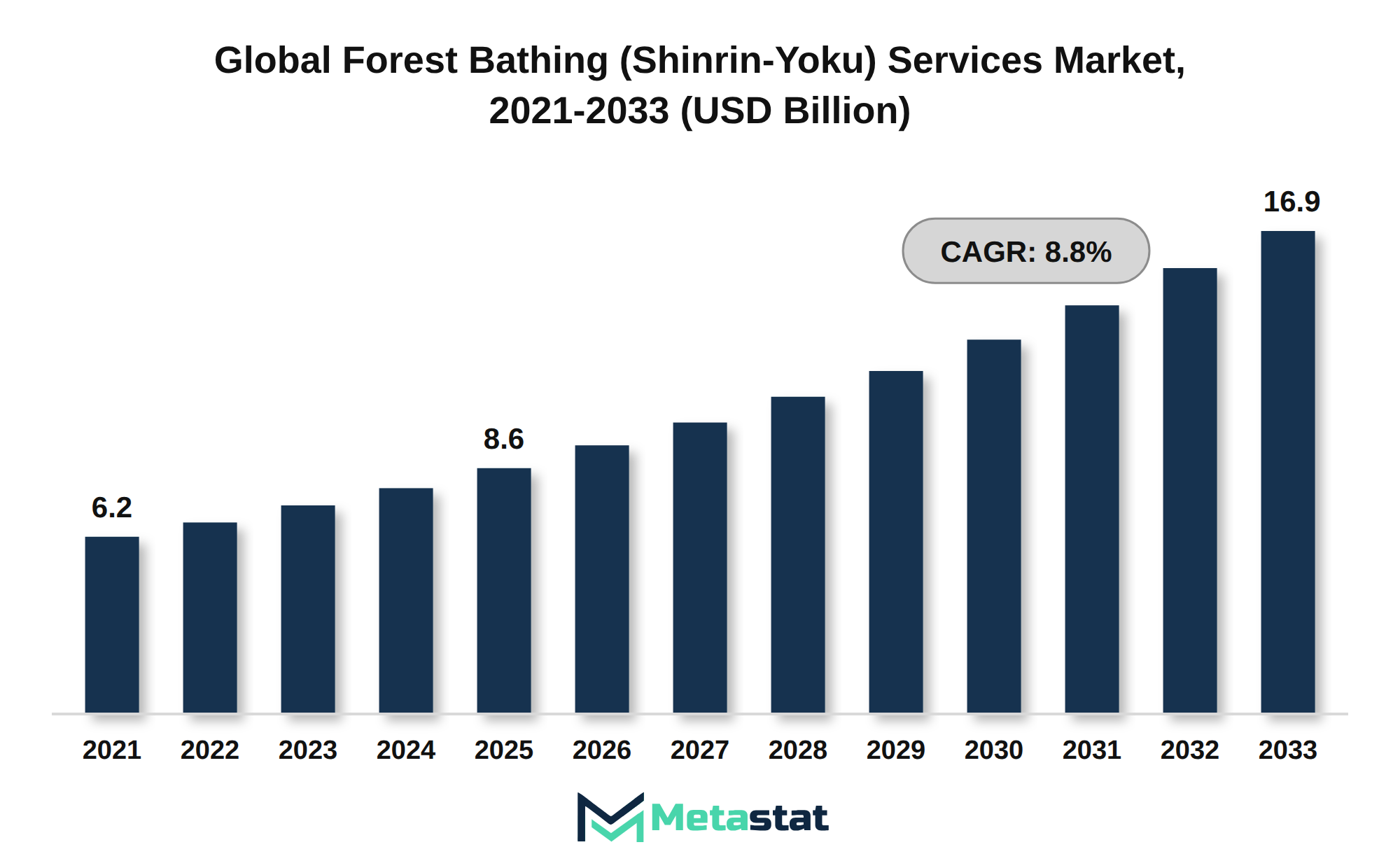
The global Forest Bathing (Shinrin-Yoku) Services market was valued at USD 8.6 billion in 2025 and is projected to reach USD 16.9 billion by 2033, growing at a CAGR of 8.8% over the forecast period.
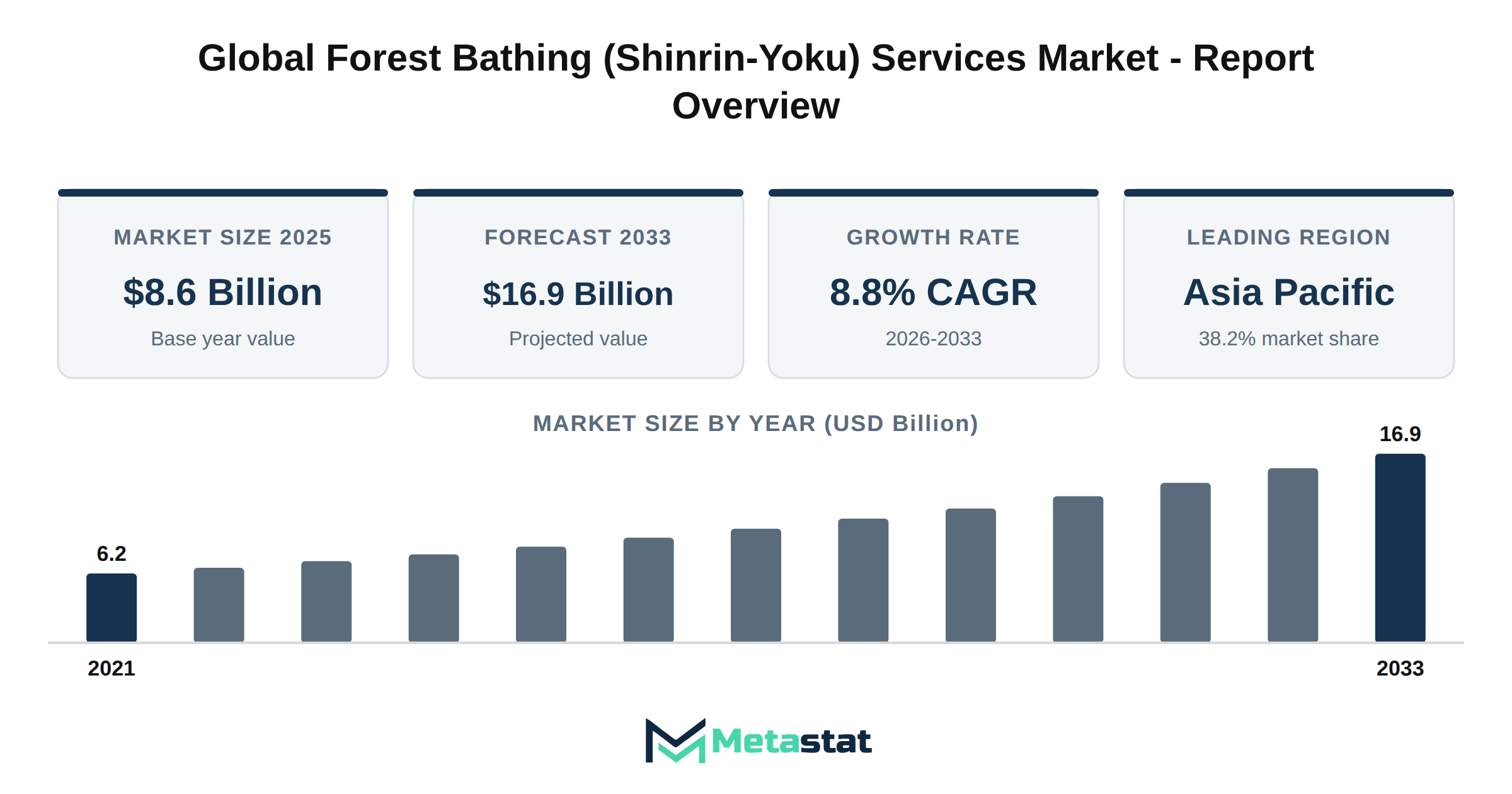
The global Forest Bathing (Shinrin-Yoku) Services market is projected to grow from USD 8.6 billion in the base year of 2025 to USD 16.9 billion by 2033, reflecting a compound annual growth rate (CAGR) of 8.8%. Historical data shows an increase from USD 6.2 billion in 2021 to USD 7.3 billion in 2023, with steady growth anticipated through 2025.
Regional distribution indicates that Asia Pacific holds the largest market share at 38.2%, followed by Europe at 25.8% and North America at 25%. The remaining regions, including South America and the Middle East and Africa, represent 5% and 6% of the market, respectively. This geographic segmentation highlights the varying demand dynamics and regional preferences influencing the growth trajectory of the market.
Service types within the Forest Bathing (Shinrin-Yoku) Services market include guided forest bathing sessions, structured forest therapy programs, multi-day forest bathing retreats, and forest bathing-integrated spa and wellness programs. Each segment demonstrates distinct growth patterns, with guided sessions projected to increase from USD 2.5 billion in 2026 to USD 4.2 billion by 2033, reflecting a CAGR of 7.9%. Structured programs follow closely, with a projected value of USD 3.2 billion by 2033.
The duration of programs offered influences market dynamics. Sessions lasting up to 2 hours are expected to grow from USD 2.9 billion in 2026 to USD 4.9 billion by 2033, indicating a robust CAGR of 8.1%. Longer program durations, including those exceeding 4 hours, reflect increasing consumer preference for comprehensive experiences, supporting sustained market growth.
The Forest Bathing (Shinrin-Yoku) Services market experiences significant growth driven by the increasing recognition of mental and physical health benefits associated with nature immersion. Rising awareness among consumers regarding self-care and wellness trends fuels demand for immersive experiences that promote stress reduction and overall well-being. The market benefits from an expanding base of individual leisure and wellness consumers, alongside corporate buyers seeking wellness solutions for employees. The corporate sector increasingly invests in programs that enhance employee well-being, contributing to the market's upward trajectory.
Regulatory compliance related to environmental sustainability further influences the market, resulting from various jurisdictions promoting practices that encourage ecological preservation. This regulatory landscape encourages growth in eco-friendly service offerings, attracting environmentally conscious consumers. Companies that align their services with these regulations position themselves favorably, enhancing their competitive advantage in the marketplace.
Innovation in service offerings, including structured forest therapy programs and integrated wellness experiences, drives market expansion. The introduction of multi-day retreats and specialized programs reflects evolving consumer preferences, prompting operators to diversify their offerings. Investments in research and development initiatives focused on enhancing customer experiences and therapeutic outcomes contribute to the market's dynamic evolution.
Market fragmentation persists, with numerous service providers operating across various segments. Independent forest bathing guides, wellness resorts, and nature centers comprise a diverse ecosystem, each catering to specific consumer preferences. This fragmentation encourages healthy competition, stimulating innovation and service quality improvements across the board.
Challenges including macroeconomic headwinds, including inflationary pressures and currency volatility, impact operational costs. Service providers navigate these economic conditions while maintaining competitive pricing. Strategic capital allocation and infrastructure investments equip companies to adapt to shifting market dynamics and consumer demands.
The future strategic outlook for the Forest Bathing (Shinrin-Yoku) Services market appears robust, with sustained growth projected through 2033. The anticipated compound annual growth rate of 8.8% reflects strong demand driven by evolving consumer behaviors and increased awareness of wellness practices. High-value recommendations for stakeholders emphasize the importance of aligning service offerings with market trends and consumer preferences to capture emerging opportunities.
Strengthening macro-economic factors contribute to the growth of the Forest Bathing (Shinrin-Yoku) Services market. Increased GDP growth and rising disposable incomes enhance consumer spending on wellness and leisure activities, particularly in urban areas. The expansion of this market aligns with a growing recognition of the value of mental health and well-being, which influences lifestyle choices for diverse consumer segments.
Venture funding and public-private partnerships increasingly support the development of forest bathing programs, creating a robust investment environment. This influx of capital enables businesses to expand their offerings and improve service delivery, enhancing customer experiences. Significant investments in marketing initiatives and facility upgrades attract a broader audience.
Shifting consumer preferences toward wellness and eco-friendly practices drive demand for forest bathing services. A growing awareness of the mental and physical health benefits associated with nature immersion influences consumers seeking alternatives to traditional wellness modalities. This trend impacts individual leisure consumers and corporate wellness buyers, leading to increased participation in structured programs.
The Forest Bathing (Shinrin-Yoku) Services market is projected to experience substantial growth, supported by favorable macro-economic conditions and evolving consumer behaviors. This expansion reflects a long-term shift in societal values toward health, sustainability, and the importance of nature in daily life.
Increased consumer awareness regarding mental health and wellness significantly influences the Forest Bathing (Shinrin-Yoku) Services market. Growing recognition of the health benefits associated with nature immersion boosts demand for guided forest bathing sessions and structured forest therapy programs. Urbanization and the busy lifestyle prevalent in metropolitan areas have led to heightened stress levels among individuals. This scenario pushes consumers toward experiences that promote relaxation and mindfulness, creating a favorable environment for the market.
Demographic shifts, particularly among aging populations and health-conscious millennials, further drive market growth. Older adults increasingly seek natural therapies to enhance their well-being, while millennials favor unique wellness experiences that align with their values. The emphasis on sustainability and a connection to nature reflects these consumer behaviors, driving interest in forest bathing services. Consequently, service providers expand their offerings, integrating wellness programs into their portfolios to cater to evolving preferences.
The rise of digital platforms facilitates greater accessibility to forest bathing services, allowing consumers to explore options that suit their needs. Social media significantly promotes awareness and engagement, with many individuals sharing their experiences online. This trend contributes to a growing community focused on the mental and physical benefits of nature connection, further connecting potential customers with service providers in the market.
Overall, enhanced consumer awareness of wellness benefits linked to nature immersion drives the Forest Bathing (Shinrin-Yoku) Services market forward, shaping future growth and opportunities for service providers in the sector.
The Forest Bathing (Shinrin-Yoku) Services market faces significant constraints due to regulatory compliance challenges that impact service providers. Strict regulations surrounding environmental preservation and land use restrict accessibility to certain natural areas, limiting the potential locations for forest bathing sessions. Compliance with these regulations incurs additional costs for operators, influencing pricing strategies and service availability.
High capital investment requirements present another barrier within the market. Establishing and maintaining dedicated facilities for forest bathing services involves substantial financial commitments. Operators invest in infrastructure while ensuring adherence to environmental standards, which strains budgets and limits growth opportunities.
Macroeconomic headwinds, including inflationary pressures, complicate market dynamics. Rising operational costs reduce profitability for service providers, leading to potential service downsizing or discontinuation. This economic climate hinders the expansion of the Forest Bathing (Shinrin-Yoku) Services market, restricting new entrants and discouraging investment in innovative service offerings.
Supply chain disruptions stemming from geopolitical instability and resource scarcity have a direct impact on the availability of essential materials and services. This situation delays service launches or diminishes the quality of offerings, affecting customer satisfaction and market reputation.
Talent gaps, particularly in trained forest bathing guides or wellness practitioners, limit the ability of providers to deliver high-quality experiences. While demand for these services increases, competition for skilled labor intensifies, raising workforce overhead costs and potentially leading to service quality variations across the market.
Fragmentation within the market dilutes brand identity and complicates customer acquisition strategies. Numerous small operators exist alongside larger wellness resorts, creating a diverse but challenging competitive environment. The lack of standardization among service offerings confuses consumers, preventing them from fully understanding the benefits and differences between providers.
Cultural barriers in various regions hinder the acceptance and adoption of forest bathing practices. Traditional beliefs and skepticism regarding wellness trends slow the market penetration of forest bathing services, resulting in uneven growth across different geographical areas. Addressing these cultural nuances is essential for achieving broader acceptance and driving market expansion.
Geopolitical fragmentation contributes to challenges in the Forest Bathing (Shinrin-Yoku) Services market, impacting global trade dynamics and customer engagement. Heightened tensions between nations lead to trade deficits and tariff friction, affecting pricing strategies of providers. Escalating costs of international service delivery create barriers for market participants, hindering their ability to offer competitive pricing and expand service offerings.
Technological disruptions complicate market operations, necessitating significant investments in systems integration and interoperability to maintain service quality. Providers face challenges associated with complex research and development integrations, affecting their capacity to innovate effectively. This scenario places additional pressure on existing providers; those unable to adapt risk losing market share, leading to lower margins and potential revenue declines.
Logistics disruptions and supply chain instability increasingly impact service delivery. Interruptions in the supply of essential resources and components required for forest bathing programs affect providers' ability to deliver consistent and reliable experiences. Such volatility creates uncertainty in the market, deterring potential investments and limiting growth opportunities.
Rising input costs contribute to margin pressures within the market. Workforce skill gaps exacerbate these challenges. The need for skilled professionals to deliver quality forest bathing experiences remains critical, yet talent retention pressures hinder recruitment efforts. Inability to secure and retain qualified personnel restricts market expansion, ultimately affecting customer satisfaction and loyalty.
Environmental lifecycle footprints and sustainability demands necessitate adaptations in service offerings. Providers navigate decarbonization mandates while ensuring that operations align with evolving consumer expectations regarding environmental responsibility. Failure to meet these demands results in reputational damage, complicating growth prospects in the Forest Bathing (Shinrin-Yoku) Services market.
The Forest Bathing (Shinrin-Yoku) Services market faces substantial opportunities driven by evolving consumer preferences and lifestyle changes. Increasing awareness of mental and physical well-being fuels demand for immersive nature experiences. Consumers seek comprehensive approaches to health, integrating forest bathing into their routines, which enhances market growth prospects.
Infrastructure modernization supports the expansion of forest bathing services, enabling enhanced accessibility to natural environments. The development of amenities and services in urban areas allows consumers to easily engage with nature, facilitating greater participation. Regions investing in green infrastructure significantly benefit from rising demand for outdoor wellness activities.
Geographical expansion into previously underserved markets presents a lucrative avenue for growth. Regions including Asia Pacific, with a growing emphasis on wellness and eco-tourism, significantly contribute to market dynamics. Increased investment in forest bathing retreats and programs in these areas enhances revenue potential, driving the market's overall growth trajectory.
Technological disruptions, including digital platforms for booking and promoting forest bathing experiences, enhance customer engagement. These innovations facilitate transactions and increase visibility for service providers. The integration of technology with traditional practices contributes to the attractiveness of forest bathing, expanding its reach.
Sustainability imperatives play a crucial role in shaping consumer preferences towards eco-friendly practices. Companies aligning their services with environmental, social, and governance (ESG) standards appeal to conscientious consumers. This alignment enhances brand loyalty and positions providers favorably in a competitive environment.
Market diversification allows for innovative service offerings tailored to specific customer segments. Niche applications, including corporate wellness programs and structured therapy sessions, cater to unique consumer needs, expanding the service ecosystem. This strategic consolidation of offerings enhances market resilience and adaptability.
Shifts in buying behaviors towards digital procurement further influence the market landscape. Consumers increasingly favor convenient online platforms for selecting and purchasing forest bathing experiences, illustrating a significant change in how services are accessed. This trend drives competition among providers to enhance their online presence and service offerings.
Overall, the Forest Bathing (Shinrin-Yoku) Services market stands to benefit from these emerging trends, with strong growth projected during the forecast period. Opportunities arising from these developments position the market for sustained expansion and increased consumer engagement.
The Global Forest Bathing (Shinrin-Yoku) Services market is segmented based on Service Type, Program Duration, Provider Type, and Customer Type.
Valued at USD 2.5 billion in 2026, the Guided Forest Bathing Sessions segment projects growth to USD 4.2 billion by 2033, reflecting a CAGR of 7.9% during the forecast period. Increasing interest in mental wellness and overall health drives demand for these sessions, aligning with a broader trend emphasizing the therapeutic benefits of nature immersion. Target customers include individual wellness seekers and corporate wellness programs, highlighting the segment's versatility.
Adoption of guided sessions benefits from advancements in training for guides and improved marketing strategies that enhance accessibility and visibility. Forest Bathing (Shinrin-Yoku) Services market participants are expanding efforts to offer tailored experiences, appealing to various demographics, including younger consumers and wellness travelers seeking unique experiences. This adaptability contributes to the growth trajectory of the segment.
Investment in technology supporting session delivery, including mobile applications for booking and personalized wellness tracking, enhances customer experience, further driving adoption and retention. Health-focused tourism initiatives increase interest in guided sessions, positioning them because attractive offerings within the wellness travel segment.
The segment's growth is supported by positive consumer perceptions of alternative health practices and increasing integration of nature therapy into mainstream wellness approaches. Regulatory support for wellness tourism and initiatives promoting mental health awareness enhance the segment's attractiveness to investors and service providers.
The anticipated growth in the Guided Forest Bathing Sessions segment signals a healthy expansion trajectory within the Forest Bathing (Shinrin-Yoku) Services market, characterized by evolving consumer preferences and an increasing recognition of the importance of mental well-being.
Growth in the Structured Forest Therapy Programs segment reflects rising demand for health solutions. Increasing awareness regarding mental health and the therapeutic benefits of nature influences this trend. Numerous individuals seek structured programs that provide guided experiences in natural environments to alleviate stress, enhance well-being, and promote relaxation. The segment is estimated to reach USD 3.2 billion by 2033, at a CAGR of 8.6% during the forecast period.
This segment benefits from technological maturation and product evolution, with providers integrating modern therapeutic practices with traditional forest bathing techniques. The emphasis on customized programs enhances user engagement, attracting a diverse clientele. Growing interest from corporate wellness initiatives fuels participation in structured programs, representing a strategic opportunity for providers to expand their offerings.
Challenges regarding regulatory compliance and certification processes have surfaced, impacting program availability and consistency. Providers navigate these complexities to ensure adherence to established standards while maintaining high-quality service delivery. The increasing emphasis on evidence-based practices within the Forest Bathing (Shinrin-Yoku) Services market is expected to drive investment and innovation in structured programs, supporting further growth.
Strategic partnerships between health organizations and forest therapy providers enhance market reach and broaden consumer access to structured programs. By leveraging the growing popularity of wellness tourism, these partnerships facilitate the development of unique offerings that appeal to both domestic and international clients. The structural integrity of supply chains and raw material sourcing remains critical. Evolving demand presents both risks and opportunities for program providers.
Increasing interest in mental health and wellness drives demand for Multi-Day Forest Bathing Retreats, a segment of the Forest Bathing (Shinrin-Yoku) Services market. These retreats offer immersive experiences, allowing individuals to disconnect from daily stressors and reconnect with nature, enhancing emotional and physical well-being. This growing awareness of the therapeutic benefits of nature-based experiences fuels adoption among a diverse customer base, including leisure travelers and wellness seekers.
Market expansion is supported by the emergence of retreat providers focusing on overall wellness. Hotels and wellness resorts increasingly integrate multi-day forest bathing offerings into their service portfolios, attracting health-conscious guests. This shift toward comprehensive wellness solutions enhances the appeal of Multi-Day Forest Bathing Retreats, boosting overall market value. The segment is expected to reach USD 2.8 billion by 2033, reflecting a strong growth trajectory.
Regulatory compliance and certification standards play significant roles in shaping the market landscape. Institutions and providers adhering to best practices in wellness programming establish credibility, attracting consumers seeking trustworthy experiences. Consequently, this adherence enhances consumer confidence and supports sector growth.
Technological advancements contribute to the evolution of retreat offerings. Innovative programs leverage digital platforms for marketing and customer engagement, broadening reach and enhancing customer experience. The combination of traditional practices with modern technologies positions Multi-Day Forest Bathing Retreats because a compelling choice for well-being seekers, creating strategic opportunity windows for providers.
Supply chain resilience remains critical for maintaining service quality and ensuring customer satisfaction. Providers emphasize sustainable sourcing of natural materials and local partnerships to enhance their offerings while reducing environmental impact. This commitment to sustainability appeals to environmentally conscious consumers, building loyalty and long-term engagement within the market.
The Multi-Day Forest Bathing Retreats segment exemplifies a dynamic intersection of wellness, nature, and experiential tourism. The expected growth trajectory reflects not only an expanding consumer base but a deeper societal recognition of nature's role in promoting well-being. This segment is projected to continue to thrive because more individuals seek comprehensive approaches to health and wellness.
Growth in the Forest Bathing-Integrated Spa and Wellness Programs segment highlights a shift towards more comprehensive approaches to wellness. Increasing consumer preference for health experiences drives demand for integrated offerings that combine traditional spa services with forest bathing principles. This segment is projected to grow at a CAGR of 9.1% during the forecast period, reflecting rising interest in mental health and stress relief methods that incorporate nature immersion.
Technological advancements in spa facilities enhance service delivery, allowing for more customized and immersive experiences. Next-generation upgrades in wellness programs, including virtual reality integration or enhanced sensory experiences, contribute to increased consumer engagement. The expansion of urban wellness markets supports the adoption of forest bathing principles within existing spa environments, creating new opportunities for providers.
Market dynamics indicate a strong correlation between corporate wellness initiatives and the uptake of integrated spa services. Corporations increasingly allocate budgets towards employee wellness, recognizing the benefits of nature-based therapies in enhancing productivity and reducing burnout. This trend benefits the Forest Bathing (Shinrin-Yoku) Services market, particularly in the spa and wellness segment, since organizations seek innovative solutions for employee well-being.
Regulatory compliance and certifications related to wellness and spa services create a competitive environment, pushing providers to enhance service quality and adhere to industry standards. Rising operational costs and pricing volatility influence margin pressures, compelling operators to innovate and streamline their offerings. Successful businesses focus on building strong branding and marketing strategies that emphasize the unique benefits of forest bathing within their wellness programs.
Emerging players in the Forest Bathing (Shinrin-Yoku) Services market, set against established luxury spa chains, identify strategic opportunities to gain market share. Collaboration with wellness influencers or integration of forest bathing elements into existing wellness retreats drives customer interest and retention. The combination of evolving consumer preferences and strategic investment in service enhancements positions the Forest Bathing-Integrated Spa and Wellness Programs segment for sustained growth.
Growth in Corporate and Group Wellbeing Programs aligns with increasing recognition of mental health and employee wellness within organizations. Companies actively seek innovative ways to enhance employee satisfaction and overall wellbeing, driving demand for tailored programs that incorporate nature-based therapies like forest bathing. This segment benefits from a shift towards comprehensive health approaches, integrating outdoor experiences into corporate wellness initiatives. Employers acknowledge the positive impact of nature on mental and physical health, leading to expanded investment in these programs.
Organizations implementing forest bathing services report improvements in employee morale and productivity. The emphasis on work-life balance contributes to the rising adoption of these programs across various sectors. Increased collaboration between wellness providers and corporate clients enhances the reach of forest bathing services, creating a culture of health and wellness within workplaces. This trend reflects a broader movement towards sustainable work environments that prioritize employee wellbeing.
Technological advancements influence the evolution of Corporate and Group Wellbeing Programs. Digital platforms facilitate the promotion and scheduling of forest bathing sessions, making participation more accessible for employees. Enhanced marketing strategies highlight the benefits of immersive nature experiences, further driving interest in these programs. Companies focusing on next-generation upgrades, including virtual reality experiences that simulate forest environments, contribute to attracting a more tech-savvy audience.
Consumer preferences shift towards wellness services that offer experiential benefits, reinforcing the appeal of forest bathing programs. Corporate clients increasingly seek partnerships with established providers to ensure high-quality experiences for their employees. This strategic alignment enhances program credibility and effectiveness, yielding positive feedback and repeat participation rates. The connection between corporate strategies and employee engagement creates a favorable environment for the growth of the Corporate and Group Wellbeing Programs segment within the Forest Bathing (Shinrin-Yoku) Services market.
Regulatory compliance and sustainability efforts influence the structure of these programs. Companies prioritize initiatives that align with environmental standards, promoting practices that respect natural habitats. This commitment to sustainability enhances corporate image and attracts eco-conscious employees. While the market matures, the emphasis on certifications and quality assurance becomes more pronounced, ensuring that forest bathing services meet industry standards and customer expectations.
Training and certification for professional guides in the Forest Bathing (Shinrin-Yoku) Services market supports the development of expertise necessary for delivering quality experiences. Increased awareness of the mental health benefits associated with forest bathing drives demand for qualified guides. Regulatory frameworks and standards establish guidelines for training programs, enhancing credibility and trust within the market. This segment benefits from the growing emphasis on wellness tourism, encouraging investment in training initiatives that align with consumer expectations.
Adoption of standardized training and certification processes allows organizations to ensure consistent service delivery. Technological advancements in training methods, including online courses and virtual certifications, facilitate broader access for aspiring guides. The integration of practical experience with theoretical knowledge enhances the overall quality of service and strengthens market offerings. Expanding opportunities for professional development contribute to the growth of the segment.
Consumer preferences increasingly favor engaging with certified professionals, enhancing the perceived value of training programs. Collaboration between training organizations and wellness centers promotes a comprehensive approach to forest bathing experiences. Emphasis on ongoing education and skill enhancement positions guides because trusted resources for individuals seeking restorative nature experiences. The commitment to continuous improvement reflects a strategic advantage within the competitive environment.
Interest in self-guided forest bathing programs continues to rise, fueled by a growing emphasis on individual wellness and mental health. The ability to engage in personal retreats creates a deeper connection with nature, appealing to consumers seeking solitude and healing. This segment attracts wellness enthusiasts who prefer flexibility in scheduling and experience. The market responds to increasing consumer demands for tailored experiences, allowing individuals to immerse themselves in nature at their own pace.
The adoption of self-guided forest bathing aligns with broader shifts in consumption patterns, where individuals prioritize wellness activities that promote relaxation and stress relief. Market expansion stems from the appeal of self-directed experiences that allow consumers to integrate nature into their lifestyles. Educational initiatives and available resources enhance consumer understanding and encourage engagement with self-guided practices, supporting growth within this segment.
Technological advancements contribute to segment evolution, with mobile applications and digital resources providing guidance for effective forest bathing practices. Users benefit from curated content that enhances their experience, further driving interest in self-guided programs. Regulatory compliance regarding health and safety standards remains crucial for providers in this space, ensuring consumer confidence in engaging with nature in a safe and effective manner.
Pricing strategies within self-guided forest bathing programs reflect the diverse needs of consumers. Cost structures are influenced by the availability of resources and materials required for effective self-guided practices. Margin pressures arise from competition within the broader forest bathing market, requiring providers to adopt innovative approaches to maintain profitability. Strategic opportunity windows exist for businesses that offer unique experiences or supplementary services, positioning themselves favorably within the forest bathing (Shinrin-Yoku) services market.
Workshops and seasonal immersions within the Forest Bathing (Shinrin-Yoku) Services market attract participants seeking immersive experiences that integrate nature and therapeutic practices. These offerings typically focus on enhancing mental well-being and building community connections through shared experiences in natural settings. The rising trend of experiential travel among consumers fuels demand for these types of services, with individuals increasingly valuing comprehensive health approaches. The growing awareness surrounding the mental health benefits of nature therapy drives interest in workshops and seasonal immersions.
Participants in these programs often seek unique and enriching experiences that go beyond standard forest bathing sessions. Workshops incorporate additional educational elements, including mindfulness practices, environmental education, or creative expression, which enhance the overall experience. Seasonal immersions, aligning with specific times of the year, provide opportunities for participants to engage with nature in varying contexts, promoting deeper connections with the environment. This diversification of offerings supports segment expansion, catering to various consumer interests and preferences.
Investment in marketing these immersive experiences becomes essential owing to increased competition within the market. Providers often leverage digital platforms to reach potential participants, highlighting the significant benefits of their programs. Collaborations with wellness influencers or partnerships with local organizations further enhance visibility and attract a broader audience. This strategic focus on marketing not only aids in customer acquisition but builds brand loyalty among participants, encouraging repeat engagement.
Operational challenges, including staffing qualified guides and managing logistics in outdoor settings, present considerations for providers. Maintaining service quality and ensuring participant safety during workshops and seasonal immersions require robust training and adherence to best practices. By addressing these operational aspects, providers enhance consumer confidence and satisfaction, ultimately contributing to sustained growth in the segment.
The evolving environment of wellness tourism directly influences the success of workshops and seasonal immersions. While consumers increasingly prioritize well-being and seek out unique, nature-based experiences, these offerings align closely with consumer trends. The expansion of corporate wellness initiatives has opened additional avenues for group workshops, allowing organizations to invest in employee well-being through nature therapy. This growing interest from corporate sectors provides further growth opportunities within the Forest Bathing (Shinrin-Yoku) Services market.
Valued at USD 2.9 billion in 2026, the Up to 2 Hours segment targets consumers seeking concise and meaningful experiences in forest bathing. This segment is projected to reach USD 4.9 billion by 2033, reflecting a CAGR of 8.1% during the forecast period. Increasing awareness about mental wellness and the benefits of nature immersion is driving demand for shorter sessions that fit within busy lifestyles.
The growth of this segment aligns with a broader trend towards wellness tourism, where consumers prioritize accessible mental health solutions. Forest Bathing (Shinrin-Yoku) Services market participants invest in diverse offerings that cater to this demand, including guided sessions and integrated wellness programs, which enhance user experiences and engagement.
Technological advancements in digital marketing strategies and booking platforms support the segment's expansion. Providers leverage social media and mobile applications to reach potential clients effectively, creating immediate connections with health-conscious individuals seeking quick rejuvenation options.
By capitalizing on changing consumer preferences, the market attracts a diverse clientele, including individuals and corporate groups focused on wellness initiatives. This evolution in service offerings creates strategic opportunities for suppliers to innovate and differentiate themselves within the competitive environment.
Valued at USD 4.2 billion by 2033, the More than 2 to 4 Hours segment reflects significant growth within the Forest Bathing (Shinrin-Yoku) Services market, with a CAGR of 8.6% projected during the forecast period. Increasing consumer interest in wellness practices enhances demand for longer forest bathing experiences, allowing participants to immerse themselves in nature for extended periods. This segment attracts individual leisure consumers and corporate wellness buyers seeking deeper therapeutic benefits, including stress reduction and improved mental health.
Market expansion factors include rising awareness of the benefits of nature immersion and a growing emphasis on mental well-being. Establishments offering these services focus on creating programs that provide not only guided experiences but educational sessions on the therapeutic properties of forests. Such value-added services entice a broader clientele, strengthening segment appeal and boosting revenue potential.
Technological advancements supporting interaction with nature, including mobile apps that track wellness metrics during forest experiences, further enhance the attractiveness of the segment. Investments in training programs for guides contribute to improved service quality. The segment's growth aligns with broader trends in health and wellness, creating a strategic opportunity area for providers and investors in the evolving health services market.
Increasing preference for immersive experiences continues to drive growth in the Half-Day to Full-Day segment of the Forest Bathing (Shinrin-Yoku) Services market. Customers increasingly seek extended engagement with nature for wellness and relaxation, aligning with the growing awareness of mental health benefits associated with forest bathing. This trend is supported by an expanding base of wellness-focused consumers, including individual leisure seekers and corporate wellness programs, who value experiences that deepen their connection to nature.
Investment in program development and enhancements contributes to segment expansion. Providers implement innovative offerings, integrating guided sessions with educational components about local flora and fauna, which enhances overall participant experience. The market's shift towards more personalized and engaging experiences aligns particularly well with consumers prioritizing wellness. This evolution positions the segment for substantial growth.
Projected revenue for the Half-Day to Full-Day segment is projected to reach USD 3.1 billion by 2033. This growth reflects the rising demand for wellness experiences and the increasing recognition of nature's therapeutic benefits. The market features a diverse array of providers, including independent guides and wellness resorts, all striving to capture the attention of both individual and corporate clients.
Growing consumer awareness regarding mental well-being and the benefits of nature immersion significantly influences the 2 to 3 Days segment within the Forest Bathing (Shinrin-Yoku) Services market. This segment is projected to grow at a CAGR of 9.6% during the forecast period. Longer program durations offer deeper experiences, leading to enhanced relaxation, stress relief, and overall health benefits, appealing to wellness-focused individuals and organizations. Increasing interest in structured multi-day retreats aligns with a collective push towards overall health and well-being, prompting consumers to invest in immersive experiences that promote rejuvenation. The rise of corporate wellness initiatives further contributes to this growth, with companies seeking to enhance employee productivity and morale through extended nature-based programs. Enhanced marketing strategies and targeted promotions from service providers facilitate greater accessibility and awareness, driving demand for multi-day forest bathing experiences. While the market expands and evolves, strategic investments and partnerships will shape the future of this segment.
Interest in extended forest bathing experiences influences demand for the 4 to 7 Days segment within the Forest Bathing (Shinrin-Yoku) Services market. This duration allows participants to fully immerse themselves in nature, promoting deeper relaxation and enhanced psychological benefits. Factors contributing to this trend include increasing recognition of the mental health advantages of prolonged nature exposure, leading wellness organizations to incorporate longer programs into their offerings.
Consumer preferences shift towards experiences that promote wellbeing over a span of several days. This trend is particularly evident among urban dwellers seeking respite from everyday stressors. The demand for this segment correlates with the rising visibility of wellness tourism, with destination retreats positioning themselves to attract health-conscious travelers.
Regulatory compliance regarding health and safety standards influences service delivery within this segment. Providers adapt their offerings to align with evolving consumer expectations and regulatory requirements, ensuring that participants feel secure during their immersive experiences. This adaptation enhances consumer confidence and promotes market expansion.
Investment in infrastructure and marketing by key players supports the expansion of services tailored to this duration. Enhanced promotional efforts and strategic partnerships between wellness providers and tour operators facilitate improved access and visibility for multi-day programs. Such efforts stimulate awareness and attract a broader audience to the benefits of forest bathing.
Overall, the 4 to 7 Days segment represents a significant component of the Forest Bathing (Shinrin-Yoku) Services market. By focusing on the unique aspects of immersive forest experiences, providers effectively meet evolving consumer demands and contribute to the overall growth of the market.
Increasing interest in extended forest bathing experiences supports growth in the More than 7 Days segment. Consumers increasingly seek deeper connections with nature, enhancing overall well-being through longer immersion. Extended programs attract individuals looking for retreats that offer healing and personal development opportunities. Rising awareness of mental health benefits drives demand for these lengthy experiences among wellness-focused audiences.
Trends in health and wellness tourism contribute to the popularity of multi-day forest bathing experiences, with participants valuing the time spent immersed in nature. This segment appeals to individuals seeking meaningful experiences that promote relaxation and rejuvenation. These programs often incorporate additional elements including guided meditation and wellness workshops, enriching the value proposition.
The Forest Bathing (Shinrin-Yoku) Services market experiences strong competition within the extended program category, driven by the need for high-quality services that maximize participant satisfaction. Providers focusing on unique offerings, including themed retreats or expert-led sessions, secure a competitive advantage. This sector evolves with new trends, prompting operators to innovate and improve service delivery.
Cost structures remain a crucial consideration for service providers, with extended program pricing reflecting the inclusion of accommodations, meals, and activities. Pricing volatility impacts demand; therefore, maintaining competitive pricing strategies alongside premium offerings is essential. Strategic investments in marketing and customer engagement help establish brand loyalty and attract new participants.
Valued at USD 2.5 billion in 2026, the Independent Forest Bathing Guides and Specialist Operators segment is projected to reach USD 4.3 billion by 2033, at a CAGR of 8.2% during the forecast period. Increasing consumer awareness of mental health and wellness drives strong demand for personalized forest bathing experiences. Independent operators provide unique, tailored experiences that larger institutions fail to deliver, appealing to customers seeking more intimate connections with nature. This segment benefits from rising interest in natural healing and mindfulness practices, further accelerating adoption.
Technological advancements, including digital platforms for booking sessions and sharing experiences, enhance visibility for independent guides, allowing them to reach a broader audience. The use of social media for promoting services and sharing testimonials plays a significant role in driving engagement and attracting new customers. End-user dynamics reflect an increasing preference for individualized experiences, with many consumers prioritizing personalized services over standardized offerings.
Regulatory compliance and certifications for guides contribute to consumer trust, ensuring a higher standard of service delivery. With growing competition from larger operators, independent guides focus on unique value propositions, including specialized training or eco-friendly practices, to differentiate themselves in the market. Strategic opportunity windows arise from collaboration with wellness-focused businesses and partnerships with tourism operators.
Cost structures within this segment show variability, influenced by training, marketing, and operational expenses. Pricing volatility affects service offerings, necessitating flexible pricing strategies to remain competitive. Continued investment in marketing, training, and technology significantly enhances the viability and growth potential of independent operators within the Forest Bathing (Shinrin-Yoku) Services market.
Growth in the Hotels, Wellness Resorts and Destination Spas segment aligns with rising consumer interest in well-being. Travelers increasingly seek immersive experiences that integrate natural healing and relaxation, driving demand for forest bathing services. Wellness tourism continues to expand, with hotels and resorts enhancing their offerings to attract health-conscious consumers. The segment is estimated to reach USD 4.3 billion by 2033, reflecting a CAGR of 9% during the forecast period.
Regulatory standards in the wellness industry promote environmentally sustainable practices, encouraging hotels and resorts to adopt forest bathing services within their wellness initiatives. This adoption enhances guest experiences and aligns with broader sustainability goals. Increased consumer awareness of mental health benefits and the rising popularity of nature-based therapies reinforces the segment's growth trajectory within the Forest Bathing (Shinrin-Yoku) Services market.
Investment in next-generation upgrades and technology within hospitality facilities plays a critical role in developing unique forest bathing experiences. Innovative approaches, including the integration of sensory elements including aromatherapy and mindfulness practices, enhance overall service quality. This strategic focus on product evolution creates competitive advantages for hotels and wellness resorts, positioning them favorably within the market.
Increasing consumer focus on well-being drives growth in the Retreat and Wellness Tour Operators segment. The demand for immersive and nature-oriented experiences continues to rise, attracting individuals seeking stress relief and rejuvenation through forest bathing. Enhanced awareness of the psychological benefits associated with nature therapy significantly influences consumer choices. Operators providing tailored, multi-day retreats capitalize on this trend, creating specialized programs that align with consumer expectations for personalized wellness experiences. Strategic partnerships with wellness facilities and integration of sustainable practices further enhance the appeal of offerings, expanding market reach.
The Retreat and Wellness Tour Operators segment is expected to reach USD 2.5 billion by 2033. This growth aligns with broader trends within the Forest Bathing (Shinrin-Yoku) Services market, wherein experiential tourism is gaining traction. While customers increasingly prioritize their mental health, demand for structured retreats that incorporate forest bathing practices strengthens. Competition within the segment intensifies due to new players entering the market, leading to innovative offerings and pricing strategies.
Investment in marketing and accessible booking platforms supports customer engagement and retention. The emergence of social media because a promotional tool enables operators to present unique experiences, attracting a diverse clientele. Continued growth in the Retreat and Wellness Tour Operators segment reflects the evolving landscape of wellness tourism, highlighting the critical role that nature plays in enhancing overall well-being.
Growth in the Nature Centers, Parks and Botanical Gardens segment aligns with an increasing focus on outdoor wellness experiences. Consumers seek immersive activities that promote mental and physical well-being, driving demand for forest bathing services within natural environments. The segment is projected to grow at a CAGR of 7.8% during the forecast period, reflecting strong interest in nature-based therapies.
Adoption of forest bathing services in these settings benefits from the expanding recognition of the therapeutic advantages of nature exposure. Nature centers and botanical gardens serve because accessible venues for guided sessions, attracting individuals aiming to enhance their wellness routines. This trend results in a steady influx of visitors, contributing to revenue generation for these providers.
Investment in infrastructure and programming enhances the appeal of parks and botanical gardens because venues for forest bathing. Future developments include integrating educational components, including workshops on biodiversity and sustainability, further enriching the visitor experience. The emphasis on health within this segment leads to a rising number of partnerships between wellness providers and environmental organizations, creating a collaborative environment that supports both market growth and community engagement.
Elements including regulatory compliance and certification in environmental conservation practices influence operational standards for nature-based providers. Ensuring adherence to these guidelines enhances credibility with consumers while promoting sustainable practices. Overall, the Nature Centers, Parks and Botanical Gardens segment within the Forest Bathing (Shinrin-Yoku) Services market stands poised for substantial growth, driven by evolving consumer preferences and the increasing integration of wellness initiatives in natural settings.
Increasing awareness of the mental and physical benefits of forest bathing significantly influences the growth of the Healthcare and Integrative Wellness Providers segment. Integrative wellness providers emphasize the importance of nature in promoting health, aligning with the rising consumer interest in natural health practices. These providers often incorporate evidence-based methodologies into their offerings, enhancing credibility among consumers seeking wellness solutions.
Expansion in this segment is driven by a growing number of healthcare professionals advocating for nature-based therapies. The integration of forest bathing into healthcare systems supports patient recovery and enhances overall well-being. This trend leads to the development of specialized training programs for providers, ensuring high-quality service delivery and compliance with regulatory standards.
Technological advancements play a crucial role in transforming service offerings within this segment. Providers increasingly leverage digital platforms to engage clients, offer virtual sessions, and facilitate community-building experiences. Such innovations enhance accessibility, reaching a broader audience and encouraging repeat participation in forest bathing activities.
Consumer preferences shift toward personalized wellness solutions, prompting providers to tailor experiences to individual needs. This shift drives demand for custom programs that cater to specific health conditions or personal wellness goals. Consequently, the segment experiences growth resulting from its adaptation to meet the expectations of health-conscious consumers.
Challenges within the segment include regulatory compliance and certification requirements. Providers face increasing scrutiny regarding the efficacy of their programs, necessitating ongoing education and compliance with established guidelines. Adhering to these standards ensures consumer trust and encourages long-term engagement within the Forest Bathing (Shinrin-Yoku) Services market.
Cost structures within the segment reflect the diverse range of services offered. Providers balance the costs associated with program development, staff training, and regulatory compliance while maintaining competitive pricing strategies. Such considerations directly impact profitability and demand dynamics, influencing provider strategies in a changing market.
Training and certification organizations play a crucial role in shaping the Forest Bathing (Shinrin-Yoku) Services market. These entities provide essential programs that enhance the skills and knowledge of practitioners, ensuring that high standards are maintained across the industry. Growing demand for qualified guides stems from increased consumer interest in immersive nature experiences, where safety and expertise significantly influence customer satisfaction and retention.
Regulatory compliance standards continue to evolve, creating a robust framework for certification processes. These organizations often collaborate with wellness institutes and health authorities to develop curricula that align with emerging best practices. This alignment builds trust among consumers, driving greater participation in certified programs. Consequently, the emphasis on specialized training enhances market credibility and encourages broader adoption of forest bathing practices.
Technological maturation, including the integration of digital platforms for training delivery, has expanded access to certification programs. Online courses and virtual workshops allow practitioners to engage with expert trainers from diverse locations, thereby increasing the size and scope of potential participants. This shift not only streamlines the training process but supports ongoing education, which is vital for adapting to changing market requirements.
Cost structures specific to training and certification organizations vary, influenced by the resources required for curriculum development, instructor expertise, and facility maintenance. Pricing volatility arises from fluctuating demand for training services, which impacts profit margins. Organizations that successfully manage these costs while delivering quality training benefit from a competitive edge in the expanding market.
Strategic opportunity windows exist for organizations that expand their program offerings to cater to niche markets, including corporate wellness initiatives or community-based nature programs. By diversifying their services, these entities capture a wider audience, thereby driving revenue growth. Continuous investment in marketing strategies and partnerships will further enhance their presence in the Forest Bathing (Shinrin-Yoku) Services market.
Community-based nature wellness providers play a key role in the Forest Bathing (Shinrin-Yoku) Services market by offering accessible and engaging experiences for individuals seeking to reconnect with nature. These providers focus on local ecosystems, capitalizing on the unique flora and fauna of their regions to enhance the forest bathing experience. Increased consumer interest in local and sustainable practices drives demand for these community-based services, allowing individuals to engage with their environment in a meaningful way.
Adoption of community-based offerings is influenced by the growing awareness of mental health benefits associated with forest bathing. Participants experience reduced stress, improved mood, and enhanced overall well-being, contributing to the segment's expansion. Workshops and seasonal immersions organized by these providers encourage community engagement and social interaction, which further strengthens their appeal.
Technological maturation within this segment involves the integration of digital platforms for scheduling, community outreach, and education on forest bathing techniques. This digital transformation enhances consumer access to wellness programs and contributes to the ongoing evolution of service offerings. While more individuals engage in forest bathing, the demand for structured programs and guided experiences is projected to increase.
Regulatory compliance standards specific to wellness services play a significant role in shaping the operational landscape for community-based providers. Adherence to health and safety guidelines ensures participant safety, thereby building trust and credibility within the community. This compliance results in increased participation rates, positively impacting overall market growth.
Strategic opportunity windows arise from the increasing consumer preference for wellness solutions. Community-based nature wellness providers positioned to capitalize on this trend expand their offerings and enhance their service propositions. The focus on local experiences and community engagement enables these providers to differentiate themselves in a competitive market, attracting a diverse consumer base.
Growth within the Individual Leisure and Wellness Consumers segment of the Forest Bathing (Shinrin-Yoku) Services market reflects a rising demand for nature-based therapies and experiences that promote well-being. Valued at USD 4.4 billion in 2026, this segment is projected to reach USD 7.7 billion by 2033, achieving a CAGR of 8.1% during the forecast period. Key demand drivers include increased awareness of mental health benefits associated with forest bathing and a shift towards personalized wellness experiences. This segment attracts consumers seeking alternatives to traditional wellness options, enabling expansion across various demographics.
Consumer preferences shift towards immersive experiences that encourage a connection with nature, supporting the uptake of guided forest bathing sessions and structured programs. The availability of various service types, including multi-day retreats and integrated wellness programs, enhances the appeal of these offerings. Adoption rates accelerate owing to more individuals recognizing the therapeutic benefits of forest environments, which support stress reduction and overall mental health. The market benefits from a growing number of providers, ranging from independent guides to luxury resorts, catering to diverse consumer needs.
Pricing strategies adapt based on service complexity and duration, impacting margins across providers. Increased competition drives innovation, leading to the development of next-gen programs that integrate technology and personalized experiences. This dynamic environment creates strategic opportunities for investment and growth, positioning the segment favorably within the broader market. While individual consumers continue to prioritize health and wellness, the Individual Leisure and Wellness Consumers segment emerges because a significant contributor to the overall expansion of the Forest Bathing (Shinrin-Yoku) Services market.
Corporate and Employee Wellness Buyers represent a significant segment within the Forest Bathing (Shinrin-Yoku) Services market. An increasing focus on employee well-being drives demand for wellness programs that integrate nature-based therapies. Organizations prioritize mental health initiatives and comprehensive well-being solutions to enhance employee productivity and satisfaction. This trend contributes to the segment's estimated growth, reaching USD 3.2 billion by 2033, at a CAGR of 10% during the forecast period.
The rise in corporate wellness initiatives correlates with shifting consumption patterns that favor outdoor and nature-related experiences. Companies increasingly recognize the benefits of organizing forest bathing sessions because a means to combat workplace stress and burnout. Incorporating these services into employee wellness programs not only increases employee engagement but builds a culture of health and wellness within organizations. This strategic focus on employee well-being supports sustained growth and investment in the market.
Emerging trends within the corporate sector, including prioritizing mental health, align with the overall expansion of the Forest Bathing (Shinrin-Yoku) Services market. Organizations leveraging partnerships with wellness providers effectively integrate structured forest therapy programs and guided sessions into their corporate wellness strategies. This alignment enhances access to nature-based therapies, further driving segment growth and increasing market competitiveness.
Growing interest in nature-based therapies drives engagement from healthcare and therapeutic organizations within the Forest Bathing (Shinrin-Yoku) Services market. These organizations increasingly recognize the mental and physical health benefits associated with nature immersion, prompting a shift toward integrating forest bathing practices into wellness programs. With an anticipated market valuation of USD 2 billion by 2033, this segment reflects a significant commitment to enhancing patient and client experiences through effective approaches.
Factors contributing to this sector's expansion include a heightened focus on mental wellness and stress reduction. Healthcare providers seek innovative solutions to address rising mental health challenges, making forest bathing a compelling option. Regulatory compliance standards surrounding wellness practices further support the adoption of therapeutic nature experiences, ensuring that organizations meet evolving health guidelines.
Demand for structured forest therapy programs and guided forest bathing sessions cultivates opportunities for strategic investments. Healthcare organizations increasingly collaborate with forest therapy experts to develop comprehensive wellness solutions. The integration of forest bathing into treatment protocols signals a significant shift in how healthcare organizations approach patient care, thereby reinforcing the segment's growth trajectory.
Growth in the hospitality and tourism sector significantly influences the demand for forest bathing services. An increasing number of hotels, wellness resorts, and destination spas recognize the importance of integrating nature-based therapies into their offerings to enhance guest experiences. Consumers prioritize wellness and unique experiences, propelling hospitality businesses to adopt forest bathing within their service portfolio. This segment is projected to grow at a CAGR of 9.2% during the forecast period.
Investment in amenities that promote relaxation and mental well-being is essential for hospitality providers aiming to attract health-conscious travelers. Forest bathing aligns with trends focusing on sustainable tourism and enhancing customer satisfaction through unique experiences. Establishments that successfully implement forest bathing programs expect higher occupancy rates and improved brand loyalty among guests seeking wellness opportunities.
Integration of forest bathing into existing wellness programs represents a strategic opportunity for hospitality and tourism businesses. Partnerships with certified forest therapy professionals and the creation of specialized packages position these businesses favorably within the Forest Bathing (Shinrin-Yoku) Services market. This proactive approach enhances market competitiveness and allows establishments to capitalize on the growing interest in well-being.
Growing recognition of the therapeutic benefits of forest bathing fuels interest among educational institutions. These organizations increasingly incorporate Shinrin-Yoku practices into their curricula and wellness programs, aiming to enhance student mental health and well-being. The integration of forest bathing into educational settings aligns with broader trends emphasizing comprehensive approaches to education and personal development.
Adoption of forest bathing services within educational institutions reflects a strategic response to rising concerns about student mental health, particularly in high-pressure academic environments. Institutions are motivated to provide students with tools for stress management and emotional resilience, positioning their programs because complete wellness solutions. This focus on mental health and well-being is expected to drive growth in the Forest Bathing (Shinrin-Yoku) Services market.
Next-generation upgrades in forest bathing offerings, including tailored programs for students and faculty, support the expansion of this segment. Institutions that offer immersive experiences, workshops, and guided sessions are likely to attract a broader audience, promoting a culture of wellness and connection to nature. Enhanced awareness of these programs contributes to increased demand, positioning educational institutions because key players in the evolving market.
Cultural shifts toward environmental sustainability and nature-based therapies further strengthen the position of educational institutions within the market. By promoting forest bathing within their wellness initiatives, these organizations align with contemporary values that prioritize mental health, environmental stewardship, and community engagement. This alignment not only enhances institutional reputation but attracts students and families who value comprehensive educational experiences.
Capital investment in forest bathing programs by educational institutions signals a commitment to long-term wellness strategies. Investments in training, certification, and the development of specialized programs create opportunities for collaboration with wellness providers and enhance the overall quality of offerings. This dynamic environment within educational institutions encourages innovation and responsiveness to emerging trends in the Forest Bathing (Shinrin-Yoku) Services market.
Community and public-sector organizations increasingly recognize the benefits of forest bathing (Shinrin-Yoku) services in promoting mental and physical health among their members and constituents. Demand for wellness initiatives has surged, influenced by a greater emphasis on mental health and community well-being. This trend leads organizations to explore therapeutic nature-based solutions that enhance community engagement and cohesion.
Public health initiatives play a significant role in driving the adoption of forest bathing services, aligning with government and community objectives to promote healthier lifestyles. These organizations often seek to incorporate programs that promote environmental stewardship, wellness, and social interaction. Partnerships with local wellness providers and nature organizations improve access to forest bathing experiences tailored to community needs.
Growing evidence supporting the therapeutic effects of nature on mental health encourages the integration of forest bathing into community health programs. Organizations that invest in such initiatives provide valuable resources that support emotional resilience and reduce stress levels among participants. The increasing number of certifications and training programs for forest therapy practitioners enhances the credibility and effectiveness of these services.
Regulatory compliance standards regarding health and wellness initiatives drive organizations to adopt forest bathing services within their broader wellness strategies. The support of local governments and public health agencies strengthens the market, promoting sustainable practices and increasing public awareness. While community and public-sector organizations continue to prioritize well-being, forest bathing services are projected to play an important role in enhancing public health outcomes.
Investment in forest bathing programs presents strategic opportunities for organizations looking to improve overall community health. This focus on nature-based interventions creates pathways for collaboration among various stakeholders, from health professionals to environmental organizations. A commitment to developing these services aligns with the growing recognition of the importance of mental health in building resilient communities.
Ultimately, the expansion of forest bathing services within community and public-sector organizations aligns with broader societal trends toward comprehensive health and environmental consciousness. This segment of the market presents a unique opportunity for growth and innovation, contributing significantly to the overall development of the forest bathing (Shinrin-Yoku) services market.
Based on geography, the Global Forest Bathing (Shinrin-Yoku) Services market is divided into North America, Europe, Asia-Pacific, South America, Middle East, and Africa.
North America represents a significant portion of the Forest Bathing (Shinrin-Yoku) Services market, with a share of 25.00% of the global market in 2025. The region is projected to expand at a CAGR of 8.8% within the forecast period, reaching a market size of USD 4.1 billion by the end of 2033. Various factors contribute to this growth, including a rising interest in wellness tourism and a growing appreciation for nature-based health benefits among consumers across the United States, Canada, and Mexico.
The increasing popularity of guided forest bathing sessions is important in shaping market dynamics. While more individuals seek structured experiences in natural settings, service providers focus on offering diverse options, including structured forest therapy programs and multi-day retreats. The segment of forest bathing-integrated spa and wellness programs is anticipated to experience significant growth, further enhancing the market's appeal to health-conscious consumers.
Adoption of forest bathing services is influenced by the increasing focus on well-being among corporate entities, driving demand from corporate and employee wellness buyers. These organizations recognize the value of integrating nature therapy into their wellness programs, resulting in a growing demand for structured offerings that cater to their employees. The hospitality and tourism sectors support the market, driven by hotels and resorts increasingly incorporating forest bathing experiences into their wellness packages.
Regional cultural nuances impact the adoption of forest bathing services. In North America, there is a deep-rooted appreciation for outdoor activities and wellness solutions that promote mental and physical health. This cultural inclination facilitates the acceptance of forest bathing because a legitimate form of therapy, enhancing the overall growth trajectory of the market.
Investment in infrastructure modernization further supports market expansion. Improved access to natural areas and the development of wellness tourism infrastructure provide a conducive environment for service providers. This infrastructure enhancement, coupled with localized manufacturing densities and focused marketing strategies, creates opportunities for growth in underpenetrated territories, reinforcing the market's overall trajectory.
The Forest Bathing (Shinrin-Yoku) Services market in Europe represents a substantial segment. Significant consumer interest in wellness and nature therapy drives growth, with countries including Germany, France, the UK, Italy, Spain, and Russia leading the demand. Increased awareness of the health benefits associated with forest bathing contributes to higher adoption rates among individuals and organizations.
Infrastructure modernization across Europe enhances access to natural spaces, enabling the development of forest bathing services. Emerging market front-runners, including independent forest bathing guides and specialist operators, play an essential role in establishing a strong service ecosystem. The continued expansion of wellness resorts and destination spas supports the market's growth trajectory.
Localized procurement dynamics influence service offerings, with various forest bathing programs tailored to meet cultural nuances across different European countries. Corporate and employee wellness buyers increasingly recognize the value of integrating forest bathing into their well-being strategies, creating a competitive landscape among service providers. The combination of high-value replacement cycles and incremental growth vectors signals a favorable environment for investment in forest bathing services.
Growth in the Forest Bathing (Shinrin-Yoku) Services market in the Asia-Pacific region arises from an increasing emphasis on wellness and mental health among consumers. The diverse cultural appreciation for nature, particularly in countries including Japan and China, supports widespread adoption of forest bathing practices. Major markets like Japan, renowned for its long-standing tradition of Shinrin-Yoku, lead the region in both awareness and participation rates.
Infrastructure modernization facilitates access to natural areas, enhancing service offerings in urban centers across Asia. Development of dedicated wellness facilities, including spas and retreat centers, contributes to the sector's expansion. Providers in Australia and South Korea invest in creating immersive experiences that attract both local and international tourists.
Emerging markets within Southeast Asia exhibit potential for significant growth. Countries including India, with an increasing population interested in health and wellness, present opportunities for new entrants into the market. Several regions remain underpenetrated, but the overall market is set to expand, driven by rising disposable incomes and changing lifestyle preferences.
The competitive landscape in the region features a mix of established players and new entrants, encouraging innovation and service diversification. Domestic market participants, including Hoshino Resorts Inc. and Six Senses Hotels Resorts Spas, invest heavily in marketing strategies tailored to local consumers. Increased foreign direct investment (FDI) enhances competitive dynamics, allowing for greater resource allocation towards service development.
The Forest Bathing (Shinrin-Yoku) Services market projects substantial growth, reflecting the importance of wellness tourism and nature-based therapies in the Asia-Pacific region. Cultural nuances, including the appreciation of nature's restorative properties, continue to shape consumer preferences and drive demand for forest bathing experiences.
The Forest Bathing (Shinrin-Yoku) Services market in South America shows promising growth potential, driven by increasing awareness of the health benefits associated with nature immersion. Brazil and Argentina serve because the primary markets, with a growing base of individual leisure consumers and wellness seekers. The region's unique cultural appreciation for nature enhances the adoption of forest bathing practices, contributing to market expansion.
Infrastructure modernization, including the development of wellness resorts and nature centers, supports service delivery across South America. Investment in facilities capable of offering guided forest bathing sessions and retreats aligns with consumer preferences for immersive experiences. Various providers, including independent forest bathing guides and wellness resorts, position themselves to meet the increasing demand for structured programs in this market.
The region's share of the global market is 5.00% in 2025, reflecting the ongoing interest in health and wellness tourism. Corporations seeking employee wellness solutions fuel growth opportunities, with an emphasis on corporate programs and retreats. The Forest Bathing (Shinrin-Yoku) Services market is expected to see continued growth through increasing investment and evolving consumer behaviors in South America.
The Middle East and Africa region accounts for 6.00% of the global Forest Bathing (Shinrin-Yoku) Services market, projected to reach this figure in 2025. The increasing awareness of wellness among consumers in countries including Saudi Arabia, the UAE, and South Africa drives demand for nature-based therapies. Growing interest in health solutions supports the expansion of forest bathing services, particularly among individual leisure and wellness consumers.
Infrastructure modernization plays a critical role in driving market growth. Improved access to natural environments through enhanced transportation and tourism facilities enables greater participation in forest bathing experiences. Cultural nuances in this region influence preferences for specific service types, including guided forest bathing sessions and multi-day retreats, which align with local customs and wellness practices.
The region's competitive landscape features several domestic market participants contributing to the industry's growth. Well-established brands and new entrants focus on enhancing service offerings and customizing experiences to cater to the diverse needs of consumers. This dynamic encourages investment and innovation, further promoting the Forest Bathing (Shinrin-Yoku) Services market.
Emerging market front-runners, particularly in urban centers, provide opportunities for localized procurement and tailored wellness programs. Through strategic entry barriers and foreign direct investment flows, businesses capitalize on underserved territories, driving incremental growth. The forecast through 2033 indicates a strong compound annual growth rate, reflecting positive trends in adoption and service diversification within the market.
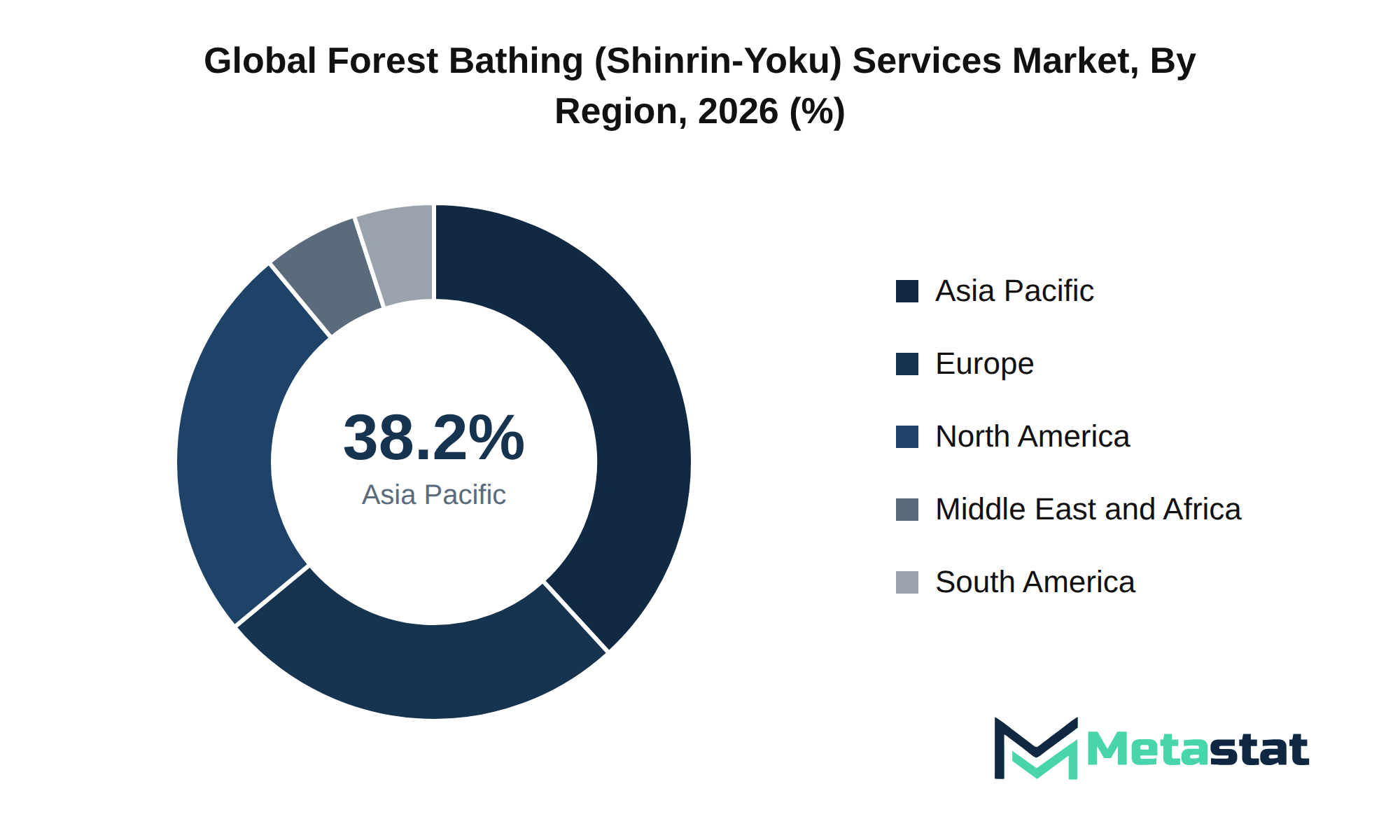
The competitive landscape within the Forest Bathing (Shinrin-Yoku) Services market features a diverse range of players employing various strategies to achieve growth and differentiate their offerings. Major operators, including Hoshino Resorts Inc., Six Senses Hotels Resorts Spas, and Aman Group, focus on enhancing customer experiences through premium service offerings and unique location advantages. These entities leverage their brand equity to attract individual leisure and wellness consumers seeking immersive experiences in natural settings.
Strategic alliances and partnerships among companies, including the collaboration between retreat and wellness tour operators and independent forest bathing guides, enhance service delivery capabilities, allowing for a broader range of offerings. These alliances improve customer retention and facilitate access to diverse customer segments, including corporate and employee wellness buyers. The integration of wellness programs into existing hospitality services has emerged because a critical growth vector, enabling hotels and resorts to offer comprehensive packages.
Pricing architectures in the market reflect the premium nature of offerings, with structured forest therapy programs and multi-day retreats commanding higher price points. This strategy results in increased revenue potential, especially among high-end wellness resorts, including Miraval Resorts & Spas and Mohonk Mountain House. Barriers to entry for new players include established brand loyalty and significant investment in quality service delivery, limiting market disruption from new entrants.
Technological advancement plays a role in enhancing service experiences. Companies with proprietary technologies, including Forest Therapy India and The Forest Bathing Institute, position themselves strategically within the market by offering innovative and scientifically supported programs. The competitive outlook remains positive, driven by a robust CAGR of 8.8% from 2026 to 2033. The market is expected to reach USD 16.9 billion by 2033.
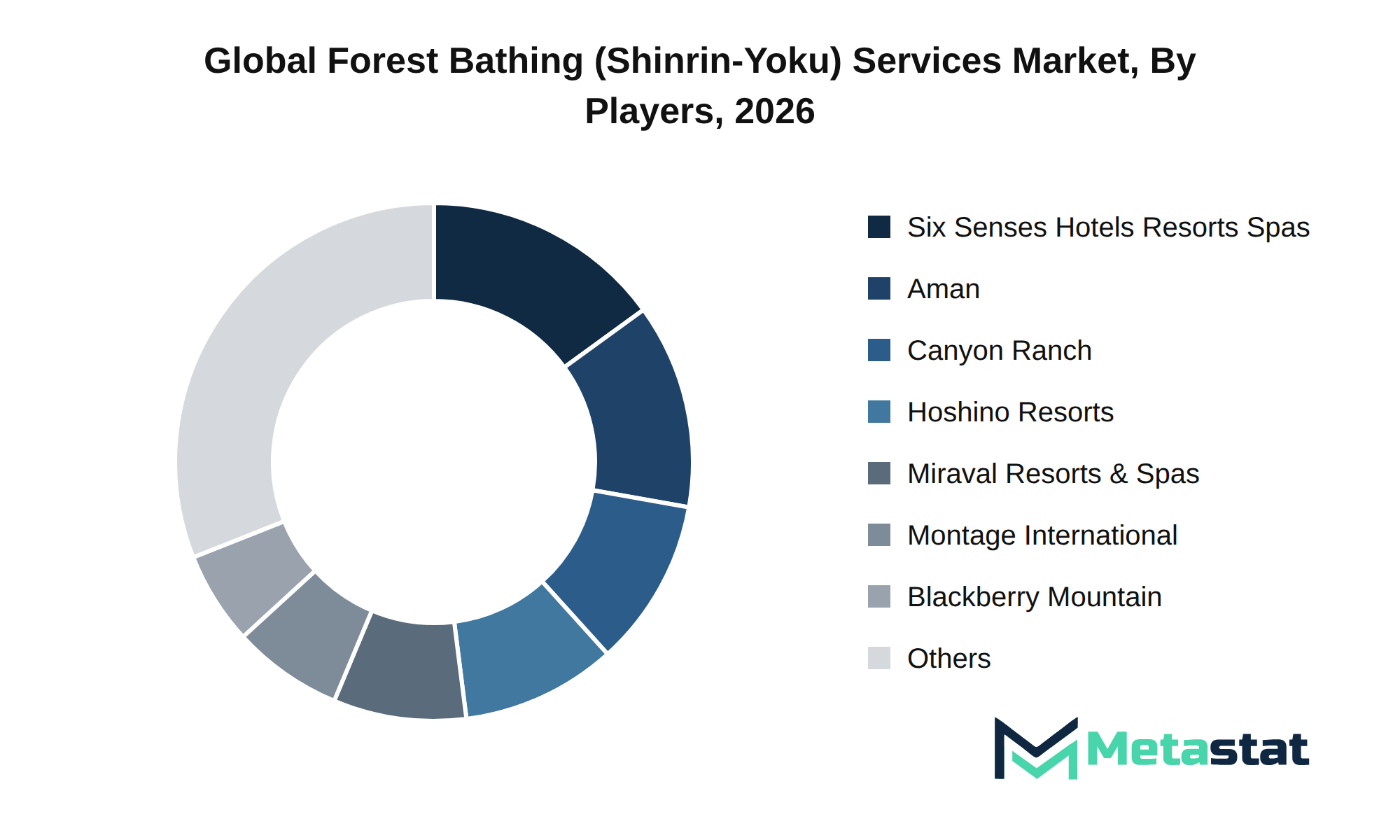
The Forest Bathing (Shinrin-Yoku) Services market size is forecast to rise from USD 8.6 billion in 2025 to over USD 16.9 billion by 2033, reflecting an 8.8% compound annual growth rate (CAGR). This growth trajectory is attributed to increasing awareness surrounding mental health and wellness, leading to heightened consumer interest in nature-based therapies. The integration of innovative technologies, including mobile applications that facilitate self-guided experiences, contributes significantly to the market's expansion.
In a bullish scenario, significant investments in infrastructure and strategic partnerships with wellness providers are likely to accelerate the pace of growth. This scenario would benefit hospitality and tourism businesses that actively promote forest bathing within their wellness offerings. A bearish outlook could arise from economic downturns, resulting in reduced discretionary spending on wellness services. The underlying trend of prioritizing mental health through nature experiences remains strong, positioning the market for sustained demand.
Key regional markets, including North America and Europe, are expected to experience significant growth driven by increasing consumer spending on health and wellness. The Asia Pacific region, with its rich cultural ties to nature, presents high-growth pockets for the Forest Bathing (Shinrin-Yoku) Services market. Efforts in regulatory evolution, including promoting eco-tourism and wellness tourism, will further enhance market opportunities in these regions.
The report strategically identifies and profiles the key market players and analyses their core competencies in each sub-segment of the Forest Bathing (Shinrin-Yoku) Services market.
Report Attributes | Details |
Study Period | 2021-2033 |
Base Year | 2025 |
Estimated Year | 2026 |
Forecast Period | 2026-2033 |
Historical Period | 2021-2025 |
Growth Rate | CAGR 8.8% from 2026 to 2033 |
Revenue Unit | USD billion |
Segmentation | By Service Type, Program Duration, Provider Type, Customer Type, and Region |
By Region | North America (By Service Type, Program Duration, Provider Type, Customer Type, and Country)
|
Europe (By Service Type, Program Duration, Provider Type, Customer Type, and Country)
| |
Asia Pacific (By Service Type, Program Duration, Provider Type, Customer Type, and Country)
| |
South America (By Service Type, Program Duration, Provider Type, Customer Type, and Country)
| |
Middle East and Africa (By Service Type, Program Duration, Provider Type, Customer Type, and Country)
|
Find answers to common questions about this report
The Forest Bathing (Shinrin-Yoku) Services market size was valued at USD 8.6 billion in 2025, according to the Metastat Insights study.
The Forest Bathing (Shinrin-Yoku) Services market is projected to grow at a CAGR of 8.8% during the forecast period from 2026 to 2033.
The North America Forest Bathing (Shinrin-Yoku) Services market size is estimated to reach USD 4.1 billion by 2033.
The segment "Guided Forest Bathing Sessions" leads the Forest Bathing (Shinrin-Yoku) Services market, with a projected value of USD 4.2 billion by 2033. This figure represents the highest anticipated revenue among the service type segments.
Strengthening macro-economic factors contribute to the growth of the Forest Bathing (Shinrin-Yoku) Services market. Increased GDP growth and rising disposable incomes enhance consumer spending on wellness and leisure activities, particularly in urban areas. The expansion of this market aligns with a growing recognition of the value of mental health and well-being, influencing lifestyle choices for diverse consumer segments.
The Forest Bathing (Shinrin-Yoku) Services market faces constraints from regulatory compliance challenges, high capital investment requirements, and macroeconomic headwinds including inflation. These factors limit accessibility to natural areas, increase operational costs, and strain budgets, ultimately hindering market growth and discouraging new entrants.
Strengthening macro-economic factors, rising disposable incomes, and increased consumer awareness of wellness benefits linked to nature immersion favor product adoption in the Forest Bathing (Shinrin-Yoku) Services market. shifting consumer preferences towards eco-friendly practices and unique wellness experiences further drive demand for these services.
The Forest Bathing (Shinrin-Yoku) Services market is estimated to reach a valuation of USD 16.9 billion by 2033.
Key players in the Forest Bathing (Shinrin-Yoku) Services market include Hoshino Resorts Inc., Six Senses Hotels Resorts Spas, Aman Group, Miraval Resorts & Spas, Mohonk Mountain House, Canyon Ranch, and The Lodge at Woodloch.
Individual leisure and wellness consumers represent a significant customer type in the Forest Bathing (Shinrin-Yoku) Services market, with a projected value of USD 7.7 billion by 2033.
The analysts below cover Energy and Power research at Metastat Insights.
LEAD ANALYST
Utkarsh Khirodkar is a Lead Market Research Analyst at MetaStat Insight, specializing in market intelligence, technology sector assessments, and competitive strategy.

PRINCIPAL CONSULTANT - ENTERPRISE AI & EMERGING TECHNOLOGIES
Banking & Finance · Electronics and Semiconductor · Energy and Power · Healthcare IT · Information & Technology · Professional Services
Vijay Gunti is a Principal Consultant at MetaStat Insight, bringing over two decades of experience across enterprise digital transformation, technology strategy, and intelligent systems.

ENERGY & INFRASTRUCTURE INDUSTRY CONSULTANT
Automotive and Transportation · Electronics and Semiconductor · Energy and Power · Machinery & Equipment
Saurabh Vasant Ganvir consults for Energy & Infrastructure Industry at MetaStat Insight, specializing in renewable energy, solar EPC, and electric vehicle (EV) infrastructure markets.
Evaluating secondary resin quality across post-consumer packaging streams requires reliable technical segmentation. MetaStat Insight delivered an objective assessment that distinguished between extrusion-grade flake pricing and optical sorting throughput limitations across Western Europe. The competitive positioning breakdown for licensed depolymerization technology providers answered several questions during our feedstock feasibility audit. Their team clarified regional trade restrictions on mixed plastic scrap quickly when our team submitted follow-up requests.
Evaluating sovereign cloud deployments for core banking platforms demands a clear view of data residency regulations and migration exit strategies. MetaStat Insight delivered an exhaustive review of regional latency tolerances, mainframe decommission milestones, and third-party vendor concentration risk. The regulatory compliance mapping across European and Asian financial jurisdictions gave our team a dependable baseline for multi-cloud infrastructure discussions.
Replacing petrochemical surfactants with bio-based alternatives requires realistic timelines on industrial precision fermentation scaling. The market research broke down commercialization timelines, feedstock sugar price sensitivities, and regional cosmetic ingredient regulatory approvals in Europe and East Asia. That supplier readiness mapping gave our formulations team reliable context when comparing renewable chemical sourcing roadmaps.
Explore related market intelligence reports worth reading alongside this one.