
LEAD ANALYST
Utkarsh Khirodkar is a Lead Market Research Analyst at MetaStat Insight, specializing in market intelligence, technology sector assessments, and competitive strategy.

Global Experiential Travels Market Size, Share, By Type (Adventure Travel, Cultural Exploration, Culinary Tours, Wellness Retreats, and Others), By Duration (Short-Term, Medium-Term, and Long-Term), By Traveler Type (Solo Travelers, Couples, Families, Friend Groups, and Others), By Booking Channel (Direct Booking Platforms, Online Travel Agencies (OTAs), Travel Advisors, Agents, and Others), Industry Analysis, Growth, Trends, and Forecast, 2026-2033
Report ID
MSI-4729
Published
May, 2026
Pages
315 Pages
Format
Report Details
Choose Your License
Experiential Travels Market
Global Experiential Travels market size is valued at USD 2,967.4 billion in 2025 and projected to grow at a CAGR of 7.3% during the forecast period, reaching USD 5,211.0 billion by 2033.
North America held 30.3% of the market share in 2025, with the U.S. leading regional revenue contribution.
The Adventure Travel segment accounted for 29.9% of the market share in 2025.
Key trends driving growth: Authentic Local Culture and Immersive Experience Preference, Experience-Centric and Event-Led Travel Spending Momentum.
Opportunities include tech-Enabled Curation of Small-Group, Sustainable, and Hyperlocal Experiences
Key insight: The Global Experiential Travels market is gaining momentum owing to evolving traveler priorities, demand for authentic engagement, and rising spending on memory-led tourism experiences.
The Global Experiential Travel market within the tourism industry is shifting beyond traditional sightseeing packages and standard hotel stays. Travelers are increasingly seeking active participation, local interaction, and memorable experiences that create emotional value. Travel operators are redesigning itineraries around storytelling, learning, and personalized discovery instead of only transportation and accommodation.
Over the coming years, the Experiential Travel market is projected to benefit from community-based tourism, eco-conscious planning, and digital discovery platforms that connect travelers with distinctive destinations. Operators will emphasize smaller group formats, flexible schedules, and specialized experiences that match individual interests.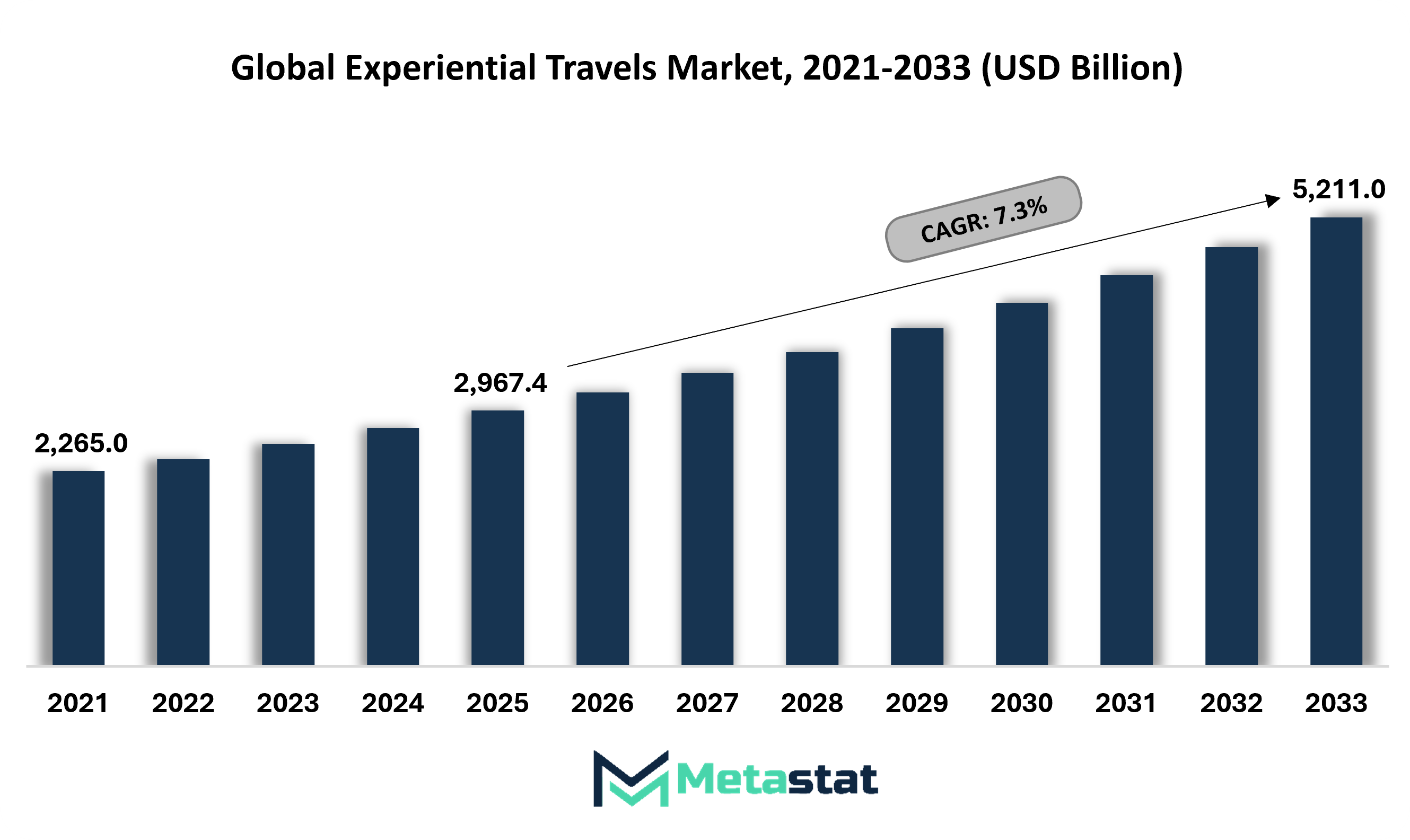
Authentic Local Culture and Immersive Experience Preference.
The Global Experiential Travel Market is gaining momentum through growing demand for heritage walks, culinary learning, artisan interaction, rural stays, and nature-linked discovery. Travelers are seeking memory-rich itineraries that deliver emotional value. Future demand will favor meaningful access, verified cultural depth, and community-led programs across emerging destinations.
Experience-Centric and Event-Led Travel Spending Momentum
Experience-centric travel, event-led gatherings, wellness retreats, creative workshops, and seasonal celebrations continue to lift premium travel spending. Purchase decisions increasingly follow calendar events, seasonal occasions, and passion-based themes. The Global Experiential Travel Market will benefit from curated departures, limited-seat access, and exclusive participation packages linked with major events.
High Package Costs and Affordability Pressure
Premium accommodation, professional guides, transport logistics, insurance, and activity costs frequently raise final package prices. Budget-sensitive travelers face slower conversion during inflationary periods. The Global Experiential Travel Market will require tiered pricing, modular inclusions, and value-focused planning to widen consumer reach across income groups.
Overtourism, Capacity Constraints, and Community Impact Concerns
Popular heritage cities, islands, wildlife zones, and festival hubs face congestion, strained utilities, and resident dissatisfaction during peak periods. Limited permits further restrict supply. Future growth in the Global Experiential Travel Market will depend on visitor caps, rotation models, and community revenue participation frameworks.
Tech-Enabled Curation of Small-Group, Sustainable, and Hyperlocal Experiences
Tech-enabled curation, dynamic booking engines, language tools, digital maps, and preference analytics are creating highly targeted niche itineraries. Small-group farm visits, maker studios, conservation programs, and community food trails are gaining stronger visibility. The Global Experiential Travel Market will expand through smart discovery tools and responsible access platforms.
The Global Experiential Travel market is classified based on Type, Duration, Traveler Type, and Booking Channel.
Adventure Travel segment is valued at USD 951.2 billion in 2026 and is projected to reach USD 1,570.1 billion by 2033, at a CAGR of 7.4% during the forecast period.
Adventure Travel indicates strong future demand through trekking circuits, diving routes, desert drives, glacier walks, wildlife safaris, and remote camping packages. Rising interest in physical challenges, nature contact, and memory-led spending supports premium package growth. Safety technologies, skilled guides, and eco practices will enhance adoption across age groups.
Cultural Exploration segment is valued at USD 862.5 billion in 2026 and is projected to reach USD 1,275.1 billion by 2033, at a CAGR of 5.7% during the forecast period.
Cultural Exploration is gaining momentum through heritage walks, village stays, craft learning sessions, language immersion, museum trails, and festival attendance. Travelers are increasingly seeking local identity and authentic learning value. Digital storytelling, curated historians, and community partnerships will create richer experiences with sustainable income generation.
Culinary Tours segment is valued at USD 494.1 billion in 2026 and is projected to reach USD 879.6 billion by 2033, at a CAGR of 8.6% during the forecast period.
Culinary Tours attract growing attention through farm visits, local tasting routes, cooking workshops, market walks, and chef-led dining events. Food curiosity and social sharing trends support steady growth. Health-focused menus, local sourcing, and specialty cuisine mapping will strengthen repeat bookings among urban consumers.
Wellness Retreats segment is valued at USD 429.7 billion in 2026 and is projected to reach USD 787.9 billion by 2033, at a CAGR of 9% during the forecast period.
Wellness Retreats are expanding through yoga camps, meditation stays, detox holidays, spa packages, forest therapy, and sleep restoration programs. Fast-paced lifestyles increase preference for mental balance and physical renewal. Personalized health plans, wearable monitoring, and natural settings will boost premium demand in coming years.
Others segment is valued at USD 443.5 billion in 2026 and is projected to reach USD 698.3 billion by 2033, at a CAGR of 6.7% during the forecast period.
Other travel formats include volunteer tourism, educational trips, creative residencies, photography camps, sports camps, and spiritual circuits. Niche interests create diverse revenue streams for operators. Custom itinerary tools, professional hosts, and flexible scheduling will help smaller segments grow into profitable specialty categories.
Short-Term segment is projected to reach USD 2,229.8 billion by 2033, at a CAGR of 6.7% during the forecast period.
Short-term travel remains popular through weekend escapes, three-day activity breaks, local heritage circuits, and city refresh programs. Busy schedules support compact experiences with fast planning cycles. Mobile booking ease, transport links, and budget flexibility will keep short formats attractive.
Medium-Term segment is projected to reach USD 1,932.2 billion by 2033, at a CAGR of 7.4% during the forecast period.
Medium-term travel covers 5-to-10-day packages with balanced leisure, discovery, and restorative value. Strong demand appears among working professionals seeking deeper engagement without long absence periods. Multi-city passes, themed routes, and hybrid work options will support sustained market expansion.
Long-Term segment is projected to reach USD 1,049 billion by 2033, at a CAGR of 8.6% during the forecast period.
Long-term travel includes extended retreats, learning journeys, remote work stays, and slow exploration plans lasting several weeks or months. Higher interest in meaningful living experiences supports category growth. Subscription accommodation, visa support, and community integration services will increase future participation levels.
Solo Travelers segment is projected to reach USD 1,284.5 billion by 2033.
Solo travelers drive demand for flexible schedules, self-growth experiences, safe group activities, and affordable shared accommodation. Independence and personal discovery remain key motivations. AI trip planners, structured groups, and women-focused safety services will strengthen participation across domestic and international routes.
Couples segment is projected to reach USD 1,516.4 billion by 2033.
Couples prefer romantic escapes, wellness stays, culinary trails, and milestone celebration packages. Privacy, comfort, and memorable settings guide purchase decisions. Customized experiences, private transport, premium hospitality, and anniversary-focused bundles will create strong revenue opportunities for service providers worldwide.
Families segment is projected to reach USD 1,127.7 billion by 2033.
Families seek learning holidays, child-friendly accommodation, wildlife parks, beach stays, and multigenerational comfort plans. Convenience, safety, and broad activity options remain critical purchase factors. Smart room designs, supervised programs, and bundled pricing models will support future category growth.
Friend Groups segment is projected to reach USD 903.1 billion by 2033.
Friend Groups prefer adventure camps, nightlife cities, festival trips, road trips, and shared villas. Social bonding and collective memories shape spending patterns. Split-payment tools, group discounts, and interest-based customization will increase conversion rates for travel brands targeting younger consumers.
Others segment is projected to reach USD 379.4 billion by 2033.
Other traveler groups include senior citizens, student groups, corporate teams, and special-interest communities. Distinct needs create demand for accessible design, guided support, learning value, and organized logistics. Tailored communication and segment-focused packages will unlock new booking potential.
Direct Booking Platforms segment is projected to grow at a CAGR of 7.7% during the forecast period.
Direct Booking Platforms are gaining traction through brand websites and proprietary mobile apps that offer transparent pricing, loyalty rewards, and exclusive packages. Strong customer data access improves retention strategies. Seamless payments, live chat support, and instant confirmations will strengthen future direct sales.
Online Travel Agencies (OTAs) segment is projected to grow at a CAGR of 8% during the forecast period.
Online Travel Agencies remain influential through broad inventory, traveler reviews, price comparison tools, and bundled offers. Consumers value convenience and fast decision support. Advanced filters, multilingual service, and dynamic packaging technology will maintain strong channel relevance across regions.
Travel Advisors/Agents segment is projected to grow at a CAGR of 5.8% during the forecast period.
Travel Advisors/Agents serve premium demand through expert planning, visa guidance, crisis support, and customized itineraries. Human consultation remains valuable for complex journeys and luxury bookings. Relationship-driven sales, specialist knowledge, and concierge services will preserve channel importance.
Others segment is projected to grow at a CAGR of 5.9% during the forecast period.
Other booking channels include social commerce, event organizers, corporate portals, membership clubs, and destination marketing partnerships. Alternative discovery paths widen customer reach. Influencer commerce, embedded payments, and community-led recommendations will create new customer acquisition opportunities for operators.
Based on geography, the Experiential Travels market is divided into North America, Europe, Asia-Pacific, South America, Middle East, and Africa.
North America is witnessing robust demand for curated adventure escapes, road-based exploration, and premium wellness retreats.
In North America, Experiential Travel market growth is gaining momentum from strong digital booking adoption and high discretionary travel spending.
Europe holds a significant position in the Experiential Travel Market, supported by its strong cultural heritage, diverse tourism routes, advanced travel infrastructure, and high demand for immersive destination experiences.
Asia-Pacific offers significant opportunities for the Experiential Travel market through rising middle-class tourism demand and growing outbound travel interest.
Within Asia-Pacific, the Experiential Travel market benefits from rich cultural destinations, wellness hubs, and nature-based tourism services.
Across the Middle East, Africa, and South America, the Experiential Travel market is progressing through heritage tourism, wildlife travel, luxury wilderness experiences, and growing eco-tourism investment.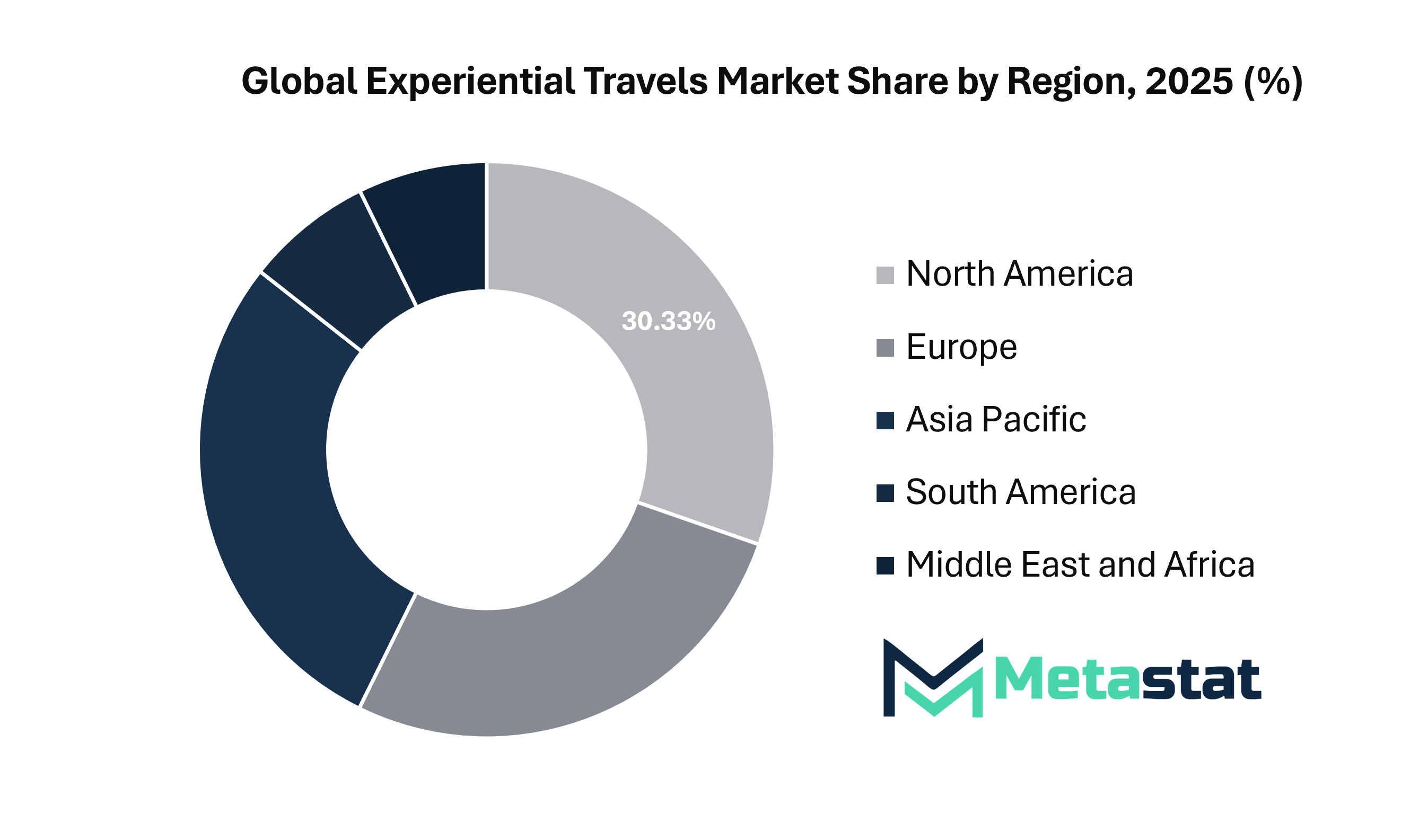
Traveler preferences are shifting toward storytelling, culture-led discovery, and active participation instead of fixed sightseeing itineraries. The Global Experiential Travel Market reflects this shift, with travelers seeking cooking classes, village stays, wildlife viewing, and guided walks that feel personal and authentic. Demand continues to rise as travelers value memories over material goods and seek learning-led holidays. Digital research also helps consumers compare formats, prices, reviews, and inclusions before booking. Younger travelers often prefer flexible plans, while older travelers seek comfort, safety, and meaningful experiences. Both groups expect trusted guidance, clear schedules, transparent pricing, and reliable service standards from travel operators.
Leading companies address demand through niche themes and carefully designed services. Intrepid Travel, G Adventures, Trafalgar, Contiki, and EF Go Ahead Tours attract broad audiences through planned group trips. Abercrombie & Kent, Scott Dunn Ltd., Black Tomato, Remote Lands, and Kensington Tours focus on premium customized journeys. Backroads, Country Walkers, Butterfield & Robinson, Exodus Adventure Travels, Explore Worldwide, World Expeditions, Wilderness Travel, MT Sobek, and Natural Habitat Adventures serve active travelers. Tauck, Micato Safaris, Quark Expeditions, Lindblad Expeditions, Geographic Expeditions, Inc., and Road Scholar build learning-based travel experiences for curious travelers seeking deeper local contact and richer shared memories.
Online platforms have widened reach for smaller guides and family-owned operators. Airbnb, Inc., Tripadvisor, GetYourGuide, Viator, Klook, Withlocals, ToursByLocals, Context Travel, TravelLocal, and Evaneos connect travelers with hosts, drivers, teachers, and local specialists across multiple destinations. Easy mobile booking supports last-minute decisions and quick plan changes. Reviews create trust, while poor service can quickly damage reputation. Strong visuals and honest descriptions matter as buyers need to understand what they are paying for before arrival. Payment security, language support, and clear cancellation policies remain crucial for repeat business growth across global travel markets.
Future market development will depend on balancing access with protection for communities and nature. Crowded sites, rising prices, visa delays, and weather disruptions can slow bookings. Firms that train local partners and share income fairly will strengthen traveler loyalty. Travelers are also paying closer attention to waste management, animal welfare, and respect for local traditions, making responsible operations important for brand trust. Better data use will help match travelers with suitable trips and reduce service complaints. Providers that combine comfort, learning, safety, and authentic local contact will sustain interest in a competitive market.
Market size is forecast to rise from USD 2,967.4 billion in 2025 to over USD 5,211.0 billion by 2033.
The Global Experiential Travel market is expected to advance through deeper personalization, AI-assisted itinerary design, and stronger focus on regenerative tourism. Travelers will prioritize quality over volume, choosing fewer but richer travel experiences.
This research report categorizes the Experiential Travels market based on key segments and regions, forecasts revenue growth, and analyses trends in each submarket. The report analyses the key growth drivers, opportunities, and challenges influencing the Experiential Travels market. Recent market developments and competitive strategies such as expansion, product launch, partnership, merger, and acquisition have been included to draw the competitive landscape in the market.
The report strategically identifies and profiles the key market players and analyses their core competencies in each sub-segment of the Experiential Travels market.
|
Report Attributes |
Details |
|
Study Period |
2021-2033 |
|
Base Year |
2025 |
|
Estimated Year |
2026 |
|
Forecast Period |
2026-2033 |
|
Historical Period |
2021-2025 |
|
Growth Rate |
CAGR 7.3% from 2026 to 2033 |
|
Revenue Unit |
USD billion |
|
Segmentation |
By Type, Duration, Traveler Type, Booking Channel, and Region |
|
By Region |
North America (By Type, Duration, Traveler Type, Booking Channel, and Country)
|
|
Europe (By Type, Duration, Traveler Type, Booking Channel, and Country)
|
|
|
Asia Pacific (By Type, Duration, Traveler Type, Booking Channel, and Country)
|
|
|
South America (By Type, Duration, Traveler Type, Booking Channel, and Country)
|
|
|
Middle East and Africa (By Type, Duration, Traveler Type, Booking Channel, and Country)
|
Find answers to common questions about this report
Top players operating in the Experiential Travels industry include Intrepid Travel, Scott Dunn Ltd., Exodus Adventure Travels, World Expeditions, Explore Worldwide, Abercrombie & Kent, Airbnb, Inc., Backroads, G Adventures, Tauck, Trafalgar, Contiki, EF Go Ahead Tours, Butterfield & Robinson, Micato Safaris, Kensington Tours, Quark Expeditions, Natural Habitat Adventures, MT Sobek, Lindblad Expeditions, Geographic Expeditions, Inc., Road Scholar, TripAdvisor, GetYourGuide, Viator, Klook, Withlocals, ToursByLocals, Context Travel, and TravelLocal
Global Experiential Travels market is estimated to reach USD 5,211.0 billion by 2033.
Authentic Local Culture and Immersive Experience Preference and Experience-Centric and Event-Led Travel Spending Momentum are key driving factors, boosting the market.
Tech-enabled personalization, sustainable travel formats, small-group experiences, hyperlocal discovery platforms, and rising OTA penetration are expected to favor service adoption.
High Package Costs and Affordability Pressure will hamper the market growth within the forecast period.
Adventure Travel is the leading type segment in the global market.
The Metastat Insights analysis shows that the North America Experiential Travels market size is estimated to be USD 1,487.2 billion by 2033.
The Metastat Insights study shows that the Global Experiential Travels market size was USD 2,967.4 billion in 2025.
The Global Experiential Travels market is expected to grow at a CAGR of 7.3% over the forecast period (2026-2033).
The analysts below cover Automotive and Transportation research at Metastat Insights.
LEAD ANALYST
Utkarsh Khirodkar is a Lead Market Research Analyst at MetaStat Insight, specializing in market intelligence, technology sector assessments, and competitive strategy.

ENERGY & INFRASTRUCTURE INDUSTRY CONSULTANT
Automotive and Transportation · Electronics and Semiconductor · Energy and Power · Machinery & Equipment
Saurabh Vasant Ganvir consults for Energy & Infrastructure Industry at MetaStat Insight, specializing in renewable energy, solar EPC, and electric vehicle (EV) infrastructure markets.
Ambulatory surgical centers have very different purchasing cycles for robotic-assisted surgery platforms than major hospital networks. The MetaStat Insight study focused squarely on capital expenditure depreciation, procedural reimbursement pathways, and surgeon training overhead. That operational clarity made it much simpler to validate multi-year procedure growth forecasts against actual ambulatory center adoption patterns.
When planning edge sensor rollouts across refinery environments, generic IoT reports typically miss the harsh-environment certification bottlenecks. MetaStat Insight gave an objective evaluation of ATEX and Class 1 Division 2 hardware availability, along with realistic five-year maintenance cycle cost projections. The comparison of wireless mesh versus private cellular backhaul helped our team pressure-test network reliability models for remote processing facilities.
In the biological seed treatment space, registration timelines vary drastically between the European Union, Brazil, and North America. The MetaStat Insight research handled these cross-border regulatory barriers with genuine nuance, mapping commercialization pathways alongside historical field adoption rates. The segmentation between microbial strains and biochemical active ingredients was particularly well structured.
Explore related market intelligence reports worth reading alongside this one.
Starting from
$2950