
LEAD ANALYST
Utkarsh Khirodkar is a Lead Market Research Analyst at MetaStat Insight, specializing in market intelligence, technology sector assessments, and competitive strategy.

India Outbound Tourism Market Size, Share, By Type of Travel (Leisure Travel, Business Travel, Adventure Travel and Others), By Booking Channel (Phone Booking, Online Booking and In Person Booking), By Tourist Type (Domestic and International), By Age Group (0-24 Years, 25-34 Years, 35-44 Years, 45-54 Years and 55 and Above), Industry Analysis, Growth, Trends, and Forecast, 2026-2033
Report ID
MSI-5198
Published
September, 2026
Pages
273 Pages
Format
Historical
Base year
Forecast
Forecast period
Report Details
Choose Your License
India Outbound Tourism Market
The India Outbound Tourism market was valued at USD 24.4 billion in 2025 and is projected to reach USD 63.6 billion by 2033, growing at a CAGR of 12.7% over the forecast period.
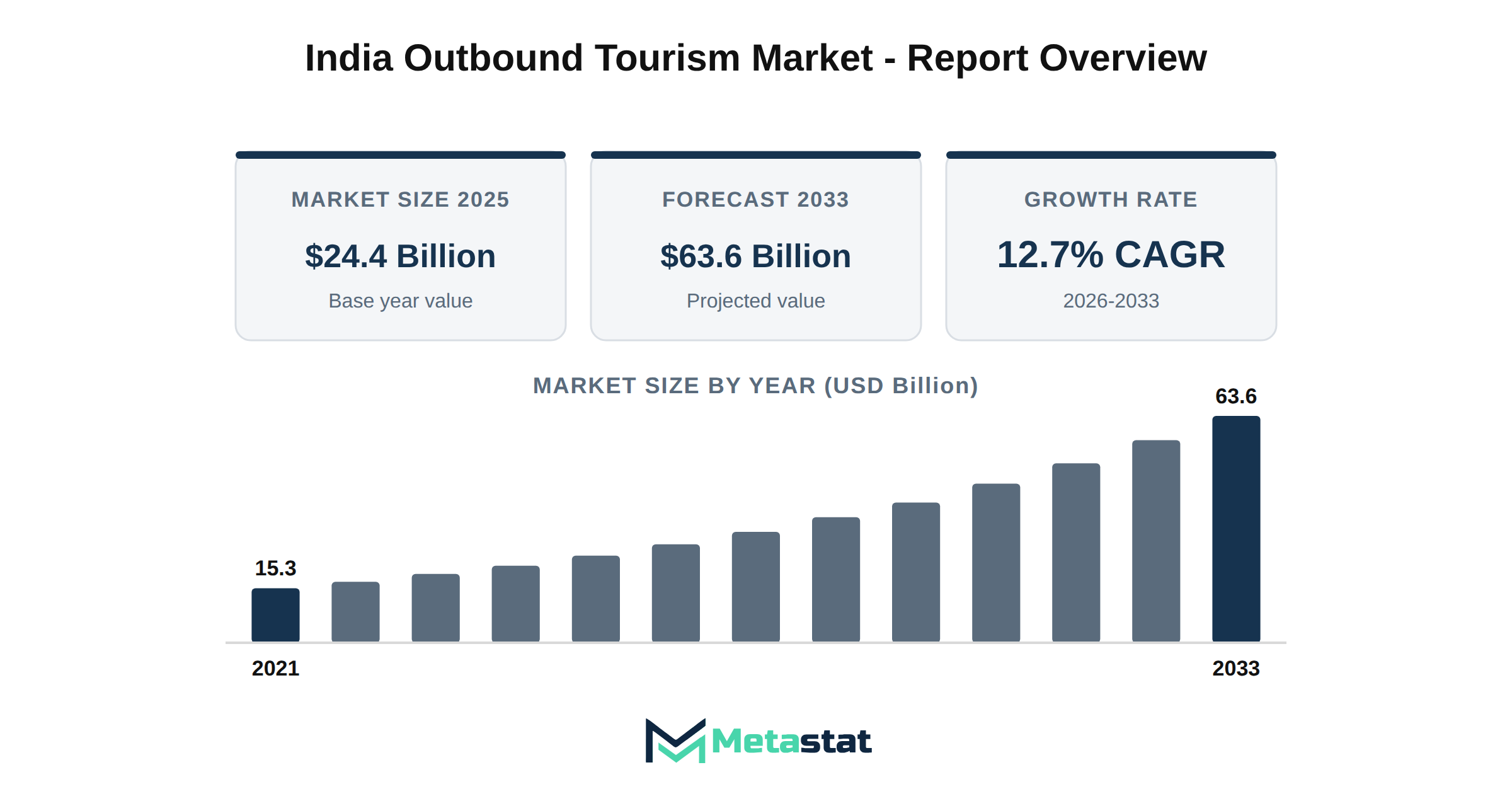
The India Outbound Tourism market, valued at USD 24.4 billion in 2025, shows growth potential, with projections estimating a market value of USD 63.6 billion by 2033. This growth reflects a compound annual growth rate (CAGR) of 12.7% during the forecast period from 2026 to 2033. Historical data indicates a steady increase in market value, with figures rising from USD 15.3 billion in 2021 to USD 24.4 billion in 2025.
Traveler demographics indicate a diverse market, with leisure travel representing the largest segment at 46.6% of the total outbound tourism. Business travel accounts for 15.5%, while adventure travel and other categories comprise 12.4% and 25.6%, respectively. The focus on leisure travel aligns with changing consumer preferences, emphasizing experiences over traditional package tourism.
Visa policies and air connectivity play a crucial role in shaping the market dynamics. Bilateral agreements facilitate smoother travel between countries, enhancing the overall travel experience. This connectivity is essential for expanding market penetration, particularly in regions experiencing significant outbound travel growth.
Expenditure profiles indicate that travelers prioritize spending on experiences, which drives demand for high-yield segments. This trend is attributed to an increase in discretionary spending, particularly among affluent travelers. The shift toward experiential tourism highlights the importance of adapting offerings to cater to evolving consumer preferences.
The market's booking channels reflect a transition toward digital solutions. Online booking platforms are projected to capture an increasing share, with an anticipated value of USD 39.9 billion by 2033, demonstrating a CAGR of 14.3%. This shift highlights the importance of travel FinTech innovations and regulatory fiscal policies that enhance the customer journey.
Travel preferences emphasize the desire for experiential depth over traditional package offerings. This trend aligns with broader market transformations, including sustainable tourism initiatives and a focus on decarbonization. Such dynamics significantly influence the sourcing landscape, logistics architecture, and overall market growth.
The traveler demographics within the India Outbound Tourism market present a diverse profile, with significant participation from various age groups. The 25-34 years segment represents an increasing share, while younger travelers aged 0-24 years contribute to overall travel dynamics. Higher affluence tiers demonstrate increased willingness to spend on travel experiences, driving demand for premium services and unique travel opportunities.
Visa policies and bilateral agreements significantly impact travel patterns. Streamlined visa processes enhance accessibility, encouraging more travelers to explore international destinations. Enhanced air connectivity between India and key markets facilitates convenient travel, boosting the overall growth potential of the market.
Expenditure profiles illustrate distinct trip purposes among travelers. Leisure travel dominates, accounting for 46.6% of the market, followed by business travel at 15.5%. High-yield segments, including adventure travel, present lucrative opportunities for service providers, emphasizing the demand for tailored travel experiences that cater to specific interests.
Booking channels play a crucial role in shaping consumer behavior. Online booking platforms experience significant growth, projected to reach USD 39.9 billion by 2033, reflecting a shift towards digital solutions. Phone bookings remain relevant, with an anticipated increase to USD 14 billion, while in-person bookings continue to serve a niche market.
Travel preferences indicate a shift towards experiential depth over traditional package tourism. Travelers increasingly seek personalized experiences, prioritizing unique cultural engagements and adventures. This trend aligns with the broader market dynamics, driving service providers to innovate and offer bespoke travel solutions.
The structure of the India Outbound Tourism market is characterized by fragmentation. A multitude of players competes for market share, leading to strategic mergers and acquisitions aimed at enhancing competitive positioning. Infrastructure investments remain vital for meeting evolving traveler expectations, ensuring industry resilience against inflationary pressures and currency volatility.
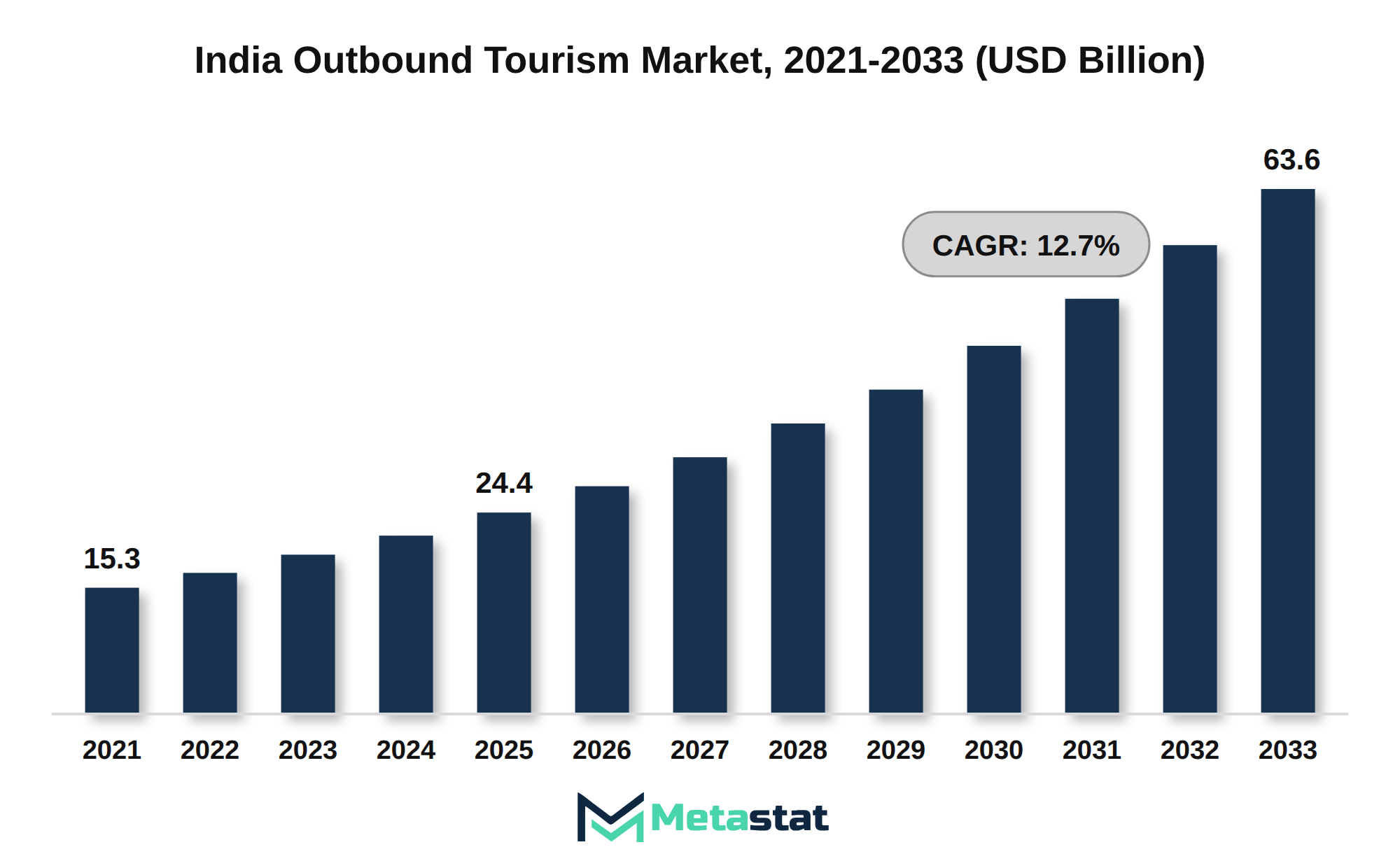
The India Outbound Tourism market experiences substantial growth driven by macro-economic factors, particularly GDP expansion. Increased disposable income among Indian consumers enhances travel affordability, leading to a higher propensity for international trips. The robust economic environment supports rising consumer confidence, prompting travelers to seek leisure and business opportunities abroad.
Investment in infrastructure and digital transformation further drives market growth. Enhanced connectivity through improved air travel options and streamlined visa processes simplify international travel, promoting higher engagement from Indian tourists. Digital platforms facilitate efficient booking experiences, aligning with evolving consumer preferences for convenience and efficiency when planning trips.
The favorable economic climate attracts various segments of the population, including millennials and professionals, who prioritize travel because a key lifestyle choice. While consumers increasingly seek unique experiences, the demand for adventure and leisure travel rises, contributing to the overall market expansion. The India Outbound Tourism market is expected to evolve significantly, reflecting the ongoing trend of urbanization and lifestyle changes that emphasize travel because a vital aspect of modern living.
Increasing investment in digital transformation significantly enhances the India Outbound Tourism market. The integration of advanced technologies, including artificial intelligence and automation, streamlines operations and improves customer engagement. Enhanced online booking platforms and personalized marketing strategies arise from these technological advancements, attracting a broader range of travelers.
Companies adopting digital solutions experience improved operational efficiency and customer satisfaction, leading to higher revenues. Digital tools facilitate real-time data analytics, enabling businesses to make informed decisions about service offerings and pricing strategies. This strategic use of data is crucial for understanding shifting consumer behaviors and preferences within the market.
The growing reliance on online travel agencies and booking platforms accelerates the market's expansion. Increased internet penetration and smartphone usage in India serve because vital enablers of this shift. The digital landscape provides consumers with greater access to travel options and price comparisons, enhancing competition among service providers.
Overall, investment in digital transformation across the India Outbound Tourism market drives innovation and adaptability, positioning companies to meet evolving consumer demands effectively. This trend directly contributes to the sustained growth and competitiveness of the market during the forecast period.
The India Outbound Tourism market faces significant challenges stemming from regulatory compliance hurdles and macroeconomic headwinds. Increased regulatory scrutiny complicates the operational framework for travel service providers, resulting in higher compliance costs. These costs restrict investment capacity and slow down service expansion, limiting competitive positioning in the market.
Macroeconomic factors, including inflationary pressures and geopolitical instability, contribute to uncertainty in consumer spending behavior. Fluctuations in currency exchange rates further impact the affordability of international travel for Indian tourists, directly influencing demand in the market. Higher operating costs due to inflation lead to increased pricing, potentially deterring price-sensitive travelers.
Infrastructure gaps represent another critical restraint, with inadequate transportation and connectivity in certain regions lessening the attractiveness of specific destinations. These gaps delay travel plans and reduce overall market accessibility, hindering growth prospects. Skilled labor deficiencies within the tourism sector impact service quality and operational efficiency, challenging industry players to meet rising consumer expectations.
Privacy concerns and data security vulnerabilities have emerged because significant issues, particularly with the increasing reliance on digital booking platforms. Travelers often exhibit hesitation regarding sharing personal information, which limits engagement with online services, a vital channel for the India Outbound Tourism market. Addressing these security concerns requires substantial investment in technology and infrastructure, further increasing operational costs for providers.
Overall, various regulatory and economic challenges create a complex environment for the India Outbound Tourism market. Industry players navigate these issues while striving to optimize service delivery and enhance customer experiences to maintain growth momentum.
The India Outbound Tourism market faces challenges driven by geopolitical fragmentation, which disrupts travel stability and alters consumer confidence. Political tensions between countries lead to heightened travel advisories, discouraging travelers from planning outbound trips. This uncertainty often results in a decline in demand for international travel, ultimately affecting revenue within the market.
Trade deficits and tariff friction create additional hurdles, impacting the cost and availability of travel services. Increased tariffs on international services raise the overall cost of travel packages, leading to reduced demand among price-sensitive consumers. Such financial pressures directly influence the competitiveness of the market, making it crucial for service providers to adapt pricing strategies.
Technological disruptions challenge the market, driven by advancements that outpace the ability of travel providers to integrate new systems. The lack of interoperability between different booking platforms complicates the travel planning experience for consumers. Consequently, this situation deters potential travelers who seek efficient online booking experiences.
The combination of these factors contributes to a complex environment for the India Outbound Tourism market. Navigating geopolitical issues, adapting to changing trade policies, and keeping pace with technological advancements is essential for market players seeking to maintain their competitive edge and drive growth in this evolving environment.
Emerging regional demands highlight the potential for growth within the India Outbound Tourism market. Travelers increasingly seek unique experiences, prompting tour operators to design customized packages that cater to diverse preferences. This shift presents opportunities for businesses to diversify their offerings, aligning with consumer interests and capturing a larger share of the market.
Infrastructure modernization supports the expansion of travel services and accessibility. Enhanced transportation networks streamline travel logistics, reducing time and costs for consumers. Investments in digital tools and platforms facilitate efficient booking processes and improve customer engagement, creating a competitive advantage for participants in the market.
Geographical expansion into less conventional destinations attracts a new wave of tourists looking for adventure and cultural immersion. Destinations previously overlooked now gain traction owing to travelers exploring alternatives to traditional hotspots. This diversification encourages industry stakeholders to innovate and adapt their strategies to maximize revenue opportunities in emerging markets.
Technological disruptions reshape the travel landscape, particularly through digital transformation. Adoption of advanced technologies enhances operational efficiency and customer satisfaction. Travel companies leverage data analytics to understand consumer behavior better and personalize marketing strategies, establishing stronger connections with potential travelers.
Sustainability imperatives gain importance among conscious consumers. The India Outbound Tourism market benefits from initiatives that promote eco-friendly travel practices and responsible tourism. By integrating sustainable measures into their operations, companies enhance their brand reputation and attract environmentally aware travelers.
Evolving buying behaviors indicate a shift towards more informed and digitally savvy consumers. With increased access to online resources, travelers conduct extensive research before making decisions. This trend encourages businesses to prioritize digital procurement strategies and optimize their online presence to meet consumer expectations effectively.
Strategic consolidation and cross-industry partnerships emerge driven by key competitive strategies. Collaborations with adjacent sectors, including hospitality and transportation, enable companies to provide comprehensive travel solutions that enhance customer experiences. Such alliances strengthen market positioning and increase resilience against competitive pressures.
Value-chain optimization becomes essential for companies aiming to maximize operational yield. Streamlined processes and effective resource management enhance profitability while maintaining quality service. Businesses that prioritize efficiency respond swiftly to market changes, ensuring long-term sustainability within the India Outbound Tourism market.
The India Outbound Tourism market is segmented based on Type of Travel, Booking Channel, Tourist Type, and Age Group.
Valued at USD 12.8 billion in 2026, the Leisure Travel segment is projected to reach USD 28.2 billion by 2033, reflecting a compound annual growth rate (CAGR) of 11.9% during the forecast period. This growth is largely driven by increasing disposable income among Indian travelers, creating a culture of exploration and experience-seeking. An expanding middle class, coupled with a growing appetite for international travel, ensures robust demand across various destinations.
Technological advancements further enhance the market, enabling efficient booking processes through online platforms. The integration of mobile applications into the travel experience allows for real-time updates and personalized itineraries, appealing to tech-savvy travelers. While digital channels gain traction, traditional booking methods face pressure, prompting businesses to adapt their strategies to maintain competitiveness.
Consumer preferences increasingly lean towards unique and immersive experiences, leading to the evolution of leisure travel offerings. Destinations that prioritize adventure, wellness, and cultural experiences attract a growing number of travelers. The shift towards experiential travel aligns with the broader trend of seeking more meaningful journeys, ultimately influencing the types of services and packages offered in the market.
With the Indian government promoting tourism, incentives and initiatives expand travel accessibility to diverse locations. Infrastructure improvements, including enhanced connectivity and upgraded facilities, support this growth trajectory, benefiting various stakeholders in the tourism industry. While safety and sustainability gain prominence, travelers increasingly favor companies that demonstrate a commitment to eco-friendly practices.
The Leisure Travel segment within the India Outbound Tourism market presents significant growth potential driven by evolving consumer preferences, technological advancements, and supportive governmental initiatives. The anticipated rise in both the market size and the number of travelers highlights the enduring appeal of leisure travel because a key component of the broader tourism landscape.
Business Travel segment is estimated to reach USD 9.7 billion by 2033, at a CAGR of 12.5% during the forecast period. A robust increase in corporate activities globally drives this segment's expansion. Companies increasingly invest in travel to build relationships, explore partnerships, and enhance productivity. This trend reflects a broader commitment to face-to-face engagements that strengthen business ties.
The market sees significant adoption of technological solutions that streamline booking processes and enhance travel management. Online platforms that facilitate booking and provide real-time data on travel options contribute to a more efficient travel experience. While businesses prioritize cost-effectiveness and convenience, reliance on digital solutions continues to grow.
Corporate policies that support travel act because a catalyst for growth and further influence this segment. Organizations recognize the importance of travel in meeting strategic objectives, leading to an upward shift in expenditure. This shift emphasizes the value placed on mobility and dynamic interaction with clients and stakeholders.
With the increasing globalization of business operations, the market reflects a steady demand for travel services. Companies operate across borders, leading to a rise in international business travel. The India Outbound Tourism market benefits from heightened demand for services that cater to this demographic.
Adventure Travel within the India Outbound Tourism market shows strong growth, targeting USD 10 billion by 2033. Increased interest in unique and exhilarating experiences drives demand, attracting millennials and adventure enthusiasts eager to explore off-the-beaten-path destinations.
Expanding connectivity and improved travel infrastructure boost accessibility to remote locations, enhancing the appeal of adventure travel. This segment thrives on the rise of social media, where travelers share their experiences, influencing potential adventurers to seek similar journeys.
Technological advancements play an important role in shaping the adventure travel landscape. Innovative booking platforms streamline the planning process, allowing travelers to customize their itineraries effortlessly. Online booking for adventure activities is becoming increasingly popular, reflecting a shift in consumer behavior towards digital solutions.
Environmental consciousness influences travel choices, with eco-adventures gaining traction among responsible travelers. Companies focusing on sustainable practices attract a growing base of eco-conscious consumers, contributing positively to the segment's expansion.
The market benefits from investment in marketing strategies that connect with target demographics. Tailored promotions and partnerships with influencers enhance visibility and engagement, strengthening brand loyalty in the adventure travel segment.
Overall, Adventure Travel in the India Outbound Tourism market reflects a dynamic convergence of consumer interests, technological innovation, and sustainable practices, positioning the segment favorably for growth through 2033.
Growth within the Others segment in the India Outbound Tourism market aligns with evolving traveler preferences. This sub-segment stands out due to travelers increasingly seeking unique and off-the-beaten-path experiences that encompass activities beyond traditional leisure or business travel. Adventurous excursions, cultural immersions, and wellness retreats contribute to this expansion, attracting diverse demographics eager for personalized journeys.
Others segment is projected to grow at a CAGR of 12.1% during the forecast period. Increasing disposable incomes among Indian travelers, coupled with a higher willingness to spend on novel experiences, drives demand in this space. The rise of social media engagement encourages a culture of sharing unique travel experiences, motivating more individuals to explore unconventional destinations and activities.
Significant investments in digital channels and travel technology enhance the booking process for travelers seeking non-traditional options. Online platforms offer tailored packages, allowing customers to discover diverse travel opportunities. Through this technological maturation, the Others segment benefits from streamlined booking channels and improved customer engagement, ultimately supporting the overall growth of the market.
This segment's expansion reflects a broader shift in consumer behavior, where travelers prioritize experiences over material goods. With this trend, the India Outbound Tourism market continues to evolve, accommodating diverse needs and preferences, ensuring a vibrant environment for travel offerings.
Growth in the Phone Booking segment reflects a notable trend within the India Outbound Tourism market. Valued at USD 6.8 billion in 2026, this segment is projected to reach USD 14 billion by 2033, indicating a compound annual growth rate (CAGR) of 11% during the forecast period. Increased consumer preference for personalized travel experiences drives demand for phone bookings, enabling agents to offer tailored services that enhance customer satisfaction.
Technological advancements in telecommunication and customer relationship management systems support the segment's expansion. These innovations facilitate smoother interactions between travelers and booking agents, ensuring efficient service delivery. Traditional methods of booking through personal interactions remain popular among certain demographics, particularly older travelers and those seeking direct assistance. Consequently, the market experiences a diversification of booking channels, with phone bookings maintaining a strong position.
Increased travel frequency among middle and upper-income groups contributes to a stronger reliance on phone bookings. This demographic prioritizes convenience and assistance in trip planning, leading to sustained growth within this segment. The India Outbound Tourism market benefits from this trend, positioning itself favorably for continued expansion.
Growth in the online booking segment reflects a shift in consumer preferences towards convenience and efficiency. The proliferation of smartphones and internet connectivity drives an increase in online transactions, facilitating easier access to travel services. Users appreciate the ability to compare prices, read reviews, and book travel packages at any time, enhancing the segment's attractiveness.
The online booking segment is projected to reach USD 39.9 billion by 2033, at a CAGR of 14.3% during the forecast period. This substantial growth aligns with the overall expansion trend within the India Outbound Tourism market, where technology integration enhances user experience.
Competitive dynamics within the market promote innovation in online platforms, pushing providers to improve functionalities and streamline the booking process. Enhanced user interfaces and personalized offerings reflect rising expectations among travelers, further accelerating adoption rates.
Demand for online booking grows within various demographics, particularly among younger travelers who prioritize digital solutions. This transition towards online channels supports a broader trend of digital transformation across the travel industry, characterized by evolving consumer behavior and technological advancements.
Projected growth in the In Person Booking segment reflects a notable shift in consumer preferences within the India Outbound Tourism market. The segment is expected to reach USD 9.6 billion by 2033, highlighting the increasing reliance on traditional booking methods among travelers. Factors contributing to this trend include personalized customer service, trust in face-to-face interactions, and the ability to address complex travel itineraries effectively. Travelers seeking reassurance and tailored experiences prefer in-person consultations over digital alternatives.
Various demographic groups, particularly older travelers, exhibit a strong inclination toward in-person bookings, valuing the direct engagement with travel agents. This trend presents an opportunity for travel agencies to enhance their service offerings and diversify their marketing strategies to attract these consumers. Increased emphasis on customer experience and satisfaction within the market fuels segment growth, driven by businesses refining their approaches to meet evolving consumer expectations.
While the travel landscape evolves, the market requires agencies to adapt and innovate while maintaining the personal touch that drives success in the In Person Booking segment. Increased competition from digital platforms challenges traditional travel agencies to differentiate themselves, emphasizing the importance of strategic development and customer relationship management. Investment in staff training and technology integration enhances service delivery, ensuring resilience against potential disruptions in the evolving market.
Valued at USD 1.6 billion in 2026, the Domestic segment is projected to reach USD 3.3 billion by 2033, at a CAGR of 10.7% during the forecast period. Growing interest in travel among domestic tourists drives this expansion, with younger generations prioritizing experiential travel. Digital platforms enhance accessibility and convenience for planning and booking trips, influencing travel behaviors among domestic users.
The India Outbound Tourism market reflects a shift towards personalized travel experiences tailored to individual preferences, contributing to rising demand within this segment. Enhanced connectivity and targeted marketing strategies by travel agencies support this trend, allowing for better alignment with consumer expectations. The market's growth indicates the capacity for travel providers to innovate and adapt to the evolving needs of domestic travelers.
Increased disposable income and evolving consumer preferences contribute to the willingness of domestic travelers to invest in international trips. Travelers seek diverse experiences, and the demand for travel services that cater to unique interests, including cultural experiences and adventure opportunities, expands. Growth in this segment demonstrates a promising outlook for the India Outbound Tourism market, emphasizing the importance of understanding consumer dynamics and preferences.
International travel within the India Outbound Tourism market is projected to reach USD 60.3 billion by 2033, growing at a CAGR of 12.8% during the forecast period. This growth is driven by rising disposable incomes, enhanced travel experiences, and an increasing appetite for foreign destinations among Indian travelers. The expanding middle class, with its inclination towards international travel, fuels demand for diverse travel options, including leisure, business, and cultural experiences abroad.
Technological advancements in booking systems and travel planning tools streamline the travel experience, promoting increased engagement with international travel offerings. Digital platforms facilitate easier access to global travel options, enhancing customer convenience through online booking. The growing influence of social media and travel influencers significantly shapes consumer perceptions and travel preferences. These dynamics are reshaping travel behaviors and encouraging more individuals to explore international destinations.
Regulatory compliance standards and safety measures substantially impact international travel. Evolving health and safety protocols attract travelers seeking assurance during their journeys. These considerations influence consumer confidence and willingness to book international trips, contributing to the overall growth of this segment within the market.
International travel demand highlights a shift in consumption patterns, with younger demographics demonstrating increased interest in experiential travel. This trend aligns with preferences for adventure, culture, and unique experiences that transcend traditional tourism offerings. Such shifts create strategic opportunities for industry players, urging them to innovate and adapt their offerings to match evolving traveler expectations.
Valued at USD 5.2 billion in 2026, the segment is projected to reach USD 11.2 billion by 2033, at a CAGR of 11.6% during the forecast period. This growth reflects a surge in interest among the younger demographic, driven by increased disposable income and a greater emphasis on experiential travel. Young travelers actively seek unique experiences, influencing their choice of destinations and activities. The growing influence of social media and digital platforms creates a strong desire to explore diverse cultures and landscapes, resulting in higher expenditures within the India Outbound Tourism market. Online booking channels play an essential role in accommodating this demographic, with a preference for platforms that facilitate convenient travel planning. Investment in targeted marketing strategies aimed at this age group enhances engagement with travel products tailored to their preferences, creating an environment conducive to sustained growth.
Youthful travelers aged 25-34 years exhibit increasing enthusiasm for global exploration, contributing significantly to the India Outbound Tourism market. This segment is projected to reach USD 17.2 billion by 2033, at a CAGR of 12.5% during the forecast period. Factors driving demand in this age group include a growing interest in experiences over material possessions and the proliferation of digital platforms facilitating travel planning and booking. The integration of technology in travel, including mobile applications and personalized services, enhances convenience and accessibility for these travelers, further supporting market growth.
Changing consumer preferences and an expanding range of travel options cater to the evolving expectations of this demographic. Increased disposable income among young professionals allows for higher travel expenditure, while social media influences their travel decisions, emphasizing experiences that align with lifestyle aspirations. The market benefits from a boost in international travel possibilities, with airlines and travel agencies launching tailored packages targeting this age bracket. Consequently, the 25-34 years segment shapes a significant portion of the outbound tourism landscape.
Increased disposable income and a growing appetite for travel among individuals aged 35-44 drive significant market dynamics. This age group typically seeks enriching experiences, prioritizing leisure and adventure, which leads to heightened demand for travel services. The India Outbound Tourism market benefits from evolving preferences, with travelers in this segment leaning towards unique destinations and experiential offerings. This demographic is projected to contribute to the growth trajectory of the market.
Projected growth in this segment reflects an expanding market expected to reach USD 15.7 billion by 2033. A focus on tailored travel packages and personalized experiences aligns with the aspirations of this age group. Such offerings attract a larger share of this demographic, ensuring sustained engagement and increased spending on travel. The market anticipates a continuous rise in demand stemming from the desire for exploration and enrichment.
Travelers aged 45-54 years represent a dynamic segment within the India Outbound Tourism market. This group displays a notable interest in exploring global destinations, driven by increased disposable income and a desire for unique experiences. Enhanced connectivity and improved travel infrastructure facilitate their travel plans, making international trips more accessible.
This segment is projected to grow at a CAGR of 13% during the forecast period, signaling strong demand for travel services tailored to this age group. The increasing emphasis on leisure and adventure travel among this demographic highlights a shift in consumer preferences, leading to a broader range of offerings in the market. The growing inclination towards wellness and experiential tourism attracts travelers in this age bracket, encouraging growth and segment expansion.
Providers targeting the 45-54 years age group within the India Outbound Tourism market are likely to benefit from tailoring their offerings to meet the specific interests and needs of this demographic. With the rising trend of experiential travel, operators that create unique and memorable experiences capture significant market share, reflecting the evolving landscape of outbound tourism.
Interest among travelers aged 55 and above in the India Outbound Tourism market reflects a growing trend toward exploration and leisure activities. This demographic seeks enriching experiences, including cultural immersions and wellness retreats, driving demand for specialized travel packages. Increased health awareness and improved financial stability among this age group contribute to a willingness to invest in travel, resulting in higher spending per trip compared to younger travelers.
Travel operators are enhancing offerings tailored to this segment, focusing on comfort, accessibility, and personalized services. This approach aligns with a broader trend of segment expansion within the market, accommodating the unique preferences of older travelers. Technology maturation and digital solutions improve the booking experience, facilitating greater engagement with this demographic. Enhanced online platforms and user-friendly interfaces attract older travelers who prioritize convenience and efficiency in travel planning.
Cultural tourism and experiential travel appeal strongly to older travelers, resulting in increased participation in guided tours and organized adventures. This trend reflects a clear consumption shift toward immersive and informative travel experiences that provide both enjoyment and enrichment. Operators focusing on this segment benefit from strategic opportunity windows by developing partnerships with local businesses and tour guides to create memorable experiences.
Regulatory compliance shapes offerings for the 55 and above demographic, emphasizing safety and quality standards that cater to older travelers. Such adherence builds trust and encourages repeat business, further supporting the market's growth trajectory. Overall, the focus on tailored experiences and strategic investment in services positions the segment for sustained expansion within the broader India Outbound Tourism market.
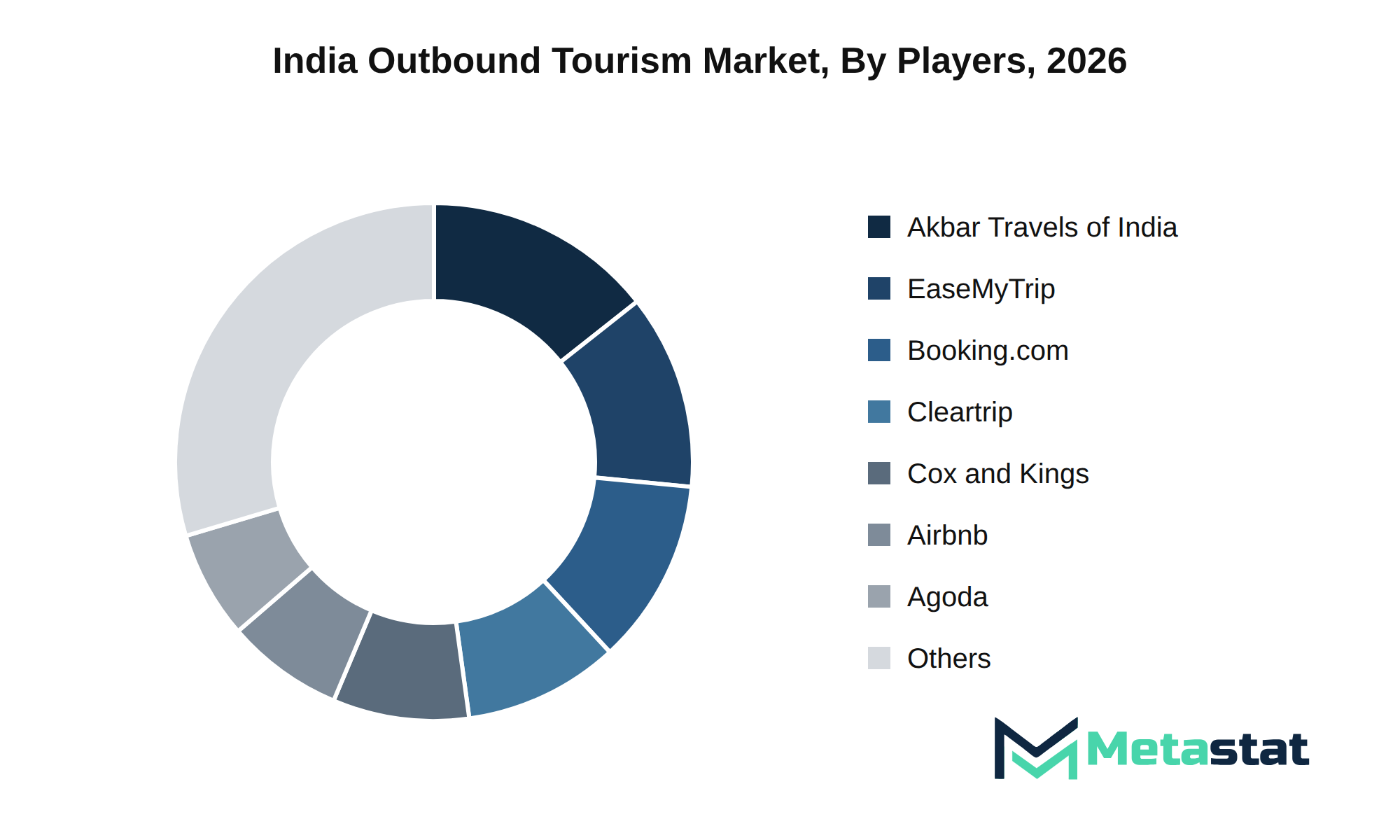
The India Outbound Tourism market experiences dynamic competition, driven by various strategic behaviors among key players. Companies including MakeMyTrip Pvt Ltd, Expedia Group, and Cleartrip enhance user experiences and streamline booking processes through technology. Innovations in mobile app functionalities and personalized travel recommendations strengthen customer engagement and retention.
Strategic alliances among firms like American Express Global Business Travel and BCD Travel create comprehensive travel solutions, appealing to both business and leisure travelers. The collaboration between these companies enables integrated service offerings that enhance customer convenience and satisfaction.
Pricing architectures in the market vary, with companies including Agoda and Booking.com employing dynamic pricing strategies to remain competitive. This approach allows for flexibility in response to market demand and consumer behavior, optimizing revenue potential.
Barriers to entry for new entrants include established brand equity and customer loyalty enjoyed by prominent players including Thomas Cook India Limited and Yatra Online Limited. These companies maintain their market position through extensive networks and marketing capabilities, making it challenging for newcomers to gain traction.
The future competitive outlook for the India Outbound Tourism market indicates continued growth and evolution. Ongoing advancements in technology and shifting consumer preferences will dictate strategic growth vectors, requiring established players to adapt and innovate to sustain their market share.
Market size is forecast to rise from USD 24.4 billion in 2025 to over USD 63.6 billion by 2033. The projected growth reflects a 12.7% CAGR during this period, indicating robust demand for travel and tourism services. Factors contributing to this upward trajectory include increasing disposable incomes, a growing middle class, and heightened interest in international travel among Indian consumers.
In the bull scenario, optimistic economic conditions could facilitate faster growth in the India Outbound Tourism market, driven by favorable currency exchange rates and enhanced air connectivity. Conversely, the bear case suggests potential headwinds from geopolitical tensions, economic slowdowns in destination countries, or stricter travel regulations, which could temper growth rates in the short term.
Strategic investments in infrastructure and technological advancements play crucial roles in shaping the market's future dynamics. Increased focus on online booking platforms and efficient travel experiences through next-generation technologies will significantly influence consumer preferences. Continued shifts in consumer behavior towards experiential travel create opportunities for niche markets including adventure tourism and eco-tourism.
Regulatory evolution and compliance milestones will impact operational frameworks for travel agencies and service providers, necessitating agile responses to shifting laws. This requirement compels firms to adapt their strategies, ensuring alignment with government policies and industry standards.
Overall, the India Outbound Tourism market presents a compelling growth narrative, with multiple drivers set to influence its trajectory. Stakeholders should monitor macroeconomic indicators and emerging consumer trends closely to capitalize on high-growth pockets and unmet needs within the market.
The report strategically identifies and profiles the key market players and analyses their core competencies in each sub-segment of the Outbound Tourism market.
|
Report Attributes |
Details |
|
Study Period |
2021-2033 |
|
Base Year |
2025 |
|
Estimated Year |
2026 |
|
Forecast Period |
2026-2033 |
|
Historical Period |
2021-2025 |
|
Growth Rate |
CAGR 12.7% from 2026 to 2033 |
|
Revenue Unit |
USD billion |
|
Segmentation |
By Type of Travel, Booking Channel, Tourist Type, Age Group, and Region |
Find answers to common questions about this report
The India Outbound Tourism market size was valued at USD 24.4 billion in 2025.
The Outbound Tourism market is projected to grow at a CAGR of 12.7% during the forecast period from 2026 to 2033.
Leisure Travel leads the India Outbound Tourism market with a projected value of USD 28.2 billion by 2033, representing the largest share compared to other segments.
The India Outbound Tourism market is driven by GDP expansion and increased disposable income among Indian consumers, enhancing travel affordability. Improved infrastructure, digital transformation, and rising consumer confidence contribute to a higher propensity for international trips, particularly among millennials and professionals seeking unique travel experiences.
The India Outbound Tourism market faces challenges from regulatory compliance hurdles, macroeconomic headwinds, and infrastructure gaps. Increased regulatory scrutiny raises operational costs, while inflation and geopolitical instability create uncertainty in consumer spending. These factors limit investment capacity and hinder growth prospects within the market.
Factors favoring product adoption in the India Outbound Tourism market include increased disposable income among Indian consumers, enhancing travel affordability and leading to a higher propensity for international trips. Investment in infrastructure and digital transformation improves connectivity and simplifies international travel, resulting in greater engagement from Indian tourists.
The Outbound Tourism market is estimated to reach a valuation of USD 63.6 billion by 2033.
Key players in the India Outbound Tourism market include Agoda, Airbnb, Akbar Travels of India Pvt. Ltd., Amadeus, American Express Global Business Travel, and MakeMyTrip Pvt Ltd.
Leisure travel is projected to grow at a CAGR of 11.9% from USD 12.8 billion in 2026 to USD 28.2 billion by 2033.
Online booking is expected to reach USD 39.9 billion by 2033, reflecting a CAGR of 14.3%.
The analysts below cover Consumer Goods research at Metastat Insights.
LEAD ANALYST
Utkarsh Khirodkar is a Lead Market Research Analyst at MetaStat Insight, specializing in market intelligence, technology sector assessments, and competitive strategy.
Our team was tracking whether regional recycling infrastructure could realistically absorb the growing volume of lithium iron phosphate batteries over the next decade. The report did a solid job separating announced hydrometallurgical plant capacity from active, permitted operational throughput. That distinction made the feedstock availability projections and regional recovery rate models far more credible than standard commercial overviews.
Tracking capacity expansion in single-use bioprocessing requires dependable data on raw material availability and cleanroom-grade polymer supply chains. The competitive landscape chapter gave a grounded evaluation of secondary component suppliers across North America and Asia-Pacific rather than simply reprinting press releases. Having that level of supplier benchmarking helped clarify dual-sourcing considerations for our clinical pipeline planning.
When evaluating distributed energy resource management systems, standard research summaries tend to gloss over the operational differences between front-of-the-meter utility deployments and behind-the-meter industrial sites. The MetaStat Insight report addressed those distinctions directly, especially regarding software interoperability standards and grid interconnection backlogs. The five-year market sizing across regional transmission organizations provided actionable context for our grid modernization strategy.
Explore related market intelligence reports worth reading alongside this one.