
LEAD ANALYST
Utkarsh Khirodkar is a Lead Market Research Analyst at MetaStat Insight, specializing in market intelligence, technology sector assessments, and competitive strategy.

Global Fruit Flavored Alcoholic Beverage Market Size, Share, By Product Type (Fruit-Flavored Beer, Fruit-Flavored Wine, Fruit-Flavored Spirits, and Fruit-Flavored Cocktails), By Flavor Profile (Citrus, Berry, Stone Fruit, Tropical, and Melon), By Packaging (Bottles, Cans, Pouches, and Kegs), By Distribution Channel (Online Retail, Supermarkets, Convenience Stores, and Bars and Restaurants), Industry Analysis, Growth, Trends, and Forecast, 2026-2033
Report ID
MSI-4715
Published
May, 2026
Pages
313 Pages
Format
Report Details
Choose Your License
Fruit Flavored Alcoholic Beverage Market
Global Fruit Flavored Alcoholic Beverage market size is valued at USD 13.9 billion in 2025 and projected to grow at a CAGR of 4.2% during the forecast period, reaching USD 19.3 billion by 2033.
North America holds a 29.8% market share in 2025, with the U.S. leading the regional market.
Fruit-Flavored Beer segment accounts for a market share of 33.8% in 2025.
Key trends driving growth: Increasing consumer preference for flavored and low-bitterness alcoholic beverages improving accessibility for new drinkers, along with expansion of premium and craft beverage segments introducing diverse fruit-based flavor innovations.
Opportunities include rising demand for natural, organic, and low-sugar fruit-infused alcoholic beverages enabling premium product differentiation.
Key insight: The Global Fruit Flavored Alcoholic Beverage market is gaining momentum owing to changing drinking preferences, flavor innovation, convenience packaging, and expanding retail availability.
The Global Fruit-Flavored Alcoholic Beverages market is expanding beyond traditional category boundaries. Consumers are increasingly seeking drinks that balance approachable taste, moderate alcohol content, and vibrant flavor identity. Fruit-led formulations are attracting adult consumers who prefer lighter and refreshing drinking experiences across social gatherings, casual consumption occasions, and seasonal demand cycles.
Over the coming years, the market will continue moving toward premium products with cleaner labels, real fruit extracts, reduced-sugar formulations, and visually distinct packaging. Producers will invest in limited-edition launches, region-specific flavors, and digital-led brand engagement strategies. Retail shelves and e-commerce platforms will increasingly position fruit-flavored alcoholic beverages around convenience, lifestyle appeal, and differentiated flavor experiences.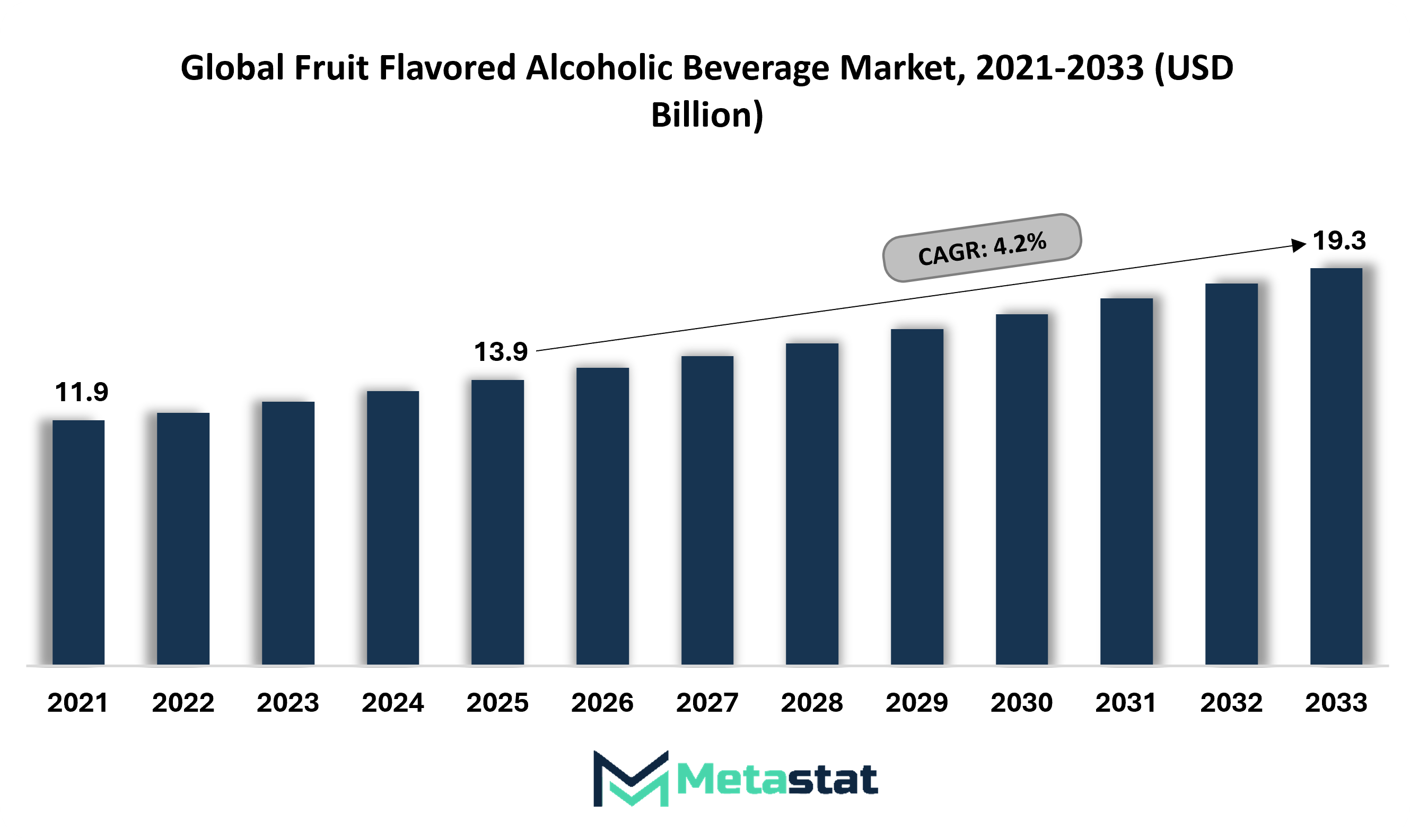
Increasing consumer preference for flavored and low-bitterness alcoholic beverages improving accessibility for new drinkers.
Consumer flavor preferences are shifting toward smooth, fruit-led alcoholic beverages with softer bitterness and lighter sensory profiles. Entry-level adult buyers often prefer approachable flavor notes such as berry, citrus, mango, and apple. Product familiarity supports trial purchases, repeat demand, and wider category acceptance across urban retail channels.
Expansion of premium and craft beverage segments introducing diverse fruit-based flavor innovations
Premium beverage brands and craft producers continue launching small-batch offerings built around unique fruit combinations, botanical blends, and refined packaging. Limited-edition products with peach, pomegranate, passion fruit, and tropical profiles create category excitement. Higher spending capacity supports premium pricing, stronger margins, and brand loyalty across selective consumer groups.
Regulatory restrictions and labeling requirements on flavored alcoholic products impacting market entry
Licensing rules, ingredient disclosures, sugar declarations, advertising limits, and packaging standards create compliance burdens for manufacturers entering new regions. Approval timelines will slow product launches and increase operational costs. Smaller brands often face pressure from legal expenses, documentation requirements, and fragmented standards across multiple national markets.
High sugar content concerns influencing consumer shift toward healthier or low-calorie alternatives
Health awareness continues rising, moving many consumers toward beverages with fewer calories, cleaner labels, and moderated sugar levels. Traditional sweet fruit-flavored alcoholic beverages will lose appeal under wellness-focused purchasing behavior. Reformulation costs, flavor balancing challenges, and shelf repositioning can affect profitability for existing product lines.
Rising demand for natural, organic, and low-sugar fruit-infused alcoholic beverages enabling premium product differentiation
Natural ingredients, organic fruit extracts, reduced-sugar recipes, and transparent sourcing create strong premium positioning opportunities. Producers using real juice concentrates, clean fermentation methods, and modern wellness messaging can capture higher-value demand. Future expansion will emerge through functional ingredients, seasonal flavors, and upscale retail placement.
The Global Fruit Flavored Alcoholic Beverage market is classified based on Product Type, Flavor Profile, Packaging, and Distribution Channel.
Fruit-Flavored Beer segment is valued at USD 4.9 billion in 2026 and is projected to reach USD 6.1 billion by 2033, at a CAGR of 3.2% during the forecast period.
Fruit-flavored beer gains attention through lighter bitterness, refreshing taste, and casual occasion appeal. Breweries will expand mango, citrus, berry, and apple blends to attract adult consumers seeking approachable profiles. Premium craft labels can support better margins, while festival sales, summer demand, and youthful purchasing patterns will strengthen future category presence globally.
Fruit-Flavored Wine segment is valued at USD 3.2 billion in 2026 and is projected to reach USD 4.0 billion by 2033, at a CAGR of 3% during the forecast period.
Fruit-flavored wine attracts consumers seeking smoother taste, softer aroma, and approachable entry options. Peach, berry, plum, and tropical notes will guide future launches. Gift demand, celebratory consumption, and premium bottle presentation can support expansion, while hospitality menus will improve shelf presence across urban markets.
Fruit-Flavored Spirits segment is valued at USD 3.8 billion in 2026 and is projected to reach USD 5.5 billion by 2033, at a CAGR of 5.4% during the forecast period.
Fruit-flavored spirits benefit from cocktail culture, mixology trends, and premium nightlife consumption. Citrus vodka, berry gin, apple whiskey, and tropical rum variants will gain share. Limited editions and bar collaborations can improve brand value, while strong margins will encourage continued investment across manufacturers.
Fruit-Flavored Cocktails segment is valued at USD 2.6 billion in 2026 and is projected to reach USD 3.7 billion by 2033, at a CAGR of 5.6% during the forecast period.
Fruit-flavored cocktails suit convenience-led consumers seeking ready-to-drink flavor balance without preparation effort. Pre-mixed cans, bottles, and party packs will rise strongly. Peach, lime, passionfruit, and berry combinations can widen consumer preference, while travel retail, events, and at-home gatherings will sustain future category demand.
Citrus segment is projected to reach USD 4.8 billion by 2033, at a CAGR of 3.2% during the forecast period.
Citrus flavors remain popular owing to clean aroma, sharp freshness, and broad pairing value. Lemon, orange, lime, and grapefruit profiles will lead product launches. Warm-weather consumption can support repeat sales, while premium low-sugar recipes will attract health-conscious adult consumers across multiple regions.
Berry segment is projected to reach USD 5.0 billion by 2033, at a CAGR of 3.9% during the forecast period.
Berry flavors deliver sweet-tart balance valued in social settings and premium mixes. Strawberry, raspberry, blueberry, and blackberry variants will expand shelf space. Color appeal supports branding value, while seasonal promotions and dessert-pairing menus can improve sales momentum across restaurants and retail chains.
Stone Fruit segment is projected to reach USD 3.0 billion by 2033, at a CAGR of 3.5% during the forecast period.
Stone fruit profiles offer smooth sweetness with rich aroma, supporting premium beverage positioning. Peach, cherry, plum, and apricot variants will gain traction. Brunch menus, lounge service, and celebratory events can support expansion, while elegant packaging will further improve perceived product quality.
Tropical segment is projected to reach USD 4.9 billion by 2033, at a CAGR of 6% during the forecast period.
Tropical flavors create holiday-style appeal through vibrant taste and distinctive branding. Mango, pineapple, passionfruit, coconut, and guava launches will expand rapidly. Tourism consumption, beach venues, and summer campaigns can elevate volume, while young urban consumers will prefer bold flavor combinations globally.
Melon segment is projected to reach USD 1.6 billion by 2033, at a CAGR of 4.5% during the forecast period.
Melon flavors deliver mild sweetness and a cooling character suitable for refreshing drinks. Watermelon, cantaloupe, and honeydew variants will attract experimentation-led consumers. Low-alcohol formats can pair well with category demand, while seasonal advertising and colorful packaging will improve visibility across convenience channels.
Bottles segment is projected to reach USD 8.3 billion by 2033.
Bottles support premium image, gifting demand, and traditional retail display strength. Glass packaging preserves flavor quality and elevates shelf appeal. Restaurants and lounges will prefer bottle service formats, while decorative labels and recyclable materials can enhance future brand preference among adult consumers.
Cans segment is projected to reach USD 7.3 billion by 2033.
Cans match portability needs, outdoor occasions, and rapid chilling advantages. Ready-to-drink fruit beverages will expand strongly through canned formats. Slim designs, multi-packs, and recyclable metal packaging can boost demand, while e-commerce shipping efficiency will further support global volume expansion.
Pouches segment is projected to reach USD 2.0 billion by 2033.
Pouches offer lightweight transport, lower storage requirements, and travel convenience. Festivals, airlines, and casual gatherings will create growing demand. Single-serve fruit cocktails can match impulse purchases, while cost-efficient material use will appeal to manufacturers seeking margin improvement and wider market penetration.
Kegs segment is projected to reach USD 1.6 billion by 2033.
Kegs remain important for bars, clubs, and large event service. Bulk dispensing lowers packaging waste and improves serving speed. Fruit beer and cocktail taps will gain popularity, while hospitality expansion across tourism centers can strengthen future demand for keg-based supply systems.
Online Retail segment is projected to grow at a CAGR of 7.2% during the forecast period.
Online retail expands access through broad catalogs, doorstep delivery, and promotional pricing. Premium imports and limited editions will achieve faster discovery online. Data-driven recommendations can improve repeat orders, while regulatory clarity in digital alcohol sales will unlock stronger future revenue streams.
Supermarkets segment is projected to grow at a CAGR of 3.6% during the forecast period.
Supermarkets hold strong share through visibility, volume discounts, and broad brand assortment. Chilled aisles, festive displays, and package offer will encourage purchase growth. Weekly household shopping patterns support regular turnover, while private labels will rise within fruit-flavored beverage selections globally.
Convenience Stores segment is projected to grow at a CAGR of 3.4% during the forecast period.
Convenience stores serve impulse demand, late-hour purchases, and single-serve formats. Busy urban zones will increase canned cocktail and flavored beer sales. Cold storage availability improves quick conversion rates, while compact stores remain important for immediate consumption occasions.
Bars and Restaurants segment is projected to grow at a CAGR of 4.2% during the forecast period.
Bars and restaurants influence premium trial, brand discovery, and repeat ordering behavior. Signature menus featuring fruit spirits and cocktails will expand category value. Social gatherings, tourism visitors, and nightlife spending can sustain demand, while hospitality partnerships will support long-term brand recognition.
Based on geography, the Global Fruit Flavored Alcoholic Beverage market is divided into North America, Europe, Asia-Pacific, South America, Middle East, and Africa.
North America is witnessing growing demand for canned cocktails, hard seltzers, and fruit-flavored malt beverages, supported by convenience-led consumption trends.
Europe represents a mature yet innovation-driven region in the Fruit-Flavored Alcoholic Beverages market, supported by established beer, wine, cider, spirits, and ready-to-drink beverage consumption.
Asia-Pacific presents significant opportunities for the Fruit-Flavored Alcoholic Beverages market through urban consumer growth and expanding modern retail networks.
Across South America, the Middle East, and Africa, the Fruit-Flavored Alcoholic Beverages market progresses through tourism demand, selective premiumization, expanding retail channels, and rising interest in flavored alcoholic alternatives where regulations allow.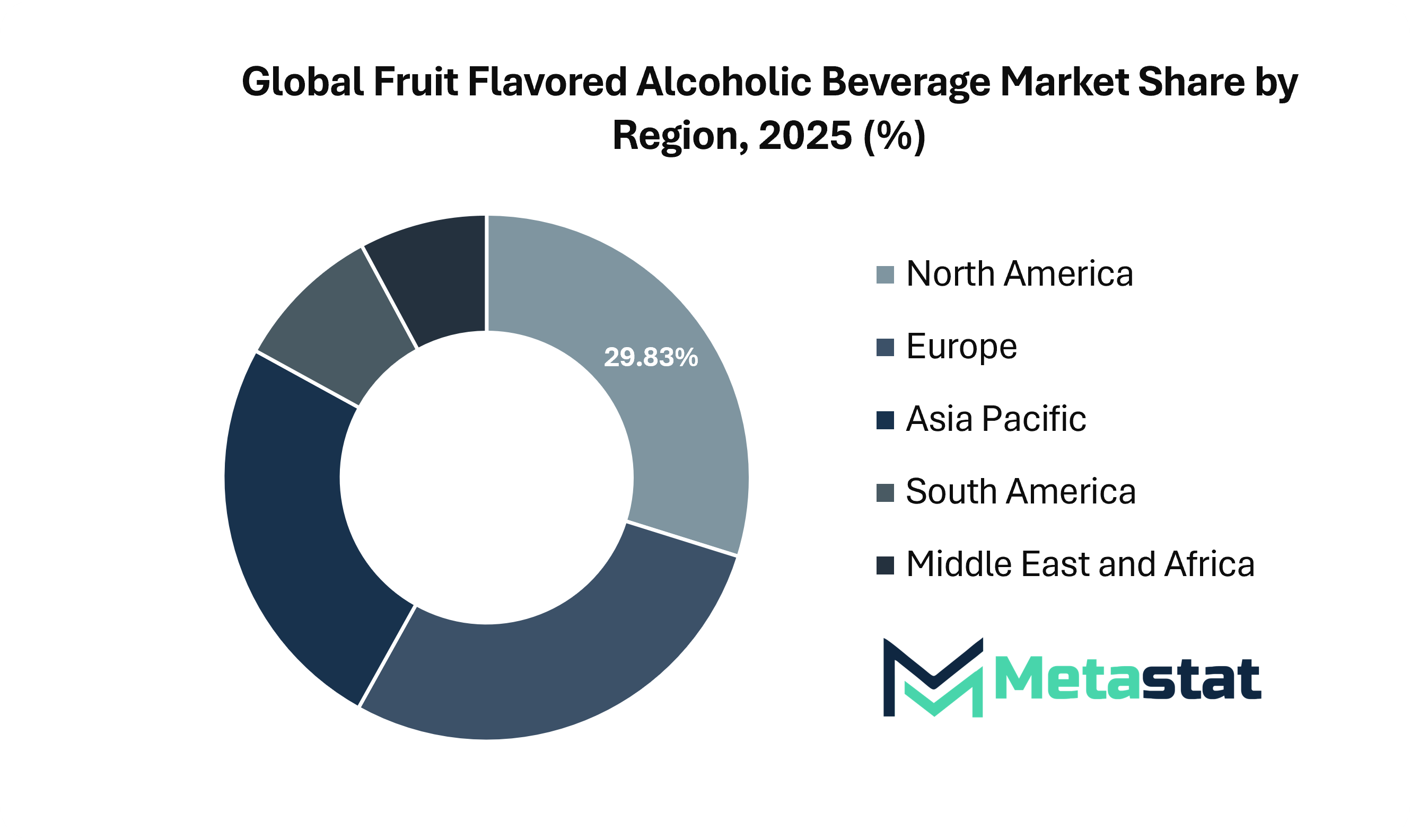
The Global Fruit-Flavored Alcoholic Beverages Market has gained consistent attention as consumers seek lighter taste profiles, colorful packaging, and easy-to-consume social drinks. Fruit notes help brands reach adult consumers who will not prefer strong traditional alcoholic options. Consumption rises during gatherings, travel seasons, and casual at-home occasions. Companies continue adding citrus, berry, mango, peach, and tropical blends, while ready-to-drink cans and smaller bottles support convenience and trial purchases. Online sales, retail displays, and seasonal launches also shape buying decisions across premium and value price points.
Major producers compete through flavor depth, branding strength, product variety, and distribution networks. Diageo plc and Bacardi Limited use broad alcoholic beverage portfolios, while The Boston Beer Company, Inc. targets trend-led consumers through flavored and ready-to-drink formats. E. & J. Gallo Winery and Molson Coors Beverage Company continue expanding shelf presence. Carlsberg Breweries A/S, Heineken N.V., Suntory Holdings Limited, Kirin Holdings Company, Limited, Brown-Forman Corporation, and Constellation Brands, Inc. invest in product refreshes, bar visibility, retail expansion, and digital campaigns to strengthen consumer reach.
Regional performance varies by income levels, climate, retail maturity, and drinking behavior. North America shows strong interest in canned mixes and bold fruit choices, while Europe maintains demand for heritage labels and balanced sweetness. Asia-Pacific expands with younger legal-age consumers seeking refreshing formats. Latin America supports tropical flavors and active social use. The Middle East and Africa remain selective, although tourism outlets and premium hospitality channels create targeted openings. Pernod Ricard SA, Davide Campari-Milano N.V., Mark Anthony Group Inc., and Rémy Cointreau SA continue tracking these shifts for portfolio planning and regional expansion.
Future development will rely on smart pricing, clean labeling, consistent supply, and well-timed launches. Brands that respond quickly to flavor shifts can preserve loyalty and improve repeat purchase rates. BuzzBallz, LLC, BeatBox Beverages, LLC, Phusion Projects, LLC, Ole Smoky Distillery, LLC, Global Brands Ltd., SHS Sales & Marketing GB Ltd., Kopparbergs Bryggeri AB, Sazerac Company, Inc., Anheuser-Busch Companies, LLC, HiteJinro Co., Ltd., Lotte Chilsung Beverage Co., Ltd., MGP Ingredients, Inc., Lucas Bols N.V., and Mast-Jägermeister SE add product diversity across spirits, cocktails, flavored beer, and ready-to-drink formats.
Market size is forecast to rise from USD 13.9 billion in 2025 to over USD 19.3 billion by 2033.
The Global Fruit-Flavored Alcoholic Beverages market is expected to increasingly integrate natural ingredients, moderated alcohol content, and lifestyle-oriented branding. Future expansion is likely to come from premium cans, cross-category hybrids, functional positioning where regulations allow and digitally led consumer engagement.
This research report categorizes the Fruit Flavored Alcoholic Beverage market based on key segments and regions, forecasts revenue growth, and analyses trends in each submarket. The report analyses the key growth drivers, opportunities, and challenges influencing the Fruit Flavored Alcoholic Beverage market. Recent market developments and competitive strategies such as expansion, product launch, partnership, merger, and acquisition have been included to draw the competitive landscape in the market.
The report strategically identifies and profiles the key market players and analyses their core competencies in each sub-segment of the Fruit Flavored Alcoholic Beverage market.
|
Report Attributes |
Details |
|
Study Period |
2021-2033 |
|
Base Year |
2025 |
|
Estimated Year |
2026 |
|
Forecast Period |
2026-2033 |
|
Historical Period |
2021-2025 |
|
Growth Rate |
CAGR 4.2% from 2026 to 2033 |
|
Revenue Unit |
USD billion |
|
Sales Volume Unit |
Thousand Liters |
|
Segmentation |
By Product Type, Flavor Profile, Packaging, Distribution Channel, and Region |
|
By Region |
North America (By Product Type, Flavor Profile, Packaging, Distribution Channel, and Country)
|
|
|
Europe (By Product Type, Flavor Profile, Packaging, Distribution Channel, and Country)
|
|
|
Asia Pacific (By Product Type, Flavor Profile, Packaging, Distribution Channel, and Country)
|
|
|
South America (By Product Type, Flavor Profile, Packaging, Distribution Channel, and Country)
|
|
|
Middle East and Africa (By Product Type, Flavor Profile, Packaging, Distribution Channel, and Country)
|
Find answers to common questions about this report
Top players operating in the Fruit Flavored Alcoholic Beverage industry include Diageo plc, Bacardi Limited, The Boston Beer Company, Inc., E. & J. Gallo Winery, and Molson Coors Beverage Company.
Global Fruit Flavored Alcoholic Beverage market is estimated to reach USD 19.3 billion by 2033.
Regulatory restrictions and labeling requirements on flavored alcoholic products impacting market entry will hamper the market growth within the forecast period.
North America region dominates the market.
Increasing consumer preference for flavored and low-bitterness alcoholic beverages improving accessibility for new drinkers and Expansion of premium and craft beverage segments introducing diverse fruit-based flavor innovations are key driving factors, boosting the market.
The Fruit-Flavored Beer is the leading type segment in the Global market.
The Metastat Insights analysis shows that the North America Fruit Flavored Alcoholic Beverage market size is estimated to be USD 5.4 billion by 2033.
The Global Fruit Flavored Alcoholic Beverage market is expected to grow at a CAGR of 4.2% over the forecast period (2026-2033).
The Metastat Insights study shows that the Global Fruit Flavored Alcoholic Beverage market size was USD 13.9 billion in 2025.
The analysts below cover Food and Beverages research at Metastat Insights.
LEAD ANALYST
Utkarsh Khirodkar is a Lead Market Research Analyst at MetaStat Insight, specializing in market intelligence, technology sector assessments, and competitive strategy.

LEAD PRINCIPAL ANALYST, PHARMA AND HEALTHCARE
Food and Beverages · Healthcare · Healthcare IT · Medical Devices
Ajay Devgire is the Lead Healthcare Analyst at MetaStat Insight, leading strategic research and market intelligence initiatives across the global healthcare domain.

SENIOR RESEARCH ANALYST
Biotechnology · Food and Beverages · Medical Devices · Packaging
Snehal Pasalkar is a Research Analyst at MetaStat Insight, operating at the intersection of life sciences research, competitive strategy, and market intelligence.
Integrating zero-trust access controls across legacy electronic health record systems involves complex compliance overhead. Team produced an analysis that clearly separated identity governance and administration tools from privileged access management platforms. Their evaluation of HIPAA and GDPR compliance features across cloud native solutions gave our architecture group clear baseline criteria. The custom data request regarding biometric authentication adoption in hospital networks was returned promptly with clear documentation.
Evaluating calorific value requirements and air permit compliance across municipal waste facilities requires localized data. Metastat Insight structured their analysis around operational throughput capacity and feedstock composition variations in Latin America and Eastern Europe. Their competitive mapping of sorting equipment vendors helped clarify technology differences between optical separators and heavy media systems. The study provided an objective baseline during our capital expenditure reviews.
Decarbonizing industrial thermal processes hinges on refrigerant regulations and compressor efficiency limits. Metastat Insights delivered a thorough market analysis that evaluated natural refrigerants like CO2 and hydrocarbons against synthetic low-GWP alternatives. The breakdown of utility incentives and grid capacity constraints across key European manufacturing hubs offered valuable perspective. The follow-up conversation with their sector analysts addressed our specific questions on mechanical vapor recompression systems efficiently.
Explore related market intelligence reports worth reading alongside this one.