
Global Agricultural Greenhouse and Tunnel Films Market
Global Agricultural Greenhouse and Tunnel Films Market Size, Share, By Application (Greenhouse Roof and Sidewall Covering, High and Macro Tunnel Covering, Low Tunnel Covering, Nursery and Propagation House Covering, Orchard, Vineyard and Berry Rain-Shelter Covering, Internal Liner and Double-Skin Systems, Others), By Resin Type (LDPE-Based Films, LLDPE-Based Films, EVA-Based Films, PVC Films, ETFE Films, Other Polyolefin and Specialty Polymer Films), By Film Construction (Monolayer Films, Three-Layer Coextruded Films, Five-Layer Coextruded Films, Seven-Layer and Higher Coextruded Films, Reinforced and Woven Films, Air-Bubble Films, Others), By Technology (Standard UV-Stabilized Films, Thermic and IR Heat-Retention Films, Light-Diffusing Films, High-Transparency Direct-Light Films, UV-Open Films, UV-Blocking and Anti-Virus Films, NIR-Reflective Cooling Films, Anti-Drip and Anti-Fog Films, Spectrum-Converting Films, Others), Industry Analysis, Growth, Trends, and Forecast, 2026-2033
MSI-4864
August 6, 2026
Updated
261 Pages
Historical
Base year
Forecast
Forecast period
Report Details
Comprehensive Market Analysis And Insights
Market Overview
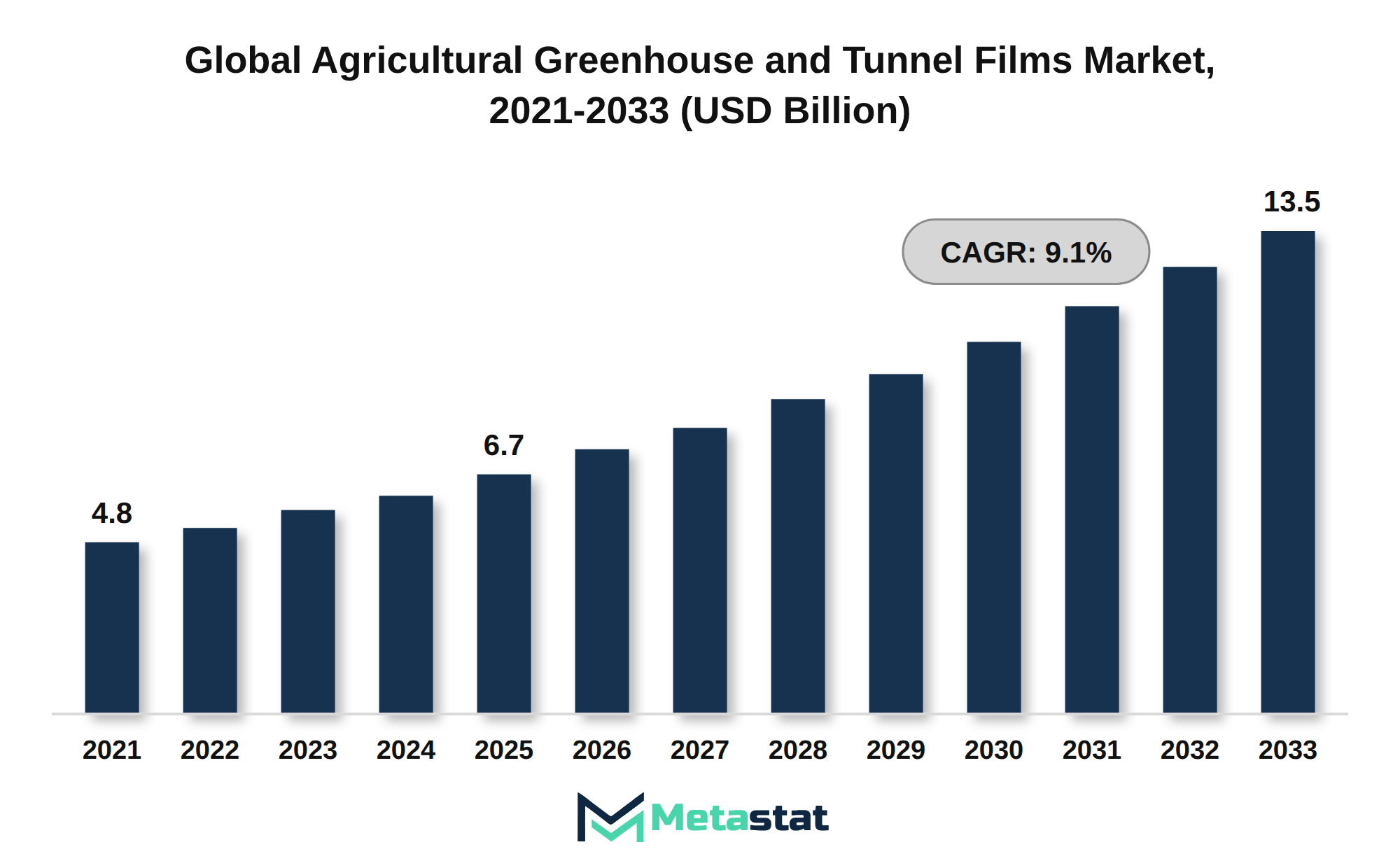
The global Agricultural Greenhouse and Tunnel Films market was valued at USD 6.7 billion in 2025 and is projected to reach USD 13.5 billion by 2033, growing at a CAGR of 9.1% over the forecast period.
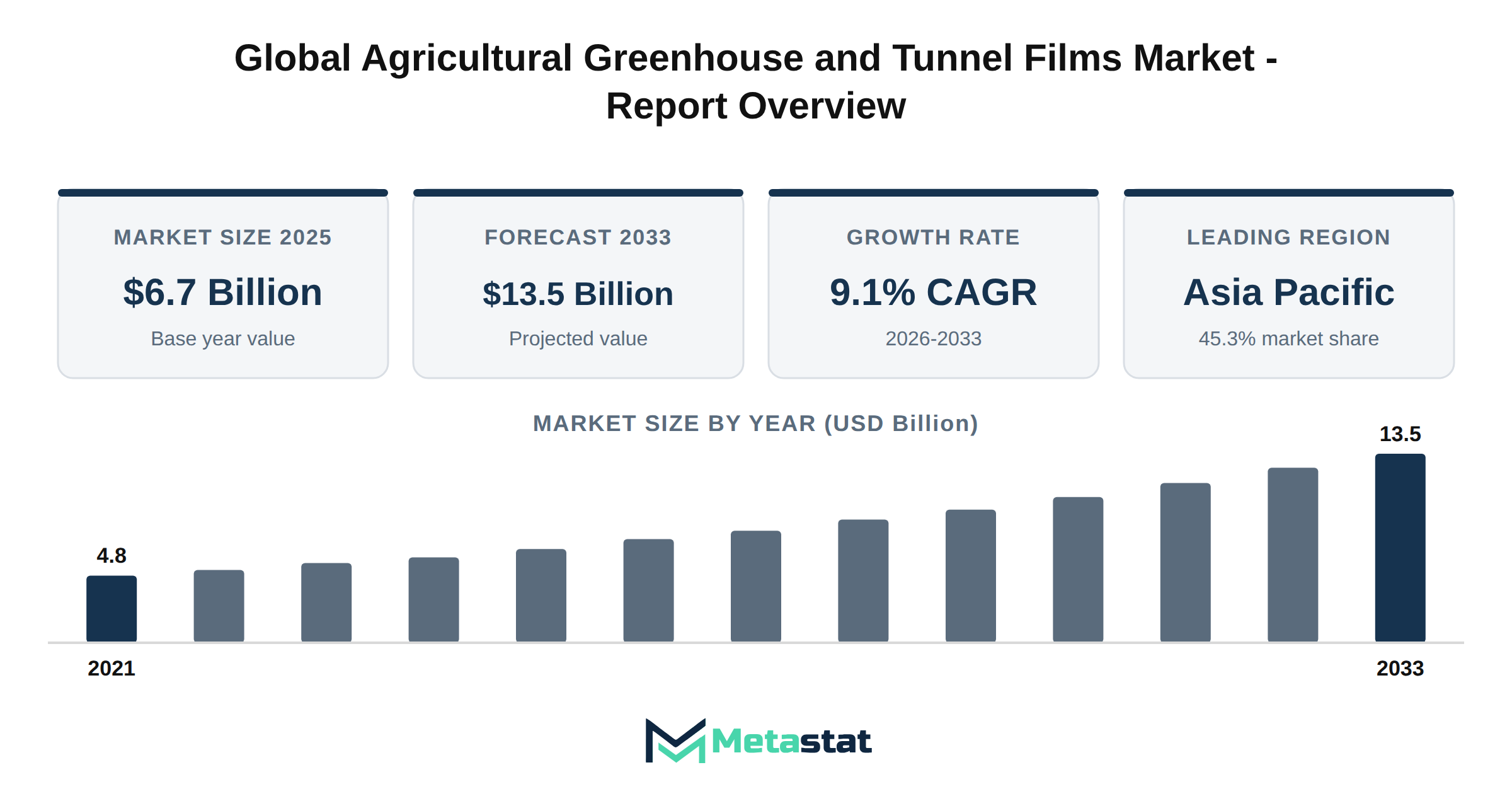
The Agricultural Greenhouse and Tunnel Films market is experiencing significant growth driven by increased agricultural productivity and rising demand for sustainable farming practices. The market value reached USD 6.7 billion in 2025, with projections indicating an increase to USD 13.5 billion by 2033, reflecting a compound annual growth rate (CAGR) of 9.1%. Factors contributing to this expansion include the adoption of innovative farming techniques and heightened awareness of environmental sustainability among growers.
Regional dynamics show Asia Pacific holding the largest market share at 45.3% in 2025, followed by Europe at 23.8% and North America at 20.3%. This distribution highlights varying levels of agricultural development and investment in greenhouse technologies across different regions. The anticipated growth in North America, projected to reach USD 2.5 billion by 2033, reflects the region's commitment to enhancing agricultural efficiency through advanced film technologies.
Applications within the market, including greenhouse roof and sidewall covering, high and macro tunnel covering, and nursery and propagation house covering, demonstrate diverse growth trajectories. The greenhouse roof and sidewall covering segment is expected to expand from USD 2.8 billion in 2026 to USD 4.9 billion by 2033, with a CAGR of 8.2%. High and macro tunnel covering shows a robust CAGR of 9.9%, reaching USD 2.9 billion by 2033.
Resin types in the market reflect evolving preferences. LDPE-based films, projected to grow from USD 3 billion in 2026 to USD 5.1 billion by 2033, represent a significant portion of the market. In contrast, LLDPE-based films exhibit a higher growth rate with an anticipated value of USD 4.1 billion by 2033, driven by superior mechanical properties and versatility.
The Agricultural Greenhouse and Tunnel Films market faces various challenges and opportunities stemming from regulatory compliance, standards, and geopolitical risk frameworks. Compliance with environmental regulations influences production processes and material selection, compelling manufacturers to adopt sustainable practices. Such requirements impact operational costs and market entry strategies, particularly for players aiming to maintain a competitive edge in an evolving regulatory landscape.
Disruption in supply chains continues to impact the market, driven by global events and changing consumer preferences for sustainable products. Manufacturers increasingly focus on enhancing their resilience through diversified sourcing strategies and improved logistics architecture. This approach supports consistent supply availability and mitigates risks associated with geopolitical tensions and economic fluctuations.
Investments in research and development trajectories contribute to the advancement of next-generation innovations within the Agricultural Greenhouse and Tunnel Films market. Companies prioritize developing advanced materials and technologies that enhance performance characteristics, including UV stability and thermal efficiency. This focus on innovation drives market growth and positions key participants favorably against competitors.
The emphasis on sustainable transformation, decarbonization, and circular economy dynamics shapes market strategies. Companies integrate practices that reduce environmental impact, including using recyclable materials and minimizing waste. This commitment attracts environmentally conscious consumers and aligns with global trends toward sustainability.
Market fragmentation presents both challenges and opportunities for participants. A diverse range of players, including established firms and new entrants, intensifies competition. Companies leverage mergers and acquisitions to enhance capabilities, expand market reach, and improve value chains. Such strategic moves enable firms to navigate the complexities of procurement and customer journey dynamics effectively.
Capital allocation strategies reflect a focus on infrastructure investments that enhance production capacity and operational efficiency. Companies prioritize capital expenditures to upgrade facilities and introduce innovative technologies. This financial commitment supports long-term growth prospects and enhances competitive positioning within the market.
Macroeconomic headwinds, including inflationary pressures and currency volatility, influence market dynamics. Fluctuating costs of raw materials impact pricing strategies and profit margins, compelling firms to adopt agile operational practices. Understanding these economic factors is vital for developing effective market strategies and maintaining profitability.
The future strategic outlook for the Agricultural Greenhouse and Tunnel Films market emphasizes continued growth driven by technological advancements and sustainable practices. Companies that effectively respond to evolving consumer demands and regulatory requirements are well positioned to capitalize on emerging opportunities and navigate challenges successfully.
Market Dynamics
Rising adoption of automation technologies
The Agricultural Greenhouse and Tunnel Films market experiences growth driven by the increasing adoption of automation technologies in agricultural practices. The integration of advanced automation, including robotics and artificial intelligence, enhances operational efficiency and productivity in greenhouse and tunnel farming. This shift is evident owing to producers seeking to optimize labor utilization and reduce operational costs.
Technological advancements facilitate precise control over environmental conditions, resulting in improved crop yields and reduced resource wastage. Farmers actively invest in automated systems for monitoring and managing their crops, leading to greater demand for greenhouse and tunnel films designed to support these systems. The market reflects this trend with a projected compound annual growth rate of 9.1 percent from 2026 to 2033.
The focus on sustainability and resource stewardship further increases the need for automation in agricultural practices. Producers prioritize solutions that not only enhance productivity but minimize the environmental impact of farming activities. Such considerations drive the development of innovative greenhouse and tunnel films that support energy efficiency and reduce carbon footprints.
Investment in automation technologies positions the market for significant growth opportunities, driven by stakeholders aiming to meet the evolving demands of global food production. The Agricultural Greenhouse and Tunnel Films market stands to benefit substantially from this technological transformation.
Increasing focus on sustainability initiatives
The Agricultural Greenhouse and Tunnel Films market benefits from a growing emphasis on sustainability among agricultural producers. This focus drives the adoption of practices aimed at reducing carbon footprints and promoting resource stewardship. While consumers become increasingly aware of environmental impacts, manufacturers face pressure to implement sustainable practices across their processes.
Investment in eco-friendly technologies enhances operational productivity while addressing the demands of environmentally conscious consumers. Advancements in material science lead to the development of biodegradable and recyclable films, aligning with global sustainability goals. Producers leveraging these innovations differentiate their products in a competitive market, ultimately increasing market share.
In parallel, climate change accelerates the need for efficient resource management. Agricultural producers prioritizing sustainability initiatives often see reduced operational costs through optimized resource utilization and waste reduction. This operational efficiency translates into significant long-term savings, encouraging further investment in sustainable technologies. The expansion of the Agricultural Greenhouse and Tunnel Films market aligns with these broader economic and social trends, reinforcing the importance of sustainability in shaping future growth.
Macroeconomic pressures hinder market growth
The Agricultural Greenhouse and Tunnel Films market encounters significant challenges due to macroeconomic pressures that impede investment and consumption patterns. Rising inflation rates and soaring material costs strain budgets for agricultural producers, leading to increased operational expenses. This dynamic affects purchasing decisions and restricts the ability of growers to invest in advanced greenhouse technologies and materials.
Heightened geopolitical tensions contribute to uncertainty in supply chains, further complicating access to essential raw materials. Disruptions in logistics impact production timelines, resulting in delays that hinder the availability of agricultural films. Such disruptions create a ripple effect, ultimately reducing the market's growth potential and limiting the expansion of greenhouse infrastructure.
Market fragmentation, driven by varying regional adoption rates, complicates efforts for suppliers to scale operations effectively. Inconsistent demand across regions creates challenges for manufacturers seeking to optimize production capabilities. While the Agricultural Greenhouse and Tunnel Films market matures, established players face increasing competition from emerging suppliers that introduce alternative offerings. This scenario creates an environment where price competition escalates, impacting profitability for manufacturers and suppliers.
Geopolitical fragmentation and supply chain instability
The Agricultural Greenhouse and Tunnel Films market experiences significant challenges attributed to geopolitical fragmentation and supply chain instability. Ongoing trade tensions and tariff impositions disrupt the global flow of raw materials and components essential for film production. Such disruptions lead to increased production costs, affecting manufacturers' pricing strategies and profit margins.
Supply chain instability complicates sourcing and logistics, resulting in delays that impact product availability in various regions. This situation constricts operational efficiency and forces companies to adapt quickly to fluctuating market demands. Manufacturers in the market face pressures to enhance supply chain resilience, integrating advanced technologies and strategic partnerships to mitigate risks arising from these geopolitical factors.
Increased costs resulting from supply chain constraints lead to higher prices for consumers, hindering market growth. Stakeholders in the Agricultural Greenhouse and Tunnel Films market navigate these complexities and find innovative solutions to maintain competitiveness and meet evolving customer demands.
Emerging regional demands drive market potential
Growing regional demands for Agricultural Greenhouse and Tunnel Films highlight significant opportunities for market expansion. Increasing food production requirements, driven by the global population surge, necessitate efficient agricultural practices. Regions including Asia Pacific, with a market share of 45.3%, exhibit high potential due to rising investments in modern agricultural technologies and infrastructure enhancements. The market is projected to achieve a value of USD 13.5 billion by 2033, reflecting a compound annual growth rate of 9.1% from the base year of 2025.
The integration of advanced technologies into agricultural practices stimulates market demand. Digital transformation and technological disruptions facilitate smarter farming solutions, enabling producers to maximize yields while minimizing resource consumption. Innovations in film production, including the development of thermic and IR heat-retention films, appeal to environmentally conscious consumers and investors, driving both market adoption and product diversification.
Strategic consolidation efforts and cross-industry partnerships further enhance market opportunities. Collaborations between agricultural technology firms and greenhouse film manufacturers create tailored solutions that meet specific regional needs. This trend is expected to support growth across various applications, including nursery and propagation house covering, which is projected to grow at a compound annual growth rate of 9.5% through 2033.
Adapting supply chains to local demands emphasizes the importance of regional strategies in the Agricultural Greenhouse and Tunnel Films market. Supply chain localization, along with an emphasis on sustainable practices, addresses changing consumer preferences and strengthens resilience against global disruptions. The combination of these factors enhances market penetration and reinforces the value chain, resulting in increased operational efficiency and profitability for stakeholders.
Market Segmentation Analysis
The Global Agricultural Greenhouse and Tunnel Films market is segmented based on Application, Resin Type, Film Construction, and Technology.
By Application, the market is further segmented into:
- Greenhouse Roof and Sidewall Covering
- High and Macro Tunnel Covering
- Low Tunnel Covering
- Nursery and Propagation House Covering
- Orchard, Vineyard and Berry Rain-Shelter Covering
- Internal Liner and Double-Skin Systems
- Others (Seasonal Crop and Livestock Shelter Covering)
Greenhouse Roof and Sidewall Covering
Valued at USD 2.8 billion in 2026, the Greenhouse Roof and Sidewall Covering segment is projected to reach USD 4.9 billion by 2033, achieving a CAGR of 8.2% during the forecast period. This growth is driven by increased adoption of greenhouse technologies aimed at enhancing crop productivity and ensuring optimal growing conditions. The segment benefits from a rise in the demand for sustainable agricultural practices, with producers seeking efficient solutions that minimize resource use and maximize yield.
Technological advancements play a significant role in the evolution of greenhouse roof and sidewall covering materials. Innovations in film technology, including UV stabilization and thermal insulation properties, improve energy efficiency and reduce the impact of environmental factors on plant growth. These enhancements contribute to shifting consumption patterns, driven by growers increasingly prioritizing the use of advanced materials that support sustainable farming initiatives.
Regulatory compliance and environmental standards further shape the landscape for greenhouse roof and sidewall covering applications. Stricter regulations regarding material safety and sustainability drive manufacturers to invest in high-quality, compliant materials. This trend positions the Agricultural Greenhouse and Tunnel Films market for continued expansion, attributed to stakeholders increasingly recognizing the importance of adhering to environmental guidelines while optimizing production practices.
With a focus on strategic investment and innovation, companies are actively exploring opportunities within this segment. Manufacturers are expected to enhance their portfolios with next-generation products designed to meet the evolving needs of growers. This strategic emphasis on product evolution reflects the competitive nature of the market, prompting suppliers to differentiate their offerings through improved performance and durability.
While the market continues to mature, supply chain resilience and raw material sourcing strategies will influence pricing dynamics and cost structures. Fluctuations in raw material availability pose challenges. However, strategic partnerships and alternative sourcing options mitigate these risks. The combination of these factors positions the greenhouse roof and sidewall covering segment for significant growth in the coming years.
High and Macro Tunnel Covering
Growing interest in high and macro tunnel covering within the Agricultural Greenhouse and Tunnel Films market hinges on various factors, including increasing demand for sustainable and controlled agricultural practices. Enhanced agricultural productivity relies on advanced covering solutions that create optimal growth conditions, attracting farmers and producers focused on maximizing crop yields.
Technological maturation significantly influences this segment's expansion. Innovations in film materials, including improved UV stabilization and thermal properties, enhance durability and efficiency. These advancements support the adoption of high and macro tunnel covering in diverse climatic regions, ultimately driving higher investments in the segment.
Regulatory compliance shapes market dynamics. Stricter regulations surrounding agricultural practices and environmental sustainability encourage the use of high-performing films, which comply with modern agricultural standards. Increased awareness around food safety and quality further reinforces the demand for reliable tunnel covering solutions.
High and macro tunnel covering is projected to reach USD 2.9 billion by 2033, at a CAGR of 9.9% during the forecast period. This growth reflects the segment's ability to fulfill evolving agricultural needs and its alignment with global trends prioritizing sustainable practices. The increasing focus on food security and climate-resilient agriculture drives demand for effective covering solutions in the market.
Low Tunnel Covering
Growth in the Low Tunnel Covering segment aligns with increasing agricultural needs for efficient crop protection and extended growing seasons. Factors driving this demand include the rise in small-scale farming and the necessity for sustainable farming practices. Farmers require cost-effective solutions that enable better yield with lower environmental impact. The increasing adoption of low tunnel technology reflects these demands, particularly in regions where weather conditions pose challenges to traditional farming methods.
Technological advancements enhance product features, allowing for improved durability and UV resistance, which benefits crop health. Innovations in materials, including the development of high-quality, lightweight films, contribute to the growth of the segment. The expected market value for the Low Tunnel Covering segment is USD 2 billion by 2033, demonstrating confidence in its potential. This growth drives competition among suppliers, encouraging further investment in product development and market penetration strategies.
Regulatory compliance regarding environmental impact strengthens the case for low tunnel coverings, attributed to their promotion of resource efficiency. The shift toward organic and sustainable practices among consumers influences farmers' choice of coverings, further supporting the segment's growth. With ongoing advancements and increasing regulatory support, the Low Tunnel Covering segment shows promising prospects within the broader Agricultural Greenhouse and Tunnel Films market.
Nursery and Propagation House Covering
Growth in the Nursery and Propagation House Covering segment aligns with increasing demand for effective plant propagation techniques. Factors contributing to this demand include the rising interest in horticulture and the cultivation of high-quality plants. Advancements in greenhouse technologies enhance the efficiency of these coverings, resulting in improved plant growth conditions. The segment is projected to grow at a CAGR of 9.5% during the forecast period, highlighting its significance within the Agricultural Greenhouse and Tunnel Films market.
Investments in agricultural innovation drive adoption rates among growers seeking to optimize production. The focus on sustainability influences buyer decisions, with environmentally friendly materials gaining traction. Regulatory compliance regarding the quality and safety of agricultural products necessitates the use of high-performance covering solutions, reinforcing the segment's relevance in meeting industry standards.
Cost structures for nursery and propagation house coverings reflect the quality of materials and the technology employed. Pricing volatility arises from fluctuations in raw material costs, impacting profitability for producers. However, the segment's growth prospects attract capital investment, increasing competition among manufacturers to develop innovative solutions tailored to market needs. While demand escalates, the market dynamics continue to evolve, creating opportunities for strategic partnerships and advancements in product offerings.
Orchard, Vineyard and Berry Rain-Shelter Covering
Increasing focus on sustainable farming practices drives demand for Orchard, Vineyard and Berry Rain-Shelter Covering applications within the Agricultural Greenhouse and Tunnel Films market. This segment benefits from the growing protect crops from adverse weather conditions, pests, and diseases. Enhanced crop yields and improved quality of fruits and berries significantly influence adoption rates among growers.
Technological advancements in film materials and construction techniques contribute to the segment's expansion. Innovations, including UV-stabilized and thermic films, enhance durability and effectiveness, appealing to producers seeking long-lasting solutions. The ability to customize coverings for specific crop requirements further strengthens market positioning.
Consumption shifts towards organic and high-quality produce create additional demand for effective rain-shelter solutions, aligning with consumer preferences for safer and healthier food options. Regulatory compliance standards regarding agricultural practices and environmental sustainability continue to shape market dynamics, prompting growers to invest in advanced covering solutions.
Price volatility in raw materials presents challenges, impacting overall cost structures within the segment. Strategic opportunity windows emerge for manufacturers that optimize sourcing and enhance supply chain resilience. Collaboration with agricultural players and research institutions drives innovation, ensuring the segment remains competitive and responsive to evolving market needs.
Investment in next-generation upgrades is crucial to enhance product evolution and maintain market relevance. Rising environmental concerns and the shift towards sustainable practices strengthen the role of rain-shelter coverings in the agricultural sector, promoting growth and adoption among producers worldwide.
Internal Liner and Double-Skin Systems
Growing interest in Internal Liner and Double-Skin Systems within the Agricultural Greenhouse and Tunnel Films market aligns with the increasing focus on energy efficiency and climate control in agriculture. Demand for these systems arises from their ability to enhance thermal insulation, which reduces energy consumption and optimizes growing conditions. The agricultural sector has adopted these systems to improve crop yields, thereby increasing overall productivity.
Technological advancements significantly influence the adoption of Internal Liner and Double-Skin Systems. Innovations in materials and design contribute to enhanced performance, durability, and cost-effectiveness. These advancements attract investment and drive competition among manufacturers, ultimately benefiting end-users through improved product offerings.
Regulatory compliance standards and certifications play a crucial role in shaping the market dynamics. Stricter energy efficiency regulations prompt growers to invest in more effective greenhouse solutions, including internal liner and double-skin systems. This shift toward compliance creates a competitive environment, compelling manufacturers to innovate and differentiate their products.
Supply chain resilience remains a critical factor affecting the Internal Liner and Double-Skin Systems segment. Fluctuations in raw material costs impact pricing dynamics, necessitating strategic sourcing and inventory management by suppliers. Ensuring a steady supply of high-quality materials is essential to meet the growing demand for these systems.
Strategic opportunity windows are emerging owing to market players exploring new applications and geographic expansions. The increasing popularity of sustainable agricultural practices presents avenues for growth, particularly in regions with advancing agricultural technologies. Capital investment in this segment is expected to increase, supporting further development and innovation.
Others (Seasonal Crop and Livestock Shelter Covering)
Adoption of seasonal crop and livestock shelter covering continues to grow owing to changing climatic conditions and increased awareness of the need for protective agricultural practices. Farmers seek solutions that enhance crop yield and livestock welfare, driving demand for reliable coverings. This application segment supports various agricultural practices, particularly in regions with harsh weather fluctuations. Providing shelter against extreme conditions leads to improved productivity for farmers and ensures better market stability for their produce.
Technological advancements facilitate the development of innovative materials that enhance durability while remaining cost-effective. This evolution aligns with an increasing preference for sustainable farming practices, leading to greater acceptance among agricultural producers. Supply chain resilience becomes crucial because producers navigate raw material sourcing and logistics vulnerabilities. Ensuring a reliable supply of high-quality films for seasonal crop and livestock sheltering impacts operational efficiency and profitability.
Regulatory compliance and certifications drive improvements in product quality, influencing purchasing decisions within the agricultural sector. While producers focus on meeting these standards, market dynamics shift towards offerings that ensure both safety and effectiveness. Strategic opportunity windows emerge for suppliers providing tailored solutions that cater to specific regional requirements. The combination of technological maturation and evolving consumer expectations shapes the future of the Agricultural Greenhouse and Tunnel Films market.
By Resin Type, the market is further segmented into:
- LDPE-Based Films
- LLDPE-Based Films
- EVA-Based Films
- PVC Films
- ETFE Films
- Other Polyolefin and Specialty Polymer Films (EBA and Metallocene PE)
LDPE-Based Films
Valued at USD 3 billion in 2026, the LDPE-Based Films segment is projected to reach USD 5.1 billion by 2033, registering a CAGR of 7.8% during the forecast period. Demand for LDPE-based films thrives on the increasing adoption of sustainable agricultural practices, driven by the need for efficient greenhouse and tunnel solutions. Farmers and agribusinesses prioritize these films for their flexibility, durability, and resistance to environmental factors, enhancing crop yield and quality.
The segment benefits from several expansion catalysts, including the rising popularity of protected cropping systems across various regions. Agricultural Greenhouse and Tunnel Films market participants leverage technological advancements to produce next-generation LDPE films, improving performance characteristics including UV resistance and thermal insulation. This evolution supports a robust end-use dynamic, particularly in regions with extreme weather patterns.
Cost structures within the LDPE-Based Films segment reflect fluctuations in raw material prices, which influence overall pricing volatility. Increased competition among manufacturers leads to strategic pricing strategies aimed at maintaining market share while optimizing profit margins. The segment's resilience against supply chain vulnerabilities stems from established sourcing networks and production capabilities, ensuring consistent product availability.
Competitive dynamics within the market show various players focusing on innovation and sustainable practices to capture strategic opportunity windows. Companies invest in research and development to enhance film properties, ensuring compliance with evolving regulatory standards and certifications. Continuous investment in these areas creates an atmosphere of growth, positioning the LDPE-Based Films segment for sustained performance in the Agricultural Greenhouse and Tunnel Films market.
LLDPE-Based Films
Rapid growth in the LLDPE-Based Films segment reflects a robust demand for durable and flexible agricultural materials. This growth stems from increased adoption of LLDPE films in greenhouse applications, where protective and insulating properties enhance crop yields and optimize resource use. Agricultural producers favor these films for their resistance to UV radiation, chemical exposure, and mechanical stresses, which leads to longer service life and better performance in various climates. The segment is estimated to reach USD 4.1 billion by 2033, at a CAGR of 10.1% during the forecast period.
Technological advancements contribute to the evolution of LLDPE films, enabling the development of enhanced products that cater to specific agricultural needs. Innovations including multi-layer constructions improve strength and thermal efficiency, making them more appealing to greenhouse operators. Regulatory compliance regarding agricultural practices further supports demand, driven by sustainable farming initiatives that encourage the use of materials that minimize environmental impact. Overall, the LLDPE-Based Films segment significantly influences the Agricultural Greenhouse and Tunnel Films market, aligning with trends that emphasize efficiency and sustainability in agriculture.
EVA-Based Films
Demand for EVA-Based Films in the Agricultural Greenhouse and Tunnel Films market reflects an increasing focus on performance and efficiency in agricultural practices. These films exhibit properties advantageous for various applications, including enhanced flexibility and durability, which cater to the evolving needs of growers. Growing awareness of sustainable farming techniques and the necessity for effective temperature control in greenhouses contribute to this demand. The projected market value of the EVA-Based Films segment is anticipated to reach USD 2.4 billion by 2033.
Technological advancements play a crucial role in driving the adoption of EVA-Based Films. Innovations in film production techniques enhance characteristics including UV protection and thermal insulation, further reinforcing their position in the market. Downstream applications in greenhouse and tunnel covering leverage these advancements, resulting in improved crop yields and reduced energy costs for operators. This segment's growth trajectory aligns with a broader trend towards more effective materials in agricultural practices, which ultimately encourages investment in this area.
Price fluctuations and raw material sourcing challenges impact the operational landscape for EVA-Based Films. Producers face pressures relating to the availability and cost of ethylene-vinyl acetate copolymers, essential for film production. Strategic sourcing and supplier partnerships are fundamental in mitigating these challenges, enabling firms to maintain competitive pricing while ensuring product quality. The combination of these factors positions the EVA-Based Films segment favorably within the overall Agricultural Greenhouse and Tunnel Films market, driving continued investment and expansion.
PVC Films
Growth in the PVC Films segment reflects increasing applications in agricultural settings, particularly for greenhouse and tunnel structures. The demand for durable and versatile films that provide protection against environmental factors fuels this trend. Farmers and agricultural producers prioritize films that enhance crop yield and quality while minimizing resource usage.
Technological maturation plays a critical role in segment expansion. Advancements in PVC film formulations improve their resistance to UV radiation, weather fluctuations, and mechanical stress, making them more appealing for long-term agricultural use. This progress ensures films meet the evolving needs of growers and contributes to a projected CAGR of 4.7% during the forecast period.
Cost structures and pricing volatility remain significant considerations within this segment. Fluctuations in raw material prices directly impact operational costs for manufacturers and subsequently affect pricing strategies. Companies focusing on optimizing production efficiency and sourcing sustainable materials gain a competitive advantage, enhancing their positioning in the market.
Regulatory compliance standards increasingly influence market dynamics. Governments implement stricter regulations regarding agricultural practices and environmental impact, driving demand for compliant PVC films. Producers investing in eco-friendly alternatives and certifications improve market credibility and align with consumer expectations.
Strategic opportunity windows emerge owing to growers seeking innovative solutions to enhance productivity. The cultivation of high-value crops in controlled environments drives growth in PVC films, stimulating investment in new product development and marketing strategies. Overall, the PVC Films segment benefits from favorable market conditions, emphasizing the importance of adaptability and technological integration to secure future growth in the Agricultural Greenhouse and Tunnel Films market.
ETFE Films
Adoption of ETFE films in the Agricultural Greenhouse and Tunnel Films market reflects a growing preference for lightweight and durable materials. This segment benefits from superior strength, high light transmittance, and resistance to ultraviolet degradation. Strong demand from the greenhouse construction industry drives the adoption of ETFE films, supported by their ability to allow for increased crop yields through optimal sunlight exposure.
Technological maturation enables the development of advanced ETFE film solutions, enhancing insulation properties and reducing energy costs associated with greenhouse operations. Innovations, including multi-layer structures, provide additional benefits, including improved thermal management. These advancements make ETFE films an attractive option for operators aiming to maximize efficiency and productivity.
The need for regulatory compliance regarding agricultural practices influences the market landscape. ETFE films align with sustainability initiatives, offering a recyclable solution that meets environmental standards. While the agricultural sector shifts towards eco-friendly materials, ETFE films position themselves because a strategic choice for growers seeking to enhance their environmental footprint.
Pricing volatility associated with raw material sourcing impacts the ETFE films segment. Fluctuations in material costs affect profit margins, prompting suppliers to seek innovative sourcing strategies. Despite these challenges, the long-term growth potential of ETFE films remains strong. Increasing investments in research and development reinforce their market position.
Strategic opportunity windows emerge because demand for technologically advanced solutions in greenhouse applications rises. The expansion of commercial farming and vertical agriculture presents avenues for ETFE film utilization. Enhanced product offerings, supported by capital investment in new technologies, are likely to drive growth in this segment, further establishing its role within the Agricultural Greenhouse and Tunnel Films market.
Other Polyolefin and Specialty Polymer Films (EBA and Metallocene PE)
Interest in Other Polyolefin and Specialty Polymer Films, particularly Ethylene Butyl Acrylate (EBA) and Metallocene Polyethylene (mPE), reflects a growing emphasis on advanced performance characteristics in agricultural applications. Demand for these films stems from their unique properties, including enhanced flexibility, durability, and resistance to environmental stressors, which provide significant advantages in greenhouse and tunnel settings.
Technological maturation plays a critical role in driving product evolution within this segment. Innovations in film formulation and production techniques have led to the introduction of advanced materials that cater to the specific needs of growers, enhancing crop yield and quality. This evolution aligns with increased consumer demand for sustainable and efficient agricultural practices.
Downstream applications of EBA and mPE films extend beyond traditional greenhouse covering, finding utility in various agricultural contexts. Their adoption in sectors including nursery and propagation house covering demonstrates versatility, contributing to improved operational efficiency and reduced environmental impact.
Regulatory compliance standards increasingly influence the use of specialized films. Stricter environmental regulations and consumer preferences for sustainable products prompt manufacturers to innovate and adapt, ensuring that their offerings meet prevailing compliance requirements while maintaining performance.
Cost structures and pricing volatility remain significant factors impacting the market landscape. Fluctuations in raw material prices challenge profitability for producers, necessitating strategic sourcing and production adjustments. This dynamic highlights the importance of supply chain resilience in maintaining market position.
Opportunities for strategic investments exist, particularly in research and development aimed at enhancing product capabilities and market penetration. Identifying white-space opportunities within the agricultural greenhouse and tunnel films market presents avenues for growth, encouraging manufacturers to explore innovative applications of EBA and metallocene films.
Overall, the Other Polyolefin and Specialty Polymer Films segment is poised for expansion within the agricultural greenhouse and tunnel films market, driven by advancements in technology, shifting consumer preferences, and the imperative for sustainability in agricultural practices.
By Film Construction, the market is further segmented into:
- Monolayer Films
- Three-Layer Coextruded Films
- Five-Layer Coextruded Films
- Seven-Layer and Higher Coextruded Films
- Reinforced and Woven Films
- Air-Bubble Films
- Others (Laminated and Specialty Composite Films)
Monolayer Films
Demand for monolayer films in the Agricultural Greenhouse and Tunnel Films market reflects a steady increase, driven by advancements in agricultural practices and technology. This segment is valued at USD 1.3 billion in 2026 and is projected to reach USD 1.9 billion by 2033, at a CAGR of 5.8% during the forecast period. Key factors propelling this growth include the rising need for efficient crop protection, enhanced light transmission, and protection against environmental stressors.
Technological maturation significantly impacts the adoption of monolayer films, with ongoing innovations improving durability and performance. The trend towards sustainable agricultural practices drives the preference for films that provide optimal conditions for plant growth while reducing waste. End-use dynamics indicate increased application in various segments, particularly in greenhouse roof and sidewall covering, where the performance characteristics of monolayer films align with growers' operational requirements.
Pricing volatility and margin pressures present challenges within this sub-segment. Raw material sourcing affects production costs, influencing pricing strategies in the market. Strategic opportunity windows arise from regulatory compliance standards, which encourage the adoption of performance-enhancing films that adhere to environmental guidelines. Companies operating in this space focus on capital investments to enhance production capabilities, ensuring alignment with evolving market demands.
Three-Layer Coextruded Films
Increasing recognition of the benefits associated with Three-Layer Coextruded Films drives their adoption within the Agricultural Greenhouse and Tunnel Films market. These films offer enhanced durability and barrier properties, resulting in improved crop protection and yield. Farmers aim to optimize production and reduce losses due to environmental factors, leading to rising demand for advanced materials including these films.
Technological maturation contributes significantly to the growth of this segment. Innovations in film extrusion technology allow for the production of three-layer films with varying properties, catering to specific agricultural needs. This evolution enables producers to customize products for different climatic conditions and crop types, enhancing market appeal.
Cost structures specific to Three-Layer Coextruded Films reflect the investment in advanced manufacturing processes and raw materials. Initial costs are higher compared to other film types, but long-term benefits in crop yields and reduced losses add significant value for end-users. Consequently, producers experience a favorable return on investment, stimulating further growth in this segment.
With a market value of USD 3.8 billion by 2033, this segment is poised for robust expansion at a CAGR of 7.6% during the forecast period. Increased capital investment in agricultural technologies further supports this growth, positioning Three-Layer Coextruded Films because a critical component in the ongoing evolution of the Agricultural Greenhouse and Tunnel Films market.
Five-Layer Coextruded Films
Significant growth in the Five-Layer Coextruded Films segment aligns with increasing agricultural practices that emphasize durability and flexibility in greenhouse applications. These films provide enhanced performance characteristics, including improved thermal insulation and UV stability, which cater to the evolving needs of modern farming. Demand for these films is driven by a focus on optimizing crop yields, reducing energy costs, and extending growing seasons.
Technological advancements in film production techniques contribute to this segment's expansion, enabling manufacturers to produce films that offer superior mechanical properties and lower weight. This evolution in product offerings supports varied applications in the Agricultural Greenhouse and Tunnel Films market, including greenhouse roof and sidewall covering, promoting efficiency among growers.
Market players implementing strategic partnerships and investments in research and development strengthen their competitive position. Innovations in material sourcing and production processes enhance supply chain resilience, allowing for more sustainable practices and cost-effective solutions.
Valued at USD 3.6 billion by 2033, the Five-Layer Coextruded Films segment is projected for significant growth, reflecting the increasing adoption of advanced agricultural practices. This trend aligns with the broader trajectory of the Agricultural Greenhouse and Tunnel Films market, which is anticipated to reach USD 13.5 billion by 2033.
Seven-Layer and Higher Coextruded Films
Significant growth in the Seven-Layer and Higher Coextruded Films segment reflects heightened demand in agricultural practices that prioritize advanced film technology. This growth aligns with increasing awareness of the benefits provided by these films, including enhanced durability and UV protection, which cater to modern farming needs.
Continuous innovations in film technology act because a catalyst for segment expansion. The introduction of advanced coextruded films improves yield and crop quality, attracting growers seeking effective solutions for greenhouse and tunnel applications. The segment is projected to grow at a CAGR of 13.2% during the forecast period, emphasizing its attractiveness in the Agricultural Greenhouse and Tunnel Films market.
End-use dynamics illustrate a shift toward high-performance films, driven by the need for better crop protection and environmental control. This shift corresponds with changing consumption patterns in agricultural sectors, where efficiency and sustainability are critical. The Seven-Layer and Higher Coextruded Films segment is set to capture a larger market share, supported by rising investments in agricultural technology.
Regulatory compliance standards promote the adoption of advanced film solutions, enhancing segment growth prospects. While governments enact policies favoring sustainable practices, growers increasingly adopt films that meet these regulations, further driving demand for high-coextruded options.
The Seven-Layer and Higher Coextruded Films segment stands poised for significant growth, with its innovative characteristics aligning with evolving market preferences and regulatory landscapes in the Agricultural Greenhouse and Tunnel Films market.
Reinforced and Woven Films
Significant adoption of reinforced and woven films arises from the need for durability and strength in agricultural applications. This segment supplies a variety of end-users, including commercial greenhouse operators and farmers requiring robust protective covers for crops. The ability of these films to withstand harsh environmental conditions without compromising functionality contributes to their growing appeal.
Technological maturation drives segment expansion. Innovations in material science enhance the quality and performance characteristics of reinforced and woven films, making them suitable for diverse agricultural settings. Increased investment in research and development accelerates the introduction of advanced products, catering to evolving consumer preferences and regulatory standards.
Consumption shifts reflect a trend towards sustainable agricultural practices, where reinforced and woven films offer effective solutions for protecting crops while minimizing environmental impact. This trend encourages manufacturers to innovate and provide products that align with sustainability goals, enhancing market competitiveness.
Regulatory compliance standards influence the segment by setting benchmarks for material safety and environmental impact. Manufacturers focusing on certifications for their products enhance credibility and market access, appealing to environmentally conscious consumers. This dynamic creates a culture of quality and responsibility within the industry.
Pricing volatility remains a concern for producers within the segment. Fluctuations in raw material costs impact profit margins, necessitating strategic pricing approaches to maintain competitiveness. Efficient supply chain management becomes vital in mitigating these challenges and ensuring product availability. Manufacturers increasingly seek resilient sourcing strategies to navigate market uncertainties.
Strategic opportunity windows arise from the growing demand for high-performance agricultural solutions. Reinforced and woven films present high growth potential for suppliers willing to invest in innovation and market expansion. This segment offers pathways for new entrants and established players alike to enhance their product portfolios and meet the rising needs of the agricultural greenhouse and tunnel films market.
Air-Bubble Films
Air-bubble films play a crucial role in the Agricultural Greenhouse and Tunnel Films market, driven by their unique properties that enhance insulation and protect crops. These films provide an effective barrier against environmental factors while allowing for optimal light diffusion, significantly impacting plant growth.
Growing awareness of energy efficiency is a primary demand driver in this segment. Farmers increasingly recognize that using air-bubble films reduces heating costs, promoting their adoption in regions with extreme weather conditions. This shift supports the expansion of the segment across various agricultural applications.
Technological maturation contributes to the appeal of air-bubble films, with advancements in manufacturing processes leading to improved product quality and durability. These enhancements ensure that films maintain their protective properties over extended periods, meeting the needs of modern agricultural practices. The segment benefits from a trend towards sustainable agricultural practices, with air-bubble films offering recyclable options that align with environmental regulations.
Increasing regulations surrounding agricultural materials drive innovation in product development, pushing manufacturers to create films that meet certification standards. Pricing volatility remains a challenge, influenced by raw material costs and fluctuating demand cycles. Strategic sourcing of materials and flexibility in production processes are essential to mitigate margin pressures faced by manufacturers in this segment.
Market players focus on supply chain resilience to navigate potential disruptions. Investment in air-bubble films represents a strategic opportunity window for manufacturers, driven by the agricultural sector's pursuit of innovative solutions to enhance crop productivity. With anticipated growth in the Agricultural Greenhouse and Tunnel Films market, interest in air-bubble films will continue to rise, opening avenues for new applications and product enhancements.
Others (Laminated and Specialty Composite Films)
Demand for laminated and specialty composite films in the Agricultural Greenhouse and Tunnel Films market arises from their versatility and adaptability in various agricultural applications. These films provide enhanced strength and durability, making them suitable for demanding conditions, including extreme weather and UV exposure. The growing inclination towards efficient agricultural practices, including controlled environment agriculture, is driving the adoption of these materials.
Expansion of this sub-segment aligns with technological advancements that improve film properties, including UV resistance and thermal insulation. Innovations in manufacturing processes lead to the development of superior films that meet specific agricultural needs. These advancements enhance the competitive position of suppliers, allowing them to cater to diverse customer requirements.
End-use dynamics in the market reflect a shift towards higher-quality materials, compelling buyers to seek solutions that optimize crop yields and reduce energy consumption. Regulatory compliance standards increasingly favor the use of materials that are environmentally friendly, benefiting suppliers engaged in producing laminated and specialty composite films. Meeting these standards enhances market acceptance and supports sustained growth.
Investment in research and development remains a strategic opportunity window for companies focusing on this sub-segment. Enhancing product offerings through next-gen upgrades and addressing consumption shifts towards sustainability strengthens market presence. Suppliers that effectively navigate these dynamics position themselves favorably within the Agricultural Greenhouse and Tunnel Films market.
Raw material sourcing influences the cost structures associated with laminated and specialty composite films. Fluctuations in the prices of key raw materials, alongside potential supply chain vulnerabilities, affect profitability. Strategic sourcing and partnerships mitigate these risks, ensuring a stable supply of materials crucial for production.
By Technology, the market is further segmented into:
- Standard UV-Stabilized Films
- Thermic and IR Heat-Retention Films
- Light-Diffusing Films
- High-Transparency Direct-Light Films
- UV-Open Films
- UV-Blocking and Anti-Virus Films
- NIR-Reflective Cooling Films
- Anti-Drip and Anti-Fog Films
- Spectrum-Converting Films
- Others (Anti-Dust, Chemical-Resistant and Self-Ventilating Films)
Standard UV-Stabilized Films
Standard UV-Stabilized Films achieve a valuation of USD 1.7 billion in 2026, with expectations to reach USD 2.6 billion by 2033, reflecting a CAGR of 6.4% during the forecast period. The emphasis on efficient greenhouse practices drives demand for these films, particularly in regions where UV exposure poses significant challenges to crop health. Enhanced durability and protection against ultraviolet light degradation render these films attractive to farmers and greenhouse operators, contributing to their adoption across various agricultural applications.
The Agricultural Greenhouse and Tunnel Films market experiences steady growth fueled by advancements in film technology. The ongoing evolution in materials and production processes enhances the performance of Standard UV-Stabilized Films, making them integral to modern agricultural practices. The emergence of regulations promoting sustainable farming practices intensifies the focus on materials that provide long-lasting protection while minimizing environmental impact.
Market dynamics indicate that the increasing use of greenhouse structures increases the need for effective UV protection. The shift towards high-value crops, alongside the rise in urban farming initiatives, stimulates interest in robust film solutions that facilitate optimal growth conditions. Investments in research and development related to the agricultural supply chain further support the growth of this segment, positioning it well within the expanding Agricultural Greenhouse and Tunnel Films market.
Thermic and IR Heat-Retention Films
Continued advancements in agricultural technology drive significant demand for Thermic and IR Heat-Retention Films in the Agricultural Greenhouse and Tunnel Films market. The growing focus on improving energy efficiency and crop yield optimization heavily influences the adoption of these specialized films. Farmers recognize the advantages of enhanced heat retention, which facilitates better temperature control, especially in colder climates. This creates an environment conducive to crop growth and health.
Segment expansion reflects increasing investments in modern agricultural practices and greenhouse infrastructure. Rising energy costs compel growers to seek solutions that minimize heating expenses. The Thermic and IR Heat-Retention Films segment is estimated to reach USD 2.2 billion by 2033, at a CAGR of 10.2% during the forecast period. Adoption of these films aligns with the broader trend of sustainable farming practices, attributed to reduced energy consumption.
Technological maturation plays a critical role in the growth of this segment. Innovations in material composition and film technologies enhance performance characteristics including durability and UV resistance, making these films more attractive to commercial growers. Increased availability of these products in various markets supports consumer confidence and drives further investment in greenhouse setups. This environment enhances the overall appeal of Thermic and IR Heat-Retention Films.
End-use dynamics highlight the importance of Thermic and IR Heat-Retention Films in various applications, including greenhouse roof and sidewall covering, which are essential for maximizing plant health. Improved crop output and quality from using these films reinforce their value proposition, ultimately shaping purchasing decisions among growers. In combination with favorable regulatory frameworks promoting energy efficiency, the segment is poised for significant growth.
Light-Diffusing Films
Increased utilization of light-diffusing films in greenhouse applications drives significant market growth. These films enhance light diffusion, improving crop yield and quality by ensuring more uniform light distribution. Demand for light-diffusing films arises from a growing emphasis on maximizing agricultural productivity, particularly in regions with extreme weather conditions and variable sunlight. Adoption of these films provides advantages to end-users, including greenhouse operators and nursery producers, enabling them to achieve optimal growth environments for various crops.
Technological advancements in light-diffusing film production enhance properties like durability and UV resistance. Continuous innovation in materials and production methods leads to product evolution, allowing manufacturers to offer films that meet stringent agricultural standards. Regulatory compliance regarding environmental impact and sustainability further influences the selection of light-diffusing films, ensuring alignment with modern agricultural practices.
The light-diffusing films segment is expected to reach USD 2.2 billion by 2033. This anticipated growth reflects the segment's importance in the broader Agricultural Greenhouse and Tunnel Films market. The combined effect of technological maturation, strategic opportunity windows, and increasing investments in agricultural technologies positions this segment for robust expansion in the coming years.
High-Transparency Direct-Light Films
Growth in the High-Transparency Direct-Light Films segment is projected to reach a CAGR of 7.2% during the forecast period. Demand for high-transparency films arises from their ability to optimize light transmission, enhancing plant growth and productivity in agricultural settings. Increased focus on sustainable farming practices drives the adoption of these films, owing to their contribution to improved energy efficiency and crop yield. Technological advancements in film production processes enable the development of next-generation high-transparency films, expanding product offerings and meeting evolving customer requirements.
Rising consumer awareness regarding food quality and safety influences end-user dynamics in the market. Greenhouse operators seek advanced materials like high-transparency direct-light films, which support optimal growing conditions. The increasing trend of urban agriculture and vertical farming further increases the demand for such specialized films, aligning with market expansion trajectories. Regulatory compliance and certifications ensure that products meet quality standards, which enhances market acceptance and adoption rates.
Market players face cost structures and pricing volatility challenges associated with raw material sourcing for high-transparency films. Strategic investments in supply chain resilience are essential to mitigate disruptions and maintain competitive pricing. The market landscape features several key players, including RKW Group, Ginegar Plastic Products Ltd., and Amcor plc, who actively pursue innovations and partnerships to enhance their product portfolios. Anticipated growth in the Agricultural Greenhouse and Tunnel Films market reinforces the significance of high-transparency direct-light films because a significant segment in this sector.
UV-Open Films
UV-Open Films exhibit significant relevance within the Agricultural Greenhouse and Tunnel Films market, propelled by their ability to facilitate optimal sunlight penetration while protecting crops from harmful UV radiation. This characteristic enhances plant growth and productivity, making UV-Open Films a preferred choice among growers seeking to maximize yield and quality.
Technological maturation contributes to the expansion of this segment. Continuous innovations in polymer formulations and film manufacturing improve the durability and performance of UV-Open Films. These advancements address growers' demands for materials that endure various environmental conditions while maintaining effectiveness over time.
The end-use dynamics of UV-Open Films reflect a shift toward sustainable agricultural practices. Growers increasingly adopt these films to reduce reliance on chemical treatments, aligning with global trends toward environmentally friendly solutions. This shift enhances the appeal of UV-Open Films, particularly among organic farmers and eco-conscious consumers.
Cost structures associated with UV-Open Films influence purchasing decisions. Higher-quality films carry premium prices, while their long-term benefits, including increased crop yield and reduced pest incidence, create a compelling value proposition for growers. This balance between upfront costs and operational efficiencies drives demand within the segment.
Strategic opportunity windows emerge owing to regulatory frameworks that increasingly support sustainable farming practices. Compliance with environmentally focused regulations provides a favorable environment for the adoption of UV-Open Films, stimulating market growth. Potential capital investments in research and development will likely enhance the capabilities of these films, reinforcing their position within the market.
Major players in the market, including RKW Group, Ginegar Plastic Products Ltd., and Amcor plc, develop innovative UV-Open Films that cater to the evolving needs of growers. Their focus on product evolution ensures that the segment remains competitive and responsive to market demands, ultimately benefiting agricultural productivity across regions.
UV-Blocking and Anti-Virus Films
Growing concerns regarding the impact of UV radiation on crops drive demand for UV-Blocking and Anti-Virus Films within the Agricultural Greenhouse and Tunnel Films market. These films provide essential protection against harmful UV rays, which cause detrimental effects on plant health and yield. The rise of viral diseases in agriculture further emphasizes the necessity for films that offer additional anti-virus properties, promoting healthier crop production.
Technological advancements in film production significantly enhance the performance characteristics of UV-Blocking and Anti-Virus Films. Innovations in material science lead to more effective formulations that improve durability and resistance to environmental factors. These developments attract greenhouse operators and agricultural producers focused on maximizing their crop output while ensuring sustainability.
Growing adoption of these films among various agricultural applications, including nurseries and propagation houses, reflects their role in safeguarding plant health. Producers increasingly recognize the value of specialized films to mitigate risks associated with viral infections and UV exposure, leading to improved crop quality and higher market competitiveness.
The regulatory landscape surrounding agricultural practices influences the demand for films with enhanced protective capabilities. Compliance with agricultural standards and certifications pertaining to crop health drives the interest in UV-Blocking and Anti-Virus Films, owing to producers aiming to meet consumer expectations for quality and safety in food production.
Economic considerations play a role in the selection of UV-Blocking and Anti-Virus Films, driven by producers weighing the cost of these advanced materials against the potential benefits of increased yields and reduced crop loss. The continuous evolution of pricing structures in the film market impacts strategic purchasing decisions among agricultural stakeholders, who seek effective solutions that balance cost and performance.
The Agricultural Greenhouse and Tunnel Films market anticipates ongoing growth in the UV-Blocking and Anti-Virus Films segment, fueled by heightened awareness of their protective benefits. Agricultural practices adapt to changing environmental conditions and disease pressures, positioning this sub-segment for significant expansion.
NIR-Reflective Cooling Films
NIR-Reflective Cooling Films offer significant advantages for temperature regulation within agricultural environments. These films reflect infrared radiation, effectively reducing heat buildup in greenhouses and tunnels. The increasing focus on sustainable farming practices drives adoption among growers, who seek to enhance crop yields while minimizing energy consumption for cooling. Technological advancements support improved performance, with manufacturers investing in research and development to refine materials that enhance durability and reflection properties.
Demand dynamics reflect a shift towards environmentally friendly solutions. Growers increasingly favor materials that contribute to energy efficiency and reduced greenhouse gas emissions. This preference aligns with global sustainability trends, influencing purchasing decisions in the Agricultural Greenhouse and Tunnel Films market. Regulatory compliance standards promoting environmentally sound practices further enhance the segment's growth potential.
Competition intensifies, prompting pricing strategies and cost structures to evolve. Manufacturers face pressures from raw material sourcing and supply chain dynamics, driving a focus on innovation and efficiency. Strategic opportunities arise for companies that navigate these challenges effectively. Investment in next-generation upgrades and product evolution positions key players to capture market share in the NIR-Reflective Cooling Films segment.
Overall, the segment reflects substantial growth potential within the Agricultural Greenhouse and Tunnel Films market. Emphasis on technological maturation, along with the exploration of disruptive alternatives, shapes the competitive environment, facilitating increased adoption and enhanced product offerings.
Anti-Drip and Anti-Fog Films
In the Agricultural Greenhouse and Tunnel Films market, anti-drip and anti-fog films play a vital role in enhancing crop quality and increasing yield. These films prevent water droplets from forming on the surface, which obstructs light penetration and potentially harm plant growth. Demand for these specialized films arises from the maintain optimal growing conditions within greenhouses and tunnels.
Adoption of anti-drip and anti-fog films is influenced by their ability to improve moisture distribution and reduce condensation, which are critical for crop health. Advanced formulations in these films enable better performance across various climatic conditions, ensuring that producers achieve desired agricultural outcomes. Technological innovations continue to emerge, and product evolution in this segment focuses on enhancing durability, UV resistance, and ease of application.
Downstream applications primarily include use in greenhouse roof and sidewall covering, where maintaining a controlled environment is essential for crop productivity. Increased focus on sustainable agricultural practices drives interest in these films, owing to their contribution to resource efficiency by reducing water usage and improving energy efficiency in greenhouse operations.
Regulatory compliance regarding agricultural practices and environmental standards supports the segment's growth trajectory. Producers face pricing volatility and margin pressures related to raw material sourcing and production costs, necessitating strategic planning to optimize cost structures. Investment in research and development remains critical for maintaining competitive advantages and addressing emerging agricultural challenges.
Overall, the segment for anti-drip and anti-fog films signifies a strategic opportunity window within the broader Agricultural Greenhouse and Tunnel Films market, with potential for substantial growth driven by market dynamics and evolving agricultural needs.
Spectrum-Converting Films
Rising interest in sustainable agricultural practices drives demand for Spectrum-Converting Films within the Agricultural Greenhouse and Tunnel Films market. These films enhance light management, enabling optimal plant growth by converting and filtering sunlight. This functionality proves essential for cultivators seeking to maximize crop yields and improve overall efficiency.
Technological advancements in the production of Spectrum-Converting Films have led to improved performance characteristics, further encouraging adoption among growers. Enhanced durability and energy efficiency make these films attractive for long-term investment. Manufacturers innovate, developing next-generation formulations with superior light-converting properties, which accelerates adoption rates.
Regulatory compliance with environmental standards shapes the market dynamics for Spectrum-Converting Films. Increased focus on eco-friendly materials and practices influences purchasing decisions among end-users, prompting suppliers to adapt their offerings. This trend is expected to support market growth by aligning product features with consumer preferences for sustainability.
The cost structures associated with Spectrum-Converting Films involve the sourcing of specialized raw materials. Fluctuations in the availability and pricing of these inputs influence operational margins for manufacturers. Supply chain resilience becomes crucial in maintaining consistent production levels and meeting market demand.
Strategic opportunity windows arise owing to new applications for Spectrum-Converting Films emerging in various agricultural sectors. Collaborations with research institutions facilitate advancements in product development, leading to innovative solutions tailored to specific crop needs. Such initiatives enhance the competitiveness of suppliers within the market.
Others (Anti-Dust, Chemical-Resistant and Self-Ventilating Films)
Growth in the Others segment, encompassing anti-dust, chemical-resistant, and self-ventilating films, results from increasing demand for specialized films that enhance crop protection and optimize growing conditions. Buyers in agriculture, particularly those operating in challenging environments, drive adoption of these advanced film technologies. Enhanced safety and productivity in operations arise from the growing prevalence of chemical-resistant films, which mitigate the effects of agrochemicals on greenhouse structures and crops.
Technological maturation in this segment influences product evolution, leading to innovations that improve durability and performance. Adoption of self-ventilating films supports better air circulation and temperature control, addressing climatic challenges faced by growers. Expanding applications in diverse agricultural settings create broader acceptance of these films, creating strategic opportunity windows for manufacturers.
Regulatory compliance and certification standards enhance market integrity, encouraging investments in high-quality, sustainable solutions. Cost structures, influenced by raw material sourcing and production processes, dictate pricing strategies for manufacturers. Resilience within the supply chain remains critical, owing to fluctuations in raw material availability that pose risks to production consistency. Overall, the evolving preferences of consumers and producers within the Agricultural Greenhouse and Tunnel Films market create significant demand for innovations in the Others segment.
By Region
Based on geography, the Global Agricultural Greenhouse and Tunnel Films market is divided into North America, Europe, Asia-Pacific, South America, Middle East, and Africa.
North America
North America Agricultural Greenhouse and Tunnel Films market is positioned for significant growth, expanding at a CAGR of 9.1% within the forecast period, reaching a market size (TAM) of USD 2.5 billion by the end of 2033. The region accounted for a substantial portion of the global market share in 2025.
Significant drivers of growth in this market include advancements in agricultural technology and increased focus on sustainable farming practices. The adoption of innovative greenhouse solutions by farmers in the United States, Canada, and Mexico enhances efficiency and crop yield. Rising demand for high-quality fresh produce leads to greater investments in greenhouse infrastructure.
Infrastructure modernization significantly shapes market dynamics. Upgraded facilities and improved supply chain logistics facilitate the adoption of advanced greenhouse and tunnel film technologies. These trends align with a broader movement toward localized production and nearshoring initiatives, which enhance the appeal of domestic manufacturing.
High-value replacement cycles contribute to market expansion, with established players in the region frequently updating their greenhouse film technologies to meet evolving agricultural requirements. The presence of key vendors, including RKW Group, Ginegar Plastic Products Ltd., and Amcor plc, intensifies competition while encouraging innovation within the market.
Regulatory frameworks and local compliance mandates impact operational strategies within the Agricultural Greenhouse and Tunnel Films market. Companies actively adapt to these regulations, ensuring their products meet safety and environmental standards. Such compliance mitigates risks while enhancing market credibility and consumer trust.
Europe
Europe holds a significant position within the Agricultural Greenhouse and Tunnel Films market. Driving factors include the growing adoption of advanced agricultural technologies and increased focus on sustainability among producers across Germany, France, the UK, Italy, and Spain. The demand for high-performance films is shaped by the region's commitment to enhancing crop yields and sustainability in agricultural practices.
Emerging market front-runners including Germany and France lead in the adoption of innovative film technologies. Investments in infrastructure modernization enhance production capabilities, creating opportunities for localized manufacturing and procurement. This regional focus enables improvements in supply chain efficiency, which positively impacts cost structures for producers.
High-value replacement cycles in mature markets contribute to incremental growth vectors within the Agricultural Greenhouse and Tunnel Films market. The shift towards high-quality films, which offer better durability and performance, encourages producers to invest in upgraded technologies. This trend is evident in the increasing usage of LDPE-based and LLDPE-based films among agricultural operators.
Localized procurement dynamics and cultural nuances influence regional buying behaviors, further shaping the competitive landscape. Domestic market participants, including RKW Group and Amcor plc, adapt to these dynamics by offering tailored products that meet local requirements.
Overall, the combination of strategic investments, technological advancements, and localized practices positions Europe for sustained growth within the Agricultural Greenhouse and Tunnel Films market through the forecast period of 2026 to 2033.
Asia-Pacific
The Asia-Pacific region represents a significant portion of the Agricultural Greenhouse and Tunnel Films market, accounting for 45.3% of the global market share in 2025. Key demand drivers include rising agricultural output in countries including China and India, where increased crop production necessitates enhanced agricultural practices. Japan and South Korea focus on advanced farming technologies, driving the adoption of innovative film solutions.
Infrastructure modernization in the region supports the expansion of greenhouse and tunnel film applications. Countries invest in agricultural infrastructure to enhance productivity and efficiency. Growing awareness of sustainable practices among farmers results in increased utilization of specialized films that enhance crop yield while reducing environmental impact.
Emerging market front-runners, particularly in Southeast Asia, exhibit high growth potential due to increasing investments in agriculture and the adoption of modern farming techniques. These territories remain underpenetrated, offering opportunities for market expansion through localized manufacturing and procurement dynamics. The competitive landscape features several domestic market participants and multinational players strategically consolidating their positions to capture market share.
The region experiences high-value replacement cycles with existing film products being upgraded to more efficient and durable options. This trend signals incremental growth vectors, driven by farmers seeking to optimize their investments in agricultural technology. Geographic regulatory frameworks shape market dynamics, influencing material standards and compliance mandates that impact market entry and expansion strategies.
Foreign direct investment (FDI) flows into countries including China and India facilitate technological advancements and production capabilities in the Agricultural Greenhouse and Tunnel Films market. This inflow of capital enhances local manufacturing densities, enabling companies to meet increasing demand for high-quality films. Local compliance mandates establish a robust regulatory environment, ensuring that products meet local standards and cater to cultural nuances in agricultural practices.
South America
In South America, the Agricultural Greenhouse and Tunnel Films market holds a share of 5.5% of the global market in 2025. Brazil and Argentina are leading contributors to market dynamics within the region. Increased adoption of greenhouse technology and protective films supports agricultural productivity, addressing challenges posed by climate variability and pests.
Investment in agricultural infrastructure modernization enhances operational efficiency, promoting higher usage rates of advanced films. The region's diverse agricultural practices, including fruit and vegetable cultivation, create a demand for various film types to meet specific crop needs. Local manufacturers are expanding production capabilities to cater to the growing demand for high-quality agricultural films.
Emerging market front-runners exhibit a willingness to invest in new technologies and materials, stimulating competition among suppliers. While the market evolves, partnerships and collaborations between local players and international firms increase access to innovative solutions. This trend provides opportunities for regional growth in the Agricultural Greenhouse and Tunnel Films market.
Geographic regulatory frameworks encourage the adoption of environmentally friendly materials, influencing procurement decisions among buyers. The shift towards sustainable practices strengthens market resilience and supports further expansion. Growth in the market is projected to highlight the potential for increased production and consumption of specialized agricultural films throughout the forecast period from 2026 to 2033.
Middle East and Africa
The Agricultural Greenhouse and Tunnel Films market in the Middle East and Africa is projected to account for a share of the global market in 2025. This region benefits from increasing agricultural activities driven by a growing emphasis on food security, particularly in countries like Saudi Arabia and the UAE. The demand for advanced agricultural solutions, including greenhouse technologies and efficient crop production methods, supports market growth.
Infrastructure modernization enhances the adoption of greenhouse technologies. Investment in local manufacturing facilities and improved supply chain dynamics facilitate the availability of agricultural greenhouse and tunnel films. Countries including South Africa are emerging due to key players, with a robust agricultural sector that leverages innovative solutions for crop cultivation.
Cultural nuances within the region influence procurement dynamics, where local practices and preferences shape purchasing decisions. Energy availability and grid resiliency impact operational capabilities, allowing for expanded agricultural practices that effectively employ greenhouse technologies. The market exhibits incremental growth vectors resulting from agricultural stakeholders increasingly prioritizing sustainability and efficiency in their operations.
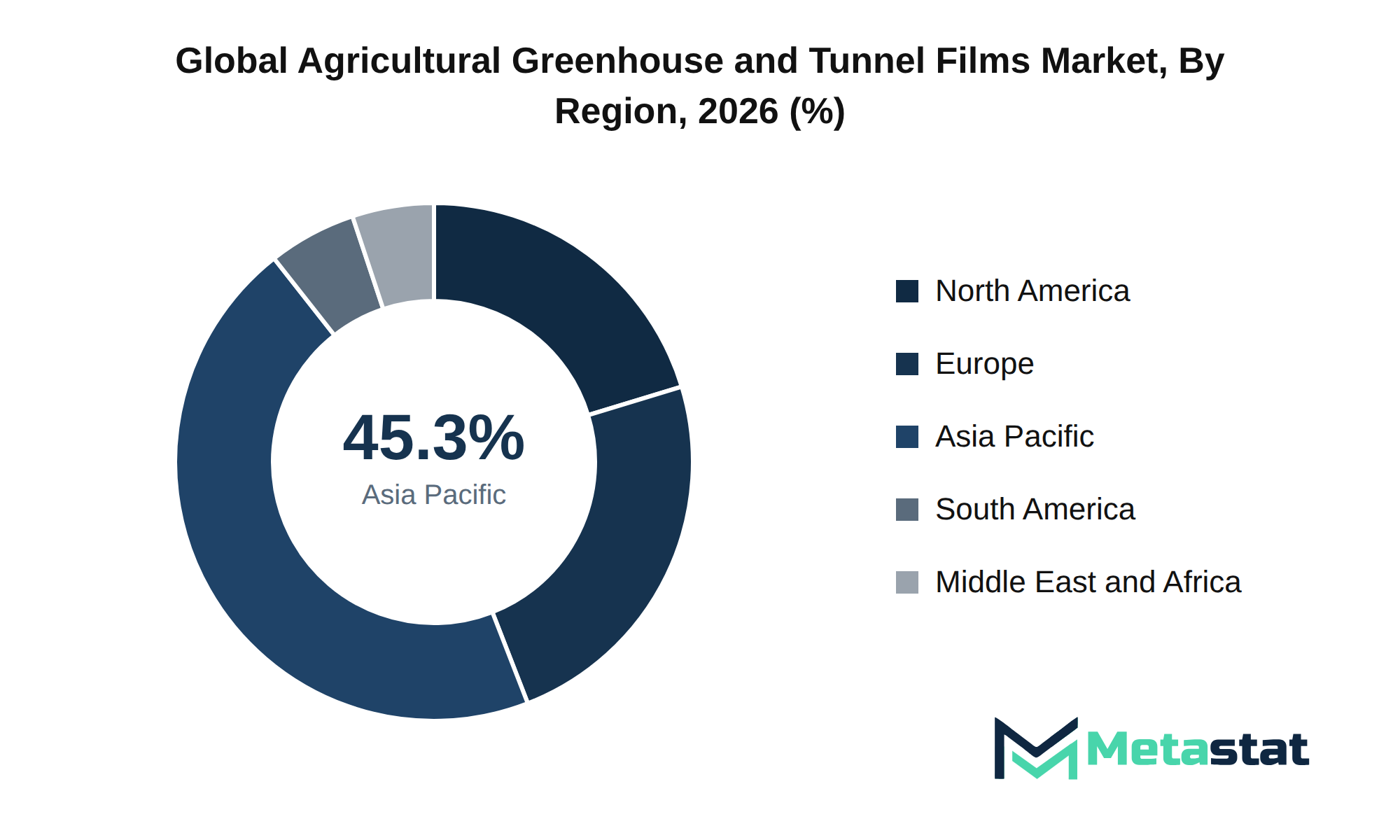
Competitive Landscape and Strategic Insights
The Agricultural Greenhouse and Tunnel Films market features a competitive environment shaped by strategic consolidation, mergers, and acquisitions. Companies focus on expanding their market presence through partnerships and alliances, enhancing their product offerings and operational capabilities. Firms engage in joint ventures and cross-industry partnerships to leverage technological advancements and improve supply chain efficiencies.
Product differentiation plays a crucial role in maintaining competitive advantages within the market. Companies invest in research and development to innovate and develop proprietary technologies that cater to specific agricultural needs. This investment enhances the functionality of greenhouse films and addresses sustainability concerns, aligning with the growing demand for eco-friendly solutions.
Barriers to entry remain significant due to the established presence of key players and the capital-intensive nature of manufacturing. New entrants face challenges in acquiring the necessary resources and technology, which limits their ability to disrupt the market effectively. Established companies benefit from customer retention strategies that reinforce brand equity, ensuring steady revenue streams.
The future competitive outlook for the Agricultural Greenhouse and Tunnel Films market indicates continued growth, driven by increasing agricultural production and technological advancements. Strategic growth vectors include expansion into emerging markets and enhancement of product portfolios to meet diverse customer needs. This positions companies favorably for long-term success.
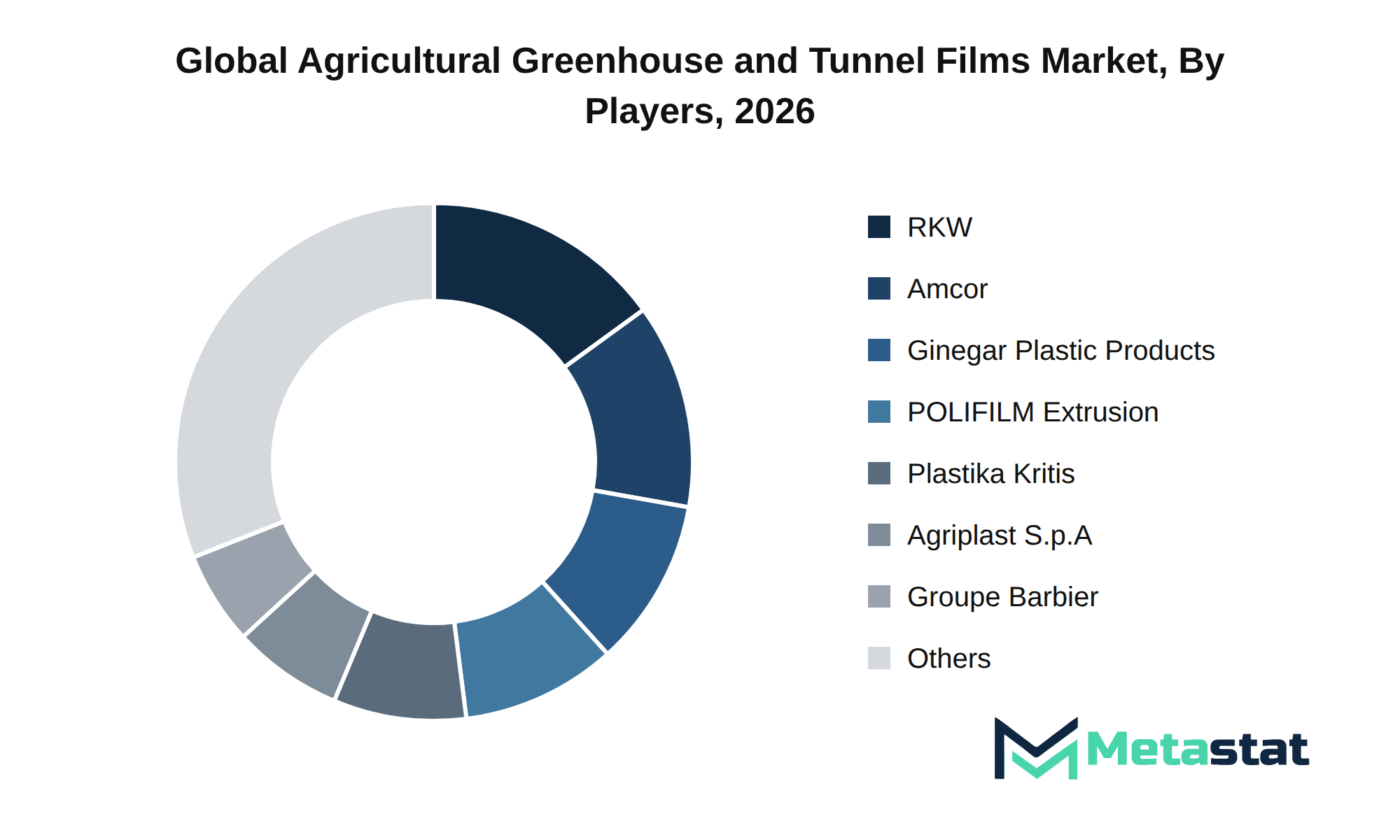
Forecast and Future Outlook
Market size is forecast to rise from USD 6.7 billion in 2025 to over USD 13.5 billion by 2033, reflecting a compound annual growth rate (CAGR) of 9.1%. This growth stems from several factors, including heightened demand for sustainable agricultural practices and advancements in greenhouse technology. Increased investments in agricultural infrastructure and rising awareness of the importance of food security further support market expansion.
The bull case anticipates accelerated growth driven by rapid technological innovations and increasing regulatory support for sustainable agriculture. Enhanced production efficiency through next-generation materials and methods strengthens the case for robust market performance. Economic fluctuations and geopolitical tensions could hinder growth and investment in the agricultural sector.
Market players focus on strategic capital allocation, emphasizing R&D commercialization timelines and compliance with evolving regulations. Investments in infrastructure commitments and CapEx initiatives align with the anticipated demand for Agricultural Greenhouse and Tunnel Films. High-growth pockets identified in regions including Asia Pacific highlight emerging opportunities, reflecting the importance of adapting to structural consumption shifts.
The outlook for the Agricultural Greenhouse and Tunnel Films market indicates significant growth potential, driven by evolving market dynamics and the pressing need for innovative agricultural solutions.
Agricultural Greenhouse and Tunnel Films Market Key Segments
By Application:
- Greenhouse Roof and Sidewall Covering
- High and Macro Tunnel Covering
- Low Tunnel Covering
- Nursery and Propagation House Covering
- Orchard, Vineyard and Berry Rain-Shelter Covering
- Internal Liner and Double-Skin Systems
- Others (Seasonal Crop and Livestock Shelter Covering)
By Resin Type:
- LDPE-Based Films
- LLDPE-Based Films
- EVA-Based Films
- PVC Films
- ETFE Films
- Other Polyolefin and Specialty Polymer Films (EBA and Metallocene PE)
By Film Construction:
- Monolayer Films
- Three-Layer Coextruded Films
- Five-Layer Coextruded Films
- Seven-Layer and Higher Coextruded Films
- Reinforced and Woven Films
- Air-Bubble Films
- Others (Laminated and Specialty Composite Films)
By Technology:
- Standard UV-Stabilized Films
- Thermic and IR Heat-Retention Films
- Light-Diffusing Films
- High-Transparency Direct-Light Films
- UV-Open Films
- UV-Blocking and Anti-Virus Films
- NIR-Reflective Cooling Films
- Anti-Drip and Anti-Fog Films
- Spectrum-Converting Films
- Others (Anti-Dust, Chemical-Resistant and Self-Ventilating Films)
By Region:
- North America
- Europe
- Asia-Pacific
- South America
- Middle East and Africa
Key Global Agricultural Greenhouse and Tunnel Films Industry Players
- RKW Group
- Ginegar Plastic Products Ltd.
- Plastika Kritis S.A.
- Amcor plc
- POLIFILM Extrusion GmbH
- Solplast S.A.
- Groupe Barbier
- Agriplast S.p.A.
- Eiffel S.p.A.
- Pati S.p.A.
- Daios Plastics S.A.
- FVG Folien-Vertriebs GmbH
- AA Politiv (1999) Ltd.
- Essen Multipack Limited
- POLIVOUGA Indústria de Plásticos S.A.
- UAB Umaras
- Oerlemans Plastics B.V.
- Achilles Corporation
- MKV Advance Co., Ltd.
- GreenPro Ventures Pvt. Ltd.
- Warp Bros.
- Shanghai HiTeC Plastics Co., Ltd.
- Megaplast India
- Agrofilmes Brasil
- HONREL Agriculture
Report Coverage
The report strategically identifies and profiles the key market players and analyses their core competencies in each sub-segment of the Agricultural Greenhouse and Tunnel Films market.
Report Attributes | Details |
Study Period | 2021-2033 |
Base Year | 2025 |
Estimated Year | 2026 |
Forecast Period | 2026-2033 |
Historical Period | 2021-2025 |
Growth Rate | CAGR 9.1% from 2026 to 2033 |
Revenue Unit | USD billion |
Segmentation | By Application, Resin Type, Film Construction, Technology, and Region |
By Region | North America (By Application, Resin Type, Film Construction, Technology, and Country)
|
Europe (By Application, Resin Type, Film Construction, Technology, and Country)
| |
Asia Pacific (By Application, Resin Type, Film Construction, Technology, and Country)
| |
South America (By Application, Resin Type, Film Construction, Technology, and Country)
| |
Middle East and Africa (By Application, Resin Type, Film Construction, Technology, and Country)
|
WHAT REPORT PROVIDES
- Company Market Share, Revenue and Ranking for the Agricultural Greenhouse and Tunnel Films Market
- Key Market Leaders and Their Strategies in the Industry
- Full In-Depth Analysis of the Agricultural Greenhouse and Tunnel Films Industry
- Industry Statistics and Important Changes in Market Dynamics
- Segmentation Details of the Agricultural Greenhouse and Tunnel Films Market
- Historical, Ongoing, and Projected Market Analysis
- Assessment of Niche Industry Developments and Emerging Segments
- Competitive Benchmarking and Unique Selling Propositions of Key Players
Frequently Asked Questions
Find answers to common questions about this report
The Agricultural Greenhouse and Tunnel Films market size was valued at USD 6.7 billion in 2025.
The Agricultural Greenhouse and Tunnel Films market is projected to grow at a CAGR of 9.1% during the forecast period from 2026 to 2033.
The North America Agricultural Greenhouse and Tunnel Films market size is estimated to reach USD 2.5 billion by 2033.
The segment leading the Agricultural Greenhouse and Tunnel Films market is the Application segment, specifically the High and Macro Tunnel Covering, with a projected value of USD 2.9 billion by 2033. This segment demonstrates the highest growth potential compared to others in the market.
The Agricultural Greenhouse and Tunnel Films market experiences growth driven by the increasing adoption of automation technologies and a focus on sustainability among agricultural producers. This shift enhances operational efficiency, reduces resource wastage, and addresses consumer demand for eco-friendly practices, positioning the market for significant growth opportunities.
The Agricultural Greenhouse and Tunnel Films market faces challenges from macroeconomic pressures, including rising inflation and material costs, which strain budgets for agricultural producers. Geopolitical tensions disrupt supply chains, complicating access to essential raw materials and leading to increased production costs that hinder market growth.
The Agricultural Greenhouse and Tunnel Films market benefits from the increasing adoption of automation technologies, enhancing operational efficiency and productivity. A strong focus on sustainability drives producers to invest in eco-friendly solutions, leading to greater demand for innovative films that support energy efficiency and resource stewardship.
The Agricultural Greenhouse and Tunnel Films market is estimated to reach a valuation of USD 13.5 billion by 2033.
Key players operating in the Agricultural Greenhouse and Tunnel Films market include RKW Group, Ginegar Plastic Products Ltd., Amcor plc, POLIFILM Extrusion GmbH, Agriplast S.p.A., and Oerlemans Plastics B.V.
Asia Pacific leads the Agricultural Greenhouse and Tunnel Films market with a share of 45.3%.
Choose Your License
Global Agricultural Greenhouse and Tunnel Films Market
Related Reports
Explore related market intelligence reports worth reading alongside this one.