
Global Floriculture Market
Global Floriculture Market Size, Share, By Product Type (Bedding and Garden Plants, Potted Flowering Plants, Foliage and Tropical Plants, Cut Flowers and Others), By Flower Type (Rose, Chrysanthemum, Tulip, Lily, Gerbera, Carnations, Texas Bluebell, Freesia and Hydrangea), By Distribution Channel (Direct Sales to Retailers, Wholesale Distributors and Flower Auctions, Specialty Florists and Garden Centers, Online Retail and Direct-to-Consumer Channels), Industry Analysis, Growth, Trends, and Forecast, 2026-2033
MSI-5019
August 21, 2026
265 Pages
Historical
Base year
Forecast
Forecast period
Report Details
Comprehensive Market Analysis And Insights
Market Overview
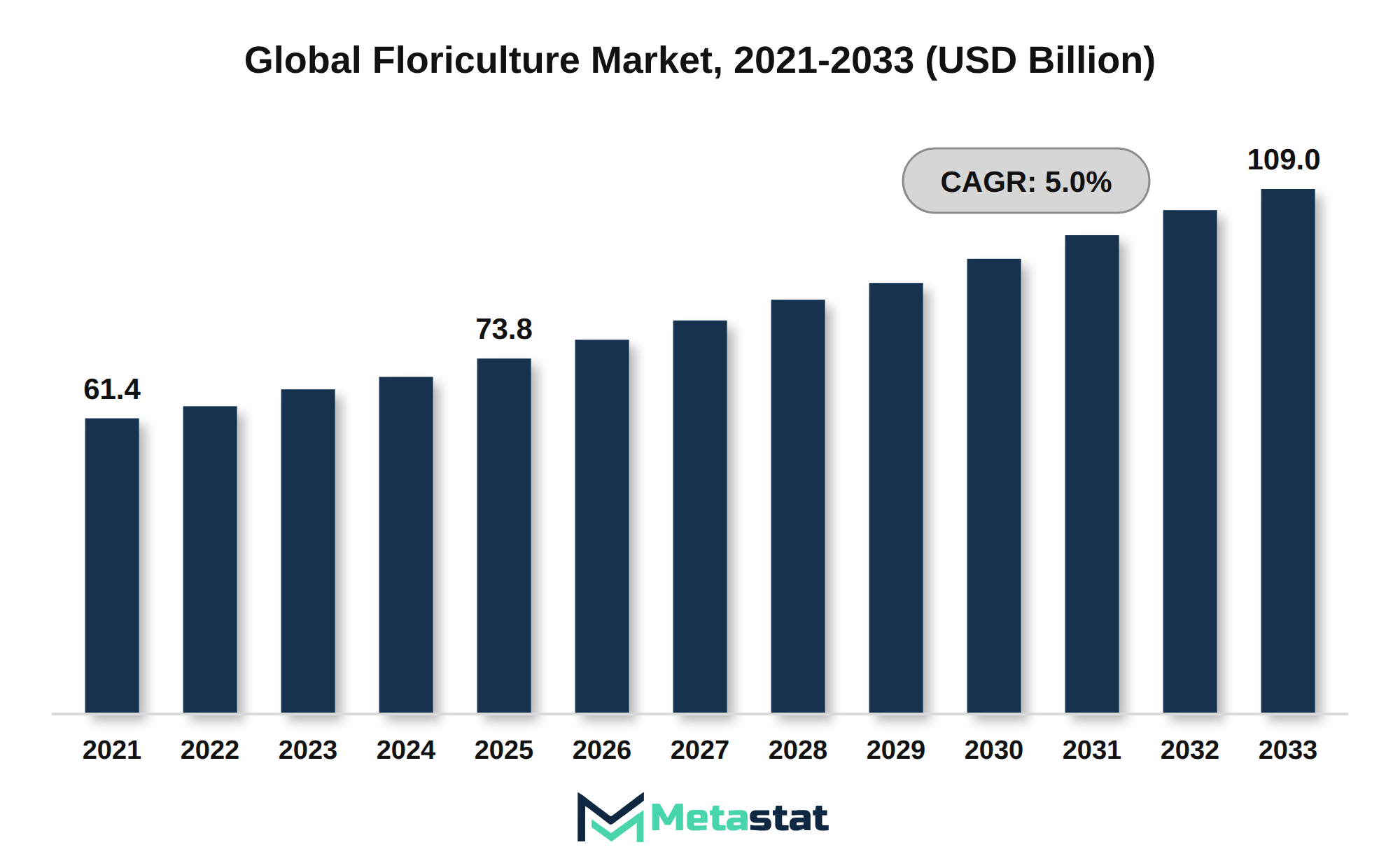
The global Floriculture market was valued at USD 73.8 billion in 2025 and is projected to reach USD 109 billion by 2033, growing at a CAGR of 5.0% over the forecast period.
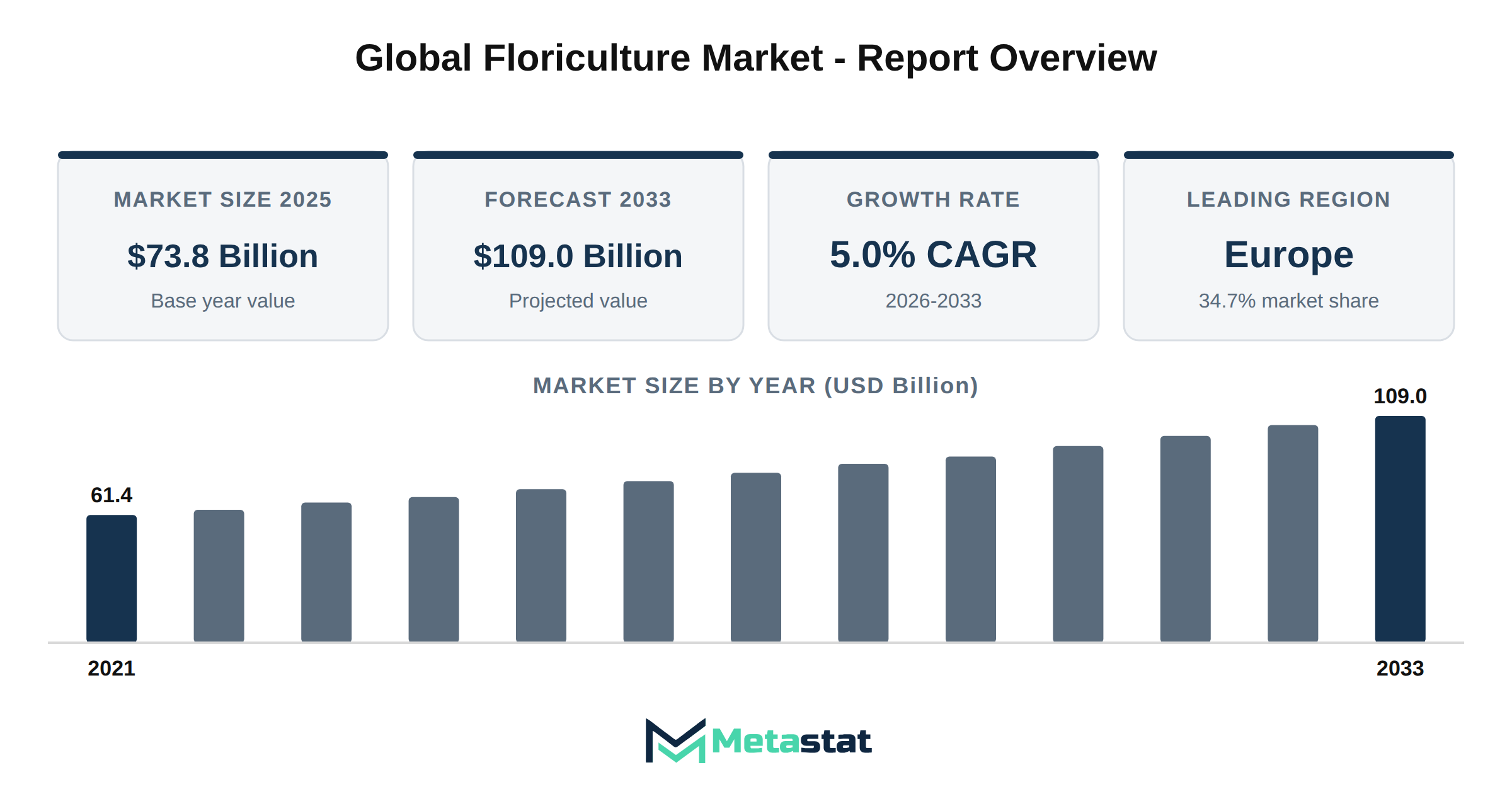
The global floriculture market reached USD 73.8 billion in the base year of 2025. This market is projected to experience growth, with an estimated value of USD 109 billion by the end of the forecast period in 2033, reflecting a compound annual growth rate (CAGR) of 5%. Historical data indicates a steady increase from USD 61.4 billion in 2021 to USD 70 billion in 2024, demonstrating a consistent upward trajectory.
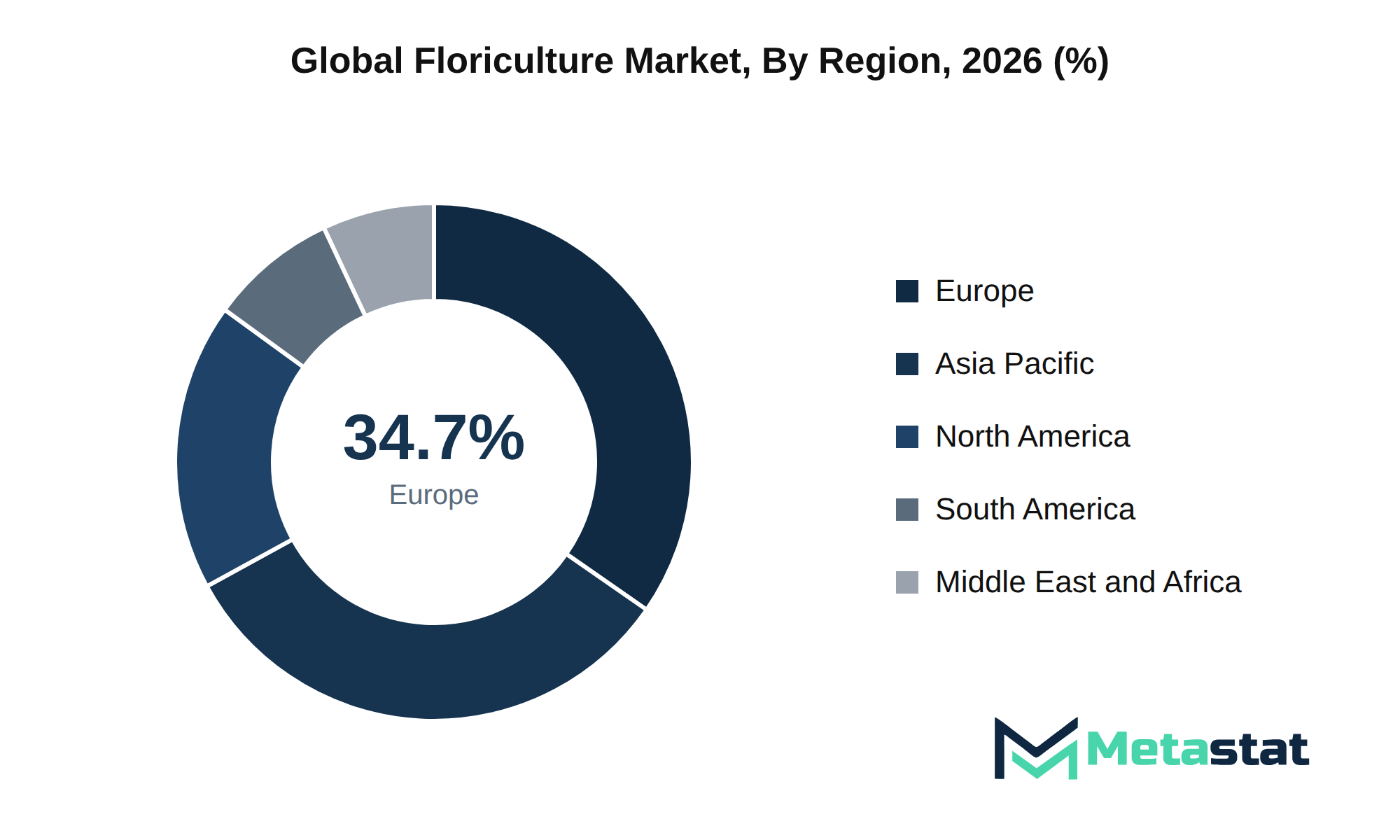
Regionally, Europe holds the largest share of the market at 34.7%, followed closely by Asia Pacific at 32.4%. North America accounts for 18% of the market, while South America and the Middle East and Africa represent 8% and 7%, respectively. The distribution of market share across these regions illustrates varying consumer preferences and market dynamics, influencing growth strategies for suppliers and stakeholders within the floriculture market.
Product type segmentation indicates that bedding and garden plants lead the market, valued at USD 22.8 billion in 2026 and expected to grow to USD 33.2 billion by 2033, with a CAGR of 5.5%. Potted flowering plants are anticipated to reach USD 25.1 billion by 2033, reflecting similar growth trends. Foliage and tropical plants, alongside cut flowers, present additional opportunities for growth, incorporating consumer preferences for diverse floral offerings.
In terms of flower types, roses represent a significant sector, with values projected to increase from USD 18.6 billion in 2026 to USD 25.5 billion by 2033. Chrysanthemums are expected to reach USD 14.1 billion during the same period, indicating a CAGR of 4.9%. This demand for specific flower types illustrates changing consumer preferences and highlights the importance of targeted cultivation and distribution strategies in the floriculture market.
The floriculture market experiences significant shifts driven by evolving consumer preferences and sustainable practices. Increased demand for environmentally friendly products drives suppliers to adopt innovative techniques that align with sustainability goals. This trend influences various players, including growers and distributors, prompting them to invest in eco-friendly methods that enhance their competitive edge.
Investment in research and development (R&D) shapes new product offerings within the market. Companies focus on creating unique flower varieties and improving cultivation methods to meet growing consumer expectations. The emphasis on innovation allows firms to differentiate themselves and capture higher market shares, leading to enhanced profitability.
Supply chain dynamics significantly impact the floriculture market. Fluctuations in logistics and transportation costs, coupled with currency volatility, affect pricing strategies and overall profitability for businesses. Efficient supply chain management becomes essential because companies seek to mitigate risks associated with these external factors while maintaining quality and service levels.
Corporate strategies increasingly prioritize capital allocation towards sustainable projects and infrastructure investments. Firms commit resources to enhance production capabilities and streamline operations to address the rising costs associated with inflationary pressures. This focus on operational efficiency enables players to navigate challenges effectively and position themselves for future growth.
The forecast period anticipates heightened competition among market participants because they seek to capitalize on emerging trends and consumer demands. Strategic mergers and acquisitions (M&A) will reshape the market landscape, allowing companies to combine resources and expand their product offerings. This fragmentation presents opportunities for agile firms to thrive amid the evolving dynamics of the floriculture market.
Market Dynamics
Increased consumer spending drives floriculture growth
The floriculture market experiences growth fueled by increased consumer spending, particularly on gardening and home decoration. Economic recovery following global disruptions has resulted in heightened disposable income, enabling consumers to invest in floral products and services. This trend is especially pronounced among urban populations, where gardening and indoor plants have gained popularity, reflecting essential elements of home aesthetics.
Shifting demographic patterns, including an aging population and millennial preferences for sustainable and aesthetically pleasing environments, contribute significantly to this consumer trend. Younger consumers prioritize eco-friendly practices and unique floral designs, which further stimulates demand within the market. Retailers are adapting their product offerings to meet these evolving preferences, incorporating innovative floral arrangements and sustainable sourcing methods.
The impact of increased consumer spending extends across various market segments, including bedding and garden plants, potted flowering plants, and cut flowers. Investment in these segments leads to improved product availability and enhanced competition among suppliers, ultimately benefiting consumers through greater variety and quality. Overall, this driver is projected to support growth in the floriculture market through the forecast period, with a compound annual growth rate of 5 percent anticipated from 2026 to 2033.
Technological integration enhances productivity
The floriculture market benefits from the integration of advanced technologies, which significantly improve operational efficiency. Innovations in automation and artificial intelligence streamline various processes, ranging from cultivation to distribution. This technological evolution enables producers to optimize labor usage, reducing operational costs and enhancing productivity. The adoption of digital tools facilitates better inventory management and sales forecasting, allowing suppliers to respond swiftly to market demands, strengthening long-term demand.
Investment in technology enhances productivity and promotes sustainability within the market. Automated systems and precision agriculture techniques contribute to reduced resource consumption and lower carbon footprints. Businesses increasingly focus on environmental, social, and governance (ESG) metrics, making technology that aligns with these initiatives crucial. Thus, technological integration supports operational improvements and sustainability goals, reinforcing the floriculture market's position.
Regulatory constraints hinder market expansion
The floriculture market faces challenges from increased regulatory constraints that impact compliance and operational costs. Stricter environmental regulations demand adherence to sustainable practices, resulting in higher compliance costs for producers. The financial burden associated with meeting regulatory requirements influences investment decisions, leading to resource allocation towards compliance rather than expansion initiatives. This scenario restricts growth potential and profitability within the market.
Macroeconomic headwinds, including inflationary pressures and rising operational costs, contribute to a volatile market environment. Higher costs for raw materials and labor force producers to adjust pricing strategies, suppressing demand from price-sensitive consumers. Such economic conditions create uncertainty that stalls investment in new products and market expansion efforts.
Supply chain disruptions further complicate market dynamics, affecting the timely delivery of products and raw materials. Geopolitical instability in key producing regions introduces risks that disrupt global supply chains, leading to inconsistent supply and increased costs. These disruptions challenge the ability of producers to meet consumer demand and affect overall market reliability.
Structural issues, including infrastructure gaps and a shortage of skilled labor, create additional barriers. Insufficient logistics infrastructure delays product delivery, while talent shortages hinder operational efficiency. The floriculture market addresses these constraints to enhance resilience and competitiveness in an increasingly complex economic landscape.
Geopolitical fragmentation impacts market stability
Geopolitical fragmentation creates significant challenges for the floriculture market, leading to heightened trade deficits and tariff friction. This fragmentation complicates the flow of goods across borders, negatively impacting supply chains and increasing costs for producers. Trade policies vary dramatically between regions, resulting in unpredictable market conditions that affect pricing and demand dynamics.
Technological disruptions within the market add another layer of complexity. Rapid advancements in production techniques necessitate substantial investments in research and development. This requirement creates barriers for smaller players who struggle to keep pace with evolving technologies and consumer expectations, affecting their competitive positioning and operational efficiency.
Supply chain instability, exacerbated by logistics disruptions, undermines the reliability of product delivery. The floriculture market relies heavily on timely distribution channels, where any disruption leads to significant losses in revenue. Rising input cost structures, including labor and materials, exert margin pressures on producers, limiting their ability to invest in growth initiatives.
The workforce skill gap further challenges the industry. A shortage of qualified labor to meet the demands of modern floral production environments hampers productivity and innovation. Companies face difficulties in attracting and retaining talent, complicating efforts to implement automation technologies that could enhance efficiency and reduce reliance on labor.
Environmental lifecycle footprints and sustainability demands exert additional pressure on the market. Companies face increasing scrutiny regarding their ecological impact, driving the need for compliance with tightening global regulatory standards. This compliance overhead requires investment in sustainable practices, diverting resources from core business activities and affecting profitability.
Changing downstream demands contribute to market saturation and substitution vector pressures resulting from consumers shifting preferences toward alternative products. The floriculture market adapts to these evolving trends while navigating the challenges presented by geopolitical and economic factors, which collectively shape the industry's future.
Emerging regional demands drive market growth
The global floriculture market experiences opportunities from emerging regional demands, particularly in Asia Pacific and South America. Increased urbanization and rising middle-class populations in these regions drive demand for ornamental plants and flowers. Expanding infrastructure and improved distribution networks facilitate access to floricultural products, enhancing market growth. The focus on sustainability aligns with consumer preferences for eco-friendly and locally sourced products, further increasing demand.
Technological disruptions, including digital transformation, provide avenues for innovation in product offerings and distribution models. E-commerce platforms enable direct-to-consumer channels, enhancing customer reach and engagement. This shift contributes to changing buying behaviors, where consumers prioritize convenience and quality, impacting how businesses operate in the market.
Sustainability imperatives drive value-chain optimization, urging producers to adopt environmentally friendly practices and products. The market benefits from strategic consolidations and cross-industry mergers that enhance competitive positioning and expand market reach. Niche application growth, including in event planning and interior landscaping, offers additional revenue streams for participants in the floriculture market.
Supply chain localization and strategic buffering help mitigate risks associated with international trade fluctuations. Investments in asset life-cycle extensions and maintenance upgrades enhance the longevity and performance of floriculture products. These developments reflect a commitment to operational yield maximization, supporting overall market expansion.
Market Segmentation Analysis
The Global Floriculture market is segmented based on Product Type, Flower Type, and Distribution Channel.
By Product Type, the market is further segmented into:
- Bedding and Garden Plants
- Potted Flowering Plants
- Foliage and Tropical Plants
- Cut Flowers
- Others
Bedding and Garden Plants
Bedding and Garden Plants segment is valued at USD 22.8 billion in 2026 and is projected to reach USD 33.2 billion by 2033, at a CAGR of 5.5% during the forecast period. This segment experiences growth driven by increasing residential gardening activities and rising interest in outdoor beautification. Homeowners and urban dwellers increasingly seek plants that enhance aesthetic appeal and improve air quality, influencing purchasing decisions.
Product evolution within this segment focuses on offering more diverse plant varieties and hybrid options. Advances in horticultural practices lead to enhanced growth rates, increased disease resistance, and improved adaptability to various environments. Such innovations attract new buyers and encourage existing customers to expand their selections.
Downstream applications expand significantly, with Bedding and Garden Plants finding usage in landscaping projects, residential gardens, and public green spaces. The emphasis on sustainable gardening practices further supports demand, driven by environmentally conscious consumers who opt for native and low-maintenance plant varieties.
Regulatory compliance standards addressing environmental impact and sustainability influence market dynamics. Growers align with these regulations to ensure their products meet consumer expectations and government guidelines. This alignment facilitates market accessibility and enhances the competitive edge of compliant producers.
Cost structures and pricing volatility impact profitability within the segment. Fluctuations in raw material costs, including soil and fertilizers, pose challenges for growers. Strategic sourcing practices, along with investments in supply chain resilience, enhance the ability to mitigate these pressures and stabilize pricing strategies.
Market dynamics suggest that strategic opportunity windows exist for new entrants and existing players. Capital investments in advanced cultivation technologies and efficient distribution networks present avenues for growth. The combination of evolving consumer preferences and technological advancements positions the Bedding and Garden Plants segment because a key contributor to the overall floriculture market.
Potted Flowering Plants
Growth in the Potted Flowering Plants segment is driven by increasing consumer preference for indoor gardening and decorative plants, which enhances aesthetic appeal in homes and offices. Urbanization and rising disposable incomes contribute to higher demand for these plants, particularly among younger demographics who prioritize sustainability and wellness. Innovations in plant varieties and care techniques enable better adaptation to indoor environments, attracting buyers seeking low-maintenance options.
Increased marketing efforts by retailers and suppliers further stimulate segment expansion. Promotional campaigns that highlight the benefits of potted flowering plants for air quality and wellbeing connect with consumers. The availability of diverse product offerings, including unique and exotic varieties, strengthens market presence and encourages purchases.
Technological advancements in cultivation and distribution enhance product availability. Improved logistics and supply chain management allow for fresher products reaching stores and consumers more efficiently. Increased online retailing facilitates broader access to a variety of potted flowering plants, adapting to changing consumer shopping behaviors.
This segment is projected to reach USD 25.1 billion by 2033, at a CAGR of 5.5% during the forecast period. Pricing dynamics are influenced by various factors, including raw material costs and market competition. Suppliers adopt strategic pricing approaches to maintain margins while addressing consumer expectations for quality and affordability.
Overall, the Potted Flowering Plants segment within the floriculture market demonstrates significant growth potential driven by evolving consumer preferences and effective market strategies. Continuous innovation and market adaptability will reinforce its position in the broader floriculture market.
Foliage and Tropical Plants
Foliage and Tropical Plants segment is expected to reach USD 17.4 billion by 2033. Rising demand for houseplants and their aesthetic appeal contribute significantly to market growth. Urbanization and an increase in indoor living spaces drive a shift in consumer preferences toward greenery, enhancing the appeal of foliage plants. The awareness of the psychological benefits associated with plants, including improved air quality and mental well-being, drives adoption among consumers and interior designers alike.
Technological advancements in horticulture support the evolution of this segment. Innovations in breeding and cultivation techniques result in diverse product offerings, enabling suppliers to capture a broader audience. The market experiences growth through strategic opportunities in distribution channels, with direct sales to retailers and online platforms emerging because significant contributors. Increased accessibility to foliage and tropical plants through various sales channels enhances consumer engagement and expands market reach.
Competitive dynamics play a crucial role in shaping the foliage and tropical plants segment. Market players actively invest in developing unique varieties and superior quality products to differentiate themselves from competitors. This focus on product evolution creates a dynamic market environment, potentially leading to improved margins for suppliers. The regulatory landscape surrounding plant imports and exports influences sourcing strategies, impacting cost structures and pricing volatility within the segment, ultimately shaping the growth trajectory of the floriculture market.
Cut Flowers
Growth in the Cut Flowers segment is projected to reach USD 25.5 billion by 2033, with a CAGR of 3.6% during the forecast period. Increasing consumer preferences for fresh flowers during occasions including weddings, birthdays, and holidays drive demand. The segment benefits from evolving gifting practices, where consumers prioritize quality and unique floral arrangements. Innovations in breeding and cultivation techniques enhance product offerings, allowing growers to introduce diverse flower varieties that cater to changing consumer tastes.
Distribution channels for cut flowers continue to expand, with online retail and direct-to-consumer channels gaining traction. The market experiences a shift towards online purchasing, influenced by the convenience and accessibility offered by e-commerce platforms. This shift enhances market penetration, allowing producers to reach a broader customer base. Specialty florists and garden centers provide personalized floral arrangements that cater to niche markets.
Price volatility in the cut flowers segment presents challenges. Fluctuating costs of raw materials and logistics pressures impact profitability for suppliers. Strategic sourcing and partnerships with local growers improve supply chain resilience, enabling consistent quality and availability. Investments in supply chain technologies streamline operations, reduce costs, and enhance efficiency in distribution.
The Cut Flowers segment within the floriculture market reflects a dynamic environment marked by evolving consumer preferences, distribution channel expansion, and pricing challenges. Continuous innovation and strategic investments are essential for participants to capture growth opportunities within this segment.
Others
Growth in the "Others" sub-segment of the Floriculture market derives from various consumer preferences and trends. Increased interest in unique and exotic plant varieties drives demand, alongside a growing focus on environmental sustainability. Consumers seek products that align with their values, influencing purchasing decisions and enhancing overall market demand.
Innovation within the segment enhances the introduction of new products, establishing differentiation in a competitive landscape. This innovative approach attracts a diverse consumer base, enhancing market penetration. Technological advancements facilitate product development, aligning offerings with shifting consumer expectations and contributing to increased market competitiveness.
Adoption of sustainable practices strengthens appeal among environmentally conscious consumers. The segment aligns with broader market trends emphasizing ecological responsibility, creating growth opportunities for suppliers. Changing consumption patterns present strategic opportunity windows for players targeting niche markets, reinforcing the segment's position within the Floriculture market.
Investments in marketing and education enhance awareness of the unique benefits of products in the Others sub-segment. Brands that effectively communicate value propositions capture a larger share of the market. This proactive approach contributes to an evolving environment, positioning the segment for favorable growth dynamics and increasing investment across the value chain.
Overall, the Others sub-segment enriches the Floriculture market, responding proactively to consumer trends and operational pressures. Strategic focus on innovation and sustainability establishes a foundation for future development and strengthens long-term demand.
By Flower Type, the market is further segmented into:
- Rose
- Chrysanthemum
- Tulip
- Lily
- Gerbera
- Carnations
- Texas bluebell
- Freesia
- Hydrangea
- Others
Rose
Valued at USD 18.6 billion in 2026, the Rose segment is projected to reach USD 25.5 billion by 2033, at a CAGR of 4.7% during the forecast period. Demand for roses remains strong owing to their popularity in various occasions, including weddings, anniversaries, and holidays, driving consistent consumption. The market observes a shift towards premium varieties, which command higher prices and reflect changing consumer preferences for quality and aesthetics.
Technological maturation in cultivation practices enhances rose production efficiency, improving yield and reducing costs. Advanced breeding techniques contribute to the availability of diverse rose varieties, appealing to a wider consumer base. While sustainable practices gain traction, growers adopting eco-friendly methods position themselves favorably in a market increasingly focused on environmental impact.
Pricing volatility related to fluctuating input costs impacts margins in the Rose segment. Factors including labor, transportation, and raw materials influence overall cost structures, requiring growers to adapt their strategies to maintain profitability. Strategic opportunity windows arise from the growing trend of online sales, allowing producers to reach customers directly and expand their market share.
Investment in marketing initiatives targeting younger demographics builds brand loyalty and creates a new consumer base for roses. Evolving floral design trends encourage unique arrangements featuring roses, attracting attention and driving sales while fostering innovation in product offerings. The floriculture market reflects a dynamic relationship of demand drivers, positioning the Rose segment for sustained growth through 2033.
Chrysanthemum
Chrysanthemum segment is estimated to reach USD 14.1 billion by 2033, at a CAGR of 4.9% during the forecast period. Increased adoption of chrysanthemums across various floral arrangements and events drives demand for this category. The segment benefits from rising consumer preferences for colorful and long-lasting flowers, especially during festive seasons and special occasions. Florists and retailers leverage the aesthetic appeal of chrysanthemums to attract consumers, boosting sales.
Technological advancements in cultivation techniques enhance the quality and yield of chrysanthemums, enabling producers to meet growing market demands efficiently. These innovations include improved breeding techniques and pest management practices that ensure higher resilience and extended shelf life. The ability to provide high-quality products positions the segment favorably within the competitive environment of the floriculture market.
Chrysanthemums are versatile in their applications, serving various end uses, including residential and commercial landscaping, event decoration, and gifting. This versatility encourages consumption shifts towards this flower type, allowing producers to tap into broader markets. Ongoing investment in marketing strategies by flower sellers enhances consumer awareness and expands appeal, ensuring consistent growth within the segment.
Pricing dynamics within the chrysanthemum segment reflect fluctuations in supply chain costs and consumer demand. Market pressures from raw material sourcing and distribution logistics require producers to adopt strategies that optimize cost structures while maintaining product quality. Financial considerations impact profitability margins and influence competitive positioning in the market.
Overall, significant growth opportunities exist within the chrysanthemum segment of the floriculture market. Strategic investment in cultivation technologies, targeted marketing, and an emphasis on sustainable practices capitalize on rising demand for this popular flower type.
Tulip
Increased consumer interest in tulips drives demand within the floriculture market. Tulip cultivation benefits from favorable growing conditions and a diverse range of varieties catering to different consumer preferences. The segment is projected to reach USD 10.4 billion by 2033, reflecting a growing appreciation for these flowers in both residential and commercial settings.
Technological advancements in cultivation practices enhance yield efficiency. Innovative breeding techniques contribute to the development of new tulip varieties, appealing to evolving consumer tastes. These advancements promote segment expansion, enabling growers to meet market demands effectively.
Economic factors including rising disposable incomes influence purchasing behavior, with consumers opting for premium tulip varieties. Retailers and wholesalers enhance their offerings to attract a broader audience, contributing to increased sales volumes across the market.
Regulatory compliance standards regarding flower production increasingly impact the segment. Growers adapt to these standards, focusing on sustainable practices that align with eco-conscious consumers. Compliance supports environmental goals and opens avenues for market differentiation and premium pricing strategies.
Overall, the tulip segment within the floriculture market demonstrates strong potential for growth driven by consumer demand, technological advancements, and adherence to regulatory standards. The combination of these factors positions the segment for robust performance through 2033.
Lily
Growth in the Lily segment continues to be driven by increasing consumer preference for ornamental flowers that enhance aesthetic appeal in residential and commercial spaces. The segment is projected to grow at a CAGR of 5.4% during the forecast period. Adoption of environmentally sustainable practices among growers shapes production methods, aligning with consumer demand for eco-friendly products. Innovations in breeding techniques and cultivars enhance the availability of unique and resilient Lily varieties, attracting attention from florists and consumers.
Shifting consumption patterns influence the market, with more consumers opting for locally sourced flowers, thereby affecting purchasing behaviors. Regulatory compliance regarding sustainable sourcing and fair trade certifications prompts suppliers to adapt practices to meet consumer expectations. Pricing pressures arise from fluctuating raw material costs and competitive dynamics, compelling growers to streamline operations and enhance product quality to maintain margins.
Strategic opportunity windows emerge from trends in event-driven floral arrangements, particularly for weddings and celebrations, which drive demand for Lilies. The market adapts to these changes by emphasizing promotion and distribution strategies tailored to specific occasions. Overall, the evolving floral market highlights the significance of the Lily segment in meeting consumer desires for attractive, sustainable floral options.
Gerbera
Consumer preferences significantly influence the Gerbera segment within the floriculture market. Bright colors and varied forms attract attention, driving demand for these flowers in residential and commercial settings. The increasing popularity of Gerbera daisies for events, weddings, and decorations contributes to sales growth, creating opportunities for suppliers and retailers.
Technological advancements in horticulture enhance the efficiency of Gerbera production. Innovations in breeding techniques lead to improved varieties with longer vase life and greater resilience to disease, further appealing to consumers. Adoption of advanced agricultural practices, including precision farming and sustainable cultivation methods, strengthens the segment's market position.
Market trends indicate a shift towards eco-friendly practices, with consumers increasingly favoring sustainably sourced flowers. Certification programs focusing on environmental and social standards create advantages for producers adopting responsible practices. This alignment with consumer values enhances brand loyalty and drives sales within the Gerbera segment.
Pricing dynamics play a crucial role in the segment's performance. Fluctuations in raw material costs impact production expenses, influencing final retail prices. Strategic pricing decisions are essential for maintaining competitiveness while ensuring profitability. Effective supply chain management mitigates risks associated with price volatility.
Competition remains intense in the floriculture market, with numerous suppliers vying for market share. Strategic partnerships and collaborations among growers, wholesalers, and retailers facilitate enhanced distribution channels, ensuring that Gerbera products reach a wider audience. These relationships contribute to market resilience and growth opportunities.
Investment in marketing initiatives targeting the Gerbera segment increases consumer awareness and demand. Highlighting the versatility and beauty of Gerbera flowers through promotional campaigns enhances visibility and encourages consumer purchases. This proactive approach supports segment expansion within the broader floriculture market.
Carnations
Floriculture market dynamics reflect a strong demand for carnations, driven by their popularity in various floral arrangements and events. Consumer preferences for rich colors and diverse varieties contribute to the growing adoption of this flower type. The segment experiences expansion catalysts through innovative breeding techniques, leading to the introduction of new and unique strains that appeal to both commercial buyers and individual consumers.
Technological advancements play a crucial role in enhancing cultivation practices for carnations, allowing growers to achieve consistent quality and yield. Product evolution focuses on improving flower longevity and resilience, addressing consumer expectations for freshness. End-use dynamics indicate a shift toward increased consumption in both domestic and international markets, driven by the applications of carnations in weddings, celebrations, and everyday gifting.
Regulatory compliance standards surrounding pesticide use and sustainable farming practices impact production strategies. These factors create pressure on margins by influencing cost structures. Strategic opportunity windows arise from the intersection of high consumer demand and the need for sustainable practices, prompting investment in eco-friendly cultivation methods that align with market trends.
Supply chain resilience remains critical for ensuring consistent availability and quality of carnations. Raw material sourcing strategies adapt to minimize vulnerabilities and respond effectively to market fluctuations. The floriculture market progresses with a focus on carnations, highlighting the importance of innovation and adaptability in meeting evolving consumer preferences.
Texas bluebell
Demand for the Texas bluebell within the floriculture market stems from its aesthetic appeal and suitability for various landscaping applications. Consumers increasingly prioritize unique native plants in their gardens, and the Texas bluebell attracts attention for its rich colors and resilience in diverse climates. This interest fuels adoption among residential and commercial landscaping projects, allowing it to capture market share.
Expansion catalysts include a growing trend toward sustainable gardening practices. Increased awareness of environmental benefits associated with using native plants enhances the attractiveness of the Texas bluebell. Landscape architects and gardeners recognize its role in supporting local ecosystems and wildlife, driving demand in the market.
Technological maturation in cultivation methods contributes to improved growth rates and disease resistance for the Texas bluebell. Advances in propagation techniques and genetic improvements enhance its availability in the market. Product evolution, including the introduction of new color varieties, caters to evolving consumer preferences.
End-use dynamics indicate a shift toward the use of Texas bluebells in commercial landscaping, parks, and public spaces. This trend complements efforts by urban planners to incorporate native species into green spaces, promoting biodiversity and reducing maintenance costs. Consumption shifts within the market reflect an increasing preference for durable and low-maintenance plants.
Regulatory compliance standards support the cultivation of native plants, including the Texas bluebell. Certifications that promote environmentally friendly practices enhance its marketability. Cost structures within the segment remain competitive, but pricing volatility arises from fluctuations in supply due to seasonal demand and environmental factors.
Strategic opportunity windows exist for suppliers focusing on the Texas bluebell, driven by rising consumer interest in native landscaping. Opportunities exist for expanding retail channels and online sales platforms that cater to specialist gardening communities. Capital investment in marketing and distribution channels enhances visibility and sales of this segment within the floriculture market.
Freesia
Interest in Freesia flowers continues to grow owing to their unique beauty and versatility in various floral arrangements. This segment attracts attention from consumers seeking aesthetically pleasing options for both personal and commercial use. Adoption of Freesias is fueled by their availability in diverse colors and forms, appealing to a wide range of customer preferences. Cultivators emphasize quality and sustainability in production practices, enhancing their market position while addressing consumer demand for ethically sourced products.
The floriculture market reflects a trend towards innovative breeding techniques aimed at improving the resilience and longevity of Freesia flowers. Technological advancements in cultivation facilitate better growth conditions and disease resistance, contributing to increased supply and consistent quality. Evolving consumer preferences towards seasonal and locally sourced flowers present strategic opportunities for growers specializing in Freesias.
Marketing strategies focusing on the aesthetic value of Freesia flowers, combined with educational efforts regarding their care and usage, strengthen their appeal in the market. Seasonal promotions and targeted campaigns during peak demand periods encourage higher sales volumes, further enhancing the position of Freesia in the floriculture market. Overall, the combination of consumer interest, innovative cultivation techniques, and effective marketing strategies positions Freesia flowers for sustained growth and market relevance.
Hydrangea
In the Floriculture market, the Hydrangea segment attracts attention due to its diverse flower varieties. Demand for Hydrangeas is driven by their aesthetic appeal, making them popular for landscape design, weddings, and various events. This segment benefits from a growing trend of incorporating colorful and unique flowers into floral arrangements. Seasonal preferences and increased consumer awareness of the environmental benefits associated with Hydrangeas create further market opportunities.
Adoption of new cultivars and improved breeding techniques enhances the quality and longevity of Hydrangeas, contributing to segment expansion. The introduction of disease-resistant varieties strengthens their appeal among consumers and retailers. Ongoing advancements in horticultural technology facilitate better cultivation practices, ensuring a steady supply of high-quality products to meet market demands.
End-use dynamics reflect a shift towards sustainable gardening practices, with Hydrangeas playing a significant role. Their ability to thrive in various climates and soil types enhances market resilience, allowing them to adapt to varying consumer preferences. The rising popularity of home gardening and landscaping projects influences consumption patterns, positioning Hydrangeas favorably within the Floriculture market.
Pricing volatility remains a concern for growers in this segment. Fluctuations in raw material costs and changing consumer preferences impact margins. Strategic opportunities arise from the expanding interest in eco-friendly and sustainable gardening solutions, encouraging industry players to innovate. Continuous investment in research and development enhances the appeal of Hydrangeas, contributing to their prominence within the broader Floriculture market.
Consumer interest in the "Others" sub-segment within the Floriculture market reflects an increase in demand for a diverse range of floral products beyond traditional categories. This shift arises from evolving consumer preferences towards unique and exotic flower types, leading to expanded offerings from suppliers. Adoption of these distinctive floral products often aligns with trends in home decor and special events, where novelty influences purchasing decisions.
Technological advancements contribute to the growth of the "Others" sub-segment, driven by growers exploring innovative cultivation techniques that enable the production of rare and specialty flowers. This evolution in cultivation methods creates competitive advantages, allowing suppliers to meet the unique preferences of consumers looking for distinct floral arrangements. Consumer tastes shift towards personalized and unique offerings, and the market continues to adapt, presenting opportunities for new entrants and existing players to expand their portfolios.
Pricing volatility remains a factor within this sub-segment, influenced by supply chain dynamics and raw material sourcing challenges. Growers face pressures related to costs associated with cultivating more exotic varieties, which affect overall market prices. Successful management of these factors through strategic sourcing and efficient production processes enhances profitability and caters to the demands of the market.
The "Others" sub-segment within the Floriculture market embodies a response to changing consumer preferences and technological maturation in flower cultivation. With an expanding focus on unique floral options, suppliers are positioned to capitalize on strategic opportunities that arise from evolving market dynamics.
By Distribution Channel, the market is further segmented into:
- Direct Sales to Retailers
- Wholesale Distributors and Flower Auctions
- Specialty Florists and Garden Centers
- Online Retail and Direct-to-Consumer Channels
- Others
Direct Sales to Retailers
Valued at USD 21.8 billion in 2026, the Direct Sales to Retailers segment is projected to reach USD 29.4 billion by 2033, at a CAGR of 4.4% during the forecast period. Growth in this segment reflects increasing consumer preferences for convenient purchasing options in the floriculture market. Urbanization and lifestyle changes contribute to a shift in consumer behavior, leading to greater demand for flowers through retail channels.
The expansion of this segment aligns with the ongoing trend of direct sales, which enhances accessibility for consumers seeking immediate gratification. Retailers focus on optimizing customer experience by offering a diverse range of flower types and arrangements directly to consumers. This strategic approach increases revenue opportunities while strengthening brand loyalty in a competitive market.
Technological advancements, including e-commerce platforms, support the efficiency of direct sales channels. Enhanced logistics capabilities enable better inventory management, improving the distribution of floral products. The ability to offer same-day delivery and curated selections through online platforms attracts tech-savvy consumers, further propelling segment growth.
Overall, the Direct Sales to Retailers segment exemplifies a strategic opportunity for stakeholders in the floriculture market. The projected growth signals a robust demand landscape where adaptability and innovation remain key drivers of success.
Wholesale Distributors and Flower Auctions
Estimated to reach USD 30.5 billion by 2033, the Wholesale Distributors and Flower Auctions segment demonstrates a compound annual growth rate (CAGR) of 3.8% during the forecast period. Factors driving demand within this segment include a shift toward direct supply chains, which enhance freshness and reduce transport time for floral products. Increased consumer spending on flowers for events and special occasions supports growth, with retailers seeking reliable sources to meet rising demand.
Technological advancements in supply chain management facilitate efficient operations among distributors and auction houses. Enhanced inventory management systems, digital auction platforms, and improved logistics contribute to overall market efficiency. These developments enable distributors to respond swiftly to market fluctuations and consumer preferences, ensuring product availability and quality.
Risk factors including pricing volatility for raw materials, coupled with competition from alternative distribution channels, create challenges within the segment. Strategic partnerships between wholesalers and growers mitigate these risks by ensuring stable supply and cost control. Ongoing investments in technology and infrastructure will support a growth trajectory in the Floriculture market.
Specialty Florists and Garden Centers
Consumer engagement in Specialty Florists and Garden Centers has strengthened due to increasing interest in locally sourced and unique floral arrangements. Factors contributing to this trend include a growing emphasis on sustainable practices and personalized customer experiences. Specialty florists are adapting to consumer preferences for eco-friendly products while maintaining high-quality offerings. This dynamic has led to enhanced market positioning and loyalty among customers.
The Specialty Florists and Garden Centers segment is projected to reach USD 26.2 billion by 2033. The rising popularity of experiential retail and the incorporation of horticultural education in these centers support growth. Customers increasingly seek more than just products; they look for experiences that enhance their knowledge and enjoyment of floral arrangements.
While the floriculture market evolves, technological advancements in plant care and design have become critical. Innovations in flower preservation techniques and the use of digital platforms for customer engagement enhance operational efficiency and connectivity with consumers. These enhancements ensure specialty florists remain competitive, meeting the demands of tech-savvy shoppers who prioritize convenience and quality.
Price sensitivity among consumers influences purchasing decisions within this segment. Economic fluctuations pressure margins, prompting specialty florists to adjust pricing strategies while maintaining value. Effective cost management and strategic sourcing of floral products mitigate potential impacts on profitability.
Overall, the Specialty Florists and Garden Centers segment represents a vital component of the floriculture market, characterized by its ability to adapt to changing consumer preferences and capitalize on emerging trends. Investment in customer experience and innovative practices positions this segment for sustainable growth through 2033.
Online Retail and Direct-to-Consumer Channels
Growth in Online Retail and Direct-to-Consumer Channels stems from increasing preference for convenience and accessibility among consumers. Direct engagement through online platforms allows consumers to browse a diverse range of floral products while enjoying the ease of home delivery. This channel's expansion reflects a shift in consumer behavior towards digital shopping, driven by advancements in technology and improved user experiences.
The Online Retail and Direct-to-Consumer Channels segment is projected to grow at a CAGR of 10.6% during the forecast period. Growth in this segment aligns with broader trends in the floriculture market, where digital platforms effectively cater to evolving consumer preferences. Enhanced marketing strategies, including targeted promotions and social media engagement, contribute to increased visibility and sales.
Investment in technology and logistics development enables suppliers to optimize operations, thereby improving customer satisfaction. The integration of advanced analytics and customer relationship management tools supports businesses in understanding consumer demands and preferences. These developments facilitate a responsive supply chain, enhancing the segment's growth potential within the overall floriculture market.
Regulatory compliance related to online sales, including data protection laws and e-commerce regulations, influences operational practices within the segment. Companies strategically navigate these requirements to maintain market presence and ensure consumer trust. By prioritizing transparency and security, businesses enhance their reputation, which is crucial for sustaining growth.
Overall, the trajectory of Online Retail and Direct-to-Consumer Channels presents a significant opportunity for players in the floriculture market. Capital investment in digital platforms, innovative marketing, and compliance strategies will likely define the competitive landscape and influence long-term success in this growing segment.
Engagement in the "Others" sub-segment of the Floriculture market emerges from diverse consumer preferences and unique purchasing motivations. This segment encompasses various distribution channels not classified under the primary categories, attracting buyers seeking specialized products or unique floral offerings. The presence of niche suppliers and independent florists contributes to the appeal, providing personalized services and customized arrangements.
Technological advancements in online retailing enhance the visibility of lesser-known floral varieties, further driving consumer interest. The shift toward e-commerce facilitates broader access to products that traditional channels do not adequately present. Consumers increasingly prioritize convenience and personalization, influencing purchasing decisions in this segment.
Regulatory compliance standards impact product sourcing, particularly for organic and sustainably grown flowers. Suppliers operating within this segment invest in certifications to meet consumer expectations and emerging regulatory requirements. Increased awareness about the environmental impact of floral production influences purchasing behavior, prompting buyers to seek out eco-friendly options.
Pricing volatility presents challenges within the segment, driven by fluctuations in raw material costs that affect profitability. Consequently, suppliers adopt strategies to mitigate margin pressures through diversified sourcing and strategic partnerships. Capital investment in innovative technologies and marketing initiatives strengthens competitive positioning and creates growth opportunities within the Floriculture market.
By Region
Based on geography, the Global Floriculture market is divided into North America, Europe, Asia-Pacific, South America, Middle East, and Africa.
North America
North America demonstrates notable growth potential in the floriculture market, projected to reach a size of USD 18.9 billion by the end of 2033, expanding at a CAGR of 5.0% during the forecast period. The region's market share accounted for 18.0% of the global total in 2025, highlighting its significant role in the industry.
Primary demand drivers in North America stem from an increasing interest in gardening and landscaping, particularly among homeowners seeking to enhance their outdoor spaces. The rising trend of indoor plants, driven by urbanization and lifestyle changes, supports the growth of segments including Bedding and Garden Plants and Potted Flowering Plants. Adoption rates benefit from localized cultivation and distribution channels that streamline access to fresh floriculture products.
Emerging market front-runners within the region include the United States, Canada, and Mexico, each contributing to segment expansion through diverse climatic conditions and consumer preferences. The presence of robust infrastructure, including modern retail outlets and online platforms, facilitates the distribution of floriculture products, enhancing market penetration.
Localized manufacturing densities and regional resource availability support growth, with increased investment in sustainable practices and innovative growing techniques. The development of cross-border trade corridors enhances efficient supply chain management, ensuring timely delivery of products while minimizing costs.
Cultural nuances in regional B2B buying behaviors influence purchasing decisions, with a preference for high-quality, locally-sourced flowers. The focus on sustainability and organic products continues to shape consumer expectations, pushing suppliers to adapt to emerging trends.
Strategic entry barriers exist for new players, driven by established vendors consolidating their positions through acquisitions and partnerships. This competitive landscape necessitates continuous innovation and adaptation among market participants to meet evolving consumer demands.
Europe
Europe commands a market share of 34.7% in the global floriculture market in 2025. This region benefits from a rich cultural appreciation for floral products, influencing consumer preferences and driving demand across various segments. Countries including Germany, France, and the UK maintain a well-established floral industry supported by strong consumer engagement and a diverse product offering.
The presence of leading market players in Europe enhances competitive dynamics, enabling innovation and increased product variety. Infrastructure modernization within the region facilitates improved supply chain efficiency, allowing for timely distribution of floral products to meet consumer demand. Emerging trends in localized procurement and cross-border trade corridors further strengthen the market's position by enhancing accessibility to high-quality floral offerings.
Segment expansion remains robust, particularly in the bedding and garden plants category, with growth driven by increasing interest in gardening and sustainable practices. The rising popularity of potted flowering plants reflects changing consumer behaviors towards indoor gardening, contributing to market resilience. Regional market participants capitalize on these trends, ensuring a continuous flow of high-value products that cater to evolving consumer preferences.
Asia-Pacific
The Asia-Pacific region represents a significant segment of the global floriculture market, accounting for an estimated 32.4% in 2025. Rapid urbanization in countries including China and India contributes to increased demand for floral products, driven by changing consumer preferences and a growing middle class. Urban areas experience higher consumption rates, with consumers seeking aesthetic enhancements for homes and public spaces.
Infrastructure modernization plays a critical role in facilitating floriculture growth. Investment in logistics and distribution networks supports efficient supply chains, allowing local growers to meet rising consumer demand. In Southeast Asia, improved access to markets enhances the competitiveness of domestic producers, increasing their ability to capitalize on regional trends.
Emerging market front-runners, particularly in China and India, demonstrate growth potential. The cultural significance of flowers for celebrations and gifting fuels demand, leading to higher market value. Local compliance mandates related to quality standards further encourage investment in advanced cultivation techniques, which strengthen market stability.
Localized manufacturing densities contribute to the sector's resilience against global supply chain disruptions. The availability of regional resources, including labor and raw materials, supports production capabilities. Domestic market participants are positioned to leverage these advantages, enhancing their competitive standing in the market.
Strategic entry barriers, including regulatory frameworks and compliance costs, shape the competitive landscape. Foreign direct investment flows into the region highlight its attractiveness for international players, encouraging collaboration and innovation. The market's growth trajectory aligns with increasing consumer awareness of sustainability, prompting producers to adopt eco-friendly practices.
The Asia-Pacific floriculture market is characterized by dynamic growth, driven by urbanization, cultural preferences, and infrastructure improvements. The region is expected to capitalize on emerging trends, positioning itself because a key player in the global floriculture landscape.
South America
South America represents a unique environment for the floriculture market, driven by a mix of cultural influences and regional preferences. Brazil and Argentina serve because the primary markets within the region, demonstrating significant interest in various floriculture segments. This interest results from a combination of local traditions, celebrations, and an increasing acceptance of ornamental plants.
The region's share of the global market reached 8.00% in 2025, reflecting the potential for growth and development in domestic floriculture. Brazil, with its diverse climates and rich biodiversity, supports the cultivation and export of floral products. Meanwhile, Argentina contributes with its own set of localized preferences and growing demand for potted flowering plants.
Infrastructure developments in South America enhance market accessibility, facilitating distribution channels including direct sales to retailers and specialty florists. Increased interest in sustainable practices and local sourcing further strengthens the market dynamics. Consumers increasingly prefer locally-grown flowers. This trend boosts regional production and encourages investment in local nurseries and greenhouses.
The floriculture market in South America is expected to undergo further transformation owing to cultural factors and economic conditions evolving. The ongoing modernization of supply chains and growing consumer awareness presents opportunities for market players to expand their reach within the region.
Middle East and Africa
The Middle East and Africa region represents a growing frontier in the floriculture market, with a market share of 7% in 2025. Demand for floral products is driven by cultural preferences and increasing disposable incomes in countries including Saudi Arabia, UAE, and South Africa. Evolving consumer behaviors reflect a shift toward premium floral offerings, which supports growth in segments including potted flowering plants and foliage.
Infrastructure modernization facilitates better access to distribution channels, enhancing market efficiency. Local compliance mandates and regulatory frameworks support the development of a robust supply chain. Investment in localized manufacturing densities strengthens the market's foundation, enabling suppliers to meet rising demand more effectively.
Strategic entry barriers, including foreign direct investment flows, encourage new players to enter the market. Established domestic participants are consolidating their positions by expanding product offerings and enhancing service capabilities. The floriculture market in this region is projected to experience sustainable growth through strategic initiatives that capitalize on cultural nuances and regional buying behaviors.
Competitive Landscape and Strategic Insights
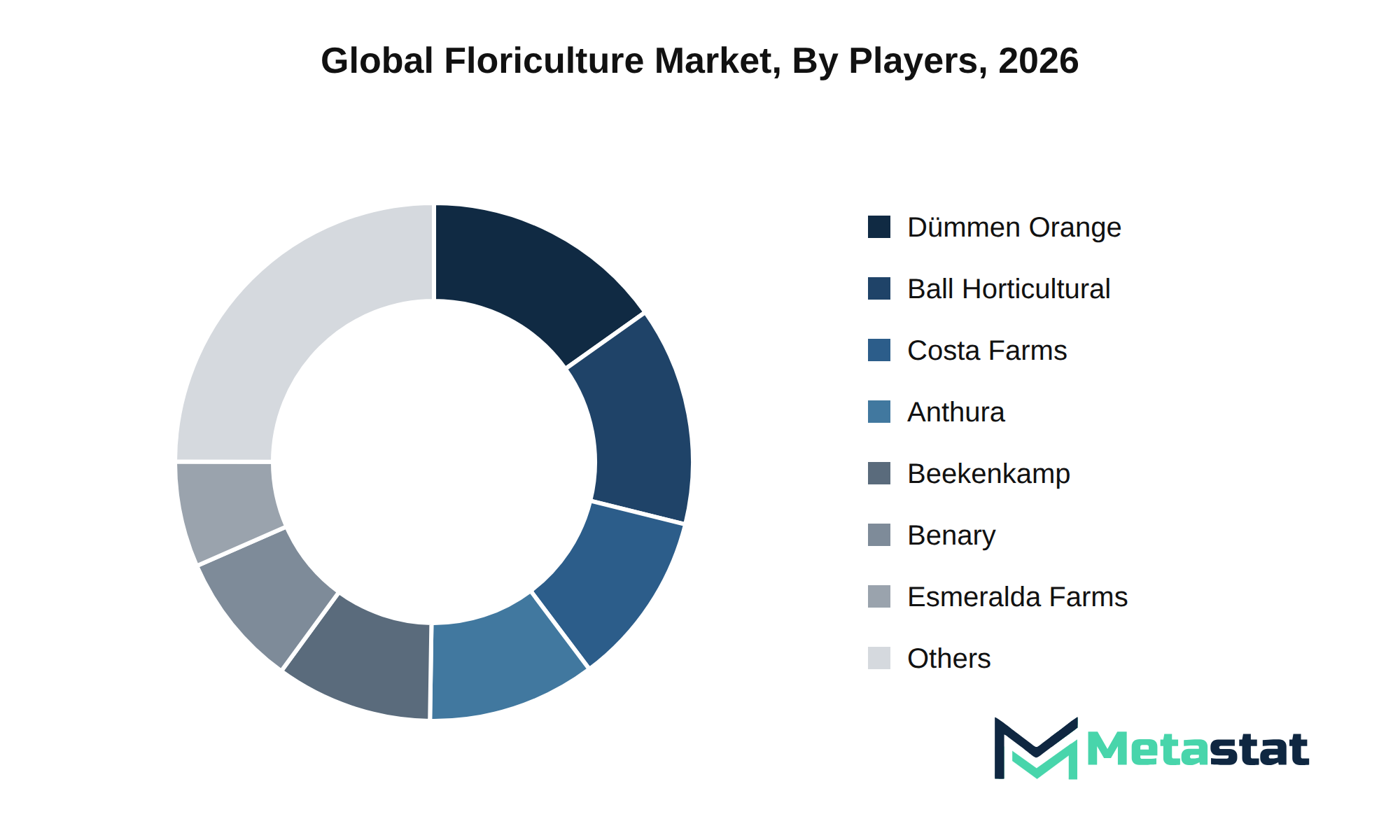
The Floriculture market experiences significant competitive dynamics characterized by mergers, acquisitions, and strategic consolidation efforts among key players. Companies like Dümmen Orange and Costa Farms engage in these activities to enhance market share and operational capabilities. This consolidation creates economies of scale, allowing firms to optimize production processes and streamline supply chains.
Product differentiation is important in the market, with companies including Anthura and Benary investing in research and development to create unique varieties and improve existing products. These innovations not only attract consumer interest but establish brand loyalty, contributing to customer retention strategies. Strategic alliances and cross-industry partnerships emerge because essential tactics for companies including Syngenta Flowers and Royal Van Zanten to expand their market presence and leverage shared resources.
Barriers to entry in the Floriculture market remain pronounced, with established players maintaining competitive advantages through extensive intellectual property portfolios and proprietary technologies. The market landscape requires new entrants to navigate these challenges effectively, often necessitating significant investment to establish brand equity and capture market share. In the future, maintaining a competitive edge will depend on strategic growth vectors that focus on sustainability and consumer trends, ensuring relevance in a continually evolving marketplace.
Market size is forecast to rise from USD 73.8 billion in 2025 to over USD 109 billion by 2033. This growth represents a CAGR of 5.0%, indicating a steady upward trend for the floriculture market.
The base case illustrates a scenario where consistent demand across various regions and segments drives market growth. Key factors influencing this trajectory include increased consumer interest in sustainable and locally sourced floral products. In contrast, the bear case highlights potential obstacles including economic downturns that could restrict disposable income, impacting consumer spending on non-essential items like flowers. Conversely, the bull case envisions a scenario characterized by heightened environmental awareness and innovation in floriculture practices, driving further market expansion.
Macroeconomic conditions further shape the market landscape. Economic cycles influence consumer behavior, with periods of growth typically leading to increased spending on floriculture products. Structural shifts in consumption patterns highlight a growing preference for e-commerce channels, which present opportunities for market players to enhance their distribution strategies. Investments in technology integration and product innovation play critical roles in meeting evolving consumer preferences.
Regulatory changes related to environmental compliance and product safety will impact operational costs and market access. Companies that proactively adapt to these changes position themselves favorably in the floriculture market. Geopolitical realignments and evolving trade corridors influence supply chains, affecting the availability of certain products in various regions.
Strategic capital allocation directives guide investment in infrastructure and enhance competitive positioning. Emerging white-space opportunities exist in niche segments, driven by unmet consumer needs and high-growth pockets within the broader market. Overall, a focus on executive-level strategic imperatives supports long-term growth and ensures companies remain defensible in a dynamic market environment.
Floriculture Market Key Segments
By Product Type:
- Bedding and Garden Plants
- Potted Flowering Plants
- Foliage and Tropical Plants
- Cut Flowers
- Others
By Flower Type:
- Rose
- Chrysanthemum
- Tulip
- Lily
- Gerbera
- Carnations
- Texas bluebell
- Freesia
- Hydrangea
- Others
By Distribution Channel:
- Direct Sales to Retailers
- Wholesale Distributors and Flower Auctions
- Specialty Florists and Garden Centers
- Online Retail and Direct-to-Consumer Channels
- Others
By Region:
- North America
- Europe
- Asia-Pacific
- South America
- Middle East and Africa
Key Global Floriculture Industry Players
- Altman Plants
- Anthura
- Bailey Nurseries
- Ball Horticultural Company
- Beekenkamp Group
- Benary
- Bohemian Flowers
- Costa Farms
- Danziger
- Deliflor Chrysanten B.V.
- Dümmen Orange
- Esmeralda Farms
- Flamingo Horticulture
- Florance Flora
- Florensis Flower Seeds
- Floricultura B.V.
- Forest Produce
- Green Circle Growers
- Heartland Growers
- HilverdaFlorist
- Karen Roses
- Kientzler Young Plants
- Könst Alstroemeria B.V
- KP Holland
- Marginpar
- Metrolina Greenhouses
- Monrovia
- Multiflora
- Native Floral Group
- Proven Winners
- Royal Van Zanten
- Sakata Ornamentals
- Schoneveld Breeding
- Schreurs
- Selecta One
- Syngenta Flowers
- Takii Europe
- The Queen's Flowers
Report Coverage
The report strategically identifies and profiles the key market players and analyses their core competencies in each sub-segment of the Floriculture market.
Report Attributes | Details |
Study Period | 2021-2033 |
Base Year | 2025 |
Estimated Year | 2026 |
Forecast Period | 2026-2033 |
Historical Period | 2021-2025 |
Growth Rate | CAGR 5.0% from 2026 to 2033 |
Revenue Unit | USD billion |
Segmentation | By Product Type, Flower Type, Distribution Channel, and Region |
By Region | North America (By Product Type, Flower Type, Distribution Channel, and Country)
|
Europe (By Product Type, Flower Type, Distribution Channel, and Country)
| |
Asia Pacific (By Product Type, Flower Type, Distribution Channel, and Country)
| |
South America (By Product Type, Flower Type, Distribution Channel, and Country)
| |
Middle East and Africa (By Product Type, Flower Type, Distribution Channel, and Country)
|
What Report Provides
- Key Company Market Share, Revenue and Ranking for the Floriculture Market
- Key Market Leaders in the Floriculture Industry
- Full In-Depth Analysis of the Parent Industry
- Industry Statistics and Important Market Changes
- Segmentation Details of the Floriculture Market
- Historical, Ongoing and Projected Market Analysis
- Assessment of Niche Industry Developments
- Key Strategies of Major Players in the Market
Frequently Asked Questions
Find answers to common questions about this report
The Floriculture market size was valued at USD 73.8 billion in 2025.
The Floriculture market is projected to grow at a CAGR of 5.0% during the forecast period from 2026 to 2033.
The North America Floriculture market size is estimated to reach USD 18.9 billion by 2033.
Bedding and Garden Plants lead the Floriculture market with a projected value of USD 33.2 billion by 2033, based on its growth rate of 5.5%.
Key drivers for the floriculture market include increased consumer spending, particularly on gardening and home decoration, supported by economic recovery and heightened disposable income. the integration of advanced technologies enhances operational efficiency and sustainability, further stimulating market growth.
Europe holds the dominant share of the Floriculture market, accounting for 34.7 percent of the total market share in 2033. This regional strength reflects significant demand and investment in floral products across various segments.
Increased regulatory constraints raise compliance costs for producers, limiting profitability and growth potential. Macroeconomic challenges, including inflation and rising operational costs, create uncertainty that suppresses consumer demand. structural issues, including infrastructure gaps and a shortage of skilled labor, further hinder the floriculture market's growth.
Increased consumer spending, particularly on gardening and home decoration, drives product adoption in the floriculture market. Urban populations prioritize gardening and indoor plants for home aesthetics, while younger consumers favor eco-friendly practices and unique floral designs. These trends encourage retailers to innovate their product offerings, enhancing variety and quality in the market.
The Floriculture market is estimated to reach a valuation of USD 109 billion by 2033.
Key players in the Floriculture market include Altman Plants, Anthura, Ball Horticultural Company, Dümmen Orange, Esmeralda Farms, Green Circle Growers, and Proven Winners.
Choose Your License
Global Floriculture Market
Related Reports
Explore related market intelligence reports worth reading alongside this one.