
Global Healthcare Staffing Market
Global Healthcare Staffing Market Size, Share, By Service Type (Permanent Placement, Temporary Staffing, Travel Healthcare Staffing, Locum Tenens Staffing, Per Diem Staffing, Managed Service Programs (MSP), Recruitment Process Outsourcing (RPO)), By Healthcare Workforce Category (Physicians, Registered Nurses & Licensed Practical Nurses, Allied Healthcare Professionals, Behavioral Health Professionals, Pharmacists, Healthcare Administrative & Revenue Cycle Staff, Home Healthcare Professionals, Dental Professionals, Others (Telehealth, Virtual Care Professionals)), By End-user (Hospitals, Ambulatory Surgical Centers (ASCs), Clinics & Physician Practices, Long-term Care & Nursing Facilities, Home Healthcare Providers, Others (Behavioral Health Centers, DSOs, Diagnostic & Imaging Centers)), Industry Analysis, Growth, Trends, and Forecast, 2026-2033
MSI-4840
August 3, 2026
Updated
254 Pages
Historical
Base year
Forecast
Forecast period
Report Details
Comprehensive Market Analysis And Insights
Market Overview
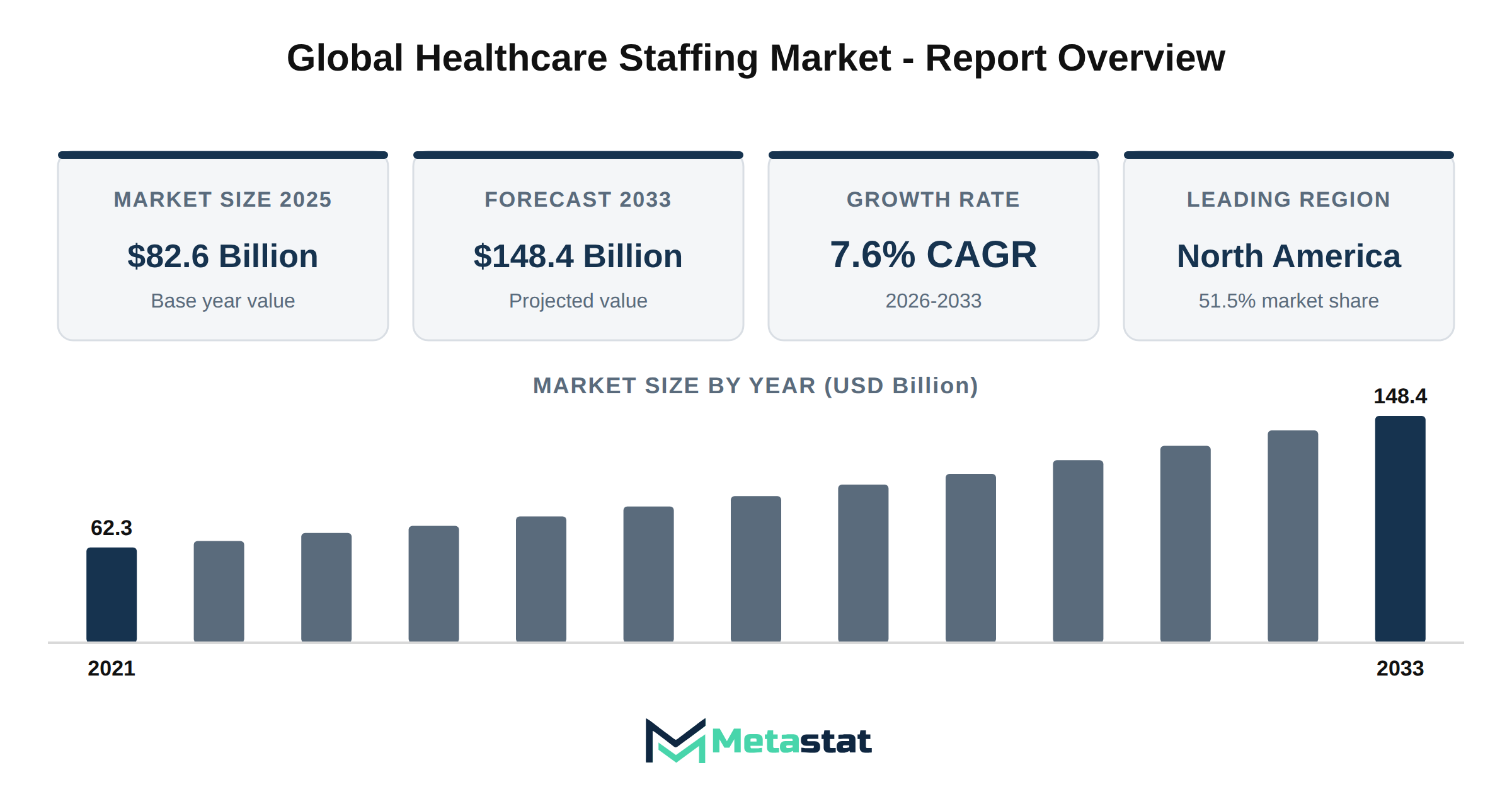
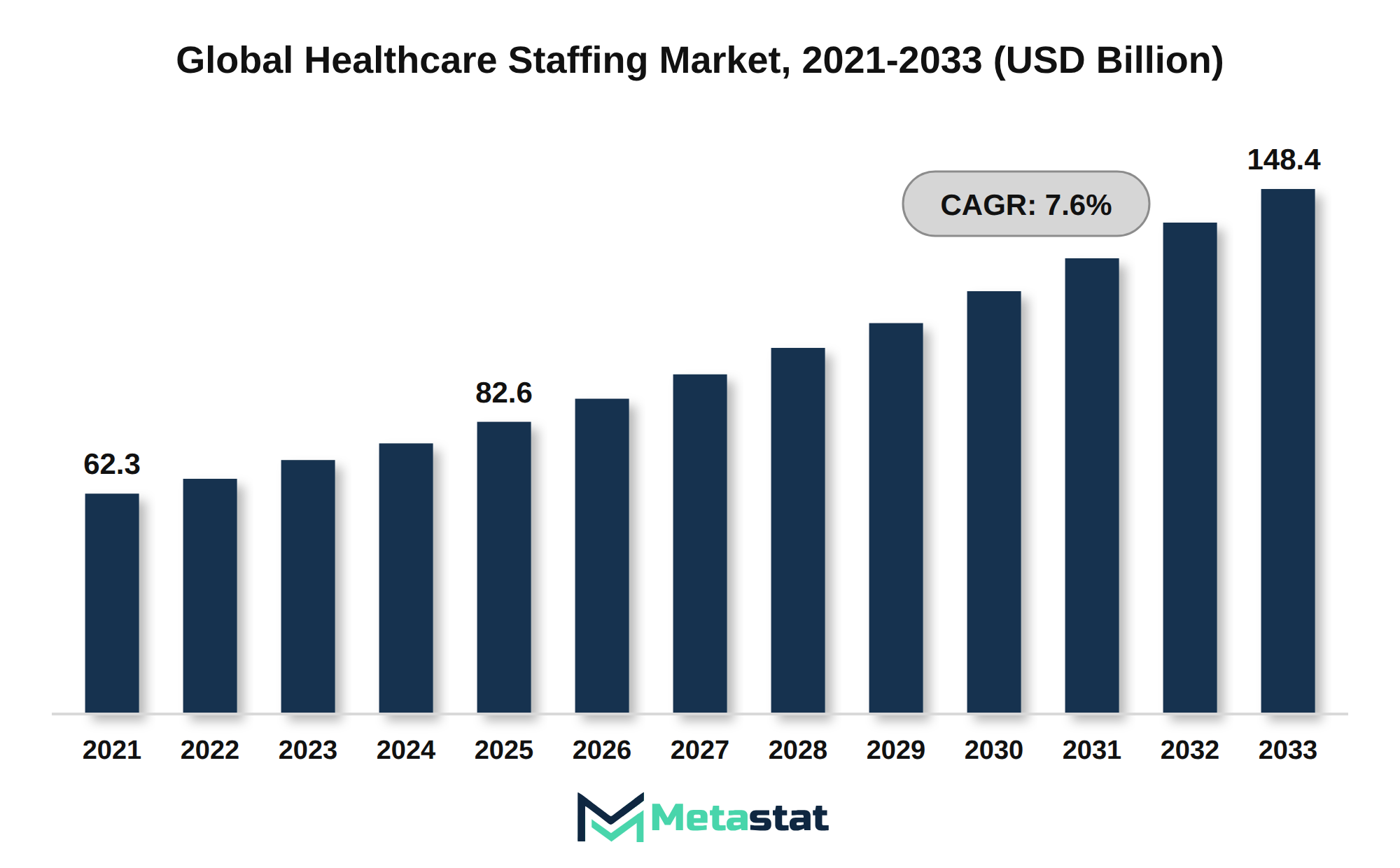
The global Healthcare Staffing market was valued at USD 82.6 billion in 2025 and is projected to reach USD 148.4 billion by 2033, growing at a CAGR of 7.6% over the forecast period.
Market Analysis of Healthcare Staffing
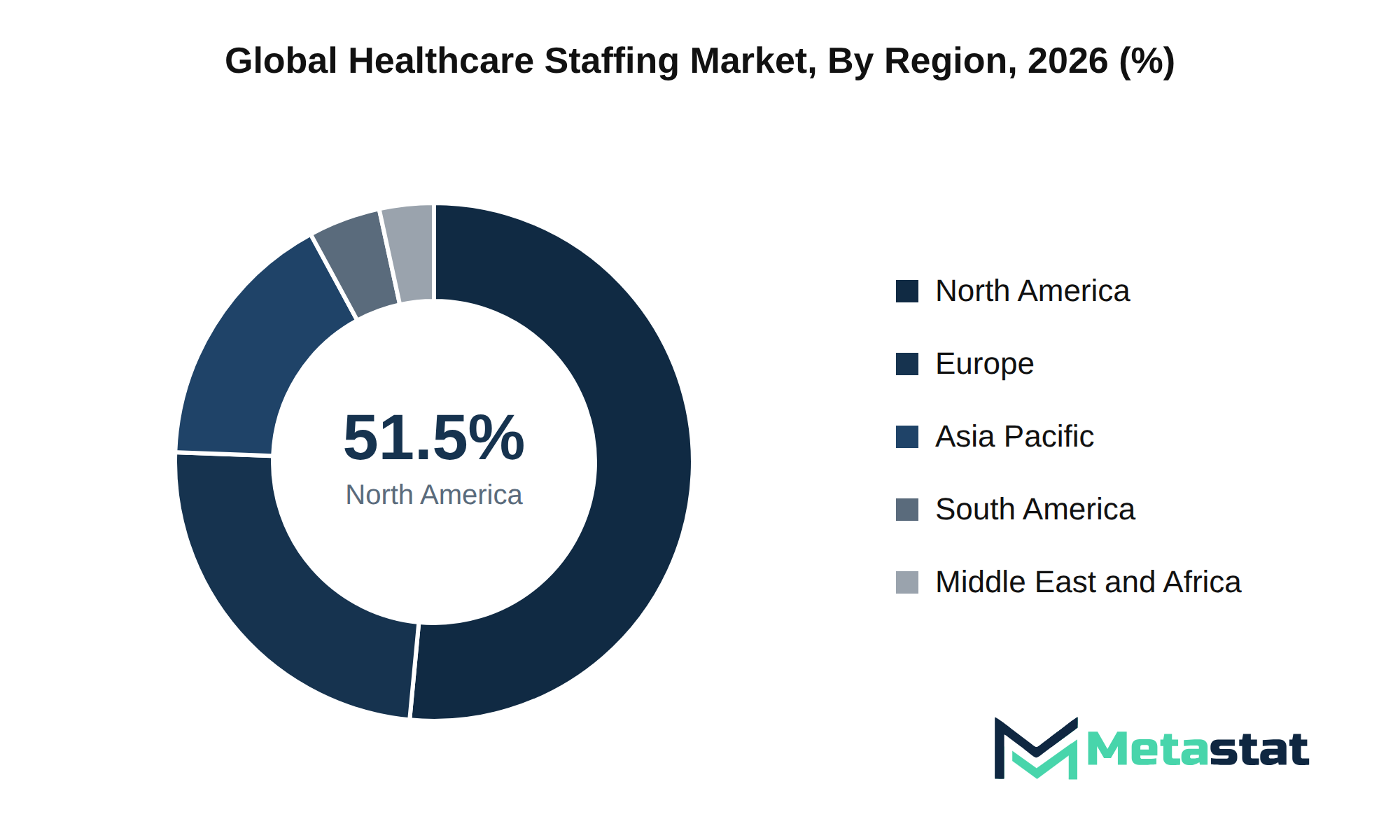
The Healthcare Staffing market is projected to experience significant growth, reaching a value of USD 148.4 billion by 2033. North America holds a share of 51.5% in 2025, with the United States leading the market share in 2026. This dominance is driven by the region's advanced healthcare infrastructure, increasing demand for healthcare services, and a growing aging population requiring medical attention.
Various factors contribute to the expansion of the market, including the rising prevalence of chronic diseases and the ongoing need for qualified healthcare professionals across multiple settings. The growth trajectory highlights a compound annual growth rate (CAGR) of 7.6% from 2025 to 2033. Regulatory compliance and standards play a crucial role in shaping the operational dynamics of healthcare staffing. Adherence to these regulations ensures that healthcare providers maintain high-quality services while navigating the complexities of workforce management.
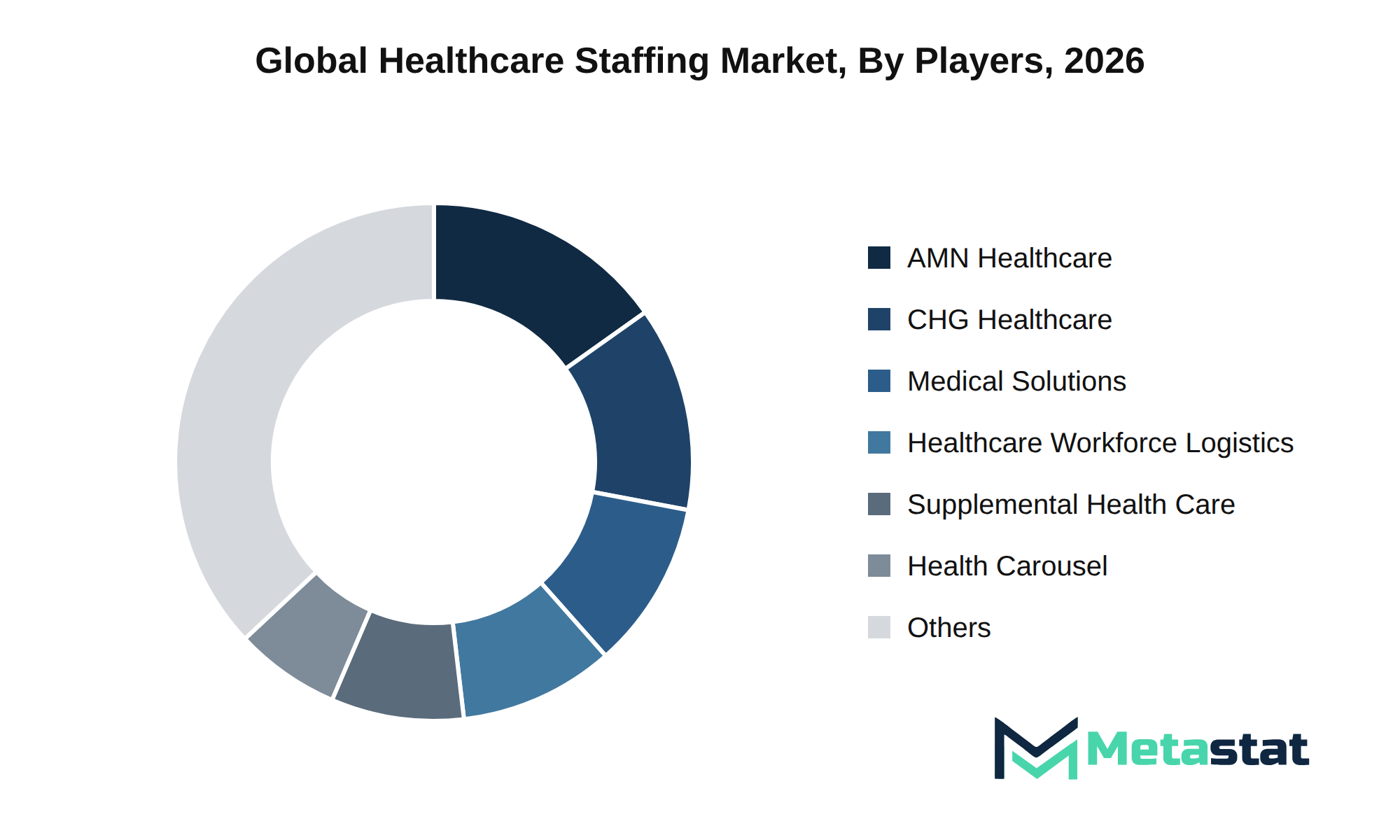
The competitive landscape of the Healthcare Staffing market features a mix of established players and emerging companies. Key participants include AMN Healthcare, CHG Healthcare, and Medical Solutions, among others. These organizations actively engage in mergers and acquisitions to enhance their service offerings and market reach. The market fragmentation presents challenges and opportunities, because companies strive to differentiate themselves through innovative staffing solutions tailored to the unique needs of healthcare facilities.
Investment in research and development trajectories remains critical for advancing next-generation innovations in staffing services. Companies are increasingly focusing on technology-driven solutions, including telehealth and remote staffing models, to address the evolving demands of healthcare providers. This shift aligns with broader trends towards sustainable transformation and decarbonization within the healthcare sector.
Market Dynamics in Healthcare Staffing
The Healthcare Staffing market experiences significant transformations influenced by various factors. Regulatory compliance shapes operational frameworks within healthcare organizations. Adherence to evolving standards ensures quality patient care and operational efficiency. This focus on compliance impacts staffing requirements across sectors, driving demand for skilled professionals.
Geopolitical risks introduce complexities in workforce management. Organizations face challenges in sourcing talent amid fluctuating regulations and international labor dynamics. Such uncertainties affect hiring strategies, often leading to increased staffing costs and operational disruptions.
Research and development trajectories in healthcare technology contribute to the evolving staffing landscape. Advancements in telehealth and digital health solutions create demand for specialized professionals who navigate these innovations. The integration of next-generation technologies enhances service delivery, necessitating an agile workforce capable of adapting to rapid changes.
Sustainable transformation initiatives gain traction within the market. Emphasis on decarbonization and circular economy dynamics influences hiring practices, pushing organizations to seek professionals aligned with environmental goals. These trends create a workforce that prioritizes sustainability and ethical practices.
The competitive landscape remains fragmented, with numerous players vying for market share. Companies like AMN Healthcare, CHG Healthcare, and Medical Solutions exemplify the dynamic nature of the market. Mergers and acquisitions intensify competition, reshaping the value chain and influencing procurement strategies across the sector.
Macroeconomic headwinds, including inflationary pressures and currency volatility, present challenges for healthcare staffing providers. Inflationary pressures and currency volatility impact cost structures, necessitating strategic capital allocation and infrastructure investments to maintain operational viability. Organizations navigate these economic realities to ensure sustainable growth in the Healthcare Staffing market.
Future strategic outlooks emphasize agility and innovation. Companies prioritize investments that enhance workforce capabilities and operational efficiencies. High-value recommendations focus on leveraging technology and creating a culture of continuous improvement to meet evolving healthcare demands.
Market Dynamics
Economic factors drive the healthcare staffing market growth
Increasing economic stability contributes to the expansion of the healthcare staffing market. Enhanced GDP growth leads to improved spending power, which encourages investment in healthcare infrastructure. This trend benefits hospitals, clinics, and healthcare facilities, prompting them to seek skilled staff to meet rising demand for medical services.
Interest rates affect capital investment environments. Lower interest rates promote borrowing for healthcare projects, allowing organizations to expand their facilities and workforce. The resulting increase in staffing requirements supports a robust market for healthcare staffing services.
Shifting demographic patterns drive demand for healthcare services, particularly among aging populations. The need for healthcare professionals, including registered nurses and physicians, is projected to rise significantly. This demand creates opportunities for staffing providers to supply qualified professionals across various healthcare sectors.
Digital transformation significantly shapes the healthcare staffing market. Organizations increasingly adopt automation and advanced technologies to streamline processes, enabling them to handle staffing more efficiently. This shift enhances operational productivity, allowing staffing firms to scale operations and meet client needs effectively.
Overall, the combination of economic factors, demographic shifts, and technological advancements positions the healthcare staffing market for continued growth. The demand for skilled healthcare workers is anticipated to rise, reflecting the evolving needs of healthcare systems worldwide.
Enhanced digital transformation boosts healthcare staffing demand
Increased adoption of digital tools and technologies significantly influences the Healthcare Staffing market. Organizations recognize the need for improved efficiency and effectiveness within their operations, leading to substantial investment in automation, artificial intelligence, and software solutions. These enhancements streamline hiring processes, optimize workforce management, and facilitate data-driven decision-making, resulting in cost savings and improved service delivery.
Healthcare providers, including hospitals and clinics, increasingly rely on advanced technologies to address labor shortages and adapt to evolving patient needs. The shift towards digital transformation allows these entities to attract and retain top talent while enhancing operational productivity. The market experiences accelerated growth, projected to reach USD 148.4 billion by 2033, fueled by a compound annual growth rate of 7.6%.
Strategic investments in digital infrastructure are essential for healthcare organizations aiming to remain competitive. By integrating innovative technologies, organizations enhance their capability to respond to market dynamics effectively. This trend positions the Healthcare Staffing market for sustained expansion, driven by the continuous evolution of digital solutions that cater to the increasing demands of an aging population and changing consumer behavior.
Regulatory compliance challenges in healthcare staffing
The healthcare staffing market faces significant challenges due to increasing regulatory compliance requirements. These demands place pressure on providers, affecting operational efficiency and financial performance. Regulatory complexities in various regions create barriers for staffing agencies, requiring extensive resources to ensure adherence. Compliance hurdles consume time and divert attention from core business activities, limiting growth potential.
Macroeconomic headwinds further complicate the landscape, with inflationary pressures impacting operational costs. Staffing agencies experience higher salaries and benefits for healthcare professionals, restricting profit margins. Increased costs of living in major markets exacerbate talent acquisition, making it difficult for agencies to attract qualified professionals, particularly in regions where demand for healthcare services is high.
Supply chain disruptions hinder the timely placement of personnel, affecting the overall efficiency of staffing solutions. Geopolitical instability contributes to uncertainty, creating an unpredictable environment for healthcare staffing providers. This unpredictability leads to delays in recruitment and operational disruptions, negatively impacting service delivery.
Resource scarcity, particularly of skilled labor, limits market potential. The demand for healthcare professionals consistently outpaces supply, creating talent gaps that challenge staffing agencies. This scarcity leads to escalating workforce overhead, further straining operational budgets and pushing agencies to explore alternative staffing solutions.
Data security vulnerabilities and privacy concerns represent additional challenges. With the increasing reliance on digital platforms for staffing solutions, agencies face risks related to data breaches and intellectual property theft. Ensuring robust security measures adds to operational costs and complexity, potentially deterring investment in innovative solutions.
Market fragmentation complicates the competitive environment, with numerous small players vying for limited market share. This fragmentation leads to inconsistent service levels and varying quality, affecting buyer confidence. Cultural barriers and regional adoption resistors hinder the expansion of staffing solutions in certain demographics, further stifling market growth opportunities.
These regulatory compliance challenges, macroeconomic pressures, skill shortages, and operational complexities significantly impact the healthcare staffing market, shaping its future potential and growth trajectory.
Geopolitical tensions disrupt healthcare staffing supply chains
The Healthcare Staffing market encounters significant challenges stemming from geopolitical tensions, which disrupt supply chains and create unpredictability in the sourcing of talent. Political instability in various regions complicates the recruitment of healthcare professionals, particularly in areas with high demand and limited supply. This instability results in challenges for staffing agencies, driven by navigating trade barriers, fluctuating tariffs, and changing immigration policies, impacting their ability to provide timely and effective staffing solutions.
Logistical disruptions further exacerbate these issues, with increased transportation costs and delays affecting the delivery of services. Staffing agencies face difficulties in maintaining a consistent workforce, leading to operational inefficiencies for healthcare providers. Disruptions in critical healthcare settings directly impact patient care quality and outcomes.
Tightening global regulatory standards add layers of complexity to compliance requirements, especially for agencies operating across multiple jurisdictions. Compliance overhead strains resources, diverting focus from core staffing functions. The Healthcare Staffing market requires adaptive strategies to address these multifaceted challenges, ensuring sustained growth and service delivery in an increasingly volatile environment.
Talent retention pressures further complicate the landscape. The competition for skilled professionals intensifies, leading to higher salary demands and increased turnover rates. Agencies that fail to address workforce skill gaps risk losing out on valuable talent, ultimately hindering their competitive position in the market. Addressing these challenges remains essential for securing a robust workforce capable of meeting the demands of the healthcare sector.
Emerging trends drive healthcare staffing market growth
The Healthcare Staffing market experiences significant opportunities driven by emerging regional demands and the modernization of infrastructure. Regions with increasing healthcare needs, particularly in Asia Pacific and South America, present avenues for strategic expansion. These areas experience an uptick in healthcare facilities, leading to rising demand for staffing solutions.
Technological disruptions through digital transformation enhance operational efficiencies, attracting investments focused on next-generation innovations. Healthcare organizations increasingly adopt advanced staffing solutions to streamline processes and improve patient care. The integration of artificial intelligence and data analytics into staffing frameworks offers tailored solutions for healthcare providers, driving market growth.
Sustainability imperatives have become essential, aligning with environmental, social, and governance priorities. Healthcare staffing firms that adopt eco-friendly practices and technologies position themselves competitively in an evolving market. This alignment with sustainability trends not only meets regulatory expectations but creates positive customer perceptions.
Increasing focus on value-chain optimization and process automation enhances operational yield. Healthcare organizations prioritize efficient resource management, prompting staffing providers to offer solutions that increase productivity and reduce operational costs. Such dynamics contribute positively to overall market growth.
The market anticipates a surge in demand for specialized healthcare professionals across various categories, including registered nurses and allied healthcare professionals. The rise in aging populations and chronic disease prevalence accelerates the need for skilled staff, emphasizing the importance of diversifying staffing solutions to meet diverse healthcare demands.
Market players engaging in strategic consolidation and cross-industry mergers enhance their competitive positioning, enabling them to better address evolving buyer behaviors and preferences. Shifts toward digital procurement and commercial model transitions further influence market dynamics, compelling staffing companies to adapt their approaches to meet client needs effectively.
Market Segmentation Analysis
The Global Healthcare Staffing market is segmented based on Service Type, Healthcare Workforce Category, and End-user.
By Service Type, the market is further segmented into:
- Permanent Placement
- Temporary Staffing
- Travel Healthcare Staffing
- Locum Tenens Staffing
- Per Diem Staffing
- Managed Service Programs (MSP)
- Recruitment Process Outsourcing (RPO)
Permanent Placement
Valued at USD 18.7 billion in 2026, the Permanent Placement segment is projected to reach USD 20.8 billion by 2033, reflecting a CAGR of 1.5% during the forecast period. This segment experiences growth driven by several factors including an increasing demand for healthcare professionals, particularly in permanent roles, attributed to organizations seeking stability in staffing. Healthcare facilities prioritize long-term placements to enhance patient care and operational efficiency, with a focus on retaining skilled workforce members.
Technological advancements in recruitment processes contribute significantly to the segment's expansion. The integration of AI and data analytics streamlines candidate sourcing, improving matching efficiency between healthcare providers and potential employees. Evolving regulations and compliance standards emphasize the importance of qualified staffing, reinforcing demand for permanent placement services. This trend positions the segment favorably for sustained growth in the Healthcare Staffing market.
Market dynamics reflect a shift in end-user preferences, with healthcare institutions increasingly valuing the expertise that permanent staff bring compared to temporary placements. Budget constraints and the need for operational continuity lead organizations to invest in permanent staff to minimize turnover costs. Consequently, the segment is anticipated to maintain a steady growth trajectory, adapting to the evolving needs of healthcare providers and contributing positively to the overall market landscape.
Temporary Staffing
Growth in the Temporary Staffing segment reflects the increasing demand for flexible workforce solutions within the healthcare sector. Factors driving this expansion include a rise in healthcare utilization rates, heightened patient expectations, and the need for healthcare facilities to maintain operational efficiency amid staffing shortages. Hospitals and clinics increasingly rely on temporary staffing to meet fluctuating patient loads and avoid service disruptions, impacting overall operational effectiveness and patient care quality.
The segment is estimated to reach USD 44.2 billion by 2033, at a CAGR of 7.1% during the forecast period. Technological advancements in staffing solutions support the recruitment and placement process, allowing healthcare organizations to streamline operations and reduce response times when filling critical positions. This technological maturation improves collaboration between healthcare providers and staffing agencies, enhancing overall market efficiency.
Adoption of temporary staffing solutions primarily occurs in hospitals and outpatient facilities, where the fluctuating nature of patient care requires adaptable staffing strategies. Regulatory compliance and certification standards increasingly shape the market, creating opportunities for providers navigating these complexities. The combination of these factors leads to significant investment in temporary staffing services, improving the operational capabilities of healthcare organizations and ensuring they meet both present and future staffing needs.
Travel Healthcare Staffing
Rapid growth in the Travel Healthcare Staffing segment stems from increasing demand for flexible staffing solutions within healthcare facilities. Factors including workforce shortages and the rising need for specialized skills drive this demand across various healthcare settings. Facilities seek to address fluctuating patient volumes, leading to an expansion in the use of travel healthcare professionals. This segment is projected to reach USD 29.4 billion by 2033.
The segment benefits from advancements in technology that streamline the recruitment and deployment of travel healthcare staff. Innovations in telehealth and digital communication enhance the efficiency of staffing processes. These improvements allow healthcare providers to maintain higher levels of service while managing costs associated with temporary staffing. Consequently, the market experiences a positive outlook regarding investment and operational efficiency.
Regulatory compliance standards significantly influence market dynamics. Healthcare organizations adhere to various local and national regulations regarding staffing levels and qualifications. This compliance creates challenges for providers while opening opportunities for specialized staffing agencies that navigate the complexities of these regulations. The growing emphasis on quality patient care and staffing adequacy ensures continued demand for travel healthcare professionals.
Investigating downstream applications highlights the importance of travel healthcare staffing in addressing urgent healthcare needs. Facilities including hospitals and ambulatory surgical centers increasingly rely on travel staff to manage patient care efficiently. This reliance reflects broader consumption shifts toward flexible staffing solutions that adapt to changing healthcare landscapes. The market's evolution supports strategic growth attributed to healthcare providers aligning staffing strategies with patient care objectives.
Locum Tenens Staffing
Significant growth in the Locum Tenens Staffing segment reflects increasing demand for flexible healthcare staffing solutions. Factors including a rising aging population and a growing prevalence of chronic diseases drive the need for temporary healthcare professionals across various settings. Healthcare facilities adopt locum tenens staffing to address workforce shortages and maintain quality patient care without the long-term commitment of permanent hires.
Investment in technology supports the segment's expansion, with advanced staffing platforms enhancing operational efficiency and matching healthcare providers with facilities that require immediate staffing solutions. Increased acceptance of telehealth services has further increased demand, providing opportunities for remote locum tenens positions. Regulatory compliance and evolving healthcare policies influence operational practices and encourage facilities to integrate more agile staffing methods, contributing to market growth.
Cost structures associated with locum tenens staffing often present a competitive edge, allowing facilities to manage budgets effectively while ensuring adequate staffing levels. The segment is projected to grow at a CAGR of 11.9% during the forecast period, demonstrating its integral role in the overall Healthcare Staffing market. Organizations recognize the value of flexible staffing arrangements, and continued investment in locum tenens services will shape future healthcare delivery.
Per Diem Staffing
Growing demand for flexible staffing solutions drives the expansion of per diem staffing within the Healthcare Staffing market. Increasing patient volumes and fluctuating healthcare needs necessitate a workforce that adapts quickly to varying circumstances. Hospitals and healthcare facilities benefit from per diem staffing by filling gaps in staffing during peak periods or unexpected staff shortages. This adaptability enhances operational efficiency and improves patient care outcomes.
Adoption of per diem staffing solutions is supported by advancements in technology and digital platforms that facilitate effective scheduling and management of healthcare personnel. Healthcare providers increasingly rely on staffing agencies to streamline the hiring process and ensure compliance with regulatory standards. Regulatory compliance and certification requirements influence the demand for reliable staffing options, compelling organizations to prioritize quality and qualified personnel.
Cost structures associated with per diem staffing remain favorable compared to permanent staffing solutions, allowing healthcare facilities to control labor costs effectively. This financial flexibility encourages more organizations to consider per diem staffing, serving because a strategic option to address staffing challenges. Fluctuations in demand and pricing volatility create strategic opportunity windows for staffing providers who respond quickly to market conditions.
The market for per diem staffing includes a variety of players, including AMN Healthcare, CHG Healthcare, and Medical Solutions, who compete to offer comprehensive solutions tailored to the needs of healthcare facilities. Continuous investment in technology and workforce training enhances the capabilities of staffing providers, positioning them to meet the evolving needs of the healthcare ecosystem.
Managed Service Programs (MSP)
Managed Service Programs (MSP) play a crucial role in the Healthcare Staffing market by offering organizations a streamlined approach to managing their staffing needs. The increasing complexity of healthcare delivery requires effective management of workforce resources, creating a high demand for MSP solutions among healthcare providers. This demand results from the necessity to optimize staffing levels, reduce operational costs, and enhance the quality of patient care.
Technological advancements in MSP facilitate enhanced workforce management, including real-time data analytics and automated reporting tools. Such innovations lead to better decision-making processes and improved operational efficiencies. Healthcare providers, particularly hospitals and large medical facilities, benefit significantly from these technologies, leading to higher adoption rates of MSP solutions.
Regulatory compliance standards exert considerable influence on the adoption of MSP services. Organizations require assurance that staffing practices align with evolving regulations, making MSP an attractive option for ensuring compliance. The ongoing shift toward value-based care models emphasizes the importance of workforce efficiency, further driving demand for MSP solutions.
Cost pressures and margin constraints significantly impact the market's dynamics, prompting healthcare providers to seek cost-effective staffing solutions. MSPs help organizations manage these pressures by leveraging economies of scale and negotiating better rates with staffing agencies. This capability enhances the financial viability of healthcare providers, supporting their continued operation and growth.
Strategic opportunity windows exist for MSP providers to expand their offerings in niche markets including telehealth and home healthcare services. The evolving landscape of healthcare delivery presents opportunities for MSP to address the growing need for specialized staffing solutions. Investment in MSP technologies will likely accelerate, positioning these services because integral components of the overall healthcare staffing strategy.
Managed Service Programs represent a significant segment of the Healthcare Staffing market, driven by demand for efficient workforce management, technological advancements, regulatory compliance, and cost control. The segment's expansion is supported by the ongoing evolution of healthcare delivery and the increasing complexity of staffing requirements across various healthcare settings.
Recruitment Process Outsourcing (RPO)
Recruitment Process Outsourcing (RPO) in the Healthcare Staffing market enables healthcare organizations to streamline their hiring processes. Factors driving this segment include the demand for specialized recruitment solutions to address staffing shortages, combined with the need for efficient resource management in healthcare facilities. Organizations face pressures from regulatory requirements and the necessity to maintain compliance, which fuels the adoption of RPO services.
The emergence of advanced recruitment technologies enhances the capabilities of RPO providers, allowing them to offer more tailored solutions. The integration of artificial intelligence and data analytics contributes to improved candidate sourcing and selection. These technological advancements boost efficiency and reduce time-to-hire, addressing the critical need for timely staffing in healthcare settings.
RPO services adapt to shifting end-user demands, particularly in hospitals and long-term care facilities, which increasingly seek flexible staffing solutions. The trend towards remote healthcare delivery necessitates a diverse and adaptable workforce, expanding opportunities for RPO providers. Cost structures associated with RPO services demonstrate a trend toward offering competitive pricing models that enhance value for healthcare organizations. Margin pressures drive continuous improvements in service delivery.
Strategic opportunity windows exist for RPO firms looking to expand their influence in underserved regions and specialty areas within healthcare. Effective supply chain resilience in recruitment processes relies on the ability of RPO providers to maintain a robust pool of qualified candidates while mitigating risks associated with workforce fluctuations. The evolving landscape emphasizes the importance of adapting to changes in healthcare policies, influencing investment strategies in this segment.
By Healthcare Workforce Category, the market is further segmented into:
- Physicians
- Registered Nurses & Licensed Practical Nurses
- Allied Healthcare Professionals
- Behavioral Health Professionals
- Pharmacists
- Healthcare Administrative & Revenue Cycle Staff
- Home Healthcare Professionals
- Dental Professionals
- Others (Telehealth, Virtual Care Professionals)
Physicians
Valued at USD 15.7 billion in 2026, the Physicians segment is projected to reach USD 21.5 billion by 2033, achieving a CAGR of 4.6% during the forecast period. Increased demand for healthcare services directly influences this growth, driven by population ageing and the rise in chronic diseases necessitating more physician availability. The ongoing emphasis on preventive care further drives the need for healthcare providers, enhancing the demand for physicians across various settings.
Technological advancements in telemedicine and electronic health records facilitate better patient management and accessibility, promoting higher adoption rates among healthcare organizations. These innovations enable physicians to deliver care more efficiently, addressing the increasing patient load. Evolving healthcare policies that support expanded access to medical services contribute to segment expansion.
Cost pressures related to staffing and operational efficiency challenge healthcare providers to optimize their workforce management strategies. In response, organizations increasingly turn to staffing firms to secure qualified physicians, ensuring the delivery of quality care without compromising financial viability. The competitive landscape in the Healthcare Staffing market intensifies because firms seek to differentiate their services, focusing on quality, compliance, and speed of placement.
Strategic investments in physician recruitment and retention programs significantly impact operational performance. Healthcare institutions recognize the importance of a stable workforce, leading to the implementation of enhanced training and development initiatives. This approach not only improves employee satisfaction but strengthens the overall performance of healthcare services.
The Physicians segment is essential in the broader Healthcare Staffing market, reflecting the vital need for qualified healthcare professionals in an increasingly demanding industry. Continuous shifts in patient dynamics and regulatory frameworks will further shape the segment's evolution, presenting opportunities for growth and innovation.
Registered Nurses & Licensed Practical Nurses
Growth in the Registered Nurses & Licensed Practical Nurses segment reflects ongoing demand for skilled healthcare professionals. Factors driving this demand include an aging population, increased prevalence of chronic diseases, and a heightened focus on patient care quality. The segment is expected to face expansion catalysts through investments in healthcare infrastructure and the adoption of advanced technologies that enhance nursing practices. Ongoing training and certification requirements contribute to the segment's dynamics, ensuring a steady influx of qualified professionals into the market.
Regulatory compliance standards and policy frameworks continue to influence hiring practices, impacting demand for registered nurses and licensed practical nurses. This segment is projected to reach USD 49.5 billion by 2033, at a CAGR of 7.4% during the forecast period. Pricing volatility in the healthcare staffing market poses challenges, affecting the margins of staffing firms while prompting these firms to enhance their service offerings to remain competitive.
Investment in next-generation upgrades and educational programs creates a robust pipeline of talent capable of meeting evolving healthcare needs. While healthcare providers increasingly rely on staffing agencies for flexible workforce solutions, the Registered Nurses & Licensed Practical Nurses segment stands positioned for significant growth within the wider healthcare staffing market.
Allied Healthcare Professionals
Growth in the Allied Healthcare Professionals segment stems from an increasing emphasis on comprehensive patient care and rising demand for specialized healthcare services. Factors driving this expansion include demographic shifts, with an aging population requiring more healthcare services. Advancements in medical technology and telehealth solutions facilitate the integration of allied health professionals within various healthcare settings. This segment is projected to reach USD 28 billion by 2033, reflecting robust investment in workforce development and training programs.
Increased adoption of allied healthcare professionals across hospitals, clinics, and home healthcare settings enhances service delivery and patient outcomes. Regulatory compliance standards influence the demand for qualified allied health staff, ensuring that healthcare facilities maintain high care quality. Cost structures in the market adapt to accommodate the competitive landscape, with pricing volatility affecting recruitment strategies and staffing solutions. Organizations strive to optimize operational efficiency. Strategic opportunity windows arise for innovative staffing models and educational partnerships.
The market features significant participation from various players, including AMN Healthcare, CHG Healthcare, and Medical Solutions, all contributing to the growth of this segment. Continued investment in technology and training for allied healthcare professionals enhances workforce capabilities and supports overall market expansion. The focus on enhancing patient care through allied healthcare professionals drives demand, leading to sustained growth in the Healthcare Staffing market.
Behavioral Health Professionals
Growth in the Behavioral Health Professionals segment reflects increasing awareness and prioritization of mental health issues globally. Rising incidences of mental health disorders and a greater understanding of their impact drive demand for qualified professionals in this field. The ongoing societal shift towards destigmatizing mental health accelerates the adoption of behavioral health services, making it essential for healthcare systems to expand their workforce capabilities. This segment is projected to grow at a CAGR of 9.1% during the forecast period, highlighting its vital role in the overall Healthcare Staffing market.
Technological advancements, including teletherapy and digital mental health platforms, enhance service delivery and accessibility, thereby expanding the market further. These innovations enable mental health professionals to reach a broader audience, facilitating care for individuals who do not otherwise seek help. Regulatory compliance standards play a significant role, driven by governments implementing policies to improve mental health services, further driving demand in this segment.
Practitioners in the behavioral health space navigate challenges related to cost structures and pricing volatility, impacting profitability and service delivery. The growth prospects remain strong with strategic investment opportunities available for both new entrants and established players. Key market participants, including AMN Healthcare and CHG Healthcare, increasingly focus on expanding their service portfolios and leveraging technology to capture more significant market shares.
The evolving landscape within the Behavioral Health Professionals segment presents various opportunities for growth and innovation, fundamentally altering how mental health care is delivered and accessed in the market.
Pharmacists
Pharmacists represent a crucial component within the Healthcare Staffing market, addressing a rising demand for pharmaceutical care across various healthcare settings. The increase in chronic diseases, coupled with an aging population, drives the necessity for pharmacists to provide medication management and counseling services. Regulatory changes and a heightened focus on patient-centered care significantly influence the role of pharmacists, increasing their responsibilities within healthcare teams.
Technological advancements contribute to the evolution of pharmacy services, enabling better patient outcomes and operational efficiencies. Telepharmacy and digital health tools facilitate remote consultations and medication delivery, expanding access to pharmacy services. The adoption of these technologies encourages closer collaboration between pharmacists and other healthcare professionals, improving service delivery.
Consumption shifts reflect a growing preference for personalized medicine and tailored therapeutic regimens. Pharmacists play a vital role in this area, ensuring optimal medication therapy management. This emphasis on individualized care positions pharmacists because essential players in the healthcare workforce, driving their increased integration into multidisciplinary care teams.
Cost structures within the pharmacy staffing sector face pressures from rising operational expenses, including compliance with evolving regulations and the need for continuous professional development. Despite these challenges, the overall outlook for pharmacist staffing remains positive, supported by strategic investments in workforce development and training programs aimed at addressing skill gaps.
Regulatory compliance standards significantly impact the pharmacist workforce, requiring adherence to guidelines that ensure safe and effective medication use. The evolving landscape demands ongoing education and adaptation to new practices, positioning pharmacists because key stakeholders in shaping healthcare policies. In response, organizations are investing in workforce planning and training initiatives to ensure alignment with regulatory requirements while enhancing service delivery.
Strategic opportunity windows emerge because healthcare systems increasingly recognize the value of pharmacists in chronic disease management and preventive care. This recognition facilitates the expansion of pharmacist roles in various settings, from hospitals to community pharmacies, enhancing their contributions to patient care. While healthcare structures evolve, pharmacists are positioned to play an important role in promoting public health initiatives and improving medication adherence.
Healthcare Administrative & Revenue Cycle Staff
Demand for Healthcare Administrative & Revenue Cycle Staff reflects the increasing complexity of healthcare systems and the need for efficient revenue management. Factors driving this demand include the rising focus on cost containment and the implementation of advanced healthcare technologies. Healthcare providers face pressure to optimize their revenue cycle processes, leading to a growing reliance on specialized staff to manage billing, coding, and compliance functions.
Adoption of innovative technologies influences the evolution of this segment. Automation tools and software solutions enhance efficiency and accuracy in administrative tasks, enabling healthcare organizations to streamline operations. This technological maturation supports the integration of advanced analytics, which assists in decision-making and financial planning.
Segment expansion is propelled by the increasing number of healthcare facilities and the growing need for skilled administrative personnel. Hospitals, outpatient clinics, and specialty care centers prioritize hiring in this area to ensure effective operations and maximize revenue potential. Healthcare regulations and compliance requirements drive the need for trained staff who navigate complex billing standards and mitigate financial risks.
Consumption shifts towards value-based care models necessitate a stronger focus on revenue cycle management. Providers aiming for improved financial outcomes prioritize the recruitment of qualified personnel who manage the intricacies of these systems. Increasing patient volumes and the demand for efficient service delivery create opportunities for growth within this segment of the Healthcare Staffing market.
Pricing volatility and margin pressures pose challenges for organizations seeking to maintain competitiveness. Rising operational costs associated with hiring, training, and retaining qualified staff impact overall profitability. Healthcare providers increasingly evaluate cost structures to optimize staffing expenditures while ensuring compliance with industry standards.
Strategic opportunity windows occur owing to healthcare organizations adapting to evolving market dynamics. Investment in workforce development and training programs enhances the skills of Healthcare Administrative & Revenue Cycle Staff, addressing the challenges of technological obsolescence. Enhanced staff capabilities enable healthcare providers to improve operational efficiencies and drive revenue growth.
Key players in the Healthcare Staffing market continue to expand their service offerings in this sub-segment. Firms including AMN Healthcare, CHG Healthcare, and Medical Solutions play a significant role in supplying qualified administrative professionals, ensuring that healthcare providers have access to essential resources for effective revenue cycle management.
Home Healthcare Professionals
Increasing emphasis on home-based patient care significantly influences the demand for home healthcare professionals. Factors including an aging population, the prevalence of chronic diseases, and a growing preference for at-home treatment contribute to this trend. Healthcare systems and families seek cost-effective alternatives to traditional hospital care, leading to an uptick in hiring home healthcare professionals. These providers play a vital role in delivering personalized care, including nursing, therapy, and assistance with daily living activities.
Technological advancements further enhance the capabilities of home healthcare professionals. Innovations in telehealth and remote monitoring facilitate more effective communication between patients and providers, ensuring timely intervention and support. This technological maturation allows professionals to offer services with greater efficiency, thereby attracting more patients and increasing overall market appeal.
Regulatory compliance and certification requirements impact the operational structure of home healthcare services. Stringent regulations ensure high-quality care, driving providers to invest in training and certification for their staff. These developments promote trust among consumers and create a competitive environment within the market, leading to ongoing investment in workforce development and training programs.
Cost structures and pricing volatility present challenges for home healthcare professionals. Fluctuating reimbursement rates and varying operational costs create margin pressures that impact profitability. Consequently, professionals navigate these financial constraints while maintaining service quality and meeting patient needs. Strategic opportunities exist in improving operational efficiencies and embracing innovative technology to drive cost savings.
The home healthcare professionals segment represents a crucial component of the Healthcare Staffing market. With ongoing demographic shifts, technological advancements, and increased regulatory focus, the segment is projected to experience sustained growth and evolution in response to the changing healthcare landscape.
Dental Professionals
Increasing oral health awareness and preventive care initiatives drive demand for dental professionals in the healthcare staffing market. The growing focus on routine dental checkups highlights the essential role of dental hygienists and dental assistants, leading to heightened recruitment efforts in this segment. Advancements in dental technology promote the integration of specialized professionals, enhancing patient care and treatment outcomes.
Adoption of telehealth services in dentistry expands access to care, enabling dental professionals to reach underserved populations. This shift in service delivery creates an environment for more flexible staffing arrangements, particularly among temporary and travel professionals. The evolving nature of dental practices, characterized by an increase in group practices and specialty clinics, further intensifies the demand for skilled dental professionals to meet diverse patient needs.
Regulatory compliance standards play an important role in shaping training and certification requirements for dental professionals. Staying abreast of evolving regulations enhances the competency of staff while building trust within patient communities. Continued investment in workforce development and training programs is expected to support the enhancement of skill sets among dental professionals, ultimately resulting in better patient experiences and outcomes.
Shifts in consumption patterns, including increased emphasis on cosmetic dentistry, influence staffing requirements to accommodate diverse service offerings. While dental practices expand their range of services, demand for specialists in cosmetic procedures continues to rise. This trend presents strategic opportunities for staffing agencies to provide qualified personnel capable of addressing changing patient preferences in dental care.
Supply chain resilience remains essential in maintaining staffing levels amid fluctuating demand. Strategic partnerships with educational institutions and professional associations ensure a steady pipeline of qualified dental professionals. By addressing substitution risks posed by alternative care models, the market positions itself to capitalize on growth opportunities while navigating the complexities of workforce challenges.
Others (Telehealth, Virtual Care Professionals)
In the Healthcare Staffing market, the Others segment, which includes Telehealth and Virtual Care Professionals, reflects a shift towards digital solutions in healthcare delivery. This transformation results from increased patient preference for remote consultations, particularly following the COVID-19 pandemic. Telehealth platforms and virtual care professionals enable healthcare providers to efficiently reach patients, enhancing accessibility and convenience.
The adoption of telehealth services is driven by technological advancements in communication tools and the need for healthcare systems to maintain continuity during disruptions. Regulatory changes have streamlined the integration of telehealth services, further encouraging healthcare facilities to invest in virtual care resources. These developments contribute to a more comprehensive healthcare ecosystem, allowing providers to diversify their service offerings and improve patient outcomes.
Market participants actively explore strategic opportunities within this segment by developing innovative telehealth solutions and enhancing existing services. Investment in technology and infrastructure supports the expansion of virtual care capabilities, enabling healthcare organizations to adapt to evolving patient needs. This trend signifies a critical evolution in service delivery and influences overall market dynamics.
Demand for telehealth services sees a pronounced increase among diverse patient populations, including those in rural areas or with mobility challenges. By addressing these specific needs, providers enhance their market reach and establish long-term relationships with patients. This strategic focus on inclusivity positions organizations for sustained growth within the competitive environment of the Healthcare Staffing market.
By End-user, the market is further segmented into:
- Hospitals
- Ambulatory Surgical Centers (ASCs)
- Clinics & Physician Practices
- Long-term Care & Nursing Facilities
- Home Healthcare Providers
- Others (Behavioral Health Centers, DSOs, Diagnostic & Imaging Centers)
Hospitals
Valued at USD 40 billion in 2026, the Hospitals segment is projected to reach USD 58.9 billion by 2033, reflecting a CAGR of 5.7% during the forecast period. Demand from this segment arises from increasing patient volumes and the growing complexity of healthcare services, requiring a robust workforce to maintain quality care. Factors driving this expansion include an aging population and the rising prevalence of chronic diseases, which necessitate more hospital services and staffing. Hospitals face challenges related to regulatory compliance and cost structures, pushing them to adopt innovative staffing solutions that enhance efficiency and reduce operational costs.
The healthcare staffing market benefits from technological maturation, with advanced staffing solutions offering enhanced recruitment and management capabilities. Hospitals increasingly adopt next-generation staffing solutions, including telehealth services and digital platforms, streamlining operations and improving patient outcomes. Investments in strategic opportunities, including flexible staffing models and specialized healthcare workforce training, enhance service delivery and operational resilience. These dynamics underpin the segment's growth trajectory, positioning hospitals because a critical driver within the broader healthcare staffing market.
Ambulatory Surgical Centers (ASCs)
Ambulatory Surgical Centers (ASCs) experience growth driven by the rising preference for outpatient procedures, leading to an increase in staffing demands. Factors including technological advancements in surgical techniques and equipment enhance the operational efficiency of ASCs, attracting more patients seeking minimally invasive surgeries. The segment's expansion is supported by shifting consumer preferences towards cost-effective and less invasive treatment options, which increase patient throughput and subsequently staffing requirements.
Compliance with regulatory standards and certification processes for ASCs significantly influences staffing dynamics. Meeting these regulations necessitates a skilled workforce, resulting in higher demand for qualified healthcare professionals. Staffing agencies responding to this demand optimize their strategies, focusing on improving workforce quality and availability in the segment.
Ambulatory Surgical Centers (ASCs) segment is estimated to reach USD 13.3 billion by 2033, at a CAGR of 8.2% during the forecast period. The market's growth trajectory reflects the increasing need for versatile staffing solutions tailored to the evolving healthcare landscape. Capital investment in ASCs reflects the anticipated market expansion, with facilities looking to enhance their service offerings and operational capabilities.
Strategic opportunities arise in the segment owing to healthcare providers exploring innovative staffing models, including telehealth integration and flexible workforce arrangements. These adaptations cater to the changing healthcare environment, allowing ASCs to maintain service continuity while addressing fluctuating patient volumes. The segment's growth consolidates its position within the broader Healthcare Staffing market, highlighting the critical role of ASCs in delivering efficient patient care.
Clinics & Physician Practices
Growth within the Clinics & Physician Practices segment reflects increasing demand for healthcare services driven by an aging population and rising chronic diseases. The segment expands due to the need for personalized patient care and enhanced access to healthcare facilities, enabling clinics and physician practices to attract more patients. Alongside these factors, technological advancements in healthcare staffing solutions streamline hiring processes, allowing practices to fill positions more efficiently, thus addressing labor shortages.
Investment in next-generation healthcare technologies and digital tools supports growth by improving operational efficiency and patient engagement. Regulatory compliance standards further drive the need for skilled healthcare professionals, resulting from clinics and physician practices navigating evolving policies. The segment is projected to reach USD 23.3 billion by 2033, demonstrating significant growth potential in the Healthcare Staffing market.
Consumption shifts towards outpatient care increase the demand for staffing solutions in this segment. Clinics and physician practices increasingly prioritize flexible staffing arrangements, including temporary staffing and locum tenens, to maintain service quality during peak demand periods. This trend further establishes a dynamic environment for workforce supply, allowing practices to adapt to changing patient volumes while managing costs effectively.
Long-term Care & Nursing Facilities
Growth in the Long-term Care & Nursing Facilities segment stems from an increasing elderly population requiring specialized care. Rising life expectancies and a growing prevalence of chronic diseases significantly influence demand for skilled healthcare professionals. Investment in advanced staffing solutions enhances patient care quality and operational efficiency, attracting investments from various stakeholders in the healthcare sector. The segment is projected to grow at a CAGR of 8% during the forecast period.
Technological advancements play a crucial role in shaping the staffing solutions within this segment. Automation, telehealth services, and electronic health records facilitate streamlined operations and enhance patient interaction. Adoption of these technologies supports healthcare facilities in addressing staff shortages and improving overall service delivery.
Regulatory compliance standards significantly impact staffing needs, with facilities required to meet specific qualifications for personnel. Increased scrutiny on healthcare workers’ competencies drives demand for certified professionals. This environment creates opportunities for staffing agencies to align their offerings with stringent regulatory requirements, establishing strategic partnerships with healthcare organizations.
Supply chain resilience remains vital for staffing agencies in the Long-term Care & Nursing Facilities segment. Potential disruptions in access to qualified personnel could pose challenges in meeting facility demands. Consequently, agencies focus on building robust talent pipelines and enhancing retention strategies to ensure consistent staffing levels.
Overall, the Long-term Care & Nursing Facilities segment represents a dynamic area within the Healthcare Staffing market, characterized by evolving demands and the need for tailored staffing solutions. Stakeholders are encouraged to explore opportunities arising from demographic shifts, technological maturation, and regulatory pressures to capitalize on market growth.
Home Healthcare Providers
Increasing focus on home-based patient care significantly impacts the demand for healthcare staffing in the Home Healthcare Providers segment. An aging population, coupled with a rise in chronic diseases, drives the need for personalized care in home settings. Healthcare providers seek qualified staffing solutions to deliver effective care while managing operational costs. Enhanced technologies in telehealth facilitate remote monitoring, making it essential for providers to employ skilled professionals who adapt to evolving patient needs.
Regulatory compliance standards influence staffing requirements within the sector. Providers navigate various regulations and certifications to ensure quality service delivery, impacting hiring practices and operational strategies. Pricing volatility in healthcare services requires providers to maintain a careful balance between staffing expenses and service quality, driving demand for cost-effective staffing solutions. The ongoing evolution of healthcare delivery models necessitates continuous workforce development and training, ensuring staff are equipped with the latest skills and knowledge.
Strategic opportunity windows arise from shifts in consumer preferences towards home healthcare. Increased awareness of the benefits of in-home services leads to greater acceptance among patients and families. The market adapts to meet this changing demand, influencing staffing strategies and recruitment approaches. With continued investment in home healthcare services, providers identify gaps and invest in workforce capabilities to enhance service delivery and patient outcomes.
Others (Behavioral Health Centers, DSOs, Diagnostic & Imaging Centers)
Behavioral health centers, dental support organizations (DSOs), and diagnostic and imaging centers represent essential components within the healthcare ecosystem. Demand for staffing in these areas reflects an increasing emphasis on comprehensive mental health care, preventive dental services, and advanced imaging technologies. These facilities face challenges related to workforce shortages and skill gaps, driving the need for specialized staffing solutions that align with their unique operational requirements.
Growth factors include the rising prevalence of mental health disorders and dental issues, necessitating an expanded workforce to meet patient needs. Technological advancements in diagnostic imaging contribute to demand for skilled personnel capable of operating sophisticated equipment and interpreting results accurately. Regulatory compliance standards shape staffing requirements, driven by facilities adhering to stringent guidelines to ensure quality care and patient safety.
Pricing volatility and margin pressures present ongoing challenges in the market, influencing operational strategies for staffing agencies and healthcare providers alike. Investment in workforce development and training programs becomes increasingly important to ensure staff proficiency and adaptability to evolving technologies. Strategic opportunity windows exist for companies that innovate in staffing solutions tailored to the specific demands of behavioral health centers, DSOs, and diagnostic and imaging centers, positioning themselves because critical partners in the healthcare staffing market.
By Region
Based on geography, the Global Healthcare Staffing market is divided into North America, Europe, Asia-Pacific, South America, Middle East, and Africa.
North America
Growth within the North America Healthcare Staffing market results from increasing demand for healthcare services, driven by an aging population and the prevalence of chronic illnesses. The United States, Canada, and Mexico contribute significantly to this demand, with the United States accounting for a substantial portion of the market share.
Healthcare staffing solutions, particularly temporary staffing, experience significant growth, with a projected compound annual growth rate (CAGR) of 7.1% through 2033. The rise in temporary staffing correlates with the need for flexibility among healthcare providers, enabling them to manage fluctuating patient volumes effectively.
The Healthcare Workforce Category reflects growth in the segment for Registered Nurses and Licensed Practical Nurses, expected to reach a value of USD 49.5 billion by 2033. This increase stems from the rising demand for nursing professionals due to healthcare system strains and workforce shortages in various regions.
Infrastructure modernization enhances healthcare service delivery across North America. Investments in healthcare facilities and technology improve operational efficiency, thereby augmenting the demand for staffing solutions in hospitals and clinics.
The market is set to expand at a CAGR of 7.6% within the forecast period, reaching a market size (TAM) of USD 72.8 billion by the end of 2033. Competition among domestic market participants intensifies due to new players entering, leading to vendor consolidation trends that affect procurement dynamics.
Regulatory frameworks and compliance mandates shape the operational environment for healthcare providers. Adhering to local regulations influences staffing practices, creating opportunities for specialized staffing agencies to offer tailored solutions to meet compliance needs.
The North America Healthcare Staffing market benefits from demographic trends, technological advancements, and an evolving regulatory landscape. These factors collectively enhance demand and create an environment conducive to sustainable growth within the market.
Europe
Europe holds a share of the global Healthcare Staffing market, accounting for 24.1% in 2025. The region experiences a growing demand for healthcare professionals driven by an aging population and increasing healthcare needs. Countries including Germany, France, and the UK lead the way in adopting healthcare staffing solutions, supported by advanced healthcare infrastructure and substantial investments in health services.
Germany stands out with its strong healthcare system and a high number of healthcare facilities, necessitating a consistent supply of skilled professionals. The UK continues to expand its healthcare workforce, focusing on integrating more healthcare staff into the National Health Service. France's emphasis on improving healthcare access fuels demand for various staffing solutions, particularly in hospitals and clinics.
Italy and Spain show rising adoption rates for healthcare staffing services, driven by regional healthcare reforms and increasing private sector involvement. Russia’s healthcare sector is evolving, creating opportunities for staffing providers to bridge service gaps and enhance patient care. The Rest of Europe region comprises several countries that are gradually recognizing the value of healthcare staffing, leading to growth within the market.
Overall, the Healthcare Staffing market in Europe is poised for growth, driven by demographic trends, infrastructural investments, and evolving healthcare policies. Increased emphasis on specialized care and technological advancements in healthcare further encourage the adoption of staffing solutions. The competitive landscape features several key players, including AMN Healthcare, CHG Healthcare, and Medical Solutions, focusing on diverse service offerings and tailored solutions to meet the region's unique demands.
Asia-Pacific
The Asia-Pacific region accounts for 16.5% of the global Healthcare Staffing market in 2025. Growth in this area is driven by several factors, including a rapidly aging population, increasing healthcare demands, and enhanced access to healthcare services. Countries like China and India experience substantial investments in healthcare infrastructure, which supports the expansion of staffing needs across various healthcare sectors.
In China, the ongoing modernization of healthcare facilities and the government's commitment to improving healthcare access increases the demand for skilled healthcare professionals. India’s healthcare sector witnesses a surge in demand for nurses and allied health workers, driven by the increasing prevalence of chronic diseases and a growing emphasis on preventive care. South Korea and Japan follow closely, focusing on enhancing their healthcare systems to accommodate their aging populations.
Australia and Southeast Asia show promising growth in the Healthcare Staffing market. Australia's healthcare sector benefits from a robust economy and a strong focus on patient care, driving demand for both temporary and permanent staffing solutions. Meanwhile, Southeast Asia’s expanding healthcare infrastructure leads to rising needs for diverse healthcare professionals, including locum tenens and travel healthcare staff.
The Asia-Pacific region presents a diverse environment for the Healthcare Staffing market, characterized by varying levels of healthcare development and staffing requirements. This dynamic environment offers significant opportunities for market players to expand their services and capture emerging growth potential in underpenetrated territories.
South America
Brazil and Argentina emerge because the leading countries in the South America Healthcare Staffing market, contributing significantly to the region's share of the global market in 2025. The increasing demand for healthcare staffing solutions stems from the growing population and the rising prevalence of chronic diseases. Investments in healthcare infrastructure modernization play a critical role in shaping this demand, with significant developments in both public and private healthcare facilities.
Brazil's robust healthcare system and improving regulatory frameworks attract foreign direct investment, enhancing local capacity for staffing solutions. Argentina experiences similar trends, with a focus on expanding healthcare services and recruiting qualified healthcare professionals. Localized procurement dynamics influence purchasing behaviors, ensuring that both countries prioritize regional suppliers to meet staffing needs effectively.
Cultural nuances impact the B2B buying behaviors, with healthcare institutions in South America favoring personalized and flexible staffing solutions. The Healthcare Staffing market experiences growth driven by high-value replacement cycles and the ongoing need for temporary and permanent staffing solutions in hospitals, ambulatory surgical centers, and clinics.
Middle East and Africa
The Healthcare Staffing market in the Middle East and Africa is characterized by an increasing demand for skilled healthcare professionals driven by an aging population and rising prevalence of chronic diseases. Saudi Arabia and the UAE stand out because front-runners in healthcare infrastructure modernization, facilitating the expansion of healthcare facilities and services. South Africa, with its diverse healthcare needs, contributes to the market's growth. Investment in healthcare facilities across this region reflects a commitment to enhancing service delivery and patient care.
Challenges including regulatory compliance and varying healthcare standards across different countries impact the regional dynamics. Cultural nuances and local procurement practices affect the purchasing behavior of healthcare organizations. The market's growth is further supported by foreign direct investment flows targeting healthcare staffing solutions, especially in emerging markets lacking adequate healthcare personnel. Ongoing developments and increased investments in healthcare staffing solutions reflect the region's commitment to improving its healthcare system.
Competitive Landscape and Strategic Insights
The competitive environment of the Healthcare Staffing market features a mix of established firms and emerging players. Strategic consolidation through mergers and acquisitions significantly shapes market dynamics. Major players, including AMN Healthcare and CHG Healthcare, pursue growth by enhancing service offerings and expanding geographic reach. The presence of strong regional players like Medical Solutions and Healthcare Workforce Logistics contributes to competitive intensity, driving innovation and differentiation.
Companies prioritize go-to-market strategies focused on customer retention and value proposition enhancement. Health Carousel, LLC and Supplemental Health Care leverage innovative commercial models to attract and retain clients, emphasizing quality and reliability. The demand for temporary staffing solutions drives firms including Triage Staffing and FlexCare to refine their service portfolios, enhancing their competitive stance.
Technological advancements influence the market, with players investing in proprietary technology moats to secure competitive advantages. Nomad Health and GHR Healthcare focus on developing robust platforms that streamline staffing processes, integrating supply chain and procurement strategies. The emphasis on intellectual property and technological defensibility strengthens the market position of these firms, enabling sustained growth and resilience against new entrants.
The future competitive outlook appears promising, driven by strategic growth vectors including expansion into underserved regions and increased focus on specialized staffing solutions. Companies like Barton Associates and TotalMed Staffing actively explore opportunities within niche markets, enhancing their brand equity and addressing evolving healthcare workforce needs.
Forecast and Future Outlook
The Healthcare Staffing market size is forecast to rise from USD 82.6 billion in 2025 to over USD 148.4 billion by 2033, reflecting a compound annual growth rate (CAGR) of 7.6%. This growth trajectory stems from increasing demand for healthcare services, driven by demographic shifts and an aging population requiring enhanced medical attention. The expansion of telehealth and digital health platforms supports this demand, enabling healthcare facilities to optimize staffing solutions effectively.
In a bull case scenario, accelerated adoption of innovative staffing technologies and strategic partnerships between healthcare providers and staffing agencies could enhance operational efficiency and talent acquisition, further driving market growth. Conversely, the bear case scenario encompasses potential economic downturns that could lead to budget constraints within healthcare organizations, affecting their ability to invest in staffing solutions. Regional dynamics, including North America's dominant market share, contribute to these contrasting scenarios, with North America projected to account for a significant portion of market revenue by 2033.
Next-generation technology integration in staffing processes requires ongoing capital investment, positioning firms strategically to address shifting consumer expectations and improve service delivery. Evolving regulatory frameworks influence compliance timelines, impacting the operational landscape for staffing solutions. The Healthcare Staffing market is expected to experience heightened investment in R&D activities to meet these regulatory demands, ensuring that organizations adapt to industry changes effectively.
Emerging white-space opportunities focused on unmet enterprise needs present avenues for growth, particularly in specific healthcare workforce categories. High-growth pockets identified within the market will likely attract increased attention from industry players, optimizing talent allocation across various end-user segments, including hospitals and clinics. Executive-level strategic imperatives will guide investment directives, ensuring alignment with market demands and operational capabilities.
Healthcare Staffing Market Key Segments
By Service Type:
- Permanent Placement
- Temporary Staffing
- Travel Healthcare Staffing
- Locum Tenens Staffing
- Per Diem Staffing
- Managed Service Programs (MSP)
- Recruitment Process Outsourcing (RPO)
By Healthcare Workforce Category:
- Physicians
- Registered Nurses & Licensed Practical Nurses
- Allied Healthcare Professionals
- Behavioral Health Professionals
- Pharmacists
- Healthcare Administrative & Revenue Cycle Staff
- Home Healthcare Professionals
- Dental Professionals
- Others (Telehealth, Virtual Care Professionals)
By End-user:
- Hospitals
- Ambulatory Surgical Centers (ASCs)
- Clinics & Physician Practices
- Long-term Care & Nursing Facilities
- Home Healthcare Providers
- Others (Behavioral Health Centers, DSOs, Diagnostic & Imaging Centers)
By Region:
- North America
- Europe
- Asia-Pacific
- South America
- Middle East and Africa
Key Global Healthcare Staffing Industry Players
- AMN Healthcare
- CHG Healthcare
- Medical Solutions
- Healthcare Workforce Logistics
- Supplemental Health Care
- Health Carousel, LLC
- Favorite Healthcare Staffing
- FlexCare
- Triage Staffing
- Atlas MedStaff
- Nomad Health
- PEAK SALES RECRUITING
- Barton Associates
- MAS Medical Staffing
- GHR Healthcare
- VertexPlus Technologies Limited
- myMedCrew
- MCE Staffing
- TotalMed Staffing
- TeamHealth
- Kelly Services Inc
- LocumTenens.com
- Envision Healthcare Corporation
- Host Healthcare
- DirectShifts
- Cross Country Healthcare, Inc.
- Adecco Group
- CoreMedical Group
Report Coverage
The report strategically identifies and profiles the key market players and analyses their core competencies in each sub-segment of the Healthcare Staffing market.
|
Report Attributes |
Details |
|
Study Period |
2021-2033 |
|
Base Year |
2025 |
|
Estimated Year |
2026 |
|
Forecast Period |
2026-2033 |
|
Historical Period |
2021-2025 |
|
Growth Rate |
CAGR 7.6% from 2026 to 2033 |
|
Revenue Unit |
USD billion |
|
Segmentation |
By Service Type, Healthcare Workforce Category, End-user, and Region |
|
By Region |
North America (By Service Type, Healthcare Workforce Category, End-user, and Country)
|
|
Europe (By Service Type, Healthcare Workforce Category, End-user, and Country)
|
|
|
Asia Pacific (By Service Type, Healthcare Workforce Category, End-user, and Country)
|
|
|
South America (By Service Type, Healthcare Workforce Category, End-user, and Country)
|
|
|
Middle East and Africa (By Service Type, Healthcare Workforce Category, End-user, and Country)
|
WHAT REPORT PROVIDES
- Key Company Market Share, Revenue and Ranking for the Healthcare Staffing Market
- Key Market Leaders and Their Strategies in Healthcare Staffing
- Full In-Depth Analysis of the Healthcare Staffing Industry
- Industry Statistics and Important Changes in Market Dynamics
- Segmentation Details of the Healthcare Staffing Market
- Historical, Ongoing and Projected Market Analysis
- Assessment of Niche Industry Developments in Healthcare Staffing
- Competitive Benchmarking of Major Players in the Market
Frequently Asked Questions
Find answers to common questions about this report
The Healthcare Staffing market size was valued at USD 82.6 billion in 2025.
The Healthcare Staffing market is projected to grow at a CAGR of 7.6% during the forecast period from 2026 to 2033.
The North America Healthcare Staffing market size is estimated to reach USD 72.8 billion by 2033.
Temporary Staffing leads the Healthcare Staffing market, with a projected value of USD 44.2 billion by 2033. This segment's growth reflects a compound annual growth rate of 7.1 percent.
Key drivers for the Healthcare Staffing market include increasing economic stability, demographic shifts towards aging populations, and advancements in digital transformation. These factors contribute to heightened demand for skilled healthcare professionals, resulting in significant growth opportunities for staffing providers within the industry.
North America holds the dominant share of the Healthcare Staffing market, accounting for 51.5 percent in 2025. This region is projected to reach USD 72.8 billion by 2033.
The healthcare staffing market encounters challenges from increasing regulatory compliance requirements, macroeconomic pressures, skill shortages, and operational complexities. Regulatory demands strain operational efficiency, while inflation raises costs and limits profit margins. geopolitical tensions disrupt supply chains and create unpredictability in talent sourcing, further impacting market growth.
Increasing economic stability, demographic shifts, and digital transformation favor product adoption in the healthcare staffing market. Enhanced GDP growth improves spending power for healthcare infrastructure, while automation and advanced technologies streamline staffing processes, driving demand for skilled professionals.
The Healthcare Staffing market is estimated to reach a valuation of USD 148.4 billion by 2033.
Key players in the Healthcare Staffing market include AMN Healthcare, CHG Healthcare, Medical Solutions, Healthcare Workforce Logistics, and Cross Country Healthcare, Inc.
Choose Your License
Global Healthcare Staffing Market
Related Reports
Explore related market intelligence reports worth reading alongside this one.