
Global Infection Control Market
Global Infection Control Market Size, Share, By Product and Solution Type (Sterilization Equipment and Consumables, Cleaning and Washer-Disinfector Systems, High-Level Disinfection and Medical Device Reprocessing Systems, Surface and Environmental Disinfectants, Hand Hygiene and Skin Antisepsis Products, Personal Protective Equipment and Clinical Barriers, Patient-Contact Device Barriers and Cross-Contamination Prevention Products), By Service Type (Sterilization and Medical Device Reprocessing Services, Environmental Cleaning and Disinfection Services, Endoscope Reprocessing Services, No-Touch Room Decontamination Services, Infection Prevention Consulting and Audit Services, Training and Compliance Services, Sterility Testing and Monitoring Services), By Application (Surgical Instrument Reprocessing, Endoscope Reprocessing, Ultrasound Probe and Diagnostic Device Reprocessing, Environmental Surface and Patient-Room Disinfection, Hand Hygiene and Skin Preparation, Surgical Site and Perioperative Infection Prevention, Point-of-Care Device Cross-Contamination Prevention), By End User (Hospitals and Health Systems, Ambulatory Surgical Centers, Physician Offices and Outpatient Clinics, Dental Clinics, Diagnostic and Imaging Centers, Long-Term Care and Skilled Nursing Facilities, Clinical Laboratories and Research Facilities), Industry Analysis, Growth, Trends, and Forecast, 2026-2033
MSI-5029
August 24, 2026
256 Pages
Historical
Base year
Forecast
Forecast period
Report Details
Comprehensive Market Analysis And Insights
Market Overview
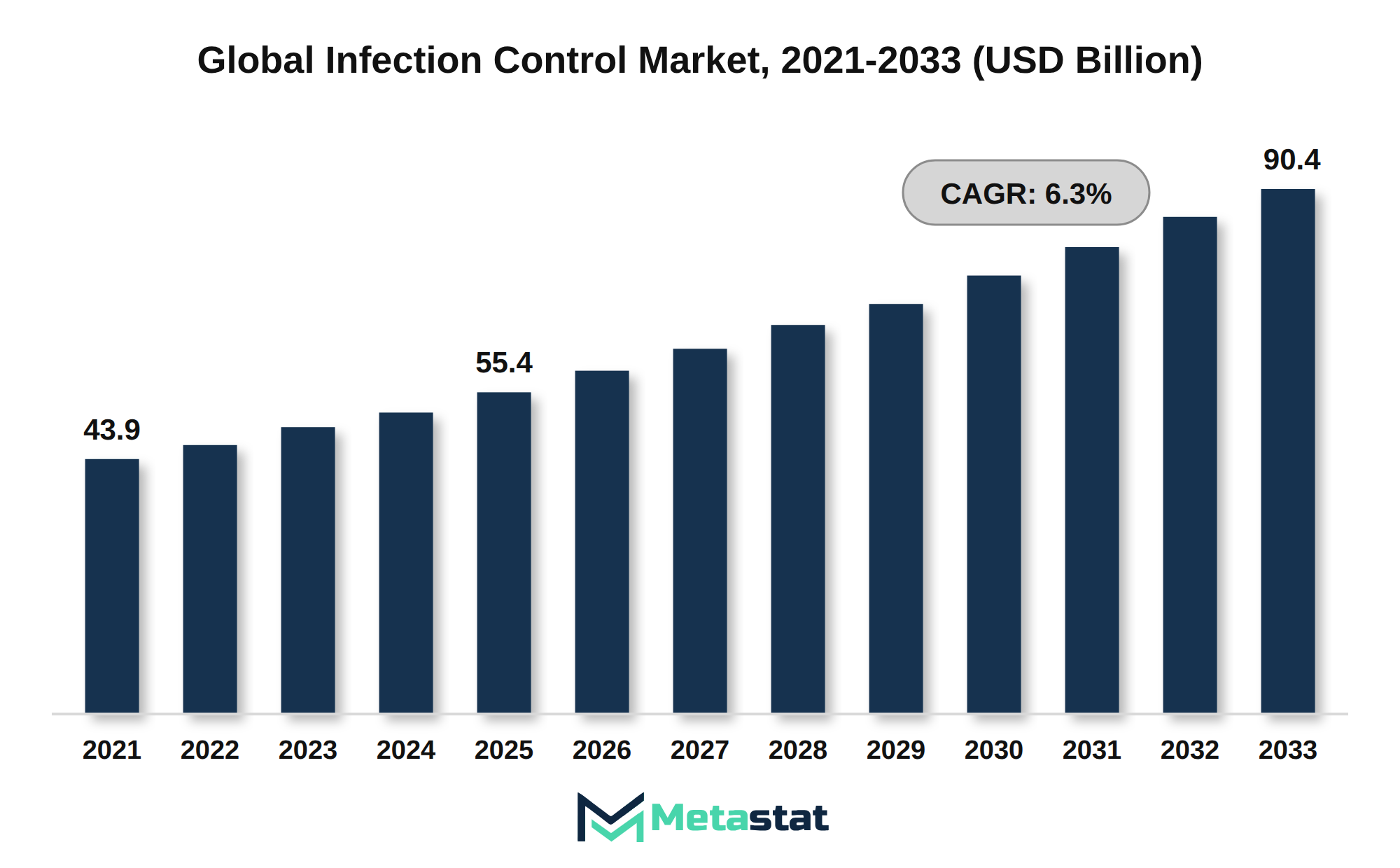
The global Infection Control market was valued at USD 55.4 billion in 2025 and is projected to reach USD 90.4 billion by 2033, growing at a CAGR of 6.3% over the forecast period.
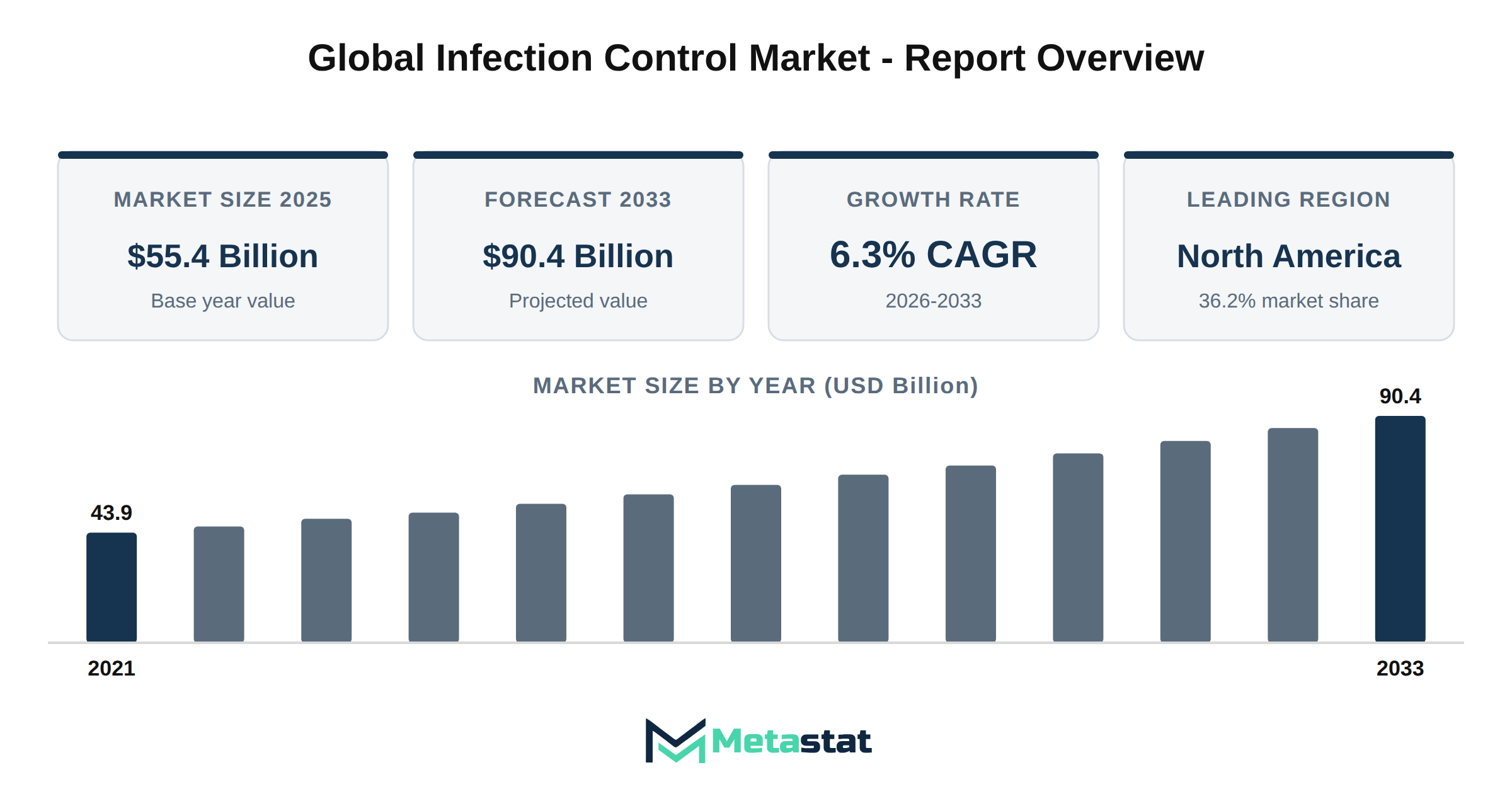
The Infection Control market reached a valuation of USD 55.4 billion in 2025, with projections indicating an increase to USD 90.4 billion by 2033, representing a compound annual growth rate (CAGR) of 6.3%. Historical data shows a steady growth trajectory, starting from USD 43.9 billion in 2021 and gradually rising to USD 51.9 billion in 2024.
Key drivers of growth in the market include escalating healthcare demand, advancements in product development, and evolving technology trends. Regulatory compliance and standards remain critical factors influencing market dynamics, driven by organizations striving to meet stringent guidelines in infection prevention. Geopolitical risks, alongside disruption in supply chains, prompt companies to reassess their sourcing and logistics strategies, impacting operational costs and market accessibility.
Research and development trajectories focus on next-generation innovations that enhance infection control measures, driving competition among key players. Sustainable transformation and initiatives related to decarbonization and circular economy dynamics gain traction, with organizations exploring eco-friendly solutions in their product offerings. This shift contributes to an evolving value chain that prioritizes sustainability while addressing customer needs.
The Infection Control market displays fragmentation, with numerous players competing across various segments. Mergers and acquisitions (M&A) dynamics shape competitive strategies, enabling companies to expand their capabilities and market reach. Capital allocation towards infrastructure investments remains essential for enhancing operational efficiency. Macroeconomic headwinds, including inflationary pressures and currency volatility, pose challenges for stakeholders in the market.
Future strategic outlook emphasizes the importance of high-value recommendations to navigate the complexities of the market. Companies are encouraged to align their corporate imperatives with emerging trends, ensuring adaptability in the face of changing consumer demands and regulatory environments.
The Infection Control market experiences significant transformation influenced by various factors, including healthcare demand, technological advancements, and evolving regulatory requirements. The growing global focus on public health drives demand for innovative solutions that ensure patient safety and infection prevention across healthcare settings.
Product developments within the market emphasize the integration of advanced technologies in sterilization and disinfection processes. Innovations in cleaning and washer-disinfector systems enhance efficiency and effectiveness, contributing to the overall improvement of infection control protocols. The emphasis on high-level disinfection and medical device reprocessing systems reflects a commitment to maintaining the highest standards of hygiene in healthcare environments.
Regulatory compliance remains a critical aspect, with healthcare organizations adapting to stringent guidelines to ensure patient safety. The evolving landscape of standards influences procurement strategies, compelling suppliers to demonstrate adherence to quality benchmarks. This dynamic environment encourages collaboration between manufacturers and healthcare providers, facilitating the adoption of advanced solutions.
Geopolitical factors introduce complexities that affect the supply chain landscape. Fluctuations in trade policies and international relations influence sourcing dynamics, prompting organizations to diversify their supplier networks. This fragmentation of the market encourages competition, leading to enhanced service offerings and pricing strategies that benefit end-users.
Research and development trajectories highlight the continuous pursuit of next-generation innovation in infection control. Investment in sustainable practices, including decarbonization and circular economy dynamics, aligns with the broader goals of environmental responsibility. These initiatives address regulatory pressures and connect with consumers increasingly concerned about sustainability.
Infrastructure investments play a vital role in shaping the market's future. Capital allocation towards advanced facilities and equipment enhances operational capabilities, positioning organizations for growth. The focus on optimizing capital expenditures and operational expenditures remains critical, ensuring financial health during macroeconomic headwinds, inflationary pressures, and currency volatility.
The strategic outlook for the Infection Control market emphasizes the importance of high-value recommendations tailored to the evolving needs of healthcare providers. By addressing the complexities of the customer journey and understanding procurement dynamics, organizations better position themselves to capitalize on emerging opportunities within this evolving landscape.
Market Dynamics
Investment in healthcare infrastructure drives growth
The Infection Control market experiences strong growth driven by increased investments in healthcare infrastructure. Governments and private entities invest significantly in upgrading facilities, enhancing capacity, and integrating advanced technologies. Such investments reflect a commitment to improving healthcare delivery, particularly in response to rising demand for infection control measures.
Healthcare providers prioritize the modernization of existing systems to ensure higher standards of safety and compliance with evolving protocols. This modernization involves adopting innovative solutions, including sterilization technologies, cleaning systems, and comprehensive service offerings. The market experiences an influx of new products and services tailored to meet the expectations of healthcare facilities.
The global emphasis on improving public health outcomes reinforces the need for robust infection control strategies. Rising awareness of infection prevention drives healthcare systems to integrate sustainable practices alongside efficient operational frameworks. This alignment enhances both the capability and efficiency of healthcare providers, positioning the market for substantial growth.
Investment trends indicate a shift toward advanced technologies, including automation and digitization, which streamline processes and enhance operational productivity. Healthcare systems prioritize effective infection control, benefiting from a sustained influx of capital aimed at enhancing patient safety and reducing healthcare-associated infections.
Increased Focus on Digital Transformation
The Infection Control market experiences a surge in growth driven by the increasing focus on digital transformation. Organizations prioritize the adoption of advanced technologies including automation and artificial intelligence to enhance operational efficiencies. Digitizing legacy processes aligns with broader trends in various sectors, which accelerates investment in modernized solutions. This technological integration not only improves service delivery but supports compliance with evolving safety standards.
The integration of digital technologies facilitates improved data management, enhancing transparency and accountability. Healthcare providers, confronted with the necessity to improve patient outcomes, adopt innovative solutions that streamline workflows and reduce human error. This shift benefits end users, including hospitals and outpatient clinics, resulting in optimized resource allocation and cost reductions within operational frameworks.
Ultimately, a robust digital ecosystem enhances the market’s resilience against disruptions and contributes to its sustained growth. Embracing these technological advancements positions stakeholders strategically within the competitive environment, creating an atmosphere conducive to ongoing innovation in the Infection Control market.
Regulatory complexities hinder market expansion
The Infection Control market faces significant challenges owing to stringent regulatory frameworks and compliance hurdles, which complicate product development and market entry strategies. These complexities stem from the need for adherence to multiple standards across various geographical regions, leading to increased operational costs for manufacturers and service providers. Legal mandates for safety and efficacy testing require considerable time and financial resources, creating barriers that limit the ability of smaller players to compete effectively.
Macroeconomic headwinds, including inflationary pressures and capital stagnation, restrain investment in new technology and infrastructure. Rising costs associated with compliance lead to hesitancy among potential investors. In addition, supply chain disruptions linked to geopolitical instability exacerbate difficulties in obtaining necessary materials and components, prolonging product development timelines and delaying market entry.
Technological obsolescence presents another challenge within the market, driven by innovations that rapidly emerge, necessitating ongoing investment in research and development. The threat of substitution risks arises from alternative offerings that do not comply with rigorous standards but provide lower-cost options. With infrastructure gaps and connectivity deficits reported in various regions, successful implementation of advanced infection control measures becomes increasingly difficult. Consequently, these restraints inhibit growth potential and affect overall demand in the Infection Control market.
Geopolitical fragmentation disrupts supply chains
Geopolitical fragmentation significantly impacts the Infection Control market by disrupting international supply chains, leading to increased costs and delivery delays. Trade deficits and tariff friction create additional barriers, complicating procurement strategies for manufacturers and suppliers. These challenges affect the availability of essential components and feedstock, causing volatility in pricing and margins, which limits overall market growth.
Technological disruptions, including the rapid pace of innovation, create interoperability friction among different systems and products in the market. This situation complicates integration for healthcare providers, who face mounting pressure to maintain compliance with evolving legal liabilities and tightening regulatory standards. The resulting compliance overhead adds complexity to operational processes, particularly for smaller players lacking the resources to navigate these challenges effectively.
Market saturation and changing downstream demands further exacerbate competitive pressures. Companies in the Infection Control market confront pricing compression due to increased competition and shifting consumer preferences towards more cost-effective solutions. Rising input cost structures and workforce skill gaps hinder productivity and innovation, impacting overall market performance.
To address these challenges, firms prioritize strategic investments in automation, talent retention, and environmental sustainability. While the market evolves, organizations adapt to new standards while enhancing operational efficiencies to secure their positions in a competitive environment, reinforcing long-term demand.
Emerging technologies drive market growth
The Infection Control market capitalizes on emerging technologies that enhance operational efficiency and infection prevention measures. Innovations in sterilization equipment and cleaning solutions drive adoption across various healthcare settings, including hospitals and outpatient clinics. The introduction of advanced technologies enables organizations to streamline processes, reduce operational costs, and enhance patient safety.
Geographical expansion contributes significantly to the market's growth trajectory. Regions including Asia Pacific and South America exhibit a rising demand for infection control products and services, driven by increasing healthcare investments and a growing awareness of hygiene practices. Countries within these regions are modernizing their healthcare infrastructure and adopting innovative solutions, creating a conducive environment for market growth.
Strategic consolidation, including mergers and acquisitions, fuels competition in the Infection Control market. Companies leverage these initiatives to enhance product portfolios, expand geographical reach, and address diverse customer needs. This trend encourages innovation, ultimately leading to the development of next-generation products tailored to specific applications.
Value-chain optimization emerges because a critical focus for market participants. Organizations invest in process automation and operational yield maximization to improve efficiency and deliver high-quality infection control solutions. This emphasis on operational excellence positions companies to respond effectively to evolving market demands and maintain a competitive edge.
The transition towards eco-friendly practices aligns with sustainability imperatives in the market. Increasing consumer awareness and regulatory pressures drive the adoption of environmentally responsible products and practices. Companies that prioritize sustainability enhance their market position and appeal to environmentally conscious customers.
The Infection Control market is expected to experience continued growth due to these dynamic forces. By embracing emerging technologies and aligning with evolving consumer preferences, market participants capitalize on the expanding opportunities present in the healthcare landscape.
Market Segmentation Analysis
The Global Infection Control market is segmented based on Product & Solution Type, Service Type, Application, and End User.
By Product & Solution Type, the market is further segmented into:
- Sterilization Equipment & Consumables
- Cleaning & Washer-Disinfector Systems
- High-Level Disinfection & Medical Device Reprocessing Systems
- Surface & Environmental Disinfectants
- Hand Hygiene & Skin Antisepsis Products
- Personal Protective Equipment & Clinical Barriers
- Patient-Contact Device Barriers & Cross-Contamination Prevention Products
- Others (No-Touch Environmental Decontamination Systems, Airborne Infection-Control Systems)
Sterilization Equipment & Consumables
Valued at USD 12.9 billion in 2026, the Sterilization Equipment & Consumables segment is projected to reach USD 18.3 billion by 2033, at a CAGR of 5.2% during the forecast period. This segment experiences growth driven by heightened awareness of infection control protocols in healthcare settings. The rising incidence of hospital-acquired infections fuels demand for effective sterilization solutions and consumables.
Technological advancements play a critical role in expanding the market. Innovations in sterilization technologies, including the introduction of rapid sterilization methods, enhance operational efficiency and safety. The ongoing evolution of products ensures compliance with stringent regulatory standards, compelling healthcare facilities to adopt advanced sterilization equipment.
End-use dynamics significantly influence consumption patterns within the market. Hospitals and health systems represent the largest customer segment, investing in sterilization equipment to enhance patient safety and operational efficiency. The rise in ambulatory surgical centers and outpatient facilities necessitates reliable sterilization solutions, driving further adoption.
Price fluctuations and margin pressures present challenges in the segment. Manufacturers experience rising costs associated with raw materials and production processes, impacting pricing strategies. Strategic opportunities arise from expansion into emerging markets, where healthcare infrastructure development encourages investment in sterilization equipment.
The market is poised for growth, supported by a strong capital investment outlook. Stakeholders recognize the importance of infection control measures in enhancing healthcare outcomes. Consequently, investments in sterilization equipment and consumables are expected to increase, ensuring that the segment thrives within the broader Infection Control market.
Cleaning & Washer-Disinfector Systems
Growth in the Cleaning & Washer-Disinfector Systems segment aligns with increasing demand for effective infection control measures across healthcare facilities. Factors driving this demand include the rising incidence of healthcare-associated infections (HAIs) and the need for stringent cleaning protocols to ensure patient safety. Adoption of these systems by hospitals and outpatient facilities hinges on their ability to meet regulatory compliance standards while optimizing cleaning processes.
The segment is projected to reach USD 9.1 billion by 2033, at a CAGR of 5.8% during the forecast period. Innovations in technology enhance the efficiency and effectiveness of these systems. Manufacturers invest in next-gen upgrades, contributing to improved cleaning efficacy and reduced operational costs for end-users.
End-use dynamics highlight a shift towards automated and integrated cleaning solutions, which streamline workflows and minimize human error. Regulatory frameworks emphasize the importance of maintaining high levels of cleanliness in healthcare settings, compelling facilities to upgrade their existing systems. This regulatory impetus supports the segment's expansion and underlines the critical nature of compliance in the Infection Control market.
Investments in advanced cleaning technologies lead to short-term financial pressures, but long-term savings from improved efficiency and reduced infection rates substantiate these expenditures. Overall, the Cleaning & Washer-Disinfector Systems segment remains a vital component of the broader infection control strategy, reinforcing its significance in enhancing health outcomes.
High-Level Disinfection & Medical Device Reprocessing Systems
Demand for High-Level Disinfection & Medical Device Reprocessing Systems stems from the increasing emphasis on infection prevention and control within healthcare environments. Hospitals and healthcare facilities prioritize maintaining sterile conditions for medical instruments to prevent healthcare-associated infections. This segment is projected to reach USD 12.2 billion by 2033, driven by advancements in technology and increased regulatory scrutiny on hygiene practices.
Adoption accelerates due to the rising prevalence of infectious diseases and the need for effective reprocessing solutions. Healthcare providers invest in high-level disinfection systems to enhance patient safety and comply with stringent regulatory standards. Technological maturation benefits the segment, with next-generation upgrades offering improved efficiency and effectiveness, thereby expanding its market presence.
Product evolution includes the development of automated systems that reduce human error and ensure consistent disinfection. End-use dynamics reflect a growing demand for reliable and safe reprocessing systems across hospitals, ambulatory surgical centers, and outpatient clinics. Consumption shifts towards eco-friendly and safer products stimulate market growth.
The Infection Control market faces challenges related to cost structures, including pricing volatility and margin pressures, particularly concerning raw material sourcing and supply chain resilience. Strategic opportunity windows arise from ongoing innovations that meet evolving regulatory compliance standards and certifications. Overall, the segment expands owing to an increasing focus on health and safety within healthcare settings.
Surface & Environmental Disinfectants
Growth in the Surface & Environmental Disinfectants segment aligns with heightened awareness regarding cleanliness and hygiene in healthcare settings. This demand arises from increased incidences of healthcare-associated infections, driving healthcare facilities to prioritize effective disinfectants. Regulatory compliance standards further reinforce the adoption of these products, attributed to their essential role in maintaining safe environments for patients and healthcare personnel. The segment is projected to grow at a CAGR of 5.6% during the forecast period, reflecting a strong trajectory influenced by technological advancements and product evolution.
Technological maturation plays a significant role in enhancing the efficacy of surface disinfectants. Innovations in formulation and delivery systems contribute to improved performance and user convenience. Downstream applications in diverse settings, including hospitals, long-term care facilities, and outpatient clinics, create significant consumption shifts. End-use dynamics indicate a growing preference for environmentally friendly and rapid-action disinfectants. This trend aligns with a broader market movement toward sustainable healthcare solutions, further stimulating segment growth.
Pricing volatility within the market influences purchasing behaviors, compelling buyers to evaluate cost structures while seeking reliable products. The resilience of the supply chain and raw material sourcing strategies directly affect the availability of disinfectant products. Strategic opportunity windows exist for new entrants to capture shares in this evolving market landscape. The Infection Control market continues to reflect shifts driven by consumer preferences and regulatory pressures, positioning the Surface & Environmental Disinfectants segment because a critical component of overall market dynamics.
Hand Hygiene & Skin Antisepsis Products
Increasing emphasis on hand hygiene in healthcare facilities significantly increases demand for Hand Hygiene & Skin Antisepsis Products. Regulatory bodies establish stringent guidelines mandating effective infection control measures, further driving adoption among healthcare providers. The rising prevalence of healthcare-associated infections (HAIs) underlines the importance of proper hand hygiene practices, prompting healthcare systems to implement comprehensive protocols.
Technological advancements enhance product effectiveness and ease of use, improving compliance among healthcare professionals. Innovations including alcohol-based hand sanitizers and touchless dispensers improve accessibility, encouraging consistent usage. Emerging trends in consumer awareness regarding hygiene practices drive a shift toward high-quality antisepsis products, influencing purchasing decisions.
Healthcare providers increasingly prioritize product certifications and compliance with industry standards, ensuring safety and efficacy in their infection control measures. Strategic partnerships between manufacturers and healthcare organizations support the development of tailored solutions that address specific needs within the Infection Control market. This collaborative approach enhances product evolution and improves market positioning.
Increased investment in infection prevention strategies signals a commitment to improving patient outcomes. Budget allocations toward advanced hand hygiene technologies illustrate a proactive approach to safeguarding public health. While healthcare facilities focus on preventing infections, growth prospects for Hand Hygiene & Skin Antisepsis Products align with broader initiatives within the Infection Control market.
Personal Protective Equipment & Clinical Barriers
Personal Protective Equipment & Clinical Barriers play a crucial role in the Infection Control market by providing essential protection for healthcare personnel against infectious agents. The increasing awareness of occupational hazards and the rising incidence of healthcare-associated infections drive demand for these products across various healthcare settings. Regulatory compliance standards heavily influence market dynamics, with governments and health authorities mandating the use of personal protective equipment (PPE) to safeguard workers and patients alike.
Technological maturation leads to innovations in PPE, promoting the development of advanced materials and designs that enhance comfort and usability while maintaining high protection levels. Next-generation upgrades focus on integrating smart technologies, including sensors in gloves and gowns, that provide real-time feedback on contamination risks. This evolution reflects an ongoing commitment to improving safety standards in healthcare environments.
The end-use dynamics highlight significant consumption shifts, particularly in hospitals and health systems, where the need for reliable PPE remains critical. Ambulatory surgical centers and outpatient clinics increasingly adopt these products to comply with stricter infection prevention protocols. The market benefits from strategic opportunity windows created by emerging infectious diseases, which further emphasize the necessity of robust infection control measures.
Cost structures face pressures due to fluctuating raw material prices and evolving regulatory requirements. Pricing volatility challenges manufacturers, affecting margins and prompting a reevaluation of sourcing strategies. Supply chain resilience emerges because a critical factor for sustaining product availability, particularly during surges in demand driven by public health emergencies.
Substitution risks exist with alternative infection control measures; however, the unique protective capabilities of personal protective equipment ensure its continued relevance in the market. Disruptive alternatives, including advanced sterilization technologies and smart disinfection solutions, pose challenges that require ongoing adaptation and innovation in product offerings.
The Infection Control market is projected to experience significant growth because healthcare facilities prioritize investments in PPE and clinical barriers to safeguard personnel and patients against infectious diseases. The infection control segment continuously evolves, driven by technological advancements and shifting regulatory frameworks, ensuring that this segment remains a vital component of overall health safety strategies.
Patient-Contact Device Barriers & Cross-Contamination Prevention Products
Demand for Patient-Contact Device Barriers & Cross-Contamination Prevention Products aligns with the rising focus on infection control protocols across healthcare settings. Enhanced awareness regarding the transmission of healthcare-associated infections drives adoption among hospitals and outpatient facilities, prompting investment in effective barrier solutions. The prevalence of multi-drug-resistant organisms necessitates stringent measures for cross-contamination prevention, influencing purchasing decisions among healthcare providers.
Technological maturation influences product development within this sub-segment. Innovations in materials and design enhance protective capabilities, making barriers more effective in preventing pathogen transfer. Continuous upgrades in product technology ensure that offerings incorporate the latest safety standards, facilitating compliance with evolving regulatory frameworks.
End-user dynamics indicate a shift towards comprehensive infection control strategies. Hospitals and health systems increasingly prioritize barrier solutions that integrate seamlessly into existing workflows. This integration improves operational efficiency while enhancing safety protocols. Regulatory compliance, driven by health authorities, mandates the use of such products, further fueling demand within the market.
Pricing volatility impacts purchasing strategies, requiring healthcare facilities to optimize budgets while ensuring safety standards remain intact. Effective supply chain resilience becomes crucial, focusing on raw material sourcing, logistics stability, and reducing substitution risks. Strategic opportunity windows arise for manufacturers that innovate cost-effective solutions, catering to the evolving needs of the healthcare sector.
The overall capital investment outlook for Patient-Contact Device Barriers & Cross-Contamination Prevention Products remains positive. Stakeholders recognize the long-term benefits of investing in high-quality products that significantly reduce infection risks. With sustained demand projected in the Infection Control market, manufacturers have a compelling incentive to enhance their product offerings and expand their market presence.
Others (No-Touch Environmental Decontamination Systems, Airborne Infection-Control Systems)
Growth in the segment for No-Touch Environmental Decontamination Systems and Airborne Infection-Control Systems results from heightened awareness of infection prevention in healthcare environments. Increasing incidences of healthcare-associated infections (HAIs) drive demand for efficient and effective decontamination solutions. Innovations in no-touch technologies enhance cleaning protocols while reducing labor intensity, leading to broader adoption across various healthcare settings.
Technological maturation influences segment development. Advancements in UV-C and aerosolized disinfectants improve efficacy and ease of use, pushing healthcare facilities to integrate these systems into their infection control strategies. Regulatory compliance standards further influence market dynamics, with stringent guidelines mandating enhanced cleaning procedures that require advanced disinfection technologies.
Downstream application dynamics highlight the importance of these systems in high-risk areas, including operating rooms and intensive care units. The market experiences growing consumption shifts toward more automated and comprehensive decontamination solutions, reflecting an industry trend that prioritizes safety and operational efficiency. Overall, the Infection Control market benefits from these developments, with strategic opportunity windows presenting potential for innovation and investment in this sub-segment.
By Service Type, the market is further segmented into:
- Sterilization & Medical Device Reprocessing Services
- Environmental Cleaning & Disinfection Services
- Endoscope Reprocessing Services
- No-Touch Room Decontamination Services
- Infection Prevention Consulting & Audit Services
- Training & Compliance Services
- Sterility Testing & Monitoring Services
- Others (Healthcare Textile Disinfection, Water-System Decontamination)
Sterilization & Medical Device Reprocessing Services
Valued at USD 18.1 billion in 2026, the Sterilization & Medical Device Reprocessing Services segment is projected to reach USD 26 billion by 2033, at a CAGR of 5.3% during the forecast period. Demand for sterilization and medical device reprocessing services arises from the increasing focus on infection prevention in healthcare settings, which drives the necessity for higher standards of sterilization. Advancements in technology contribute to the enhancement of service offerings, thereby improving efficiency and efficacy in the field.
Regulatory compliance remains a significant driver, attributed to healthcare facilities striving to meet stringent standards set by health authorities. These regulations necessitate consistent quality assurance and adherence to best practices in sterilization procedures. Consequently, healthcare organizations recognize the importance of investing in reliable sterilization services to avoid potential health hazards and legal implications.
Technological maturation within the market supports the development of next-generation sterilization and reprocessing systems. Innovations including automated systems and advanced monitoring technologies enhance the precision and reliability of sterilization processes. These developments facilitate quicker turnaround times and reduce operational costs, ultimately impacting the overall market positively.
End-user dynamics play a crucial role in shaping the segment's landscape. Hospitals and health systems represent an increasing share of the demand, driven by their commitment to maintaining patient safety and delivering high-quality care. Ambulatory surgical centers increasingly adopt comprehensive reprocessing services to streamline operations and improve patient outcomes.
The Infection Control market reflects a trend toward increased investment in sterilization and medical device reprocessing services. Factors including the focus on infection control and technological advancements create strategic opportunities, positioning the market for continued growth and expansion. This growth aligns with the evolving landscape of healthcare, where quality and safety are critical.
Environmental Cleaning & Disinfection Services
Growth in Environmental Cleaning & Disinfection Services reflects rising demand for effective infection prevention strategies across various sectors, particularly in healthcare facilities. Regulatory compliance standards and heightened awareness about hygiene and safety drive adoption. The segment is projected to reach USD 20.3 billion by 2033, at a CAGR of 5.5% during the forecast period. Investment in next-generation cleaning technologies and services enhances operational efficiency while minimizing infection risks. Increased scrutiny of facility hygiene practices leads to significant consumption shifts, with healthcare providers prioritizing comprehensive cleaning solutions. The Infection Control market observes a strategic opportunity window for service providers to innovate and evolve their offerings to meet emerging needs from end users. Demand for these services has surged, driven by heightened public health concerns and ongoing efforts to maintain safe environments.
Endoscope Reprocessing Services
Growth in the Endoscope Reprocessing Services segment reflects heightened awareness of infection control in healthcare settings. The prevalence of healthcare-associated infections drives demand for reliable reprocessing solutions, ensuring patient safety and compliance with stringent regulatory standards. Increasing surgical procedures and diagnostic interventions requiring endoscopy increase the need for effective reprocessing services.
Valued at USD 10.4 billion by 2033, this segment experiences expansion due to advancements in technologies and processes that enhance efficiency and reliability. Next-generation upgrades in automation and digital tracking systems streamline workflows, reduce turnaround times, and improve overall service quality. Continued investment in product evolution supports these advancements, enabling providers to meet growing consumer expectations.
End users, particularly hospitals and surgical centers, increasingly adopt comprehensive reprocessing protocols to comply with evolving regulations and maintain accreditation. This trend aligns with broader shifts toward enhanced patient safety and quality assurance across the Infection Control market. The segment's growth reflects strategic opportunities for service providers to innovate and differentiate their offerings, reinforcing their competitive position in a dynamic environment.
No-Touch Room Decontamination Services
Rapid advancements in disinfection technologies drive the adoption of No-Touch Room Decontamination Services within the Infection Control market. This segment benefits from heightened awareness of infection prevention, particularly in healthcare settings, where efficient disinfection practices protect patients and staff. Regulatory compliance and standards related to infection control significantly influence the demand for these services, compelling healthcare facilities to invest in effective solutions.
No-Touch Room Decontamination Services segment is projected to grow at a CAGR of 9.8% during the forecast period. The increasing prevalence of healthcare-associated infections (HAIs) further increases the demand for effective decontamination methods. Facilities seek reliable solutions that minimize cross-contamination risks while enhancing operational efficiency. While organizations prioritize patient safety, investments in advanced decontamination technologies represent a strategic opportunity for service providers in the market.
Technological maturation within the industry enables the development of next-generation decontamination systems, improving efficacy and reducing operational downtime. These services align with industry trends toward automation and efficiency in healthcare environments. This strategic evolution in the Infection Control market positions No-Touch Room Decontamination Services because a critical component of modern infection prevention strategies.
Infection Prevention Consulting & Audit Services
Growing emphasis on infection prevention in healthcare settings drives demand for Infection Prevention Consulting & Audit Services. These services provide organizations with the necessary expertise to assess risks, implement effective infection control strategies, and ensure compliance with regulatory standards. Increasing awareness of healthcare-associated infections (HAIs) further fuels the need for consulting services that focus on developing tailored infection prevention protocols.
Segments including hospitals and ambulatory surgical centers increasingly prioritize infection prevention consulting to enhance patient safety and operational efficiency. Regulatory compliance standards continuously evolve, creating a strategic opportunity for consulting firms to offer expertise in navigating these complexities. This ongoing evolution in regulations ensures a steady demand for specialized consulting services within the Infection Control market.
Technological maturation in data analytics and infection tracking systems influences service offerings, enabling more effective monitoring and reporting. These advancements lead to improved infection control strategies, positioning consulting services because key partners for healthcare organizations. Enhanced focus on infection prevention measures underlines the critical role of these services in shaping effective healthcare practices and reinforcing patient safety.
Strategic investments in consulting services contribute to overall market expansion, driven by the need for organizations to address evolving health threats and improve response capabilities. By leveraging expertise in infection prevention, healthcare providers optimize their operations, reduce the risk of outbreaks, and ensure compliance with industry standards. This operational alignment not only supports market growth but promotes a culture of safety and quality within healthcare environments.
Training & Compliance Services
Training and compliance services play an essential role in the Infection Control market by ensuring that healthcare facilities adhere to stringent safety standards and protocols. The increasing complexity of regulatory compliance standards drives the demand for these services. Healthcare providers prioritize maintaining high-quality patient care and minimizing infection risks, leading to an emphasis on training personnel in the correct use of infection control procedures.
Adoption of training programs correlates with the growing recognition of the need for specialized knowledge in infection prevention. This surge in awareness influences healthcare facilities to invest in comprehensive training solutions that enhance staff competency. The evolution of infection control technologies necessitates ongoing education, driven by healthcare professionals navigating new products and their applications within clinical settings.
Regulatory compliance remains a significant catalyst for segment expansion, with policies mandating rigorous training within infection control strategies. Certification requirements further compel organizations to invest in structured training programs, ensuring staff are equipped to manage infection risks effectively. These evolving compliance landscapes drive the overall investment in training and compliance services within the market.
Cost structures associated with training initiatives vary significantly based on the depth and breadth of the programs offered. Healthcare facilities evaluate the potential return on investment, balancing training costs against the implications of non-compliance and associated risks. Effective training solutions contribute to improved operational efficiency and reduced instances of healthcare-associated infections, supporting long-term financial sustainability.
Strategic opportunity windows emerge owing to the market experiencing shifts in consumption patterns, with a focus on preventative measures. Enhanced training protocols not only support immediate compliance needs but align with broader trends towards proactive infection control strategies. This alignment encourages deeper integration of training and compliance services within overall infection control frameworks, reflecting a shift towards comprehensive risk management in healthcare environments.
Sterility Testing & Monitoring Services
Increasing focus on regulatory compliance standards within healthcare facilities drives demand for Sterility Testing & Monitoring Services. These services ensure that medical devices and instruments meet stringent safety requirements, reducing the risk of infections in patient care. Rapid advancements in technology promote the adoption of automated testing systems, enhancing accuracy and efficiency in sterilization processes.
Evolution in product offerings, including the integration of real-time monitoring capabilities, supports the growth of Sterility Testing & Monitoring Services. This shift enables healthcare facilities to track sterilization cycles effectively and maintain compliance with industry regulations. Rising awareness of infection prevention strategies among healthcare providers contributes to the increasing emphasis on these services.
End-user dynamics play a significant role in the demand for Sterility Testing & Monitoring Services. Hospitals and health systems prioritize infection control, leading to higher investments in monitoring solutions. Ambulatory surgical centers reflect similar trends, with demand for advanced sterilization techniques and monitoring systems expanding to ensure patient safety.
The Infection Control market experiences a shift toward next-generation upgrades, with healthcare facilities incorporating innovative technologies designed to improve monitoring processes. These developments provide strategic opportunity windows for suppliers seeking to innovate within the sterilization sector, aligning product evolution with market needs.
Cost structures and pricing volatility in the Sterility Testing & Monitoring Services segment impact operational budgets for healthcare providers. The introduction of advanced technologies initially presents higher costs, but long-term benefits of reduced infection rates and increased compliance support overall market growth. Supply chain resilience ensures that manufacturers meet rising demand for these services while navigating potential disruptions.
Others (Healthcare Textile Disinfection, Water-System Decontamination)
Rising awareness regarding healthcare textile disinfection and water-system decontamination fuels demand for innovative solutions in the Infection Control market. Increased focus on maintaining sanitary conditions in healthcare facilities drives adoption of advanced decontamination services. Enhanced regulatory compliance standards regarding infection prevention create a favorable environment for service providers offering these solutions.
Technological maturation in disinfection methods contributes to the expansion of this segment. Next-generation upgrades, including automated systems and improved efficacy of cleaning agents, enhance operational efficiency. The evolution of products tailored for healthcare textile disinfection and water-system treatment aligns with the needs of hospitals and other healthcare facilities.
End-use dynamics indicate a shift toward more stringent infection control practices, influencing consumption patterns across various healthcare sectors. Heightened demand for effective disinfection methods leads to strategic opportunity windows for companies specializing in these services. Capital investment in advanced disinfection technologies supports ongoing innovation and addresses challenges posed by emerging pathogens.
Strategic partnerships between service providers and healthcare institutions strengthen supply chain resilience. Collaboration enhances service delivery and supports compliance with regulatory requirements. This segment of the market ensures patient safety and maintains operational integrity across healthcare settings.
By Application, the market is further segmented into:
- Surgical Instrument Reprocessing
- Endoscope Reprocessing
- Ultrasound Probe & Diagnostic Device Reprocessing
- Environmental Surface & Patient-Room Disinfection
- Hand Hygiene & Skin Preparation
- Surgical Site & Perioperative Infection Prevention
- Point-of-Care Device Cross-Contamination Prevention
- Others (Healthcare Textile Hygiene, Airborne & Aerosol Infection Control)
Surgical Instrument Reprocessing
Valued at USD 11.7 billion in 2026, the Surgical Instrument Reprocessing segment is projected to reach USD 16.5 billion by 2033, at a CAGR of 5% during the forecast period. This segment experiences growth driven by an increased focus on infection control protocols within healthcare facilities, particularly in surgical settings. Enhanced regulatory compliance standards and the need for stringent sterilization processes contribute to rising demand among hospitals and ambulatory surgical centers.
Technological advancements play a significant role in shaping the Surgical Instrument Reprocessing segment, with innovations in sterilization equipment and consumables improving efficiency and effectiveness. The market responds to shifts in consumption patterns, emphasizing the need for reliable reprocessing solutions to minimize the risk of cross-contamination. End-users prioritize these systems to maintain compliance with safety and health regulations.
Healthcare facilities expand operational capabilities and invest in next-generation technologies and services that ensure high-quality reprocessing of surgical instruments. This investment strengthens supply chain resilience, enabling organizations to meet evolving standards and maintain operational efficiency. Thus, the Surgical Instrument Reprocessing segment remains a vital part of the broader Infection Control market, contributing to overall growth and enhanced patient safety.
Endoscope Reprocessing
Growing demand for endoscope reprocessing stems from the increasing prevalence of minimally invasive surgical procedures, which require effective disinfection methods to prevent infection. The segment is estimated to reach USD 10.9 billion by 2033, at a CAGR of 7.9% during the forecast period. Technological advancements in high-level disinfection and sterilization processes enhance the efficiency and safety of endoscope reprocessing, driving adoption across healthcare facilities. Regulatory compliance standards play a significant role in shaping investment decisions, because healthcare providers prioritize safe and effective reprocessing methods to adhere to stringent guidelines, thus influencing the overall dynamics of the Infection Control market.
Rising awareness of infection risks associated with endoscopic procedures fuels growth in this segment. Healthcare facilities increasingly focus on implementing robust infection control measures to safeguard patient outcomes, which translates into greater investment in endoscope reprocessing technologies. The market experiences heightened interest in innovative solutions that improve workflow efficiency and minimize downtime, highlighting the need for continuous evolution in product offerings. Overall, these factors contribute to a favorable outlook for the endoscope reprocessing segment within the broader Infection Control market.
Ultrasound Probe & Diagnostic Device Reprocessing
Increasing focus on infection control protocols in healthcare facilities drives significant growth in the Ultrasound Probe & Diagnostic Device Reprocessing segment. Rising incidences of healthcare-associated infections (HAIs) necessitate strict adherence to sterilization and disinfection practices, pushing facilities to adopt advanced reprocessing methods for diagnostic devices. This segment is projected to reach USD 7.3 billion by 2033, reflecting a strong upward trajectory fueled by technological advancements and heightened awareness of infection prevention standards.
Technological maturation enhances the segment's expansion. Innovations in reprocessing equipment and techniques improve efficiency, reduce turnaround times, and enhance safety for patients and practitioners. While healthcare providers strive to meet regulatory compliance standards, investments in advanced equipment and processes become increasingly vital. These factors contribute to a growing demand for sophisticated ultrasound probe reprocessing solutions, with facilities prioritizing high-quality disinfection methods to mitigate risks associated with cross-contamination.
Shifts in consumption patterns towards more efficient and effective reprocessing options highlight the segment's potential. Healthcare providers increasingly recognize the need for reliable and fast reprocessing services to keep pace with rising patient volumes. This trend aligns with broader developments in the Infection Control market, where the emphasis on risk reduction and improved patient outcomes remains critical.
Environmental Surface & Patient-Room Disinfection
Increasing awareness of the importance of maintaining hygienic environments in healthcare facilities drives significant demand for Environmental Surface & Patient-Room Disinfection solutions. Facilities aim to prevent hospital-acquired infections (HAIs) and ensure patient safety, leading to a greater focus on effective disinfection methods. Regulatory compliance standards further influence purchasing decisions, propelling facilities to adopt advanced disinfection technologies. The market for this application segment is projected to grow at a CAGR of 5.2% during the forecast period.
Technological advancements in disinfection equipment and products facilitate enhanced efficacy and efficiency in achieving high levels of cleanliness. Innovations including automated disinfection systems and eco-friendly disinfectants appeal to healthcare providers seeking to improve their disinfection protocols. The increasing frequency of infectious disease outbreaks prompts healthcare facilities to invest in reliable disinfection solutions, driving the segment's growth within the Infection Control market.
Competition among key players intensifies owing to the launch of next-generation products and services tailored to specific healthcare needs. This dynamic encourages ongoing product evolution and strategic partnerships, enhancing service offerings and expanding market reach. The Environmental Surface & Patient-Room Disinfection segment remains crucial for addressing emerging public health challenges, reinforcing its role in the broader Infection Control market.
Hand Hygiene & Skin Preparation
Rising emphasis on hygiene and infection prevention significantly impacts the Hand Hygiene & Skin Preparation segment within the Infection Control market. Increased awareness of the importance of hand hygiene in healthcare settings, particularly following global health crises, drives demand for effective hand hygiene products and skin antiseptics. The growing incidence of healthcare-associated infections increases the need for robust hand hygiene protocols, leading healthcare facilities to prioritize investments in this area.
Technological advancements enhance the effectiveness and convenience of hand hygiene solutions, promoting the adoption of innovative products that meet stringent regulatory compliance standards. Manufacturers are introducing next-generation hand hygiene products that offer improved efficacy, ease of use, and compliance features. The evolution of these products aligns with the broader trend toward enhanced patient safety and quality of care.
End-use dynamics reflect an increasing reliance on hand hygiene practices in various healthcare environments, including hospitals, outpatient clinics, and long-term care facilities. Adoption rates remain high due to the recognition that effective hand hygiene is a critical component of infection prevention strategies. This shift towards consistent hand hygiene practices influences consumption patterns. Healthcare providers invest in high-quality hand hygiene solutions.
Regulatory agencies continue to enforce stringent guidelines regarding hand hygiene practices, creating an environment conducive to market growth. Compliance with these standards drives healthcare facilities to adopt comprehensive hand hygiene programs, resulting in increased demand for related products. The Infection Control market experiences sustained growth attributed to healthcare providers recognizing the importance of maintaining effective hand hygiene to reduce infection transmission risks.
Surgical Site & Perioperative Infection Prevention
Increasing focus on infection prevention during surgical procedures drives demand for effective solutions in the Surgical Site & Perioperative Infection Prevention segment. Enhanced awareness regarding post-operative complications and the risks associated with surgical site infections prompts healthcare facilities to adopt stringent infection control protocols. The growing prevalence of outpatient procedures and the rising number of surgeries globally further contribute to the expansion of this segment.
Technological advancements play a crucial role in the evolution of products targeting surgical site infections. Innovations in sterilization equipment, disinfection systems, and antiseptic formulations enhance the effectiveness of infection prevention strategies. Integration of next-generation technologies, including automated disinfection systems, strengthens surgical environments against potential contaminants and influences market dynamics.
Regulatory compliance standards significantly impact the landscape of the Infection Control market. Stringent guidelines and protocols set by health authorities necessitate the adoption of proven infection prevention measures in surgical settings. Compliance reduces infection rates and protects healthcare organizations from potential liabilities associated with surgical procedures.
Investment in comprehensive infection prevention training and compliance programs represents a strategic opportunity within the market. Healthcare professionals equipped with the latest knowledge and practices ensure higher adherence to infection control protocols during surgical procedures. This collective focus on education and innovation creates a culture of safety and drives market growth.
Point-of-Care Device Cross-Contamination Prevention
Infection control protocols increasingly focus on preventing cross-contamination in point-of-care devices. This heightened attention arises from the critical need for maintaining hygienic conditions in healthcare environments, particularly in settings where patient care is directly impacted by device handling. The evolution of technologies aimed at cross-contamination prevention drives the adoption of advanced cleaning and disinfection practices in healthcare facilities. Such advancements contribute to the market's growth trajectory, supported by increasing investments in infection prevention initiatives.
End-use dynamics play a significant role in shaping demand for point-of-care device cross-contamination prevention solutions. Hospitals and health systems prioritize stringent hygiene standards to protect patients and healthcare workers from potential infections. This focus on infection control not only influences purchasing decisions but encourages the development of innovative solutions tailored to meet compliance requirements and improve patient outcomes. Regulatory compliance standards further reinforce the necessity of effective cross-contamination prevention measures, prompting healthcare providers to invest in reliable and efficient technologies.
Shifts in consumption patterns within the healthcare sector highlight the importance of adopting robust infection control measures. The growing prevalence of healthcare-associated infections drives the demand for effective point-of-care device disinfection protocols. In response to these challenges, manufacturers and service providers continuously refine their offerings to enhance product efficacy and operational efficiency. Strategic opportunities emerge because stakeholders recognize the value of investing in comprehensive infection control solutions, ultimately contributing to the overall expansion of the infection control market.
Others (Healthcare Textile Hygiene, Airborne & Aerosol Infection Control)
Infection prevention strategies increasingly incorporate healthcare textile hygiene and airborne infection control measures. These components address significant challenges in maintaining a sterile environment in various healthcare settings. Growing public health concerns surrounding hospital-acquired infections (HAIs) and airborne diseases are contributing to heightened demand for effective solutions in this sub-segment.
The market observes a shift towards advanced materials and technologies that enhance hygienic practices in healthcare textiles. Innovations in antimicrobial fabrics and coatings play a critical role in reducing the risk of cross-contamination. Healthcare facilities prioritize the integration of these technologies to improve infection control protocols, ensuring patient safety and compliance with regulatory standards.
End-user dynamics reflect a comprehensive approach to infection control, recognizing the interconnectedness of different surfaces and environments. Hospitals and healthcare providers increasingly invest in systems that address both airborne and surface contamination. This trend demonstrates an understanding that effective infection control extends beyond conventional cleaning practices, necessitating a layered approach to hygiene.
With regulatory compliance standards evolving, healthcare facilities face pressure to adopt integrated infection control solutions. Certification processes for products that enhance healthcare textile hygiene and airborne infection control align with broader public health initiatives. Investment in this sub-segment represents not only a commitment to patient safety but adherence to emerging regulatory frameworks.
The Infection Control market thrives on strategic opportunities arising from technological advancements and evolving consumer preferences. Healthcare facilities recognize the long-term benefits of investing in robust infection control measures, driving demand for innovative and effective solutions. This sub-segment's growth aligns with a trend towards enhanced patient care and operational efficiency within the broader infection control ecosystem.
By End User, the market is further segmented into:
- Hospitals & Health Systems
- Ambulatory Surgical Centers
- Physician Offices & Outpatient Clinics
- Dental Clinics
- Diagnostic & Imaging Centers
- Long-Term Care & Skilled Nursing Facilities
- Clinical Laboratories & Research Facilities
- Others (Home Healthcare, Blood Banks, Specialty Care Centers)
Hospitals & Health Systems
Valued at USD 24.4 billion in 2026, the Hospitals & Health Systems segment is projected to reach USD 35.1 billion by 2033, at a CAGR of 5.3% during the forecast period. The rising emphasis on infection control within healthcare facilities stems from increasing patient safety concerns and the minimize healthcare-associated infections (HAIs). Efforts to enhance hygiene practices drive significant investments in infection control technologies and services, particularly in surgical and high-risk environments. This segment benefits from technological advancements in sterilization equipment and disinfection systems, leading to improved operational efficiencies and compliance with stringent regulatory standards.
Growing adoption of next-generation sterilization equipment and medical device reprocessing systems contributes to the segment's expansion. Healthcare institutions prioritize the procurement of advanced infection control solutions that align with regulatory compliance, enhancing patient outcomes. The rising trend of value-based care necessitates hospitals and health systems to maintain high standards of cleanliness and disinfection, creating a significant impact on the infection control market. Increased budgets for infection prevention initiatives reflect a strategic focus on long-term patient safety and reduced readmission rates.
Strategic partnerships between healthcare providers and infection control technology manufacturers drive innovation in this segment. The development of integrated solutions tailored to specific healthcare environments ensures that hospitals and health systems remain competitive and compliant with evolving healthcare regulations. The segment is projected to experience growth driven by continuous advancements in infection control technologies, allowing for greater efficiency and effectiveness in maintaining sterile environments.
Ambulatory Surgical Centers
Infection Control market growth in Ambulatory Surgical Centers is driven by the increasing prevalence of outpatient surgeries and advancements in medical technology. The sector's focus on minimizing infection risks during surgical procedures contributes to demand for sterilization solutions and cleaning services. Regulatory compliance standards require facilities to adhere to stringent infection prevention protocols, enhancing the need for effective infection control measures within these centers.
Ambulatory Surgical Centers segment is estimated to reach USD 11.7 billion by 2033, at a CAGR of 8.2% during the forecast period. Adoption of innovative disinfection technologies, including no-touch room decontamination services, supports market expansion. Continuous evolution of products tailored for surgical environments, including specialized cleaning agents and sterilization equipment, addresses the specific needs of this segment.
Shifts in consumption patterns towards minimally invasive procedures further drive growth, with patients increasingly seeking outpatient options. In this context, service providers focusing on environmental cleaning and disinfection services are likely to gain traction. The Infection Control market emphasizes the importance of maintaining hygienic environments, particularly in facilities with high patient turnover, positioning Ambulatory Surgical Centers because critical players in the overall market.
Physician Offices & Outpatient Clinics
Market dynamics for physician offices and outpatient clinics significantly shape infection control strategies. The increasing prevalence of infectious diseases and heightened awareness around patient safety drive investment in infection control solutions. Regulatory compliance standards play a critical role in promoting the adoption of advanced disinfectants and sterilization equipment, ensuring facilities meet health codes and guidelines. Innovations in cleaning protocols and the development of next-generation sterilization technologies enhance operational efficiency and safety across these healthcare settings.
This segment is projected to reach USD 8.6 billion by 2033. Rising consumer expectations regarding hygiene and cleanliness compel clinics to enhance their infection control measures. Adoption of technologically advanced cleaning systems and environmental disinfectants provides clinicians with effective tools to mitigate infection risks. Growth in this segment reflects an overall commitment to patient safety and quality care within the infection control market.
Dental Clinics
Demand for infection control measures in dental clinics gains traction owing to heightened awareness regarding the importance of preventing infections in dental procedures. The need for stringent hygiene practices in these settings drives significant investment in infection control products and services. The Dental Clinics segment is projected to grow at a CAGR of 5.5% during the forecast period, reflecting the ongoing commitment of dental professionals to enhance patient safety.
Regulatory compliance standards play a critical role in shaping market dynamics. Dental clinics are required to adhere to specific infection prevention guidelines, leading to the adoption of advanced sterilization equipment and cleaning services. Investment in high-level disinfection practices results in improved operational efficiency and patient trust, thus supporting overall growth in the Infection Control market.
Technological advancements contribute substantially to segment expansion. Innovations in sterilization equipment, including automated systems and environmentally friendly disinfectants, enhance safety and efficacy. These developments align with evolving consumer expectations for high-quality care, propelling further adoption of advanced infection control solutions within dental settings.
With patients increasingly prioritizing safety, dental clinics recognize the necessity of maintaining rigorous infection control protocols. This trend creates a competitive environment, compelling providers to invest in state-of-the-art equipment and comprehensive training for staff. The resulting enhancements in service quality and patient experience contribute positively to the growth trajectory of the market.
Diagnostic & Imaging Centers
Infection control strategies in Diagnostic & Imaging Centers reflect heightened attention to hygiene standards and infection prevention protocols. The increasing patient throughput in these centers necessitates stringent measures to mitigate risks associated with cross-contamination. Adoption of advanced sterilization technologies and disinfection services enhances operational efficiency and minimizes infection rates. The expansion of imaging modalities, alongside regulatory compliance requirements, drives investment in infection control measures.
Technological maturation in infection control products drives the development of next-generation sterilization equipment and cleaning systems. Innovations in this sector focus on improving efficiency while reducing turnaround times in diagnostic procedures. The market experiences consumption shifts attributed to healthcare facilities recognizing the importance of robust infection control practices, supporting a competitive landscape that emphasizes quality and safety.
Infection Control market dynamics indicate growing opportunities for specialized services tailored to the unique needs of Diagnostic & Imaging Centers. Increased collaboration between equipment manufacturers and healthcare providers creates strategic partnerships aimed at enhancing infection prevention efforts. While regulatory frameworks evolve, compliance standards become more stringent, compelling centers to invest in effective infection control solutions.
Market participants face pressures related to cost structures and pricing volatility, influencing strategic decision-making in resource allocation. Strategic opportunity windows arise owing to healthcare facilities prioritizing investments in technologies that ensure patient safety, establishing a resilient supply chain to support infection control initiatives. Overall, the segment remains integral to the broader Infection Control market, reflecting ongoing advancements in healthcare practices and technologies.
Long-Term Care & Skilled Nursing Facilities
Infection control in Long-Term Care and Skilled Nursing Facilities reflects a critical focus on safeguarding vulnerable populations from healthcare-associated infections. An increase in the aging population and chronic health conditions significantly increases the demand for effective infection control protocols in these settings. Enhanced regulatory compliance standards emphasize the necessity for stringent infection prevention measures, influencing operational practices within these facilities.
The adoption of advanced sterilization and disinfection technologies enhances safety and reduces infection rates. Facilities increasingly incorporate next-generation upgrades, including automated disinfection systems and advanced monitoring technologies, to improve operational efficiency. This integration not only meets regulatory demands but reinforces trust among patients and their families.
Downstream applications highlight the importance of proper sterilization of medical devices and environmental disinfection in preventing cross-contamination. Consumption shifts toward high-quality disinfectants and sterilization equipment drive innovation and expansion within the market. Cost structures in this segment are influenced by the need for reliable and effective infection control solutions that align with budgetary constraints while ensuring compliance with industry standards.
Pricing volatility arises from fluctuating raw material costs and supply chain vulnerabilities, impacting procurement strategies for facilities. Strategic opportunity windows exist for vendors offering tailored solutions that address specific infection control challenges faced by Long-Term Care and Skilled Nursing Facilities. Continuous investment in product evolution remains essential, focusing on developing solutions that enhance overall safety and operational effectiveness within the infection control market.
Clinical Laboratories & Research Facilities
Infection control in clinical laboratories and research facilities receives heightened attention due to the increasing demand for precise diagnostics and research outcomes. Stringent infection control protocols ensure the safety of laboratory personnel and the integrity of research results. Regulatory compliance standards shape practices within this segment, driven by laboratories prioritizing adherence to guidelines set forth by health authorities.
Technological maturation significantly influences the evolution of infection control products and services. Advanced sterilization and disinfection technologies enhance the efficiency of infection prevention measures, resulting in improved operational workflows within laboratories. The integration of next-generation upgrades, including automation and real-time monitoring systems, drives operational excellence and enhances compliance.
Consumption shifts toward environmentally sustainable and cost-effective infection control solutions impact market dynamics. Laboratories increasingly seek products that align with sustainability goals while maintaining effectiveness in infection prevention. Strategic opportunity windows arise from the growing trend toward eco-friendly solutions, leading to the development of innovative products that meet both regulatory and environmental standards.
Supply chain resilience remains critical for laboratories, which rely on consistent access to raw materials and reliable distribution networks. Disruptive alternatives, including emerging technologies in sterilization, challenge traditional methods. Market players focus on ensuring robust supply chains to mitigate risks associated with raw material sourcing and logistics vulnerabilities.
Investment in infection control measures within clinical laboratories and research facilities continues to expand. Capital investment outlooks reflect the increasing recognition of the importance of infection prevention in ensuring safe and reliable laboratory environments. Enhancing product evolution and adoption drives competitive advantage in the infection control market.
Others (Home Healthcare, Blood Banks, Specialty Care Centers)
Home healthcare, blood banks, and specialty care centers represent a vital segment within the Infection Control market, driven by various factors. The increasing prevalence of healthcare-associated infections (HAIs) and growing patient populations necessitate stringent infection control measures. Healthcare facilities, particularly those focused on home care, require effective protocols to mitigate risks associated with at-home treatments and medical procedures.
Technological advancements in infection control equipment and solutions enhance operational efficiency in these settings. Innovations in sterilization and disinfection technologies cater to the unique requirements of home healthcare and specialty centers, enabling providers to maintain high standards of hygiene. Adoption of next-generation cleaning and disinfection technologies facilitates improved patient outcomes and cost savings, reinforcing commitment to infection control.
Regulatory compliance standards significantly influence adoption in the market. Healthcare providers adhere to stringent guidelines, ensuring that infection control practices align with established protocols. This regulatory landscape drives investments in certified products and services, creating a culture of safety and reliability. The increasing demand for specialized care in blood banks and specialty centers emphasizes the need for robust infection prevention strategies tailored to specific applications and environments.
Investment in training and compliance services offers strategic advantages for facilities aiming to enhance their infection control measures. Education on best practices for infection prevention, regulatory adherence, and operational efficiency supports long-term sustainability. Rising patient expectations for safety and cleanliness increase the importance of effective infection control strategies in home healthcare, blood banks, and specialty care centers, shaping market dynamics.
The evolving landscape of the Infection Control market in this segment highlights the significant role of innovation, regulatory compliance, and educational initiatives. These factors drive growth and ensure that infection prevention remains a priority across various healthcare settings.
By Region
Based on geography, the Global Infection Control market is divided into North America, Europe, Asia-Pacific, South America, Middle East, and Africa.
North America
Demand for infection control solutions in North America stems from heightened regulatory requirements and increasing patient safety standards across healthcare settings. The growing prevalence of healthcare-associated infections (HAIs) further fuels investments in infection control measures, especially within hospitals and health systems. North America Infection Control Market is set to expand at a CAGR of 6.3% within the forecast period, reaching a market size (TAM) of USD 29.8 billion by the end of 2033.
The region holds a substantial share of the global market. This dominance results from established healthcare infrastructure and a high level of awareness regarding infection prevention strategies among healthcare professionals. Hospitals and health systems drive a significant portion of demand, reflecting their commitment to enhancing patient safety through comprehensive infection control protocols.
Emerging trends indicate a shift towards innovative solutions, including no-touch decontamination technologies and advanced sterilization techniques. These advancements align with the increasing focus on efficiency and efficacy in infection prevention practices. The market is characterized by a competitive landscape featuring established players and ongoing consolidation trends, contributing to the effective distribution and adoption of infection control solutions.
Europe
Infection control practices in Europe evolve under stringent regulatory frameworks that prioritize patient safety and hygiene. The diverse healthcare landscape across Germany, France, the UK, Italy, Spain, and Russia contributes to varying adoption rates of advanced infection control technologies. Increasing investments in healthcare infrastructure modernization enhance the availability and implementation of advanced sterilization and disinfection systems.
The market for infection control relies on high-value replacement cycles driven by the need for compliance with updated health standards. Emerging market front-runners in this region focus on localized manufacturing densities to reduce costs and improve supply chain efficiency. This strategic shift aligns with regional procurement dynamics that emphasize sustainability and compliance.
Amid geopolitical fragmentation, cross-border trade corridors facilitate access to innovative infection control solutions from neighboring countries. Domestic market participants establish strong positions through vendor consolidation trends, enhancing competitiveness. Cultural nuances shape B2B buying behaviors, influencing purchasing decisions at local healthcare facilities.
Growing awareness of infection prevention's role in patient care drives the demand for effective cleaning and sterilization solutions, resulting in significant growth for the infection control market. Collaborative efforts among regional stakeholders focus on meeting compliance mandates, ensuring that healthcare facilities adopt the latest infection control technologies to safeguard public health.
Asia-Pacific
The Asia-Pacific region represents a significant opportunity in the Infection Control market, driven by increasing investments in healthcare infrastructure and rising regulatory compliance standards. Countries including China, Japan, and India prioritize the modernization of healthcare facilities, enhancing their capacity to adopt advanced infection control measures. The growing prevalence of healthcare-associated infections and heightened patient safety concerns fuel demand across various healthcare settings.
Numerous emerging market front-runners, including South Korea and Australia, contribute to the competitive landscape, with each exhibiting unique growth dynamics influenced by local procurement practices and cultural nuances. The ongoing expansion of ambulatory surgical centers and hospitals serves because a catalyst for segment growth, particularly in surgical instrument reprocessing and environmental cleaning services.
Localized manufacturing densities and supply chain regionalization enhance operational efficiency while reducing lead times for infection control products and services. Investment in foreign direct investment (FDI) flows into the region supports strategic entry barriers, enabling global players to capitalize on the increasing demand for infection prevention solutions.
The market's trajectory reflects the need for robust partnerships and collaboration among local vendors, ensuring a well-rounded approach to infection control across healthcare facilities. Continuous improvement in local infrastructure readiness further establishes the Asia-Pacific region because a focal point for future growth in the Infection Control market.
South America
Infection Control market dynamics in South America reflect unique regional characteristics and challenges. The market experienced a share of 5.00% of the global market in 2025, indicating significant growth potential. Brazil and Argentina lead the region, with various factors driving adoption rates and segment expansion. Increased awareness regarding infection control in healthcare settings has prompted investments in sterilization and disinfection technologies, supporting long-term demand.
Infrastructure modernization improves the availability of advanced infection control solutions. Investments aimed at upgrading healthcare facilities create opportunities for localized manufacturing and supply chain efficiencies. The market benefits from cross-border trade corridors that facilitate access to innovative products and services, enhancing competitive positioning across the region.
Geopolitical factors contribute to the complexity of market dynamics. Regulatory frameworks and local compliance mandates shape procurement processes, impacting how providers approach infection control. Domestic market participants adapt strategies to align with these regulations, influencing their competitive positioning within the market.
Cultural nuances affect B2B buying behaviors, highlighting the importance of tailored solutions for hospitals and healthcare systems. The growing emphasis on environmental cleaning and disinfection services signals an evolving market landscape, where companies adapt to meet the specific needs of healthcare providers. Overall, the Infection Control market in South America demonstrates promising growth opportunities, driven by regional demand and evolving healthcare practices.
Middle East and Africa
The Infection Control market in the Middle East and Africa presents unique growth opportunities driven by increasing awareness of infection prevention in healthcare settings. Countries including Saudi Arabia and the UAE invest significantly in healthcare infrastructure modernization, resulting in strong demand for advanced infection control solutions. South Africa exhibits strong adoption rates of infection control practices, particularly in response to rising healthcare-associated infections, which influences procurement behaviors across the region.
The relatively low penetration of sophisticated infection control technologies creates a favorable environment for market expansion. Emerging market front-runners within the region focus on localized manufacturing and supply chain regionalization, enhancing product availability and responsiveness to local needs. Geopolitical factors and compliance mandates further shape buying behaviors, emphasizing the importance of culturally tailored solutions in the Infection Control market.
Strategic entry barriers in the form of regulatory frameworks require adherence to local compliance mandates, driving investment from international players aiming to establish a foothold in the region. Cross-border trade corridors facilitate the movement of infection control products, enhancing the competitive landscape and supporting domestic market participants. The growth trajectory for this region aligns with the overall expansion of the global Infection Control market.
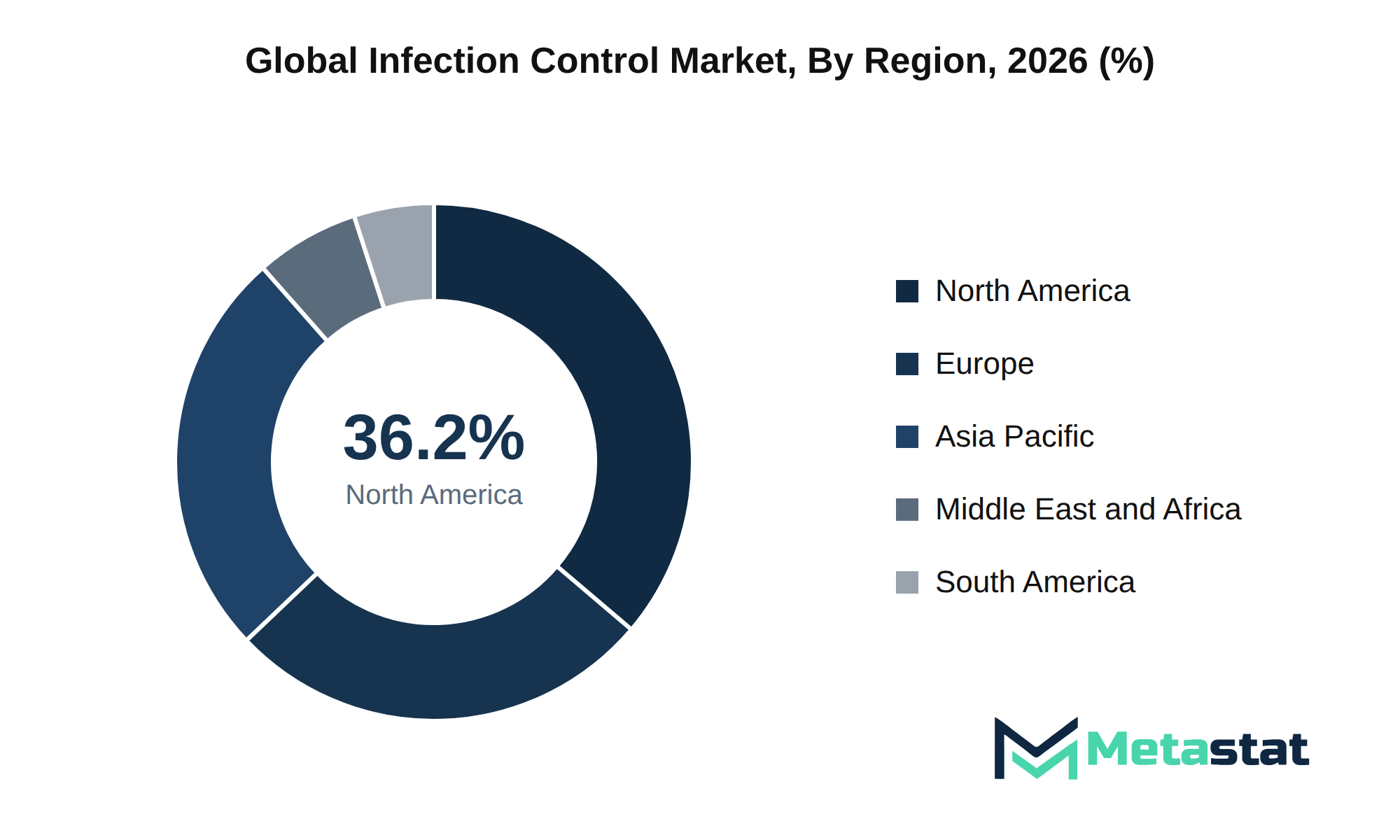
Competitive Landscape and Strategic Insights
Market dynamics and strategic positioning
The Infection Control market features a competitive environment shaped by strategic consolidation, partnerships, and product differentiation. Industry players, including STERIS plc, Getinge AB, and Ecolab Inc., engage in mergers and acquisitions to enhance market positioning and expand service offerings. Partnerships and joint ventures among companies like 3M and Advanced Sterilization Products (ASP) reflect a trend toward developing integrated solutions that prioritize innovation and address customer needs.
Technology and innovation
Investment in research and development remains critical for maintaining a competitive edge. Companies including Olympus Corporation and Becton, Dickinson and Company (BD) leverage proprietary technologies to establish a strong foothold in the market. The emphasis on building robust intellectual property portfolios supports long-term sustainability and shields firms from potential disruptions by new entrants. The market’s competitive outlook demonstrates a focus driven by technological advancements, evolving customer preferences, and the need for comprehensive infection control solutions.
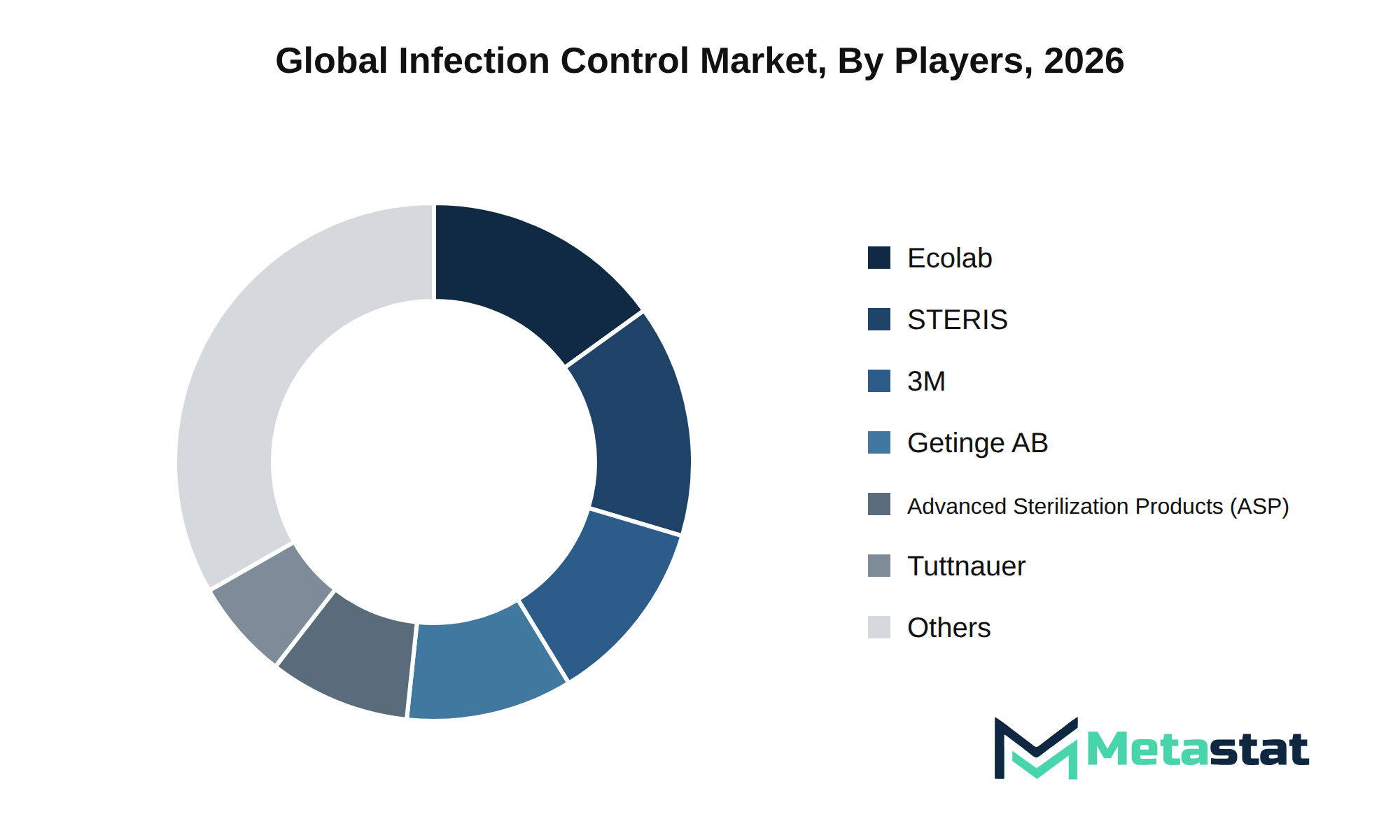
Forecast and Future Outlook
Market size is forecast to rise from USD 55.4 billion in 2025 to over USD 90.4 billion by 2033. The base case presents a growth trajectory with a compound annual growth rate (CAGR) of 6.3%. Factors influencing this growth include macroeconomic conditions, shifts in downstream demand, and advancements in next-generation technology integration. The maturation of core industries continues to reshape consumption patterns, creating opportunities for innovation and investment.
In the bullish scenario, increased investment in research and development leads to accelerated commercialization of advanced products within the Infection Control market. Regulatory evolution and compliance milestones serve because important points for market participants, enhancing the demand for advanced solutions. Conversely, a bearish outlook could emerge from geopolitical realignments that disrupt supply chains, impacting availability and pricing of critical components.
Strategic capital allocation directives will play a crucial role in determining the market’s future landscape. Infrastructure commitments alongside capital expenditure investment vectors support sustained growth. Identifying emerging white-space opportunities and unmet enterprise needs remains vital for companies aiming to thrive in competitive environments. The environment at the executive level will require robust defensibility roadmaps to navigate potential challenges and support future growth.
Infection Control Market Key Segments
By Product & Solution Type:
- Sterilization Equipment & Consumables
- Cleaning & Washer-Disinfector Systems
- High-Level Disinfection & Medical Device Reprocessing Systems
- Surface & Environmental Disinfectants
- Hand Hygiene & Skin Antisepsis Products
- Personal Protective Equipment & Clinical Barriers
- Patient-Contact Device Barriers & Cross-Contamination Prevention Products
- Others (No-Touch Environmental Decontamination Systems, Airborne Infection-Control Systems)
By Service Type:
- Sterilization & Medical Device Reprocessing Services
- Environmental Cleaning & Disinfection Services
- Endoscope Reprocessing Services
- No-Touch Room Decontamination Services
- Infection Prevention Consulting & Audit Services
- Training & Compliance Services
- Sterility Testing & Monitoring Services
- Others (Healthcare Textile Disinfection, Water-System Decontamination)
By Application:
- Surgical Instrument Reprocessing
- Endoscope Reprocessing
- Ultrasound Probe & Diagnostic Device Reprocessing
- Environmental Surface & Patient-Room Disinfection
- Hand Hygiene & Skin Preparation
- Surgical Site & Perioperative Infection Prevention
- Point-of-Care Device Cross-Contamination Prevention
- Others (Healthcare Textile Hygiene, Airborne & Aerosol Infection Control)
By End User:
- Hospitals & Health Systems
- Ambulatory Surgical Centers
- Physician Offices & Outpatient Clinics
- Dental Clinics
- Diagnostic & Imaging Centers
- Long-Term Care & Skilled Nursing Facilities
- Clinical Laboratories & Research Facilities
- Others (Home Healthcare, Blood Banks, Specialty Care Centers)
By Region:
- North America
- Europe
- Asia-Pacific
- South America
- Middle East and Africa
Key Global Infection Control Industry Players
- STERIS plc
- Getinge AB
- Ecolab Inc.
- SteelcoBelimed AG
- Advanced Sterilization Products (ASP)
- 3M
- AseptiScope, Inc.
- MATACHANA Group
- Tuttnauer
- MELAG Medizintechnik GmbH & Co. KG
- Olympus Corporation
- Wassenburg Medical B.V.
- Professional Disposables International, Inc. (PDI Healthcare)
- Metrex Research, LLC
- The Clorox Company
- B. Braun Melsungen AG
- O&M Halyard
- Schülke & Mayr GmbH
- SC Johnson Professional
- GOJO Industries, Inc.
- Solenis LLC
- GAMA Healthcare Ltd.
- Xenex Disinfection Services LLC
- Surfacide
- Sodexo
- Blue Ocean Robotics ApS (UVD Robots)
- WellAir (Novaerus)
- Becton, Dickinson and Company (BD)
- Stryker Corporation
- Medline Industries, LP
- Crothall Healthcare
- MMM Group
Report Coverage
The report strategically identifies and profiles the key market players and analyses their core competencies in each sub-segment of the Infection Control market.
Report Attributes | Details |
Study Period | 2021-2033 |
Base Year | 2025 |
Estimated Year | 2026 |
Forecast Period | 2026-2033 |
Historical Period | 2021-2025 |
Growth Rate | CAGR 6.3% from 2026 to 2033 |
Revenue Unit | USD billion |
Segmentation | By Product & Solution Type, Service Type, Application, End User, and Region |
By Region | North America (By Product & Solution Type, Service Type, Application, End User, and Country)
|
Europe (By Product & Solution Type, Service Type, Application, End User, and Country)
| |
Asia Pacific (By Product & Solution Type, Service Type, Application, End User, and Country)
| |
South America (By Product & Solution Type, Service Type, Application, End User, and Country)
| |
Middle East and Africa (By Product & Solution Type, Service Type, Application, End User, and Country)
|
What Report Provides
- Key Company Market Share, Revenue and Ranking for the Infection Control Market
- Key Market Leaders in the Infection Control Industry
- Full In-Depth Analysis of the Parent Industry
- Industry Statistics and Important Changes in Market Dynamics
- Segmentation Details of the Infection Control Market
- Historical, Ongoing and Projected Market Analysis
- Assessment of Niche Industry Developments
- Key Strategic Recommendations for Market Participants
Frequently Asked Questions
Find answers to common questions about this report
The Infection Control market size was valued at USD 55.4 billion in 2025.
The Infection Control market is projected to grow at a CAGR of 6.3% during the forecast period from 2026 to 2033.
The North America Infection Control market size is estimated to reach USD 29.8 billion by 2033.
The segment "Sterilization Equipment & Consumables" leads the Infection Control market with a projected value of USD 18.3 billion by 2033. This segment's growth reflects a compound annual growth rate of 5.2% from 2026 to 2033.
Key drivers for the Infection Control market include increased investments in healthcare infrastructure and the focus on digital transformation. Governments and private entities prioritize upgrading facilities and adopting advanced technologies to enhance patient safety and operational efficiency, leading to substantial growth in the market.
North America holds the dominant share of the Infection Control market, with a value of USD 29.8 billion in 2033, representing 36.2 percent of the total market.
The Infection Control market faces significant challenges due to stringent regulatory frameworks and compliance hurdles, which complicate product development and market entry strategies. Increased operational costs, supply chain disruptions, and technological obsolescence limit growth potential and affect overall demand. These factors create barriers that hinder competition and investment in new technologies.
Investment in healthcare infrastructure, modernization of systems, and the integration of advanced technologies drive product adoption in the Infection Control market. Healthcare providers focus on innovative solutions to enhance safety, compliance, and operational efficiencies, positioning the market for substantial growth.
The Infection Control market is estimated to reach a valuation of USD 90.4 billion by 2033.
Key players in the Infection Control market include STERIS plc, Getinge AB, Ecolab Inc., 3M, Advanced Sterilization Products (ASP), Olympus Corporation, and Becton, Dickinson and Company (BD).
Choose Your License
Global Infection Control Market
Related Reports
Explore related market intelligence reports worth reading alongside this one.
Asia Pacific Immunoassay and Molecular Diagnostics Market
Starting from
$2950