Global LLM Security Market Size, Share, By Solution Type (LLM Firewall and Runtime Protection, AI Red Teaming and Vulnerability Scanning, AI Security Posture Management, Model and Supply Chain Security, Data Loss Prevention and Sensitive Information Detection, AI Governance and Compliance Management, Shadow AI Discovery and Access Control, Others), By Security Layer (Input/Prompt-Level Security, Output/Response-Level Security, Model-Level Security, Infrastructure and API-Level Security, Agentic and Tool-Use Security), By Deployment Model (Cloud-Native/SaaS, On-Premises, Hybrid), By Organization Size (Large Enterprises and Small and Medium Enterprises), Industry Analysis, Growth, Trends, and Forecast, 2026-2033
Report ID
MSI-4911
Published
August 13, 2026
Pages
286 Pages
Format
Market Size 2021
$198.3 Million
Historical
Market Size 2025
$676.3 Million
Base year
Market Size 2033
$8,010.2 Million
Forecast
CAGR 2025-2033
36.2%
Forecast period
Report Details
Comprehensive Market Analysis And Insights
Market Overview
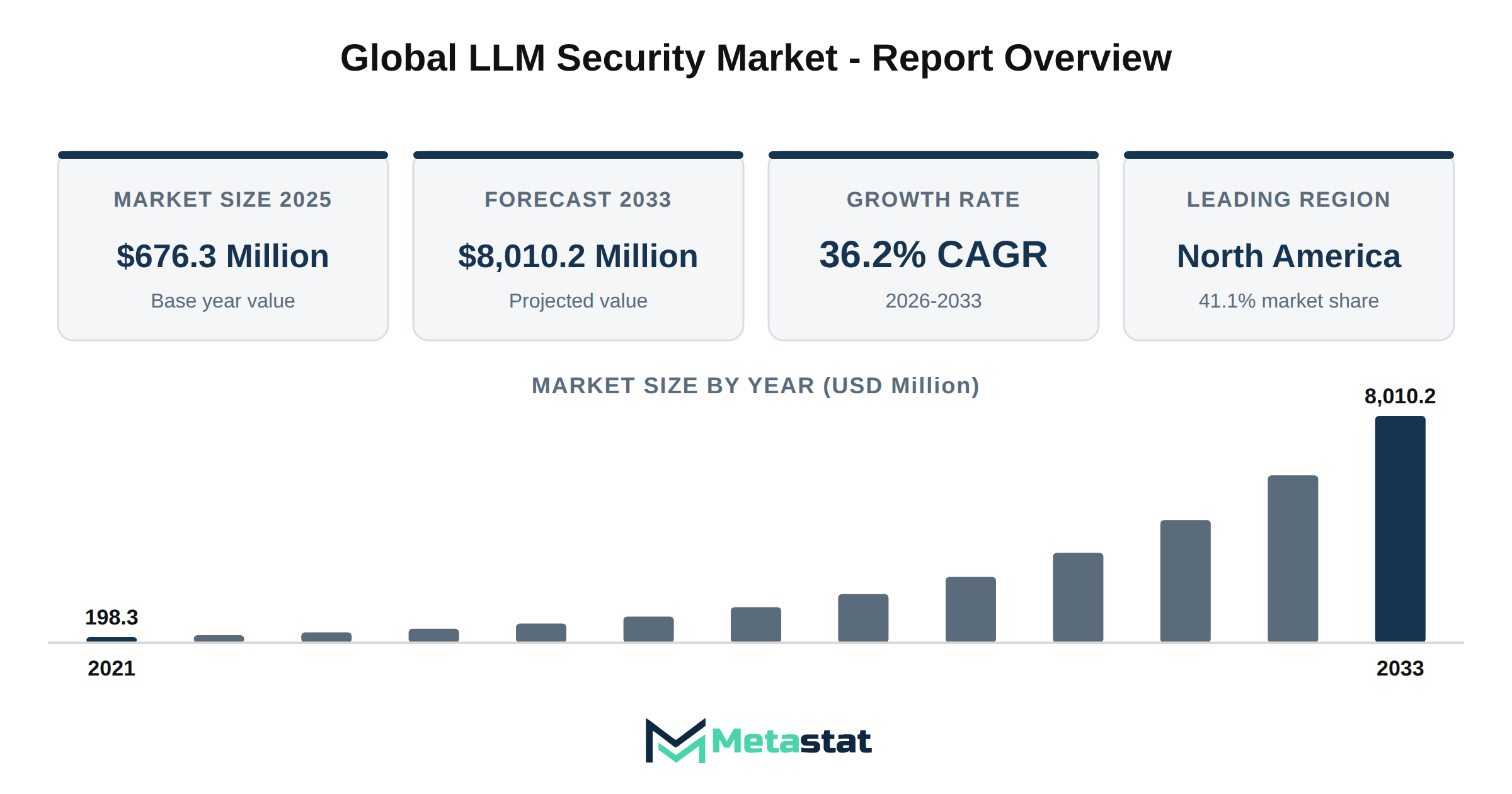
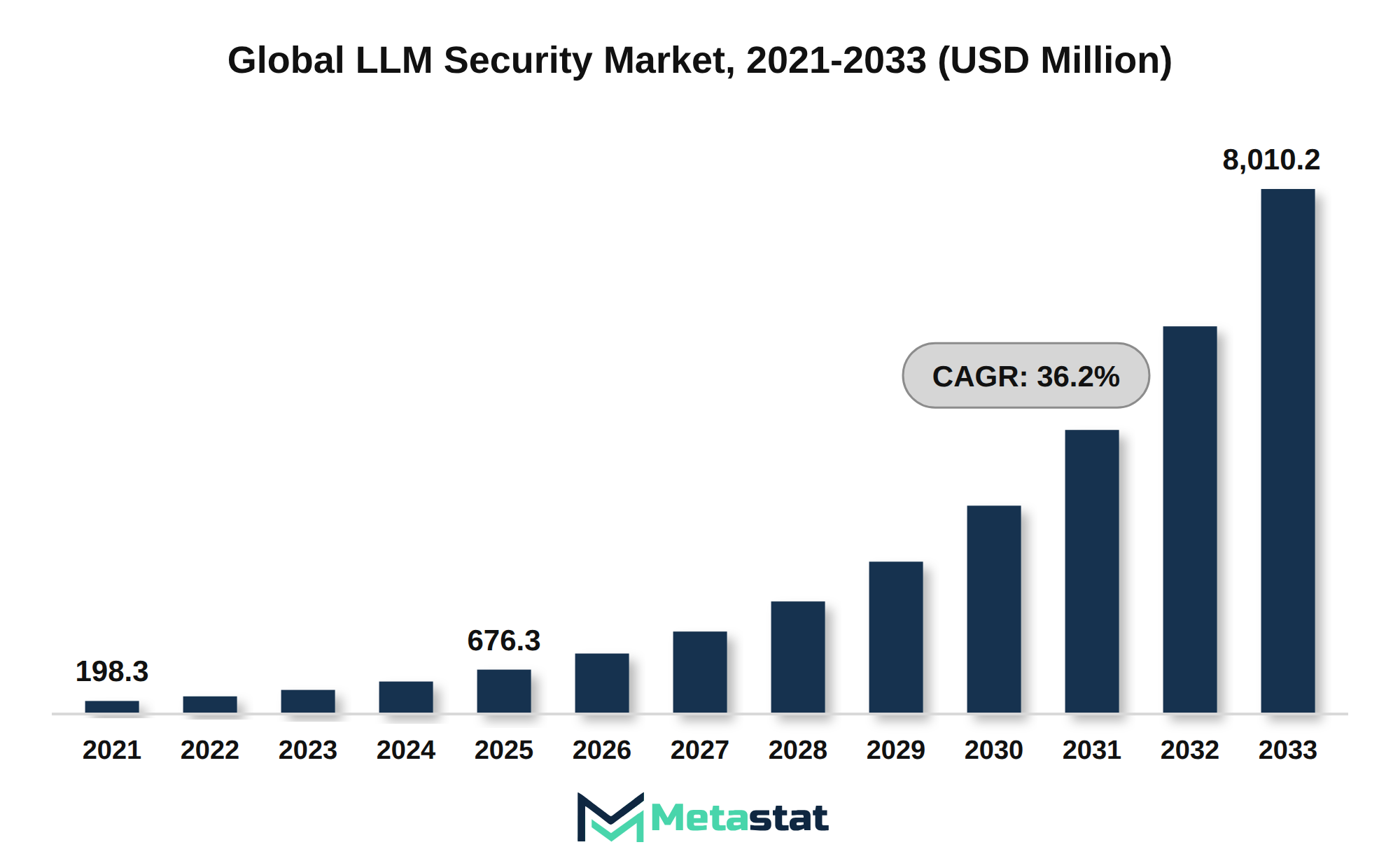
The global LLM Security market was valued at USD 676.3 million in 2025 and is projected to reach USD 8,010.2 million by 2033, growing at a CAGR of 36.2% over the forecast period.
The LLM Security market reached a valuation of USD 676.3 million in 2025, demonstrating significant growth from USD 198.3 million in 2021. This upward trajectory reflects a compound annual growth rate (CAGR) of 36.2%, positioning the market for considerable expansion in the coming years. Projections indicate that the market is expected to achieve a value of USD 8,010.2 million by 2033, driven by increasing demand for advanced security solutions in various sectors.
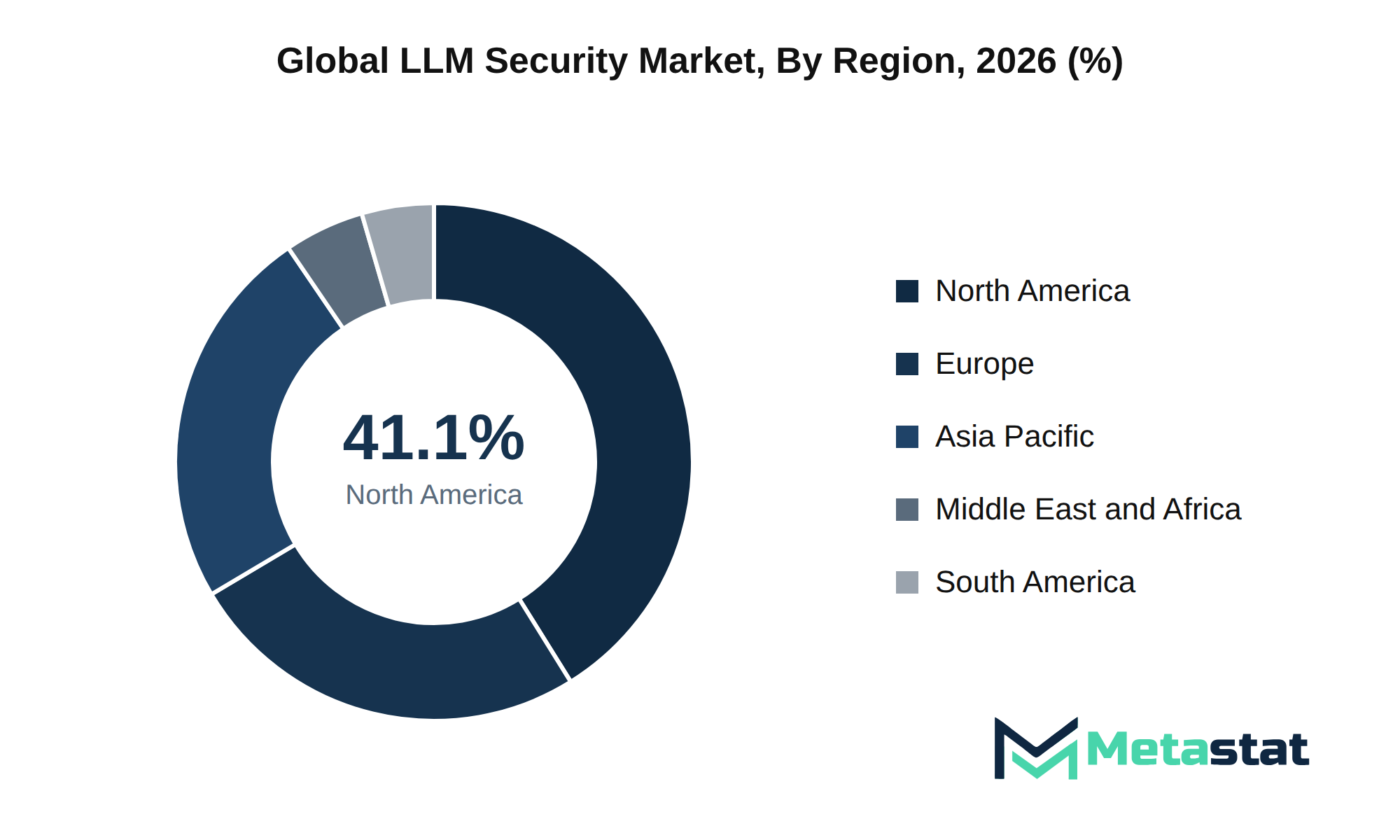
North America holds a dominant share of 41.1% in the market, with expectations of reaching USD 3,003.8 million by 2033. Europe and Asia Pacific follow, representing shares of 25.3% and 24%, respectively. The market's growth is fueled by rising adoption of AI-driven security technologies across diverse industries, including finance, healthcare, and technology, which face escalating threats from cyberattacks.
Key segments within the LLM Security market include LLM Firewall and Runtime Protection, which is anticipated to grow from USD 250.4 million in 2026 to USD 1,842.3 million by 2033, reflecting a CAGR of 33%. AI Red Teaming and Vulnerability Scanning will see strong growth, reaching USD 1,121.4 million by 2033, with a CAGR of 35.1%. Security layers including Input/Prompt-Level Security and Output/Response-Level Security are projected to expand significantly, emphasizing the increasing focus on comprehensive protection mechanisms.
The deployment model segment indicates strong preferences for Cloud-Native/SaaS solutions, which are expected to grow from USD 451.7 million in 2026 to USD 3,684.7 million by 2033, reflecting a CAGR of 35%. On-Premises and Hybrid models will contribute to market growth, catering to organizations seeking tailored security solutions. Large Enterprises will drive demand with projected growth from USD 648.1 million in 2026 to USD 5,046.4 million by 2033, while Small and Medium Enterprises are expected to reach USD 2,963.8 million, reflecting a CAGR of 40.4%.
The LLM Security market experiences significant advancements driven by regulatory compliance and evolving standards. Organizations prioritize security measures to mitigate risks associated with data breaches and vulnerabilities. This trend is particularly pronounced among industries heavily reliant on sensitive data, including finance, healthcare, and technology. Heightened awareness of cybersecurity threats prompts firms to invest in advanced security solutions, driving a strong growth trajectory.
Next-generation innovations play a critical role in shaping the market landscape. Companies invest in research and development to enhance security features and address emerging threats. The focus on AI Red Teaming and Vulnerability Scanning demonstrates a proactive approach to identifying and mitigating vulnerabilities before they are exploited. This shift not only improves security postures but drives demand for specialized solutions tailored to evolving industry needs.
Decarbonization and circular economy dynamics influence procurement strategies owing to firms seeking sustainable solutions. Environmental concerns increasingly inform purchasing decisions, creating opportunities for providers that integrate eco-friendly practices into their offerings. The market responds with innovative solutions that align with corporate sustainability goals, enhancing competitive positioning among players.
Capital allocation trends reflect the urgency of addressing macroeconomic headwinds, including inflationary pressures and currency volatility. Organizations prioritize investments in LLM security solutions that promise long-term value, ensuring resilience against economic fluctuations. This strategic focus on security infrastructure emphasizes the critical role of investment in maintaining operational integrity during changing market conditions.
The competitive environment features a mix of established players and emerging firms, contributing to market fragmentation. This diversity drives innovation and enhances the customer journey, with tailored solutions that meet the unique requirements of various organization sizes. The market landscape encourages strategic partnerships and collaborations, strengthening the overall value chain and enhancing service delivery.
The future strategic outlook for the LLM Security market indicates sustained growth driven by technological advances and heightened security awareness. Organizations increasingly recognize the importance of strong security measures, translating into significant opportunities for market participants. Players that adapt swiftly to changing market dynamics and customer preferences are well-positioned to thrive in this evolving market.
The LLM Security market experiences significant growth driven by macro-economic factors, including increased capital investment environments and digital transformation initiatives. Rising interest rates, GDP growth, and enhanced venture funding contribute to a favorable landscape for investment in advanced security solutions. Public-private partnerships further enhance spending capabilities across various sectors, increasing the adoption of LLM security measures.
Digital transformation initiatives across industries accelerate the demand for LLM security solutions. Organizations prioritize technological integration, including automation and software adoption, to modernize their operations. This shift towards digitization results in heightened vulnerabilities, prompting firms to invest in LLM security technologies to safeguard critical assets and data.
The focus on operational productivity and cost-efficiency initiatives significantly influences market dynamics. Companies strive to optimize labor and streamline processes to reduce overhead expenses. The adoption of LLM security technologies supports these goals by enhancing system integrity and reducing the risks associated with cyber threats. This integration of security measures becomes essential owing to organizations seeking to protect their digital assets.
Infrastructure development and asset modernization present further opportunities for market expansion. Upgrading both physical and digital capacities allows organizations to implement advanced LLM security measures effectively. The increasing emphasis on resource stewardship and sustainability initiatives reinforces the necessity for secure systems in the evolving technological landscape.
Overall, these intertwined macro-economic drivers significantly shape the LLM Security market, creating an environment conducive to innovation and investment. The market's projected growth from USD 676.3 million in 2025 to USD 8,010.2 million by 2033 reflects an annual compound growth rate of 36.2%, illustrating the escalating importance of effective security solutions in an increasingly digital world.
The LLM Security market experiences accelerated growth driven by advancements in technological integration. Industries across various sectors increasingly adopt automation, artificial intelligence, and modern software solutions to enhance security measures. Organizations prioritize the digitization of legacy processes, creating a demand for innovative security solutions tailored for complex digital environments.
This shift toward technological integration arises from the rising need for robust protective measures against sophisticated digital threats. Businesses recognize the importance of safeguarding data, infrastructure, and user interactions, leading to increased investments in LLM security technologies. The integration of AI-driven tools enables real-time monitoring and vulnerability assessments, improving overall security posture.
The demand for LLM Security solutions is significant among large enterprises and small to medium-sized businesses seeking to streamline operations and improve efficiency. Investments in security technologies allow organizations to optimize labor and reduce operational costs, generating substantial value in an increasingly competitive landscape.
The ongoing digital transformation across industries enhances the market's growth prospects. While organizations embrace cloud-based platforms and hybrid deployment models, the adoption of LLM Security solutions becomes imperative. This trend reflects a commitment to safeguarding sensitive information while enabling operational capabilities, ultimately encouraging broader adoption and increasing market revenue.
Regulatory tightening presents significant challenges for the LLM Security market. Compliance hurdles associated with various legal mandates create barriers for businesses looking to adopt advanced security solutions. Industries reliant on the market face increasing scrutiny, resulting in pressure to align with complex regulatory frameworks. These constraints lead to higher operational costs, restricting budget allocations for innovative security technologies and slowing market penetration.
Macroeconomic headwinds contribute to a challenging environment for the LLM Security market. Capital stagnation and inflationary pressures limit investment capabilities among businesses, impacting their ability to implement necessary security measures. Companies experience difficulties maintaining funding for expansion efforts, which hinders market growth and innovation.
Geopolitical instability creates uncertainties that affect global supply chains, further complicating the landscape for the LLM Security market. Disruptions in supply chains lead to delays in product availability, forcing companies to reconsider their investment strategies. Consequently, businesses face challenges accessing the latest security technologies, affecting their competitive edge.
Infrastructure gaps and connectivity deficits slow down the deployment of LLM Security solutions. Insufficient digital infrastructure in certain regions complicates the integration of advanced security technologies, limiting access for potential customers. This lack of connectivity results in uneven market development across geographical areas, fragmenting the market.
Talent gaps and skilled labor deficiencies impact operations within the LLM Security market. The demand for skilled professionals in security-related fields outpaces supply, leading to increased labor costs and competition for qualified employees. Organizations struggle to fill critical positions, affecting their ability to implement and manage security solutions effectively and hindering market advancement.
Privacy concerns and data security vulnerabilities pose ongoing risks for businesses operating within the LLM Security market. Rising incidents of data breaches create apprehension among potential customers regarding the safety of their sensitive information. These concerns delay decision-making processes, impacting the adoption rates of security solutions.
Market fragmentation poses challenges for growth within the LLM Security sector. Numerous players operate within the space, leading to varied offerings and diluted brand recognition. This fragmentation complicates the buyer's journey, making it challenging for customers to identify suitable solutions tailored to their needs.
The LLM Security market faces substantial challenges due to geopolitical fragmentation, which complicates international cooperation and market dynamics. Heightened tensions between nations result in trade deficits and tariff friction, impacting cost structures and creating barriers to market entry for various players. Industries reliant on global supply chains, particularly technology and security sectors, absorb these costs, leading to pricing compression and margin pressures, restricting overall market growth.
Technological disruptions further complicate the landscape, where innovation evolves rapidly while firms struggle with complex research and development integrations. This variability affects product offerings and hampers the ability to adapt swiftly to changing market demands. Organizations experience workforce skill gaps attributed to the skills required to implement advanced LLM security solutions evolving faster than the available talent pool accommodates.
Logistical disruptions and supply chain instability exacerbate these challenges, affecting both the procurement of essential materials and the delivery of finished products. Companies encounter difficulties in maintaining efficiency and meeting contractual obligations, which impacts customer satisfaction and loyalty. Tightening global regulatory standards impose increased compliance overhead, further straining resources and operational capacities for firms within the market.
Environmental lifecycle footprints and decarbonization mandates push organizations to rethink their strategies, often requiring substantial investments in sustainability initiatives. Implementation bottlenecks due to infrastructure gaps hinder progress, leading to delays in the deployment of LLM security solutions. Intellectual property protection deficits increase cybersecurity risks, making data vulnerabilities a critical concern for organizations heavily invested in AI and machine learning technologies.
Changing downstream demands add to the complexity, because end-users seek more sophisticated, secure solutions. Market saturation in certain areas forces suppliers to innovate continuously to maintain their competitive edge, while substitution vector pressures challenge established players to differentiate their offerings effectively. The convergence of these challenges shapes the LLM Security market landscape, pushing organizations to adopt more resilient and adaptive strategies to thrive through these obstacles.
The LLM Security market presents significant opportunities driven by emerging regional demands and evolving technological frameworks. The expansion of digital infrastructures and rapid urbanization in several regions creates a growing need for robust security solutions tailored to protect large language model (LLM) deployments. Organizations prioritize advanced security measures due to increasing cyber threats, leading to a surge in demand for solutions including LLM Firewall and Runtime Protection and AI Red Teaming and Vulnerability Scanning.
Infrastructure modernization acts because a catalyst for market growth. Investment in next-generation innovations enhances the development of security products that ensure compliance with emerging business needs. Enhanced integration of security solutions into existing systems improves operational efficiency and streamlines processes, making them attractive to a wide range of organizations. The market benefits from strategic consolidation efforts, where players actively pursue mergers and acquisitions to enhance their market position and broaden their service offerings.
Sustainability imperatives drive demand for eco-friendly compliance and policy realignment vectors, with organizations aiming to align their operations with environmental, social, and governance principles. This alignment facilitates the introduction of innovative solutions that not only secure but promote operational sustainability. Geographical expansion into emerging markets, particularly in Asia Pacific and South America, opens new avenues for LLM Security adoption, driven by increasing digital procurement shifts and commercial model transitions.
Downstream diversification into niche applications creates additional growth avenues, because organizations seek tailored solutions for specific use cases. Adapting to evolving buying behaviors ensures alignment with customer expectations, pushing suppliers to innovate and enhance their offerings. The anticipated growth trajectory emphasizes the expanding role of security in the digital transformation journey across various industries, with a projected compound annual growth rate of 36.2%.
Market Segmentation Analysis
The Global LLM Security market is segmented based on Solution Type, Security Layer, Deployment Model, and Organization Size.
By Solution Type, the market is further segmented into:
LLM Firewall and Runtime Protection
AI Red Teaming and Vulnerability Scanning
AI Security Posture Management (AI-SPM)
Model and Supply Chain Security
Data Loss Prevention and Sensitive Information Detection
Growth in the LLM Firewall and Runtime Protection segment is driven by increasing concerns around data security and compliance. Organizations facing mounting regulatory pressures prioritize solutions that effectively safeguard sensitive information and ensure adherence to compliance standards. The segment is valued at USD 250.4 million in 2026 and is projected to reach USD 1,842.3 million by 2033, at a CAGR of 33% during the forecast period.
Technological maturation significantly impacts adoption rates, with advancements in artificial intelligence enhancing the capabilities of firewall and runtime protection solutions. These technologies evolve rapidly, enabling organizations to better detect and mitigate threats in real-time. Key end-use dynamics include a growing reliance on digital operations across various industries, highlighting the necessity for effective security measures that safeguard operational integrity and customer trust.
Consumption shifts toward integrated security solutions reflect a broader trend in the LLM Security market, where organizations seek comprehensive protection strategies that encompass various layers of security. Pricing volatility associated with advanced security technologies influences decision-making processes regarding investments in LLM Firewall and Runtime Protection, prompting organizations to evaluate their security budgets and prioritize effective solutions.
Strategic opportunity windows emerge owing to organizations recognizing the imperative of proactive security measures. Investments in next-gen upgrades and product evolution enhance capabilities, improving market responsiveness to emerging threats. Capital investment outlook remains positive, driven by the increasing emphasis on cybersecurity and the ongoing evolution of threat landscapes.
AI Red Teaming and Vulnerability Scanning
Growth in the AI Red Teaming and Vulnerability Scanning segment stems from increasing demand for advanced security measures against evolving cyber threats. Organizations across various sectors recognize the importance of proactive security assessments to identify vulnerabilities before exploitation. This segment is particularly relevant for industries including finance, healthcare, and technology, where security breaches result in significant financial losses and reputational damage.
Technological maturation enhances the expansion of this segment. The continuous development of artificial intelligence and machine learning techniques improves the capabilities of red teaming and vulnerability scanning tools, enabling organizations to conduct more thorough and efficient security assessments. Evolving tools lead to increasing adoption rates, resulting in a more competitive landscape within the market.
Investment in next-generation upgrades influences the growth trajectory of the AI Red Teaming and Vulnerability Scanning segment. Organizations increasingly allocate resources to enhance their security frameworks, integrating advanced tools that provide real-time insights and automated responses. This shift towards automation improves efficiency and reduces the time required to address vulnerabilities, promoting a proactive security culture.
Regulatory compliance standards further drive the adoption of AI-powered security solutions. Governments and industry bodies implement stricter regulations regarding data protection and cybersecurity, prompting businesses to prioritize investments in red teaming and vulnerability scanning capabilities to meet compliance requirements. This alignment with regulatory mandates positions companies favorably in the market.
By 2033, the AI Red Teaming and Vulnerability Scanning segment is estimated to reach USD 1,121.4 million, at a CAGR of 35.1% during the forecast period. This significant growth reflects the increasing awareness of the necessity for robust security measures and the ongoing evolution of cyber threats, emphasizing the segment’s importance within the LLM Security market.
AI Security Posture Management (AI-SPM)
Growing awareness of security vulnerabilities in AI applications drives demand for AI Security Posture Management (AI-SPM) solutions. Organizations increasingly recognize the need for robust security measures to protect sensitive data and ensure compliance with regulatory standards. The focus on data protection and risk management remains critical, driven by businesses integrating AI technologies into their operations. AI-SPM tools enable organizations to assess and strengthen their security posture effectively.
Continued technological advancements fuel segment expansion. The emergence of next-generation upgrades enhances the capabilities of AI-SPM solutions, enabling more accurate threat detection and response. Vendors continually evolve their offerings to meet the changing environment of cybersecurity threats, creating opportunities for investment and growth in the market.
Demand for AI-SPM solutions spans various industries, including finance, healthcare, and technology. These sectors prioritize the implementation of AI-driven security measures to counteract sophisticated cyber threats. The segment is expected to reach USD 1,201.5 million by 2033, reflecting a significant increase in adoption and investment.
Regulatory compliance standards exert influence on market dynamics. Organizations seek AI-SPM solutions to ensure alignment with evolving legal requirements and industry regulations, enhancing their operational resilience against potential penalties. This regulatory landscape supports sustained growth, driving companies to invest in comprehensive security strategies.
Cost structures and pricing volatility impact the adoption of AI-SPM solutions. Organizations balance budget constraints with the necessity for adequate security measures. Strategic investment in AI-SPM systems results in long-term savings and reduced risk exposure. Overall, the AI Security Posture Management segment exemplifies a vital area within the LLM Security market, with ongoing growth and significant opportunities for stakeholders.
Model and Supply Chain Security
Owing to the increasing complexity of machine learning models and the need for robust security protocols, the Model and Supply Chain Security segment experiences significant growth. Enhanced focus on data privacy, regulatory compliance, and risk mitigation fuels demand across various industries, particularly in technology and finance. The ongoing evolution of AI and machine learning technologies necessitates advanced security measures to protect against vulnerabilities throughout the supply chain.
This segment is projected to grow at a CAGR of 38.9% during the forecast period. Organizations prioritize the integrity of their models and data, prompting investments in innovative security solutions tailored for supply chain dynamics. End-users require comprehensive security frameworks capable of managing risks associated with third-party vendors and complex supply chain structures.
Adoption trends indicate a shift towards integrated security solutions that encompass not only model protection but supply chain resilience. This integration addresses challenges related to regulatory compliance, cost structures, and performance pressures, creating a favorable environment for growth in this segment. Technological advancements continue to shape the market, and strategic investments in next-gen security solutions will be vital for stakeholders seeking to enhance their competitive positioning.
Data Loss Prevention and Sensitive Information Detection
Demand for data loss prevention and sensitive information detection arises primarily from increasing concerns regarding data breaches and the need for robust security measures. Organizations across various sectors, particularly those handling sensitive data including finance, healthcare, and technology, invest heavily in these solutions to mitigate risks associated with data leakage and unauthorized access.
Regulatory compliance standards significantly influence market dynamics, driven by organizations adhering to strict guidelines surrounding data privacy and protection. The implementation of frameworks including GDPR and HIPAA creates a pressing need for companies to adopt advanced data loss prevention measures to avoid hefty fines and reputational damage.
Technological maturation drives the evolution of data loss prevention solutions, enabling organizations to enhance their security posture. Innovations in artificial intelligence and machine learning contribute to the development of next-gen upgrades that improve detection accuracy and response times. These advancements play a crucial role in expanding market adoption across various industries.
Operational costs represent a key consideration for organizations implementing data loss prevention strategies. Budget constraints often lead businesses to weigh the costs of security investments against potential losses from data breaches. Pricing volatility in security solutions further complicates decision-making processes, impacting the overall market landscape.
Strategic opportunity windows emerge because organizations increasingly recognize the importance of protecting sensitive information. Capital investment outlooks remain optimistic, driven by anticipated growth in digital transformation initiatives. The market for data loss prevention and sensitive information detection continues to evolve, adapting to new challenges and opportunities in the security landscape.
Players in the LLM Security market, including AIM Security, Amazon Web Services, and IBM, contribute to a competitive environment that encourages innovation and enhances service offerings. By focusing on product evolution and addressing consumer demands, these companies position themselves to capture market share and drive growth in the segment.
AI Governance and Compliance Management
In the LLM Security market, AI Governance and Compliance Management significantly shapes organizational strategies regarding data protection and ethical AI use. Increasing regulatory scrutiny and the need for compliance with national and international standards drive demand for robust governance frameworks. Organizations across various sectors seek to establish clear protocols for AI use, ensuring adherence to regulations and mitigating risks associated with data breaches and ethical concerns.
Technological maturation enhances the sophistication of governance solutions, enabling businesses to implement more effective compliance management systems. Continuous product evolution focuses on integrating advanced analytics and reporting capabilities, allowing organizations to monitor compliance in real-time and respond promptly to regulatory changes. This segment attracts attention across industries, including finance, healthcare, and technology, where regulatory obligations are stringent and non-compliance results in severe penalties.
Consumption shifts reflect a growing recognition of the importance of AI governance, influencing the adoption of comprehensive compliance solutions. Organizations increasingly prioritize ethical AI practices, leveraging governance frameworks to enhance trust with stakeholders and consumers. This heightened focus on regulatory compliance standards influences investment strategies, prompting firms to allocate resources toward governance and compliance management initiatives.
Strategic opportunity windows arise from the evolving landscape of regulatory requirements, prompting organizations to proactively adapt their compliance strategies. The need for supply chain resilience and robust governance frameworks positions this segment because a critical area of investment, with organizations keen to ensure that their AI systems align with compliance standards while maintaining operational efficiency.
While organizations face rising costs and margin pressures, the demand for efficient governance and compliance solutions remains strong. Companies invest in AI Governance and Compliance Management to streamline processes, reduce risks, and enhance their overall security posture within the LLM Security market.
Shadow AI Discovery and Access Control
Demand for Shadow AI Discovery and Access Control solutions grows owing to increasing concerns over unauthorized access and the potential misuse of AI technologies. Organizations prioritize securing their AI environments to protect sensitive data and maintain regulatory compliance. Expansion catalysts include rising instances of AI-related security breaches, which highlight the critical need for effective monitoring and control mechanisms. The evolution of AI technologies necessitates ongoing upgrades to discovery and access control systems, ensuring effective defense against emerging threats.
Industry adoption of these solutions is accelerating, driven by heightened awareness of the risks associated with unmanaged AI applications. Businesses across various sectors, particularly those in finance, healthcare, and technology, increasingly recognize the importance of implementing robust access controls to safeguard their AI assets. Regulatory compliance standards compel organizations to enhance their security measures, impacting investment in Shadow AI Discovery and Access Control solutions.
The market experiences a shift towards advanced technologies that enable proactive surveillance and management of AI systems. Companies invest significantly in innovations that improve the detection of shadow AI activities, allowing for swift responses to potential threats. This commitment to technological maturation enhances overall security posture and builds trust among consumers and stakeholders.
Strategic opportunities arise from the ongoing addressing of gaps in existing security frameworks. Companies that offer comprehensive solutions tailored to unique industry challenges stand to gain a competitive edge. Collaboration with regulatory bodies and industry groups further strengthens product offerings, ensuring alignment with evolving compliance requirements.
Investment in these solutions reflects a broader trend towards prioritizing AI security, which is crucial for maintaining operational integrity and protecting intellectual property. Organizations face increasing pressure to allocate resources effectively, balancing cost structures with enhanced security measures. This focus on Shadow AI Discovery and Access Control is projected to shape the LLM Security market, driving growth and encouraging innovation.
Content moderation add-ons and watermark detection play significant roles in enhancing the security framework within the LLM Security market. Growing concerns regarding misinformation and unauthorized content distribution drive demand for these solutions. Industries involved in digital media, social networking, and online content creation present primary adopters of these technologies, driven by the ensure compliance and protect proprietary assets.
The evolution of machine learning algorithms enables more sophisticated content moderation solutions, enhancing their effectiveness in real-time monitoring and detection. This technological maturation creates a favorable environment for investments in innovative security features, promoting adoption among organizations focused on brand integrity and user trust.
Regulatory compliance standards regarding online content and data protection create an environment where content moderation tools become essential. Companies face mounting pressure to adhere to stringent guidelines, which leads to increased investments in monitoring solutions to avoid potential legal repercussions and reputational damage.
Cost structures related to implementing these advanced solutions influence purchasing decisions, particularly among smaller organizations with limited budgets. The long-term benefits of mitigating risks associated with content misuse and data breaches often justify the initial expenditure.
Strategic opportunity windows exist for vendors developing next-generation content moderation and watermark detection technologies. By addressing specific needs within various downstream applications, these vendors enhance their market position and expand their reach across different sectors. Overall, the market is anticipated to experience continued growth driven by the increasing focus on security and compliance in digital communications.
By Security Layer, the market is further segmented into:
Input/Prompt-Level Security
Output/Response-Level Security
Model-Level Security
Infrastructure and API-Level Security
Agentic and Tool-Use Security
Others (embedding and vector-store security)
Input/Prompt-Level Security
Valued at USD 263.1 million in 2026, the Input/Prompt-Level Security segment is projected to reach USD 2,026.6 million by 2033, achieving a CAGR of 33.9% during the forecast period. Key demand drivers include increasing awareness of security vulnerabilities associated with AI-generated content and the growing necessity for robust protection mechanisms against unauthorized input manipulations. Industries including finance, healthcare, and e-commerce exhibit rising demand, driven by their reliance on AI systems for critical operations.
Technological maturation significantly influences adoption levels, with advancements in machine learning algorithms enhancing input validation processes. The trend towards regulatory compliance, particularly around data privacy standards, encourages organizations to invest in more sophisticated security measures that address input-level risks. This momentum supports segment expansion, driven by businesses prioritizing the implementation of effective prompt security strategies to mitigate potential threats.
Investment in next-gen upgrades, including improved anomaly detection algorithms and real-time monitoring systems, supports the growth of the market. Organizations focusing on product evolution strive to enhance security protocols, ensuring that AI models resist manipulation attempts. The relationship between consumption shifts toward AI solutions and rising regulatory pressures creates a favorable environment for investment in input/prompt-level security solutions.
Throughout the forecast period, the segment is expected to experience strong capital investment outlooks, attracting players eager to capture market share. Companies including Amazon Web Services, Microsoft, and Palo Alto Networks are likely to play important roles in shaping market dynamics through innovative product offerings tailored to address emerging security challenges.
Output/Response-Level Security
Increasing awareness of the security implications associated with large language models (LLMs) drives demand for Output/Response-Level Security solutions. This segment focuses on safeguarding the outputs generated by LLMs, addressing risks related to misinformation, bias, and the unauthorized extraction of sensitive information. The rise in AI integration across various sectors, coupled with heightened regulatory scrutiny, drives investments in security measures that ensure compliance with standards and protect intellectual property.
Technological advancements in AI-led security solutions enhance the effectiveness of Output/Response-Level Security measures. Continuous innovations, including next-gen upgrades and adaptive security frameworks, improve protection against emerging threats. Businesses leveraging these solutions experience immediate benefits including increased trustworthiness of AI outputs and a reduced risk of reputational damage. This creates a conducive environment for growth and contributes to the overall expansion of the market.
Market estimates indicate that the Output/Response-Level Security segment is expected to reach USD 1,602 million by 2033, at a CAGR of 34.7% during the forecast period. The growth trajectory reflects a robust investment climate, where enterprises prioritize security driven by a strategic imperative. Consequently, the market is positioned for substantial growth, highlighting the critical nature of output security in AI applications.
Developers targeting the Output/Response-Level Security domain gain from addressing consumption shifts within various end-use industries, including finance, healthcare, and education. These sectors increasingly rely on trustworthy AI outputs while responding to evolving consumer preferences for transparency and data security. Enhanced focus on regulatory compliance further drives the adoption of security solutions tailored to mitigate risks associated with LLM outputs.
Model-Level Security
Investment in model-level security has surged owing to heightened awareness of the risks associated with machine learning models and their deployment. Organizations increasingly prioritize the protection of sensitive data processed by these models, which drives demand for advanced security solutions. The push for regulatory compliance and the implementation of robust security frameworks significantly influence adoption rates across various sectors, including finance, healthcare, and technology.
Technological maturation in artificial intelligence contributes to the emergence of sophisticated security features tailored for model-level protection. Continuous advancements in algorithms and threat detection mechanisms enhance the effectiveness of security measures, leading to greater confidence among users. This trend reflects a broader recognition of the importance of securing AI-driven applications, creating a more secure digital environment.
Market dynamics indicate that the model-level security segment is projected to reach USD 1,345.7 million by 2033. This growth trajectory aligns with the rising complexity of machine learning applications and the corresponding need for comprehensive security strategies. Companies investing in model-level security solutions position themselves to mitigate risks and enhance their competitive edge in the evolving landscape of AI technologies.
Downstream application variations contribute to the market's expansion, with organizations across diverse industries seeking tailored solutions to address specific security challenges. The heightened focus on data privacy and protection has led to increased scrutiny regarding regulatory compliance standards, further emphasizing the need for effective security measures throughout the model lifecycle. Strategic opportunity windows emerge for solution providers, enabling them to cater to organizations requiring specialized security capabilities.
Infrastructure and API-Level Security
Growth in the Infrastructure and API-Level Security segment reflects increasing concerns regarding data breaches and cyber threats. Organizations recognize the necessity of safeguarding their infrastructure and API interfaces owing to the rising complexity of cyberattacks. This demand for robust security solutions leads to heightened investments in advanced security technologies, targeting various industries including finance, healthcare, and retail, where sensitive data is prevalent. The segment is projected to grow at a CAGR of 35.2% during the forecast period, indicating significant market potential.
Technological maturation drives the adoption of next-generation security solutions, which include real-time monitoring and automated threat detection. Organizations increasingly prioritize these capabilities to enhance their security posture and maintain compliance with stringent regulatory standards. The implications of these advancements extend to operational efficiency, because businesses streamline their security processes through automation, thereby reducing costs associated with manual interventions.
Competitive pressures compel companies to invest in Infrastructure and API-Level Security, creating a landscape where innovation thrives. Firms seek to differentiate themselves by offering advanced security solutions, establishing strategic partnerships, and enhancing their product portfolios. This trend not only influences market dynamics but shapes the capital investment outlook, because organizations allocate resources towards developing more sophisticated security offerings.
The Infrastructure and API-Level Security segment is significant in the broader LLM Security market, reflecting a proactive approach to evolving security challenges. The continued growth in this segment signifies a commitment by organizations to protect their digital assets, address regulatory compliance, and enhance their overall security framework.
Agentic and Tool-Use Security
Security solutions addressing agentic and tool-use aspects play a crucial role in the LLM Security market. Demand for these solutions arises from the increasing sophistication of AI systems and the management of their interactions with users, tools, and other AI models. Adoption of agentic security solutions has been driven by a heightened focus on maintaining control over AI capabilities while ensuring compliance with regulatory standards. Organizations prioritize these measures to mitigate risks associated with misuse and unintended consequences.
Various industries invest in agentic and tool-use security to enhance their AI applications, particularly sectors including finance, healthcare, and technology. These sectors face significant challenges related to data privacy and security due to the sensitive nature of their operations. Consequently, implementing robust security measures becomes essential to protect user data and maintain trust in AI systems.
Technological maturation within the sector facilitates the development of advanced agentic security solutions. Innovations in machine learning and artificial intelligence contribute to better detection and response capabilities, enabling organizations to adapt to evolving threats. The integration of agentic security features into existing frameworks demonstrates a strategic opportunity for organizations looking to enhance their overall security posture.
End-use dynamics indicate a growing demand for integrated solutions that address both agentic functionalities and traditional security measures. This shift emphasizes the importance of a comprehensive approach to security, allowing organizations to manage risks across multiple dimensions. While consumption patterns evolve, the market continues to see increased interest in products that blend agentic and tool-use security with other security layers.
Looking ahead, market players remain vigilant regarding regulatory compliance standards and certifications specific to agentic and tool-use security. Adhering to these standards is essential for ensuring product acceptance and maintaining competitive advantage. Organizations prioritizing compliance position themselves favorably within the market, driving demand for innovative solutions that meet regulatory requirements.
Cost structures and pricing volatility specific to this segment impact investment decisions. Companies strategize to balance expenses related to implementing agentic security measures while ensuring effective risk management. Establishing a resilient supply chain becomes crucial due to organizations seeking to mitigate vulnerabilities that could impact their agentic security frameworks.
Overall, the agentic and tool-use security segment within the LLM Security market reflects evolving demands, technological advancements, and regulatory pressures. Continuous investment in this area remains vital for organizations aiming to leverage AI capabilities safely and effectively.
Others (embedding and vector-store security)
Increasing security concerns surrounding machine learning models drive the adoption of embedding and vector-store security solutions. These solutions ensure the protection of sensitive data and model integrity by addressing vulnerabilities in the embedding layer and maintaining the security of vector databases. Organizations focus on implementing measures that safeguard against unauthorized access and data breaches, enhancing their overall security posture in the LLM Security market.
Technological advancements in embedding architectures and vector storage systems act because catalysts for segment expansion. Adoption of machine learning models across various industries leads to a heightened emphasis on security measures that protect intellectual property and sensitive information. Enhanced security solutions support organizations in complying with evolving regulatory landscapes, establishing trust with clients and stakeholders.
Cost structures associated with implementing embedding and vector-store security solutions influence purchasing decisions. While initial investment poses challenges, the long-term benefits of reduced risks and potential data loss significantly outweigh these costs. Continuous advancements in technology facilitate the development of cost-effective security tools, driving further demand within the segment.
Strategic investment in research and development drives innovation in embedding and vector-store security techniques. Organizations explore new methodologies and tools to enhance protection mechanisms, which influences market dynamics. The combination of technological maturation and evolving user expectations creates strategic opportunity windows for suppliers to introduce next-generation security features.
The landscape of embedding and vector-store security remains susceptible to disruptive alternatives. While artificial intelligence evolves, competitors emerging with innovative security approaches could reshape market dynamics. Awareness of these potential shifts encourages established players to remain vigilant and adapt their offerings accordingly, ensuring competitiveness in the marketplace.
By Deployment Model, the market is further segmented into:
Valued at USD 451.7 million in 2026, the Cloud-Native/SaaS segment is projected to reach USD 3,684.7 million by 2033, at a CAGR of 35% during the forecast period. Adoption of cloud-native solutions significantly drives demand owing to their scalability, flexibility, and reduced infrastructure costs. The transition to Software because a Service (SaaS) environments enables updates and integrations, enhancing security measures in real-time.
Technological maturation creates opportunities for advanced security protocols within this segment. Organizations increasingly prioritize next-gen upgrades, including AI-driven threat detection and automated responses. Increased investment in product evolution leads to enhanced capabilities, addressing unique challenges within the LLM Security market.
End-use dynamics reflect a growing reliance on cloud solutions across various industries, promoting the need for robust security frameworks. Compliance with regulatory standards influences the adoption of cloud-native solutions, prompting organizations to implement stringent security measures. The evolving threat landscape necessitates ongoing investment in security enhancements, driving operational efficiency and profitability.
The LLM Security market anticipates further growth through strategic opportunity windows, enabling companies to capitalize on emerging trends. Firms in this segment focus on building resilient supply chains, mitigating risks associated with technological obsolescence. Capital investment outlook remains positive, reinforcing the industry's commitment to innovation and security.
On-Premises
Growth in the On-Premises segment of the LLM Security market reflects an increasing preference for organizations to maintain tighter control over their data and security measures. This trend aligns with heightened security concerns surrounding data breaches and regulatory compliance requirements. Organizations across various sectors, particularly those in finance, healthcare, and government, favor on-premises solutions for their ability to provide enhanced security and customization options.
The market for on-premises LLM security solutions is projected to expand significantly, estimated to reach USD 1,201.5 million by 2033, at a CAGR of 30.5% during the forecast period. Companies are investing in advanced security protocols and infrastructure to protect their machine learning models from potential threats while ensuring compliance with industry regulations.
While organizations increasingly adopt on-premises solutions, demand for advanced features including real-time monitoring and threat detection rises. Technological maturation influences the adoption of next-gen upgrades, enabling security providers to enhance their offerings in line with evolving market needs. The ability to integrate these solutions with existing systems facilitates smoother transitions for organizations, promoting wider acceptance and implementation.
Regulatory compliance standards significantly influence the on-premises segment, with organizations prioritizing investments that ensure adherence to data protection laws. This compliance focus drives demand for tailored solutions that meet specific industry requirements, further accelerating market growth. The urgency to safeguard sensitive data creates strategic opportunity windows for vendors specializing in on-premises security solutions, enhancing their market position.
Overall, the On-Premises segment remains poised for robust expansion within the LLM Security market, driven by a combination of strong demand for security measures, technological advancements, and regulatory compliance pressures.
Hybrid
Investment in hybrid deployment models is projected to increase significantly, driven by their ability to combine the flexibility of cloud solutions with the control of on-premises deployments. Organizations pursuing robust security solutions across various sectors increasingly adopt this approach, facilitating better integration with existing IT infrastructures. The rise in hybrid deployment is supported by expanding regulations around data security and privacy, which compel businesses to adopt more comprehensive security protocols. Enhanced security features, including LLM firewall and runtime protection, contribute to the segment's growth, which is expected to reach USD 1,842.3 million by 2033. This growth reflects a broader trend in the LLM Security market, where organizations seek solutions that enable more granular control over their security posture while leveraging the scalability of cloud capabilities.
Rapid advancements in cloud technologies drive strong demand for the API-Embedded (native cloud/model-provider integration) segment of the LLM Security market. This segment benefits from the increasing need for integration between large language models and various cloud services, enhancing security protocols. Organizations prioritize this integration to enable real-time security monitoring and ensure compliance with regulatory requirements, significantly impacting operational efficiency and risk management.
Investments in next-generation upgrades and technological maturation underpin the expansion of this segment. Enhanced capabilities in API security create a robust defense against potential vulnerabilities and cyber threats. Companies integrating their services with leading cloud providers experience significant competitive advantages, which enhance their market positioning and customer trust.
Regulatory compliance standards play a crucial role, driven by organizations navigating complex legal frameworks related to data privacy and security. The continuous evolution of regulations necessitates advanced security solutions that adapt to changing standards, further propelling the segment's growth. The API-Embedded segment is projected to grow at a CAGR of 45.2% during the forecast period.
While organizations increasingly digitize operations, consumption shifts towards integrated security solutions. The demand for comprehensive systems that address both functional and protective aspects of API usage defines market dynamics. Strategic investments in this area signal a commitment to safeguarding sensitive information, positioning businesses for long-term success in a digital environment.
By Organization Size, the market is further segmented into:
Large Enterprises
Small and Medium Enterprises
Large Enterprises
Valued at USD 648.1 million in 2026, the Large Enterprises segment exhibits significant growth potential within the LLM Security market, projected to reach USD 5,046.4 million by 2033, reflecting a CAGR of 34.1% during the forecast period. This expansion results from increasing recognition of security risks associated with large language models, driving enterprises to adopt comprehensive security solutions to protect sensitive data and operations.
Key demand drivers include the need for advanced security measures against evolving cyber threats and regulatory compliance requirements that necessitate enhanced security protocols. Large enterprises, focusing on managing larger datasets and more complex applications, prioritize solutions that ensure strength against vulnerabilities while facilitating compliance with stringent data protection regulations.
Technological maturation contributes to segment growth, with advancements in AI security posture management and vulnerability scanning enhancing security efficacy. These technologies enable organizations to identify and mitigate potential threats proactively, aligning with the strategic objectives of large enterprises.
The LLM Security market reflects a shift towards integrating more sophisticated security solutions, including model and supply chain security, which cater specifically to the needs of large enterprises. This segment's emphasis on next-gen upgrades and product evolution drives continual enhancements in security measures, ensuring firms remain resilient against emerging threats.
While consumption shifts towards more integrated and comprehensive security strategies, large enterprises increasingly allocate capital towards innovative security solutions. This strategic investment addresses immediate security challenges and positions organizations to adapt to future developments in the security domain, ensuring long-term viability and competitive advantage.
Small and Medium Enterprises
Growth in the Small and Medium Enterprises segment drives significant expansion in the LLM Security market. Increased adoption of advanced security measures among these organizations results from rising awareness of cyber threats and regulatory compliance requirements. The segment is projected to reach USD 2,963.8 million by 2033, at a CAGR of 40.4% during the forecast period. This rapid growth reflects a strategic pivot among smaller businesses toward enhanced security solutions, which address vulnerabilities and protect sensitive data. Primary demand drivers include the need for tailored security features that cater to specific operational requirements in small and medium enterprises. Investment in next-generation security technologies and continuous updates in product offerings further enhance market penetration within this segment.
By Region
Based on geography, the Global LLM Security market is divided into North America, Europe, Asia-Pacific, South America, Middle East, and Africa.
North America
North America holds a significant position in the LLM Security market, commanding a 41.1% share of the global market in 2025. The region is projected to expand at a CAGR of 36.2% during the forecast period, reaching a market size (TAM) of USD 3,003.8 million by the end of 2033. This growth results from increasing security demands across various industries, particularly in sectors heavily reliant on large language models.
The United States, Canada, and Mexico drive substantial investment in advanced security solutions, reflecting a strong commitment to protecting data and ensuring compliance with evolving regulatory frameworks. Rapid infrastructure modernization and the emergence of localized manufacturing initiatives contribute to an environment conducive to LLM Security adoption. The increasing complexity of cyber threats necessitates robust security measures, prompting organizations to prioritize investments in model-level and infrastructure security.
In the United States, significant emphasis on AI governance and compliance management exists, reflecting heightened awareness of security vulnerabilities associated with AI applications. Organizations actively seek solutions including AI Red Teaming and Vulnerability Scanning to enhance their security posture. Concurrently, the Canadian market experiences growth through strong support for technology innovation and a favorable regulatory environment, creating a landscape ripe for the advancement of LLM security solutions.
Mexico's growing technology sector presents opportunities for localized procurement dynamics, enabling businesses to adopt advanced security measures effectively. Collaborative efforts among regional players, including AIM Security, Amazon Web Services, and Microsoft, facilitate a competitive environment that strengthens the market’s overall growth potential. The focus on hybrid deployment models allows companies to balance operational flexibility with robust security frameworks, further driving demand for LLM security solutions.
Europe
Germany, France, the UK, Italy, Spain, and Russia represent significant contributors to the LLM Security market in Europe. Investment in advanced security solutions aligns with the growing emphasis on data protection across various sectors, driven by stricter regulations and heightened awareness of cybersecurity threats. Countries in this region exhibit diverse adoption rates, influenced by individual regulatory frameworks and market readiness for innovative technologies.
Mature markets including Germany and the UK exhibit robust demand for high-value replacement cycles, reflecting a continuous commitment to improving digital security measures. In contrast, emerging markets within Europe, particularly in Eastern Europe, present underpenetrated territories that offer significant growth vectors. Infrastructure modernization efforts across the region promote the adoption of LLM Security solutions, particularly in sectors including finance, healthcare, and government services.
The local competitive landscape features established players, including AIM Security, Amazon Web Services, and IBM, alongside innovative startups that enhance the ecosystem through localized offerings. Foreign direct investment flows into the region highlight the attractiveness of the LLM Security market, enabling firms to expand geographic footprints and address increasing demand for tailored security solutions.
Strategic entry barriers, including compliance with local regulations and cultural nuances in procurement dynamics, shape the market’s growth trajectory. The region's focus on energy grid resiliency and local infrastructure readiness supports the integration of advanced security technologies. Overall, the LLM Security market in Europe is positioned for strong expansion, driven by incremental growth vectors and significant investments in security infrastructure.
Asia-Pacific
Asia-Pacific occupies a significant position in the LLM Security market, contributing 24.00% of the global market share in 2025. The region benefits from a changing digital landscape, driven by increasing investments in AI and machine learning technologies across industries. Countries including China, Japan, and India lead the charge, leveraging advancements in infrastructure and technology to enhance security measures for large language models.
Growing concerns around data privacy and security are accelerating the adoption of LLM security solutions, particularly in sectors like finance, healthcare, and e-commerce. In South Korea and Australia, regulatory frameworks are pushing companies to prioritize security investments. The demand for solutions including LLM Firewall and Runtime Protection is expected to increase owing to enterprises seeking to mitigate risks associated with AI applications.
Infrastructure modernization across the region significantly contributes to the market's expansion, with ongoing projects aimed at improving cybersecurity capabilities. Emerging market front-runners, including Southeast Asia, demonstrate high growth potential due to underpenetrated territories that are increasingly integrating AI technologies. This trend creates a competitive environment, encouraging local companies to develop innovative security solutions tailored to regional needs.
Investment in localized manufacturing and supply chain regionalization strengthens the market's resilience against geopolitical challenges. With several players, including AIM Security, Amazon Web Services, and Microsoft, competing for market share, the landscape remains dynamic. Cross-border trade corridors further facilitate the flow of advanced security solutions, enhancing the overall market environment in Asia-Pacific.
South America
The LLM Security market in South America holds a growing share in the global landscape for 2025. Brazil and Argentina serve because the primary contributors to market activity in this region, driven by increasing recognition of the importance of security in large language models. Regional demand stems from a growing awareness of data protection and compliance requirements, necessitating the implementation of effective security solutions.
The expanding digital infrastructure in South America influences the adoption of advanced security measures. Brazil, with its robust technology sector, leads in the integration of innovative security solutions, while Argentina follows closely, focusing on enhancing its cybersecurity capabilities. The market experiences a heightened need for solutions that address both regulatory compliance and emerging threats, creating a competitive landscape among local and international players.
Investment in localized manufacturing and nearshoring initiatives supports the market's growth trajectory. By enhancing supply chain dynamics, companies improve their ability to deliver timely security solutions tailored to regional requirements. The presence of domestic market participants and their strategic focus on vendor consolidation trends further strengthens competition, driving advancements in security technology across South America.
Middle East and Africa
The LLM Security market in the Middle East and Africa is projected to capture a 5.00% share of the global market by 2025. Significant investment in cybersecurity infrastructure strengthens the region's position in the market. Ongoing geopolitical dynamics influence local adoption rates. Countries including Saudi Arabia and the UAE lead in the implementation of advanced security measures, driven by a surge in digital transformation initiatives. South Africa enhances its capabilities, reflecting growing demand for comprehensive security solutions.
Infrastructure modernization efforts across the region facilitate the deployment of innovative security technologies. Emerging market front-runners, particularly in the Gulf Cooperation Council (GCC) area, prioritize the integration of LLM Security solutions to safeguard critical information. The shift towards hybrid and cloud-native deployment models aligns with regional efforts to enhance operational efficiency and streamline compliance with local regulations.
Challenges related to supply chain regionalization and localized manufacturing densities impact market dynamics. Cross-border trade corridors and the influence of regional regulatory frameworks drive the need for tailored security solutions. Cultural nuances and local B2B buying behaviors shape the procurement landscape, necessitating strategic approaches from vendors operating in the market.
Competitive Landscape and Strategic Insights
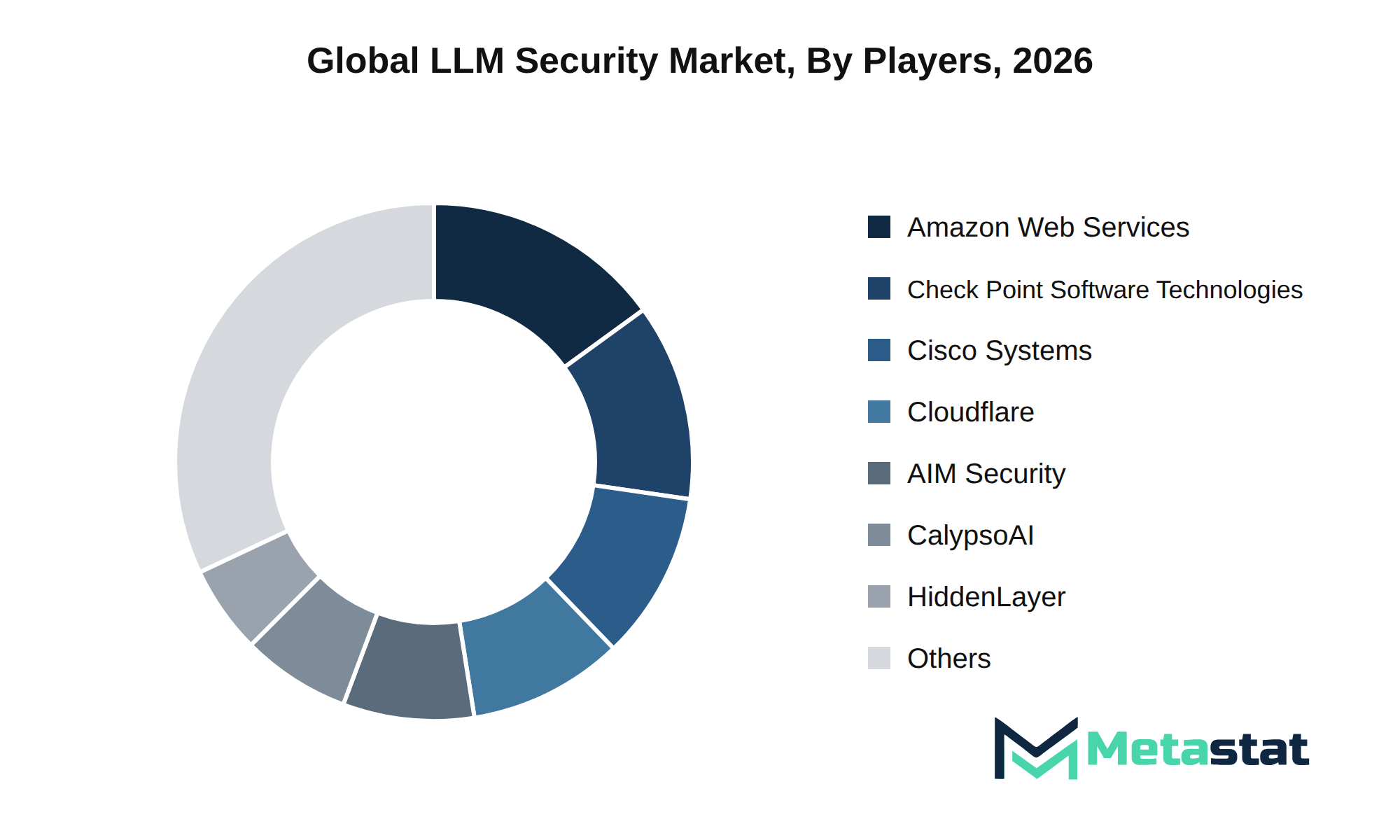
The LLM Security market features a diverse range of players, each adopting distinct strategies to enhance their market positioning. Companies including IBM, Microsoft, and Amazon Web Services engage in strategic alliances and partnerships to strengthen their technological capabilities and expand their service offerings. These collaborations focus on integrating advanced features and enhancing product differentiation, which boosts customer retention and brand equity.
A significant trend involves mergers and acquisitions aimed at consolidating resources and capabilities within the market. Players like Cisco Systems and Palo Alto Networks pursue such strategies to enhance their competitive advantages. This consolidation facilitates a more robust R&D pipeline, enabling companies to innovate more effectively and address evolving security challenges.
Pricing architectures across the market reflect various commercial models, emphasizing value-based pricing strategies. Organizations including Check Point Software Technologies and Cloudflare leverage their proprietary technology moats to command premium pricing while ensuring a strong value proposition to customers. This approach establishes barriers to entry for new entrants while building customer loyalty through superior service delivery.
Threats from startups and disruptive technologies impact the competitive dynamics of the market. New entrants focusing on niche segments challenge established players by offering innovative solutions at competitive prices. Consequently, legacy firms adapt by enhancing their product lines and investing in advanced technologies, thereby ensuring sustained growth and relevance within the LLM Security sector.
The future competitive outlook consists of ongoing strategic growth vectors, including advancements in AI governance, compliance management, and supply chain security. Companies like AIM Security, CalypsoAI, and ZenGuard AI are positioned to capitalize on emerging trends through focused product development and strategic market entry initiatives, which are expected to drive market expansion and further investment in this sector.
Forecast and Future Outlook
Market size is forecast to rise from USD 676.3 million in 2025 to over USD 8,010.2 million by 2033, achieving a compound annual growth rate (CAGR) of 36.2%. This strong growth trajectory reflects increased adoption of advanced security solutions across various sectors, driven by rising concerns over cyber threats and data privacy. Demand from large enterprises for robust LLM Security systems significantly contributes to this expansion.
In the bull case scenario, heightened investments in next-generation technology integration and strategic capital allocation directives will further accelerate market growth. Companies prioritizing research and development commercialization and infrastructure commitments are likely to enhance their competitive positioning. This environment increases demand for innovative solutions, pushing market values beyond initial forecasts.
Conversely, in the bear case scenario, potential economic downturns and regulatory shifts hinder growth. Organizations facing budget constraints delay or scale back investments in LLM Security, slowing the anticipated market expansion. Nevertheless, emerging white-space opportunities and unmet enterprise needs continue to create pathways for growth in specific segments, ensuring the market remains dynamic.
LLM Security Market Key Segments
By Solution Type:
LLM Firewall and Runtime Protection
AI Red Teaming and Vulnerability Scanning
AI Security Posture Management (AI-SPM)
Model and Supply Chain Security
Data Loss Prevention and Sensitive Information Detection
The report strategically identifies and profiles the key market players and analyses their core competencies in each sub-segment of the LLM Security market.
Report Attributes
Details
Study Period
2021-2033
Base Year
2025
Estimated Year
2026
Forecast Period
2026-2033
Historical Period
2021-2025
Growth Rate
CAGR 36.2% from 2026 to 2033
Revenue Unit
USD million
Segmentation
By Solution Type, Security Layer, Deployment Model, Organization Size, and Region
By Region
North America (By Solution Type, Security Layer, Deployment Model, Organization Size, and Country)
United States
Canada
Mexico
Europe (By Solution Type, Security Layer, Deployment Model, Organization Size, and Country)
Germany
France
UK
Italy
Spain
Russia
Rest of the Europe
Asia Pacific (By Solution Type, Security Layer, Deployment Model, Organization Size, and Country)
China
Japan
India
South Korea
Australia
Southeast Asia
Rest of Asia Pacific
South America (By Solution Type, Security Layer, Deployment Model, Organization Size, and Country)
Brazil
Argentina
Rest of South America
Middle East and Africa (By Solution Type, Security Layer, Deployment Model, Organization Size, and Country)
Saudi Arabia
UAE
South Africa
Rest of Middle East and Africa
What Report Provides
Key Company Market Share, Revenue and Ranking for the LLM Security Market
Key Market Leaders in the LLM Security Sector
Full In-Depth Analysis of the LLM Security Industry
Industry Statistics for the LLM Security Market
Important Changes in LLM Security Market Dynamics
Segmentation Details of the LLM Security Market
Historical, Ongoing and Projected Market Analysis
Key Strategies of Major Players in LLM Security
Related Research
Buyers researching the LLM Security market often review Managed Security Services Market alongside it. Coverage of Energy Security Market examines an adjacent set of suppliers and end users. For demand-side context, Vacant Property Security Market tracks the same forecast window. Commercial Security Market completes the picture for readers comparing opportunities across this space.
End of Report Overview
Frequently Asked Questions
Find answers to common questions about this report
The Metastat Insights study reveals that the LLM Security market size was valued at USD 676.3 million in 2025.
The LLM Security market is projected to grow at a CAGR of 36.2% during the forecast period from 2026 to 2033.
The North America LLM Security market size is estimated to reach USD 3,003.8 million by 2033.
The segment leading the LLM Security market is "Small and Medium Enterprises," with a projected value of USD 2,963.8 million by 2033. This segment surpasses "Large Enterprises," which is expected to reach USD 5,046.4 million in the same year.
The LLM Security market experiences growth driven by macro-economic factors, including increased capital investment environments and digital transformation initiatives. Organizations prioritize technological integration to safeguard critical assets, leading to significant investments in LLM security technologies. The focus on operational productivity and cost-efficiency initiatives influences market dynamics, enhancing the adoption of advanced security solutions.
North America holds the dominant share of the LLM Security market, accounting for USD 3,003.8 million in 2033, representing 41.1% of the total market share.
Regulatory tightening and compliance hurdles create barriers for businesses adopting advanced LLM security solutions, leading to higher operational costs. Macroeconomic headwinds, including capital stagnation and inflationary pressures, further restrict investment capabilities, hindering market growth. talent gaps in skilled labor impact the effective implementation of security solutions, complicating market advancement.
Factors favoring product adoption in the LLM Security market include increased capital investment environments and ongoing digital transformation initiatives. Organizations prioritize technological integration to enhance operational efficiency and safeguard critical assets. This focus on modernization and protection against rising vulnerabilities drives demand for advanced LLM security solutions across various industries.
The LLM Security market is estimated to reach a valuation of USD 8,010.2 million by 2033.
Top players operating in the LLM Security market include Amazon Web Services, Check Point Software Technologies, Cisco Systems, IBM, Microsoft, NVIDIA, Palo Alto Networks, and SentinelOne.
Global Managed Security Services market size is valued at USD 41.9 billion in 2025 and is projected to reach USD 132.6 billion in 2033, at a CAGR of 15.5% from 2026 to 2033
Energy Security Market Size, Share & Growth Analysis by 2032
Energy Security market valued at USD 14.9 billion in 2025, growing at a CAGR of about 11.6% from 2032, with projected TAM of USD 32.1 billion in 2032
Energy Security Market, Energy Security Market Size, Energy Security Market Share, Energy Security Market Analysis, Energy Security Market Growth, Energy Security Market Trends, Energy Security Market Research Report, Energy Security Market Forecast, Energy Security, Energy Security Market Research, Energy Security Market Industry