
Global Music Synthesizers Market
Global Music Synthesizers Market Size, Share, By Synthesizer Type (Analog Synthesizers, Digital Synthesizers and Hybrid Synthesizers), By Distribution (Offline and Online), By Application (Music Production, Live Performances, Sound Design and Composition, DJing and Audio Manipulation), By End-Use Industry (Music and Entertainment, Education and Training, Broadcasting and Media Production), Industry Analysis, Growth, Trends, and Forecast, 2026-2033
MSI-5028
August 24, 2026
Updated
288 Pages
Historical
Base year
Forecast
Forecast period
Report Details
Comprehensive Market Analysis And Insights
Market Overview
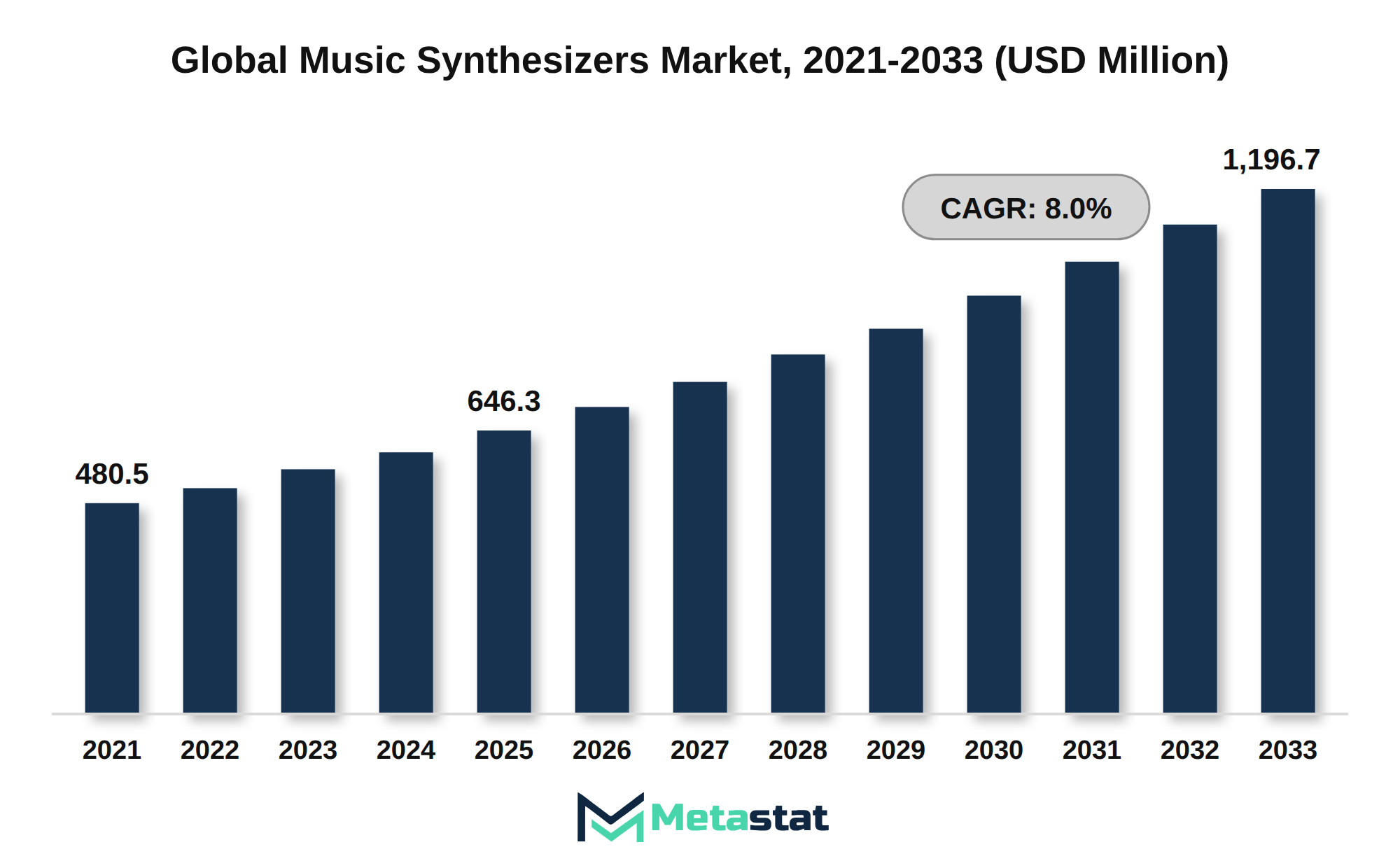
The global Music Synthesizers market was valued at USD 646.3 million in 2025 and is projected to reach USD 1,196.7 million by 2033, growing at a CAGR of 8.0% over the forecast period.
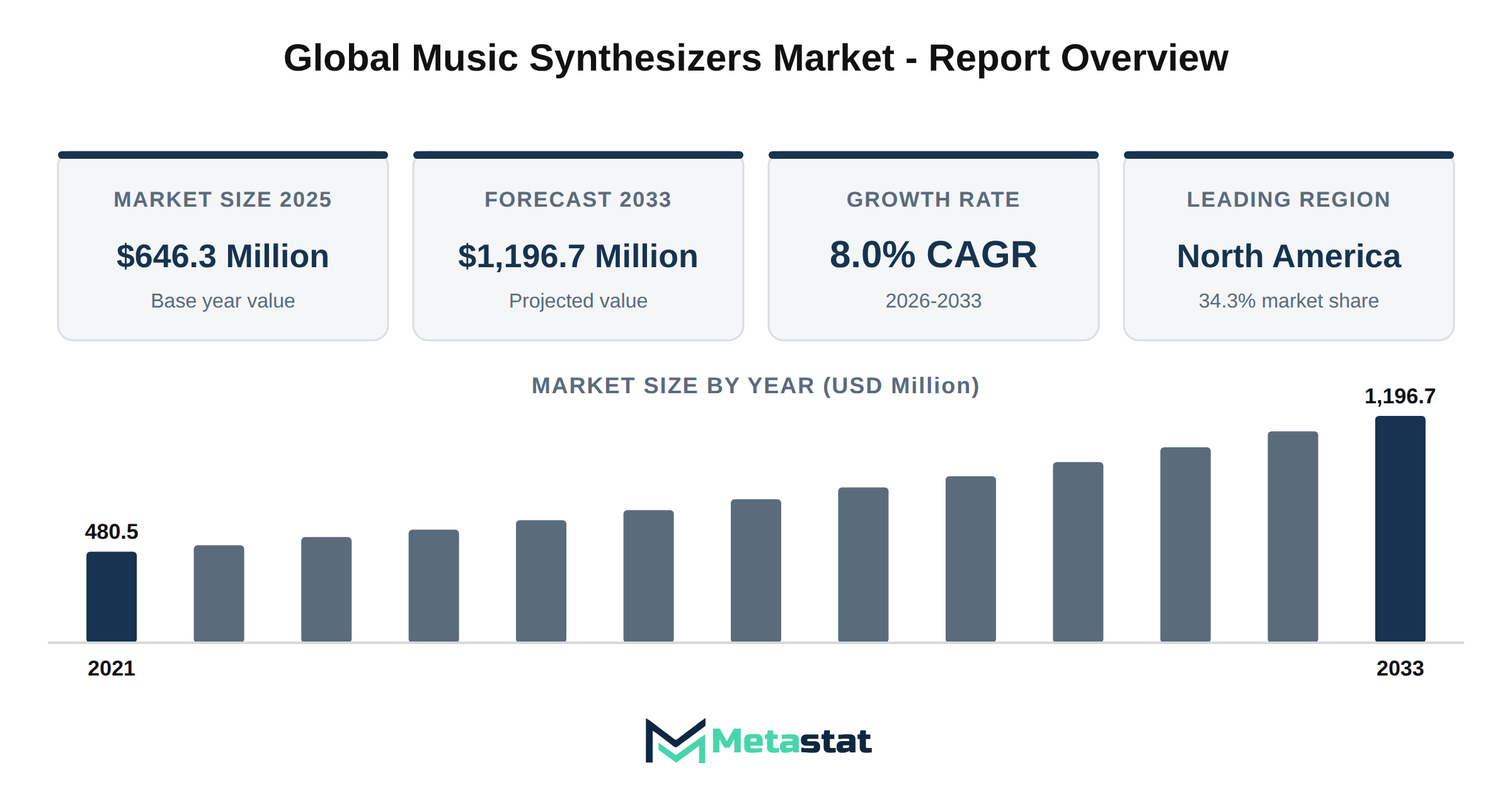
The Music Synthesizers market demonstrates significant growth potential, with a projected value of USD 1,196.7 million by 2033, up from USD 646.3 million in 2025. This growth reflects a compound annual growth rate (CAGR) of 8% during the forecast period. Historical data indicates the market value increased from USD 480.5 million in 2021 to USD 596.4 million in 2024, illustrating a consistent upward trajectory.
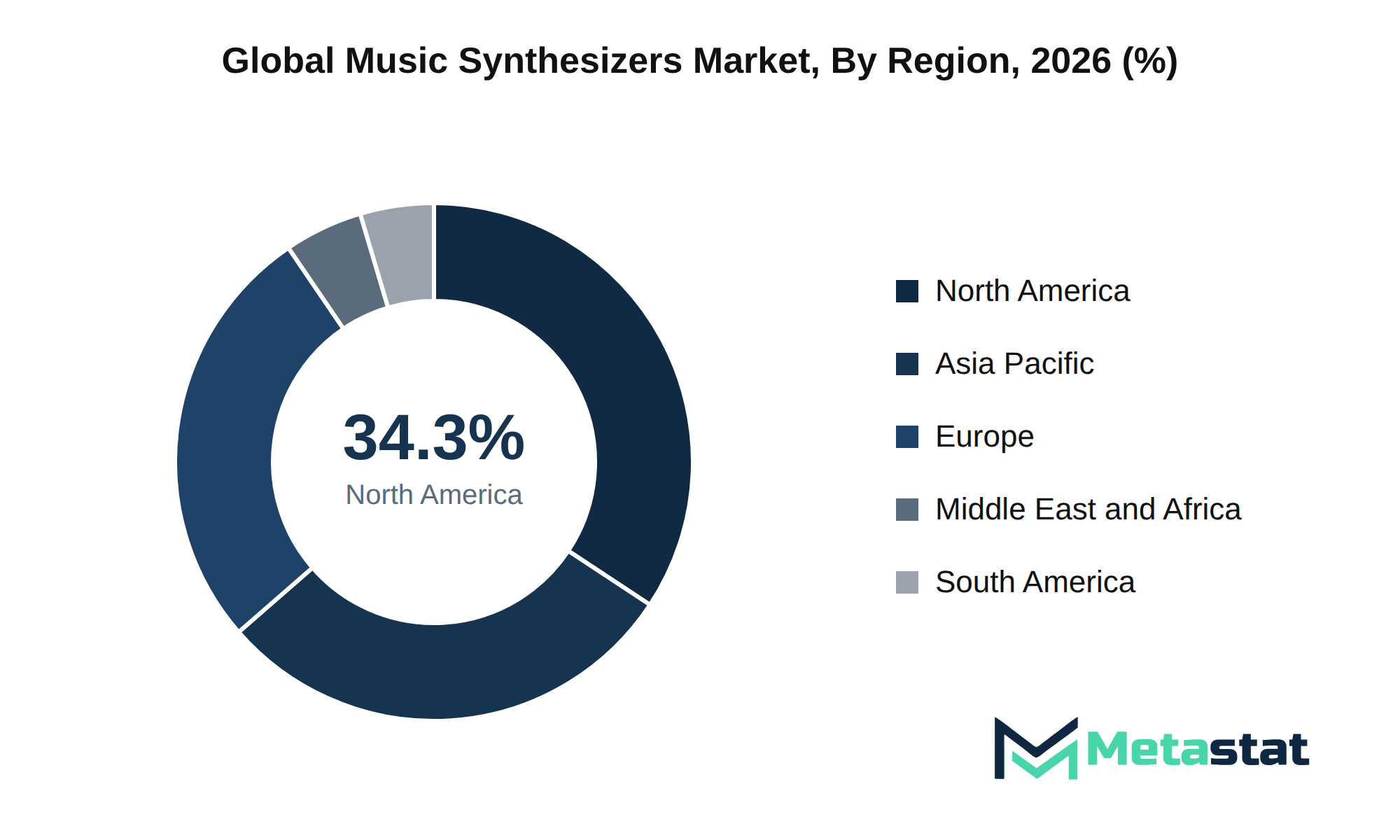
Regional dynamics highlight North America because the leading market, accounting for 34.3% of total market share in 2025. The region is expected to reach a value of USD 392.5 million by 2033, maintaining a CAGR of 8%. Europe and the Asia Pacific region follow closely, with shares of 26.9% and 29.3% respectively. The South American and Middle Eastern markets represent smaller segments, comprising 4.6% and 4.9% of the market respectively.
Key segments within the market include Analog, Digital, and Hybrid Synthesizers. The Analog Synthesizers segment is projected to grow from USD 240.9 million in 2026 to USD 382.9 million by 2033, reflecting a CAGR of 6.8%. The Digital Synthesizers segment is anticipated to reach USD 586.4 million by 2033, exhibiting a robust CAGR of 7.7%. Hybrid Synthesizers, while smaller, will see increased adoption driven by innovations in sound design and composition.
Market fragmentation occurs across various players, including renowned companies including KORG Inc., Roland Corp., and Yamaha Corporation. These firms actively contribute to the market's growth through continuous innovation and product diversification, enhancing competitive positioning within the industry.
The Music Synthesizers market faces evolving dynamics influenced by various factors. Regulatory compliance and standards shape product development and market entry strategies. Companies operating within this space navigate complex regulations while ensuring product quality and safety, impacting operational costs and market competitiveness. Geopolitical risks complicate the landscape, introducing uncertainties that influence supply chains and market access.
R&D trajectories in the market reflect a commitment to innovation, focusing on next-generation technologies that enhance sound quality and user experience. Investments in sustainable transformation gain momentum, with organizations prioritizing eco-friendly materials and production processes. This shift aligns with broader decarbonization efforts and circular economy dynamics, promoting resource efficiency and waste reduction.
The supply chain landscape has undergone significant changes, emphasizing the importance of logistics architecture and sourcing strategies. Companies seek to optimize their procurement processes while managing costs and ensuring timely delivery of components. Market fragmentation persists, with numerous players competing across different segments, driving innovation and diversity in product offerings.
M&A dynamics influence market consolidation, enabling companies to enhance their capabilities and expand their market presence. This activity impacts the value chain, with strategic partnerships becoming essential for driving growth and improving competitive positioning. Capital allocation strategies reflect a focus on long-term investments, balancing operational expenditures with the need for infrastructure upgrades to support future growth.
Macroeconomic headwinds, including inflationary pressures and currency volatility, pose challenges for the market. Inflationary pressures and currency volatility affect pricing strategies and consumer purchasing power, requiring companies to adapt quickly. The strategic outlook for the market emphasizes the importance of agility and responsiveness to changing market conditions, ensuring organizations remain competitive and relevant.
Corporate imperatives focus on aligning business objectives with market demands, enhancing customer journey dynamics. Understanding consumer preferences and behaviors becomes critical for driving engagement and loyalty. High-value recommendations suggest that companies prioritize innovation, sustainability, and strategic partnerships to capitalize on emerging opportunities within the Music Synthesizers market.
Market Dynamics
Rising consumer interest fuels market demand
Growing consumer interest in music production and sound design significantly influences the Music Synthesizers market. A surge in home studio setups and the increasing popularity of music creation apps have transformed how individuals engage with music. Enhanced access to technology combined with social media platforms has enabled aspiring musicians and hobbyists, driving the demand for synthesizers across various demographics.
The market benefits from a shift in consumer behavior, where younger generations pursue music-related activities driven by hobbies or career paths. This trend leads to increased investments in music creation tools, resulting in heightened demand for synthesizers that cater to both novice and professional users. While individuals seek innovative ways to express their creativity, the market experiences sustained growth.
Technological advancements in synthesizer design have made these instruments more user-friendly and accessible, attracting a broader audience. The integration of digital synthesizers with mobile applications facilitates efficient music production, encouraging users to experiment and innovate. This evolution contributes to a dynamic ecosystem within the market, positioning it for ongoing expansion.
Investment in Digital Transformation Drives Growth
Investment in digital transformation significantly impacts the Music Synthesizers market. Organizations increasingly pursue automation, AI integration, and software adoption, leading to enhanced productivity and streamlined operations. This shift encourages musicians and producers to adopt advanced synthesizer technologies, allowing for greater creativity and innovation in music production. Digital solutions enable users to digitize legacy processes, facilitating a more efficient workflow that attracts both professional and amateur musicians.
The demand for advanced synthesizers rises, fueled by an evolving consumer base that values technology-driven music creation. Emerging demographic patterns, characterized by younger generations embracing digital tools, drive the market forward. While lifestyles change and urbanization accelerates, musicians prioritize portable and versatile instruments that support their creative needs. The ongoing digital transformation not only enhances the user experience but encourages a broader adoption of music synthesizers in various applications, including live performances and sound design.
Investment in technology creates an environment where innovation-led product and service diversification thrives. Manufacturers respond to changing consumer behaviors by introducing new features and capabilities. This aligns with the growing focus on sustainability and resource stewardship within the market, driven by companies seeking to reduce their environmental footprint while providing high-quality products. The integration of digital solutions into music synthesizers enhances their value proposition, ultimately contributing to the anticipated growth of the Music Synthesizers market in the coming years.
Supply chain disruptions hinder market growth
Supply chain disruptions represent a significant constraint on the Music Synthesizers market, affecting the timely availability of key components and materials required for production. Geopolitical instability and resource scarcity contribute to these disruptions, leading to delays in manufacturing processes and increased lead times for products. Consequently, manufacturers experience heightened operating costs and reduced profit margins, which hampers their ability to invest in innovation and expansion.
Macroeconomic challenges including inflationary pressures exacerbate these issues, limiting consumer purchasing power and leading to a decline in demand for synthesizers. While operational costs rise, manufacturers face difficulties in balancing pricing strategies while attempting to maintain competitive positioning. This situation results in slower growth projections for the market, driven by companies navigating these compounded challenges.
Technological obsolescence poses a risk, with rapid advancements in music technology creating pressure to continuously innovate. Companies that fail to keep pace with evolving consumer preferences and technological trends struggle to capture market share, contributing to an environment of stagnation within the Music Synthesizers market.
Geopolitical tensions impact market stability
The Music Synthesizers market encounters challenges stemming from geopolitical fragmentation and associated trade deficits. Fluctuating tariff conditions and heightened trade friction disrupt established supply chains, leading to increased costs and uncertainty for manufacturers and distributors. This instability particularly affects regions reliant on imported components, where tariffs increase prices and complicate logistics, consequently hindering market expansion.
Technological disruptions introduce complexity into research and development processes, impacting innovation timelines and operational efficiency. Companies face difficulties integrating new technologies within existing frameworks, resulting in interoperability issues that delay product launches. These challenges affect the Music Synthesizers market, driven by firms striving to maintain competitive advantage during rapid technological advancements.
Environmental considerations increasingly influence market dynamics, with sustainability demands pressing companies to address their lifecycle footprints. Compliance overhead related to tightening global regulatory standards necessitates investments in cleaner technologies, which strain financial resources and divert focus from core operations. Consequently, firms navigate these evolving demands while maintaining profitability.
Price competition intensifies, leading to margin pressures that affect overall market viability. Rising input costs for materials and components further exacerbate these pressures, compelling firms to reassess pricing strategies and value propositions. This environment creates a situation where profitability becomes increasingly challenging, impacting investment decisions and growth potential across the Music Synthesizers market.
Workforce skill gaps present additional challenges, particularly with the rise of automation in production processes. Organizations grapple with talent retention pressures owing to skilled workers seeking opportunities in more lucrative sectors, creating shortfalls in essential expertise required for innovation. These trends necessitate a strategic approach to workforce development to ensure the market's sustainability and growth in the coming years.
Emerging trends drive market opportunities
The Music Synthesizers market experiences significant opportunities driven by emerging regional demands, particularly in North America and Asia Pacific. These regions exhibit growth in music production, influenced by an increasing number of independent artists and content creators. The rise in digital platforms facilitating music distribution further enhances market penetration, allowing synthesizer manufacturers to reach a broader audience.
Infrastructure modernization promotes the adoption of advanced synthesizer technologies. Investments in music education and training facilities create demand for new equipment, while technological disruptions result in innovative product offerings. Hybrid and digital synthesizers specifically appeal to younger consumers, aligning with trends in sound design and live performances.
Geographical expansion into underserved markets presents opportunities for manufacturers. Regions including South America and parts of Asia exhibit growing interest in music production, yet remain relatively untapped. This potential encourages brands to diversify their product lines and explore niche applications, which lead to increased revenues and market share.
Sustainability imperatives shape the market landscape, reflecting consumer and company prioritization of eco-friendly products. Manufacturers responding to these demands through sustainable practices and materials enhance their competitive positioning. The integration of ESG-driven strategies attracts environmentally conscious buyers, boosting brand loyalty and market growth.
Strategic consolidation through mergers and acquisitions enhances market leverage and innovation potential. Collaboration across industries facilitates the development of integrated solutions, broadening the appeal of synthesizers beyond traditional music production. This trend allows suppliers to capture new buyer segments, enhancing overall market dynamics.
Evolving buying behaviors and digital procurement shifts influence how consumers interact with the market. Increased online purchasing channels and competitive pricing strategies prompt brands to refine their commercial models. These shifts in consumer behavior highlight the necessity for manufacturers to adapt marketing strategies, ensuring alignment with changing preferences.
Market Segmentation Analysis
The Global Music Synthesizers market is segmented based on Synthesizer Type, Distribution, Application, and End-Use Industry.
By Synthesizer Type, the market is further segmented into:
- Analog Synthesizers
- Digital Synthesizers
- Hybrid Synthesizers
Analog Synthesizers
Valued at USD 240.9 million in 2026, the Analog Synthesizers segment is projected to reach USD 382.9 million by 2033, at a CAGR of 6.8% during the forecast period. The rising popularity of analog sound among musicians and producers drives demand for these synthesizers, which are renowned for their warm and rich tones. Increased participation in musical activities, particularly among younger demographics, contributes to this growth. The resurgence of interest in vintage equipment enhances the appeal of analog synthesizers, because many artists seek authentic sounds reminiscent of earlier musical eras.
Adoption of analog synthesizers benefits from the expanding ecosystem of software and hardware that integrates with these devices, creating new creative possibilities in sound design and music production. The market's evolution continues to reflect consumer preferences, with manufacturers focusing on enhancing user experience and accessibility. Ongoing advancements in technology enable the development of next-generation analog synthesizers that incorporate modern features while retaining classic sound characteristics.
Increased collaborations between synthesizer manufacturers and music production software companies facilitate efficient workflows, attracting more users to the market. Educational institutions embracing the use of analog synthesizers in music programs further promote their adoption across various levels of expertise. The market for analog synthesizers is poised for sustained growth, driven by these factors and the trends within the Music Synthesizers market.
Digital Synthesizers
Digital Synthesizers exhibit a strong growth trajectory, driven by increasing demand for advanced music production tools and sound design capabilities. Integration of innovative technologies enhances user experience, attracting a diverse range of creators, from hobbyists to professional artists. Adoption of Digital Synthesizers spans multiple end-use industries, including music and entertainment, education, and broadcasting, which expands market reach and revenue potential.
This segment is expected to reach USD 586.4 million by 2033, at a CAGR of 7.7% during the forecast period. Technological maturation drives product evolution, with continual advancements in features and functionalities. Next-gen upgrades focus on improving sound quality and connectivity options, appealing to an expanding base of users seeking versatile and efficient solutions. Consumption shifts towards digital platforms influence purchasing decisions, further driving the market's growth.
With a competitive landscape marked by several key players actively investing in product development, strategic opportunity windows emerge for companies to differentiate their offerings. Regulatory compliance and certification standards across the industry ensure product safety and performance, contributing to consumer confidence. Continuous innovation and responsiveness to market demands shape the future of the Music Synthesizers market, ensuring resilience and adaptability.
Hybrid Synthesizers
Demand for Hybrid Synthesizers continues to rise owing to their unique capability to combine analog and digital sound generation. This versatility attracts musicians and producers focusing on diverse musical styles and creative processes. While technology matures, next-generation upgrades enhance the functionality and user experience of these synthesizers, driving further adoption within the market.
The Hybrid Synthesizers segment is expected to reach USD 227.4 million by 2033. This growth results from increasing interest in sound design and music production, particularly among independent artists and educational institutions. The market benefits from strong demand in end-use industries including music and entertainment, which prioritize innovative audio solutions.
The integration of advanced features including MIDI compatibility and effective software integration promotes product evolution, catering to evolving consumer preferences. Consumption shifts towards more flexible and multifunctional instruments create strategic opportunity windows for manufacturers to expand their offerings within this segment. The rising trend of remote music production drives further investment and interest in versatile synthesizers capable of meeting the demands of today’s musicians.
By Distribution, the market is further segmented into:
- Offline
- Online
Offline
Demand for offline distribution in the Music Synthesizers market aligns with traditional retail experiences where hands-on interaction with products influences purchasing decisions. Consumers benefit from personal engagement with instruments, allowing for tactile evaluation and demonstration of features. This experiential aspect builds confidence in product quality and suitability, leading to informed purchasing choices.
Offline channels play a critical role in building brand loyalty among musicians and sound designers. Retailers curate product selections tailored to local preferences, enhancing community connections and providing a platform for workshops and demonstrations. Such initiatives attract enthusiasts, creating a dynamic environment around offline distribution.
Shifts in consumer behavior towards experiential shopping support the offline segment's prominence. Increasing interest in music education and interactive experiences drives foot traffic to music stores, providing opportunities for sales through personalized services and expert guidance. This trend highlights the significance of in-person interactions in cultivating customer trust and building brand loyalty within the market.
Technological advancements have influenced product evolution, prompting offline retailers to enhance in-store experiences. Demonstration units featuring the latest synthesizers encourage hands-on exploration, allowing consumers to assess sound quality and functionality. This direct engagement with products strengthens customer relationships and encourages impulse purchases in the offline environment.
Strategic partnerships between manufacturers and retailers enhance supply chain resilience, ensuring consistent availability of popular models. Maintaining strong relationships with distributors and offering exclusive in-store promotions improves inventory management and customer satisfaction. This collaboration supports the operational efficiency of offline distribution while driving sales growth within the market.
Online
Digital engagement plays a crucial role in the ongoing transformation of the Music Synthesizers market. The shift towards online distribution channels reflects changing consumer preferences for convenience and accessibility. Music producers and enthusiasts increasingly seek digital platforms for purchasing instruments, resulting in significant adoption of online sales channels across various demographics. This digital-first approach enhances market penetration, allowing consumers to access a wider range of products without geographical limitations, nurturing a more diverse consumer base.
The ongoing technological maturation in online platforms further accelerates this trend. Enhanced user interfaces, personalized recommendations, and advanced e-commerce functionalities contribute to an improved shopping experience. These factors lead to higher conversion rates, driving sales volumes within the market. Significant product evolution in synthesizers, particularly in digital formats, aligns well with online consumers, further cementing the importance of this distribution channel.
End-use dynamics illustrate that applications including music production, sound design, and live performances increasingly rely on digital tools and resources. This reliance highlights a shift towards online services, including tutorials, community forums, and virtual collaboration environments, which complement the purchasing process. Consequently, brands focusing on online engagement strategies position themselves to capitalize on growing demand for integrated digital experiences.
White-space analysis identifies strategic opportunities for investment in online marketing and customer engagement strategies to enhance brand loyalty and retention. Capital investments in online platforms, coupled with targeted marketing approaches, support long-term growth in the market. The online distribution segment remains integral to the evolving environment of music synthesizers, reflecting broader shifts in consumer behavior and technological advancements.
By Application, the market is further segmented into:
- Music Production
- Live Performances
- Sound Design & Composition
- DJing & Audio Manipulation
- Others
Music Production
Growth in the music production sector significantly drives demand for music synthesizers. Evolving trends in music creation, including the rise of home studios and the accessibility of music production software, encourage musicians and producers to invest in advanced synthesizer technologies. The integration of synthesizers in various genres, from electronic to hip-hop, enhances their appeal among diverse user groups.
Technological maturation and innovation in synthesizer design play a crucial role in attracting users. Next-generation upgrades, including enhanced sound processing capabilities and user-friendly interfaces, facilitate deeper engagement with music production tools. Product evolution, focusing on hybrid and digital synthesizers, aligns tightly with current music production needs, ensuring that offerings meet modern requirements.
End-use dynamics in the music production segment highlight a shift towards digital platforms, emphasizing the importance of online collaboration tools. This trend expands opportunities for synthesizer manufacturers to integrate their products into digital audio workstations, enhancing user experience and functionality. Consumption shifts towards versatility and portability further influence purchasing decisions, creating strong demand for lightweight and compact synthesizers.
Strategic opportunity windows arise from the increasing popularity of live performances and streaming services, propelling the need for synthesizers that cater to both studio and stage environments. Capital investment outlooks indicate strong interest in developing synthesizers that combine traditional elements with modern technology, allowing producers to push creative boundaries. The market thrives on these evolving dynamics, reflecting an ecosystem driven by innovation and consumer engagement.
Live Performances
Live performances increasingly shape demand for music synthesizers. Artists seek innovative instruments to enhance their on-stage presence, prompting manufacturers to evolve product offerings. Technological maturation in audio technology fuels this evolution, incorporating advanced features including real-time sound manipulation and integration with digital audio workstations.
Adoption of synthesizers in live settings has gained momentum, driven by the trend of hybrid performances that blend traditional and electronic music genres. Musicians leverage synthesizers for unique soundscapes, effectively influencing audience engagement. This shift in consumption patterns reflects broader changes in the entertainment landscape, where dynamic performance elements hold significant appeal.
Competitiveness in the market hinges on continuous product evolution. Next-generation upgrades introduce new functionalities that appeal to professional musicians and emerging artists alike. Manufacturers focus on enhancing user experience through intuitive interfaces and portability, enabling artists to perform in diverse environments without compromising sound quality.
Regulatory compliance standards in music venues affect equipment choices, with emphasis on safety and reliability. This environment encourages manufacturers to innovate while ensuring adherence to relevant requirements. Technological advancements and regulatory factors strategically position participants to capture market opportunities.
Investment in this segment reflects a commitment to understanding artist and audience needs. By recognizing the importance of live performances, manufacturers align their strategies to meet market expectations, promoting a culture of creativity and collaboration in the music synthesizers market.
Sound Design & Composition
Increasing interest in sound design and composition drives the Music Synthesizers market forward. Innovations in synthesizer technology enhance creative possibilities for artists and producers. The demand for versatile musical tools supports the growth of this segment, driven by artists seeking to experiment with unique sounds and textures. Evolving music genres and production styles encourage the adoption of synthesizers that facilitate complex sound manipulation and layering. The rise of music production software that integrates seamlessly with hardware synthesizers creates an environment where creativity flourishes, leading to increased consumption in this area.
Professional music producers and amateur musicians alike recognize the importance of sound design in crafting distinctive musical identities. This trend emphasizes the need for synthesizers that offer diverse sound palettes and programmable features. Users gravitate toward devices that blend traditional analog synthesis with modern digital capabilities, creating opportunities for hybrid models. Collaboration between hardware manufacturers and software developers contributes to the accessibility and functionality of these instruments, expanding their appeal across various segments of the music industry.
Emerging trends in music distribution shape the landscape for synthesizers focused on sound design. Online platforms that facilitate the sharing of music increase the visibility of innovative sounds, prompting creators to invest in advanced music production tools. In addition, educational institutions increasingly incorporate synthesizers into their curricula, highlighting their relevance in modern music training. Overall, the integration of synthesizers into both professional and educational environments supports the segment's growth within the broader Music Synthesizers market.
DJing & Audio Manipulation
DJing and audio manipulation experience heightened demand driven by the increasing popularity of live performances and electronic music. Artists and DJs leverage synthesizers to create unique sounds and enhance their performances, fueling a need for advanced audio manipulation tools. The proliferation of music-sharing platforms promotes exposure for emerging artists, resulting in a surge in demand for innovative sound design capabilities.
Technological maturation within the music synthesizers market supports the integration of sophisticated digital audio workstations, allowing users to manipulate sound in real-time. This evolution in product capabilities aligns with consumer preferences for high-quality audio experiences. Upgrades and next-generation models featuring enhanced connectivity options and user-friendly interfaces expand the market's appeal.
End-use dynamics indicate a strong inclination towards personalized audio experiences, which drives the demand for customizable synthesizer features in DJing and audio manipulation. The shift towards more immersive and interactive performances necessitates the adoption of versatile tools that adapt to various music genres and styles. Regulatory compliance standards influence product development, ensuring equipment meets safety and quality benchmarks.
Strategic opportunity windows arise from evolving consumer preferences and technological advancements. The market adapts, while stakeholders remain vigilant to emerging trends and disruptions that impact growth trajectories. This segment's expansion relies on an agile response to shifting consumption patterns, emphasizing the importance of innovation within the music synthesizers market.
Others
Innovative applications within the "Others" segment of the Music Synthesizers market encompass various creative pursuits beyond traditional music production. Artists and hobbyists explore experimental sound manipulation and interactive installations, which contribute to the segment's growth. Increasing interest in unique auditory experiences stimulates demand in performance art, educational initiatives, and multimedia projects.
Technological maturation and next-generation upgrades serve because catalysts for this segment's expansion. Enhanced features in synthesizers facilitate greater customization and integration with other technologies, allowing users to push creative boundaries. The ongoing evolution of products creates opportunities for artists seeking to differentiate their work through avant-garde audio experiences.
End-use dynamics reflect shifts in consumption patterns, particularly among younger generations who prioritize innovative artistic expression. While accessibility improves, more individuals engage with synthesizers for personal projects and collaborative activities. Regulatory compliance standards and certifications influence product development, ensuring quality and safety in various applications.
Strategic opportunity windows emerge because artists seek new avenues for expression, positioning the "Others" segment for potential growth. The market's adaptability to evolving consumer preferences enhances its resilience, encouraging ongoing investment in creative tools and technologies. Enhanced offerings cater to diverse artistic needs, reflecting the segment's role in shaping the future of sound exploration.
By End-Use Industry, the market is further segmented into:
- Music & Entertainment
- Education & Training
- Broadcasting & Media Production
- Others
Music & Entertainment
Demand for music synthesizers in the Music & Entertainment sector thrives due to the increasing popularity of music production, live performances, and sound design. The emergence of digital audio workstations and music production software enhances productivity and creativity, leading to heightened interest in synthesizers that complement these tools. Artists and producers continually seek innovative ways to create unique sounds, driving demand for synthesizers that offer advanced features and capabilities.
Technological maturation in synthesizer design introduces next-generation upgrades that appeal to both professional musicians and hobbyists. Users value the integration of modern technologies, including MIDI compatibility and advanced sound manipulation features. This trend supports the expansion of the market, driven by more individuals exploring music creation across various platforms, including mobile devices and computers.
Consumption shifts towards digital formats and online content consumption influence the market dynamics. Streaming platforms and social media enable artists to present their work to global audiences, increasing the need for high-quality, versatile synthesizers that deliver superior sound in diverse applications. This transition encourages manufacturers to develop products that cater specifically to the requirements of modern music creators.
Regulatory compliance and standards play a role in shaping product development within the market. Producers prioritize adherence to safety and quality certifications, assuring consumers of their products' reliability. Robust quality control measures contribute to brand loyalty, further reinforcing the position of key players in the music synthesizers market.
Strategic opportunities emerge because companies invest in research and development to cater to evolving consumer preferences. The continuous evolution of sound technology presents avenues for innovation, encouraging manufacturers to explore untapped segments within the market. This proactive approach supports long-term growth and positions companies favorably amid competitive pressures.
Education & Training
Demand for music synthesizers in education and training stems from the growing emphasis on music education within academic institutions and music schools. Increasing student interest in music creation and production fuels the adoption of synthesizers, reflecting their status because essential tools in educational settings. Enhanced accessibility to music production technology, alongside the integration of innovative teaching methods, increases the market's appeal for educational purposes.
Technological maturation drives the development of user-friendly synthesizers that cater to beginners and experienced users alike. The evolution of software synthesizers and digital audio workstations facilitates integration of synthesizers into educational curricula. This trend highlights the necessity for educational institutions to equip students with contemporary tools, enhancing their learning experiences and skill development.
Regulatory compliance and industry certifications, including those promoting best practices in teaching music technology, further influence adoption within education. Institutions prioritize compliance to enhance their credibility and attract students. Demand for training programs that incorporate synthesizer usage aligns with industry standards, ensuring that educators deliver relevant and up-to-date content.
Strategic opportunity windows arise from the increasing collaboration between synthesizer manufacturers and educational institutions. Partnerships enable the creation of tailored programs and workshops, providing hands-on experiences for students. This collaboration not only enhances market penetration but strengthens brand loyalty among emerging musicians.
In the music synthesizers market, evolving consumption patterns reflect a shift towards experiential learning. Interactive workshops and live demonstrations engage students, making synthesizers more relatable and exciting. This experiential approach nurtures creativity and innovation, contributing to the long-term growth of the segment.
Broadcasting & Media Production
Broadcasting and media production increasingly rely on innovative sound design and composition tools. The integration of music synthesizers within these sectors enhances audio quality and production efficiency, aligning with the industry's push for higher standards. Growing consumer expectations for immersive audio experiences are driving investments in advanced synthesizer technology.
Technological maturation fuels demand within this segment, allowing for smooth integration of synthesizers with existing audio production systems. Next-generation upgrades offer enhanced features that appeal to professionals seeking superior sound manipulation capabilities. These advancements create strategic opportunity windows for manufacturers focusing on delivering products tailored for broadcasting and media production.
Shifts in consumption patterns reflect a preference for high-quality audio in media content, leading to increased adoption of music synthesizers among producers and sound designers. Regulatory compliance standards pertaining to audio quality in broadcasting contribute to rising demand for advanced synthesizer models. Suppliers face opportunities to differentiate themselves through compliance with these standards, enhancing market competitiveness.
Cost structures and pricing volatility impact purchasing decisions within this segment. Producers prioritize cost-effective solutions that maintain high audio standards without compromising quality. Strategic investment in synthesizer technologies continues to shape the market, highlighting the importance of balancing cost efficiency with product performance in the broadcasting and media production sector.
Supply chain resilience remains crucial for sustaining production levels in music synthesizers, particularly in response to potential raw material sourcing challenges. Manufacturers that effectively manage logistics vulnerabilities enhance their market position, ensuring consistent availability of high-demand synthesizers. Disruptive alternatives pose risks to traditional synthesis methods, prompting continuous innovation and adaptation within the market.
Exploration of innovative applications within the "Others" segment uncovers diverse uses of music synthesizers across unconventional settings. This sub-segment encompasses unique integrations in fields including therapy, sound installations, and experimental art, expanding the creative boundaries of synthesizer functionality. The ongoing evolution of technology opens new creative avenues for artists, allowing them to experiment with sound in ways that extend beyond traditional music production.
Consumer preferences shift towards personalized experiences, with unique soundscapes gaining traction in various environments. This trend drives market growth, encouraging manufacturers to innovate and develop synthesizers that cater to niche applications, effectively broadening audience engagement. The integration of synthesizers in non-mainstream applications highlights the versatility of this equipment, creating new revenue streams and potential partnerships within various industries.
Technological advancements continue to reshape expectations within the market, leading to the introduction of next-generation features that enhance user experience. Features including user-friendly interfaces, advanced connectivity options, and smart functionality appeal to a broader range of consumers, including those in non-traditional sectors. Strategic investments in R&D align with the growing demand for tailored solutions that meet the specific needs of diverse user groups.
The intersection of art and technology within the "Others" segment facilitates opportunities for collaboration between artists and technologists. This collaboration encourages the development of new platforms and experiences that integrate synthesizers into everyday life, expanding their reach and application. While the market evolves, maintaining a focus on artistic innovation proves essential for capturing emerging opportunities.
By Region
Based on geography, the Global Music Synthesizers market is divided into North America, Europe, Asia-Pacific, South America, Middle East, and Africa.
North America
With a significant market share of 34.3% in 2025, North America stands because a crucial region for the Music Synthesizers market. The region's growth is fueled by robust demand for professional audio equipment, particularly within music production and live performance sectors. The United States, Canada, and Mexico serve because key contributors to this demand, driven by increasing consumer interest in music creation and the proliferation of digital platforms that facilitate music distribution.
Infrastructure modernization efforts enhance the availability of advanced technologies in music synthesizers. Artists and producers benefit from advancements in technology, leading to an increase in the adoption of both analog and digital synthesizers. The evolving competitive landscape features several domestic players, including established brands and emerging companies, promoting innovation and driving market dynamics.
North America Music Synthesizers market is set to expand at a CAGR of 8.0% within the forecast period, reaching a market size (TAM) of USD 392.5 million by the end of 2033. Regional procurement dynamics illustrate a preference for localized production, ensuring that supply chains remain resilient amid global disruptions. Domestic market participants leverage foreign direct investment (FDI) opportunities, capitalizing on geographic expansion windows that strengthen their position in the market.
Europe
Europe accounts for 26.9% of the global Music Synthesizers market in 2025. The region benefits from a rich cultural heritage in music and a strong demand for innovative sound solutions across various sectors. Countries including Germany, France, and the UK lead in synthesizer adoption due to their active music scenes and established educational institutions promoting music production and sound design.
The competitive landscape in Europe includes established players and emerging companies focusing on localized manufacturing and innovative product offerings. Germany stands out with advanced manufacturing capabilities and a strong consumer base, contributing to the market's overall growth. France and the UK experience a growing trend of live performances and music festivals, driving demand for high-quality music synthesizers.
Consumer interest in hybrid synthesizers is on the rise, reflecting a shift towards versatility and enhanced functionality. This trend is evident in both educational settings and professional environments, contributing to the evolving dynamics within the market. The presence of a supportive regulatory framework and investment in infrastructure modernization positions Europe favorably for sustained growth in the coming years.
Trade policies and geopolitical factors influence procurement strategies and supply chain dynamics, impacting how companies operate within the market. Cross-border trade corridors facilitate the movement of products and enhance market accessibility. While a result, European manufacturers and suppliers experience increased collaboration opportunities, further strengthening their positions in the Music Synthesizers market.
Asia-Pacific
Asia-Pacific accounts for 29.3% of the global Music Synthesizers market, valued at USD 1,004.1 million in 2025. Growth in this region is propelled by the rising adoption of electronic musical instruments, particularly in countries like China, Japan, and India. The expanding music production sector, supported by an increasing number of music schools and educational programs, enhances demand throughout the region.
Infrastructure modernization facilitates market penetration, with investments directed toward improving local manufacturing capabilities. Emerging markets, particularly in Southeast Asia, present opportunities for growth, driven by a young population interested in music creation and performance.
Localized manufacturing densities in countries like South Korea contribute to reduced lead times and improved supply chain efficiencies, influencing procurement dynamics within the market. Domestic market participants establish competitive advantages through tailored offerings that cater to regional consumer preferences, enhancing brand loyalty and increasing market share.
Energy grid resiliency and local infrastructure readiness further support the growth of the Music Synthesizers market, allowing for effective integration of technology into creative practices. Strategic entry barriers, including regulatory frameworks and compliance mandates, shape the competitive landscape and influence foreign direct investment flows within the region.
South America
The Music Synthesizers market in South America demonstrates considerable potential for growth, primarily driven by the rising interest in music production and live performances. Brazil and Argentina serve because the main contributors to this market, with an expanding base of musicians and producers adopting advanced musical technologies. A growing number of music festivals and events across the region significantly boost demand for synthesizers, creating an environment conducive to innovation and creativity.
Regional infrastructure modernization enhances the accessibility of music synthesizers, with local stores increasingly stocking a variety of models. Online distribution channels are gaining traction, offering consumers in Brazil, Argentina, and the Rest of South America a broader range of options. Cultural nuances in music preferences influence purchasing decisions, leading to the adoption of synthesizers tailored for specific genres popular within the region.
The market share for South America stands at 4.6% in 2025, indicating a growing recognition of music synthesizers in both recreational and professional settings. Increased investment in the music and entertainment sectors further stimulates market growth, with local artists seeking innovative tools to enhance their performances. Emerging market front-runners are expected to shape the competitive landscape, influencing vendor strategies and collaboration within the industry.
Middle East and Africa
The Music Synthesizers market in the Middle East and Africa presents unique growth opportunities driven by increasing urbanization and a rising middle class. Countries including Saudi Arabia, UAE, and South Africa exhibit a growing interest in music production, sound design, and live performances, contributing to higher adoption rates of synthesizers. The market environment experiences expansion from infrastructure modernization efforts, supported by investments in cultural industries and entertainment sectors.
Key players in the region focus on localized manufacturing and procurement strategies to enhance supply chain efficiency and meet regional demand. Domestic market participants engage in strategies aimed at expanding their product offerings and improving accessibility for consumers. Cultural nuances significantly influence purchasing behaviors, leading to tailored marketing approaches that connect with local audiences.
Emerging trends, including cross-border collaborations and partnerships, facilitate knowledge sharing and innovation across the market. The emphasis on education and training within the music sector further drives demand for synthesizers, creating pathways for growth. Overall, the Music Synthesizers market in the Middle East and Africa is positioned for robust development owing to stakeholders capitalizing on these dynamic opportunities.
Competitive Landscape and Strategic Insights
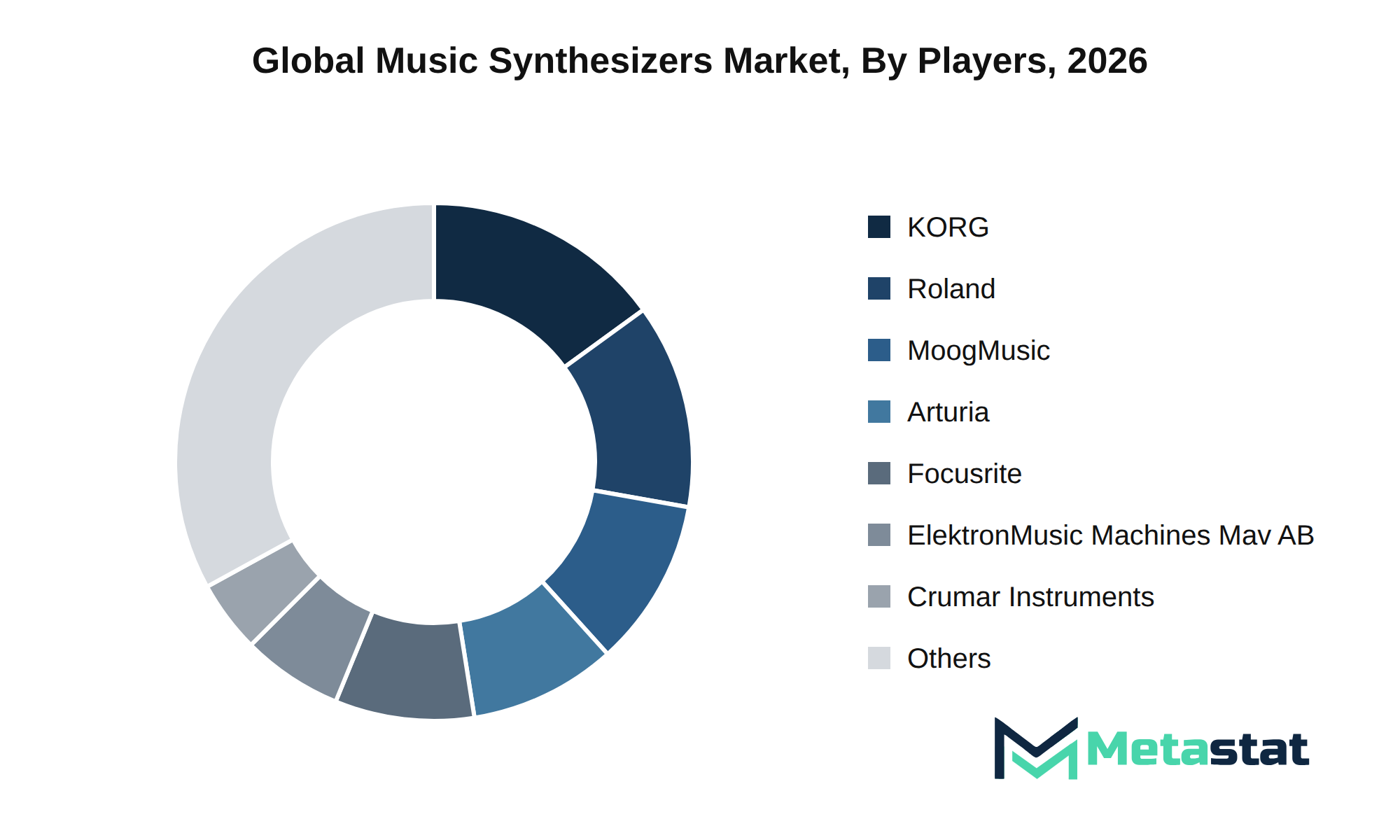
The Music Synthesizers market features a diverse array of key players actively engaged in strategic initiatives to enhance their competitive positions. Companies including Arturia, KORG Inc., and Moog Music Inc. invest in product differentiation through innovative designs and technology, enabling unique user experiences. These organizations focus on R&D pipelines that prioritize the development of new synthesizer types, including analog, digital, and hybrid models.
Strategic alliances and partnerships among companies, including Focusrite Plc and Native Instruments GmbH, contribute to broader distribution channels and collaborative marketing efforts. Such collaborations increase product visibility and enhance market access across regions. Firms like Yamaha Corporation and Roland Corp. leverage their strong brand equity to implement customer retention strategies, which reduce switching costs for consumers.
Barriers to entry in the market remain significant, driven by established intellectual property portfolios and technological defensibility. New entrants face challenges in achieving market penetration against well-positioned incumbents. Future competitive dynamics are expected to focus on enhancing supply chain dominance and procurement leverage, critical for maintaining competitive pricing and operational efficiencies.
Forecast and Future Outlook
Market size is forecast to rise from USD 646.3 million in 2025 to over USD 1,196.7 million by 2033. The base case projects a growth trajectory characterized by an 8.0% CAGR, reflecting robust demand across various applications, including music production, live performances, and sound design. Factors driving this growth encompass advancements in next-generation technology integration and increased commercialization timelines for research and development efforts.
The bull case anticipates accelerated adoption of innovative synthesizer technologies, resulting in heightened market engagement and expanded investment across industry players. Conversely, the bear case highlights potential challenges arising from geopolitical realignments, evolving trade corridors, and regulatory developments, which could lead to fluctuations in supply chains and strategic capital allocation.
While industries mature and structural consumption shifts occur, opportunities for growth within the Music Synthesizers market emerge. Stakeholders should focus on unmet enterprise needs and high-growth pockets within the sector. Investment in infrastructure commitments and CapEx directives is essential in navigating the evolving environment. These strategic imperatives will shape the future course of the market and support sustained expansion in the coming years.
Music Synthesizers Market Key Segments
By Synthesizer Type:
- Analog Synthesizers
- Digital Synthesizers
- Hybrid Synthesizers
By Distribution:
- Offline
- Online
By Application:
- Music Production
- Live Performances
- Sound Design & Composition
- DJing & Audio Manipulation
- Others
By End-Use Industry:
- Music & Entertainment
- Education & Training
- Broadcasting & Media Production
- Others
By Region:
- North America
- Europe
- Asia-Pacific
- South America
- Middle East and Africa
Key Global Music Synthesizers Industry Players
- Arturia
- Casio Computer Co. Ltd.
- Crumar Instruments
- Doepfer Musikelektronik GmbH
- ElektronMusic Machines Mav AB
- Focusrite Plc
- Hyundai Development Co.
- Kemper GmbH
- KORG Inc.
- MoogMusic Inc.
- Roland Corp.
- Synthtopia
- Teenage Engineering AB
- Waldorf-Music GmbH
- Roland Corporation
- Yamaha Corporation
- Korg Inc.
- Moog Music Inc.
- Arturia SAS
- Native Instruments GmbH
- Novation Digital Music Systems Ltd.
- Elektron Music Machines MAV AB
- Casio Computer Co., Ltd.
- Waldorf Music GmbH
- Sequential LLC
- Akai Professional
- Kurzweil Music Systems, Inc.
- Alesis
- M-Audio
- IK Multimedia Production Srl
- Crumar Instruments
- Bastl Instruments s.r.o.
- Modal Electronics Ltd.
- Studio Electronics
Report Coverage
The report strategically identifies and profiles the key market players and analyses their core competencies in each sub-segment of the Music Synthesizers market.
|
Report Attributes |
Details |
|
Study Period |
2021-2033 |
|
Base Year |
2025 |
|
Estimated Year |
2026 |
|
Forecast Period |
2026-2033 |
|
Historical Period |
2021-2025 |
|
Growth Rate |
CAGR 8.0% from 2026 to 2033 |
|
Revenue Unit |
USD million |
|
Segmentation |
By Synthesizer Type, Distribution, Application, End-Use Industry, and Region |
|
By Region |
North America (By Synthesizer Type, Distribution, Application, End-Use Industry, and Country)
|
|
Europe (By Synthesizer Type, Distribution, Application, End-Use Industry, and Country)
|
|
|
Asia Pacific (By Synthesizer Type, Distribution, Application, End-Use Industry, and Country)
|
|
|
South America (By Synthesizer Type, Distribution, Application, End-Use Industry, and Country)
|
|
|
Middle East and Africa (By Synthesizer Type, Distribution, Application, End-Use Industry, and Country)
|
What Report Provides
- Key Company Market Share, Revenue and Ranking for the Music Synthesizers Market
- Key Market Leaders and Their Strategic Positioning
- Full In-Depth Analysis of the Parent Industry
- Industry Statistics and Important Market Dynamics
- Segmentation Details of the Music Synthesizers Market
- Historical, Ongoing and Projected Market Analysis
- Assessment of Niche Industry Developments and Trends
- Competitive Benchmarking and Key Strategic Recommendations
Frequently Asked Questions
Find answers to common questions about this report
The Music Synthesizers market size was valued at USD 646.3 million in 2025, according to the Metastat Insights study.
The Music Synthesizers market is projected to grow at a CAGR of 8.0% during the forecast period from 2026 to 2033.
The North America Music Synthesizers market size is estimated to reach USD 392.5 million by 2033.
Digital Synthesizers lead the Music Synthesizers market with a projected value of USD 586.4 million by 2033, surpassing other segments in revenue generation.
Growing consumer interest in music production and sound design significantly influences the Music Synthesizers market. Enhanced access to technology, the rise of home studio setups, and the popularity of music creation apps drive demand across various demographics, particularly among younger generations pursuing music-related activities. Technological advancements in synthesizer design further attract a broader audience, supporting market growth.
North America holds the dominant share of the Music Synthesizers market, with a value of USD 392.5 million projected for 2033, representing 34.3% of the total market.
Supply chain disruptions significantly restrain the Music Synthesizers market growth by affecting the availability of key components and materials. Geopolitical instability and resource scarcity lead to delays in manufacturing and increased operational costs, while macroeconomic challenges, including inflation, limit consumer purchasing power, further constraining demand for synthesizers.
Growing consumer interest in music production and sound design drives product adoption in the Music Synthesizers market. Enhanced access to technology and the rise of music creation apps support a diverse demographic of aspiring musicians, resulting in increased investments in synthesizers. Technological advancements make these instruments more user-friendly, attracting both novice and professional users.
The Music Synthesizers market is estimated to reach a valuation of USD 1,196.7 million by 2033.
Key players in the Music Synthesizers market include Arturia, Casio Computer Co. Ltd., Doepfer Musikelektronik GmbH, KORG Inc., Moog Music Inc., Roland Corporation, and Yamaha Corporation.
Choose Your License
Global Music Synthesizers Market
Related Reports
Explore related market intelligence reports worth reading alongside this one.
Global InGaAs Avalanche Photodiodes Market
Starting from
$2950
Global Low-voltage Ceramic Capacitor Market
Starting from
$2950