
Global Plant-based Milk Market
Global Plant-based Milk Market Size, Share, By Product Type (Soy Milk, Almond Milk, Coconut Milk, Oat Milk and Others), By Formulation (Flavoured and Plain/Unflavoured), By End User (Food & Beverage Industry, Retail/Household and Foodservice Industry), By Distribution Channel (Hypermarkets/Supermarkets, Convenience Stores, Specialty Stores and Online Retail), Industry Analysis, Growth, Trends, and Forecast, 2026-2033
MSI-4868
August 6, 2026
Updated
284 Pages
Historical
Base year
Forecast
Forecast period
Report Details
Comprehensive Market Analysis And Insights
Market Overview
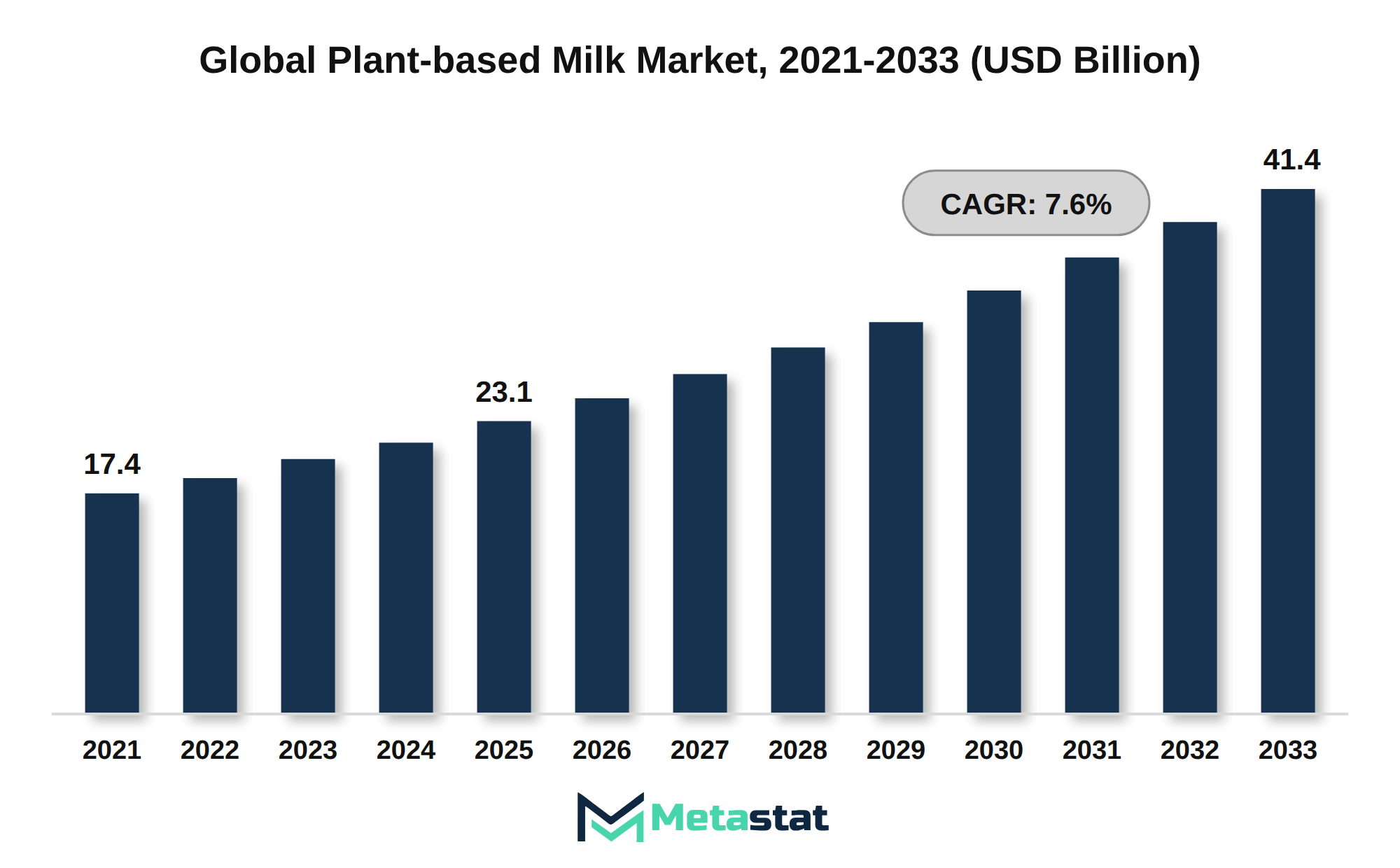
The global Plant-based Milk market was valued at USD 23.1 billion in 2025 and is projected to reach USD 41.4 billion by 2033, growing at a CAGR of 7.6% over the forecast period.
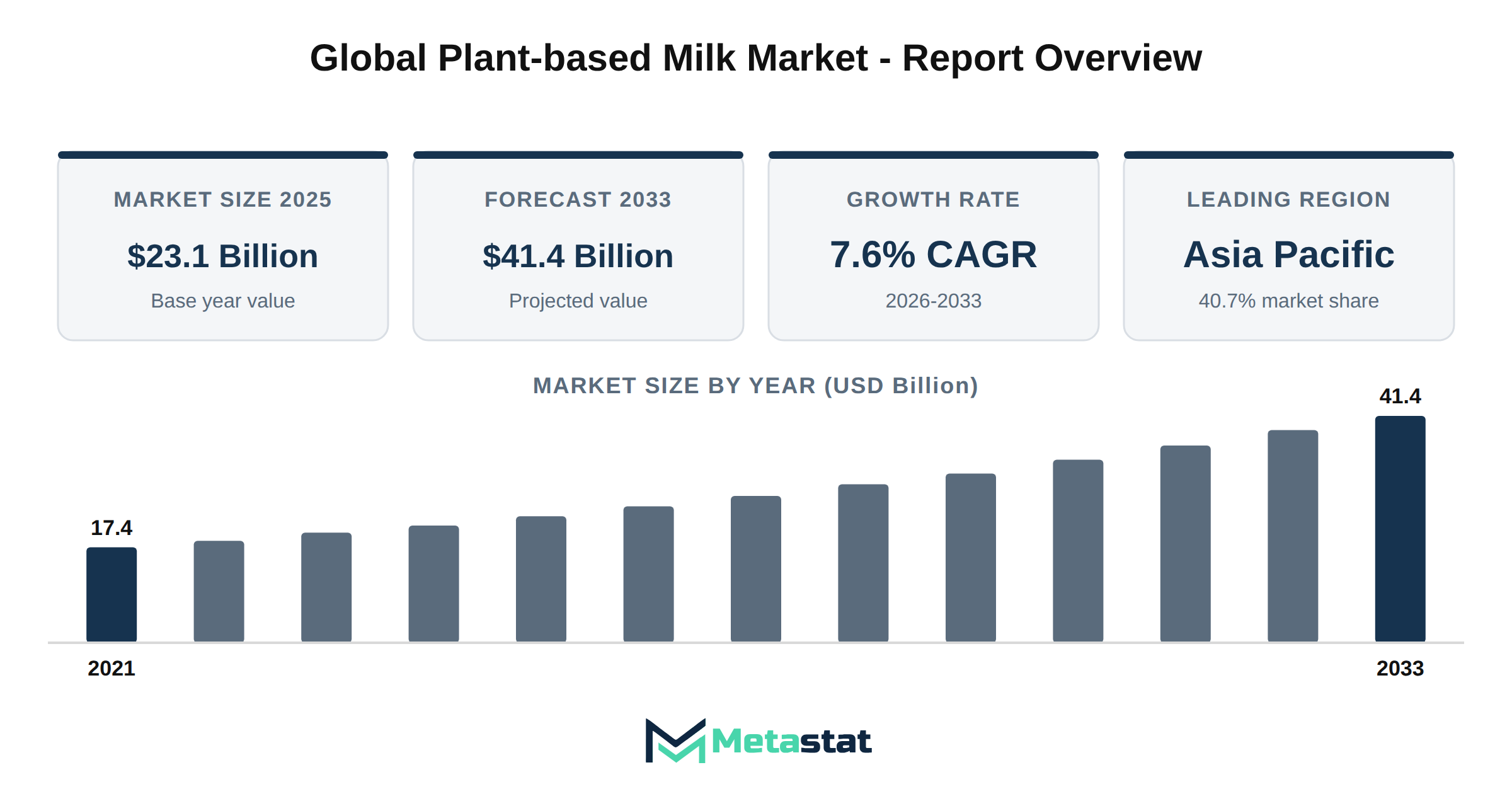
The global Plant-based Milk market reached a valuation of USD 23.1 billion in 2025, with an estimated growth trajectory projecting the market to attain USD 41.4 billion by 2033. This expansion signifies a compound annual growth rate (CAGR) of 7.6%, highlighting increasing consumer preference for plant-based alternatives over traditional dairy. Historical data indicates a steady growth pattern, with the market rising from USD 17.4 billion in 2021 to USD 21.4 billion in 2024.
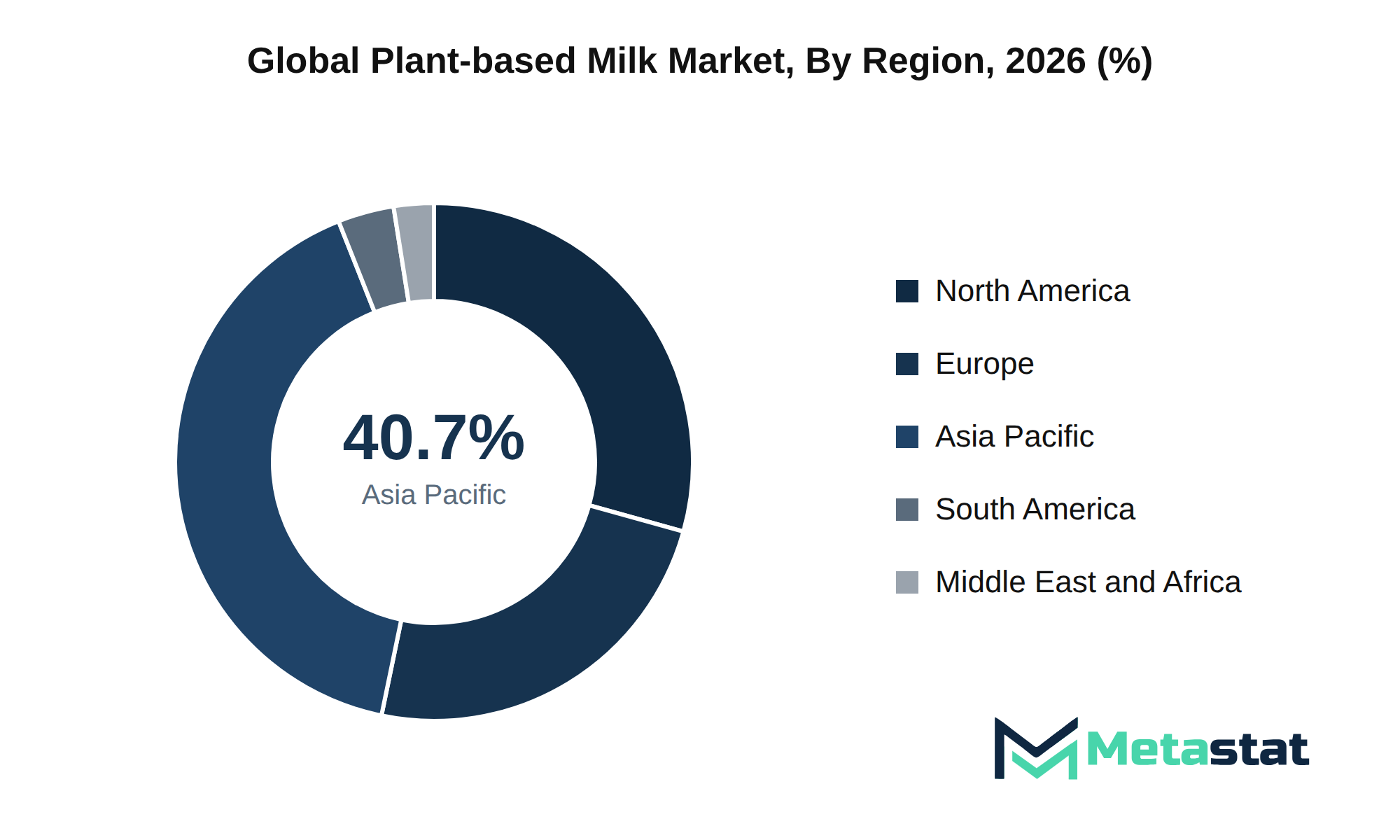
Regional dynamics play a significant role in shaping the market. The Asia Pacific region dominates with a 40.7% share, reflecting strong demand driven by changing dietary preferences and health consciousness among consumers. North America follows closely with a 29.3% share, supported by rising adoption of plant-based products. Europe, with a 23.9% share, experiences a growing trend towards sustainable and health-oriented food options. The South America and Middle East and Africa regions hold smaller shares at 3.5% and 2.5%, respectively.
In terms of product segmentation, the market features a diverse range of offerings, including Soy Milk, Almond Milk, Coconut Milk, and Oat Milk. Soy Milk leads initially with a projected increase from USD 8.6 billion in 2026 to USD 12.9 billion by 2033. Almond Milk is anticipated to reach USD 8.7 billion by 2033, while Coconut Milk and Oat Milk continue to gain traction, reflecting changing consumer preferences towards varied plant-based options.
The formulation segment is characterized by notable demand for both flavoured and plain/unflavoured variants. Flavoured products are expected to grow from USD 13.8 billion in 2026 to USD 22.4 billion by 2033, while plain/unflavoured products are projected to reach USD 19.1 billion by 2033. This trend indicates a shift towards more diverse taste profiles among consumers, driving innovation in product development.
The Plant-based Milk market experiences significant trends influenced by evolving consumer preferences, with a notable shift towards healthier and sustainable alternatives. This trend is attributed to increasing awareness of health benefits associated with plant-based diets, alongside growing concern for environmental sustainability. Demand for such products spans various demographics, particularly among millennials and health-conscious consumers, stimulating market growth.
The competitive landscape features numerous players, including Danone SA, Oatly Group AB, and Nestlé S.A., all striving to capture market share through innovative product offerings and strategic partnerships. This environment creates a dynamic marketplace characterized by product diversification and enhanced marketing strategies aimed at attracting a wider audience. Companies increasingly invest in research and development to create unique formulations that cater to specific dietary needs and preferences.
Regional variations in consumer behavior significantly impact the market. In North America and Europe, demand for organic and non-GMO products drives sales, while in Asia Pacific, traditional beverages integrate plant-based options to meet local tastes. These regional differences necessitate tailored marketing approaches and product adaptations to effectively serve diverse consumer bases.
Supply chain dynamics play a critical role in shaping the market landscape. Companies face challenges related to sourcing raw materials, often influenced by agricultural conditions and pricing volatility. Efficient logistics and distribution strategies are essential for maintaining product availability and meeting consumer expectations, particularly in high-demand periods.
Looking ahead, the Plant-based Milk market is projected to experience growth, with an anticipated valuation of USD 41.4 billion by 2033, reflecting a compound annual growth rate of 7.6% from 2026 to 2033. This growth trajectory highlights the opportunity for companies to capitalize on the rising trend of plant-based consumption and expand their market footprint through innovation and strategic initiatives.
Market Dynamics
Rising consumer health awareness fuels demand
Increasing awareness regarding health and wellness significantly influences the Plant-based Milk market. Consumers actively seek alternatives to traditional dairy products, motivated by concerns over cholesterol, lactose intolerance, and dietary preferences. This shift in consumer behavior creates opportunities for brands to introduce innovative plant-based options that cater to specific nutritional needs.
The rise of health-conscious lifestyles aligns with broader trends within food and beverage industries, pushing manufacturers to enhance their product portfolios. Investments in research and development lead to the creation of fortified plant-based milk products rich in vitamins and minerals. Enhanced marketing strategies educate consumers about the benefits of plant-based milk, promoting its consumption.
This growing demand translates to sustained market expansion. By 2033, the market is projected to reach USD 41.4 billion, reflecting a compound annual growth rate of 7.6%. The increasing willingness to adopt healthier dietary choices positions the Plant-based Milk market for continued growth, encouraging investments from existing players and new entrants.
Technological integration drives market efficiency
Technological integration significantly influences the growth of the Plant-based Milk market. The adoption of automation, artificial intelligence, and advanced software enhances operational efficiency, streamlining production processes and reducing overall costs. Producers leverage these technologies to improve product quality and consistency while meeting rising consumer expectations for diverse offerings.
Investment in digitizing legacy processes facilitates real-time data analysis and agile decision-making, allowing companies to respond swiftly to market changes. The ability to analyze consumer preferences and trends through data analytics enhances product innovation, driving the development of new flavors and formulations that cater to evolving tastes.
Enhanced efficiency through technology supports the scalability of production, enabling suppliers to meet increasing demand without compromising quality. This dynamic positions the market for significant growth, with a projected value of USD 41.4 billion by 2033, reflecting a compound annual growth rate of 7.6% from the base year of 2025.
Participants in the Plant-based Milk market prioritize research and development, focusing on creating proprietary technologies that differentiate their products. This innovation-led approach not only expands revenue streams but strengthens competitive positioning within a changing market.
Regulatory and Economic Constraints
The Plant-based Milk market faces significant restraints stemming from regulatory compliance and economic challenges. Stringent regulations regarding food safety, labeling, and environmental standards create hurdles for producers, affecting operational flexibility. Compliance with these regulations often requires substantial investment in technology and processes, leading to increased operational costs that impact pricing strategies. Suppliers absorb these costs, hindering market competitiveness.
Macroeconomic headwinds, including inflationary pressures and rising raw material costs, exert additional strain on producers. These factors limit the ability of manufacturers to maintain profit margins while addressing consumer demand for competitive pricing. The market experiences challenges in passing on these costs to consumers, potentially leading to decreased demand in price-sensitive segments.
Supply chain disruptions complicate the market, affecting the timely availability of raw materials necessary for production. Geopolitical instability and resource scarcity contribute to these disruptions, impacting sourcing strategies and leading to higher procurement costs. Producers face challenges in securing reliable supply chains, delaying product launches and hindering overall market growth.
High capital investment requirements present an additional barrier for new entrants and existing players seeking to scale operations. The need for advanced production facilities and technology deters investment, particularly among smaller companies. This capital intensity creates a market environment where larger companies with established resources maintain a competitive advantage.
Technological obsolescence poses a risk. Rapid advancements in processing techniques and product formulations require ongoing investment to remain competitive. Companies unable to adapt to these technological changes risk losing market share to more innovative competitors. Cultural barriers in certain regions hinder the acceptance of plant-based milk products, slowing adoption rates and limiting market penetration.
The combination of these restraints shapes the competitive dynamics of the Plant-based Milk market, impacting growth forecasts and overall demand. Addressing these challenges requires strategic investments in technology, supply chain optimization, and market education to enhance consumer acceptance and ensure long-term sustainability in this evolving market.
Geopolitical tensions and trade disruptions
The Plant-based Milk market faces significant challenges stemming from geopolitical fragmentation and trade deficits. These conditions create tariff friction that complicates international supply chains and increases operational costs for manufacturers. Companies that import raw materials experience rising expenses, affecting profit margins and pricing strategies.
Technological disruptions further complicate market dynamics, driven by rapid advancements that require continuous investment in research and development. The necessity for complex R&D integrations consumes resources and delays product launches. Consequently, organizations that fail to adapt risk losing competitive advantage in an evolving landscape.
Supply chain instability results from logistics disruptions and feedstock volatility. Manufacturers depend on consistent supplies of key ingredients, and disruptions lead to production delays and inventory challenges. This instability influences pricing strategies and threatens the ability to meet growing consumer demand.
Environmental lifecycle footprints contribute to compliance overhead, attributed to organizations navigating tightening global regulatory standards. Companies face increased scrutiny regarding sustainability practices, necessitating investments in compliance measures that strain financial resources. This pressure leads to pricing compression in the market, affecting overall profitability.
Workforce skill gaps emerge due to automation displacements reshaping the labor market. The demand for highly skilled personnel increases, while talent retention pressures challenge operational stability. A lack of skilled labor impacts the ability to innovate and respond to changing consumer preferences, hindering growth in the Plant-based Milk market.
Emerging opportunities in plant-based milk
The Plant-based Milk market presents significant opportunities driven by various factors, including emerging regional demands and technological advancements. Increased consumer interest in sustainable and healthy alternatives fuels this demand, particularly in regions including Asia Pacific, where market share reaches 40.7 percent. Expanding urbanization and changing dietary preferences contribute to the growing acceptance of plant-based milk, prompting suppliers to innovate and diversify their product offerings.
Infrastructure modernization significantly reshapes the market landscape. Enhanced distribution networks and improved processing technologies enable producers to efficiently reach consumers and maintain product quality. This modernization aligns with growing consumer expectations for convenience and accessibility, facilitating market growth. The integration of digital transformation strategies enhances operational efficiencies, allowing companies to streamline their processes and respond quickly to market shifts.
Sustainability imperatives significantly impact purchasing decisions, leading to increased investments in eco-friendly practices. Companies are prioritizing green transformations and ESG-driven alignments, encouraging stakeholders to adopt sustainable practices. This focus not only meets consumer demands but enhances corporate reputations, promoting long-term growth potential within the market.
Downstream market diversification becomes essential owing to companies exploring niche applications for plant-based milk. Innovations in product formulations, including flavored and fortified options, cater to specific consumer segments, further driving revenue growth. Strategic consolidation, including cross-industry mergers and acquisitions, strengthens market positioning and enables companies to leverage complementary strengths.
Shifts in buying behaviors, alongside digital procurement changes, influence market dynamics. Consumers increasingly favor online retail channels for purchasing plant-based milk products, prompting companies to enhance their digital presence. This transition requires an agile approach to marketing strategies and customer engagement, ensuring that brands remain competitive in a changing environment.
The Plant-based Milk market is projected to experience substantial growth, with a forecast value of USD 41.4 billion by 2033, reflecting a compound annual growth rate of 7.6 percent. This growth trajectory, driven by a combination of factors, presents a compelling opportunity for stakeholders to invest and innovate in this dynamic market.
Market Segmentation Analysis
The Global Plant-based Milk market is segmented based on Product Type, Formulation, End User, and Distribution Channel.
By Product Type, the market is further segmented into:
- Soy Milk
- Almond Milk
- Coconut Milk
- Oat Milk
- Others
Soy Milk
Valued at USD 8.6 billion in 2026, the Soy Milk segment is projected to reach USD 12.9 billion by 2033, reflecting a CAGR of 6% during the forecast period. Increased consumer interest in plant-based diets significantly drives demand for soy milk, particularly among health-conscious consumers. The rise in lactose intolerance and dairy allergies contributes to the segment's expansion, driven by consumers seeking alternative sources of nutrition. Innovations in product formulation, including flavored variants, enhance appeal and broaden market reach.
Shifts in consumer consumption patterns favor plant-based options, with soy milk becoming a staple in various culinary applications. The food and beverage industry increasingly incorporates soy milk into beverages and snacks, reflecting changing dietary preferences. Regulatory compliance regarding labeling and health claims influences market dynamics, prompting companies to adhere to stringent standards. The competitive landscape involves key players including Danone SA, Oatly Group AB, and Nestlé S.A., who invest in marketing and product development to capture consumer interest.
The segment’s growth aligns with increasing environmental concerns, owing to soy milk production generally having a lower carbon footprint compared to dairy milk. Awareness campaigns and educational initiatives further promote the benefits of soy milk, reinforcing its position within the Plant-based Milk market. These factors jointly contribute to a favorable outlook for the Soy Milk segment through 2033.
Almond Milk
Almond milk represents a significant segment within the Plant-based Milk market, driven by increasing consumer awareness regarding health benefits associated with plant-based diets. Nutritional advantages including lower calories and higher vitamin content position almond milk because a favorable alternative to traditional dairy. The segment is estimated to reach USD 8.7 billion by 2033, at a CAGR of 6% during the forecast period.
Growth in adoption stems from expanding vegan and lactose-free diets, prompting consumers to seek alternatives that align with their dietary preferences. Retail and foodservice sectors experience heightened demand due to almond milk's versatility in various culinary applications that facilitate its integration into smoothies, coffee, and baking. Innovations in flavors and formulations enhance product offerings, contributing to the segment's appeal across diverse consumer demographics.
Competitively, almond milk suppliers face pressures related to raw material sourcing and pricing volatility, driven by climate conditions affecting almond crops. Strategic opportunities arise from diversifying product lines to include fortified options that cater to health-conscious consumers. Overall, the almond milk segment continues to evolve, positioning itself because a key player in the expanding Plant-based Milk market.
Coconut Milk
Growing consumer preference for dairy alternatives drives the Coconut Milk segment within the Plant-based Milk market. This shift is attributed to increased health consciousness and dietary trends favoring plant-based products, resulting in heightened demand among health-conscious consumers and those with lactose intolerance. The expansion of coconut milk into various applications, including beverages, desserts, and cooking, enhances its market penetration.
Technological advancements in extraction and processing methods facilitate the production of high-quality coconut milk. Innovations improve flavor profiles and shelf stability, further attracting manufacturers and consumers alike. Rising awareness of the environmental impact of dairy farming and an interest in sustainable sourcing contribute to the segment's growth momentum.
Regulatory compliance and certification standards, including organic and non-GMO labels, influence consumer purchasing decisions. Brands prioritizing these attributes enhance their appeal in the competitive landscape. Pricing volatility in raw materials remains a challenge; however, strong margins persist for brands that effectively manage their supply chains and operational efficiencies.
Investment in marketing and product development strategies positions players for success in the coconut milk segment. Companies focusing on unique flavors and premium formulations capitalize on shifting consumption patterns. By 2033, the Coconut Milk segment is projected to reach USD 5.8 billion, reflecting the strong growth trajectory within the broader market.
Oat Milk
Growth in the oat milk segment reflects increasing consumer preference for plant-based alternatives. This shift arises from heightened awareness of health benefits associated with oat milk, including its nutritional profile and suitability for lactose-intolerant individuals. The surge in demand for dairy substitutes, particularly among health-conscious consumers, significantly influences this segment's expansion.
Oat milk benefits from advancements in production technology, enhancing its quality and flavor profile. Continuous innovations in formulations cater to diverse consumer preferences, further enabling market penetration. The segment is projected to grow at a CAGR of 11.8% during the forecast period, demonstrating strong momentum within the broader plant-based milk market.
End-use dynamics play a critical role in shaping the oat milk segment. Its application in the food and beverage industry has expanded, with increasing incorporation into coffee shops and restaurants, appealing to a growing base of consumers seeking dairy alternatives. This popularity translates into enhanced revenue opportunities for suppliers aiming to capitalize on evolving consumer trends.
Regulatory compliance standards and certifications contribute to market integrity, ensuring product quality and safety. Adherence to these standards enhances consumer trust, building brand loyalty and repeat purchases. The oat milk segment is well-positioned to capitalize on these trends, reflecting shifting consumption patterns favoring healthier and sustainable options.
Strategic opportunity windows exist for major players, including Danone SA and Oatly Group AB, to expand their product offerings in the oat milk space. These companies leverage their established market presence to introduce innovative products, addressing the increasing demand for oat milk. The potential for capital investment further supports the segment's overall growth trajectory.
Others
Interest in plant-based alternatives continues to grow among diverse consumer demographics, driving demand for various milk substitutes beyond mainstream options. Innovations in flavor profiles and nutritional enhancements fuel segment expansion, responding to evolving preferences for healthier and more sustainable products. The market experiences significant shifts driven by consumers seeking alternatives that align with dietary restrictions, ethical considerations, and taste preferences.
Technological maturation enhances product evolution, allowing manufacturers to improve the quality and shelf life of diverse plant-based milk offerings. The emergence of next-generation upgrades, including fortified formulations and novel ingredients, supports the adoption of products within this sub-segment. Food and beverage manufacturers increasingly incorporate these alternatives into their offerings, catering to health-conscious consumers and expanding market reach.
Regular consumption patterns shift towards plant-based options, influenced by heightened awareness of environmental impacts associated with traditional dairy production. End-use dynamics reflect a growing acceptance of plant-based milk in various applications, including cooking and baking, which broadens its appeal. Regulatory compliance and certification standards continue to evolve, ensuring that products meet consumer expectations for quality and safety.
Challenges related to raw material sourcing and pricing volatility impact the economic landscape for this segment. Suppliers face pressure to maintain cost efficiency while navigating fluctuating prices for key ingredients. Strategic opportunity windows arise because companies invest in supply chain resilience and explore sustainable sourcing practices, positioning themselves advantageously for future growth.
Investment in this sub-segment remains robust, driven by increased consumer demand and expanding distribution channels. Collaboration among industry players drives innovation, allowing for the development of disruptive alternatives that challenge conventional dairy products. The outlook for the market reflects optimism, with opportunities for players to capture consumer interest through diverse and appealing product lines.
By Formulation, the market is further segmented into:
- Flavoured
- Plain/Unflavoured
Flavoured
Valued at USD 13.8 billion in 2026, the Flavoured segment is projected to reach USD 22.4 billion by 2033, exhibiting a CAGR of 7.1% during the forecast period. Primary demand drivers include increasing consumer awareness regarding the health benefits and taste variety of plant-based options. Rising health consciousness among consumers drives demand for Flavoured products, which stand out due to their unique taste profiles and appealing formulation. This trend reflects a broader shift in consumer preferences towards dairy alternatives, effectively positioning the segment for substantial growth.
Segment expansion catalysts include innovations in flavouring techniques and the introduction of diverse formulations to cater to various consumer tastes. Brands continuously evolve product offerings, integrating new and exciting flavour profiles to attract a wider audience. Such product evolution supports market penetration across different demographics, particularly among younger consumers seeking variety in their diets.
Downstream applications span several industries, including food and beverage, retail, and foodservice. Each of these sectors contributes significantly to overall consumption, reflecting shifts in consumer behaviour towards healthier, plant-based choices. Regulatory compliance standards shape product offerings, pushing brands to meet stringent guidelines while ensuring quality and safety.
Cost structures and pricing volatility present ongoing challenges for manufacturers in the Flavoured segment. Fluctuations in raw material prices affect profit margins, prompting manufacturers to adopt strategic pricing approaches to maintain competitiveness. Supply chain resilience becomes crucial in mitigating these risks, ensuring consistent product availability without compromising quality.
Strategic opportunity windows arise from evolving consumer tastes and preferences, allowing companies to seize market share by introducing innovative products. The presence of several key players in the market intensifies competition, encouraging continuous improvement and technological advancements. This competitive environment creates a market ripe for investment, attracting capital to support further development and expansion within the Flavoured segment of the Plant-based Milk market.
Plain/Unflavoured
Growth in the Plain/Unflavoured segment reflects a strong consumer preference for simple, natural products. This trend aligns with increasing health consciousness and the demand for dairy alternatives that offer minimal processing and fewer additives. Adoption among health-conscious consumers across various demographics drives this market expansion. The segment is projected to reach USD 19.1 billion by 2033, at a CAGR of 8.1% during the forecast period.
Technological maturation in production techniques enhances the quality and availability of plain/unflavoured options, enabling brands to better meet consumer expectations. Innovations in sourcing raw materials lead to improved sustainability and product integrity. This further appeals to eco-conscious buyers. Downstream applications in the food and beverage industry, including use in smoothies and cereals, contribute to overall consumption growth.
Regulatory compliance standards and certifications supporting plant-based products shape market dynamics. These standards assure consumers of product safety and integrity, promoting increased trust in the market. Pricing volatility tied to raw material sourcing impacts profit margins for manufacturers. Strategic opportunity windows emerge owing to brands focusing on enhancing product offerings while navigating cost pressures.
Growing awareness of the environmental impacts associated with dairy production drives substitution towards plant-based alternatives. Competitive pressures prompt manufacturers to innovate within the segment, leading to product evolution and new market entrants. The strategic focus on plain/unflavoured products positions brands favorably within the broader Plant-based Milk market.
By End User, the market is further segmented into:
- Food & Beverage Industry
- Retail/Household
- Foodservice Industry
Food & Beverage Industry
Growing health consciousness among consumers increases demand for plant-based beverages within the food and beverage industry. This shift toward healthier alternatives aligns with increasing nutritional awareness, leading manufacturers to innovate and expand product offerings. The introduction of plant-based milk products meets diverse consumer preferences, enabling broader market penetration.
Technological advancements significantly enhance product quality and variety, driving consumer acceptance and adoption in the food and beverage sector. Innovative processing techniques improve flavor profiles and shelf stability, enhancing market competitiveness. The range of formulations, including flavored and unflavored options, caters to varied consumer tastes, increasing overall market appeal.
Regulatory compliance standards increasingly shape product development within the industry. Companies striving to meet these standards invest in quality assurance processes and certifications, ensuring products fulfill consumer expectations for safety and sustainability. This focus on compliance not only builds trust but supports long-term growth in the market.
Consumption shifts toward plant-based diets reflect changing societal values, with sustainability and ethical considerations driving purchasing decisions. The food and beverage industry responds by integrating plant-based options into their menus and product lines, ensuring alignment with consumer expectations. This responsiveness builds brand loyalty and positions companies favorably in a competitive environment.
Cost structures within the food and beverage sector influence pricing strategies for plant-based milk products. The fluctuating prices of raw materials necessitate strategic sourcing and inventory management to maintain profitability. Companies leveraging economies of scale and optimizing supply chains mitigate pricing volatility, ensuring consistent product availability and competitive pricing in the market.
Strategic opportunity windows arise owing to consumer trends shifting toward sustainable and healthier options. Food and beverage companies that emphasize plant-based ingredients capitalize on this growing interest, attracting health-conscious consumers. This proactive approach enhances market share and drives innovation in product development, reinforcing the industry's commitment to meeting evolving consumer demands.
Retail/Household
Growing interest in plant-based diets significantly drives the market. Increased health awareness regarding lactose intolerance and the environmental impact of dairy farming influences consumer preferences towards plant-based milk options. Adoption among households escalates due to these changing dietary habits, leading to higher consumption rates across various demographics.
Expansion catalysts within the retail/household segment include product innovation and diverse flavor offerings. Manufacturers focus on enhancing product accessibility, with many brands introducing a broad range of flavors and formulations to cater to different consumer tastes. This evolving product landscape encourages households to explore various plant-based milk alternatives, thereby boosting market penetration.
Technological maturation supports the development of advanced processing techniques that enhance the nutritional profile and shelf life of plant-based milk products. Consumers increasingly demand high-quality products with clean labels, prompting brands to invest in research and development to meet these expectations. This trend positions the market for sustained growth by aligning with consumer preferences for transparency and health benefits.
Regulatory compliance standards continue to shape the market dynamics. Adherence to food safety regulations and labeling requirements establishes consumer trust. Companies investing in certifications and quality assurance processes enhance their competitive edge while addressing consumer concerns about product integrity.
Logistics vulnerabilities and supply chain resilience are critical considerations for manufacturers. Ensuring consistent raw material sourcing remains essential, particularly for ingredients including nuts and grains. Fluctuations in availability impact production timelines and pricing strategies, prompting brands to develop robust supply chain management practices.
Strategic opportunity windows emerge owing to consumer preferences shifting towards sustainable and ethically sourced products. Brands that align their marketing strategies with environmental sustainability and ethical considerations gain favor among conscious consumers. This alignment builds brand loyalty and attracts new customers seeking responsible consumption choices.
Foodservice Industry
Growth within the foodservice industry significantly influences the Plant-based Milk market. Increasing consumer demand for healthier and sustainable beverage options drives foodservice establishments to incorporate plant-based milk into their offerings. This trend aligns with a broader shift towards plant-based diets and plant-based alternatives, enhancing the appeal of foodservice venues that prioritize health-conscious choices.
Adoption of plant-based milk in foodservice establishments stems from the rising popularity of vegan and vegetarian diets among consumers. Cafés, restaurants, and hotels increasingly view plant-based milk because essential to their beverage menus, catering to diverse dietary preferences. This shift enhances customer satisfaction and expands market reach, particularly among millennials and Gen Z consumers who actively seek plant-based options.
Technological advancements contribute to product evolution within the foodservice sector. Innovations in flavor, texture, and formulation of plant-based milk products enhance their culinary versatility, allowing chefs to create a wider range of beverages and dishes. These upgrades satisfy consumer preferences and position establishments favorably within a competitive market.
Regulatory compliance and certifications play a crucial role in shaping product offerings in the foodservice industry. Establishments increasingly seek suppliers that adhere to stringent health and safety standards, ensuring that plant-based milk products meet consumer expectations for quality and transparency. This focus on compliance strengthens brand loyalty and enhances operational efficiency.
Pricing volatility and margin pressures impact decision-making in the foodservice industry. Fluctuations in raw material costs necessitate strategic sourcing and procurement practices. Establishments focus on maintaining competitive pricing while ensuring quality, balancing consumer demand against operational costs.
The Plant-based Milk market experiences strong momentum due to evolving consumption patterns, with consumers opting for diverse beverage choices. This shift signifies a strategic opportunity for foodservice operators to capitalize on the growing trend toward plant-based diets, enhancing market penetration and revenue potential.
By Distribution Channel, the market is further segmented into:
- Hypermarkets/Supermarkets
- Convenience Stores
- Specialty Stores
- Online Retail
- Others
Hypermarkets/Supermarkets
Interest in hypermarkets and supermarkets because primary distribution channels for plant-based milk continues to grow, driven by increasing consumer demand for convenient shopping solutions that offer diverse product selections. Retailers expand their offerings to satisfy the shift toward health-conscious and environmentally friendly alternatives, enhancing their competitive positioning in the beverage market. This segment experiences a rise in product visibility, enabling manufacturers to reach a broader customer base.
Technological advancements play an important role in ensuring efficient inventory management and streamlined supply chains within hypermarkets and supermarkets. Digital tools facilitate improved tracking of consumer preferences and purchasing trends, enabling retailers to stock products that align with current market demands. Enhanced product placement strategies within these retail environments further improve consumer engagement, driving sales of plant-based milk products.
Regulatory compliance and certifications significantly impact the operations of hypermarkets and supermarkets. Adherence to food safety standards and labeling requirements builds consumer trust and loyalty, crucial for maintaining a competitive edge. Retailers investing in transparent sourcing and sustainability practices align with consumer values toward ethical consumption, resulting in increased sales and market share.
Price volatility remains a critical challenge due to fluctuations in raw material costs affecting profit margins for retailers. Hypermarkets and supermarkets adopt strategic pricing strategies to manage consumer expectations while ensuring profitability. This pricing pressure incentivizes retailers to enhance operational efficiencies and explore partnerships with suppliers, thereby improving supply chain resilience.
Shifts in consumer consumption patterns indicate a growing preference for plant-based options in the food and beverage industry, further strengthening the role of hypermarkets and supermarkets in the distribution of these products. The market sees significant growth fueled by the increased availability of diverse plant-based milk products, catering to evolving dietary preferences and lifestyle choices.
Convenience Stores
Growing consumer interest in convenient shopping experiences plays a significant role in the expansion of the Plant-based Milk market through convenience stores. These retail outlets provide easy access to a variety of plant-based milk products, aligning with the lifestyle of modern consumers. This trend reflects a broader shift towards on-the-go consumption patterns, where consumers increasingly select products that offer both convenience and health benefits.
Innovations in packaging and product variety enhance the appeal of plant-based milk in convenience stores. Single-serve packages cater to consumers seeking quick solutions, while diverse flavors attract a broader audience. This segment's growth correlates with rising health consciousness, driven by consumers actively seeking healthier alternatives to traditional dairy products, which positions plant-based options favorably in retail settings.
Technological advancements streamline inventory management for convenience stores, ensuring that popular items remain readily available. Enhanced supply chain practices support this segment, optimizing product distribution and reducing stockouts. This contributes to increased sales. With the market evolving, convenience stores continue to adapt to consumer preferences, reinforcing their role because key players in the plant-based milk distribution channel.
Regulatory compliance standards impact product offerings in convenience stores. Manufacturers respond to these standards by reformulating products to meet health and safety requirements, which influences consumer choices. Certifications related to organic or non-GMO ingredients further drive consumer trust and purchasing decisions, enhancing the attractiveness of plant-based milk in this retail environment.
Pricing volatility presents challenges within this segment, driven by fluctuations in raw material costs influencing retail pricing strategies. Effective cost management practices enable retailers to maintain competitive pricing while maximizing profit margins. The strategic opportunity for convenience stores lies in leveraging consumer trends towards health and convenience, positioning plant-based milk products because essential offerings in their inventory.
Specialty Stores
Consumer interest in specialty stores significantly influences the Plant-based Milk market. These stores offer a diverse range of plant-based milk products, catering to health-conscious consumers seeking alternatives to traditional dairy. Enhanced product variety and unique offerings drive foot traffic, encouraging shoppers to explore new brands and flavors.
Focus on organic and locally sourced products enhances the appeal of specialty stores. Many consumers align their purchasing decisions with values including sustainability and environmental responsibility. This alignment builds customer loyalty and repeat business, translating to stable revenue streams for specialty retailers.
Specialty stores often provide education on health benefits, promoting awareness of plant-based diets. Through tastings and workshops, these retailers strengthen consumer connections to products, which improves market presence. The growth of social media further increases these efforts, enabling stores to reach wider audiences and engage them through targeted marketing campaigns.
Strategic partnerships with local producers improve product availability while supporting regional economies. Collaborations with emerging brands create opportunities for specialty stores to differentiate themselves, building a unique shopping experience that attracts consumers seeking novel options in the plant-based milk segment.
Increasing demand for specialty diets, including vegan and lactose-free lifestyles, provides further opportunity for growth. Retailers focusing on niche markets effectively capture consumers looking for tailored solutions, contributing to the overall expansion of the market.
Regulatory compliance related to health and safety standards remains critical for specialty stores. Meeting these regulations ensures consumer trust and reduces risks associated with product recalls. Continuous investment in staff training and quality control practices enhances operational efficiency, yielding positive commercial outcomes.
Online Retail
Growing interest in online shopping trends significantly influences the distribution of plant-based milk. Consumers increasingly prefer the convenience of purchasing goods from home, which alters traditional retail dynamics. E-commerce platforms provide a wider variety of products, allowing customers to explore various brands and flavors that are not available in physical stores. This trend attracts health-conscious consumers seeking specialized plant-based milk options, including organic and fortified varieties.
Technological advancements enhance the online shopping experience, facilitating easier navigation and personalized recommendations. Improved logistics and delivery services contribute to faster fulfillment, encouraging consumers to switch to online retail for their plant-based milk purchases. Marketing strategies focused on digital channels further engage consumers, providing informative content about the health benefits of plant-based milk alternatives.
Regulatory compliance and certification standards play a crucial role in shaping the online retail landscape. Many consumers prioritize certified products, driving online retailers to emphasize quality and safety in their offerings. This focus strengthens customer trust and loyalty, ultimately contributing to the overall growth of the market.
The rise of online retail channels significantly impacts the plant-based milk market. The combination of consumer preferences for convenience, technological advancements, and a strong emphasis on quality certifications creates a robust environment for growth in this segment.
Consumer interest in unique plant-based options drives growth within the Others segment of the Plant-based Milk market. Innovative formulations and diverse sourcing contribute to segment expansion, attracting health-conscious consumers seeking alternatives beyond mainstream offerings. The evolving landscape of dietary preferences supports the adoption of these products, appealing to niche markets and lifestyle segments.
Technological advancements in production methods enhance the quality and variety of options available in the Others segment. This evolution encourages stronger brand differentiation, driving investments in next-generation upgrades. Efforts toward regulatory compliance and certifications strengthen consumer trust, influencing purchasing decisions in this segment.
Cost structures and pricing volatility impact margins within the Others segment. Manufacturers navigate fluctuations in raw material sourcing while managing logistics vulnerabilities. Strategic opportunity windows arise for brands that effectively utilize local sourcing and sustainable practices, appealing strongly to eco-conscious consumers.
Disruptive alternatives and changing consumption patterns further shape market dynamics. The growing popularity of plant-based diets encourages experimentation with various formulations, including flavored options that attract younger audiences. The market remains competitive, with brands continuously innovating to capture untapped segments and enhance market share.
By Region
Based on geography, the Global Plant-based Milk market is divided into North America, Europe, Asia-Pacific, South America, Middle East, and Africa.
North America
North America stands because a significant player in the Plant-based Milk market, capturing a share of 29.3% of the global market in 2025. Consumer awareness regarding health and wellness contributes to the strong demand for plant-based alternatives, particularly among the United States, Canada, and Mexico. The market is set to expand at a CAGR of 7.6% within the forecast period, reaching a market size of USD 11.6 billion by the end of 2033.
Factors driving this growth include increasing trends toward plant-based diets, along with rising consumer interest in sustainability and ethical sourcing. The foodservice industry promotes plant-based options, providing diverse applications for these products. The availability of various formulations, including flavored and unflavored varieties, enhances consumer choice and caters to varied preferences.
Retail channels including hypermarkets, supermarkets, and specialty stores contribute significantly to market penetration in North America. Online retailing continues to grow, offering convenience in purchasing plant-based products. Strategic investments in localized manufacturing and supply chain optimization further enhance the market's performance, ensuring products meet regional preferences and regulatory requirements.
Key players in the North American Plant-based Milk market include Danone SA, Oatly Group AB, and Nestlé S.A. These companies focus on innovation and product diversification to maintain competitiveness in the market. The presence of these established brands, alongside emerging entrants, creates a dynamic competitive environment that drives product development and marketing strategies.
Europe
Europe represents a growing share of the global Plant-based Milk market. This region experiences heightened consumer awareness regarding health and sustainability, fueling the demand for plant-based alternatives. Countries including Germany, France, the UK, Italy, and Spain lead in the adoption of plant-based milk products, driven by a shift in consumer preferences toward healthier dietary options.
Growing interest in plant-based diets and the increasing availability of diverse product offerings contribute to the expansion of this market. Germany and the UK serve because frontrunners, with a robust distribution network facilitated by hypermarkets and specialty stores. The presence of established brands and local players enhances competition, driving innovation and product diversification.
Investment in local manufacturing capacities signifies an adaptation to regional consumer preferences and sustainability goals. The push toward infrastructure modernization supports the market's growth trajectory, enabling efficient distribution and supply chain management. Strategic focus on regional procurement dynamics and localized manufacturing ensures quicker response times to changing consumer demands.
Market players including Danone SA, Oatly Group AB, and Nestlé S.A. operate in the competitive landscape, leveraging their established distribution networks and brand recognition to capture consumer interest. These companies frequently innovate their product lines to align with consumer trends, enhancing their market positions in Europe.
Emerging trends, including the rising popularity of oat and almond milk, reflect the market's evolution toward accommodating diverse dietary needs. Continuous growth is anticipated because consumer preferences evolve, supported by a blend of cultural shifts and heightened awareness of health impacts associated with dairy consumption.
Asia-Pacific
The Asia-Pacific region demonstrates a robust demand for plant-based milk. Increasing consumer awareness around health and sustainability drives the adoption of these alternatives, particularly in densely populated countries like China and India. In China, the rapid urbanization and changing dietary preferences strengthen the market, while India’s rising health consciousness fuels demand for various plant-based options.
Japan and South Korea exhibit strong trends towards premiumization, reflecting consumer willingness to pay for high-quality products. The market benefits from a growing number of local manufacturers enhancing product varieties, including flavored and unflavored options. Australia and Southeast Asia are emerging because notable markets, with local flavors integrated into plant-based formulations appealing to diverse consumer palates.
The infrastructure modernization in these countries supports the expansion of distribution channels, including hypermarkets and online retail, facilitating greater access to plant-based milk products. Localized manufacturing densities contribute to improved supply chain efficiencies, while cultural nuances influence purchasing behaviors, creating opportunities for targeted marketing strategies. Overall, the Asia-Pacific region demonstrates potential for significant growth within the plant-based milk market, driven by evolving consumer preferences and innovative product offerings.
South America
Brazil and Argentina represent the primary markets within South America, contributing to a significant share of the global Plant-based Milk market in 2025. The region's growing consumer awareness regarding health and nutrition drives increased demand for plant-based alternatives. Cultural shifts towards plant-based diets significantly influence purchasing behavior, with consumers actively seeking nutritious and sustainable options.
Investment in local production facilities enhances supply chains and reduces reliance on imports. This trend enables the development of domestic brands and increases competition within the market. Brazil's infrastructure modernization initiatives further facilitate market growth, improving distribution networks and accessibility for consumers.
Emerging brands including Danone SA and Oatly Group AB expand their presence in the region, targeting health-conscious consumers. The growth of the market is expected to strengthen due to local players innovating and introducing new product variations that align with regional tastes.
Overall, the combination of increasing consumer interest, local production capabilities, and the entry of key players positions South America because a noteworthy segment of the global Plant-based Milk market, with promising growth opportunities anticipated through 2033.
Middle East and Africa
In the Middle East and Africa, the Plant-based Milk market is projected to achieve a growing share of the global market by 2025. Factors driving growth include increasing consumer awareness regarding health benefits and a shift towards sustainable dietary choices. Saudi Arabia and the UAE exhibit strong demand for plant-based products, reflecting a growing trend towards healthier lifestyles. South Africa shows promising growth potential, driven by an expanding middle class and increasing urbanization.
Infrastructure modernization plays a critical role in enhancing market accessibility. The establishment of local manufacturing facilities supports supply chain regionalization, improving product availability and reducing dependency on imports. Localized procurement dynamics ensure that manufacturers align their offerings with regional tastes and preferences.
The market comprises key players including Danone SA, Oatly Group AB, and Nestlé S.A., who contribute to competitive dynamics through innovation and marketing strategies tailored to regional demands. Emerging market participants are expected to expand their footprints, driven by growing health consciousness among consumers. This trend results in incremental growth vectors and high-value replacement cycles for traditional dairy products.
Geopolitical factors and trade policies influence market dynamics, emphasizing the need for compliance with local mandates. Understanding cultural nuances and B2B buying behaviors aids companies in crafting effective regional strategies. Overall, the Plant-based Milk market in the Middle East and Africa is projected for steady growth, supported by favorable consumer trends and enhanced infrastructure readiness.
Competitive Landscape and Strategic Insights
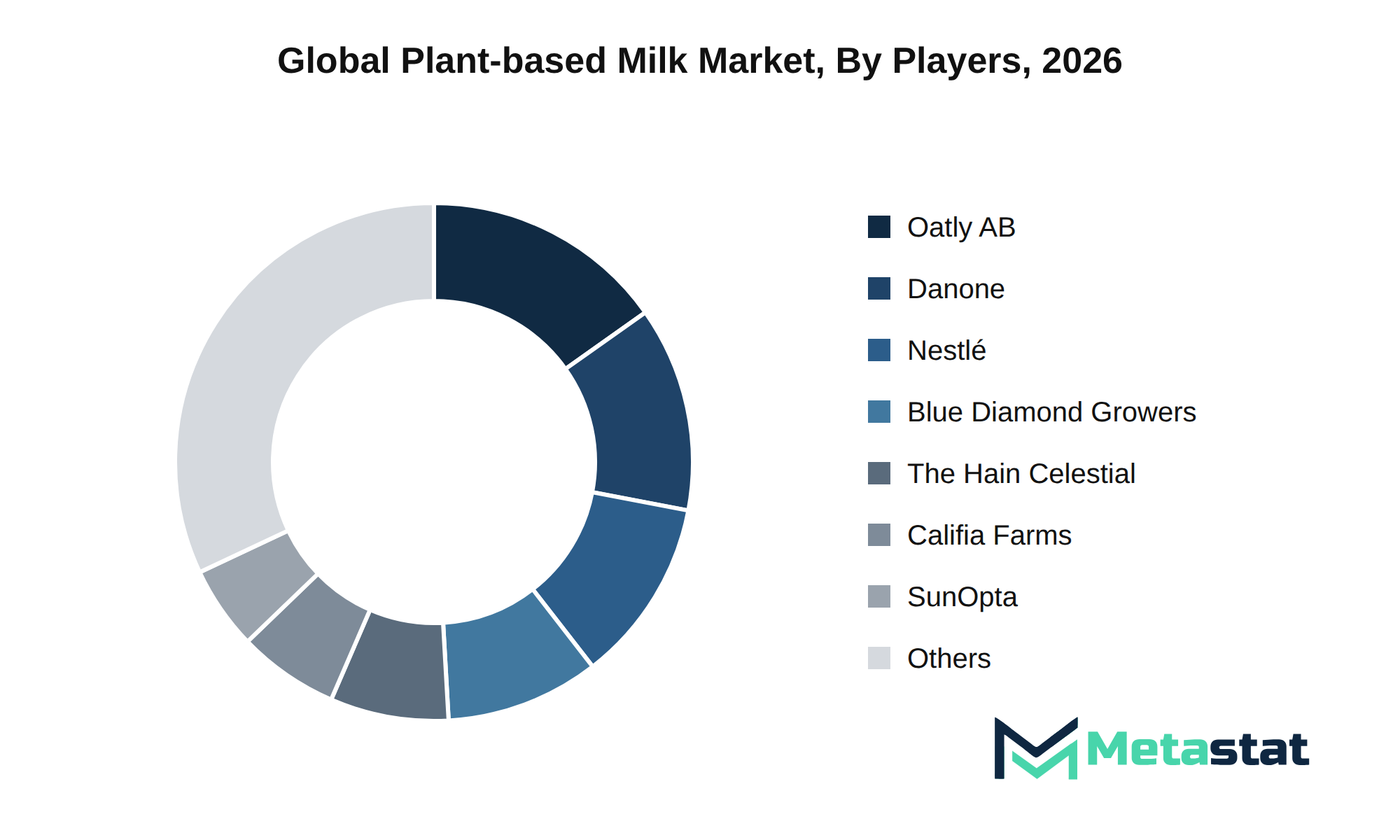
The competitive environment in the Plant-based Milk market features a range of strategic behaviors that affect market dynamics. Mergers, acquisitions, and strategic consolidations occur among key players including Danone SA, Oatly Group AB, and Nestlé S.A. These actions enhance market presence, broaden product portfolios, and increase operational efficiencies.
Product differentiation is essential for attracting consumers. Companies like Blue Diamond Growers and The Hain Celestial Group, Inc. focus on innovative flavors and formulations, including both flavored and unflavored options. Research and development initiatives emphasize unique product formulations to capitalize on evolving consumer preferences.
Strategic alliances and partnerships are critical for expanding market reach. Collaborations between Vitasoy International Holdings Ltd and regional distributors enhance distribution capabilities, while companies like Califia Farms, LLC leverage cross-industry partnerships to deliver new product variations. These strategies contribute to growth within the competitive landscape.
Barriers to entry remain significant, influenced by established brand equity from players including Ripple Foods and Elmhurst Milked Direct LLC. High switching costs for consumers favor incumbent brands, while new entrants face challenges in establishing market presence. This dynamic shapes customer retention strategies and influences pricing architectures across the market.
The future competitive outlook for the Plant-based Milk market indicates continued growth driven by innovative product introductions and strategic positioning. Defensive imperatives for existing players require a focus on sustainable practices and consumer engagement to maintain market share.
Forecast and Future Outlook
Market size is forecast to rise from USD 23.1 billion in 2025 to over USD 41.4 billion by 2033, reflecting a 7.6% compound annual growth rate (CAGR). This growth results from various factors including increasing consumer preference for healthier dietary options and heightened awareness of environmental sustainability. The Plant-based Milk market benefits from a shift in consumer behavior towards plant-based diets and a growing focus on alternative protein sources.
In the bull case scenario, accelerated adoption of plant-based alternatives leads to a more significant market expansion, driven by innovative product offerings and enhanced distribution channels. Conversely, the bear case stems from economic downturns or regulatory challenges that could hinder growth. Nevertheless, the overall trend indicates that demand for plant-based milk will continue to rise, reflecting consumers' pursuit of healthier and sustainable options.
Strategic investments in marketing and product development will play a crucial role in capitalizing on these trends. Companies involved in the Plant-based Milk market focus on differentiating their offerings and expanding their presence in various regions. This approach will facilitate deeper market penetration and enhance overall revenue opportunities.
Plant-based Milk Market Key Segments
By Product Type:
- Soy Milk
- Almond Milk
- Coconut Milk
- Oat Milk
- Others
By Formulation:
- Flavoured
- Plain/Unflavoured
By End User:
- Food & Beverage Industry
- Retail/Household
- Foodservice Industry
By Distribution Channel:
- Hypermarkets/Supermarkets
- Convenience Stores
- Specialty Stores
- Online Retail
- Others
By Region:
- North America
- Europe
- Asia-Pacific
- South America
- Middle East and Africa
Key Global Plant-based Milk Industry Players
- Danone SA
- Oatly Group AB
- Nestlé S.A.
- Blue Diamond Growers
- The Hain Celestial Group, Inc.
- SunOpta Inc.
- Vitasoy International Holdings Ltd
- Pacific Foods of Oregon, LLC
- Califia Farms, LLC
- Ripple Foods
- Elmhurst Milked Direct LLC
- Sanitarium
- Valsoia
- Earth's Own Food Company Inc
- The Bridge S.R.L
- Döhler Group
- Mc Cormick & Co
- Living Harvest Foods Inc
- Liwayway Marketing Corporation (Oishi)
- Goya Foods
- Alpina Foods
Report Coverage
The report strategically identifies and profiles the key market players and analyses their core competencies in each sub-segment of the Plant-based Milk market.
Report Attributes | Details |
Study Period | 2021-2033 |
Base Year | 2025 |
Estimated Year | 2026 |
Forecast Period | 2026-2033 |
Historical Period | 2021-2025 |
Growth Rate | CAGR 7.6% from 2026 to 2033 |
Revenue Unit | USD billion |
Segmentation | By Product Type, Formulation, End User, Distribution Channel, and Region |
By Region | North America (By Product Type, Formulation, End User, Distribution Channel, and Country)
|
Europe (By Product Type, Formulation, End User, Distribution Channel, and Country)
| |
Asia Pacific (By Product Type, Formulation, End User, Distribution Channel, and Country)
| |
South America (By Product Type, Formulation, End User, Distribution Channel, and Country)
| |
Middle East and Africa (By Product Type, Formulation, End User, Distribution Channel, and Country)
|
WHAT REPORT PROVIDES
- Company Market Share, Revenue and Ranking for the Plant-based Milk Market
- Key Market Leaders in the Plant-based Milk Industry
- Full In-depth Analysis of the Plant-based Milk Market
- Industry Statistics and Important Changes in Market Dynamics
- Segmentation Details of the Plant-based Milk Market
- Historical, Ongoing and Projected Market Analysis
- Key Strategies of Major Players in the Plant-based Milk Market
- Competitive Benchmarking of Plant-based Milk Suppliers
Frequently Asked Questions
Find answers to common questions about this report
The Plant-based Milk market size was valued at USD 23.1 billion in 2025.
The Plant-based Milk market is projected to grow at a CAGR of 7.6% during the forecast period from 2026 to 2033.
The North America Plant-based Milk market size is estimated to reach USD 11.6 billion by 2033.
Oat Milk leads the Plant-based Milk market with a projected value of USD 41.4 billion by 2033, driven by its significant growth rate of 11.8%. This segment outpaces others in both value and growth potential.
Increasing awareness regarding health and wellness drives the Plant-based Milk market, because consumers seek alternatives to traditional dairy products. The rise of health-conscious lifestyles and technological advancements in production processes further enhance market growth, leading to a projected value of USD 41.4 billion by 2033.
The Plant-based Milk market experiences significant restraints from regulatory compliance and economic challenges. Stringent regulations increase operational costs, while inflationary pressures and rising raw material costs limit profit margins, affecting pricing strategies and overall demand. Supply chain disruptions further complicate production, hindering market growth and competitiveness.
Increasing awareness of health and wellness drives product adoption in the Plant-based Milk market. Consumers seek alternatives to traditional dairy due to concerns over cholesterol and lactose intolerance, creating opportunities for innovative plant-based options. Enhanced marketing strategies and investments in research and development support this growing demand, positioning the market for sustained expansion.
The Plant-based Milk market is estimated to reach a valuation of USD 41.4 billion by 2033.
Key players in the Plant-based Milk market include Danone SA, Oatly Group AB, Nestlé S.A., Blue Diamond Growers, The Hain Celestial Group, Inc., and Califia Farms, LLC.
The Oat Milk segment exhibits a compound annual growth rate of 11.8%, indicating a strong trend toward increased consumption and product development within this category.
Choose Your License
Global Plant-based Milk Market
Related Reports
Explore related market intelligence reports worth reading alongside this one.