
Global Reusable Transport Packaging (RTP) Market
Global Reusable Transport Packaging (RTP) Market Size, Share, By Product Type (Pallets, Crates & Totes, Pallet Boxes & Bulk Containers, Intermediate Bulk Containers (IBCs), Drums & Barrels, Racks, Cages & Roll Containers, Reusable Dunnage & Protective Inserts and Others), By Material Type (Plastic, Wood & Plywood, Metal and Others), By End-Use Industry (Food & Beverage, Automotive & Transportation, Retail & E-commerce, Industrial Manufacturing, Agriculture & Fresh Produce, Chemicals, Pharmaceuticals & Healthcare, Electronics & Electrical, Postal, Parcel & Logistics and Others), By Usage Model (Closed-loop Systems and Open-loop / Pooling Systems), Industry Analysis, Growth, Trends, and Forecast, 2026-2033
MSI-5060
August 26, 2026
252 Pages
Historical
Base year
Forecast
Forecast period
Report Details
Comprehensive Market Analysis And Insights
Market Overview
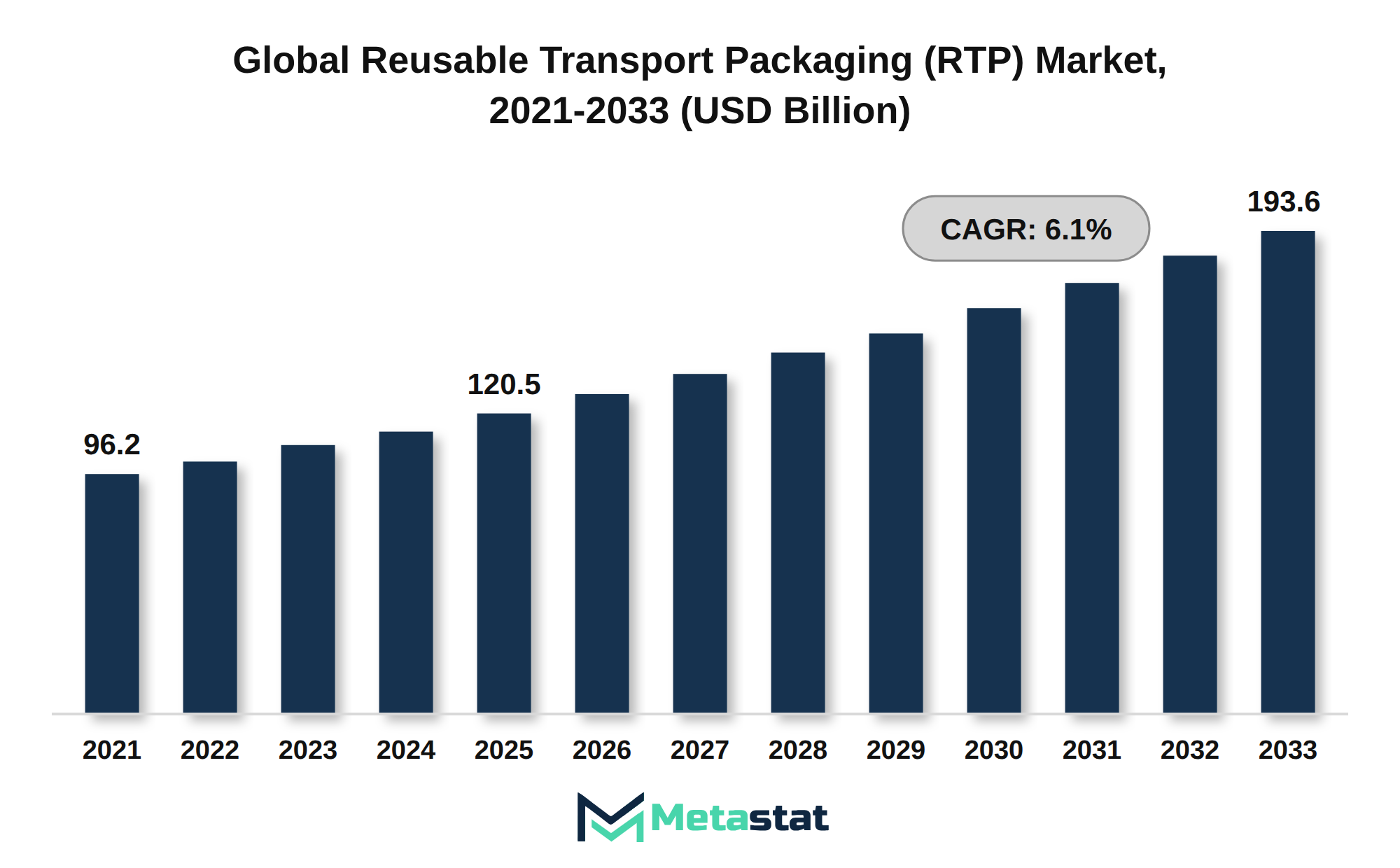
The global Reusable Transport Packaging (RTP) market was valued at USD 120.5 billion in 2025 and is projected to reach USD 193.6 billion by 2033, growing at a CAGR of 6.1% over the forecast period.
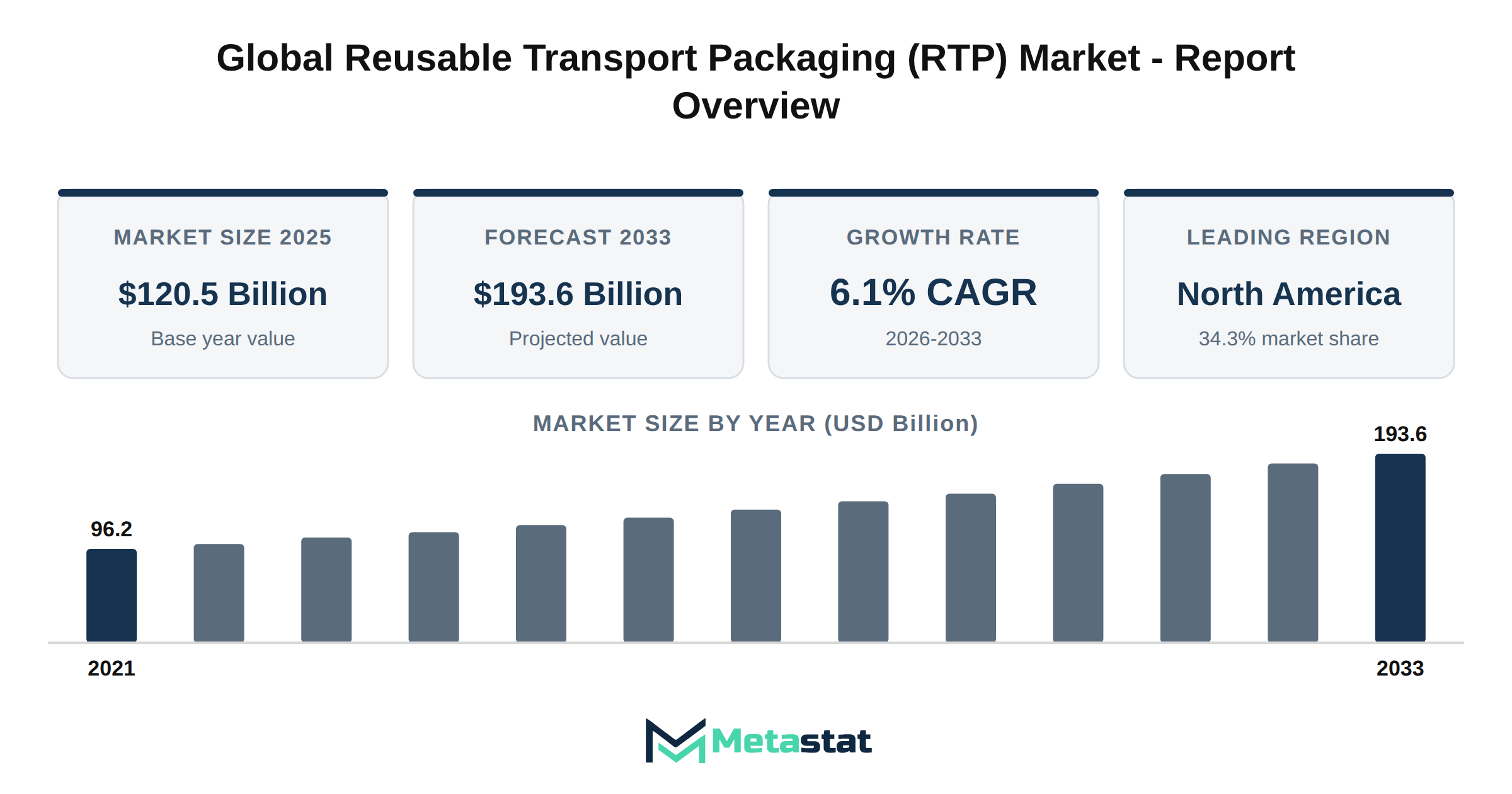
The Reusable Transport Packaging (RTP) market has experienced significant growth, with a base value of USD 120.5 billion in 2025, following a historical increase from USD 96.2 billion in 2021. This trajectory reflects an upward trend, with the market value projected to reach USD 193.6 billion by 2033, representing a compound annual growth rate (CAGR) of 6.1% during the forecast period from 2026 to 2033.
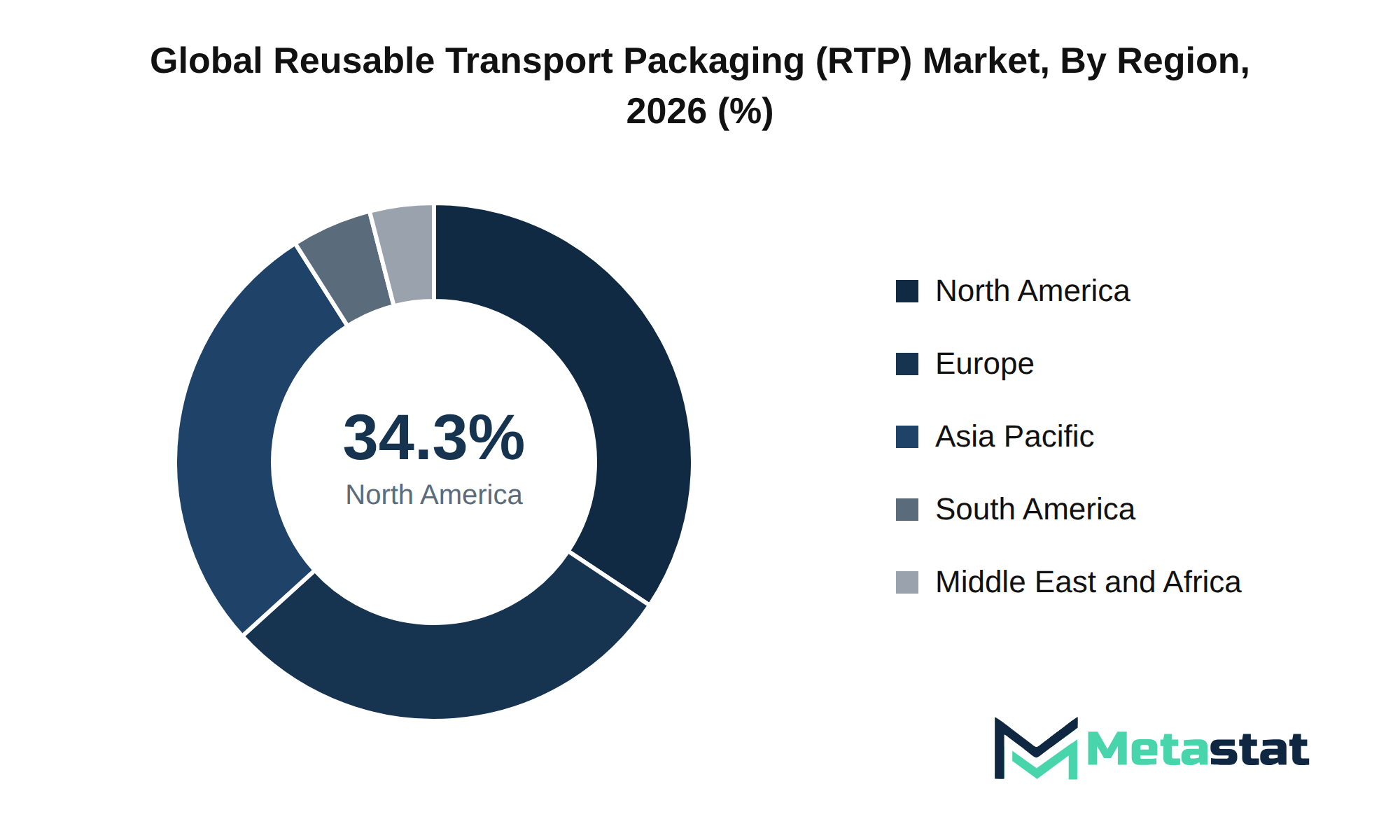
Regional analysis indicates that North America commands the largest share of the market, accounting for 34.3% of the total value, which translates to an estimated USD 63.1 billion by 2033. Europe and Asia Pacific follow, contributing 28.9% and 27.7% respectively. These regions demonstrate a strong preference for reusable transport packaging solutions, driven by sustainability initiatives and regulatory compliance.
Current trends emphasize innovations in packaging design, including foldable and nestable options, which enhance storage efficiency and reduce transportation costs. The integration of smart tracking technologies for reusable asset pools promotes better inventory management and asset efficiency. This focus on efficiency aligns with corporate imperatives toward sustainability, highlighting the significance of reuse-driven lifecycle strategies that improve carbon performance.
Investment in closed-loop take-back and recycling programs enhances material recirculation, allowing businesses to recover end-of-life products effectively. The market demonstrates a strong commitment to recycled-content materials, encouraging innovation in sustainable packaging solutions. Companies within the RTP market actively pursue research and development trajectories to advance next-generation products that align with circular economy dynamics.
Closed-loop take-back and recycling programs gain traction within the Reusable Transport Packaging (RTP) market, driven by environmental sustainability concerns and corporate responsibility initiatives. Companies increasingly adopt these programs to minimize waste, enhance resource efficiency, and comply with evolving regulatory requirements. These programs create a closed-loop system, ensuring that packaging materials return to the supply chain, thus reducing the demand for virgin materials and promoting circular economy principles.
Innovation in recycled-content materials has emerged because a focal point for manufacturers within the market. The integration of recycled materials not only lowers production costs but aligns with consumer preferences for sustainable products. This shift encourages the development of new formulations and technologies that enhance the performance of recycled-content packaging, supporting sustainable practices across various industries.
Foldable and nestable packaging innovations streamline logistics and storage efficiencies. These designs reduce transportation costs by optimizing shipping volumes and decreasing the carbon footprint associated with distribution. Enhanced designs support various applications within the RTP market while appealing to businesses aiming for sustainable operations.
Smart tracking technologies are gaining prominence in managing reusable asset pools. These systems facilitate real-time monitoring of assets, improving inventory management and reducing losses. Enhanced visibility into asset utilization enhances operational efficiency, enabling companies to maximize the lifecycle of their reusable transport packaging investments.
End-of-life recovery strategies and material recirculation play critical roles in the RTP market's sustainability efforts. Companies implement processes for recovering packaging materials at the end of their useful life, ensuring materials are repurposed or recycled effectively. This approach reduces landfill waste and supports resource conservation, contributing to the market's growth trajectory.
Regulatory compliance and geopolitical risk frameworks significantly influence market dynamics. Companies navigate complex regulatory landscapes to ensure adherence to environmental standards, which impact operational costs and market entry strategies. Maintaining compliance with evolving regulations enhances brand reputation and builds consumer trust.
Market fragmentation creates challenges and opportunities for participants within the RTP market. Numerous suppliers and manufacturers operate in diverse regions, resulting in varied competitive dynamics. This fragmentation necessitates strategic partnerships and collaborations, enabling companies to expand their market reach and develop innovative solutions.
Investment in research and development trajectories is essential for driving innovation in the market. Companies allocate resources toward developing next-generation reusable transport packaging solutions that meet the demands of an evolving marketplace. These investments facilitate the adoption of sustainable materials and advanced technologies, enhancing the overall value proposition of RTP offerings.
Macroeconomic headwinds, including inflationary pressures and currency volatility, impact procurement strategies and capital allocation. Companies adapt to fluctuating economic conditions to maintain competitiveness and profitability. Effective management of supply chain dynamics and logistics architecture becomes crucial for responding to these challenges.
The future strategic outlook for the Reusable Transport Packaging (RTP) market indicates growth driven by sustainability imperatives and technological advancements. Companies prioritizing innovation and compliance with environmental standards position themselves favorably for long-term success. High-value recommendations emphasize the importance of integrating sustainable practices into core business strategies to capitalize on market opportunities.
Market Dynamics
Emission limits drive closed-loop adoption
The increasing emphasis on sustainability shapes the Reusable Transport Packaging (RTP) market, particularly through the adoption of closed-loop systems. Organizations face pressure to minimize environmental impacts, resulting in heightened interest in closed-loop models that facilitate the recycling and repurposing of packaging materials. This demand arises from heightened awareness of carbon footprints and the need for sustainable operational practices.
Industries including food and beverage, automotive, and retail play a significant role in this transition, where the drive for greener supply chains becomes essential. Closed-loop systems enable these sectors to enhance operational efficiency while meeting sustainability goals. Companies experience cost reductions associated with waste management and material sourcing, driven by the reuse of packaging materials that lowers overall expenses.
Projected growth within the Reusable Transport Packaging (RTP) market aligns with these trends, because closed-loop adoption contributes to an expanded market value. This alignment supports ongoing investments in technology that streamline the recycling process, further encouraging industry players to adopt innovative practices. The focus on closed-loop systems is expected to enhance competitive positioning, ultimately driving market expansion through increased demand for responsible packaging solutions.
Digital transformation enhances operational efficiency
Technological advancements drive digital transformation within the Reusable Transport Packaging (RTP) market, significantly influencing operational efficiency across various sectors. Automation and artificial intelligence facilitate streamlined processes and improved inventory management, allowing companies to respond swiftly to market demands. This transformation appeals to industries including food and beverage, automotive, and retail, where efficiency and responsiveness are critical for maintaining competitive advantage.
Investments in software solutions contribute to the digitization of legacy processes, replacing outdated systems with integrated platforms that enhance data visibility and workflow management. Enhanced data analytics enable companies to make informed decisions, optimizing supply chains and reducing operational costs. These efficiencies collectively improve profit margins and encourage further investment in reusable packaging solutions, reinforcing the market's growth trajectory.
The commitment to operational productivity through digital transformation leads to increased adoption of reusable transport packaging. Companies within the RTP market recognize the value of leveraging technology to improve sustainability practices while meeting rising consumer expectations for efficient, environmentally friendly products. This alignment between consumer preferences and operational capabilities is projected to drive substantial growth in the market through 2033.
Regulatory compliance and capital constraints
The Reusable Transport Packaging (RTP) market faces hurdles from regulatory compliance and capital constraints that impact investment and operational efficiency. Stricter regulations regarding packaging materials and disposal create a significant burden on manufacturers, resulting in increased operational costs. These compliance requirements necessitate investment in sustainable materials and technologies, which delay market entry for smaller players who lack sufficient capital.
Capital stagnation remains a challenge, particularly for businesses transitioning to more sustainable practices. High capital investment requirements for new technologies and processes restrict growth opportunities, particularly for entrants in the RTP market. The financial strain from inflationary pressures complicates the landscape, driven by rising costs for materials and labor. This situation forces firms to manage their budgets more conservatively, limiting their ability to invest in innovative packaging solutions.
Supply chain disruptions affect the RTP market significantly due to geopolitical instability and resource scarcity. Fluctuations in global supply chains lead to increased lead times and costs, which hinder product availability. Ongoing geopolitical tensions contribute to uncertainty in sourcing materials, compelling industry players to seek alternative suppliers, which escalate costs and complicate logistics.
Skilled labor deficiencies pose another significant restraint within the market. The demand for specialized workers with expertise in reusable packaging design and implementation continues rising, yet the available workforce remains limited. This talent gap results in bottlenecks in production and innovation, impacting the market's growth trajectory.
Market fragmentation presents challenges for companies aiming to establish a unified offering. A diverse array of products and services leads to inconsistent quality and performance across the RTP market. This fragmentation complicates decision-making for customers who seek reliable packaging solutions, leading to a slowdown in market adoption.
Despite these barriers, companies in the Reusable Transport Packaging (RTP) market continue exploring strategies to overcome challenges through partnerships and innovation. Addressing these constraints will shape the future dynamics of the market.
Supply chain instability pressures pricing
The Reusable Transport Packaging (RTP) market experiences significant challenges stemming from supply chain instability, which leads to increased pricing pressures. Disruptions in logistics, caused by geopolitical fragmentation and trade deficits, hinder the smooth flow of materials and components necessary for production. These interruptions not only raise costs but contribute to longer lead times, affecting the overall efficiency of the market. Rising input costs from feedstock volatility increase these pressures, forcing manufacturers to reconsider pricing strategies.
The competition among suppliers intensifies due to their navigation of these challenges, often resulting in compressed margins. The rapid fluctuations in material costs, driven by external factors including global economic conditions, create an uncertain environment for businesses operating within the market. Striking a balance between maintaining profitability and offering competitive pricing becomes a critical task for participants in the RTP market.
The evolving situation of environmental sustainability further complicates the situation. Increased demands for eco-friendly practices and the implementation of decarbonization mandates require investments in new technologies and processes. This requirement for adaptation to changing downstream demands strains the resources of companies, especially small to medium-sized enterprises, because they work to integrate sustainable practices while managing the economic pressures from supply chain instabilities.
Emerging trends drive product integration
The Reusable Transport Packaging (RTP) market experiences robust opportunities driven by emerging trends in product integration and technological innovations. The convergence of various industries enhances the demand for versatile packaging solutions that adapt to diverse requirements, ensuring operational efficiency and sustainability. Companies increasingly seek reusable solutions that support multi-purpose applications across sectors including food and beverage, automotive, and retail.
Geographical expansion contributes to market growth, with regions like North America and Asia Pacific investing in infrastructure modernization and enhanced supply chain frameworks. Countries in these regions focus on improving logistics capabilities, enabling a transition towards more efficient practices. This modernization supports the integration of advanced technologies within the RTP sector, allowing companies to optimize processes and reduce waste.
Sustainability imperatives influence purchasing decisions, driving companies to adopt eco-friendly materials and practices. The emphasis on environmental, social, and governance (ESG) considerations drives the market towards greener alternatives, aligning product offerings with consumer expectations and regulatory requirements. While businesses implement sustainable strategies, the RTP market positions itself because a crucial component in their supply chain solutions.
Innovation in the industry fuels opportunities for niche applications and specialized products that cater to specific market needs. Companies that successfully leverage advancements in material science and design create unique solutions that enhance product offerings, driving competitive advantage. These innovations not only optimize the existing product lines but create avenues for cross-industry mergers and strategic partnerships, strengthening market presence and operational efficiency.
Market Segmentation Analysis
The Global Reusable Transport Packaging (RTP) market is segmented based on Product Type, Material Type, End-Use Industry, and Usage Model.
By Product Type, the market is further segmented into:
- Pallets
- Crates & Totes
- Pallet Boxes & Bulk Containers
- Intermediate Bulk Containers (IBCs)
- Drums & Barrels
- Racks, Cages & Roll Containers
- Reusable Dunnage & Protective Inserts
- Others (Layer Pads, Pallet Collars and Specialized Returnable Trays)
Pallets
The pallets segment is valued at USD 38.1 billion in 2026 and is projected to reach USD 55.3 billion by 2033, at a CAGR of 5.5% during the forecast period. This growth aligns with the increasing adoption of reusable packaging solutions driven by heightened awareness of sustainability and environmental impact across various industries. The food and beverage sector significantly contributes to this demand, recognizing the benefits of pallets in reducing waste and enhancing supply chain efficiency.
Technological advancements in material science and design further support segment expansion, facilitating the production of lighter, more durable pallets that improve logistics operations. Enhanced durability and versatility in pallet design appeal to various end-use industries, including automotive and retail, driving increased investment in reusable solutions. These advancements enhance operational efficiency in supply chains and promote compliance with regulatory sustainability standards.
Pricing volatility in raw materials remains a concern, with fluctuations impacting overall production costs. The growing trend toward closed-loop systems creates strategic opportunity windows for companies specializing in pallet production, allowing them to capitalize on the demand for reusable solutions. This trend encourages innovation and investment in next-generation upgrades, ensuring suppliers remain competitive in the evolving Reusable Transport Packaging (RTP) market.
Crates & Totes
Growth in the Crates & Totes sub-segment of the Reusable Transport Packaging (RTP) market reflects increasing demand from various industries, particularly food and beverage, automotive, and retail. The need for efficient, durable, and sustainable packaging solutions drives this trend. Adoption of reusable packaging aligns with corporate sustainability goals, enhancing brand image and reducing overall environmental impact. This segment is projected to reach USD 43.7 billion by 2033, at a CAGR of 6.4% during the forecast period.
Technological advancements in materials and design contribute to the growth of Crates & Totes. Innovations in plastic and composite materials enhance the durability and lifecycle of products. Companies focus on next-generation upgrades to meet consumer demand for environmentally friendly packaging. Regulatory compliance pushes firms toward adopting reusable solutions, ensuring alignment with sustainability targets and waste reduction initiatives. End-use dynamics significantly influence consumption patterns, with businesses seeking efficient solutions to optimize logistics and supply chain management.
Pricing volatility and margin pressures relate to fluctuations in raw material costs, affecting overall profitability. Firms strategically invest in research and development to streamline production processes and mitigate these pressures. Supply chain resilience is crucial, with companies evaluating their sourcing strategies to secure materials while maintaining cost-effectiveness. Risks associated with disruptive alternatives and substitution highlight the necessity for continual innovation and adaptation within the segment. Strategic opportunity windows exist for companies to enhance their product portfolios, targeting niche markets and expanding into emerging economies.
Pallet Boxes & Bulk Containers
Growth within Pallet Boxes & Bulk Containers aligns with rising demand for efficient and sustainable packaging solutions across various industries. Increasing consumer awareness regarding environmental impacts significantly influences purchasing decisions, driving the adoption of reusable options in the market. Industries including food and beverage, automotive, and e-commerce demonstrate heightened interest in sustainable practices, further propelling the segment's growth.
Technological maturation within manufacturing processes facilitates advancements in the design and functionality of pallet boxes and bulk containers. Enhanced materials, including lightweight plastics, improve durability and reduce costs. The ability to customize sizes and features meets specific industry requirements, expanding the appeal of these products. Innovations in reusable transport packaging technology support closed-loop systems, enhancing overall supply chain efficiency.
Regulatory compliance standards increasingly emphasize sustainability, pushing organizations to adopt reusable transport solutions. Stricter environmental regulations prompt a shift toward reusable options, reinforcing the segment's importance within the Reusable Transport Packaging (RTP) market. Companies focusing on achieving sustainability certifications gain a competitive edge, driving growth.
By 2033, the segment is projected to reach USD 30.9 billion, reflecting robust investment in sustainable packaging solutions and adaptation to evolving market needs. The demand for environmentally friendly options continues to rise, and pallet boxes and bulk containers will play a crucial role in shaping the future of reusable transport packaging.
Intermediate Bulk Containers (IBCs)
Intermediate Bulk Containers (IBCs) segment is projected to grow at a CAGR of 6.1% during the forecast period. Sustained demand for IBCs arises from their efficiency in transporting various liquids and bulk materials across diverse industries. The food and beverage sector particularly drives this demand due to the need for reliable and hygienic packaging solutions. Regulations surrounding food safety enhance the adoption of IBCs, ensuring compliance with health and safety standards.
Investment in next-generation upgrades enhances the performance of IBCs, focusing on materials that improve durability and recyclability. Technological maturation facilitates the integration of smart features, enabling better tracking and management of reusable assets. The market for these containers reflects increased awareness of sustainability, with companies seeking eco-friendly packaging alternatives to reduce their environmental footprint.
Growing consumption shifts towards e-commerce and online retail further increase the IBC market, driven by logistics providers seeking efficient packaging solutions for diverse product ranges. The food and beverage industry's reliance on IBCs for transporting perishable goods highlights their significance within the Reusable Transport Packaging (RTP) market. Operational pressures, including cost structures and pricing volatility, necessitate a focus on optimizing IBC usage for increased profitability.
Strategic opportunity windows emerge for manufacturers investing in advanced IBC designs that address both functionality and sustainability. The shift towards closed-loop systems enhances supply chain resilience, allowing businesses to recover and reuse containers effectively. Overall, the IBC segment demonstrates potential within the Reusable Transport Packaging (RTP) market, driven by evolving industry demands and proactive compliance with regulatory standards.
Drums & Barrels
Interest in Drums & Barrels within the Reusable Transport Packaging (RTP) market reflects the increasing demand for efficient and sustainable packaging solutions. Various industries, including food and beverage, pharmaceuticals, and chemicals, use these containers for their ability to securely transport liquids and bulk materials. The expanding focus on environmental sustainability drives adoption, resulting from companies seeking to minimize single-use packaging and enhance recyclability.
Technological advancements enhance the functionality of drums and barrels, enabling innovations including improved sealing mechanisms and tamper-proof designs. These enhancements support compliance with regulatory requirements and ensure product integrity during transportation. Evolving consumer preferences for sustainable practices prompt manufacturers to innovate and improve product offerings, creating new opportunities for market players.
Cost structures for drums and barrels are influenced by raw material sourcing and production efficiencies. Increasing volatility in raw material prices leads to fluctuations in pricing, impacting profit margins for manufacturers. Companies that leverage supply chain resilience and optimize production processes effectively mitigate these pressures. This positions them for growth in the competitive market environment.
The ongoing substitution risks presented by alternative packaging solutions require constant innovation and adaptation. Market players remain vigilant in tracking emerging trends and consumer preferences, ensuring their products remain relevant and appealing. Capital investment in next-generation upgrades and technological advancements will play a crucial role in shaping the future of the Drums & Barrels segment within the Reusable Transport Packaging (RTP) market.
Racks, Cages & Roll Containers
Growing interest in sustainability and environmental responsibility drives demand for Racks, Cages & Roll Containers within the Reusable Transport Packaging (RTP) market. Industries focusing on reducing carbon footprints prioritize reusable solutions to replace single-use packaging. This shift aligns with increased consumer awareness regarding waste management and ecological impact.
Technological maturation enhances the functionality and efficiency of these containers. Innovations in design and materials contribute to improved durability and usability, meeting the evolving requirements of end-users. Enhanced features facilitate ease of stacking and transportation, leading to greater adoption across sectors.
Downstream application dynamics play a vital role in shaping product development strategies. Key sectors including food and beverage, automotive, and retail increasingly rely on these containers for efficient logistics. The versatility offered by Racks, Cages & Roll Containers positions them because essential components in diverse supply chains.
Regulatory compliance standards influence the market landscape significantly. Stricter guidelines regarding packaging waste encourage businesses to invest in reusable options. Certifications for sustainable materials further reinforce consumer confidence and acceptance, promoting market expansion.
Cost structures associated with these products reflect on overall pricing strategies. Fluctuations in raw material sourcing and production costs impact profitability margins and necessitate strategic planning from manufacturers. Companies that effectively manage these variables leverage opportunities for growth and maintain competitive positioning.
Strategic opportunity windows exist for organizations willing to explore new applications and markets. Seeking untapped sectors for Racks, Cages & Roll Containers drives innovation and potential revenue streams. Collaboration among industry players and investment in research and development will underpin future advancements within the market.
Reusable Dunnage & Protective Inserts
The increasing adoption of reusable dunnage and protective inserts aligns with the rising focus on operational efficiency within the Reusable Transport Packaging (RTP) market. Industries including food and beverage, automotive, and pharmaceuticals emphasize the importance of secure and efficient transport solutions. These inserts enhance protection for products during transit, minimizing damage and waste. The ongoing shift towards sustainability reinforces demand for materials that reduce environmental impact, promoting the adoption of reusable options.
Technological advancements contribute to the development of innovative materials and designs for reusable dunnage and protective inserts. Enhanced designs improve usability and reduce costs associated with product damage. Regulatory compliance standards encourage the use of reusable solutions, aligning with broader environmental objectives and helping companies meet sustainability targets. This situation creates strategic opportunities for manufacturers aiming to expand their offerings within the RTP market.
Consumption shifts towards more sustainable packaging solutions create pressure on traditional single-use options. The cost structures associated with reusable dunnage and protective inserts reduce overall expenses for companies through decreased waste and lower replacement costs. Market players focusing on raw material sourcing and supply chain resilience improve competitiveness by leveraging local resources and sustainable materials. Strategic investments in this area enhance product offerings and allow companies to capitalize on market demand.
Others (Layer Pads, Pallet Collars and Specialized Returnable Trays)
Demand for Layer Pads, Pallet Collars, and Specialized Returnable Trays is driven by the increasing focus on efficient packaging solutions across various industries. Adoption of these products aligns with the necessity for reduced waste and improved supply chain efficiency. Industries including food and beverage, automotive, and retail actively employ these solutions to streamline operations and enhance product protection during transit.
Segment expansion occurs due to growing awareness regarding sustainability and environmental impacts associated with traditional packaging methods. Innovations in materials and design enhance the functionality of these products, enabling better performance in diverse applications. The demand for reusable packaging solutions continues to evolve, reflecting shifts in consumption patterns and preferences, particularly among environmentally conscious consumers.
Regulatory compliance regarding sustainability initiatives significantly influences market dynamics, with businesses seeking solutions that meet stringent environmental standards. Cost structures for production and pricing volatility in raw materials introduce challenges. Strategic opportunity windows emerge for suppliers who successfully navigate these factors. The resilience of supply chains becomes crucial, driving investments in products that enhance operational efficiency while addressing consumer expectations for sustainability within the Reusable Transport Packaging (RTP) market.
Technological advancements support the development of next-generation products, increasing their adaptability to various end-use applications. These trends shape the competitive environment, encouraging manufacturers to innovate continuously and explore white-space opportunities for growth. Overall, the segment contributes to the broader trajectory of the RTP market, emphasizing the importance of sustainable practices in packaging solutions.
By Material Type, the market is further segmented into:
- Plastic
- Wood & Plywood
- Metal
- Others (Composite, Engineered Fiber and Specialty Reusable Materials)
Plastic
Significant growth in the Plastic sub-segment reflects advancements in material performance and increased adoption across various industries. Valued at USD 62.5 billion in 2026, this segment is projected to reach USD 98.8 billion by 2033, at a CAGR of 6.8% during the forecast period. Key drivers include the escalating demand for sustainable practices and the push for innovative packaging solutions, which enhance efficiency and reduce environmental impact.
Technological maturation facilitates the evolution of plastic materials, allowing for greater versatility and durability. End-use industries, including food and beverage, automotive, and retail, increasingly prioritize reusability and recyclability in their packaging choices. The shift towards closed-loop systems, where returnable plastic packaging optimizes supply chain efficiency and reduces waste, reflects this trend.
Regulatory compliance standards further influence market dynamics, driving companies to adopt eco-friendly materials and practices. The ongoing focus on sustainability and resource conservation aligns with evolving consumer preferences, prompting investment in next-generation upgrades to meet market expectations. Cost structures remain a critical consideration, owing to fluctuations in raw material pricing impacting profit margins, necessitating strategic sourcing and supply chain resilience.
Opportunities for innovation abound, particularly in the development of advanced plastic composites and engineered materials designed for specific applications. While the market for Reusable Transport Packaging (RTP) continues to expand, stakeholders will benefit from navigating these strategic opportunity windows while addressing the challenges posed by disruptive alternatives and substitution risks.
Overall, the Plastic sub-segment within the Reusable Transport Packaging (RTP) market demonstrates robust potential for growth, driven by technological advancements, regulatory influences, and evolving consumer expectations.
Wood & Plywood
Wood and plywood serve because essential materials in the Reusable Transport Packaging (RTP) market, reflecting a strong connection to industry sustainability initiatives. Demand for these materials arises from their eco-friendly attributes and biodegradability, appealing to businesses focused on reducing their environmental footprint. This segment is expected to reach USD 53.8 billion by 2033, at a CAGR of 4.8% during the forecast period.
End-use industries, particularly in food and beverage, automotive, and retail sectors, increasingly favor wood and plywood due to their strength and durability. Enhanced product design has led to innovations in wood and plywood packaging, integrating features tailored for specific applications. Regulatory compliance surrounding sustainable packaging practices influences material choices, pushing manufacturers towards wood and plywood options.
Raw material sourcing remains critical, with the availability of sustainable timber influencing production capabilities. Supply chain resilience regarding wood and plywood relies on effective sourcing strategies, mitigating risks associated with environmental policies and timber shortages. Competitive pressures within the RTP market drive continuous improvements in product quality and cost efficiency, positioning wood and plywood because viable choices for various applications.
Metal
Adoption of metal in the Reusable Transport Packaging (RTP) market reflects a critical response to various industries prioritizing durability and longevity in their packaging solutions. End-use industries, particularly in automotive and heavy-duty manufacturing, increasingly favor metal due to its resilience and strength. This trend results from rising demand for materials that offer reliable protection during transportation and storage, ensuring product integrity at lower risks of damage.
Technological advancements in metal fabrication enhance product evolution, offering next-generation upgrades that improve weight-to-strength ratios and facilitate customization. Manufacturers leverage these innovations to meet specific industry requirements, enabling tailored solutions for diverse applications. Segment growth aligns with increasing consumer awareness of sustainability, driven by metal packaging being often reusable and recyclable, contributing to waste reduction efforts.
Market analysis anticipates the metal segment will reach USD 29.7 billion by 2033, driven largely by its cost-effectiveness over time compared to single-use alternatives. Pricing volatility of raw materials, including steel and aluminum, influences the overall cost structures for suppliers. The long-term benefits of metal packaging mitigate these fluctuations. Regulatory compliance further shapes market dynamics, with stringent guidelines prompting investments in quality assurance and certifications.
Supply chain resilience remains essential, especially in sourcing raw materials amid global disruptions. Manufacturers focus on establishing robust partnerships with suppliers to ensure steady access to essential materials. The competitive landscape emphasizes strategic opportunity windows, encouraging investments in innovative products and sustainable practices that align with contemporary market demands within the RTP market.
Others (Composite, Engineered Fiber and Specialty Reusable Materials)
Substantial growth in the Others (Composite, Engineered Fiber and Specialty Reusable Materials) segment aligns with increasing demand for sustainable packaging solutions across various industries. Environmental concerns and the need for innovative materials drive manufacturers to explore advanced composites and engineered fibers that offer enhanced durability and lifecycle benefits. Adoption of these materials reflects a shift towards more sustainable practices, appealing to environmentally conscious consumers and businesses. The Reusable Transport Packaging (RTP) market benefits from this trend, with companies recognizing the potential for lower overall costs through reduced waste and improved efficiency.
This segment is projected to grow at a CAGR of 7.8% during the forecast period. Continuous advancements in material science and engineering promote the evolution of packaging solutions that are lightweight yet robust, enhancing their appeal in sectors including food and beverage, automotive, and retail. Regulatory pressures pushing for reduced environmental impacts further augment the market's growth potential, compelling companies to consider composite materials that meet these compliance standards. The evolving landscape of consumer preferences highlights the importance of innovation, prompting businesses to invest in research and development of specialized reusable materials.
Cost structures associated with traditional packaging materials create favorable market conditions for composite solutions. Companies transitioning to alternative materials experience improved margins due to lower disposal costs and increased reuse potential. The strategic opportunity window for developing these materials appears promising, especially for manufacturers prioritizing sustainability and product longevity. While industries embrace circular economy principles, demand for engineered fiber and specialty reusable materials is expected to intensify, highlighting their significance in the Reusable Transport Packaging (RTP) market.
By End-Use Industry, the market is further segmented into:
- Food & Beverage
- Automotive & Transportation
- Retail & E-commerce
- Industrial Manufacturing
- Agriculture & Fresh Produce
- Chemicals
- Pharmaceuticals & Healthcare
- Electronics & Electrical
- Postal, Parcel & Logistics
- Others (Building Materials, Textiles and Recycling Industries)
Food & Beverage
Valued at USD 28.1 billion in 2026, the Food & Beverage segment is projected to reach USD 41.5 billion by 2033, at a CAGR of 5.7% during the forecast period. This growth stems from an increasing focus on sustainability and the need for efficient packaging solutions within the food and beverage industry. The shift toward reusable transport packaging (RTP) aligns with consumer preferences for eco-friendly products and strict regulations aimed at reducing waste.
Technological advancements in material science enhance the performance and durability of reusable packaging solutions, creating opportunities for manufacturers to innovate and meet diverse customer needs. Evolving consumption patterns reflect a growing demand for convenience and safety in food handling and transport, driving adoption. Regulatory compliance standards around food safety influence packaging choices, compelling companies to invest in reusable solutions that meet these requirements.
Strategic opportunity windows exist for companies in the RTP market, driven by rising investment in sustainable practices. Collaboration among industry players to develop standardized reusable packaging solutions facilitates broader adoption across the food and beverage sector. Overall, the segment's growth reflects a commitment to sustainability, efficiency, and regulatory compliance, positioning it for expansion in the coming years.
Automotive & Transportation
Growth in the Automotive & Transportation sector of the Reusable Transport Packaging (RTP) market aligns with ongoing demand for efficiency and sustainability in logistics. The automotive industry increasingly seeks innovative packaging solutions that support supply chain resilience while reducing environmental impact. A focus on closed-loop systems drives adoption, enhancing returnable packaging utilization and minimizing waste across operations.
The segment is estimated to reach USD 31.6 billion by 2033, at a CAGR of 5.6% during the forecast period. Companies within this sector leverage advancements in technology to develop improved packaging materials and designs, facilitating better performance and lower costs. Regulatory compliance standards increasingly emphasize environmental responsibility, prompting manufacturers to adopt reusable options that align with sustainability objectives.
Cost structures within the automotive and transportation sector reflect pressures from raw material sourcing and pricing volatility, contributing to the strategic importance of reusable transport packaging. Competitive dynamics compel companies to consider the long-term value of investment in next-generation upgrades, ensuring packaging solutions meet evolving market demands. The focus on product evolution aligns with shifts in consumer preferences towards more sustainable and efficient supply chain practices.
Retail & E-commerce
Growing demand for reusable packaging solutions within the retail and e-commerce sectors drives the expansion of the Reusable Transport Packaging (RTP) market. The increasing emphasis on sustainability and efficiency is driving the need for eco-friendly alternatives, which enhances the appeal of reusable transport packaging over single-use options. Retailers prioritize cost-effectiveness, leading to a shift towards reusable solutions that reduce waste and operational expenses.
Technological maturation contributes to product evolution in the segment, enabling the development of innovative packaging solutions tailored for specific applications. This evolution improves durability and versatility, making reusable packaging more attractive to retailers seeking to optimize their supply chains. The segment is projected to reach USD 29.5 billion by 2033, reflecting sustained growth driven by consumer preferences for sustainable practices.
Changes in consumption patterns, influenced by growing environmental awareness, promote the adoption of reusable packaging solutions. Retail and e-commerce businesses increasingly recognize the importance of meeting regulatory compliance standards related to sustainability, leading to a proactive approach towards integrating reusable transport packaging into their operations. Overall, these factors combined outline a favorable outlook for the retail and e-commerce sub-segment within the RTP market.
Industrial Manufacturing
Demand for reusable transport packaging in the Industrial Manufacturing segment derives from the increasing emphasis on sustainability and cost efficiency in production processes. Manufacturers seek solutions that minimize environmental impact and reduce operational expenses. Growth in this segment aligns with the broader trend of industries prioritizing eco-friendly practices.
Industrial manufacturing incorporates various reusable packaging types, including pallets and crates, which optimize space and enhance supply chain efficiency. This sector's projected CAGR of 5.7% during the forecast period highlights the expanding adoption of innovative packaging solutions that support sustainable practices. Companies invest in reusable transport packaging to comply with regulatory standards advocating for reduced waste and resource conservation.
Investments in advanced materials and manufacturing technologies contribute to the evolution of reusable transport packaging products. Ongoing technological maturation enables the development of packaging that meets the diverse needs of the industrial sector, enhancing its appeal across various applications. The focus on efficiency and sustainability within the market indicates a shift in consumer preferences, favoring solutions that align with corporate responsibility goals.
With a growing emphasis on supply chain resilience, manufacturers recognize the value of reusable transport packaging in mitigating risks associated with resource shortages and logistics vulnerabilities. This strategic outlook encourages capital investment in packaging solutions that offer long-term benefits. The Industrial Manufacturing segment is projected to grow, driven by evolving consumption patterns and increasing regulatory pressures shaping the market.
Agriculture & Fresh Produce
Demand for reusable transport packaging within agriculture and fresh produce increases owing to shifting consumer preferences toward sustainable practices. Producers in this segment seek to reduce environmental impact while maintaining the integrity and freshness of their products. This aligns with broader trends emphasizing eco-friendly solutions across various industries.
Growing implementation of closed-loop systems supports the adoption of reusable packaging solutions. Such systems enhance supply chain efficiency while minimizing waste, contributing to the overall growth of the reusable transport packaging market. The emphasis on food safety and compliance with regulatory standards accelerates the transition to reusable solutions in agriculture and fresh produce.
Pricing volatility influences producers to invest in durable, reusable options instead of single-use packaging. Fluctuating raw material costs push businesses to seek cost-effective alternatives that ensure product quality and minimize waste. Companies increasingly view reusable transport packaging because a strategic opportunity to enhance brand reputation and align with consumer expectations.
Technological advancements within the industry facilitate improved product evolution for reusable packaging solutions. Innovations in materials and design enhance the functional capabilities of packaging, offering better protection for fresh produce during transport. While the market matures, suppliers continually develop next-generation upgrades that optimize performance and sustainability, ensuring ongoing improvements.
Chemicals
Growing environmental regulations and compliance standards significantly influence demand for reusable transport solutions within the Chemicals sector. Manufacturers increasingly adopt reusable packaging to align with sustainability practices while minimizing waste. These dynamics drive investments in recyclable materials and innovative designs, enhancing product lifecycle management and operational efficiency. End-users in the Chemicals industry focus on reducing carbon footprints, prompting a shift towards reusable alternatives that contribute to environmentally friendly practices.
Technological advancements play a crucial role in the evolution of packaging solutions tailored for the Chemicals sector. Innovations in material science lead to the development of high-performance reusable containers, offering improved durability and safety for hazardous materials. The integration of smart technologies, including tracking and monitoring systems, enhances supply chain transparency and ensures regulatory compliance. This technological maturation supports market growth while addressing unique challenges faced by chemical manufacturers.
Strategic investment opportunities arise within this segment owing to rising demand for reusable packaging solutions. Companies focusing on innovation and sustainability capitalize on emerging trends in the Chemicals sector. Addressing substitution risks and disruptions from traditional single-use packaging models supports long-term market resilience. Firms prioritizing sustainable practices and investing in next-generation upgrades secure competitive advantages in the Reusable Transport Packaging (RTP) market.
Pharmaceuticals & Healthcare
Increasing emphasis on safety and compliance in the Pharmaceuticals & Healthcare sector drives demand for reusable transport packaging solutions. These solutions ensure the secure transportation of sensitive products, reducing the risks of contamination and damage during transit. Regulatory compliance standards specific to pharmaceuticals necessitate the use of packaging that meets stringent quality and safety criteria, further propelling the adoption of reusable options.
Technological advancements in packaging design and materials enhance the functionality and appeal of reusable transport packaging in this sector. Innovations including tamper-evident seals and temperature-controlled containers address critical requirements for pharmaceutical distribution, ensuring product integrity. These upgrades align with the evolving needs of healthcare providers and pharmaceutical manufacturers, who seek reliable and efficient packaging solutions.
Shifts in consumption patterns towards sustainability influence the market dynamics significantly. Pharmaceutical companies increasingly prioritize eco-friendly practices, prompting a transition to reusable packaging that minimizes environmental impact. This shift not only reflects corporate social responsibility but aligns with consumer preferences for sustainable products.
Strategic opportunity windows arise owing to manufacturers and suppliers of reusable transport packaging exploring partnerships and collaborations within the healthcare sector. These alliances promote innovation and the development of tailored solutions that meet specific industry requirements. Investment in research and development further supports the evolution of packaging solutions tailored for pharmaceuticals and healthcare, enhancing market competitiveness.
Cost structures remain a central concern for stakeholders in the Pharmaceuticals & Healthcare sector. While the initial investment in reusable transport packaging is higher, the long-term savings associated with reduced waste and improved efficiency present a compelling argument for adoption. Balancing upfront costs with potential savings from decreased material use and waste management will shape purchasing decisions within the market.
Logistics vulnerabilities present challenges for the widespread adoption of reusable transport packaging. Efficient supply chain management is essential to ensure the timely availability of packaging solutions to meet demand. Addressing these vulnerabilities through improved logistics strategies and infrastructure will enhance the resilience of the market and improve its growth potential.
The Pharmaceuticals & Healthcare segment of the Reusable Transport Packaging (RTP) market experiences growth driven by regulatory compliance, technological advancements, and sustainability trends. Strategic investments and partnerships will further enhance market opportunities, positioning stakeholders for success in this evolving environment.
Electronics & Electrical
Investment in electronic goods drives demand for reusable transport packaging solutions. Manufacturers focus on sustainable practices, creating an environment where reusable transport packaging becomes integral to supply chains. This transition aligns with heightened consumer awareness regarding environmental impacts and regulatory compliance. Compliance with standards instills confidence in reusable solutions, further encouraging adoption within the electronics and electrical sector.
Technological maturation influences product evolution, with advancements leading to next-generation upgrades in packaging design and functionality. These innovations improve durability and efficiency, appealing to businesses seeking to enhance operational capabilities. Shifts in consumption patterns toward sustainable options support the growth trajectory of the reusable transport packaging market, establishing a competitive edge for companies adopting these strategies.
Strategic opportunity windows emerge, presenting potential for players in the electronics and electrical sector to capitalize on evolving market conditions. With raw material sourcing becoming increasingly critical, companies explore sustainable materials to meet demand while maintaining cost-effectiveness. The ongoing evolution of packaging solutions positions businesses to enhance supply chain resilience through innovative practices.
Postal, Parcel & Logistics
Growing demand for efficient and sustainable solutions in the logistics sector drives interest in reusable transport packaging. Companies prioritize reducing waste and improving their environmental footprint, prompting a shift towards reusable options in postal and parcel delivery. Innovations in materials and design enhance the functionality of packaging used in this segment, enabling better protection for items during transit.
Regulatory compliance regarding environmental standards influences packaging choices, with many firms adapting to new guidelines. This adaptation leads to increased investments in reusable packaging technologies, strengthening supply chain resilience. The current trend towards circular economy practices promotes the use of reusable transport packaging among logistics providers, allowing for greater operational efficiency and cost savings.
Challenges related to cost structures and pricing volatility in raw materials impact the adoption of reusable solutions. Ongoing technological maturation supports product evolution, creating strategic opportunities for businesses investing in this market. The adoption of reusable transport packaging enhances the overall sustainability profile of logistics operations, aligning with broader market trends towards environmental responsibility.
Others (Building Materials, Textiles and Recycling Industries)
Interest in reusable transport packaging within the building materials, textiles, and recycling industries reflects a broader emphasis on sustainability and cost-efficient solutions. Incorporating reusable packaging reduces waste associated with single-use alternatives, aligning with increasing environmental concerns. The shift towards circular economy practices encourages these industries to adopt reusable systems, enhancing resource efficiency and minimizing environmental impact.
Technological advancements drive the evolution of reusable transport packaging products, leading to more durable and versatile designs suitable for diverse applications. Innovations in materials and manufacturing processes drive the development of packaging solutions that meet the specific needs of building materials, textiles, and recycling sectors.
Regulatory compliance standards play a crucial role in shaping market dynamics. Stricter environmental regulations and sustainability goals motivate businesses to transition to reusable alternatives, positioning reusable transport packaging because a viable solution. This regulatory landscape influences investment strategies and encourages companies to explore new opportunities within the market.
Strategic opportunity windows arise because market players seek to differentiate their offerings through innovative, sustainable solutions. By focusing on enhancing product efficiency and meeting evolving consumer preferences, companies capture significant interest in the reusable transport packaging market. While businesses prioritize sustainability, collaboration across the supply chain will further strengthen the position of reusable solutions within these industries.
By Usage Model, the market is further segmented into:
- Closed-loop Systems
- Open-loop / Pooling Systems
Closed-loop Systems
Valued at USD 73.5 billion in 2026, the Closed-loop Systems segment is projected to reach USD 106.1 billion by 2033, at a CAGR of 5.4% during the forecast period. Demand for closed-loop systems within the Reusable Transport Packaging (RTP) market is driven by heightened focus on sustainability and resource efficiency across multiple industries. Environmental concerns prompt organizations to seek solutions that minimize waste and enhance recycling capabilities, aligning with global trends toward circular economies.
Adoption of closed-loop models facilitates cost savings through reduced material consumption and efficient logistics. Companies using these systems enjoy enhanced supply chain resilience, allowing for better management of resources and inventory, ultimately leading to increased operational efficiency. The food and beverage sector, among others, recognizes the benefits of closed-loop systems, leading to a surge in demand within this segment.
Technological maturation plays a critical role in the growth of closed-loop systems, with advancements in tracking and management technologies enhancing the effectiveness of reusable packaging. Innovations in materials and design further support segment expansion, offering improved durability and usability. Regulatory compliance standards and certifications influence market dynamics, with companies increasingly directing investments towards solutions that meet stringent sustainability criteria.
While organizations prioritize sustainability, consumption shifts toward closed-loop systems, reflecting a broader commitment to environmental stewardship. This evolving landscape presents strategic opportunity windows for manufacturers and suppliers within the Reusable Transport Packaging (RTP) market. Capital investment in closed-loop systems is expected to yield significant returns, reinforcing their position because a preferred choice for businesses aiming to enhance sustainability while maintaining cost-effectiveness.
Open-loop / Pooling Systems
Demand for Open-loop / Pooling Systems within the Reusable Transport Packaging (RTP) market reflects shifting preferences toward sustainable and efficient packaging solutions. Environmental concerns and regulatory pressures drive the need for packaging that minimizes waste and promotes recycling. This segment is estimated to reach USD 87.5 billion by 2033, at a CAGR of 6.9% during the forecast period.
Growing interest in collaborative logistics models contributes to the expansion of open-loop systems. Businesses are increasingly adopting pooling arrangements to optimize their supply chains, resulting in reduced costs and improved efficiency. The food and beverage sector, alongside retail and e-commerce, significantly influences market dynamics, driven by these industries prioritizing cost-effective and sustainable packaging solutions.
Technological advancements further enhance the functionality and efficiency of open-loop systems. Innovations in materials and design lead to improved durability and usability, driving adoption across various sectors. The Reusable Transport Packaging (RTP) market benefits from this technological maturation, supported by companies seeking to enhance their sustainability profiles while maintaining operational effectiveness.
Investment in circular economy principles supports the growth of open-loop systems. Organizations increasingly focus on developing systems that facilitate the return and reuse of packaging, helping to mitigate environmental impact. This strategic shift towards sustainability not only addresses regulatory requirements but strengthens brand loyalty among environmentally conscious consumers.
Market players face challenges related to pricing volatility and margin pressures, particularly in the context of fluctuating raw material costs. Effective supply chain management and strategic partnerships become essential for ensuring resilience and competitiveness. Companies that adapt to these market dynamics are well-positioned to capitalize on the growth opportunities presented by the open-loop / pooling systems segment.
By Region
Based on geography, the Global Reusable Transport Packaging (RTP) market is divided into North America, Europe, Asia-Pacific, South America, Middle East, and Africa.
North America
North America holds a 34.3% share of the global Reusable Transport Packaging (RTP) market in 2025. The market is set to expand at a CAGR of 6.1% within the forecast period, reaching a market size (TAM) of USD 63.1 billion by the end of 2033. Key drivers of this growth include rising awareness regarding sustainability, which encourages industries to adopt reusable packaging solutions to meet regulatory requirements and corporate responsibility goals.
The Food & Beverage sector especially prioritizes reusable transport packaging, with a projected increase from USD 28.1 billion in 2026 to USD 41.5 billion by 2033, reflecting a CAGR of 5.7%. Enhanced supply chain efficiencies and a focus on reducing waste contribute to this trend. The automotive and transportation sectors show strong potential, driven by the demand for durability and cost-effectiveness in reusable packaging solutions.
Infrastructure modernization across the United States, Canada, and Mexico supports the proliferation of RTP. Investments in localized manufacturing and nearshoring initiatives facilitate more efficient supply chains and reduce reliance on overseas production. This shift aligns with emerging market trends emphasizing regional sourcing and distribution, resulting in enhanced demand for advanced reusable packaging options.
The competitive landscape in North America features established domestic players leading the market. Companies prioritize innovation and strategic partnerships to enhance their offerings and maintain market share. Vendor consolidation trends are evident, with significant mergers and acquisitions shaping the market dynamics, ultimately benefiting end-users through improved service and product availability.
Regional resource availability significantly impacts the RTP market. Robust energy grid resiliency supports manufacturing capabilities, ensuring that producers meet the growing demand efficiently. A focus on compliance with local regulations and sustainability initiatives further encourages the adoption of reusable transport packaging solutions, reinforcing North America's position because a key player in the global market.
Europe
The Reusable Transport Packaging (RTP) market in Europe benefits from a diverse industrial landscape, including key countries including Germany, France, the UK, Italy, Spain, and Russia. The region's strong manufacturing base and advanced logistics networks support the adoption of RTP solutions across various sectors. In particular, the Food & Beverage and Automotive & Transportation industries present significant growth opportunities, driven by the increasing focus on sustainability and efficiency.
Market dynamics reflect an emphasis on closed-loop systems, with the potential for growth in open-loop and pooling systems. Regulations favoring environmentally friendly practices further stimulate investment in RTP solutions, aligning with local compliance mandates. The market's maturity presents high-value replacement cycles attributed to enterprises seeking to modernize their packaging approaches, leading to incremental growth vectors.
Regional competitive landscapes highlight domestic leaders, including established vendors committed to innovation and sustainability. Localized procurement dynamics reflect cultural nuances impacting B2B buying behaviors, influencing the selection of RTP solutions. Foreign direct investment flows into the region are expected to enhance manufacturing capabilities and drive geographic expansion windows, reinforcing Europe's position in the global RTP market.
Europe positions itself because a leader in the Reusable Transport Packaging (RTP) market. Infrastructure modernization and localized manufacturing densities strengthen the supply chain. Geopolitical factors and cross-border trade corridors further shape the market's landscape, facilitating collaboration and strategic partnerships within the industry.
Asia-Pacific
Asia-Pacific accounts for 27.7% of the global Reusable Transport Packaging (RTP) market in 2025. This region experiences growth driven by the dynamic economic landscapes in countries like China, Japan, and India, where rapid industrialization and urbanization create strong demand for effective and sustainable packaging solutions. The local acquisition of reusable packaging technology enhances operational efficiencies in supply chains, directly impacting sectors including food and beverage, automotive, and retail.
Infrastructure modernization initiatives across Asia-Pacific contribute to market expansion by supporting greater adoption rates of reusable transport packaging systems. Countries like South Korea and Australia invest in upgrading logistics and warehousing capabilities, aligning with global sustainability goals. This commitment to environmental standards creates a favorable environment for the adoption of RTP solutions, enhancing competitive positioning for local manufacturers.
Emerging markets within Southeast Asia present underpenetrated territories, offering significant opportunities for growth. While businesses in these regions recognize the benefits of RTP in reducing waste and increasing efficiency, the demand for various product types, including pallets and crates, is rising. Cross-border trade corridors facilitate regional cooperation, allowing companies to leverage localized manufacturing densities for enhanced supply chain resilience.
Competitive dynamics in Asia-Pacific feature several domestic market participants, including ORBIS Corporation and Brambles Limited (CHEP), which influence the RTP landscape through strategic investments and vendor consolidation. Local compliance mandates and regulatory frameworks further shape market behavior, influencing procurement dynamics and B2B buying behaviors specific to the region. This unique blend of factors positions the market for sustained growth through 2033.
South America
The Reusable Transport Packaging (RTP) market in South America experiences moderate growth driven by increasing demand from the food and beverage sector. Countries including Brazil and Argentina present opportunities for market expansion due to their large agricultural outputs and evolving supply chains. The need for sustainable packaging solutions strongly influences these regions, pushing businesses to adopt reusable systems that enhance efficiency and reduce waste.
Infrastructure modernization significantly shapes the market by improving logistics capabilities and distribution networks. Developing urban areas within Brazil and Argentina facilitate better access to consumers and enhance the overall supply chain dynamics for reusable transport packaging. The growing trend towards localized manufacturing supports demand for RTP solutions, allowing companies to meet the specific needs of regional markets.
Cultural nuances significantly influence B2B buying behaviors, with an emphasis on reliability and sustainability. Businesses increasingly prioritize suppliers that align with environmental goals and offer effective compliance with local regulations. The market structure benefits from domestic players that understand the intricacies of local procurement dynamics, creating a competitive environment that encourages innovation and customer loyalty.
With a market share of 5.00% in 2025, South America represents a strategic region for players seeking to expand their presence in reusable transport solutions. This share reflects the region's potential with ongoing investments in infrastructure and supply chain enhancements, positioning it because a focal point for growth within the global RTP market.
Middle East and Africa
The Reusable Transport Packaging (RTP) market in the Middle East and Africa reflects unique growth dynamics influenced by various regional factors. Countries including Saudi Arabia, UAE, and South Africa show increasing investment in infrastructure modernization and localized manufacturing, driving demand for efficient packaging solutions. The region experiences a notable shift towards sustainable practices, prompting businesses to adopt reusable transport packaging for cost reductions and compliance advantages.
Infrastructure enhancements support the adoption of RTP solutions, driven by industries seeking to optimize supply chain operations. Companies actively pursue regionalization strategies and nearshoring initiatives, creating a favorable environment for reusable packaging solutions that minimize logistical challenges and enhance operational efficiencies.
Competitive landscapes highlight domestic market participants while showing trends of vendor consolidation, resulting from businesses striving to enhance their market presence. Cultural nuances and localized procurement dynamics influence B2B buying behaviors, resulting in tailored approaches to meet specific market needs. The Reusable Transport Packaging (RTP) market demonstrates steady growth potential within this diverse region, driven by these intricate factors.
Competitive Landscape and Strategic Insights
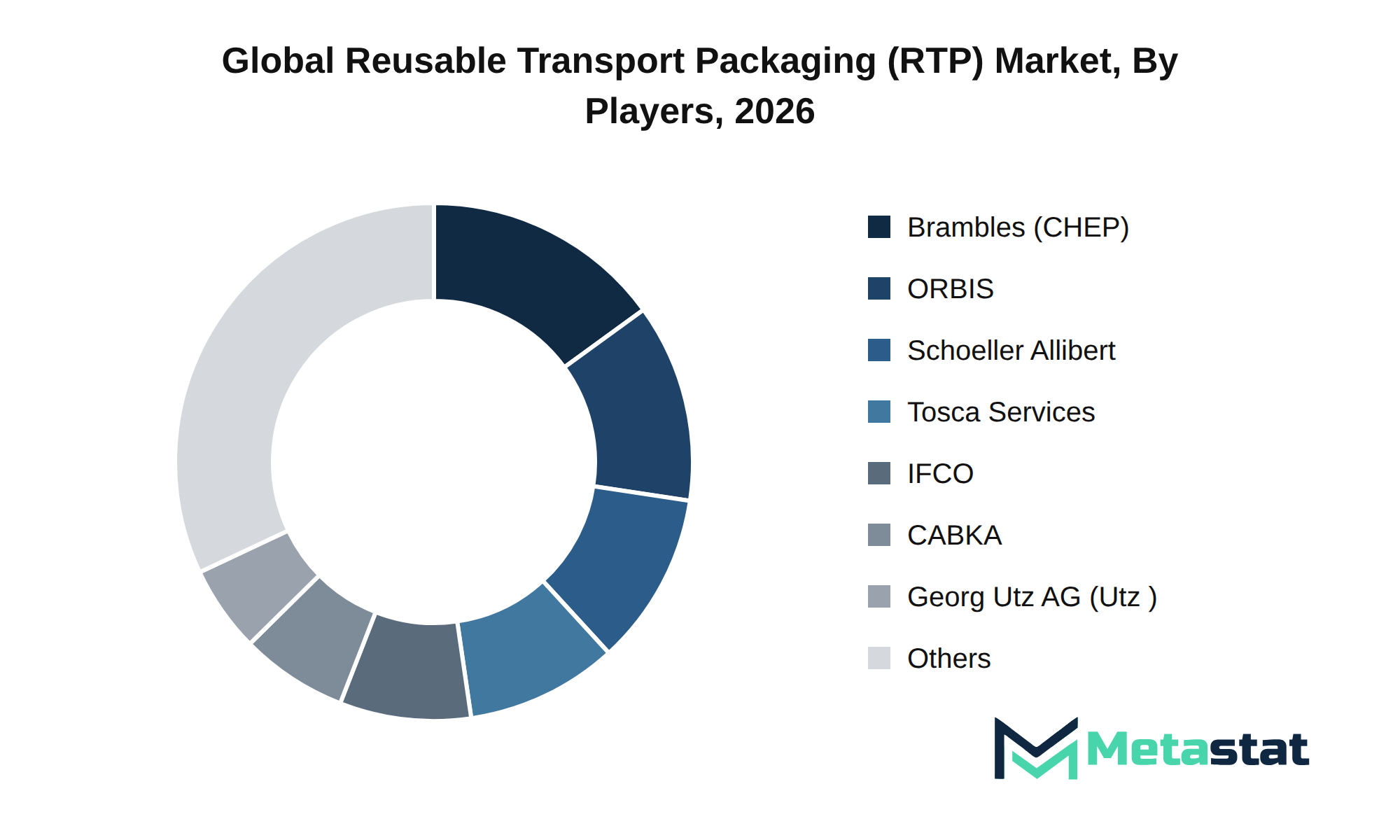
The Reusable Transport Packaging (RTP) market operates in a dynamic competitive environment shaped by strategic consolidation and partnerships among key players. Companies including ORBIS Corporation, Schoeller Allibert, and Brambles Limited (CHEP) focus on product differentiation and robust research and development initiatives. These strategies enhance their market positioning and leverage proprietary technologies to gain a competitive edge.
Strategic alliances and joint ventures play a vital role in the market. Collaboration among firms like IFCO and CABKA Group GmbH enables resource sharing and strengthens supply chain dominance. This integration allows for improved procurement leverage and enhances customer retention through tailored solutions and enhanced brand equity.
Barriers to entry remain significant in the industry, with established companies like Georg Utz Holding AG (Utz Group) and Craemer Group capitalizing on their intellectual property portfolios and technological defensibility. The market experiences threats from new entrants, highlighting the importance of established players' defensive imperatives and strategic growth vectors to maintain market share. The future competitive outlook indicates ongoing innovation and adaptation driven by companies striving to address evolving customer needs in the Reusable Transport Packaging (RTP) market.
Forecast and Future Outlook
Market size is forecast to rise from USD 120.5 billion in 2025 to over USD 193.6 billion by 2033. This growth trajectory aligns with increasing awareness of sustainability and efficiency in packaging solutions, particularly among industries including food and beverage, automotive, and retail. The Reusable Transport Packaging (RTP) market experiences heightened interest due to the demand for cost-effective and environmentally friendly solutions.
Macroeconomic conditions, including fluctuations in global trade and regulatory changes, influence the market significantly. Regulatory evolution drives the adoption of reusable solutions, encouraging businesses to transition towards more sustainable practices. Compliance with imminent regulations regarding waste reduction and circular economy principles enhances the market outlook and promotes investment in innovative packaging technologies.
Strategic capital allocation initiatives across various sectors support infrastructure commitments that drive the RTP market's expansion. Companies increasingly direct funding towards research and development, focusing on next-generation technologies that enhance the efficiency and usability of reusable packaging solutions. These developments streamline operations, reduce costs, and improve supply chain resilience.
Structural consumption shifts observed in consumer preferences contribute to the market's evolution. A growing emphasis on sustainability creates opportunities for businesses to meet unmet enterprise needs, especially in the context of shifting trade corridors and geopolitical realignments. High-growth pockets emerge in regions focused on sustainability and efficiency, with companies exploring innovative approaches to satisfy evolving consumer demands.
The market outlook reflects a combination of core industry maturation and emerging white-space opportunities. While businesses adapt to changing demands, the RTP market is projected to navigate the complexities of evolving regulatory landscapes and capitalize on strategic imperatives that emphasize environmental responsibility and operational efficiency.
Reusable Transport Packaging (RTP) Market Key Segments
By Product Type:
- Pallets
- Crates & Totes
- Pallet Boxes & Bulk Containers
- Intermediate Bulk Containers (IBCs)
- Drums & Barrels
- Racks, Cages & Roll Containers
- Reusable Dunnage & Protective Inserts
- Others (Layer Pads, Pallet Collars and Specialized Returnable Trays)
By Material Type:
- Plastic
- Wood & Plywood
- Metal
- Others (Composite, Engineered Fiber and Specialty Reusable Materials)
By End-Use Industry:
- Food & Beverage
- Automotive & Transportation
- Retail & E-commerce
- Industrial Manufacturing
- Agriculture & Fresh Produce
- Chemicals
- Pharmaceuticals & Healthcare
- Electronics & Electrical
- Postal, Parcel & Logistics
- Others (Building Materials, Textiles and Recycling Industries)
By Usage Model:
- Closed-loop Systems
- Open-loop / Pooling Systems
By Region:
- North America
- Europe
- Asia-Pacific
- South America
- Middle East and Africa
Key Global Reusable Transport Packaging (RTP) Industry Players
- ORBIS Corporation
- Schoeller Allibert
- Tosca Services LLC
- Brambles Limited (CHEP)
- IFCO
- CABKA Group GmbH
- Georg Utz Holding AG (Utz Group)
- Craemer Group
- Rehrig Pacific Company
- Nefab Group
- Loadhog Ltd.
- Monoflo International, Inc.
- AUER Packaging GmbH
- DOLAV
- SSI SCHAEFER
- Myers Industries, Inc. (Buckhorn)
- IPL Global
- bekuplast GmbH
- Söhner Kunststofftechnik GmbH
- Gamma-Wopla nv & Smart-Flow nv
- TranPak, Inc.
- RPP Containers
- WALTHER Faltsysteme GmbH
- Greystone Logistics, Inc.
- WERIT Kunststoffwerke W. Schneider GmbH & Co. KG
- Lamar Packaging Systems
- Mugele Group
- DS Smith Plc
- Time Technoplast Ltd.
- Greif Inc.
- Borealis AG
- Mauser Packaging Solutions
- ReusePac
- MDI
- Knauf Industries
- PalletOne
- ITB Packaging, LLC
- Menasha Corp
- Paxxal Inc
- Snyder Industries Inc.
- Sonoco Products Co.
- Vetropack Group
Report Coverage
The report strategically identifies and profiles the key market players and analyses their core competencies in each sub-segment of the Reusable Transport Packaging (RTP) market.
Report Attributes | Details |
Study Period | 2021-2033 |
Base Year | 2025 |
Estimated Year | 2026 |
Forecast Period | 2026-2033 |
Historical Period | 2021-2025 |
Growth Rate | CAGR 6.1% from 2026 to 2033 |
Revenue Unit | USD billion |
Segmentation | By Product Type, Material Type, End-Use Industry, Usage Model, and Region |
By Region | North America (By Product Type, Material Type, End-Use Industry, Usage Model, and Country)
|
Europe (By Product Type, Material Type, End-Use Industry, Usage Model, and Country)
| |
Asia Pacific (By Product Type, Material Type, End-Use Industry, Usage Model, and Country)
| |
South America (By Product Type, Material Type, End-Use Industry, Usage Model, and Country)
| |
Middle East and Africa (By Product Type, Material Type, End-Use Industry, Usage Model, and Country)
|
What Report Provides
- Company Market Share, Revenue and Ranking for the Reusable Transport Packaging (RTP) Market
- Key Market Leaders in the Reusable Transport Packaging (RTP) Sector
- Full In-Depth Analysis of the Parent Industry
- Industry Statistics and Important Changes in Market Dynamics
- Segmentation Details of the Reusable Transport Packaging (RTP) Market
- Historical, Ongoing, and Projected Market Analysis
- Assessment of Niche Industry Developments and Trends
- Key Strategic Recommendations for Market Participants
Frequently Asked Questions
Find answers to common questions about this report
The Reusable Transport Packaging (RTP) market size was valued at USD 120.5 billion in 2025, according to the Metastat Insights study.
The Reusable Transport Packaging (RTP) market is projected to grow at a CAGR of 6.1% during the forecast period from 2026 to 2033.
The North America Reusable Transport Packaging (RTP) market size is estimated to reach USD 63.1 billion by 2033.
The leading segment in the Reusable Transport Packaging (RTP) market is Pallets, with a projected value of USD 55.3 billion by 2033. This segment surpasses others in terms of market size and growth potential.
The Reusable Transport Packaging (RTP) market is driven by the increasing emphasis on sustainability, particularly through closed-loop systems that enhance recycling and repurposing of materials. technological advancements in automation and artificial intelligence improve operational efficiency, appealing to industries including food and beverage, automotive, and retail.
North America holds the dominant share of the Reusable Transport Packaging (RTP) market, with a value of USD 63.1 billion projected for 2033, representing 34.3 percent of the total market.
The Reusable Transport Packaging (RTP) market growth faces significant challenges from regulatory compliance, capital constraints, and supply chain disruptions. Stricter regulations increase operational costs, while high capital investment requirements limit opportunities for smaller players. geopolitical instability and resource scarcity contribute to pricing pressures and longer lead times, hindering overall market efficiency.
Increased emphasis on sustainability and the adoption of closed-loop systems favor product adoption in the Reusable Transport Packaging (RTP) industry. Organizations seek to minimize environmental impacts, driving demand for innovative packaging solutions that enhance operational efficiency while meeting sustainability goals. This alignment with consumer preferences and operational capabilities supports substantial growth in the market.
The Reusable Transport Packaging (RTP) market is estimated to reach a valuation of USD 193.6 billion by 2033.
Key players in the Reusable Transport Packaging (RTP) market include ORBIS Corporation, Schoeller Allibert, Tosca Services LLC, Brambles Limited (CHEP), IFCO, and CABKA Group GmbH.
Choose Your License
Global Reusable Transport Packaging (RTP) Market
Related Reports
Explore related market intelligence reports worth reading alongside this one.