
Global Skin Cancer Diagnostics Market
Global Skin Cancer Diagnostics Market Size, Share, By Cancer Type (Melanoma and Non-melanoma), By Application Area (Melanoma Detection and Monitoring, Non-Melanoma Skin Cancer Detection, Basal Cell Carcinoma Diagnosis, Squamous Cell Carcinoma Diagnosis, Pre-Cancerous Lesion Identification, Skin Lesion Monitoring and Surveillance, Others (Rare Skin Cancers and Genetic Risk Assessment)), By End User (Dermatology Clinics, Hospitals and Specialty Cancer Centers, Diagnostic Imaging Centers, Primary Care Clinics, Skin Cancer Screening Service Providers, Research and Academic Institutions, Others (Corporate Wellness Screening Providers and Mobile Screening Units)), Industry Analysis, Growth, Trends, and Forecast, 2026-2033
MSI-4841
August 3, 2026
Updated
255 Pages
Historical
Base year
Forecast
Forecast period
Report Details
Comprehensive Market Analysis And Insights
Market Overview
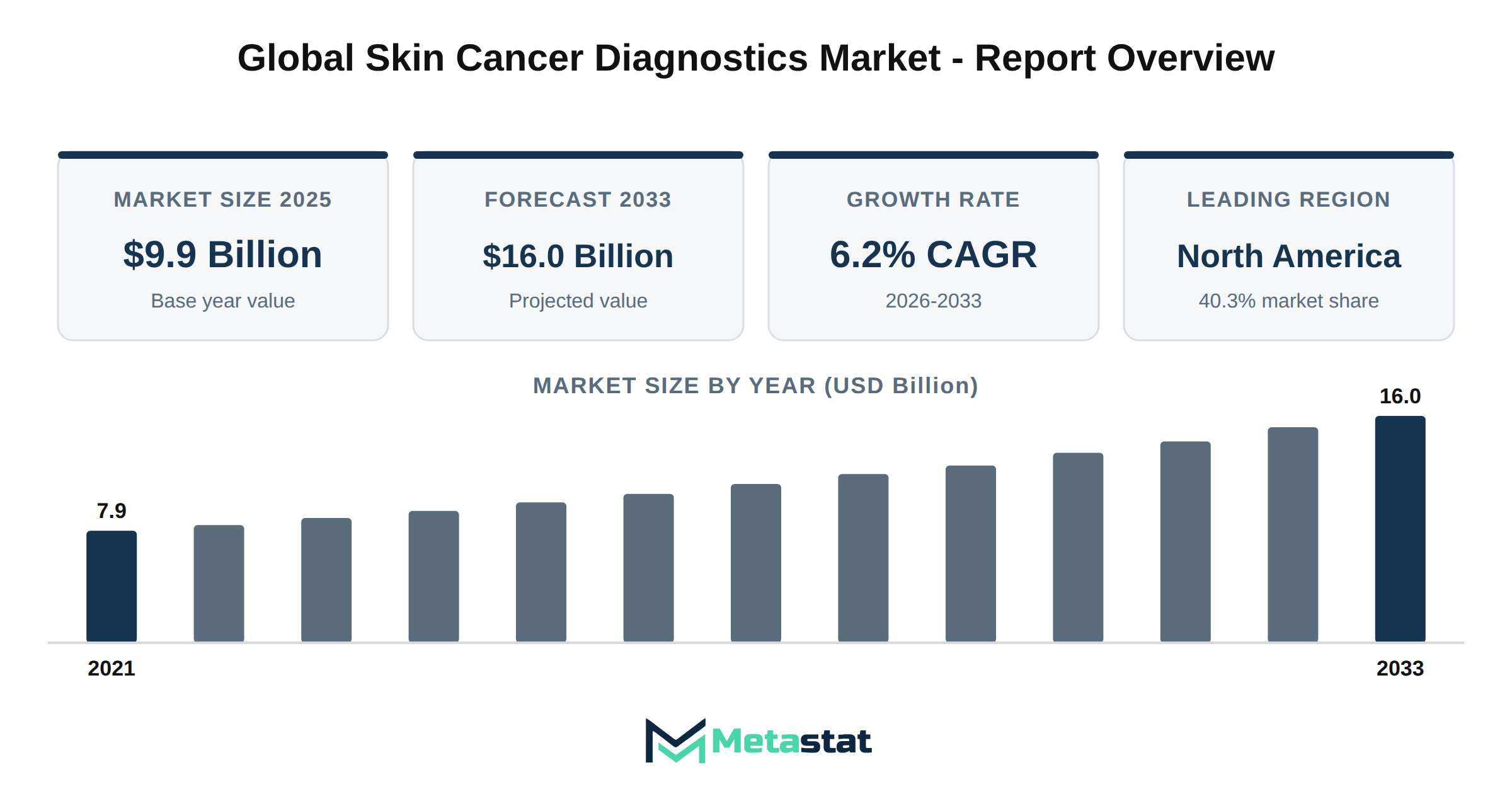
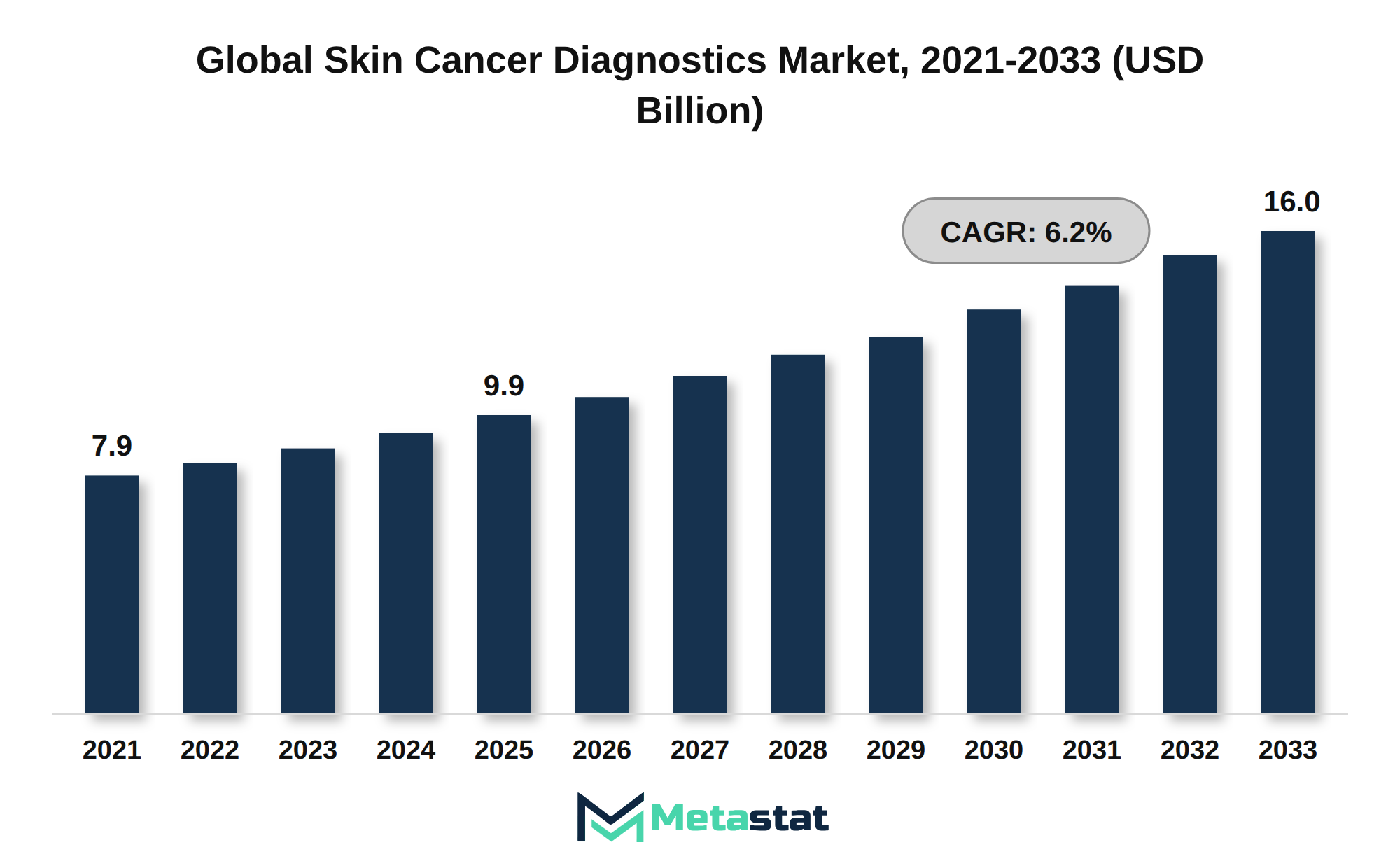
The global Skin Cancer Diagnostics market was valued at USD 9.9 billion in 2025 and is projected to reach USD 16 billion by 2033, growing at a CAGR of 6.2% over the forecast period.
Market Landscape
The Skin Cancer Diagnostics market is projected to reach USD 16 billion by 2033, reflecting a compound annual growth rate (CAGR) of 6.2% from a base value of USD 9.9 billion in 2025. North America holds 40.3% in 2025 with the US leading the market share in 2026. The increasing prevalence of skin cancer, driven by rising UV exposure and changing lifestyle patterns, intensifies the demand for effective diagnostic solutions. Rising demand influences healthcare providers and diagnostic companies to enhance their offerings, resulting in a competitive environment.
Advancements in technology, including artificial intelligence and machine learning, significantly impact the market landscape. These innovations improve diagnostic accuracy and efficiency, appealing to healthcare facilities seeking to optimize patient outcomes. Research and development investments continue to drive next-generation diagnostic tools, thereby enhancing the overall market potential. Increased awareness of skin cancer screenings among the general population further drives demand, compelling stakeholders to innovate and expand their service offerings.
Regulatory Market Landscape
Regulatory compliance remains a significant factor shaping the Skin Cancer Diagnostics market. Stringent regulations require diagnostic tools to meet high safety and efficacy standards, impacting product development timelines and costs. Companies investing in regulatory expertise enhance their market positioning while ensuring adherence to evolving guidelines, thus driving operational efficiency.
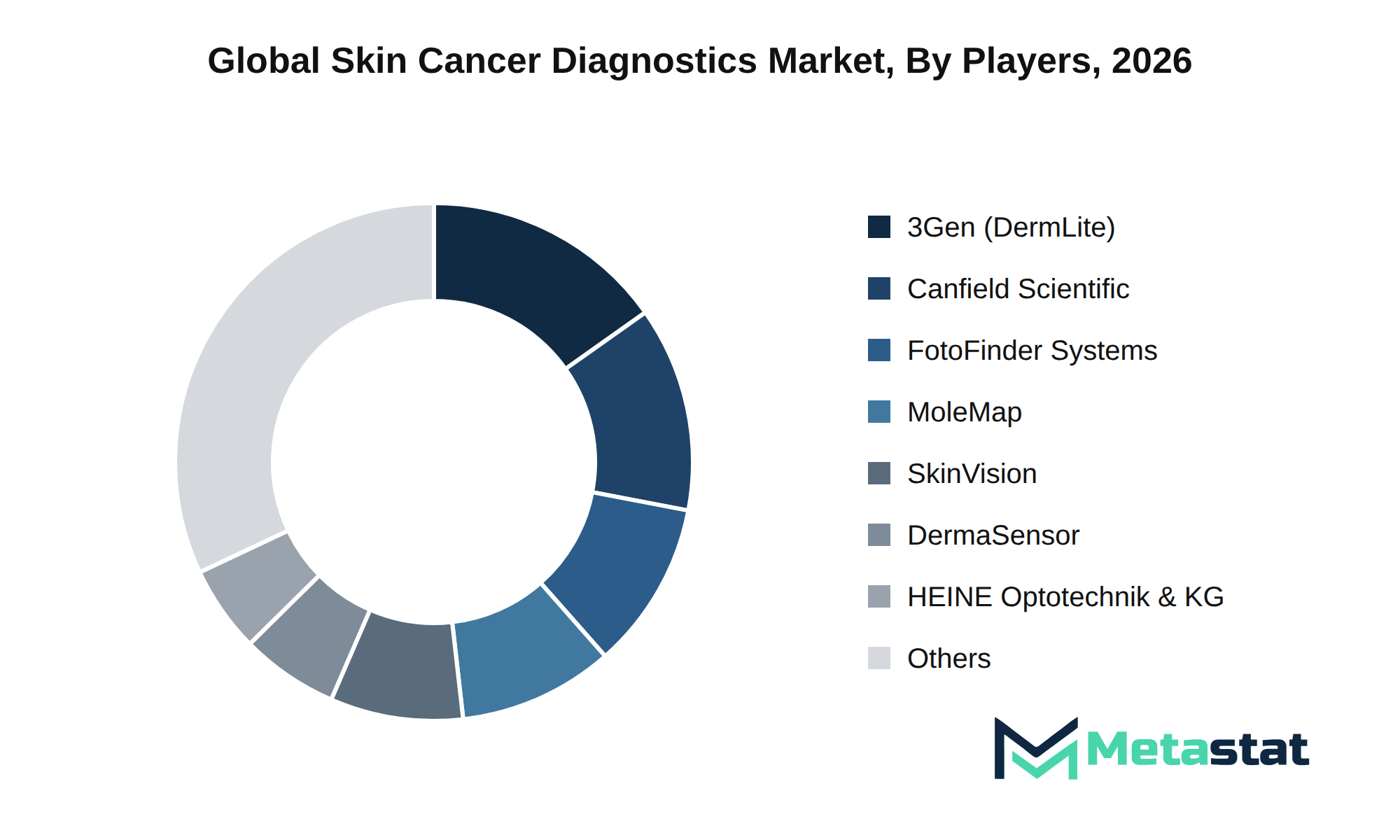
The competitive landscape features a diverse array of players, with key organizations including FotoFinder Systems GmbH, 3Gen Inc. (DermLite), and MoleMap contributing to market fragmentation. The presence of numerous small and mid-sized enterprises encourages innovation and accelerates the introduction of novel diagnostic technologies. This competitive dynamic enhances value for end users across various applications, including melanoma detection and non-melanoma skin cancer diagnosis.
Research and development trajectories continue to evolve, focusing on next-generation innovations that leverage advancements in artificial intelligence and imaging technologies. These innovations enhance diagnostic accuracy and facilitate earlier detection of skin cancers, ultimately improving patient outcomes. Investments in R&D are expected to yield significant market growth, with an anticipated compound annual growth rate of 6.2% through 2033.
Market players increasingly prioritize sustainability and the circular economy. Initiatives aimed at reducing waste in manufacturing processes and promoting the use of biodegradable materials connect with environmentally conscious consumers. This shift aligns with corporate imperatives and positions companies favorably in an increasingly competitive marketplace.
Macroeconomic headwinds, including inflationary pressures and currency volatility, pose challenges to market growth. Fluctuations in currency exchange rates impact pricing strategies and profit margins for companies operating in multiple regions. Strategic capital allocation, along with infrastructure investments, will be crucial for maintaining competitive advantage in this evolving economic environment.
Market Dynamics
Rising prevalence of skin cancer drives demand for diagnostics
The increasing prevalence of skin cancer significantly influences the Skin Cancer Diagnostics market. Factors contributing to this trend include shifting demographic patterns, particularly aging populations that face heightened risk. Enhanced awareness regarding skin cancer, driven by educational campaigns, encourages early detection and diagnosis. This awareness leads consumers to seek diagnostic solutions actively, boosting demand across various healthcare settings.
Investment in advanced diagnostic technologies plays a critical role in market expansion. The integration of artificial intelligence and automation in diagnostic processes improves accuracy and efficiency, making these technologies appealing to healthcare providers. Facilities adopt these innovations to enhance operational productivity while addressing the growing patient volume linked to skin cancer cases.
The market benefits from a supportive capital investment environment. Increased venture funding and public-private spending power facilitate the development of advanced diagnostic tools and methodologies, creating a competitive landscape. Diagnostic providers experience revenue growth, contributing to a projected market value of USD 16 billion by 2033, growing at a compound annual growth rate of 6.2% from the base year of 2025.
Digital transformation fuels growth in diagnostics
Digital transformation significantly impacts the Skin Cancer Diagnostics market by enhancing the efficiency and accuracy of diagnostic processes. The integration of advanced technologies, including artificial intelligence and automation, streamlines workflows and improves patient outcomes. Healthcare providers leverage these technologies to optimize diagnostic procedures, reduce turnaround times, and ensure precise results.
The demand for innovative digital solutions aligns with the increasing need for improved diagnostic accuracy in skin cancer detection. Healthcare systems focus on incorporating software solutions that digitize legacy processes, facilitating better data management and analysis. This transition results in enhanced operational productivity and lower costs associated with traditional diagnostic methods.
Investments in digital health solutions stimulate competition among key players in the market. Companies seek to differentiate their offerings by developing proprietary technologies and expanding their service portfolios to meet the evolving needs of healthcare providers and patients. This competitive environment drives further innovation and investment in the Skin Cancer Diagnostics market, reinforcing growth throughout the forecast period.
Regulatory challenges hinder Skin Cancer Diagnostics market growth
Regulatory challenges significantly impact the Skin Cancer Diagnostics market. Stringent compliance hurdles and evolving legal mandates create barriers for market players, affecting their ability to innovate and offer new diagnostic solutions. These challenges often lead to increased operational costs and extended timeframes for product development, ultimately slowing the pace of technological advancements in diagnostics.
Macroeconomic headwinds, including inflationary pressures and capital stagnation, further complicate the landscape. Companies face rising costs associated with raw materials and labor, which directly affects pricing strategies and profit margins. Market participants absorb these costs, leading to restrained investment in research and development, essential for innovation in skin cancer diagnostics.
Supply chain disruptions and geopolitical instability introduce uncertainties that impact the availability of critical components. These factors create delays in product delivery, complicating the operational efficiency of diagnostic manufacturers. Consequently, these disruptions hinder the ability to meet market demand and maintain competitive pricing, affecting overall market performance.
Technological obsolescence poses an additional risk, driven by rapid advancements that render existing products outdated, requiring continuous investment in new technologies. Companies that fail to adapt could lose market share to competitors offering more advanced solutions. Infrastructure gaps and connectivity deficits impede the implementation of digital solutions necessary for effective diagnostics, limiting market penetration in certain regions.
Talent gaps within the workforce challenge the operational capabilities of companies in the skin cancer diagnostics sector. A shortage of skilled professionals decreases the ability to innovate and develop new technologies, ultimately restricting growth potential. Rising workforce overhead and data security vulnerabilities raise concerns for market participants, necessitating investments in cybersecurity measures to protect sensitive patient information. Regional adoption resistors and cultural barriers influence the acceptance of new diagnostic technologies.
Variations in healthcare practices across different regions lead to uneven market penetration. Slowing downstream demand, coupled with industry cycle maturation and market saturation, contributes to a challenging growth environment for the Skin Cancer Diagnostics market, necessitating strategic adaptations by players to navigate these complexities.
Geopolitical tensions disrupt supply chains
Geopolitical fragmentation significantly affects the Skin Cancer Diagnostics market, creating challenges in the sourcing of essential components and technologies. Countries impose trade barriers and tariffs, resulting in increased operational costs for manufacturers and diagnostic service providers. This situation leads to complexity in procurement strategies, forcing companies to seek alternative suppliers that do not meet the same quality standards, potentially impacting the reliability of diagnostic outcomes.
Logistics disruptions arise from geopolitical tensions, exacerbating shipping delays and increasing transportation expenses. These factors contribute to market instability, affecting inventory management and delaying timely access to critical diagnostic tools for healthcare providers. Consequently, the urgency for effective diagnosis and treatment of skin cancers becomes compromised, which hinders overall market growth.
Rising input costs stemming from supply chain instability pose margin pressures on companies operating within this market. Manufacturers face the challenge of balancing cost structures while maintaining product quality, which influences their pricing strategies. Such dynamics create competitive pressures, limiting profitability and affecting investments in research and development. The market requires innovative approaches to navigate these challenges and ensure sustainable growth amid geopolitical uncertainties.
Emerging demands drive growth in skin cancer diagnostics
The Skin Cancer Diagnostics market experiences significant opportunities driven by emerging regional demands. Increased awareness and education around skin cancer prevalence, particularly in North America and Europe, create a strong push for advanced diagnostic solutions. The market's growth is fueled by the rising incidence of melanoma and non-melanoma skin cancers, prompting healthcare providers to enhance diagnostic capabilities.
Infrastructure modernization plays a critical role in enabling access to advanced diagnostic technologies. Hospitals and diagnostic imaging centers increasingly upgrade their facilities to integrate next-generation innovations, facilitating more efficient patient care and improving diagnostic accuracy. Investment in such infrastructure supports market expansion and creates long-term competitive advantages.
Geographical expansion presents additional opportunities for market players. Companies that strategically enter high-growth regions, including Asia Pacific, benefit from growing demand for skin cancer diagnostics. This expansion enables firms to tap into underserved markets, enhancing revenue streams and overall market penetration.
Technological disruptions, including the adoption of artificial intelligence and telemedicine solutions, reshape diagnostic processes. These advancements lead to improved screening methods and remote patient monitoring, offering significant benefits for healthcare providers and patients alike. The integration of digital tools enhances operational efficiency while broadening access to essential diagnostics.
Sustainability imperatives and eco-friendly practices align with evolving market trends. Organizations prioritizing green transformations and environmentally responsible practices strengthen their market position while meeting consumer expectations. This alignment with sustainability goals supports brand loyalty and drives demand among environmentally conscious consumers.
Shifts in buying behaviors, including a preference for digital procurement channels, influence market dynamics. Healthcare providers increasingly explore online platforms for sourcing diagnostic tools, streamlining the purchasing process, and enhancing supply chain efficiency. This transition encourages innovation and facilitates the introduction of new products in the Skin Cancer Diagnostics market.
Market Segmentation Analysis
The Global Skin Cancer Diagnostics market is segmented based on Cancer Type, Application Area, and End User.
By Cancer Type, the market is further segmented into:
- Melanoma
- Non-melanoma
Melanoma
Valued at USD 4 billion in 2026, the melanoma segment is projected to reach USD 6.4 billion by 2033, at a CAGR of 6.8% during the forecast period. Rising incidences of melanoma globally drive demand for effective diagnostic solutions. Increasing awareness regarding early detection contributes to higher adoption rates among healthcare providers and patients, leading to market advancement. Technological maturation in diagnostic tools enhances precision, enabling better patient outcomes and further stimulating demand in the melanoma segment. Regulatory compliance surrounding patient safety and data security influences market dynamics, ensuring that manufacturers adhere to stringent standards while innovating their product offerings.
Investments in next-generation upgrades and product evolution play a critical role in driving growth. Enhanced imaging techniques and the development of AI-driven diagnostic tools create strategic opportunities within the segment. End-user dynamics highlight a shift toward dermatology clinics and specialized cancer centers, where advanced diagnostic capabilities improve patient care. Consumption shifts regarding personalized medicine and tailored treatment plans increase the need for comprehensive diagnostic solutions, substantially impacting the melanoma segment's expansion. The overall growth trajectory of the Skin Cancer Diagnostics market correlates with these factors, positioning the melanoma segment because a significant contributor to the market's evolution.
Non-melanoma
Significant growth in the non-melanoma segment drives the overall expansion within the Skin Cancer Diagnostics market. Increasing awareness about skin cancer, coupled with rising incidences of non-melanoma skin cancers, is increasing demand for diagnostic solutions. The segment is influenced by advancements in diagnostic technologies, enabling accurate and early detection of conditions like basal cell carcinoma and squamous cell carcinoma. Enhanced detection methods result in improved patient outcomes, reinforcing the necessity for ongoing investment in this area.
The non-melanoma segment is estimated to reach USD 9.6 billion by 2033, at a CAGR of 5.8% during the forecast period. This growth trajectory reflects the increasing adoption of non-invasive diagnostic techniques and the integration of artificial intelligence in diagnostic imaging tools. The focus on developing patient-centric approaches in healthcare drives the expansion of this segment, addressing the comprehensive needs of healthcare providers and patients alike.
Competitive dynamics within the market highlight the role of key players including FotoFinder Systems GmbH, 3Gen Inc. (DermLite), and Canfield Scientific, Inc. These organizations operate in the market, contributing to technological advancements and product evolution, creating a robust ecosystem that supports innovation. The ongoing development of next-generation diagnostic solutions aligns with regulatory compliance standards, ensuring that products meet the requisite safety and efficacy criteria.
By Application Area, the market is further segmented into:
- Melanoma Detection and Monitoring
- Non-Melanoma Skin Cancer Detection
- Basal Cell Carcinoma Diagnosis
- Squamous Cell Carcinoma Diagnosis
- Pre-Cancerous Lesion Identification
- Skin Lesion Monitoring and Surveillance
- Others (Rare Skin Cancers, Genetic Risk Assessment)
Melanoma Detection and Monitoring
Demand for melanoma detection and monitoring experiences significant growth driven by rising skin cancer prevalence. Increased awareness regarding early detection and treatment options contributes to this demand. Dermatology clinics and primary care facilities prioritize effective monitoring solutions, enhancing patient outcomes and driving a shift toward preventive healthcare practices.
Technological advancements play a key role in the evolution of melanoma detection tools. Innovations in imaging modalities, including dermatoscopy and digital monitoring systems, improve diagnostic accuracy and facilitate early intervention. These advancements attract investment from both established players and emerging startups, indicating a strong growth trajectory for the segment within the Skin Cancer Diagnostics market.
Regulatory compliance remains a critical consideration for manufacturers developing melanoma detection products. Adherence to stringent safety and efficacy standards influences product development timelines and market entry strategies. Certification processes present challenges, impacting the speed at which new technologies reach the market.
Price volatility in raw materials and production costs exerts pressure on margins for companies involved in melanoma detection. Efficient supply chain management becomes essential to mitigate these risks and maintain competitive pricing. Strategic partnerships and collaborations enhance supply chain resilience, providing companies with a buffer against market fluctuations.
The melanoma detection and monitoring segment faces competition from alternative diagnostic methods. Continuous product evolution and next-generation upgrades remain crucial for maintaining a competitive edge. Companies investing in research and development to innovate their offerings stand to benefit significantly in capturing market share and addressing unmet needs within the patient population.
While healthcare providers increasingly focus on patient-centric approaches, the demand for effective melanoma monitoring solutions is expected to expand. This trend creates opportunities for strategic investment and partnerships within the Skin Cancer Diagnostics market, positioning players for long-term success in a competitive environment.
Non-Melanoma Skin Cancer Detection
Growing stakeholder awareness regarding the early detection of non-melanoma skin cancers significantly influences the market. Increased incidences of basal cell carcinoma and squamous cell carcinoma drive demand for effective diagnostic solutions. Technological advancements in imaging techniques and diagnostic tools, including high-resolution dermatoscopes, enhance detection accuracy, promoting market adoption. Rising healthcare expenditures and a shift towards preventative care reinforce the focus on non-melanoma diagnoses.
Regulatory compliance remains critical, with stringent guidelines governing diagnostic practices. Innovations including artificial intelligence integration into imaging systems enhance efficiency, improving diagnostic outcomes. Market participants invest in research and development to introduce next-generation diagnostic products, aiming to address unmet needs within the non-melanoma segment. Strategic partnerships and collaborations among industry players further facilitate product development and distribution, enhancing market reach.
Consumption shifts towards non-invasive screening methods reflect changing patient preferences. Increased public awareness campaigns regarding skin cancer risks contribute to the growing demand for non-melanoma skin cancer detection solutions. While healthcare organizations prioritize patient-centered approaches, the focus on early detection and monitoring remains essential. Overall, the non-melanoma skin cancer detection segment significantly influences the broader skin cancer diagnostics market, reinforcing operational strategies and investment decisions across the industry.
Basal Cell Carcinoma Diagnosis
Increasing awareness regarding skin cancer and its early detection drives demand for basal cell carcinoma diagnosis. Patients and healthcare providers prioritize timely diagnosis to enhance treatment outcomes, influencing adoption rates of diagnostic tools and technologies.
Advancements in diagnostic technologies, including dermoscopy and non-invasive imaging techniques, facilitate precise identification of basal cell carcinoma. These innovations enhance the efficiency and accuracy of diagnoses, contributing to segment expansion within the Skin Cancer Diagnostics market.
Regulatory requirements and compliance standards shape market dynamics. Certifications for diagnostic devices and technologies ensure safety and effectiveness, impacting adoption among healthcare providers, particularly in dermatology clinics and hospitals.
Pricing strategies and cost structures influence market accessibility. Competitive pricing and cost-effective solutions enhance adoption among various end-users, including primary care clinics and skin cancer screening service providers.
Investment in research and development supports the evolution of products and technologies in basal cell carcinoma diagnosis. These strategic opportunities enable firms to refine their offerings and enhance market positioning, influencing growth trajectories.
Emphasis on preventive healthcare and early screening initiatives contributes to rising consumption shifts. Increased funding for public health campaigns raises awareness around skin cancer, stimulating demand for diagnostic solutions within the market.
Squamous Cell Carcinoma Diagnosis
Surging incidences of squamous cell carcinoma drive demand for advanced diagnostic solutions in the Skin Cancer Diagnostics market. Factors influencing this trend include increasing awareness of skin cancer risks and the importance of early detection among healthcare providers and patients. Technological maturation enhances accuracy and efficiency in identifying squamous cell carcinoma, with innovations in imaging techniques and molecular diagnostics.
Adoption of next-generation diagnostic tools enables healthcare professionals to provide precise patient evaluations. The evolution of products tailored specifically for squamous cell carcinoma diagnosis continues to expand, addressing the growing need for effective screening methods. Regulatory compliance standards influence product development, ensuring safety and efficacy in the market.
Cost structures and pricing volatility impact the overall accessibility of diagnostic solutions. Competitive pressures among market players encourage investment in research and development to deliver cost-effective options. Strategic opportunity windows arise from shifting consumption patterns, driven by healthcare systems increasingly prioritizing preventive care and patient-centric approaches.
Supply chain resilience remains a critical factor, given the complexities involved in raw material sourcing and logistics. Vulnerabilities within these systems could affect the availability of diagnostic resources. The emergence of disruptive alternatives and technological obsolescence challenges traditional approaches, compelling stakeholders to adapt and innovate continuously.
Overall, the squamous cell carcinoma diagnosis segment reflects dynamic changes within the Skin Cancer Diagnostics market, with various forces shaping its trajectory and outlook. The capital investment outlook remains optimistic, fueled by growing recognition of the importance of early detection and advancements in diagnostic capabilities.
Pre-Cancerous Lesion Identification
Increasing awareness regarding the importance of early detection drives the demand for pre-cancerous lesion identification within the Skin Cancer Diagnostics market. Healthcare providers emphasize the significance of identifying lesions before they progress to cancer, leading to investments in advanced diagnostic technologies. Enhanced imaging techniques and molecular diagnostics contribute to more accurate identification of pre-cancerous lesions, meeting the needs of dermatology clinics and diagnostic imaging centers.
Technological advancements play a critical role in segment expansion. Innovations in imaging systems, including dermatoscopy and digital imaging, improve lesion visualization, enabling healthcare professionals to make informed decisions in diagnosing pre-cancerous conditions. Next-generation upgrades in software analytics facilitate faster and more accurate assessments, enhancing clinical outcomes.
Regulatory compliance standards regarding skin cancer diagnostics further influence the segment. Stringent guidelines for diagnostic accuracy and patient safety encourage manufacturers to invest in quality improvements and certifications. This focus on compliance helps maintain consumer trust and supports the overall growth of the market.
Cost structures and pricing volatility significantly impact the dynamics of pre-cancerous lesion identification. The ongoing demand for cost-effective solutions prompts manufacturers to optimize production processes and supply chains. Strategic opportunity windows for investment arise owing to players seeking to develop affordable diagnostic tools that meet regulatory standards without compromising quality.
Downstream applications, including increased screenings and preventive measures, contribute to higher demand for pre-cancerous lesion identification. Healthcare providers prioritize early detection strategies, leading to a greater emphasis on regular skin checks and patient education initiatives. This shift influences consumption patterns, ensuring a steady demand for effective diagnostic solutions.
Supply chain resilience enhances the ability to meet market demands. Strong partnerships with raw material suppliers and a focus on sustainable sourcing create a more stable environment for product development. Addressing logistics vulnerabilities ensures timely delivery of diagnostic tools, maintaining operational efficiency within the Skin Cancer Diagnostics market.
Investment in research and development drives continuous product evolution and innovation. Companies actively explore new technologies and methodologies to improve diagnostic accuracy and patient outcomes. This commitment to advancement positions the segment for sustained growth and relevance in an increasingly competitive environment.
Skin Lesion Monitoring and Surveillance
Growing awareness of skin cancer and the importance of early detection drives significant interest in skin lesion monitoring and surveillance. This segment addresses the critical need for continuous observation of skin lesions, contributing to timely diagnosis and treatment of skin cancer. Technological advancements in diagnostic tools enhance the precision and accuracy of monitoring, benefiting both patients and healthcare providers. Integration of artificial intelligence and machine learning algorithms into monitoring devices further improves diagnostic capabilities, enabling healthcare professionals to identify changes in skin lesions more effectively.
Regulatory compliance surrounding skin cancer diagnostics imposes stringent standards on monitoring devices, promoting high-quality products in the market. Rising healthcare expenditure and increased access to dermatological services increase the demand for effective monitoring solutions. Health insurance coverage for skin cancer screenings and surveillance further supports the adoption of these technologies.
Investment in research and development drives advancements in monitoring technologies. Continuous innovation leads to the introduction of next-generation devices that offer improved functionality and user experience. The market thrives on expanding applications, with monitoring technologies being applied in various healthcare settings, including dermatology clinics, hospitals, and diagnostic imaging centers.
Competition among key players fuels the development of advanced solutions, driving market growth. Companies focus on enhancing product features while maintaining cost-effectiveness, allowing broader access to monitoring technologies. Strategic partnerships and collaborations with academic institutions and research organizations strengthen product development pipelines, enabling quicker entry to market for innovative solutions.
Overall, the skin lesion monitoring and surveillance segment reflects a dynamic relationship between technological advancements, regulatory compliance, and consumer demand. While awareness and access to these solutions expand, the segment holds significant potential within the broader skin cancer diagnostics market.
Others (Rare Skin Cancers, Genetic Risk Assessment)
Demand for diagnostics in rare skin cancers and genetic risk assessments relies on increasing awareness of these conditions among healthcare providers and patients. Education campaigns targeting both professionals and the general public highlight the importance of early detection and risk evaluation, contributing to growing acceptance of advanced diagnostic tools within clinical settings.
Technological advancements play a critical role in the expansion of this segment. Innovative diagnostic tools are being developed that enhance accuracy and provide detailed insights into genetic predispositions. These advancements facilitate better patient management and treatment planning, positively influencing adoption rates among healthcare providers, particularly in specialized dermatology clinics and cancer centers.
Regulatory compliance and certification requirements significantly affect market dynamics for rare skin cancers and genetic risk assessment diagnostics. Stringent guidelines ensure the reliability and efficacy of diagnostic tools, building trust among end users. Compliance with these regulations often results in higher operational costs but ultimately leads to improved patient outcomes and market growth.
Strategic investment in research and development is vital for sustained progress in this segment. Companies are increasingly allocating resources to enhance the capabilities of existing products and develop next-generation solutions. This focus on innovation addresses unmet clinical needs, positioning firms advantageously in the competitive environment of the market.
Consumer trends reflect a shift towards personalized medicine, with patients seeking tailored diagnostic solutions. This demand drives the development of more sophisticated genetic testing options that evaluate individual risk factors for skin cancers. The integration of such services into routine screenings has the potential to significantly enhance market penetration and revenue growth.
By End User, the market is further segmented into:
- Dermatology Clinics
- Hospitals and Specialty Cancer Centers
- Diagnostic Imaging Centers
- Primary Care Clinics
- Skin Cancer Screening Service Providers
- Research and Academic Institutions
- Others (Corporate Wellness Screening Providers, Mobile Screening Units)
Dermatology Clinics
Growth within dermatology clinics plays a critical role in the Skin Cancer Diagnostics market. Increasing patient visits for skin evaluations and the rising occurrence of skin cancer contribute to heightened demand within these clinics. Advanced diagnostic tools enhance the capabilities of dermatologists, improving early detection and patient outcomes.
Technological maturation significantly influences the services offered at dermatology clinics. Adoption of next-generation diagnostic equipment, including dermatoscopes and imaging systems, streamlines processes and enhances accuracy. These advancements lead to improved diagnostic confidence and better patient management strategies.
End-use dynamics reflect a shift toward personalized and efficient care within dermatology clinics. Increasing patient expectations drive clinics to adopt more sophisticated diagnostic solutions to improve service quality. Regulatory compliance standards and certifications establish benchmarks for quality and safety in diagnostic procedures, building trust and operational excellence.
Cost structures within dermatology clinics face pressures from evolving technologies and the need for continual upgrades. Pricing volatility for advanced diagnostic equipment impacts operational budgets, requiring clinics to balance quality improvements with financial sustainability. Strategic opportunity windows emerge owing to clinics seeking to invest in technologies that enhance diagnostic capabilities while remaining competitive in the market.
Consumption shifts highlight a growing preference for preventive care, with more patients seeking regular skin checks. This trend drives increased demand for skin cancer diagnostics within dermatology clinics, aligning with broader healthcare goals of early detection and patient education. Through this focus, dermatology clinics position themselves because essential players in the Skin Cancer Diagnostics market.
Hospitals and Specialty Cancer Centers
Growing adoption of advanced diagnostic technologies significantly influences the hospitals and specialty cancer centers segment within the Skin Cancer Diagnostics market. Enhanced capabilities for early detection and accurate diagnosis of skin cancers, including melanoma and non-melanoma types, drive investment in innovative tools and techniques. Stakeholders in this segment recognize the importance of integrating next-generation upgrades, including artificial intelligence and machine learning, to improve diagnostic accuracy and operational efficiency.
Continuous evolution in product offerings leads to better patient outcomes, creating a competitive environment among hospitals and cancer centers. Increased patient volumes due to rising incidences of skin cancer strengthen demand for sophisticated diagnostic solutions. Regulatory compliance, particularly regarding safety and effectiveness standards, shapes operational strategies within these facilities, compelling them to invest in certified technologies.
Cost structures related to diagnostic procurement remain a focal point, owing to hospitals and specialty cancer centers working to balance quality and affordability. Pricing volatility linked to technological advancements influences purchasing decisions, with facilities seeking to optimize their budgets while maintaining high diagnostic standards. These dynamics result in strategic opportunity windows for both established players and new entrants in the market.
Supply chain resilience ensures a steady flow of raw materials essential for diagnostic product manufacturing. Hospitals and specialty cancer centers prioritize partnerships with reliable suppliers to mitigate risks associated with disruptions. Logistics vulnerabilities, particularly during peak demand periods, challenge operational efficiency, prompting facilities to adopt proactive measures to ensure uninterrupted service delivery.
Strategic investments in training and workforce development enhance the capability of healthcare professionals to effectively operate advanced diagnostic technologies. This workforce evolution contributes to improved patient care and enhances the reputation of hospitals and specialty cancer centers in the Skin Cancer Diagnostics market. Overall, these factors collectively shape a dynamic and growing segment poised for significant expansion in the coming years.
Diagnostic Imaging Centers
Significant advancements in diagnostic imaging technology drive demand within the Skin Cancer Diagnostics market. The continuous evolution of imaging modalities, including high-resolution dermatoscopes and digital pathology systems, enhances the accuracy and efficiency of skin cancer detection. Increased adoption of these technologies among healthcare providers, particularly in diagnostic imaging centers, reflects a shift towards more precise diagnostics and improved patient outcomes.
Growing incidence rates of skin cancer globally, particularly melanoma and non-melanoma types, further drive market expansion. Patients seek timely and accurate diagnostics, prompting diagnostic imaging centers to upgrade their equipment and refine their operational processes. Investments in advanced imaging technology improve diagnostic capabilities, thereby attracting more patients and enhancing service offerings.
Regulatory compliance and certification standards significantly influence operational practices in diagnostic imaging centers. Meeting these standards ensures that imaging facilities maintain high quality and safety protocols, which directly impacts their reputation and market competitiveness. Continuous updates in guidelines necessitate ongoing training and investment in new technologies to adhere to evolving requirements.
The competitive environment of the Skin Cancer Diagnostics market features a growing emphasis on strategic partnerships and collaborations among diagnostic imaging centers and technology providers. Such alliances facilitate access to innovative technologies and drive innovation in product development, contributing to enhanced diagnostic services.
Operational cost structures and pricing volatility present challenges for diagnostic imaging centers. Fluctuations in the costs of medical imaging equipment and consumables influence pricing strategies and profitability. Efficient resource management and strategic procurement practices become essential for maintaining competitive pricing while ensuring high-quality diagnostic services.
Primary Care Clinics
Growth in primary care clinics significantly influences the Skin Cancer Diagnostics market. Increasing patient volumes and rising incidences of skin cancer drive demand for effective diagnostic solutions within these facilities. Improved awareness regarding skin health and early detection enhances the adoption of diagnostic technologies in primary care settings. This segment benefits from advancements in telemedicine and portable diagnostic devices, enabling clinicians to conduct timely screenings and accurate assessments. Primary care clinics serve because the first point of contact for patients, establishing a critical role in detecting skin cancers early. Improved diagnostic capabilities within these clinics facilitate better patient outcomes, ultimately contributing to the overall expansion of the market.
Technological maturation within the diagnostic tools available for primary care plays a significant role in shaping market dynamics. Innovative products tailored for primary care environments provide practitioners with reliable solutions for skin cancer detection and monitoring. These advancements reduce procedural complexities, encouraging wider utilization among healthcare providers. Regulatory compliance standards enhance confidence in these technologies, ensuring safety and efficacy for patients. Ongoing investment in training and education for primary care staff further improves the quality of skin cancer diagnostics. While practitioners become more proficient in using advanced diagnostic tools, overall market penetration increases.
Pricing volatility and margin pressures specific to primary care clinics impact operational strategies and decision-making processes. Budget constraints within healthcare systems prompt clinics to seek cost-effective diagnostic solutions while maintaining high-quality care. This environment encourages competition among providers, driving innovation in pricing models and product offerings. Strategic opportunity windows arise because clinics adjust to evolving patient needs and technological advancements. Continuous evaluation of cost structures and resource allocation ensures that primary care clinics remain viable players in the Skin Cancer Diagnostics market.
Skin Cancer Screening Service Providers
Increasing focus on early detection of skin cancer significantly influences the growth of the Skin Cancer Diagnostics market. Factors including rising incidences of skin cancer and heightened public awareness regarding treatment options drive demand for screening services. This segment benefits from an expanding array of innovative technologies aimed at improving diagnostic accuracy and patient outcomes.
Technological advancements play a critical role in enhancing the capabilities of screening service providers. The integration of artificial intelligence and machine learning into diagnostic processes enhances the precision of melanoma identification and monitoring. These innovations lead to better patient management and encourage further adoption among healthcare professionals.
Regulatory compliance standards shape operational practices among screening service providers. Adherence to established guidelines ensures the delivery of high-quality services while promoting patient safety. Certifications from recognized bodies reinforce trust among consumers, supporting the overall credibility of the services provided.
Cost structures within this segment reflect the investments required for technology upgrades and staff training. Pricing volatility associated with raw materials impacts service delivery costs, affecting profit margins. Providers in this space face pressures to maintain affordability while ensuring high standards of service, which influences their competitive positioning in the market.
Strategic opportunity windows emerge owing to rising demand for comprehensive skin cancer screening. Providers enhance service offerings to capture a larger share of the market. Continuous investment in research and development will further improve the evolution of screening services, ultimately enhancing patient outcomes and expanding market reach.
Research and Academic Institutions
Increasing investments in research focused on skin cancer diagnostics drive demand within research and academic institutions. These institutions prioritize the development of advanced diagnostic technologies, significantly influencing the overall growth of the Skin Cancer Diagnostics market. A surge in collaborative efforts between academia and industry accelerates technological maturation, enhancing the availability of next-generation diagnostic tools.
Research initiatives targeting innovative methodologies for skin cancer detection play a crucial role in expanding usage. Studies in genomics, imaging technologies, and biomarker discovery facilitate advancements with practical applications in both clinical and research settings. Growing demand for high-quality research data has led to an expansion of partnerships between academic institutions and healthcare organizations.
Regulatory compliance standards and certifications influence operational dynamics within this segment. Institutions strive to adhere to evolving regulations, resulting in increased investment in quality assurance processes. These regulatory requirements contribute to heightened scrutiny in research methodologies, ensuring that products developed meet stringent safety and efficacy benchmarks.
Shifting consumption patterns reflect a growing emphasis on personalized medicine. Research and academic institutions focus on tailored diagnostic solutions that cater to unique genetic profiles. This trend enhances the capabilities of diagnostics, driving advancements in treatment decisions and patient management.
Strategic innovation and investment opportunities characterize this segment. Continuous funding for research initiatives and academic programs enables the exploration of disruptive alternatives in skin cancer diagnostics. By capitalizing on technological advancements and market trends, research and academic institutions position themselves for sustainable growth in the evolving landscape of skin cancer diagnostics.
Others (Corporate Wellness Screening Providers, Mobile Screening Units)
Demand for skin cancer diagnostics within corporate wellness screening providers and mobile screening units reflects a strategic shift towards preventative healthcare. Increased emphasis on early detection of skin cancer drives these providers to adopt advanced diagnostic tools and technologies, enhancing their service offerings. The integration of mobile units facilitates access to screening services in underserved populations, significantly expanding outreach efforts and participation rates in skin cancer screening programs.
Regulatory compliance standards regarding health screenings increase the confidence of providers in incorporating skin cancer diagnostics into their wellness programs. Aligning with these standards enhances provider reputation and encourages widespread adoption of preventive measures. The evolution of diagnostic technologies, including telemedicine solutions, further enhances the capabilities of mobile screening units, enabling timely analysis and consultations. This evolution positions providers to address the growing demand for convenient and accessible skin cancer screening services.
Cost structures associated with these services influence pricing strategies. By leveraging technological advancements, providers improve operational efficiency, which translates into more competitive pricing models. The emphasis on corporate wellness screening aligns with the broader trend of healthcare cost reduction while improving employee health outcomes. Growth in the skin cancer diagnostics market is expected to benefit these providers, particularly in regions with significant corporate investments in employee health initiatives.
By Region
Based on geography, the Global Skin Cancer Diagnostics market is divided into North America, Europe, Asia-Pacific, South America, Middle East, and Africa.
North America
Growth within the North America Skin Cancer Diagnostics market reflects increasing investment in healthcare infrastructure and technology. The region's focus on advanced diagnostic solutions aligns with a rising incidence of skin cancer cases, particularly melanoma and non-melanoma types. By 2033, the market is set to reach a size of USD 6.2 billion, expanding at a CAGR of 6.2% during the forecast period.
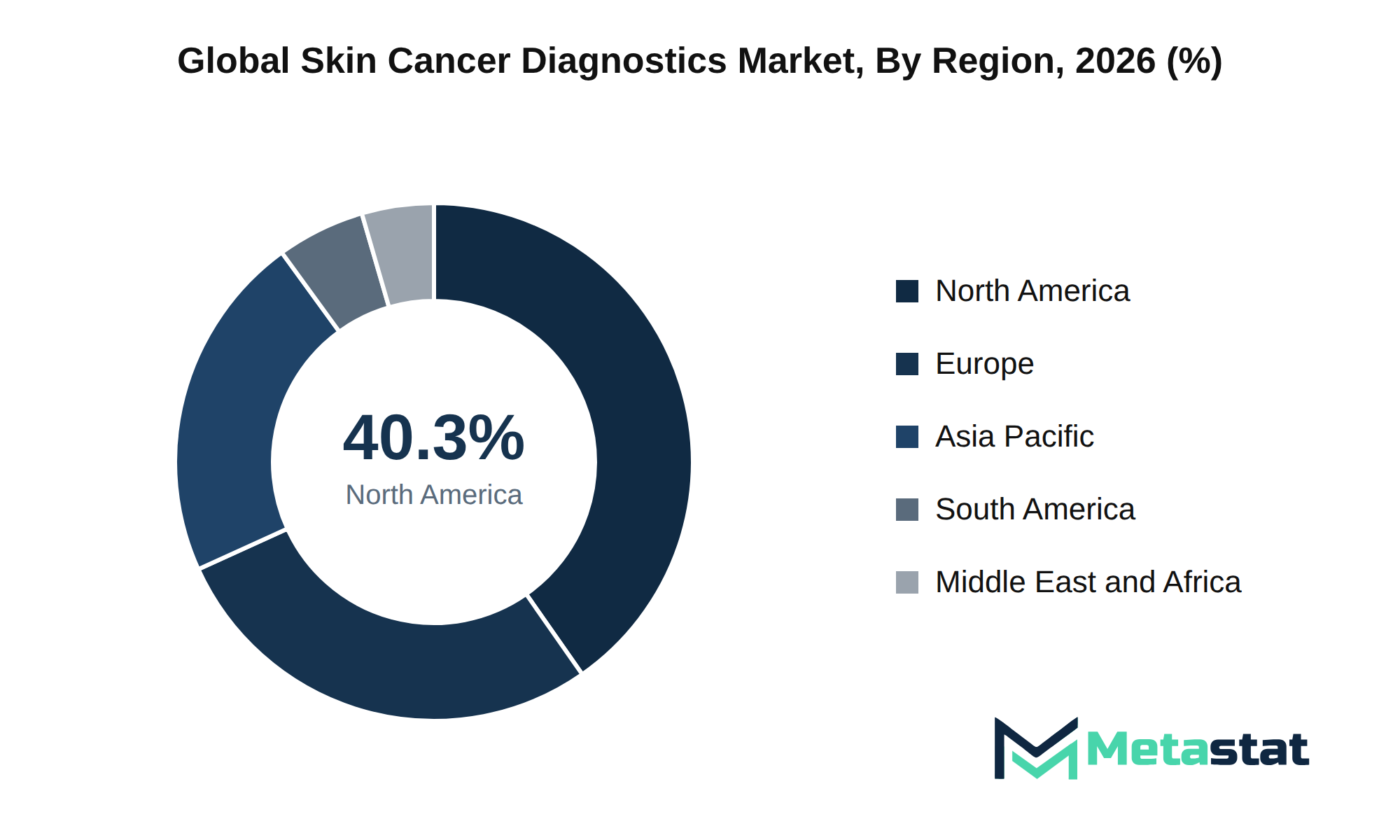
In 2025, North America holds a share of 40.3% of the global market. The growing prevalence of skin cancers necessitates enhanced diagnostic capabilities, driving demand across various healthcare settings, including dermatology clinics, hospitals, and diagnostic imaging centers. Continuous advancements in diagnostic imaging technology facilitate improved detection rates, positively influencing treatment outcomes.
The competitive landscape features established players including FotoFinder Systems GmbH, 3Gen Inc. (DermLite), and Canfield Scientific, Inc. These companies contribute to innovation and the expansion of diagnostic offerings by focusing on enhancing product portfolios and improving user experience, which strengthens their market position.
Regulatory frameworks in the United States, Canada, and Mexico promote the adoption of updated diagnostic technologies. Compliance with local mandates ensures access to high-quality diagnostic solutions, enhancing patient care standards. The momentum in the North America Skin Cancer Diagnostics market indicates strong growth potential driven by evolving healthcare needs and technological advancements.
Europe
European countries display a robust commitment to skin cancer diagnostics, driven by increasing healthcare investments and advancements in medical technology. Germany, France, the UK, Italy, and Spain contribute significantly to this trend through enhanced public health campaigns and initiatives aimed at improving early detection rates.
The market benefits from a strong regulatory framework that enhances safety and efficacy standards, further encouraging patient trust and adoption. High levels of public awareness concerning skin cancer, supported by educational programs, play a crucial role in increasing diagnostic rates across this region.
Germany maintains a leading position in the European market, characterized by a well-established healthcare infrastructure and a high demand for advanced diagnostic technologies. France and the UK follow closely, with initiatives focused on integrating novel diagnostic solutions into mainstream healthcare practices.
Italy and Spain display growing markets, fueled by rising incidences of skin cancer and increasing investments in healthcare infrastructure aimed at improving diagnostic capabilities. Russia faces infrastructural challenges but shows potential due to its vast population and rising awareness regarding skin health.
The Skin Cancer Diagnostics market in Europe accounts for 27.9% of the global market in 2025. This share reflects the regional focus on early detection and treatment options, which are vital for reducing mortality rates associated with skin cancer. Looking ahead, the market is expected to experience sustained growth driven by continuous advancements in diagnostic technologies and increased healthcare expenditures.
Asia-Pacific
In the Asia-Pacific region, rising incidences of skin cancer significantly influence the demand for skin cancer diagnostics. Countries including China, Japan, and India exhibit increasing case rates, contributing to heightened awareness and screening initiatives. South Korea and Australia enhance market dynamics through advanced healthcare systems and technology adoption. Southeast Asia and the Rest of Asia Pacific present emerging opportunities, characterized by underpenetrated territories and developing healthcare infrastructure.
The share of the global market for skin cancer diagnostics in 2025 is projected to be significant. This figure highlights the importance of addressing regional health challenges through efficient diagnostics, particularly in countries with growing populations and changing lifestyle factors. Local compliance mandates and health policies further drive the adoption of innovative diagnostic solutions, creating a conducive environment for market expansion.
Regional competitive landscapes feature several domestic market participants, including FotoFinder Systems GmbH, 3Gen Inc. (DermLite), and MoleMap. These players enhance product offerings and contribute to vendor consolidation trends, supporting the overall growth of the market. The combination of strategic entry barriers and foreign direct investment flows supports the establishment of localized manufacturing densities, vital for sustainable growth in the Asia-Pacific region.
South America
South America holds a notable share in the global Skin Cancer Diagnostics market in 2025. A combination of rising skin cancer incidence and increasing public awareness regarding early detection drives market growth in the region. Brazil and Argentina emerge because the primary markets, exhibiting robust demand for advanced diagnostic tools and technologies.
Investment in healthcare infrastructure modernization enhances access to diagnostic facilities, supporting the expansion of the market. Dermatology clinics and hospitals benefit from upgrading their capabilities, resulting in improved patient outcomes and increased service offerings. The prevalence of non-melanoma skin cancer significantly influences demand, with diagnostic centers focusing on various detection applications.
Local compliance mandates and geographic regulatory frameworks impact market dynamics, encouraging companies to adapt their products to meet regional requirements. Vendors including FotoFinder Systems GmbH, 3Gen Inc. (DermLite), and Canfield Scientific, Inc. operate within this competitive landscape, responding to local procurement dynamics and cultural nuances. Strategic entry barriers within the market require companies to navigate regulatory challenges effectively to secure a foothold in the expanding territory.
Investment trends in foreign direct investment (FDI) flows towards healthcare continue to stimulate growth in the Skin Cancer Diagnostics market. Increased funding enhances innovation and development of localized manufacturing capabilities, supporting the production of advanced diagnostic technologies tailored for the unique needs of the South American population. This strategic emphasis positions the market for incremental growth, with significant advancements projected through 2033.
Middle East and Africa
In the Middle East and Africa, the Skin Cancer Diagnostics market is expected to experience significant growth, driven by a combination of increasing public awareness about skin cancer and rising demand for advanced diagnostic technologies. Saudi Arabia, the UAE, and South Africa demonstrate a higher adoption rate, reflecting a growing commitment to improving healthcare infrastructure. Investment in healthcare modernization and diagnostic capabilities creates favorable conditions for market expansion.
Emerging market front-runners, including Saudi Arabia and the UAE, enhance their healthcare frameworks, focusing on early detection initiatives. South Africa shows a growing demand for skin cancer diagnostics among healthcare providers and patients, spurred by higher prevalence rates and increased screening initiatives. The market benefits from localized manufacturing densities and the influx of foreign direct investment, which supports technological advancements and service accessibility.
Geopolitical fragmentation and varying regulatory frameworks across the region affect market dynamics. Each country maintains distinct compliance mandates, influencing how diagnostic services are delivered. Cultural nuances and regional B2B buying behaviors shape procurement practices, dictating how healthcare providers adopt new technologies and processes.
The market share for the Middle East and Africa is projected at 4.5% of the global total in 2025, highlighting the growing importance of this region in the skin cancer diagnostics landscape. Continuous investment in research and development within this sector is critical for sustaining long-term growth, ultimately enhancing patient outcomes and treatment efficacy.
Competitive Landscape and Strategic Insights
Competitive Landscape and Strategic Insights
The Skin Cancer Diagnostics market comprises a diverse array of companies employing various go-to-market strategies and commercial models. Companies including FotoFinder Systems GmbH, Canfield Scientific, Inc., and MoleMap emphasize product differentiation through advanced imaging technologies and proprietary algorithms that enhance diagnostic accuracy. Strategic alliances and joint ventures, particularly among technology and healthcare providers, drive innovation and expand market reach.
Investment in research and development is crucial, with firms like Foundation Medicine, Inc. and Roche Diagnostics International AG advancing their R&D pipelines to strengthen their product offerings. This focus on innovation ensures a robust competitive stance, enabling these companies to capture a larger market share. Barriers to entry remain significant, driven by stringent regulatory standards and the need for substantial capital investment, which protect established players from emerging entrants.
Customer retention strategies play an integral role in sustaining market presence. Companies leverage brand equity dynamics to enhance customer loyalty, while switching costs associated with diagnostic technologies create a favorable environment for incumbents. The competitive outlook for the Skin Cancer Diagnostics market remains promising, with growth expected to be fueled by technological advancements and increasing awareness of skin cancer screening.
Forecast and Future Outlook
The Skin Cancer Diagnostics market size is forecast to rise from USD 9.9 billion in 2025 to over USD 16 billion by 2033, reflecting a compound annual growth rate (CAGR) of 6.2%. This growth stems from increased awareness of skin cancer, advancements in diagnostic technologies, and rising healthcare expenditures across various regions.
The base case anticipates steady growth attributed to the evolution of melanoma and non-melanoma diagnostics. The bull case suggests enhanced growth driven by rapid technological advancements and increased healthcare investments, while the bear case reflects potential challenges including regulatory hurdles or shifts in healthcare policies that could impact market expansion.
Regional developments will play a significant role in shaping the market's trajectory. North America, accounting for 40.3% of the market share, is anticipated to experience significant growth due to its established healthcare infrastructure and high demand for advanced diagnostic tools. In contrast, Europe and Asia Pacific are expected to experience substantial growth, driven by increasing incidences of skin cancer and rising awareness among the population.
Overall, the Skin Cancer Diagnostics market outlook remains positive, supported by ongoing research and development, increasing healthcare investments, and a growing emphasis on preventive healthcare measures. Strategic capital allocation and infrastructure commitments by key players will further influence market dynamics, enabling the capture of emerging opportunities and addressing unmet enterprise needs.
Skin Cancer Diagnostics Market Key Segments
By Cancer Type:
- Melanoma
- Non-melanoma
By Application Area:
- Melanoma Detection and Monitoring
- Non-Melanoma Skin Cancer Detection
- Basal Cell Carcinoma Diagnosis
- Squamous Cell Carcinoma Diagnosis
- Pre-Cancerous Lesion Identification
- Skin Lesion Monitoring and Surveillance
- Others (Rare Skin Cancers, Genetic Risk Assessment)
By End User:
- Dermatology Clinics
- Hospitals and Specialty Cancer Centers
- Diagnostic Imaging Centers
- Primary Care Clinics
- Skin Cancer Screening Service Providers
- Research and Academic Institutions
- Others (Corporate Wellness Screening Providers, Mobile Screening Units)
By Region:
- North America
- Europe
- Asia-Pacific
- South America
- Middle East and Africa
Key Global Skin Cancer Diagnostics Industry Players
- FotoFinder Systems GmbH
- 3Gen Inc. (DermLite)
- MoleMap
- Canfield Scientific, Inc.
- DermaSensor, Inc.
- HEINE Optotechnik GmbH & Co. KG
- NIDEK CO., LTD.
- Dino-Lite
- MetaOptima Technology Inc. (MoleScope)
- SkinVision
- Foundation Medicine, Inc.
- Michelson Diagnostics
- Caliber Imaging & Diagnostics
- Veriskin
- AMD Global Telemedicine
- Anitoa Systems, LLC
- NeoGenomics Laboratories
- QuantifiCare
- Quest Diagnostics Incorporated
- Roche Diagnostics International AG
- bioMérieux Inc.
- SkylineDx
- AMLo Biosciences Limited
- NeraCare GmbH
- Castle Biosciences, Inc.
- DermTech, Inc.
- Leica Biosystems
- Agilent Technologies, Inc.
Report Coverage
The report strategically identifies and profiles the key market players and analyses their core competencies in each sub-segment of the Skin Cancer Diagnostics market.
|
Report Attributes |
Details |
|
Study Period |
2021-2033 |
|
Base Year |
2025 |
|
Estimated Year |
2026 |
|
Forecast Period |
2026-2033 |
|
Historical Period |
2021-2025 |
|
Growth Rate |
CAGR 6.2% from 2026 to 2033 |
|
Revenue Unit |
USD billion |
|
Segmentation |
By Cancer Type, Application Area, End User, and Region |
|
By Region |
North America (By Cancer Type, Application Area, End User, and Country)
|
|
Europe (By Cancer Type, Application Area, End User, and Country)
|
|
|
Asia Pacific (By Cancer Type, Application Area, End User, and Country)
|
|
|
South America (By Cancer Type, Application Area, End User, and Country)
|
|
|
Middle East and Africa (By Cancer Type, Application Area, End User, and Country)
|
WHAT REPORT PROVIDES
- Key Company Market Share, Revenue and Ranking for Skin Cancer Diagnostics
- Key Market Leaders in Skin Cancer Diagnostics Industry
- Full In-Depth Analysis of the Parent Industry
- Industry Statistics and Important Changes in Market Dynamics
- Segmentation Details of the Skin Cancer Diagnostics Market
- Historical, Ongoing and Projected Market Analysis
- Assessment of Niche Industry Developments
- Key Strategies of Major Players in Skin Cancer Diagnostics
Frequently Asked Questions
Find answers to common questions about this report
The Skin Cancer Diagnostics market size was valued at USD 9.9 billion in 2025, according to the Metastat Insights study.
The Skin Cancer Diagnostics market is projected to grow at a CAGR of 6.2% during the forecast period from 2026 to 2033.
The North America Skin Cancer Diagnostics market size is estimated to reach USD 6.2 billion by 2033.
Melanoma leads the Skin Cancer Diagnostics market, with a projected value of USD 6.4 billion by 2033. This segment demonstrates a compound annual growth rate of 6.8% from 2026 to 2033.
Key drivers for the Skin Cancer Diagnostics market include the increasing prevalence of skin cancer, heightened awareness through educational campaigns, and significant investment in advanced diagnostic technologies. The integration of artificial intelligence and automation enhances diagnostic accuracy and efficiency, stimulating demand across healthcare settings.
North America holds the dominant share of the Skin Cancer Diagnostics market, accounting for USD 6.2 billion in 2033, representing 40.3 percent of the total market. This significant share positions North America because the leading region in this sector.
Regulatory challenges, including stringent compliance hurdles and evolving legal mandates, create barriers for market players, increasing operational costs and extending product development timelines. macroeconomic headwinds, including inflation and rising raw material costs, further complicate the landscape, restricting investments in research and development essential for innovation in skin cancer diagnostics.
Factors favoring product adoption in the Skin Cancer Diagnostics market include increasing prevalence of skin cancer, heightened awareness from educational campaigns, and advancements in diagnostic technologies, particularly artificial intelligence and automation. These elements enhance operational productivity and accuracy, driving demand across healthcare settings and contributing to market growth.
The Skin Cancer Diagnostics market is estimated to reach a valuation of USD 16 billion by 2033.
Key players in the Skin Cancer Diagnostics market include FotoFinder Systems GmbH, 3Gen Inc. (DermLite), MoleMap, Canfield Scientific, Inc., DermaSensor, Inc., and HEINE Optotechnik GmbH & Co. KG.
Choose Your License
Global Skin Cancer Diagnostics Market
Related Reports
Explore related market intelligence reports worth reading alongside this one.