
Global Specialty Coating and Surface-Finishing Chemicals Market
Global Specialty Coating and Surface-Finishing Chemicals Market Size, Share, By Product Type (Polyurethane Dispersions and Resins, Acrylic, Styrene-Acrylic and Vinyl Polymer Dispersions, Pigment and Colorant Dispersions, Wax Emulsions and Dispersions, Functional Coating Additives (Wetting, Rheology, Defoaming and Surface Modifiers), Crosslinkers and Curing Agents, Ready-to-Use Surface-Finishing Compounds), By Application (Industrial and Protective Coatings, Leather Finishing, Wood and Furniture Coatings, Automotive and Transportation Surface Finishing, Textile and Flexible Substrate Finishing, Paper, Packaging and Graphic Arts Coatings, Architectural and Masonry Coatings, Flooring and Concrete Surface Coatings, Plastic and Consumer Product Coatings), By Substrate Type (Leather, Wood, Metal, Plastics, Textiles, Paper and Board, Concrete and Masonry, Glass, Rubber), By Engagement Model (Standard / Catalogue Product Supply, Customer-Specific / Bespoke Formulated Product Supply, Customer-Owned Formula Toll Manufacturing, Customer-Specified Blending Services, Repacking and Pack-Down Services), Industry Analysis, Growth, Trends, and Forecast, 2026-2033
MSI-5017
August 21, 2026
259 Pages
Historical
Base year
Forecast
Forecast period
Report Details
Comprehensive Market Analysis And Insights
Market Overview
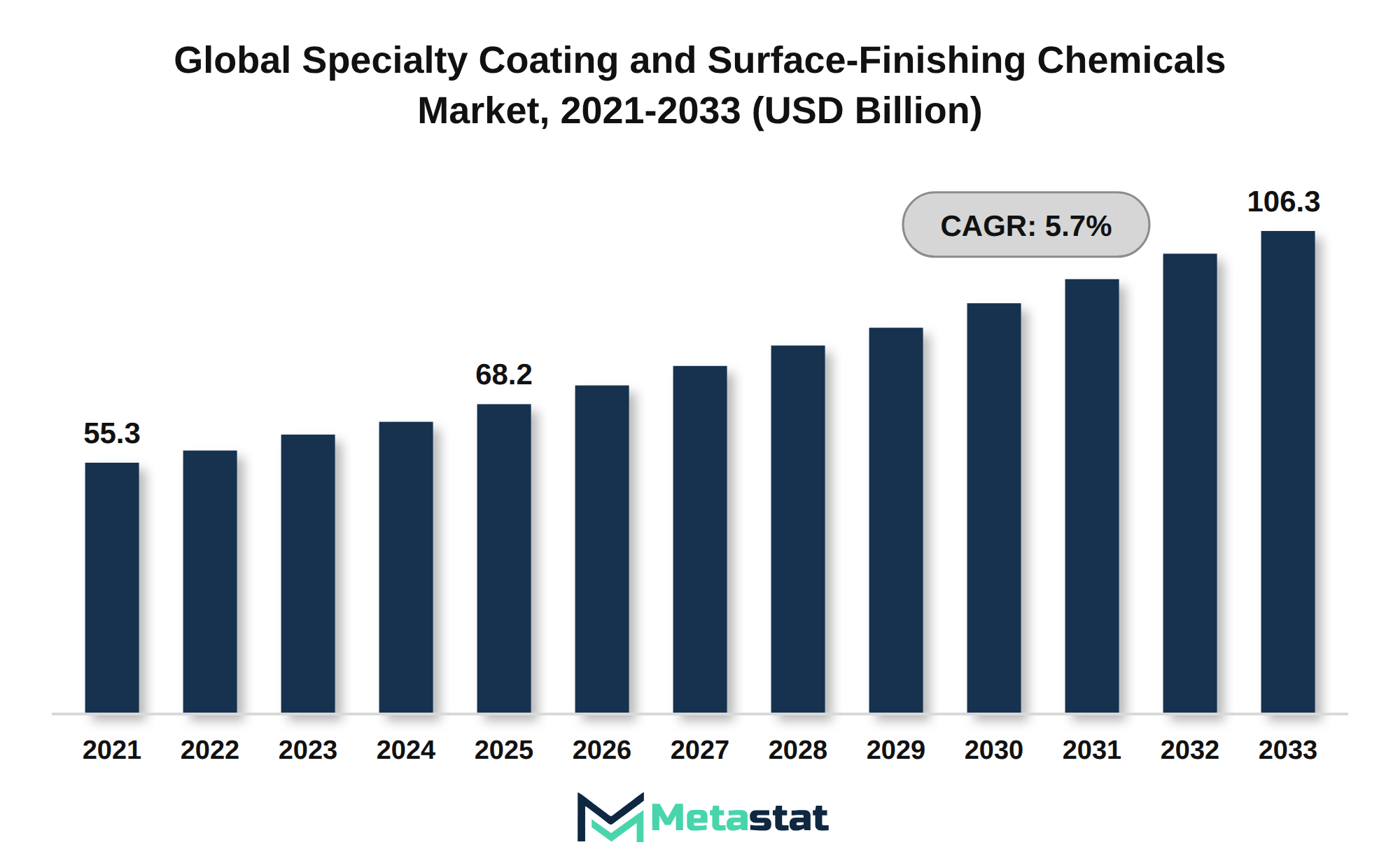
The global Specialty Coating and Surface-Finishing Chemicals market was valued at USD 68.2 billion in 2025 and is projected to reach USD 106.3 billion by 2033, growing at a CAGR of 5.7% over the forecast period.
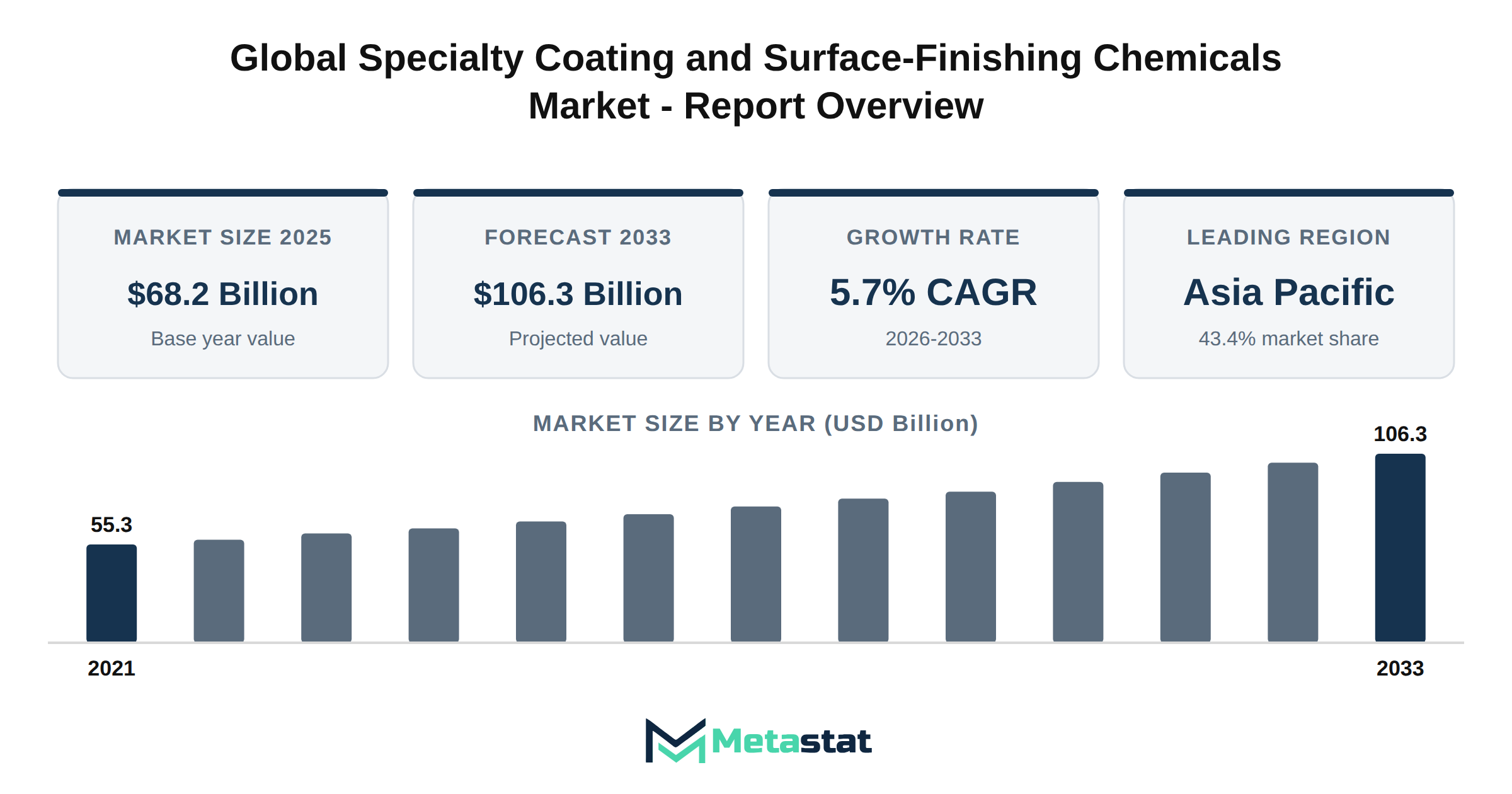
The Specialty Coating and Surface-Finishing Chemicals market reached a base value of USD 68.2 billion in 2025, with projections estimating growth to USD 106.3 billion by 2033. This growth represents a compound annual growth rate (CAGR) of 5.7% during the forecast period from 2026 to 2033.
Waterborne and low-VOC technology transitions reshape the market, driven by stricter environmental regulations and a shift towards sustainable practices. These technologies enhance product performance while reducing harmful emissions, appealing to environmentally conscious consumers and industries. The automotive and construction sectors particularly benefit from these advancements, which enhance the durability and aesthetic qualities of their products.
Bio-based and safer-chemistry formulations gain traction in the Specialty Coating and Surface-Finishing Chemicals market. These formulations align with growing consumer demand for eco-friendly products and compliance with regulations including UK REACH and EU REACH. Manufacturers invest in research and development to create safer alternatives that do not compromise performance.
Price fluctuations and supply risks associated with specialty raw materials significantly impact operational costs and profitability. The market experiences volatility resulting from geopolitical tensions, fluctuating commodity prices, and supply chain disruptions. Companies focusing on strategic sourcing and inventory management strengthen resilience against these challenges.
Small-batch economics and lead-time benchmarking have become critical for suppliers in the market. The increasing demand for customized solutions leads to shorter production runs, necessitating agile manufacturing capabilities. Firms that optimize their production processes to accommodate small batches respond swiftly to market demands, enhancing customer satisfaction and loyalty.
Contract-manufacturing capacity and scale-up trends reflect the growing need for flexibility in production. Companies pursue partnerships with contract manufacturers to leverage their expertise and resources, enabling faster market entry and reduced capital investment. This strategy allows firms to focus on core competencies while maintaining a competitive edge.
The transition toward waterborne and low-VOC technologies continues to reshape the Specialty Coating and Surface-Finishing Chemicals market. Regulatory pressures and consumer preferences drive the adoption of these environmentally friendly formulations, enabling manufacturers to meet stringent emission standards while maintaining product performance. This shift benefits sectors including automotive and construction, where sustainability initiatives gain traction.
Bio-based and safer-chemistry formulations present an opportunity for growth within the market. Growing awareness of health and environmental impacts encourages industries to explore alternatives to traditional petrochemical-based products. Companies investing in the development of bio-based solutions enhance their competitive edge and align with sustainability goals, appealing to eco-conscious consumers.
Compliance with UK REACH and EU REACH regulations imposes additional requirements on manufacturers in the Specialty Coating and Surface-Finishing Chemicals market. Ensuring adherence to these stringent chemical regulations necessitates investment in research and development, and robust supply chain management to mitigate risks associated with non-compliance. Companies that prioritize regulatory compliance enhance their market positioning and build consumer trust.
Specialty raw-material pricing and supply risks significantly impact the market landscape. Fluctuations in raw material costs, driven by geopolitical tensions and supply chain disruptions, challenge manufacturers' profitability. Companies implement effective procurement strategies to manage these uncertainties and maintain competitive pricing in the market.
Small-batch economics and lead-time benchmarking influence operational strategies within the Specialty Coating and Surface-Finishing Chemicals market. Manufacturers increasingly adopt agile production methods to meet the demand for customized solutions while minimizing inventory costs. This approach enhances responsiveness to market trends and customer preferences.
Contract-manufacturing capacity and scale-up trends play a crucial role in shaping the market dynamics. Outsourcing production enables companies to focus on core competencies, reduce capital expenditures, and enhance operational flexibility. While demand for specialty coatings grows, partnerships with contract manufacturers become essential for meeting production requirements efficiently.
Regulatory compliance, standards, and geopolitical risk frameworks create a complex environment for market participants. Companies that navigate these challenges effectively position themselves for long-term success. With the evolving landscape, continuous monitoring of regulatory changes becomes imperative for maintaining compliance and operational resilience.
Disruption and R&D trajectories in the Specialty Coating and Surface-Finishing Chemicals market highlight the importance of innovation. Companies investing in next-generation technologies and sustainable solutions enhance their competitive position. A focus on sustainable transformation, decarbonization, and circular economy dynamics drives the development of products that align with global sustainability goals.
The supply chain landscape, logistics architecture, and sourcing strategies significantly impact the market's operational efficiency. Companies that optimize their supply chains improve delivery times and reduce costs, enhancing their competitiveness. Strategic partnerships and diversified sourcing help mitigate risks associated with supply chain disruptions.
Market fragmentation and M&A dynamics characterize the current landscape. Companies pursue mergers and acquisitions to enhance capabilities, expand market reach, and achieve economies of scale. This consolidation trend shapes the competitive environment, influencing pricing strategies and market access.
The value chain within the Specialty Coating and Surface-Finishing Chemicals market highlights the interconnectedness of suppliers, manufacturers, and end-users. Companies that optimize their procurement processes and enhance customer journey dynamics improve overall efficiency and profitability. Capital allocation and infrastructure investments become critical for driving growth and competitiveness in the market.
CapEx and OpEx realities shape decision-making processes for companies operating in the market. Fluctuating costs and inflationary pressures necessitate careful financial planning and resource allocation. Companies that adapt to these economic conditions position themselves for sustained growth.
Macroeconomic headwinds and currency volatility present ongoing challenges for the Specialty Coating and Surface-Finishing Chemicals market. Companies implement strategies to manage these risks effectively, ensuring stability and profitability in an unpredictable economic environment.
The future strategic outlook for the market hinges on corporate imperatives and high-value recommendations. Companies that prioritize innovation, sustainability, and compliance will likely emerge because leaders in the evolving landscape, capitalizing on emerging opportunities while navigating potential challenges.
Market Dynamics
Investment in automation drives market growth
Investment in automation technology significantly influences the Specialty Coating and Surface-Finishing Chemicals market. Companies increasingly adopt advanced manufacturing techniques that enhance operational efficiency and reduce production costs. This shift stems from improved output quality and rising consumer demand for innovative coating solutions.
Industries including automotive, construction, and consumer goods emphasize automated processes to streamline production and maintain competitive pricing. The integration of automation and artificial intelligence leads to reduced labor costs and minimized material waste, enhancing profit margins for manufacturers. Automation enables the rapid development of new formulations, allowing companies to meet evolving market preferences effectively.
The pursuit of cost-efficiency and productivity in manufacturing continues to drive investments in automation technologies. Developments in robotics and data analytics drive innovation in product offerings, supporting the overall growth trajectory of the market. Enhanced production capabilities are anticipated to play a crucial role in meeting the increasing demand for specialty coating solutions across various sectors.
Technological integration enhances operational efficiency
Technological integration, particularly through automation and digital transformation, drives significant advancements in the Specialty Coating and Surface-Finishing Chemicals market. The adoption of artificial intelligence and software solutions facilitates process optimization and increases productivity across various applications, including industrial coatings and surface finishing. Companies investing in digitally transforming their legacy systems improve operational performance and reduce costs associated with traditional production methods.
Investment in automation influences multiple sectors within the market, enabling faster production lines and enhanced product customization capabilities. This shift allows manufacturers to respond more effectively to evolving consumer demands, particularly in industries including automotive and furniture. Enhanced operational efficiency contributes to overall market growth by minimizing waste and maximizing resource utilization, thereby improving profit margins for suppliers.
Technological advancements promote the development of innovative products that meet changing consumer preferences, including eco-friendly and high-performance coatings. The Specialty Coating and Surface-Finishing Chemicals market benefits from an increasingly competitive environment, where firms leveraging advanced technologies gain a substantial advantage in their offerings. Enhanced product portfolios improve customer engagement and retention, ultimately driving revenue growth within the market.
Regulatory compliance challenges impact market growth
Regulatory compliance presents significant challenges in the Specialty Coating and Surface-Finishing Chemicals market. Stringent environmental regulations require manufacturers to invest in technologies that reduce emissions and comply with safety standards. These compliance hurdles create additional operational costs that several companies find burdensome, leading to increased prices for end-users. Continuous investment in research and development to meet evolving regulatory requirements results in capital stagnation, particularly for smaller players in the market.
Macroeconomic headwinds, including inflationary pressures and supply chain disruptions, exacerbate these challenges. Rising costs of raw materials and transportation impact manufacturers' profitability and pricing strategies. Geopolitical instability introduces uncertainties that complicate supply chain management, further restricting market growth potential. Skilled labor deficiencies hinder the industry's ability to adapt to technological advancements, creating talent gaps that slow down innovation and compliance efforts.
The combination of these factors contributes to a fragmented market landscape, where regional adoption varies significantly. This fragmentation complicates efforts to implement standardized solutions across different markets. High capital investment requirements for new technologies and infrastructure create barriers for entry, limiting the participation of smaller firms in the Specialty Coating and Surface-Finishing Chemicals market. Consequently, these restraints culminate in a slower growth trajectory for the market, affecting long-term demand and investment strategies.
Geopolitical disruptions challenge supply stability
Geopolitical fragmentation introduces significant challenges within the Specialty Coating and Surface-Finishing Chemicals market. Trade deficits and tariff friction disrupt established supply chains, complicating the procurement of raw materials and components essential for production. These factors contribute to increased costs and delays, impacting manufacturers reliant on timely inputs for operational efficiency.
Logistics disruptions, resulting from political instability and regulatory changes in various regions, undermine supply chain reliability. Manufacturers experience heightened volatility in feedstock prices, complicating pricing strategies and leading to margin pressures across the sector. Responding to these instability factors requires agile supply chain management and strategic partnerships.
The evolving global regulatory landscape introduces additional compliance overhead, creating operational burdens for companies. Compliance with tightening standards demands substantial investment in R&D to innovate and adapt products to meet regulatory requirements. This necessity influences production timelines and overall market competitiveness.
Talent retention pressures arise from the increasing complexity of supply chain management amid geopolitical uncertainty. Skills gaps in the workforce limit companies' ability to respond proactively to challenges, impacting innovation and growth potential. Addressing these workforce issues is crucial for sustaining operational resilience.
Overall, these geopolitical challenges significantly affect the Specialty Coating and Surface-Finishing Chemicals market, necessitating adaptive strategies to ensure stability while navigating a dynamic global environment.
Emerging regional demands drive market growth
Increased consumer demand for high-performance coatings contributes to substantial opportunities within the Specialty Coating and Surface-Finishing Chemicals market. This demand arises from various sectors, including automotive, construction, and consumer goods, which prioritize durability and aesthetic quality in their products. Such requirements compel manufacturers to innovate and align their offerings with customer expectations.
Infrastructure modernization initiatives globally further enhance market prospects. Governments and private sectors invest heavily in upgrading buildings and transportation networks, generating demand for advanced coatings that offer protection and longevity. Investments in sustainable construction practices heighten the need for eco-friendly coating solutions, which aligns with modern environmental standards and consumer preferences.
Geographical expansion into emerging markets presents another critical opportunity. Rapid industrialization in regions including Asia Pacific and South America creates a growing appetite for specialty coatings, driven by rising disposable incomes and urbanization. Manufacturers targeting these regions benefit from increased sales and market share.
Technological disruptions, particularly in product formulation and application processes, enable companies to develop products that meet evolving customer demands. Innovations in biodegradable coatings and high-performance surface treatments position suppliers favorably in a competitive environment. These advancements not only enhance product offerings but contribute to sustainability goals.
Digital transformation influences purchasing behaviors, shifting buyers toward online procurement channels. This transition allows manufacturers to reach a broader audience and streamline their sales processes, ultimately supporting growth in the market. Evolving buying behaviors reflect a preference for convenience and accessibility, leading to increased competition among suppliers to enhance their digital presence.
Strategic consolidation through mergers and acquisitions facilitates resource sharing and expands market reach, enabling suppliers to offer comprehensive solutions. This trend promotes innovation and efficiency, accelerating growth within the Specialty Coating and Surface-Finishing Chemicals market.
Overall, the combination of emerging demands, technological advancements, and strategic initiatives shapes significant opportunities for growth, positioning the market for robust expansion through 2033.
Market Segmentation Analysis
The Global Specialty Coating and Surface-Finishing Chemicals market is segmented based on Product Type, Application, Substrate Type, and Engagement Model.
By Product Type, the market is further segmented into:
- Polyurethane Dispersions & Resins
- Acrylic, Styrene-Acrylic & Vinyl Polymer Dispersions
- Pigment & Colorant Dispersions
- Wax Emulsions & Dispersions
- Functional Coating Additives (Wetting, Rheology, Defoaming & Surface Modifiers)
- Crosslinkers & Curing Agents
- Ready-to-Use Surface-Finishing Compounds
- Others (Polyester, Alkyd and Hybrid Polymer Dispersions)
Polyurethane Dispersions & Resins
Polyurethane Dispersions & Resins segment is valued at USD 13.3 billion in 2026 and is projected to reach USD 20.7 billion by 2033, at a CAGR of 6.5% during the forecast period. Strong demand for high-performance, environmentally friendly coatings drives growth in this segment. Industries including automotive, construction, and consumer goods increasingly adopt polyurethane dispersions for their superior flexibility, durability, and resistance to chemicals and UV light. Adoption of sustainable practices promotes waterborne polyurethane technologies, aligning with regulatory compliance aimed at reducing volatile organic compounds (VOCs).
Technological advancements facilitate the development of next-generation formulations that enhance performance characteristics, including improved adhesion and lower viscosity. These innovations, combined with an increase in raw material availability, support segment expansion and create strategic opportunities for market players. Evolving consumer preferences for eco-friendly products impact consumption patterns, leading to increased demand for polyurethane dispersions in various applications, including industrial coatings and adhesives.
Market players face pressure from pricing volatility and margin challenges due to fluctuating raw material costs. Effective supply chain management and strategic sourcing of materials help mitigate these pressures. Competitive dynamics push companies to innovate continuously, prompting investment in research and development to maintain competitiveness in the Specialty Coating and Surface-Finishing Chemicals market. The segment demonstrates significant growth potential driven by favorable market conditions and shifting consumer expectations.
Acrylic, Styrene-Acrylic & Vinyl Polymer Dispersions
Acrylic, Styrene-Acrylic & Vinyl Polymer Dispersions segment is estimated to reach USD 26.1 billion by 2033, at a CAGR of 5.9% during the forecast period. This segment benefits from several demand drivers, including the increasing preference for environmentally friendly coatings and the need for superior performance characteristics in various applications. Industries including construction, automotive, and consumer goods actively adopt these dispersions due to their excellent adhesion, flexibility, and durability.
Technological maturation enhances product efficiency and reduces production costs. The shift toward innovative formulation techniques and raw material advancements contributes to market growth. End-use dynamics, including rising consumer awareness regarding health and safety standards, push manufacturers to focus on low-VOC and non-toxic formulations.
Regulatory compliance standards further influence market trends, compelling manufacturers to invest in research and development of compliant products. The focus on sustainability and eco-friendliness drives significant growth opportunities within the Specialty Coating and Surface-Finishing Chemicals market. Strategic partnerships and collaborations among suppliers and manufacturers enhance supply chain resilience, enabling efficient raw material sourcing during potential disruptions.
Price volatility in raw materials presents challenges, affecting profit margins. Innovative approaches in sourcing and production help mitigate these risks. Continuous investment in next-generation upgrades and technologies reflects a commitment to maintaining competitive advantages in a changing market.
Pigment & Colorant Dispersions
Strong demand for Pigment & Colorant Dispersions stems from the growing emphasis on aesthetics and performance across various applications. Industries including automotive, construction, and consumer goods increasingly rely on these dispersions to meet stringent quality standards and consumer expectations. The anticipated expansion of the segment to USD 16 billion by 2033 aligns with the rising need for innovative and sustainable solutions in coating applications. Regulatory pressures regarding environmental compliance fuel the adoption of low-impact pigments, further driving growth.
Technological advancements enhance the performance of pigment dispersions, facilitating their integration into diverse substrates. Many manufacturers focus on developing high-performance formulations, enabling better durability, stability, and color consistency. Increased investment in research and development leads to next-generation products that address specific customer requirements, positively impacting the overall market dynamics.
Market dynamics influence cost structures owing to fluctuations in raw material prices, presenting challenges for manufacturers in maintaining margins. Supply chain resilience becomes crucial for sourcing high-quality raw materials, because disruptions affect production timelines and product availability. Strategic partnerships and collaborations among key players enhance supply chain efficiency, ensuring consistent delivery of products to meet market demands. The evolving regulatory landscape necessitates ongoing adaptation to compliance standards, further shaping the operational strategies of companies within the Specialty Coating and Surface-Finishing Chemicals market.
Overall, the growth trajectory of the Pigment & Colorant Dispersions segment highlights its significance within the broader Specialty Coating and Surface-Finishing Chemicals market. Continuous innovation and adaptation to changing market demands will further strengthen its position in the coming years.
Wax Emulsions & Dispersions
Growth in the Wax Emulsions & Dispersions segment of the Specialty Coating and Surface-Finishing Chemicals market is projected at a CAGR of 4.9% during the forecast period. Primary demand drivers include increasing applications in industrial and protective coatings, particularly within sectors focusing on sustainable and eco-friendly products. Evolving consumer preference for low-VOC and biodegradable options significantly influences product evolution and market penetration. Innovations in formulation technology enhance performance characteristics, expanding the utility of wax emulsions in diverse applications.
Downstream applications demonstrate robust demand in industries including automotive, construction, and textiles, where enhanced surface finish and durability are critical. Regulatory compliance standards advocating reduced environmental impact drive a shift toward wax emulsions that align with sustainability objectives. Fluctuations in raw material pricing present margin pressures, influencing pricing strategies and market competitiveness.
Strategic opportunity windows arise from advancements in product formulations that cater to specific end-use requirements, creating a favorable environment for investment. The market displays resilience against substitution risks, with wax emulsions maintaining a competitive edge through unique properties that enhance performance in various applications. The projected growth trajectory signals a positive outlook, driven by continued innovation and adaptation within the Specialty Coating and Surface-Finishing Chemicals market.
Functional Coating Additives (Wetting, Rheology, Defoaming & Surface Modifiers)
Growing emphasis on performance enhancement drives demand for functional coating additives, which encompass wetting agents, rheology modifiers, defoaming agents, and surface modifiers. Industries prioritizing efficient production processes and superior product quality increasingly adopt these additives. Enhanced performance characteristics, including improved dispersion stability, viscosity control, and surface appearance, lead to strong preference for these additives across various applications, supporting long-term demand in the market.
Technological maturation within the sector facilitates the development of innovative formulations, enabling manufacturers to offer tailored solutions that meet specific performance criteria. The evolution of products aligns with escalating consumer expectations for environmentally friendly and sustainable options, contributing to a shift in procurement strategies. Regulatory compliance standards influence the formulation of functional additives, pushing producers to adopt safer and more sustainable raw materials, which enhances market competitiveness.
Market dynamics indicate a consistent trend toward high-performance coatings in end-use applications, particularly in industrial and protective coatings. This trend prompts downstream sectors to seek materials that fulfill their functional requirements while optimizing manufacturing efficiency. The market's capacity to adapt to these demands creates strategic opportunity windows for suppliers aiming to enhance their product offerings, reinforcing their position in the market.
Rising costs of raw materials present ongoing challenges, impacting pricing structures and profit margins within the specialty coating and surface-finishing chemicals market. Suppliers focus on enhancing supply chain resilience by diversifying their sourcing strategies. Consequently, expectations for continued investment in product development and innovation remain strong within the sector, influencing long-term growth prospects.
Crosslinkers & Curing Agents
Strong demand for crosslinkers and curing agents arises from their critical role in enhancing the performance and durability of coatings. Industries including automotive, construction, and aerospace increasingly rely on these agents to improve adhesion, chemical resistance, and mechanical properties of coatings. The ongoing trend towards high-performance coatings fuels the adoption of crosslinkers, driven by manufacturers seeking products that meet stringent quality and regulatory standards.
Technological advancements in crosslinking chemistry enable the development of next-generation products tailored for specific applications. Innovations in formulations lead to improved environmental performance, aligning with global sustainability goals. This evolution supports market expansion by attracting environmentally conscious consumers and industries.
End-use dynamics reflect a shift towards coatings that offer longer lifespans and better protection. The growing emphasis on durability in applications including protective coatings and industrial finishes drives demand for crosslinkers. Regulatory compliance standards push manufacturers toward formulations that minimize volatile organic compounds, which enhances the attractiveness of advanced crosslinker technologies.
Pricing volatility affects the cost structures of crosslinkers, owing to raw material sourcing and market dynamics impacting operational margins. Supply chain resilience remains crucial, with manufacturers exploring alternative sourcing strategies to mitigate risks associated with raw material availability. This proactive approach supports stability in pricing and enhances competitive positioning within the Specialty Coating and Surface-Finishing Chemicals market.
Strategic opportunity windows exist for suppliers focusing on innovative crosslinking solutions. By investing in research and development, companies secure a competitive edge in a market demanding high performance and sustainability. The ongoing evolution in the crosslinker segment positions it favorably for sustained growth and investment, reinforcing its significance in the broader specialty coating sector.
Ready-to-Use Surface-Finishing Compounds
Investments in Ready-to-Use Surface-Finishing Compounds emphasize efficiency and application versatility. Manufacturers prioritize ease of use, offering formulations that cater to diverse end-users across various sectors. This segment’s growth aligns with the trend toward simplifying application processes, enhancing user experience, and reducing labor costs associated with surface finishing. Rising focus on sustainability fuels demand for eco-friendly formulations, driving innovations that comply with stringent environmental regulations.
Adoption of these compounds spans several industries, including automotive, construction, and consumer goods. End-users seek faster turnaround times and higher quality finishes, and the market adapts to meet these evolving expectations. Regulatory compliance pushes manufacturers to develop products that align with both environmental standards and consumer preferences, significantly influencing product formulation strategies.
Competitive dynamics within the Specialty Coating and Surface-Finishing Chemicals market highlight the importance of technological advancements. Companies invest in research and development to create next-generation products that improve performance while maintaining regulatory compliance. This focus on innovation positions manufacturers to capture market share and respond to fluctuating consumer demands effectively.
The drive for cost efficiency remains critical, with companies exploring raw material sourcing strategies to mitigate pricing volatility. Market participants face margin pressures, and strategic partnerships and supply chain resilience play crucial roles in maintaining competitiveness. The introduction of disruptive alternatives challenges traditional product offerings, prompting businesses to reassess their portfolios and explore white-space opportunities in the market.
Others (Polyester, Alkyd and Hybrid Polymer Dispersions)
Demand for Polyester, Alkyd, and Hybrid Polymer Dispersions reflects evolving trends in various end-use applications within the Specialty Coating and Surface-Finishing Chemicals market. This sub-segment benefits from strong growth in sectors including automotive, construction, and consumer products, where durability and aesthetic properties of coatings play critical roles.
Shifts toward environmentally friendly formulations drive innovation and product evolution within this segment. Manufacturers prioritize lower VOC emissions and enhanced sustainability features in response to stricter regulatory compliance standards. These trends lead to increased adoption of hybrid systems that combine the advantages of traditional and modern technologies.
Continuously rising performance expectations from end-users influence consumption patterns. Industries seek coatings that provide superior protection, longevity, and enhanced appearance. Consequently, product offerings adapt to meet these demands, promoting ongoing research and development initiatives.
Technological maturation contributes to refining production processes and enhancing product capabilities. Investment in next-generation upgrades ensures that manufacturers remain competitive in delivering high-performance solutions. Strategic opportunity windows arise from companies leveraging innovations to enhance their market positions.
Supply chain resilience serves because a critical factor for companies operating within this segment. Sourcing of raw materials often faces challenges, necessitating strategic partnerships and diversified procurement strategies to mitigate potential disruptions. The evolving landscape of raw material availability continues to influence pricing volatility and margin pressures, compelling industry players to adapt their operational strategies for sustained growth.
By Application, the market is further segmented into:
- Industrial & Protective Coatings
- Leather Finishing
- Wood & Furniture Coatings
- Automotive & Transportation Surface Finishing
- Textile & Flexible Substrate Finishing
- Paper, Packaging & Graphic Arts Coatings
- Architectural & Masonry Coatings
- Flooring & Concrete Surface Coatings
- Plastic & Consumer Product Coatings
- Others (Glass, Rubber and Specialty Surface Treatments)
Industrial & Protective Coatings
Valued at USD 14.6 billion in 2026, the Industrial & Protective Coatings segment is projected to reach USD 21.8 billion by 2033, at a CAGR of 5.9% during the forecast period. Strong demand for protective coatings arises from various end-use applications, including industrial machinery, construction, and automotive sectors. Increasing investments in infrastructure and industrial projects increase the need for durable coatings that provide protection against harsh environmental conditions and chemical exposure.
Regulatory compliance regarding environmental standards drives innovation in product formulation, leading to the development of eco-friendly and low-VOC options. This trend aligns with growing consumer preferences for sustainable products, prompting manufacturers to reformulate existing products to meet changing regulations. Technological maturation in the coatings industry enables the introduction of advanced materials that enhance performance characteristics including adhesion, durability, and resistance to abrasion.
Strategic opportunity windows arise from ongoing advancements in surface engineering and coating technologies. Manufacturers focus on next-gen upgrades that integrate smart coatings capable of self-cleaning and anti-corrosion properties, catering to the evolving demands of end-users. Such innovations are expected to reshape consumption patterns, with a notable shift toward high-performance solutions within the Specialty Coating and Surface-Finishing Chemicals market.
Pricing volatility and margin pressures continue to challenge producers, particularly in the face of fluctuating raw material costs. Supply chain resilience is essential in maintaining product availability, driven by manufacturers navigating sourcing challenges and logistics vulnerabilities. Strategic partnerships and collaborations within the supply chain enable companies to optimize resource allocation and enhance product offerings, strengthening their position within the competitive landscape of the market.
Leather Finishing
Increasing consumer preferences for high-quality leather products create substantial demand for leather finishing solutions. This segment recognizes significant growth opportunities driven by the expansion of the fashion, automotive, and furniture industries, where aesthetically appealing and durable leather products are essential. Manufacturers in the specialty coating and surface-finishing chemicals market focus on enhancing product formulations to meet evolving consumer expectations, emphasizing sustainability and performance.
Technological advancements play a crucial role in product evolution within the leather finishing segment. Innovations including water-based leather finishes and eco-friendly formulations align with regulatory compliance standards and shifting consumer preferences towards more sustainable options. While manufacturers adopt these next-generation upgrades, operational efficiencies emerge, contributing to improved profit margins.
Competition within the leather finishing segment intensifies owing to companies striving to differentiate their offerings through tailored solutions. Strategic investment in research and development facilitates the creation of bespoke formulations that cater to specific end-use applications. This trend reflects a broader shift in the market, responding to customization demands from various industries.
The leather finishing segment is estimated to reach USD 7.2 billion by 2033, at a CAGR of 3.8% during the forecast period. Market dynamics indicate that fluctuations in raw material prices and supply chain vulnerabilities impact production costs, creating potential pricing volatility. Companies that prioritize supply chain resilience and sustainable sourcing practices position themselves favorably against potential disruptions.
Awareness of environmental impacts related to conventional leather finishing methods drives innovation in alternative solutions. The transition towards eco-friendly products not only satisfies regulatory requirements but aligns with environmentally conscious consumers, enhancing brand loyalty and market share. This convergence of regulatory compliance and consumer demand creates strategic opportunity windows for stakeholders in the leather finishing segment.
Wood & Furniture Coatings
Growing interest in sustainable materials and eco-friendly solutions drives demand for Wood & Furniture Coatings within the Specialty Coating and Surface-Finishing Chemicals market. This segment is expected to reach USD 10.1 billion by 2033. The increasing awareness of environmental impacts leads manufacturers to adopt coatings that enhance aesthetics and durability while adhering to stringent regulations. Innovations in product formulations enhance performance, addressing properties including scratch resistance, weather resistance, and chemical durability, meeting the expectations of consumers and industries alike.
Technological advancements in application methods further support growth in this segment. The introduction of more efficient and environmentally friendly application technologies reduces waste and enhances coverage. Manufacturers increasingly focus on next-generation coatings that offer improved functionalities while contributing to reduced drying times and lower energy consumption during application. This evolution aligns with the market's shift toward high-performance solutions that accommodate diverse substrate types.
End-use dynamics indicate a rising demand for Wood & Furniture Coatings in various sectors, including residential and commercial furniture production, cabinetry, and flooring. This sector's growth is closely tied to trends in interior design and the increasing popularity of customized solutions. While consumers prioritize quality, aesthetics, and sustainability in their purchasing decisions, the market experiences a corresponding rise in demand for advanced coating solutions.
Price volatility in raw materials, particularly those used in traditional paint formulations, influences market dynamics. Fluctuations in the cost of key ingredients prompt manufacturers to seek cost-effective alternatives while maintaining product quality and performance. Strategic sourcing of sustainable raw materials emerges because a critical factor in ensuring long-term profitability.
Overall, the Wood & Furniture Coatings segment demonstrates significant growth potential driven by evolving consumer preferences, increased regulatory scrutiny, and technological advancements. The Specialty Coating and Surface-Finishing Chemicals market is poised for robust expansion, driven by a continued focus on sustainability and product performance.
Automotive & Transportation Surface Finishing
Growing investments in the automotive industry significantly influence demand for Automotive & Transportation Surface Finishing solutions. This segment supports the increasing demand for high-performance coatings that enhance durability and aesthetics in vehicles. The push for fuel efficiency and reduced emissions drives manufacturers to adopt lightweight materials, which increases the need for specialized coatings that provide protection without adding excessive weight.
The Automotive & Transportation Surface Finishing segment is projected to grow at a CAGR of 6.7% during the forecast period. This growth is closely linked to technological advancements in coatings that offer sustainable options while meeting stringent regulatory standards. Manufacturers prioritize products that comply with evolving environmental regulations, creating a competitive landscape centered on innovation.
Shifts in consumer preferences towards customization and personalization in vehicles further drive growth in this segment. Automotive manufacturers seek to differentiate their offerings through unique finishes and surface treatments, which drives demand for specialized coating solutions. Enhanced surface-finish technologies, including advanced polymer formulations, enable the industry to cater to these consumer demands effectively.
Cost structures in the automotive sector continuously evolve, influenced by raw material price fluctuations and supply chain dynamics. Manufacturers focus on optimizing their sourcing strategies to mitigate pricing volatility, ensuring stable production costs. The emergence of innovative alternatives in surface-finishing technologies presents both opportunities and risks, compelling companies to adapt quickly to maintain market relevance.
Textile & Flexible Substrate Finishing
Rising consumer interest in customized solutions drives demand for textile and flexible substrate finishing products. This segment benefits from advancements in chemical formulations that enhance performance and durability across various applications. Innovative technologies improve the quality of finished textiles, making them more resistant to wear, fading, and environmental factors.
Increased adoption of sustainable practices influences the segment's growth, driven by producers emphasizing eco-friendly chemicals that reduce environmental impact. Regulatory compliance standards regarding chemical usage in textiles shape product offerings, compelling manufacturers to innovate. Strategic partnerships and collaborations within the supply chain enhance product development and delivery capabilities, aligning with market trends.
Factors including shifting consumer preferences toward high-performance textiles and functional finishes secure a robust demand trajectory within the specialty coating and surface-finishing chemicals market. Growth opportunities in this segment continue to attract investments aimed at next-generation upgrades and technology maturation. While producers focus on aligning with market dynamics, the segment evolves to meet emerging requirements.
Paper, Packaging & Graphic Arts Coatings
Demand for Paper, Packaging & Graphic Arts Coatings is driven by increasing consumption of packaged goods and growing emphasis on high-quality graphics in various applications. The rise of e-commerce has heightened the need for protective packaging solutions, further propelling demand within this segment. Increasing consumer expectations for visually appealing and durable packaging materials result in a shift towards innovative coating solutions that enhance aesthetics and performance.
Technological advancements play a significant role in the evolution of coatings for paper and packaging applications. Innovations in formulations enable the development of coatings that provide superior barrier properties, improved printability, and enhanced protection against environmental factors. These advancements facilitate the adoption of next-generation coatings tailored to meet specific industry requirements, driving the segment's growth in the Specialty Coating and Surface-Finishing Chemicals market.
Regulatory compliance and sustainability concerns influence product developments within this segment. Manufacturers continuously seek to align their offerings with environmental regulations, prompting the adoption of eco-friendly materials and processes. This shift towards sustainable solutions enhances brand reputation and drives customer loyalty, which is crucial in a competitive market environment.
Cost structures for coatings in the Paper, Packaging & Graphic Arts segment are affected by fluctuations in raw material prices and supply chain dynamics. Volatility in the availability of key raw materials leads to increased production costs, impacting profit margins for manufacturers. Strategic investment in supply chain resilience and efficient sourcing of materials is essential for maintaining competitiveness.
Overall, the Specialty Coating and Surface-Finishing Chemicals market creates numerous opportunities for growth within the Paper, Packaging & Graphic Arts Coatings segment. Continuous innovation, along with a focus on sustainability and compliance, positions this segment for significant expansion in the coming years.
Architectural & Masonry Coatings
Recent trends in the architectural and masonry coatings segment demonstrate increasing adoption driven by a rise in infrastructure development and renovation activities. Urbanization across various regions drives demand for durable and aesthetically pleasing coatings suitable for both residential and commercial applications. Innovations in product formulations enhance protection against environmental factors, thereby improving performance standards within the segment.
Technological advancements in coatings promote improved application methods, including spray techniques and quick-drying solutions, contributing to efficiency in construction timelines. The concentration on regulatory compliance regarding volatile organic compound emissions further influences product development, encouraging manufacturers to invest in eco-friendly alternatives that adhere to stringent standards.
End-use dynamics reflect a growing preference for coatings that offer long-lasting durability and maintenance ease. This shift motivates manufacturers to innovate, driven by consumer and builder demand for high-quality, sustainable options that align with contemporary environmental considerations. Consequently, demand within the specialty coating and surface-finishing chemicals market continues to evolve, driving competitive advancement among suppliers.
Supply chain resilience within this segment is critical, with stakeholders scrutinizing raw material sourcing to mitigate potential disruptions. Strategic opportunities emerge because companies explore partnerships and collaborations to enhance product offerings and expand market presence. The focus on next-generation upgrades positions manufacturers to utilize advancements in coatings technology, ensuring alignment with consumer expectations and regulatory demands.
Flooring & Concrete Surface Coatings
Trends in flooring and concrete surface coatings reflect a heightened focus on durability and aesthetic appeal within various sectors. Demand for sustainable construction materials drives innovation, leading to the adoption of advanced formulations that enhance performance while minimizing environmental impact. Manufacturers in the Specialty Coating and Surface-Finishing Chemicals market face ongoing pressure to develop products that comply with stringent environmental regulations and certifications, ensuring alignment with market expectations.
The construction and renovation industries significantly influence the demand dynamics for flooring and concrete surface coatings. Consumers prioritize long-lasting and visually appealing surfaces. This focus prompts manufacturers to invest in research and development, resulting in the introduction of next-generation products that offer improved adhesion, weather resistance, and ease of maintenance.
Shifts in consumption patterns highlight a growing preference for user-friendly solutions that simplify application processes. The market benefits from technology maturation, enabling the integration of smart coatings that respond to environmental changes. Such advancements create strategic opportunity windows for companies willing to innovate in this space.
Pricing volatility and margin pressures associated with raw material sourcing present ongoing challenges for manufacturers. Economic fluctuations impact cost structures, influencing pricing strategies across the market. Companies that establish resilient supply chains and diversify their raw material sources position themselves advantageously to navigate these challenges while meeting evolving consumer demands.
Plastic & Consumer Product Coatings
Market dynamics for Plastic & Consumer Product Coatings reflect evolving consumer preferences toward durable and high-performing coatings. Increasing demand for lightweight and versatile coatings in various consumer products drives product innovation and development within the industry. Regulatory pressures related to environmental compliance and sustainability shape the landscape, pushing manufacturers toward eco-friendly formulations that align with market expectations.
Technological advancements contribute significantly to product evolution within the segment. Innovations in formulation chemistry enhance the performance characteristics of coatings, including resistance to wear, corrosion, and environmental stressors. These enhancements cater to growing end-use requirements across multiple applications, reinforcing the importance of advanced coatings in consumer products.
Shifts in consumption patterns indicate a trend toward personalization and customization in product offerings. Consumers increasingly seek unique solutions that cater to specific needs, driving opportunities for bespoke formulations that meet individualized performance criteria. This trend encourages manufacturers to adapt their strategies and product lines accordingly, promoting greater engagement with end users.
Cost structures within this segment reflect market pressures, including raw material sourcing challenges and pricing volatility. Fluctuating prices of critical raw materials impact profit margins and operational strategies for suppliers. Navigating these challenges effectively remains essential for sustaining competitive positioning within the Specialty Coating and Surface-Finishing Chemicals market.
The Plastic & Consumer Product Coatings segment represents an intersection of consumer-driven demand, regulatory compliance, and technological innovation. These factors collectively shape the outlook for growth and opportunity within the broader market, influencing strategic decisions among key participants.
Others (Glass, Rubber and Specialty Surface Treatments)
Emerging applications in the Specialty Coating and Surface-Finishing Chemicals market contribute to a growing interest in specialty surface treatments, particularly in sectors including glass and rubber. Innovations in treatment techniques enhance performance attributes, driving adoption across diverse industries. The increasing need for specialized coatings that offer improved durability and aesthetic appeal supports the segment’s expansion.
Technological maturation drives advancements in formulation processes, leading to enhanced product effectiveness. This evolution facilitates the development of next-generation solutions that address specific client requirements. Regulatory compliance standards, particularly those focused on safety and environmental impacts, create a framework for innovation while ensuring product integrity.
End-use dynamics reflect shifting consumption patterns, where industries prioritize high-performance solutions that align with sustainability objectives. The demand for specialty treatments aligns with the broader trend of customization, allowing for tailored applications that meet unique operational demands. Strategic opportunity windows in this segment prompt investments aimed at enhancing supply chain resilience and raw material sourcing approaches.
The relationship between pricing volatility and margin pressures influences the overall market landscape, prompting suppliers to optimize cost structures while ensuring product quality. Continuous improvement in manufacturing processes supports competitive positioning among key players in the market. The ongoing evolution of specialty surface treatments encourages growth, driving further exploration of disruptive alternatives and innovative approaches in the formulation of coatings.
By Substrate Type, the market is further segmented into:
- Leather
- Wood
- Metal
- Plastics
- Textiles
- Paper & Board
- Concrete & Masonry
- Glass
- Rubber
- Others (Composite and Specialty Substrates)
Leather
Valued at USD 5.3 billion in 2026, the leather segment is projected to reach USD 6.7 billion by 2033, at a CAGR of 3.5% during the forecast period. Growth in this segment results from increasing demand for high-quality leather in various applications, particularly in the fashion and automotive industries. Consumer preferences for durable and aesthetically appealing products drive manufacturers to invest in advanced coating and finishing solutions that enhance leather performance. Technological advancements in formulation and application techniques enable the development of innovative leather coatings, improving properties including water resistance, flexibility, and color retention.
Regulatory compliance standards regarding the use of environmentally friendly materials significantly influence the leather segment's growth. Manufacturers adopt green chemistry principles to create sustainable coating products, aligning with consumer expectations for eco-friendly solutions. Fluctuations in raw material availability and pricing pressure margins, prompting producers to optimize supply chain strategies to manage costs effectively. The competitive environment within the leather segment encourages investment in research and development, driving product evolution and enhancing market presence.
The specialty coating and surface-finishing chemicals market reflects an evolving environment, where leather products increasingly incorporate unique finishes to appeal to discerning consumers. Strategic opportunity windows arise through collaborations and partnerships that enhance product offerings, catering to emerging trends and consumer demands. Investment in next-generation upgrades, including smart coatings and multifunctional finishes, supports the segment's evolution and positions it for sustained growth in the coming years.
Wood
Growing interest in sustainable and renewable materials significantly impacts the Wood segment within the Specialty Coating and Surface-Finishing Chemicals market. This segment is estimated to reach USD 9.6 billion by 2033, at a CAGR of 5% during the forecast period. Rising consumer preference for environmentally friendly products drives increasing demand for wood coatings, prompting manufacturers to innovate and adopt advanced formulations. Enhanced durability and aesthetic appeal of wood products further contribute to this segment's growth, aligning with trends in home and office design.
Technological maturation in coating formulations supports the adoption of high-performance products suitable for various wood applications. Enhanced properties, including resistance to stains, scratches, and environmental factors, drive market demand. The shift towards eco-friendly solutions has prompted regulatory compliance efforts, ensuring that products meet stringent environmental standards. This alignment between consumer preferences and regulatory frameworks creates a conducive environment for investment and innovation in the wood coatings sector.
Strategic opportunity windows arise from evolving end-use dynamics, particularly in the furniture and construction industries. Increased focus on high-quality finishes and customization in furniture production drives demand for advanced wood coatings. The market benefits from supply chain resilience and efficient raw material sourcing strategies that enhance product availability and reduce costs. With continuous evolution of consumer preferences and regulatory landscapes, the wood segment remains a key growth area within the broader Specialty Coating and Surface-Finishing Chemicals market.
Metal
Strong demand for metal substrates arises from the construction and automotive industries. These sectors require durable and high-performance coatings that enhance the lifespan and aesthetics of metal surfaces. The rising focus on infrastructure development and automotive production directly influences this demand, leading to increased adoption of specialty coatings and surface-finishing chemicals. The metal segment is projected to reach USD 24.5 billion by 2033, reflecting its critical role in these industries.
Technological advancements introduce innovative solutions that enhance performance characteristics of coatings for metal substrates. Next-generation upgrades, including improved corrosion resistance and enhanced wear protection, drive the evolution of product offerings. Such improvements attract investments and encourage further adoption, ultimately expanding the metal segment within the specialty coating and surface-finishing chemicals market.
Regulatory compliance standards play a significant role in shaping the metal segment's landscape. Stringent environmental regulations necessitate the formulation of low-VOC and eco-friendly coatings. This trend toward sustainability influences manufacturers to innovate and adapt their product lines, ensuring they meet regulatory requirements while maintaining performance standards.
Pricing volatility in raw materials impacts the cost structures within the metal segment. Fluctuations in prices of metals and chemicals lead to margin pressures for manufacturers, requiring effective cost management strategies. Despite these challenges, the segment's growth trajectory remains positive due to ongoing demand from key end-use applications, driving investments and market growth.
Plastics
Plastics represent a significant segment within the Specialty Coating and Surface-Finishing Chemicals market. A projected CAGR of 6.4% during the forecast period highlights the growth potential in this area. Enhanced performance requirements across various applications stimulate demand for advanced plastic coatings. Rising emphasis on product durability and aesthetic appeal drives innovation and product evolution within this segment.
Technological maturation in resin and polymer formulations fuels the development of next-generation coating solutions tailored for plastic substrates. Industries including automotive, electronics, and consumer goods increasingly adopt these advanced coatings for improved performance and functionality. Demand for environmentally compliant products enhances market dynamics, aligning with stringent regulatory compliance standards that promote the use of sustainable materials.
Cost structures remain vital for market participants, influencing pricing strategies and margin management. Volatility in raw material pricing affects profitability, prompting manufacturers to seek cost-effective sourcing options and streamline operations. An increased focus on supply chain resilience influences strategic initiatives, ensuring reliable access to essential materials for production.
Strategic opportunity windows arise in response to evolving end-use dynamics and consumption shifts, driving investment in innovative coating technologies. The integration of smart coatings and functional additives reflects the industry's response to emerging consumer demands for enhanced performance attributes. This trend enhances the growth trajectory of the plastics segment within the Specialty Coating and Surface-Finishing Chemicals market.
Textiles
Shifts in consumer preferences towards innovative textile finishes drive interest in advanced coating solutions within the Specialty Coating and Surface-Finishing Chemicals market. The demand for functional textiles, including water resistance, stain repellence, and antimicrobial properties influences product development and investment in this segment. Technological maturation enhances coating performance while reducing environmental impact, aligning with growing sustainability initiatives.
Downstream applications, particularly in fashion and home textiles, reflect strong growth trends. End-use dynamics indicate that manufacturers prioritize durability and aesthetic appeal, leading to increased adoption of specialized coatings. Various certifications and compliance standards in the textile industry necessitate adherence to stringent quality and safety regulations, influencing product offerings.
Pricing volatility presents challenges, influenced by raw material sourcing constraints and fluctuating demand. Market players navigate these pressures by optimizing cost structures and exploring strategic partnerships to enhance supply chain resilience. The advancement of disruptive alternatives, including bio-based coatings, opens strategic opportunities for innovation and market penetration.
Technological obsolescence in older coating formulations necessitates continuous investment in next-generation upgrades to maintain competitive advantage. The combination of evolving consumer expectations and regulatory frameworks enhances the urgency for product evolution, emphasizing the significance of this sub-segment within the broader market context.
Paper & Board
Rising demand for sustainable and eco-friendly packaging solutions influences the Paper & Board segment within the Specialty Coating and Surface-Finishing Chemicals market. This demand stems from increasing regulatory pressures aimed at reducing plastic usage and promoting environmentally responsible practices. Manufacturers of paper products increasingly seek coatings that enhance durability while maintaining recyclability. Innovations in formulations emphasize non-toxic and biodegradable options, positioning them favorably against traditional coatings.
Adoption of advanced coating technologies enhances performance characteristics, ensuring optimal print quality and surface finish. Increased investments in research and development drive the evolution of products designed specifically for paper and board applications. The presence of stringent quality standards in various end-use industries necessitates compliance with certifications, further pushing the market toward enhanced product offerings.
Shifting consumer preferences towards high-quality packaging materials directly impact the market dynamics. While e-commerce continues to expand, the demand for efficient and visually appealing packaging fuels the production of coated paper products. Companies that adapt to these consumer trends gain competitive advantages, establishing themselves because leaders within the market.
With pricing volatility, manufacturers face margin pressures resulting from fluctuating raw material costs. Supply chain resilience becomes critical, prompting businesses to explore alternative sourcing strategies. Evaluating substitution risks helps mitigate potential disruptions caused by market fluctuations. These factors create strategic opportunity windows for players in the Specialty Coating and Surface-Finishing Chemicals market, driving innovation and investment in the sector.
Concrete & Masonry
Growing investment in construction activities and infrastructure development fuels demand for concrete and masonry applications within the Specialty Coating and Surface-Finishing Chemicals market. These substrates require durable and high-performance coatings to ensure longevity and resistance to environmental factors, which directly impacts their adoption. Innovations in product formulations allow for enhanced adhesion, moisture resistance, and protective qualities, driving growth in this segment.
Regulatory compliance standards increasingly emphasize environmental sustainability and health safety, driving manufacturers to develop eco-friendly solutions. Certifications related to low volatile organic compounds (VOCs) influence purchasing decisions, compelling producers to enhance their product offerings in line with these standards. The market observes a shift toward next-generation upgrades that incorporate advanced technologies, enhancing product performance and application efficiency.
Cost structures and pricing volatility significantly influence purchasing behavior. Fluctuations in raw material costs exert pressure on margins, prompting strategic adjustments from manufacturers. Supply chain resilience becomes essential owing to companies navigating sourcing challenges while ensuring timely delivery of products. The imperative for innovation in formulations and production techniques remains crucial, providing opportunities for companies to differentiate their offerings and capture increased market share.
Growing competition among suppliers in the market escalates the need for strategic opportunity windows to be identified and leveraged effectively. Emphasis on product evolution and the introduction of disruptive alternatives shapes the market, offering novel solutions to meet changing customer demands. While the market continues to evolve, the focus on concrete and masonry applications remains critical, reflecting broader trends in construction and infrastructural development.
Glass
Innovations in glazing technologies and surface treatments for glass substrates contribute to the expanding applications within the Specialty Coating and Surface-Finishing Chemicals market. Enhanced durability and aesthetic appeal drive adoption across various sectors, including construction, automotive, and consumer electronics. The integration of advanced coatings that provide UV protection, anti-reflective properties, and hydrophobic surfaces supports increasing demand for high-performance glass products.
Technological advancements have led to the development of next-generation coatings that improve energy efficiency and reduce maintenance costs. Manufacturers focus on formulating solutions that comply with environmental regulations and sustainability goals, addressing growing consumer preference for eco-friendly products. Strategic partnerships between chemical producers and end-use manufacturers facilitate the creation of customized coatings tailored to specific performance requirements.
End-use dynamics in sectors including architecture and automotive heavily influence consumption patterns for glass coatings. Increased building activities and renovations reflect robust demand for energy-efficient and visually appealing glass products. The market experiences shifts in preferences towards multifunctional coatings that provide protective and aesthetic enhancements simultaneously.
Pricing volatility in raw materials poses challenges for producers, impacting overall cost structures and profit margins. Suppliers experience pressure from fluctuating costs, emphasizing the need for effective supply chain management and strategic sourcing of raw materials. Addressing these challenges requires a focus on innovation and operational efficiency to maintain competitiveness in the market.
Investment in research and development remains critical for driving innovation in glass coatings. Exploring strategic opportunity windows allows companies to capture emerging market segments and expand their product offerings. The Specialty Coating and Surface-Finishing Chemicals market presents significant growth potential, driven by evolving consumer preferences and technological progress in glass treatment solutions.
Rubber
Growing applications of rubber in automotive, consumer goods, and construction significantly influence demand patterns in the Specialty Coating and Surface-Finishing Chemicals market. Innovation in rubber formulations and processing technologies expands product offerings, enabling adoption across various industries. Enhanced durability, flexibility, and resistance to environmental factors drive this segment, aligning with end-user expectations for performance and sustainability.
Technological advancements in rubber processing enhance product longevity and functionality. Manufacturers explore next-generation upgrades prompted by these advancements. Regulatory compliance and environmental standards increasingly dictate formulation practices, driving a shift towards eco-friendly alternatives. Companies investing in raw materials sourced from sustainable processes improve their competitive position while addressing consumer demand for greener products.
Market growth for rubber substrates connects closely with trends in the automotive sector, where high-performance coatings are essential for vehicle longevity. Increased emphasis on safety and environmental regulations drives innovation in rubber coatings, encouraging the development of advanced materials. The market is projected to expand, given the strategic opportunity windows emerging from sustainability initiatives and evolving consumer preferences.
Others (Composite and Specialty Substrates)
Recent advancements in materials technology drive interest in composite and specialty substrates within the Specialty Coating and Surface-Finishing Chemicals market. Manufacturers increasingly focus on enhancing product performance and versatility to meet the diverse requirements of various applications. Demand for unique surface characteristics and functionality promotes innovation in this segment, driven by manufacturers prioritizing the development of tailored solutions. The ongoing evolution of manufacturing processes and techniques supports the creation of high-performance coatings that cater to specific needs, influencing product evolution.
End-use dynamics reflect an increasing adoption of composite and specialty substrates across industries including automotive, aerospace, and construction. These sectors require coatings that provide superior protection, durability, and aesthetic appeal. Regulatory compliance standards influence the market, with stricter environmental regulations prompting the development of eco-friendly formulations to reduce the environmental impact of coatings. This shift creates significant opportunities for companies investing in sustainable product development.
Consumption shifts towards specialized solutions generate strategic opportunity windows for manufacturers in the market. Enhanced performance requirements and unique applications drive the evolution of these coatings, with manufacturers exploring innovative technologies and formulations. While consumer awareness regarding sustainability increases, the adoption of environmentally benign coatings becomes crucial for long-term growth in the composite and specialty substrates segment.
Capital investment outlook remains robust. Companies recognize the potential for growth within this niche. Continued focus on research and development, along with strategic partnerships, enhances supply chain resilience and positions manufacturers to capitalize on emerging trends. The competitive landscape evolves because players strive to differentiate their offerings, resulting in a dynamic market environment ripe for innovation and expansion.
By Engagement Model, the market is further segmented into:
- Standard / Catalogue Product Supply
- Customer-Specific / Bespoke Formulated Product Supply
- Customer-Owned Formula Toll Manufacturing
- Customer-Specified Blending Services
- Repacking & Pack-Down Services
Standard / Catalogue Product Supply
Valued at USD 32.7 billion in 2026, the Standard / Catalogue Product Supply segment is projected to reach USD 44.9 billion by 2033, at a CAGR of 4.6% during the forecast period. This segment benefits from a strong demand for standardized products across various industries, driven by increasing production efficiencies and the need for consistent quality. Manufacturers focus on providing a broad range of catalogue offerings to meet diverse customer needs, enhancing their competitive positioning in the Specialty Coating and Surface-Finishing Chemicals market.
Technological advancements in manufacturing processes and formulation development play a crucial role in segment growth. Suppliers invest in research and development to create innovative products that cater to specific customer requirements, addressing trends including sustainability and improved performance. This evolution strengthens the appeal of standard products, further stimulating adoption across end-user industries.
Increased regulatory compliance standards influence the market, because companies prioritize products that meet environmental and safety regulations. Certification processes for standard products add value and confidence for buyers, ensuring that suppliers align with industry standards. This compliance builds trust, leading to increased consumption of catalogue products in applications including industrial coatings and automotive surface finishing.
Cost structures and pricing volatility remain important factors impacting the segment. Fluctuations in raw material prices create margin pressures, prompting suppliers to optimize their sourcing strategies while maintaining product quality. Strategic opportunity windows arise from the need for manufacturers to adapt to market changes, prompting investment in cost-effective solutions that enhance overall profitability.
Overall, the Standard / Catalogue Product Supply segment demonstrates significant growth potential within the Specialty Coating and Surface-Finishing Chemicals market, driven by diverse demand factors, technological advancements, and evolving regulatory requirements. This trajectory positions the segment for continued expansion, reflecting a robust outlook through 2033.
Customer-Specific / Bespoke Formulated Product Supply
Rapid growth in the Customer-Specific / Bespoke Formulated Product Supply segment aligns with increasing demand for tailored solutions across various industries. This trend results from manufacturers seeking unique formulations to meet specific performance criteria, enhancing product differentiation. Industries including automotive, consumer goods, and construction benefit from these specialized offerings, leading to improved efficiency and enhanced market competitiveness.
The Customer-Specific / Bespoke Formulated Product Supply segment is projected to reach USD 28.7 billion by 2033, at a CAGR of 7.1% during the forecast period. This growth reflects ongoing technological maturation, enabling suppliers to develop advanced formulations that cater to diverse applications within the Specialty Coating and Surface-Finishing Chemicals market.
Shifts in regulatory compliance standards and increasing emphasis on sustainability drive manufacturers to explore bespoke options that align with environmental certifications. These factors contribute to higher adoption rates among companies seeking to enhance their product portfolios. The segment's expansion receives further support from strategic investments in R&D aimed at creating innovative formulations that address specific customer needs.
Demand for customized solutions highlights the importance of raw material sourcing and supply chain resilience. Suppliers that establish strong partnerships with raw material producers enhance their ability to deliver tailored products efficiently. This dynamic creates opportunities for growth in the Specialty Coating and Surface-Finishing Chemicals market and positions companies to respond effectively to evolving consumer demands.
Customer-Owned Formula Toll Manufacturing
Increasing interest in tailored solutions within the Specialty Coating and Surface-Finishing Chemicals market drives growth in the Customer-Owned Formula Toll Manufacturing segment. Clients seek specialized formulations to meet unique application requirements, enhancing performance across various industries. This segment benefits from a growing trend towards customization, enabling manufacturers to develop specific products aligned with customer specifications. Companies strive for competitive advantages through differentiated offerings, and investments in this segment are rising, resulting in strengthening long-term demand.
The Customer-Owned Formula Toll Manufacturing segment is projected to reach USD 17 billion by 2033. Various sectors, including automotive, textiles, and construction, increasingly rely on these customized solutions to enhance product performance and reduce waste. The trend towards sustainability influences this segment, with manufacturers developing formulations that align with regulatory compliance standards and environmental considerations, expanding the addressable base.
Technological advancements play a crucial role in the evolution of the Customer-Owned Formula Toll Manufacturing segment. Innovations in formulation techniques and production processes improve efficiency and product quality. Such developments ensure that manufacturers respond effectively to dynamic market demands while maintaining cost-effectiveness. A proactive approach to research and development within this segment positions it favorably for future growth in the Specialty Coating and Surface-Finishing Chemicals market, reinforcing the segment's position.
Customer-Specified Blending Services
Rising consumer demand for tailored solutions influences the adoption of Customer-Specified Blending Services within the Specialty Coating and Surface-Finishing Chemicals market. This segment is projected to grow at a CAGR of 5.4% during the forecast period, reflecting the increasing need for products that meet specific requirements across various applications. Custom formulations enhance compatibility with diverse substrates, providing significant advantages for manufacturers seeking to maintain competitive positions.
Technological advancements drive the evolution of blending services, enabling the development of innovative products that cater to niche markets. Enhanced precision in mixing techniques ensures consistent product quality, essential for industries relying on high-performance coatings. Regulatory compliance standards further impact the segment, because manufacturers prioritize formulations that adhere to environmental and safety regulations, supporting market growth.
Strategic opportunities arise from capital investment in advanced blending technologies, allowing suppliers to streamline processes and optimize production efficiency. While the market evolves, consumption shifts toward customized solutions, creating a landscape where Customer-Specified Blending Services play a significant role in meeting end-use demands within the Specialty Coating and Surface-Finishing Chemicals market.
Repacking & Pack-Down Services
Interest in Repacking & Pack-Down Services reflects significant shifts in market dynamics. Increasing emphasis on customization and efficiency drives demand for tailored packaging solutions. Clients across various industries, including food and beverage, pharmaceuticals, and personal care, express a preference for services that enhance product integrity and shelf life. Regulatory compliance drives investment in specialized packing techniques, ensuring products meet safety and quality standards.
Technological advancements play a crucial role in shaping the evolution of this sub-segment. Automation and smart packaging innovations enhance operational efficiencies and ensure accurate product handling. These enhancements minimize waste and optimize supply chain processes, reinforcing the sub-segment's growth. Market players focus on integrating next-generation technologies to streamline operations and respond to evolving consumer demands.
Demand for sustainable packing solutions aligns with broader environmental trends influencing the Specialty Coating and Surface-Finishing Chemicals market. Consumers increasingly prioritize eco-friendly options, prompting businesses to adapt their strategies to incorporate sustainable practices. This shift creates strategic opportunities for enhancing the value proposition of Repacking & Pack-Down Services, encouraging more companies to explore environmentally responsible options.
Pricing volatility in raw materials poses challenges to sustaining margins in this sub-segment. Fluctuating costs for packaging components require careful management and innovative approaches to maintain competitiveness. Companies seek strategic partnerships with suppliers to mitigate risks associated with raw material sourcing, ensuring stability in production costs.
The intersection of strategic opportunity windows and evolving consumer preferences creates a foundation for future growth within the Repacking & Pack-Down Services domain. A proactive approach toward product evolution and compliance standards enhances market positioning. By investing in research and development, companies strengthen their offerings, positioning themselves favorably in the Specialty Coating and Surface-Finishing Chemicals market.
By Region
Based on geography, the Global Specialty Coating and Surface-Finishing Chemicals market is divided into North America, Europe, Asia-Pacific, South America, Middle East, and Africa.
North America
North America exhibits strong growth dynamics in the Specialty Coating and Surface-Finishing Chemicals market, with a projected market size of USD 24.8 billion by the end of 2033, expanding at a CAGR of 5.7% during the forecast period. This growth results from increasing demand for advanced coatings in various sectors, including automotive, construction, and consumer goods.
The market benefits from established supply chains and localized manufacturing densities within the United States, Canada, and Mexico. Initiatives focused on nearshoring and regionalization enhance production efficiency and responsiveness to market needs. Major players in the region leverage these factors to reduce lead times and improve service delivery, further driving market growth.
Regulatory frameworks significantly influence the market landscape, with strict compliance mandates governing chemical formulations and environmental impact. This regulatory environment encourages innovation and the development of sustainable products, aligning with increasing consumer preferences for eco-friendly solutions.
Competition remains intense, with several domestic market participants vying for share in a landscape characterized by continuous vendor consolidation trends. The presence of established companies drives innovation, enhancing product offerings and facilitating the expansion of segment-specific applications within the market.
Emerging market front-runners benefit from incremental growth vectors, including high-value replacement cycles and evolving consumer demands. This trend positions North America because a critical player in the global Specialty Coating and Surface-Finishing Chemicals market, driving advancements in technology and product development.
Europe
The Specialty Coating and Surface-Finishing Chemicals market in Europe reflects a changing environment driven by various factors, including increasing industrial activity and a strong focus on sustainability. Countries including Germany, France, and the UK emerge due to key players promoting innovation and adopting advanced technologies in surface-finishing applications. Italy and Spain contribute to market growth through robust manufacturing sectors, while Russia presents unique opportunities given its vast resource availability.
The market exhibits significant potential for expansion through the adoption of advanced coatings in automotive, construction, and consumer goods sectors. Sustainable practices gain traction, influencing product development and customer preferences. Regulatory frameworks across Europe encourage compliance with environmental standards, creating demand for eco-friendly coating solutions.
Investment in localized manufacturing and regional supply chain optimization enhances the competitive environment, positioning European manufacturers to meet the rising demand effectively. The market's growth trajectory indicates a continued focus on high-value replacement cycles and technological advancements, with various segments including Industrial & Protective Coatings and Customer-Specific / Bespoke Formulated Product Supply experiencing notable expansion.
The Specialty Coating and Surface-Finishing Chemicals market benefits from a collaborative environment among domestic players, promoting innovation and improving supply chain efficiencies. Strategic partnerships and vendor consolidation trends play a vital role in enhancing market competitiveness while addressing the evolving needs of industries across the region.
Asia-Pacific
Asia-Pacific represents a significant region within the Specialty Coating and Surface-Finishing Chemicals market, holding a projected share of 43.4% in 2025. The diverse economies of China, Japan, India, South Korea, Australia, and the Southeast Asia countries serve because important contributors, each exhibiting unique demands and growth trajectories. Rapid urbanization and industrialization across these nations create substantial opportunities for expansion within various applications including automotive, industrial coatings, and protective finishes.
China continues to dominate the regional landscape, driven by robust manufacturing capabilities and strong demand for innovative surface treatments. The Japanese market reflects an inclination towards advanced technologies and high-performance coatings, while India demonstrates a growing appetite for sustainable solutions driven by increasing environmental awareness. South Korea's technological advancements in material science further support the demand for high-quality coatings in various sectors.
Infrastructure modernization across the Asia-Pacific region enhances the distribution and availability of specialty chemicals. This growth strengthens local manufacturing capabilities and encourages foreign direct investment, aligning with regional supply chain optimization trends. Emerging markets in Southeast Asia experience heightened attention due to their underpenetrated territories, presenting significant growth vectors for both domestic and international players.
The competitive landscape in Asia-Pacific features numerous local manufacturers and multinational companies vying for market share. Domestic market participants leverage regional advantages, including lower production costs and localized procurement dynamics, while global players seek to establish strategic partnerships to enhance their presence. This competitive intensity drives innovation, pushing firms to develop tailored solutions and adaptive strategies that align with specific market requirements.
Localized B2B buying behaviors reflect cultural nuances that influence procurement decisions. Companies in the region prioritize quality, compliance with local regulations, and sustainability in their purchasing strategies. This focus on quality and adherence to compliance mandates shapes the future of the Specialty Coating and Surface-Finishing Chemicals market, creating increased investment and growth opportunities across the region.
South America
The Specialty Coating and Surface-Finishing Chemicals market in South America currently comprises a modest share of 5.00% of the global market in 2025. Brazil and Argentina serve because key players in this region, contributing significantly to overall demand through various industrial applications. The expansion of manufacturing capacities in Brazil, coupled with increasing investments in the automotive and construction sectors, drives growth across diverse applications of surface-finishing chemicals.
Argentina’s market reflects steady growth from ongoing infrastructure projects and a rising focus on sustainable practices within the coatings segment. Emerging trends highlight a shift towards eco-friendly formulations, creating new opportunities for specialty chemicals that align with environmental regulations. The market’s growth trajectory indicates robust demand for innovative solutions that address local needs while enhancing performance.
Strategic initiatives aimed at improving local manufacturing capabilities enhance the regional supply chain, reducing reliance on imports and aligning with nearshoring trends. The presence of established domestic players combined with foreign investment creates a competitive landscape that supports technological advancements and product diversification. Overall, the Specialty Coating and Surface-Finishing Chemicals market in South America positions itself for incremental growth, driven by evolving consumer preferences and industry demands.
Middle East and Africa
The Specialty Coating and Surface-Finishing Chemicals market in the Middle East and Africa reflects a developing landscape characterized by increasing demand for advanced coatings and surface treatments. The region's growth is influenced by infrastructure modernization, particularly in countries like Saudi Arabia and the UAE, where investment in construction projects drives significant demand for industrial and protective coatings.
South Africa, with its established manufacturing sector, experiences an uptick in the adoption of specialty coatings for automotive and transportation surface finishing applications. Emerging market front-runners in this region leverage localized manufacturing, enhancing supply chain efficiencies and reducing lead times.
Cross-border trade corridors enhance market access, creating opportunities for domestic players to expand their reach. However, regional competitive landscapes present challenges, including the need for compliance with local regulations and cultural nuances that influence B2B buying behaviors.
Increased Foreign Direct Investment (FDI) flows into the region signify confidence in the market's potential, facilitating the entry of global players and leading to vendor consolidation trends. While the market evolves, strategic entry barriers shape the competitive dynamics while resource availability and energy grid resiliency remain critical factors influencing operational readiness.
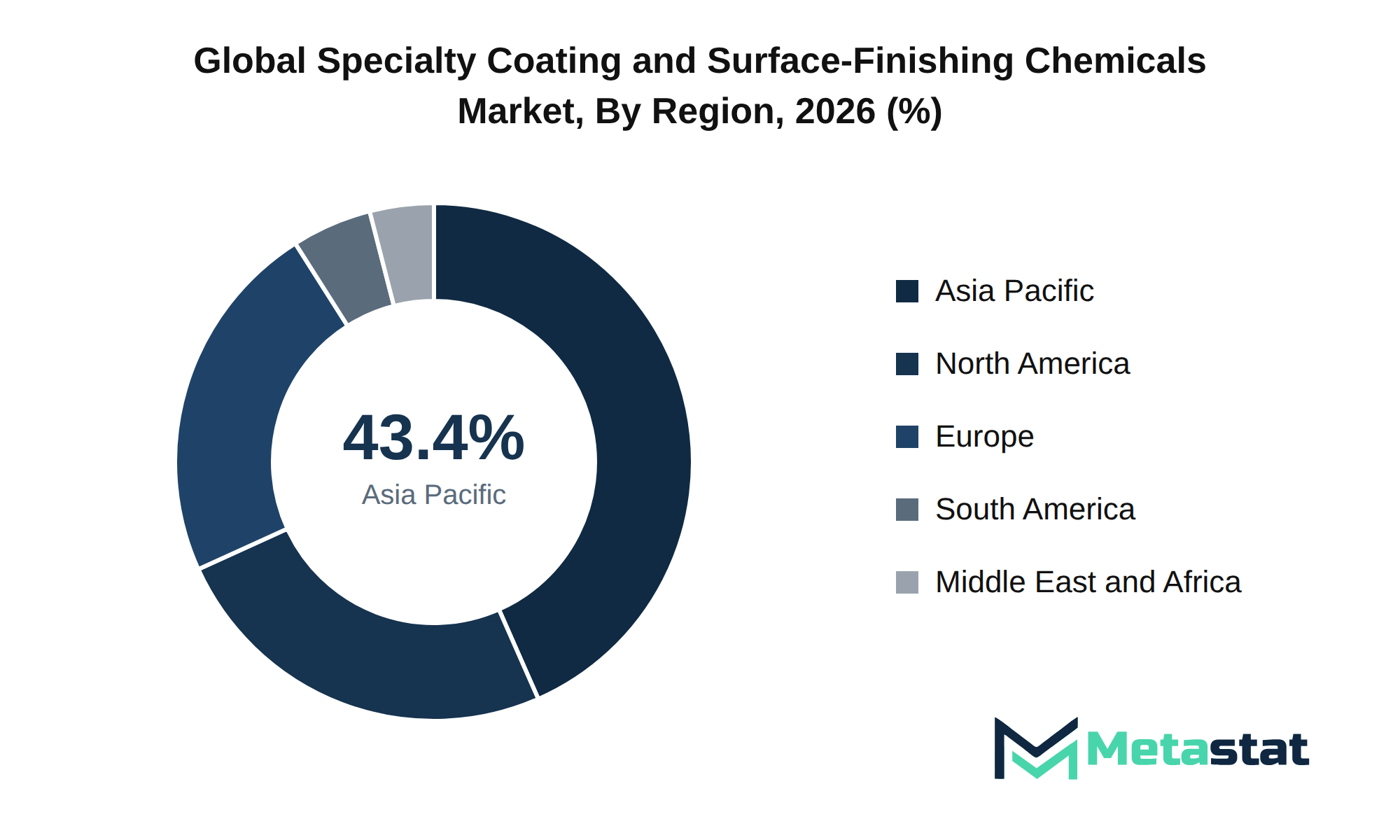
Competitive Landscape and Strategic Insights
Competitive dynamics in the Specialty Coating and Surface-Finishing Chemicals market feature a mix of established players and niche manufacturers. Companies including BASF SE, Covestro AG, and Dow Inc. operate in product breadth and technological capabilities, leveraging substantial R&D investments to create differentiated offerings. This focus on innovation enhances the development of advanced formulations that address specific industry needs, strengthening their competitive positioning.
Strategic alliances and joint ventures play a significant role in expanding market reach and enhancing product portfolios. Collaborations among companies like Arkema S.A. and allnex facilitate access to new markets and application areas, reflecting a trend toward integrated solutions that meet evolving customer demands. Smaller players like BYK-Chemie GmbH and Clariant AG focus on niche markets, providing tailored products that create barriers to entry for new entrants.
The competitive outlook remains shaped by a strong emphasis on sustainability and environmental compliance. Firms are investing in eco-friendly technologies and processes to meet regulatory requirements and consumer preferences, which drives product development in the market. With anticipated growth, these strategic imperatives influence future competitive positioning and market dynamics.
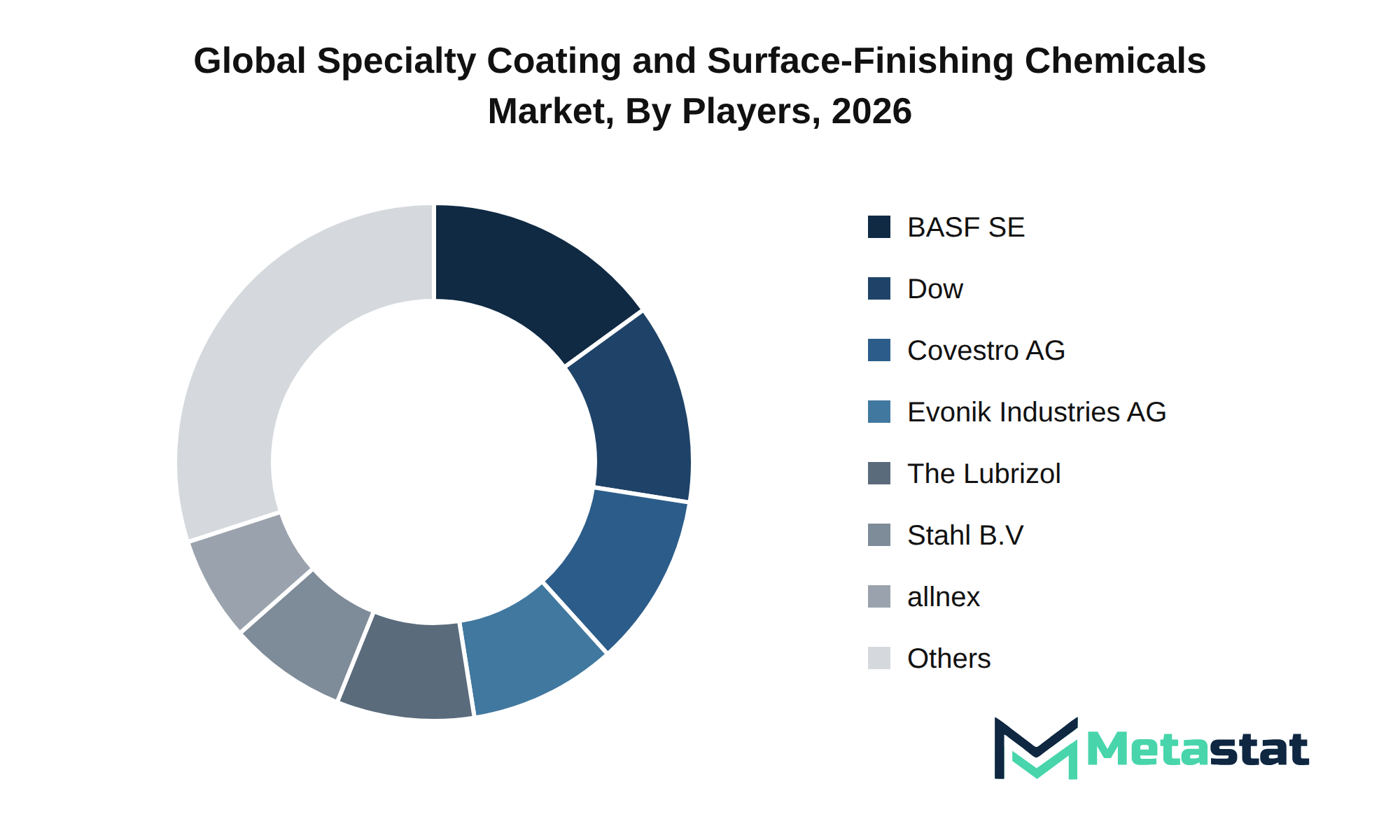
Market size is forecast to rise from USD 68.2 billion in 2025 to over USD 106.3 billion by 2033. The base case projects growth at a compound annual growth rate (CAGR) of 5.7%. Bull cases envision stronger demand driven by heightened industrial activity and innovative applications across various sectors. Conversely, bear cases reflect potential challenges including regulatory hurdles and economic downturns that could dampen growth rates.
Key factors influencing the Specialty Coating and Surface-Finishing Chemicals market include macroeconomic shifts and evolving downstream demand patterns. Industries including automotive, construction, and consumer goods prioritize advanced coating technologies that enhance product durability and aesthetics. The integration of next-generation technologies, including nanotechnology and digital manufacturing, supports the development of high-performance coatings, thereby increasing demand for specialty chemicals.
Regulatory evolution plays a critical role, with imminent compliance milestones affecting product formulations and operational practices. Manufacturers adapt to stricter environmental regulations that promote sustainable practices. Strategic capital allocation towards research and development (R&D) facilitates the commercialization of innovative solutions that address unmet enterprise needs. Emerging white-space opportunities within niche markets present avenues for growth and expansion.
Geopolitical realignments and shifting trade corridors impact global supply chains, necessitating adaptive strategies to mitigate risks associated with market volatility. Infrastructure commitments and capital expenditure investments by key players enhance production capacities and increase competitiveness. The Specialty Coating and Surface-Finishing Chemicals market is projected to grow driven by these dynamics, presenting substantial opportunities for stakeholders.
Specialty Coating and Surface-Finishing Chemicals Market Key Segments
By Product Type:
- Polyurethane Dispersions & Resins
- Acrylic, Styrene-Acrylic & Vinyl Polymer Dispersions
- Pigment & Colorant Dispersions
- Wax Emulsions & Dispersions
- Functional Coating Additives (Wetting, Rheology, Defoaming & Surface Modifiers)
- Crosslinkers & Curing Agents
- Ready-to-Use Surface-Finishing Compounds
- Others (Polyester, Alkyd and Hybrid Polymer Dispersions)
By Application:
- Industrial & Protective Coatings
- Leather Finishing
- Wood & Furniture Coatings
- Automotive & Transportation Surface Finishing
- Textile & Flexible Substrate Finishing
- Paper, Packaging & Graphic Arts Coatings
- Architectural & Masonry Coatings
- Flooring & Concrete Surface Coatings
- Plastic & Consumer Product Coatings
- Others (Glass, Rubber and Specialty Surface Treatments)
By Substrate Type:
- Leather
- Wood
- Metal
- Plastics
- Textiles
- Paper & Board
- Concrete & Masonry
- Glass
- Rubber
- Others (Composite and Specialty Substrates)
By Engagement Model:
- Standard / Catalogue Product Supply
- Customer-Specific / Bespoke Formulated Product Supply
- Customer-Owned Formula Toll Manufacturing
- Customer-Specified Blending Services
- Repacking & Pack-Down Services
By Region:
- North America
- Europe
- Asia-Pacific
- South America
- Middle East and Africa
Key Global Specialty Coating and Surface-Finishing Chemicals Industry Players
- BASF SE
- Covestro AG
- Arkema S.A.
- allnex
- Dow Inc.
- The Lubrizol Corporation
- Stahl Holdings B.V.
- Synthomer plc
- Evonik Industries AG
- Celanese Corporation
- BYK-Chemie GmbH
- Clariant AG
- Lamberti S.p.A.
- Alberdingk Boley GmbH
- Michelman, Inc.
- MÜNZING CHEMIE GmbH
- Scott Bader Company Ltd.
- Organik Kimya San. ve Tic. A.Ş.
- Zschimmer & Schwarz GmbH & Co KG
- TFL
- Vibrantz Technologies Inc.
- Penn Color, Inc.
- DIC Corporation
- Hauthaway Corporation
- Yorchem Ltd
Report Coverage
The report strategically identifies and profiles the key market players and analyses their core competencies in each sub-segment of the Specialty Coating and Surface-Finishing Chemicals market.
Report Attributes | Details |
Study Period | 2021-2033 |
Base Year | 2025 |
Estimated Year | 2026 |
Forecast Period | 2026-2033 |
Historical Period | 2021-2025 |
Growth Rate | CAGR 5.7% from 2026 to 2033 |
Revenue Unit | USD billion |
Segmentation | By Product Type, Application, Substrate Type, Engagement Model, and Region |
By Region | North America (By Product Type, Application, Substrate Type, Engagement Model, and Country)
|
Europe (By Product Type, Application, Substrate Type, Engagement Model, and Country)
| |
Asia Pacific (By Product Type, Application, Substrate Type, Engagement Model, and Country)
| |
South America (By Product Type, Application, Substrate Type, Engagement Model, and Country)
| |
Middle East and Africa (By Product Type, Application, Substrate Type, Engagement Model, and Country)
|
What Report Provides
- Key Company Market Share, Revenue and Ranking for the Specialty Coating and Surface-Finishing Chemicals Market
- Key Market Leaders in the Specialty Coating and Surface-Finishing Chemicals Industry
- Full In-Depth Analysis of the Specialty Coating and Surface-Finishing Chemicals Parent Industry
- Industry Statistics and Important Changes in Market Dynamics
- Segmentation Details of the Specialty Coating and Surface-Finishing Chemicals Market
- Historical, Ongoing and Projected Market Analysis for Specialty Coating and Surface-Finishing Chemicals
- Assessment of Niche Industry Developments in Specialty Coating and Surface-Finishing Chemicals
- Key Strategic Recommendations for Stakeholders in the Specialty Coating and Surface-Finishing Chemicals Market
Frequently Asked Questions
Find answers to common questions about this report
The Specialty Coating and Surface-Finishing Chemicals market size was valued at USD 68.2 billion in 2025, according to the Metastat Insights study.
The Specialty Coating and Surface-Finishing Chemicals market is projected to grow at a CAGR of 5.7% during the forecast period from 2026 to 2033.
The North America Specialty Coating and Surface-Finishing Chemicals market size is estimated to reach USD 24.8 billion by 2033.
The segment leading the Specialty Coating and Surface-Finishing Chemicals market is Acrylic, Styrene-Acrylic & Vinyl Polymer Dispersions, with a projected value of USD 26.1 billion by 2033. This segment surpasses others in terms of market size within the forecast period.
Investment in automation technology drives the Specialty Coating and Surface-Finishing Chemicals market. Companies prioritize advanced manufacturing techniques to enhance operational efficiency and reduce production costs, responding to rising consumer demand for innovative coating solutions. This trend enables faster production lines and improved product customization capabilities across various industries.
Several factors restrain the growth of the Specialty Coating and Surface-Finishing Chemicals market. Regulatory compliance challenges, including stringent environmental regulations, increase operational costs and burden manufacturers. macroeconomic pressures, including inflation and supply chain disruptions, hinder profitability and complicate pricing strategies, limiting overall market expansion.
Investment in automation technology and the integration of artificial intelligence enhance operational efficiency and reduce production costs. Industries including automotive and construction prioritize automated processes to meet rising consumer demand for innovative coating solutions, facilitating faster production and improved product customization capabilities.
The Specialty Coating and Surface-Finishing Chemicals market is estimated to reach a valuation of USD 106.3 billion by 2033.
Top players operating in the Specialty Coating and Surface-Finishing Chemicals market include BASF SE, Covestro AG, Arkema S.A., Dow Inc., The Lubrizol Corporation, Evonik Industries AG, and Clariant AG.
The Automotive & Transportation Surface Finishing segment is anticipated to grow at a compound annual growth rate of 6.7% during the forecast period.
Choose Your License
Global Specialty Coating and Surface-Finishing Chemicals Market
Related Reports
Explore related market intelligence reports worth reading alongside this one.