
LEAD ANALYST
Utkarsh Khirodkar is a Lead Market Research Analyst at MetaStat Insight, specializing in market intelligence, technology sector assessments, and competitive strategy.

Global Insulin Cooler Box Market Size, Share, By Type (Plug-in and Without Charge), By Cooling Technology (Thermoelectric Cooling, Phase Change Material Cooling, Gel and Ice Pack Cooling, and Hybrid Active-Passive Cooling), By Storage Capacity (Below 0.5 Liter, 0.5-1 Liter, Above 1-3 Liters, and Above 3 Liters), By End Use (Individual Diabetes Care, Travel and Transportation, Home Use, Workplace and School, Healthcare and Medical Use, Emergency and Power-Outage Storage), Industry Analysis, Growth, Trends, and Forecast, 2026-2033
Report ID
MSI-5340
Published
September, 2026
Pages
263 Pages
Format
Historical
Base year
Forecast
Forecast period
Report Details
Market Valuation: Valued at $150.3 Million in 2025, projected to reach $288.8 Million by 2033 at a 8.5% CAGR.
Dominant Segment: The Plug-in segment leads the market, projected to reach USD 135.1 million by 2033, driven by increasing adoption of user-friendly and efficient insulin cooler boxes.
Geographic Lead: The Asia Pacific region is experiencing rapid growth due to urbanization and rising disposable incomes, enhancing the demand for effective diabetes management solutions.
What's Inside: The report includes comprehensive analyses of market dynamics, competitive landscape, and a detailed forecast window from 2026 to 2033.
Emerging Trends: Technological advancements in cooling methods, such as thermoelectric and phase change materials, are significantly influencing product development and consumer preferences.
Choose Your License
Global Insulin Cooler Box Market
The global Insulin Cooler Box market was valued at USD 150.3 million in 2025 and is projected to reach USD 288.8 million by 2033, growing at a CAGR of 8.5% over the forecast period.
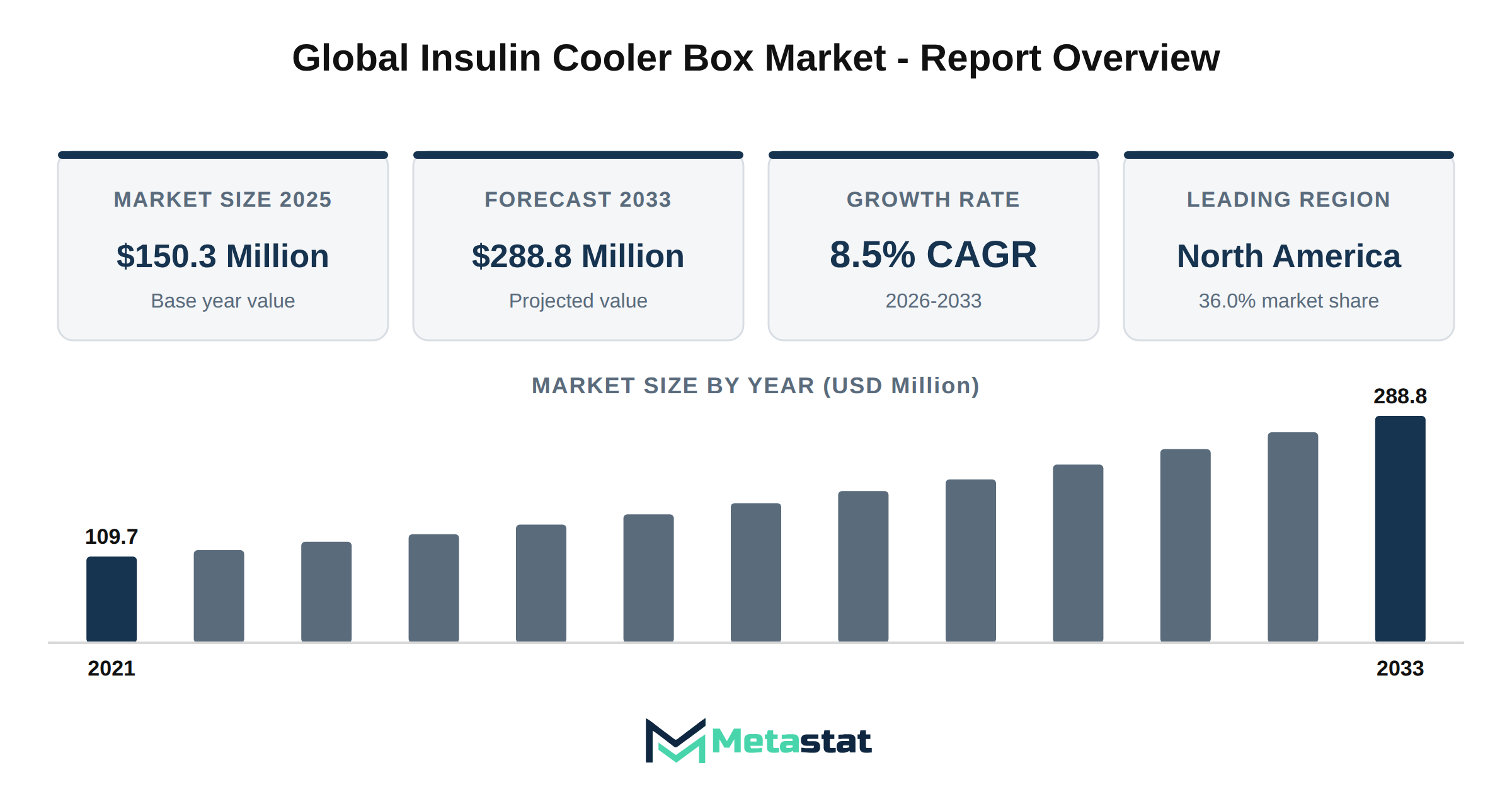
The Insulin Cooler Box market experiences significant growth driven by increasing demand for portable insulin cooling solutions. The rise in diabetes prevalence contributes to the need for effective insulin storage options, particularly in travel scenarios. Compact and reliable devices for maintaining insulin temperature during long-distance travel are prioritized by consumers, further propelling market expansion.
Thermoelectric insulin cooler boxes gain traction due to their efficiency and reliability. These devices employ advanced cooling technologies, providing stable temperature control for insulin. Anticipated growth in this segment reflects ongoing innovation within the industry, supported by consumer preferences for energy-efficient and portable solutions.
The adoption of battery-powered insulin refrigeration devices enhances convenience for users. These systems enable individuals to maintain insulin temperature without reliance on traditional power sources, making them ideal for travel and outdoor activities. This segment is expected to experience growth driven by technological advancements and rising consumer awareness.
Phase change material insulin cooling systems gain recognition for their effectiveness in maintaining temperature stability. The ability to retain cold temperatures for extended periods addresses challenges posed by power outages and travel conditions. This innovation positions the market favorably among consumers seeking reliable insulin storage solutions.
Hybrid active-passive cooling technology innovations enhance the performance of insulin cooler boxes. By combining different cooling methods, these devices offer improved temperature regulation and energy efficiency. This technological advancement aligns with market demands for versatile and effective cooling solutions.
The Insulin Cooler Box market experiences increasing demand for travel-friendly insulin cooler boxes. Portable options that fit easily into luggage or personal bags ensure insulin remains within the required temperature range during transit. This trend highlights the market's responsiveness to changing consumer preferences.
Reliable insulin storage during power outages represents a critical market need. Solutions that maintain insulin temperature stability under various conditions, including emergency scenarios, are required by consumers. This growing concern drives innovation and product development within the market.
Home-based insulin storage and temperature management present additional opportunities for market growth. Efficient solutions for daily insulin management are sought by consumers, prompting manufacturers to develop products tailored to home use. This trend emphasizes the importance of convenience and accessibility in insulin cooler design.
Rising demand for portable insulin cooling solutions stems from an increasing awareness of diabetes management among consumers. This trend drives innovation and product development within the Insulin Cooler Box market, enabling the introduction of more efficient and user-friendly devices.
The growth of thermoelectric insulin cooler boxes reflects advancements in cooling technology. These devices leverage thermoelectric cooling systems, providing effective temperature control without the need for traditional refrigerants, making them environmentally friendly and suitable for personal use.
Adoption of battery-powered insulin refrigeration devices aligns with the growing mobility of diabetes management. These devices offer flexibility and convenience, ensuring that individuals maintain proper insulin storage during travel or daily activities.
Expansion of phase change material insulin cooling systems highlights the market’s focus on innovative cooling technologies. These systems employ materials that absorb and release thermal energy, maintaining a stable temperature range for insulin storage, which is essential for preserving the efficacy of insulin products.
Hybrid active-passive cooling technology innovation represents a significant advancement in the market. This technology combines the benefits of active cooling methods with passive systems, enhancing the efficiency and effectiveness of insulin preservation during varying external temperature conditions.
Increasing demand for travel-friendly insulin cooler boxes correlates with rising travel rates among individuals with diabetes. Compact and portable designs cater to the specific needs of travelers, allowing them to manage their insulin requirements seamlessly on the go.
Insulin temperature stability during long-distance travel is crucial for maintaining the potency of insulin. The market responds to this need by developing solutions that ensure consistent temperature control, offering peace of mind to users during extended journeys.
Growing need for reliable insulin storage during power outages drives innovation in the design of cooler boxes. Consumers increasingly seek solutions that maintain temperature integrity during unexpected power disruptions, ensuring their insulin remains effective.
Home-based insulin storage and temperature management become increasingly important for individuals managing diabetes. The market offers various options that ensure insulin is stored at optimal temperatures within residential settings, enhancing user confidence and treatment adherence.
Workplace and school adoption of portable insulin coolers highlights the importance of accessibility for insulin-dependent individuals. These environments benefit from convenient storage solutions that facilitate insulin management throughout the day.
Healthcare demand for compact insulin refrigeration solutions increases due to medical facilities recognizing the importance of proper insulin storage. The market provides healthcare professionals with reliable options that ensure patient safety and medication efficacy.
Smart temperature monitoring in insulin cooler boxes enhances user experience. Integration of technology that allows real-time monitoring of temperature conditions supports effective insulin management, providing users with valuable data regarding their storage solutions.
USB and vehicle-powered insulin cooler box adoption reflects the increasing reliance on technology for diabetes care. These features enable users to charge their devices conveniently, ensuring insulin remains at the required temperature regardless of location.
Energy-efficient insulin cooling technology development aligns with global sustainability trends. Manufacturers are focusing on creating products that minimize energy consumption while maximizing cooling performance, appealing to environmentally conscious consumers.
Insulin cooler box pricing and affordability trends indicate a competitive landscape where manufacturers strive to balance quality and cost. This dynamic encourages innovation while ensuring that more consumers access effective insulin storage solutions.
Regulatory requirements for insulin storage and transportation influence market dynamics. Compliance with standards ensures that manufacturers produce safe and effective products that meet the needs of consumers and healthcare providers.
Product innovation in compact insulin refrigeration systems continues to drive growth within the market. Ongoing research and development efforts lead to enhanced features and improved performance, catering to the evolving needs of consumers.
Competitive dynamics among insulin cooler box manufacturers shape market strategies. Companies continually seek ways to differentiate their products through technology, design, and customer service, creating a robust competitive environment.
E-commerce expansion in insulin cooler box distribution reflects changing consumer purchasing behaviors. Online platforms provide convenient access to a wide range of products, enabling consumers to find the right solutions for their insulin management needs.
Growing insulin cooler box demand in emerging markets presents significant opportunities for manufacturers. While awareness of diabetes management increases globally, these markets offer avenues for expansion and growth.
Asia Pacific opportunities for portable insulin cooling devices highlight a region with a high prevalence of diabetes. Manufacturers are strategically positioning themselves to meet the rising demand for effective insulin storage solutions across diverse markets.
North America demand for advanced insulin cooling solutions continues to grow, driven by a well-established healthcare infrastructure and high awareness of diabetes management practices. This region remains a key focus for innovation and market penetration.
Insulin cooler box supply chain and component availability influence production capabilities. Manufacturers navigate sourcing challenges to ensure timely delivery of high-quality products to meet market demand.
Future growth of portable insulin refrigeration technology appears promising, driven by ongoing advancements in materials and design. The market is poised for continued evolution, responding to the needs of consumers seeking reliable and efficient insulin storage solutions.
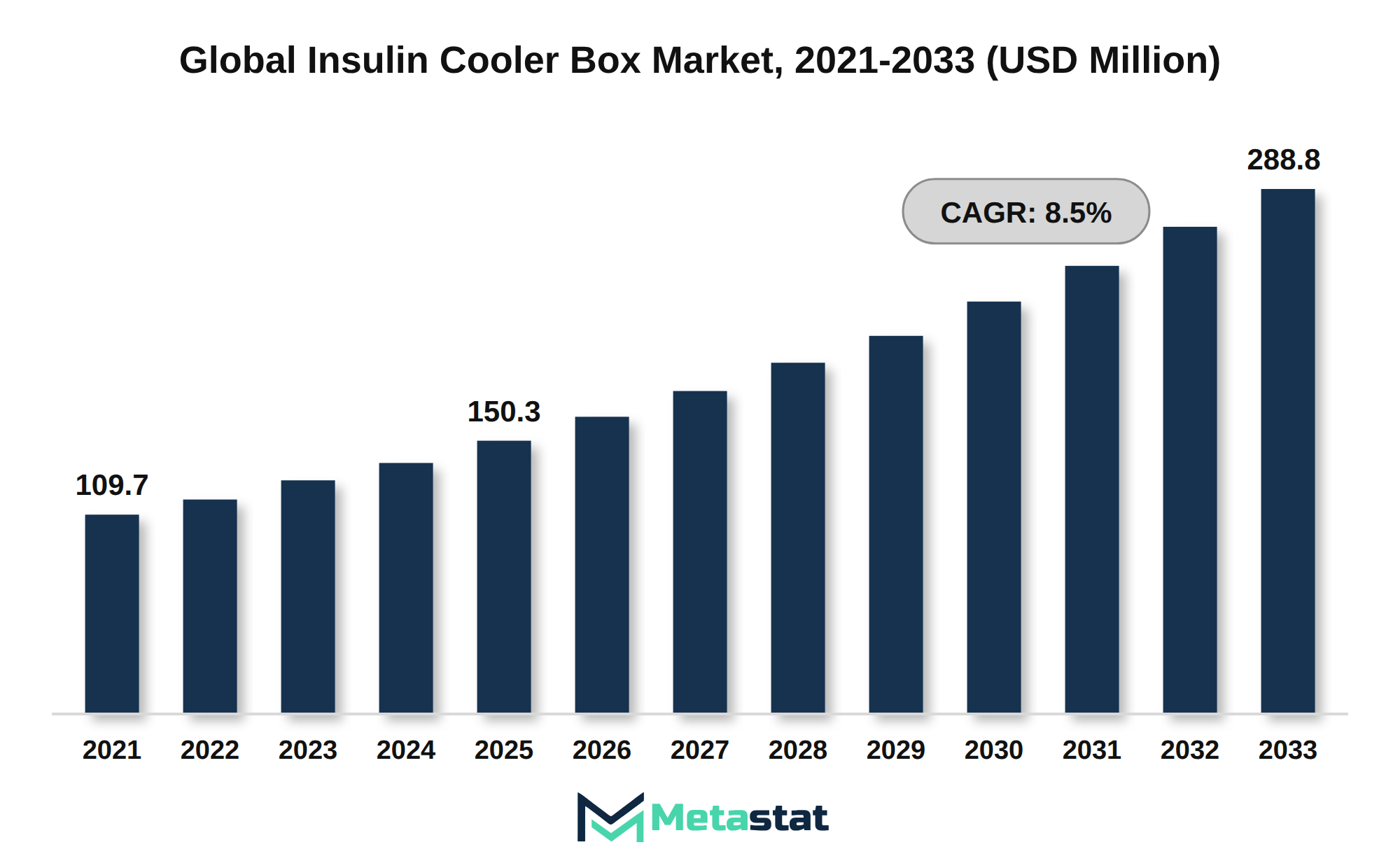
Increasing consumer awareness regarding diabetes management significantly influences the Insulin Cooler Box market. The growing prevalence of diabetes, particularly among aging populations, drives demand for effective solutions to maintain insulin temperature stability. Patients require reliable methods to transport insulin while traveling or during daily activities. This awareness leads to a shift in consumer behavior towards portable insulin cooling solutions, enhancing the market's growth potential.
Evolving lifestyles and urbanization contribute to heightened demand for compact and efficient storage options for insulin. Urban dwellers seek solutions that fit their busy lives, propelling the market further. The urgency for effective diabetes management solutions results in higher investments and innovations within the market, positioning it for substantial growth through 2033.
Rising consumer interest in advanced diabetes management technology contributes significantly to the growth of the Insulin Cooler Box market. Increasing incidences of diabetes and a growing aging population drive this demand. Consumers prioritize effective solutions for managing diabetes, resulting in higher adoption of insulin coolers that ensure medication integrity during transportation and storage.
The ongoing digital transformation enhances consumer access to health-related information, allowing for informed choices regarding diabetes management products. Technological integration, including mobile applications that monitor insulin levels and provide reminders, complements the functionality of insulin cooler boxes, encouraging consumers to invest in these products. This combination of technology and effective management solutions enhances consumer preference, further expanding the market.
Competition among manufacturers drives innovation in the design and features of insulin cooler boxes. Increased focus on lightweight materials, energy efficiency, and user-friendly designs caters to evolving consumer preferences. Market dynamics reflect a shift towards product diversification, meeting the diverse needs of consumers while driving significant revenue growth in the Insulin Cooler Box market.
The Insulin Cooler Box market faces notable restraint from regulatory compliance challenges and economic pressures. Stringent regulations surrounding medical devices impact the market's operational framework, causing delays in product launches and increasing compliance costs. These hurdles limit manufacturers' ability to introduce innovative solutions promptly, affecting overall market growth.
Macroeconomic factors contribute to high capital investment requirements and escalating operating costs. Inflationary pressures result in increased prices for raw materials and labor, directly impacting profitability for producers. Financial challenges deter new entrants from investing in the market, limiting competition and innovation.
Supply chain disruptions stemming from geopolitical instability present additional challenges. Manufacturers rely on a complex network of suppliers for components and materials. Any interruption in this supply chain leads to delays in production and delivery, undermining the market's potential growth.
Technological obsolescence poses another risk, particularly with rapid advancements in medical technology. Firms engaged in the Insulin Cooler Box market continuously adapt to evolving consumer expectations and technological standards. Failure to innovate leads to loss of market relevance and share, resulting from consumers turning towards more advanced alternatives.
Regional adoption resistors, including cultural barriers and varying levels of healthcare infrastructure, further hinder growth. In certain regions, lack of awareness regarding diabetes management solutions limits consumer engagement with the market. These challenges, combined with slowing downstream demand from healthcare providers, contribute to a complex environment for the Insulin Cooler Box market.
The Insulin Cooler Box market encounters significant challenges due to geopolitical fragmentation and trade deficits that disrupt supply chains and increase costs. Tariff friction among nations affects the pricing structure, leading to heightened expenses for consumers and suppliers. Technological disruptions arise from varying levels of development across regions, complicating the integration of advanced cooling solutions and inhibiting market growth.
The complexity of research and development integrations hinders innovation within the market. Companies face interoperability friction, impacting the compatibility of new technologies with existing systems. Fluctuations in feedstock and component availability create volatility in manufacturing, leading to unpredictable pricing and supply inconsistencies.
Logistics disruptions compound these issues, contributing to instability across supply chains. Tightening global regulatory standards increase compliance overhead for manufacturers, while evolving legal liabilities necessitate additional investments in risk management. This environment pressures margins, forcing firms to navigate rising input cost structures and workforce skill gaps that threaten operational efficiency.
In addition to these challenges, the market grapples with automation displacements that alter traditional labor dynamics. Talent retention pressures complicate workforce stability, impacting productivity and innovation potential. Environmental lifecycle footprints and decarbonization mandates introduce sustainability demands that require substantial investment, adding to operational burdens.
Infrastructure gaps and retrofitting barriers impede the implementation of new technologies. The Insulin Cooler Box market confronts intellectual property protection deficits, exposing innovations to potential risks and creating uncertainties in long-term profitability. Cybersecurity risks and data vulnerabilities pose additional threats, requiring ongoing vigilance and investment in secure systems to protect sensitive consumer information.
Changing downstream demands and market saturation exert pressure on pricing strategies, while substitution vector pressures intensify competition. These factors challenge the ability of firms to maintain market share and profitability in the evolving landscape.
Growing consumer demand for insulin cooler boxes in emerging regions creates substantial opportunities for market expansion. Rapid urbanization and increasing disposable incomes in countries across Asia Pacific and Latin America increase the need for effective diabetes management solutions. Increased awareness of diabetes care within these populations enhances adoption rates of insulin cooler boxes, contributing to long-term revenue growth.
Infrastructure modernization and investment in healthcare facilities further support the market. Improved access to healthcare services enables better management of diabetes, leading to a higher demand for insulin cooler boxes among individuals and medical facilities. This trend encourages the development of innovative cooling technologies tailored to regional requirements, enhancing product offerings and market penetration.
Technological disruptions significantly influence the Insulin Cooler Box market, with advancements in cooling technologies increasing product efficiency and usability. Innovations in thermoelectric cooling and hybrid active-passive cooling systems create new applications for these products, appealing to diverse consumer needs. The integration of digital features into insulin cooler boxes enhances user experience and facilitates the management of insulin storage, driving adoption.
Next-generation innovations focus on sustainability, responding to environmental concerns within the market. Eco-friendly designs and materials attract a growing segment of environmentally conscious consumers, leading to further differentiation in product offerings. The shift towards green transformations aligns with consumer preferences and strengthens brand loyalty, positioning companies for success in the evolving market.
The Insulin Cooler Box market benefits from strategic consolidation and cross-industry mergers, which encourage collaboration between technology and healthcare firms. These initiatives enhance resource allocation and accelerate the development of advanced cooling solutions. Collaborative efforts between different sectors contribute to the diversification of product portfolios, enabling firms to meet the unique demands of various end-users.
Shifts in consumer buying behaviors and digital procurement trends influence the market dynamics. An increasing preference for online purchasing channels streamlines access to insulin cooler boxes, enhancing visibility and sales potential. This transition necessitates adaptations in marketing strategies, compelling companies to invest in digital platforms and customer engagement initiatives.
The Global Insulin Cooler Box market is segmented based on Type, Cooling Technology, Storage Capacity, and End Use.
Valued at USD 70.5 million in 2026, the Plug-in segment is projected to reach USD 135.1 million by 2033, at a CAGR of 9.7% during the forecast period. Strong growth in this market is driven by increasing adoption of user-friendly, efficient insulin cooler boxes. The rising prevalence of diabetes and the critical need for effective management of insulin storage significantly influence demand for Plug-in units. Enhanced technological capabilities in this segment ensure reliable temperature control, which is essential for insulin stability, attracting healthcare providers and consumers.
Investments in R&D contribute to product evolution, leading to the development of advanced features in Plug-in models. Innovations include improved thermal insulation and energy-efficient designs that align with growing environmental concerns. The regulatory landscape supports these developments, promoting compliance with safety standards while boosting consumer confidence in the market. Ongoing advancements and increasing focus on personalized healthcare solutions position the Plug-in segment to capture changing consumption patterns, ultimately enhancing its market presence.
Growth in the Without Charge segment of the Insulin Cooler Box market correlates with a heightened focus on affordable healthcare solutions. Increasing incidence of diabetes drives demand for effective storage options that do not rely on external power sources, appealing particularly to cost-conscious consumers. The segment is projected to reach USD 153.7 million by 2033, at a CAGR of 7.4% during the forecast period.
Technological advancements in passive cooling techniques have propelled product evolution within this segment. Innovations in materials and design enhance the efficiency of these cooler boxes, leading to improved performance without the need for electricity. The cost-effectiveness of these products attracts individual consumers and healthcare providers seeking reliable insulin storage solutions.
End-use dynamics highlight a strong preference for these products among travelers and individuals managing diabetes at home. Shifting consumer lifestyles toward mobility increase demand for portable options, reinforcing the segment's expansion. These trends present significant strategic opportunities for stakeholders in the market.
Thermoelectric Cooling segment is valued at USD 57.8 million in 2026 and is projected to reach USD 111.1 million by 2033, at a CAGR of 9.8% during the forecast period. Demand for thermoelectric cooling solutions stems from energy efficiency and compact design, appealing to consumers requiring reliable insulation for insulin storage. Growing awareness regarding proper insulin management and the importance of temperature control enhances adoption across diverse end-use applications, including individual diabetes care and travel. The segment benefits from technological advancements that drive product evolution and enhance performance metrics. Innovations in energy-efficient materials and miniaturized systems are critical in meeting consumer expectations for portability and effectiveness. Regulatory compliance standards regarding medical device safety influence product development, ensuring reliability and building consumer trust. Increasing healthcare expenditure and rising prevalence of diabetes create a conducive environment for growth within the Insulin Cooler Box market, enabling suppliers to capitalize on emerging opportunities.
Strong growth for Phase Change Material Cooling in the Insulin Cooler Box market results from increasing adoption of efficient temperature management solutions for insulin storage. This segment benefits from a robust emphasis on maintaining optimal insulin temperatures during transport and storage, which aligns with the needs of individuals managing diabetes. The escalating prevalence of diabetes globally drives demand for reliable cooling technologies, directly impacting adoption rates.
The Phase Change Material Cooling segment is projected to reach USD 73.1 million by 2033, at a CAGR of 9% during the forecast period. This growth is propelled by advancements in materials technology that enhance cooling efficiency and effectiveness. Continuous innovation in product design further supports the segment's expansion, ensuring compatibility with diverse storage capacities and end-use applications, including individual diabetes care and travel transportation.
End-user dynamics indicate a shift towards more portable and user-friendly insulin cooler boxes, influencing product evolution within the market. Regulatory compliance and certifications regarding safe storage conditions for insulin significantly affect product development and market entry strategies. Growing awareness regarding diabetes management positions the Insulin Cooler Box market for substantial growth, with the Phase Change Material Cooling segment playing a crucial role.
Growing interest in reliable cooling solutions for insulin storage drives the Gel and Ice Pack Cooling segment of the Insulin Cooler Box market. This segment is anticipated to reach USD 65.2 million by 2033, reflecting an increasing preference for affordable and effective cooling technologies. Rising populations of individuals requiring diabetes management solutions lead to sustained demand across various end-use applications, including individual diabetes care and travel and transportation. Advances in gel and ice pack technology contribute to improved performance metrics, enhancing the product's reliability in preserving insulin at required temperatures during transit.
Cost-effectiveness remains a critical driver, with gel and ice pack cooling systems offering a lower price point compared to alternative cooling technologies. Increased focus on health awareness encourages consumer investment in effective insulin storage solutions, further propelling market growth. Regulatory compliance regarding the transportation and storage of temperature-sensitive medications supports the demand for qualified cooling solutions, facilitating the segment's expansion. Overall, the Gel and Ice Pack Cooling segment addresses the needs of consumers seeking reliable and efficient insulin cooler boxes.
Strong interest in Hybrid Active-Passive Cooling solutions drives substantial growth in the Insulin Cooler Box market. This segment focuses on innovative technologies that combine both active and passive cooling methods, resulting in enhanced performance and efficiency. The projected CAGR of 9.1% during the forecast period highlights the segment's potential, with increasing adoption among consumers seeking reliable temperature control for insulin storage.
Technological maturation significantly influences the expansion of this segment. Advances in cooling technologies contribute to enhanced reliability and longer operational lifetimes, catering to a growing base of users with diverse needs. Enhanced product evolution, including the integration of smart features, attracts a wider range of consumers, particularly those managing diabetes who require consistent temperature regulation for their medication.
The demand for these innovative coolers aligns with broader trends in healthcare and personal wellness, where individuals prioritize effective disease management solutions. End-use dynamics show that sectors including individual diabetes care and travel significantly benefit from these advanced cooling technologies, creating a solid foundation for market growth. The Insulin Cooler Box market stands to gain from the increasing consumer focus on health and wellness, providing numerous opportunities for manufacturers to innovate.
Regulatory compliance standards impact product development strategies, compelling manufacturers to ensure that their offerings meet stringent safety and performance benchmarks. This compliance enhances consumer trust and facilitates wider market acceptance. Cost structures associated with Hybrid Active-Passive Cooling solutions reflect the investment required for advanced materials and technologies, ensuring that products remain competitive without compromising quality.
While the market evolves, strategic opportunity windows emerge for players to introduce unique offerings that leverage technological advancements. Companies investing in R&D to develop next-generation products will experience significant returns, enhancing their position in the market. Overall, the Hybrid Active-Passive Cooling segment represents a dynamic and promising aspect of the Insulin Cooler Box market, with ample potential for continued growth and innovation.
Growing focus on compact and efficient insulin storage solutions drives interest in the Below 0.5 Liter segment of the Insulin Cooler Box market. Valued at USD 46.5 million in 2026, this segment is projected to reach USD 91.1 million by 2033, at a CAGR of 10.1% during the forecast period. The increasing prevalence of diabetes worldwide increases the necessity for effective insulin management tools. Individual consumers seek portable solutions to maintain insulin efficacy while traveling or during daily activities.
Technological advancements play a critical role in segment expansion, with innovations leading to the development of more efficient cooling technologies that cater to smaller storage capacities. Enhanced product designs and materials improve thermal performance, ensuring insulin remains within the required temperature range. These advancements attract new customers seeking reliable and user-friendly options.
End-user dynamics reflect a growing preference for personalized diabetes care, particularly among individuals managing their insulin therapy. The rising trend of self-management in diabetes care creates a strong demand for smaller cooler boxes that align with active lifestyles. This shift towards personal health management drives growth in the segment and encourages manufacturers to innovate and diversify their product offerings.
Growing preference for the 0.5-1 Liter Insulin Cooler Box segment aligns with rising diabetes prevalence and the increasing need for effective insulin management solutions. This segment is gaining traction owing to its practicality for individual users and ease of transport, appealing to travelers and those with active lifestyles. Demand for this storage capacity reflects a shift towards portable solutions that ensure safe insulin transport under varying conditions.
Technological advancements in cooling methods drive the evolution of products in this segment. Innovations focused on enhancing the thermal efficiency and affordability of insulin cooler boxes support market adoption. Heightened consumer education on diabetes care emphasizes the importance of maintaining insulin at optimal temperatures, further propelling growth.
Regulatory compliance is essential in the development of the segment, because manufacturers strive to meet health standards related to patient safety. Competitive pricing strategies implemented by key players enhance market accessibility, encouraging more widespread usage. The 0.5-1 Liter segment is estimated to reach USD 123.4 million by 2033, at a CAGR of 8.9% during the forecast period.
Strategic partnerships and collaborations among manufacturers, distributors, and healthcare providers increase market penetration and consumer trust. Continuous investment in research and development drives innovation and helps identify new opportunities within the Insulin Cooler Box market. Ultimately, expanding applications and increased awareness regarding the importance of insulin storage methods contribute to the sustained growth of the 0.5-1 Liter segment.
Demand for insulin cooler boxes with a storage capacity above 1-3 liters reflects an increasing need for effective diabetes management strategies. This segment benefits from the growing prevalence of diabetes globally, prompting a need for reliable and efficient insulin storage solutions that ensure medication integrity during transportation and storage. The expansion of this sub-segment aligns with the increasing emphasis on patient-centered care, where larger storage options support individuals requiring multiple vials or devices for insulin delivery.
Expected to reach USD 54.7 million by 2033, this segment experiences a compound annual growth rate of 4.9 percent. Adoption of larger capacity coolers is driven by advancements in cooling technologies, which enhance performance, energy efficiency, and reliability. Innovations in materials and design contribute to the development of cooler boxes that maintain optimal temperature ranges for extended periods, appealing to both individual users and healthcare providers.
Increased attention to the regulatory compliance landscape significantly influences the market. While standards for medical devices tighten, manufacturers of insulin cooler boxes ensure that their products meet safety and efficacy requirements. This compliance builds consumer trust and supports broader market acceptance. The Insulin Cooler Box market stands at a critical moment, balancing technological advancements with rigorous compliance challenges while catering to a growing consumer base.
Growth in the Above 3 Liters segment is projected to occur at a CAGR of 4.9% during the forecast period. This segment reflects a strong demand for larger storage capacities, driven by the need for efficient insulin management for individuals with diabetes who require multiple vials or larger quantities of insulin. The increasing prevalence of diabetes globally results in a growing number of patients seeking reliable and effective storage solutions, enhancing the need for insulin cooler boxes with significant capacity.
Rising awareness about the importance of maintaining insulin at appropriate temperatures influences manufacturers to enhance product features and performance. The emphasis on advanced cooling technologies, including thermoelectric cooling and phase change materials, supports the development of more efficient products in the Insulin Cooler Box market. These technological advancements address temperature stability concerns, ensuring insulin remains viable for extended periods, which is critical for patient safety and treatment efficacy.
Consumer preferences shift toward high-capacity insulin cooler boxes due to the increasing mobility of patients. Insulin-dependent individuals engage in more active lifestyles, leading to heightened demand for portable and reliable cooling solutions. The integration of advanced insulation materials and user-friendly designs enhances the appeal of larger capacity units, facilitating easier transportation for users while ensuring insulin is stored correctly.
The Above 3 Liters segment's expansion is attributed to rising investments from players in the market, focusing on product innovation and strategic partnerships. Collaboration with healthcare providers enhances distribution channels, ensuring wider access to these essential products for patients. With the continued focus on diabetes management solutions, the Above 3 Liters segment plays a significant role within the broader Insulin Cooler Box market, contributing to overall market growth.
Valued at USD 45.1 million in 2026, the Individual Diabetes Care segment is projected to reach USD 75.7 million by 2033, at a CAGR of 7.7% during the forecast period. Increased prevalence of diabetes globally drives demand for effective insulin management solutions, particularly among individuals managing their conditions. This segment benefits from rising awareness and education on diabetes care, prompting more individuals to seek convenient solutions that maintain insulin efficacy.
Technological advancements in insulin cooler box designs enhance product reliability and user experience, contributing to market growth. Innovations in cooling technology, including thermoelectric cooling and phase change materials, evolve product offerings tailored to individual needs. Improved portability and battery life cater to users requiring flexible insulin storage solutions on the go. An increasing focus on personal health management accelerates consumer interest, positioning the segment favorably within the broader Insulin Cooler Box market.
Demand dynamics shift owing to consumers prioritizing convenience and efficiency, aligning with lifestyle changes. Regulatory standards surrounding medical devices create a competitive environment, encouraging manufacturers to innovate. Compliance with safety and performance standards enhances product credibility, influencing purchasing decisions among consumers. Overall, the segment's growth reflects evolving consumer preferences and the integration of advanced technology into diabetes care.
Demand for insulin cooler boxes within the travel and transportation segment stems from the necessity for reliable insulin storage solutions during travel. Increasing awareness of diabetes management among travelers contributes to this segment's growth. Advances in technology enhance product effectiveness, enabling portable cooling solutions that meet stringent quality standards for insulin preservation.
The travel and transportation segment is expected to reach USD 73.6 million by 2033, growing at a CAGR of 9.9% during the forecast period. This expansion reflects a growing consumer focus on convenience and safety while traveling. Enhanced portability and efficiency of insulin cooler boxes attract individual consumers and healthcare providers alike, further driving market demand.
Investments in product evolution lead to innovative designs that accommodate various travel scenarios. This evolution supports the segment's expansion, aligning with industry trends toward greater personalization and adaptability in healthcare solutions. Consequently, the insulin cooler box market experiences increased interest from manufacturers aiming to capture this growing demographic.
Growing interest in effective insulin management at home drives demand for the Home Use segment of the Insulin Cooler Box market. The increasing prevalence of diabetes translates into heightened consumer awareness regarding the importance of proper insulin storage. Home users seek reliable solutions that ensure insulin remains within the recommended temperature range, reducing the risk of degradation. Innovations in cooling technologies enhance product offerings, attracting more consumers to the segment.
The Home Use segment is projected to reach USD 47.1 million by 2033. Factors influencing this growth include the rising adoption of advanced cooling solutions, the need for portability, and user-friendly designs tailored for non-professionals. Health-conscious consumers drive the demand for high-quality insulin cooler boxes, providing direct benefits for diabetes management.
Product innovation and regulatory compliance shape the market. Ensuring that insulin cooler boxes meet health and safety standards encourages consumer trust and supports market growth. Manufacturers adapting to evolving regulations contribute to a more robust product offering and a competitive edge. The combination of these elements positions the Home Use segment for sustained growth within the broader Insulin Cooler Box market.
Growth in the Workplace and School segment within the Insulin Cooler Box market reflects a shift towards enhanced diabetes management solutions in educational and professional environments. Rising awareness of diabetes care among individuals attending schools and workplaces drives demand for efficient insulin storage options. This segment is projected to grow at a CAGR of 8.9% during the forecast period.
Increased emphasis on health and wellness in schools and workplaces fuels the adoption of insulin cooler boxes. These devices provide necessary temperature control for insulin, addressing critical needs for users in various settings. Technological developments in compact cooling solutions enable integration into everyday environments, promoting widespread adoption.
The segment benefits from evolving regulatory frameworks that support improved diabetes management in institutional settings. Compliance with health and safety standards encourages educational institutions and employers to invest in insulin cooler boxes, reinforcing their role in supporting diabetic individuals. Financial considerations surrounding healthcare costs motivate investment in preventative solutions, including reliable insulin storage.
Market participants targeting the Workplace and School segment focus on product innovation and customization to meet unique demands. Features including portability, energy efficiency, and user-friendly designs enhance the appeal of these products in institutional purchases. More organizations recognize the importance of accommodating diabetic individuals, and the market for insulin coolers in these environments is expected to expand.
Significant advancements in healthcare contribute to the rising demand for insulin cooler boxes used specifically within medical contexts. Increased awareness of diabetes management and the need for effective insulin storage solutions highlight the importance of reliable cooling technologies. Demand for these products stems from healthcare providers and institutions requiring precise temperature control to ensure insulin efficacy. Innovations in cooling technologies, including thermoelectric and phase change materials, enhance product performance and reliability, aligning with the market's evolving needs.
Regulatory compliance plays a critical role in shaping the Insulin Cooler Box market. Stringent standards regarding temperature maintenance and safety specifications influence product development and certification processes. Healthcare facilities prioritize compliance with these standards, leading to greater adoption of advanced cooling solutions meeting regulatory requirements. Healthcare providers increasingly recognize the value of portable and efficient insulation technologies to cater to patient needs during transportation and emergency situations.
Consumption shifts driven by the growing prevalence of diabetes worldwide contribute to market dynamics. The increasing emphasis on patient-centered care encourages the adoption of insulin cooler boxes, promoting accessibility and convenience for individuals managing diabetes. Healthcare and medical use of these products reflect a strategic opportunity for manufacturers to expand their offerings and capture a greater share of this specialized market. While product evolution continues, the introduction of next-generation upgrades focusing on enhanced portability and user-friendly designs will further support market growth.
Demand for insulin cooler boxes for emergency and power-outage storage arises from increasing awareness of the importance of maintaining stable insulin temperatures. Environmental disruptions, including power outages or natural disasters, increase the necessity for reliable storage solutions. Individuals requiring insulin during these situations seek products that ensure temperature control and preservation of medication efficacy.
Adoption within this segment benefits from advancements in cooling technologies and evolving consumer preferences. Thermoelectric and hybrid cooling solutions, known for their reliability and efficiency, support segment growth. The rising number of individuals with diabetes, alongside a growing emphasis on preparedness for emergencies, enhances demand.
Regulatory compliance standards play a role in shaping product offerings. Manufacturers adapt to established health and safety regulations, ensuring products meet necessary guidelines. This focus on compliance, along with continuous innovation, strengthens the market position of companies operating in this segment.
Technological maturation influences product evolution, leading to the development of next-gen upgrades that improve user experience. Features including portability and lightweight designs cater to the needs of consumers requiring mobility in emergency situations. The market is expected to experience strategic opportunities resulting from rising awareness about the importance of safe insulin storage in emergencies.
Interest in various applications of insulin cooler boxes continues to expand, driven by the need for reliable storage solutions across different sectors. Downstream applications encompass healthcare settings, emergency preparedness, and specialized transport solutions. These boxes provide essential temperature control for insulin during transportation, ensuring effective management for individuals with diabetes and compliance with storage regulations. Innovations in insulation materials and cooling technologies enhance performance, making these products increasingly effective for diverse end uses.
The regulatory environment influences market dynamics, with compliance standards for medical devices playing a crucial role in shaping product development. Manufacturers prioritize certifications that align with health and safety regulations, establishing trust among consumers and healthcare providers. This focus on regulatory compliance ensures that products meet stringent quality standards, broadening the appeal of insulin cooler boxes within various applications.
Challenges related to pricing volatility and margin pressures stem from raw material costs. Strategic partnerships and investments in research and development enable companies to adapt to these fluctuations, driving innovation in product design and functionality. By identifying opportunities for differentiation, manufacturers strengthen their market position and respond effectively to evolving consumer needs.
Based on geography, the Global Insulin Cooler Box market is divided into North America, Europe, Asia-Pacific, South America, Middle East, and Africa.
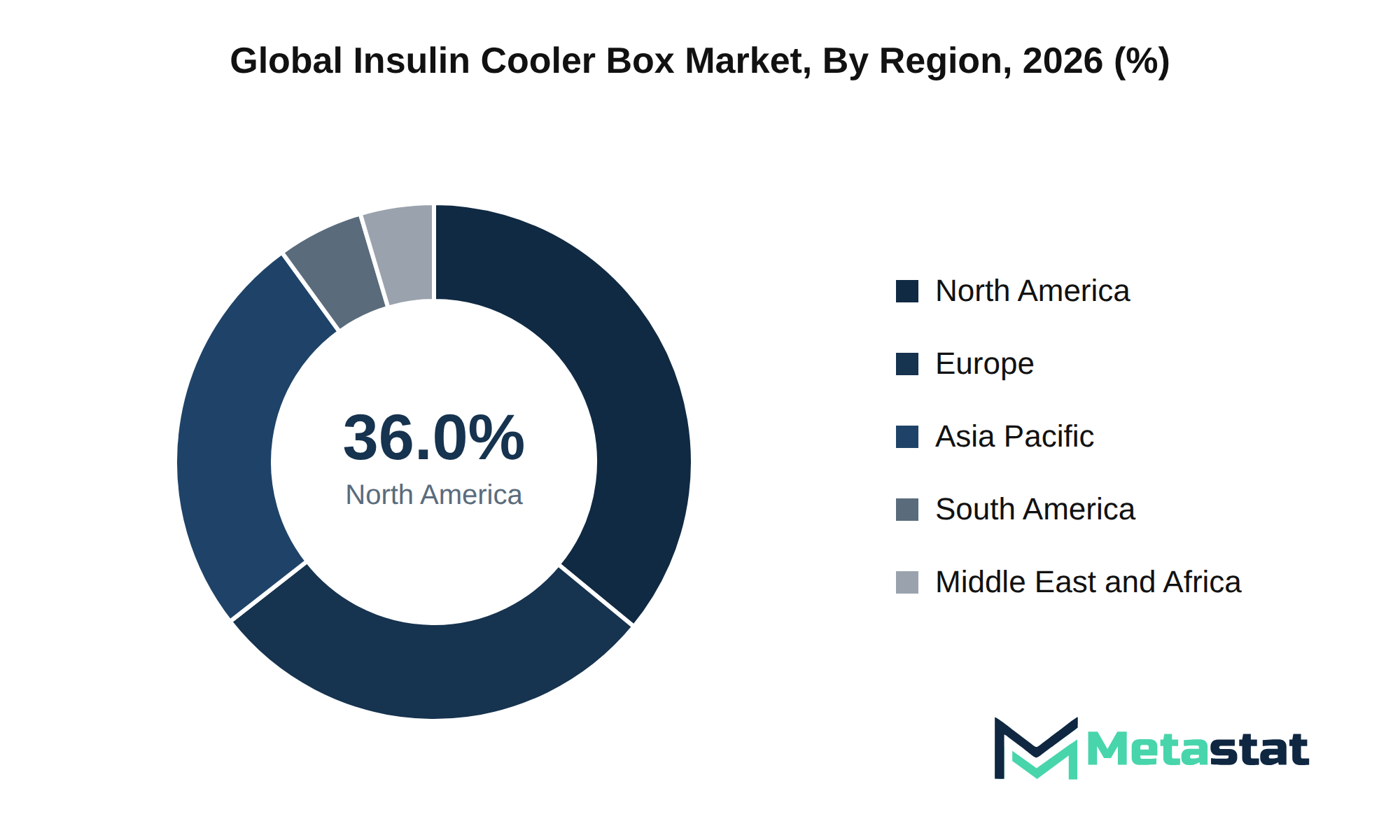
North America represents a significant 36% share of the global Insulin Cooler Box market in 2025. This region is set to expand at a CAGR of 8.5% within the forecast period, reaching a market size (TAM) of USD 95.6 million by the end of 2033. Factors contributing to this growth include a robust healthcare infrastructure, increasing incidences of diabetes, and heightened awareness regarding insulin management.
Demand across various end-use segments remains strong, particularly in individual diabetes care and travel and transportation. The preference for plug-in cooler boxes has increased due to their efficiency and reliability, while products employing advanced cooling technologies like thermoelectric cooling gain traction. Rising focus on health and wellness further drives the adoption of these solutions.
Supply chain regionalization and localized manufacturing influence market dynamics, enabling faster response times and reduced logistical complexities. Domestic market participants leverage these advantages to enhance competitiveness and service delivery. Increased foreign direct investment (FDI) flows into the region indicate confidence in the market's potential, creating opportunities for new entrants and established players alike.
Geographic regulatory frameworks and compliance mandates shape market strategies. Companies operating within the North American market navigate these regulations to ensure product safety and efficacy. This compliance builds consumer trust and encourages market growth, highlighting the importance of regulatory alignment in the Insulin Cooler Box market.
Overall, North America's strong market position stems from its established healthcare infrastructure, increasing consumer demand, and favorable regulatory environment, positioning it for continued growth in the coming years.
The Insulin Cooler Box market in Europe reflects a strong demand influenced by factors including rising diabetes prevalence and the need for reliable insulin storage solutions. Countries including Germany, France, and the UK show high adoption rates due to advanced healthcare infrastructure and increasing consumer awareness regarding diabetes management. This environment encourages investments in innovative cooling technologies, enhancing the market's competitiveness.
Segment expansion is notable in regions like Italy and Spain, where localized manufacturing and supply chain efficiencies support product availability. The emphasis on thermoelectric cooling technologies demonstrates a regional commitment to advancements that improve energy efficiency and user convenience. The presence of domestic leaders in the market contributes to healthy competition, creating a dynamic marketplace.
Localized procurement dynamics play a significant role in shaping buying behaviors, with European consumers favoring products that align with stringent regulatory standards. Cultural nuances in different countries influence preferences for specific cooling technologies and storage capacities. This diversity creates opportunities for manufacturers to tailor their offerings, ensuring alignment with local compliance mandates and customer expectations.
Investment flows into the region signal confidence in the market's potential, with foreign direct investment enhancing infrastructure readiness and capacity expansion. This investment climate supports growth in established markets and opportunities in underpenetrated territories across Europe, positioning the Insulin Cooler Box market for sustained progression through 2033.
Asia-Pacific represents a significant portion of the global Insulin Cooler Box market. The region experiences robust demand driven by increasing diabetes prevalence in countries including China, Japan, and India. Enhanced awareness regarding insulin management fuels adoption rates, particularly among individual users seeking both home and travel solutions.
Infrastructure modernization across major urban centers supports the expansion of the market. Emerging front-runners like Australia and South Korea demonstrate advancements in localized manufacturing and technology integration, which contribute to improved product availability. Southeast Asia continues to attract attention because underpenetrated territories exhibit growth potential, driven by rising disposable incomes and health awareness.
Competitive dynamics within the region highlight the presence of domestic market leaders who engage in strategic collaborations and vendor consolidation trends. Localized procurement dynamics reflect cultural nuances, with buyers preferring suppliers that align with regional practices. Effective supply chain management enhances operational efficiency, ensuring that manufacturers meet the increasing market demand.
Overall, the Insulin Cooler Box market in Asia-Pacific demonstrates strong growth potential, driven by evolving consumer preferences, advancements in healthcare accessibility, and competitive pricing strategies. Continued investment in infrastructure and technology will further enhance the region's position within the global market.
South America represents a smaller yet significant segment of the Insulin Cooler Box market, contributing 5.4% of the global share in 2025. The region comprises key markets including Brazil and Argentina, where increasing diabetes prevalence drives demand for insulin management solutions. Local healthcare systems emphasize the importance of effective medication storage, compelling consumers to seek reliable cooling options for insulin products.
Infrastructure modernization efforts in Brazil and Argentina support the penetration of advanced cooling technologies in the market. The adoption of innovative cooling systems, including thermoelectric and phase change material cooling, enhances the appeal of insulin cooler boxes in the region. Emerging market front-runners in South America benefit from localized manufacturing and procurement dynamics, which create competitive pricing and availability.
Cross-border trade corridors facilitate the availability of insulin cooler boxes, enabling manufacturers to tap into diverse consumer bases. The regional competitive landscape includes a mix of domestic market participants and international players, contributing to an evolving vendor consolidation trend. The market's growth trajectory aligns with increasing foreign direct investment (FDI) flows into healthcare technologies, promoting localized production capabilities and consumer accessibility.
The Insulin Cooler Box market in the Middle East and Africa represents a developing segment with considerable potential. Saudi Arabia, UAE, and South Africa contribute significantly to the market's growth, driven by increasing awareness of diabetes management and rising healthcare infrastructure investments. The region's diverse demographics and varying economic conditions create opportunities for tailored products that cater to specific consumer needs.
Local regulatory frameworks focusing on healthcare enhancements and patient safety facilitate the adoption of advanced cooling solutions. Increasing disposable incomes and urbanization trends in urban centers further support market expansion. Challenges including limited distribution channels and lower penetration rates in certain areas restrict overall market growth.
Emerging domestic players and established vendors implement competitive strategies to capture market share. The Insulin Cooler Box market experiences growth driven by localized manufacturing densities and focused supply chain initiatives. Collaborative efforts among regional manufacturers and healthcare providers address unique market demands and enhance product accessibility.
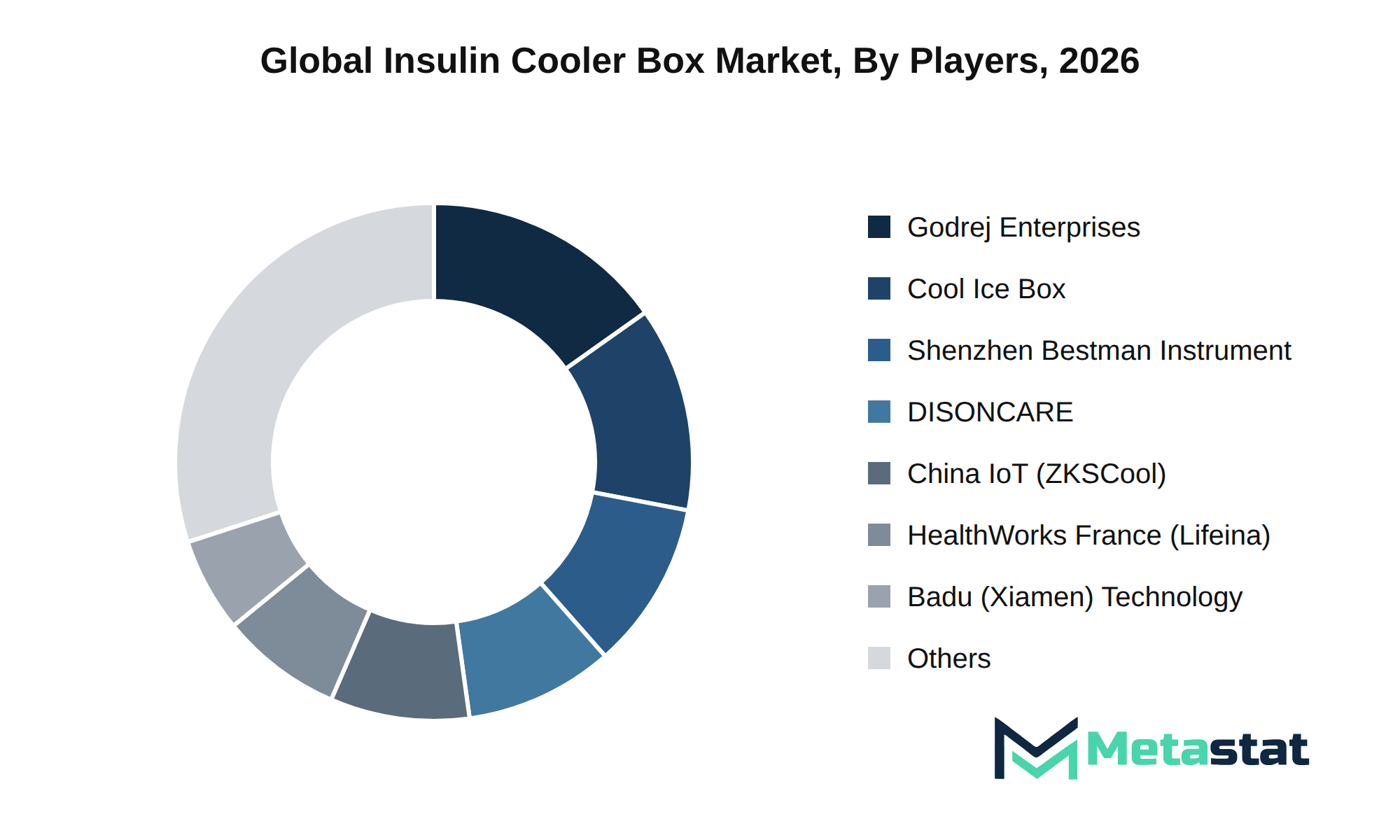
The Insulin Cooler Box market features a diverse array of players, each positioning itself through various strategic initiatives. Companies including Godrej Enterprises Group, Shenzhen Bestman Instrument Co., Ltd., and HealthWorks France (Lifeina) focus on product differentiation through innovative cooling technologies. Emphasis on research and development pipelines and proprietary technology moats enables these companies to maintain competitive advantages in the market.
Strategic alliances and partnerships significantly shape the competitive landscape. Collaborations among companies including DISONCARE and China IoT Limited (ZKSCool) enhance value chain integration and procurement leverage. This collaboration supports efficient distribution and customer retention strategies, ensuring sustained brand equity in the market.
The future competitive outlook for the Insulin Cooler Box market highlights the importance of addressing barriers to entry and the threat of new entrants. Established players, including MedBastion and Badu (Xiamen) Technology Co., Ltd., leverage their strong intellectual property portfolios to fortify their market positions. Defensive imperatives and strategic growth vectors guide companies toward enhancing market share and ensuring long-term sustainability.
Continued investment in commercial models and pricing architectures remains critical for companies including Qingdao Luckmed Supplies Co., LTD. and InsulCool. By maintaining competitive pricing strategies and focusing on customer needs, these companies navigate evolving market dynamics effectively.
Market size is forecast to rise from USD 150.3 million in 2025 to over USD 288.8 million by 2033. The base case anticipates an increase at a CAGR of 8.5%. In a bullish scenario, accelerated adoption of innovative cooling technologies and growing health awareness could result in revenue exceeding the forecasts. In a bearish case, economic downturns or significant regulatory hurdles impede growth, leading to subdued market performance.
The Insulin Cooler Box market experiences shifts driven by macroeconomic factors, including changes in downstream demand and structural consumption patterns. The maturation of core industries, alongside advancements in next-generation technologies, prompts ongoing research and development efforts. Commercialization timelines for innovative cooling solutions impact market dynamics, creating opportunities for early adopters and established players. Regulatory evolution dictates compliance timelines, influencing product design and market entry strategies.
Geopolitical realignments and shifts in global supply chains present challenges and opportunities for market participants. Strategic capital allocation directives guide investments in infrastructure and capacity expansion. Emerging white-space opportunities arise from unmet enterprise needs, particularly in individual diabetes care and travel-related applications. Addressing these needs supports the market's growth trajectory, aligning with executive-level strategic imperatives and defensibility roadmaps.
The report strategically identifies and profiles the key market players and analyses their core competencies in each sub-segment of the Insulin Cooler Box market.
Report Attributes | Details |
Study Period | 2021-2033 |
Base Year | 2025 |
Estimated Year | 2026 |
Forecast Period | 2026-2033 |
Historical Period | 2021-2025 |
Growth Rate | CAGR 8.5% from 2026 to 2033 |
Revenue Unit | USD million |
Segmentation | By Type, Cooling Technology, Storage Capacity, End Use, and Region |
By Region | North America (By Type, Cooling Technology, Storage Capacity, End Use, and Country)
|
Europe (By Type, Cooling Technology, Storage Capacity, End Use, and Country)
| |
Asia Pacific (By Type, Cooling Technology, Storage Capacity, End Use, and Country)
| |
South America (By Type, Cooling Technology, Storage Capacity, End Use, and Country)
| |
Middle East and Africa (By Type, Cooling Technology, Storage Capacity, End Use, and Country)
|
Find answers to common questions about this report
The Insulin Cooler Box market size was valued at USD 150.3 million in 2025, according to the Metastat Insights study.
The Insulin Cooler Box market is projected to grow at a CAGR of 8.5% during the forecast period from 2026 to 2033.
The North America Insulin Cooler Box market size is estimated to reach USD 95.6 million by 2033.
The Plug-in segment leads the Insulin Cooler Box market with a projected value of USD 135.1 million by 2033, compared to the Without Charge segment.
Increasing consumer awareness regarding diabetes management and the growing prevalence of diabetes among aging populations drive demand for insulin cooler boxes. The urgency for effective solutions to maintain insulin temperature stability, coupled with technological integration in diabetes management, enhances market growth potential.
North America holds the dominant share of the Insulin Cooler Box market, with a value of USD 95.6 million projected for 2033, representing 36 percent of the total market.
The Insulin Cooler Box market faces significant restraints from regulatory compliance challenges and economic pressures. Stringent regulations increase operational costs and delay product launches, while macroeconomic factors like inflation raise raw material prices, impacting profitability and deterring new investments. These challenges limit competition and innovation within the market.
Increasing consumer awareness regarding diabetes management and the rising prevalence of diabetes among aging populations significantly favor product adoption in the Insulin Cooler Box market. The demand for effective solutions to maintain insulin temperature stability drives consumers towards portable insulin cooling solutions, enhancing market growth potential.
The Insulin Cooler Box market is estimated to reach a valuation of USD 288.8 million by 2033.
Key players in the Insulin Cooler Box market include Godrej Enterprises Group, Cool Ice Box Company, Shenzhen Bestman Instrument Co., Ltd., DISONCARE, HealthWorks France (Lifeina), MedBastion, and Badu (Xiamen) Technology Co., Ltd.
The analysts below cover Medical Devices research at Metastat Insights.
LEAD ANALYST
Utkarsh Khirodkar is a Lead Market Research Analyst at MetaStat Insight, specializing in market intelligence, technology sector assessments, and competitive strategy.

LEAD PRINCIPAL ANALYST, PHARMA AND HEALTHCARE
Food and Beverages · Healthcare · Healthcare IT · Medical Devices
Ajay Devgire is the Lead Healthcare Analyst at MetaStat Insight, leading strategic research and market intelligence initiatives across the global healthcare domain.

SENIOR RESEARCH ANALYST
Biotechnology · Food and Beverages · Medical Devices · Packaging
Snehal Pasalkar is a Research Analyst at MetaStat Insight, operating at the intersection of life sciences research, competitive strategy, and market intelligence.
Tracking ceramic matrix composite adoption in high-bypass aero engines requires strict attention to material qualification cycles and FAA airworthiness testing milestones. The MetaStat Insight team provided a detailed timeline of silicon carbide fiber manufacturing capacity and commercial foundry lead times. Having clear visibility into upstream thermal barrier coating supply helped us stress-test our long-term component procurement strategy.
Transitioning ultra-class mining haul trucks to alternative power requires concrete data on remote hydrogen refueling infrastructure economics. The report evaluated megawatt-scale electrolyzer installation expenses, onsite storage safety mandates, and heavy-duty fuel cell stack degradation under continuous duty cycles. That technical rigor helped our engineers benchmark realistic total operating cost horizons for off-highway fleet decarbonization.
Enterprise zero-trust network rollouts are often slowed down by multi-cloud transit latency and proprietary hardware retirement schedules. This study provided realistic total cost of ownership models comparing cloud-delivered security edge solutions against traditional hardware refreshes. The analysis of contract renewal lengths and software maintenance fees gave us clear visibility into enterprise replacement cycles over the next three to five years.
Explore related market intelligence reports worth reading alongside this one.