
LEAD ANALYST
Utkarsh Khirodkar is a Lead Market Research Analyst at MetaStat Insight, specializing in market intelligence, technology sector assessments, and competitive strategy.

Global Luxury Goods Market Size, Share, By Product Type (Jewellery and High Jewellery, Luxury Watches, Luxury Leather Goods and Handbags, Luxury Apparel and Clothing, Luxury Footwear, Luxury Eyewear, Luxury Fragrances and Cosmetics, and Luxury Accessories and Writing Instruments), By Distribution Channel (Direct-to-Consumer, Luxury Multi-Brand Retailers, Department Stores, E-commerce, and Travel Retail and Duty-Free), By Consumer Type (Women, Men, and Unisex), By Price Range (Entry-Level Luxury, Accessible Luxury, Premium Luxury, and Ultra-Luxury), Industry Analysis, Growth, Trends, and Forecast, 2026-2033
Report ID
MSI-5083
Published
August, 2026
Pages
285 Pages
Format
Historical
Base year
Forecast
Forecast period
Report Details
Choose Your License
Global Luxury Goods Market
The global Luxury Goods market was valued at USD 392.7 billion in 2025 and is projected to reach USD 684 billion by 2033, growing at a CAGR of 7.1% over the forecast period.
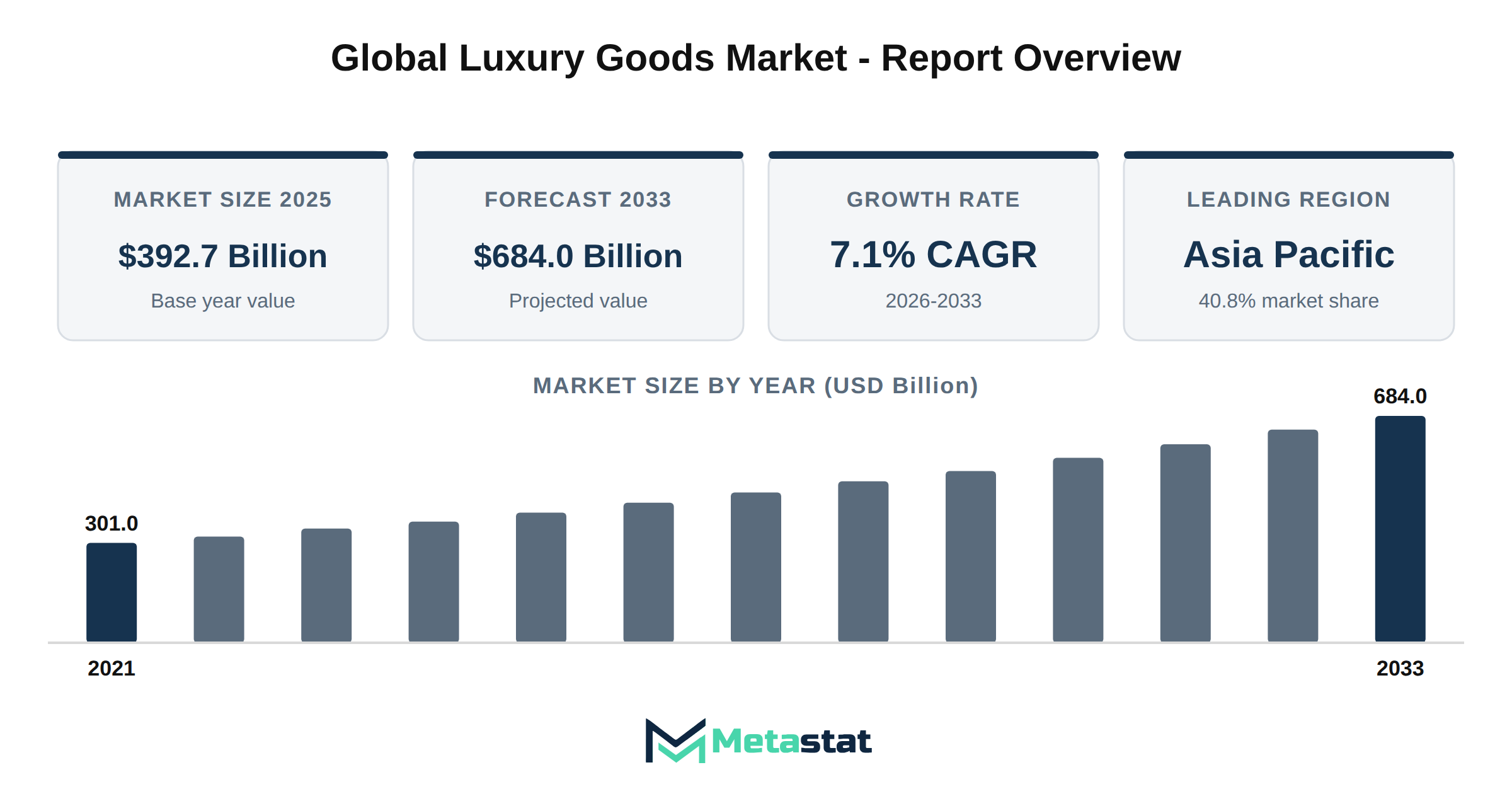
The Luxury Goods market reached a valuation of USD 392.7 billion in 2025, reflecting steady growth from USD 301 billion in 2021. Projections indicate the market is expected to expand significantly, with an anticipated value of USD 684 billion by 2033, achieving a compound annual growth rate (CAGR) of 7.1% during the forecast period from 2026 to 2033.
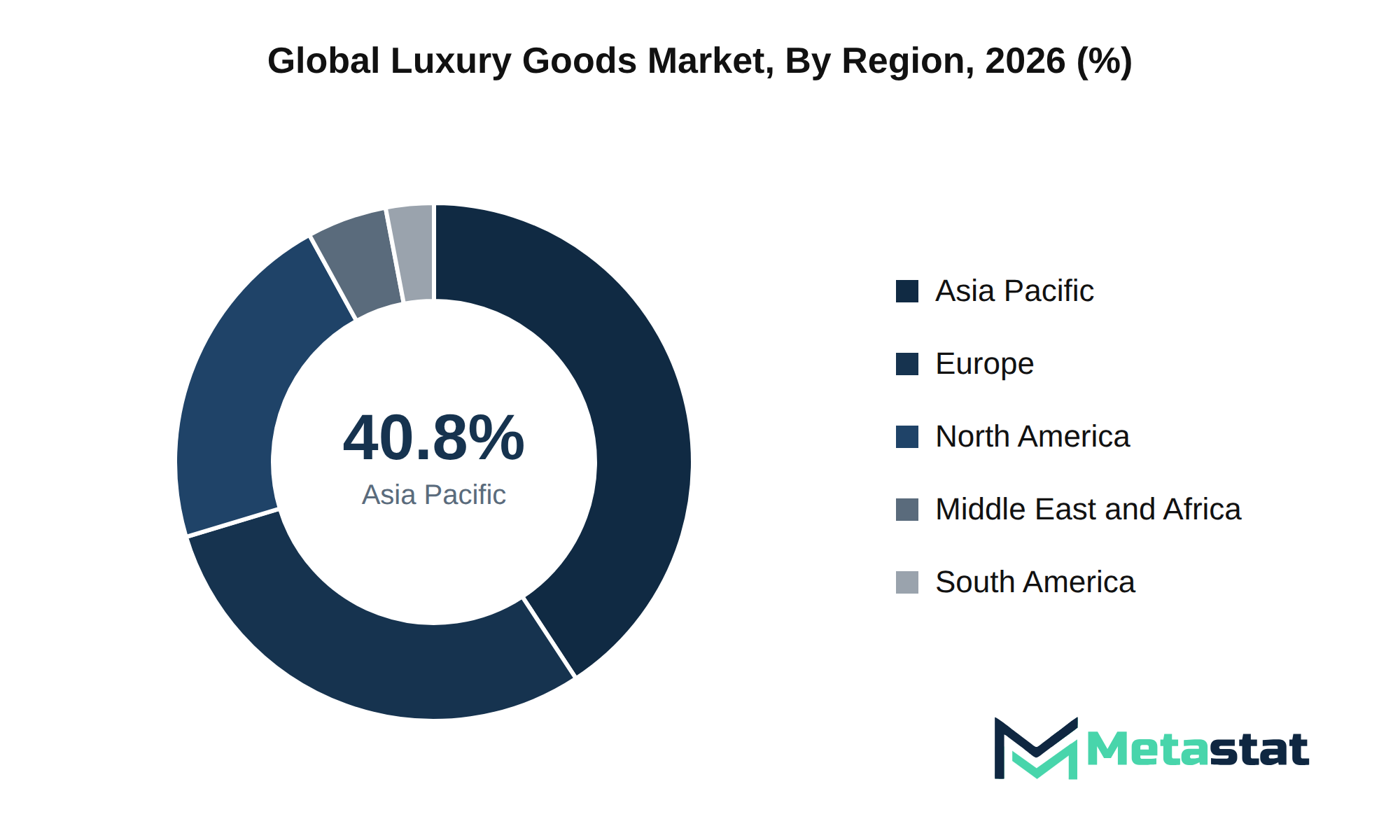
Regional dynamics play a crucial role in shaping the Luxury Goods market. The Asia Pacific region holds the largest share at 40.8%, followed by Europe at 29.6% and North America at 21.7%. The market in North America is projected to reach USD 127.9 billion by 2033, growing at a CAGR of 7.1%.
The product types within the Luxury Goods market exhibit varied growth trajectories. Luxury Leather Goods & Handbags represent a significant segment, while Luxury Watches are projected to reach USD 99.8 billion by 2033, reflecting a CAGR of 7.4%. The jewellery and high jewellery segment is anticipated to grow from USD 30.9 billion in 2026 to USD 43.6 billion in 2033, with a CAGR of 5.1%.
Distribution channels are evolving with a shift towards direct-to-consumer sales, projected to increase from USD 180.8 billion in 2026 to USD 289.3 billion by 2033, achieving a CAGR of 6.9%. E-commerce continues to grow rapidly, complementing traditional retail approaches.
The Luxury Goods market experiences significant shifts driven by evolving consumer preferences and heightened competition. Luxury brands increasingly focus on personalization and unique offerings to cater to discerning consumers, building brand loyalty and enhancing customer experience. The influence of digital technology on consumer engagement enhances the accessibility of luxury products, allowing brands to reach a broader audience.
Next-generation innovations play a crucial role in shaping the market dynamics. Companies invest heavily in research and development to introduce advanced products that align with contemporary consumer values, including sustainability. This strategic focus on sustainable transformation addresses the growing demand for eco-friendly luxury goods, integrating principles of decarbonization and circular economy dynamics into product development and business practices.
The supply chain landscape reflects a shift towards transparency and ethical sourcing. Organizations prioritize sustainable practices throughout their procurement processes, responding to consumer expectations for corporate responsibility. This alignment with ethical standards influences brand perception and drives customer loyalty, ultimately impacting market growth.
Fragmentation characterizes the market, with numerous players vying for consumer attention across various segments. This competitive environment leads to mergers and acquisitions aimed at consolidating market positions and expanding product portfolios. The evolving value chain emphasizes collaboration among stakeholders to optimize operations and enhance value delivery to consumers.
Infrastructure investments focus on enhancing logistics architecture to support efficient distribution channels. Brands increasingly leverage technology to streamline operations, ensuring timely delivery of products to consumers. This strategic approach to logistics reduces operational costs and improves customer satisfaction, contributing to overall market performance.
Future strategic outlooks indicate continued growth for the Luxury Goods market. Companies prioritizing innovation, sustainability, and consumer engagement are likely to capture a larger share of the market. High-value recommendations include building partnerships that enhance brand offerings and investing in digital platforms to strengthen consumer connections.
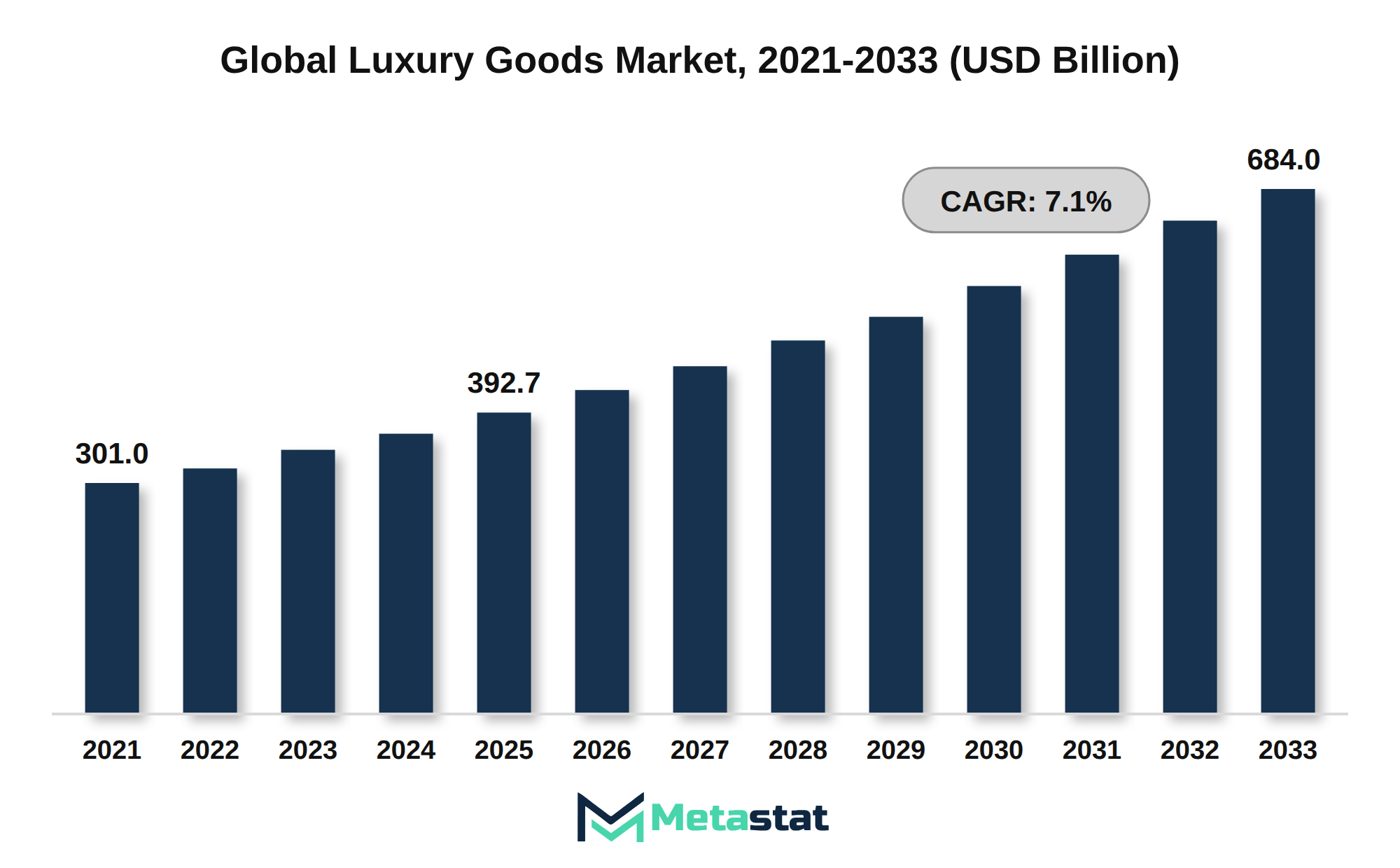
Growing consumer spending patterns significantly influence the Luxury Goods market, with increased disposable income facilitating higher purchases of premium products. Economic recovery in various regions, especially following global disruptions, enhances consumer confidence and purchasing power. Consumers increasingly prioritize luxury goods, viewing them because symbols of status and personal achievement, which drives demand across multiple segments.
Investment in luxury brands and experiences strengthens market growth, driven by consumers' willingness to spend on high-quality products that offer exclusivity and superior craftsmanship. The trend towards urbanization and a rising middle class in emerging economies further supports this growth, with consumers seeking luxury items that reflect their lifestyle aspirations.
Increased digital engagement and online shopping platforms provide greater access to luxury goods, allowing consumers to purchase from a broader range of brands and products. This digital transformation, coupled with rising e-commerce sales, enhances market visibility and expands consumer reach, driving sales growth within the Luxury Goods market.
The Luxury Goods market experiences notable growth fueled by digital transformation initiatives that enhance consumer engagement and streamline operations. Rapid advancements in technology drive brands to adopt innovative digital platforms, enabling them to reach consumers through multiple channels, including e-commerce, social media, and personalized marketing strategies. These efforts align with evolving consumer behaviors, where increased reliance on digital interactions becomes a hallmark of luxury shopping experiences.
Investment in technological integration, including automation and artificial intelligence, enhances operational productivity. Brands leveraging these technologies improve customer insights, optimize inventory management, and refine supply chain capabilities. By adopting digital tools, luxury brands improve their ability to cater to the unique tastes and preferences of their clientele, thereby expanding their market reach within the Luxury Goods market.
The integration of digital solutions transforms traditional retail landscapes, promoting innovative shopping experiences that appeal to younger demographics. This shift reflects broader societal trends toward urbanization and lifestyle changes, where convenience and accessibility become essential. Such dynamics contribute to the sustained growth trajectory of the market, driven by brands adapting to the expectations of a digitally savvy consumer base.
In addition to enhancing consumer interactions, digital transformation facilitates improved marketing strategies through data analytics and targeted promotions. Brands that effectively utilize consumer data tailor their offerings, drive engagement, and build brand loyalty. This capability not only strengthens market positioning but results in sustained revenue growth for luxury players operating in the competitive Luxury Goods market.
The Luxury Goods market faces significant challenges from regulatory compliance and inflationary pressures, which have a direct impact on operational costs. Regulatory tightening across various regions imposes stringent requirements on producers, leading to increased expenses related to compliance and adaptation. These challenges absorb resources that could otherwise be allocated to innovation or market expansion.
Inflationary pressures further complicate the market, increasing costs for raw materials, production, and logistics. This scenario reduces profit margins for vendors and necessitates adjustments in pricing strategies, deterring potential consumers from purchasing luxury products. Consequently, the combination of these factors contributes to a slowdown in market growth, influencing purchasing behavior and overall demand for luxury goods.
Supply chain disruption exacerbates these issues, creating operational bottlenecks that hinder timely market entry and product availability. Geopolitical instability adds another layer of complexity, affecting trade relations and supply routes, which increase costs and lead to resource scarcity. These multifaceted challenges require market players to navigate a rapidly changing environment, impacting strategic decisions and competitive positioning.
The Luxury Goods market encounters significant challenges due to geopolitical fragmentation, which affects trade relations and introduces uncertainty in international markets. Ongoing trade deficits and tariff friction contribute to increased costs for manufacturers and disrupt supply chains. This instability impacts the ability of luxury goods companies to source materials and components, consequently leading to delays in production and fulfillment.
Technological disruptions compound these issues by requiring complex research and development integrations. Companies face difficulties in adapting to rapid technological changes while maintaining competitive pricing, resulting in margin pressures. Pricing compression forces firms to reassess their product offerings and strategies to maintain market share.
The market experiences rising input costs, further impacting profitability. Factors including fluctuating feedstock prices and component volatility introduce unpredictability, which complicates financial forecasting and planning. Workforce skill gaps and talent retention pressures arise from the need for specialized knowledge in emerging technologies, exacerbating operational challenges within the luxury goods sector.
Environmental lifecycle footprints and sustainability demands create additional pressures, driven by companies striving to meet tightening global regulatory standards. Compliance overhead, coupled with evolving legal liabilities, adds further complexity to operational processes. Infrastructure gaps and retrofitting barriers hinder the implementation of sustainable practices, limiting the market's ability to innovate and adapt.
Intellectual property protection deficits and cybersecurity risks pose threats to the market, influenced by brands confronting increasing instances of data vulnerabilities. These challenges undermine consumer trust and brand integrity, impacting sales and long-term growth potential. The Luxury Goods market continues to navigate these multifaceted challenges, necessitating strategic adaptations to enhance resilience and maintain competitiveness.
The Luxury Goods market experiences heightened opportunity driven by emerging regional demands. Rapid economic development in the Asia Pacific region, alongside a growing affluent population, supports increased consumption of luxury products. This regional shift emphasizes a greater focus on personalization and unique brand experiences, which align with consumer preferences for exclusivity and status.
Infrastructure modernization in key markets facilitates improved distribution channels and enhanced shopping experiences. Investments in luxury retail environments and e-commerce platforms support the expansion of brands into previously underserved regions, enabling companies to cater to evolving consumer preferences.
Technological disruptions, including advancements in augmented reality and artificial intelligence, enhance customer engagement and influence purchasing behaviors. These innovations allow brands to create immersive shopping experiences that connect with tech-savvy consumers, further stimulating demand in the Luxury Goods market.
Digital transformation strategies enable brands to optimize their online presence and adapt to shifts in consumer purchasing behaviors, encouraging a preference for digital procurement. This transition aligns with the increasing importance placed on convenience and accessibility among consumers, resulting in higher sales through online channels.
Sustainability imperatives drive brands to align with eco-friendly practices, appealing to environmentally conscious consumers. This focus on sustainability influences product development and marketing strategies, allowing brands to differentiate themselves in a competitive landscape while addressing the growing demand for ethical consumption.
Market players engage in strategic consolidation and cross-industry mergers to expand their portfolios and enhance market presence. These initiatives enable companies to leverage synergies, streamline operations, and broaden their product offerings, thereby increasing competitiveness in the Luxury Goods market.
Geographical expansion remains a key opportunity driven by brands seeking to tap into new markets and diversify their revenue streams. This approach involves identifying emerging markets with untapped potential, allowing brands to capitalize on shifting consumer demographics and preferences in various regions.
The Global Luxury Goods market is segmented based on Product Type, Distribution Channel, Consumer Type, and Price Range.
Valued at USD 30.9 billion in 2026, the Jewellery & High Jewellery segment is projected to reach USD 43.6 billion by 2033, at a CAGR of 5.1% during the forecast period. Demand for fine jewellery is driven by increasing disposable incomes and a growing desire for luxury items among affluent consumers. The shift towards personalization and customization in jewellery designs enhances appeal, prompting consumers to seek unique pieces that reflect their individual styles.
Technological advancements play a crucial role in the segment's evolution. Innovations in design software and manufacturing techniques facilitate the creation of intricate and personalized jewellery. This technological maturation supports higher quality and craftsmanship, attracting discerning buyers willing to invest in premium products. The expansion of e-commerce platforms enhances accessibility, allowing consumers to explore a wider range of offerings from various brands.
Consumer preferences exhibit a notable shift towards sustainable and ethically sourced materials. This growing awareness influences purchasing decisions, with buyers increasingly favoring brands that emphasize eco-friendly practices and transparency in their supply chains. Regulatory compliance regarding ethical sourcing standards contributes to this trend, compelling manufacturers to adapt practices to meet consumer expectations.
Pricing volatility poses challenges for the market, influenced by fluctuations in raw material costs and economic conditions. Luxury jewellery brands navigate these pressures by implementing effective pricing strategies that maintain perceived value while ensuring profitability. The segment's resilience relies on strong brand loyalty and marketing efforts that emphasize the heritage and craftsmanship associated with high-end jewellery.
Strategic investments in marketing and branding initiatives create opportunities for growth. Luxury Goods market players leverage social media platforms and influencer collaborations to engage younger consumers, driving awareness and interest in premium jewellery collections. A positive capital investment outlook positions the segment for continued expansion in a competitive environment.
Significant growth trends characterize the Luxury Watches segment within the Luxury Goods market, driven by increasing consumer demand for high-quality timepieces. Luxury watches act because symbols of status and craftsmanship, appealing to affluent buyers who prioritize unique designs and premium materials. This segment is projected to reach USD 99.8 billion by 2033, at a CAGR of 7.4% during the forecast period. Technological advancements play a crucial role in shaping product evolution within this segment, enhancing features including durability, functionality, and aesthetic appeal. The integration of smart technology in luxury watches attracts a younger demographic, expanding the consumer base. The increasing interest in sustainable luxury practices influences purchasing decisions, prompting brands to adopt eco-friendly materials and production methods. Supply chain resilience remains a vital aspect of the Luxury Watches market, with manufacturers focusing on sourcing raw materials responsibly. Strategic partnerships with suppliers enhance quality assurance and mitigate risks associated with material shortages. Pricing volatility affects profit margins, requiring brands to implement effective pricing strategies. Overall, these factors contribute to a dynamic environment, driving growth and competition in the Luxury Watches segment.
Demand for Luxury Leather Goods & Handbags stems from various factors, including rising disposable incomes and changing consumer preferences. Increasing interest in high-quality, durable products drives demand among affluent consumers, particularly in emerging markets. The growing trend of personalization and customization in luxury goods enhances consumer engagement, leading to higher sales and brand loyalty.
Segment expansion is supported by the increasing shift towards direct-to-consumer sales channels. By leveraging online platforms, brands enhance their reach and cater to a broader customer base. This shift aligns with consumer preferences for convenience and accessibility, reflecting changes in shopping habits.
Technological advancements in material sourcing and production processes contribute to product evolution within this segment. Innovations in leather treatment and sustainable sourcing practices appeal to environmentally conscious consumers. Advancements in these areas strengthen brand positioning and support premium pricing strategies.
Price volatility remains a concern, influenced by fluctuations in raw material costs and supply chain disruptions. Luxury brands face challenges in maintaining profit margins while ensuring product quality. Effective cost management strategies are essential in navigating these pressures and sustaining growth.
The Luxury Leather Goods & Handbags segment is expected to reach USD 150.1 billion by 2033. Strategic opportunities exist for brands to diversify product offerings and explore new markets, enhancing overall market penetration. Continuous investment in branding, marketing, and customer experience will enhance competitive advantages in the Luxury Goods market.
Consumer interest in Luxury Apparel & Clothing continues to shape the Luxury Goods market, with fashion trends driving demand. The growing emphasis on personal expression through clothing influences purchasing decisions, particularly among younger demographics. Enhanced brand loyalty, coupled with the exclusivity of luxury apparel, creates a robust consumer base willing to invest in high-quality products.
Luxury Apparel & Clothing segment is projected to grow at a CAGR of 7.2% during the forecast period. Innovations in design, fabric technology, and manufacturing processes contribute significantly to segment growth. Sustainability initiatives and ethical production practices connect with environmentally conscious consumers, prompting brands to adapt their offerings accordingly. The integration of technology into fashion, including smart textiles and augmented reality fitting rooms, enhances customer experience and engagement, further stimulating demand.
While online shopping becomes increasingly prevalent, digital platforms serve because essential distribution channels for luxury apparel. E-commerce represents a strategic opportunity window, allowing brands to reach a global audience while providing convenience to consumers. The Luxury Goods market benefits from this trend, with luxury brands investing in their online presence and enhancing user experience through personalized shopping services.
Pricing volatility remains a consideration, influenced by fluctuations in raw material costs and supply chain dynamics. Luxury brands navigate these challenges through strategic pricing models that reflect product value while ensuring consumer accessibility. The segment continues to evolve, and balancing quality and price will be crucial for maintaining competitiveness in the market.
Consumer preferences increasingly shift towards luxury footwear, driven by factors including brand prestige and quality craftsmanship. High-income individuals prioritize unique designs and exclusivity, leading to heightened demand within this segment. The expanding population of affluent consumers, particularly in emerging markets, further enhances market growth. Innovations in materials and designs contribute to the evolution of luxury footwear, allowing brands to differentiate themselves in a competitive landscape.
Technological advancements support the production of luxury footwear, enabling brands to integrate more sustainable practices. Consumer awareness regarding eco-friendly materials influences purchasing decisions, propelling brands to adopt greener sourcing methods. This trend aligns with a broader movement within the Luxury Goods market towards sustainability and ethical production.
Pricing volatility impacts the luxury footwear segment, influenced by fluctuations in raw material costs and global supply chain dynamics. Margin pressures arise from the necessity to maintain high-quality standards while adapting to changing market conditions. Strategic opportunity windows exist for brands that successfully navigate these challenges through innovative pricing strategies and enhanced value propositions.
Supply chain resilience remains critical owing to potential disruptions faced by brands. Companies invest in robust logistics frameworks to ensure product availability and timely delivery. By strengthening relationships with suppliers and optimizing inventory management, firms enhance their operational efficiency and responsiveness to market demands.
Trends in consumer preferences drive increased demand for Luxury Eyewear, reflecting a shift towards stylish and high-quality products. The rise of social media platforms enhances brand visibility, encouraging consumers to invest in luxury eyewear because a status symbol. Adoption of premium eyewear among younger demographics highlights the fusion of fashion and functionality, with many viewing these products because essential fashion accessories.
Continuous innovation in material technology leads to the development of lightweight, durable, and high-performance eyewear. Enhanced designs incorporating advanced lens technology cater to diverse consumer needs, including UV protection and blue light filtering. This evolution aligns with the broader trends within the Luxury Goods market, where functionality complements luxury aesthetics.
Market players actively pursue strategic partnerships and collaborations to expand product offerings and reach. For instance, luxury brands frequently collaborate with renowned designers to create exclusive eyewear collections, enhancing brand prestige and attracting discerning consumers. Such strategies position brands favorably within the competitive landscape, presenting significant opportunities for market growth.
Consumers increasingly prioritize sustainability, influencing production practices in luxury eyewear. Brands adopting eco-friendly materials and ethical manufacturing processes appeal to environmentally conscious consumers. This alignment with sustainability contributes to brand loyalty and enhances market penetration by attracting a broader audience.
The Luxury Goods market reflects dynamic shifts because consumer expectations evolve. Luxury Eyewear stands at the intersection of fashion, functionality, and sustainability, presenting substantial growth opportunities for stakeholders within the market. Strategic focus on innovation, collaboration, and sustainability will define the trajectory of this segment, reinforcing its importance in the overall luxury landscape.
Consumer interest in Luxury Fragrances & Cosmetics experiences significant growth driven by evolving beauty standards and an increasing emphasis on personal grooming. The rising popularity of social media influencers and beauty tutorials drives consumers to experiment with luxury fragrances and cosmetics, enhancing brand visibility and consumer engagement. This trend aligns with the broader expansion of the Luxury Goods market, where demand for high-quality products continues to rise.
Technological advancements significantly impact product evolution within the Luxury Fragrances & Cosmetics segment. Innovations in formulation and packaging attract consumers seeking unique and sustainable products. Enhanced marketing strategies focusing on storytelling and brand heritage strengthen consumer loyalty and brand preference, contributing to market expansion.
Consumption shifts towards eco-friendly and ethically sourced products shape purchasing decisions, pushing brands to adapt their offerings accordingly. Regulatory compliance regarding ingredient safety and environmental impact remains a priority for manufacturers, influencing product development and marketing strategies. Brands addressing these standards establish trust and credibility within the market.
Pricing volatility and margin pressures persist owing to fluctuating raw material costs and competition from emerging brands. Maintaining supply chain resilience becomes essential for established players, ensuring consistent product availability while managing costs. Strategic opportunity windows arise for brands that effectively leverage consumer trends and technological advancements, positioning themselves favorably within the Luxury Goods market.
Shifts in consumer preferences drive demand for Luxury Accessories & Writing Instruments within the Luxury Goods market. Increasing interest in personalized and premium products influences consumer behavior, leading to higher sales in this segment. Brand reputation significantly influences consumer choices, reflecting that consumers often seek established names that signify quality and exclusivity.
Technological advancements contribute to the evolution of Luxury Accessories & Writing Instruments. Innovations in materials and design improve product functionality and aesthetics, appealing to tech-savvy consumers. Sustainable practices in production attract environmentally-conscious buyers, enhancing brand loyalty and consumer engagement.
Pricing strategies affect market dynamics, with premium pricing reinforcing the perception of luxury and exclusivity. Fluctuations in raw material costs influence pricing stability, impacting consumer purchasing decisions. Brands navigate these challenges to maintain profit margins while ensuring accessibility for their target audience.
Market expansion opportunities exist through the rise of e-commerce platforms. Online retail facilitates broader access to luxury products, allowing brands to reach a global audience. Targeting specific consumer segments, including millennials and Gen Z, through digital marketing strategies enhances brand visibility and drives sales in the Luxury Goods market.
The Luxury Accessories & Writing Instruments segment represents a vital component of the Luxury Goods market, shaped by evolving consumer preferences, technological advancements, and strategic pricing approaches. The combination of these factors continues to influence market growth and expansion opportunities.
Valued at USD 180.8 billion in 2026, the Direct-to-Consumer segment is projected to reach USD 289.3 billion by 2033, at a CAGR of 6.9% during the forecast period. Primary demand drivers include heightened consumer interest in personalized experiences and direct access to luxury brands. This segment benefits from the growing trend of consumers seeking to engage directly with brands, eliminating intermediaries and enhancing brand loyalty. Technological advancement enables retailers to enhance their online platforms, providing effective shopping experiences that cater to the expectations of luxury consumers.
Segment expansion drives the continuous development of e-commerce capabilities, enhancing the effectiveness of marketing strategies that target specific consumer demographics. Shifts in consumption patterns towards digital shopping channels significantly influence the growth of the Direct-to-Consumer segment. In the Luxury Goods market, brands increasingly invest in omnichannel strategies to ensure a cohesive experience across digital and physical touchpoints, which strengthens long-term demand.
Regulatory compliance standards influence operational strategies for brands engaging in direct-to-consumer sales. Adhering to these regulations ensures consumer trust while enhancing brand reputation. Pricing volatility presents challenges, but brands that effectively manage their pricing strategies maintain competitive advantages and optimize profit margins. Strategic opportunity windows arise from fluctuating consumer trends, allowing brands to capture new market segments by offering tailored products. Capital investment outlook remains positive, with brands recognizing the importance of direct-to-consumer channels for sustained growth in the Luxury Goods market.
Growing engagement among affluent consumers drives demand for luxury products through multi-brand retailers. The segment's ability to curate a variety of renowned luxury brands enhances its appeal among shoppers seeking exclusivity and choice. This trend aligns with increasing consumer spending on luxury items, which is expected to raise the market's overall value.
The Luxury Multi-Brand Retailers segment is estimated to reach USD 117 billion by 2033, at a CAGR of 7.2% during the forecast period. This growth aligns with consumers' desire for diversified shopping experiences that these retailers provide. The appeal of shopping across multiple brands in a single location increases convenience and heightens consumer satisfaction.
Technological advancements play a significant role in shaping the operational capabilities of luxury multi-brand retailers. Enhanced e-commerce platforms facilitate online shopping experiences, while advanced data analytics enable tailored marketing strategies. These innovations are anticipated to improve customer engagement and influence sales growth in the segment.
Consumer interest in a broader selection of luxury items fuels market expansion. A growing focus on sustainability and ethical sourcing impacts consumer preferences, driving retailers to adapt their offerings accordingly. This evolving landscape emphasizes the importance of aligning product offerings with consumer values, strengthening the segment's competitive position within the luxury goods market.
Consumer interest in department stores reflects evolving preferences within the Luxury Goods market. This segment is projected to reach USD 104 billion by 2033, benefiting from the increasing integration of luxury brands into department store offerings. The expansion of these retail formats supports a smooth shopping experience, enhancing customer engagement and convenience.
Factors driving growth include heightened demand for luxury products among younger demographics, who prioritize unique shopping experiences. The rise of experiential retail, where consumers seek not only products but memorable interactions, enhances the appeal of department stores. Collaborations between luxury brands and department stores strengthen product visibility and diversification, catering to a broader audience.
Shifts in consumer behavior toward online shopping influence the evolution of department stores. While e-commerce continues to grow, department stores adapt by enhancing their omnichannel strategies, providing an integrated shopping journey. This transition allows customers to enjoy the tactile experience of luxury goods while benefiting from the convenience of digital platforms.
Supply chain resilience plays an important role in maintaining product availability and managing costs within this segment. Efficient logistics and inventory management ensure that department stores meet consumer demand without compromising on quality. Enhanced operational efficiency translates into improved margins, contributing to the overall growth potential in the market.
Growing consumer preference for online shopping drives the expansion of the E-commerce segment within the Luxury Goods market. Increased digital marketing strategies and social media influence enhance brand visibility and customer engagement, facilitating the growth of online sales channels. The segment is projected to grow at a CAGR of 7.3% during the forecast period. Enhanced user experiences on E-commerce platforms and the integration of advanced technologies, including augmented reality and artificial intelligence, support customer decision-making and improve conversion rates. This evolution in online shopping caters to a wider audience and appeals to younger consumers who prioritize convenience and experience in their purchasing behavior.
Diversification of product offerings and the introduction of exclusive online collections allow brands to attract a broader market segment. Competitive pricing and promotional strategies entice consumers to engage with luxury brands online. Growing adoption of mobile shopping provides an additional avenue for brands to reach consumers, ensuring accessibility and convenience in purchasing luxury goods. This dynamic shift toward E-commerce aligns with broader trends in the Luxury Goods market, driving significant revenue growth and enhancing market competitiveness.
Travel Retail & Duty-Free represents a unique channel within the Luxury Goods market, driven by an increase in international travel and a growing number of affluent travelers. Rising disposable incomes and a desire for premium products contribute to heightened demand for luxury items in airports and duty-free stores. This segment benefits from the purchasing habits of consumers seeking exclusive goods and limited editions, which are often more readily available in travel retail settings.
Expansion opportunities arise from collaborative efforts between luxury brands and airports to enhance the shopping experience through curated product offerings and innovative retail environments. Strategic partnerships between brands and travel retailers enable the introduction of exclusive collections tailored to travelers, further driving segment growth. Technological advancements in e-commerce and mobile shopping facilitate easier purchases for travelers, enhancing consumer engagement and satisfaction.
Changes in consumer preferences towards personalized experiences and luxury convenience play a significant role in shaping travel retail dynamics. The segment has become an essential touchpoint for brands to connect with consumers beyond traditional retail environments, building brand loyalty among global travelers. The Luxury Goods market stands to benefit from these evolving trends, reinforcing the importance of the Travel Retail & Duty-Free channel in reaching discerning consumers.
Vulnerabilities in logistics and supply chains impact the availability of luxury goods in travel retail, highlighting the need for robust strategies to ensure consistent product supply. Regulatory compliance in various countries influences how luxury brands operate within this segment, necessitating awareness of international trade laws and customs regulations. These factors collectively present challenges and opportunities for luxury brands aiming to capitalize on the growth potential of the Travel Retail & Duty-Free segment.
Valued at USD 219.8 billion in 2026, the Women segment is projected to reach USD 355.6 billion by 2033, at a CAGR of 7.1% during the forecast period. This growth is driven by increasing disposable incomes among women, coupled with a growing desire for luxury items attributed to status symbols. Events including high-profile fashion shows and celebrity endorsements fuel interest in luxury products, making them highly sought after. The rise of social media platforms further enhances this trend, allowing brands to engage directly with female consumers and tailor marketing efforts effectively.
Shifts in lifestyle and consumption patterns indicate a strong preference for personalized luxury experiences. Women increasingly prioritize sustainable and ethically sourced luxury goods, prompting brands to adopt more transparent supply chains and environmentally friendly practices. The Luxury Goods market reflects these evolving preferences, presenting a range of products that appeal to socially conscious consumers.
Technological advancements in e-commerce and digital marketing enhance accessibility to luxury brands, providing women with more avenues to purchase luxury goods. This segment benefits significantly from direct-to-consumer channels, which facilitate a smooth shopping experience and build brand loyalty. Retailers who embrace digital transformation and invest in innovative customer engagement strategies position themselves for success in the competitive environment of the Luxury Goods market.
Growth in the men segment of the Luxury Goods market reflects heightened interest in premium products across various categories. Rising disposable income, combined with evolving fashion trends, increases the demand for luxury items among male consumers. This demographic increasingly seeks unique, high-quality products that signify status and prestige, prompting brands to innovate and enhance their offerings.
The men segment is estimated to reach USD 282.8 billion by 2033, at a CAGR of 7.2% during the forecast period. This expansion results from increased marketing efforts targeting male consumers, which enhance brand visibility and influence purchasing decisions. The integration of technology into product design and retail experiences further attracts tech-savvy individuals, creating a more personalized shopping journey.
Emerging lifestyle shifts contribute significantly to consumption patterns, with younger generations embracing luxury goods that align with their values. Brands responding to these trends capture attention through sustainability practices and ethical sourcing, appealing to socially conscious consumers. Such adaptations strengthen brand loyalty and create competitive differentiation within the Luxury Goods market.
The relationship between traditional retail and e-commerce platforms enhances accessibility for male consumers, driving sales growth. Digital channels allow brands to engage directly with their target audience, facilitating instant feedback and tailored offerings. This strategic focus on online experiences encourages efficient shopping, ultimately expanding the market's reach.
Consumer interest in unisex products in the Luxury Goods market strengthens due to brands increasingly recognizing the value of gender-neutral offerings. The demand for unisex luxury items reflects broader shifts in societal attitudes towards gender inclusivity and personalization. This segment is projected to reach USD 45.6 billion by 2033, indicating a significant growth trajectory driven by evolving consumer preferences.
Adoption of unisex luxury goods is fueled by younger demographics that prioritize self-expression over traditional gender norms, creating expansion catalysts for brands that embrace this approach. Retailers responding to this trend experience increased consumer engagement, resulting in enhanced brand loyalty and higher sales volumes. By incorporating unisex lines, brands position themselves to capture a wider audience, effectively meeting the demands of contemporary consumers.
Technological advancements play a crucial role in product evolution within the unisex segment, enabling brands to innovate and design items that appeal to diverse preferences. This technological maturation supports the development of high-quality materials and unique designs that cater to a broad customer base. Brands focusing on unisex offerings benefit from reduced production costs associated with streamlined inventories.
Pricing strategies for unisex luxury goods often align with market trends, allowing brands to maintain competitiveness while maximizing margins. Increased competition within the segment pushes brands to continuously enhance their offerings and adapt to changing consumer expectations. This competitive environment creates strategic opportunity windows for emerging players aiming to establish a foothold in the Luxury Goods market.
Overall, the unisex segment reflects significant consumption shifts and evolving cultural norms, highlighting its importance within the broader Luxury Goods market. Brands that prioritize inclusivity and innovation are positioned to thrive in this growing market segment.
Consumer interest in Entry-Level Luxury remains strong, driven by the desire for affordable luxury options among a broader demographic. Changes in consumer spending habits and a growing middle class contribute to increased accessibility to luxury brands. This segment benefits from an expanding target market, which includes younger consumers seeking to make their first luxury purchases.
Product innovation and marketing strategies play essential roles in the segment's growth. Brands focus on offering quality products at competitive prices while maintaining the luxury perception. Enhanced brand visibility through social media and influencer partnerships drives consumer engagement, further influencing purchases within the Entry-Level Luxury category.
Shifts in purchasing behaviors significantly influence demand. Consumers increasingly prioritize brands that align with their values, including sustainability and ethical sourcing. This trend compels companies to adapt their offerings and marketing strategies to appeal to socially conscious buyers.
Challenges including pricing volatility and margin pressures impact profitability within the segment. Brands face rising costs related to materials and labor, necessitating strategic approaches to pricing that balance quality and affordability. Effective supply chain management and raw material sourcing strategies prove vital to maintaining product quality while controlling costs.
The Entry-Level Luxury segment contributes to the overall growth of the Luxury Goods market, indicating strong potential for expansion. Ongoing investment in marketing, product innovation, and consumer engagement strategies will influence the segment's trajectory and competitive position.
Affluent consumers increasingly seek Accessible Luxury products, reflecting a desire for high-quality items at more attainable price points. This segment thrives on the aspiration to own luxury goods without the premium of ultra-luxury pricing, appealing particularly to younger demographics entering the luxury market. Consumer sentiment surrounding brand value and heritage plays a critical role in driving purchasing decisions within this category. Shoppers prioritize authenticity and craftsmanship, influencing their choices.
Technological advancements impact product evolution in Accessible Luxury, enabling brands to enhance customer experiences through improved materials and innovative designs. The growth of e-commerce platforms facilitates wider reach and accessibility, appealing to consumers who prefer online shopping. Partnerships with influencers and innovative marketing strategies enhance brand visibility and desirability, fueling expansion opportunities in the segment.
Consumption shifts indicate a growing preference for sustainable and ethically sourced products, prompting brands to adapt their offerings to meet these expectations. Companies in the Luxury Goods market recognize the importance of aligning their values with those of consumers, leading to a focus on transparency and social responsibility. This alignment strengthens brand loyalty and attracts new customers seeking responsible luxury choices, enhancing overall market demand.
Cost structures within the Accessible Luxury segment reflect pressures from rising raw material prices and supply chain vulnerabilities. Brands navigate these challenges by optimizing their sourcing strategies, seeking alternative materials, and enhancing operational efficiencies. Despite these pressures, the segment's value remains robust, supported by strong consumer demand and a commitment to quality, reinforcing its position in the market.
Strategic opportunity windows for investment abound within Accessible Luxury, with brands exploring collaborations and new product lines to meet evolving consumer expectations. This proactive approach positions companies to capitalize on emerging trends and maintain a competitive edge in the Luxury Goods market. Brands embrace innovation and sustainability, positioning the Accessible Luxury segment for continued growth and diversification, enhancing its appeal to a broader consumer base.
Demand for Premium Luxury products derives from affluent consumers seeking exclusivity and high-quality items. This segment thrives on the aspiration for unique offerings that reflect status and sophisticated tastes. The expansion of this segment results from increased disposable income among wealthy consumers and a willingness to invest in high-value products that symbolize luxury and craftsmanship.
Technological maturation plays a role in the product evolution within this segment. Innovations in materials and manufacturing processes enhance product quality, attracting consumers who prioritize both aesthetic appeal and functional superiority. This focus on quality influences consumption shifts toward items perceived because enduring investments rather than fleeting trends.
Regulatory compliance standards and certifications contribute to market dynamics, owing to consumers becoming more environmentally conscious. Brands that adhere to sustainable practices and provide transparency on sourcing gain competitive advantage. This trend influences consumer preferences and strengthens brand loyalty in the Premium Luxury segment.
Pricing volatility and margin pressures impact product positioning within the segment. Fluctuations in raw material costs affect pricing strategies, compelling brands to navigate these challenges while maintaining premium positioning. Strategic opportunity windows emerge because companies adapt to market changes, ensuring continued engagement with target consumers in the Luxury Goods market.
Supply chain resilience remains crucial in mitigating risks associated with logistics vulnerabilities. Brands investing in robust supply chains respond better to disruptions, ensuring consistent availability of Premium Luxury products. This resilience aligns with consumer expectations for quality and reliability, reinforcing brand equity in this competitive segment.
Affluent consumers increasingly pursue Ultra-Luxury products, reflecting a desire for exclusivity and superior quality. This segment thrives on the aspirations of high-net-worth individuals who seek distinctive items that signify status and wealth. Growing interest in personalized and bespoke offerings enhances the demand for products that cater to individual tastes and preferences.
Significant product evolution occurs within this segment, with brands investing in innovative designs and premium materials. The integration of advanced technology in manufacturing processes ensures superior craftsmanship, attracting discerning consumers. Downstream applications extend across various industries, including fashion, jewelry, and automotive, enhancing the overall appeal of Ultra-Luxury products.
Consumption shifts observed within the Luxury Goods market show a growing focus on sustainable practices. Brands emphasize ethical sourcing and environmental stewardship, aligning with the values of eco-conscious consumers. Regulatory compliance and certifications related to sustainability become increasingly important, influencing purchasing decisions and brand loyalty among affluent buyers.
Strategic opportunity windows arise, driven by brands leveraging their heritage and craftsmanship to differentiate themselves. The emergence of disruptive alternatives challenges traditional offerings, prompting established players to innovate continuously. Supply chain resilience ensures product availability and maintains brand reputation, particularly during fluctuating market dynamics.
Overall, the Ultra-Luxury segment remains a vital component of the Luxury Goods market, driven by strong consumer demand for high-quality, exclusive products that embody luxury. This segment's growth trajectory reflects the ongoing evolution of consumer preferences and the strategic initiatives brands undertake to capture and retain affluent clientele.
Based on geography, the Global Luxury Goods market is divided into North America, Europe, Asia-Pacific, South America, Middle East, and Africa.
North America represents a significant market for luxury goods, contributing 21.7% to the global market share in 2025. The Luxury Goods market in this region is set to expand at a CAGR of 7.1% within the forecast period, reaching a market size (TAM) of USD 127.9 billion by the end of 2033. This growth stems from rising disposable income levels and increasing consumer engagement with premium brands across the United States, Canada, and Mexico.
The expansion of direct-to-consumer sales channels enhances accessibility to luxury products, with e-commerce platforms gaining traction. This shift aligns with evolving shopping behaviors, particularly among younger demographics who prioritize convenience and personalization. The market benefits from a robust network of luxury multi-brand retailers and department stores, which serve because key distribution points.
High-value replacement cycles play a critical role in the market's growth trajectory, with consumers frequently upgrading luxury items to stay in line with current trends. Cultural nuances regarding luxury consumption influence purchasing behaviors, because consumers in North America place significant emphasis on brand heritage and exclusivity.
Local procurement dynamics and the presence of established domestic players create healthy competition within the market. The expansion of localized manufacturing capabilities supports supply chain resilience, reducing lead times and enhancing product availability. Initiatives focused on nearshoring further strengthen regional operational efficiencies, positioning North America because a frontrunner in the global luxury goods landscape.
Europe accounts for 29.6% of global sales in the Luxury Goods market in 2025. The region benefits from a rich heritage of luxury brands, with leading countries including Germany, France, the UK, Italy, Spain, and Russia. High levels of disposable income among consumers, coupled with a strong tradition of luxury consumption, influence market dynamics.
Consumer demand in Europe is driven by a growing interest in luxury brands, particularly in segments like luxury apparel, leather goods, and watches. The evolving landscape features increased online shopping and direct-to-consumer channels, facilitating access to luxury products. A focus on sustainability and ethical sourcing shapes purchasing decisions, with brands adapting to consumer expectations.
The market experiences mature dynamics, reflecting established brands and intense competition. Emerging market front-runners, particularly in Eastern Europe, present growth opportunities for luxury companies. Infrastructure modernization and improved supply chain efficiencies support regional expansion. Geopolitical factors and trade policies influence market accessibility and competitive positioning.
Localized manufacturing and procurement strategies enhance efficiency and responsiveness to consumer trends. Cultural nuances drive unique buying behaviors, necessitating tailored marketing approaches. The region's luxury market remains dynamic, with incremental growth vectors and high-value replacement cycles contributing to overall performance.
Asia Pacific represents a significant market for luxury goods, accounting for 40.8% of the global share in 2025. This region benefits from a growing middle class, increased disposable income, and a rising number of affluent consumers, particularly in key countries including China, Japan, and India. The expansion of e-commerce and digital platforms enhances accessibility to luxury products, driving demand across various segments, including luxury watches and leather goods.
China leads in luxury consumption with a strong appetite for high-end products, while Japan and South Korea exhibit a robust market presence characterized by a preference for both traditional luxury and contemporary styles. Australia and Southeast Asia are emerging due to noteworthy players, reflecting shifts in consumer behavior and increasing interest in luxury fashion and accessories. The market's growth is further supported by localized manufacturing and supply chain initiatives, contributing to enhanced market responsiveness and reduced lead times.
Regional dynamics highlight the importance of cultural nuances in purchasing behaviors, which influence marketing strategies among global luxury brands. Domestic players continue to thrive alongside international brands, creating a competitive landscape that encourages innovation and differentiation within the luxury goods market. While consumer preferences evolve, investment in digital marketing and customer engagement strategies remains crucial for capturing market share and sustaining growth in this region.
South America accounts for a share of 3.00% in the global Luxury Goods market in 2025. Brazil and Argentina emerge because the primary consumers of luxury goods within this region, reflecting a growing middle class and an increase in disposable income. The desire for luxury products is driven by cultural factors, where high-quality brands symbolize status and success. The market experiences challenges, including limited local production capabilities and reliance on imports, which impact pricing and availability.
Distribution channels in South America are evolving, with direct-to-consumer sales gaining traction alongside traditional retail options. The growth of e-commerce platforms facilitates access to luxury goods, catering to tech-savvy younger consumers who prefer online shopping. The region demonstrates an opportunity for luxury brands to expand their presence and tap into underpenetrated markets, particularly in smaller cities beyond major urban centers.
Investment in local infrastructure and increased foreign direct investment (FDI) contribute to a more favorable environment for luxury goods. Enhanced logistics capabilities and supply chain improvements support the efficient distribution of luxury products. The Luxury Goods market in South America is poised for incremental growth, supported by rising consumer confidence and the continued allure of premium and ultra-luxury items.
In the Middle East and Africa, the Luxury Goods market demonstrates significant growth potential, driven by increasing disposable incomes and an expanding affluent consumer base. Countries including Saudi Arabia and the UAE exhibit strong demand for luxury products, supported by cultural emphasis on status and high-quality items. South Africa contributes to regional growth through a blend of local and international luxury brands catering to an emerging middle class.
Infrastructure modernization initiatives enhance the purchasing experience for luxury consumers. Retail environments are evolving with high-end shopping destinations and luxury department stores, providing a compelling shopping atmosphere. E-commerce continues to expand, offering consumers convenient access to luxury goods, further stimulating demand in the market.
Regional competitive dynamics highlight the presence of domestic market participants alongside international luxury brands. Vendor consolidation trends support heightened competition, driven by established brands seeking strategic partnerships to enhance their market positioning. Cultural nuances and regional buying behaviors influence purchasing decisions, with consumers valuing exclusivity and brand heritage.
Investment in localized manufacturing capabilities and strategic entry barriers allows brands to adapt their offerings to regional preferences. Cross-border trade corridors and geopolitical factors impact operational dynamics, emphasizing the importance of regulatory compliance and trade policy shifts. Growth in this region presents opportunities for companies to establish a significant presence in the Luxury Goods market.
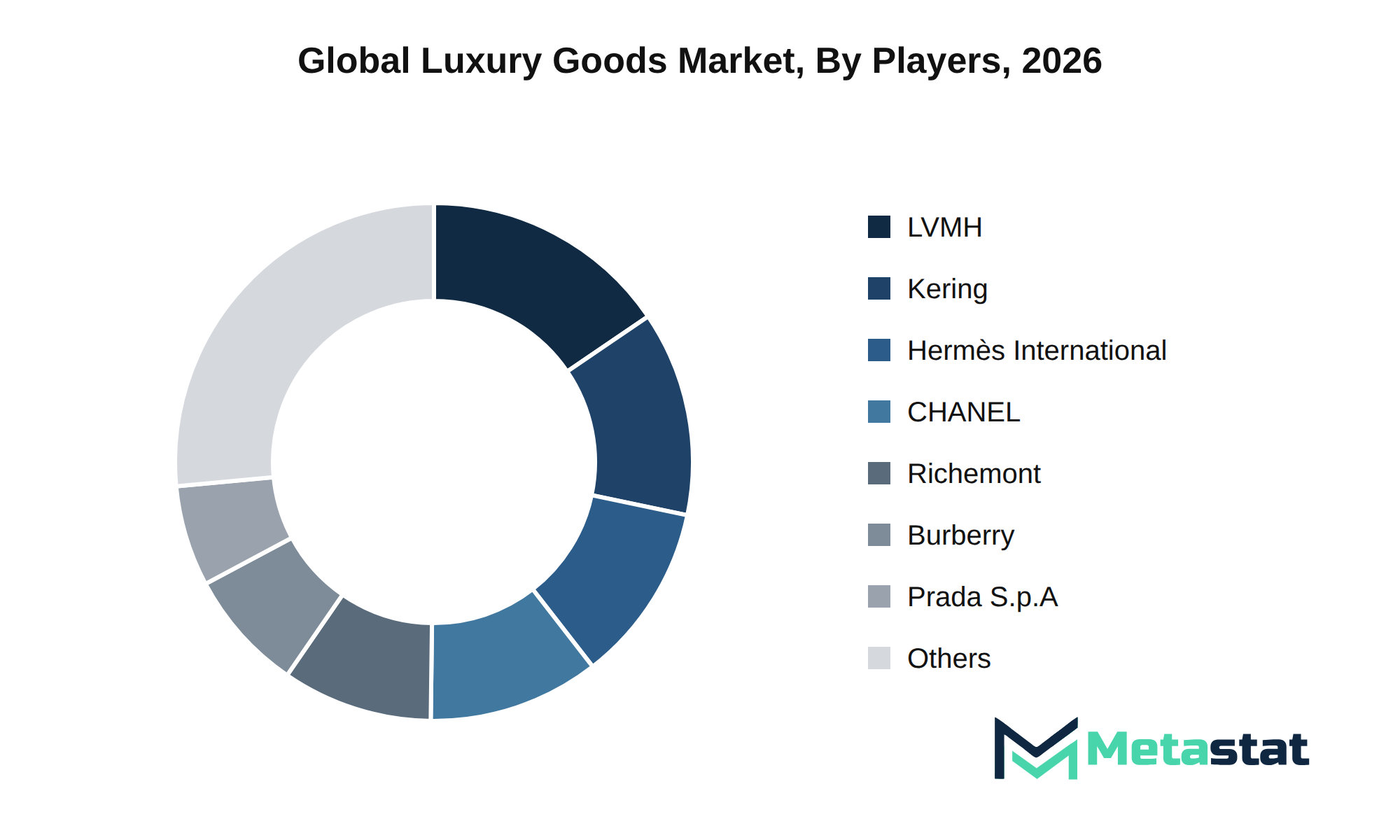
Competitive dynamics in the Luxury Goods market consist of strategic alliances, product differentiation, and robust brand equity. Companies including LVMH, CHANEL, and Burberry Group plc emphasize premium positioning and exclusive offerings to enhance customer retention and leverage brand loyalty.
Joint ventures and cross-industry partnerships play a significant role in the market's evolution. Firms like Kering and Richemont engage in strategic consolidation, enhancing their portfolios through acquisitions and collaborations. The focus on proprietary technology and R&D pipelines strengthens competitive positions, enabling entities like Hermès International S.A. and Audemars Piguet Holding SA to innovate continuously.
Barriers to entry remain considerable, with established players benefiting from significant intellectual property portfolios and technological defensibility. This environment discourages new entrants while allowing companies including Tiffany and Cartier to maintain substantial market shares. The Luxury Goods market evolves, driven by shifting consumer preferences and the strategic positioning of leading firms.
Market size is forecast to rise from USD 392.7 billion in 2025 to over USD 684 billion by 2033. The base case envisions a steady growth trajectory, with a compound annual growth rate (CAGR) of 7.1%. This forecast reflects robust consumer demand, particularly in premium segments, driven by evolving preferences for luxury products among affluent consumers.
In a bull case scenario, the luxury goods market experiences accelerated growth due to increased disposable incomes in emerging economies and a heightened interest in luxury experiences. Conversely, a bear case could surface from economic downturns, regulatory changes, or geopolitical tensions that limit consumer spending on luxury items. The relationship among these factors will shape the market significantly.
Shifts in consumer behavior, including a greater focus on sustainability and ethical consumption, will influence purchasing decisions. Companies investing in next-generation technology and research and development will likely see enhanced product offerings and improved market positioning. This adaptation to consumer trends aligns with long-term growth strategies that prioritize innovation and sustainability.
Geopolitical realignments and the evolution of trade corridors play critical roles in shaping supply chain dynamics. The luxury goods market faces challenges and opportunities stemming from these changes, impacting strategic capital allocation and infrastructure commitments. Companies with agile supply chains and strong compliance frameworks will navigate these complexities effectively.
Emerging white-space opportunities in underserved markets present avenues for growth. Identifying unmet consumer needs across various demographics will drive innovation and product development. Executive-level strategic imperatives will focus on enhancing brand loyalty and customer experience, driven by growth recommendations in the evolving landscape of luxury goods.
The report strategically identifies and profiles the key market players and analyses their core competencies in each sub-segment of the Luxury Goods market.
Report Attributes | Details |
Study Period | 2021-2033 |
Base Year | 2025 |
Estimated Year | 2026 |
Forecast Period | 2026-2033 |
Historical Period | 2021-2025 |
Growth Rate | CAGR 7.1% from 2026 to 2033 |
Revenue Unit | USD billion |
Segmentation | By Product Type, Distribution Channel, Consumer Type, Price Range, and Region |
By Region | North America (By Product Type, Distribution Channel, Consumer Type, Price Range, and Country)
|
Europe (By Product Type, Distribution Channel, Consumer Type, Price Range, and Country)
| |
Asia Pacific (By Product Type, Distribution Channel, Consumer Type, Price Range, and Country)
| |
South America (By Product Type, Distribution Channel, Consumer Type, Price Range, and Country)
| |
Middle East and Africa (By Product Type, Distribution Channel, Consumer Type, Price Range, and Country)
|
Find answers to common questions about this report
The Luxury Goods market size was valued at USD 392.7 billion in 2025.
The Luxury Goods market is projected to grow at a CAGR of 7.1% during the forecast period from 2026 to 2033.
The North America Luxury Goods market size is estimated to reach USD 127.9 billion by 2033.
Luxury Leather Goods & Handbags leads the Luxury Goods market with a projected value of USD 150.1 billion by 2033. This segment surpasses others in terms of revenue potential.
Key drivers for the Luxury Goods market include growing consumer spending patterns driven by increased disposable income and economic recovery. The trend toward urbanization and a rising middle class in emerging economies increases demand, with consumers prioritizing luxury items that reflect their lifestyle aspirations. Digital engagement and online shopping platforms enhance market access, driving sales growth.
The Luxury Goods market faces significant challenges from regulatory compliance and inflationary pressures, which increase operational costs. Regulatory tightening results in higher expenses for producers, while inflation raises costs for raw materials and logistics, reducing profit margins and influencing consumer purchasing behavior. These factors contribute to a slowdown in market growth.
Growing consumer spending patterns and increased disposable income favor product adoption in the Luxury Goods market. The trend towards urbanization and a rising middle class in emerging economies further supports this growth, because consumers seek luxury items that reflect their lifestyle aspirations. Enhanced digital engagement and online shopping platforms expand access to luxury goods, driving demand.
The Luxury Goods market is estimated to reach a valuation of USD 684 billion by 2033.
Key players in the Luxury Goods market include LVMH, CHANEL, Kering, Hermès International S.A., Richemont, and Prada S.p.A.
The Luxury Goods market size in 2025 is USD 392.7 billion.
The analysts below cover Consumer Goods research at Metastat Insights.
LEAD ANALYST
Utkarsh Khirodkar is a Lead Market Research Analyst at MetaStat Insight, specializing in market intelligence, technology sector assessments, and competitive strategy.
Tracking ceramic matrix composite adoption in high-bypass aero engines requires strict attention to material qualification cycles and FAA airworthiness testing milestones. The MetaStat Insight team provided a detailed timeline of silicon carbide fiber manufacturing capacity and commercial foundry lead times. Having clear visibility into upstream thermal barrier coating supply helped us stress-test our long-term component procurement strategy.
Transitioning ultra-class mining haul trucks to alternative power requires concrete data on remote hydrogen refueling infrastructure economics. The report evaluated megawatt-scale electrolyzer installation expenses, onsite storage safety mandates, and heavy-duty fuel cell stack degradation under continuous duty cycles. That technical rigor helped our engineers benchmark realistic total operating cost horizons for off-highway fleet decarbonization.
Enterprise zero-trust network rollouts are often slowed down by multi-cloud transit latency and proprietary hardware retirement schedules. This study provided realistic total cost of ownership models comparing cloud-delivered security edge solutions against traditional hardware refreshes. The analysis of contract renewal lengths and software maintenance fees gave us clear visibility into enterprise replacement cycles over the next three to five years.
Explore related market intelligence reports worth reading alongside this one.