
LEAD ANALYST
Utkarsh Khirodkar is a Lead Market Research Analyst at MetaStat Insight, specializing in market intelligence, technology sector assessments, and competitive strategy.

North America Class 1 Industrial Disposal Well Market Size, Share, By Type (Hazardous Waste Injection Wells, Non-Hazardous Waste Injection Wells, Commercial Disposal Wells, Captive Industrial Disposal Wells, Deep Injection Wells, Brine Disposal Wells, Geological Sequestration Wells and Others), By Application (Chemical and Petrochemical Waste Disposal, Oil & Gas Exploration and Production Waste, Industrial Wastewater Management, Pharmaceutical and Medical Waste Disposal, Mining and Metals Waste Disposal, Agricultural and Food Processing Waste, Hazardous Liquid Waste Management and Others), By End User (Oil & Gas Companies, Chemical and Petrochemical Industries, Mining and Metals Companies, Industrial Manufacturing Plants, Pharmaceutical and Biotechnology Companies, Food & Beverage Processing Plants, Hazardous Waste Management Firms and Others), By Region (United States, Canada and Mexico), Industry Analysis, Growth, Trends, and Forecast, 2026-2033
Report ID
MSI-4915
Published
August, 2026
Pages
280 Pages
Format
Historical
Base year
Forecast
Forecast period
Report Details
Choose Your License
North America Class 1 Industrial Disposal Well Market
The North America Class 1 Industrial Disposal Well market was valued at USD 1,554.9 million in 2025 and is projected to reach USD 2,424.2 million by 2033, growing at a CAGR of 5.7% over the forecast period.
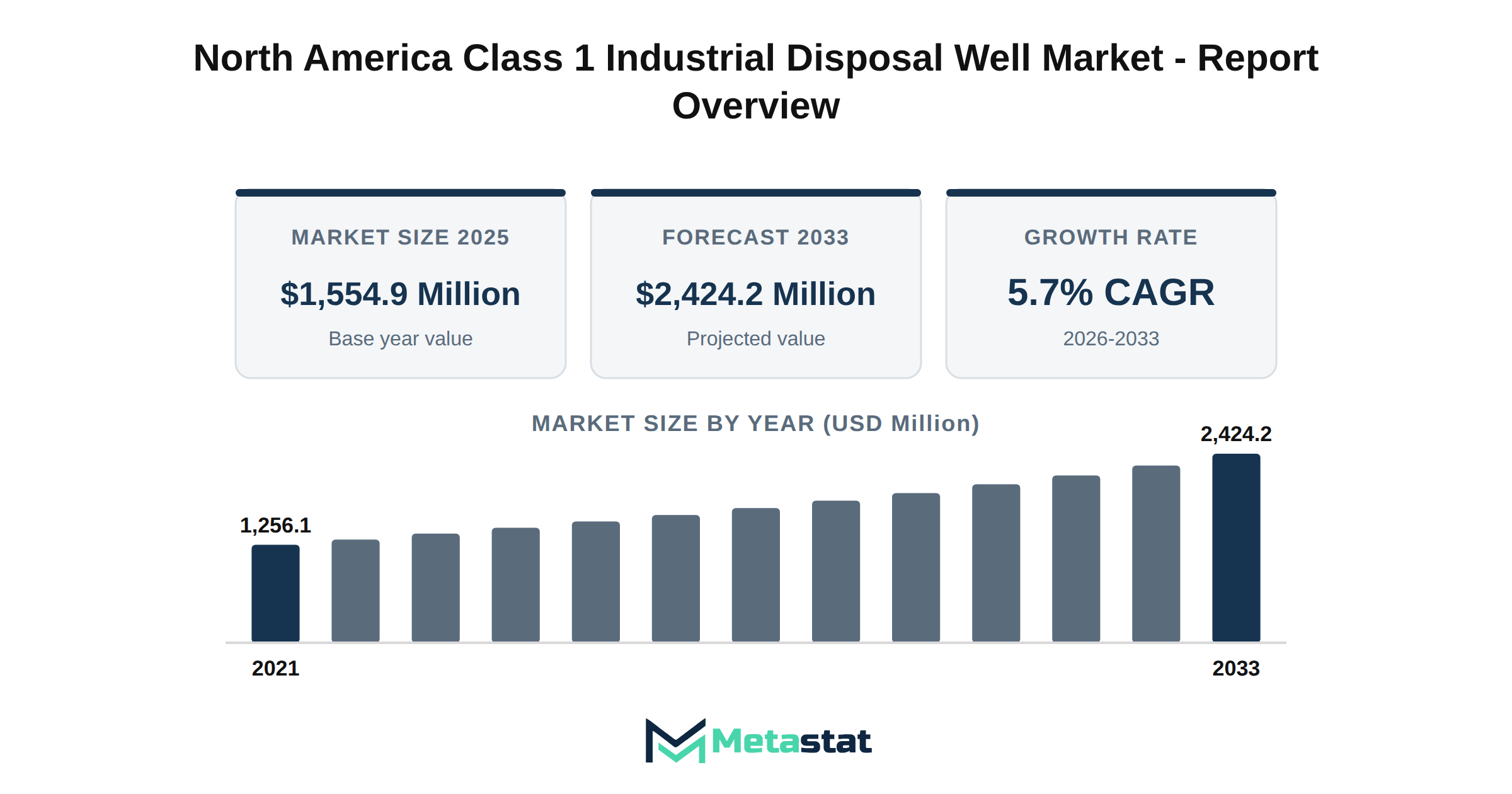
The North America Class 1 Industrial Disposal Well market exhibits significant growth potential, with a projected market value of USD 2,424.2 million by 2033. The base year for this analysis is 2025, where the market is valued at USD 1,554.9 million. The compound annual growth rate (CAGR) from 2026 to 2033 is anticipated to reach 5.7%, indicating a robust expansion trajectory.
Historical data indicates steady growth, starting from USD 1,256.1 million in 2021 and increasing to USD 1,475.8 million by 2024. This upward trend reflects rising demand across various industries, particularly in sectors including chemical and petrochemical waste disposal, oil and gas exploration, and industrial wastewater management.
Key segments within the market include hazardous waste injection wells, non-hazardous waste injection wells, and commercial disposal wells. The hazardous waste injection wells segment is projected to demonstrate a CAGR of 6.4%, growing from USD 587.8 million in 2026 to USD 907.7 million in 2033. The non-hazardous waste injection wells segment is expected to reach USD 264.9 million by 2033, indicating a 5.5% CAGR.
In terms of applications, chemical and petrochemical waste disposal is anticipated to grow significantly, with a forecasted value of USD 1,044.4 million by 2033. This represents a CAGR of 5.9%, reflecting the increasing focus on efficient waste management solutions in the chemical and petrochemical industries. Other applications, including pharmaceutical and medical waste disposal, will contribute to market development, with a CAGR of 6.6% expected.
The market features a diverse range of end users, including oil and gas companies, chemical and petrochemical industries, and mining and metals companies. The oil and gas sector is projected to grow from USD 92.7 million in 2026 to USD 118.5 million by 2033, reflecting a CAGR of 3.6%. This growth highlights the demand for specialized waste disposal solutions tailored to the requirements of this industry.
The North America Class 1 Industrial Disposal Well market experiences significant growth driven by increasing regulatory requirements and environmental concerns. This expansion is supported by the rising need for effective waste management solutions across various industries, including oil and gas, chemical production, and industrial manufacturing. Investment in infrastructure and sustainable practices enhances the market's capacity to manage waste effectively, leading to improved operational efficiency and reduced environmental impact.
Technological advancements contribute to the market's evolution, with innovative solutions enhancing waste disposal methods and monitoring systems. The integration of next-generation technologies provides operators with better control over waste management processes while adhering to stringent regulations. Such innovations reinforce market competitiveness, enabling companies to meet customer demands for sustainable and compliant disposal options.
Challenges related to macroeconomic factors, including inflationary pressures and currency volatility, impact operational costs within the sector. Companies actively strategize to mitigate these effects through optimized capital allocation and cost management strategies. Several players operate within the market, each striving to enhance their service offerings and expand their market share.
Future growth in the North America Class 1 Industrial Disposal Well market is anticipated, driven by ongoing regulatory changes and increased awareness of environmental conservation. Stakeholders within the industry focus on adapting to evolving market dynamics while exploring new opportunities for expansion and collaboration. This strategic outlook positions the market for a robust trajectory through the forecast period, ultimately benefiting both consumers and service providers.
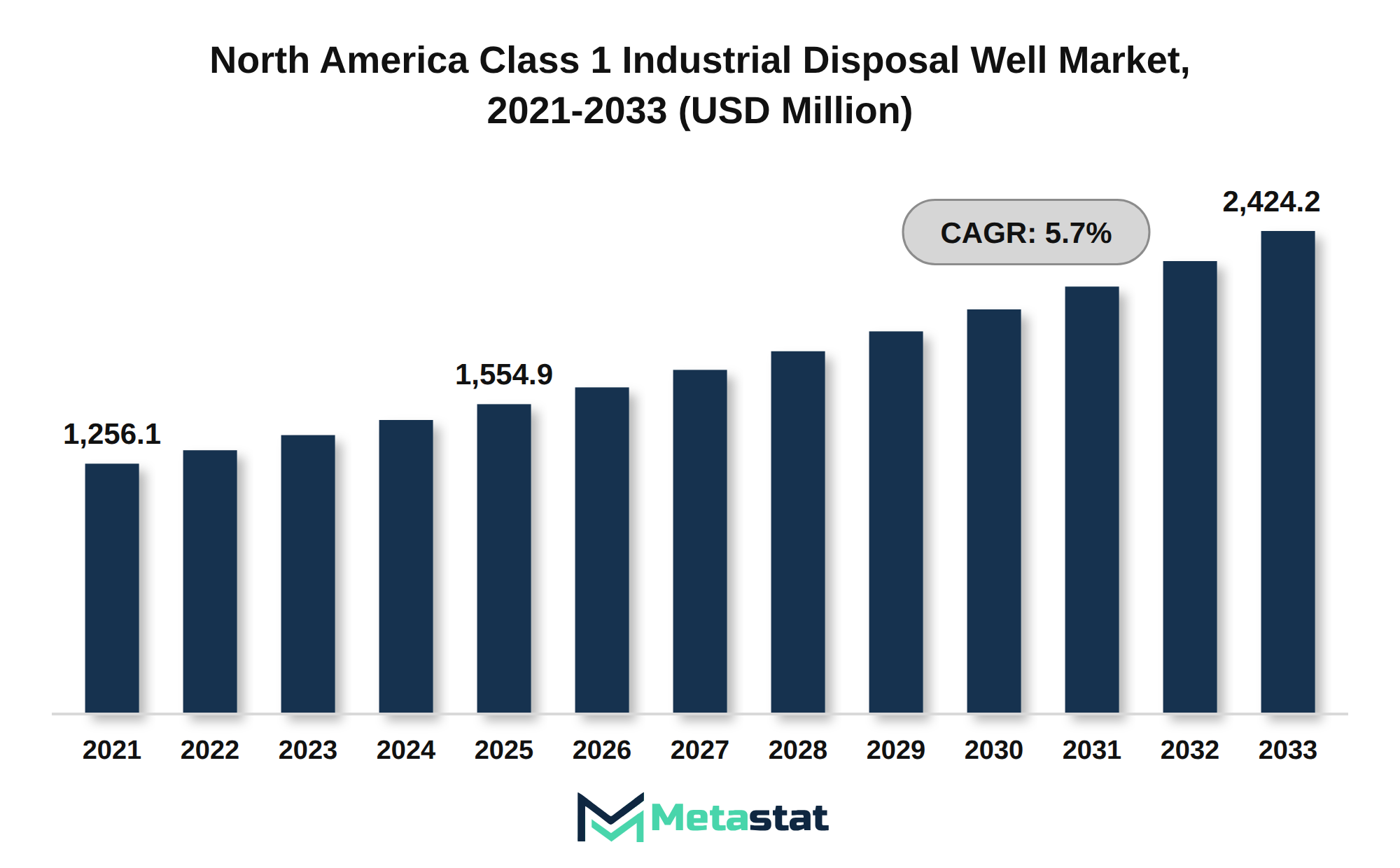
The North America Class 1 Industrial Disposal Well market experiences growth driven by macro-economic factors, including capital investments, GDP growth, and public-private spending power. Rising interest rates impact investment decisions, influencing the pace of infrastructure development and operational enhancements across various industries. Industries including chemical and petrochemical, oil and gas, and industrial manufacturing benefit from increased capital spending, enabling upgrades to facilities and enhancements to waste disposal processes.
Investment in digital transformation and technological integration strengthens operational productivity. Automation and software adoption streamline legacy processes, yielding cost-efficiency initiatives that further stimulate market growth. Companies within the market focus on optimizing labor and resources, allowing for a more efficient allocation of capital and operational expenses.
Shifting demographic patterns and evolving consumer behaviors contribute to increased demand for industrial disposal services. Aging populations and urbanization trends lead to heightened waste generation, prompting businesses to seek efficient disposal methods. The market is projected to respond by enhancing service offerings to meet the changing demands of different consumer segments.
Overall, these macro-economic factors support a projected compound annual growth rate of 5.7% through 2033. The North America Class 1 Industrial Disposal Well market is positioned for significant growth since investment in infrastructure and technological advancements continues to align with evolving industry needs.
Increased infrastructural development across North America drives the demand for Class 1 Industrial Disposal Wells. Economic growth and urbanization lead to enhanced construction activities, resulting in higher volumes of industrial waste generation. Industries, particularly construction, energy, and manufacturing, face challenges related to waste disposal, driving investments in waste management solutions. These sectors require reliable disposal methods to maintain operational efficiency and ensure compliance with evolving environmental standards.
The North America Class 1 Industrial Disposal Well market experiences significant growth linked to ongoing infrastructural initiatives. Increased public and private sector spending supports the development of facilities capable of handling waste generated from expanded industrial activities. Enhanced capacity in waste management infrastructure enables companies to optimize disposal processes and reduce costs related to waste management.
Continuous investment in modernization projects contributes to improved waste disposal systems, enhancing operational productivity and efficiency across industries. The market is projected to benefit from these developments, with growth rates expected to reach USD 2,424.2 million by 2033. This growth trajectory highlights the importance of effective waste management solutions in supporting infrastructure development and industrial activities throughout the region.
Regulatory tightening significantly impacts the North America Class 1 Industrial Disposal Well market. Compliance with stringent environmental regulations creates barriers to entry for new players, increasing operational costs for existing firms. Companies face the challenge of navigating complex legal mandates that require extensive documentation and adherence to protocols, which delay project timelines and inflate expenses.
Macroeconomic headwinds contribute to cautious investment in the market. Factors including inflationary pressures and supply chain disruptions result in higher costs for construction materials and operational resources. Companies operating in this environment experience increased capital investment requirements, discouraging expansion plans and innovation.
Geopolitical instability introduces additional uncertainty, complicating market dynamics. Firms reliant on global supply chains encounter disruptions that affect project timelines and costs. These challenges lead to resource scarcity, particularly in regions with limited local capacity, further constraining market participation.
Technological obsolescence presents a pressing concern. Companies investing in outdated infrastructure or equipment face declining efficiencies and escalating maintenance costs. This reality limits competitive edge and prompts organizations to allocate resources toward upgrades and modernization, creating financial strain.
Market fragmentation, characterized by a multitude of small players, reduces the potential for economies of scale. This scenario intensifies competition, driving down profit margins and compelling firms to differentiate their services to maintain market presence. Cultural barriers and regional adoption resistors complicate efforts to penetrate diverse markets within North America, impacting overall growth.
Slowing downstream demand in key industries, including oil and gas, signals maturation of the market cycle. Companies adjust strategies to align with changing consumption patterns and seek diversification opportunities to sustain revenue streams. Consequently, navigating these multifaceted restraints remains critical for stakeholders within the North America Class 1 Industrial Disposal Well market.
The North America Class 1 Industrial Disposal Well market faces significant challenges stemming from geopolitical fragmentation. Increased trade deficits and tariff friction disrupt supply chains and raise costs, particularly for materials required in the construction and operation of disposal wells. Industries including chemical and petrochemical sectors experience heightened scrutiny over sourcing and compliance, resulting in budgetary pressures and potential delays in project timelines.
Technological disruptions create additional complexities in the market. Interoperability friction among different technologies and systems complicates integration efforts, hindering operational efficiencies. Companies involved in research and development encounter challenges related to complex integrations, resulting in longer timelines and increased costs for innovation. This situation constrains investments in new technologies that could enhance waste disposal processes.
Logistics disruptions further exacerbate market challenges. Fluctuations in feedstock and component availability impact pricing and increase operational uncertainties. Rising input costs linked to workforce skill gaps create talent retention pressures, limiting the industry's ability to adapt to evolving demands. Automation displacements raise concerns about the workforce's future, leading to an increased focus on training and development initiatives.
The market confronts environmental considerations, particularly regarding lifecycle footprints and decarbonization mandates. Sustainability demands from stakeholders push companies to improve their environmental strategies, which introduce additional costs and compliance overhead. Infrastructure gaps and retrofitting barriers complicate the implementation of sustainable practices, potentially delaying advancements in waste management.
Overall, these multifaceted challenges impact the growth trajectory of the North America Class 1 Industrial Disposal Well market. Companies strategically navigate these obstacles to enhance operational resilience and remain competitive in an evolving market.
The North America Class 1 Industrial Disposal Well market presents significant opportunities driven by emerging applications in various industries. Industries including chemical and petrochemical sectors increasingly seek efficient waste disposal solutions, with projected growth in chemical and petrochemical waste disposal anticipated to reach USD 1,044.4 million by 2033, representing a compound annual growth rate (CAGR) of 5.9 percent. This growth aligns with heightened environmental regulations and sustainability goals, prompting industries to adopt advanced disposal methods.
Geographical expansion is essential for widening market opportunities. Regions including the United States expect to see substantial growth, with the market projected to grow from USD 1,432.5 million in 2026 to USD 2,128.8 million by 2033. Increasing demand for industrial waste management solutions, coupled with modernization efforts in infrastructure, drives companies to invest in Class 1 industrial disposal wells, thus enhancing operational efficiency and compliance.
Technological disruptions, particularly in process automation and digital transformation, further enhance market potential. Companies investing in these technologies experience improved operational yield and optimized value chains. By integrating innovative solutions, businesses respond swiftly to changing market dynamics, supporting the North America Class 1 Industrial Disposal Well market's expansion.
The growing emphasis on sustainability and environmental, social, and governance (ESG) considerations influences market trajectories. Companies aligning their strategies with eco-friendly practices witness increased acceptance and demand for their services. This alignment, coupled with the diversification of downstream markets, strengthens the case for investment in Class 1 industrial disposal wells.
The evolving buying behaviors of end users, driven by digital procurement shifts and commercial model transitions, reflect a changing landscape. Industries increasingly prioritize suppliers who embrace modern procurement practices, encouraging collaboration and strategic partnerships. This shift enhances market engagement and positions businesses favorably within the competitive environment.
The North America Class 1 Industrial Disposal Well market is segmented based on Type, Application, End User, and Region.
Valued at USD 587.8 million in 2026, the Hazardous Waste Injection Wells segment is projected to reach USD 907.7 million by 2033, representing a CAGR of 6.4% during the forecast period. Increased regulatory scrutiny surrounding the disposal of hazardous materials drives demand in this segment. Compliance with stringent environmental standards necessitates advanced disposal solutions, compelling industries including chemical manufacturing and oil and gas to engage services for hazardous waste management.
Technological advancements play a significant role in the evolution of hazardous waste injection wells. Innovations in injection techniques, monitoring systems, and waste treatment processes enhance operational efficiency and safety. The demand for next-generation upgrades reflects a proactive approach among companies aiming to minimize environmental impact while maximizing compliance with regulatory frameworks. Increased investment in these technologies is expected to drive market growth, driven by organizations seeking to improve performance metrics and reduce liability associated with hazardous waste disposal.
Shifts in consumption patterns toward more sustainable waste management practices further influence the hazardous waste injection wells segment. Industries increasingly adopt strategies focused on reducing waste generation and improving recycling rates. This trend aligns with global sustainability initiatives and encourages the implementation of advanced disposal methods. Consequently, the market for hazardous waste injection wells is projected to experience a growth trajectory, driven by evolving end-user demands and regulatory pressures.
Pricing volatility in raw materials and operational costs presents challenges specific to this segment. Fluctuations in the costs of disposal services, regulatory compliance, and technological investments affect overall market dynamics. Companies operating within this sector face margin pressures, leading to a necessity for effective cost management strategies to maintain competitiveness. Strategic opportunities exist for firms that successfully navigate these challenges, leveraging innovations and partnerships to enhance service offerings and operational resilience.
By 2033, the North America Class 1 Industrial Disposal Well market is expected to exhibit significant growth, fueled by the increasing demand for hazardous waste management solutions. Enhanced focus on regulatory compliance and technological advancements will drive further market expansion, ensuring that the hazardous waste injection wells segment remains a crucial component of the overall industrial disposal landscape.
Growth in the Non-Hazardous Waste Injection Wells segment reflects increasing industrial activities and heightened regulatory pressures. Industries including chemical and petrochemical, along with oil and gas, contribute significantly to demand, driven by the need for effective waste management solutions. Evolving regulations surrounding waste disposal promote investments in compliant technologies and practices, further stimulating market expansion. Enhanced awareness of environmental impact drives companies to adopt non-hazardous solutions, supporting segment growth.
Technological advancements play a vital role in this sub-segment, enabling operators to enhance efficiency and reduce operational costs. Companies invest in next-generation upgrades and product evolution to optimize waste disposal processes, ensuring compliance with stringent environmental standards. This technological maturation supports a competitive edge in the market, driving customer preference for innovative solutions.
By 2033, the Non-Hazardous Waste Injection Wells segment is projected to reach USD 264.9 million, at a CAGR of 5.5% during the forecast period. This growth highlights the increasing reliance on non-hazardous solutions across various industries, aligning with broader trends toward sustainability and efficiency. Strategic opportunities arise for suppliers focusing on innovative technologies, positioning themselves favorably within the North America Class 1 Industrial Disposal Well market.
Growing awareness of environmental sustainability fuels the demand for commercial disposal wells within the North America Class 1 Industrial Disposal Well market. Industries including chemical, petrochemical, and oil and gas heavily rely on these wells for the safe disposal of waste materials, aligning with stringent regulatory compliance standards. Continuous investment in infrastructure and technologies enhances the operational efficiency of these wells, ensuring reliable disposal solutions that meet the evolving needs of various end users.
The segment is expected to reach USD 239.9 million by 2033. Increasing regulatory scrutiny around hazardous waste disposal necessitates the adoption of commercial disposal wells, providing businesses with a compliant method of managing waste. Competition intensifies due to companies innovating to improve efficiency and reduce costs, ensuring the market remains dynamic and responsive to shifting consumer demands.
Technological advancements play a critical role in enhancing the capabilities of commercial disposal wells, enabling better waste management solutions. Companies actively explore next-generation upgrades and alternative disposal methods, which enhance market growth. Overall, the commercial disposal wells segment contributes significantly to the North America Class 1 Industrial Disposal Well market, offering essential services to a variety of industries while addressing environmental challenges.
In the North America Class 1 Industrial Disposal Well market, the Captive Industrial Disposal Wells segment is projected to grow at a CAGR of 5.5% during the forecast period. This growth is attributed to an increase in demand from industries that rely on dedicated disposal systems to manage their waste effectively. Companies within sectors including chemical, petrochemical, and manufacturing increasingly recognize the advantages of captive wells, including cost efficiency and regulatory compliance.
Technological maturation significantly impacts the segment's expansion, with advancements enabling better monitoring and management of waste disposal processes. Enhanced technologies facilitate the safe disposal of various industrial wastes, driving adoption among businesses that seek to minimize environmental impact. The evolution of these technologies aligns with regulatory compliance standards, creating a favorable environment for investment and development in captive disposal facilities.
Cost structures and pricing dynamics significantly influence the segment. While companies invest in captive disposal solutions, they benefit from reduced long-term operational costs compared to traditional disposal methods. Fluctuations in raw material prices and operational expenses introduce market volatility, impacting overall profitability. Effective management of these factors will be essential for sustaining growth.
The Captive Industrial Disposal Wells segment presents strategic opportunity windows, driven by increasing industrial waste generation and stricter environmental regulations. Continuous investment in infrastructure and technology improvements positions businesses to capitalize on these trends, ensuring alignment with evolving end-use dynamics. The market's resilience and adaptability enable stakeholders to navigate challenges effectively and seize emerging opportunities.
Deep Injection Wells represent a significant sub-segment within the North America Class 1 Industrial Disposal Well market, driven by the increasing volume of wastewater generated from various industrial processes. Industries including oil recovery and mining contribute substantially to the demand for deep injection solutions, which facilitate the safe disposal of hazardous and non-hazardous waste. Regulatory compliance standards play a critical role in shaping the operational landscape, because stringent guidelines dictate the safe management of waste products, ensuring that disposal methods adhere to environmental protections.
Technological advancements continue to enhance the efficacy of deep injection wells, with next-generation systems incorporating improved monitoring and safety features. This technological maturation attracts investment, supporting ongoing upgrades and the evolution of existing infrastructure. End-use dynamics illustrate a shift towards more sustainable disposal practices, with key players in the market responding to demands for enhanced environmental stewardship and operational efficiency.
While the market evolves, consumption patterns reflect a growing preference for advanced disposal techniques, aligning with broader trends in waste management. Supply chain resilience remains a focal point, particularly concerning raw material sourcing and the logistics of waste transport. The potential for substitution exists, driven by innovations in waste management technologies that offer alternatives to traditional deep injection methods. Strategic opportunity windows arise for companies that adapt to these shifts while navigating challenges posed by pricing volatility and margin pressures within the sector.
Overall, the deep injection wells segment experiences sustained growth because market participants invest in enhancing capacity and operational capabilities, aligning with the anticipated expansion of the North America Class 1 Industrial Disposal Well market over the forecast period.
Demand for brine disposal wells in the North America Class 1 Industrial Disposal Well market stems from the rising need for effective management of brine waste generated during oil and gas extraction processes. Regulatory compliance drives operators to seek reliable disposal solutions that minimize environmental impact. The adoption of brine disposal wells accelerates in regions with intense oil and gas activities, where brine waste volumes are significant, resulting in heightened operational requirements.
Technological maturation enhances the efficiency of brine disposal processes, enabling operators to handle increased waste volumes while adhering to regulatory standards. Continuous improvements in brine disposal technologies facilitate the safe injection of brine waste into designated geological formations, supporting industry sustainability initiatives. This evolution aligns with the growing focus on environmental preservation and responsible resource management.
Operational dynamics within the oil and gas sector influence the demand for brine disposal wells. Fluctuations in oil production impact the volume of brine waste generated, directly affecting disposal operations. The market experiences shifts in consumption patterns, with operators increasingly opting for advanced disposal solutions that ensure long-term compliance and environmental safety.
Cost structures associated with brine disposal wells reflect the complexities of regulatory compliance, technological investments, and operational efficiencies. Pricing volatility in the broader energy market impacts disposal costs, influencing operator decisions on waste management solutions. Strategic opportunity windows arise for service providers that offer innovative solutions tailored to the specific needs of the oil and gas industry.
The brine disposal segment benefits from a resilient supply chain, with established networks for both raw material sourcing and disposal operations. Strengthening logistics frameworks supports the effective handling of brine waste, enabling operators to meet regulatory requirements while optimizing costs. Ongoing investments in infrastructure development further enhance the market's capacity to manage increasing waste volumes.
Strategic players in the North America Class 1 Industrial Disposal Well market focus on enhancing their service offerings for brine disposal wells. Investments in research and development drive the evolution of more effective disposal technologies and methodologies. Firms capable of adapting to changing regulatory landscapes and customer demands position themselves for sustainable growth within this segment.
Demand for Geological Sequestration Wells in the North America Class 1 Industrial Disposal Well market arises from increasing focus on carbon capture and storage (CCS) solutions. Regulatory pressures and growing environmental awareness drive investments in technologies that enable the safe underground storage of carbon dioxide. Industries involved in energy production, particularly those relying on fossil fuels, significantly contribute to this demand, driven by their mitigate greenhouse gas emissions. The segment's growth is further supported by advancements in drilling and monitoring technologies, enhancing the efficiency and safety of geological sequestration methods.
Adoption of geological sequestration wells aligns with the broader push for sustainable practices and compliance with stringent environmental regulations. While companies prioritize sustainability, the need for effective waste management solutions becomes critical, positioning this segment favorably for growth. Competitive pressures in the energy sector compel firms to explore innovative disposal methods, including geological sequestration, providing a means to enhance their environmental credentials while addressing waste challenges.
Technological maturation in geological mapping and reservoir characterization enables more precise identification of suitable storage sites. This development reduces risks associated with carbon sequestration, building confidence among stakeholders in the efficacy and safety of these solutions. Strategic partnerships between technology providers and energy companies streamline the implementation of geological sequestration technologies, promoting market expansion.
The demand for geological sequestration wells reflects shifts in end-use dynamics, particularly in the energy sector. Companies in oil, gas, and industrial manufacturing increasingly focus on integrating sustainable waste management practices, driving interest in geological sequestration solutions. This evolution points to a significant opportunity window for investments in this segment, attributed to firms looking to comply with emerging regulations and improve sustainability outcomes.
Valued at USD 699.5 million in 2026, the Chemical and Petrochemical Waste Disposal segment is projected to reach USD 1,044.4 million by 2033, reflecting a compound annual growth rate (CAGR) of 5.9% during the forecast period. The increasing production of chemical and petrochemical products generates significant waste, driving demand for effective disposal solutions. Enhanced regulatory frameworks regarding hazardous waste management create higher compliance costs, leading industries to seek reliable disposal methods. The segment benefits from technological advancements that enhance waste treatment efficiencies, allowing for better environmental compliance and reduced operational risks. Participants in the North America Class 1 Industrial Disposal Well market invest in innovative disposal technologies, ensuring a competitive edge while meeting evolving regulatory standards. Integration of sustainable practices in waste management influences consumer preferences toward environmentally responsible disposal methods, stimulating market growth.
Growth in the Oil & Gas Exploration and Production Waste segment is driven by the increasing volume of waste generated from extraction and production activities. Expansion of exploratory drilling and production operations in North America has increased demand for effective waste management solutions. Regulatory compliance and environmental sustainability standards further necessitate the proper disposal of waste in this sector, influencing investment decisions. This segment is estimated to reach USD 118.5 million by 2033, at a CAGR of 3.6% during the forecast period.
Market dynamics indicate a shift towards advanced technologies that enhance waste treatment and disposal processes, allowing operators to adhere to stringent regulations. Investment in next-generation disposal methods and technologies is critical for maintaining operational efficiency and lowering long-term costs. Closely related industries, including oil and gas companies, remain the primary end-users, driving demand through their need for reliable and compliant disposal solutions. The overall outlook for this segment reflects a steady growth trajectory, aligning with broader trends in the North America Class 1 Industrial Disposal Well market.
Significant growth in the Industrial Wastewater Management segment aligns with increasing regulatory pressures on industries to manage wastewater effectively. Companies in sectors including manufacturing, oil and gas, and chemicals adopt disposal solutions that comply with stringent environmental regulations, influencing the operational framework across these industries. The push towards sustainable practices highlights the need for advanced wastewater treatment technologies, resulting in a shift towards innovative disposal methods.
The increased focus on environmental responsibility among end-users drives investment in efficient disposal processes. Industrial manufacturing plants, in particular, actively invest in technologies that streamline wastewater treatment, aligning with sustainability goals. This trend enhances revenue streams for service providers within this segment.
Technological advancements play a crucial role in segment expansion, enabling the introduction of next-generation solutions that enhance wastewater treatment efficiency. These innovations cater to the evolving requirements of various industries, creating a competitive market environment. By 2033, the Industrial Wastewater Management segment is projected to reach USD 402.1 million, demonstrating the financial viability of focusing on environmentally responsible waste management practices.
Continued scrutiny over environmental impact reinforces the importance of compliance with regulatory standards, compelling companies to adopt robust wastewater management solutions. While the North America Class 1 Industrial Disposal Well market evolves, the emphasis on effective wastewater management increasingly dictates operational strategies, ultimately shaping industry dynamics.
Growth in the Pharmaceutical and Medical Waste Disposal segment is projected to achieve a compound annual growth rate (CAGR) of 6.6% during the forecast period. Increasing regulatory compliance standards regarding the safe disposal of pharmaceutical waste drive demand in this area. Healthcare providers, pharmaceutical companies, and medical laboratories face heightened scrutiny over waste management practices, prompting investment in compliant disposal solutions. Technological maturation within the sector enhances treatment methods for medical waste, improving efficiency and reducing environmental impact. End-user dynamics reflect a shift towards more sustainable waste management practices, influencing consumption patterns and encouraging the adoption of innovative disposal technologies. This segment's growth contributes to the overall expansion of the North America Class 1 Industrial Disposal Well market.
Investment in advanced disposal technologies further supports segment expansion. Increased capital investment enables operators to enhance existing infrastructure and meet evolving regulatory requirements, while strategic opportunity windows arise from emerging technologies and practices that improve waste handling efficacy. The segment's trajectory aligns with broader trends in waste management, including a focus on minimizing environmental impact and optimizing resource use. By 2033, the Pharmaceutical and Medical Waste Disposal segment is anticipated to experience substantial growth, reflecting its essential role in the North America Class 1 Industrial Disposal Well market.
Increasing focus on environmental regulations drives demand for effective waste management solutions in the mining and metals industry. Stringent compliance mandates force companies to adopt advanced waste disposal methods, aligning with sustainability initiatives. Technological maturation in waste treatment processes enhances the efficiency and effectiveness of disposal wells, contributing to their appeal among mining and metals companies.
Market players seek strategic opportunity windows driven by investment in infrastructure and technology upgrades. These investments facilitate the evolution of disposal solutions, promoting environmental stewardship and regulatory compliance. Challenges related to pricing volatility and margin pressures compel firms to explore innovative waste management practices and optimize operational costs.
Downstream application dynamics highlight growing consumption shifts towards responsible waste disposal solutions. Enhanced awareness of the ecological impact of mining activities influences corporate strategies, prompting investments in Class 1 Industrial Disposal Wells. Increased capital investment in this segment reflects the industry's commitment to mitigating environmental risk while maintaining operational efficiency.
The North America Class 1 Industrial Disposal Well market shows a strong alignment between demand drivers and end-user requirements. Mining and metals companies prioritize waste disposal solutions that minimize environmental footprints while ensuring compliance with evolving regulatory standards. This alignment lays the groundwork for sustained growth within this critical segment.
Environmental regulations and sustainability initiatives drive the demand for effective disposal solutions in the agricultural and food processing sectors. Increased production volume and waste generation in these industries necessitate efficient waste management practices to comply with regulations and minimize environmental impact. The ongoing evolution of food production techniques and the growing focus on organic farming contribute to changes in waste composition, requiring specialized disposal methods to handle organic waste materials.
Technological advancements in waste treatment processes enhance the efficiency of disposal solutions, supporting the agricultural and food processing waste segment within the North America Class 1 Industrial Disposal Well market. Innovations in waste treatment techniques, including anaerobic digestion and composting, offer new avenues for managing food waste, leading to improved sustainability outcomes and contributing to the market's growth. Collaboration among industry stakeholders promotes knowledge sharing and the development of best practices, further advancing the adoption of advanced disposal methods.
Regulatory compliance remains a significant factor influencing waste disposal practices within the agricultural and food processing sectors. Stringent environmental regulations necessitate adherence to standards that govern waste management practices, including monitoring and reporting requirements. Compliance with these regulations not only minimizes the risk of penalties but enhances the reputation of companies committed to sustainable waste management.
Cost structures and pricing volatility present challenges for stakeholders within this segment. Fluctuations in raw material costs for waste treatment processes affect overall disposal expenses, impacting the financial viability of waste management solutions. Companies operating in the agricultural and food processing industry navigate these cost pressures while ensuring compliance with regulations and maintaining efficient operations.
Strategic opportunities arise within the agricultural and food processing waste segment driven by companies seeking innovative disposal solutions that align with sustainability goals. Investment in new technologies and practices enhances waste management efficiency while addressing environmental concerns. The focus on sustainable practices positions companies to capitalize on emerging trends and consumer preferences, driving growth within the North America Class 1 Industrial Disposal Well market.
Hazardous liquid waste management faces increasing pressure from regulatory compliance standards, requiring firms to implement more stringent disposal practices. Governments enforce guidelines that dictate how hazardous materials should be managed, impacting operational procedures for companies involved in waste management. This regulatory landscape drives a shift toward more sophisticated waste treatment technologies that ensure compliance and minimize environmental impact.
Technological maturation in waste disposal techniques drives segment expansion. Innovations including advanced treatment methods and monitoring systems enhance waste handling efficiency and safety. Companies that invest in next-generation upgrades strengthen their competitive positions, responding to consumer demand for eco-friendly solutions.
End-use dynamics play a crucial role in shaping the market. Industries including pharmaceuticals and manufacturing generate significant hazardous liquid waste, necessitating reliable management solutions. The emphasis on sustainability in these sectors influences consumption shifts toward responsible waste disposal practices.
Cost structures and pricing volatility present challenges within the segment. Fluctuations in raw material sourcing and logistical vulnerabilities impact overall operational costs, compelling firms to find ways to optimize their supply chains. Strategic opportunity windows arise for companies that adapt to these pressures by developing cost-effective solutions.
Supply chain resilience becomes essential for hazardous liquid waste management. Firms that align their resource acquisition and service delivery with market trends position themselves favorably against disruptive alternatives. The evolving landscape necessitates continuous assessment of market conditions to mitigate risks and enhance service offerings.
While investment in hazardous liquid waste management grows, stakeholders recognize the potential for long-term gains. Capturing market share through innovative approaches contributes to sustainable development goals. This strategic focus on capital investment outlook creates a more robust and adaptive market environment.
The North America Class 1 Industrial Disposal Well market experiences evolving dynamics influenced by these factors. Companies that navigate the complexities of hazardous liquid waste management effectively are likely to thrive in this competitive environment.
Growth in the Others application segment reflects diverse waste management needs across various industries. Increasing environmental regulations encourage industries to seek more sustainable waste disposal solutions, leading to heightened interest in alternative disposal methods. Companies in manufacturing, agriculture, and other sectors require tailored disposal strategies that address specific waste types, further driving demand within this segment. Investment in research and development around advanced disposal technologies enhances operational efficiency and safety, enabling firms to comply with strict regulatory standards while managing costs effectively.
Technological advancements play a significant role in the evolution of waste disposal methods, particularly for less conventional waste types. Companies focus on upgrading existing infrastructure to integrate next-generation solutions that streamline processes and minimize environmental impact. This shift indicates a broader trend toward innovation in waste management practices, contributing to the overall growth of the North America Class 1 Industrial Disposal Well market.
Shifts in consumption patterns, driven by changing consumer preferences and regulatory pressures, influence waste generation profiles across industries. Businesses increasingly prioritize environmentally friendly practices, prompting a move toward more sustainable waste handling options. Strategic opportunity windows arise due to companies adapting to these trends while navigating the challenges posed by cost structures and pricing volatility.
Valued at USD 92.7 million in 2026, the Oil & Gas Companies segment is projected to reach USD 118.5 million by 2033, reflecting a CAGR of 3.6% during the forecast period. Factors driving demand in this sector include the need for efficient waste disposal solutions and compliance with stringent environmental regulations. Oil and gas companies face ongoing pressure to manage waste generated from exploration and production activities, pushing them to seek reliable disposal methods.
Technological advancements in waste management systems enhance operational efficiency and minimize environmental impact. The adoption of next-generation technologies allows companies to improve waste processing, ensuring compliance with rising regulatory standards. Continued investment in innovative disposal practices positions oil and gas companies to navigate evolving market dynamics effectively.
Cost structures in the oil and gas industry influence spending on disposal services. Fluctuations in oil prices impact budgets for waste management, prompting companies to optimize spending while ensuring compliance with environmental regulations. Supply chain resilience is crucial. Companies secure reliable disposal options to manage waste effectively.
The market response to regulatory compliance standards highlights the importance of certifications and policy adherence in waste disposal processes. Oil and gas companies prioritize partnerships with certified disposal service providers to mitigate risks associated with non-compliance. This focus on compliance drives demand for disposal solutions tailored to the unique needs of the sector.
The Oil & Gas Companies segment holds significance within the North America Class 1 Industrial Disposal Well market, reflecting the sector's commitment to sustainable waste management practices. Strategic opportunity windows arise from shifting regulations and advancing technology, allowing companies to enhance operational efficiency while meeting environmental standards.
Growth in the Chemical and Petrochemical Industries segment shows significant potential within the North America Class 1 Industrial Disposal Well market, with an estimated value of USD 1,044.4 million by 2033, reflecting a compound annual growth rate (CAGR) of 5.9% during the forecast period. Demand for effective waste disposal solutions from chemical and petrochemical firms drives this expansion, driven by regulatory requirements regarding waste disposal.
Investment in advanced disposal technologies enhances operational efficiencies for these industries. Continuous evolution in product offerings, including next-generation waste management solutions, strengthens market presence and attracts new clients. The focus on sustainability and environmental compliance further influences consumption trends, pushing chemical and petrochemical companies to adopt more effective disposal methods.
Shifts in consumption patterns towards more sustainable practices and innovations in waste management technology create strategic opportunities for market players. Regulatory compliance standards in waste disposal are becoming increasingly stringent, prompting industries to invest in compliant disposal strategies. This growth trajectory aligns with overall market trends, reinforcing the central role of the Chemical and Petrochemical Industries segment in waste management solutions.
Increasing environmental regulations and demand for sustainable waste management solutions drive growth in the Mining and Metals Companies segment of the North America Class 1 Industrial Disposal Well market. Companies within this sector focus on effective waste disposal methods to comply with stringent regulatory frameworks, ensuring safe handling of hazardous materials generated during mining operations. The segment features a strong emphasis on reducing the environmental impact of mining activities, which further incentivizes investments in advanced disposal technologies.
Adoption of Class 1 Industrial Disposal Wells among mining and metals companies is driven by the necessity for efficient waste management and the mitigation of risks associated with potential environmental contamination. This sector's operational requirements align with the performance capabilities of Class 1 wells, thereby enhancing operational efficiency while adhering to compliance standards. The segment is projected to reach USD 100.6 million by 2033, reflecting the growing focus on responsible mining practices that prioritize ecological sustainability.
Technological advancements in waste management practices support the segment's evolution, with innovations aimed at increasing efficiency in waste disposal processes. Companies prioritize investments in next-generation upgrades and solutions that enhance the reliability and effectiveness of disposal methods. This strategic approach addresses regulatory pressures and strengthens competitive positioning within the market.
Projected growth in the Industrial Manufacturing Plants segment reflects increasing demand for efficient and environmentally compliant waste disposal methods. A rise in production activities across various industries enhances the volume of industrial waste generated, necessitating effective disposal solutions. Regulatory compliance, particularly surrounding environmental sustainability, drives investments in technologies and methods for waste management. Manufacturers actively seek to minimize environmental footprints while adhering to stringent regulations, influencing spending on Class 1 Industrial Disposal Wells.
This sub-segment is projected to grow at a CAGR of 6.2% during the forecast period. Enhanced operational efficiencies and advancements in waste management technologies further support segment expansion. The demand for integrated disposal solutions, which align with sustainability goals, influences purchasing decisions among industrial players. Investments in next-generation waste management technologies create additional opportunities for growth in the market.
Increased focus on recycling and waste reduction initiatives influences consumption patterns within manufacturing. Firms recognize the importance of adopting sustainable practices, resulting in shifts towards more responsible waste management. These trends contribute positively to the overall growth trajectory of the North America Class 1 Industrial Disposal Well market, driven by industrial manufacturing plants adapting to changing consumer preferences and regulatory landscapes.
Investment in the pharmaceutical and biotechnology sectors drives strong demand for Class 1 industrial disposal wells, particularly for the disposal of medical waste. Regulatory compliance, emphasizing environmental protection and public health, necessitates the use of specialized waste management solutions. Companies in this sector require efficient disposal methods to manage hazardous substances generated during drug development and manufacturing processes.
Technological maturation within the pharmaceutical industry enhances waste management practices, leading to the adoption of next-generation disposal technologies. Companies increasingly focus on sustainable practices, improving their waste disposal methods to align with evolving regulatory standards. This shift impacts the overall operational efficiency and compliance status of pharmaceutical and biotechnology firms.
Downstream applications of pharmaceutical waste management include the proper disposal of biological materials and other hazardous waste. Companies experience heightened scrutiny from regulatory bodies, increasing the importance of adhering to compliance standards. This environment encourages investment in advanced disposal solutions, boosting the market.
Cost structures within the pharmaceutical sector influence the choice of disposal methods. Firms face pressures related to pricing volatility and margin constraints, impacting their operational decisions regarding waste management. Strategic opportunity windows arise due to companies seeking to enhance their waste disposal systems and minimize costs while maintaining compliance.
Supply chain resilience plays a critical role in the effectiveness of waste management. Raw material sourcing and logistics vulnerabilities affect the availability of disposal options in the market. Addressing substitution risks and disruptive alternatives, pharmaceutical companies evaluate their disposal strategies to ensure sustainability and compliance.
Technological obsolescence poses challenges because companies explore innovative disposal solutions. The market identifies strategic opportunities for capital investment in advanced waste management technologies, promoting efficiency and regulatory adherence. White-space analysis highlights areas for growth within pharmaceutical waste disposal, aligning with the overall trends in the North America Class 1 Industrial Disposal Well market.
Demand for Class 1 industrial disposal wells within food and beverage processing plants stems from the increasing volume of waste generated during production and packaging processes. Stringent food safety regulations emphasize the need for effective waste management solutions, driving investments in waste disposal infrastructure. Compliance with these regulations enhances operational efficiencies while mitigating environmental impact, promoting growth opportunities within the segment.
Technological advancements in waste treatment processes contribute to segment expansion. Innovative solutions for managing organic waste and byproducts enhance sustainability efforts and lower disposal costs. The market experiences shifts in consumption patterns, with a rising preference for eco-friendly products driving the adoption of advanced disposal technologies.
Regulatory compliance remains a critical factor influencing operations within food and beverage processing plants. Stringent waste disposal standards necessitate continuous updates to disposal practices, impacting capital investment strategies. Consequently, companies strive to align with evolving regulations, ensuring sustainable operations and minimizing liabilities.
Strategic opportunity windows arise from evolving consumer preferences for transparency and sustainability in food production. Companies that prioritize environmentally responsible waste disposal methods gain competitive advantages within the market. By addressing these shifts through innovative waste management practices, food and beverage processing plants position themselves favorably for future growth in the North America Class 1 Industrial Disposal Well market. This commitment to sustainable practices is projected to enhance their market presence.
Investment in hazardous waste management aligns with rising regulatory demands for safe disposal practices, influencing firms to enhance their infrastructure and processes. Regulatory frameworks compel firms to adopt advanced waste management methods, promoting compliance and environmental sustainability. An increased focus on technology advancements drives the development of next-generation upgrades, improving efficiency and reducing operational costs for these firms.
Competitive market pressures drive firms to seek strategic opportunities, enhancing capital investment in innovative disposal solutions. Adaptation to evolving regulations pushes firms to invest in certifications and compliance measures, ensuring alignment with industry standards. Public scrutiny surrounding environmental impacts incentivizes firms to prioritize sustainable practices, influencing consumption shifts toward eco-friendly disposal methods.
Pricing volatility remains a concern within the sector, with fluctuations affecting operational budgets and revenue projections. Supply chain resilience becomes critical, particularly in sourcing raw materials necessary for waste treatment technologies. The potential for disruptive alternatives necessitates ongoing evaluations of service offerings, encouraging firms to innovate continuously. These evaluations ensure firms remain competitive in a changing market.
Technological maturation influences market dynamics, with firms focusing on integrating advanced technologies into their operations to enhance performance and mitigate risks associated with hazardous waste. Overall, the demand for effective hazardous waste management shapes the North America Class 1 Industrial Disposal Well market.
Investment in the Others sub-segment reflects diverse waste management solutions tailored for various sectors. Demand arises from industries requiring specialized disposal methods that do not fit traditional categories. Segment expansion correlates with technological maturation, driven by advancements in waste treatment processes that allow for better handling of complex waste streams. Compliance with evolving regulatory standards necessitates effective disposal methods for unique waste types, influencing adoption across multiple industries.
Shifts in consumption patterns contribute to the growth of this segment, with increased awareness of environmental impacts prompting companies to seek sustainable waste management solutions. Cost structures within the market remain significant, influenced by pricing volatility and margin pressures associated with the treatment of non-standard waste types. Strategic opportunities emerge from addressing gaps in current offerings, encouraging firms to explore innovative disposal technologies and practices.
Capital investment outlook remains positive, driven by a commitment to enhance waste management infrastructure and meet rising demand within the North America Class 1 Industrial Disposal Well market. This sub-segment not only supports regulatory compliance but aligns with broader sustainability goals pursued by various industries.
Valued at USD 1,432.5 million in 2026, the United States segment is projected to reach USD 2,128.8 million by 2033, reflecting a CAGR of 5.8% during the forecast period. Strong regulatory frameworks and increasing environmental compliance requirements drive demand for Class 1 industrial disposal wells. Industries including chemical and petrochemical, along with oil and gas, significantly influence this demand due to their need for effective waste management solutions. Investment in technology and infrastructure enhances the operational capabilities of disposal wells and ensures compliance with stringent regulations.
In the United States, the focus on sustainable practices within the chemical and petrochemical industries supports market growth. Companies invest in advanced disposal technologies, improving efficiency and minimizing environmental impact. The emphasis on waste reduction and resource recovery aligns with industry trends, further establishing the market's relevance in waste management. Increased competition among players fuels innovation and pushes for enhanced service offerings, benefiting end-users through improved cost-effectiveness and compliance with regulations.
The North America Class 1 Industrial Disposal Well market sees significant movement in response to evolving consumption patterns and regulatory frameworks. End-users prioritize certified disposal solutions that meet evolving compliance standards. This shift in end-user dynamics contributes to robust demand for disposal wells capable of handling diverse waste streams, including hazardous and non-hazardous materials. Overall, the segment's growth trajectory highlights the importance of strategic investments in technology, compliance, and service offerings to capture market opportunities.
Investment in the Canada segment of the North America Class 1 Industrial Disposal Well market reflects a commitment to addressing growing environmental standards and waste management practices. The Canadian market experiences increasing demand for effective disposal solutions driven by stringent regulations and a focus on sustainability across various industries. The chemical and petrochemical sectors, along with industrial manufacturing plants, contribute significantly to the market dynamics, promoting the development of advanced disposal technologies.
Projected growth aligns with technological maturation and the adoption of next-generation upgrades, driving innovations in disposal well systems. The Canada segment is estimated to reach USD 202.3 million by 2033, at a CAGR of 5.6% during the forecast period. This growth trajectory indicates a favorable environment for investment and strategic expansion among key players, enhancing competition and operational capacities.
Overall, the evolving landscape of regulations and end-user demands positions the Canada segment because a critical component of the North America Class 1 Industrial Disposal Well market, reflecting an ongoing commitment to environmental compliance and resource management.
Robust investment in industrial sectors within Mexico significantly influences the North America Class 1 Industrial Disposal Well market. Rising activity in key industries, including oil and gas, chemicals, and manufacturing, drives demand for effective waste management solutions. Strict regulatory compliance standards enhance the necessity for Class 1 disposal wells, ensuring safe and environmentally sound waste disposal practices.
Technological advancements play a critical role in the evolution of disposal methods, with next-generation upgrades improving efficiency and safety. Adoption of innovative waste treatment technologies allows operators to enhance operational effectiveness while adhering to compliance requirements. This trend drives growth in the segment, with the Mexico segment projected to reach USD 93.1 million by 2033.
Cost structures and pricing volatility remain essential factors in market dynamics. Fluctuations in operational costs influence pricing strategies, impacting profit margins for service providers. Firms in the market optimize their offerings to maintain competitive pricing while ensuring high-quality service delivery.
The emerging landscape presents strategic opportunities for new entrants and existing players. Increased focus on sustainable practices and advanced technologies positions the market for growth. Consequently, investment in capacity and capability enhancement remains vital for meeting the evolving demands of the market.
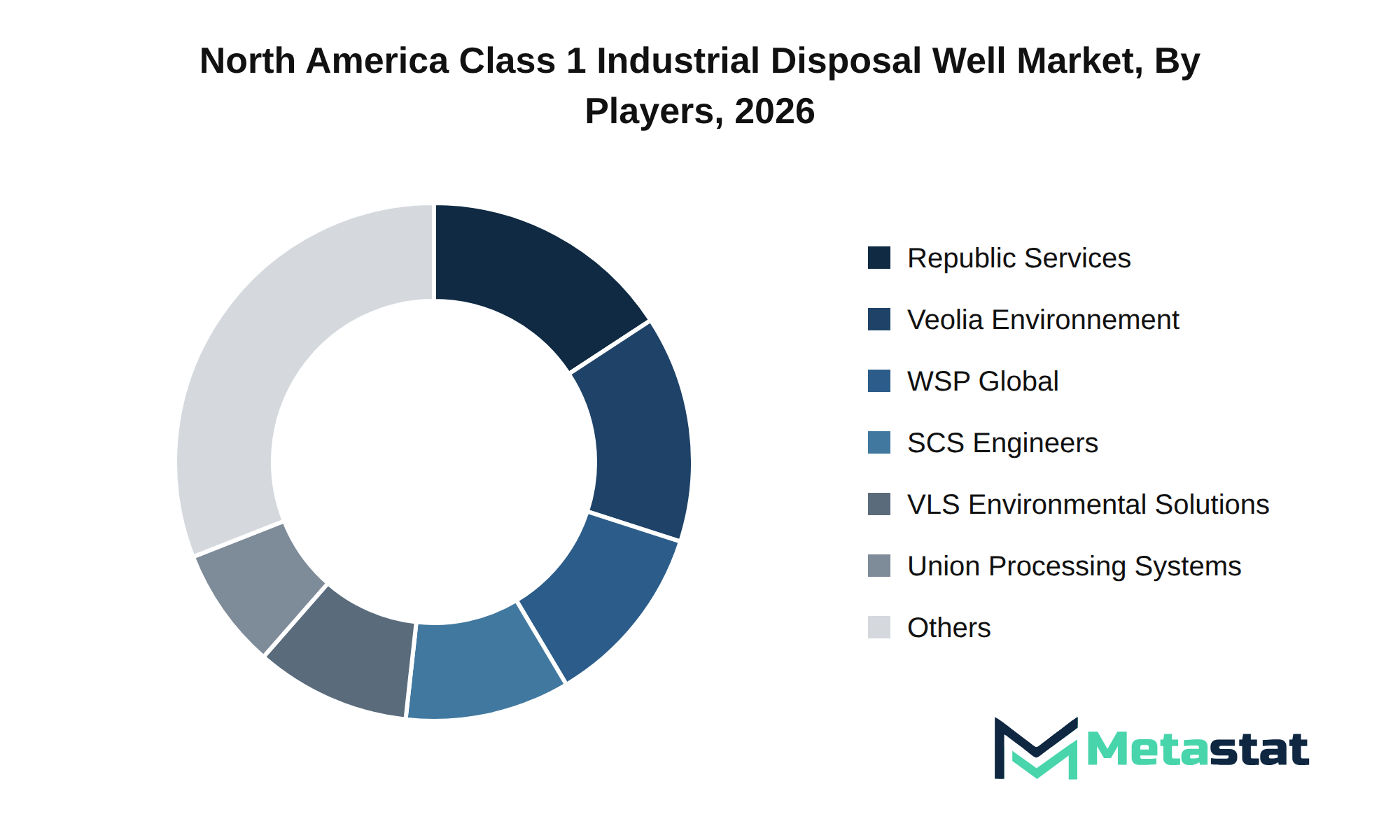
The North America Class 1 Industrial Disposal Well market features several key players employing diverse strategies to enhance competitive positioning. Companies like SCS Engineers, VLS Environmental Solutions, LLC, and Waste Management, Inc (WM) focus on geographic expansion and service diversification to capture larger market shares. Strategic alliances and partnerships, including those formed by Veolia Environnement S.A. and Republic Services, Inc, strengthen competitive positions through integrated service offerings and improved operational efficiencies.
Pricing strategies play a significant role in market dynamics, with firms adapting their models to meet changing customer needs and competitive pressures. Advantek Waste Management Services LLC and Legacy Materials Management emphasize sustainable practices, aligning with increasing environmental regulations and consumer preferences. The focus on proprietary technology and R&D pipelines fuels innovation among companies like WSP Global, Inc. and Geosyntec Consultants, Inc, enabling them to create differentiated service offerings that address specific industry requirements.
The North America Class 1 Industrial Disposal Well market faces challenges from new entrants and potential disruptions. Barriers to entry, including regulatory compliance and capital investment requirements, impact the ability of startups to penetrate the market successfully. Established players leverage brand equity and customer retention strategies to maintain competitive advantages, while ongoing market consolidation reshapes the competitive environment in the coming years.
Market size is forecast to rise from USD 1,554.9 million in 2025 to over USD 2,424.2 million by 2033 at a 5.7% CAGR. This growth reflects increased demand across various sectors, including chemical and petrochemical industries, oil and gas companies, and industrial manufacturing plants. The North America Class 1 Industrial Disposal Well market experiences robust activity from regulatory evolution, prompting investment in compliant waste disposal solutions.
The bull case anticipates accelerated growth driven by advancements in next-generation technologies and heightened regulatory compliance pressures. Increased capital allocation towards infrastructure commitments supports this trajectory, particularly in the United States, where investment in waste management systems aligns with environmental sustainability goals.
The bear case involves potential economic cyclicality affecting downstream demand, which could slow growth. Factors including geopolitical realignments or trade disruptions impact supply chain efficiencies, resulting in fluctuations in capital expenditure and operational costs. Nevertheless, the market retains inherent strengths through strategic imperatives aimed at addressing unmet enterprise needs while pursuing high-growth pockets across segments.
Overall, the North America Class 1 Industrial Disposal Well market anticipates sustained expansion driven by a combination of structural changes, evolving market dynamics, and increasing technology integration, ensuring relevance in the region's waste management landscape.
The report strategically identifies and profiles the key market players and analyses their core competencies in each sub-segment of the Class 1 Industrial Disposal Well market.
|
Report Attributes |
Details |
|
Study Period |
2021-2033 |
|
Base Year |
2025 |
|
Estimated Year |
2026 |
|
Forecast Period |
2026-2033 |
|
Historical Period |
2021-2025 |
|
Growth Rate |
CAGR 5.7% from 2026 to 2033 |
|
Revenue Unit |
USD million |
|
Segmentation |
By Type, Application, End User, Region, and Region |
Find answers to common questions about this report
The Class 1 Industrial Disposal Well market size in North America was valued at USD 1,554.9 million in 2025.
The Class 1 Industrial Disposal Well market is projected to grow at a CAGR of 5.7% during the forecast period from 2026 to 2033.
Hazardous Waste Injection Wells lead the North America Class 1 Industrial Disposal Well market, with a projected value of USD 907.7 million by 2033. This segment outperforms others based on its growth trajectory and market share.
The North America Class 1 Industrial Disposal Well market experiences growth driven by capital investments, GDP growth, and increased public-private spending. Rising waste generation from sectors like construction and manufacturing stimulates demand for efficient disposal methods, while ongoing infrastructural initiatives enhance service offerings in response to evolving consumer needs.
Regulatory tightening and compliance with stringent environmental regulations increase operational costs and create barriers for new entrants in the North America Class 1 Industrial Disposal Well market. Macroeconomic challenges, including inflation and supply chain disruptions, further complicate investment decisions and project timelines, constraining overall market growth.
Factors favoring product adoption in the North America Class 1 Industrial Disposal Well market include increased capital investments, economic growth, and urbanization trends leading to higher waste generation. Technological advancements and infrastructure development enhance operational productivity, while evolving consumer behaviors drive demand for efficient waste disposal solutions. These elements collectively support a projected compound annual growth rate of 5.7% through 2033.
The Class 1 Industrial Disposal Well market is estimated to reach a valuation of USD 2,424.2 million by 2033.
Key players in the North America Class 1 Industrial Disposal Well market include SCS Engineers, VLS Environmental Solutions, LLC, Advantek Waste Management Services LLC, Veolia Environnement S.A., Republic Services, Inc., Waste Management, Inc (WM), and Geosyntec Consultants, Inc.
The North America Class 1 Industrial Disposal Well market is projected to achieve a compound annual growth rate of 5.7% through 2033.
The Chemical and Petrochemical Waste Disposal application segment is expected to grow from USD 699.5 million in 2026 to USD 1,044.4 million by 2033, representing a CAGR of 5.9%.
The analysts below cover Chemicals and Materials research at Metastat Insights.
LEAD ANALYST
Utkarsh Khirodkar is a Lead Market Research Analyst at MetaStat Insight, specializing in market intelligence, technology sector assessments, and competitive strategy.

INDUSTRY CONSULTANT - CHEMICALS & ADVANCED MATERIALS
Chemicals and Materials · Machinery & Equipment · Packaging
Amit Gadhekar Consultant for Chemicals and Materials at MetaStat Insight, directing sector-specific intelligence, research, and strategic consulting across global chemical and processing markets.
Tracking ceramic matrix composite adoption in high-bypass aero engines requires strict attention to material qualification cycles and FAA airworthiness testing milestones. The MetaStat Insight team provided a detailed timeline of silicon carbide fiber manufacturing capacity and commercial foundry lead times. Having clear visibility into upstream thermal barrier coating supply helped us stress-test our long-term component procurement strategy.
Transitioning ultra-class mining haul trucks to alternative power requires concrete data on remote hydrogen refueling infrastructure economics. The report evaluated megawatt-scale electrolyzer installation expenses, onsite storage safety mandates, and heavy-duty fuel cell stack degradation under continuous duty cycles. That technical rigor helped our engineers benchmark realistic total operating cost horizons for off-highway fleet decarbonization.
Enterprise zero-trust network rollouts are often slowed down by multi-cloud transit latency and proprietary hardware retirement schedules. This study provided realistic total cost of ownership models comparing cloud-delivered security edge solutions against traditional hardware refreshes. The analysis of contract renewal lengths and software maintenance fees gave us clear visibility into enterprise replacement cycles over the next three to five years.
Explore related market intelligence reports worth reading alongside this one.
Starting from
$2950