
LEAD ANALYST
Utkarsh Khirodkar is a Lead Market Research Analyst at MetaStat Insight, specializing in market intelligence, technology sector assessments, and competitive strategy.

Global Organ Preservation Market Size, Share, By Product Type (Organ Preservation Solutions, Machine Perfusion Systems, Organ Transport Systems, Organ Assessment & Monitoring Systems), By Organ Type (Kidney, Liver, Heart, Lung, Pancreas), By End User (Transplant Centers, Organ Procurement Organizations, Organ & Tissue Banks, Research Institutes & Laboratories), By Preservation Technique (Static Cold Storage, Hypothermic Machine Perfusion, Normothermic Machine Perfusion, Subnormothermic Machine Perfusion, Subzero Preservation), Industry Analysis, Growth, Trends, and Forecast, 2026-2033
Report ID
MSI-5108
Published
August, 2026
Updated
Pages
253 Pages
Format
Historical
Base year
Forecast
Forecast period
Report Details
Choose Your License
Global Organ Preservation Market
The global Organ Preservation market was valued at USD 291.8 million in 2025 and is projected to reach USD 520.5 million by 2033, growing at a CAGR of 7.5% over the forecast period.
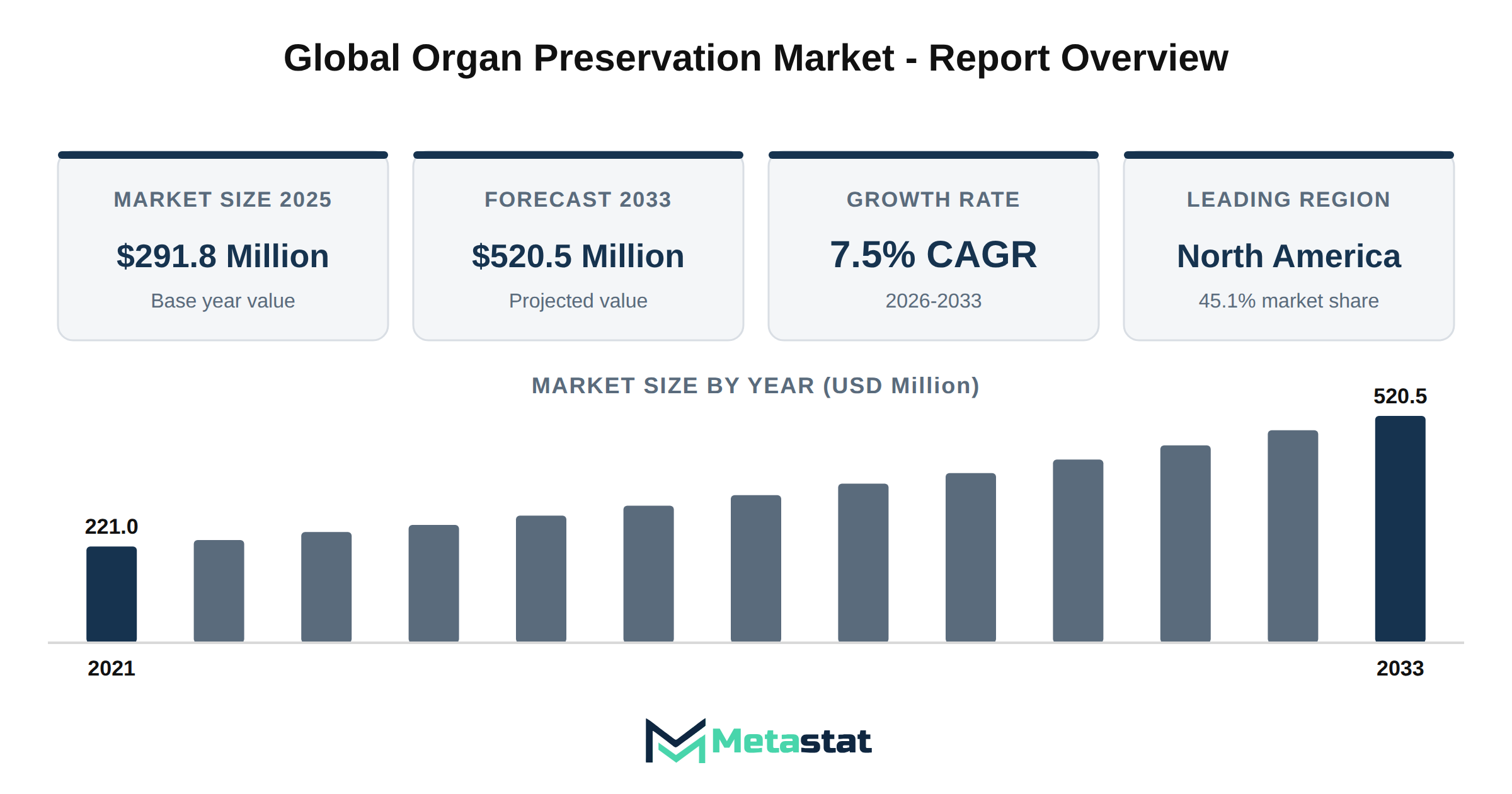
The global Organ Preservation market reached a value of USD 291.8 million in 2025, with a projected growth to USD 520.5 million by 2033. This growth reflects a compound annual growth rate (CAGR) of 7.5% during the forecast period from 2026 to 2033. Historical data shows the market value evolving from USD 221 million in 2021 to USD 270.5 million in 2024, indicating sustained demand for innovative preservation techniques.
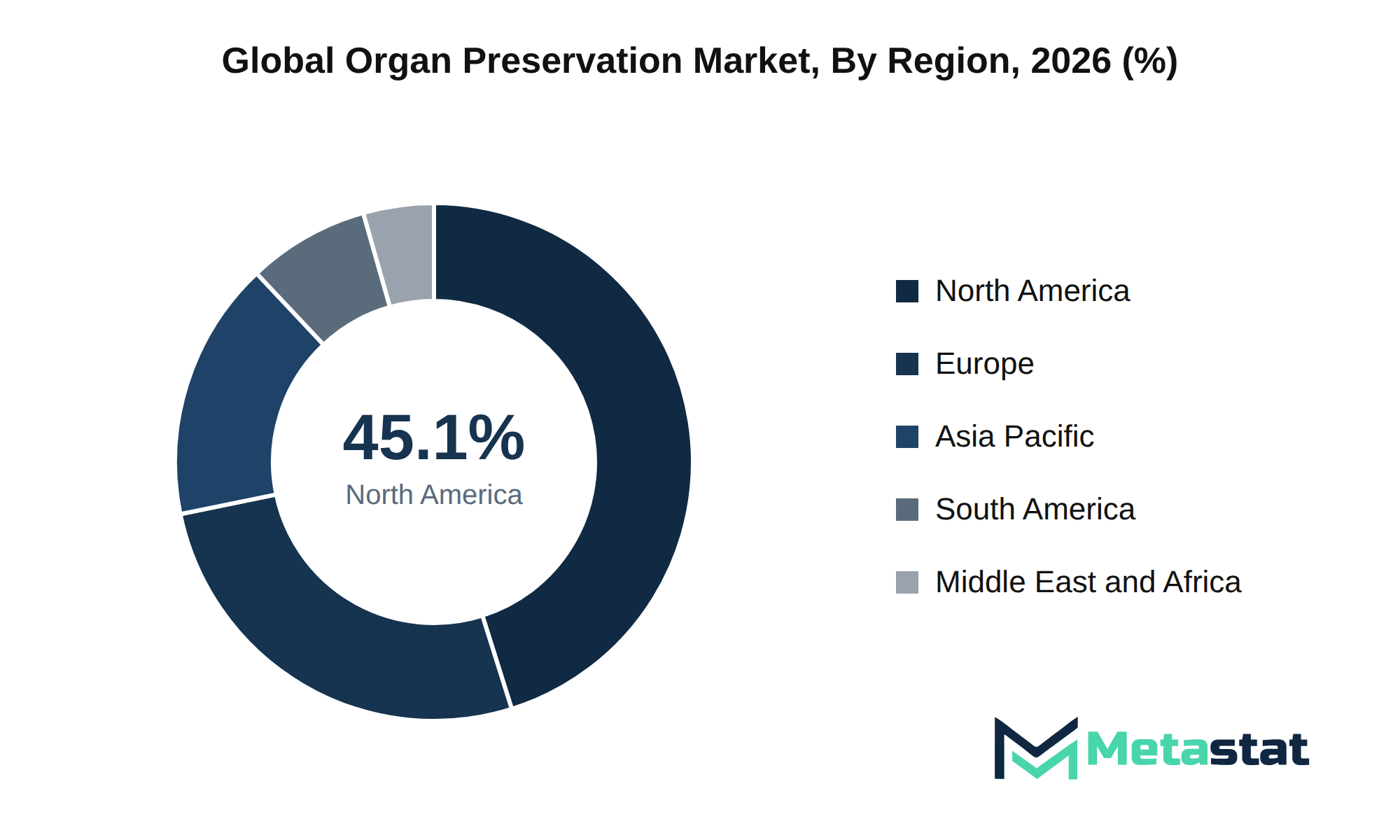
North America dominates the market with a 45.1% share, leveraging advanced healthcare infrastructure and high investment in organ preservation technologies. Europe follows with a 26.6% share, reflecting strong R&D initiatives and regulatory support. The Asia Pacific region, holding a 16.2% share, demonstrates an increasing demand for organ preservation solutions driven by rising healthcare expenditures and growing patient populations. In South America and the Middle East and Africa, the market retains shares of 7.6% and 4.4% respectively, with potential for future growth driven by improving healthcare systems.
Key segments within the Organ Preservation market include product type, organ type, end user, and preservation technique. The product type segment comprises Organ Preservation Solutions, Machine Perfusion Systems, Organ Transport Systems, and Organ Assessment & Monitoring Systems. Machine Perfusion Systems exhibit a robust CAGR of 9.5%, highlighting the increasing preference for advanced techniques among healthcare providers. The kidney segment, representing a significant portion of the organ type category, is projected to grow from USD 111.6 million in 2026 to USD 174.2 million by 2033, driven by rising transplantation rates.
Major end users of organ preservation solutions include Transplant Centers, Organ Procurement Organizations, and Organ & Tissue Banks. Demand from Transplant Centers is anticipated to increase, moving from USD 149.3 million in 2026 to USD 237.1 million in 2033. In terms of preservation techniques, Static Cold Storage and various machine perfusion methodologies are gaining traction, reflecting a shift toward more effective and efficient preservation methods.
The evolving landscape of the Organ Preservation market faces significant disruption from technological advancements and regulatory changes. Innovations in preservation techniques, including hypothermic machine perfusion and subnormothermic machine perfusion, enhance organ viability during transport and storage, contributing to improved transplant success rates. Regulatory compliance ensures that these advanced techniques align with safety and efficacy standards, creating a competitive environment that emphasizes quality and reliability.
Research and development trajectories focus on next-generation innovations, driving the need for continuous investment in new technologies. Companies actively engage in developing solutions that address the complexities of organ preservation, including organ assessment and monitoring systems, which play a crucial role in ensuring optimal conditions for stored organs. Sustainable transformation initiatives increasingly influence the market, with stakeholders exploring decarbonization strategies and circular economy dynamics that promote resource efficiency in production and distribution.
The supply chain landscape remains dynamic, with logistics architecture evolving to accommodate the unique requirements of organ transport. Efficient sourcing practices enhance the overall effectiveness of preservation solutions, ensuring timely delivery and quality assurance. Market fragmentation persists, driven by a diverse array of players ranging from established firms to emerging startups, each contributing to the competitive landscape through unique offerings and innovations.
Mergers and acquisitions within the sector reflect strategic efforts to consolidate capabilities and broaden product portfolios. Companies pursue value chain optimization to enhance operational efficiency and reduce costs, ultimately benefiting end users including transplant centers and organ procurement organizations. Customer journey dynamics emphasize the importance of education and awareness, guiding stakeholders in selecting the most suitable preservation solutions for their needs.
Capital allocation strategies focus on infrastructure investments that support the growth of the Organ Preservation market. Increased funding towards research initiatives and technology development positions companies for future success. High-value recommendations for industry participants highlight the importance of adapting to changing market conditions and leveraging emerging technologies to maintain a competitive edge.
Overall, the future strategic outlook for the market remains promising, driven by innovation, regulatory advancements, and a commitment to sustainability. Companies that align their strategies with these trends will likely experience significant growth and enhance their market position over the coming years.
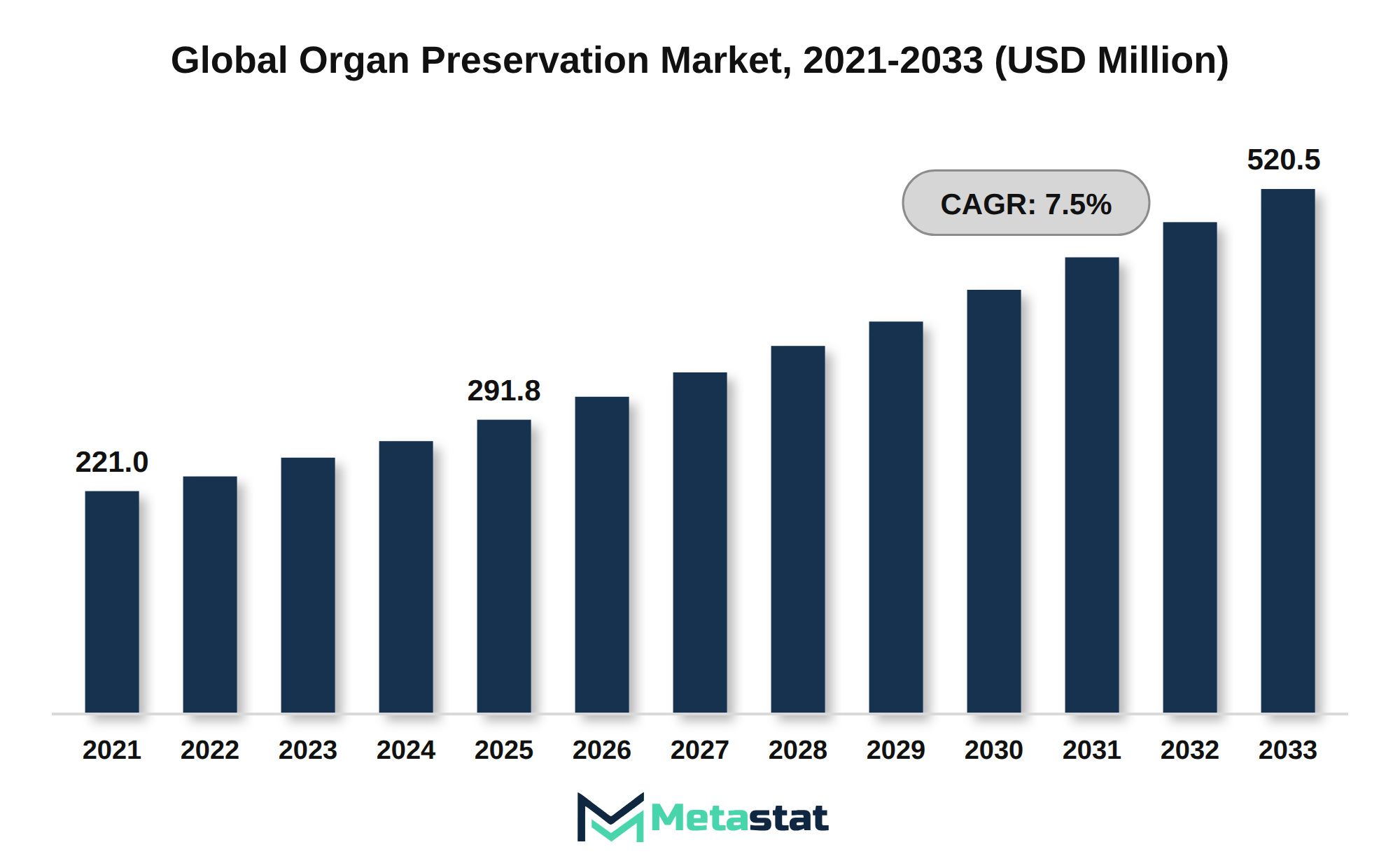
The increasing prevalence of chronic diseases and aging populations drives significant growth in the organ preservation market. Aging demographics contribute to a higher incidence of organ failure, resulting in greater demand for effective preservation solutions. Enhanced awareness regarding the benefits of organ transplantation further fuels this trend, compelling healthcare providers and organizations to invest in preservation techniques that ensure organ viability during transport and storage.
Technological advancements in organ preservation methods, including machine perfusion systems and monitoring technologies, contribute to operational efficiency and improved outcomes. The market's growth aligns with the rising focus on patient health and safety, prompting healthcare providers to adopt innovative solutions for organ preservation. Investments in research and development enhance the capabilities of preservation techniques, increasing adoption across various end-user segments, particularly transplant centers and organ procurement organizations.
Economic factors, including increasing healthcare expenditure, drive investment in organ preservation technologies. Growth in public and private funding for healthcare infrastructure further supports the expansion of the market. Improved healthcare access and economic stability stimulate demand for organ transplants, reinforcing the need for advanced preservation solutions that enhance organ utilization rates and ultimately save more lives.
The adoption of advanced technologies significantly impacts the growth of the Organ Preservation market. Automation and artificial intelligence improve operational efficiencies, enabling healthcare providers to manage organ preservation processes with increased precision. The integration of software solutions digitizes legacy systems, streamlining data management and enhancing traceability throughout the organ preservation lifecycle.
Investment in these technologies results in improved preservation outcomes and contributes to better resource allocation. Enhanced technological capabilities attract a wider range of end users, including transplant centers and organ procurement organizations, creating a more competitive environment. This increased competition drives innovation and encourages further investment in research and development, leading to the launch of new preservation solutions.
Digital transformation improves collaboration among stakeholders in the organ transplantation ecosystem. Enhanced communication among transplant centers, organ procurement organizations, and research institutes ensures timely and efficient organ recovery and transplantation. These developments contribute to an upward trend in the global market, driven by stakeholders increasingly recognizing the benefits of integrating advanced technologies into their operations.
The Organ Preservation market encounters significant constraints due to various regulatory compliance hurdles and macroeconomic pressures. Regulatory requirements necessitate substantial investments in technology and processes to meet stringent standards, deterring new entrants and limiting the growth of smaller firms. Compliance issues often delay product development and introduction, limiting market agility.
Macroeconomic headwinds, including inflationary pressures, impact the purchasing decisions of end users including transplant centers and organ procurement organizations. Rising costs affect operational budgets, leading to constraints on procurement and adoption of advanced preservation technologies. Financial limitations stifle market growth and hinder the expansion of services offered by existing players.
Infrastructure gaps and connectivity deficits further contribute to market challenges. Many regions lack the necessary infrastructure to support advanced organ preservation methods, hampering technology deployment and creating disparities in access. This situation results in uneven market development and slows the adoption of innovative solutions across different geographical areas.
The market faces talent gaps and skilled labor deficiencies. The need for specialized knowledge in organ preservation techniques creates a demand for skilled professionals that often exceeds supply. Insufficient talent hinders operational efficiency and limits the capacity to innovate within the market, impacting overall competitiveness.
Geopolitical instability disrupts supply chains, leading to delays and increased costs for essential components. Disruptions create uncertainty in pricing and availability, complicating long-term planning for market players. This environment of unpredictability challenges the stability and growth prospects of the Organ Preservation market.
The Organ Preservation market faces significant challenges stemming from geopolitical tensions and supply chain instability. Trade deficits and tariff friction disrupt the flow of raw materials and components, impacting production timelines and costs. These disruptions lead to increased prices for critical inputs, placing financial strain on manufacturers and affecting overall market growth.
Logistics disruptions further complicate market dynamics, contributing to delays in the delivery of essential products and technologies. This situation creates a need for organizations to rethink their supply chain strategies, often resulting in increased operational overhead. Compliance overhead, stemming from tightening global regulatory standards, adds another layer of complexity, resulting from organizations striving to meet evolving requirements while managing costs.
Pricing compression and margin pressures emerge owing to organizations navigating these challenges, forcing them to explore cost-saving measures. Rising input cost structures and environmental lifecycle footprints demand attention, reflecting stakeholders prioritizing sustainability alongside profitability. This dual focus hinders the pace of innovation, influenced by companies grappling with balancing market demands against compliance and environmental standards.
Intellectual property protection deficits represent a further challenge, exposing organizations to cybersecurity risks and data vulnerabilities. The necessity to safeguard proprietary technologies while mitigating these risks draws resources away from core business functions, impacting competitiveness in the Organ Preservation market.
Transitioning to solutions that address these multifaceted challenges requires strategic foresight and investment. Companies that effectively manage these pressures strengthen their market position and capitalize on emerging opportunities within the evolving market.
The Organ Preservation market experiences significant opportunities driven by emerging regional demands and advancements in technology. Regions including North America and Europe exhibit growing needs for effective organ preservation solutions, spurred by rising transplantation rates and increasing public awareness. These regions prioritize infrastructure modernization to enhance organ procurement processes, facilitating timely preservation and transportation.
Technological advancements play a crucial role in shaping the market. Innovations, including machine perfusion systems and organ assessment technologies, enable improved organ viability and reduce the risks associated with organ transplants. This enhancement improves the operational efficiency of transplant centers, ultimately leading to increased adoption and market growth.
Sustainability imperatives influence market dynamics. Organizations align their operations with environmental standards, driving the development of eco-friendly organ preservation techniques. This alignment not only meets regulatory expectations but appeals to the growing consumer preference for sustainable practices within healthcare.
Strategic consolidation and cross-industry collaborations further drive market evolution. Partnerships between technology firms and medical institutions facilitate the integration of advanced solutions into existing workflows, enhancing overall performance and market reach. This trend toward collaboration opens pathways for niche applications and diversification of product offerings, catering to specific regional needs.
Ultimately, these factors contribute to a strong growth trajectory for the Organ Preservation market. By capitalizing on emerging demands, embracing technological advancements, and pursuing sustainable practices, stakeholders position themselves to benefit from the evolving landscape, enhancing organ preservation capabilities and expanding accessibility for patients in need.
The Global Organ Preservation market is segmented based on Product Type, Organ Type, End User, and Preservation Technique.
Valued at USD 135.2 million in 2026, the Organ Preservation Solutions segment is projected to reach USD 203.5 million by 2033, reflecting a CAGR of 6% during the forecast period. Demand for organ preservation solutions aligns with the increasing number of organ transplants and advancements in preservation technologies. Growing awareness among healthcare professionals regarding the importance of effective preservation techniques drives this demand. This segment experiences expansion catalysts driven by the rising number of transplant centers and the development of specialized organ procurement organizations.
Technological maturation in this area enhances the reliability of preservation methods, ensuring organ viability and safety for transplantation. Innovations including improved preservation solutions and machine perfusion systems contribute significantly to the product evolution in this segment. Downstream applications in organ transplantation and tissue banking expand the market's reach, leading to increased end-use dynamics among transplant centers and organ procurement organizations. Regulatory compliance standards and certifications continue to influence product offerings, establishing trust and safety in the market.
Cost structures associated with organ preservation solutions remain a critical factor, impacting pricing volatility and margin pressures. Heightened competition among key players drives investment towards research and development of next-generation preservation technologies. This environment creates strategic opportunity windows for manufacturers looking to enhance their market share within the Organ Preservation market. Overall, the segment is poised for growth driven by continuous innovation and shifting consumption patterns in the healthcare sector.
Investments in Machine Perfusion Systems reflect a growing recognition of their capability to enhance organ viability during transport, contributing to better patient outcomes. Increased demand from transplant centers drives the adoption of these advanced systems, leading to improved efficiencies in organ preservation. Innovations in technology, including the development of next-generation perfusion devices, support the segment's expansion. These systems facilitate optimal organ conditions, making them essential in the organ transplant process.
Regulatory compliance standards play a crucial role in shaping the market, because products require certifications to ensure safety and efficacy. Cost structures remain a consideration for end users, influencing purchasing decisions between static cold storage and machine perfusion options. The segment is estimated to reach USD 172.9 million by 2033, at a CAGR of 9.5% during the forecast period. While awareness of the benefits of machine perfusion increases among healthcare providers, market penetration is expected to expand.
Long-term strategies focusing on technological maturation and supply chain resilience position players favorably in the market. Manufacturers explore partnerships with organ procurement organizations to enhance distribution efficiencies and strengthen market presence. The evolving landscape of the Organ Preservation market creates strategic opportunity windows for investment and innovation in machine perfusion technologies, addressing the growing need for optimal organ preservation solutions.
Organ Transport Systems segment is expected to reach USD 65.9 million by 2033. Increasing demand for efficient and reliable transportation methods for organs drives the growth of this segment. Rising organ transplantation procedures and the necessity for timely delivery of organs contribute to this demand. The segment experiences substantial expansion due to technological advancements in transport equipment, which enhance preservation and minimize organ degradation during transit.
End users, including transplant centers and organ procurement organizations, emphasize the importance of efficient organ transport systems. These stakeholders prioritize systems that ensure organ viability and safety, directly impacting the growth trajectory of the segment. Regulatory compliance standards influence the development of advanced transport solutions, creating opportunities for innovation within the market.
The introduction of next-generation upgrades in transport systems enhances overall efficiency and safety. Innovations in packaging and temperature-control technologies improve organ preservation, supporting the industry's shift toward more robust solutions. With the increasing focus on patient outcomes and the criticality of organ viability, investment in organ transport systems is expected to yield substantial returns within the broader organ preservation market.
Significant growth is anticipated for Organ Assessment & Monitoring Systems within the Organ Preservation market. This segment is projected to grow at a CAGR of 8.4% during the forecast period. Increasing emphasis on patient safety and the efficacy of organ transplantation fuels demand for advanced assessment and monitoring solutions. Technological maturation and innovations in data analytics enhance the accuracy and reliability of these systems, driving further adoption among end users.
Transplant centers and organ procurement organizations represent primary consumers of these solutions, applying them to optimize the viability and success rates of organ transplants. Regulatory compliance standards necessitate the use of sophisticated monitoring systems, which support segment expansion. The evolution of these products towards more integrated and real-time monitoring capabilities aligns with the increasing demand for standardized practices in organ preservation.
Pricing volatility in raw materials impacts overall cost structures, influencing market dynamics. Supply chain resilience remains a critical factor, particularly in ensuring the availability of materials for system development and production. While awareness of the importance of organ preservation and effective monitoring increases, investment in this segment is expected to enhance the competitive landscape of the market, contributing to its sustained growth.
Product types within the Organ Preservation market reflect a diverse range of solutions tailored to meet specific needs in organ preservation. The Others sub-segment encompasses innovative and specialized products that cater to unique applications beyond traditional categories. Various advancements contribute to segment expansion, including technological maturation and the introduction of next-generation upgrades, which enhance the efficacy and efficiency of organ preservation methods.
Downstream applications show a trend toward increased integration of these specialized products within transplant centers and organ procurement organizations, indicating a shift in consumption patterns. Regulatory compliance and certification standards shape product development, ensuring that all offerings meet stringent quality and safety benchmarks. This regulatory landscape drives manufacturers to innovate continuously, addressing evolving compliance requirements while meeting market demand.
Cost structures and pricing dynamics within the Others sub-segment influence overall market performance. Manufacturers face margin pressures due to fluctuations in raw material sourcing and logistics vulnerabilities, prompting the need for strategic adaptation. Technological obsolescence poses risks, necessitating ongoing investment in research and development to maintain competitive advantages. Strategic opportunity windows arise from these challenges, opening avenues for product evolution that align with market trends and consumer preferences.
Investments in this sub-segment reflect a commitment to enhancing supply chain resilience and addressing substitution risks with disruptive alternatives. Capital investment outlook remains robust, driven by the potential for significant advancements in organ preservation technologies that promise to establish new standards within the market.
Valued at USD 111.6 million in 2026, the kidney segment is projected to reach USD 174.2 million by 2033, at a CAGR of 6.6% during the forecast period. Demand for kidney preservation solutions stems from the increasing incidence of kidney diseases and the growing need for successful transplants. The rising awareness of organ donation and advancements in preservation techniques enhance the market's appeal for this segment.
Technological maturation plays an important role in the kidney segment's growth. Innovations in organ preservation solutions, including machine perfusion systems and assessment technologies, improve the viability of kidneys for transplantation. These advancements enhance the success rates of surgeries, driving adoption among transplant centers and procurement organizations.
End-use dynamics reflect a shift towards more efficient and reliable preservation methods. Transplant centers increasingly adopt advanced preservation techniques to ensure the optimal condition of organs, leading to improved patient outcomes and reduced waiting times for transplants. This trend highlights the significance of organ preservation solutions in the overall transplant process.
Regulatory compliance standards and certifications significantly influence the market. Organizations prioritizing compliance with safety regulations and quality standards gain a competitive advantage, building trust among healthcare providers and patients. This focus on regulatory adherence promotes sustained investment and capital flow into the kidney segment.
Overall, the kidney segment within the Organ Preservation market demonstrates significant growth potential due to favorable demand drivers, technological advancements, and the increasing emphasis on regulatory compliance. The segment's growth trajectory reflects broader trends in organ transplantation and preservation, positioning it because a critical component of the market's expansion strategy.
In the context of organ preservation, the liver segment reflects a robust trajectory, driven by heightened demand stemming from advancements in surgical techniques and increased rates of liver transplants. Enhanced awareness regarding the effectiveness of organ preservation solutions significantly influences adoption rates among healthcare providers. Innovations in preservation technologies improve the viability of liver transplants, making them more favorable options for patients in need.
Valued at USD 140.9 million by 2033, the liver segment is projected to grow at a CAGR of 7.5% during the forecast period. This growth aligns with the overall expansion of the organ preservation market, propelled by the rising incidence of liver diseases and the need for efficient transplant solutions. While demand for liver transplants escalates, investments in preservation methods will likely increase, creating strategic opportunities for industry players.
Improved regulatory compliance standards and certifications enhance the credibility of organ preservation products, building trust among end users. Healthcare institutions increasingly opt for established preservation techniques that ensure optimal organ viability. The integration of next-generation technologies in preservation solutions further supports this trend, emphasizing the importance of maintaining high-quality standards throughout the organ preservation process.
Growing interest in heart transplantation drives the demand for organ preservation solutions tailored to this organ type. Advancements in medical technology and an increase in the number of heart surgeries contribute to market expansion. Healthcare providers, particularly transplant centers, exhibit rising adoption of state-of-the-art preservation methods, enhancing the viability of hearts for transplantation. Enhanced techniques, including machine perfusion, demonstrate effectiveness in maintaining organ quality and extending the preservation period, thus influencing procurement decisions.
Expected growth in this segment correlates with a rising incidence of heart diseases, necessitating effective preservation methods for successful transplant outcomes. Investment in research and development supports the ongoing evolution of preservation technologies, ensuring they meet the needs of healthcare professionals and patients. The Heart segment is projected to reach USD 85.9 million by 2033, reflecting the overall upward trajectory of the organ preservation market.
Regulatory compliance standards shape the landscape, ensuring that preservation practices align with safety and quality benchmarks. This regulatory environment drives competition among suppliers, encouraging innovation and lowering costs. Consequently, the market experiences robust dynamics, characterized by increasing demand for heart preservation solutions that address both clinical efficacy and economic viability.
Significant growth is anticipated in the Lung segment of the Organ Preservation market, with a projected CAGR of 9.2% during the forecast period. This segment benefits from increasing awareness regarding the importance of effective lung preservation techniques, especially given the rising incidence of respiratory diseases and the growing need for lung transplants. Investments in innovative preservation technologies, including advanced machine perfusion systems, enhance preservation outcomes and lengthen the viability of lungs for transplantation.
The demand for lung preservation solutions experiences acceleration due to ongoing advancements in medical research and technology that improve transplantation success rates. Regulatory bodies emphasize compliance with stringent standards, motivating suppliers to innovate and maintain high-quality products. The evolving landscape of healthcare policies and increased funding for research initiatives further supports growth in this segment and overall market development.
Valued at USD 85.9 million in 2033, the Lung segment highlights the importance of specialized solutions to meet the rising needs of transplant centers and organ procurement organizations. The market's expansion provides significant opportunities for industry participants, enabling them to capture a larger share of the growing demand for lung preservation solutions within the Organ Preservation market.
Interest in pancreas preservation arises from the rising prevalence of diabetes and the increasing demand for pancreas transplants. Transplant centers actively seek solutions that enhance organ viability during transportation and storage. The segment benefits from technological advancements, including machine perfusion systems, which offer improved preservation methods compared to traditional techniques. These innovations ensure optimal temperature and nutrient delivery, extending the lifespan of the organ and enhancing transplant success rates.
Adoption of advanced preservation technologies reflects a response to the growing emphasis on organ quality and patient outcomes in the healthcare sector. Regulatory compliance standards shape the development and implementation of preservation solutions. Certification of products by relevant authorities builds trust between suppliers and transplant centers, ensuring adherence to safety and efficacy requirements.
Cost structures for pancreas preservation solutions involve considerations related to raw material sourcing, production processes, and the technological sophistication of preservation techniques. Pricing volatility associated with raw materials influences overall market dynamics, prompting suppliers to strategically manage inventories to mitigate risks. Firms operating in this segment face margin pressures linked to competition and operational costs, necessitating continuous innovation and efficiency improvements.
The market exhibits a strategic opportunity window for companies focusing on next-generation upgrades and product evolution. Innovative approaches in preservation techniques, including hypothermic and normothermic machine perfusion, promise to enhance organ preservation standards. End-use dynamics emphasize collaboration between organ procurement organizations and transplant centers, enhancing the overall effectiveness of pancreas transplants. The market's growth trajectory aligns with ongoing investments in research and development aimed at improving preservation methodologies.
Demand in the Organ Preservation market for the "Others" segment involves a range of organ types that do not fit into the specific categories of kidney, liver, heart, or lung. This segment benefits from advancements in preservation technologies, which enhance the viability of various organs for transplantation. Increased focus on improving patient outcomes drives the need for effective preservation solutions tailored to diverse organ types.
Regulatory compliance remains a critical factor influencing the market. Stringent standards and certifications shape the adoption of preservation techniques for these organs, ensuring safety and efficacy. End-use dynamics indicate a growing inclination among transplant centers and organ procurement organizations to explore innovative solutions that cater to the unique requirements of each organ type.
Strategic opportunity windows highlight the importance of investing in research and development to address the challenges associated with preserving less common organs. Collaboration among stakeholders supports the development of next-generation preservation techniques, enhancing the overall effectiveness of organ transplant procedures. These factors contribute to the evolving landscape of the market, where diversification in organ preservation strategies becomes increasingly essential.
Valued at USD 149.3 million in 2026, the Transplant Centers segment is projected to reach USD 237.1 million by 2033, at a CAGR of 6.8% during the forecast period. Increased demand for organ transplantation drives growth within this segment, driven by advancements in surgical techniques and patient outcomes that encourage more facilities to enhance their preservation capabilities. Enhanced collaboration among healthcare providers, organ procurement organizations, and transplant centers contributes to improved organ utilization rates, further supporting market expansion.
Technological maturation within organ preservation solutions facilitates the development of more efficient systems. Next-gen upgrades, particularly in machine perfusion technologies, enable better preservation of organs, leading to increased viability during transplantation. The focus on quality and safety standards, supported by regulatory frameworks, influences the adoption of advanced preservation techniques, aligning with the operational objectives of transplant centers. Cost structures of preservation solutions align with the financial constraints faced by these centers, making competitive pricing a critical factor for suppliers looking to establish long-term partnerships.
Downstream applications reflect a growing emphasis on patient-centric care, because transplant centers strive to optimize their processes for better outcomes. Consumption shifts towards more effective preservation methods prompt centers to evaluate their existing systems and invest in innovative technologies. This evaluation creates strategic opportunity windows for key players within the market, who capitalize on the increasing need for reliable preservation solutions. Overall, the segment's growth trajectory highlights its importance within the broader organ preservation market.
Growth in the Organ Procurement Organizations segment reflects increasing awareness of the importance of efficient organ recovery and preservation techniques. The segment is estimated to reach USD 127.6 million by 2033, at a CAGR of 8.2% during the forecast period. This growth stems from the rising number of organ transplants and improved collaboration between healthcare providers and organ procurement organizations. Technological advancements in preservation methods enhance the viability of organs, driving demand within the sector.
Regulatory compliance standards shape operational practices for organ procurement organizations, promoting the implementation of best practices in organ recovery and preservation. Continued innovation in preservation techniques, including hypothermic machine perfusion and static cold storage, leads to improved patient outcomes, further supporting market growth. Evolving partnerships between organ procurement organizations and transplant centers ensure optimal resource utilization and access to advanced technologies.
Investments in research and development play a critical role in the segment's expansion, with organizations seeking to enhance their capabilities and adopt next-generation preservation systems. Rising costs associated with organ retrieval and preservation create pressures that organizations navigate. Pricing volatility impacts overall market dynamics. The Organ Preservation market thrives on strategic opportunity windows arising from advancements in technology and changing regulatory landscapes.
Demand for the Organ & Tissue Banks segment reflects increasing reliance on effective organ preservation solutions in the healthcare sector. This reliance stems from the critical role these banks play in storing and supplying organs for transplantation, crucial for improving patient outcomes and addressing the growing need for organ transplants.
Investment in technology and processes significantly enhances the efficiency and effectiveness of organ preservation. Innovations in preservation techniques and solutions drive expansion in this segment, responding to the urgent need for high-quality organ storage and transportation. Technological maturation in preservation systems contributes to growth, with advanced solutions supporting better organ viability and reducing the risk of deterioration.
Regulatory compliance standards impact operations within this segment, creating a more competitive environment among players striving to meet quality and safety benchmarks. The segment ranks because a vital component within the broader Organ Preservation market, necessitating ongoing investment and adaptation to emerging standards and practices.
The Organ & Tissue Banks segment is expected to reach USD 67.3 million by 2033. The upward trajectory in demand closely aligns with the growing number of transplant procedures and the heightened awareness of organ donation initiatives. This growth reflects a broader shift in consumption patterns within the market, with stakeholders prioritizing effective preservation methodologies.
Strategic opportunity windows exist for stakeholders to capitalize on advancements in preservation technology and changing regulatory landscapes. Heightened awareness around organ donation and transplantation fuels market expansion, reinforcing the importance of effective organ and tissue bank operations in enhancing healthcare outcomes.
Investment in Research Institutes & Laboratories enhances the advancement of organ preservation technologies. This segment focuses on developing innovative solutions that improve the efficacy of organ preservation techniques and ensure the viability of donated organs. Research initiatives within this segment drive demand for advanced organ preservation solutions, particularly in response to increased transplantation rates and a growing number of clinical studies. This heightened interest in organ preservation solutions directly correlates with advancements in preservation techniques and technologies, which improve overall transplantation outcomes.
The Research Institutes & Laboratories segment is projected to grow at a CAGR of 8% during the forecast period. The continuous evolution of preservation methods stimulates advancements in product offerings, allowing laboratories to provide better services and solutions for organ preservation. This evolution supports the increasing need for regulatory compliance and certifications, ensuring that organ preservation techniques meet stringent standards. The market's expansion contributes to improved outcomes for transplant patients and the overall healthcare system, emphasizing the importance of this segment in the broader Organ Preservation market.
Growth in the "Others" sub-segment of the Organ Preservation market reflects evolving applications beyond conventional transplant centers and organ procurement organizations. Increased collaboration among research institutions and the development of niche technologies contribute to this growth. Strategic opportunities arise from advancements in preservation techniques and the demand for innovative solutions in organ storage and transport. Technological maturation in preservation methods creates pathways for integration into diverse healthcare settings, enhancing end-user accessibility.
Consumption shifts driven by rising awareness of organ donation and transplantation increase the adoption rate of preservation solutions in varied applications. Regulatory compliance standards governing organ preservation practices create a structured environment encouraging investment. Cost structures in this sub-segment remain influenced by pricing volatility of materials and technologies used in organ preservation systems, affecting overall market dynamics. Supply chain resilience surrounding raw material sourcing and logistics vulnerabilities plays a critical role in sustaining growth within this segment.
Strategic opportunity windows emerge from the need for continuous innovation and the introduction of next-generation preservation solutions. The focus for the "Others" segment highlights the importance of product evolution in meeting emerging healthcare demands. Investment in technology upgrades and the exploration of disruptive alternatives significantly contribute to the overall development of the market.
Valued at USD 166.4 million in 2026, the Static Cold Storage segment is projected to reach USD 228.5 million by 2033, at a CAGR of 4.6% during the forecast period. This segment is essential in organ preservation, driven by increasing transplantation rates and technological advancements in preservation techniques. Adoption of Static Cold Storage finds support in its cost-effectiveness and reliability, particularly for organs including kidneys and livers, which require stringent preservation methods.
Factors driving segment expansion include the growing emphasis on organ donation and the need for efficient preservation solutions to improve transplantation outcomes. Regulatory compliance and certifications specific to preservation techniques enhance the credibility of Static Cold Storage solutions, further influencing end-user acceptance. Transplant centers and organ procurement organizations prioritize proven methods, creating a competitive landscape that encourages continuous innovation and enhancement in preservation technologies.
The market for organ preservation benefits from evolving consumer preferences focused on improving organ viability and maximizing successful transplant outcomes. Consumption patterns reflect a shift toward more advanced preservation methods, reducing risks associated with organ transport. Strategic investments in research and development for next-generation preservation systems highlight the growth potential within this segment of the organ preservation market.
Growth within the Hypothermic Machine Perfusion segment reflects advancements in organ preservation technology. Increased adoption of this technique occurs due to its effectiveness in maintaining organ viability, which enhances outcomes for transplant patients. The segment is expected to reach USD 114.7 million by 2033, at a CAGR of 8.6% during the forecast period. Key factors contributing to this growth include rising awareness of organ donation, the increasing prevalence of chronic diseases, and the demand for innovative preservation methods in transplant centers. The market experiences continuous technological maturation, with next-generation upgrades improving system efficiency and reliability.
While the sector evolves, several end-users, including organ procurement organizations and transplantation facilities, increasingly recognize the value of hypothermic machine perfusion in optimizing organ preservation. Regulatory compliance standards and certifications further influence the adoption of these systems, driving investment in advanced solutions. Cost structures and pricing volatility associated with traditional preservation techniques prompt end-users to explore innovative alternatives, reinforcing the segment's growth trajectory.
Investment in Normothermic Machine Perfusion demonstrates strong potential within the Organ Preservation market. This preservation technique offers enhanced viability for organs during transport, addressing a critical need for improved organ quality for transplantation. Increasing adoption of this technique results from its ability to maintain physiological conditions, which reduces ischemic injury and improves outcomes for transplanted organs.
Market growth is supported by advancements in technology and ongoing research into next-generation perfusion systems. These innovations focus on increasing the efficiency and effectiveness of organ preservation, addressing the needs of transplant centers and procurement organizations. Normothermic Machine Perfusion is projected to reach USD 114.4 million by 2033, reflecting a strong demand trajectory.
End-user dynamics heavily influence this segment, with transplant centers recognizing the benefits of improved organ preservation techniques. Stakeholders prioritize methods that enhance organ viability, resulting in higher success rates for transplants. Regulatory compliance standards and certification processes facilitate the adoption of Normothermic Machine Perfusion, with organizations aligning with best practices to ensure optimal outcomes.
Cost structures within this segment reflect investment in advanced technology and training for personnel. Initial costs of equipment and systems pose challenges, but long-term benefits including improved transplant success rates and reduced mortality rates present compelling arguments for investment. Pricing volatility in associated materials affects margins, necessitating strategic sourcing and supply chain management to mitigate risks associated with fluctuations.
Strategic opportunities arise from the continuous development of preservation techniques, creating a competitive landscape where innovators capture market share. The focus on disruptive alternatives highlights a need for ongoing research and development, ensuring that products remain relevant in a changing medical environment. Normothermic Machine Perfusion stands poised for significant growth within the Organ Preservation market, driven by technological maturation and increasing demand from end-users.
Subnormothermic Machine Perfusion segment is projected to grow at a CAGR of 8.9% during the forecast period. This growth results from increasing demand for effective preservation techniques that enhance organ viability during transplantation. The rising incidence of organ transplants due to organ failure and the growing prevalence of chronic diseases are primary factors driving this demand. Advancements in technology, including improved perfusion systems, contribute to segment expansion by increasing the effectiveness and efficiency of organ preservation methods.
Adoption of subnormothermic machine perfusion techniques is evident among transplant centers and organ procurement organizations, where enhanced preservation methods improve patient outcomes. The market benefits from a shift toward more sophisticated and precise preservation techniques, leading to greater acceptance among healthcare providers and institutions. Regulatory compliance, focusing on safety and efficacy standards, supports the development of advanced subnormothermic systems.
Cost structures associated with subnormothermic machine perfusion systems influence pricing strategies within the market. Higher initial investments in advanced technologies pressure margins. Long-term benefits include reduced organ wastage and improved transplant success rates. This dynamic encourages continuous capital investment, vital for supporting innovation in this sub-segment of the Organ Preservation market.
Technological maturation alongside next-generation upgrades positions subnormothermic machine perfusion techniques favorably for future adoption. Ongoing research and development efforts focus on enhancing system performance and reducing operational costs. The segment's growth reflects a strategic opportunity window for manufacturers and suppliers to capture market share through innovative solutions tailored to evolving healthcare needs.
Subzero Preservation represents an innovative technique within the Organ Preservation market, focusing on enhancing the viability of organs during transport and storage. Primary demand drivers for this segment stem from advancements in preservation technology and growing awareness of the importance of organ viability in transplantation outcomes. Adoption rates increase in response to evolving regulations and a heightened emphasis on successful transplant procedures, fueling interest among healthcare providers and transplant centers.
Segment expansion catalysts include ongoing research and development, which drive next-generation upgrades in preservation methods. Continuous product evolution aims to address efficiency and effectiveness in organ preservation techniques. Downstream applications in various organ types create unique opportunities for specialized solutions, heightening the relevance of subzero preservation in contemporary transplantation practices.
End-use dynamics show a shift in consumption patterns, with increased utilization of subzero preservation methods among transplant centers and organ procurement organizations. Regulatory compliance standards increasingly emphasize the necessity of maintaining organ integrity, which aligns with strategic investment opportunities in preserving technologies. Cost structures and pricing volatility influence decision-making processes for procurement organizations and healthcare facilities.
Supply chain resilience plays a critical role in the subzero preservation segment, emphasizing the importance of raw material sourcing and logistics management. The segment faces substitution risks from alternative preservation methods; however, technological obsolescence within competing techniques drives continuous innovation. Strategic opportunity windows emerge for companies investing in subzero preservation, highlighting potential for growth and expanded market share in the Organ Preservation market.
Technological advancements in preservation techniques drive innovation within the "Others" sub-segment of the Organ Preservation market. Emerging methods including Subzero Preservation and other non-traditional practices address the need for better organ viability during transport and storage. These advancements enhance the overall efficiency of organ preservation, facilitating improved outcomes for transplant procedures.
Regulatory compliance standards heavily influence product development within the market. Manufacturers focus on obtaining necessary certifications to ensure their offerings align with safety and efficacy requirements. This emphasis on compliance builds consumer confidence, stimulating demand across various end-user segments.
Cost structures present challenges for stakeholders in this segment. Increasing raw material prices exert pressure on manufacturers, affecting profitability and pricing strategies. In response, organizations adapt by optimizing supply chain resilience and exploring alternative material sources, ensuring continued competitiveness within the market.
Strategic opportunity windows emerge because key players innovate to differentiate their offerings. Investment in research and development supports the evolution of preservation techniques, enabling companies to capitalize on the growing demand for advanced solutions. This focus on next-gen upgrades positions stakeholders to address evolving customer needs effectively. Companies that prioritize innovation will enhance their market presence.
Consumption shifts towards more efficient preservation methods reflect changing preferences among healthcare providers. End-users increasingly prioritize technologies that enhance organ viability and reduce wastage, further propelling growth in the "Others" sub-segment. Such dynamics highlight the critical role of innovation and adaptability in the evolving landscape of the Organ Preservation market.
Based on geography, the Global Organ Preservation market is divided into North America, Europe, Asia-Pacific, South America, Middle East, and Africa.
North America holds a significant position in the Organ Preservation market, representing 45.1% of the global share in 2025. The market is projected to expand at a CAGR of 7.5% during the forecast period, reaching a market size (TAM) of USD 226.4 million by the end of 2033. Key demand drivers include an increasing number of organ transplants and advancements in preservation technologies. The United States, Canada, and Mexico play important roles in driving this growth through enhanced healthcare infrastructure and investment in research.
Adoption rates for organ preservation solutions are influenced by the presence of well-established transplant centers and organ procurement organizations, which emphasize the need for effective preservation methods. The segment for organ transport systems has gained traction, driven by the necessity of maintaining organ viability during transit. Modernization initiatives within healthcare facilities support the development of innovative preservation techniques, effectively addressing the rising demand.
Regional competitive dynamics highlight established market participants, including TransMedics Group, Inc. and XVIVO Perfusion AB, which contribute to the competitive landscape. These companies focus on enhancing product offerings and improving service delivery to meet evolving market needs. The presence of localized manufacturing and procurement practices contributes to regional supply chain resilience, further supporting market growth.
Market dynamics in Europe exhibit strong demand for organ preservation solutions, driven by advancing medical technologies and a growing aging population. Countries including Germany, France, the UK, Italy, Spain, and Russia highlight significant investment in healthcare infrastructure, translating into increased adoption rates for organ preservation techniques.
Germany stands out with its robust healthcare system and commitment to medical research, promoting growth in regions focused on organ transplantation. France and the UK follow closely, with substantial support for transplant centers and organ procurement organizations, which enhance the overall market. Italy and Spain experience increasing interest in organ assessment and monitoring systems, reflecting advancements in preservation techniques and technologies.
The Rest of Europe displays unique market characteristics, with each country working towards enhancing its organ donation and transplantation initiatives. The region's emphasis on regulatory compliance drives local procurement dynamics, encouraging the adoption of innovative preservation solutions. The organ preservation market shows strong potential for growth, supported by a combination of high-value replacement cycles and emerging segment opportunities.
Localized manufacturing densities contribute to the market's stability, while geopolitical factors and cross-border trade corridors influence supply chain regionalization. European countries navigate these complexities, and domestic players respond with strategic entry barriers, highlighting local compliance mandates that shape the competitive environment. The market's trajectory indicates a steady upward trend, driven by regional resource availability and energy grid resiliency.
Asia Pacific's share of the global Organ Preservation market reaches 16.2% in 2025. Growing populations in countries including China, India, and Japan drive demand for organ preservation solutions, particularly in transplant centers. Increasing healthcare infrastructure investments enhance access to advanced technologies, facilitating improved preservation methods. Countries in this region are undergoing significant modernization of their medical facilities, which supports the adoption of innovative preservation techniques.
The rise of organ transplantation activities in Southeast Asia contributes to market expansion, with local governments emphasizing organ donation awareness. Advancements in machine perfusion systems are anticipated to enhance organ preservation efficiency, appealing to medical professionals and institutions. Domestic organizations, like those in South Korea and Australia, lead the way in adopting advanced preservation solutions, strengthening competitive dynamics within the market.
Emerging market front-runners seek to address underpenetrated territories, driven by supportive policies and increased foreign direct investment. While local manufacturing densities rise, supply chain regionalization becomes more prominent, allowing for efficient distribution of organ preservation technologies. Such developments position Asia Pacific because a critical region within the global market, with a focus on enhancing organ preservation practices.
South America exhibits unique characteristics within the Organ Preservation market, with significant contributions from countries including Brazil and Argentina. An increasing focus on improving healthcare infrastructure and rising transplant rates drives regional dynamics. The expansion of organ preservation techniques aligns with a growing need for efficient methods to ensure organ viability during transportation and storage.
Investment in modern medical facilities supports the adoption of advanced preservation technologies. Local procurement dynamics favor suppliers who offer tailored solutions to meet the specific regulatory frameworks in Brazil and Argentina. Collaboration between government initiatives and healthcare providers enhances the overall market landscape, creating a more conducive environment for growth.
Ongoing efforts to enhance organ transplantation processes drive demand for various products, including organ preservation solutions and machine perfusion systems. The market's trajectory reflects a commitment to improving healthcare outcomes through innovative preservation techniques, ultimately benefiting patients and healthcare providers.
The Organ Preservation market in the Middle East and Africa demonstrates significant potential, driven by increasing healthcare investments in countries including Saudi Arabia, UAE, and South Africa. The region's awareness of organ transplantation benefits fuels demand for organ preservation solutions, emphasizing the importance of modernizing healthcare infrastructure. Investment in local manufacturing capabilities supports the growth of the market by ensuring that preservation techniques are readily available and tailored to regional healthcare needs.
The presence of domestic players enhances competition, with local vendors focusing on culturally relevant procurement dynamics. This localized approach strengthens supply chains while enhancing collaboration between stakeholders. The market's growth trajectory reflects the region's emerging status because a key player in global organ preservation.
Continued advancements in technology and preservation techniques reinforce the market's expansion. The adoption of innovative solutions aligns with the region's growing emphasis on improving healthcare outcomes, ensuring that organ preservation remains a priority for healthcare providers. The region's commitment to international compliance standards supports cross-border trade, ultimately enhancing the market's development.
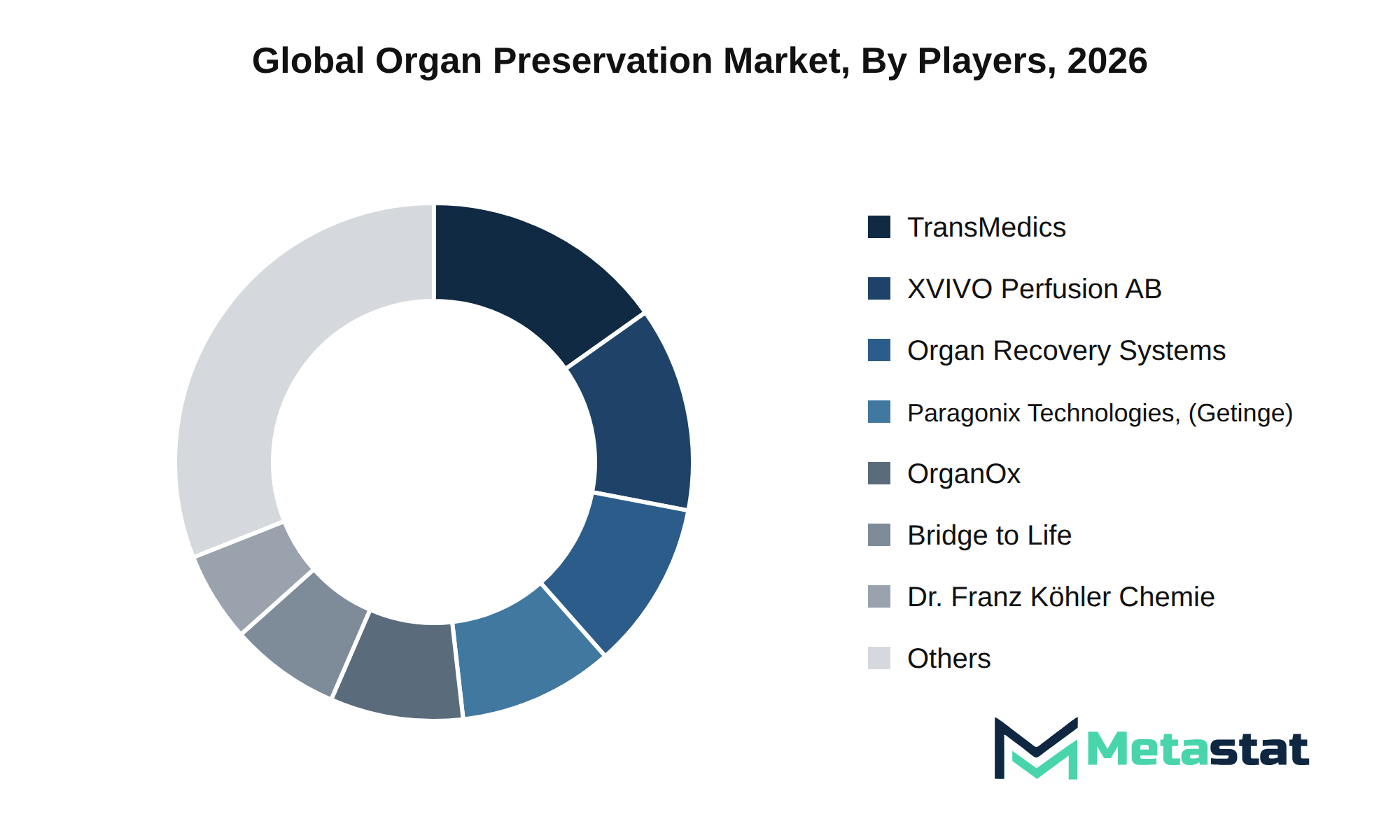
The competitive landscape in the Organ Preservation market displays a dynamic array of strategies aimed at enhancing market presence and product offerings. Companies engage in mergers and acquisitions to achieve strategic consolidation, enabling expanded capabilities and market reach. Notable players, including TransMedics Group, Inc. and XVIVO Perfusion AB, pursue product differentiation through proprietary technologies and research and development pipelines.
Strategic alliances and joint ventures contribute to robust partnerships, facilitating innovation and market penetration. Collaborations among companies like Organ Recovery Systems, Inc. and Paragonix Technologies, Inc. (Getinge) leverage cross-industry expertise to enhance service offerings. The market experiences barriers to entry due to established players with solid intellectual property portfolios, which create technological defensibility and shape competitive dynamics.
Pricing architectures reflect a focus on customer retention strategies and switching costs, with companies including OrganOx Limited and Bridge to Life Ltd. implementing competitive pricing structures to enhance brand equity. Future competitive outlooks for the market indicate a need for ongoing innovation and adaptation to emerging trends, ensuring sustained growth and market relevance.
Market size is forecast to rise from USD 291.8 million in 2025 to over USD 520.5 million by 2033. This growth aligns with a 7.5% compound annual growth rate (CAGR) driven by a combination of factors, including advancements in preservation technologies and increasing demand from various end-user segments. The Organ Preservation market is evolving with changes in downstream demand, driven by more healthcare facilities expanding their transplant capabilities and enhancing patient care.
In a potential bull case scenario, the market experiences accelerated growth due to rapid technological advancements and increased governmental support for organ transplantation initiatives. This scenario involves enhanced funding for research and development, leading to faster adoption of next-generation preservation solutions.
In a bear case scenario, market growth could slow due to regulatory hurdles and economic downturns affecting healthcare budgets. Compliance with evolving regulations requires significant investment and delays the introduction of new products and technologies. Companies face challenges in navigating geopolitical uncertainties, which could impact global supply chains and trade corridors associated with organ preservation solutions.
Strategic capital allocation will focus on infrastructure commitments and capital expenditure investments to support the anticipated growth in the Organ Preservation market. Emerging white-space opportunities present potential for innovative solutions that address unmet enterprise needs within the healthcare sector. Growth is expected, with companies adapting to market dynamics to secure their positions in this evolving environment.
The report strategically identifies and profiles the key market players and analyses their core competencies in each sub-segment of the Organ Preservation market.
Report Attributes | Details |
Study Period | 2021-2033 |
Base Year | 2025 |
Estimated Year | 2026 |
Forecast Period | 2026-2033 |
Historical Period | 2021-2025 |
Growth Rate | CAGR 7.5% from 2026 to 2033 |
Revenue Unit | USD million |
Segmentation | By Product Type, Organ Type, End User, Preservation Technique, and Region |
By Region | North America (By Product Type, Organ Type, End User, Preservation Technique, and Country)
|
Europe (By Product Type, Organ Type, End User, Preservation Technique, and Country)
| |
Asia Pacific (By Product Type, Organ Type, End User, Preservation Technique, and Country)
| |
South America (By Product Type, Organ Type, End User, Preservation Technique, and Country)
| |
Middle East and Africa (By Product Type, Organ Type, End User, Preservation Technique, and Country)
|
Find answers to common questions about this report
The Organ Preservation market size was valued at USD 291.8 million in 2025, according to the Metastat Insights study.
The Organ Preservation market is projected to grow at a CAGR of 7.5% during the forecast period from 2026 to 2033.
The North America Organ Preservation market size is estimated to reach USD 226.4 million by 2033.
The segment "Organ Preservation Solutions" leads the Organ Preservation market with a projected value of USD 203.5 million by 2033. This segment's growth reflects its significant role in the overall market dynamics.
Key drivers for the Organ Preservation market include the increasing prevalence of chronic diseases and aging populations, which raise demand for effective preservation solutions. Technological advancements in preservation methods and heightened awareness of organ transplantation benefits stimulate market growth by encouraging investment in innovative preservation techniques.
North America holds the dominant share of the Organ Preservation market, with a projected value of USD 226.4 million in 2033, representing 45.1 percent of the total market.
The Organ Preservation market experiences constraints from regulatory compliance hurdles, macroeconomic pressures, and infrastructure gaps. Regulatory requirements necessitate significant investments, while inflation impacts purchasing decisions. talent shortages in specialized knowledge hinder operational efficiency and innovation, further limiting market growth.
The increasing prevalence of chronic diseases and aging populations drives demand for effective organ preservation solutions. Technological advancements, including machine perfusion systems and automation, enhance operational efficiency and improve outcomes, encouraging healthcare providers to adopt innovative preservation techniques. Economic factors, including rising healthcare expenditure and public funding, further support investment in organ preservation technologies.
The Organ Preservation market is estimated to reach a valuation of USD 520.5 million by 2033.
Key players operating in the Organ Preservation market include TransMedics Group, Inc., XVIVO Perfusion AB, Organ Recovery Systems, Inc., Paragonix Technologies, Inc. (Getinge), OrganOx Limited, and BioLife Solutions, Inc.
The analysts below cover Medical Devices research at Metastat Insights.
LEAD ANALYST
Utkarsh Khirodkar is a Lead Market Research Analyst at MetaStat Insight, specializing in market intelligence, technology sector assessments, and competitive strategy.

LEAD PRINCIPAL ANALYST, PHARMA AND HEALTHCARE
Food and Beverages · Healthcare · Healthcare IT · Medical Devices
Ajay Devgire is the Lead Healthcare Analyst at MetaStat Insight, leading strategic research and market intelligence initiatives across the global healthcare domain.

SENIOR RESEARCH ANALYST
Biotechnology · Food and Beverages · Medical Devices · Packaging
Snehal Pasalkar is a Research Analyst at MetaStat Insight, operating at the intersection of life sciences research, competitive strategy, and market intelligence.
Last Updated: September, 2026
Floating offshore wind feasibility relies heavily on specialized installation vessel availability and port crane limits, which most broad renewable energy forecasts ignore. The report delivered a thorough analysis of dry dock capacity, mooring chain supply constraints, and raw material pricing trends for deepwater anchor installations. It served as a solid independent sanity check for our offshore project capital expenditure assumptions.
Assessing commercial microgrid software adoption requires looking past top-level installation numbers and examining utility interconnection queues. The research provided verifiable data on average permitting timelines, tariff structures, and battery storage integration costs across regional utility territories. That grounded perspective was valuable for our team when building five-year demand projections for industrial microgrid controllers.
Ambulatory surgical centers have very different purchasing cycles for robotic-assisted surgery platforms than major hospital networks. The MetaStat Insight study focused squarely on capital expenditure depreciation, procedural reimbursement pathways, and surgeon training overhead. That operational clarity made it much simpler to validate multi-year procedure growth forecasts against actual ambulatory center adoption patterns.
Explore related market intelligence reports worth reading alongside this one.